‘Interview with the Vampire’ Season 3 Episode 1 Recap & Ending Explained: Lestat Finally Gets to Tell His Own Story, and It’s a Drug-Fueled Masterpiece

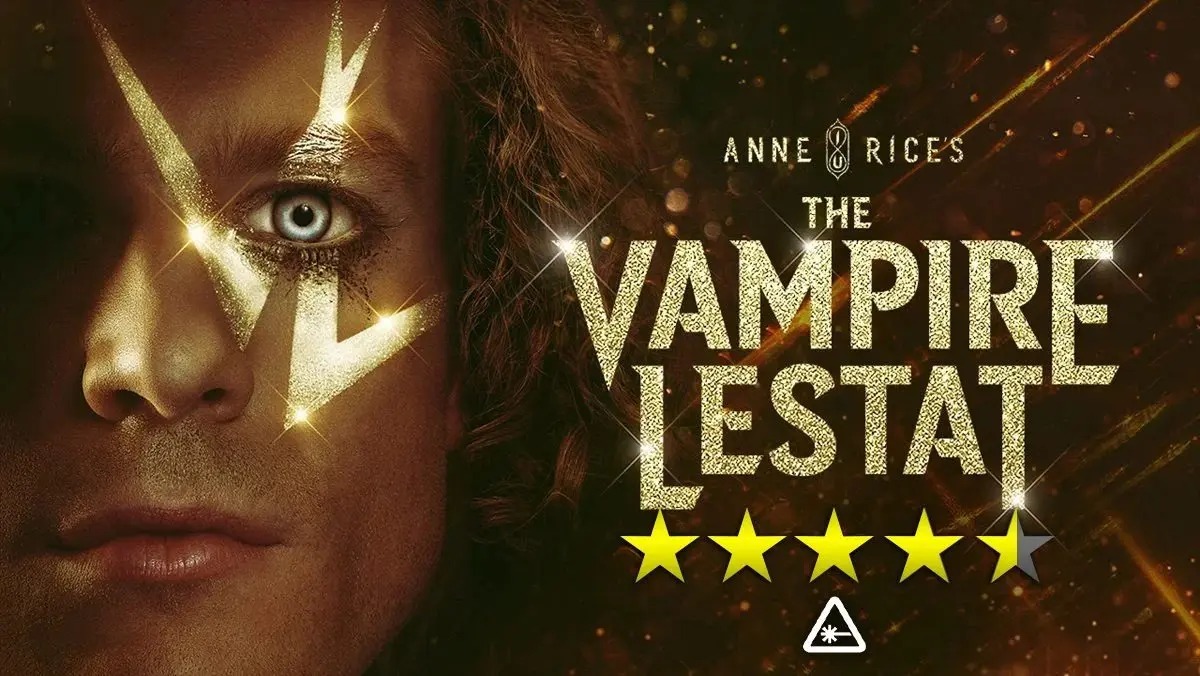

The wait is over. ‘The Vampire Lestat,’ the rebranded third season of ‘Interview with the Vampire,’ premiered on June 7 on AMC and AMC+. After two seasons spent inside Louis de Pointe du Lac’s carefully curated grief, the show has handed the mic to the one character who was always going to demand it eventually. Lestat de Lioncourt has arrived, and he is not interested in being anyone’s villain.
Season 3 dramatically retooled the entire series structure. Instead of Louis narrating that tragic romance with Lestat, the vampire takes the steering wheel after feeling misrepresented in Daniel Molloy’s published book. The premiere episode wastes absolutely no time establishing that this is a completely different beast, sonically, visually, and emotionally, than anything the show has attempted before.
Lestat’s Perspective Shift and the Band’s Origin Story
In the season premiere, Lestat reflects on the events leading to his tour, including the formation of his band and the publication of a certain book, while experiencing a disquieting, drug-fueled spiritual trip and going head-to-head with a resentful coven. It is a dense, deliberately disorienting opening hour that makes the artistic statement loudly and without apology.
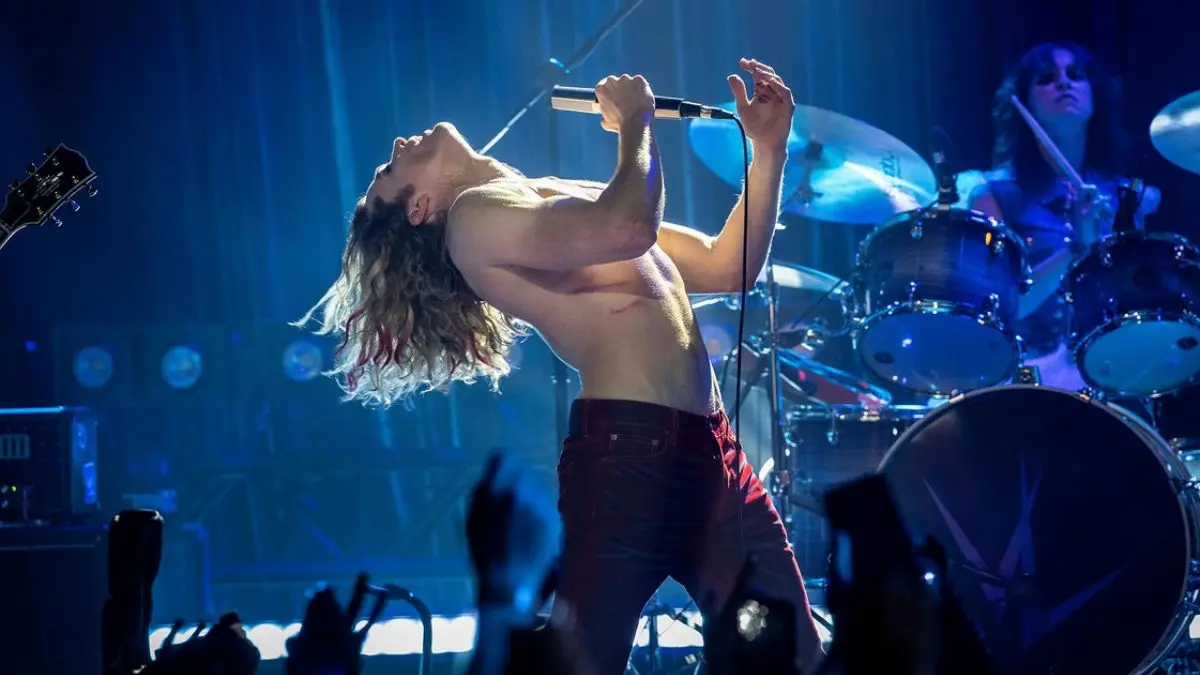
If you are Lestat de Lioncourt, the vampire with a flair for the dramatic, and someone wrote a book depicting you as a tantrum-throwing narcissist, you become a full-blown rock star with an album of response tracks and you take it on the road with your semi-bemused human band. Most of the living world thinks it is a cheap gimmick, and one that is not even selling out venues, but for Lestat, it is a cry in the dark and a chance to set the record straight.
Already established as an unreliable narrator, Lestat moves the story forward with the same reckless abandon with which he has always lived his immortal life. Part David Bowie and part Peter Steele, the one thing Lestat is serious about is his music. That comes through immediately in the premiere, which leans into a music-video visual language that feels like a deliberate tonal declaration.
The framing device this season is not an interview, despite Daniel Molloy’s attempt at spending much of the present-day storyline creating a documentary centered on Lestat. Instead, the series finds an inventive new way to preserve the possibility of narration while dramatically expanding the scope of how the story can be told.
The Drug Trip, the Coven Confrontation, and What the Ending Signals
The episode’s most talked-about sequence is the drug-fueled spiritual trip that cuts through the premiere’s present-day timeline. Showrunner Rolin Jones envisioned a storyline that requires Lestat himself to narrate the events of his pseudo-punk, alternative rock-god era. He is on tour and on the road to a collision with the Vampire Queen, Akasha, but first, he has some emotional baggage to unpack.
In the first episode of ‘The Vampire Lestat,’ the dynamic between Louis, Lestat, and Molloy, who are all attending the auction of Lestat’s recordings, is unclear.
That ambiguity is the engine the premiere runs on. The coven confrontation that closes the episode hints at just how dangerous Lestat’s rising profile is becoming for the broader vampire world, and the ending does not offer resolution so much as ignition.
The show’s full-throated embrace of its wild tour premise results in the sensation of a drug trip for the viewer. The soundtrack from series composer Daniel Hart becomes its own form of soul-baring storytelling. That is perhaps the most accurate description of the premiere available: it does not unfold like television, it unfolds like a concert that keeps bleeding into a confessional.
Sam Reid’s Lestat and the New Supporting Cast
Lestat’s band, comprised of Noah Reid, Seamus Patterson, Sarah Swire, and Ryan Kattner as Larry, Alex, TC, and Salamander, has a front-row seat to his unraveling, and Sheila Atim makes a commanding arrival as Akasha, while Jennifer Ehle’s Gabriella de Lioncourt, Lestat’s mother, has a presence that hangs over nearly every aspect of the season.
Anne Rice’s ‘The Vampire Lestat’ picks up after the publication of Daniel Molloy’s book, written based on his conversations with Louis and Armand. That book is treated by the show almost like a wound that Lestat keeps returning to, touching it to see if it still hurts. It always does. The third season puts Lestat in the driver’s seat, his perspective, his music, and a peek into his two-hundred-year backstory.
Lestat as a character is funnier this way, but he is also more tragic. The humor winds up enhancing the heavy stuff, while the darkness of it all only makes the laughter feel more welcome and necessary. The season’s camp qualities pair well with its queerness, and ‘Interview with the Vampire’ is somehow gayer than ever in this third chapter.
The Great Conversion and Where the Season Is Headed
The premiere quietly lays the groundwork for the season’s larger mythology engine. The Vampire Lestat goes on an electric multi-city tour while being haunted by muses from his wild and rebellious past. As his band’s popularity and star power rise, so does Lestat’s influence over vampires and humans alike, leaving others to contend with Lestat’s power in the face of the Great Conversion, an unnatural surge in the vampire population.
The season introduces important book characters, including Gabriella, Magnus, and Marius, while pushing Lestat’s story into a wilder, music-heavy space. The season shifts the story from Louis’ perspective to Lestat’s point of view after Daniel’s published account of earlier events. That change matters because Lestat has often been filtered through memory, anger, love, guilt, and performance.
The season is set to run seven episodes, with the series finale airing on July 19. If this first episode is any measure of what the rest of the season has planned, audiences are in for a ride that is equal parts rock opera, vampire mythology, and deeply personal emotional reckoning. This is the story of how Lestat woke the Queen of the Damned and unleashed her wrath upon the world. Episode one simply sets the stage. The curtain is barely up, and already the theater is on fire.
After everything the premiere set in motion, from the auction to the coven showdown to Lestat’s acid-soaked vision of his own past, who do you think is telling the more honest version of the story now, Louis or Lestat?