The Tampa Fitness Coach Who Ate Cockroaches for a Million Dollars Is ‘Outlast: The Jungle’s’ Most Compelling Wildcard

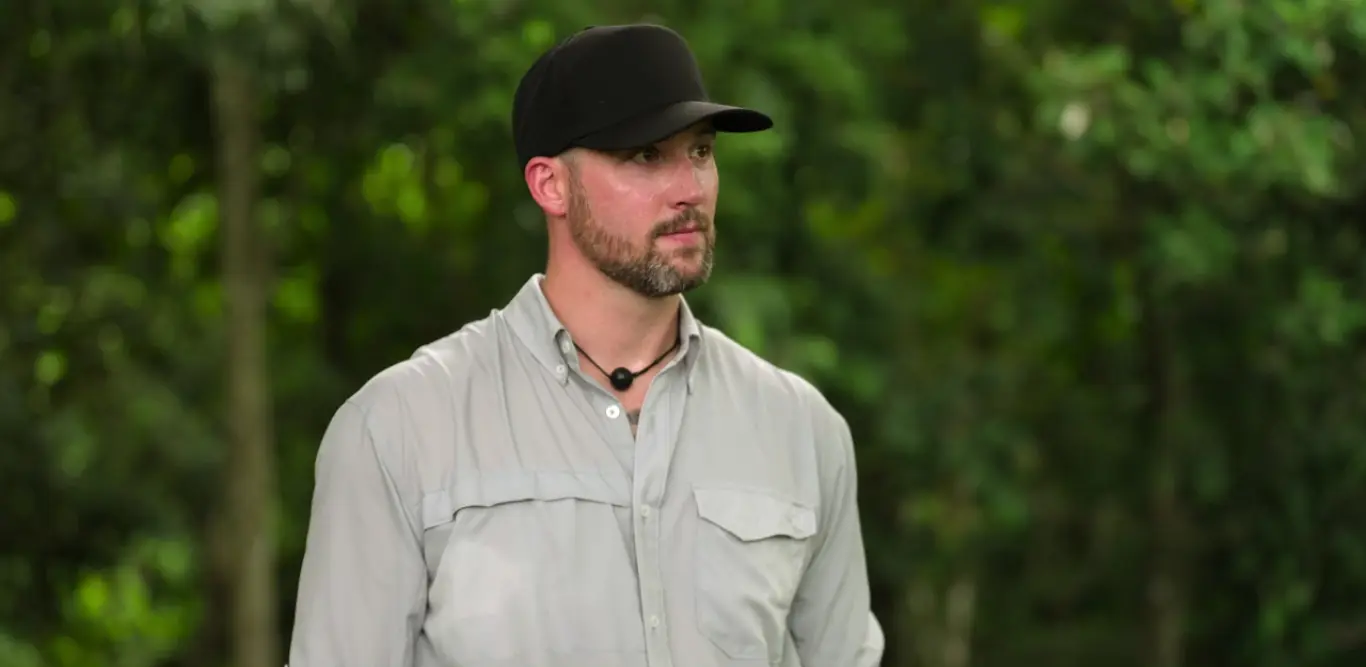

Netflix’s latest survival experiment has officially dropped into the Panamanian jungle, and among its cast of sixteen strangers, one contestant is making serious noise before the season even heats up. Sean Jacobs, a Tampa-based fitness entrepreneur and former African aid worker, arrived on ‘Outlast: The Jungle’ with a backstory that sets him apart from every other competitor on the roster.
‘Outlast: The Jungle’ is a high-stakes survival competition where sixteen strangers battle the elements and each other for a million-dollar prize fund in the Panamanian jungle. The show’s unusual premise has always been its defining tension, and Jacobs walks into that environment with a combination of lived experience and calculated strategy that is hard to ignore.
Sean Jacobs’ Survival Background Is Not Your Typical Reality TV Origin Story
Before settling into his Florida life, Jacobs spent numerous years working in refugee camps, wildlife rehabilitation centers, and remote villages as an aid worker and animal rescuer. That kind of real-world exposure to hardship and resource scarcity is a genuinely rare qualifier for a show like this, and it distinguishes him from contestants whose outdoor credentials exist primarily on paper.
Jacobs co-founded Jacobs Fitness in Tampa with his wife, and also created the Ubuntu Society, a nonprofit that works on volunteer projects with existing grassroots groups in East Africa.
The dual identity of humanitarian worker and small business owner gives him a grounded, community-oriented image that plays very differently from the alpha-competitor archetype that tends to dominate survival television.
Jacobs, who holds a bachelor’s degree in psychology, said that working with a diverse range of clients helped prepare him for the social and strategic aspects of the show, describing himself as a chameleon when it comes to building relationships. In a game where team dynamics can make or break a contestant overnight, that kind of social intelligence may be more valuable than any wilderness skill.
The Jungle Felt Like Home and the Food Was Surprisingly Familiar
While competing in Panama, Jacobs discovered that roasted cockroach tastes remarkably similar to shrimp-fried rice, describing it as a little black chicken nugget. It is the kind of detail that lands somewhere between revolting and impressive, and it captures the improvised ingenuity that the show rewards.
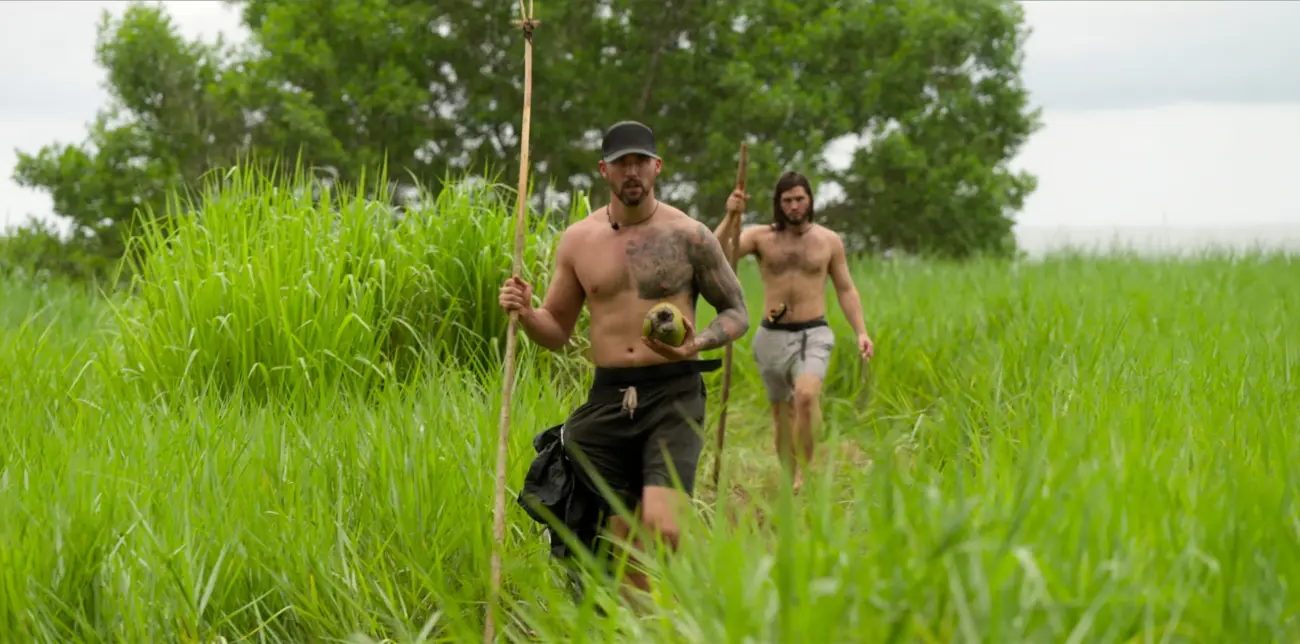
Beyond the insects, Jacobs and his fellow contestants were also boiling hermit crabs for broth and burning off ocean water to extract salt. None of it resembles anything on a Tampa restaurant menu, by his own admission, but the resourcefulness speaks to exactly the kind of bushcraft thinking the competition demands.
Jacobs said his gym’s lack of air conditioning, with temperatures regularly sitting around 85 degrees inside the building, made the Panamanian environment feel familiar enough that he felt almost at home out there. That accidental heat training may have been one of his biggest advantages heading into the jungle.
The ‘Outlast’ Format Rewards Exactly the Player Jacobs Claims to Be
The core rule of ‘Outlast: The Jungle’ is that players can only win as a team. Sixteen strangers must survive the elements and outmaneuver rivals, but cooperation is a non-negotiable part of the prize structure. That single rule creates the show’s central tension, pitting self-interest against mutual dependence in ways that expose character more reliably than any challenge format.
Despite his humanitarian background, Jacobs has made clear that he plans to bulldoze the competition, even if that means stealing food and sabotaging shelters. It is a striking contrast to the Ubuntu Society founder persona, and it is exactly the kind of strategic duality that makes for compelling television.
The first six episodes of the new season premiered on June 10, with the remaining two episodes set to land on Netflix on June 17. The staggered release gives the fanbase room to process early eliminations and alliances before the finale, and also keeps conversation going across two weekends rather than burning out in a single binge.
The Bigger Picture for ‘Outlast: The Jungle’ as a Franchise
The show’s second season reached the Global Top 10 in 22 countries, a performance strong enough to secure the third season renewal that produced ‘Outlast: The Jungle.’ Netflix does not greenlight expansions for underperformers, and the franchise clearly has a loyal international viewership hungry for more of the format.
The new season marks a deliberate geographic shift away from the icy Alaskan wilderness of the earlier seasons, moving the competition to a remote tropical island deep in the Panamanian jungle. The change in scenery also changes the physical demands entirely, replacing hypothermia risk with heat exhaustion, humidity, and an entirely different set of survival priorities.
Jason Bateman remains an executive producer on the series, and the franchise’s continued growth suggests that the platform is betting on ‘Outlast’ as a long-running competitive format in the same way it has doubled down on other unscripted properties. With a cast that includes characters as layered as Jacobs, the creative investment seems well-placed.
Whether Sean Jacobs ends up the jungle’s most celebrated collaborator or its most ruthless saboteur, one thing is already clear: if you watched the first few episodes and found yourself wondering what his next move is, drop your read on his game in the comments.