What the Ending of ‘Voicemails for Isabelle’ Is Really About (And It’s Not the Romance)


Netflix has a habit of dropping rom-coms that feel interchangeable, but ‘Voicemails for Isabelle’ arrives with something a little different underneath the meet-cute premise. Written and directed by Leah McKendrick, the film stars Zoey Deutch as Jill and Nick Robinson as Wes in a story that borrows its mechanics from the classic wrong-number tradition but plants its emotional roots much deeper than the genre usually bothers to go.
The screenplay, a Black List breakout, follows Jill in the aftermath of losing the love of her life, her little sister, and frames grief not as a backstory device but as the actual subject of the film. The romance is real, the chemistry between its leads is undeniable, but the ending only makes sense once you understand what ‘Voicemails for Isabelle’ has quietly been arguing from the start.
The Grief at the Heart of the Voicemails
Jill and her sister Isabelle shared a room and a life, always best friends despite the hard times that came with Isabelle’s illness, and they regularly shared voicemails back and forth as a way of communicating when not together. When Isabelle dies, Jill cannot stop. She keeps calling the number, keeps leaving messages, keeps treating the ritual as though the line is still open.
It is a way of coping with unimaginable loss, a way to never say goodbye. What makes the film’s emotional architecture work is that McKendrick never lets the audience forget this. The voicemails are not just a quirky narrative hook, they are the clearest expression of a woman refusing to accept that her anchor to the world is gone.
McKendrick has said the film is first and foremost inspired by the love for her own little sister, and that sisterhood taught her what true love really is and how hard that can be to find out in the world. That autobiographical sincerity runs through every scene, including the ones played for laughs.
Rather than using Isabelle’s death to propel a romance forward, the film keeps Jill’s grief as its real focus, making the emotional impact of losing Isabelle even more powerful and painful throughout the story.
Wes and the Secret That Unravels Everything
When Isabelle’s number is reassigned after her death, Wes hears Jill complain about her exacting boss, Chef Bastien, relay dating horror stories, and lament her never-ending search for a breakfast taco in San Francisco. He becomes captivated by someone he has never seen, which McKendrick frames as a meditation on being truly heard.
According to McKendrick, Wes had a plan to tell Jill the truth, but he gets so caught off guard by her that he keeps delaying the confession. The longer he waits, the more the film tilts uncomfortably between charming and unsettling, a tension several critics acknowledged directly.
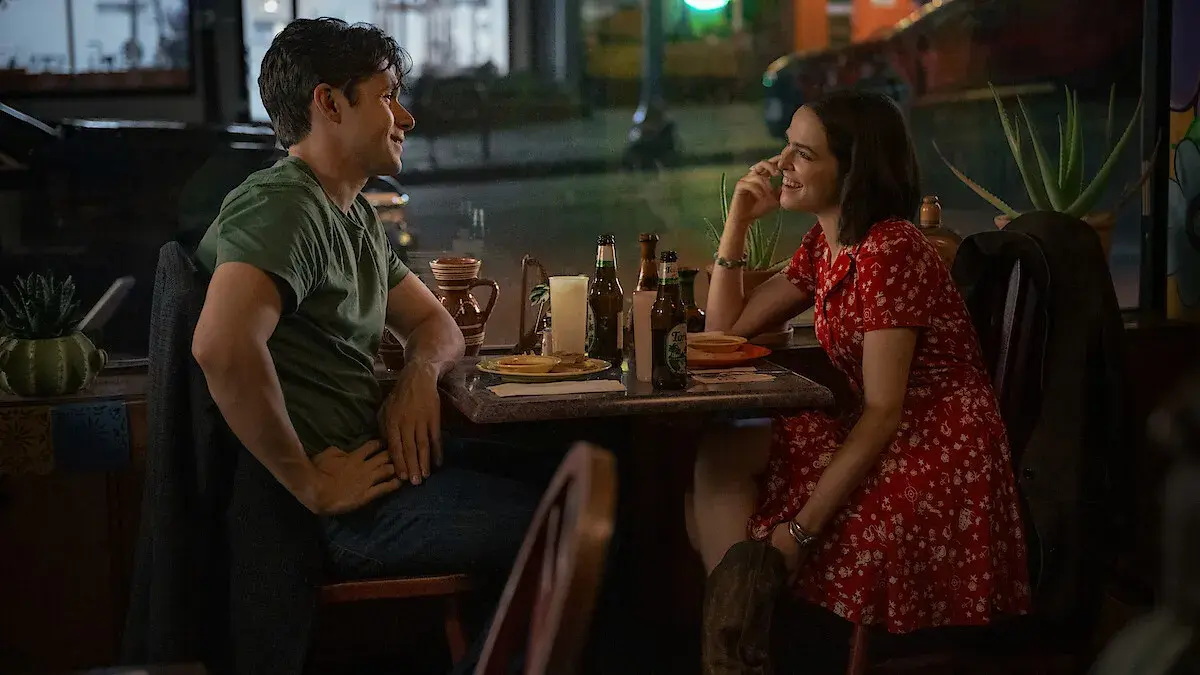
Just as things start heating up between the two, Jill travels to Austin with Wes for a friend’s wedding and seamlessly blends into his world, but when she sneaks off to call Isabelle and fill her in on the romance, Wes’s jacket pocket rings, exposing his secret. The betrayal lands hard precisely because Jill had been pouring her most unguarded, unedited self into those messages.
In shock, Jill ends their relationship immediately, and to add salt to the wound, a software update to her phone erases all of her saved voicemails from Isabelle. Losing those recordings is devastating in a way that feels almost crueler than the breakup itself.
What the Final Voicemails Actually Reveal
The conclusion, bolstered by a laugh-out-loud Taylor Swift joke and punctuated by fireworks from ‘Brokeback Mountain’ making a well-earned cameo, finds Wes defeated and humbled. But the film’s most revealing moment comes in how both characters describe each other in their final messages to Isabelle.
In the final voicemails, Wes tells Isabelle that he will ask if he can move to Jill, watch every episode of Top Chef, and promise to partake in all the Robyn dance parties, while Jill tells Isabelle that Wes cannot fry an egg, acts all cool but is actually a Magic: The Gathering nerd, and cannot dance, but she is working on it. These confessions say everything about where each of them actually stands.
McKendrick’s ‘Ratatouille’ scene gives Robinson a moment of genuine beauty in which Wes abandons all pretense, falls deeply into his emotions, and falls completely in love with Jill. It is the film at its most confident, borrowing a visual grammar from a beloved movie to do something earnest with it.
Zoey Deutch and What the Ending Means for Jill
McKendrick always knew she needed an actor who was disarming and hilarious, yet excruciatingly raw, noting that Jill’s journey spans from dark, debilitating grief to a new romance, and that no one can access all the colors quite like Deutch can. That range is what keeps the ending from feeling merely tidy.
Rather than a story about a woman who needed a man to heal, ‘Voicemails for Isabelle’ is really a story about sisters, grief, and loss that incorporates love and romance as part of Jill’s healing journey, with Jill even making the point directly that what she needs is not a man but her little sister back. The reconciliation that follows earns its warmth because it is never framed as a cure.
As RogerEbert.com noted, grief and love can make us vulnerable, but they can also open us up to new possibilities, and that is the film’s central argument. The ending does not erase the loss of Isabelle. It simply suggests that living forward is still possible, and that some connections, even ones that begin in the strangest circumstances, are worth the mess.
The Bigger Picture for Netflix Rom-Coms
The film was originally announced back in 2019 with Hailee Steinfeld in the lead role before McKendrick came aboard to write, direct, and reshape the project entirely, with principal photography taking place in Vancouver. The long road to release may have been worth it.
Both Deutch and Robinson return to the genre that made them such beloved, mainstay actors, with Robinson delivering old-school charm reminiscent of classic rom-coms but with a smart contemporary twist. The pairing works because neither performer plays it safe.
Deadline noted that ‘Voicemails for Isabelle’ rises above familiar tropes thanks to the sheer delight of the chemistry between its two stars. Whether the film fully resolves its thornier questions about Wes’s behavior is something audiences will reasonably debate, but the emotional core hits its mark. If you made it to the final voicemail scene and felt something shift in your chest, we’d love to hear whether the ending gave Jill the closure you felt she deserved, or whether Isabelle’s absence still hung too heavily over it all.