Max Cady’s Real Reason for Helping Anna With Ruben’s Case in ‘Cape Fear’ Is More Sinister Than It Looks

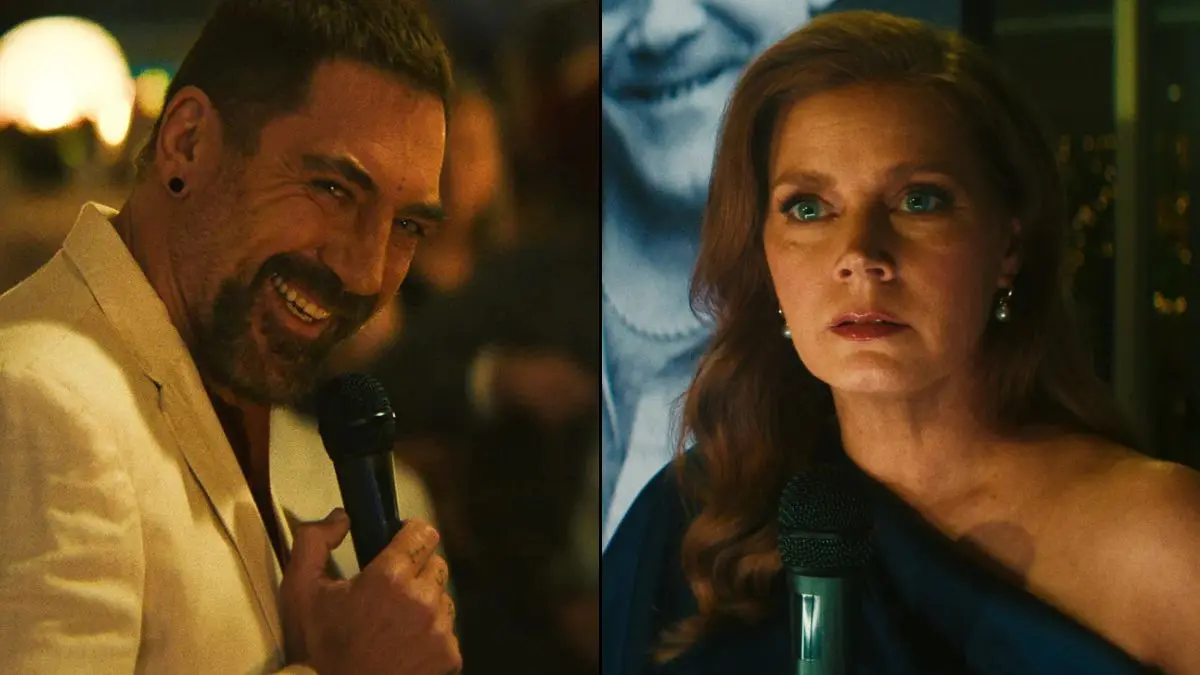

Apple TV’s ‘Cape Fear‘ has been keeping viewers on edge since its premiere, and not just because of the slow-burn dread Javier Bardem brings to every single scene. The show has introduced a web of moral compromises and buried secrets that make every seemingly generous gesture from Max Cady feel like a trap waiting to spring.
One of the most talked-about details across the early episodes is Max inserting himself into the Ruben Ramirez case, a wrongful conviction that Anna Bowden and her team at the Southern Justice Legal Project are fighting to overturn.
Amy Adams stars as Anna Bowden, an attorney working to free wrongly incarcerated clients, while Javier Bardem plays Max Cady, a convicted ex-con released after 17 years who sets about targeting the married couple who represented him in court. Why, then, is this predator suddenly so invested in another man’s freedom?
Max Cady’s Manipulation Tactics Go Far Beyond Physical Threats
The Apple TV version of Max Cady is a fundamentally different kind of monster compared to his cinematic predecessors. As Bardem himself explained in an interview with TV Insider, this Max Cady is defined by his ability to manipulate information, blur what is true and what is not, and operate on a far more psychological level than previous versions of the character.
Rather than attacking or threatening the Bowdens directly, Cady capitalizes on public sympathy and becomes something of a media darling, quietly running a subtle psychological terror campaign against the family on the side.
Helping Anna with the Ruben case fits perfectly into this strategy. Every act of apparent goodwill is a chess move designed to get closer to the people he wants to destroy.
Even critics who have covered the show closely admit to puzzling over the genuine split in his motivations, asking how much of what Max does is driven by revenge and how much might be a real desire to help others and fight back against a broken system. That ambiguity is precisely what makes him so unsettling to watch.
The Ruben Ramirez Appeal and Why Max Took an Interest
Max’s involvement in the Ruben case begins early and escalates meaningfully across multiple episodes. In the second episode, Max visits Ruben in prison specifically to convince him not to drop his appeal, and by the following morning Anna wakes up to learn that Max has successfully persuaded Ruben to continue the fight.
By the fourth episode, Anna, alongside Noa and Rawlins, sits down with Ruben to try to keep his hope alive, since Ruben is facing execution in just 14 days after his mercy petition is denied. The situation becomes even more fraught when Anna proposes going after a witness named Warren “Smiley” Pitt, believing he can confirm that Ruben was not responsible for the killing.
Max ultimately offers to visit Smiley himself, using the fact that they crossed paths in prison as leverage, and he eventually emerges from that meeting with a taped statement exonerating Ruben. The methods Max uses to obtain that statement are left deliberately murky, which tells viewers everything they need to know about how far he is willing to go.
Anna Bowden’s Guilt and the Buried Secret Driving Everything
To understand why Max helping Anna is so deeply disturbing, you have to understand what Anna actually did to him. Anna represented Max when he was accused of murdering his pregnant wife, and because the trial was not going in his favor, she advised him to plead guilty and accept the time, after which she married Tom, the very prosecutor who had been working against her client.
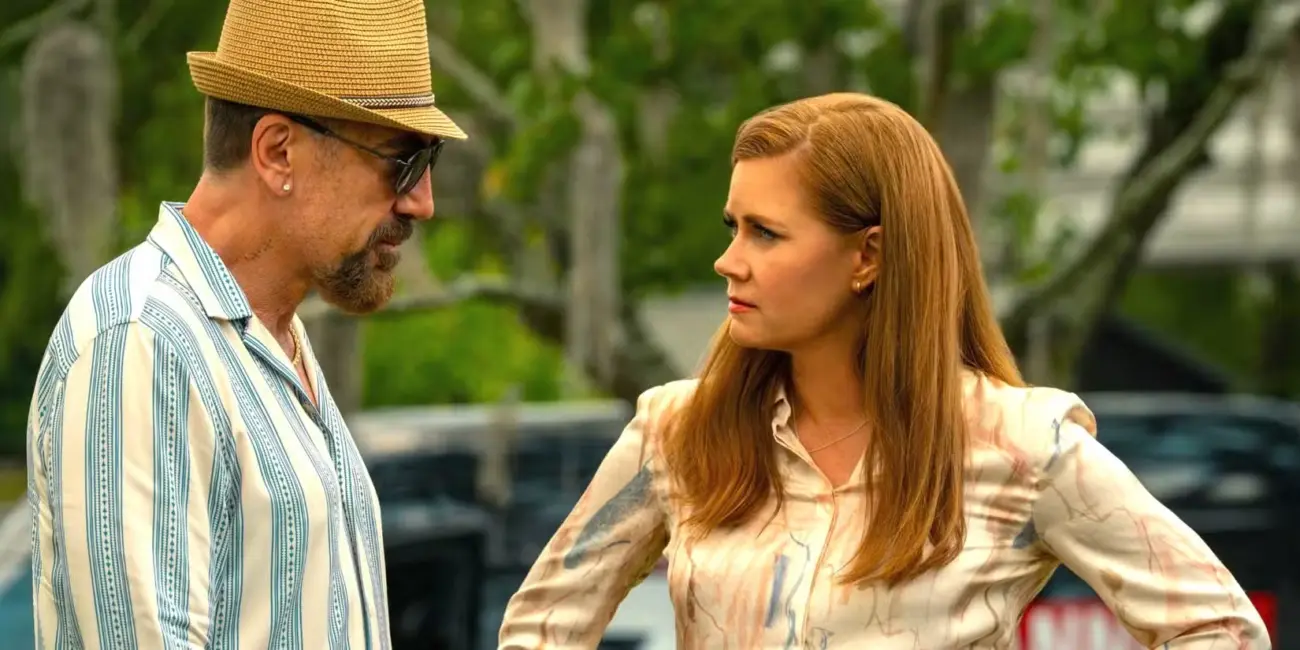
Showrunner Nick Antosca confirmed in an interview with Screen Rant that having both Tom and Anna involved in Max’s trial is key to the emotional journey of the entire show, because it means their comfortable lives were quite literally built on his suffering. Every award, every reputation boost, every beautiful home they enjoy was made possible because Max spent 17 years behind bars.
Analysis of the show has pointed out that Anna is essentially the architect of her own downfall, with the tension rooted in her guilt rather than a random external threat, and that Cady methodically dismantles the family from the outside in, exploiting existing cracks in their relationships. His help with Ruben does not come from compassion. It comes from proximity.
The Psychological Trap Hidden Inside Every Act of Help
What makes Max’s involvement in the Ruben case so chilling is that it forces Anna into a position where she cannot refuse his help without abandoning a man on death row. When Rawlins pushes back against Max’s offer to confront Smiley personally, Max pulls him aside for a private conversation, a dynamic deeply reminiscent of the controlling, menacing one-on-one exchanges that defined previous film versions of the character.
Theories circulating around the show suggest that Max is not merely seeking revenge for his imprisonment but actively wants to destroy the Bowdens’ careers and expose them as complete frauds. Helping Anna win Ruben’s case gives him a front-row seat to her organization, her methods, and the secrets she is desperate to keep buried.
The show itself drops one of its most telling lines in the second episode, when Anna whispers to Tom, asking whether there is any way Max could know what they did, and Tom assures her that no one knows but them. The fact that this reassurance needs to be said at all tells you that what they did was bad enough to unravel everything. Max is not helping Anna because he forgives her.
He is helping her because watching someone drown in slow motion requires getting close to the water first. If you have a theory about where Max’s endgame in the Ruben case is really headed, the ‘Cape Fear’ comment section is where that conversation belongs.