What Does ‘Usurper’ Really Mean In ‘Game of Thrones’ And Why Robert Baratheon Could Never Escape It

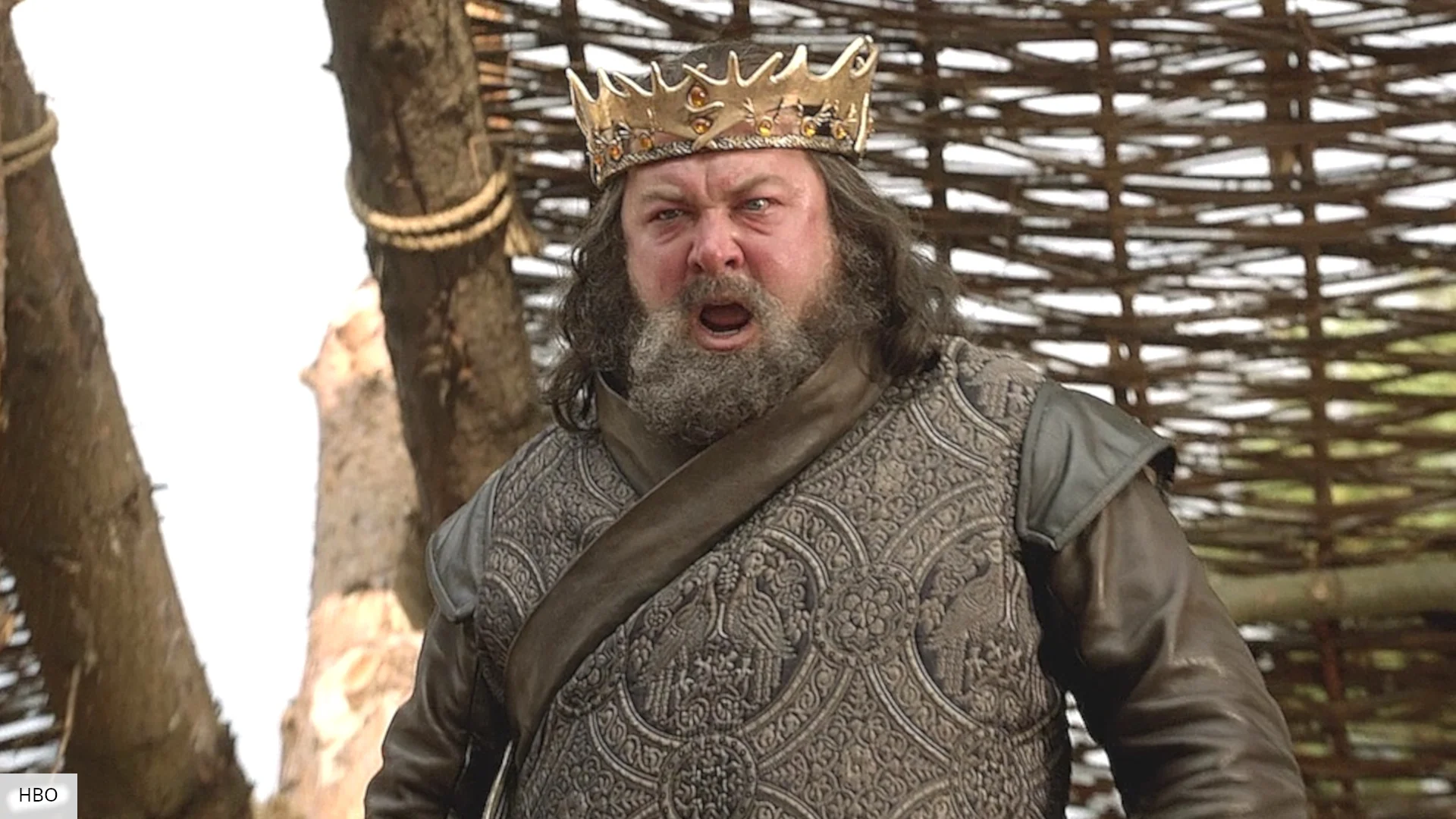

Anyone who has spent time deep in the world of ‘Game of Thrones‘ has heard the word tossed around like an insult sharpened into a blade. It follows kings, queens, and rebels alike, but it clings hardest to one man above all others.
That man is Robert Baratheon, and understanding why he carries the label helps explain the entire foundation of the story that plays out across ‘Game of Thrones’ and its source material. The word itself carries centuries of political weight in Westeros, and it shapes how characters see their own legitimacy on the Iron Throne.
Why Robert Baratheon Became Known As The Usurper
The term Usurper is a derogatory name given to King Robert I Baratheon by those who believe that the rightful rulers of the Seven Kingdoms are House Targaryen. It is not a title Robert ever claimed for himself, but rather one hurled at him by his enemies and by anyone still loyal to the dynasty he overthrew.
That resentment comes directly from his family. Robert is called The Usurper by Viserys and Daenerys Targaryen as well as by House Targaryen loyalists, because he technically took the Iron Throne from the Targaryens. Even though he defeated a widely despised ruler, the Targaryen line never accepted the loss as fair or final.
Daenerys in particular carries this grudge for most of her arc. Dany had never looked upon the Usurper’s face, yet seldom a day had passed when she had not thought of him, and his great shadow had lain across her since the hour of her birth. That single detail says everything about how deeply the word is tied to identity and inherited trauma in this world.
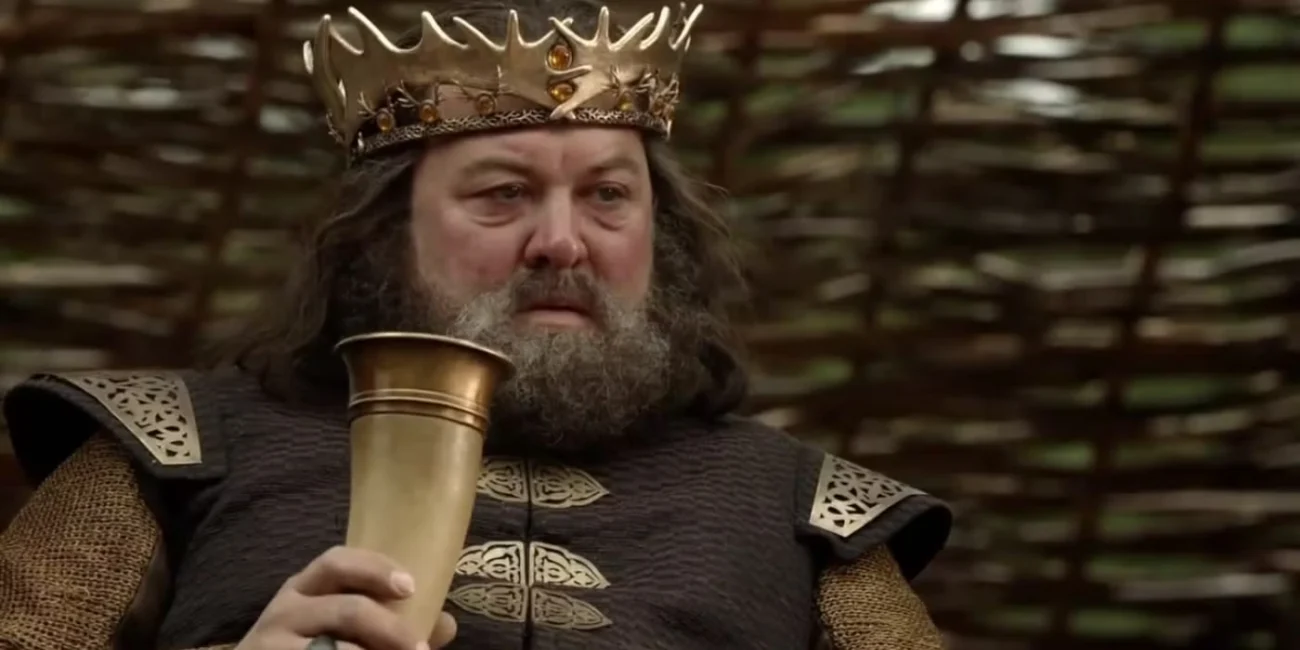
Robert himself is not oblivious to the nickname. He openly admits to Ned Stark that the title still shadows him, worried about how ‘There are still those in the Seven Kingdoms who call me usurper.’ It is a rare moment where the audience sees the crown weighing on him rather than the other way around.
The War Of The Usurper And How It Started
The conflict that put Robert on the throne is often remembered simply as Robert’s Rebellion, but Targaryen loyalists have another name for it entirely. In the novels, the conflict is also called the War of the Usurper by Targaryen loyalists, a phrase that frames the entire war as an illegal seizure rather than a justified uprising.
The spark came from personal tragedy rather than politics alone. The war was sparked when Prince Rhaegar Targaryen kidnapped Lyanna Stark, and when her father and eldest brother protested this act to King Aerys, he had them both killed in front of the entire Royal Court. That single act of cruelty from the Mad King set the rebellion in motion.
Robert’s path to the crown was not purely about revenge either, since bloodline mattered enormously in Westeros. Robert laid claim to the Iron Throne because he had been the first to take up arms and had killed Prince Rhaegar personally, and he was also the only rebel leader with a blood link to the Targaryens, since his mother carried Targaryen blood. That connection gave his claim a thin legitimacy that his critics still refused to accept.
Even his closest allies were not spared from the insult. Those who helped Robert take the throne, including Eddard Stark, Hoster Tully, Jon Arryn, and Tywin Lannister, are disparagingly referred to as the Usurper’s dogs. The nickname was designed to delegitimize an entire generation of lords, not just the king they crowned.
How The Usurper Label Follows Other Characters In Westeros
What makes the term so interesting is that it never stays attached to just one person. Usurper is a derogative term referring to an individual who has seized power in opposition to a legitimate or rightful ruler perceived to have a better claim to the title, which means it can technically apply to almost anyone grabbing at power in this story.
Robert’s own brothers get tangled in the same accusation once he dies. Stannis reminds his younger brother Renly that Robert was the elder and he is the younger, calling him a thief and a usurper besides, and Renly simply replies that the Targaryens called Robert usurper too, and he seemed to bear the shame just fine. It is one of the sharper exchanges in the entire saga because it exposes how hollow the insult really is.
Cersei Lannister is arguably the character who embodies the word most dangerously. Cersei usurps the throne for her son Joffrey while fully aware he is not Robert’s biological son, and later usurps it again for herself after Tommen’s death. Her hypocrisy becomes almost comedic later when she throws the same accusation at someone else entirely.
That irony reaches its peak during the political standoff near the end of the story. At the Dragonpit Summit, Cersei calls Daenerys a would-be usurper, seemingly ignoring that she herself has usurped the throne twice. It is a moment fans still point to as one of the show’s sharpest lines of dialogue.
What The Term Reveals About Power In Westeros
The deeper you dig into the history of the Seven Kingdoms, the clearer it becomes that usurpation is basically a family tradition. King Maegor I Targaryen usurped the throne from his nephew, and Queen Alicent Hightower later usurped it for her son Aegon II, sparking the conflict known as the Dance of the Dragons. Robert was simply the latest name added to a very long list.
Even Robb Stark and Balon Greyjoy get swept into the accusation despite never wanting the Iron Throne itself. Stannis Baratheon considers Joffrey, Renly, Robb Stark, and Balon Greyjoy usurpers, since Robb and Balon seek to establish independent kingdoms he views as stolen from his own. The word stretches to cover any threat to a claimed birthright, not just the Iron Throne specifically.
This pattern shows exactly why ‘Game of Thrones’ remains such a fascinating study of legitimacy and perception. Nobody in Westeros truly agrees on who deserves power, so the label of Usurper becomes less about historical fact and more about which side is telling the story. Robert Baratheon may have won his war fairly by most measures, yet he spent his entire reign unable to outrun a name his enemies refused to let go of.
Now that the full weight behind the word is laid out, does Robert Baratheon deserve the title of Usurper, or was Aerys II simply too dangerous a king to leave on the throne?