Is Supergirl Gay In The New Movie? Milly Alcock Finally Answers The Question Fans Won’t Stop Asking


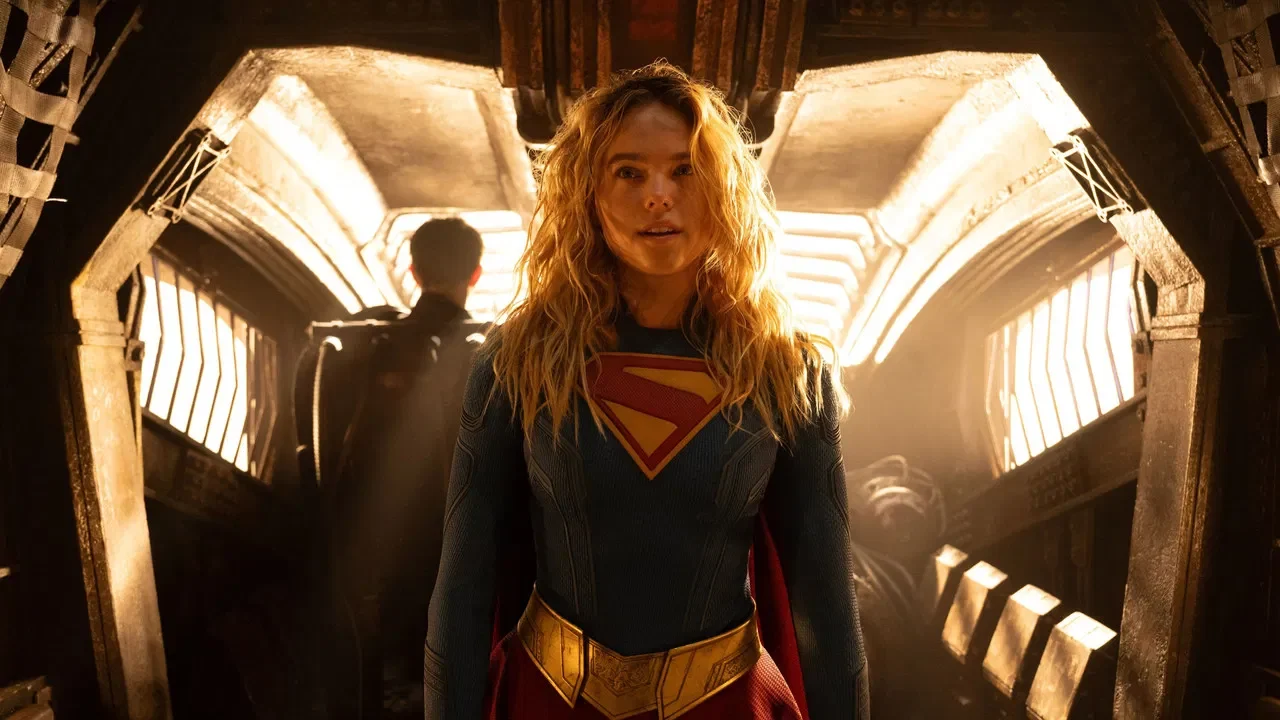
‘Supergirl‘ has only just hit the big screen, but one question is dominating headlines more than any box office prediction or fight scene breakdown. Fans want to know whether Kara Zor-El is queer in her live action solo debut, and star Milly Alcock has not been shy about weighing in.
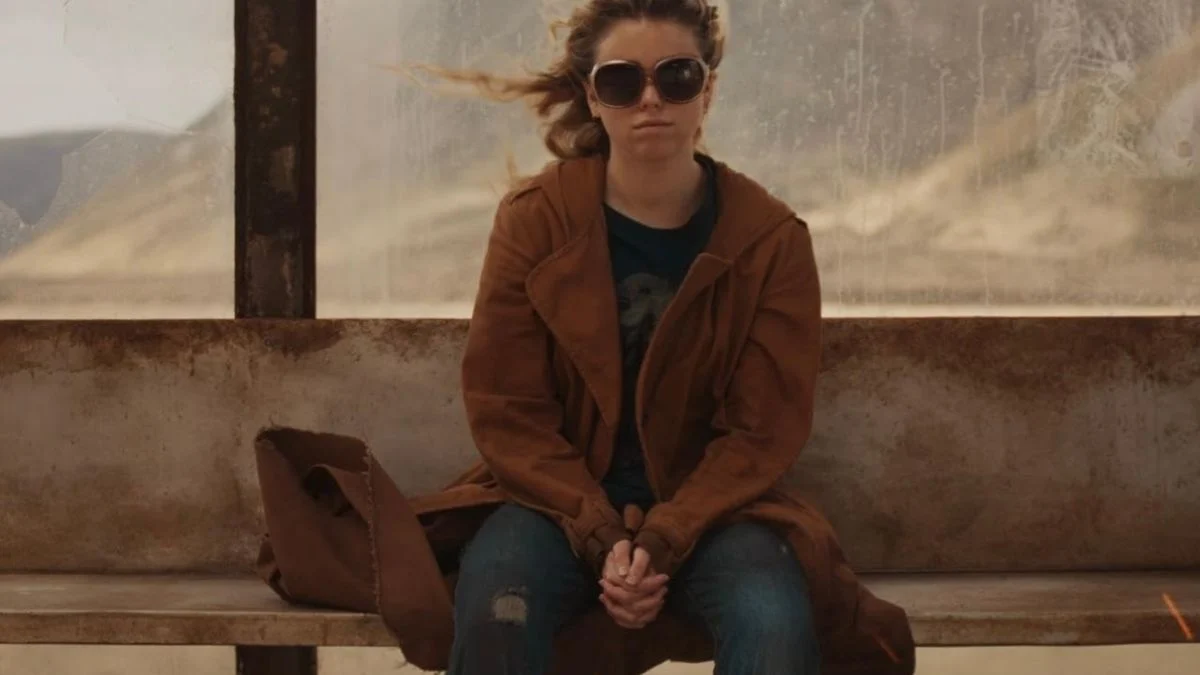
The film, based on Tom King and Bilquis Evely’s acclaimed comic run, follows Kara as she processes grief and identity while traveling the galaxy with her dog Krypto. The movie sees Kara celebrating her twenty third birthday and embarking on a journey across the galaxy, where she meets a companion named Ruthye and sets off on a quest for revenge. That plot alone has fans buzzing, but it is Alcock’s off screen commentary on Kara’s sexuality that has truly taken over social media.
What Milly Alcock Actually Said About Kara’s Sexuality
During the press tour for ‘Supergirl,’ Alcock was repeatedly asked about her character’s romantic identity, and she did not dodge the topic. When asked directly about Kara Zor-El’s sexuality on a red carpet, Alcock admitted she was not entirely sure, eventually saying that Kara would probably go both ways. The comment quickly spread across fan forums and entertainment outlets alike.
Alcock has been consistent in framing this as her personal read on the character rather than an official change to DC canon. She has described reading Kara as queer coded in an unlabeled kind of way, saying the character would simply do what she wants to do in that regard. That kind of openness has resonated with a fanbase that has spent years speculating about Kara’s identity.
Speaking with Narrativa Feminina about fans regarding Supergirl as a queer icon, Alcock shared that she has many queer friends and feels honored that the community connects with her portrayal. Her comments have positioned her as an unusually candid leading actor in a genre that often avoids addressing a hero’s sexuality altogether.
It is worth noting that this interpretation is entirely Alcock’s own perspective as an actor. Her remarks were not intended as an official change to DC lore, but rather her personal take on the character she plays, alongside her broader expression of support for the LGBTQ+ community.
Why ‘Supergirl’ Skips A Romance Storyline Altogether
One reason speculation has run wild is that the film itself does not give Kara a love interest at all. Alcock told Variety at the movie’s premiere that she loves how the film does not center around any romance, and that she believes Kara represents what a modern woman can be, someone who can be strong, tough, and messy all at once.
This is a notable shift from earlier versions of the character. The 1984 ‘Supergirl’ film starring Helen Slater gave Kara a crush on a groundskeeper and tangled her in a love triangle involving a magical potion, a far cry from the resilience driven story Alcock describes in this new film.
Director Craig Gillespie also shaped the film with intention, choosing to build the world around character rather than legacy references. Gillespie has said he avoided drawing on the 1984 film or other legacy DC movies for inspiration, instead sticking closely to the script and letting the story come from character first.
By removing romance from the equation entirely, the film leaves Kara’s personal life open to interpretation, which is exactly the space where fan theories and Alcock’s own comments have flourished.
Supergirl’s Long History As A Queer Icon
Kara Zor-El has never been officially depicted as anything other than heterosexual in mainstream comics or in her CW television run. Supergirl has never been shown as anything other than a heterosexual cisgender woman in the comics, and she was similarly straight throughout her CW series. Yet that has not stopped queer audiences from embracing her for decades.
Part of that connection comes from the character’s storytelling roots. Supergirl’s comics often lean into coming of age narratives more than her DC contemporaries, including Joëlle Jones and Mariko Tamaki’s graphic novel ‘Supergirl: Being Super,’ which gave Kara a lesbian best friend named Dolly Granger. Tom King’s own ‘Woman of Tomorrow,’ the very comic this film adapts, also centers a Kara who is still figuring out her identity and place in the universe.
Alternate universe stories have gone even further in exploring a queer Kara. In the ‘DC Bombshells’ universe, Supergirl dates Lois Lane, while a separate medieval set DC Elseworlds story places her in a relationship with Wonder Woman. These alternate takes, combined with the character’s outsider narrative, have made her a favorite among LGBTQ+ readers long before this new film ever entered production.
Even the CW series contributed to this legacy in its own complicated way. That show, which ran from 2015 to 2021 with Melissa Benoist in the lead role, faced repeated accusations of queerbaiting, though it did feature a trans hero and an openly lesbian character elsewhere in its cast.
How Fans And Critics Are Reacting
Reaction to Alcock’s comments and to the film itself has been anything but uniform. Early audience response has ranged from enthusiastic to skeptical, reflecting the high expectations placed on this new take on ‘Supergirl.’
Some viewers have praised the film for giving Kara room to be flawed and independent from her cousin’s shadow. One viewer described the film as everything they wanted, praising how it lets girls be messy and highlighting that Kara feels distinctly separate from Superman. Others have been more measured in their response, noting that expectations built up from the comic run created a tougher bar to clear.
Queer fans in particular have responded warmly to Alcock’s openness, even without any onscreen confirmation of Kara’s sexuality. Fans have speculated about Supergirl’s sexuality for years, and the character’s introduction alongside Superman in 2025 followed by this grittier standalone film has only intensified that conversation.
Whether or not future DC Studios projects ever make Kara’s sexuality explicit, Alcock’s comments have already reframed how audiences are watching ‘Supergirl’ this summer. With a hero this resistant to easy labels, do you think Kara Zor-El’s queerness deserves to move from subtext to canon in whatever comes next for her story.