The Real Death Myth Behind ‘Moana’s’ Maui Reveals a Much Darker Ending than Disney Ever Showed

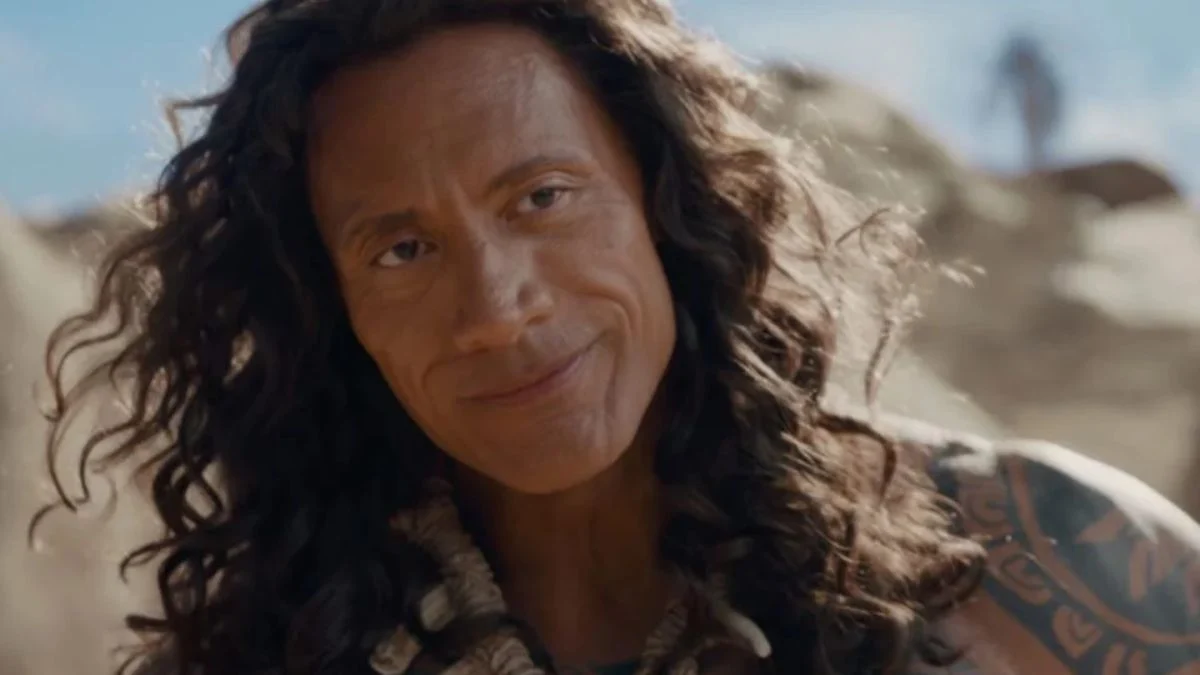

Fans of ‘Moana‘ know Maui as the boastful, tattoo covered demigod voiced by Dwayne Johnson, a character who is somehow still alive and cracking jokes through two movies and counting. What far fewer casual viewers realize is that the mythological figure Disney borrowed him from actually has a death myth attached to him, and it is nowhere near as lighthearted as anything that made it into the films.
Maui is based on legends and myths from across the various cultures of Polynesia, and while ‘Moana’ and its 2024 sequel ‘Moana 2’ pull heavily from those traditions for his personality and feats, they conveniently leave out how his story actually ends.
How Maui Dies in Polynesian Mythology
According to the most widely told version of the myth, Maui died while trying to overcome the female death goddess Hine nui te po by entering her body and attempting to emerge from her mouth. In that telling, the goddess won the struggle and Maui was crushed, bringing his life to an end.
Older written accounts describe the same encounter, with Maui’s father warning him before the attempt that a mistake made during a childhood blessing ceremony had left him vulnerable to death. Maui asks what the goddess looks like, and is told her eyes flash like dark greenstone, her teeth are sharp as volcanic glass, her mouth is enormous, and her hair drifts like seaweed. It’s a vivid, almost monstrous image, and a far cry from anything ‘Moana’ put on screen.
The stakes of that final battle were bigger than just Maui’s own life too. By dying in that attempt, Maui, who had been trying to win immortality for humanity, is what allowed death to enter the world at all. In other words, this wasn’t a random misadventure. Mythological Maui was gambling everything on one last impossible trick, and humanity lost the bet right alongside him.
Not every regional version agrees on the details either. Maori mythology ties his death closely to that encounter with Hine nui te po, while Hawaiian legends offer a more varied picture with multiple different accounts of how he met his end. One Hawaiian legend claims he offended several major gods in Waipio valley and was seized and dashed against the rocks by Kanaloa, one of the four greatest gods of Hawaii. Another Hawaiian fragment has him shapeshifting into an eel while chasing a girl who had climbed a tree, only for a priest to come along and kill the eel, ending Maui’s life in the process.
Why ‘Moana’ Leaves This Part Out
It’s not hard to see why a family animated musical skipped this particular chapter. ‘Moana’ is built around Maui as a comic relief mentor figure, not a tragic one, and Disney has always been selective about which pieces of a legend make the cut.
That selectiveness has been part of the conversation around the franchise since the very first film. The Disney portrayal of Maui differs from the real mythology in that it has been watered down and reshaped to fit a family movie, something researchers and cultural commentators have pointed out repeatedly since 2016.
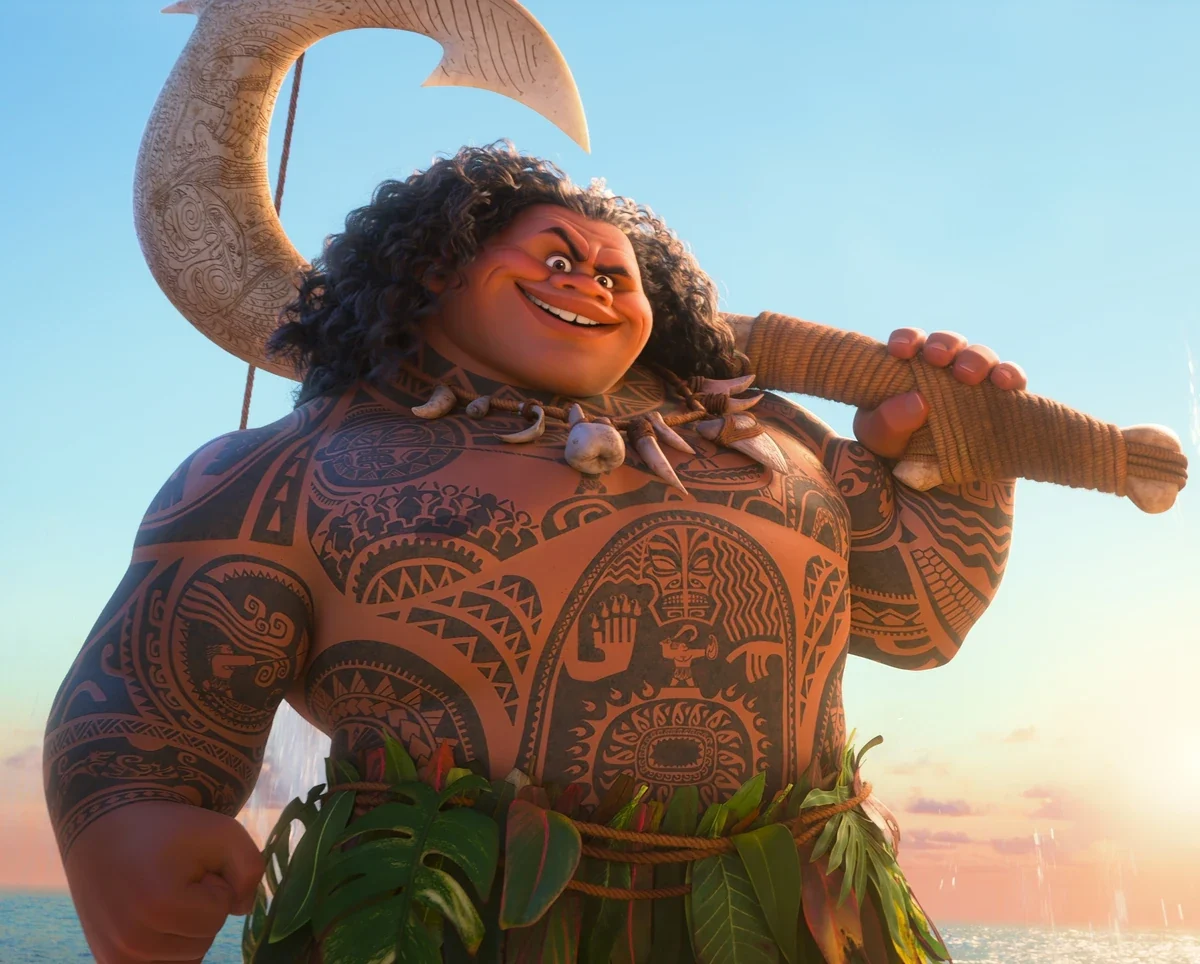
Even so, the film wasn’t working from nothing. The lyrics to Maui’s signature song ‘You’re Welcome’ are actually fairly accurate to the Polynesian myths, recounting how he has repeatedly lent humans a hand throughout history. It’s just that the myths keep going long after the credits would roll, into territory Disney had no interest in animating for kids.
Actress Auli’i Cravalho, who voices Moana, has spoken about growing up with these stories long before she ever auditioned for the role. She has said the demigod Maui, who could pull up islands with his magical fishhook, was the stuff of her own childhood bedtime stories in Hawaii. That kind of lived, cultural familiarity with the character makes the gap between myth and movie even more noticeable to audiences from the region.
What This Means for the ‘Moana’ Franchise Going Forward
With ‘Moana 2’ already expanding Maui’s mythology and a live action ‘Moana’ remake reportedly on the way, the question of how much of the darker material Disney is willing to touch becomes more relevant, not less. Maui returned for the 2024 sequel and there is no telling how far the franchise and character will go from here, especially with a live action remake also in the pipeline.
For now, Disney’s Maui remains functionally immortal, fickle, self obsessed, and full of mischief on screen, while his mythological counterpart carries the weight of humanity’s mortality on his very literal, very final failure. Whether future films ever gesture toward that ending, even obliquely, is anyone’s guess.
Does knowing how Maui actually dies in the myths change the way you watch his scenes in ‘Moana’ and ‘Moana 2’?