Did Odysseus Really Sleep with Calypso? What Homer’s Myth Says in Comparison to Nolan’s ‘The Odyssey’

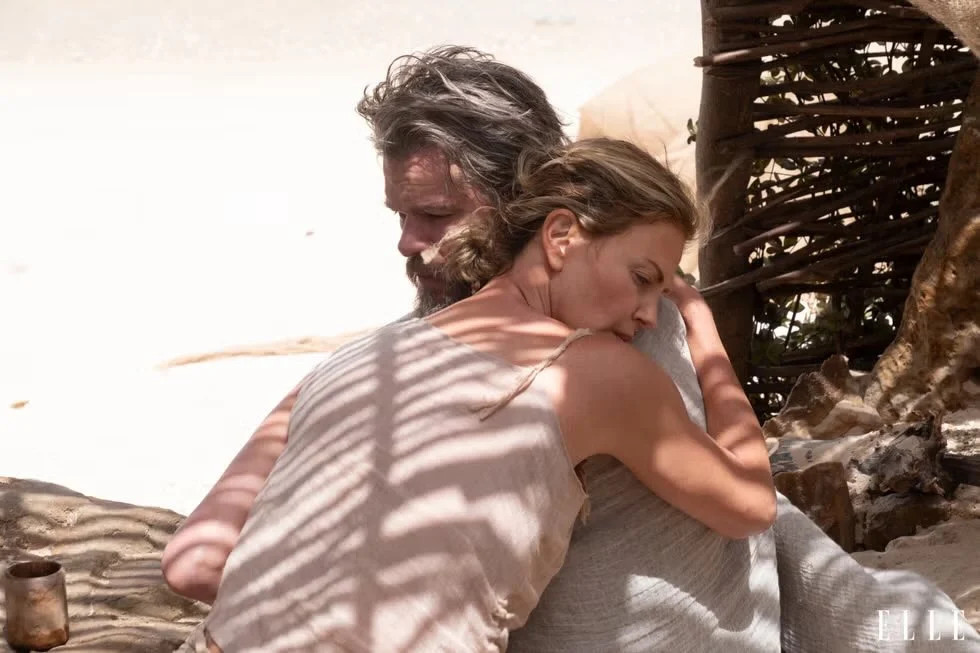

Fans debating ‘The Odyssey’ are circling back to one of the oldest questions in Greek mythology, and it has nothing to do with cyclopes or sirens. Did Odysseus actually sleep with Calypso, or has pop culture been exaggerating his time on her island.
With Christopher Nolan’s ‘The Odyssey’ now playing in theaters as of July 17, with a global IMAX rollout, and Charlize Theron stepping into the role of the nymph herself, the timing couldn’t be better to separate the source material from the screen adaptation.
The Myth of Odysseus and Calypso Explained
In Homer’s original epic, the answer is not really up for debate. Calypso is described as a nymph of the island of Ogygia who entertained Odysseus for seven years, unable to overcome his longing for home even after promising him immortality. That is not a platonic houseguest situation.
The poem is explicit about what happened between them at night. Homer writes that Odysseus would sleep with her in the arching cave, calling him an unwilling lover alongside a lover who was all too willing. Scholars point to this phrasing constantly because it frames the relationship as coerced rather than romantic.
That reading is backed up elsewhere in the text too. One classics commentator has noted that Calypso’s own name translates to concealment, and that while Odysseus stays with her he is essentially hidden away for seven years in what Homer frames as forced intimacy. It is a much darker undertone than the seductive island fling pop culture often implies.
Interestingly, ‘The Odyssey’ itself never treats this as a betrayal of Penelope. Neither the poet nor any character in the poem rebukes Odysseus for sleeping with Calypso or Circe, even though Penelope is repeatedly criticized just for allowing the suitors to linger in her house, despite having no real power to remove them.
Calypso’s Role and the Double Standard She Calls Out
Calypso herself is not written as a passive figure pining quietly in the background. She is portrayed as overcome with genuine love and lust for Odysseus, and it is that obsession that drives her to keep him on her island in the first place.
When Zeus finally orders her to let Odysseus go, she does not go quietly. Calypso complains directly about the gods’ double standard, pointing out that male deities are free to take human lovers while goddesses are scandalized for doing the exact same thing.
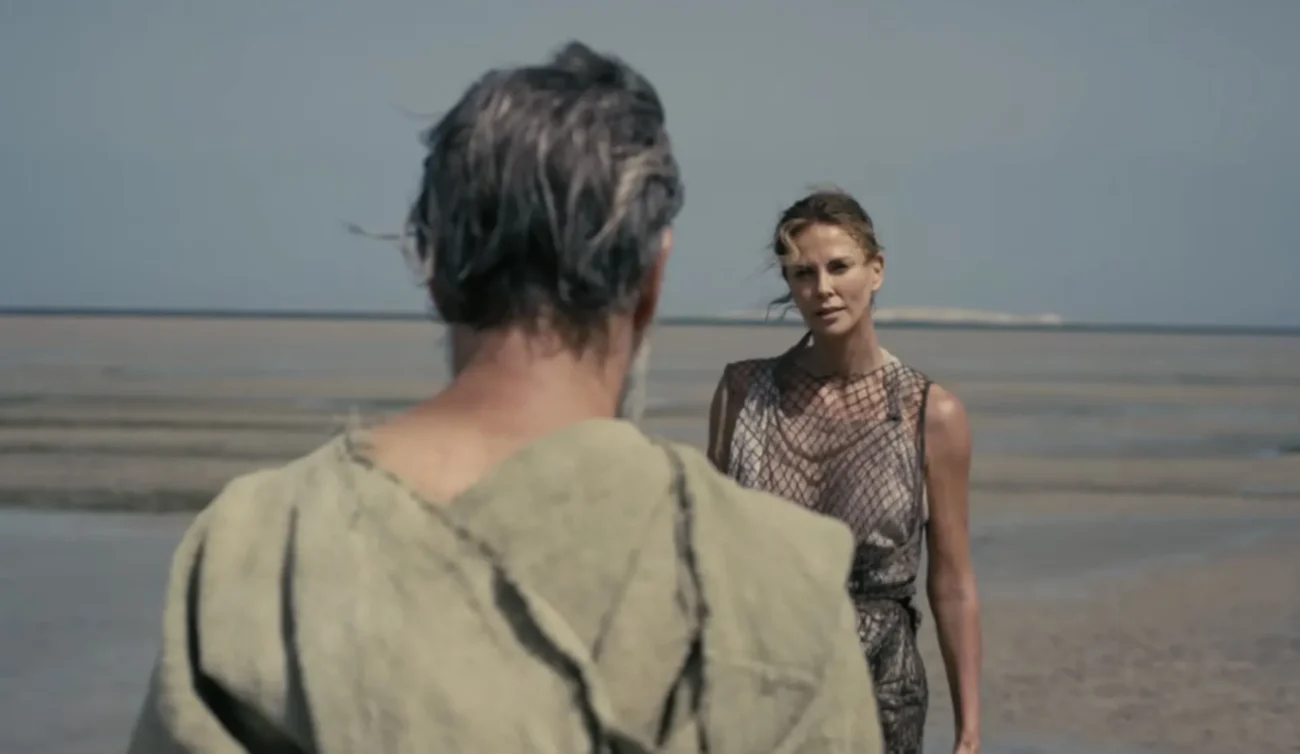
That speech has become one of the most cited passages in feminist readings of ‘The Odyssey.’ Her rebuke of Zeus and the other male gods is often read as calling out the hypocrisy of a mythology where male gods sleep with whoever they want without consequence, while goddesses face banishment or shame for the same behavior.
Even Odysseus’s own testimony backs up the seven year timeline. He recounts being washed ashore on Ogygia in the dead of night, being cared for by Calypso, and staying seven years despite her offers of immortality, saying she never won his heart.
How Christopher Nolan’s Film Adapts the Calypso Storyline
Nolan’s take on ‘The Odyssey’ is bringing this mythology to the biggest screens possible. The film carries an estimated production budget of around 250 million dollars, making it one of Nolan’s most expensive features alongside ‘Tenet’ and ‘The Dark Knight Rises’.
Matt Damon leads the ensemble as the man at the center of it all. Damon plays Odysseus, the king of Ithaca making his ten year journey home after the Trojan War, with Tom Holland cast as his son Telemachus.
Charlize Theron rounds out the cast as the nymph who complicates that journey. Theron plays Calypso alongside Samantha Morton as Circe and Zendaya as Athena, with Bill Irwin appearing as the cyclops Polyphemus. Theron has been candid about the scale of the shoot even with her limited screen time.
Speaking about joining such a massive production, Theron told The Hollywood Reporter she felt like the new arrival on set despite the material’s weight, saying she was only there for two weeks but could tell from the script just how epic the story truly was.
Fan Reactions to the Odysseus and Calypso Debate
Online, the argument over whether Odysseus “cheated” with Calypso has taken on a life of its own, especially among younger fans introduced to the story through modern retellings. Some fans point to dialogue in adaptations where Athena insists Odysseus never once cheated on his wife, while others counter that the book is clear he did sleep with Calypso, even if it was somewhat forced upon him.
Readers working through the original text tend to land firmly on Homer’s side of the argument. One reader reacting mid read pointed out that Homer explicitly says Odysseus was forced to sleep with Calypso, and expressed frustration that people still call it cheating.
That tension between coercion and infidelity is exactly what makes the character so enduringly complicated, and it is likely part of why Nolan’s adaptation was always going to draw this comparison the moment casting was announced.
With Theron’s Calypso now on screen for global audiences, how do you think Nolan’s film should handle the morality of that island, and does Homer’s framing of forced intimacy change the way you see Odysseus’s loyalty to Penelope?