From Pixels to Reels: How Pop Culture, Gaming, and Digital Entertainment Collided


The boundary lines defining television, video games, and online leisure platforms have vanished. A decade ago, an intellectual property stayed firmly locked inside its original medium: a blockbuster film stayed on the big screen, a TV show stayed on network television, and video games occupied their own dedicated consoles. Today, modern franchises exist as interconnected ecosystems designed to meet audiences wherever they happen to be.
The Evolution of Transmedia Storytelling
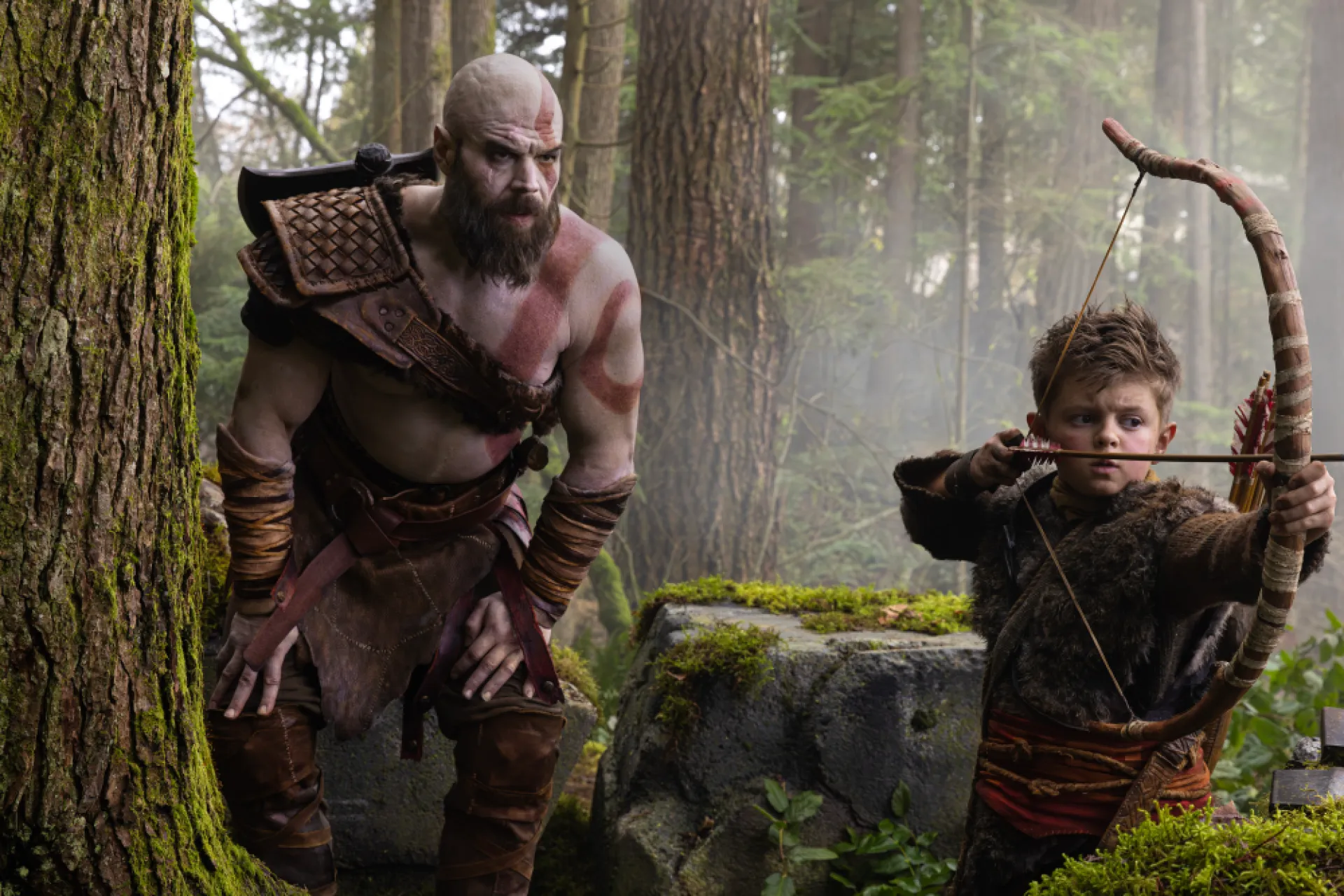
Hollywood spent years perfecting the art of cinematic storytelling, relying on multi-million dollar budgets, intricate set designs, and top-tier talent. Eventually, the video game industry adopted these exact principles. Games like The Last of Us, God of War, and Red Dead Redemption proved that interactive media could deliver character development and narrative depth on par with prestige television.
Now, that dynamic flows in both directions. Streaming platforms regularly greenlight high-budget adaptations of gaming franchises—such as Fallout, Arcane, and The Witcher—because audiences no longer see gaming as a niche pastime. It is a dominant cultural driver. Fans expect rich lore, atmospheric sound design, and world-building consistency across every piece of media they touch, whether they are watching a season finale on a couch or playing through a side quest on a handheld console.
Translating Franchise Aesthetics Across Platforms
This demand for immersive world-building extends far beyond narrative-heavy console games. It has fundamentally reshaped casual gaming and digital entertainment. When users log into casual gaming platforms today, they expect high production values, crisp visual fidelity, and engaging progression systems that mirror mainstream media trends.
Visual themes act as the primary anchor for this engagement. Whether an entertainment title pulls from neon-drenched cyberpunk aesthetics, high-fantasy lore, or classic cinematic tropes, thematic consistency keeps users engaged.
This crossover is particularly visible in casual gaming spaces, where developers design experiences using familiar pop culture motifs. Modern social casino slots lean heavily on these video game mechanics, incorporating animated cutscenes, multi-tier bonus rounds, sound design inspired by film scores, and daily quest structures. By framing casual play around familiar visual themes and progression systems, these platforms blend traditional casino aesthetics with the interactive feel of casual mobile gaming.
The Mechanics Driving Modern Audience Retention
The convergence of TV, gaming, and digital casual platforms relies on a few fundamental design strategies:
- Instant Visual Familiarity: Audiences naturally gravitate toward themes they already love in television and film, allowing developers to create immediate engagement through recognizable art styles and audio.
- Gamified Progression Systems: Modern digital entertainment relies on reward loops—such as daily log-in streaks, experience points, cosmetic unlocks, and leaderboard rankings—to give players a sense of achievement.
- Low-Friction Accessibility: Free-to-play models permit users to enjoy interactive mechanics purely for casual entertainment without steep learning curves or costly hardware barriers.
The Future of Integrated Media
As technology advances, media consumption will become even more fluid. Virtual reality, interactive streaming events, and cloud-based gaming will continue to blend passive viewing with active participation. Whether you are binge-watching a sci-fi series, exploring an open-world RPG, or enjoying a quick session on a casual gaming platform, the future of entertainment belongs to unified, multi-platform experiences.