‘By Any Means’ Ending Explained: What Really Happened to Mark Wahlberg’s Mafia Hitman-Turned FBI Weapon?

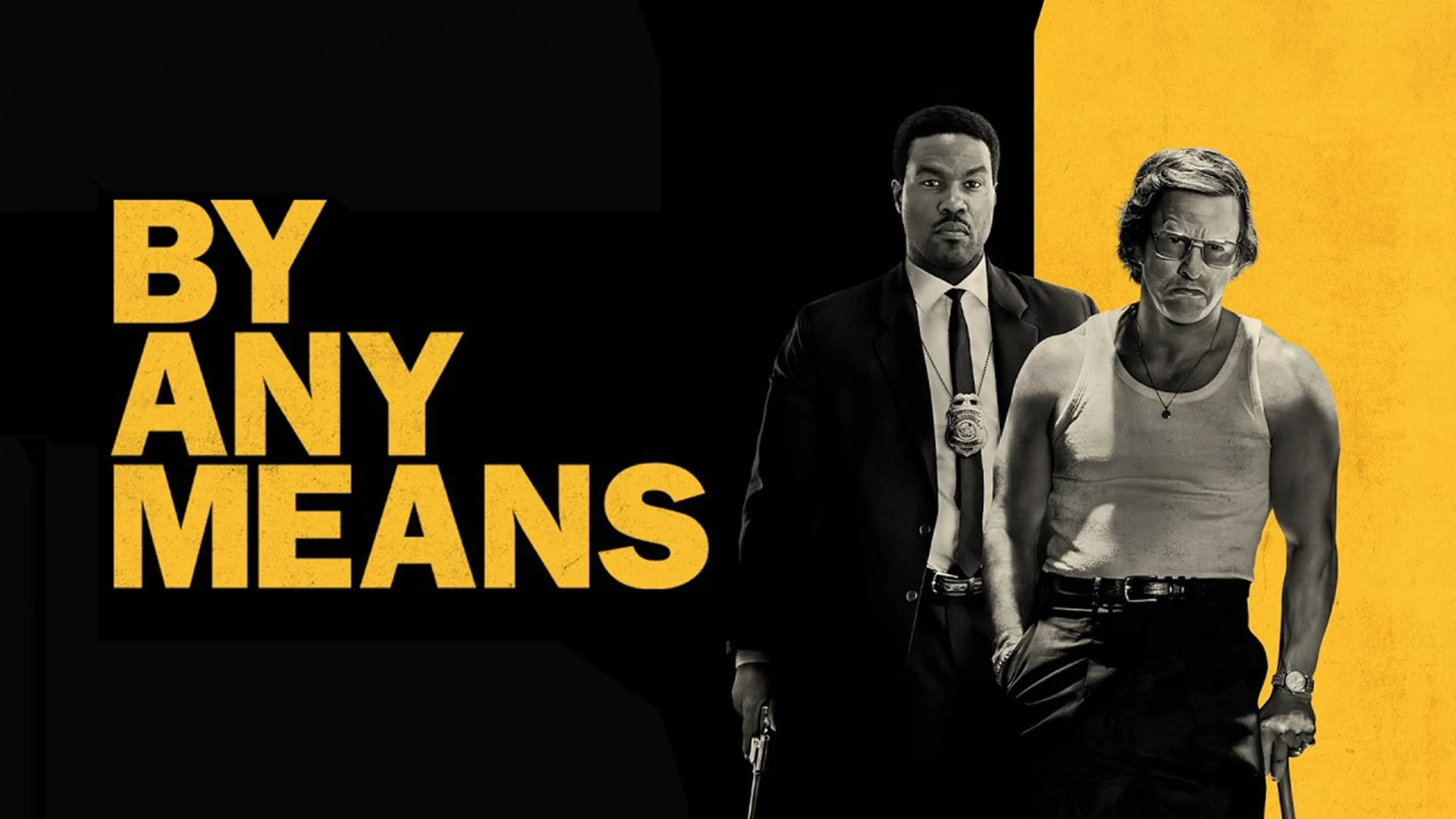

Mark Wahlberg is trading in his usual tough guy shtick for something far darker in ‘By Any Means,’ a crime thriller that dramatizes one of the strangest alliances in FBI history. The film is directed by Elegance Bratton and written by Sascha Penn, starring Wahlberg alongside Yahya Abdul-Mateen II, Josh Lucas, Nicole Beharie, Ethan Embry, LisaGay Hamilton, LaChanze, Giancarlo Esposito, and David Strathairn.
Based on a true story, the plot follows a young Black FBI agent sent into 1960s Mississippi to investigate a wave of brutal killings targeting civil rights leaders, who is forced to work alongside notorious mafia hitman Greg Scarpa. Because so much of the film is rooted in documented history rather than pure fiction, understanding how it ends means understanding what actually happened decades ago.
The True Story Behind ‘By Any Means’
Wahlberg’s movie is based on the real story of mafia hitman Greg Scarpa, who became an FBI informant in the 1960s and helped solve KKK related murder cases. Scarpa was a high ranking member of New York’s Colombo crime family known for brutal interrogation tactics that he used to extract information for the bureau in exchange for money.
During the summer of 1964, Scarpa traveled south to rural Mississippi and, using violent scare tactics, helped the FBI learn where the Ku Klux Klan had buried three slain civil rights workers. When the Klan later killed another civil rights leader in Mississippi by firebombing his house, Scarpa returned to help authorities solve that crime as well.
According to a 2007 report, Scarpa’s longtime partner Linda Schiro claimed she and Scarpa checked into a hotel in Neshoba County, and an agent later handed Scarpa a gun before he left the room. Scarpa allegedly told Schiro that if he did not return, she should take a cab to the airport and fly back to New York. He came back not long after, and later told her he had kidnapped a local salesman and secret Klansman named Lawrence Byrd, putting a gun in his mouth to force a confession.
Byrd was reportedly beaten so badly during that encounter that he was never the same afterward, and the confrontation became one of the most disputed episodes tied to the real Scarpa story.
How the Vernon Dahmer Case Shapes the Ending
The film also centers on the murder of Mississippi NAACP leader Vernon Dahmer Sr., who was killed after the Klan firebombed his home. Klansmen threw gasoline on the Dahmer house and shot into the building trying to kill everyone inside, and although Vernon got his family out, he was so badly injured that he later died.
When the initial investigation into who was behind the killing stalled, the FBI once again turned to Scarpa to get the names they needed. The film’s producer has said the filmmakers portray Dahmer as the family man and brave NAACP leader he actually was, and Dahmer’s daughter Bettie cooperated with the production and watched scenes filmed in Georgia.
Bettie noted that despite the film’s true crime framing, ‘it’s not about Vernon Dahmer, it’s about Gregory Scarpa.’ That framing matters for the ending, since the movie ultimately positions Scarpa, not the civil rights leaders he was supposedly helping avenge, as the story’s central and most morally complicated figure.
Mark Wahlberg’s Role as Greg Scarpa and His Family’s Involvement
For the role, Wahlberg’s appearance underwent a dramatic transformation including temporary cosmetic work on his nose and chin, which reportedly reminded Gregory Scarpa Jr. of his own father. Scarpa Jr. and his sister Linda Scarpa served as advisers on the film.
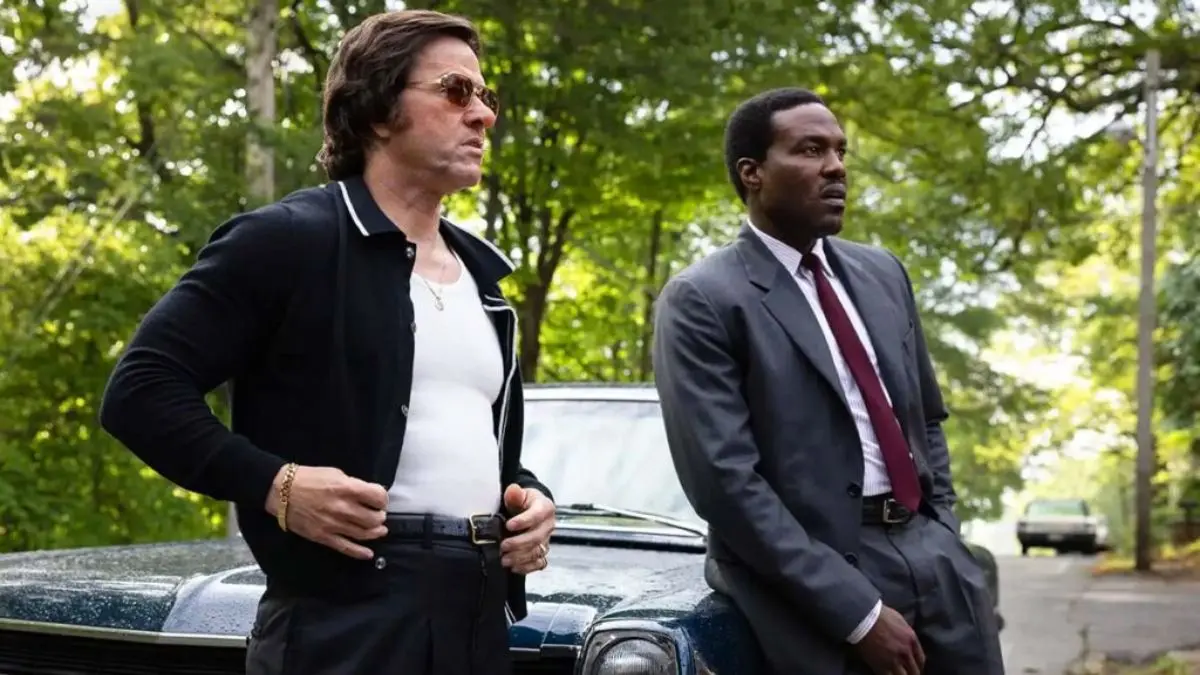
Gregory Scarpa Jr. also spent about a month and a half on set during production, and family members have said the Mississippi episodes depicted are based on real, reported events from the 1960s, though the film compresses the timeline the way movies typically do. The FBI agent character played by Abdul-Mateen II is a fictional composite created for the movie rather than a specific real agent.
Not everyone agrees on how accurate the finished film truly is. Award winning investigative reporter Jerry Mitchell wrote in a December 2025 story that former FBI agents have said the location of the three civil rights workers’ bodies actually came from a Mississippi highway patrolman who knew the Klansmen, not from Scarpa. That discrepancy remains one of the more contested details fans are already debating ahead of release.
Why the Real Story Behind Greg Scarpa Matters After the Credits Roll
Currently, the true scope of Scarpa’s unofficial involvement in Mississippi remains unclear, with the FBI’s own website only crediting an unnamed informant tip in the exhumation of the three bodies. That ambiguity is part of what makes ‘By Any Means’ feel unsettling rather than triumphant by its final act.
The film itself ends in the 1960s, but Greg Scarpa Sr. lived through decades more history afterward, including the bloody Colombo family wars, a prison stay near convicted terrorist Ramzi Yousef, and an eventual return home after over three decades behind bars. His FBI file, released through the Freedom of Information Act, shows his informant relationship with the bureau began in 1961 and stretched on for decades beyond what the movie covers.
Discussing his father’s role in Mississippi, Gregory Scarpa Jr. told The Mob Museum that he believes the movie is mostly accurate, even as historians and journalists continue to push back on certain claims. That tension between family testimony and independent reporting is likely to fuel plenty of post credits debate once audiences actually see how the film chooses to end its version of events.
‘By Any Means’ hits US theaters on September 4, distributed by Paramount Pictures.
Now that you know how tangled and disputed the real Greg Scarpa story actually is, do you think ‘By Any Means’ owed Vernon Dahmer’s family a bigger piece of the ending than it gave them?