Spencer Pratt Rips Into ‘Mayday’ Star Ryan Reynolds Over His ‘Brutal’ Take on the 1980s

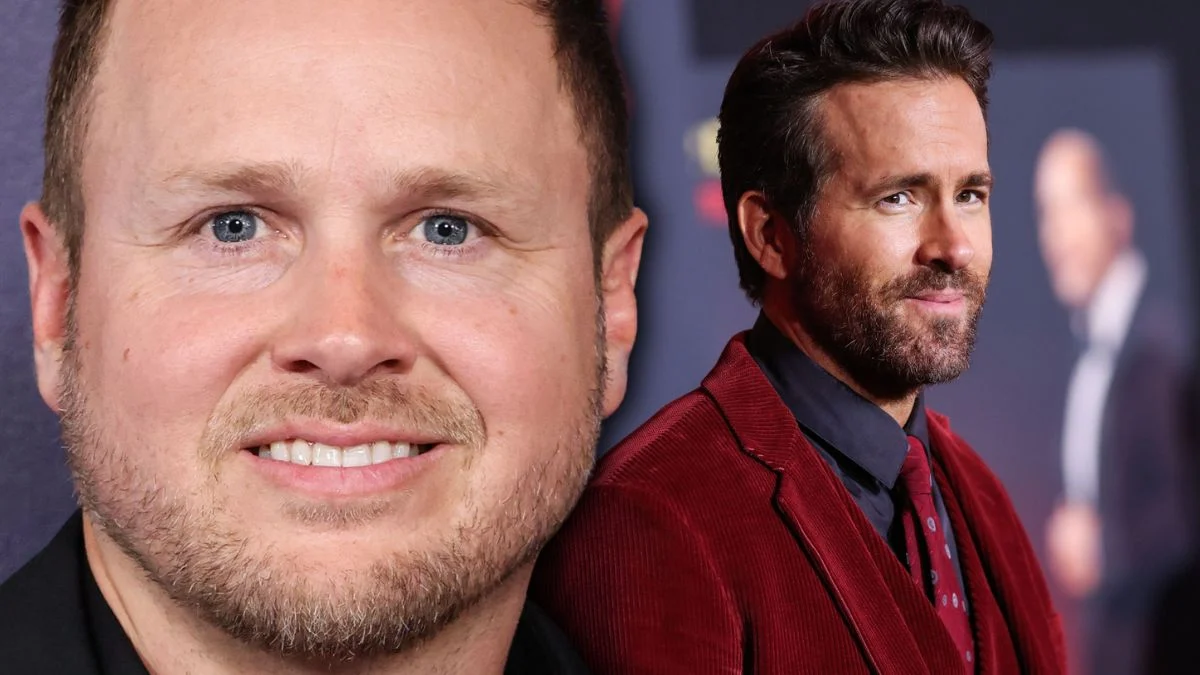

Nostalgia has become something of a sacred cow in modern pop culture, and few decades get romanticized quite as consistently as the 1980s. That reverence made it all the more jarring this week when one of Hollywood’s biggest stars broke from the usual script and openly trashed the era instead of celebrating it.
Ryan Reynolds made those comments while promoting his new film “Mayday” at its New York premiere, a Cold War-era story following an American pilot who crashes in the Soviet Union in 1987 and is aided by a former KGB agent obsessed with American culture. Despite the film’s playful, buddy-comedy tone and clear nostalgic packaging, Reynolds used the press stop to push back hard against rosy perceptions of the decade itself.
“The 80s was a brutal, brutal time for people. It was a fucking mess and people forget that. It was a tremendous strife,” Reynolds told Variety, arguing that 1980s nostalgia “paves over all the trauma” of what he described as a genuinely tumultuous period marked by ongoing sociopolitical tension.
Those comments quickly drew sharp criticism from television personality Spencer Pratt, who has spent recent years publicly advocating for bringing film and television production jobs back to the United States. Pratt framed his response around Hollywood’s broader relationship with American audiences rather than simply defending the decade itself.
“Here I am trying to bring back American film jobs, and then these tools keep saying stupid crap like this and making every normal American hate them. Hollywood is seriously its own worst enemy. Just stick to the Cricket wireless ads, dude,” Pratt wrote on X, referencing Reynolds’ longtime association with Mint Mobile, though notably naming the wrong wireless brand in his post.
Pratt didn’t stop there, continuing his criticism in a follow-up post questioning Reynolds’ modern comparisons between 1980s film heroes and today’s morally complicated protagonists. “In 80’s movies, bad guys were villains. Today, the bad guys are the heroes. Hollywood now bends over backwards to redeem wickedness and mental illness,” Pratt wrote, extending his critique beyond the original comments into a broader complaint about current Hollywood storytelling trends.
Pratt wasn’t alone in pushing back against Reynolds’ remarks. Conservative commentator Dan Bongino also weighed in, defending the decade by pointing to cultural and historical touchstones like the 1980 “Miracle on Ice” hockey victory, the fall of the Berlin Wall and economic growth during the Reagan administration. Bongino specifically questioned how Reynolds could describe the era as traumatic, calling his understanding of American history into question given that Reynolds grew up in Canada during that time.
Lisa Cusack, president of the Don’t L.A. My Burbank political action committee, also joined the criticism, telling Fox News Digital that Reynolds overlooked what she described as meaningful economic and cultural gains during the decade, including declining poverty rates and GDP growth. She specifically noted the irony of criticizing an era that produced beloved films like “Back to the Future” and “Indiana Jones.”
Much of the pushback centered less on whether Reynolds’ broader point had merit and more on the apparent contradiction between his comments and the film he was actually promoting. “Mayday” itself leans heavily into 1980s nostalgia as part of its marketing and tone, making the timing of Reynolds’ criticism feel especially jarring to some critics.
Film critic Christian Toto told Fox News Digital that Reynolds’ remarks were “stunning” specifically because “Mayday” functions as a nostalgic tribute to the very decade he was criticizing in interviews promoting the film. That disconnect between the film’s marketing and Reynolds’ own public comments has become the central thread tying together much of the criticism from Pratt and others.
With “Mayday” set for release this Friday, Reynolds’ comments about the 1980s have added an unexpected layer of controversy to what was otherwise shaping up to be a straightforward promotional rollout.
Was Ryan Reynolds right to call the 1980s a “brutal” decade?
Have something to add? Let us know in the comments!