How Filmmakers Make Superhero Powers Feel Unique

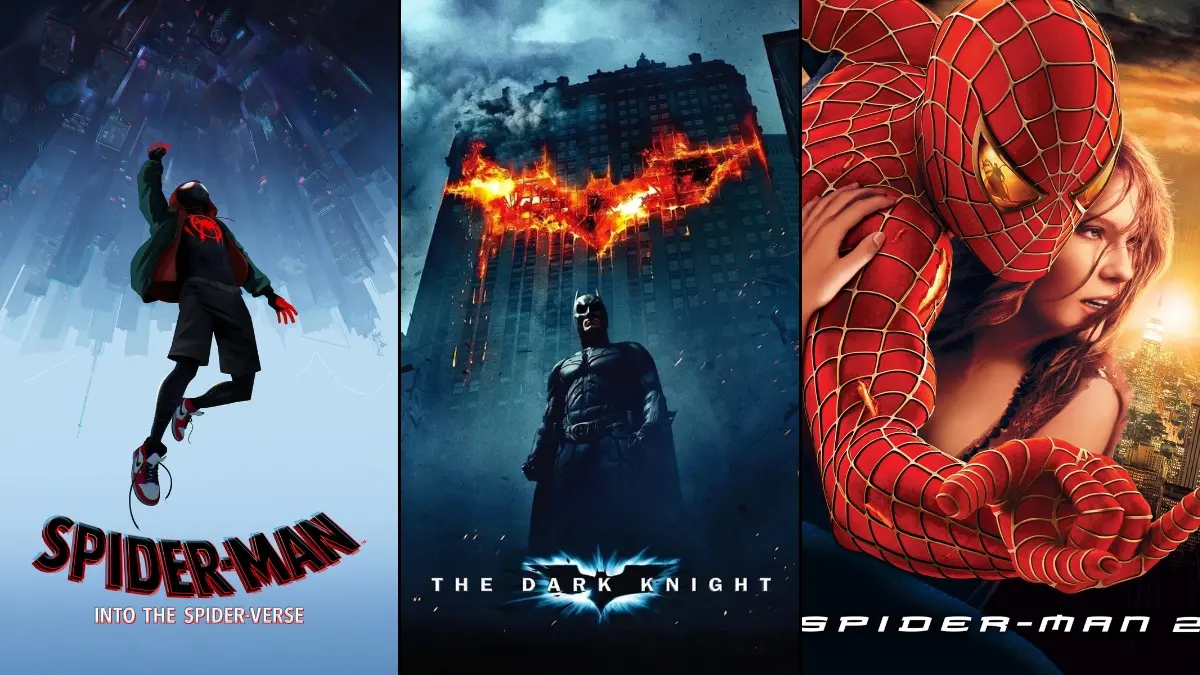

Many superheroes have powers and abilities that enable them to fly, possess extraordinary speed, control over energy, matter, and other things, withstand impact, change forms, and shape-shift in other incredible ways. Superhero movies’ special effects artists have their work cut out for them, as many of these abilities are similar, and the task is to make each superhero unique in his own way.
The answer to this problem does not lie in making an ability look more radiant, explosive, or powerful than others. It lies in making a unique visual identity using a specific type of movement, sound effect, lighting, visual effects, camera work, costume design, and reaction of the surrounding world to every ability.
If done right, it makes it possible for viewers to identify the power of a superhero even before the hero himself becomes visible on the screen.
Powers Need Their Own Visual Language
One of the initial steps in the process of creating powers is determining what they will look like.
In the case of energy-based powers, one thing is clear from the beginning – the same glowing beam will not do for everyone. To differentiate between the characters’ abilities, the visual effects artists come up with unique shapes, textures, motions, and levels of intensity.
Thus, a magic-based power might be smooth and hard to predict, while technology-based will have the opposite features. For example, a character related to electricity will create jagged and quick movements, while another hero will produce something that resembles heat, smoke or light. It becomes part of the visual language of the movie.
The moment the audience gets accustomed to it, there is no need to describe the power whenever it is needed. It is enough to use the unique look of the effect to show which hero uses it.
Movement Defines More Than the Effect
The physical manner with which a character performs a power can be just as important as the visual effects. Two heroes may have superhuman strength. They don’t have to fight in the same way, though. One hero may have controlled, powerful movements, while the other could be wild and rely on sheer strength. Speed-based characters also need distinctive movement.
A speedster may appear almost weightless, changing direction quickly and reacting before anyone else, while a flying hero might move with longer, smoother lines through the frame. These choices help the audience understand personality through action.
A careful and disciplined superhero should not necessarily use their powers in the same way as someone impulsive or inexperienced. Movement therefore becomes part of character development rather than simply a way to display an ability.
Sound Gives Every Power a Personality
A superhero power can be made identifiable by a sound long before the cool effect is seen on screen. Sound designers layer mechanical sounds, natural sounds, electronic sounds, impacts, voices, and many more together to make the final sound. The resulting mix can be completely unrealistic but have enough qualities of real sounds to seem plausible.
A high-tech powered suit could have servos, motors, noises of metal being manipulated, and electricity crackling, whereas magical powers could have more mystical and mysterious sounds. The rhythm also matters.
A power that activates instantly should sound different from one that requires energy to build. A heavy attack may include deeper frequencies, while a quick ability could use sharper sounds with less low-end weight. These details help separate characters even during complicated action scenes.
If several superheroes use their abilities at the same time, distinctive sound design allows audiences to understand what is happening without relying entirely on the image.
The Environment Should React Differently to Each Hero
Superpowers feel more convincing when they have consequences beyond the character using them. If someone has enormous strength, the ground may crack when they land or nearby objects may move after an impact. A character using heat could affect surfaces differently from someone controlling electricity or cold.
These environmental reactions do more than make the effects look impressive.
Superhero worlds are built through visual details that reveal the connection between characters, their powers, and their surroundings. World Production Service helps shape art direction elements that create a consistent atmosphere and support the story’s creative vision.
A superhero whose powers had a physical impact on the environment would be different from one whose powers were more surgical or restrained. The people who do special effects, along with the show’s stunt team and production designers, would have to create all of these with special practical effects and CGI.
Sparks, dust, flying things, falling stuff, moving fabric, water, and lighting could help make something seem like it can interact with its environment rather than being imposed on it.
Camera Choices Influence How Powerful a Hero Feels
The same ability can look completely different depending on the shot. An extreme shot can show how powerful the ability is, like if a superhero was using an ability that affected a large area. However, a close-up shot would show the hero’s emotions or how they exerted themselves to perform the move.
Low angles can make the subject look powerful, but a high angle can make even the strongest hero look helpless. Camera movement is equally important. A smooth tracking shot might work well for a character whose abilities are controlled and precise, while more aggressive camera movement could support a hero whose power feels unstable or destructive.
These choices give filmmakers another way to separate heroes without changing the power itself. The camera is not simply recording the effect. It is helping define how the audience should experience it.
Strong Powers Still Need Limitations
A superhero becomes less interesting when the audience believes the character can solve every problem without effort. Limitations help powers feel more distinctive because they establish rules.
One hero can be powerful but not so fast, while the other might be quick but not able to keep up the pace for too long. One might have some hi-tech equipment, which requires energy, and another one will be limited by the magic powers or spells that can only be used under certain conditions.
Such limitations can create conflicts for heroes to struggle through and give the film industry more material to work with. Otherwise, there is a possibility that the same ability can be used in all situations and under all conditions, making movies too similar and predictable. The variety of the ability and its application is what keeps viewers watching the fight and not falling asleep during boring one-on-one battles.
Powers Should Reflect Personality
The best superheroes’ superpowers are somehow personalized to the bearer. A shy character will use the power of destruction wisely, while an impulsive hero will waste it on trivial problems. A genius will invent a thousand different uses for the same power, while another character will use it always the same way. This makes powers feel like extensions of personality. It also allows filmmakers to show character development visually.
A hero who struggles to control an ability early in the story may gradually become more precise, while another character could become more aggressive as their emotional state changes.The power has not necessarily changed, but the way it is used tells the audience something about the person.
This approach makes action scenes more meaningful because physical movement and visual effects begin carrying narrative information.
Costume Design Can Support the Power
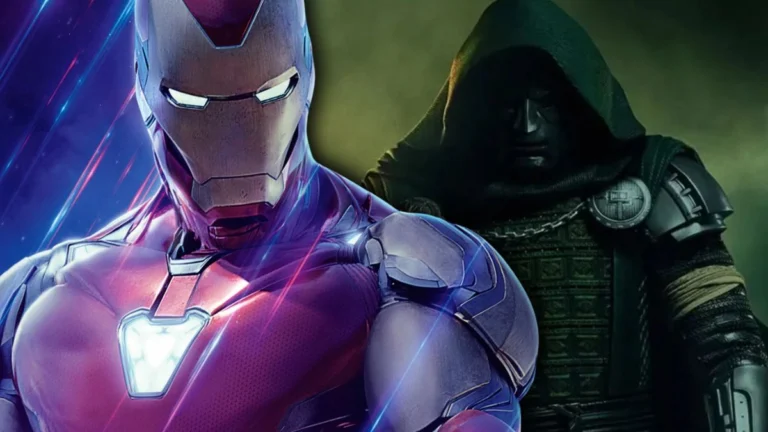
Costumes often interact directly with superhero abilities. A character using advanced technology may have visible mechanisms, lights, moving parts, or displays integrated into the suit. Someone whose power comes from a physical transformation may need clothing designed to respond differently.
Color can also help connect costume and power. A consistent palette creates an immediate visual link between the character and the effect, although filmmakers usually try to avoid making the design feel too obvious.
Materials matter as well. Metal, fabric, armor, leather, and synthetic surfaces all behave differently under light, which affects the way powers appear around them.
When costume design and visual effects are developed together, the hero feels more visually complete. The power appears to belong to the character rather than existing as an unrelated effect.
Lighting Makes Powers Feel Part of the Scene
One of the easiest ways for a visual effect to feel artificial is when it does not influence the lighting around it.
If a superhero creates a bright energy source, that light should affect the face, costume, walls, floor, and surrounding objects. Reflections and shadows should also respond where appropriate.
Filmmakers often use practical lights on set to create this interaction before the digital effect is added. This gives actors and environments real illumination that visual effects artists can later match. Different powers can also use different lighting behavior.
Some may briefly flash and disappear, while others gradually brighten the environment. A power associated with heat may create warmer illumination, while another ability could produce a colder or less natural appearance.
These choices strengthen visual identity without requiring additional explanation. The final look of superhero scenes depends on how colors, contrast, and mood are refined after filming. Through World Production Service, color grading support can help create a consistent visual style that strengthens the atmosphere and emotion of the story.
Editing Controls How Fast a Power Feels
Editing plays a major role in defining superhero abilities. A character with extremely high speed might need to have the sensation of rapid movements or changes in time, whereas a character with a powerful body needs a prolonged shot to showcase the extent of their physical power.
The former could utilize the slow-motion effect to demonstrate the abilities that happen too fast, whereas the latter would need to keep the footage at a normal pace to do the same. A speedster may look quick because the environment around them is in slow motion rather than the character themselves being portrayed as a blur. Editors can also create rhythm around repeated power use.
A character may have a recognizable sequence of preparation, activation, impact, and reaction that becomes familiar to audiences over time. This gives the power a sense of structure and makes major variations feel more important when they occur.
Scale Helps Separate Similar Abilities
Some superhero powers become distinctive because of how much space they affect. One character may use energy with great precision, while another produces large attacks that change the entire environment. Both may technically be using similar abilities, but the sense of scale makes them feel very different.
Filmmakers establish this through shot size, environmental reaction, sound, and editing. A small effect can feel intense when photographed closely, while an enormous ability may require a wide shot to show how far it reaches. The important thing is consistency.
If a power suddenly changes scale without explanation, it can feel as though the rules have been abandoned for convenience. When filmmakers establish clear limits and visual patterns, audiences understand what makes the ability special.
Team-Up Scenes Make Differences More Important
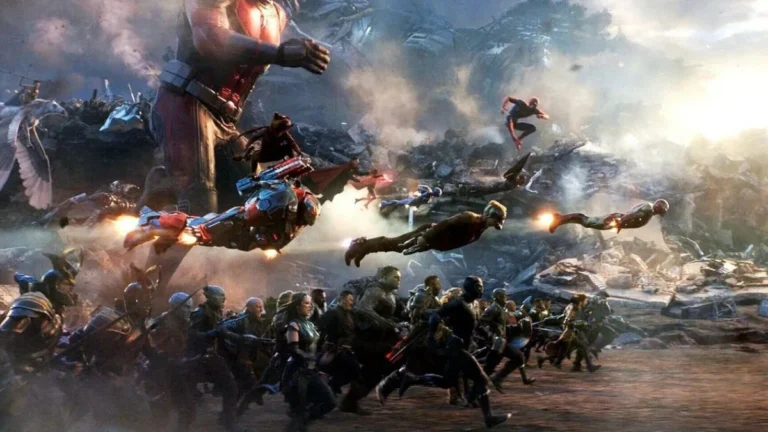
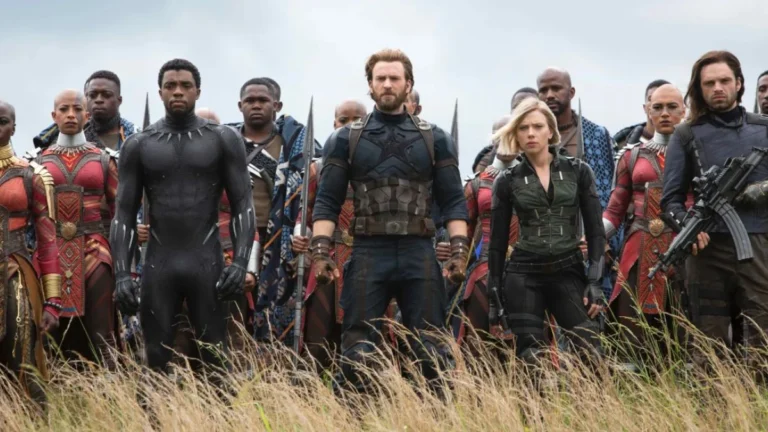
Individual power design becomes even more important when several superheroes appear together. A team-up scene can become visually confusing if every character produces similar effects or moves at the same speed.
Distinct colors, sounds, movement patterns, and environmental reactions help separate the heroes. This allows the audience to follow complicated action more easily. Filmmakers can also create combinations between powers, where one hero’s ability changes or enhances another character’s attack. These moments work best when audiences already understand the individual rules.
The combination then feels satisfying because viewers can see how two familiar abilities interact in a new way. Teamwork becomes more visually interesting when each hero brings something genuinely different to the scene.
Powers Become More Memorable When They Evolve
A superhero should not necessarily use an ability in the same way throughout an entire movie or series. New situations can reveal different applications. A character may initially understand only the most obvious use of a power before discovering more controlled or creative techniques later. This evolution gives filmmakers opportunities to keep action fresh without constantly inventing completely new abilities.
It can also reflect character growth. Improved control may show maturity, while more destructive use might reveal anger or desperation. Audiences respond strongly to these changes because they already understand the original version of the power. The evolution feels meaningful rather than random.
Unique Powers Come From Consistent Creative Choices
The presentation of superhero genre movies’ distinctive features is not just a matter of using brighter colors and more exciting effects. The key to the successful use of powers is to combine several techniques.
Each element, such as movements, sound effects, lighting, and framing, should complement the others, while the costume, the editing of the actions, the actor’s reaction, and the limitation of a power that makes it not omnipotent, complete the overall impression. Most importantly, it should be combined with the presentation of the character itself.
A fresh approach to the long-standing superhero genre is not a matter of utilizing unexplored techniques but rather the use of the specific tools in a unique way that would highlight the characteristics of either the hero or his powers.
The audiences have seen dozens of movies with superpowered heroes who can jump higher and run faster than anyone else. The characters with energy beams, teleportation abilities, and mecha-suits are also nothing new. However, the perception of every single superhero movie relies on the precise authorial stamp that is presented through the unique utilization of the medium’s tools. In other words, every superhero movie creates its distinctive aesthetics based on its specific characteristics. And the key to it is not to overuse the bright powers but to showcase their unique presentation that would be instantly recognizable to viewers.