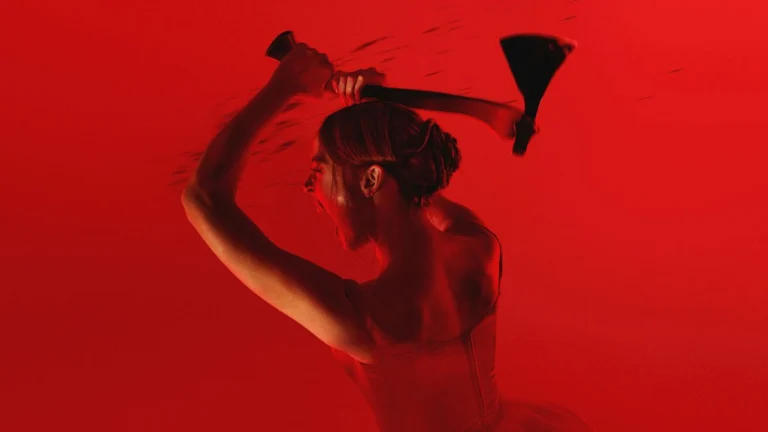
‘Monster: The Lizzie Borden Story’ Historical Accuracy—Here’s What Netflix Actually Got Right and Wrong

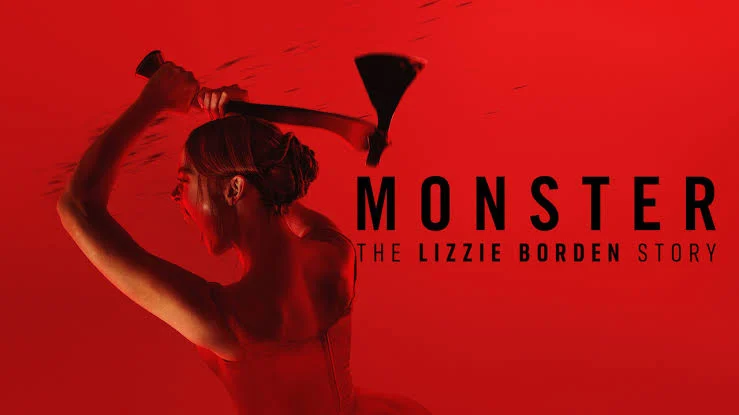

Netflix has once again turned a notorious true crime case into prestige drama, and this time the subject is a name most Americans already know from a childhood rhyme. ‘Monster: The Lizzie Borden Story‘ is the fourth season of the anthology series created by Ian Brennan, centering on murder suspect Lizzie Borden, played by Ella Beatty, who was tried and acquitted of the 1892 axe murders of her father and stepmother in Fall River, Massachusetts. The season premiered on September 17, 2026, and wasted no time reigniting old questions about the axe, the house on Second Street, and the woman at the center of it all.
Given the franchise’s track record with Jeffrey Dahmer, the Menendez brothers, and Ed Gein, fans went in expecting liberties, and they got plenty. So how much of ‘Monster, The Lizzie Borden Story’ actually lines up with the historical record, and how much is Ryan Murphy and Ian Brennan style invention layered on top of a case that was never fully solved.
The Real Lizzie Borden Case Behind the Netflix Drama
More than 130 years after Lizzie Borden was acquitted of killing her father and stepmother, their deaths remain one of the most famous unsolved crimes in U.S. history. A jury actually found the 32 year old not guilty in a murder trial that was widely publicized at the time. That acquittal is one detail the show does not fudge.
The famous playground rhyme that most people associate with the case is almost entirely wrong. The rhyme claims Lizzie gave her mother 40 whacks and her father 41, but Abby was Lizzie’s stepmother, not her mother, the weapon was more likely a hatchet than an axe, and the autopsies actually recorded 18 wounds to Abby’s head and 10 to Andrew’s. The rhyme also flatly names Lizzie as the killer even though she was never convicted of anything.
On the show, the murders themselves take place on August 4, 1892, in Fall River, Massachusetts, which matches the real timeline exactly. Netflix’s version stars Ella Beatty as Lizzie, alongside Charlie Hunnam as her father Andrew Borden, Rebecca Hall as stepmother Abby Borden, Billie Lourd as older sister Emma Borden, and the family’s live in maid, Bridget “Maggie” Sullivan, played by Vicky Krieps.
Fact Checking the Lizzie and Maggie Romance Storyline
The biggest swing the series takes has nothing to do with the murders themselves. Monster makes a major addition to the historical story by portraying Lizzie and Sullivan, who the show calls Maggie, as lovers. Netflix leans into that angle hard in its marketing.
Netflix describes its version of Lizzie and Maggie as trapped in a house built on humiliation and cruelty, escaping into a fantasy of sex, power, and revenge, and the trailer even portrays Maggie encouraging Lizzie toward the killings. It is a bold narrative choice, and one that gives the season a very different emotional engine than a straightforward crime procedural would.
The problem, according to historians and journalists who have dug into the case, is that there is simply no solid record to back it up. There is no definite historical evidence that Lizzie and Sullivan had a sexual relationship. Reporting on the series notes it mixes documented history, long running theories, and plenty of outright fiction, and that the question of whether Lizzie actually committed the crimes remains one of history’s most enduring mysteries even 130 years later.
How Accurate Is the Portrayal of Abby Borden’s Cruelty
Rebecca Hall’s Abby is written as a genuinely monstrous stepmother in the show, and that characterization has drawn scrutiny for going well beyond what the historical record supports. In the series, Abby calls Lizzie names, throws boiling soup in a maid’s face, kills Lizzie’s beloved doves, and is generally portrayed as a horrid presence in the household.

Fact checkers have labeled that depiction mostly false. While several historical references do state that Abby and Lizzie had a bad relationship at best, there is no historical evidence supporting the extreme cruelty the show depicts. It is a classic case of dramatists taking a documented tension and inflating it into something far more theatrical.
The series does keep several real details intact, including the basic timeline, the victims involved, Lizzie Borden’s arrest, and her eventual acquittal, and Bridget Sullivan is still called Maggie by the household, which matches the historical record. Still, several staging choices around the killings themselves, along with a fabricated relationship between Andrew and the household maid, exist purely for dramatic effect rather than accuracy.
What Critics and Fans Are Saying About the Lizzie Borden Adaptation
Reviews so far have leaned positive on the entertainment value even while acknowledging the show plays fast and loose with facts. One review calls it a highly watchable depiction of one of the most gruesome crimes in American history, noting the narrative bends and twists the truth of what actually occurred in the Borden home that infamous Thursday morning.
As the fourth offering in the franchise, the season is described as the first to center on a female killer, offering a window into the Victorian era through a young woman tormented by her family, misogyny, and her own body. That framing seems to be resonating, with critics noting the show finally delivers an outrageously engaging season for the anthology.
Sarah Paulson also appears in the season in a separate storyline as Aileen Wuornos, and according to creator Ian Brennan, the season more broadly explores misogyny, gender roles, and the societal expectations placed on women in that era. That thematic ambition seems to be the real point of the show, using the ambiguity of the Borden case as a lens rather than trying to solve it.
In the end, Lizzie Borden really was acquitted, and Monster is far more fiction than fact, with the invented drama landing largely because of the cast’s intensity rather than any devotion to the historical paper trail. Given how much the show invents around Lizzie, Maggie, and Abby, do you think ‘Monster, The Lizzie Borden Story’ should have stuck closer to the record, or does the fictionalized version actually capture something true about the case that the facts alone never could.