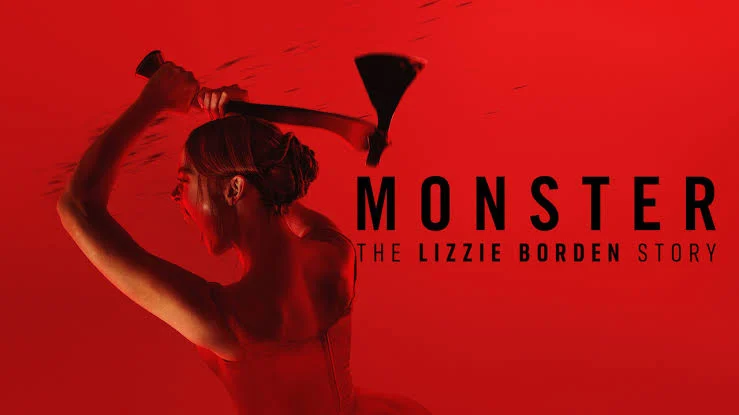
Was Aileen Wuornos Really Inspired by Lizzie Borden? Netflix’s ‘Monster’ Just Made a Shocking Case

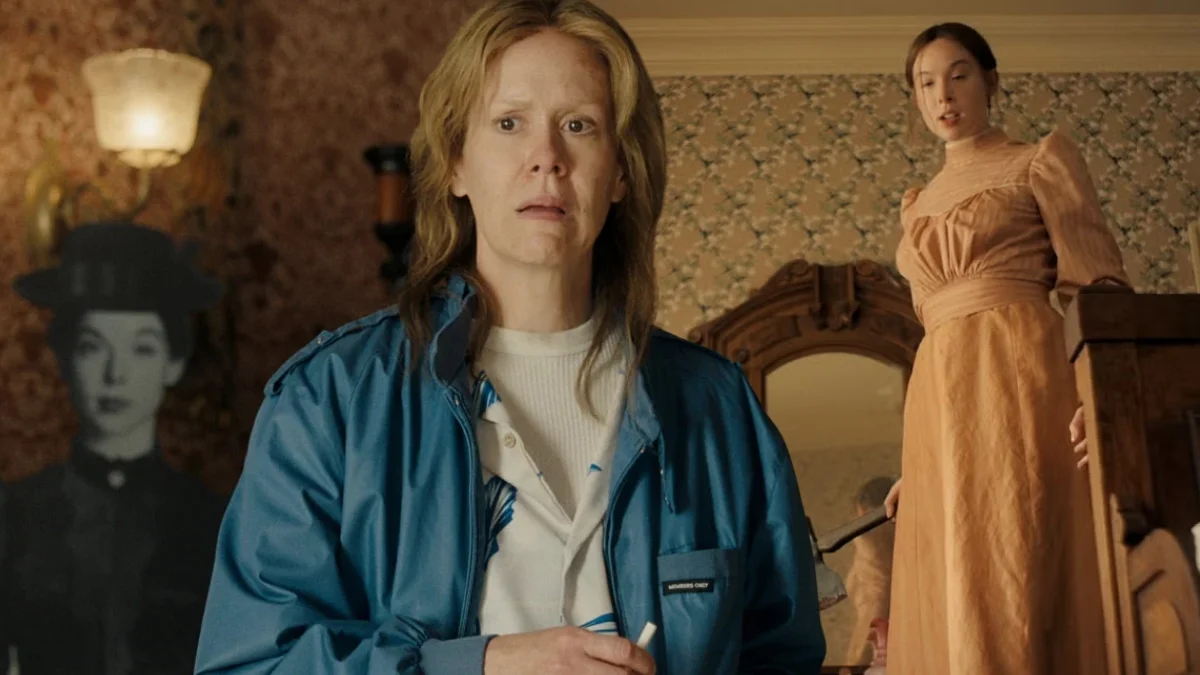

Netflix’s true crime anthology has always thrived on unexpected connections, but its latest twist might be the boldest yet. ‘Monster: The Lizzie Borden Story’ pulls a nearly century-old axe murder case into direct conversation with one of America’s most notorious female serial killers, and viewers are scrambling to figure out where fact ends and fiction begins.
The pairing of Lizzie Borden and Aileen Wuornos sounds like a stretch on paper, since their stories unfolded generations apart. Yet showrunners Ryan Murphy and Ian Brennan have built an entire thematic bridge between the two women, and the internet cannot stop talking about it.
The Aileen Wuornos Connection, Explained
Sarah Paulson steps into the role of Aileen Wuornos for season four of ‘Monster,’ marking her return to the Ryan Murphy universe after collaborations on ‘Ratched’ and ‘American Horror Story’ this casting is head-turning and perhaps even headscratching, as Wuornos lived decades after Lizzie Borden, whose crimes occurred between 1989 and 1990. Wuornos was a Florida sex worker who was convicted of killing six men and became one of the most infamous female serial killers in American history.
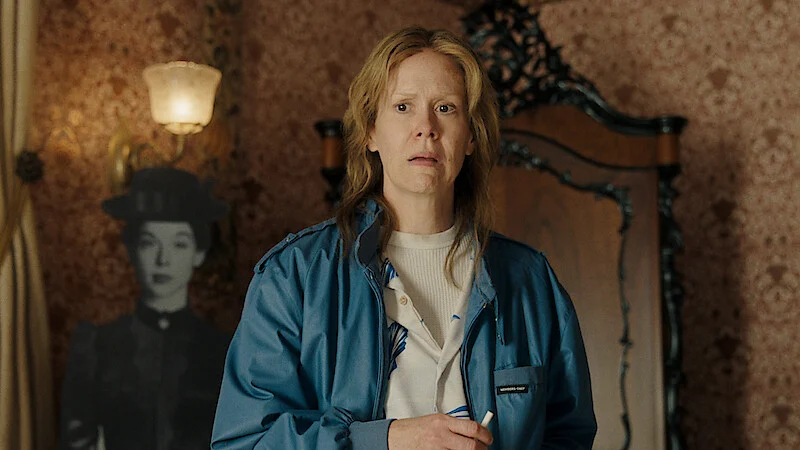
The character does not appear throughout the entire season. Instead, Aileen is introduced in the show’s fourth episode, with the story shifting briefly to her tale in Florida, and the scene shows her soliciting a man and then killing him. From there, the narrative threads her story directly into Lizzie’s legacy in a way that surprised even longtime fans of the anthology format.
Netflix has confirmed there is no factual overlap between the two cases. The show explores the psychology of female violence rather than suggesting a real-life meeting between the two subjects. Still, the creative decision to link them has become one of the most talked about elements of the new season.
Did Lizzie Borden Actually Inspire Aileen Wuornos?
This is the question driving so much confusion online, and the answer is more nuanced than a simple yes or no. The connection between Aileen Wuornos and Lizzie Borden is fictional, and the two women never met, with no historical evidence that the real Wuornos was particularly fascinated by the Borden murders.
Within the fictionalized world of the Netflix series, however, the show leans hard into the idea of obsession. Aileen is later seen reading a book about Lizzie Borden, and her fascination with the case is obvious as she references Borden by name. She and her girlfriend also later visit the Lizzie Borden house and spend a night there, a detail that has fueled online debate about how literally viewers should take the storyline.
Reporters covering the season have been careful to separate the show’s artistic license from documented history. Borden was famously acquitted on charges of killing her parents, whereas Wuornos admitted to murdering multiple men, and the eighth episode of the Netflix show implies there is a similarity in the female rage that explodes in both women. That framing suggests the link is emotional and symbolic rather than a literal claim that one woman studied the other’s crimes as a blueprint.
Even the show’s own timeline undercuts any literal reading. Aileen and Lizzie could not have met in real life, as Lizzie was born in 1860 and died in 1927, while Aileen was not born until almost 100 years later, in 1956, before dying in 2002. The gap alone makes clear this is a narrative device rather than a documented case of one killer studying another.
Why ‘Monster’ Chose to Link the Two Female Killers
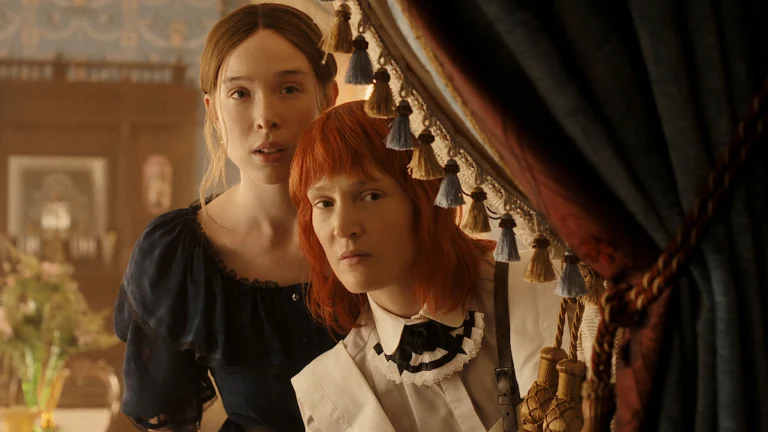
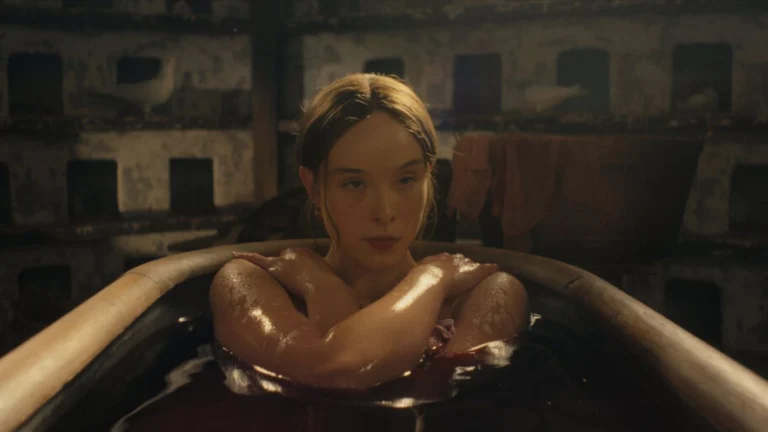
According to star Ella Beatty, who plays Lizzie Borden, the decision was deliberate and thematic rather than historical. “The show is exploring a legacy of female rage and reaction to the set of circumstances that they are presented with,” Beatty told Netflix Tudum, adding that there is a connection between Borden and Wuornos that Ryan and Ian were interested in mapping and exploring.
Beatty went further, suggesting the pairing was meant to interrogate a larger question about violence and gender. She said the story of Aileen Wuornos also served the question and exploration of why women kill. That framing positions Wuornos not as a footnote but as a mirror reflecting back on Lizzie’s own arc.
The finale drives the connection home visually rather than through dialogue alone. In her final moments, the series depicts Wuornos experiencing a vision of Borden, reinforcing the show’s preoccupation with the psychological evolution of monsters. It is a haunting image that ties the entire anthology’s mission statement, examining what turns ordinary people into infamous killers, back to its very first case.
Ian Brennan, who co-created the series with Murphy, praised Paulson’s work in bringing that psychological weight to life. Brennan said it seems second nature that Paulson comes in and delivers a performance like that, but called it breathtaking nonetheless.
Sarah Paulson’s Role in ‘Monster’ Season 4
Paulson’s screen time as Wuornos is deliberately limited, appearing largely at the edges of the season rather than as a co-lead. Paulson appears as Wuornos in the beginning and end of the final episode of ‘Monster: The Lizzie Borden Story’, giving the character an almost bookend quality that frames the entire season’s themes.
This is not the first time Wuornos has been reexamined on screen recently. Netflix had already explored Aileen Wuornos’ story in documentary form, releasing ‘Aileen: Queen of the Serial Killers’ on October 30, 2025, giving audiences a factual companion piece just before her fictionalized return. Her story was also famously dramatized decades earlier, with Charlize Theron’s Oscar winning portrayal of Wuornos in 2003’s ‘Monster’ continuing to reverberate in the culture.
For Paulson, the casting continues a long creative partnership with Murphy that spans multiple hit projects. Given that Wuornos is not the focus of the season, industry observers believe the storyline exists to examine Borden’s impact on the perception of and connection to other female killers, much like how season three explored the impact of Ed Gein’s crimes on popular culture.
Whether or not you buy the thematic link between these two very different women, ‘Monster: The Lizzie Borden Story’ has clearly succeeded in making audiences ask hard questions about how female violence gets remembered across generations. What did you think of Sarah Paulson’s surprise turn as Aileen Wuornos, and does the Lizzie Borden connection work for you or feel like a stretch too far?