‘American Hostage’ Episodes 1 & 2 Premiere Recap & Ending Explained: The True Story Behind Jon Hamm’s Tense New Thriller

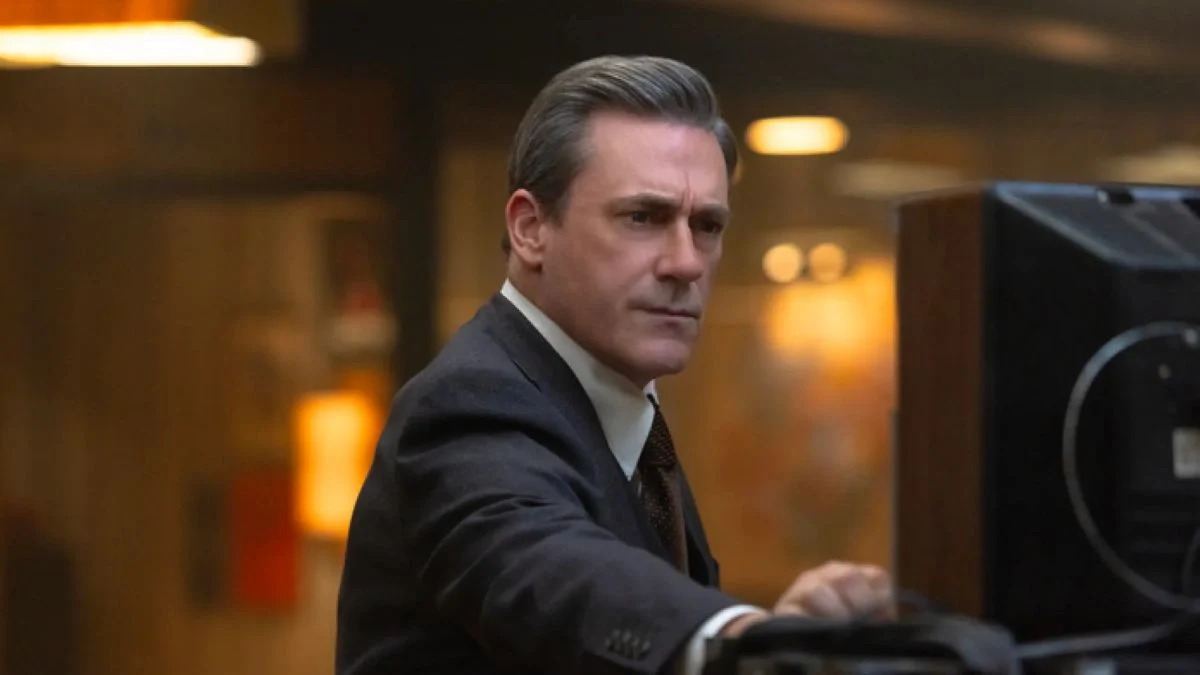

True crime television has produced no shortage of kidnapping dramas over the years, but few real-life standoffs carry the strange, almost theatrical tension of what unfolds in ‘American Hostage.’ MGM+’s new limited series drops viewers straight into a crisis that gripped an entire city, forcing an ordinary radio reporter into a role he never asked for.
Jon Hamm leads the series as Fred Heckman, a respected Indianapolis newsman whose voice becomes the only thread connecting a desperate captor to the outside world. Giovanni Ribisi plays that captor, and by the end of the premiere, it’s clear this isn’t a conventional hostage thriller built around a shootout or a rescue mission.
The first two episodes recap and dramatize the true story of Tony Kiritsis, who on February 8, 1977, took mortgage broker Dick Hall hostage and rigged a shotgun to his neck with wire, a device later dubbed the “dead man’s line” that would fire if Kiritsis was shot or if Hall tried to escape. What follows is one of the strangest and most tense hostage standoffs in American history, and the show wastes little time establishing the stakes.
The premiere opens with Kiritsis walking into the offices of Meridian Mortgage Company convinced that broker Dick Hall and his father had deliberately sabotaged his plans to develop 17 acres of land into a shopping center. After securing the weapon to Hall’s neck, Kiritsis marches him through downtown Indianapolis and eventually to his apartment at Crestwood Village, where the bulk of the standoff plays out.
Rather than negotiating solely with police, Kiritsis begins placing calls to WIBC-AM newsman Fred Heckman, using the radio broadcast to air his grievances directly to the public. That choice immediately reshapes the crisis into something closer to a media spectacle than a conventional hostage negotiation, with Heckman’s on-air presence becoming as central to the unfolding drama as the standoff itself.
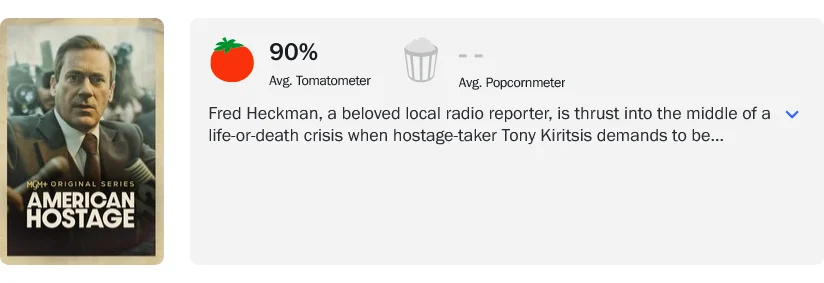
Heckman’s position within the story grows increasingly complicated across the first two episodes, as he’s positioned by authorities as an informal mediator while simultaneously starting to understand Kiritsis’s fractured perspective. That dynamic creates real friction within the newsroom, particularly with a colleague who sees the crisis as an opportunity to undercut Heckman’s standing at the station.
Ben Hairston’s character adds another layer of tension to that professional conflict, raising pointed questions about whether Heckman has compromised his journalistic objectivity by effectively becoming part of the story he’s supposed to be covering. It’s a dilemma the show leans into rather than glosses over, using it to complicate what could have otherwise played as a straightforward hero narrative.
Beyond the standoff itself, the premiere episodes spend real time on Barbara, Fred’s wife, and Ibby, Dick Hall’s wife, as both women navigate the sudden and unwanted exposure of their private lives to a national audience. That secondary storyline was reportedly built out specifically for the series rather than pulled directly from the historical record, giving the show room to explore the crisis’s toll on the families watching from the sidelines.
To heighten the emotional intimacy of the phone scenes between characters kept apart by the standoff, the production reportedly positioned the relevant sets next to each other so the actors could perform their scenes simultaneously rather than separately. That kind of behind-the-scenes detail reflects how deliberately the show tries to ground its more dramatic instincts in something emotionally authentic.
First trailer for ‘AMERICAN HOSTAGE’, starring Jon Hamm.
— DiscussingFilm (@DiscussingFilm) August 10, 2026
The series follows a radio reporter who is thrown into crisis when a man holding hostages demands to be interviewed on his radio show.
Releasing September 20 on MGM+ pic.twitter.com/bue2LqUYKC
Historically, the standoff stretched on for roughly 63 hours before Kiritsis emerged from his apartment with Hall still attached to the rigged shotgun, delivering a profanity-laced monologue before finally releasing him unharmed. He was later found not guilty by reason of insanity, a verdict that kept him committed to Indiana’s mental-health system for 11 years before his eventual release in 1988.
With six more episodes still to air weekly through early November, ‘American Hostage’ has plenty of room left to dig into how that real-life resolution eventually plays out on screen.
What do you think of Jon Hamm and Giovanni Ribisi in American Hostage so far?
Have something to add? Let us know in the comments.