Russell Crowe’s ‘Unabomber’ Just Topped Netflix, But Here’s How the Real Manhunt for Ted Kaczynski Actually Ended

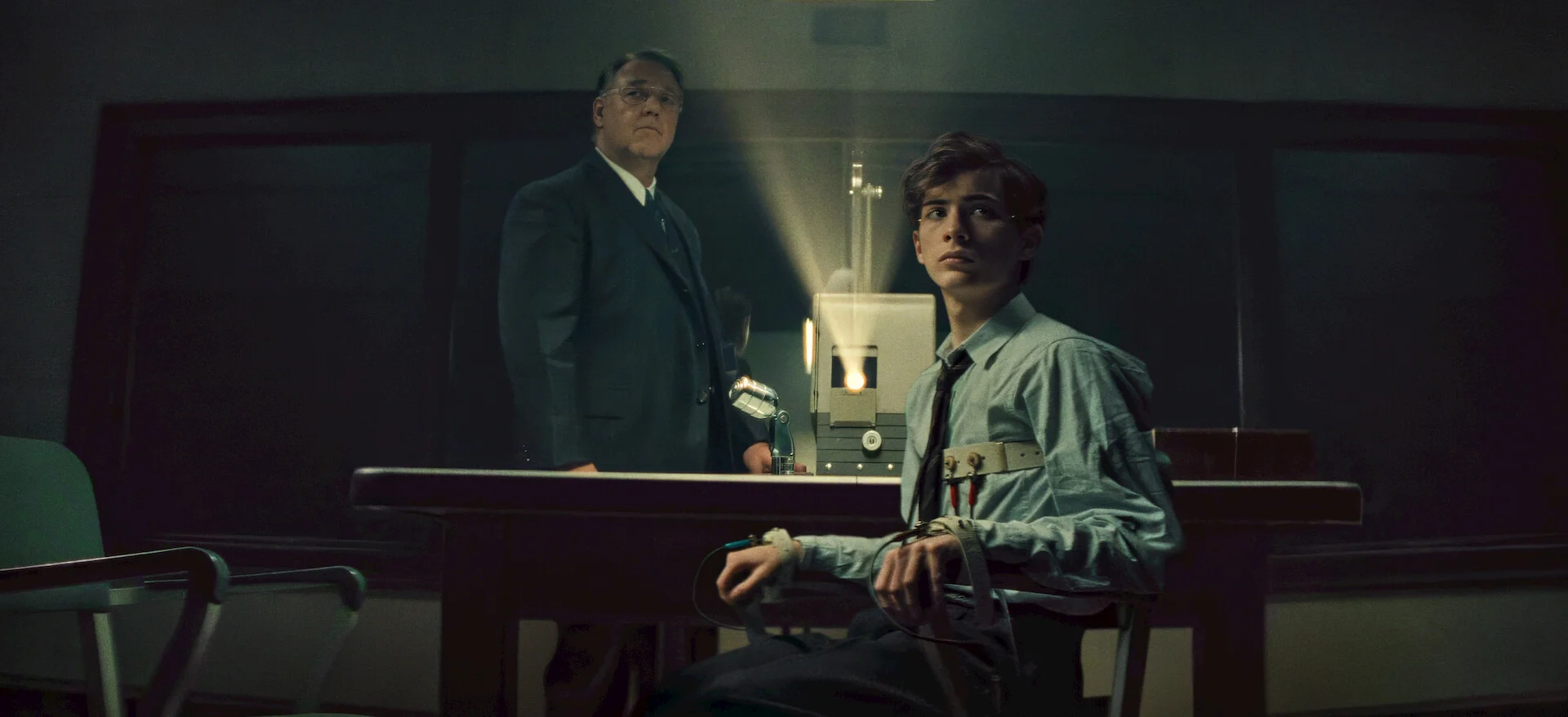

Russell Crowe has a new true crime thriller on Netflix, and it is already dominating the charts just one day after release. ‘Unabomber‘ pairs Crowe with Jacob Tremblay and Shailene Woodley to retell one of the strangest criminal manhunts in American history.
The movie has viewers asking the same question all over again. Did the FBI actually catch the Unabomber, and how much of what plays out in Crowe’s new film is grounded in what really happened to Ted Kaczynski.
Russell Crowe’s ‘Unabomber’ Movie Is Already a Netflix Hit
The new thriller arrived on Netflix on September 26, 2026, and it is already the number one trending movie on the platform. Directed by Janus Metz and written by Sam Chalsen and Nelson Greaves, the film stars Crowe as psychology professor Henry Murray, alongside Tremblay as a young Ted Kaczynski and Woodley as the FBI agent chasing him.
Rather than sticking to the years of the actual bombing campaign, ‘Unabomber’ jumps between timelines, including Kaczynski’s time as a Harvard student. Inspired by true events, the film follows Ted Kaczynski’s transformation from a sixteen year old Harvard prodigy into the man the world would come to know as the Unabomber.
Critics have not been quite as kind as Netflix’s trending algorithm. The Hollywood Reporter called the film a true crime thriller about the killer’s student days, though the review noted that Tremblay and Crowe were never given enough scenes together to let the tension really ignite. Roger Ebert’s site was even harsher, arguing the film misfires and never rises above being a shallow made for TV movie despite its starry cast.
Whatever critics think of the pacing, the movie has clearly reignited interest in the actual case behind it, and that is where things get a lot more historically grounded.
How Ted Kaczynski Was Finally Identified as The Unabomber
Kaczynski spent nearly two decades avoiding capture, and his downfall ultimately came from his own writing. In 1995, Kaczynski’s 35,000 word essay titled Industrial Society and Its Future made its way into the media, and on September 19, 1995, the manifesto was published in The Washington Post and The New York Times.
Kaczynski had made publication a condition of stopping his attacks, and the newspapers did not make the call alone. The Washington Post and New York Times consulted with the FBI on whether publishing the manifesto would help solve the case, a gamble that eventually paid off in a way nobody expected.
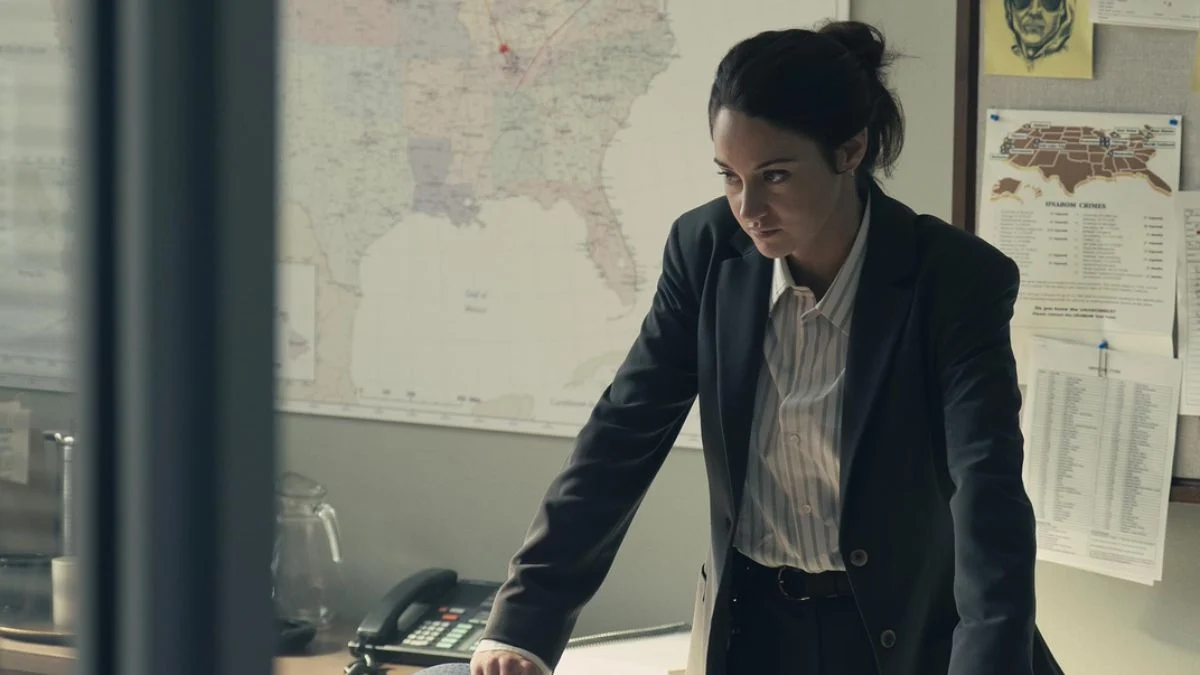
It was not a stranger who cracked the case, but Kaczynski’s own brother. Among thousands of responses and tips received daily for months, the FBI cued into a letter from David Kaczynski, which described his troubled sibling Ted, after David recognized familiar phrasing and ideas from his brother’s earlier letters.
That family connection is the piece of the story that any dramatization of Kaczynski’s life eventually has to reckon with, since it is the detail that actually solved the case rather than years of forensic work.
The Real FBI Manhunt Behind the Netflix Thriller
Before the manifesto ever became public, the FBI’s investigation had already ballooned into a massive operation. A task force known as UNABOM was formed in 1979 after postal and law enforcement agencies took notice of the attacks, and it eventually grew to more than 150 full time members working the case.
Despite that manpower, Kaczynski was remarkably difficult to track. He avoided leaving forensic evidence, used only common materials, and selected his targets without any clear pattern, which meant investigators had shockingly little to go on for years.
The toll of his campaign was severe by the time the case finally broke. In total, the FBI tracked sixteen bombs created by Kaczynski that resulted in twenty three injured victims and three deaths, with the attacks stretching from 1978 all the way to 1995.
Once David Kaczynski’s tip came in, the case moved quickly. After David Kaczynski provided a writing sample to the FBI that was highly similar to the bomber’s manifesto, agents arrested Ted Kaczynski near Lincoln, Montana on April 3, 1996, and discovered another live bomb and bomb making materials inside his cabin.
What Happened to Ted Kaczynski After His Capture
The arrest did not end things quickly, since Kaczynski’s mental state became the central issue in the legal process that followed. His trial in Sacramento, California, largely centered on whether he was sane enough to stand trial and whether he might avoid the death penalty.
A plea deal ultimately settled the case without a lengthy trial playing out in court. On January 22, 1998, Kaczynski pleaded guilty to the charges against him in exchange for a sentence of life in prison without the possibility of parole.
He spent the rest of his life behind bars as a result of that agreement. Kaczynski was held in the federal Supermax prison in Florence, Colorado, before eventually being transferred to a federal prison medical facility, where he died in his cell in 2023.
Netflix already had a true crime hit built around this same case years before Crowe signed on, since the streamer’s docuseries ‘Unabomber: In His Own Words’ uses interviews with Kaczynski himself and his victims to walk through the same eighteen year saga. Between that documentary and Crowe’s new dramatization, Kaczynski’s story has become one of Netflix’s most revisited true crime sagas.
Now that ‘Unabomber’ has audiences rewatching the case, are you more interested in what Crowe’s film gets right about the Harvard experiments, or in how differently the real manhunt for Kaczynski actually played out?