How Ultron Returns on Marvel’s ‘VisionQuest’ After a Decade of Being Dead


The Marvel Cinematic Universe has entered a fascinating transitional era, recalibrating its television strategy to emphasize character-driven intimacy across Disney+. Following the climactic events of ‘WandaVision’, audiences were left contemplating the fate of White Vision after he abruptly departed Westview with restored memories but an unanchored soul. Those lingering questions surrounding the synthezoid’s internal identity now form the cornerstone of Marvel’s evolving Phase Six television slate.
Marvel Television has steadily pivoted away from generic spectacles, prioritizing auteur-driven storytelling that honors narrative foundations established years prior. The studio envisioned an interconnected psychological trilogy, bridging the grief-stricken suburban fantasy of ‘WandaVision’ with the supernatural trials of ‘Agatha All Along’. Under the creative direction of showrunner Terry Matalas, previously acclaimed for revitalizing ‘Star Trek: Picard’, the focus shifts squarely toward the philosophical dilemmas of sentient machines.
A Surprising Resurrection Behind the Digital Veil
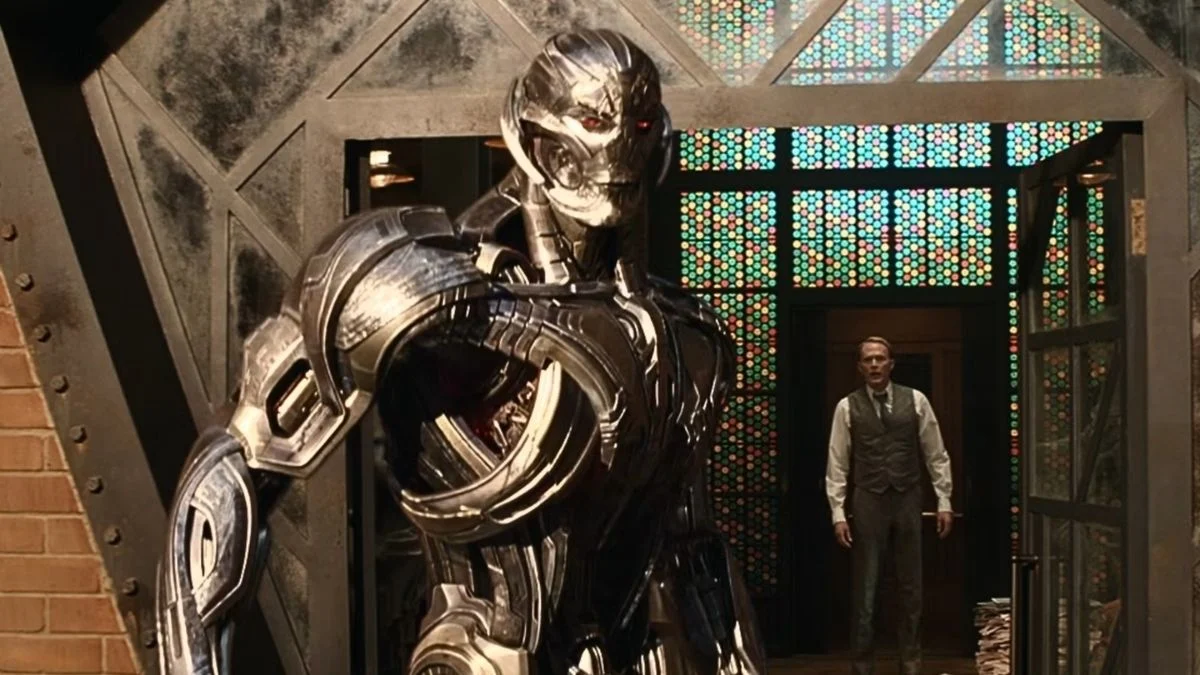
The defining narrative hook at the heart of ‘VisionQuest‘ is the unexpected return of Ultron, a powerhouse villain long believed to have been eliminated in 2015’s ‘Avengers: Age of Ultron’. When Vision cornered the final surviving Ultron sentry in the secluded Sokovian woods, audiences watched an amber energy burst before cutting away, naturally presuming the rogue machine met a violent end. However, instead of destroying his genocidal creator without mercy, Vision quietly performed a digital backup, preserving the entity’s core code within his own quantum processor.
This profound act of synthetic mercy altered the trajectory of the Marvel Cinematic Universe, keeping Ultron’s fractured psyche intact within his mechanical offspring. For more than a decade, that volatile program remained securely quarantined inside Vision’s cognitive systems, observing galactic history unfold through the eyes of an Avenger. When The Hollywood Reporter confirmed that James Spader would reprise his role, it signaled a radically different, deeply psychological direction for the iconic villain.
Ultron’s survival fundamentally recontextualizes the personal stakes of the entire series. Rather than constructing another army of vibranium automatons to subjugate humanity, the reformed consciousness now exists exclusively as an internal companion to his conflicted son. Spader does not return merely as a disembodied voice in an earpiece, but as a physical avatar sharing internal space with the wandering android.
Inside The Mindspace: A Digital Sanctuary And Prison
Struggling to make sense of the overwhelming memories unlocked during his encounter with Hex Vision, the synthezoid constructs an expansive psychological sanctuary dubbed the Mindspace. Designed like an eclectic digital manor that fuses pastoral woodlands with high-tech urban architecture, this virtual haven houses various artificial intelligences rescued from the Avengers Compound. Familiar personalities like J.A.R.V.I.S. and F.R.I.D.A.Y. reside throughout this internal home as supportive companions, aiding Vision as he lives a quiet double life working at an Edinburgh pub.
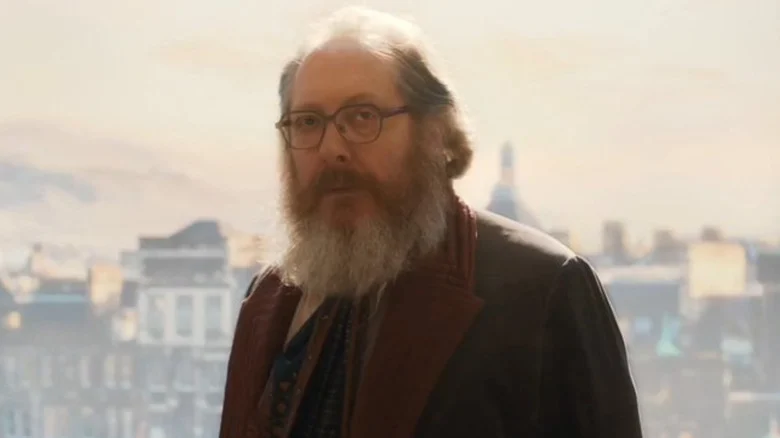
Ultron occupies the penthouse loft of this virtual estate, deliberately quarantined behind an exceptionally rigorous digital firewall to prevent him from seizing control. In this mental confinement, the fallen warlord has spent 14 years consuming television broadcasts, classical literature, and comprehensive human history through his host’s network access. The isolated entity even channeled his manic energy into creating art, transforming the former destroyer of Sokovia into a dedicated painter.
This peculiar living arrangement establishes a surreal domestic arena where creator and creation coexist under uneasy terms. Over a decade of forced reflection has significantly tempered Ultron’s adolescent rage, replacing blind hostility with a witty, observant appreciation for mortal contradictions. Because he spent years studying human culture from afar, the imprisoned intelligence often understands mankind far better than Vision, who remains emotionally detached from the world around him.
The Father-Son Dynamic And An Existential Quest
The emotional engine driving the series revolves around intergenerational trauma and the quest to cultivate authentic human feeling. Lead actor Paul Bettany addressed the synthezoid’s fractured emotional state in an interview with The Movie Podcast, stating, “VisionQuest is absolutely from Vision’s point of view. And we find him at a really fascinating time where he seems to have all of the memories that were granted him by Hex Vision, but he can’t or won’t allow feelings to be attached to them.”
Without Wanda Maximoff by his side following the tragedy of ‘Doctor Strange in the Multiverse of Madness’, Vision relies on his cynical creator as a reluctant mentor. Ultron effectively embodies a turbulent trifecta—functioning simultaneously as an estranged father, a sharp-tongued therapist, and a latent psychopath lurking inside the hero’s subconscious. Their combative philosophical discussions become crucial when a dangerous bounty forces Vision onto the run with Thomas Shepherd, a troubled teenager who may be his reincarnated speedster son.
Ultimately, the narrative blends the gothic tragedy of Frankenstein with the whimsical yearning of Pinocchio, examining what it truly takes for an artificial construct to gain an authentic soul. By preserving Ultron instead of destroying him, Vision unwittingly held onto both the greatest threat to his sanity and the mirror that could finally help him define who he wants to be.
Let us know your thoughts on Ultron’s shocking return in ‘VisionQuest’ and what you expect from his digital reunion with Vision in the comments below.