Inside the Production Budget of Marvel’s ‘VisionQuest’ and Its Streaming Legacy

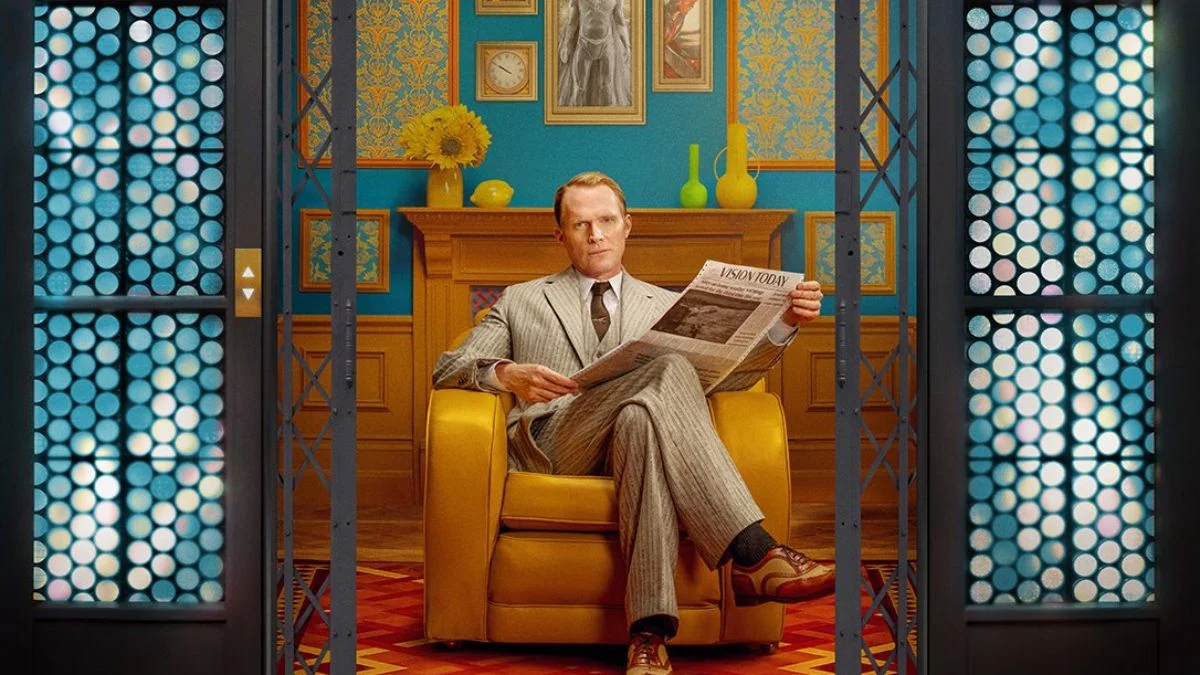

When Disney+ launched its ambitious expansion of Marvel Studios content, the entertainment industry witnessed an unprecedented influx of blockbuster movie capital poured directly into weekly episodic streaming. High-concept superhero adventures transitioned from the silver screen to living rooms, establishing sprawling serial narratives that commanded lavish feature-film resources. The critically acclaimed saga that commenced with ‘WandaVision’ set a particularly high creative and financial benchmark for how the Marvel Cinematic Universe would treat prestige character-driven spin-offs.
Over subsequent television phases, entertainment journalists watched streaming economics undergo a dramatic recalibration as major studios faced escalating production deficits and shifting subscriber retention metrics. Media executives began weighing the visual extravagance of digital-heavy set pieces against the long-term sustainability of sprawling nine-figure serialized investments. This shifting industry landscape reshaped executive expectations across Hollywood, sparking intense speculation among fans and analysts regarding the exact financial resources allocated to conclude the Westview saga.
Unpacking the Reported Budget of ‘VisionQuest’
That fiscal reckoning brings sharp focus to ‘VisionQuest‘, the eight-episode limited series led by showrunner Terry Matalas that officially completes the narrative trilogy begun in 2021. Industry production reporting indicates that ‘VisionQuest’ operates on an estimated production budget of approximately $150 million, with some streaming metrics suggesting overall costs reached as high as $167 million. While this substantial investment cements the show as a major television undertaking, it reflects a far more disciplined financial allocation than the staggering $225 million expended on ‘WandaVision’.
To contextualize that figure, the broader Marvel streaming roster has demonstrated dramatic fiscal swings across different creative formats over recent years. High-concept visual effects showcases such as ‘Secret Invasion’ and ‘She-Hulk: Attorney at Law’ crossed the $212 million and $225 million thresholds, whereas ‘Agatha All Along’ adopted a restrained, practical-effects approach at roughly $40 million. Landing very close to the $141 million spent on the second season of ‘Loki’, ‘VisionQuest’ averages roughly $19 million per episode across its 50-minute installments, balancing top-tier talent salaries with refined digital artistry.
Visual Effects, Practical Sets, and Ultron’s Return
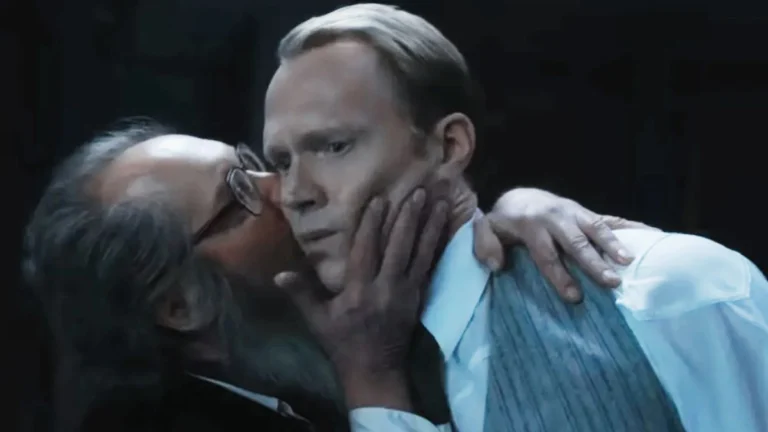
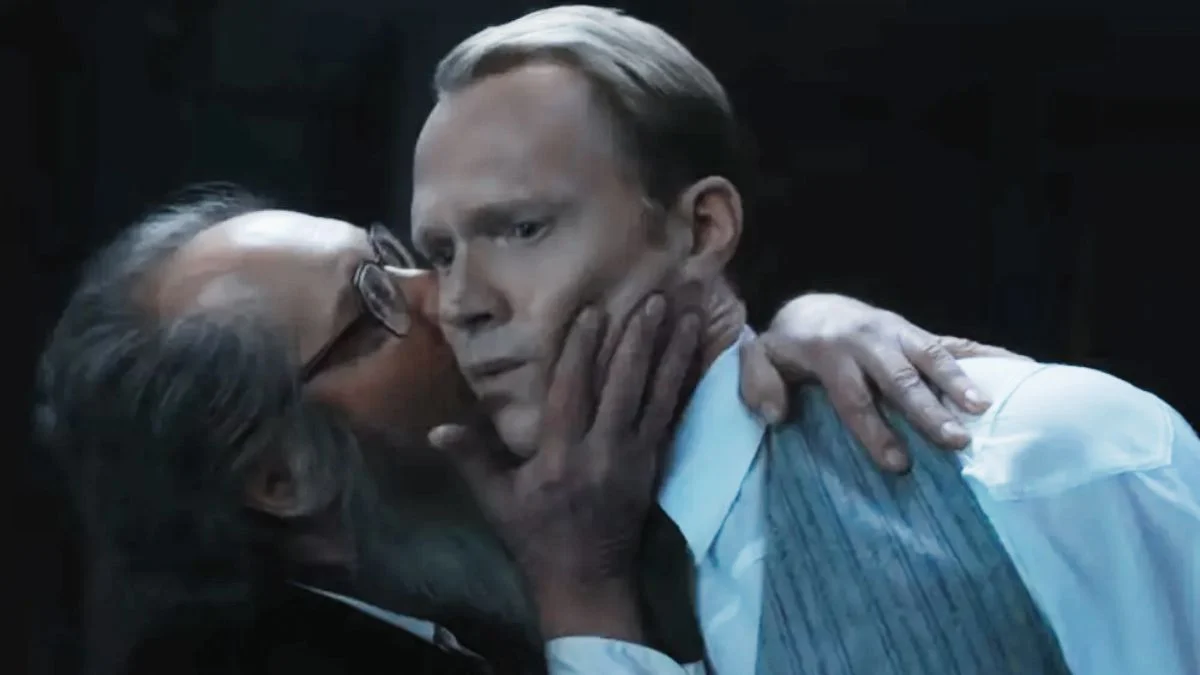
A considerable portion of that financial investment went toward securing a star-studded ensemble cast, anchored by Paul Bettany returning as the resurrected White Vision alongside newcomer Ruaridh Mollica as Tommy Shepherd. The production generated massive buzz after Deadline confirmed that James Spader would reprise his role as Ultron, entering the narrative in an unexpected human manifestation. That surprising creative choice naturally prompted rumors among viewers that Ultron was presented physically rather than digitally purely to save visual effects money.
Showrunner Terry Matalas firmly pushed back against those cost-cutting theories, insisting that showcasing Spader in physical form was an artistic choice to deepen dramatic tension between creator and synthezoid.
While acknowledging that continuous computer imagery for a towering robot is prohibitively expensive, Matalas emphasized that no digital model can replicate an actor’s nuanced performance. Highlighting that character-driven philosophy, Matalas explained that “television is mostly people in a room talking no matter how much action you can popcorn you can sprinkle in,” during a video interview with Geektown.
Beyond digital imagery, the production maximized its financial resources by constructing elaborate physical environments at Pinewood Studios in the United Kingdom. Rather than relying entirely on virtual production volume stages, the production team built an interconnected retro estate representing the complex Mindspace inside Vision’s operating system. This tactile architecture allowed returning Stark artificial intelligence personalities like J.A.R.V.I.S., F.R.I.D.A.Y., and E.D.I.T.H., alongside Todd Stashwick’s mercenary Paladin, to interact seamlessly without inflating visual effects post-production expenses.
Historical Precedents and the Future of Marvel Television
Pop culture historians frequently cross-reference the title with the 1985 coming-of-age wrestling drama ‘Vision Quest’, which starred Matthew Modine and Linda Fiorentino. That vintage Warner Bros. feature grossed $13 million domestically against a standard mid-1980s studio budget, operating in an entirely different financial universe. Marvel’s modern synthezoid odyssey carries vastly higher industrial stakes, serving as a critical testing ground for the studio’s overhauled television pipeline under streaming head Brad Winderbaum.
Industry analysts have noted that ‘VisionQuest’ likely marks the culmination of Marvel’s era of massive, nine-figure live-action streaming series. Marvel Television has deliberately shifted toward traditional showrunner models, prioritizing street-level stories and lower-risk miniseries under its Marvel Spotlight banner. By delivering an emotionally resonant conclusion within a disciplined $150 million framework, the production demonstrates how premium franchise storytelling can successfully adapt to modern streaming realities.
Share your thoughts on the reported $150 million budget and creative direction of ‘VisionQuest’ in the comments below!