Hollywood’s Ultimate Henchman & ‘Die Hard’ Star Rushed to the Hospital After Suffering a Stroke


Every great action movie needs a great bad guy, and for decades one face showed up again and again as the henchman audiences loved to watch lose. He rarely had many lines, and sometimes his character barely had a name, but fans could spot him instantly. Hollywood’s most famous henchman has now become the subject of some troubling news.
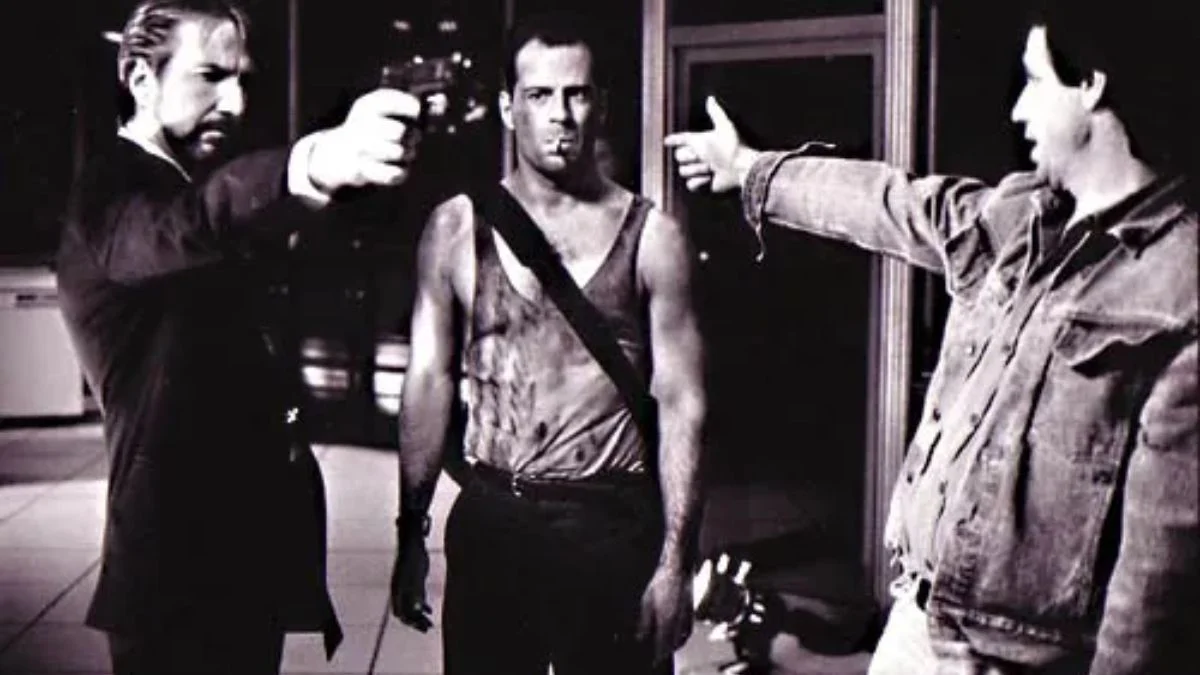
Al Leong, the actor, martial artist and stuntman behind some of the most recognizable villains’ sidekicks of the 1980s and 1990s, has been hospitalized after a stroke. A longtime fixture of action cinema, he is best known for playing the chocolate-bar-stealing terrorist Uli in ‘Die Hard’, a role that turned a few minutes of screen time into a cult favorite.
According to an exclusive from TMZ, Leong was rushed to the hospital last week after suffering a stroke in California. Sources close to his family didn’t say whether he is still in the hospital, and they didn’t shed light on his condition. Details remain limited, so there is no confirmed update on his recovery.
Fans and members of the martial arts community have been sending messages of support online. At 74, Leong has faced serious health scares before, which has only deepened the goodwill around him.
Leong’s screen career goes back to 1981, when he played a circus performer at a funeral in his first film, ‘Going Ape’. In 1986, he appeared as a Wing Kong Hatchet Man in John Carpenter’s ‘Big Trouble in Little China’, and he later collaborated with Carpenter again on ‘They Live’.
His first major role came in 1987’s ‘Lethal Weapon’, where he played Endo, a mercenary who specializes in torture, famously shocking Mel Gibson’s character. A year later came his biggest part as Uli in ‘Die Hard’. In 1989, he showed his comedic side as Genghis Khan in ‘Bill & Ted’s Excellent Adventure’, and he later squared off against Brandon Lee in the finale of ‘Rapid Fire’.
He was also a regular on television, with appearances on ‘T.J. Hooker’, ‘The Fall Guy’, ‘Knight Rider’, ‘MacGyver’ and ‘The A-Team’.
This is not the first time Leong has dealt with a major medical challenge. He battled brain cancer in 1993 and suffered a stroke in 2005, and he is now listed as retired from the film industry. Given that history, the latest report has hit the action-movie community especially hard.
His reputation as a performer has always been tied to physical skill. His martial arts foundation is rooted in the 5 Animal Styles taught in Los Angeles’ Chinatown, and he has been celebrated as an expert fighter who made on-screen violence look convincing.
Leong has often been credited in the industry simply as an ‘Asian Bad Guy’, a label that captures both the typecasting of his era and how recognizable he became. Even so, fans celebrated the small details he brought to each role, from the candy bar in ‘Die Hard’ to his chilling presence in ‘Lethal Weapon’. He eventually earned a spot in the Martial Arts History Museum Hall of Fame in 2014.
His story has also been told on screen. The documentary ‘Henchman: The Al Leong Story’ arrived in 2018, and he tried his hand behind the camera when he wrote and directed the low-budget ‘Daddy Tell Me a Story…’ in 2000.
For now, the most important thing is his health. Nothing has been confirmed about his recovery beyond what his family’s sources shared, and any update will matter far more than a filmography. What’s your favorite Al Leong performance, and what well wishes would you like to send him? Share them in the comments.