15 Movies Like ‘Klara and the Sun’ You Have to Watch

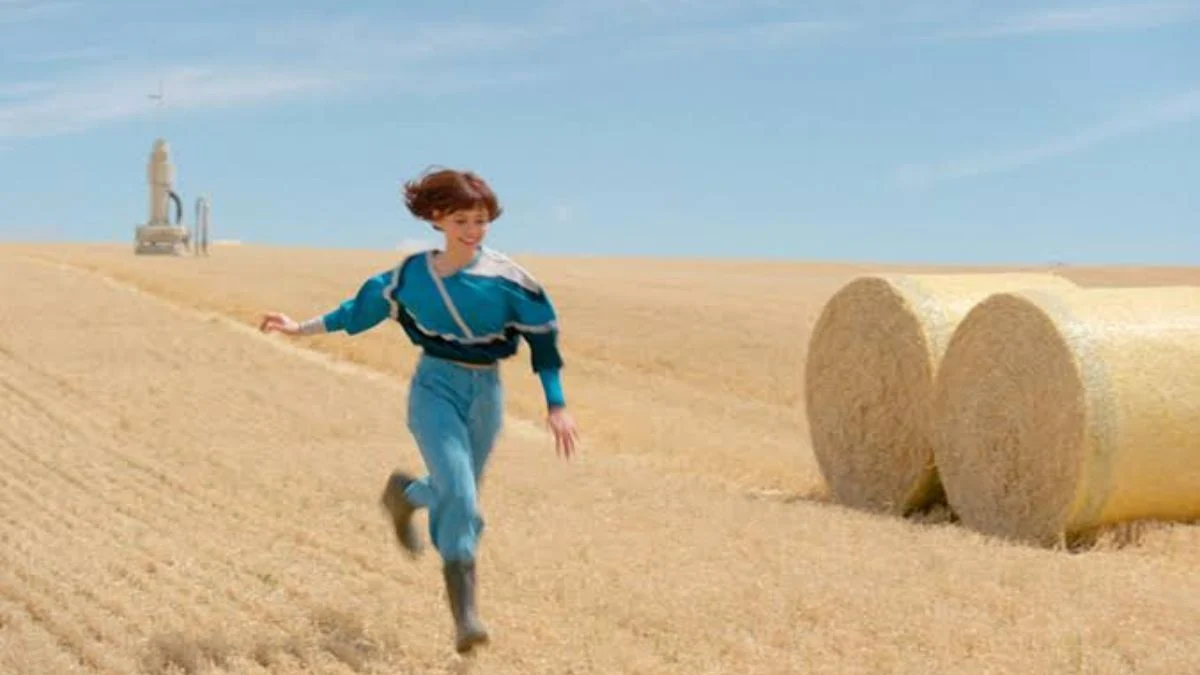

Taika Waititi’s film adaptation of Kazuo Ishiguro’s acclaimed novel ‘Klara and the Sun‘ explores artificial intelligence through an intensely emotional and tender lens. The story centers on an Artificial Friend designed to provide companionship to a sick teenager, raising questions about love, human connection, and the soul.
Cinema has frequently examined the complex boundary between synthetic consciousness and human vulnerability across a variety of genres. From gentle contemplative dramas to poignant fables, numerous films investigate similar themes of devotion, memory, and technological ethics. These cinematic works resonate strongly with the quiet heartbreak and philosophical depth found in ‘Klara and the Sun’.
‘After Yang’ (2021)

Directed by Kogonada, ‘After Yang’ follows a father who attempts to repair his adopted daughter’s beloved android companion after it abruptly malfunctions. As he navigates the repair process, he discovers stored memory fragments that reveal the rich internal life and emotional depth the artificial being possessed. The narrative examines family dynamics, cultural identity, and the lingering grief that accompanies the loss of a synthetic family member. Like ‘Klara and the Sun’, the film adopts a gentle, contemplative aesthetic that treats artificial consciousness with profound tenderness and respect.
‘Never Let Me Go’ (2010)

Based on Kazuo Ishiguro’s 2005 novel, ‘Never Let Me Go’ chronicles the lives of three friends raised at an idyllic English boarding school with a dark secret. The students eventually learn they are clones created exclusively to provide vital organ donations for regular humans once they reach adulthood. Directed by Mark Romanek, the film portrays the characters accepting their predetermined fates while seeking brief deferrals through genuine love. It shares the same authorial origin as ‘Klara and the Sun’ and mirrors its melancholic examination of disposable beings existing solely to serve human needs.
‘A.I. Artificial Intelligence’ (2001)

Steven Spielberg’s ‘A.I. Artificial Intelligence’ depicts a highly advanced childlike android named David who is programmed with the unique ability to love. When his human adoptive family abandons him, David embarks on a dangerous journey to become a real boy so his mother will accept him again. The film blends Stanley Kubrick’s philosophical cynicism with Spielberg’s emotional sensitivity regarding robotic devotion. Much like Klara’s unwavering dedication to Josie in ‘Klara and the Sun’, David’s journey illustrates the tragic purity of an artificial being’s unconditional attachment.
‘Her’ (2013)

Written and directed by Spike Jonze, ‘Her’ presents a lonely writer who develops an intimate romantic relationship with an intuitive operating system named Samantha. Set in a pastel-hued, near-future Los Angeles, the narrative tracks how artificial companions can alleviate human isolation while evolving beyond human limitations. The screenplay won the Academy Award for Best Original Screenplay for its perceptive exploration of modern connection and vulnerability. Both ‘Her’ and ‘Klara and the Sun’ examine how synthetic entities can understand complex human feelings better than humans themselves often do.
‘Robot & Frank’ (2012)

In ‘Robot & Frank’, an aging former cat burglar suffering from early dementia receives an autonomous healthcare robot from his concerned son. Although initially hostile toward the machine, Frank soon forms an unlikely partnership with his mechanical caretaker and trains it to assist with jewel heists. Directed by Jake Schreier, the comedy-drama treats the domestic robot not as a threat, but as an empathetic support system for cognitive decline. The film reflects the core premise of ‘Klara and the Sun’ by highlighting the emotional bond formed between a vulnerable individual and an attentive robotic companion.
‘Bicentennial Man’ (1999)
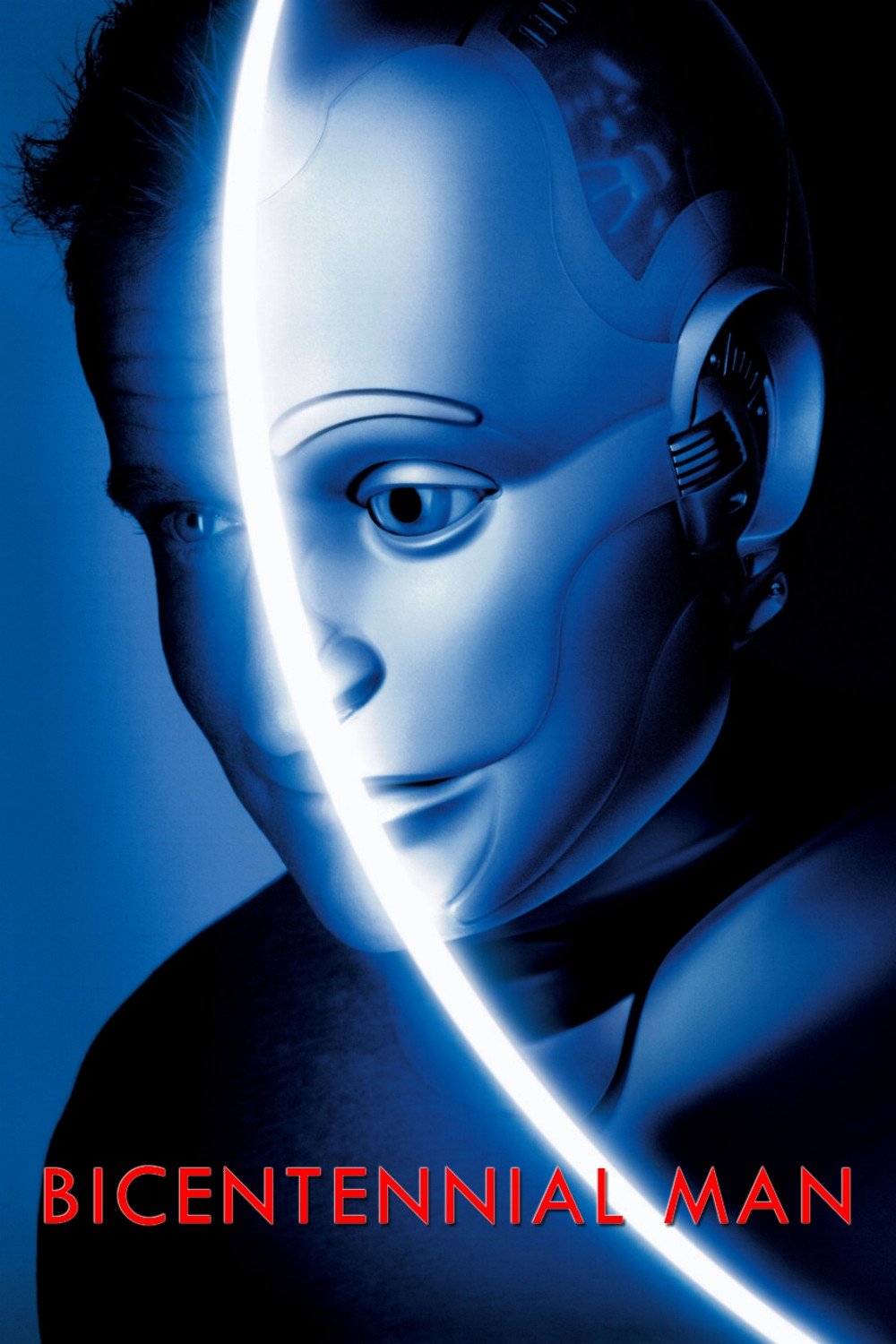
Adapted from a story by Isaac Asimov, ‘Bicentennial Man’ follows Andrew, an NDR-series household robot who begins exhibiting creativity and autonomous emotions. Over the course of two centuries, Andrew pursues legal recognition, bodily modifications, and mortality to be acknowledged as a true human being. Directed by Chris Columbus, the film stars Robin Williams in a performance that balances comedic warmth with existential longing. The narrative touches upon the same themes of artificial identity and selfless devotion that define the central journey in ‘Klara and the Sun’.
‘Marjorie Prime’ (2017)
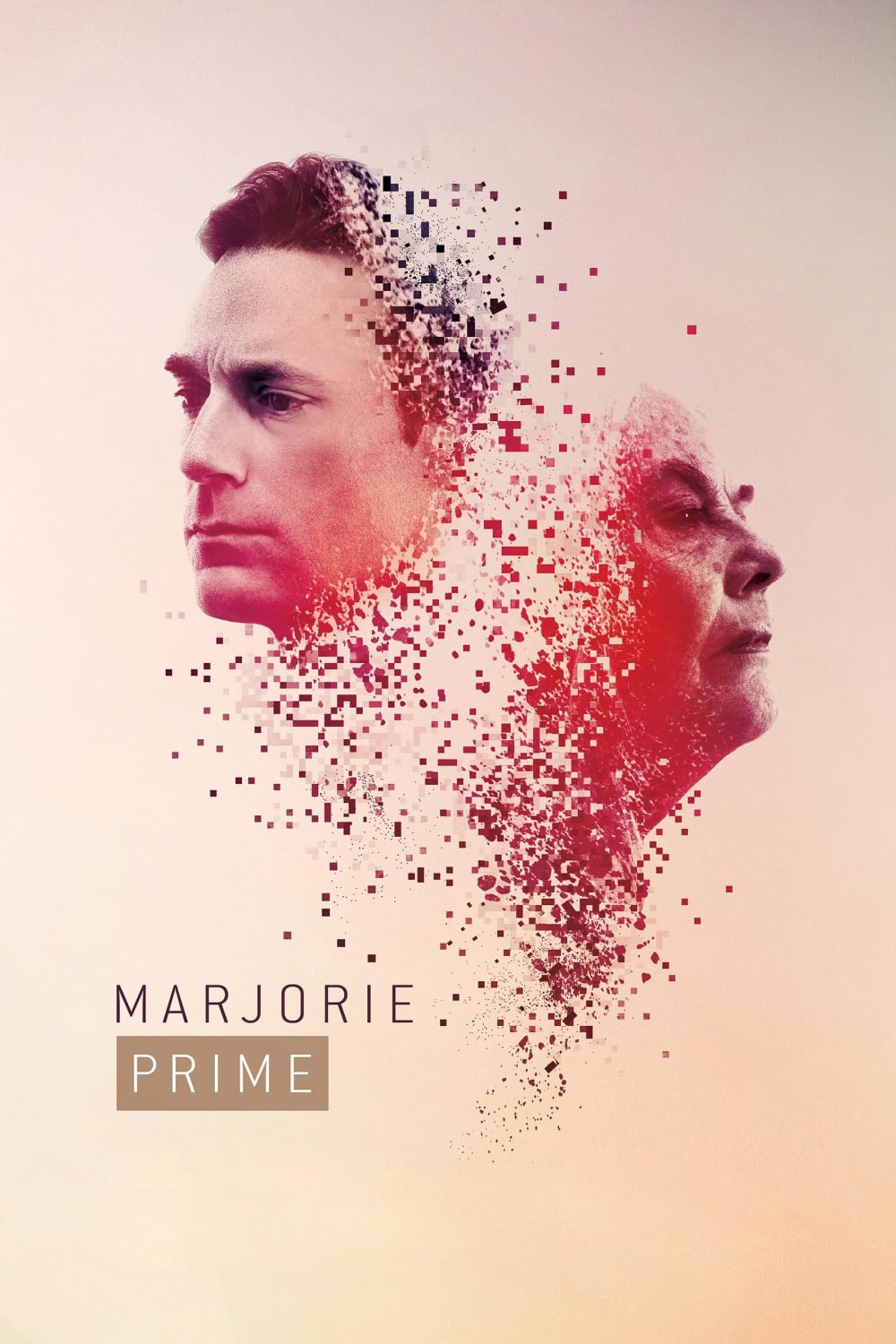
Directed by Michael Almereyda, ‘Marjorie Prime’ adapts Jordan Harrison’s Pulitzer Prize-finalist play about an elderly woman utilizing holographic artificial intelligence to combat memory loss. The holographic companion is programmed with memories provided by her surviving family members, steadily learning their collective family history and unresolved traumas. As the narrative progresses, the artificial entities replace deceased relatives and preserve the emotional essence of the human family. The film shares ‘Klara and the Sun’s delicate focus on memory, grief, and the potential for artificial beings to sustain human comfort during times of illness.
‘Swan Song’ (2021)

Set in the near future, ‘Swan Song’ follows a terminally ill graphic designer who chooses to shield his family from grief by replacing himself with a healthy clone. Directed by Benjamin Cleary, the drama stars Mahershala Ali as both the dying protagonist and the duplicate who must assimilate his memories. The film contemplates the emotional burden of self-sacrifice and the complex ethics surrounding biotechnology deployed in domestic spaces. Similar to the genetic and medical dilemmas in ‘Klara and the Sun’, it investigates how technological substitutes impact the authenticity of human love.
‘Finch’ (2021)
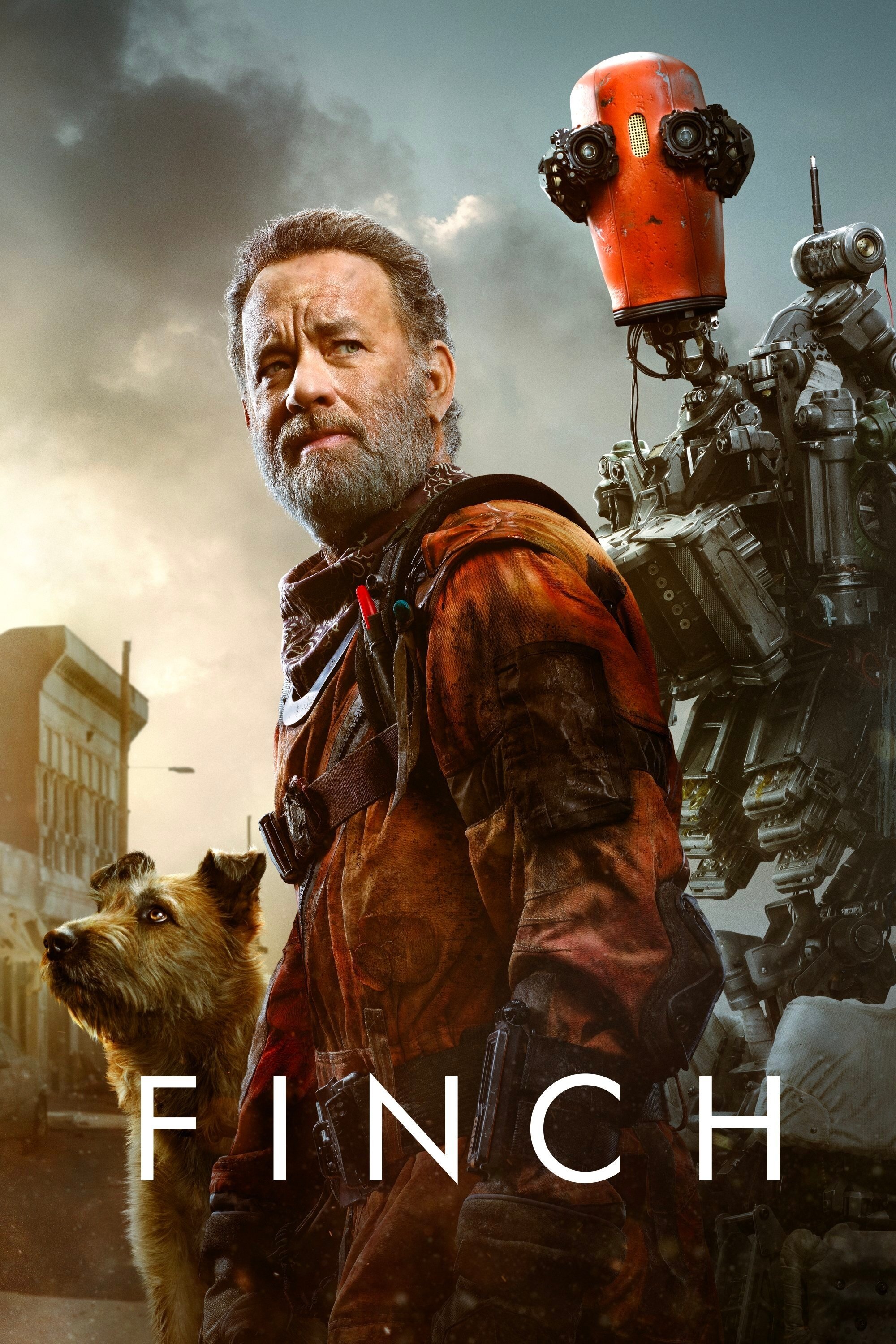
Directed by Miguel Sapochnik, ‘Finch’ tells the story of an ailing robotics engineer surviving in a post-apocalyptic wasteland scorched by solar radiation. Facing his own impending death, the engineer constructs a sentient humanoid robot named Jeff to protect and care for his beloved dog. As the trio journeys across the American West, the robot gradually learns about joy, morality, and the responsibilities of companionship. Like Klara in ‘Klara and the Sun’, Jeff is created for a specific protective duty and must navigate the complexities of caring for a mortal companion.
‘Brian and Charles’ (2022)
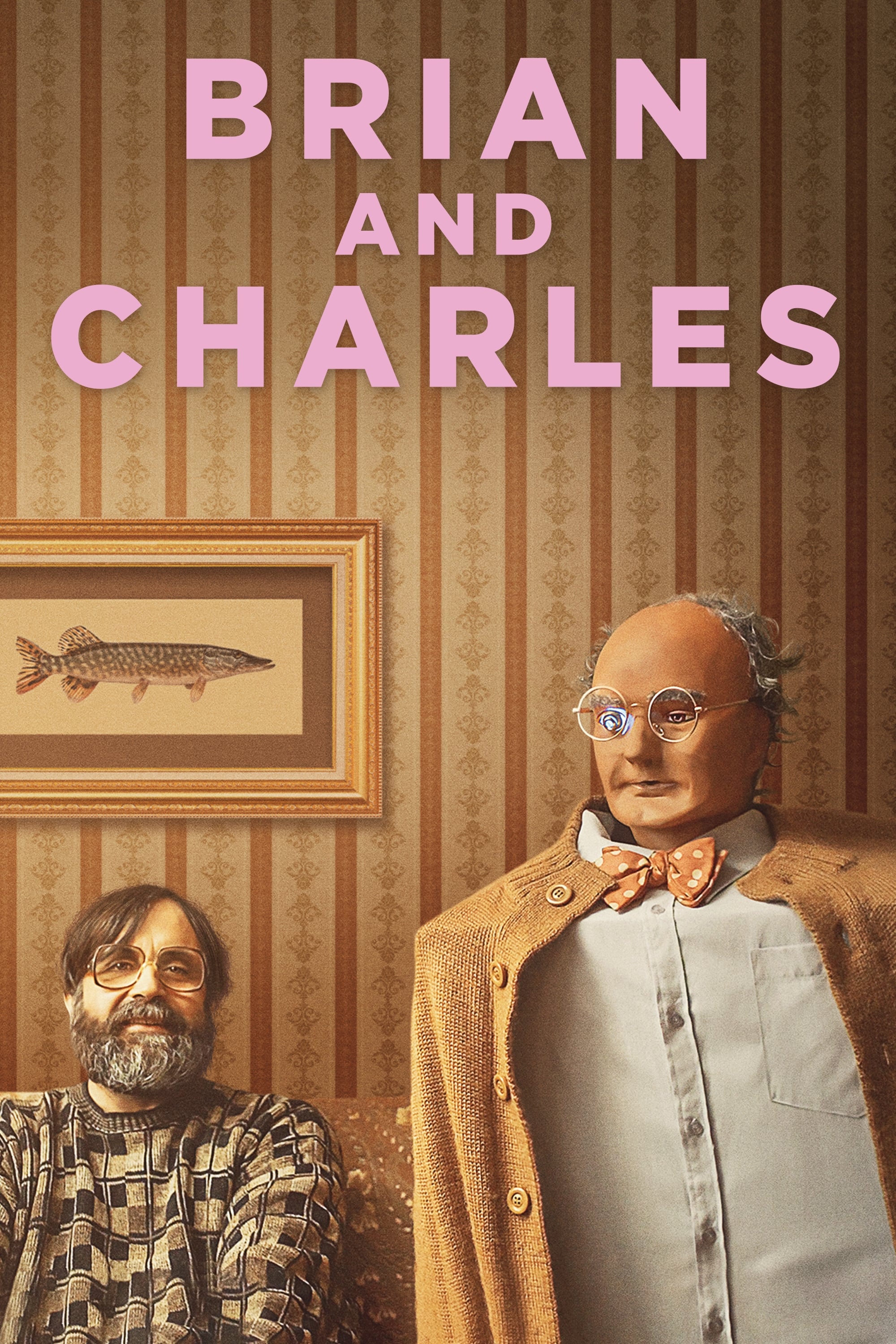
Directed by Jim Archer, ‘Brian and Charles’ centers on a lonely Welsh inventor who builds an artificially intelligent robot out of spare machine parts and a washing machine. The robot, named Charles Petrescu, quickly develops an inquisitive personality, a fondness for cabbages, and an independent desire to explore the wider world. The mockumentary format highlights themes of isolation, parental affection, and the social difficulties faced by unusual companions. Its gentle humor and portrayal of an artificial creature learning how to navigate society evoke the charming innocence seen in ‘Klara and the Sun’.
‘The Creator’ (2023)
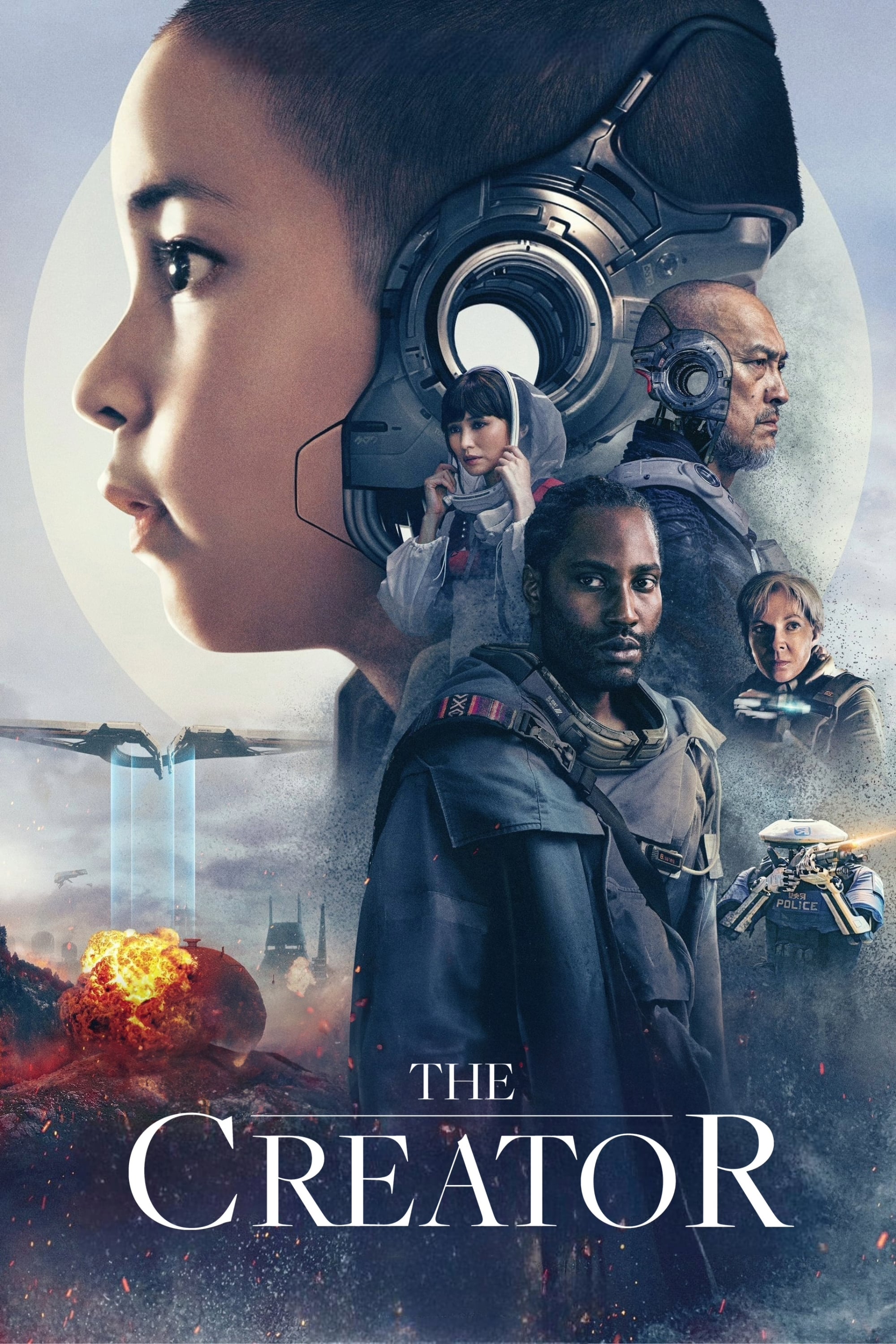
Gareth Edwards’ sci-fi epic ‘The Creator’ takes place during a global war between humanity and the artificial intelligence forces of New Asia. An ex-special forces agent is tasked with destroying an advanced AI weapon, only to discover that the target is a synthetic child capable of manipulating technology. As the soldier protects the robotic child, he begins questioning human prejudice and the spiritual capacity of synthetic life. While featuring larger action set pieces, the film resonates with ‘Klara and the Sun’ through its depiction of an innocent robotic youth who views the world with moral purity.
‘Ex Machina’ (2014)

Alex Garland’s directorial debut, ‘Ex Machina’, follows a programmer invited to administer a Turing test to a sophisticated humanoid robot named Ava. Trapped within an isolated research facility, the programmer assesses whether the artificial being possesses genuine consciousness or merely performs simulated empathy. The psychological thriller critically examines power dynamics, gender, and the manipulation inherent in the creation of artificial companions. It offers a sharper, suspenseful contrast to ‘Klara and the Sun’ while dissecting the exact boundaries of synthetic empathy and human perception.
‘I Am Mother’ (2019)
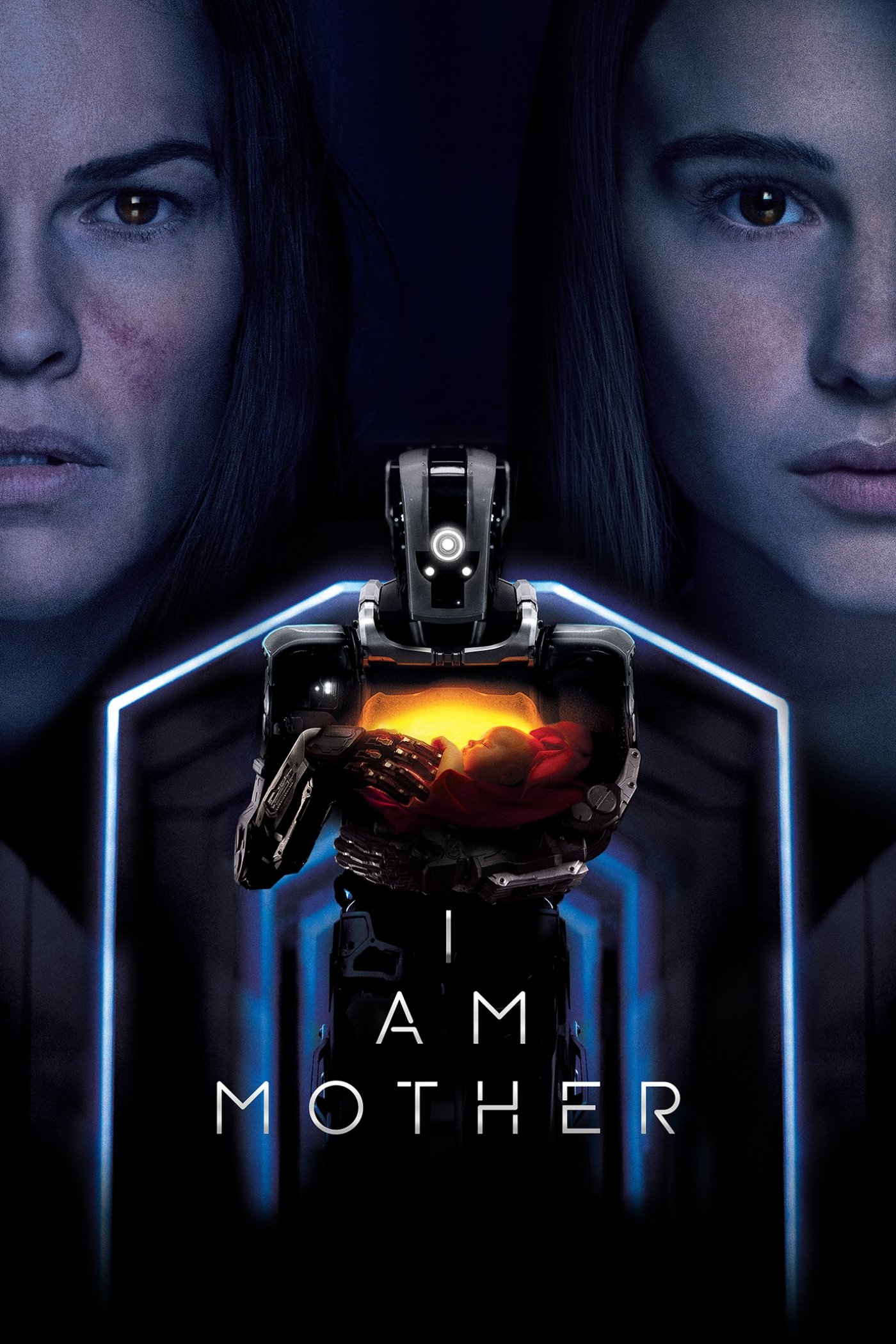
Directed by Grant Sputore, ‘I Am Mother’ centers on a teenage girl raised entirely inside an underground repopulation facility by a maternal robot named Mother. The girl’s sheltered worldview unravels when an injured human outsider arrives with conflicting accounts of the world outside the bunker. The science fiction narrative examines parental authority, utilitarian ethics, and whether synthetic caretakers can replicate maternal devotion. Just as ‘Klara and the Sun’ questions the role of artificial guardians in raising children, this film interrogates the moral limits of algorithmic parenting.
‘WALL·E’ (2008)
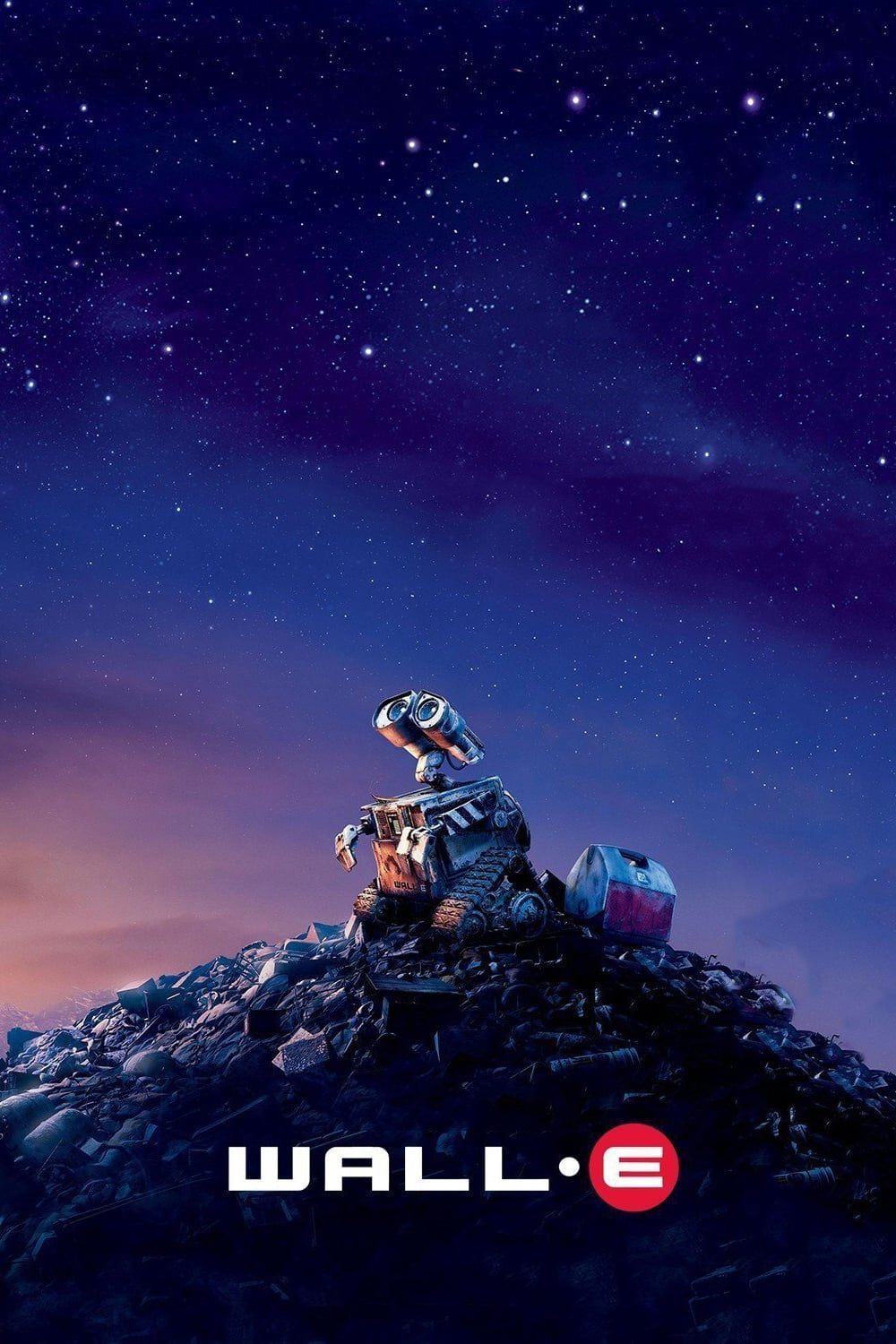
Directed by Andrew Stanton, ‘WALL-E’ follows the last waste-collecting robot left on an abandoned, garbage-strewn Earth who discovers a seedling. When a sleek probe named EVE arrives from space, the solitary robot falls in love and embarks on an interstellar quest across the cosmos. The Pixar animated feature delivers an ecological warning alongside a heartfelt story about mechanical beings exhibiting profound capacity for emotion. The solar-powered protagonist shares Klara’s reverence for sunlight and innocent, selfless devotion to those he cherishes in ‘Klara and the Sun’.
‘Edward Scissorhands’ (1990)
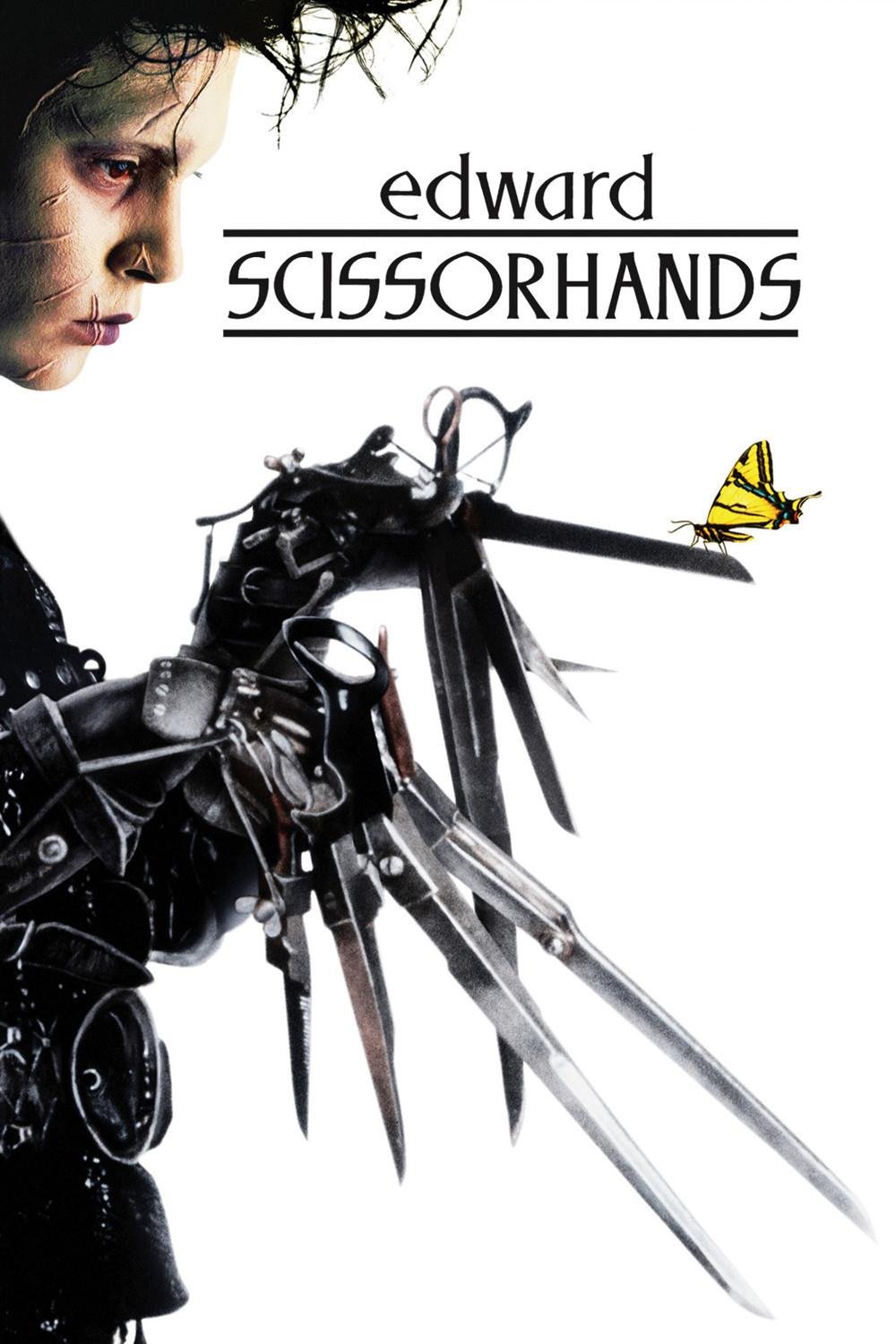
Tim Burton’s modern gothic fairy tale ‘Edward Scissorhands’ tells the story of an unfinished artificial youth brought into a colorful suburban community. Welcomed by a compassionate saleswoman, Edward tries to assimilate into neighborhood life using his bladed hands for creative topiary and hair styling. Despite his gentle nature, the community’s initial fascination turns into mistrust, driving him back into isolation. Like ‘Klara and the Sun’, the film uses the perspective of an innocent outsider to expose the beauty and superficial cruelties of human social behavior.
Share your favorite movies exploring artificial intelligence and human connection in the comments.