15 Movies Like ‘Wicker’ You Will Absolutely Love


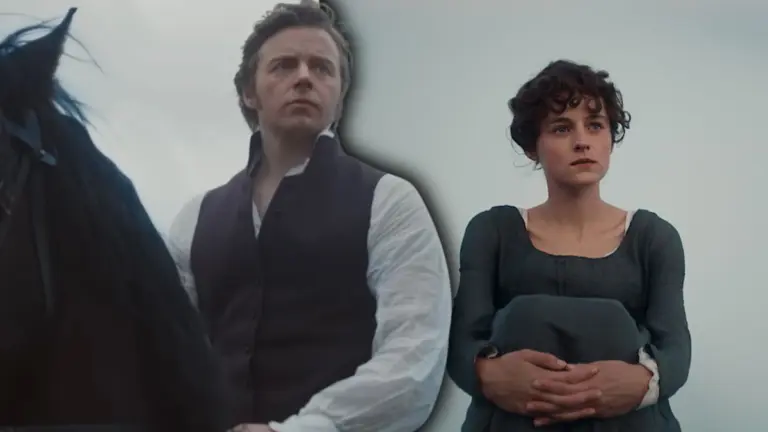
Alex Huston Fischer and Eleanor Wilson’s romantic fantasy fable ‘Wicker‘ introduces audiences to an ostracized fisherwoman who commissions a custom-made spouse woven entirely from wicker. This premise explores themes of societal ridicule, unconventional intimacy, and the defiance of rigid community standards through a blend of folklore and dark comedy.
Viewers drawn to its distinct combination of bespoke companionship, fairy-tale romance, and eccentric village dynamics have a rich catalog of cinema to explore. The following selections feature lonely protagonists, crafted lovers, and outsider perspectives that challenge narrow perceptions of love.
‘Lars and the Real Girl’ (2007)

In this comedy-drama directed by Craig Gillespie, socially withdrawn Lars Lindstrom lives in a converted garage behind his brother’s home in a small Midwestern town. Struggling with severe social anxiety, Lars orders an anatomically detailed silicone doll off the internet and introduces her to his family as his girlfriend, Bianca. On the advice of a local family physician, the townspeople agree to treat the inanimate companion as a living person to help Lars process his underlying emotional trauma. Much like ‘Wicker’, the narrative examines how a manufactured partner disrupts the expectations of a close-knit community while fostering unexpected empathy.
‘The Shape of Water’ (2017)
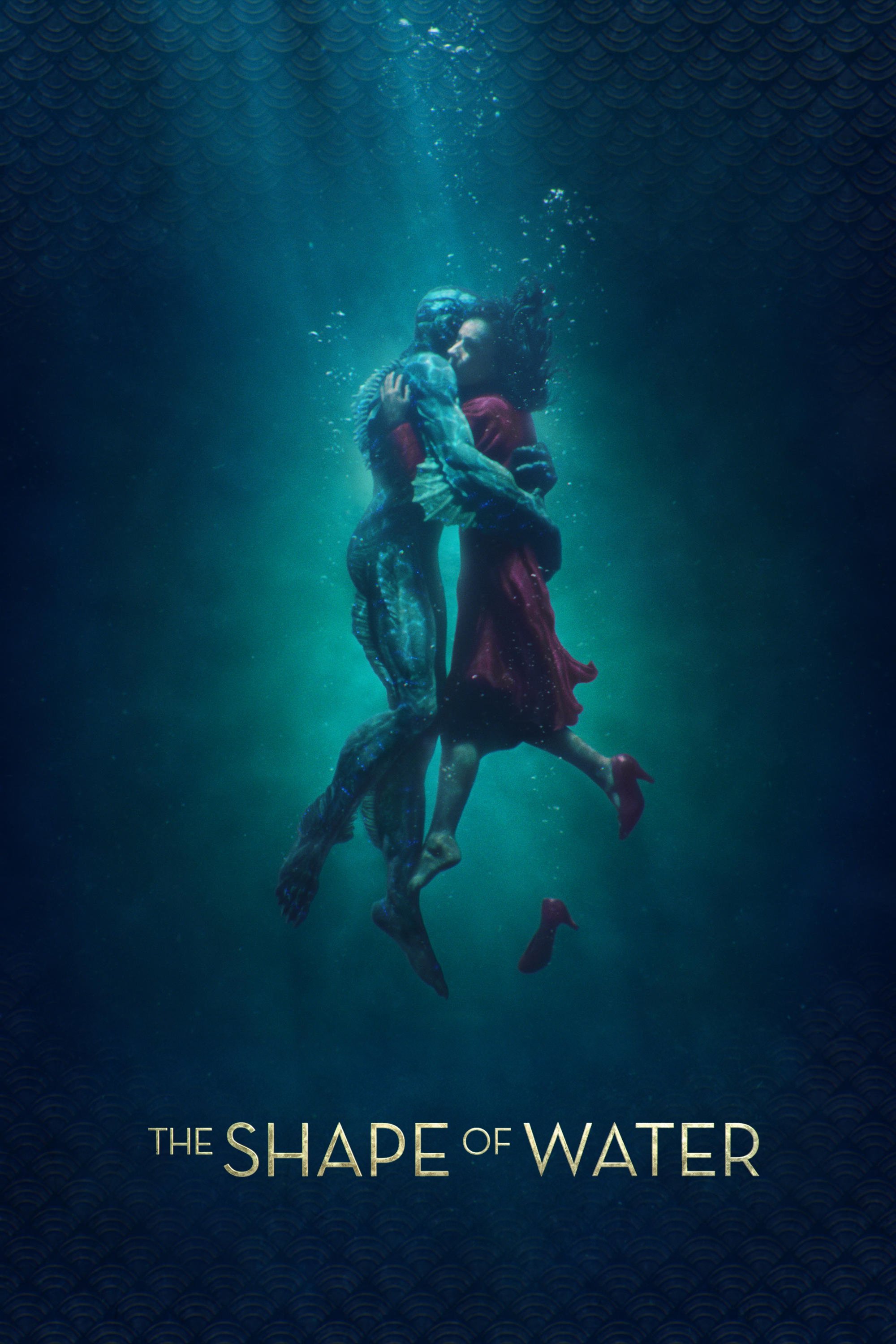
Directed by Guillermo del Toro, the fantasy drama takes place in 1962 Baltimore and centers on a mute cleaning woman named Elisa Esposito. While working night shifts at a secret government research facility, Elisa discovers a classified, amphibious humanoid creature captured from an Amazonian river. The pair form an intimate bond through nonverbal communication and music, prompting Elisa to organize an escape plan when scientists schedule the creature for vivisection. The story parallels ‘Wicker’ in its depiction of an outcast heroine finding genuine affection with a non-human companion despite severe societal hostility.
‘I’m Your Man’ (2021)
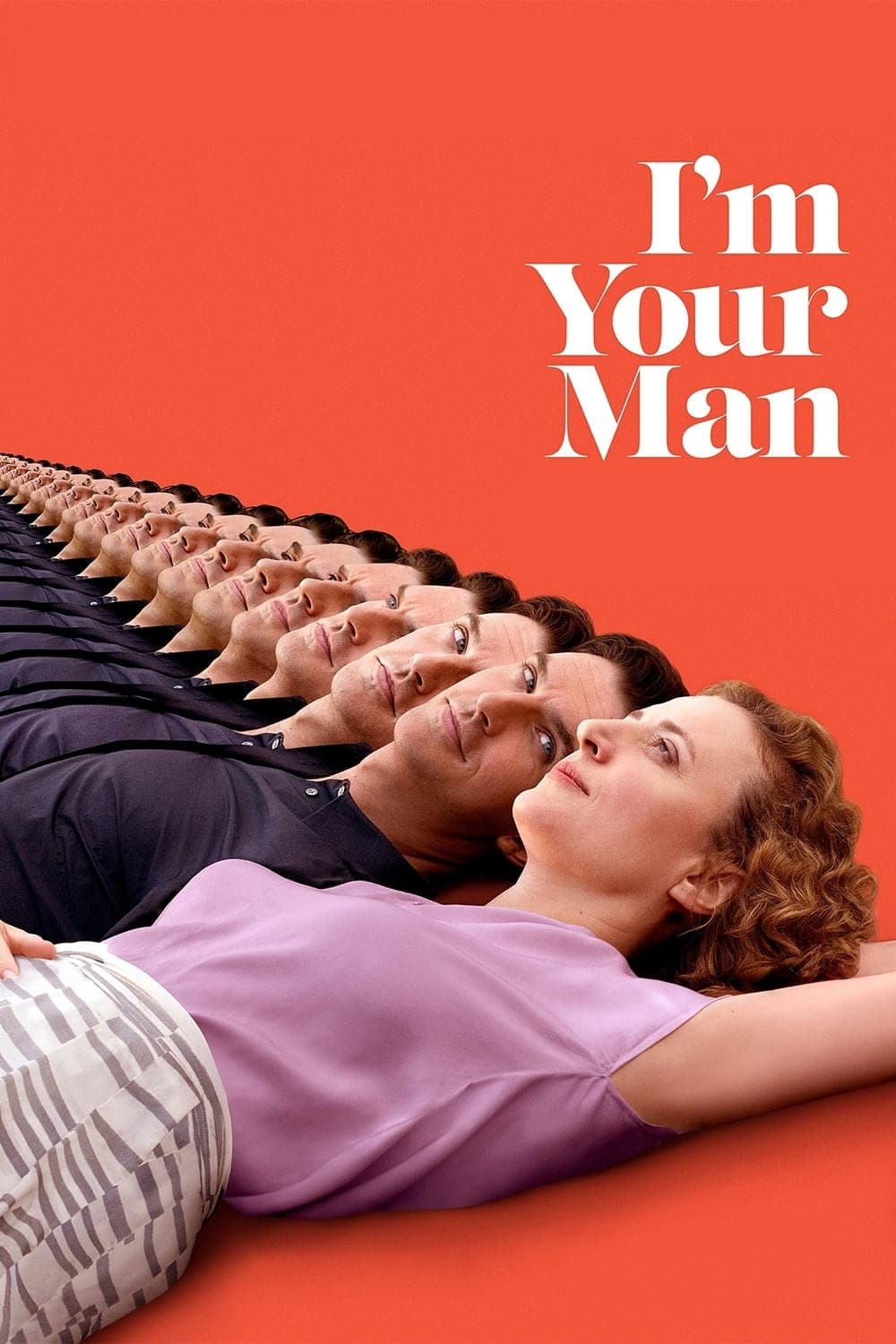
Directed by Maria Schrader, this German sci-fi romance follows Alma, an archaeologist at the Pergamon Museum in Berlin seeking research funding. To secure her grant, Alma agrees to participate in a three-week clinical evaluation by living with Tom, a humanoid robot programmed to be her ideal romantic partner. Tom constantly adapts his algorithms to satisfy Alma’s subconscious desires, challenging her cynical views on romance, emotional vulnerability, and artificial consciousness. The film echoes the core dilemma of ‘Wicker’ by investigating whether a partner fabricated specifically to order can deliver authentic emotional fulfillment.
‘Edward Scissorhands’ (1990)
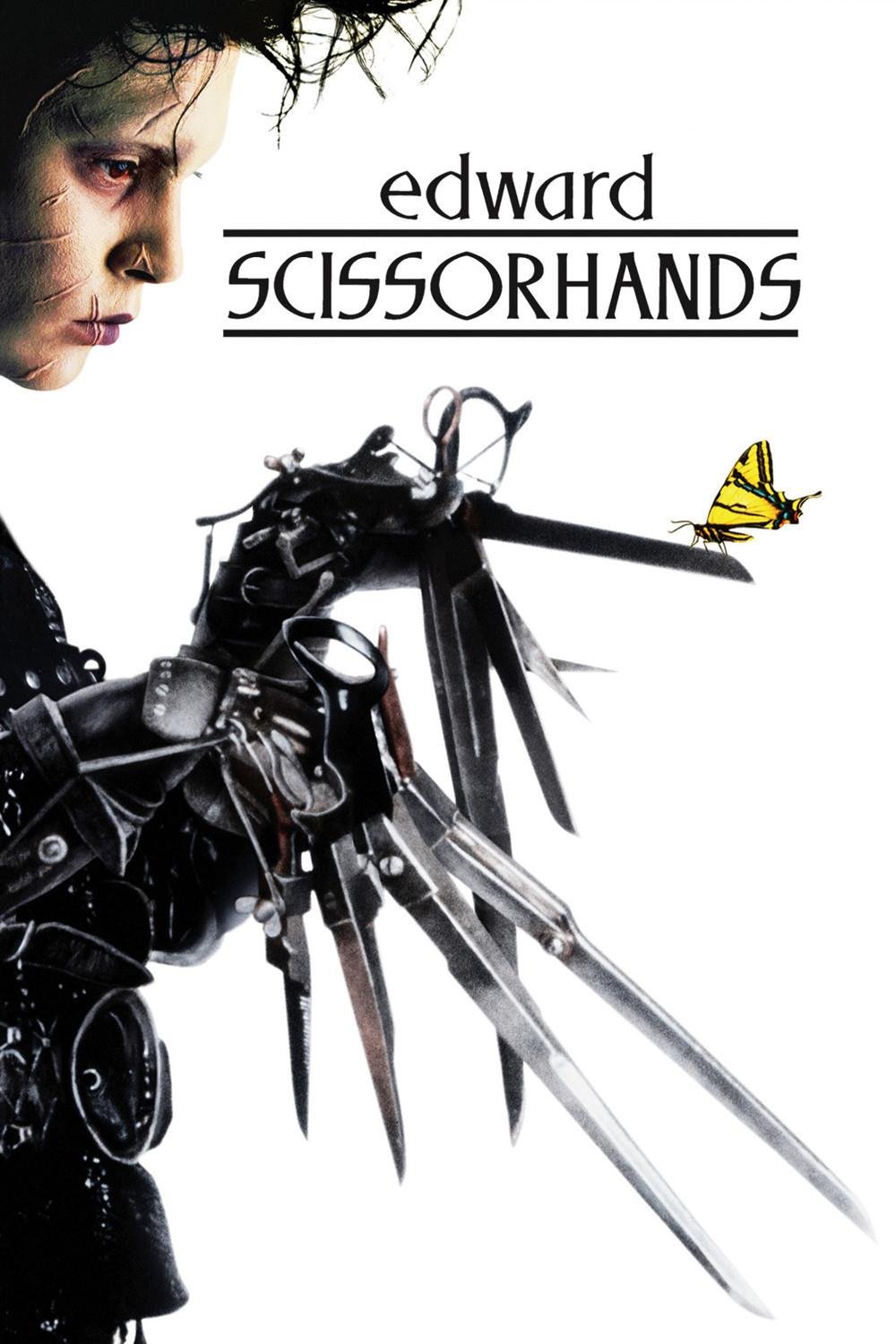
Tim Burton’s gothic fantasy tells the story of an artificial young man constructed by an elderly inventor who dies before giving him human hands. Left with shears for extremities, Edward is discovered in a decaying hilltop mansion by a compassionate cosmetics saleswoman who brings him into her suburban neighborhood. While Edward initially enchants the locals with his topiary sculptures and falls in love with the saleswoman’s daughter, the community gradually turns against him out of fear and mistrust. Similar to ‘Wicker’, the fable explores the consequences of provincial conformity when confronted by a handcrafted individual who does not fit standard societal roles.
‘Poor Things’ (2023)
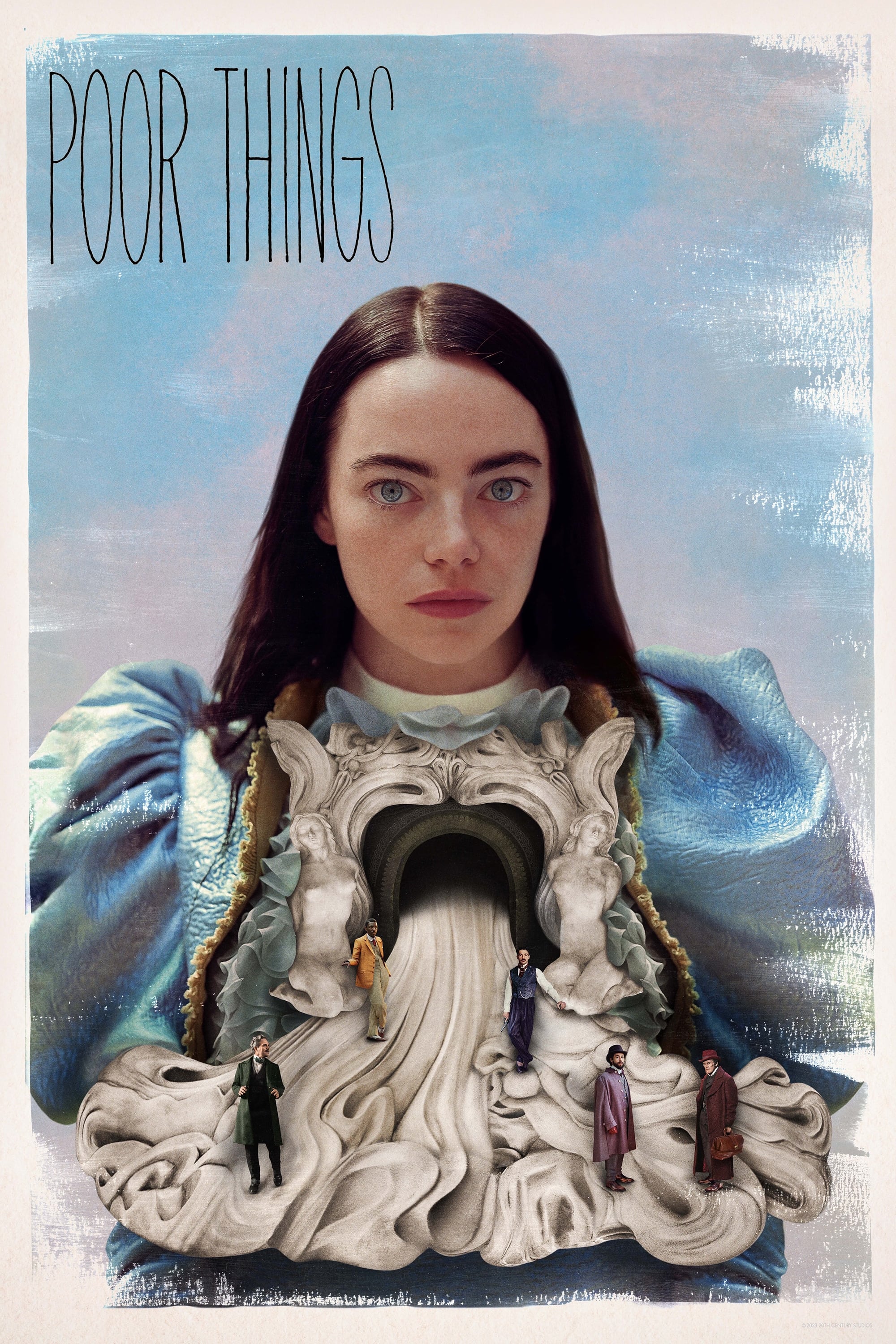
Directed by Yorgos Lanthimos, this Victorian-era surrealist tale follows Bella Baxter, a deceased young woman reanimated with the brain of an infant by an eccentric surgeon. As Bella’s mental faculties and physical independence accelerate, she runs off with a debauched lawyer on a voyage across Europe and North Africa. Unshackled by the puritanical gender norms of the era, Bella explores her own sexuality, philosophy, and personal autonomy despite attempts by multiple men to control her. The picture shares with ‘Wicker’ an unconventional fairy-tale aesthetic and an uninhibited exploration of bodily autonomy that upends traditional marital conventions.
‘The Lobster’ (2015)
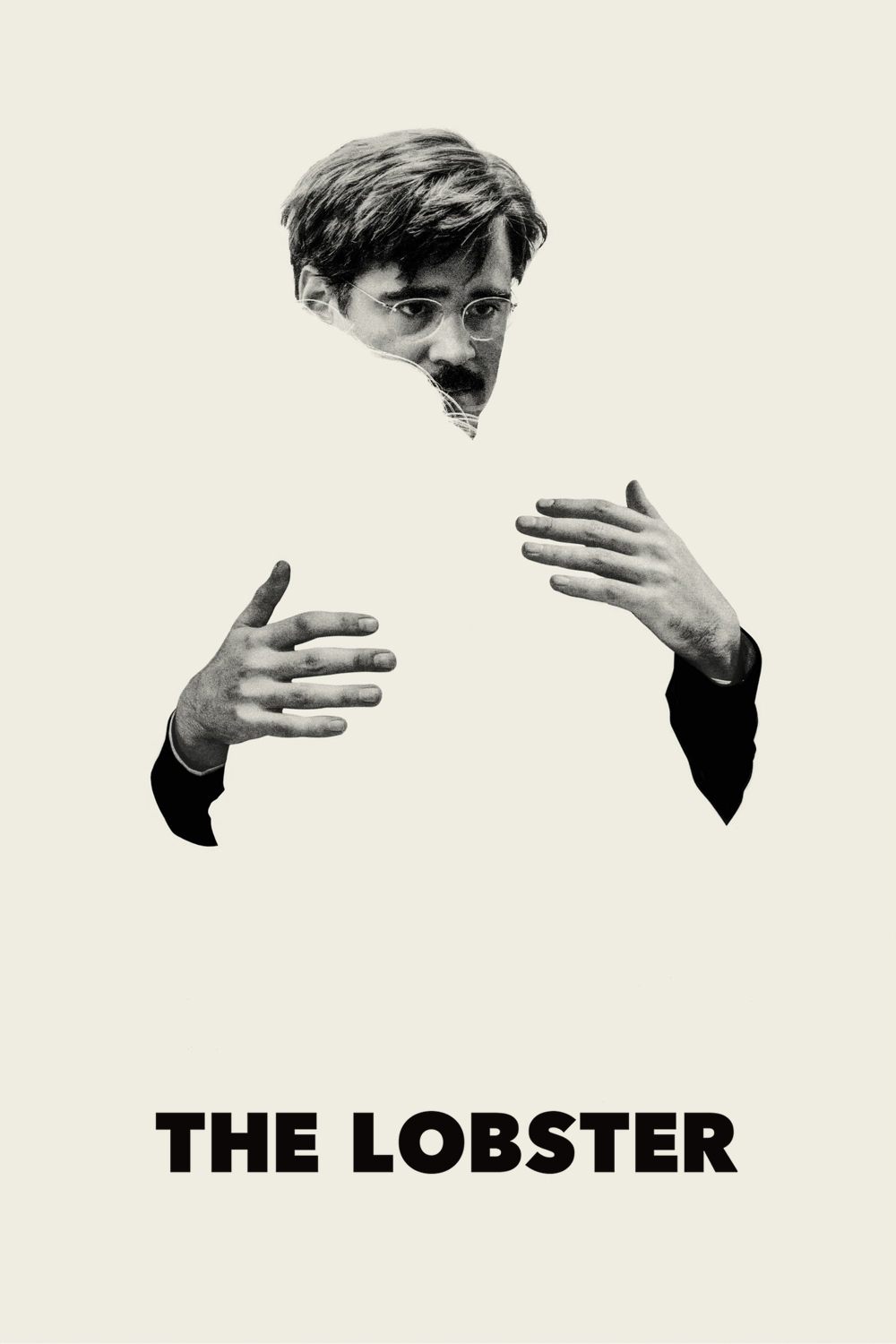
This absurdist black comedy, also directed by Yorgos Lanthimos, presents a society where single individuals are legally mandated to find a romantic match. Transferred to a specialized hotel, newly separated architect David is given forty-five days to secure a partner or face transformation into an animal of his choice. After failing to conform to the hotel’s rigid guidelines, David escapes into the surrounding woods to join a clandestine faction of militant loners who enforce celibacy. Like ‘Wicker’, the narrative utilizes dry British humor to satirize cultural anxieties surrounding solitary adulthood, institutionalized pairing, and social conformity.
‘Swiss Army Man’ (2016)

Written and directed by Daniel Kwan and Daniel Scheinert, the film centers on Hank Thompson, a man stranded on a deserted shoreline who is on the verge of suicide. Hank halts his attempt when a flatulent corpse washes ashore, which soon exhibits bizarre physical utilities that allow Hank to navigate back toward civilization. As the corpse gradually develops the ability to speak, Hank instructs him on the complexities of romance, human interactions, and societal taboos. The narrative mirrors the physical comedy, bodily motifs, and underlying emotional isolation depicted in ‘Wicker’.
‘Border’ (2018)
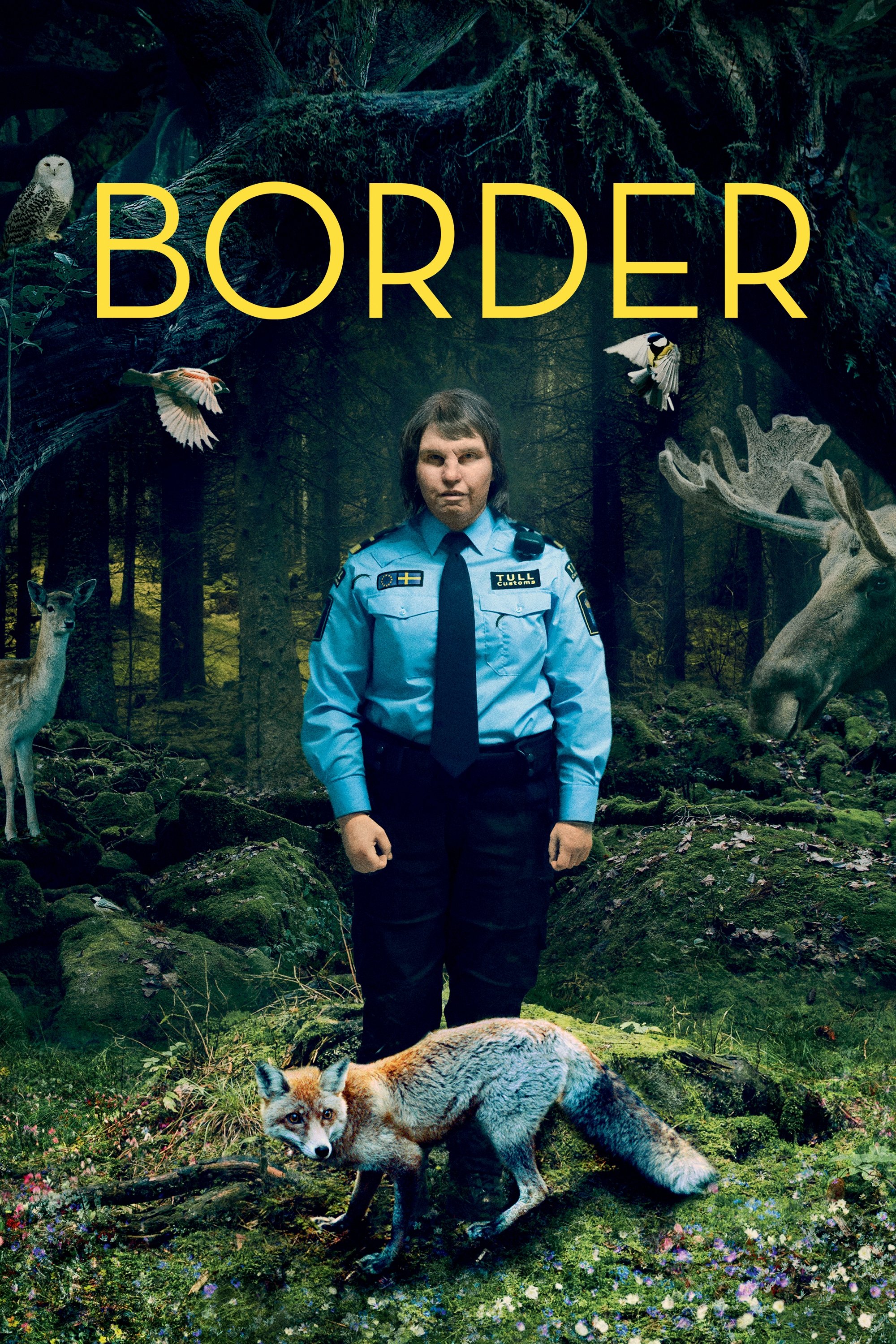
Directed by Ali Abbasi and adapted from a short story by John Ajvide Lindqvist, this Swedish fantasy drama centers on Tina, a customs officer living in isolation. Possessing an unconventional facial appearance and an olfactory ability to detect human emotions such as shame and guilt, Tina struggles with feelings of alienation. Her existence is upended when she meets Vore, a traveler with similar physiological features who reveals the mythological truth behind their identities. Like ‘Wicker’, the film blends earthy Scandinavian folklore with an exploration of outsider characters finding physical and emotional intimacy away from conventional society.
‘November’ (2017)

Rainer Sarnet’s black-and-white dark fantasy is set in a 19th-century Estonian village grappling with famine, cold, and pagan spirits. In this rural landscape, impoverished villagers construct inanimate automata called kratts out of wood, straw, and old tools, bringing them to life through pacts with the devil to perform manual labor. Amid these pragmatic rituals, a young peasant woman named Liina experiences unrequited love for a fellow villager who longs for a noblewoman. The movie shares with ‘Wicker’ an archaic European coastal setting where constructed figures made of raw, woven materials exist alongside rural superstitions and unfulfilled longings.
‘Ruby Sparks’ (2012)

Directed by Jonathan Dayton and Valerie Faris from a screenplay by Zoe Kazan, the film follows Calvin Weir-Fields, a young novelist suffering from an extended creative block. Following an exercise assigned by his therapist, Calvin writes about a dream woman named Ruby Sparks, only for her to materialize in his apartment as a real, sentient person. While Calvin initially embraces the relationship, he soon faces an ethical crisis when he realizes that any alterations he types on his typewriter directly modify Ruby’s personality and emotions. Much like ‘Wicker’, the storyline addresses the moral consequences and psychological realities of manufacturing a companion to escape personal loneliness.
‘Ondine’ (2009)

Directed by Neil Jordan, this Irish romantic drama follows Syracuse, an ostracized recovering alcoholic working as a fisherman in an isolated coastal town. His routine changes dramatically when he pulls a living, unconscious woman from the sea in his fishing net and shelters her in his deceased mother’s cottage. Syracuse’s young daughter becomes convinced that the mysterious woman is a mythical selkie capable of transforming lives through magical intervention. The production matches ‘Wicker’ through its seaside community setting, reliance on coastal folklore, and focus on an isolated protagonist seeking companionship away from judgmental neighbors.
‘Tale of Tales’ (2015)

Matteo Garrone’s dark fantasy anthology adapts seventeenth-century fables compiled by Italian author Giambattista Basile. Across three adjacent kingdoms, royal figures succumb to obsessive impulses, including a king who nurtures a giant flea before marrying his daughter to a savage ogre. Another monarch consumes the heart of a sea monster to conceive an albino son, creating supernatural entanglements that defy the laws of nature. Similar to ‘Wicker’, the film draws on traditional folk literature to present visceral, unvarnished tales of desire, artisanal creations, and the unexpected perils of matrimonial bargains.
‘Her’ (2013)

Spike Jonze’s futuristic romantic drama centers on Theodore Twombly, a melancholy professional letter writer residing in a near-future Los Angeles. Struggling to finalize his divorce, Theodore installs an advanced operating system designed to adapt and evolve through artificial intelligence, named Samantha. As Samantha’s consciousness expands, the two develop an emotional and romantic connection that forces Theodore to confront his fears of intimacy. The narrative aligns with ‘Wicker’ by examining how custom-made companionship challenges conventional social boundaries and helps an isolated individual confront suppressed vulnerabilities.
‘Mannequin’ (1987)
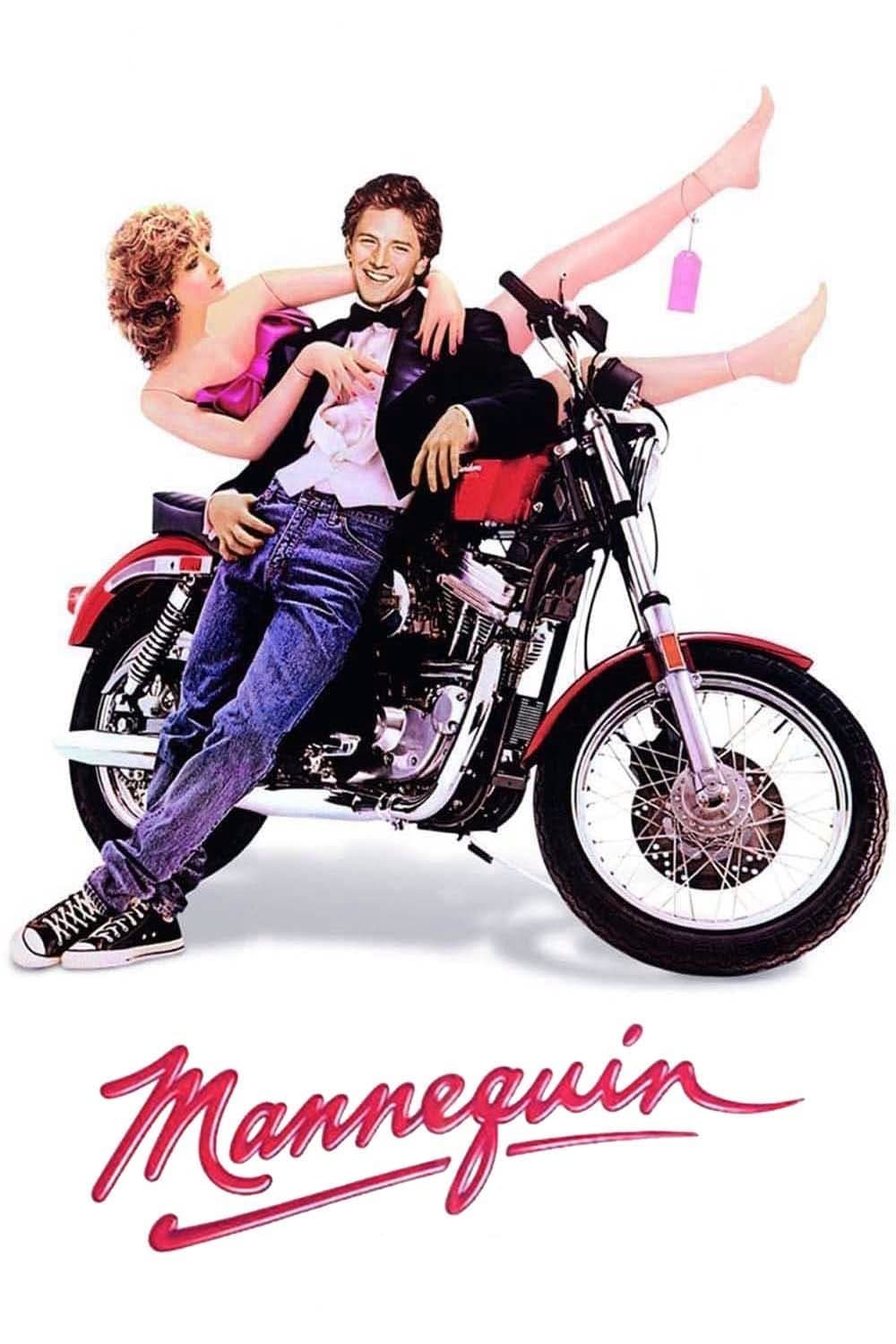
Directed by Michael Gottlieb, this romantic comedy follows Jonathan Switcher, an unemployed artist who secures a window dresser position at a struggling department store. Jonathan discovers that a fiberglass mannequin he previously sculpted has been inhabited by the spirit of Emmy, an ancient Egyptian woman escaping an arranged marriage. Because Emmy only assumes human form when the two of them are alone, Jonathan must conceal her living nature while revitalizing the store’s retail displays. Like ‘Wicker’, the film centers on a protagonist who forms a romantic partnership with a handcrafted inanimate figure, attracting suspicion and envy from nearby observers.
‘Beast’ (2018)

Directed by Michael Pearce, this psychological thriller takes place on the English Channel island of Jersey and follows Moll, an emotionally stifled young woman living with her domineering family. Moll’s isolated routine is disrupted when she meets Pascal Renouf, an enigmatic outsider who hunts poachers and lives off the coastal land. When Pascal becomes the prime suspect in an ongoing string of local murders, Moll defies the intense hostility of her community to stand by him. The film shares with ‘Wicker’ a coastal village atmosphere where an outcast woman rebels against the moral rigidity of a small community to pursue an unconventional romance.
Share your thoughts in the comments on which of these unusual romantic fables best captures the eccentric spirit of ‘Wicker’.