How Frankie Cooper Unleashed Pure Chaos in ‘MobLand’ Season 2


Prestige television crime dramas have experienced a significant resurgence across the streaming ecosystem, drawing global audiences into brutal sagas of dynastic ambition and betrayal. Paramount+ staked a major claim in this competitive landscape with ‘MobLand‘, an uncompromising exploration of loyalty, bloodlines, and London’s unforgiving criminal underworld.
Crafted through the sharp sensibilities of series creator Ronan Bennett and executive producer Guy Ritchie, the debut season anchored itself around the turbulent Harrigan empire. At the center of that volatile ecosystem stood Tom Hardy’s Harry Da Souza, a quiet fixer forced to resolve catastrophic mistakes made by his aristocratic employers.
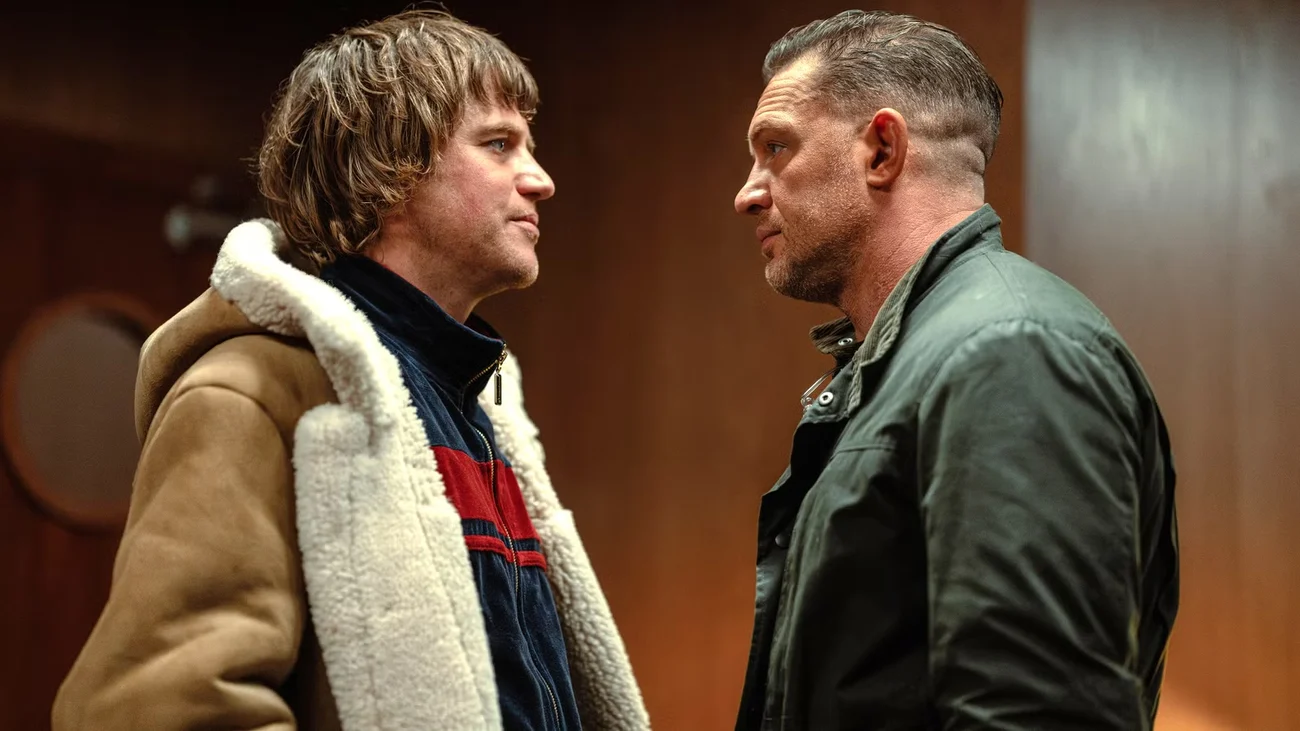
That uneasy equilibrium completely shattered with the introduction of Frankie Cooper, a disquieting new antagonist played with chilling panache by British actor Johnny Flynn. Siphoned into the conflict by disgraced former detective chief inspector Colin Tattersall, Cooper quickly established himself as a lethal wildcard unburdened by traditional mob codes or family allegiances.
An Eccentric Agent of Total Devastation
Flynn crafts Cooper not as a stereotypical street enforcer, but as an unsettling pastiche of casual flamboyance and razor-sharp intellect. Whether lounging through a serene nail salon pedicure or slicing steak at a backyard grill in a vibrant Hawaiian shirt, the mobster exudes an aura of calculated instability. He weaponizes mundane domestic settings to amplify the dread felt by everyone who crosses his path.
His sudden arrival provides rival cartel matriarch Kat McAllister with an unpredictable instrument designed to dismantle the Harrigans from the outside. Rather than conforming to formal underworld negotiations, Cooper disarms enemies with cheerful pleasantries, catching seasoned operators off-guard before delivering catastrophic blows.
That calculated malevolence peaked during the tense showdown in the season’s third episode, where Cooper proposed a hostile takeover of the Harrigans’ operations. While offering the safe release of kidnapped hostage Bella Harrigan, he quietly planted a devastating explosive device inside a bicycle helmet, proving his negotiations were merely theater for impending bloodshed.
Pushing the Harrigan Dynasty to the Brink
Cooper’s subsequent raid on the Harrigan estate in the Cotswolds demonstrated that the old boundaries of underworld respect had completely collapsed. In a gruesome display of psychological intimidation, he slaughtered Conrad Harrigan’s loyal hounds after offering them tea-soaked biscuits, signaling an era of unsparing malice.
The sudden surge in violence forces patriarch Conrad and matriarch Maeve, portrayed by Pierce Brosnan and Helen Mirren, into desperate retreats across European borders. With family members scattered across Spain and Ireland, Harry finds his customary ability to manage crises tested far beyond anything seen in the freshman run.
The immense strain behind the scenes almost mirrors the on-screen mayhem, particularly following intense negotiations regarding the franchise’s trajectory. Matriarch star Helen Mirren praised her co-lead’s craft in comments shared by Empire, stating, “I love Tom, I think he’s the most amazing actor.”
How Johnny Flynn Redefined the Crime Thriller Landscape
Flynn’s transformative performance represents a striking departure from his prior period-drama roles, replacing aristocratic decorum with a twitchy, predatory edge. Critics and audiences have drawn comparisons to classic cinematic sociopaths, praising how the actor balances pitch-black humor with stomach-churning volatility.
The creative team recognized early on that escalating the stakes required an adversary capable of breaking through Harry’s stoic armor. Cast members reflected on the complex process of elevating these brutal confrontations in an interview with BAFTA, where Hardy famously explained that “a good acting performance is like making eggs” when balancing tension and spontaneity.
Cooper’s continued presence ensures that the fractured syndicates cannot simply rely on brute force to restore order. His erratic moves continue to unravel alliances across London, transforming Season 2 into a masterclass in relentless narrative dread.
What Cooper’s War Means for Season 3
With Paramount+ already committing to a third installment of ‘MobLand’, the ramifications of Cooper’s war will undoubtedly reverberate for years to come. Even if the Harrigans manage to patch together their fractured ranks, the psychological damage inflicted by Flynn’s character has permanently reshaped their criminal landscape.
By shattering the illusion of invulnerability that once shielded London’s elite crime family, Cooper proved that the modern underworld belongs to those who rewrite the rules without mercy. The remaining episodes promise an inevitable collision course where survival demands embracing the very madness Cooper embodies.
Do you think Frankie Cooper is the greatest villain in ‘MobLand’ so far, or can Harry Da Souza outsmart him before everything crumbles?