The house always wins: the most iconic underground gaming rings in comic book history

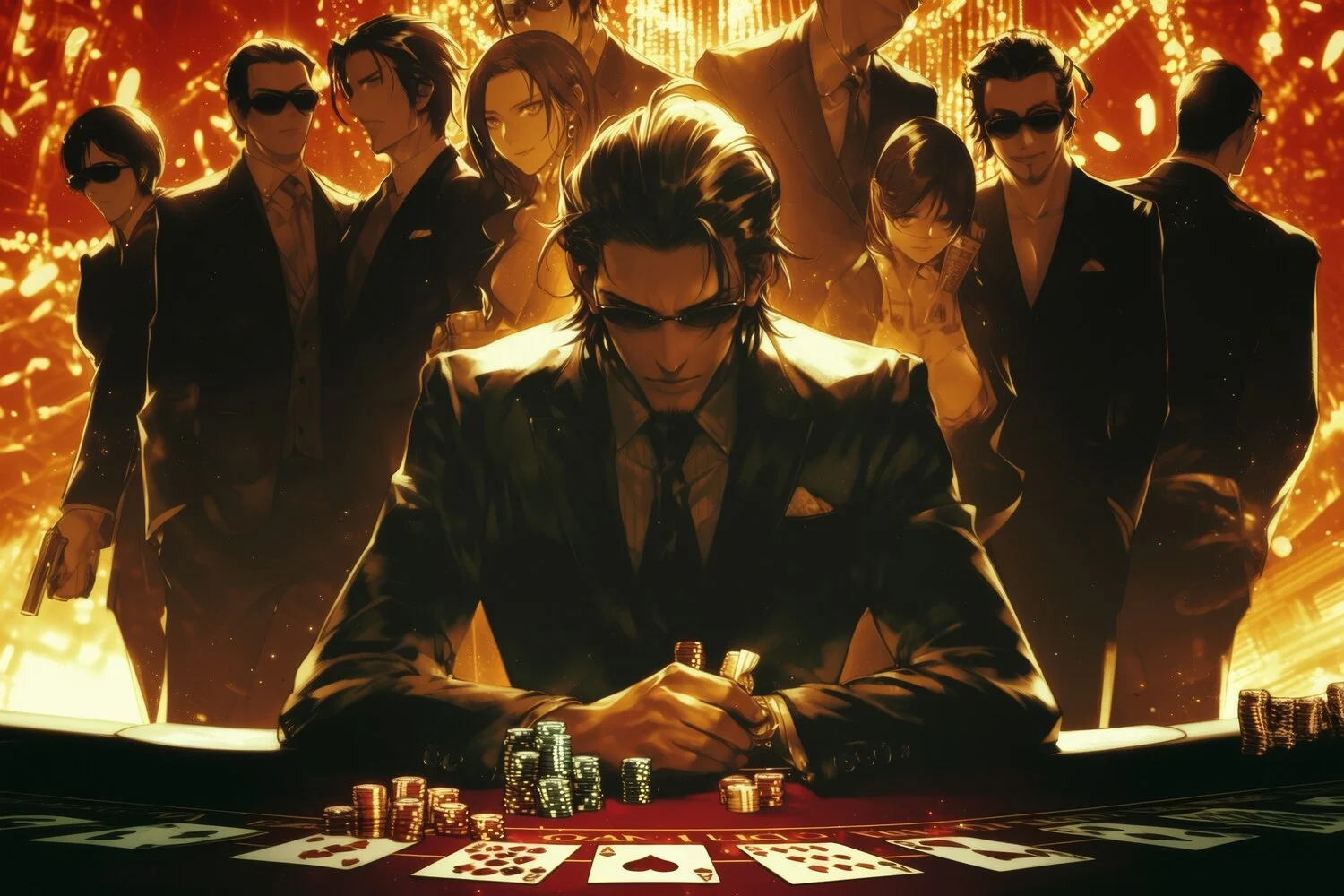

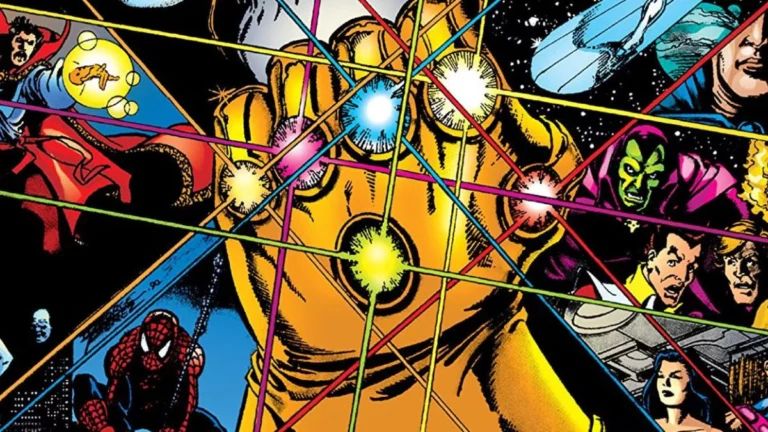
Supervillains with world-ending death rays are fine for Saturday morning cartoons, but they rarely get under your skin. World domination is abstract. It lacks grit. When comic book writers want to make a city feel dirty, dangerous, and genuinely compromised, they leave outer space behind and head straight underground.
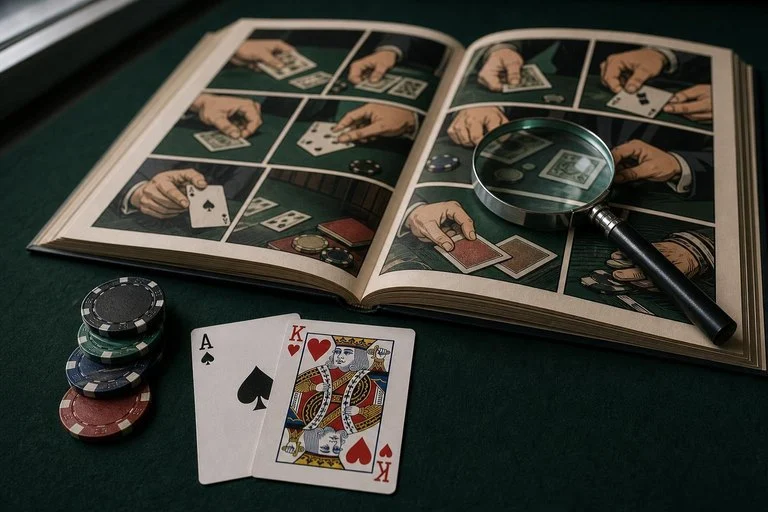
Illegal gambling dens, gladiator pits, and smoke-filled backrooms have fueled pulp fiction since the days of the Shadow. In superhero continuity, these places do something special. They strip away the heroic spectacle and replace it with raw cynicism. Put a costumed vigilante inside a secret betting den, and suddenly physical strength matters far less than who controls the room, who holds the ledger, and who calculates the payout.
Roulette and the cruel spectacle of the House
Nobody captured the soulless mechanics of illicit wagering quite like Geoff Johns and Derec Aucoin when they created Veronica Sinclair in the pages of JSA back in 2001. Documented thoroughly in the DC Database, Sinclair adopted the moniker Roulette and turned superhero combat into an exclusive, pay-per-view bloodsport for the global elite.
Her setup, simply known as “The House,” was chillingly pragmatic. She did not want to blow up Metropolis or unmask Batman. She wanted to kidnap second-tier superheroes, drug them with metahuman power dampeners, and force them to slaughter each other while corrupt politicians and masked billionaires sipped champagne behind soundproof glass.
The horror of Roulette’s operation was how familiar it felt. People have always looked for ways to put money on high-risk physical conflict, whether through ancient Roman amphitheatres or prize fighting. In the real world, the obsession with predicting competitive outcomes has traded back-alley bookies for mobile screens; modern fight fans casually fire up a betting app to track live undercard odds during a UFC broadcast. Roulette merely recognized that same voyeuristic appetite among DC’s billionaire class and inflated it to grotesque, murderous proportions. What made her truly dangerous was that she never broke her own house rules. She collected her cut regardless of who died in the ring.
The Iceberg Lounge as Gotham’s velvet trap
Gotham City has plenty of rat-infested warehouses where low-level hoods play poker with dirty cash. Oswald Cobblepot wanted something with chandeliers. When writer Chuck Dixon revamped the Penguin in the late 1990s, he gave the character the smartest upgrade of his publication history: legitimate ownership of the Iceberg Lounge.
On paper, the venue operates as an upscale restaurant and marina nightclub. Deep inside, past the tuxedoed security guards and the exotic penguin pools, sits Gotham’s primary money laundromat. High rollers drop astronomical sums at private roulette tables, while crime bosses cut backroom deals in soundproof VIP booths.
The genius of Cobblepot’s casino is that it forces Batman to play by civil law. The Dark Knight knows the entire operation runs on extortion and racketeering, yet he cannot simply kick down the front doors without generating a public relations nightmare. The Iceberg Lounge survives because it sits right on the boundary between legitimate hospitality and organized crime, acting as an information hub where information is bought, sold, and wagered like currency.
From Madripoor dive bars to intergalactic dice games
Marvel approaches gambling from two drastically different scales, ranging from street gutters to cosmic gods.
On the street side, there is Madripoor. Introduced heavily during Chris Claremont’s legendary late-eighties run on Wolverine, detailed in archives at the Grand Comics Database, the island nation of Madripoor was designed as an absolute haven for maritime outlaws, mercenaries, and high-stakes gamblers. The division was stark:
- Lowtown: Filthy dive bars like the Brass Monkey, where mercenaries roll crooked dice and bet on brutal cage matches between cybernetically altered street fighters.
- Hightown: Gleaming luxury casinos run by figures like Tyger Tiger and Madame Viper, catering to foreign oligarchs looking to park illicit funds outside international tax jurisdictions.
Then Marvel scales the concept to absurd heights with En Dwi Gast, better known as the Grandmaster. One of the Elders of the Universe, this cosmic entity possesses near-infinite power, yet he suffers from eternal, terminal boredom. His entire existence revolves around games of chance.
Instead of betting chips or paper currency, the Grandmaster wagers planets, civilizations, and superhero teams. In classic crossover events like Contest of Champions, he treats Earth’s mightiest figures as pawns on a celestial board. The scale is infinitely larger than a Gotham card room, yet the underlying motivation remains identical to every back-alley card shark: the desperate, compulsive need to see if his wager can beat the house.
Why comic creators love the gaming floor
Gambling dens work in comic narratives because they level the playing field in an unnatural way. You can give a hero the power to lift locomotives or run faster than the speed of sound, but none of those abilities help them when they are trapped inside a room where the rules are entirely social, contractual, or psychological.
These settings force protagonists to confront opponents who do not care about physical strength. In the eyes of a bookmaker like Roulette or a crime boss like Penguin, a superhero is not an inspiring symbol of justice. A hero is simply an asset, an oddsmaker’s risk variable, or a pawn to be manipulated until the house clears its profit. When a superhero walks across the velvet carpet of a corrupt casino, the tension stops being about who can throw the hardest punch. The real question is whether they can leave the room before their luck runs completely cold.