Why It Took Blizzard Twenty Years to Build the Thing Everyone Asked For

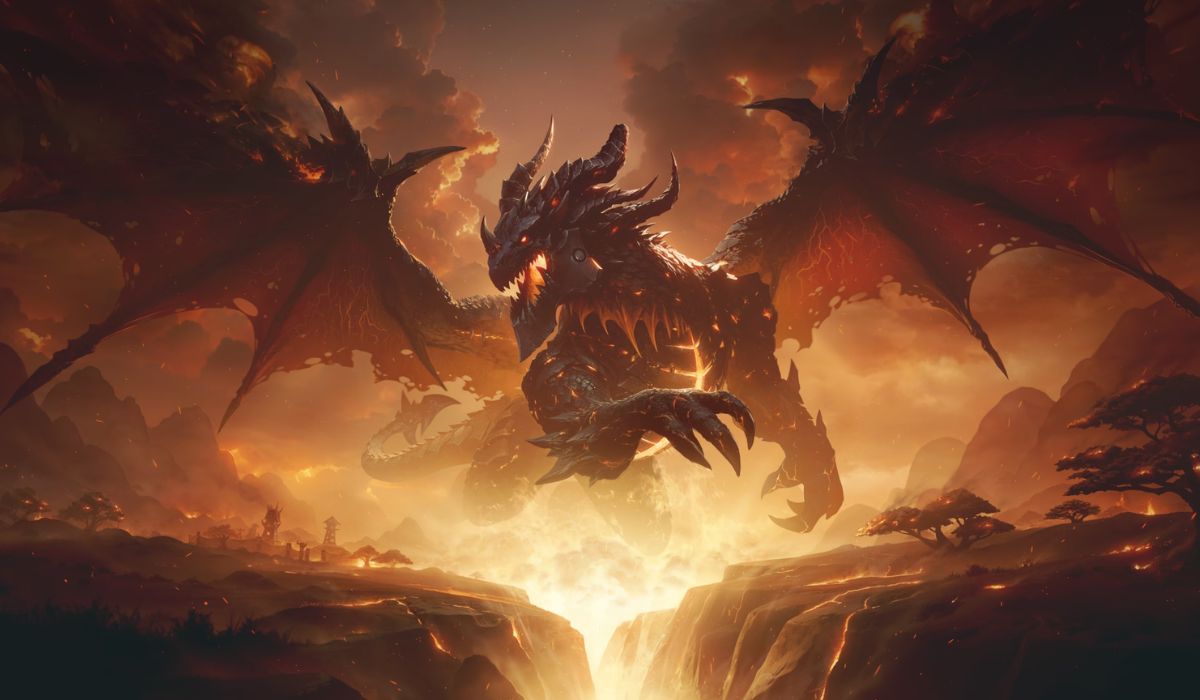

Classic+ is the oldest live request in World of Warcraft. It has sat on forums and subreddits for as long as most players can remember, and it never really went away. Trusted providers like KingBoost, which has offered WoW boost services across Classic since 2019, have had a front-row seat for the asking. The pitch barely changed in two decades: keep the 2004 game, its pace, its danger and its world, but give it new content instead of freezing it in amber. Blizzard said no for years. On November 4, they’re shipping it.
What interests me isn’t that it happened. It’s that the path from no to yes ran through products that were never pitched as steps toward this one.
The first no
When WoW Classic launched in 2019, the official line was a museum piece. Classic worked because it was untouched, the thinking went, and the moment you added anything you were rebuilding retail with worse graphics. It was a reasonable argument. Every attempt to modernize Classic by community request risks producing the exact thing people left.
Players asked anyway, and Classic kept finding new audiences as it moved through later expansions. That’s years of evidence that this was a permanent second population, not a nostalgia spike. The business question changed. A museum needs preserving. A population needs feeding.
There was also a quieter lesson in how Classic players behaved. They didn’t drift away after clearing the content. They stayed, rerolled, rebuilt guilds and argued about talent trees years after the guides were solved. That kind of loyalty is rare in any live game, and it’s the strongest argument that people wanted more of this world, not a replacement for it.
The experiment that proved it
Season of Discovery was the hinge, and it wasn’t a safe bet. Runes, new mechanics and new power were scattered through zones veterans had run hundreds of times. On paper, it was the heresy the 2019 position warned about.
Instead, the community turned into an archaeology project. People spent weeks finding and documenting things in corners of Darkshore and Westfall that nobody had looked at carefully in fifteen years. The power was incidental. Discovery was the product, and it worked because the world was familiar enough for a change to register.
That inheritance shows in Forever. Mount Hyjal, a name on the Kalimdor map since launch, is now a level 60 endgame zone and home to the Hyjal Summit raid. Shen’dralas fills the empty stretch between Mulgore and Desolace, and beta footage shows mobs around level 43 there. Add Zephras Isle and the Riverglades, and the full package is four new zones, nine new dungeons, more than 1,000 new quests and a new playable race, the Skyborne.
Why now
Three things lined up. The audience proved durable rather than seasonal. The experiment proved new content could go into the old world without breaking what people came for. And Forever competes with nothing Blizzard already sells, because it’s additive.
Retail continues. Classic continues. Midnight has been out since March 2 and is doing fine. Forever is a third product rather than a replacement, and it comes with an existing WoW subscription, which removes the two risks that killed every earlier version of this conversation: splitting the playerbase and asking people to pay twice.
What Forever asks of newcomers
Here’s the part that could still go wrong. Forever is betting that discovery scales. Season of Discovery worked on veterans who knew the old world well enough to notice a change, and Forever is explicitly built to welcome people who never played Classic. I’m not sure the archaeology instinct survives contact with players who have no baseline. A hidden door is only exciting if you remember the wall.
The counterargument is sheer volume. Four zones, nine dungeons and a thousand-plus quests are enough that newcomers don’t need the comparison to enjoy themselves. And the endgame already has a date: raids unlock on December 9 with Barrow Deeps, Hyjal Summit and Onyxia’s Lair, so the first few weeks have a clear arc from leveling to the first raid night.
Getting ready for day one
If you’re planning to be there at launch, a little preparation goes a long way. Beta testing began in September, so there’s already plenty of footage and early guides to study before you commit. Pick your class and faction early, and decide on professions before you roll, because gathering and crafting choices shape how smooth the first levels feel. Be realistic about your calendar, too. A game built on pace, distance and danger rewards players who plan their evenings and punishes those who don’t.
It also helps to go in with modest expectations for the first week. Launch days in any popular game bring crowded zones and contested quest targets, and the old-school answer is the right one: be patient, group up, and treat the crowds as part of the atmosphere rather than an obstacle.
Why a slow game can work in 2026
There’s a practical reason a slow, demanding game can work commercially now when it might not have in 2010: the ecosystem that grew up around WoW in the meantime. Content creators who make a living on it. Guilds with twenty-year histories. Services for players short on time. Plenty of people want the world to be this size but don’t have dozens of free evenings to cross it, and for them there are options like WoW Forever leveling services. The design gets to ask for time because not every player has to supply it the same way.
Twenty years of asking produced something more ambitious than the thing being asked for. Whether it holds up gets answered by whoever is still logging in after the first raid night on December 9.