What Is ‘Godzilla Minus Zero’ Based On? The History And Lore Behind The Kaiju Sequel

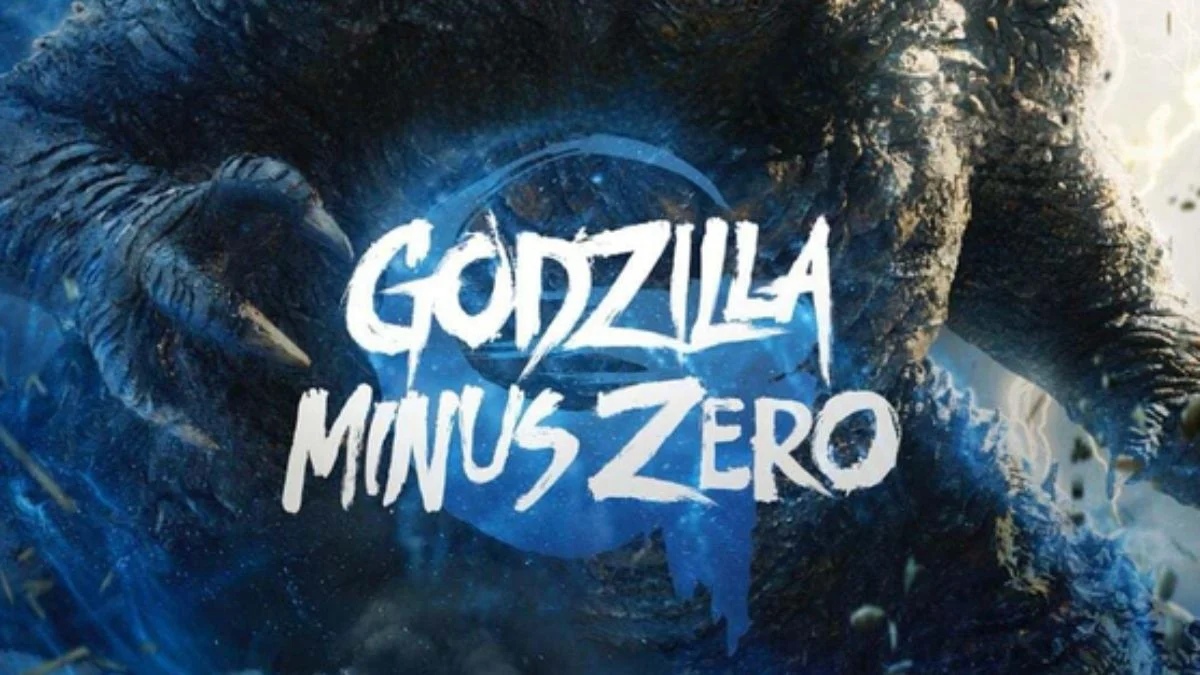
The global cinematic landscape experienced a massive seismic shift when Japanese filmmaker Takashi Yamazaki revitalized the King of the Monsters on the international stage. Through intense emotional drama and jaw-dropping visual spectacle, the postwar monster narrative captivated millions of moviegoers worldwide and shattered long-standing box office records for international releases. The historic critical acclaim culminated in a groundbreaking Academy Award victory, permanently altering how global audiences view kaiju cinema.
Following that triumph, intense speculation naturally swirled around the next cinematic chapter and the historical roots anchoring this refreshed timeline. Audiences around the world have sought to uncover the creative origins of the saga, curious whether the gripping narrative was adapted from a celebrated Japanese novel, a forgotten manga run, or historical accounts of postwar trauma. The title itself has puzzled newcomers, prompting widespread questions regarding the foundation of this apocalyptic universe.
An Original Story
In truth, ‘Godzilla Minus Zero‘ is not adapted from a novel, comic book, or preexisting literary property. Much like its acclaimed predecessor, the film is an entirely original screenplay conceived, written, and directed from scratch by Takashi Yamazaki. Rather than translating an existing text to the screen, the production draws its narrative foundation directly from the harrowing historical reality of postwar Japan and the lingering shadow of atomic devastation.
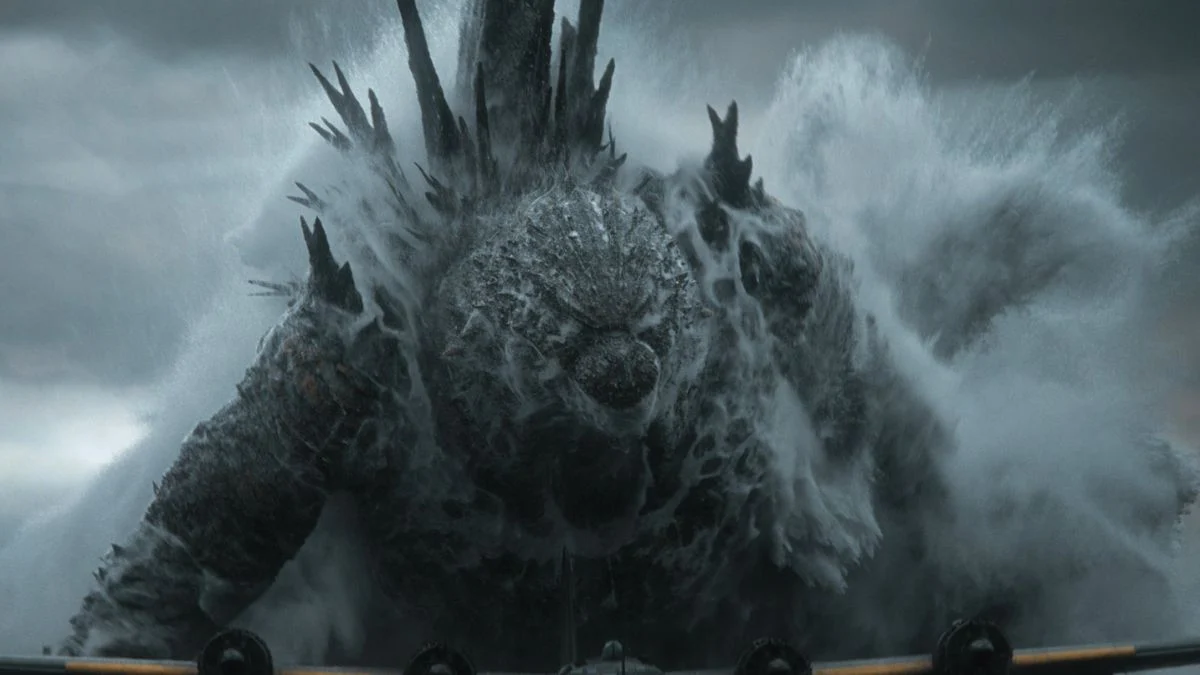
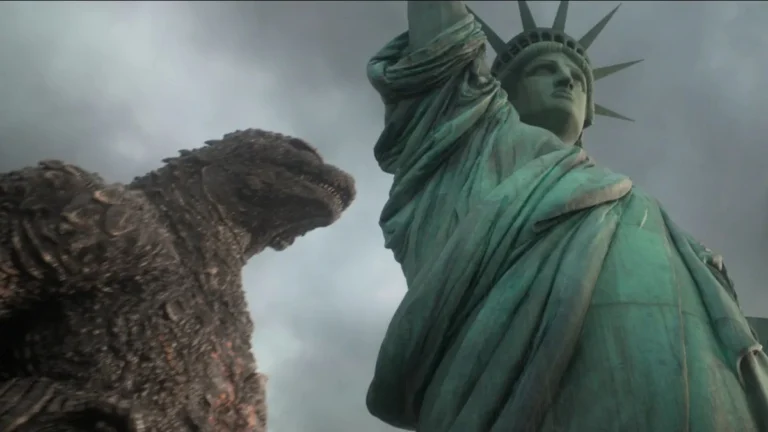
Set in the year 1949, the narrative places humanity four years after the conclusion of World War II and two years following the initial monster onslaught. The country sits in a fragile state of reconstruction, where civilians are gradually rebuilding their fractured communities while grappling with grief and pervasive survivor’s guilt. By centering the conflict on the Shikishima family as they attempt to reclaim ordinary life, the story reflects the actual socioeconomic struggles that ordinary citizens faced across ruined Japanese cities.
A Thematic Response to ‘Oppenheimer’ and Nuclear History
Beyond factual postwar recovery, the project carries a profound thematic foundation that converses directly with recent historical cinema. Following his Oscar win, Yamazaki revealed that an encounter with director Christopher Nolan spurred a desire to create a cinematic counterweight to the American perspective on the dawn of the nuclear era. For the filmmaker, the atomic bomb was not merely an abstract scientific milestone, but an existential nightmare experienced on the ground.
To bridge this dialogue, Yamazaki leaned into the symbolic heritage of cinema’s most famous beast. “In my mind I was thinking I’d develop a film that looks directly at Hiroshima,” Yamazaki explained regarding the thematic conception. “Godzilla is itself a metaphor for nuclear war,” he noted, allowing the creature to embody the catastrophic fallout that scarred an entire generation.
Classic Toho Mythology and King Ghidorah’s Return
While the historical realism provides an emotional core, the story remains deeply tethered to 70 years of classic monster mythology originally pioneered by director Ishirō Honda in the 1954 masterpiece ‘Godzilla’. The narrative honors Honda’s solemn vision by treating the titular beast as a terrifying force of divine retribution and nuclear wrath rather than a friendly protector. Every destructive roar echoes the cultural anxieties that first established the monster as a global icon.
Furthermore, the narrative framework pulls iconic lore from Toho’s golden age, particularly the arrival of the three-headed extraterrestrial terror King Ghidorah, famously introduced in the 1964 classic ‘Ghidorah, the Three-Headed Monster’. Longtime fans know Ghidorah has often carried the alias “Monster Zero,” providing a dual meaning to the film’s provocative title. Director Takashi Yamazaki previously noted that combining high-stakes monster clashes with grounded tragedy was a deliberate ambition, speaking to Empire about wanting to explore “a more serious tone of kaiju-versus-kaiju with human drama”.
High Stakes, Creative Freedom, and Cinematic Influences
In constructing the sequel’s dramatic rhythm, Yamazaki also turned to legendary Hollywood follow-ups for structural inspiration, specifically pointing to James Cameron classics like ‘Aliens’ and ‘Terminator 2: Judgment Day’. Those blockbusters established that expanding scope works best when anchored to intimate character arcs and protective family bonds. By shifting the central lens from an individual soldier’s guilt to the defense of a household, the movie elevates the personal stakes against towering chaos.
That dedication to preserving uncompromising dramatic tension even pushed the production into darker, unprecedented territory for the storied franchise. While unveiling the film at the New York Film Festival, Yamazaki told Variety that maintaining visceral realism was vital, stating, “There were certain scenes that for me as a director were so essential to the film. Censoring it or cutting it was just not an option for me”.
Ultimately, the blockbuster is built on a rich tapestry of genuine human history, philosophical anti-war sentiment, and revered kaiju folklore. By weaving personal tragedy into the colossal destruction of two clashing titans, the production transforms spectacle into an examination of national endurance and collective healing. It honors the past while charting a daring, emotionally resonant path forward for the venerable giant monster genre.
Do you think ‘Godzilla Minus Zero’ succeeds as a direct thematic response to postwar history, or do you prefer the classic monster brawls of earlier eras? Let us know your thoughts in the comments below!