Why Digital Entertainment Rules Matter for Superhero Fans

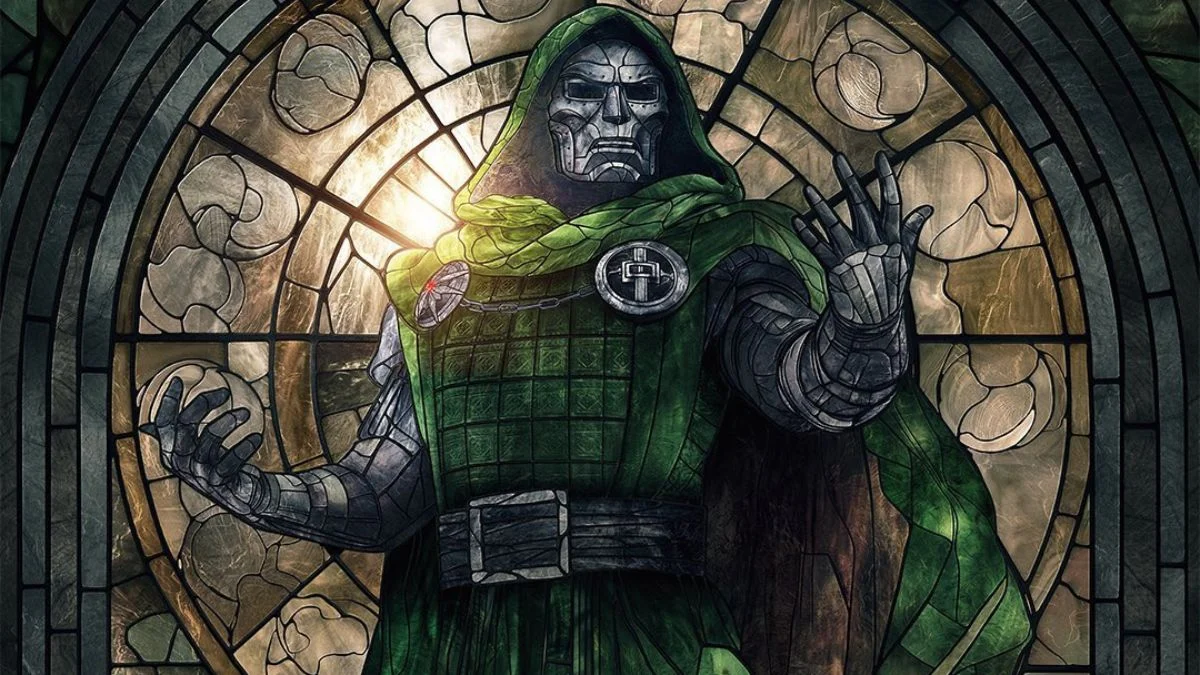
Comic books have developed from traditional printed publications into a global entertainment industry.
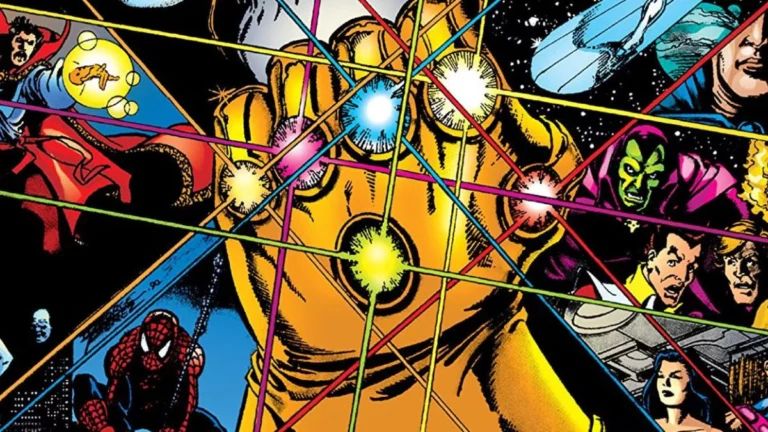
Characters from Marvel, DC, and other fictional universes now appear in movies, television shows, video games, and digital publications.
This expansion has created new opportunities for readers and entertainment enthusiasts, but it has also introduced important questions about digital access, copyright protection, and online platform regulations.
For fans, understanding these developments is becoming increasingly important as comic book entertainment continues to evolve.
The Growing Popularity of Digital Comics and Superhero Entertainment
Digital technology has changed how readers discover and enjoy comic books.
Instead of relying exclusively on physical editions, audiences can explore digital publications, character biographies, illustrated stories, and entertainment news through online platforms.
Marvel and DC have also expanded their fictional universes through cinematic adaptations and television productions.
These developments allow fans to follow their favorite characters across different entertainment formats.
Websites such as ComicBasics provide information about Marvel, DC, and other entertainment franchises, helping readers stay connected with developments in popular fictional universes.
People researching lotus 365 should distinguish between general digital entertainment platforms and services involving online gaming or real-money gambling.
The availability of an online service does not automatically establish its legal status or suitability for every user.
Why Copyright and Licensing Matter
Comic book characters, illustrations, storylines, and related creative materials are generally protected by intellectual property laws.
Publishers and copyright holders establish rules governing how their creative properties can be reproduced, distributed, and commercially used.
For example, reproducing copyrighted comic book artwork or distributing complete digital publications without authorization may violate applicable copyright laws.
Licensing agreements also determine how fictional characters can be used in merchandise, adaptations, and other commercial projects.
Readers should therefore distinguish between authorized digital publications and websites offering copyrighted materials without permission.
These considerations are particularly important as more comic book content becomes accessible through digital channels.
Mobile Applications and Digital Entertainment Responsibilities
Smartphones have made entertainment information more accessible than ever.
Fans can now read character updates, explore movie announcements, watch trailers, and follow discussions about upcoming superhero productions through mobile devices.
However, not every application available online is necessarily authorized or trustworthy.
People searching for the lotus 365 app should independently verify the publisher, authenticity, and applicable legal restrictions before installing any advertised software.
They should also understand the differences between entertainment applications and services that involve real-money gaming.
Protecting personal information and avoiding unverified downloads are important considerations when using digital platforms.
What the Future Holds for Comic Book Entertainment
The future of comic book entertainment will likely involve further digital innovation, interactive storytelling, and expanded fictional universes.
Marvel and DC continue to demonstrate how established comic book characters can reach new audiences through films and television productions.
Digital publishing may also make independent comic creators more accessible to international readers.
At the same time, copyright protection, transparent licensing practices, and responsible digital distribution will remain important.
The comic book industry succeeds because of creative storytelling, memorable characters, and passionate fan communities.
As technology continues to change entertainment, protecting creative work and maintaining trustworthy digital experiences will be essential for both publishers and audiences.