Does ‘Godzilla Minus Zero’ Have a Post-Credits Scene? What Fans Need to Know

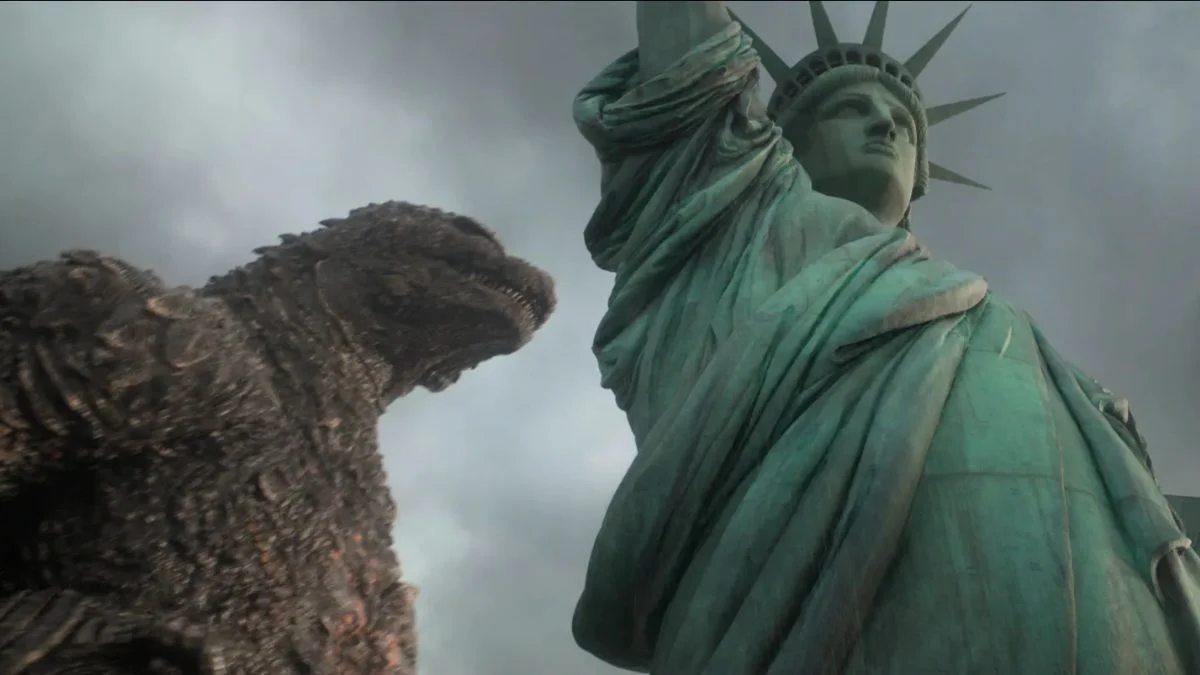
The modern cinematic landscape has trained audiences to sit patiently through scrolling names and company logos long after the house lights begin to flicker. Across big-budget franchises and interconnected cinematic universes, end-credits sequences have transitioned from playful surprises into mandatory narrative bridges. This habit has made post-credits speculation an essential ritual for moviegoers eager to discover what lurks beyond the official climax.
When visionary director Takashi Yamazaki reshaped the kaiju genre with the historic theatrical run of ‘Godzilla Minus One‘, he revived the solemn, terrifying roots of the King of the Monsters. The cinematic phenomenon earned universal acclaim and unprecedented overseas box office receipts, leaving fans hungry for how Toho would expand the timeline in ‘Godzilla Minus Zero’. With massive expectations surrounding this high-stakes follow-up, audiences heading into theaters are wondering if the sequel adopts Hollywood’s signature credit habits.
For those wondering if they need to stay glued to their seats through the crawl, the direct answer is no, ‘Godzilla Minus Zero’ does not have a post-credits scene. The film features neither a mid-credits tease nor a traditional stinger waiting at the very end of the roll.
Why ‘Godzilla Minus Zero’ Skips the Post-Credits Trend
Once the screen transitions to the final credits roll, the harrowing cinematic journey created by writer, director, and visual effects supervisor Takashi Yamazaki has officially reached its conclusion. Audiences can comfortably collect their belongings, clear their aisles, and head for the lobby without fear of missing a hidden narrative beat. Every single story thread, thematic resolution, and terrifying encounter is delivered within the film’s primary 135-minute runtime.
This clean conclusion continues a proud tradition within Japanese filmmaking and Toho’s storied monster catalog. Rather than relying on tantalizing tag scenes to promise future installments, the production team chose to let the weight of the story stand on its own artistic merits. Yamazaki has repeatedly demonstrated that genuine emotional impact comes from complete, character-driven storytelling rather than manipulative promotional hooks.
Indeed, Yamazaki approached the blockbuster not as a stepping stone for endless sequels, but as a deliberate and sober creative statement. The director reflected on how his post-war narrative engaged directly with the dawn of the nuclear era and Christopher Nolan’s Oscar-winning biographical epic ‘Oppenheimer’. As the filmmaker told TIME, “Godzilla is itself a metaphor for nuclear war. Maybe I can combine the two and make a Godzilla movie that is also an answer to Oppenheimer”.
How the Ending Mirrors the Legacy of ‘Godzilla Minus One’
The lack of an end-credits sequence will feel very familiar to anyone who paid close attention to the finale of 2023’s ‘Godzilla Minus One’. That acclaimed movie also opted against a post-credits scene, choosing instead to deliver its most shocking revelations directly before the screen faded to black. The haunting image of regenerating kaiju flesh in the deep ocean and the mysterious blackened mark on Noriko Oishi’s neck occurred before the credits started.
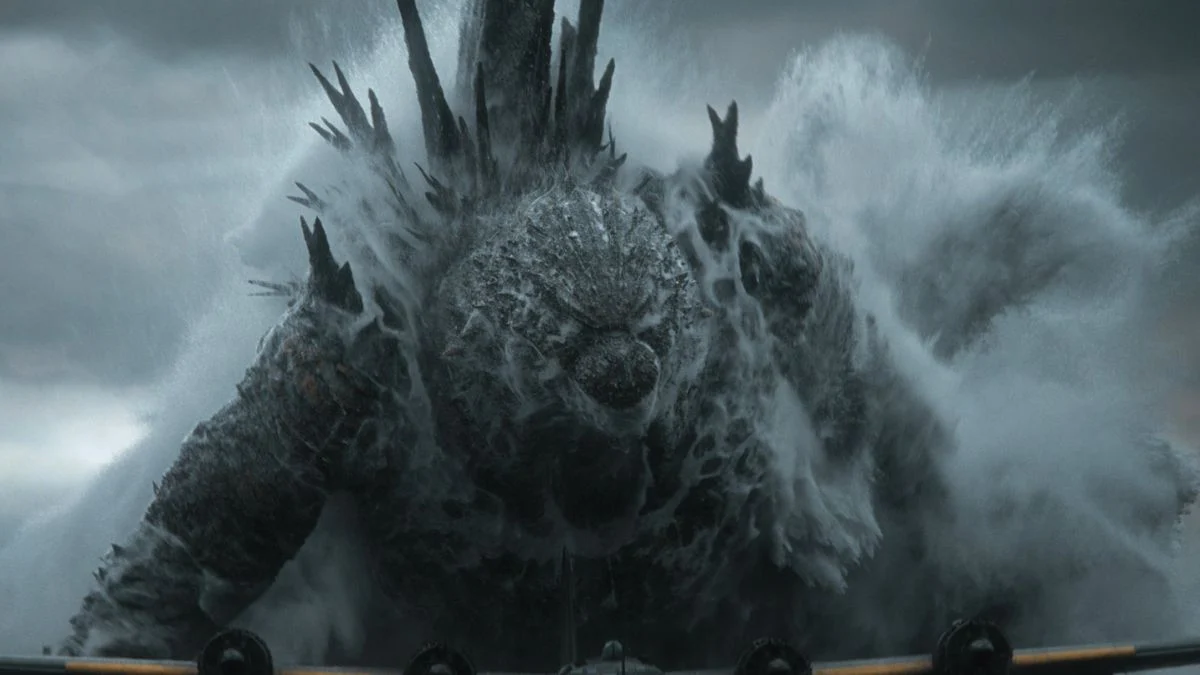
While that predecessor did include the faint audio cue of Godzilla’s thundering footsteps and signature roar after the final logo, it remained committed to narrative self-containment. That creative discipline paid massive dividends for the studio both critically and commercially. Shortly after release, Deadline reported that the movie had officially become the highest-grossing live-action Japanese film in North American box office history, eventually taking home the Academy Award for Best Visual Effects.
In ‘Godzilla Minus Zero’, Yamazaki carries that same integrity forward as postwar Japan faces the cataclysmic arrival of King Ghidorah. The intense, human-scaled struggles of Koichi Shikishima and his family remain the emotional anchor of every monumental action sequence. By concluding the drama before the credits begin, the production honors the devastating sacrifices made by the characters rather than diluting them with a quick marketing gimmick.
What the Future Holds for Takashi Yamazaki’s Monster Storyline
Even without an end-credits stinger to signpost the road ahead, speculative discussions regarding a third chapter have already begun circulating across the fandom. Yamazaki has acknowledged the intense curiosity surrounding his cinematic universe, though he remains pragmatic about the pressures of returning to the well. Continuing the narrative requires careful reflection rather than chasing escalating spectacles for the sake of box office glory.
The director even brought up the comical dilemma of what a potential third film could even be called within this unique naming continuum. Reflecting on the timeline’s title progression, Yamazaki admitted, “We’ve gone from Minus One to Minus Zero so we’re now neutral. That might be the biggest problem we have to solve if there is a sequel”.
For now, moviegoers can celebrate ‘Godzilla Minus Zero’ as a rare and exhilarating modern event film that respects the viewer’s time from start to finish. The giant reptile’s reign endures precisely because every crucial revelation is treated with genuine artistic purpose on screen.
Share your thoughts on the dramatic conclusion of ‘Godzilla Minus Zero’ and where you hope the kaiju franchise heads next in the comments below.