25 TV Shows That Changed Their Main Characters

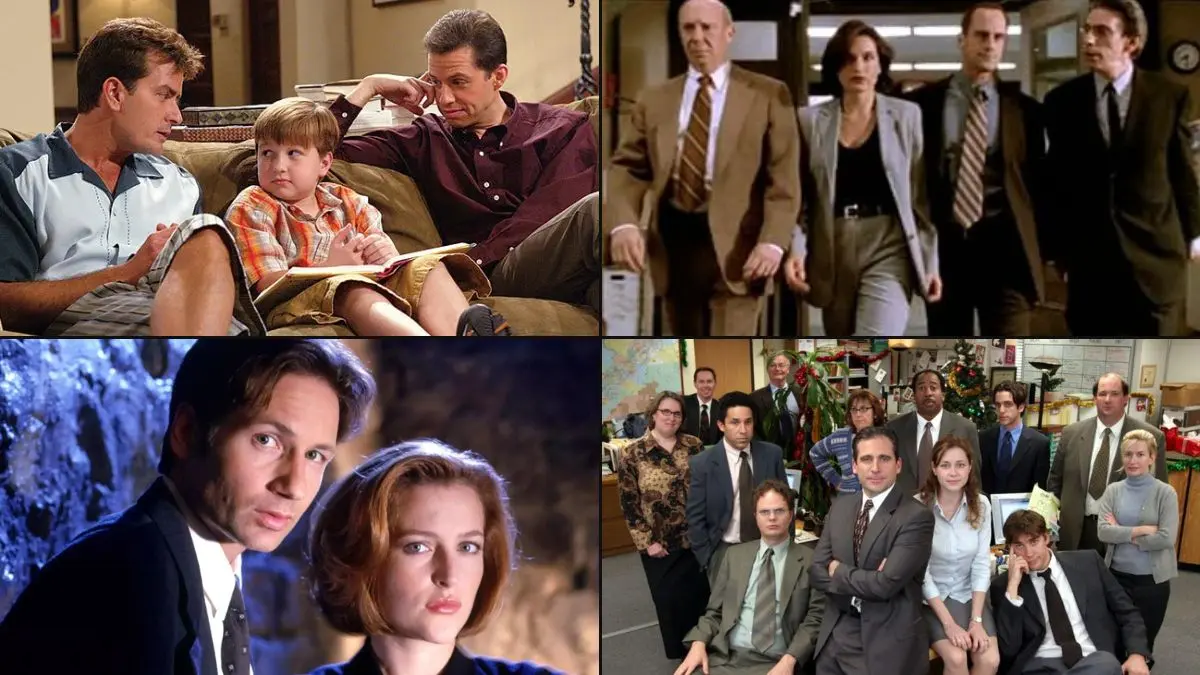

In television, a main character leaving a show can be a huge shock for viewers. These characters are often the heart of the story, the person we tune in to see each week. When the actor playing them decides to leave, or is written off the show, it creates a big challenge for the writers and producers. They have to find a way to continue the story without the central figure that made the show popular in the first place. This can be a risky move, as fans may not accept the change.
Sometimes, a show successfully introduces a new main character and continues for many more seasons. Other times, the departure of the original star marks the beginning of the end. The reasons for these changes are varied. Actors might leave for personal reasons, creative differences, or to pursue other opportunities. Whatever the reason, the show must go on, and a new face takes over the lead role. This list looks at 25 TV shows that went through this major shift, changing their main character and hoping the audience would follow along.
Two and a Half Men (2003)
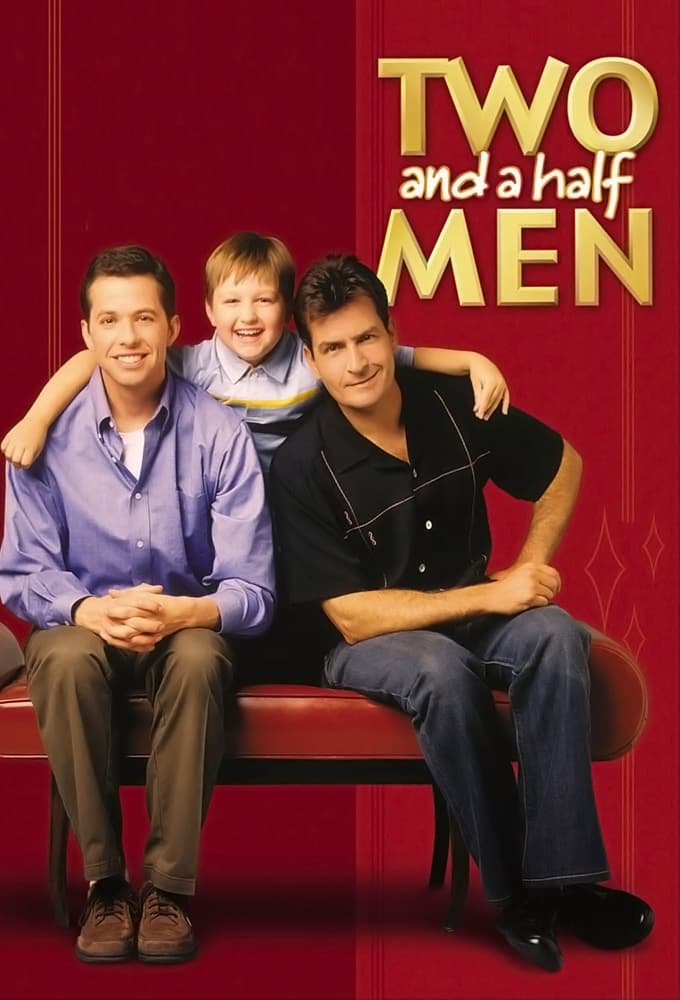
For eight seasons, Charlie Sheen played the lead role of Charlie Harper, a wealthy jingle writer. His character was the center of the show, living a carefree life that was constantly interrupted by his brother Alan and nephew Jake. The show was a huge success, largely due to Sheen’s comedic performance and the dynamic between the three main characters.
In 2011, Sheen was fired from the show due to his public behavior and conflicts with the show’s creator. The producers decided to continue without him, killing off his character in the season nine premiere. Ashton Kutcher was brought in as the new main character, Walden Schmidt, a heartbroken internet billionaire who buys Charlie’s house. The show then focused on the new dynamic between Walden, Alan, and Jake, and later Alan’s long-lost daughter, Jenny.
The Office (2005)

Steve Carell’s portrayal of Michael Scott, the bumbling and often inappropriate but well-meaning regional manager of Dunder Mifflin, was the cornerstone of “The Office.” For seven seasons, Michael’s antics and his desperate need to be liked by his employees drove much of the show’s comedy and heart. He was the undeniable main character, and his relationships with the other characters were central to the series.
At the end of the seventh season, Carell’s contract was up, and he chose to leave the show to focus on his film career. His character, Michael Scott, was given a heartfelt send-off, moving to Colorado with his fiancée, Holly. For the final two seasons, the show shifted its focus to the ensemble cast, with Andy Bernard, played by Ed Helms, taking on a more central role as the new regional manager.
Spin City (1996)

For its first four seasons, “Spin City” starred Michael J. Fox as Mike Flaherty, the Deputy Mayor of New York City. The show revolved around Mike’s efforts to manage the daily chaos of the mayor’s office and his quirky staff. Fox’s charm and comedic timing were central to the show’s success, and he won an Emmy Award for his performance.
In 2000, Fox announced his retirement from the show to focus on his health and his foundation for Parkinson’s disease research. His character was written out of the show, moving to Washington D.C. to take a job as an environmental lobbyist. Charlie Sheen was cast as the new lead, Charlie Crawford, who took over Mike’s position as Deputy Mayor. The show continued for two more seasons with Sheen at the helm.
8 Simple Rules (2002)

“8 Simple Rules for Dating My Teenage Daughter” initially starred John Ritter as Paul Hennessy, a sportswriter who works from home and has to deal with his two teenage daughters and a younger son. The show’s premise was based on the book of the same name and centered on Paul’s comedic struggles with his children’s dating lives. Ritter’s performance was the heart of the show.
Tragically, John Ritter passed away unexpectedly in 2003, during the production of the second season. The show’s producers decided to incorporate his death into the series. The character of Paul Hennessy also died suddenly, and the show was retitled “8 Simple Rules.” James Garner and David Spade were brought in to join the cast, playing the grandfather and cousin of the children, respectively, to help the family cope with their loss.
Valerie (1986)
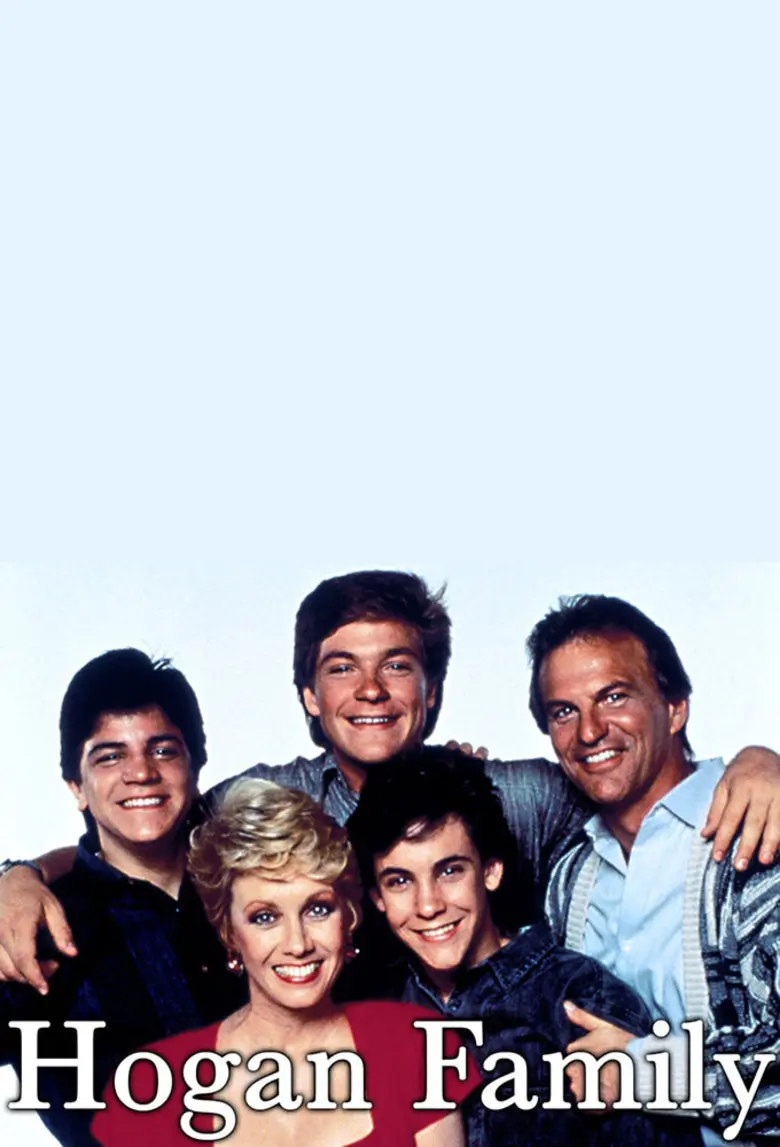
The sitcom “Valerie” premiered in 1986, starring Valerie Harper as Valerie Hogan, a mother trying to balance her work life with raising her three sons while her husband, a pilot, was often away. The show was a family comedy that relied on Harper’s star power and her character’s relatable struggles as a working mom.
After the second season, Valerie Harper left the show due to a contract dispute with the producers. Her character was killed off in a car accident. The show was retitled “Valerie’s Family” and later “The Hogan Family.” Sandy Duncan was cast as the new lead, Sandy Hogan, the boy’s aunt who moves in to help raise them. The series continued for four more seasons with Duncan as the central female figure.
Three’s Company (1977)

“Three’s Company” was a popular sitcom about two single women who live with a man, Jack Tripper, who pretends to be gay to appease their landlord. Suzanne Somers played Chrissy Snow, one of the original female roommates, and her ditzy blonde persona was a major source of the show’s comedy and a fan favorite.
In the fifth season, Somers demanded a significant pay raise, which led to a contract dispute with the producers. As a result, her on-screen time was reduced, and she was eventually written out of the show. Her character was replaced by her cousin, Cindy Snow, played by Jenilee Harrison. After one season, Cindy also left and was replaced by Terri Alden, played by Priscilla Barnes, who remained as the third roommate for the rest of the show’s run.
Cheers (1982)
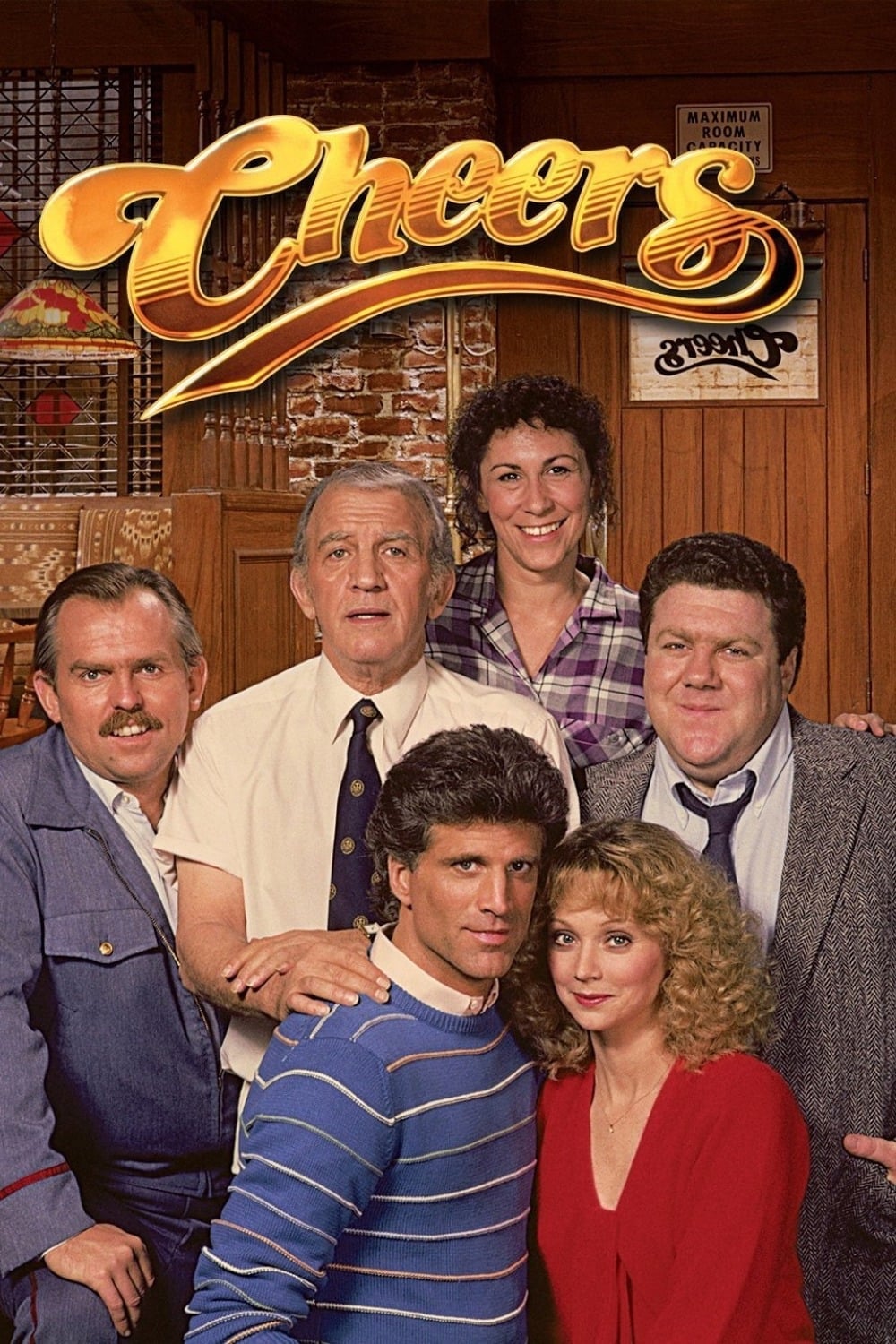
The iconic sitcom “Cheers” was set in a Boston bar where a group of locals gathered to drink and socialize. For the first five seasons, the central storyline was the on-again, off-again romance between the bar’s owner, former baseball player Sam Malone, and his intellectual waitress, Diane Chambers, played by Shelley Long. Their witty banter and romantic tension were the heart of the show.
At the end of the fifth season, Shelley Long decided to leave the show to pursue a film career. Her character, Diane, left Boston to pursue her dream of becoming a writer. The following season, Kirstie Alley was introduced as Rebecca Howe, a more career-driven and neurotic character who takes over as the manager of the bar. The show’s focus shifted to the dynamic between Sam and Rebecca, and it continued to be a massive success for another six seasons.
Beverly Hills, 90210 (1990)

“Beverly Hills, 90210” was a cultural phenomenon in the 1990s, following the lives of a group of wealthy teenagers in Beverly Hills. One of the main characters from the beginning was Brenda Walsh, played by Shannen Doherty. Brenda’s journey, from a Minnesota transplant to a worldly young woman, was a central focus of the early seasons, along with her relationship with Dylan McKay.
After four seasons, Shannen Doherty left the show due to reported on-set conflicts. Her character, Brenda, was written off the show as having moved to London to attend drama school. To fill the void left by her departure, Tiffani-Amber Thiessen was introduced as Valerie Malone, a bad-girl character who moved into the Walsh house. The show continued for six more seasons with Valerie stirring up drama among the original friend group.
Charmed (1998)
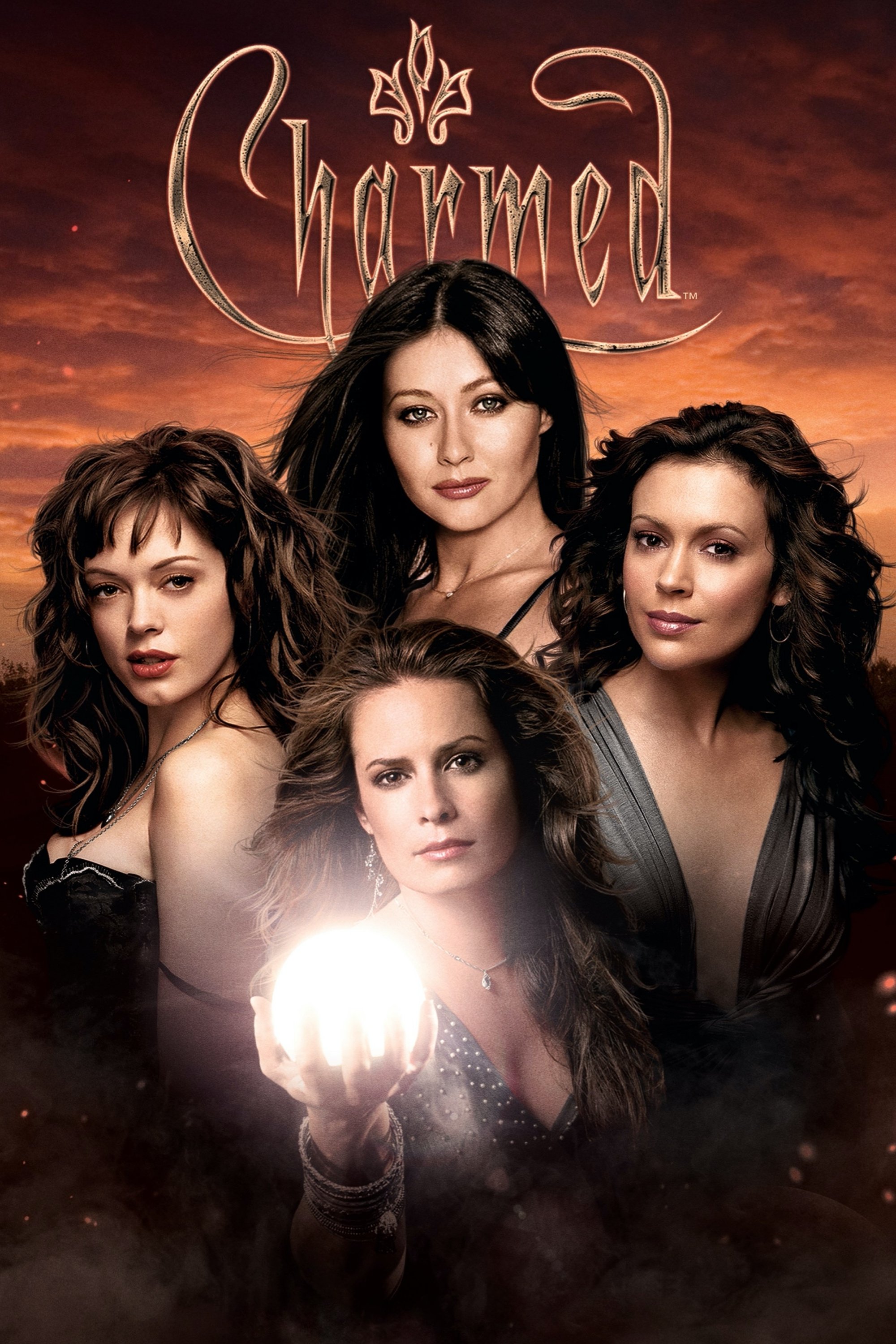
“Charmed” was a fantasy drama about three sisters who discover they are powerful witches known as “The Charmed Ones.” The original sisters were Prue, Piper, and Phoebe Halliwell, played by Shannen Doherty, Holly Marie Combs, and Alyssa Milano. The “Power of Three” was a central concept of the show, and Prue, the eldest sister, was often the leader of the group.
At the end of the third season, Shannen Doherty left the show, reportedly due to on-set tensions. Her character, Prue, was killed off in the season finale. To maintain the “Power of Three,” the show introduced a long-lost half-sister named Paige Matthews, played by Rose McGowan. Paige’s discovery of her magical heritage and her integration into the sisterhood became a major storyline for the remainder of the series, which ran for another five seasons.
The X-Files (1993)

“The X-Files” was a science fiction series that revolved around two FBI agents, Fox Mulder and Dana Scully, who investigate unsolved cases involving paranormal phenomena. David Duchovny’s character, Mulder, was the believer, driven by his conviction that his sister was abducted by aliens. His quest for the truth was the driving force behind the show’s mythology.
In the later seasons, David Duchovny decided to reduce his role in the series to pursue other projects. In season eight, his character, Mulder, was abducted by aliens at the beginning of the season. To fill his place, Robert Patrick was introduced as a new main character, FBI agent John Doggett, a skeptic who was partnered with Scully to search for Mulder. Annabeth Gish was also added as Agent Monica Reyes.
Law & Order: Special Victims Unit (1999)
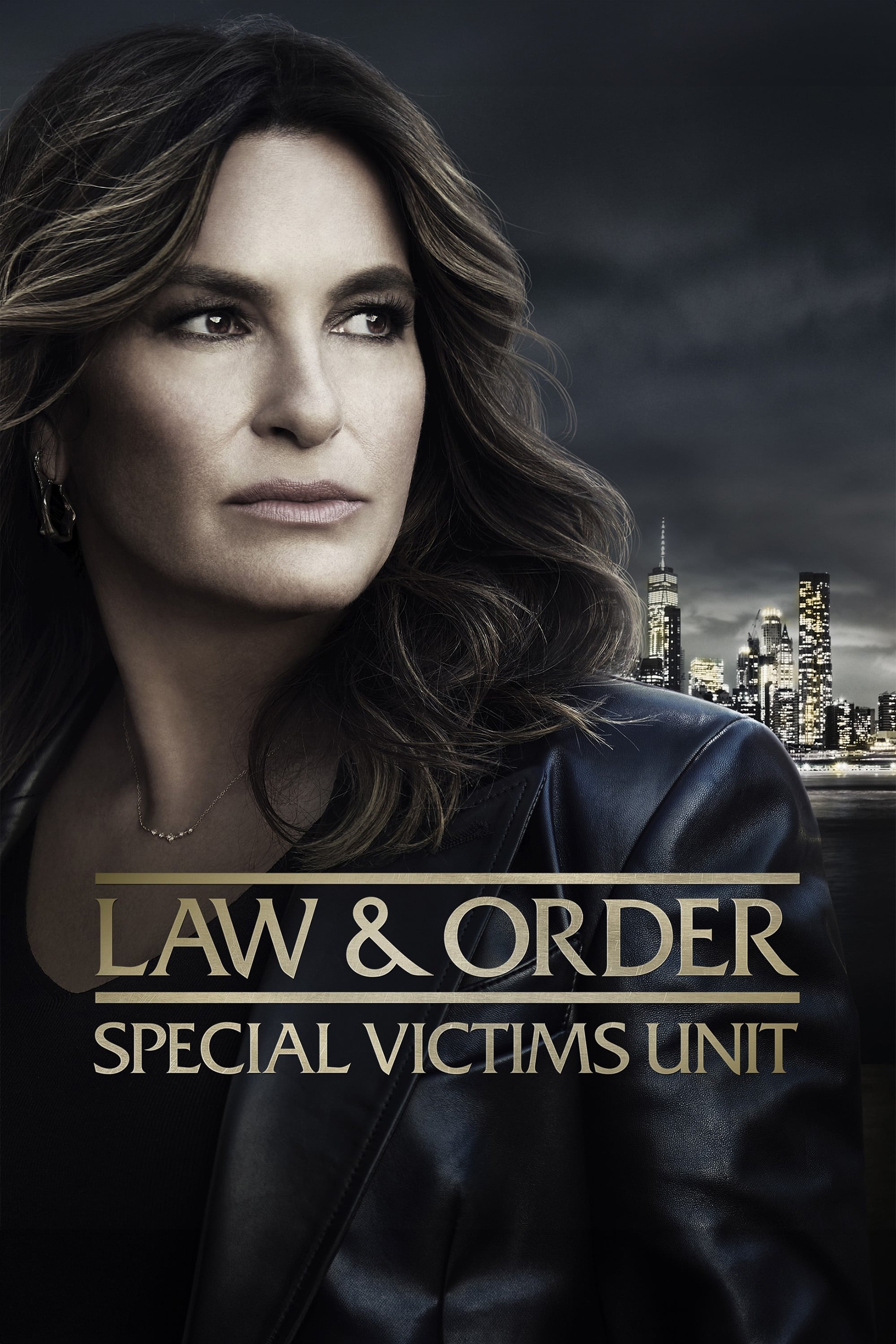
For its first twelve seasons, “Law & Order: Special Victims Unit” was anchored by the partnership of two detectives: the compassionate Olivia Benson and the hot-headed Elliot Stabler, played by Christopher Meloni. Their close and complex relationship was a core element of the show, and their dynamic was a major draw for viewers. They were the two original main characters who led the elite squad of detectives.
After contract negotiations fell through at the end of the twelfth season, Christopher Meloni abruptly left the show. His character, Elliot Stabler, was written out as having retired from the police force. To fill the void, the show introduced two new detectives, Nick Amaro, played by Danny Pino, and Amanda Rollins, played by Kelli Giddish. The series then shifted its focus more heavily onto Olivia Benson as the central character.
CSI: Crime Scene Investigation (2000)
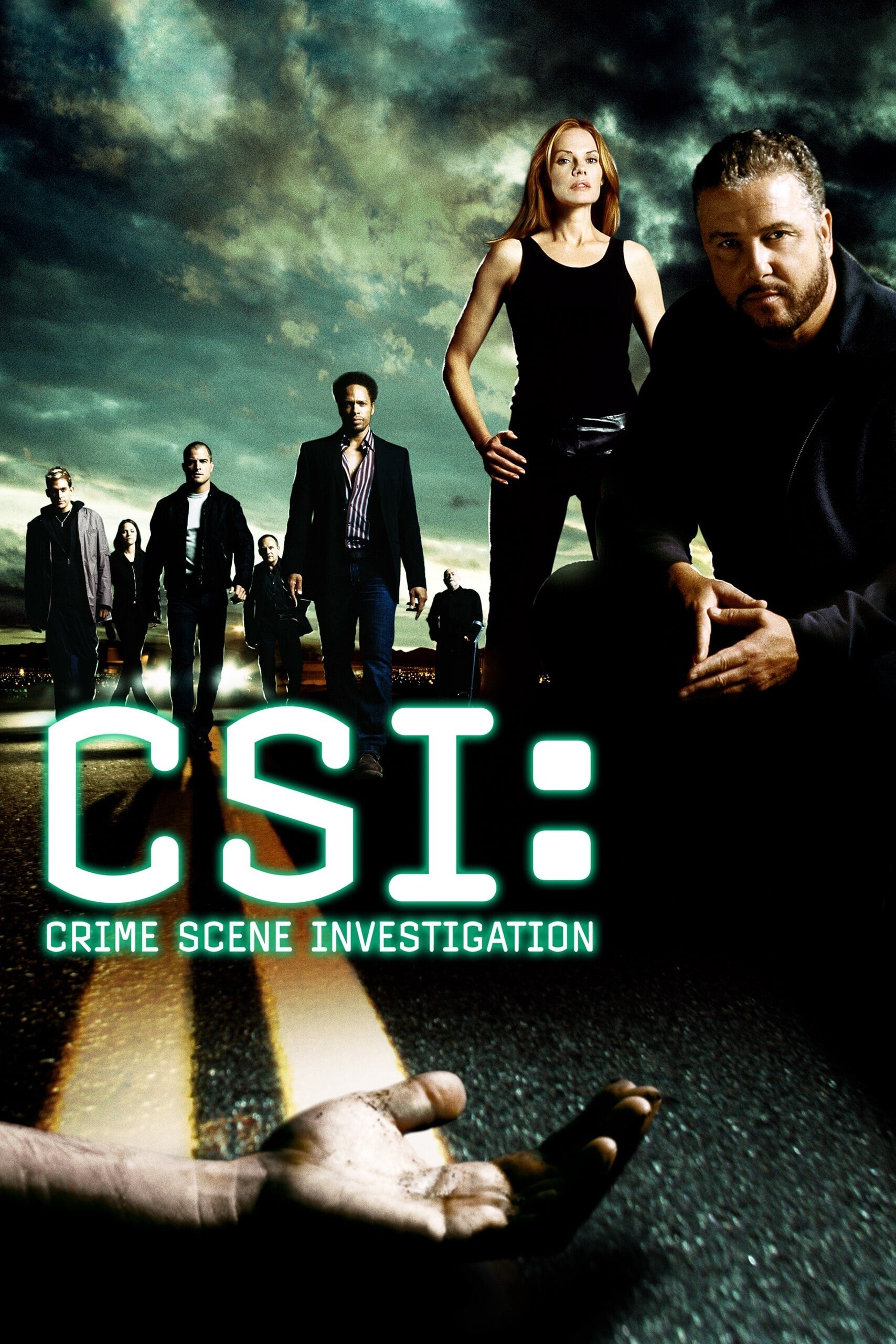
“CSI: Crime Scene Investigation” followed a team of forensic investigators in Las Vegas. For the first nine seasons, the team was led by Gil Grissom, a brilliant but eccentric entomologist and the night shift supervisor. William Petersen’s portrayal of Grissom was central to the show’s identity, and his character was known for his calm demeanor and scientific expertise.
In the ninth season, William Petersen decided to leave the show to return to theater acting. His character, Gil Grissom, retired from the CSI unit. To replace him as the lead, Laurence Fishburne was cast as Dr. Raymond Langston, a former pathologist who joins the team as a Level 1 CSI. After Fishburne left the show, Ted Danson was brought in as the new supervisor, D.B. Russell.
NYPD Blue (1993)
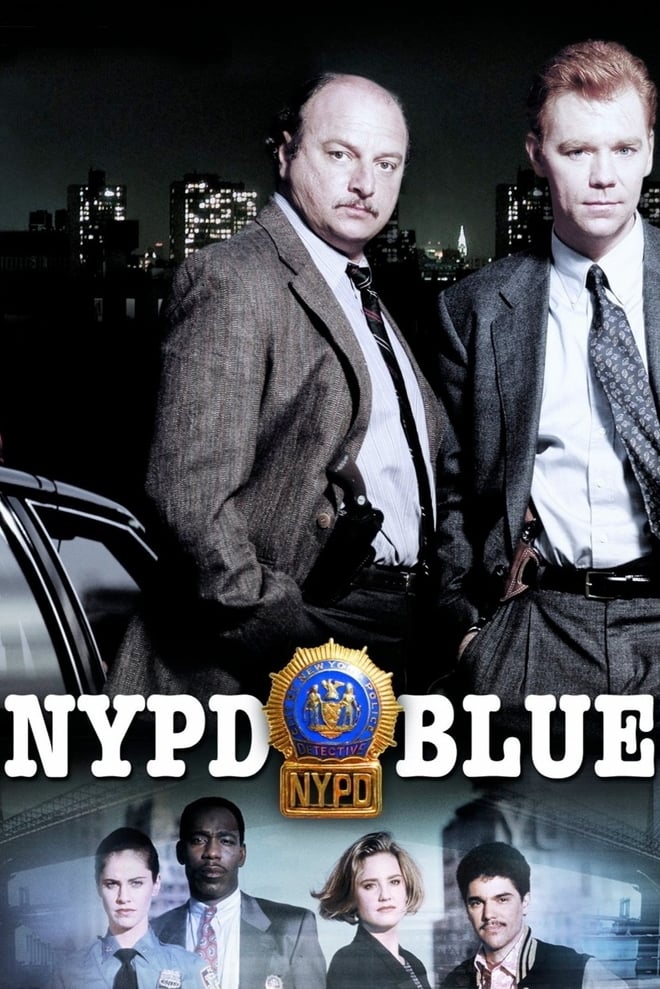
The gritty police drama “NYPD Blue” initially centered on Detective John Kelly, played by David Caruso. The first season focused heavily on Kelly’s professional life and his personal struggles, including his divorce. Caruso’s intense performance quickly made him the breakout star of the show.
However, David Caruso left the show at the beginning of the second season due to a contract dispute, wanting a significant pay raise. His character, John Kelly, resigned from the police force. To fill the lead role, Jimmy Smits was cast as Detective Bobby Simone, who became the new partner of Detective Andy Sipowicz. The partnership between Sipowicz and Simone became a new focal point for the series, which continued for many more successful seasons.
MAS*H (1972)

While “MAS*H” had a large ensemble cast, for the first three seasons, two of the main characters were Captain “Hawkeye” Pierce and Captain “Trapper” John McIntyre, played by Wayne Rogers. Trapper and Hawkeye were the show’s central duo, known for their pranks, womanizing, and their skills as surgeons in the Korean War.
At the end of the third season, Wayne Rogers left the show due to a contract dispute and his belief that his character was becoming a sidekick to Hawkeye. His character, Trapper John, was unceremoniously discharged and sent home without saying goodbye. He was replaced by a new character, Captain B.J. Hunnicutt, played by Mike Farrell, who became Hawkeye’s new best friend and moral compass for the remainder of the show’s long run.
House of Cards (2013)
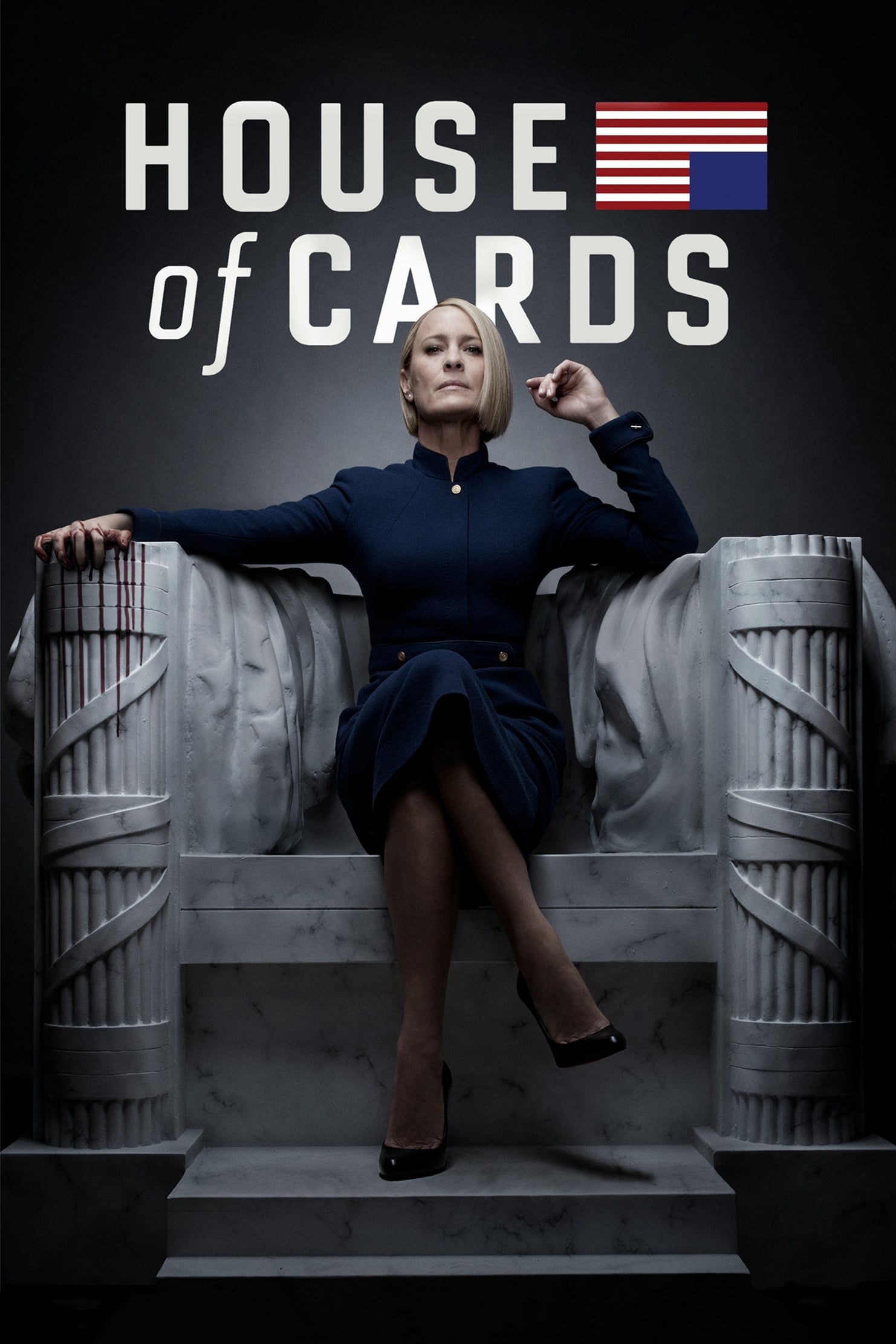
“House of Cards” was a political thriller that centered on the ruthless and ambitious politician Frank Underwood, played by Kevin Spacey. For five seasons, the show followed Frank’s cunning and often criminal rise to power in Washington D.C., with his equally calculating wife, Claire Underwood. Frank’s direct addresses to the audience were a signature element of the series.
In 2017, following sexual misconduct allegations against Kevin Spacey, he was fired from the show. The final season was rewritten to remove his character entirely. Frank Underwood was killed off-screen, and the focus of the sixth and final season shifted to his wife, Claire Underwood, played by Robin Wright, who had become the President of the United States at the end of season five.
Lethal Weapon (2016)

The television adaptation of the popular film series “Lethal Weapon” starred Clayne Crawford as Martin Riggs and Damon Wayans as Roger Murtaugh. The partnership between the volatile and reckless Riggs and the by-the-book veteran Murtaugh was the central dynamic of the show, just as it was in the movies. Crawford’s portrayal of the grieving and self-destructive Riggs was a key element.
After two seasons, Clayne Crawford was fired from the show due to on-set behavioral issues. His character, Martin Riggs, was killed off in the season three premiere. To replace him, Seann William Scott was cast as a new character, Wesley Cole, a former CIA operative who becomes Murtaugh’s new partner. The show’s focus then shifted to the developing partnership between Murtaugh and Cole for its third and final season.
Once Upon a Time (2011)

“Once Upon a Time” was a fantasy series that brought classic fairy tale characters into the modern world. For its first six seasons, the main character was Emma Swan, played by Jennifer Morrison. Emma was the daughter of Snow White and Prince Charming, and her journey as the “Savior” who had to break a powerful curse was the central plot of the show.
At the end of the sixth season, Jennifer Morrison, along with several other main cast members, announced her departure from the show. The seventh and final season was a soft reboot of the series, with a new main character, an adult Henry Mills, played by Andrew J. West. The story shifted to a new town with new cursed fairy tale characters, with only a few of the original cast members remaining in regular roles.
Scrubs (2001)

For eight seasons, the sitcom “Scrubs” followed the quirky and surreal life of medical intern John “J.D.” Dorian, played by Zach Braff. The show was told from J.D.’s point of view, and his narration, daydreams, and relationships with his fellow doctors and friends were the heart of the series. He was the undisputed main character.
After the eighth season, which was intended to be the final season, the show was unexpectedly renewed. Zach Braff, along with several other original cast members, only agreed to return for a limited number of episodes in the ninth season. The show was rebranded as “Scrubs: Med School,” and the focus shifted to a new group of medical students, with J.D. and other original characters appearing as mentors. The new format was not as successful, and the show was canceled after the ninth season.
The Vampire Diaries (2009)
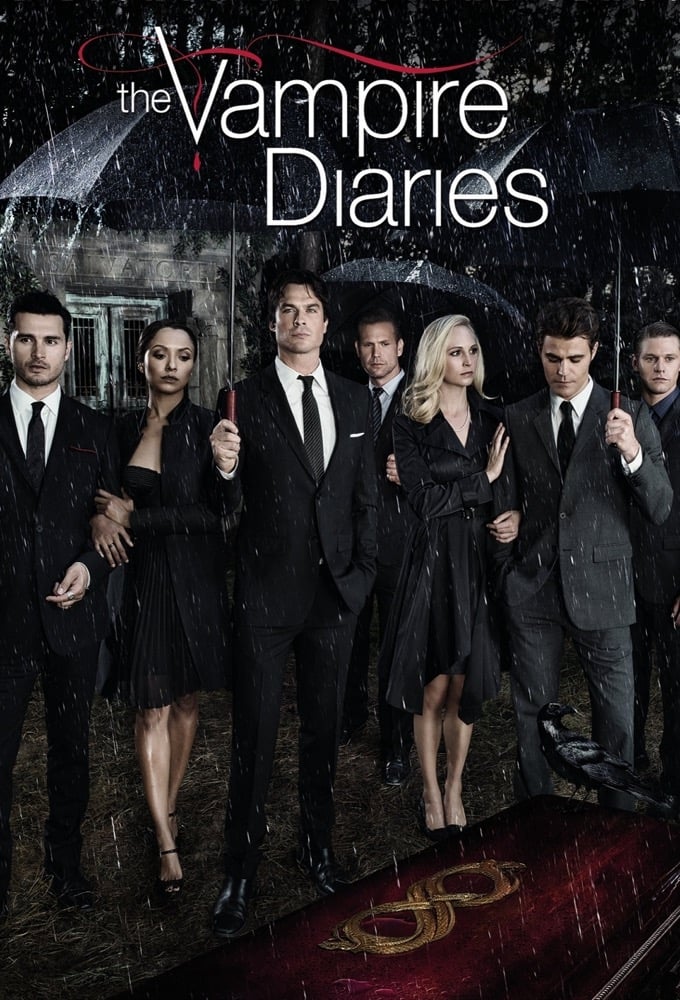
“The Vampire Diaries” was a supernatural teen drama that initially centered on the love triangle between high school student Elena Gilbert, played by Nina Dobrev, and two vampire brothers, Stefan and Damon Salvatore. Elena’s journey from a grieving teenager to a vampire herself was the main storyline for the first six seasons.
At the end of the sixth season, Nina Dobrev decided to leave the show. Her character, Elena, was placed in a magical coma, with her life tied to her best friend Bonnie’s. This allowed for the possibility of her return. The show continued for two more seasons, shifting its focus to the relationship between the Salvatore brothers and the rest of the ensemble cast. Dobrev returned for a guest appearance in the series finale.
Arrow (2012)

The superhero series “Arrow” launched the Arrowverse and starred Stephen Amell as Oliver Queen, a billionaire playboy who becomes a vigilante archer to save his city. For seven seasons, Oliver’s journey from a hardened survivor to a hero was the central focus of the show. He was the main character and the leader of the team of heroes he assembled.
In the eighth and final season, the show’s focus shifted. While Oliver Queen was still a central figure, the season was much shorter and served as a lead-up to the “Crisis on Infinite Earths” crossover event. Oliver’s role became more about setting up the future of the Arrowverse and passing the torch to other heroes, particularly his daughter, Mia Smoak. The series finale focused on his legacy after his heroic sacrifice.
Fear the Walking Dead (2015)

The “Walking Dead” spin-off, “Fear the Walking Dead,” initially focused on the Clark family, with Madison Clark, played by Kim Dickens, as the matriarch and main protagonist. The first three seasons followed Madison’s journey as she tried to protect her family during the zombie apocalypse, becoming a ruthless and capable leader.
In the middle of the fourth season, Madison Clark was seemingly killed off in a heroic sacrifice, a move that shocked many viewers. The show then underwent a major shift, with Morgan Jones, a character from the original “Walking Dead” series played by Lennie James, crossing over and becoming the new lead. The focus moved to Morgan’s philosophy of non-violence and the new group of survivors he brought together.
Doctor Who (1963)

“Doctor Who” is a unique case, as the show’s premise is built around the main character changing. The Doctor is a Time Lord, an alien who can regenerate into a new body when they are close to death. This has allowed the show to continue for decades with different actors taking on the lead role. The first Doctor was played by William Hartnell.
When William Hartnell’s health declined in 1966, the producers came up with the idea of regeneration. His character transformed into a new version of the Doctor, played by Patrick Troughton. This process has continued for over a dozen actors, including Tom Baker, David Tennant, Matt Smith, and Jodie Whittaker, the first female Doctor. Each new actor brings a different personality to the role, refreshing the show for new generations.
Sleepy Hollow (2013)

The supernatural drama “Sleepy Hollow” was based on the premise of Ichabod Crane, a soldier from the 18th century, waking up in modern times. The show’s central partnership was between Ichabod, played by Tom Mison, and Lieutenant Abbie Mills, a modern-day police officer played by Nicole Beharie. Their dynamic as “witnesses” destined to fight evil was the core of the series.
At the end of the third season, Nicole Beharie’s character, Abbie Mills, was killed off, a move that was highly controversial among fans. The fourth and final season attempted to reboot the show, with Ichabod moving to Washington D.C. and teaming up with a new partner, a Homeland Security agent named Diana Thomas, played by Janina Gavankar. The show’s focus shifted to this new partnership, but it failed to recapture its earlier success.
The Goldbergs (2013)
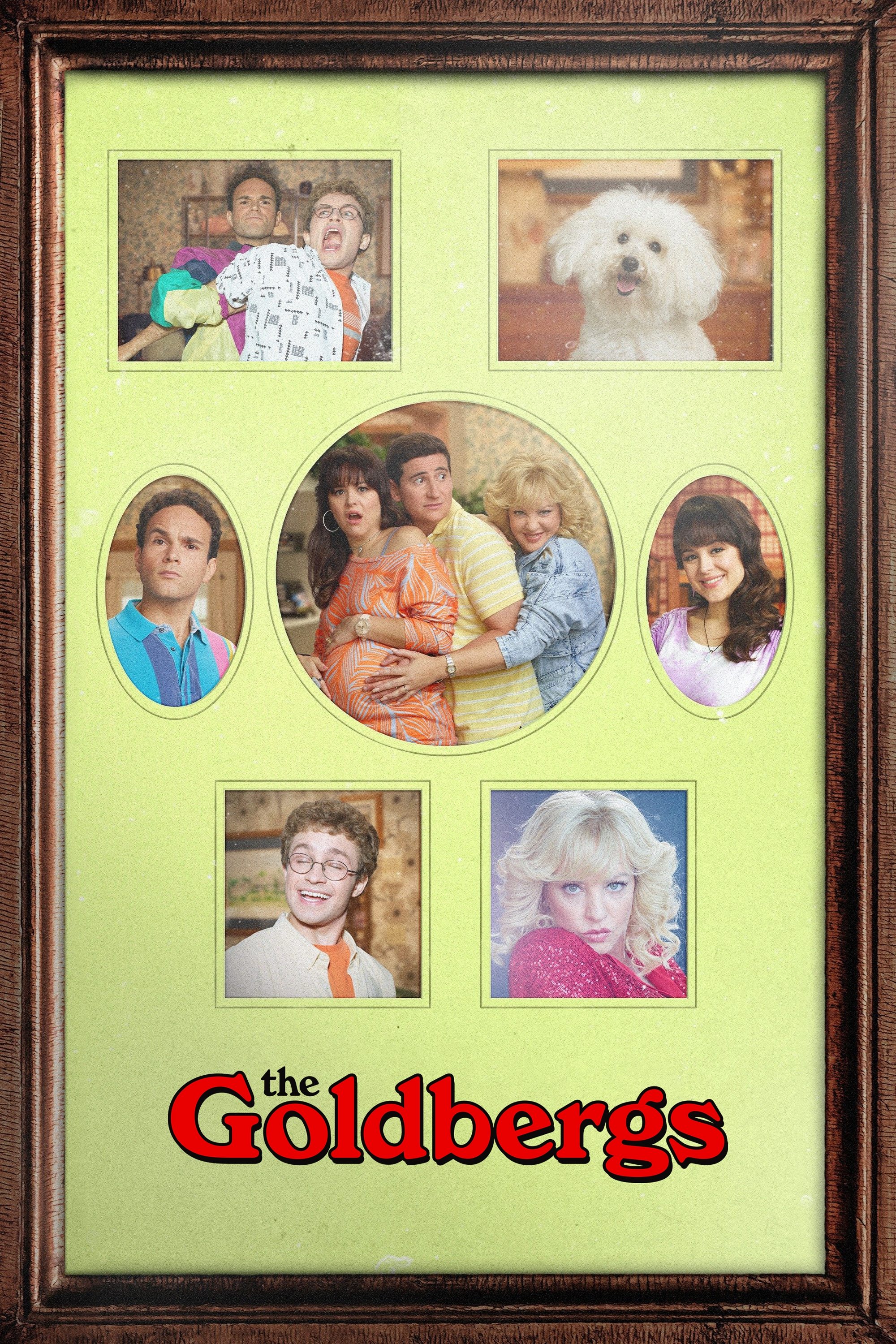
The sitcom “The Goldbergs” is based on the childhood of its creator, Adam F. Goldberg, and is set in the 1980s. The family patriarch, Murray Goldberg, was played by Jeff Garlin. Murray was a central character, known for his curmudgeonly demeanor, his love for watching TV in his underwear, and his underlying affection for his family.
In 2021, Jeff Garlin left the show following multiple misconduct allegations and HR investigations. For the rest of the ninth season, his character’s appearances were created using a body double and previously recorded dialogue. At the beginning of the tenth season, it was revealed that Murray Goldberg had passed away, and the season focused on the family’s life after his death, shifting the family dynamic and the focus of the show.