The 30 Greatest Movie Directors of All Time

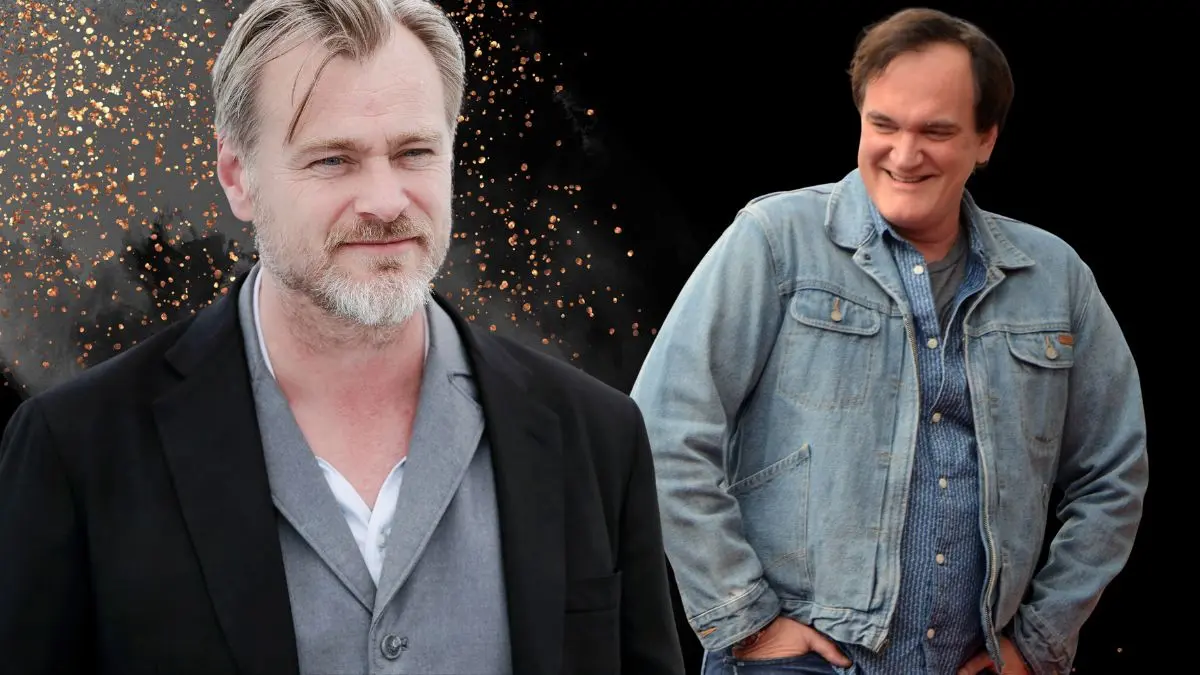

Choosing the greatest movie directors is a subjective task. Every fan and critic has their own list, shaped by personal taste and what they value in filmmaking. Some prefer directors who invent new techniques, while others admire those who tell powerful stories. This list tries to balance these different views, honoring directors who pushed the boundaries of cinema and those who perfected existing forms to create timeless art.
The directors on this list come from different countries, eras, and styles. They include pioneers who established the language of film and modern masters who continue to redefine it. From the silent era to the age of blockbusters, and from intimate dramas to epic spectacles, these filmmakers have all left a permanent mark on the world of movies. Their work continues to inspire new generations of directors and entertain audiences everywhere.
Alfred Hitchcock
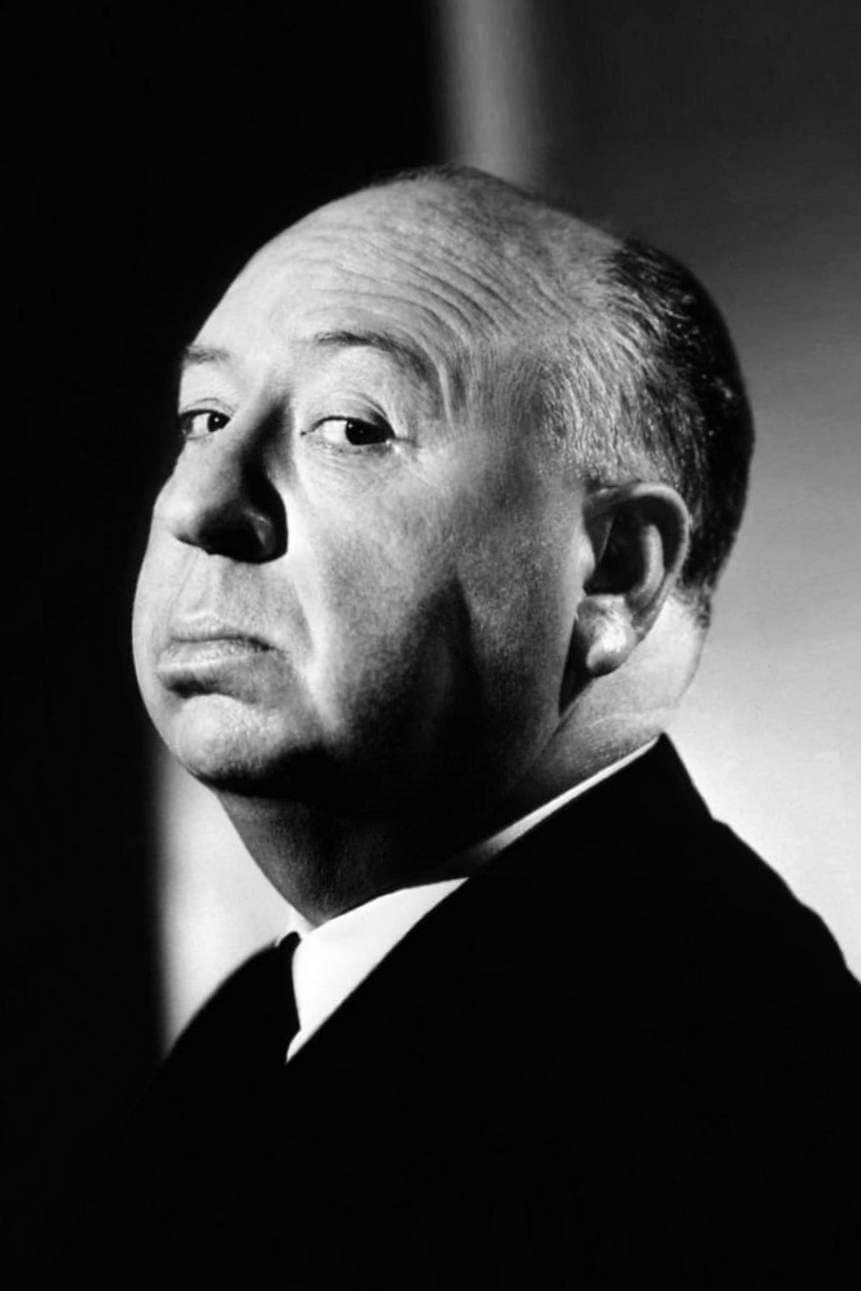
Alfred Hitchcock is known as the “Master of Suspense.” He created a special kind of thriller that was smart and full of tension. His films often show ordinary people caught in strange and dangerous situations. He was famous for his careful planning of every shot, which made his movies very visually interesting. His work includes famous films like Psycho (1960), The Birds (1963), and Vertigo (1958).
Hitchcock was a master of making the audience feel scared and excited. He used camera tricks and clever storytelling to build suspense. For example, he would show the audience a threat that the characters didn’t know about. This technique made viewers feel anxious as they waited for something to happen. His influence is still seen today in many thrillers and horror movies.
Stanley Kubrick
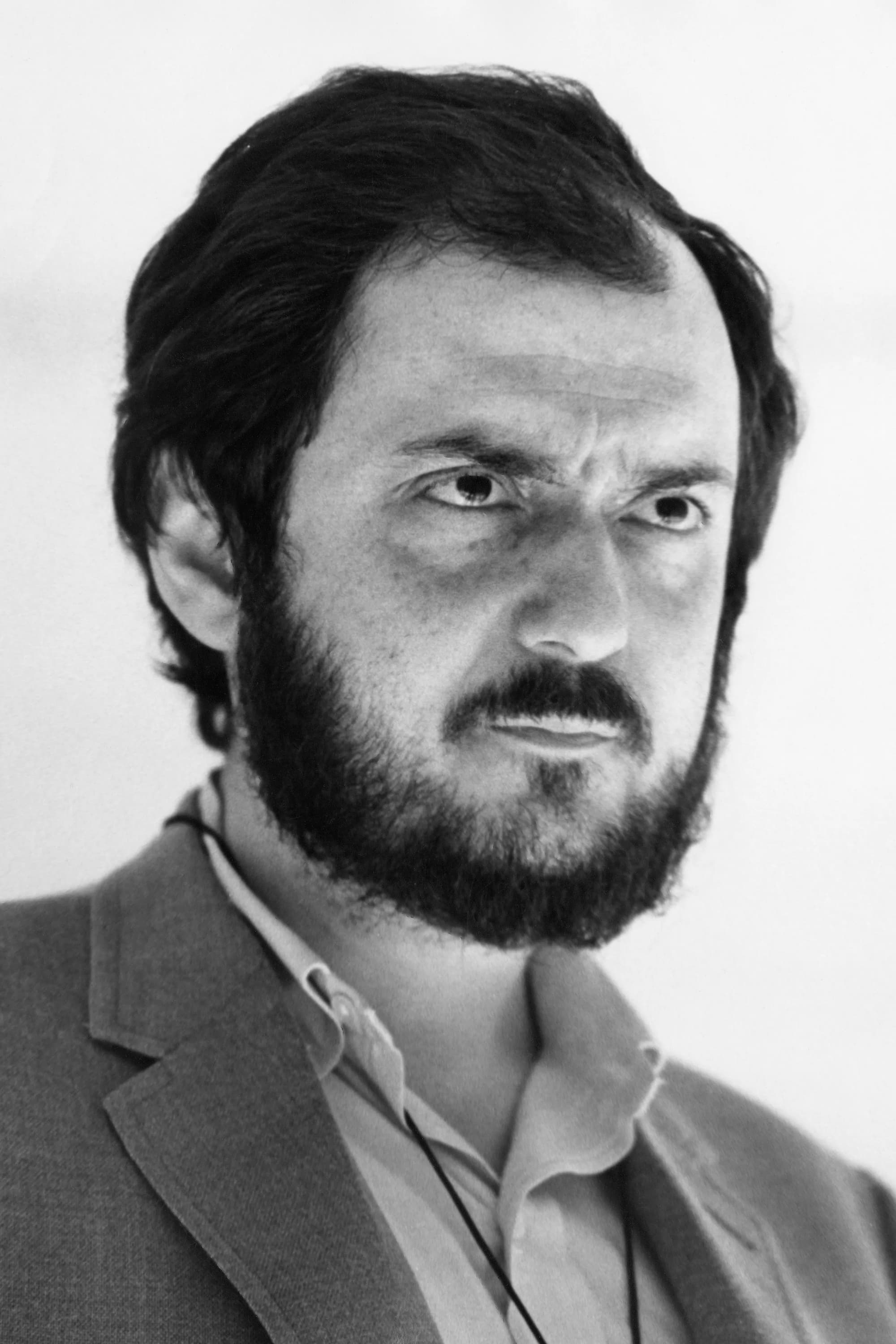
Stanley Kubrick was a director known for his perfectionism and unique vision. He worked across many different genres, creating classic films in each one. His movies are known for their stunning visuals, complex stories, and often dark themes. Some of his most famous works include the science fiction epic 2001: A Space Odyssey (1968), the disturbing satire A Clockwork Orange (1971), and the horror film The Shining (1980).
Kubrick had a reputation for being a demanding director who paid great attention to every detail of his films. He was involved in every part of the filmmaking process, from writing to editing. His movies often explore big ideas about humanity, war, and technology. Though he didn’t win many major awards for his directing during his lifetime, his films are now considered masterpieces of cinema.
Akira Kurosawa
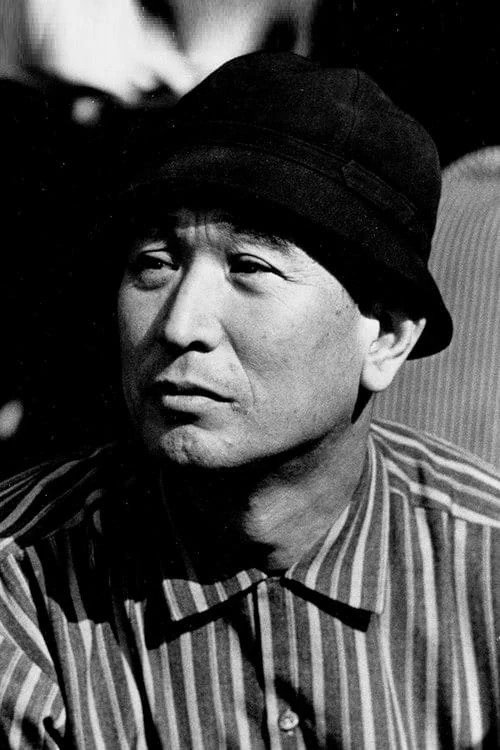
Akira Kurosawa was a Japanese director who had a huge impact on filmmakers all over the world. He combined traditional Japanese stories with Western filmmaking styles. This created movies that were both exciting and full of deep meaning. His films often feature themes of honor, justice, and the struggle of the individual against a corrupt society.
Many of his movies have been remade by Hollywood directors. Seven Samurai (1954), a story about a group of masterless samurai defending a village, was remade as the western The Magnificent Seven. The Hidden Fortress (1958) was a major inspiration for Star Wars. Kurosawa was a master of visual storytelling, using weather and movement to create powerful emotional effects. His work introduced Japanese cinema to a global audience.
Martin Scorsese
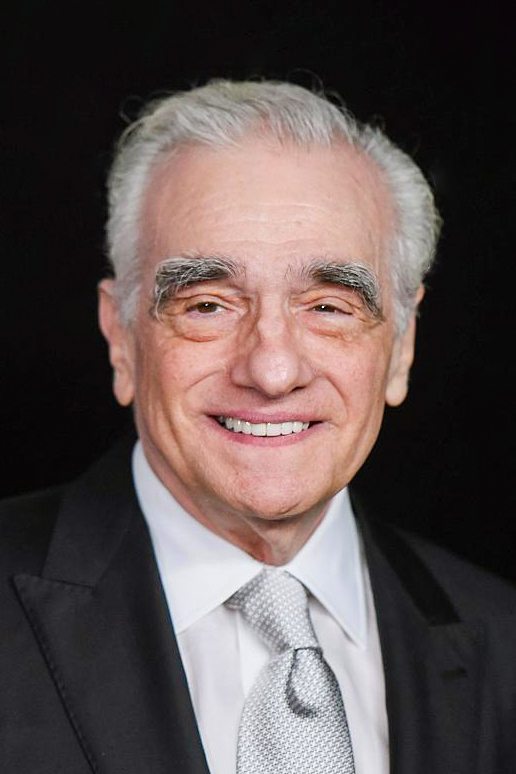
Martin Scorsese is one of the most celebrated American directors. His films are known for their energy, fast-paced editing, and use of popular music. He often makes movies about crime, guilt, and redemption, frequently set in his hometown of New York City. He has made many classic films, including Taxi Driver (1976), Raging Bull (1980), and Goodfellas (1990).
Scorsese’s style is easily recognizable. He often uses long, continuous shots, voice-over narration, and freeze frames to tell his stories. He is known for his long-time collaborations with editor Thelma Schoonmaker and actor Robert De Niro. His films explore the dark side of human nature and the complexities of morality.
Orson Welles
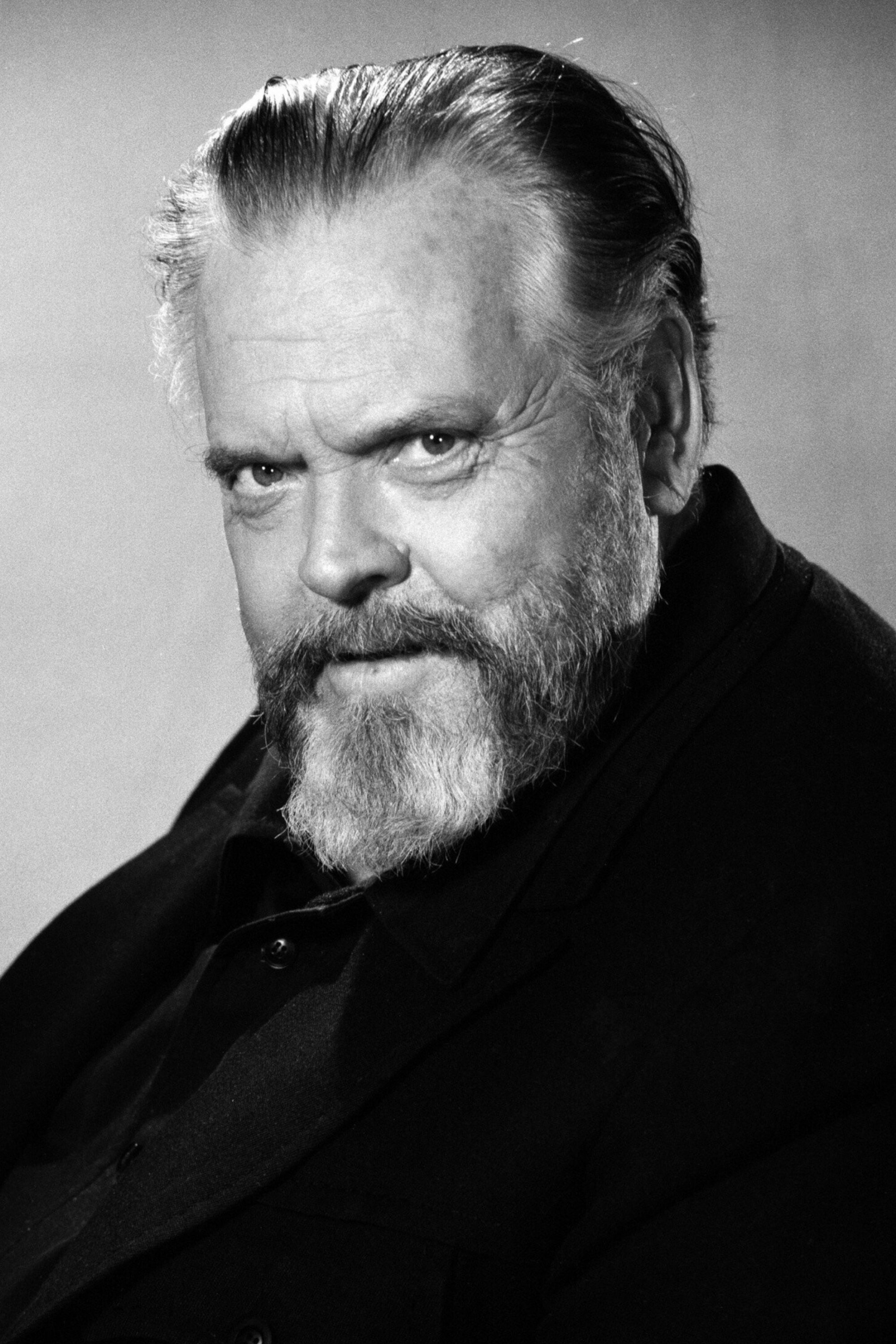
Orson Welles changed filmmaking forever with his first feature film, Citizen Kane (1941). At just 25 years old, he co-wrote, directed, and starred in what many consider the greatest film ever made. The movie used innovative techniques that were ahead of their time, such as deep focus cinematography, which keeps everything in the frame in sharp focus.
Citizen Kane tells the story of a wealthy newspaper publisher through a series of flashbacks, a new way of structuring a film at the time. Welles’ work broke from the traditional Hollywood style and showed that film could be a true art form. Though his later career was marked by struggles with the studio system, his influence on cinema is undeniable.
Francis Ford Coppola
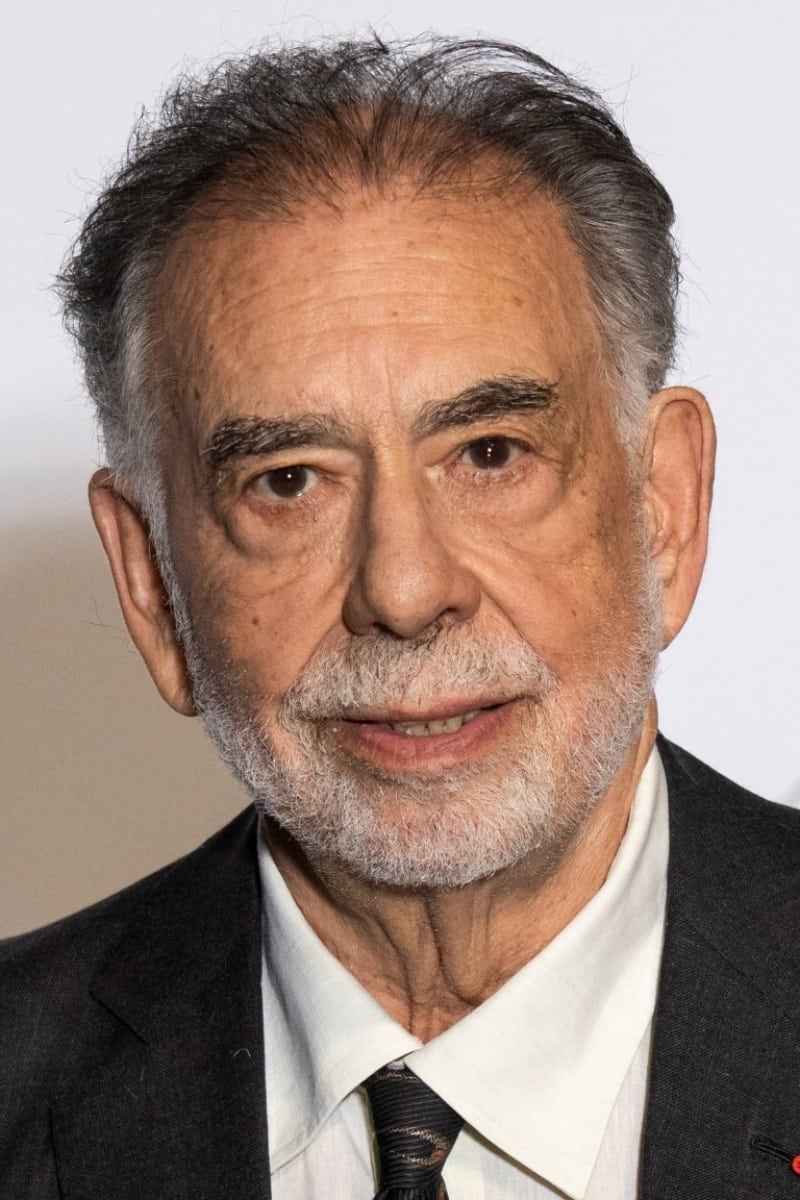
Francis Ford Coppola was a key figure in the “New Hollywood” movement of the 1970s. During that decade, he directed a series of films that are now considered classics. These include The Godfather (1972), The Godfather Part II (1974), and Apocalypse Now (1979). The Godfather films changed the gangster genre, telling a story about family, power, and the dark side of the American dream.
Coppola’s films from this period are known for their rich character development and epic scale. He was one of the first directors to show Italian-American culture in a more realistic way. The Godfather was a huge commercial success and had a major impact on Hollywood, paving the way for other directors to make more personal and complex films.
Steven Spielberg
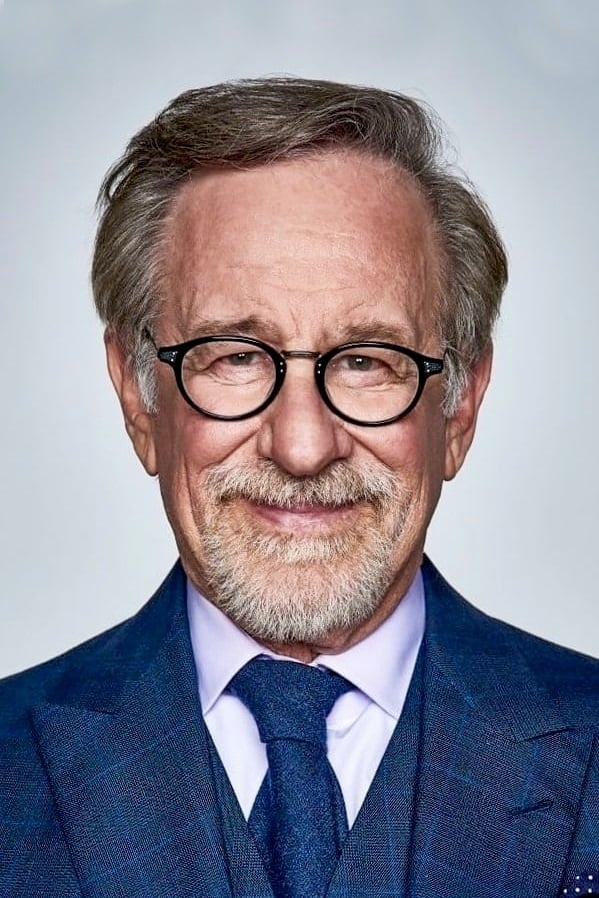
Steven Spielberg is one of the most commercially successful directors in history. He is known for creating the modern blockbuster with films like Jaws (1975) and E.T. the Extra-Terrestrial (1982). His movies often combine incredible spectacle with stories about ordinary people in extraordinary situations. He is a master of creating emotional and exciting cinematic experiences.
Beyond his blockbusters, Spielberg has also directed serious historical dramas. Films like Schindler’s List (1993) and Saving Private Ryan (1998) have been praised for their powerful storytelling and historical accuracy. His ability to connect with a wide audience across different genres makes him one of the most influential directors of his generation.
Quentin Tarantino
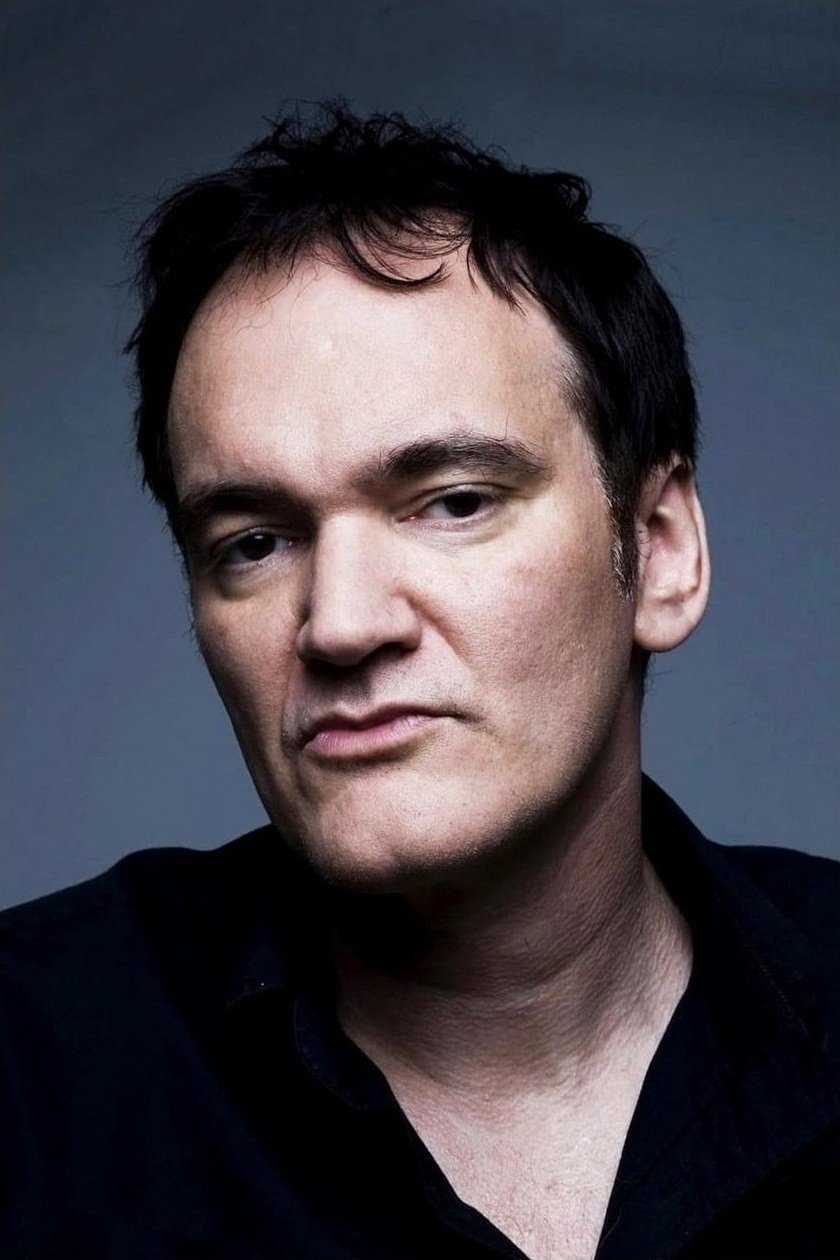
Quentin Tarantino is known for his unique style of filmmaking. His movies feature clever, witty dialogue, non-linear storylines, and references to pop culture and other films. He burst onto the scene with Reservoir Dogs (1992) and solidified his reputation with Pulp Fiction (1994), which won the top prize at the Cannes Film Festival.
Tarantino’s films are often violent but also very stylized and even funny. He is known for revitalizing the careers of actors and for his carefully chosen soundtracks. His work has had a significant influence on independent filmmaking, and his distinct voice has made him one of the most recognizable directors of his time.
Ingmar Bergman
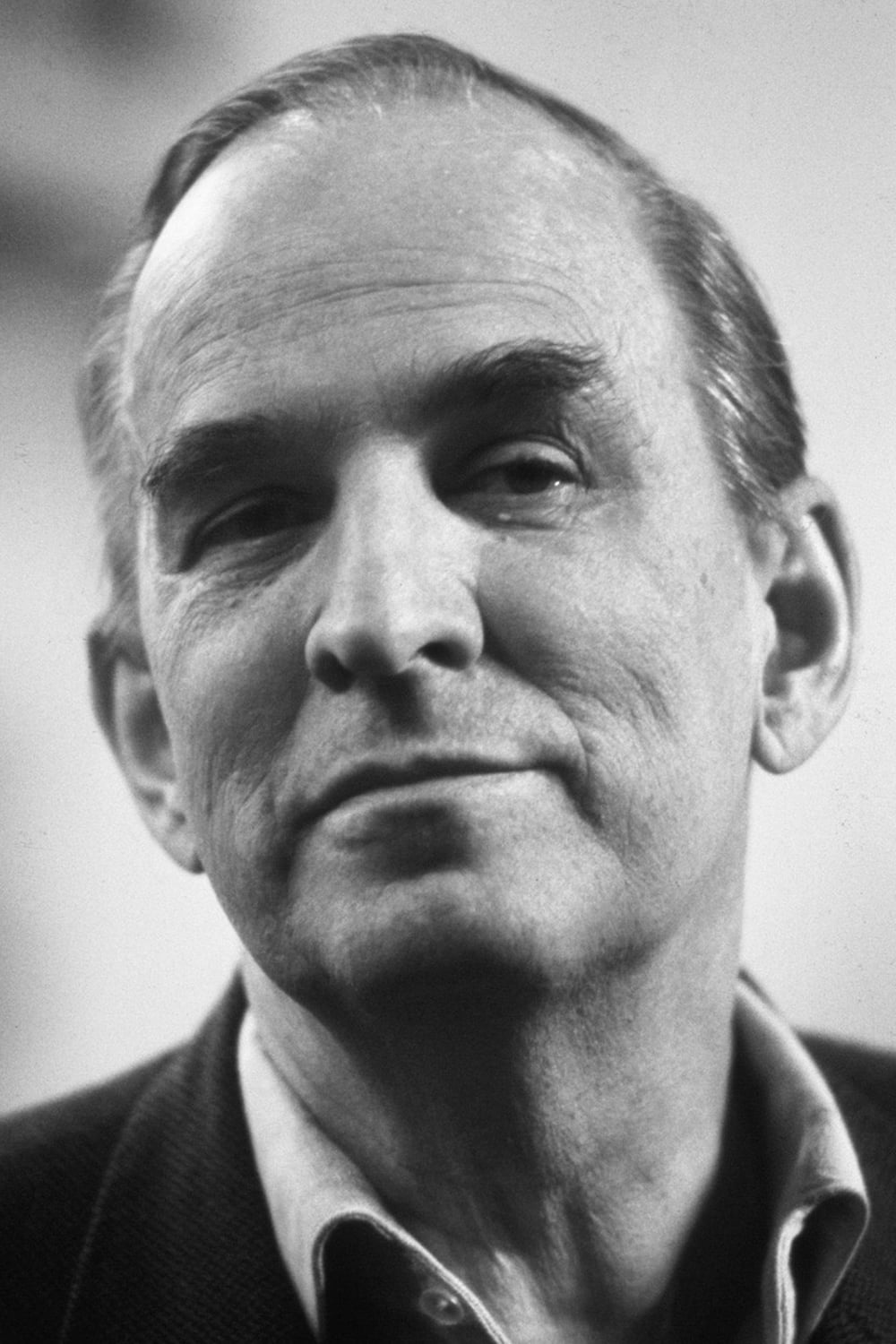
Ingmar Bergman was a Swedish director who explored deep questions about life, death, faith, and love. His films are known for their psychological depth and stark, beautiful imagery. He often worked with a close group of actors, including Max von Sydow and Liv Ullmann, to explore the inner lives of his characters.
His most famous films, such as The Seventh Seal (1957) and Persona (1966), are not always easy to watch but are very rewarding. Bergman used close-ups to show the small details of his actors’ faces, revealing their thoughts and feelings. He is considered one of the great masters of art-house cinema.
Federico Fellini
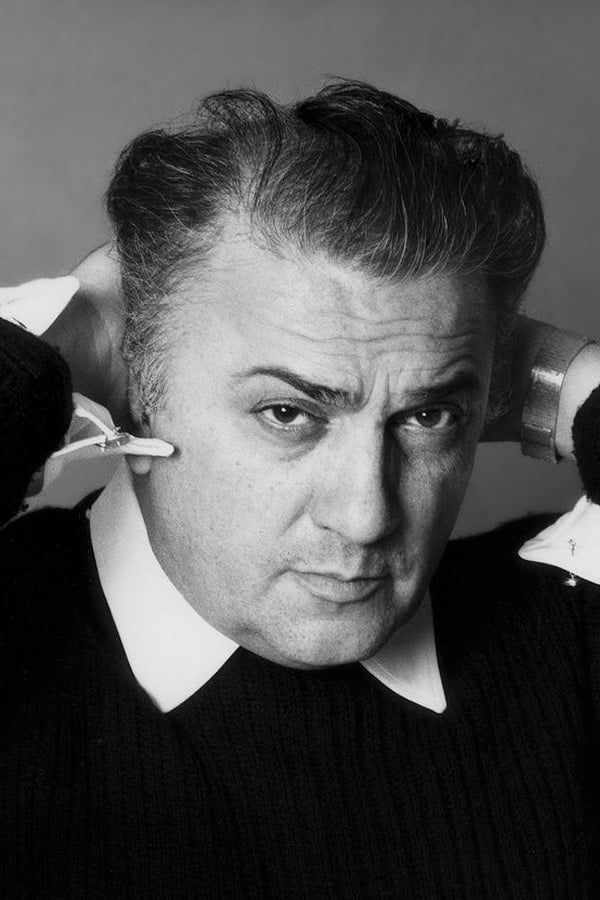
Federico Fellini was an Italian director whose films are known for their dreamlike and imaginative quality. His movies often blend memory, fantasy, and reality. He started his career in the Italian Neorealism movement but soon developed his own unique style. His films are filled with strange and wonderful characters and images.
Two of his most famous films are La Dolce Vita (1960) and 8½ (1963). 8½ is a film about a director who is struggling to make his next movie, and it is considered one of the greatest films about filmmaking ever made. Fellini’s work has inspired many directors with its creativity and personal vision.
Satyajit Ray
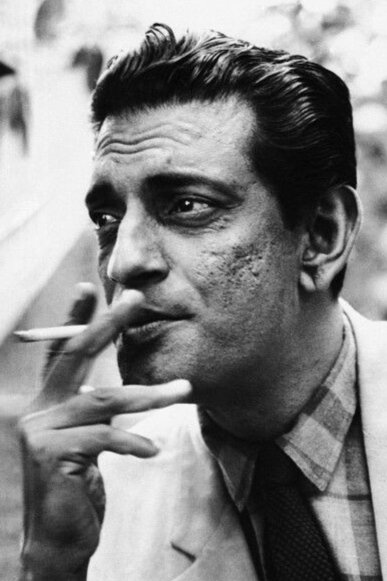
Satyajit Ray was an Indian director who brought the stories of his country to audiences around the world. He is best known for The Apu Trilogy, a series of three films that follow the life of a young boy in rural Bengal. These films, starting with Pather Panchali (1955), are celebrated for their humanism and simple, poetic style.
Ray’s films show a deep understanding of people and their relationships. He often used non-professional actors and filmed on location to give his movies a realistic feel. He was a complete filmmaker who wrote, directed, composed music, and even designed the posters for his films. His work presented a side of India that was rarely seen in cinema before.
Wong Kar-wai

Wong Kar-wai is a Hong Kong director known for his beautiful and moody films. His movies often deal with themes of love, loss, and the passage of time. He is famous for his unique visual style, which includes bold colors, slow-motion shots, and unconventional camera angles. His collaboration with cinematographer Christopher Doyle created some of the most memorable images in modern cinema.
Films like Chungking Express (1994) and In the Mood for Love (2000) are celebrated for their romantic and melancholic atmosphere. Wong often develops his stories during filming, which gives his movies a spontaneous and dreamlike quality. His focus on mood and emotion over traditional plot has made him one of the most distinctive voices in contemporary film.
Charlie Chaplin
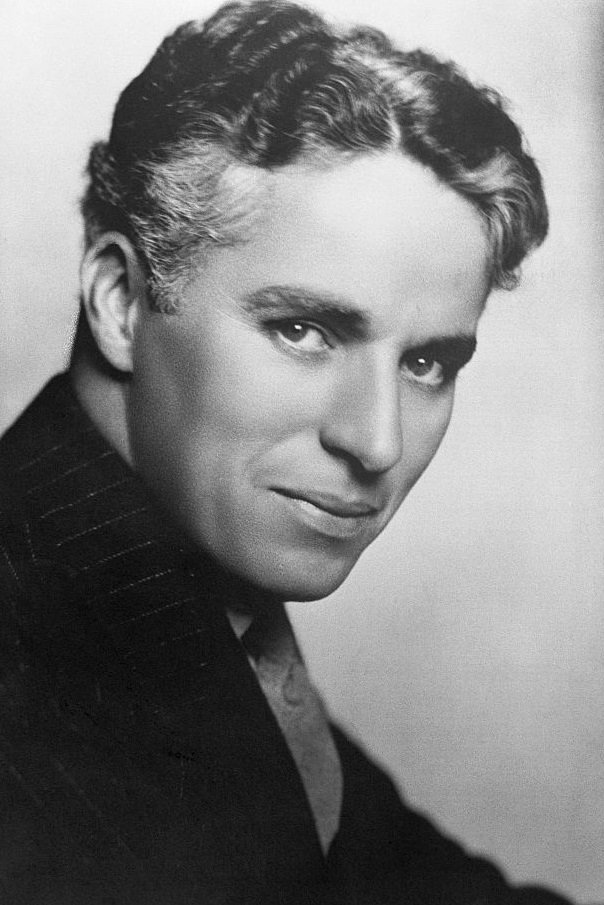
Charlie Chaplin was one of the first and greatest stars of the silent film era. He is most famous for his character, “The Tramp,” a lovable figure with a small mustache, bowler hat, and cane. Chaplin not only starred in his films but also wrote, directed, and composed the music for them. He was a master of physical comedy and could make audiences laugh and cry.
Chaplin successfully made the transition to sound films, directing classics like City Lights (1931) and Modern Times (1936) after the silent era had ended. His films often contained social commentary, criticizing poverty and injustice. He is considered one of the founding fathers of cinema and his influence on comedy is still felt today.
John Ford
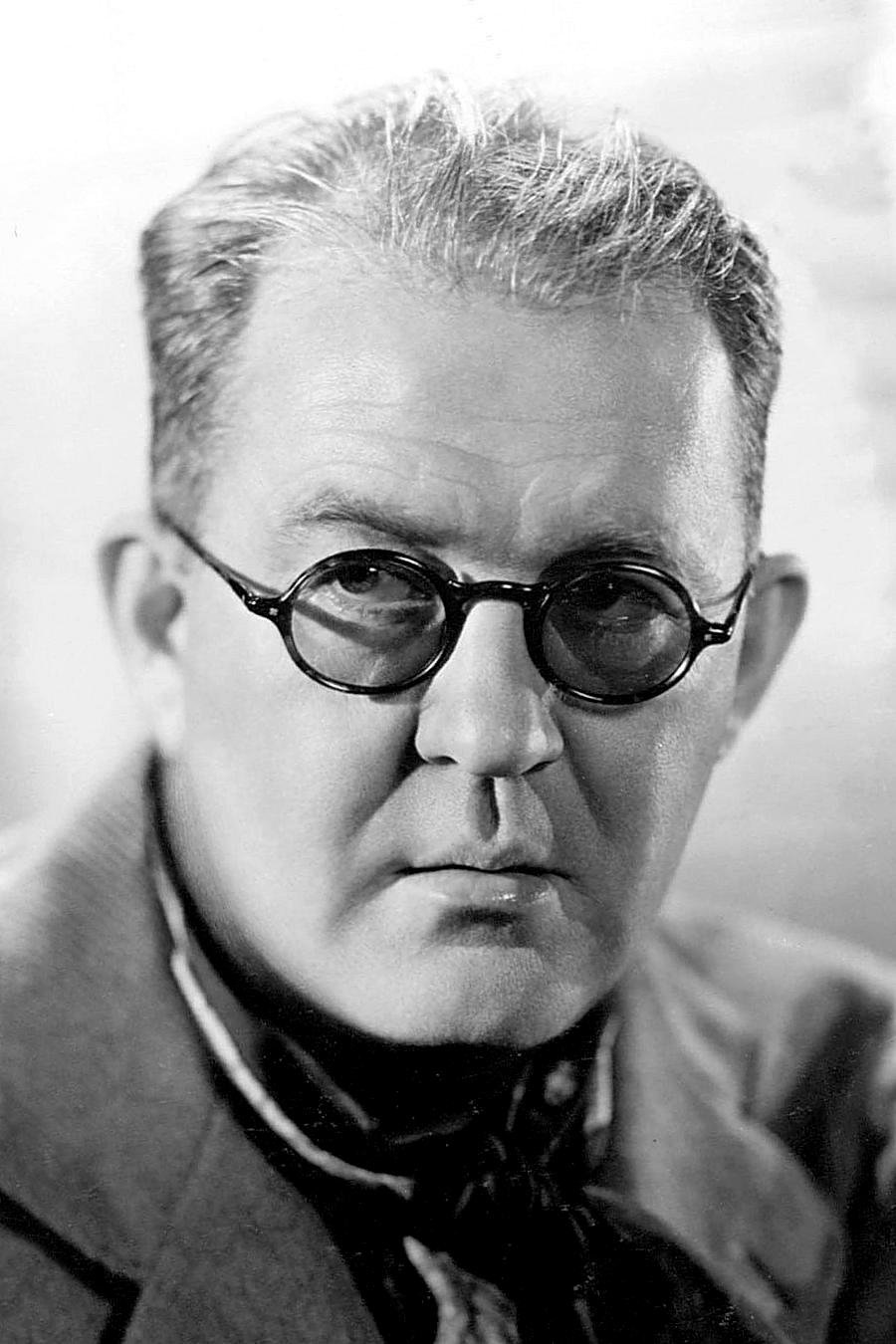
John Ford is considered one of the greatest American directors, especially known for his Westerns. Over a career that spanned more than 50 years, he directed over 140 films. He won four Academy Awards for Best Director, a record that still stands. His films helped shape America’s idea of its own history and values.
Ford is famous for his partnership with actor John Wayne and for filming in Monument Valley, whose landscapes became a symbol of the American West. While known for Westerns like Stagecoach (1939) and The Searchers (1956), he also directed classic dramas like The Grapes of Wrath (1940). His visual style often framed characters against vast, rugged landscapes.
Billy Wilder
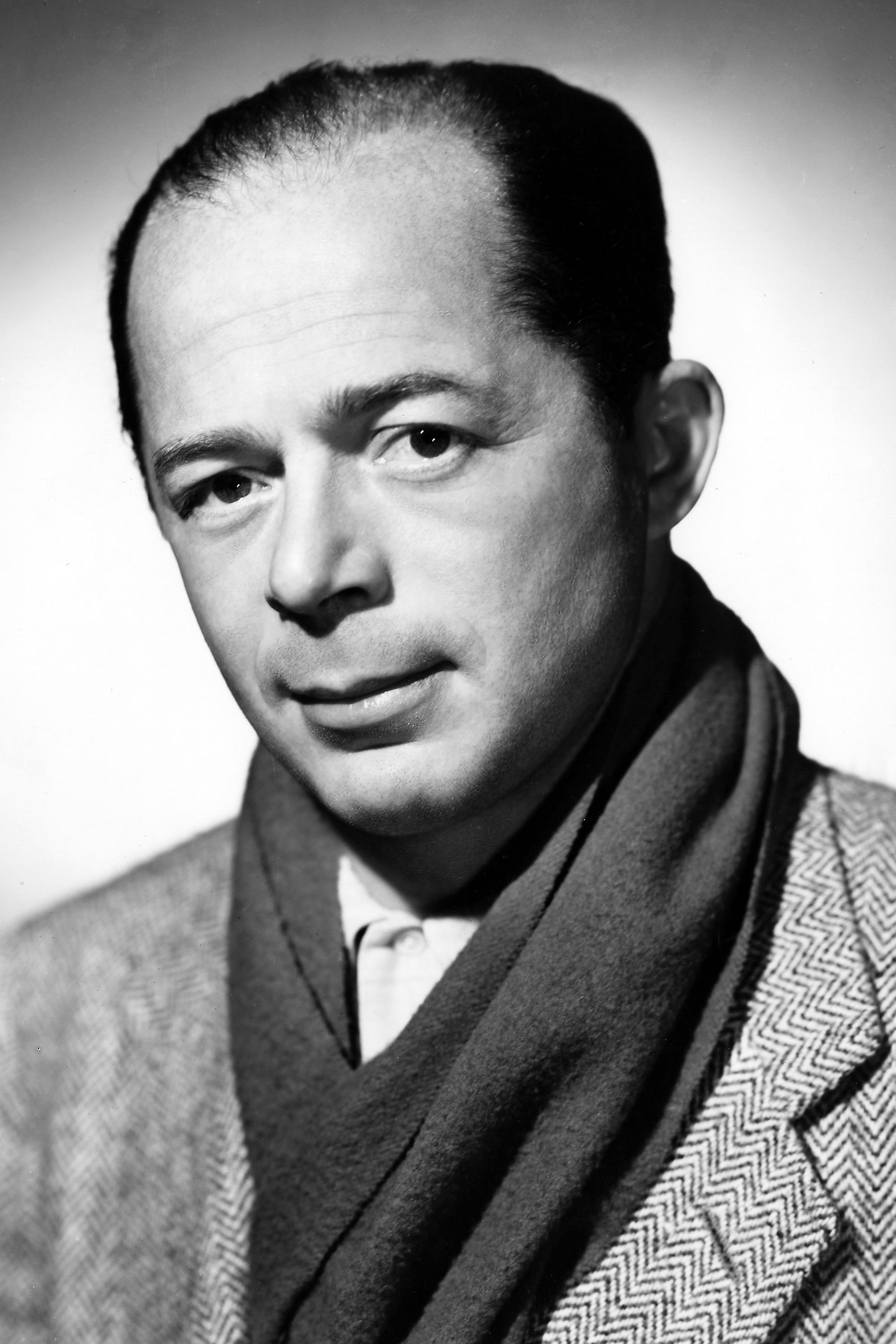
Billy Wilder was a versatile director who made classic films in many different genres. He was known for his sharp writing, cynical wit, and ability to get great performances from his actors. Born in Austria, he moved to Hollywood and became one of its most successful writer-directors.
His incredible filmography includes the film noir Double Indemnity (1944), the dark Hollywood drama Sunset Boulevard (1950), and the comedies Some Like It Hot (1959) and The Apartment (1960). He was a master storyteller who could balance serious themes with humor. Wilder’s films are known for their intelligent scripts and memorable characters.
Spike Lee
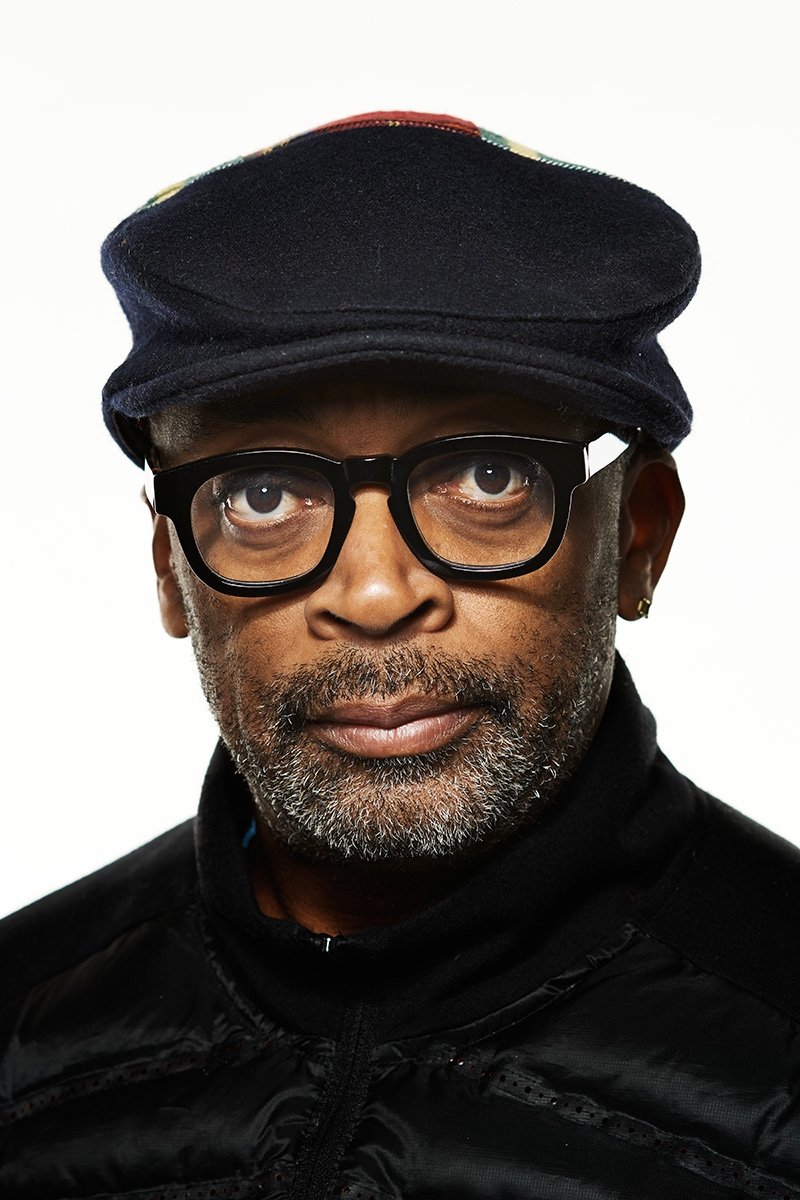
Spike Lee is a groundbreaking director whose films explore race, politics, and urban life in America. Since his debut with She’s Gotta Have It (1986), he has created a body of work that is both provocative and entertaining. His films are known for their bold visual style, direct social commentary, and a mix of humor and drama.
His 1989 film Do the Right Thing, which explores racial tensions in a Brooklyn neighborhood on a hot summer day, is considered a landmark of American cinema. Lee often appears in his own films and uses his platform to address important social issues. He has influenced a generation of filmmakers and brought new voices and perspectives to the forefront of cinema.
Hayao Miyazaki
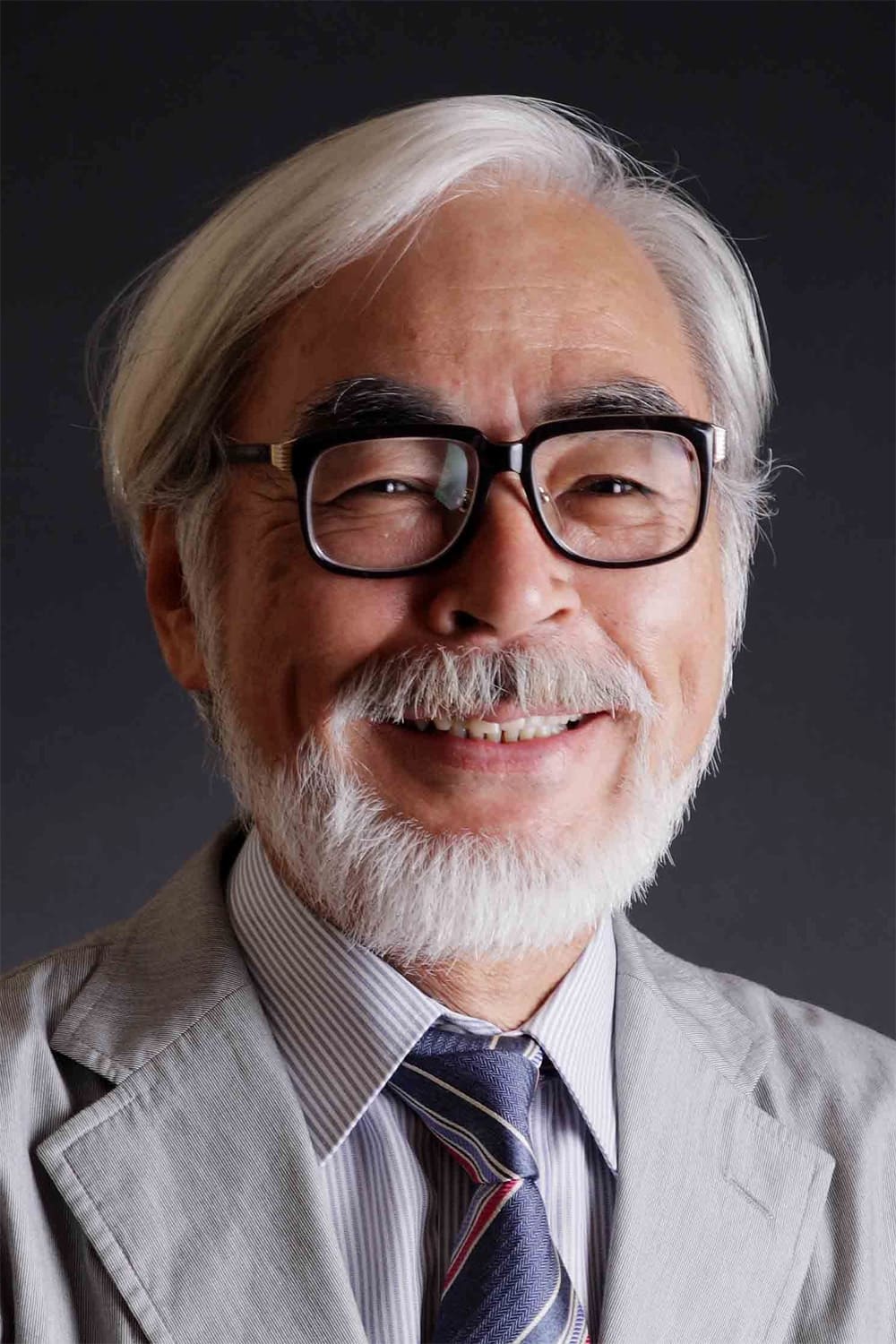
Hayao Miyazaki is a Japanese animation director and co-founder of Studio Ghibli. His films are celebrated worldwide for their beautiful animation, imaginative stories, and deep emotional resonance. He often explores themes of environmentalism, pacifism, and childhood. His films feature strong, independent female protagonists.
His most famous works include My Neighbor Totoro (1988), Princess Mononoke (1997), and Spirited Away (2001). Spirited Away won the Academy Award for Best Animated Feature and is one of the most successful Japanese films of all time. Miyazaki’s work has shown that animation can be a medium for complex and mature storytelling.
The Coen Brothers
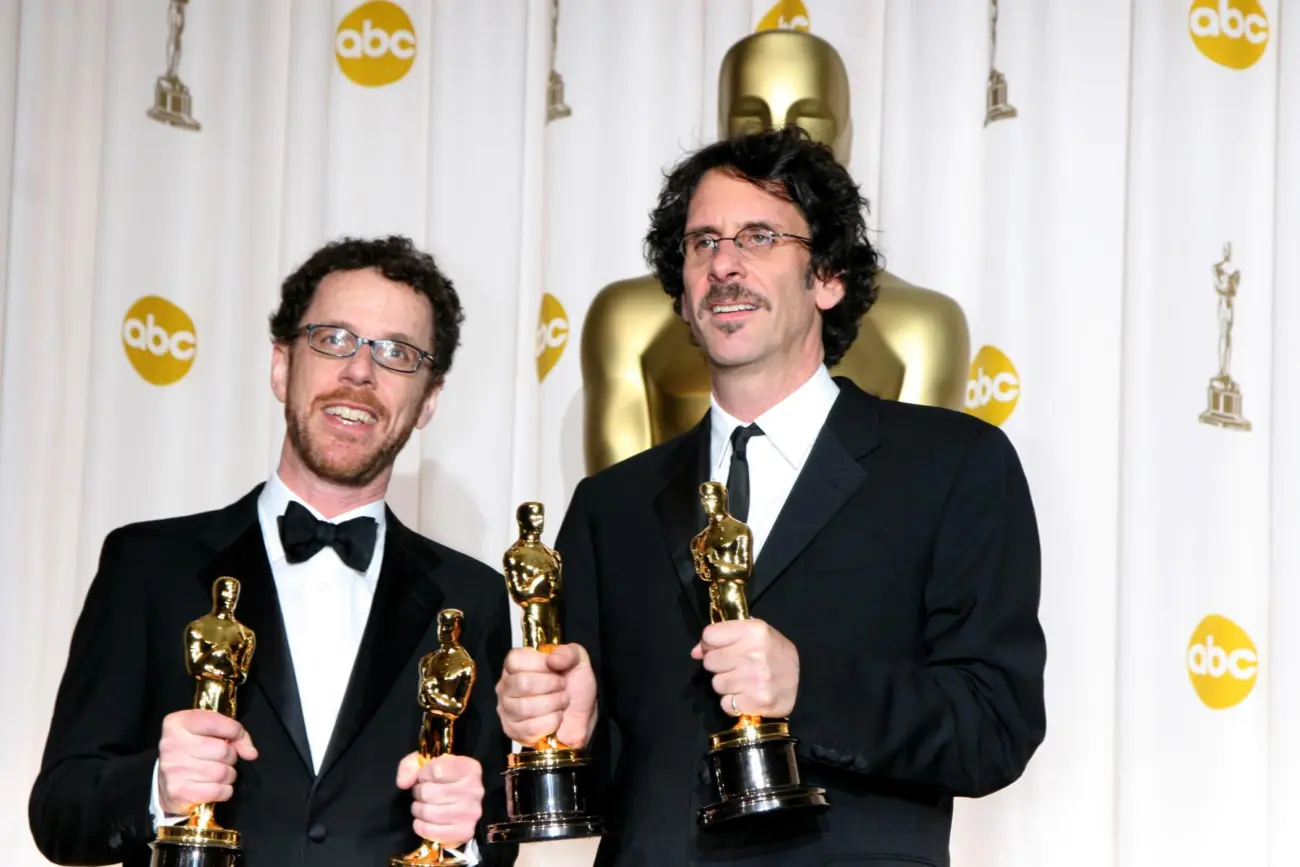
Joel and Ethan Coen, known as the Coen Brothers, have created a unique and influential body of work. They write, direct, and produce their films together. Their movies are known for their quirky characters, clever dialogue, and ability to blend different genres. They often mix comedy, crime, and drama in unexpected ways.
Their filmography includes a wide range of classics, such as the crime thriller Fargo (1996), the stoner comedy The Big Lebowski (1998), and the neo-western No Country for Old Men (2007), for which they won the Academy Award for Best Director. The Coen Brothers have a distinctive style that is instantly recognizable and has been widely imitated.
Agnès Varda
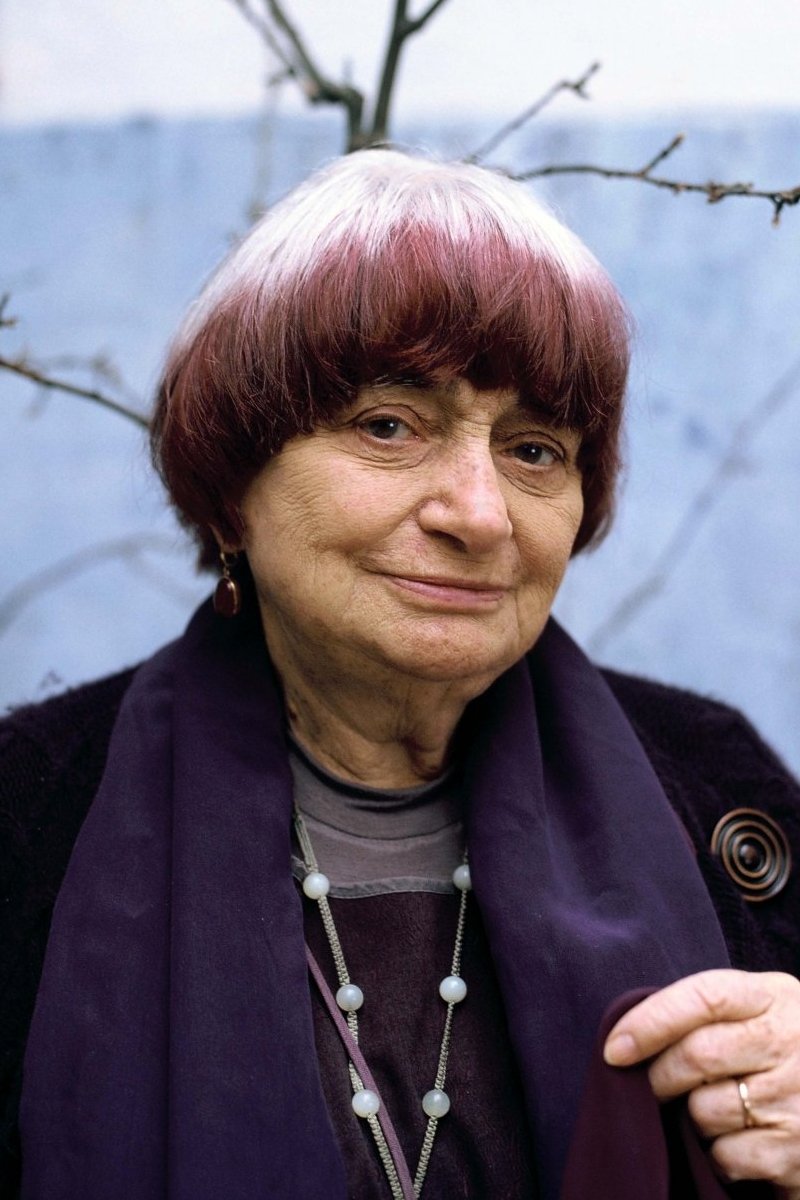
Agnès Varda was a key figure in the French New Wave film movement and was often called its “Grandmother.” As the only woman among the movement’s main directors, she brought a unique perspective to her work. Her films often blend documentary and fiction, and she used a realistic style that was unusual for its time.
Her first film, La Pointe Courte (1955), is considered a forerunner of the New Wave. Throughout her long career, she made influential films like Cléo from 5 to 7 (1962), which follows a young woman awaiting medical test results. Varda’s work often focused on the lives of ordinary people, especially women, and she remained a vital and experimental filmmaker until the end of her life.
Jane Campion
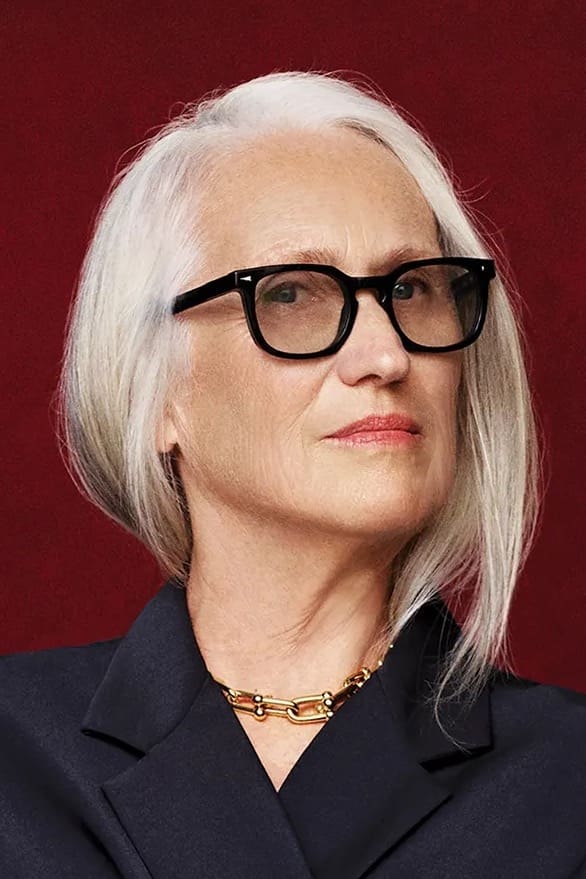
Jane Campion is a New Zealand director who became the first woman to win the Palme d’Or, the top prize at the Cannes Film Festival. She won for her 1993 film The Piano. The film also earned her an Academy Award for Best Original Screenplay and a nomination for Best Director, making her only the second woman to be nominated in that category at the time.
Campion’s films often explore themes of power, gender, and sexuality through complex female characters. Her visual style is often lush and atmospheric, creating a strong sense of place and mood. With films like The Piano and her more recent western, The Power of the Dog (2021), for which she won the Best Director Oscar, she has established herself as one of the most important voices in contemporary cinema.
Jean-Luc Godard
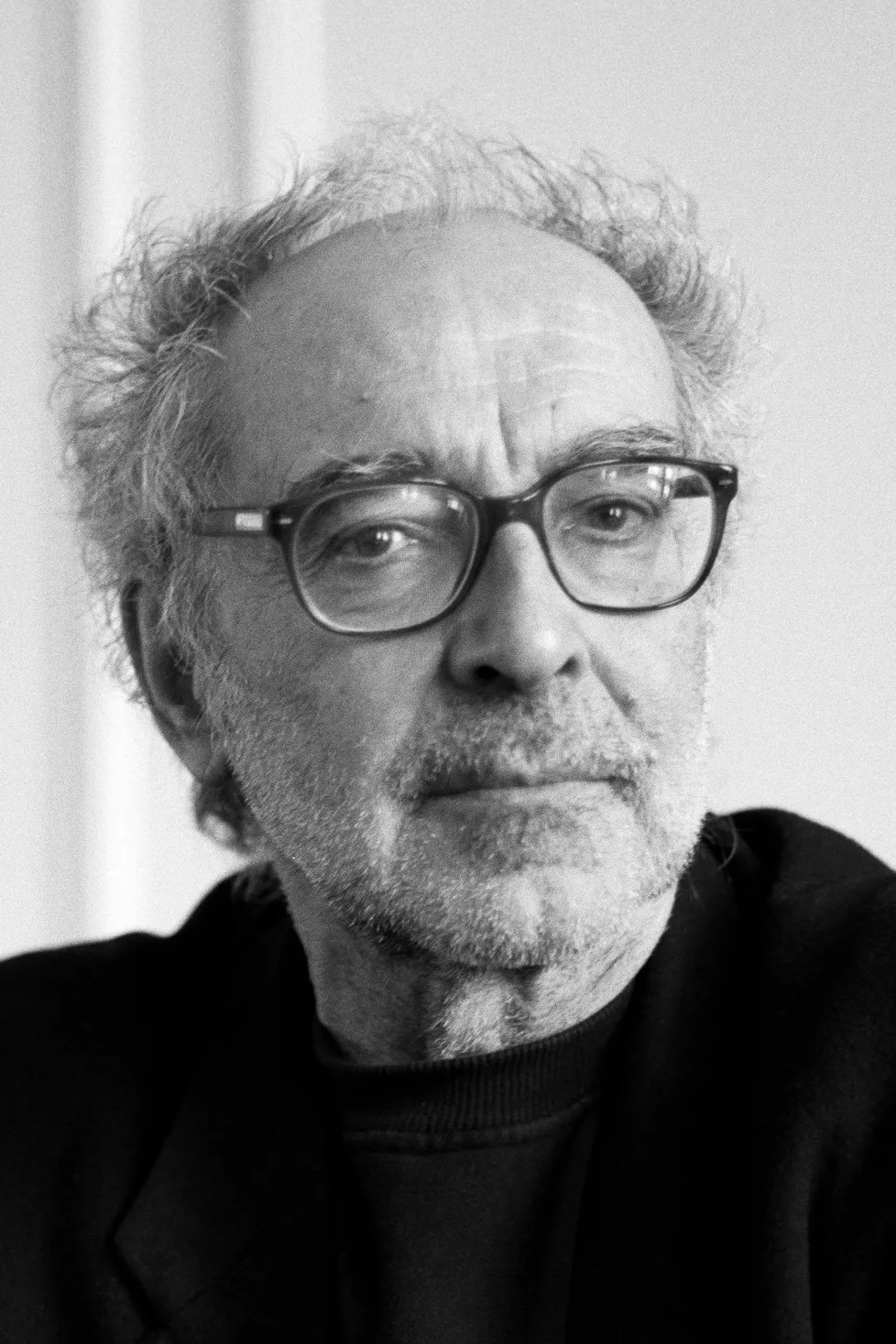
Jean-Luc Godard was one of the most radical and influential filmmakers of the French New Wave. His first film, Breathless (1960), broke all the rules of conventional filmmaking with its use of jump cuts, handheld cameras, and direct address to the audience. This film helped launch the New Wave and changed the language of cinema.
Throughout his career, Godard constantly experimented with the form and politics of film. His work is challenging and often political, questioning the very nature of what a movie is. He made a huge number of films and continued to be an innovative force in cinema for over 60 years. His influence on filmmakers who want to break from tradition is immense.
Andrei Tarkovsky
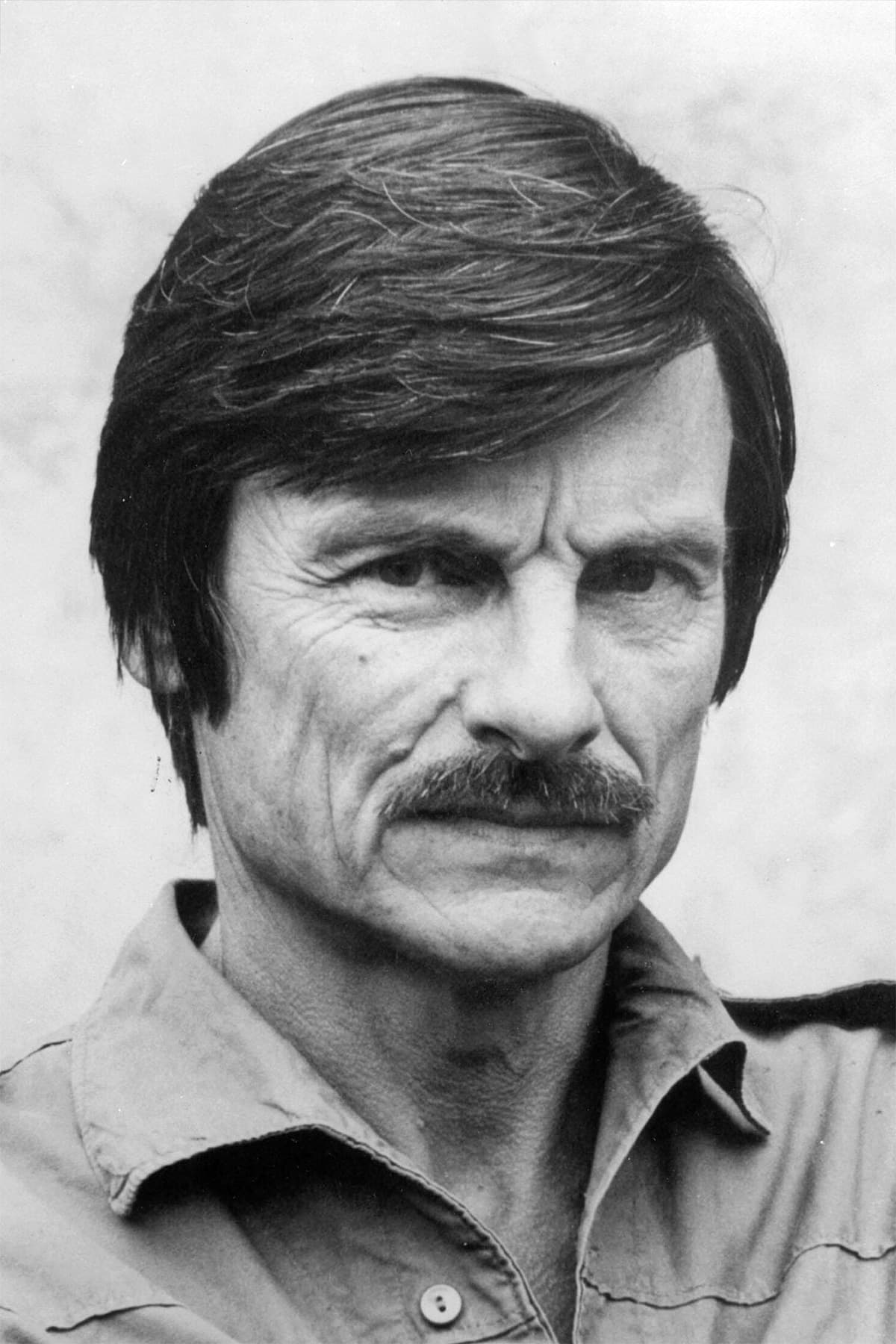
Andrei Tarkovsky was a Russian filmmaker who created deeply philosophical and spiritual films. His movies are known for their long takes, slow pace, and stunning visual poetry. He made only seven feature films in his career, but each one is considered a masterpiece by many critics and filmmakers.
Films like Andrei Rublev (1966), Solaris (1972), and Stalker (1979) explore themes of memory, faith, and the human soul. Tarkovsky believed that cinema was a form of art that could capture time itself. His work is demanding but offers a profound and moving experience for viewers willing to enter his unique cinematic world.
Yasujirō Ozu
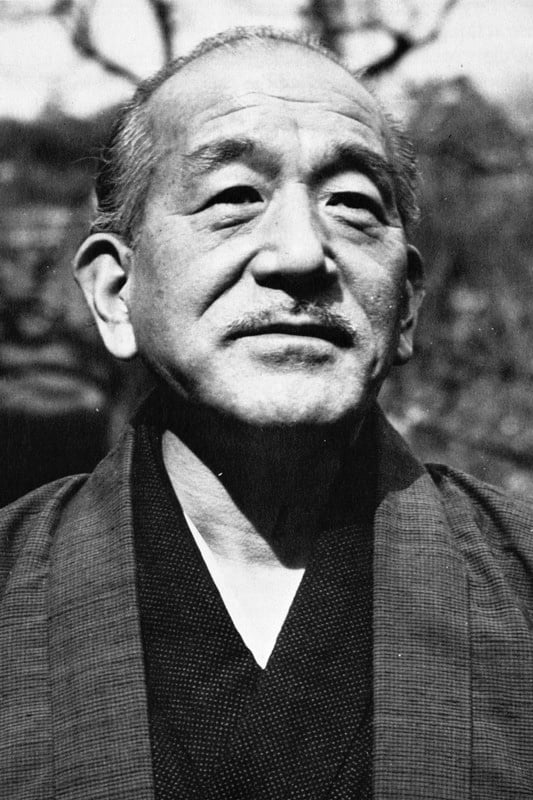
Yasujirō Ozu was a Japanese director who is celebrated for his quiet and contemplative films about family life. He is known for his very distinctive and unchanging style. He often placed his camera at a low height, as if from the perspective of someone sitting on a traditional tatami mat. This created a unique and intimate view of his characters’ world.
Ozu’s films, like the famous Tokyo Story (1953), deal with the everyday lives of ordinary people. He explored themes of marriage, family relationships, and the tensions between generations. He avoided dramatic plot twists, focusing instead on the small, subtle moments of life. His minimalist style has been a major influence on many directors who value realism and emotional honesty.
Fritz Lang
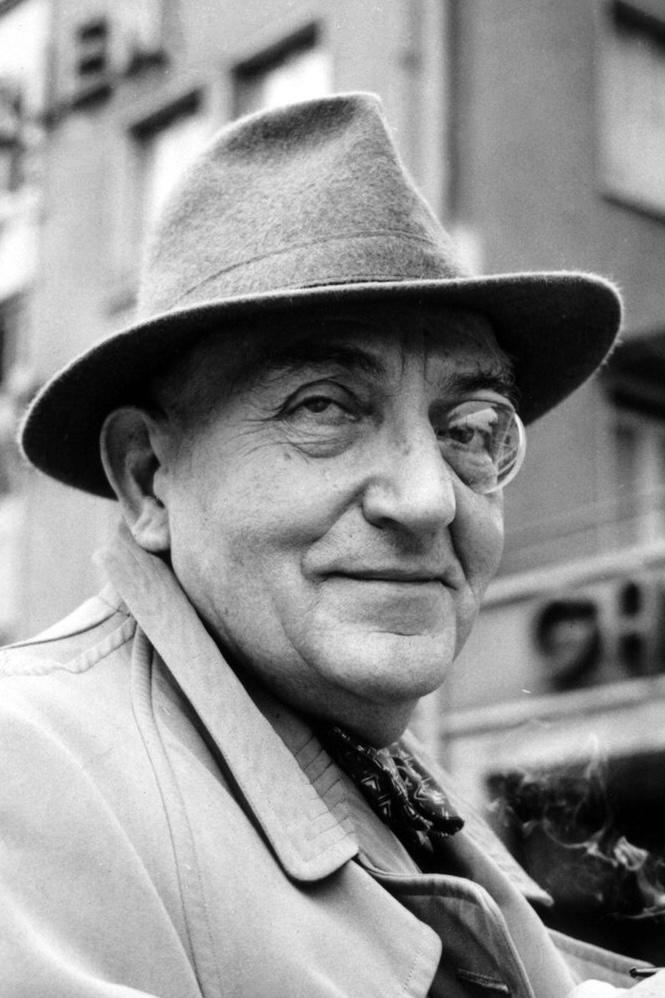
Fritz Lang was a German-Austrian director who was a key figure in the German Expressionist movement. His silent film Metropolis (1927) is a landmark of science fiction, with its stunning vision of a futuristic city. His 1931 film M was a groundbreaking thriller about the hunt for a child murderer and was his first sound film.
After fleeing Nazi Germany, Lang had a successful career in Hollywood, where he became a master of film noir. He directed dark and cynical thrillers like The Big Heat (1953). Lang’s films are known for their suspenseful plots, dark themes of fate and paranoia, and striking visual style.
David Lynch
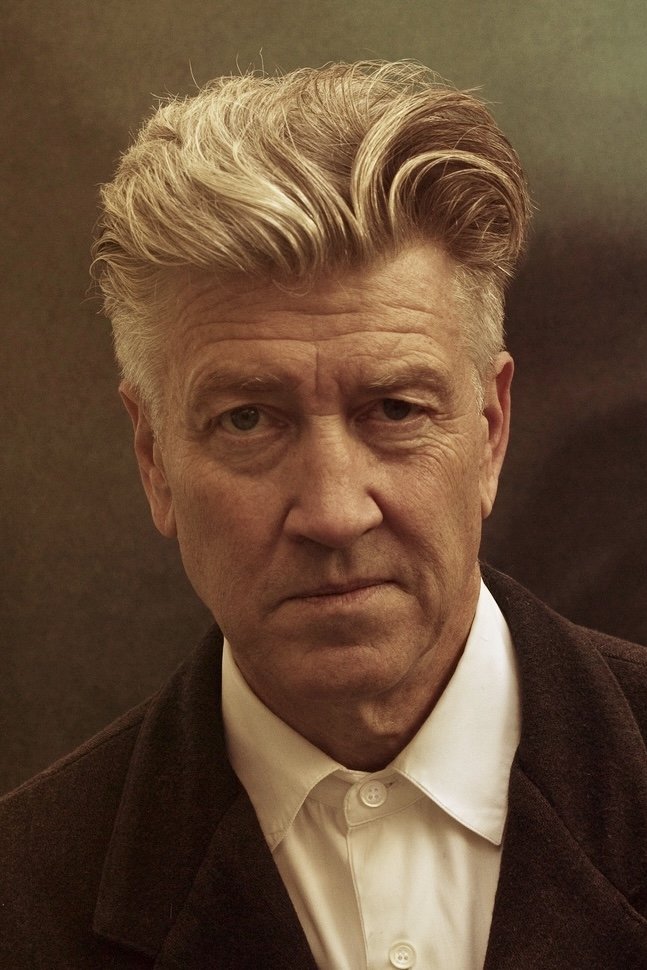
David Lynch is an American director known for creating surreal and dreamlike films. His movies often explore the dark underside of American life, combining beautiful imagery with disturbing and mysterious events. His first feature film, the black-and-white Eraserhead (1977), became a cult classic.
Lynch’s work, including films like Blue Velvet (1986) and Mulholland Drive (2001), as well as the television series Twin Peaks (1990-1991), challenges audiences to piece together its mysteries. He uses strange imagery, unsettling sound design, and non-linear narratives to create a unique and often unnerving experience. His work has a dedicated following and has influenced many filmmakers who want to explore the subconscious.
Sidney Lumet
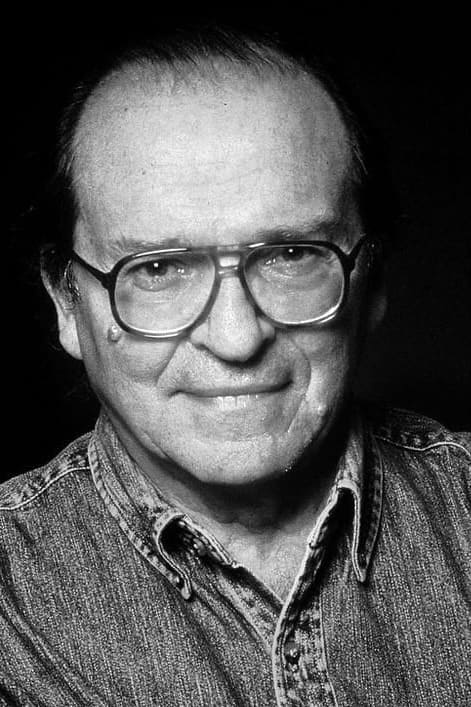
Sidney Lumet was a prolific American director known for his focus on actors’ performances and social realism. He made over 50 films in his career, many of which are considered classics. He often tackled subjects like the justice system, police corruption, and media ethics. He was known as an “actor’s director” for his ability to draw powerful performances from his cast.
His first film, 12 Angry Men (1957), is a tense courtroom drama that takes place almost entirely in one room. Other major works include the police corruption story Serpico (1973) and the sharp media satire Network (1976). Lumet’s films are known for their strong moral themes and their realistic portrayal of city life, particularly New York City.
Sergio Leone
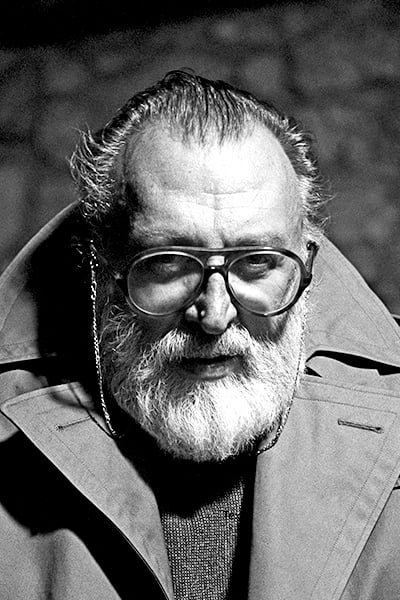
Sergio Leone was an Italian director who reinvented the Western genre. He created what became known as the “Spaghetti Western” with his “Dollars Trilogy” of films in the 1960s. These movies, starring Clint Eastwood as the “Man with No Name,” were shot in Europe and had a style that was very different from traditional American Westerns.
Leone’s films, including The Good, the Bad and the Ugly (1966), are famous for their widescreen cinematography, epic scores by composer Ennio Morricone, and intense, prolonged shootouts. He used extreme close-ups of his characters’ faces to build tension. His unique style had a huge influence on many directors, including Quentin Tarantino.
Christopher Nolan

Christopher Nolan is a British-American director known for making smart, complex, and visually spectacular blockbusters. His films often play with time and narrative structure, challenging audiences to pay close attention. He is a strong advocate for practical effects and shooting on film, which gives his movies a distinct look and feel.
Nolan has directed some of the most successful and acclaimed films of the 21st century. His work includes the mind-bending thriller Inception (2010), the epic superhero trilogy beginning with Batman Begins (2005), and the historical drama Oppenheimer (2023), for which he won the Academy Award for Best Director. He has proven that big-budget films can also be deeply intelligent and personal.
Bong Joon-ho

Bong Joon-ho is a South Korean director who has gained international fame for his genre-blending films. His movies often mix comedy, horror, action, and social commentary in unique and surprising ways. He is a master of tone, able to shift from funny to terrifying to sad in a single scene.
His 2019 film Parasite made history by becoming the first non-English language film to win the Academy Award for Best Picture. The film is a thrilling and sharp critique of class inequality. Other acclaimed films like Memories of Murder (2003) and Snowpiercer (2013) also showcase his ability to tell entertaining stories that have a powerful social message.
The Wachowskis

Lana and Lilly Wachowski are American directors who changed science fiction cinema with their film The Matrix (1999). The movie was a groundbreaking mix of action, philosophy, and special effects. It introduced “bullet time,” a visual effect that slows down time to show objects like bullets moving through the air, which was widely copied.
The Matrix and its sequels explore complex ideas about reality, technology, and identity. The Wachowskis’ other work, like the ambitious Cloud Atlas (2012) and the space opera Jupiter Ascending (2015), is also known for its grand scale and imaginative world-building. Their films have had a profound impact on popular culture and action filmmaking.