Movies from 1971 That Are Now Considered Classics


The year 1971 was a significant time for cinema. A new generation of filmmakers began to emerge, challenging old conventions and creating movies that were smaller, smarter, and more in tune with the times. This period, often called the “New Hollywood,” saw a creative renaissance in the film industry. Directors were taking risks, and their unique visions resulted in a diverse range of films that have stood the test of time.
From gritty crime thrillers and thought-provoking science fiction to beloved family musicals and influential independent films, 1971 delivered a remarkable lineup of movies. Many of these films not only achieved critical acclaim and box office success but also went on to influence future generations of filmmakers. They remain powerful and relevant, continuing to be watched, discussed, and celebrated as classics of cinema.
A Clockwork Orange (1971)
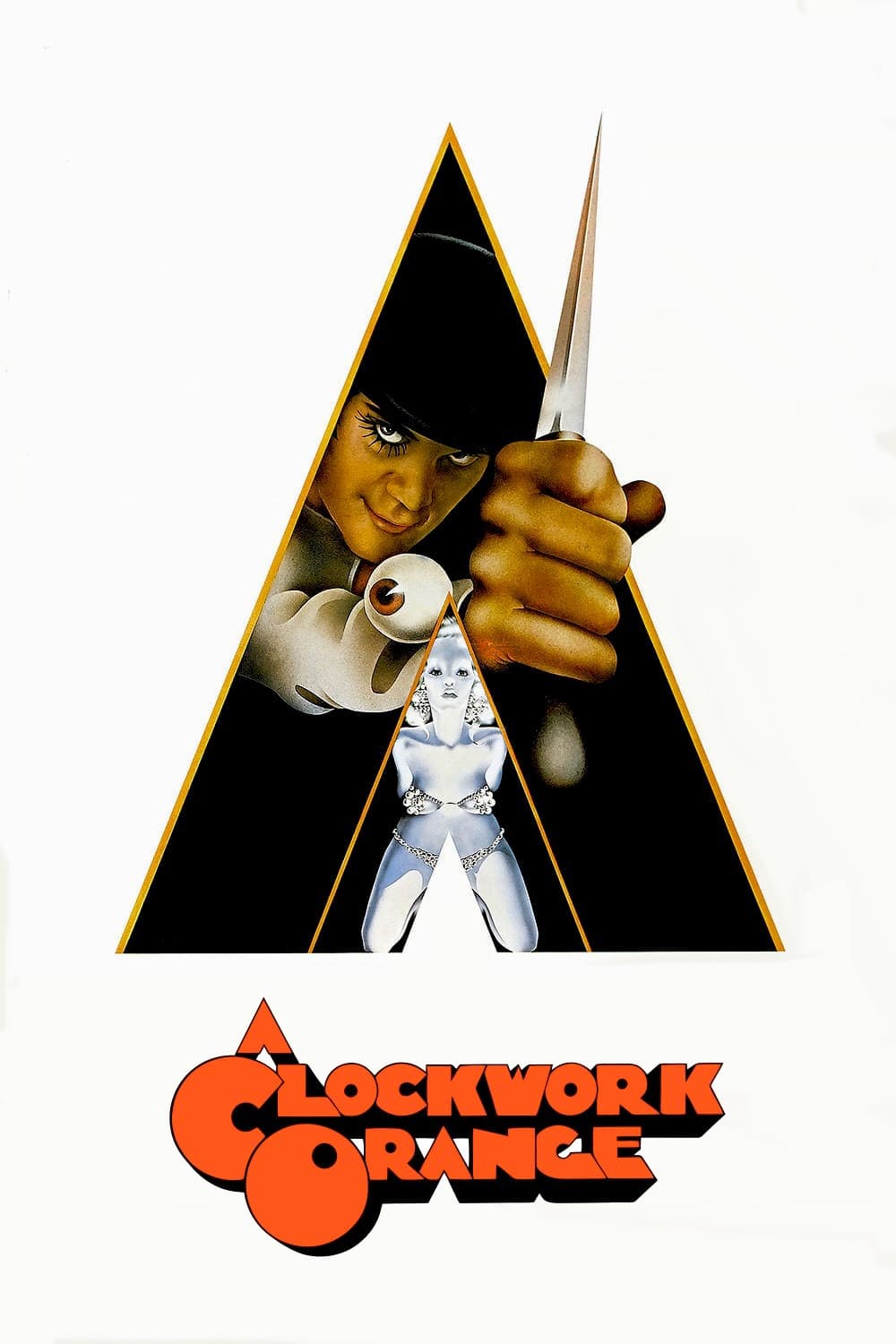
Stanley Kubrick’s adaptation of Anthony Burgess’s novel is a disturbing and thought-provoking film. It tells the story of Alex, the leader of a small gang of thugs in a futuristic Britain. They engage in acts of “ultra-violence” until Alex is captured and subjected to an experimental rehabilitation technique. The film explores themes of free will and morality, questioning the nature of good and evil.
The movie is known for its striking visual style, use of classical music in unsettling ways, and the memorable performance by Malcolm McDowell as Alex. “A Clockwork Orange” was controversial upon its release due to its graphic content, but it has since been recognized as a cinematic masterpiece. It remains a powerful and challenging film that sparks debate among viewers.
The French Connection (1971)
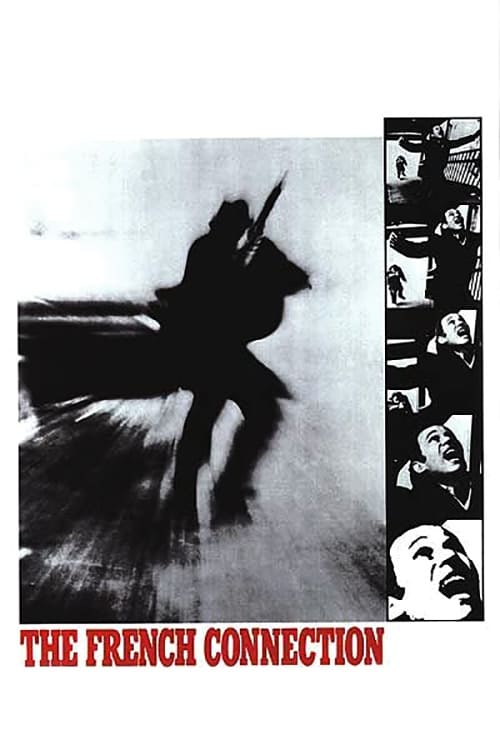
This gritty crime thriller, directed by William Friedkin, stars Gene Hackman in his breakout role as New York City detective “Popeye” Doyle. The film is a fictionalized account of a real-life drug bust. Doyle and his partner are determined to intercept a large heroin shipment arriving from France. The story follows their relentless pursuit of the criminals through the city’s tough streets.
“The French Connection” is famous for its realistic and fast-paced action, including one of the most celebrated car chase scenes in movie history. The film’s authentic depiction of police work and its suspenseful plot helped it win five Academy Awards, including Best Picture, Best Director, and Best Actor for Hackman.
Willy Wonka & the Chocolate Factory (1971)
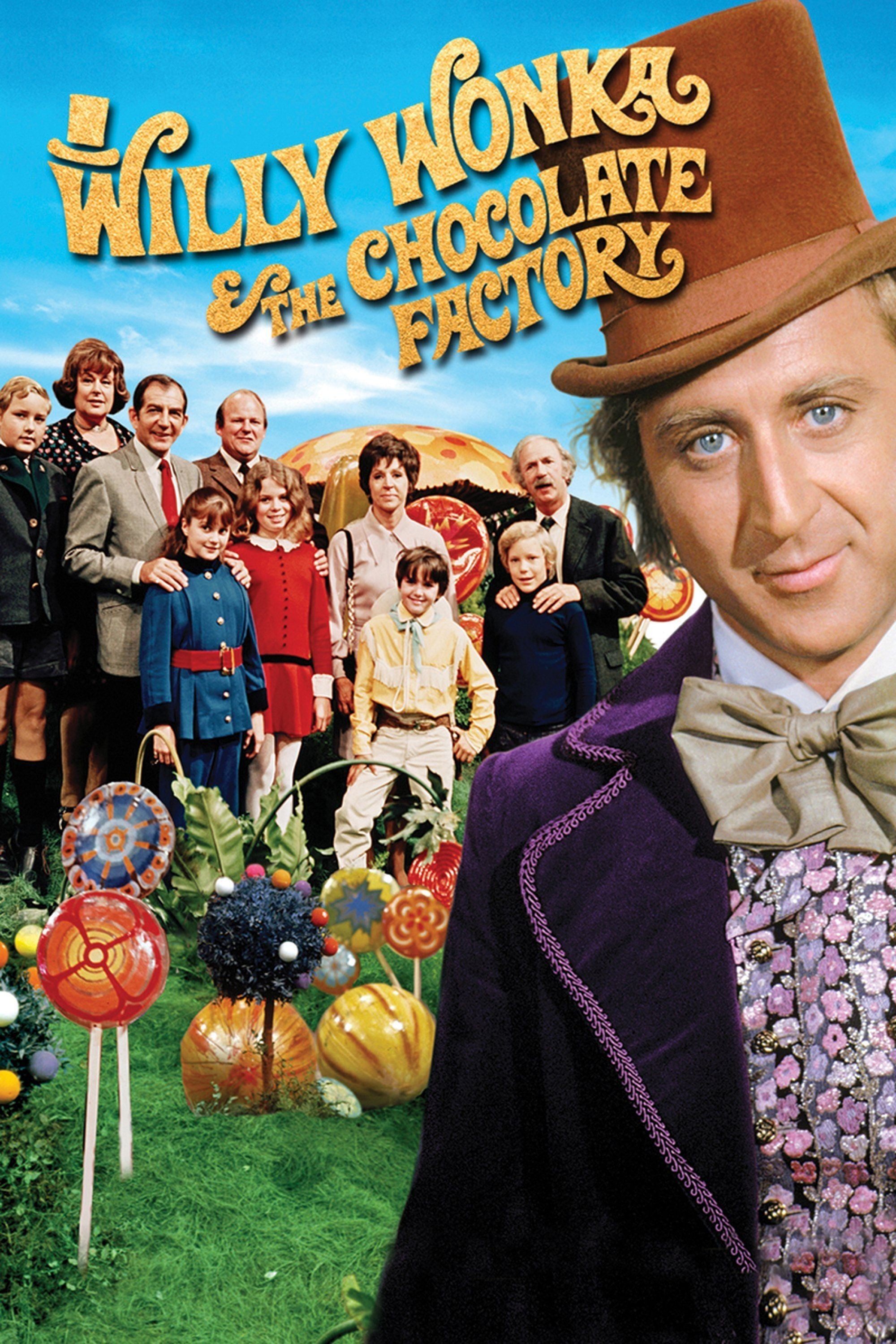
Based on Roald Dahl’s book “Charlie and the Chocolate Factory,” this musical fantasy has become a cherished family classic. Gene Wilder stars as the eccentric and mysterious candy maker Willy Wonka. He announces a contest where five children who find golden tickets in his chocolate bars will win a tour of his magical factory.
The film is filled with imaginative sets, memorable songs, and a sense of wonder. While it was not a huge box office success initially, it gained a massive following over the years through television airings. Wilder’s performance as Wonka is iconic, and the story continues to charm audiences of all ages with its blend of fantasy and morality tales.
Dirty Harry (1971)

Clint Eastwood delivered one of his most iconic performances as the tough, rule-bending San Francisco detective Harry Callahan. The film follows Callahan as he hunts down a ruthless killer known as Scorpio. “Dirty Harry” is known for its intense action sequences and its exploration of vigilante justice.
The movie was a box office hit and set the standard for a new kind of police thriller. It addressed public anxieties about rising crime rates and the effectiveness of the justice system. Callahan’s famous line, “Do I feel lucky? Well, do ya, punk?,” has become a classic movie quote.
The Last Picture Show (1971)
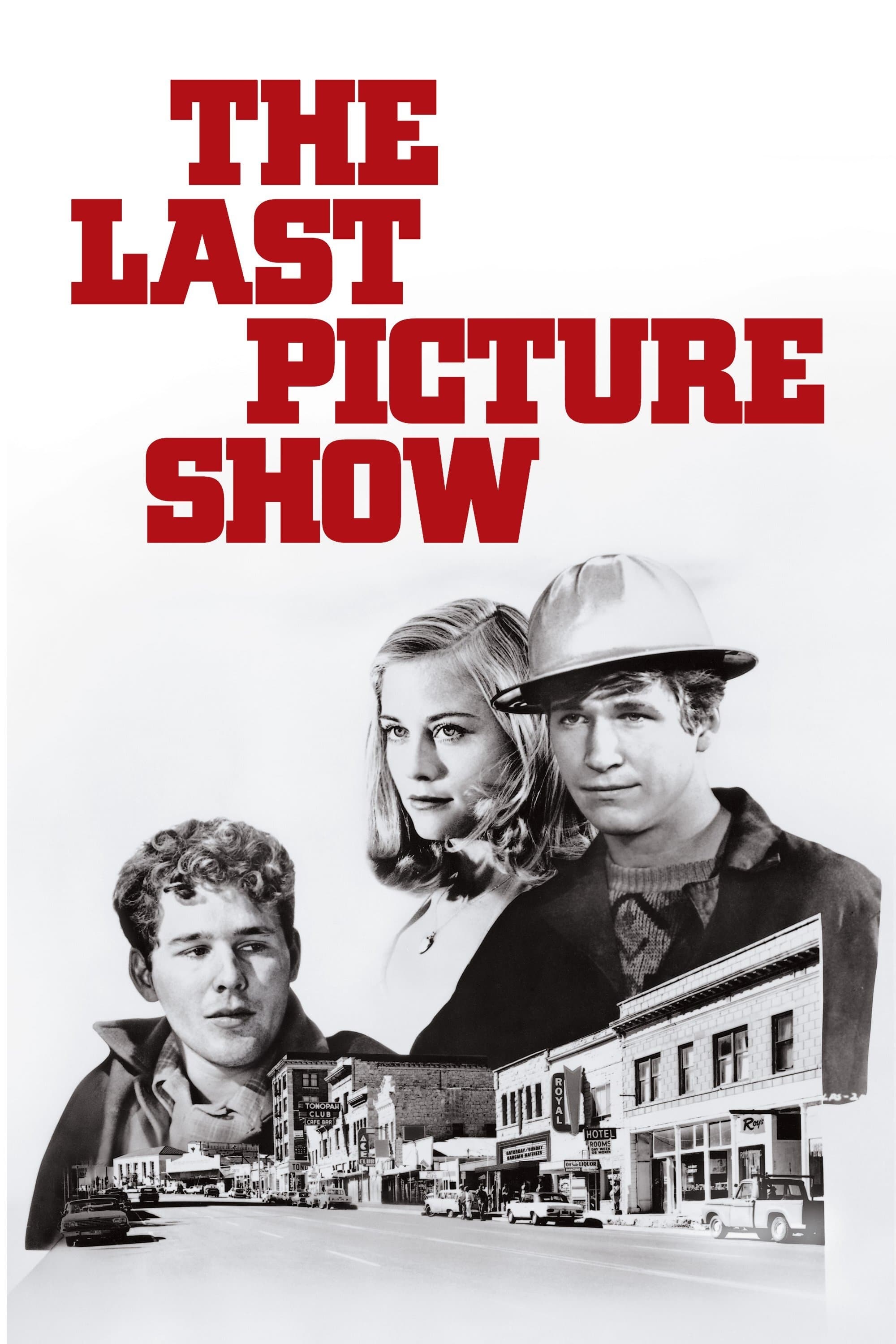
Directed by Peter Bogdanovich, this coming-of-age story is set in a small, decaying Texas town in the 1950s. The film follows a group of high school seniors as they navigate love, loss, and the uncertain future in a town that seems to be dying. Shot in black and white, it captures a sense of nostalgia and melancholy.
“The Last Picture Show” received widespread critical acclaim for its honest portrayal of small-town life and its strong performances from a young cast, including Jeff Bridges and Cybill Shepherd. Ben Johnson and Cloris Leachman both won Academy Awards for their supporting roles. The film is a poignant look at the end of an era and the transition to adulthood.
McCabe & Mrs. Miller (1971)

Robert Altman directed this unconventional Western starring Warren Beatty and Julie Christie. Beatty plays a gambler who sets up a brothel in a rough mining town, and Christie plays the savvy madam who becomes his business partner. The film has a unique, moody atmosphere, enhanced by its dark cinematography and a soundtrack featuring songs by Leonard Cohen.
“McCabe & Mrs. Miller” is often called an “anti-western” because it demystifies the romantic image of the Old West, presenting a more realistic and gritty version of frontier life. It stands out for its distinctive style and the strong performances of its lead actors, with Christie earning an Oscar nomination for her role.
Harold and Maude (1971)
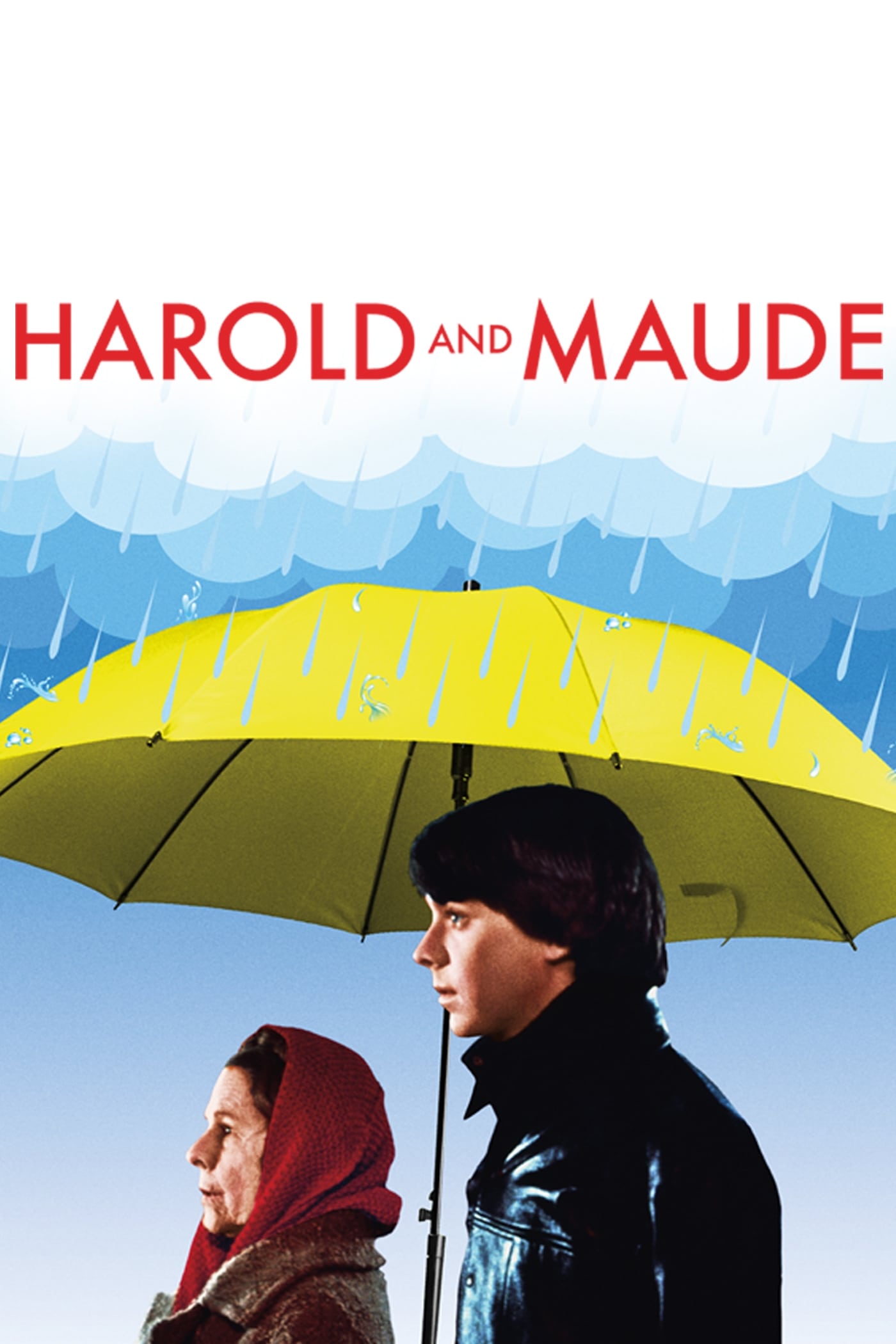
This dark comedy tells the story of an unusual friendship and romance between a death-obsessed young man named Harold and a vibrant 80-year-old woman named Maude. Directed by Hal Ashby, the film’s quirky humor and themes of living life to the fullest were not immediately embraced by critics or audiences.
However, “Harold and Maude” developed a devoted cult following over time and is now considered a classic. Its unique charm, heartfelt story, and soundtrack by Cat Stevens have influenced many later filmmakers. The film is celebrated for its celebration of individuality and its unconventional love story.
Shaft (1971)
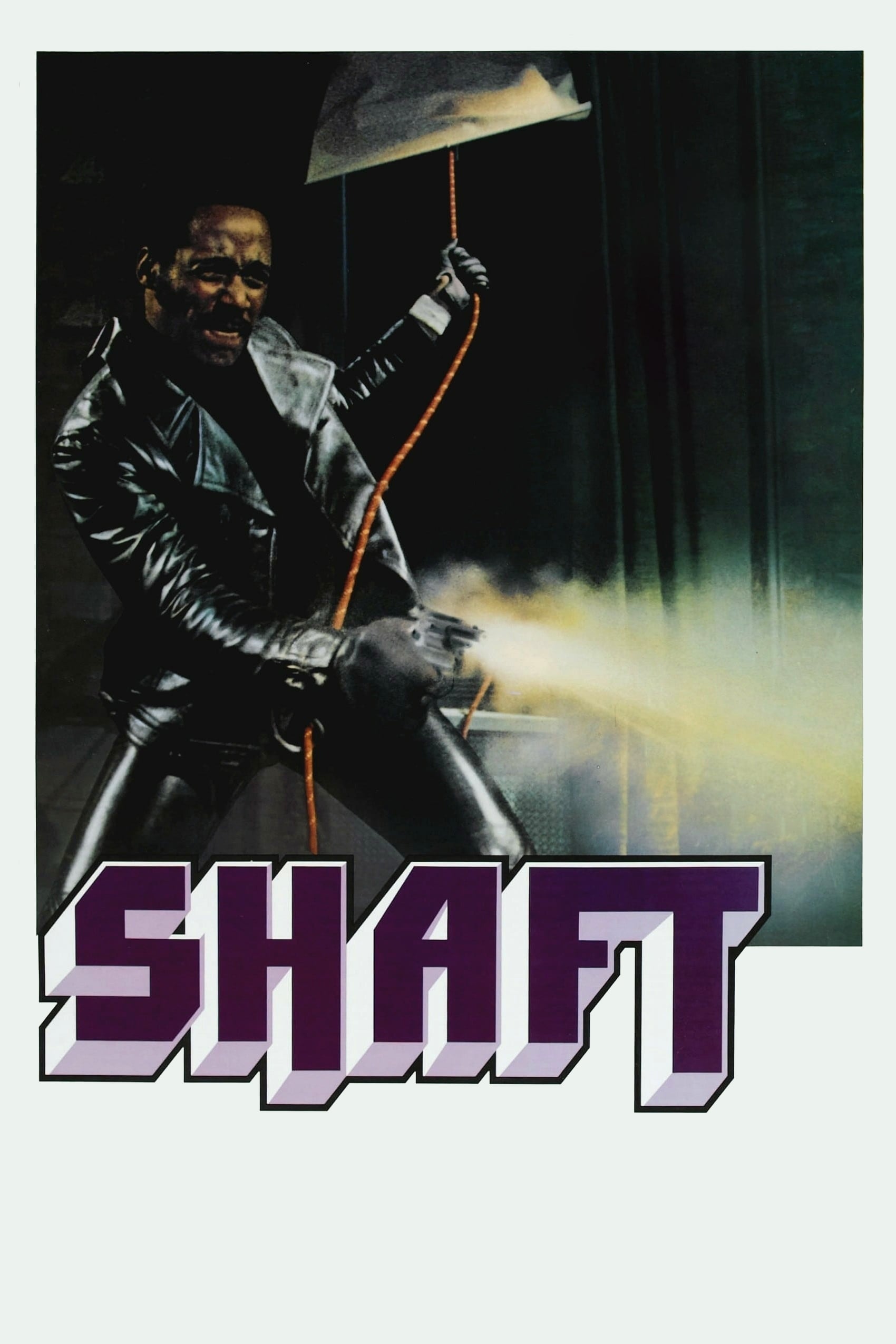
This film introduced audiences to John Shaft, a smooth and tough private detective in Harlem. Played by Richard Roundtree, Shaft is hired to find the kidnapped daughter of a local crime boss. The movie was a major success and is considered a landmark of the blaxploitation genre.
“Shaft” was groundbreaking for featuring a confident and powerful Black hero. Its success opened doors for more films centered on Black characters. The movie is also famous for its iconic theme song by Isaac Hayes, which won an Academy Award.
Duel (1971)
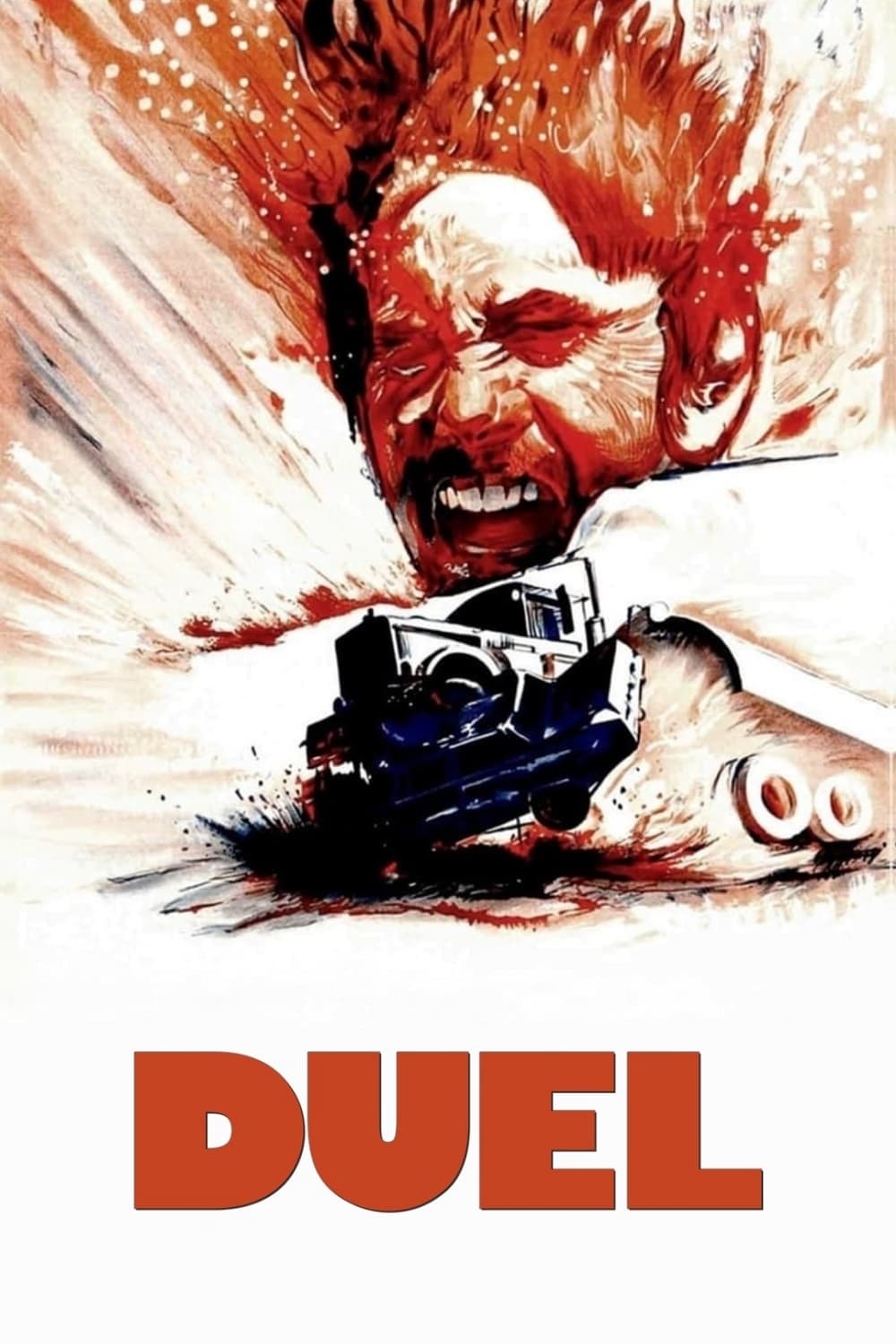
This tense thriller was the full-length directorial debut of Steven Spielberg. The simple but effective story follows a businessman, played by Dennis Weaver, who is terrorized on a remote highway by the unseen driver of a massive tanker truck. What starts as a simple case of road rage quickly escalates into a fight for survival.
Originally made for television, “Duel” was so well-received that it was released in theaters in some countries. The film showcases Spielberg’s talent for creating suspense and action. It has become a cult classic and is seen as an early example of the director’s mastery of the thriller genre.
Fiddler on the Roof (1971)
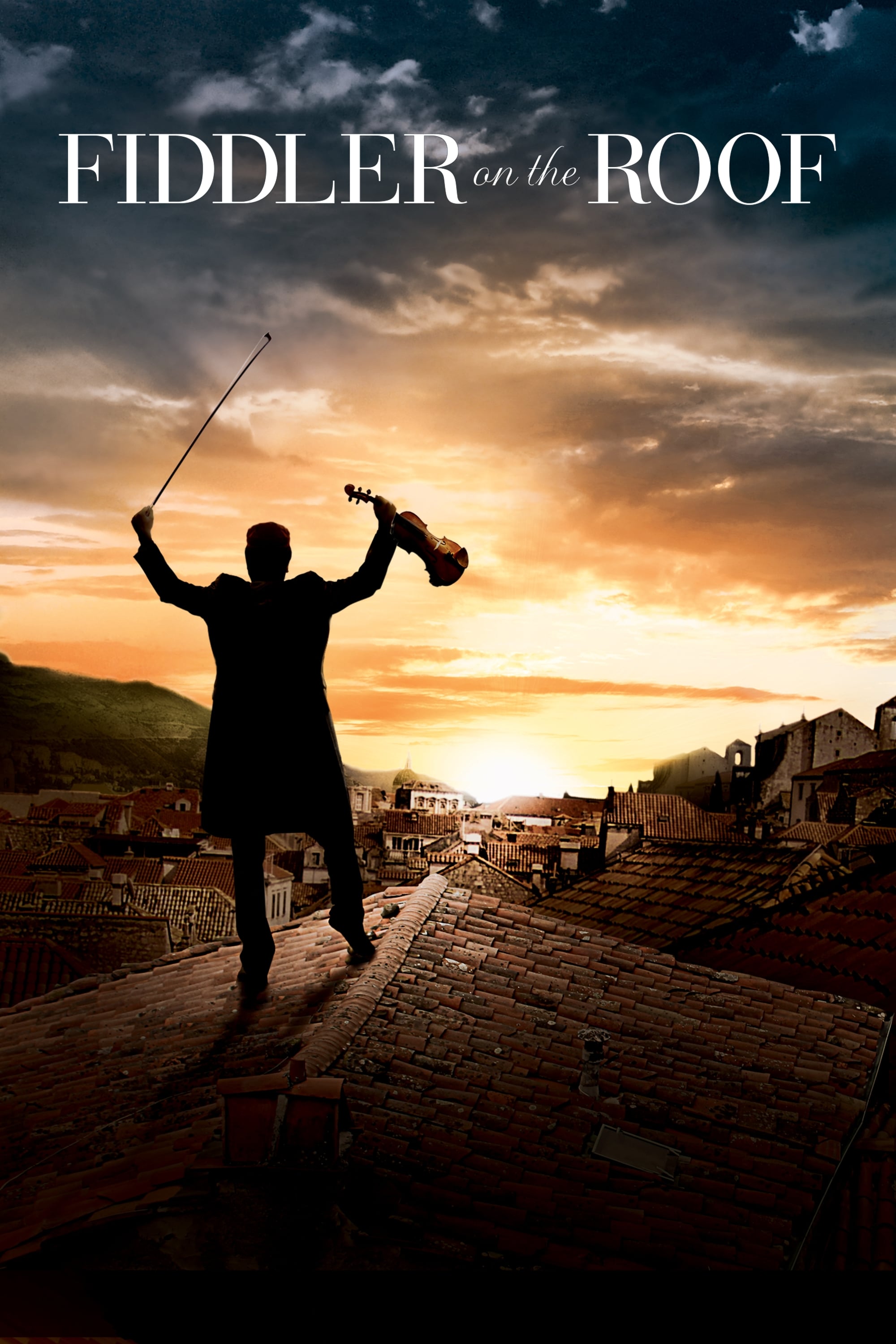
This film adaptation of the beloved Broadway musical tells the story of Tevye, a poor Jewish milkman in a small Russian village at the beginning of the 20th century. Tevye struggles to maintain his religious and cultural traditions as his three older daughters challenge his authority by choosing their own husbands.
The movie was a critical and commercial success, praised for its faithful adaptation of the stage show and its powerful performances. It won three Academy Awards and continues to be celebrated for its memorable songs, heartfelt story, and exploration of themes like tradition, family, and change.
Get Carter (1971)
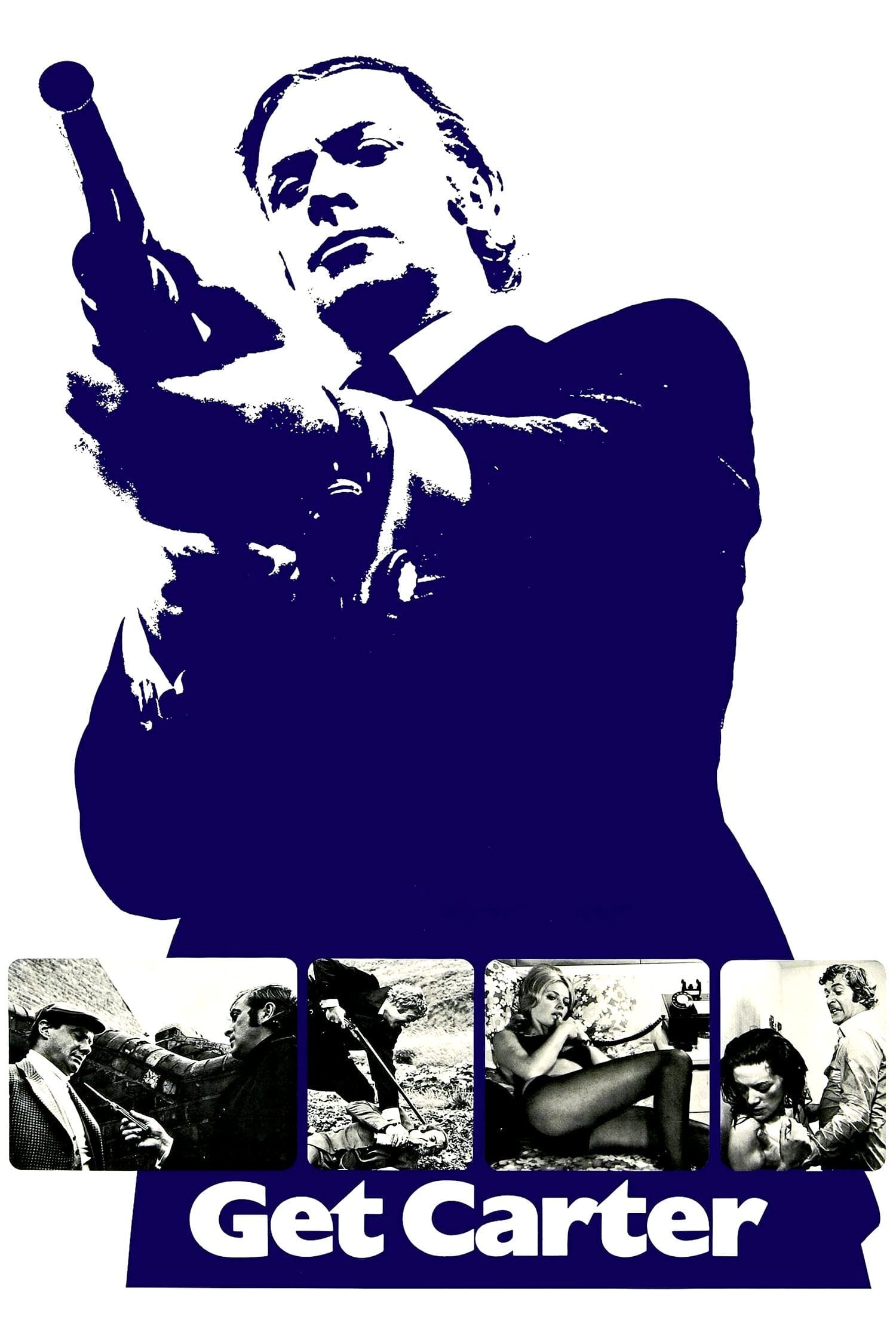
Michael Caine stars as Jack Carter, a London-based gangster who travels to Newcastle to investigate the death of his brother. This British crime film is known for its gritty realism and Caine’s cold-blooded performance as a man seeking revenge at any cost.
“Get Carter” presents a dark and violent look at the criminal underworld. It was a departure from the more glamorous gangster films of the past. The movie’s tough style and complex hero have made it a highly influential film in the British crime genre.
Straw Dogs (1971)
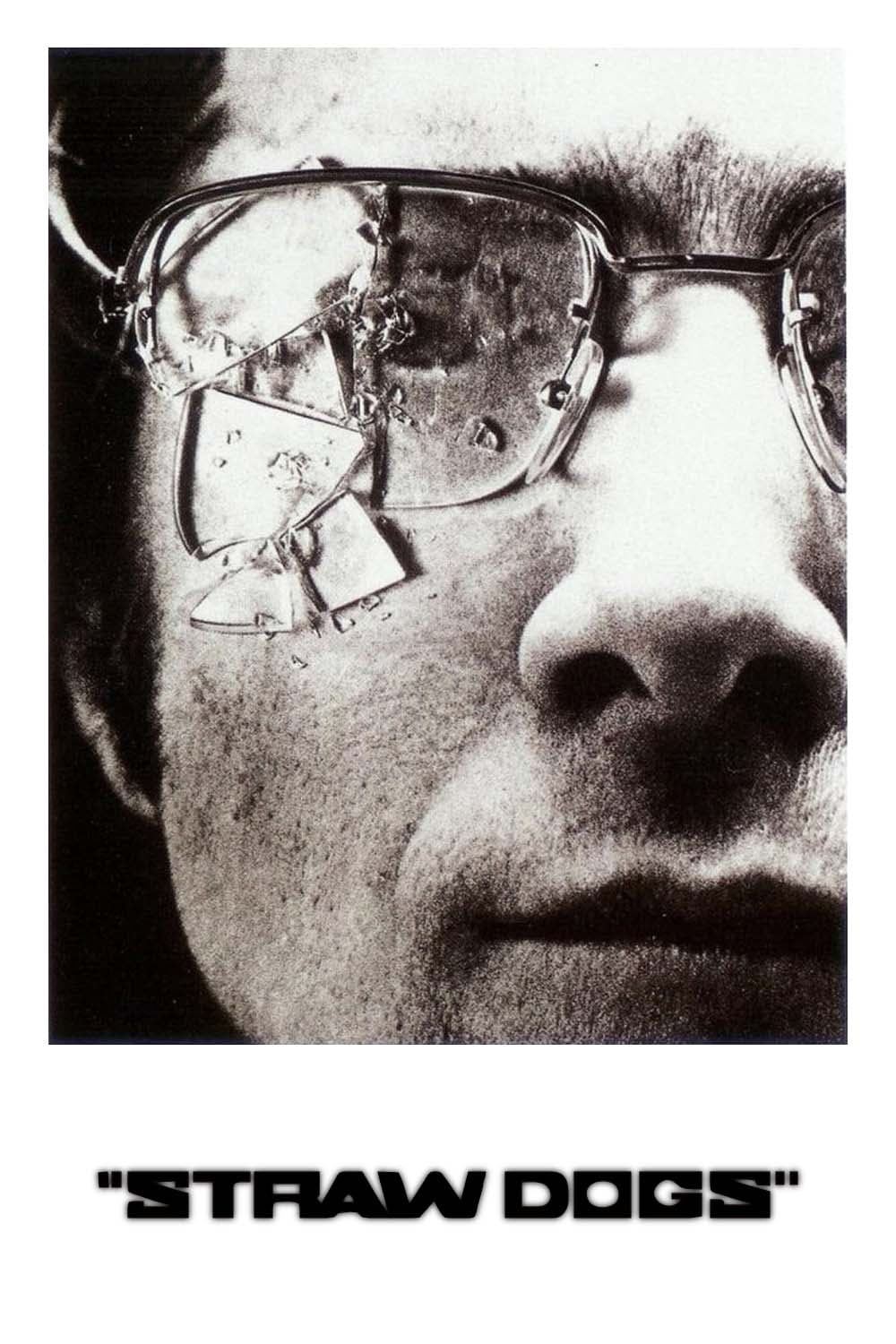
Directed by Sam Peckinpah, this controversial psychological thriller stars Dustin Hoffman as an American mathematician who moves to a small English village with his wife. Tensions with the locals escalate, leading to a violent and brutal confrontation. The film explores themes of masculinity and the nature of violence.
“Straw Dogs” was highly controversial upon its release due to its graphic scenes. It sparked intense debates about its depiction of violence and its treatment of its female character. Despite the controversy, the film is considered one of Peckinpah’s most powerful and thought-provoking works.
Klute (1971)
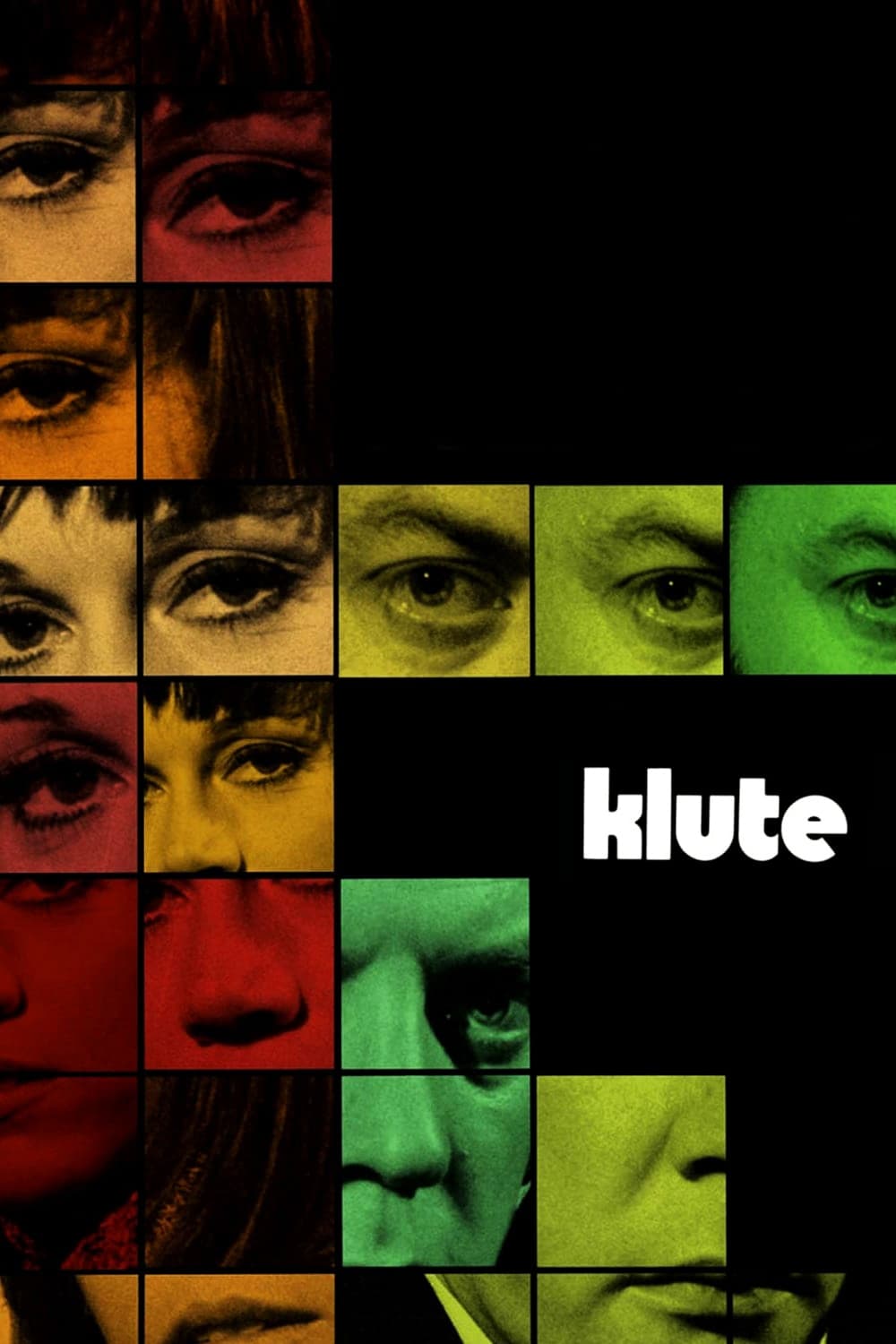
Jane Fonda won an Academy Award for her role as Bree Daniels, a New York City call girl who becomes entangled in a missing person investigation. Donald Sutherland plays the small-town detective, John Klute, who follows her, believing she is connected to the case. As Klute’s investigation continues, Bree finds herself in increasing danger.
The film is a stylish and suspenseful thriller, but it is also a deep character study. It focuses on Bree’s complex personality and her emotional struggles. Director Alan J. Pakula creates a sense of paranoia and fear that reflects the characters’ psychological states. “Klute” is celebrated for its intelligent script, atmospheric direction, and Fonda’s groundbreaking performance, which is considered one of the best of her career.
Walkabout (1971)
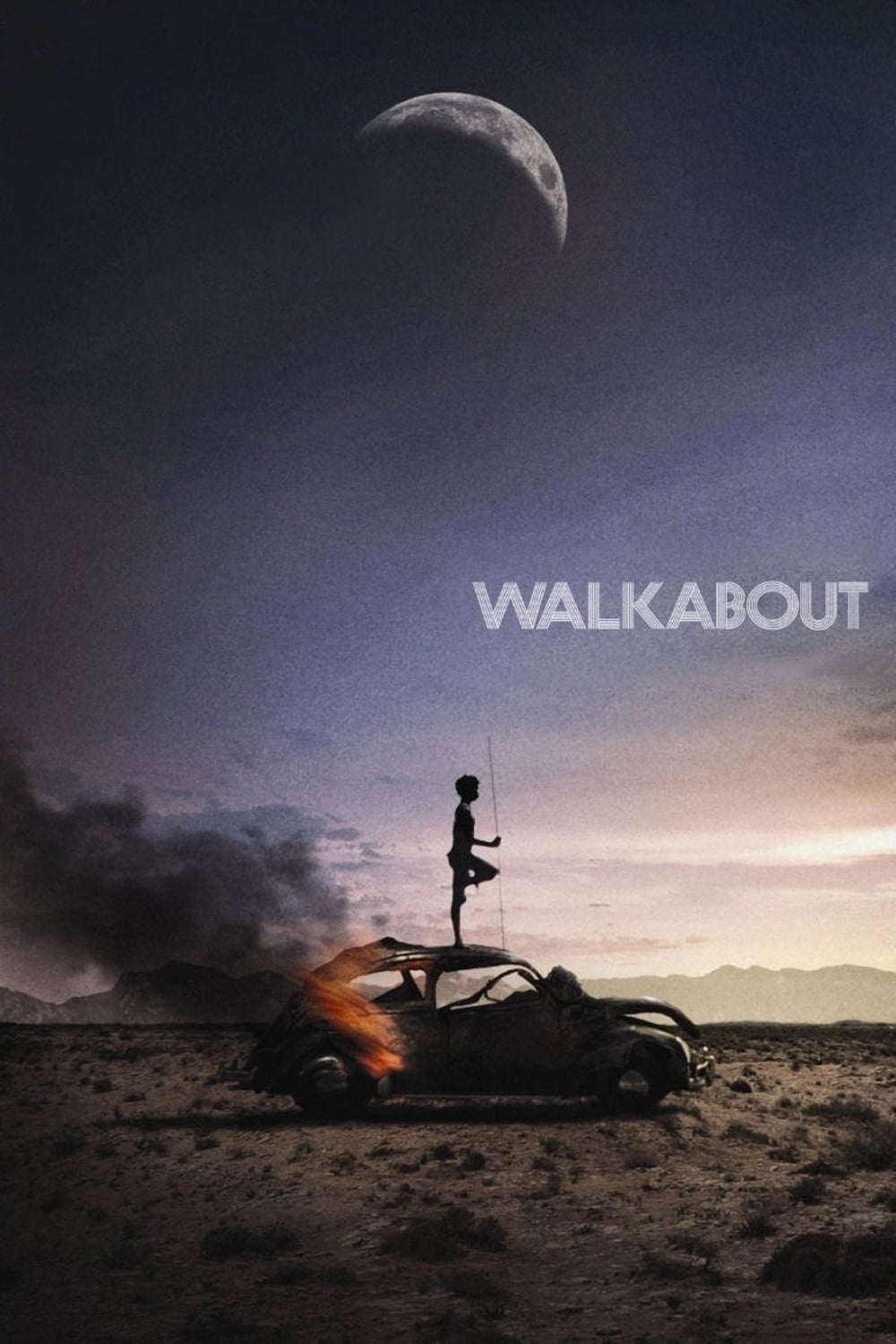
This visually stunning film by director Nicolas Roeg is set in the Australian outback. It follows two young siblings, a teenage girl and her younger brother, who are left stranded in the desert after their father’s sudden and violent act. They are saved by a young Aboriginal boy who is on his “walkabout,” a traditional journey into the wilderness. He teaches them how to survive in the harsh landscape.
“Walkabout” is known for its beautiful cinematography and its minimal dialogue. The film explores the clash between modern civilization and the natural world, as well as themes of communication and cultural misunderstanding. It is a unique and poetic film that has gained significant critical acclaim over the years for its artistic vision and powerful imagery.
THX 1138 (1971)
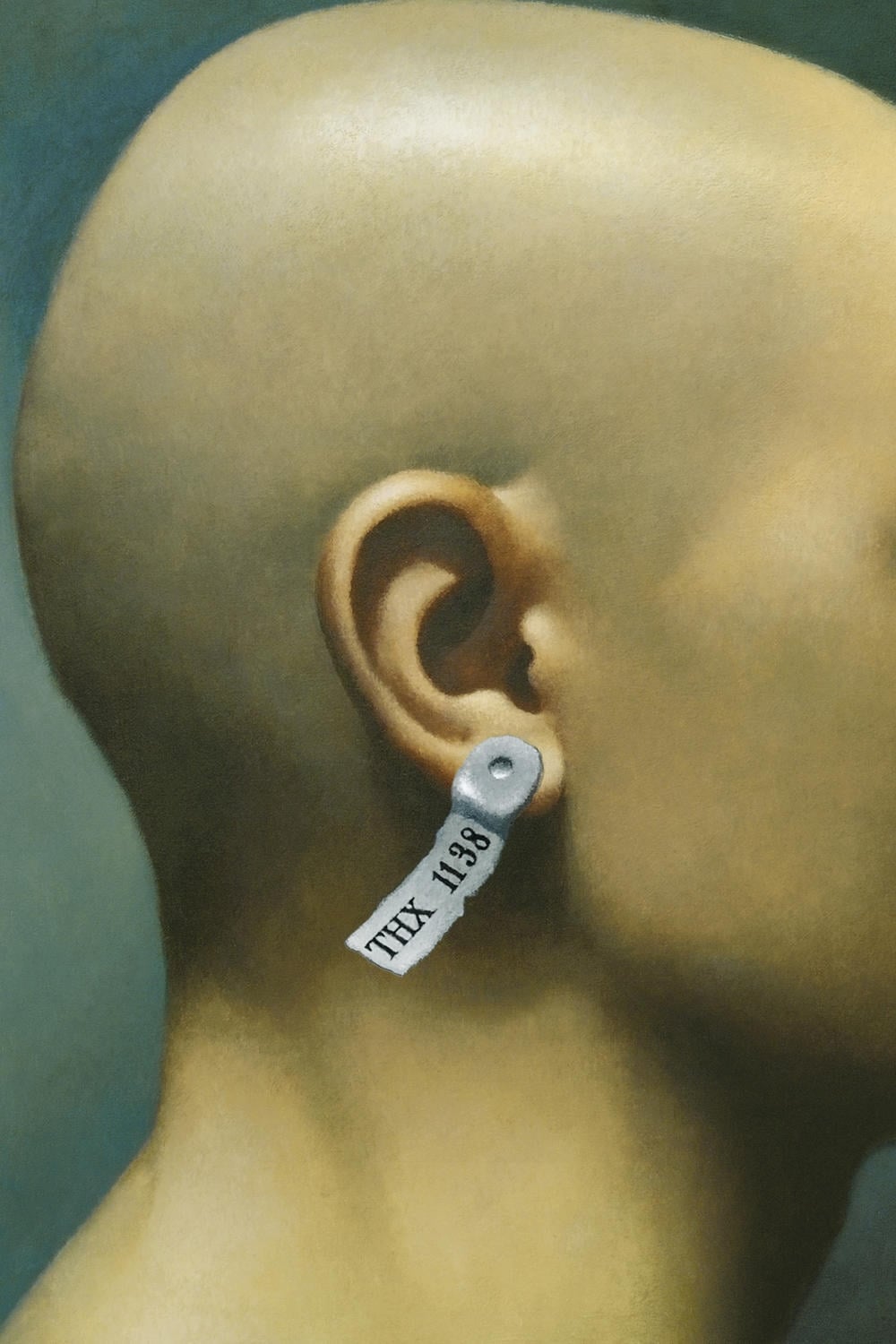
“THX 1138” was the first feature film directed by George Lucas. It is a dystopian science fiction film set in a sterile, underground future where humanity is controlled by a totalitarian state. People have numbers instead of names, are forced to take mood-suppressing drugs, and all aspects of life are strictly regulated. The story follows a man, THX 1138, who dares to stop taking his medication and experience love and freedom.
The film’s stark, white visuals and sound design create a cold and oppressive atmosphere. While not a commercial success upon its release, “THX 1138” has become a cult classic, admired for its ambitious vision and its critique of conformity and consumerism. It offers an early glimpse into the world-building talents that George Lucas would later showcase in his “Star Wars” saga.