Every Godzilla Movie (& TV Show) in Order

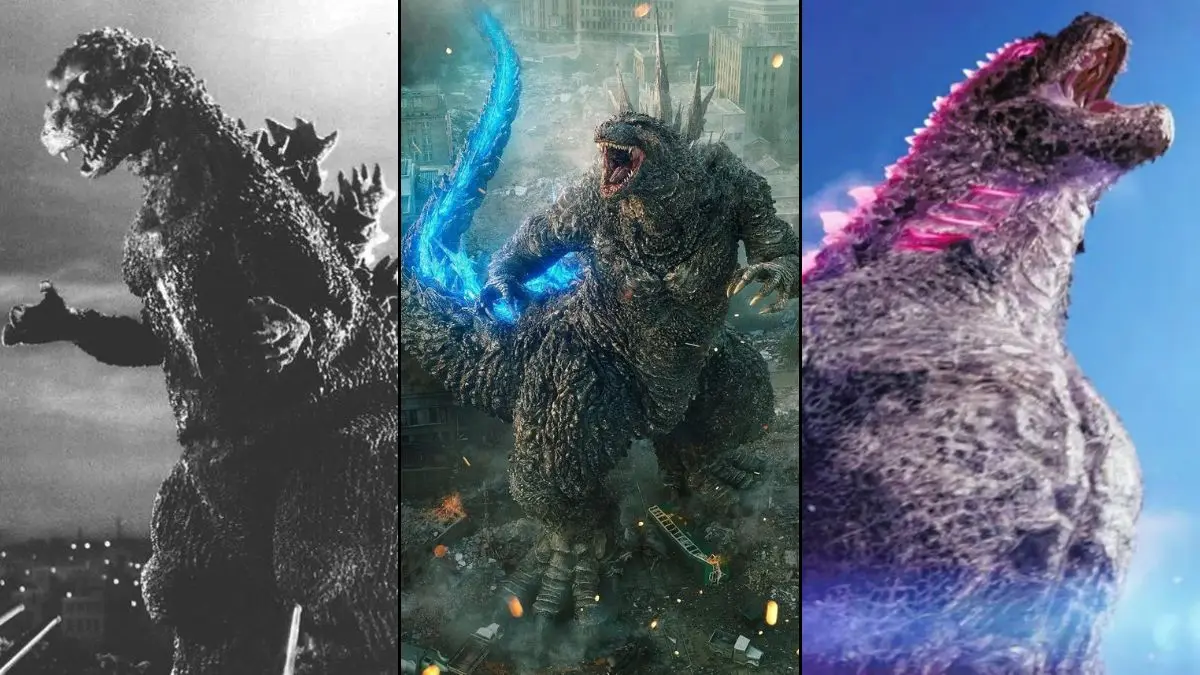

Godzilla has been a cinematic icon for decades, starting as a symbol of nuclear anxieties in post-war Japan and evolving into a global pop culture figure. The franchise, which began in 1954, includes a vast number of films and several television series produced in both Japan and the United States. This long history is often divided into distinct eras by fans and production company Toho, each with its own continuity and tone, reflecting the changing times and cinematic trends. These eras help to organize the many stories and transformations of the King of the Monsters.
From the initial Showa era, which introduced Godzilla and many of his famous monster allies and adversaries, the series has been rebooted and re-imagined multiple times. The Heisei era offered a more serious and interconnected storyline, followed by the Millennium era’s anthology approach where standalone stories were common. In recent years, Japan’s Reiwa era has presented bold new interpretations of the character, while America’s Monsterverse has built a shared cinematic universe featuring Godzilla and other iconic creatures. This list provides a chronological viewing order of every Godzilla movie and TV show based on their original release dates.
Godzilla (1954)
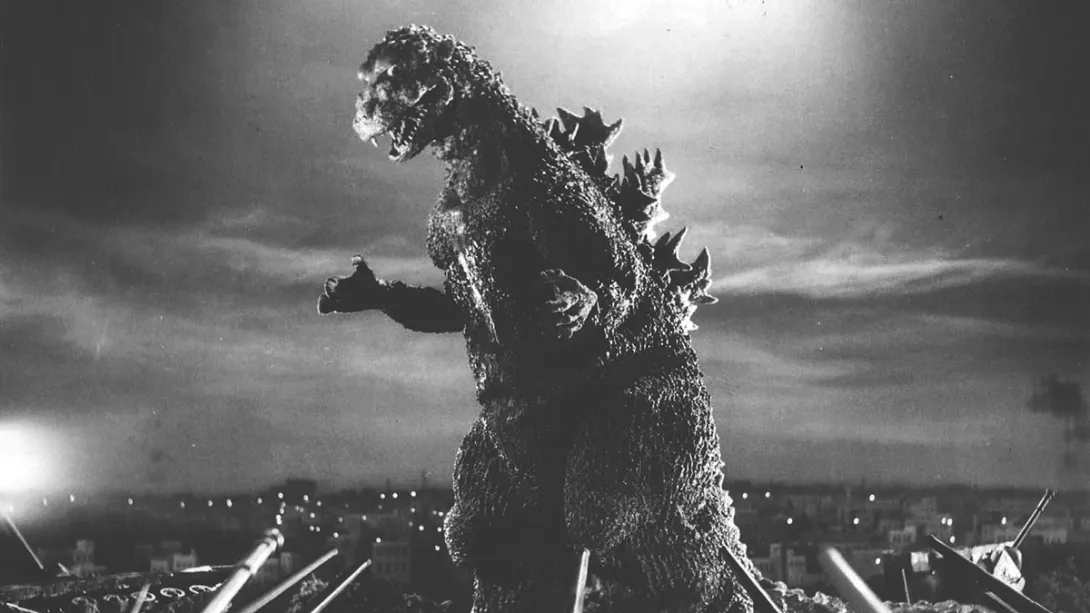
The film that started it all, the original Godzilla introduced the world to the giant monster. Awakened by nuclear bomb tests, Godzilla rises from the sea to attack Tokyo. The film is a somber and powerful allegory for the atomic bombings of Hiroshima and Nagasaki. It presents Godzilla not as a hero, but as a destructive force of nature, a terrifying consequence of humanity’s use of nuclear weapons.
A scientist, Dr. Serizawa, has created a new weapon of immense power called the Oxygen Destroyer, which he is reluctant to use due to its potential for even greater destruction than nuclear arms. However, faced with Godzilla’s unstoppable rampage, he makes the difficult decision to use it, sacrificing himself in the process to ensure the weapon can never be used again.
Godzilla Raids Again (1955)
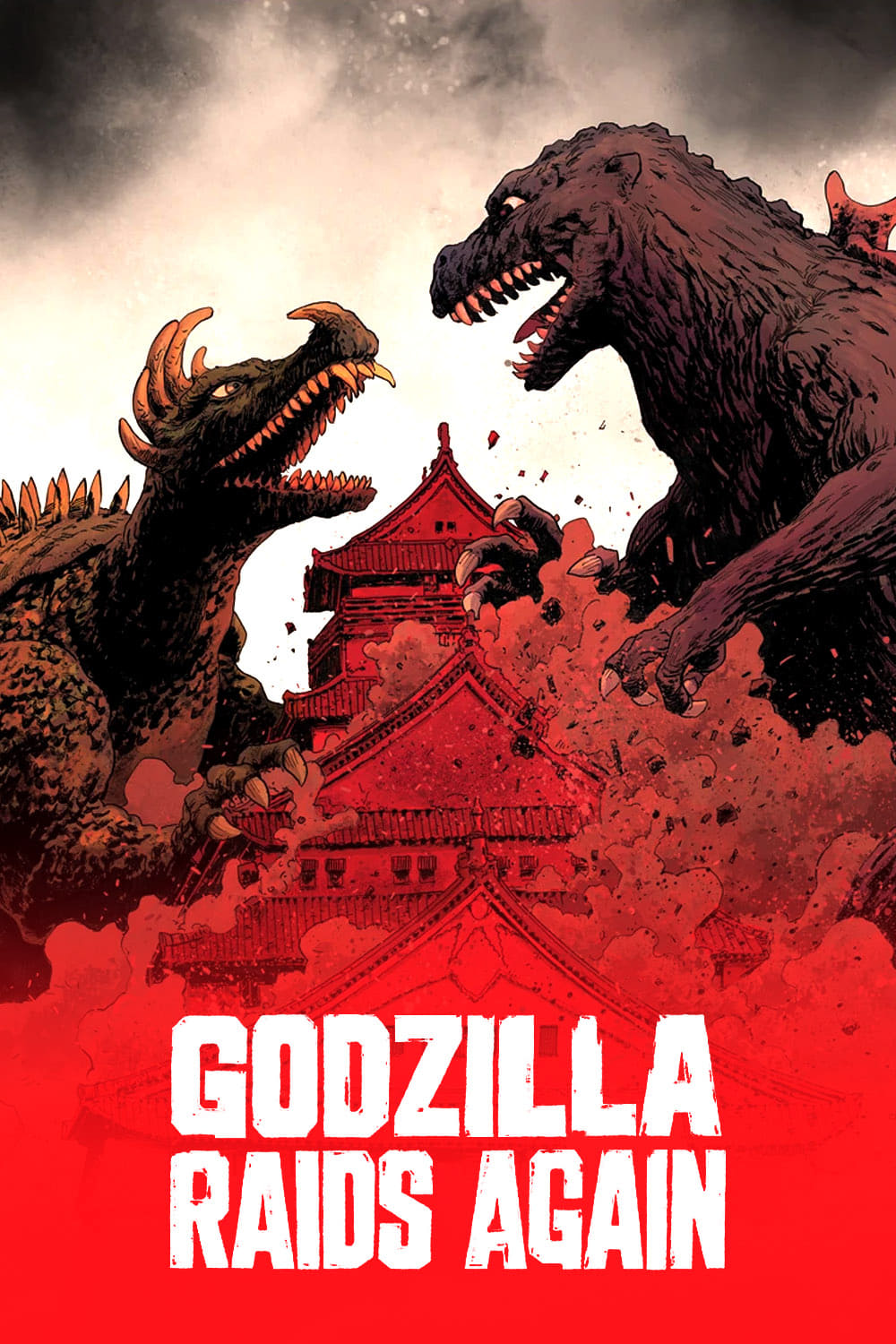
The first sequel to the original, Godzilla Raids Again introduces the monster-versus-monster format that would become a staple of the series. In this film, a new Godzilla is discovered, along with another giant prehistoric creature named Anguirus. The two monsters engage in a fierce battle across Japan, causing widespread destruction.
This film marks a shift in the series, moving away from the dark tone of the original towards a more action-oriented approach. While it still contains themes of destruction and fear, the focus is squarely on the spectacle of two giant monsters fighting. The human plot involves two pilots who discover the monsters and assist in the efforts to defeat them.
King Kong vs. Godzilla (1962)
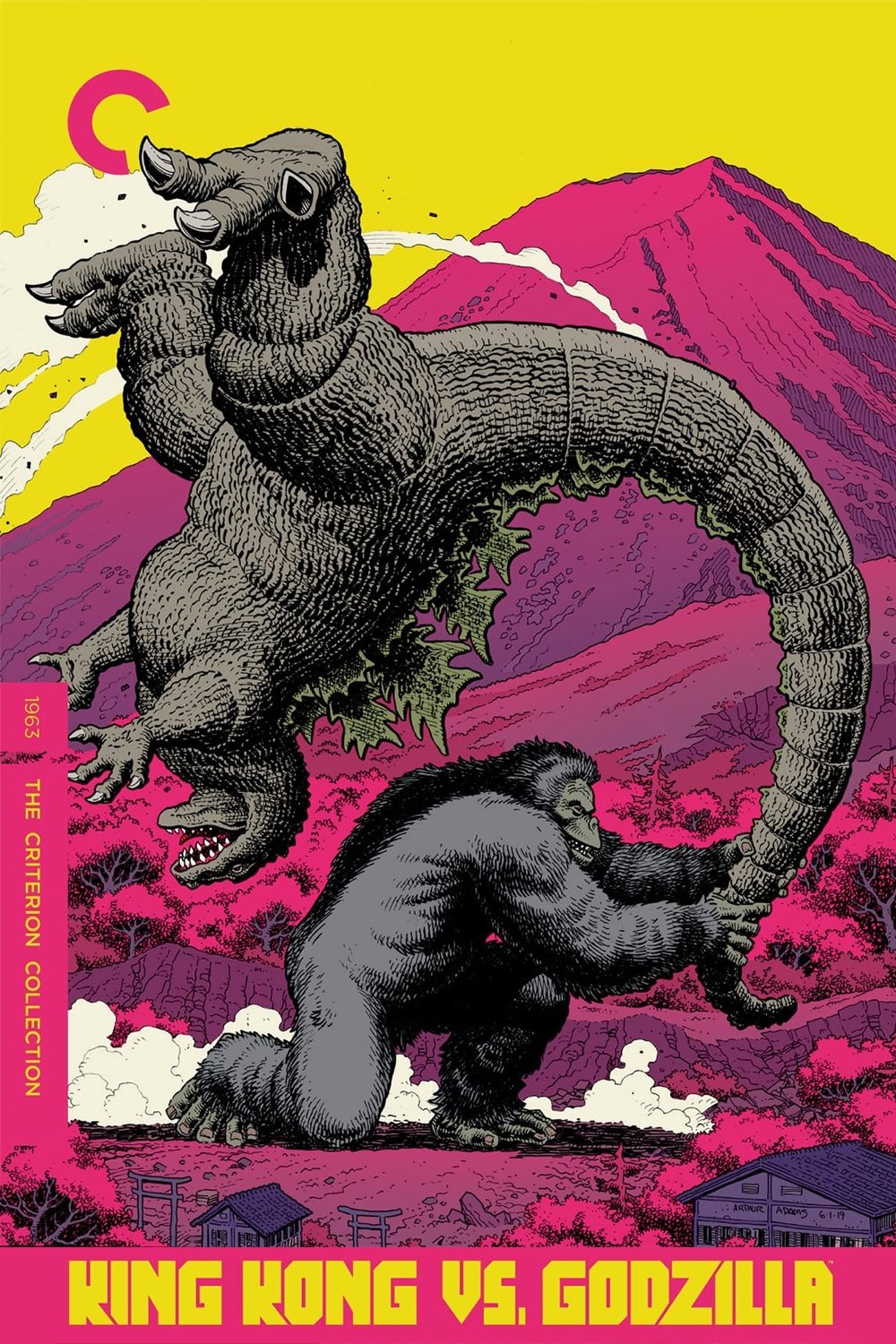
This film brought together two of the most famous giant monsters in cinema history for an epic confrontation. An American submarine gets trapped in an iceberg that contains Godzilla, while a pharmaceutical company captures King Kong from his island home for publicity. Both monsters eventually escape and make their way to Japan, where they engage in a massive battle.
The movie was a huge box office success and is notable for being the first time either monster was shown in color and widescreen. The tone is much lighter than previous Godzilla films, with a heavy emphasis on comedy and spectacle. The battles between Kong and Godzilla are some of the most memorable in the franchise’s history.
Mothra vs. Godzilla (1964)
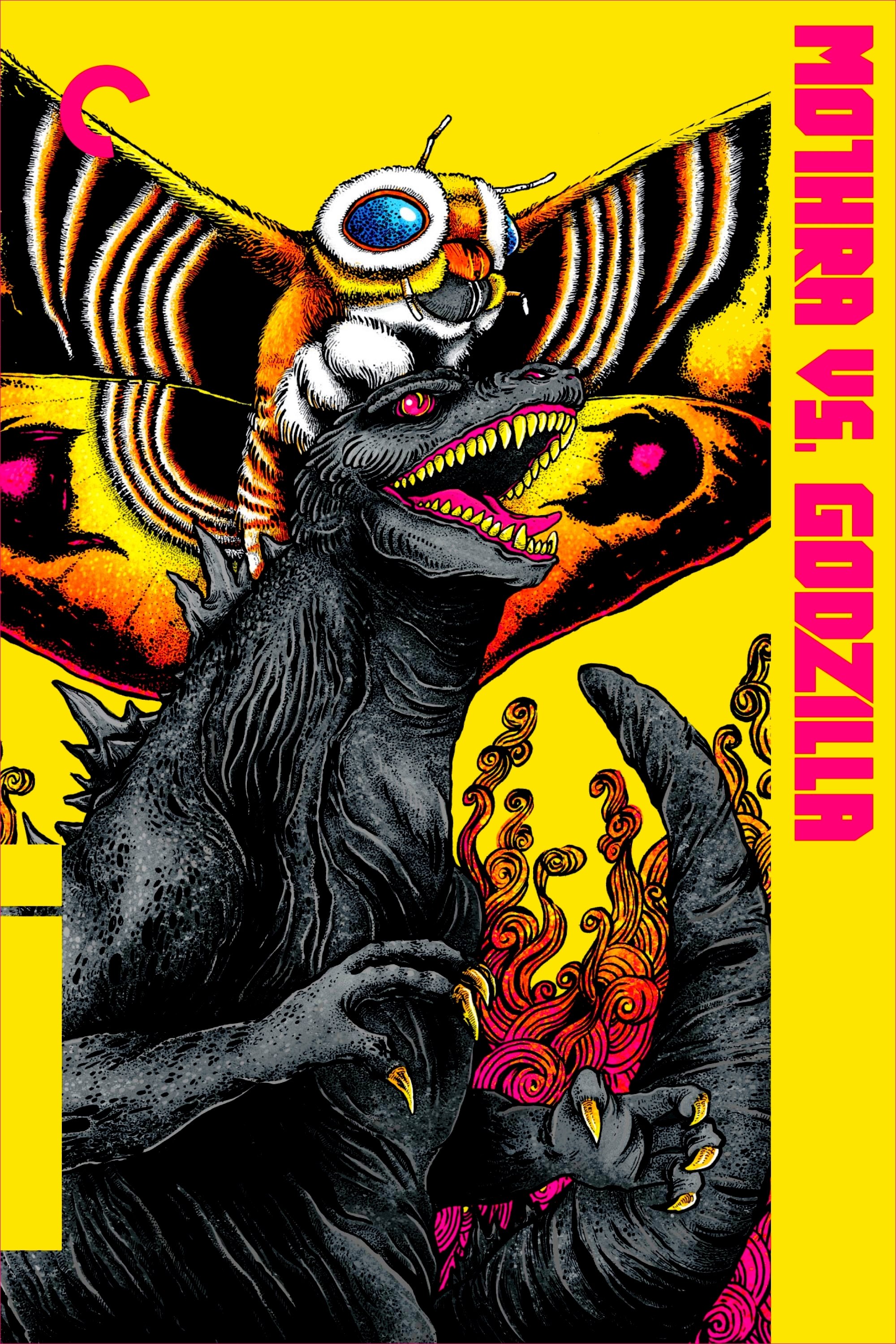
In this film, a giant egg washes ashore in Japan and is claimed by greedy businessmen who want to turn it into a tourist attraction. The egg belongs to the giant moth deity, Mothra, and her tiny twin priestesses, the Shobijin, plead for its return. When Godzilla appears and begins another destructive rampage, the people of Japan must ask for Mothra’s help.
Mothra vs. Godzilla is considered one of the best films of the Showa era. It features a compelling story, strong characters, and spectacular special effects for its time. The film also establishes Mothra as a benevolent and powerful figure, a recurring theme in the franchise.
Ghidorah, the Three-Headed Monster (1964)
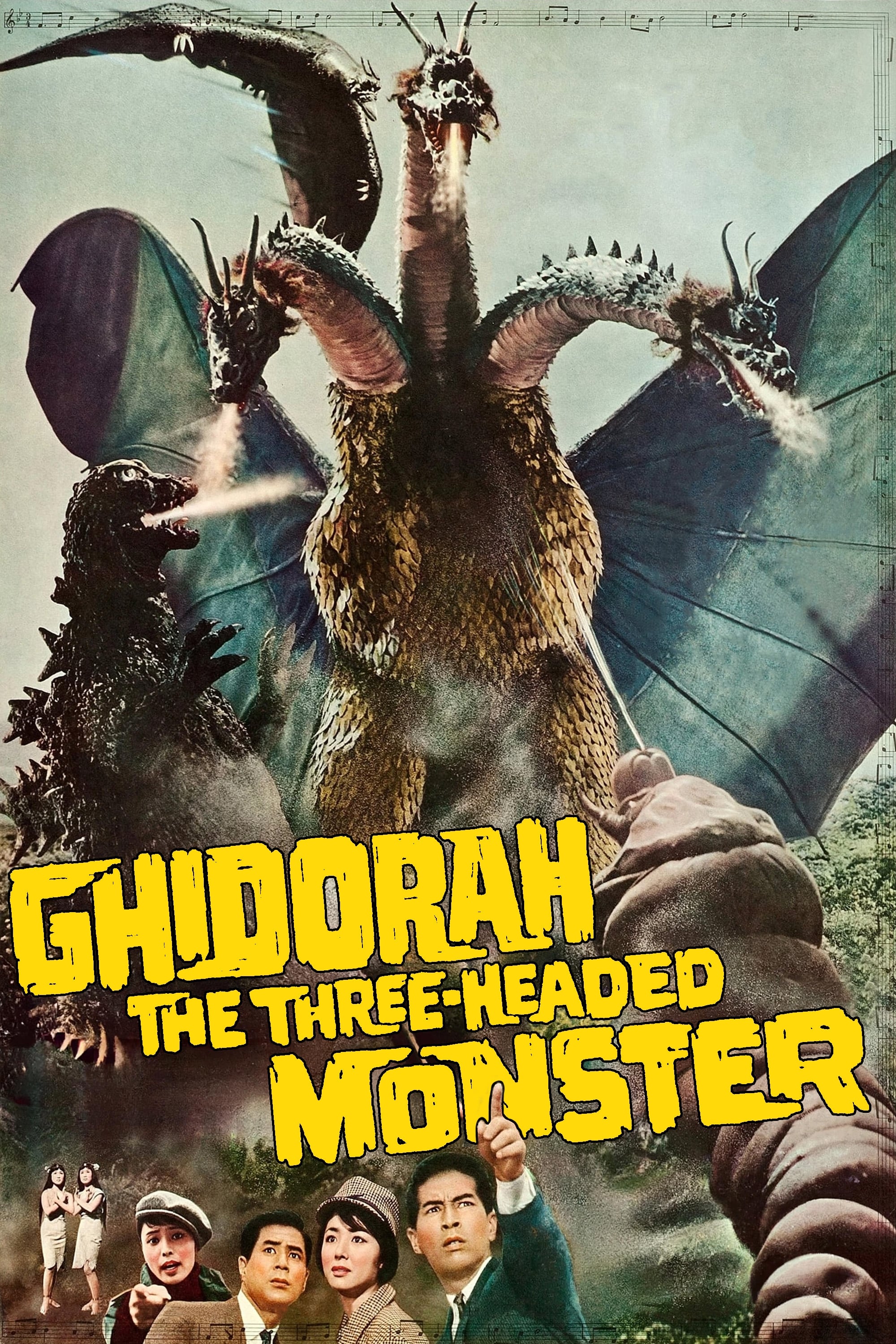
This film introduces one of Godzilla’s most iconic and powerful foes, the three-headed space dragon King Ghidorah. A meteorite crashes to Earth, bringing with it the destructive monster that has annihilated civilizations on other planets. To combat this new threat, an attempt is made to unite Godzilla, Rodan, and the larva of Mothra.
At first, Godzilla and Rodan refuse to cooperate, continuing their own personal feud. It is only after Mothra bravely attempts to fight Ghidorah on her own that Godzilla and Rodan are inspired to join the battle. This film is significant as it marks Godzilla’s transition from a villain to an anti-hero, and eventually, a protector of Earth.
Invasion of Astro-Monster (1965)
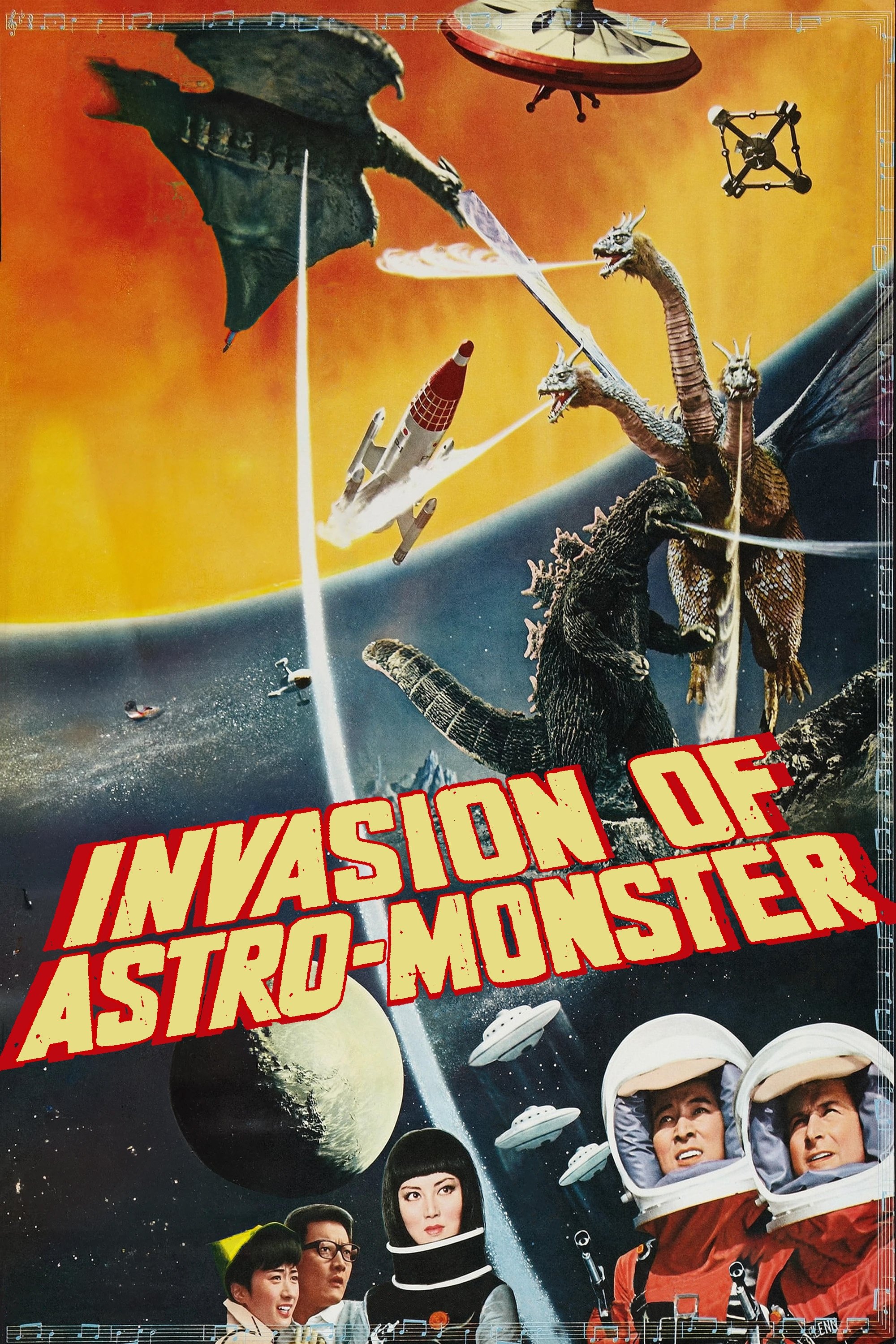
Godzilla and Rodan are “borrowed” by aliens from Planet X to help defeat King Ghidorah, who is terrorizing their world. In exchange, the aliens offer a cure for all diseases. However, the aliens, known as the Xiliens, have a sinister ulterior motive. They secretly plan to use all three monsters to conquer Earth.
This film continues the science-fiction themes introduced in the previous entry, taking the monsters into space for the first time. The plot involves espionage and alien invasion, with the human characters playing a central role in uncovering the Xiliens’ plot and finding a way to break their control over the monsters.
Ebirah, Horror of the Deep (1966)
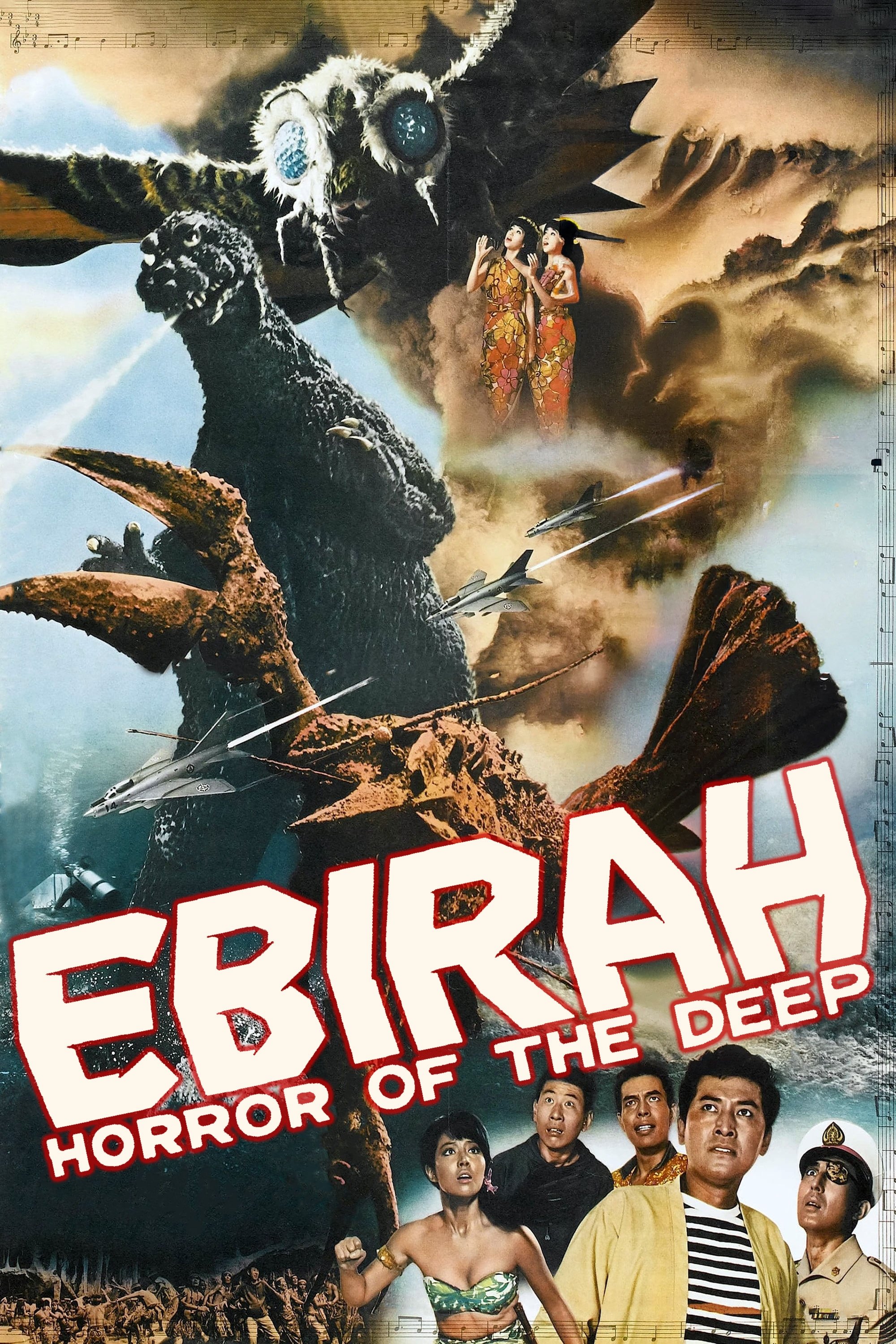
A group of young men who have stolen a yacht find themselves shipwrecked on a mysterious island. The island is the base of a terrorist organization known as the Red Bamboo, which is enslaving natives from the nearby Infant Island. The waters surrounding the island are patrolled by a giant lobster monster named Ebirah, controlled by the Red Bamboo.
To fight the terrorists and escape the island, the castaways awaken Godzilla, who was found sleeping in a cave. Godzilla battles Ebirah and also confronts a giant condor and Mothra, who is awakened by her followers to save her people. The film is a departure from the city-wide destruction of previous entries, with a more localized, adventure-story feel.
Son of Godzilla (1967)
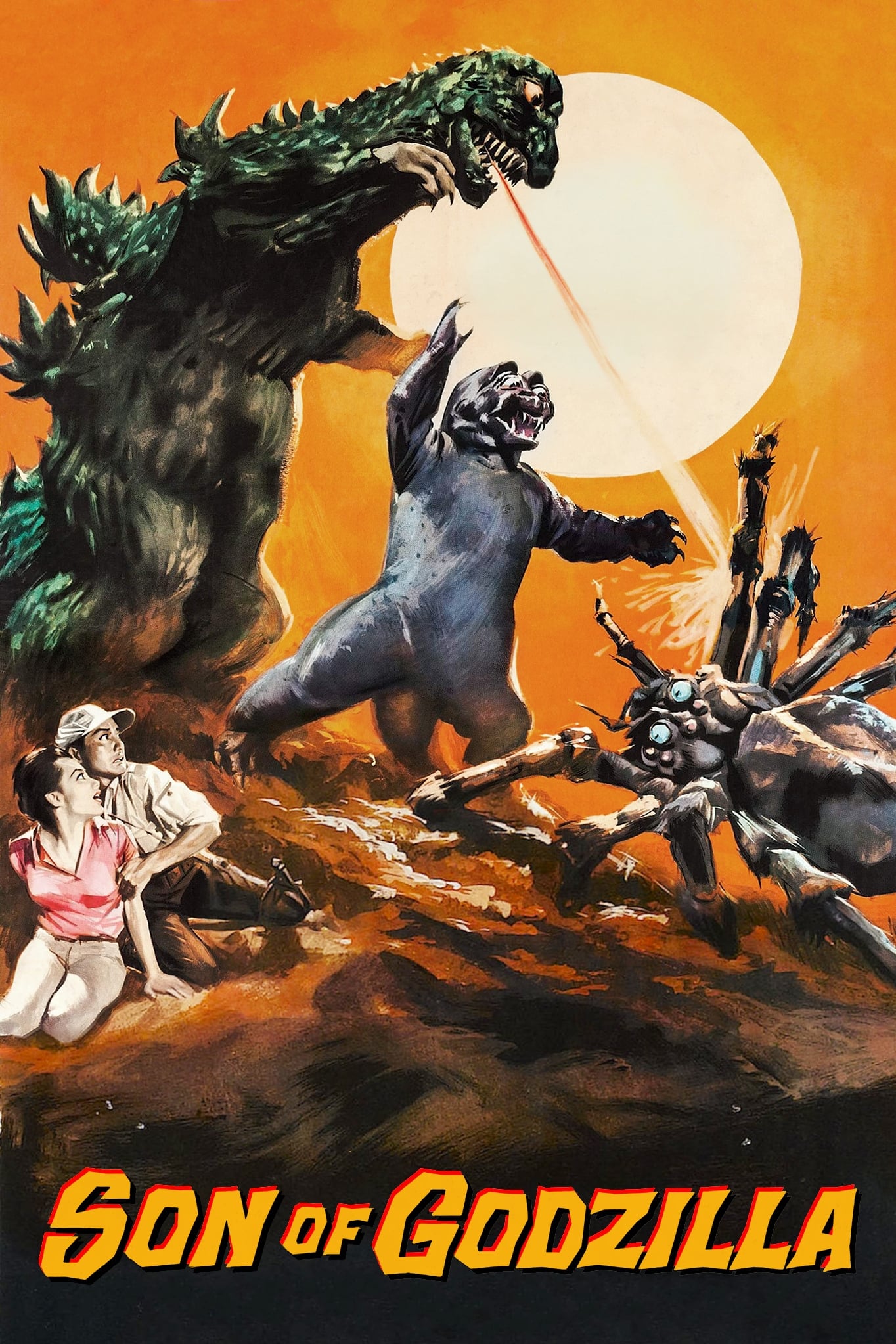
A team of scientists on a remote island are conducting weather-control experiments when their work is disrupted by giant praying mantises. The insects uncover an egg, which hatches into a baby Godzilla, named Minilla. Godzilla soon arrives on the island, drawn by the infant’s cries, and takes on the role of a reluctant father, protecting Minilla and teaching him how to be a monster.
This film leans heavily into a lighter, more kid-friendly tone. Much of the movie focuses on the comedic and sometimes touching interactions between Godzilla and his son. They face challenges from the giant mantises, known as Kamacuras, and a giant spider named Kumonga.
Destroy All Monsters (1968)
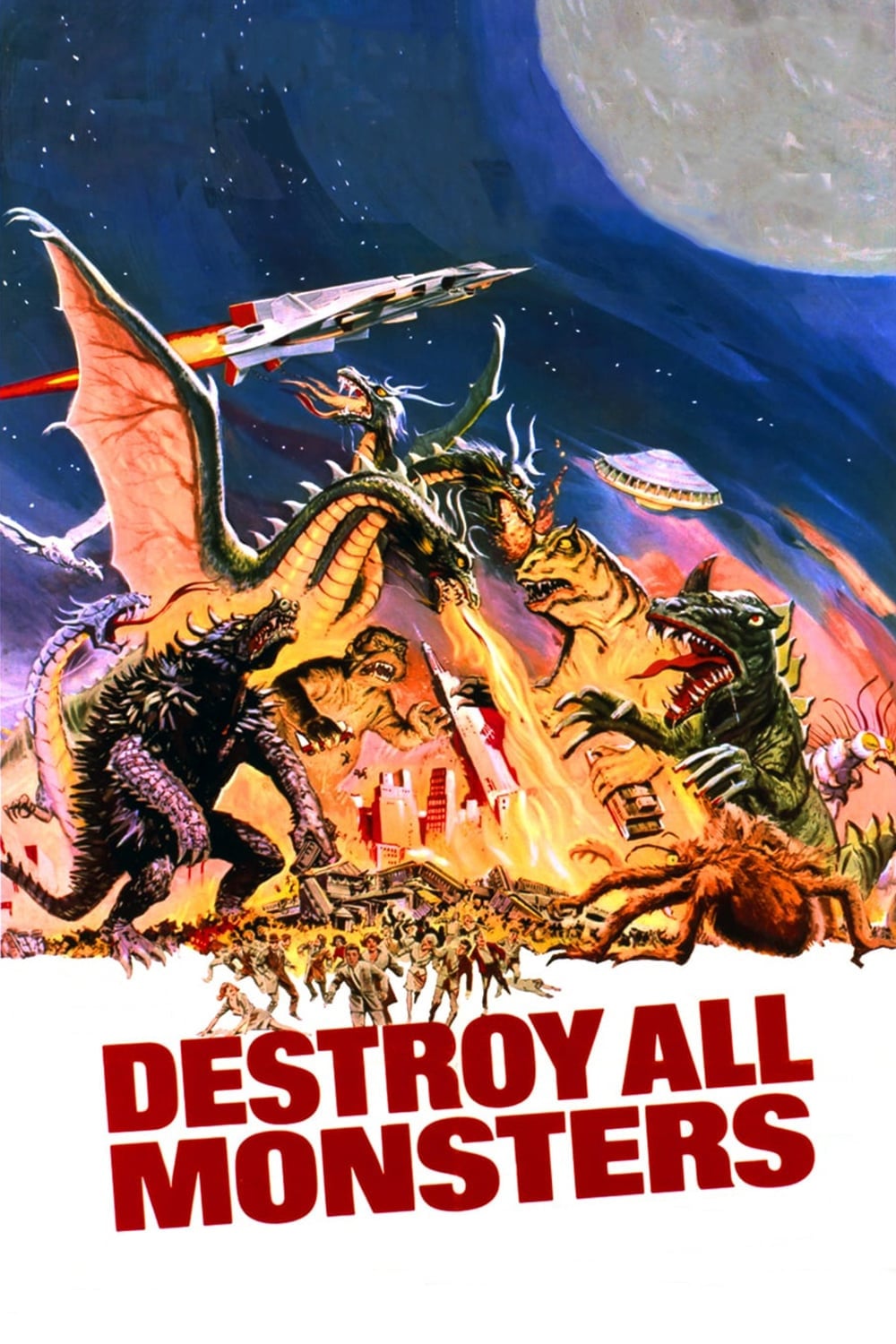
Set in the future of 1999, all of Earth’s monsters have been gathered and are living peacefully on an island called Monsterland. The peace is shattered when an alien race known as the Kilaaks takes control of the monsters and sends them to attack major cities around the globe. The crew of the spaceship Moonlight SY-3 must find a way to break the aliens’ control and turn the monsters back on the invaders.
This film was intended as a grand celebration of Toho’s monster movies, featuring a large roster of creatures including Godzilla, Mothra, Rodan, Anguirus, and King Ghidorah. The finale features a massive battle where all of Earth’s monsters team up to fight Ghidorah in a spectacular showdown.
All Monsters Attack (1969)
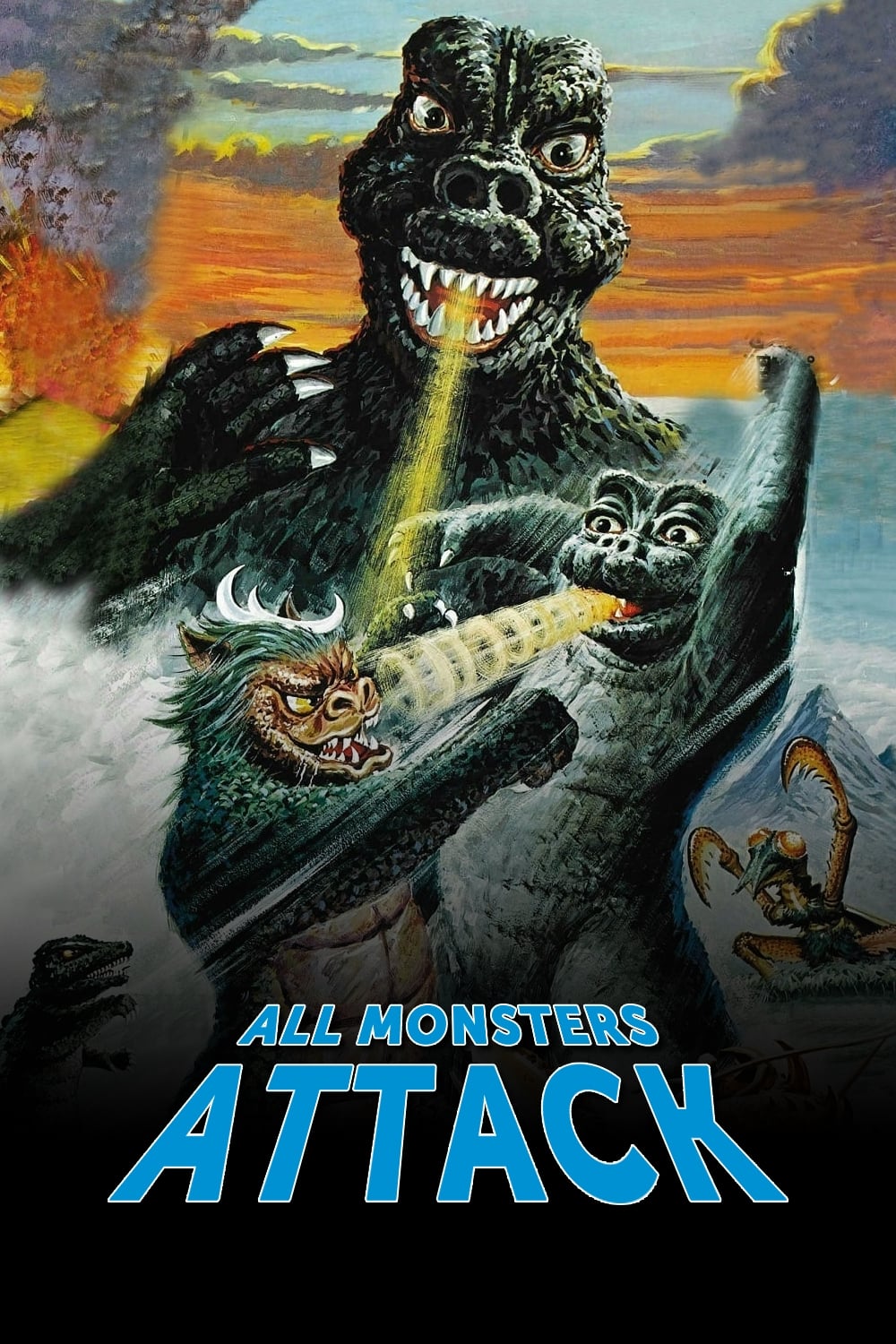
Also known as Godzilla’s Revenge, this film is aimed squarely at a young audience. It follows a lonely, latchkey kid named Ichiro who is often bullied. To escape his troubles, he dreams of visiting Monster Island, where he befriends Godzilla’s son, Minilla. Through his dreams, Ichiro watches Minilla face his own bully, a monster named Gabara, and learns how to face his own fears.
The monster scenes in this film are a mix of new footage, primarily featuring Godzilla, Minilla, and Gabara, and a significant amount of stock footage from previous films like Ebirah, Horror of the Deep and Son of Godzilla. The story serves as a coming-of-age tale for its young protagonist, using the monsters as a metaphor for his real-world challenges.
Godzilla vs. Hedorah (1971)

This film features one of Godzilla’s most unusual and formidable opponents, Hedorah, the Smog Monster. A microscopic alien lifeform arrives on Earth and begins to grow by feeding on pollution. Hedorah evolves rapidly, changing forms and leaving a trail of death and destruction in its wake with its sulfuric acid mist. Godzilla appears to battle this new threat to the planet.
The movie is notable for its dark and psychedelic tone, with surreal imagery and a strong environmental message about the dangers of pollution. It includes animated sequences and a somber mood that stands out from other films of the era. The battle between Godzilla and Hedorah is particularly grim, as the Smog Monster proves to be a difficult and deadly foe.
Godzilla vs. Gigan (1972)
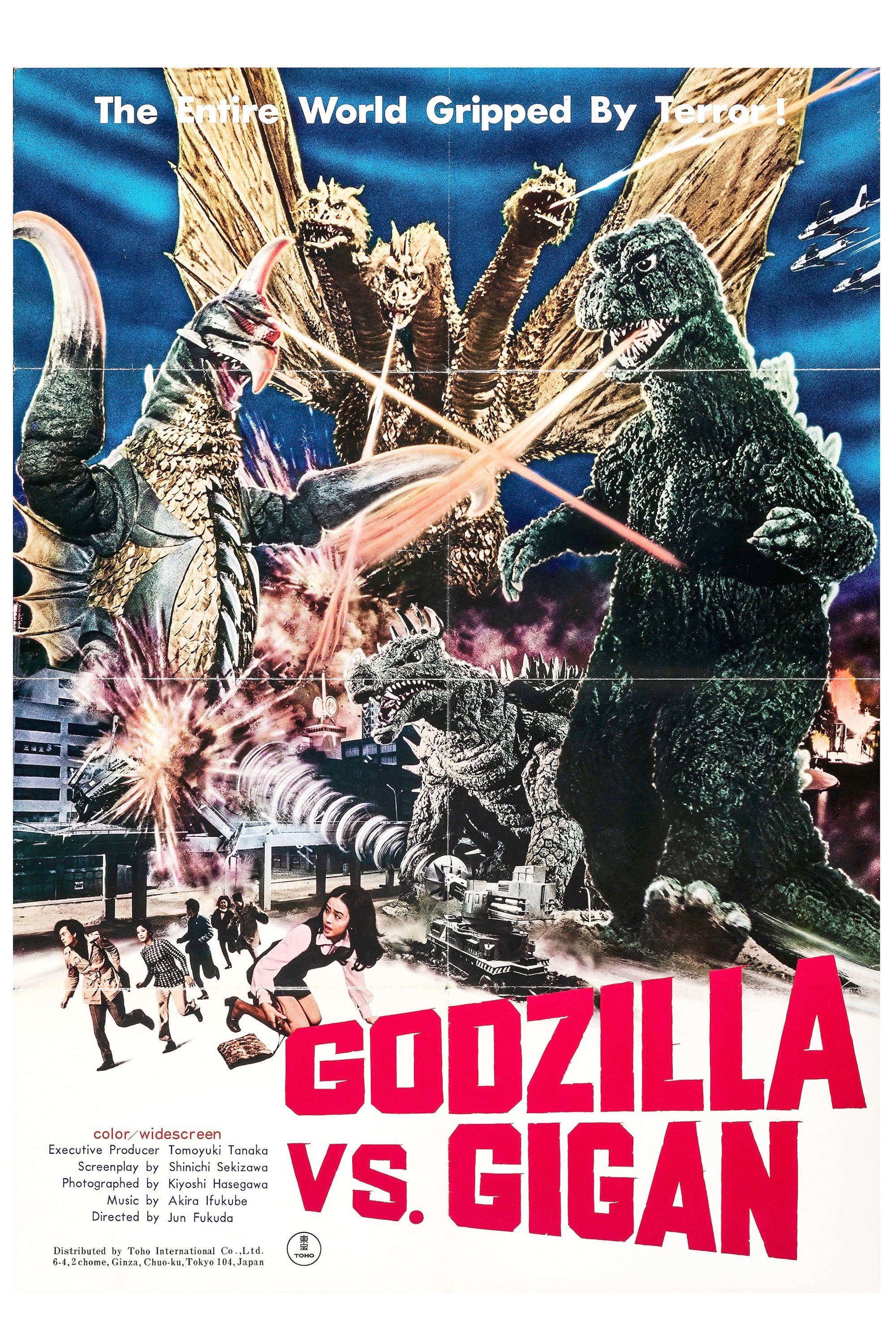
A race of alien cockroaches from a dying planet plot to take over Earth. They build a Godzilla-themed amusement park as a front for their invasion headquarters, complete with a “Godzilla Tower.” The aliens summon the cyborg monster Gigan and King Ghidorah to Earth to lead their attack. Godzilla and his ally Anguirus sense the threat and travel to Japan to confront the space monsters.
This film is a classic example of the “tag-team” monster battles that became common in the later Showa era. It relies heavily on stock footage for some of its destruction scenes, but the main fight between the four monsters is new and action-packed. The human plot involves a manga artist who uncovers the aliens’ plan.
Godzilla vs. Megalon (1973)

The undersea kingdom of Seatopia is threatened by nuclear testing. In retaliation, they send their beetle-like god, Megalon, to destroy the surface world. Megalon is aided by the alien cyborg Gigan. To combat this threat, an inventor and his friends activate a human-sized robot named Jet Jaguar, who is able to grow to giant size to fight alongside Godzilla.
This movie is famous for its tag-team battle, with Godzilla and Jet Jaguar joining forces against Megalon and Gigan. It was produced quickly and on a low budget, and is often considered one of the campiest entries in the series. Despite this, it remains a fan favorite for its fun and lighthearted action.
Zone Fighter (1973)
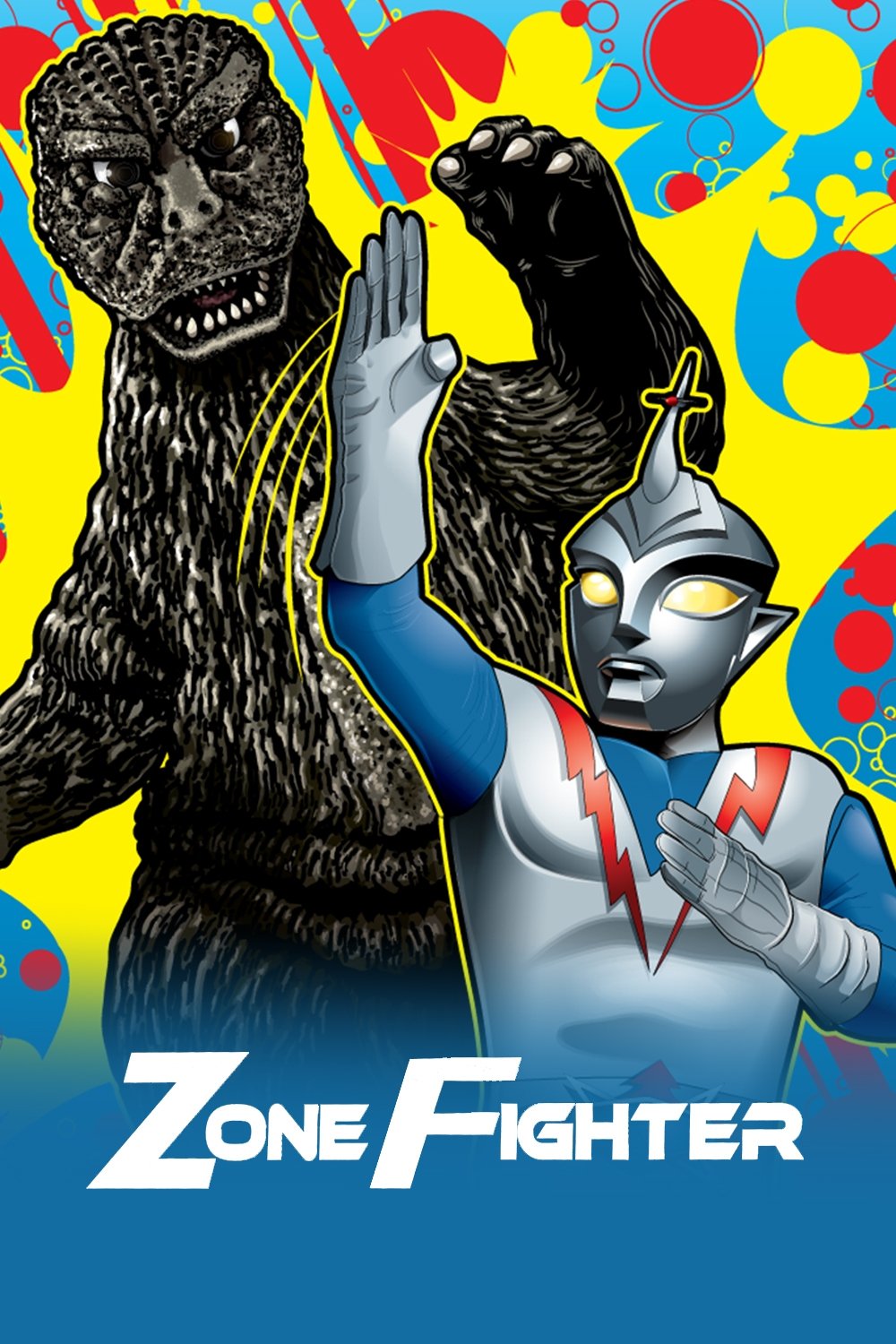
This tokusatsu television series from Toho features the Sakimori family, who are secretly the superheroes known as Zone Fighter. They battle the evil Garoga aliens who are trying to conquer Earth by sending a series of giant “Terror-Beasts.” The show is notable for featuring Godzilla as a recurring guest star and heroic ally to the main character.
In several episodes, when the fight gets too tough for Zone Fighter alone, he calls upon Godzilla for help. Godzilla appears as a powerful friend, helping to defeat the Garoga’s monsters. The series also featured other famous Toho monsters like King Ghidorah and Gigan as antagonists, cementing its place within the Showa-era continuity.
Godzilla vs. Mechagodzilla (1974)
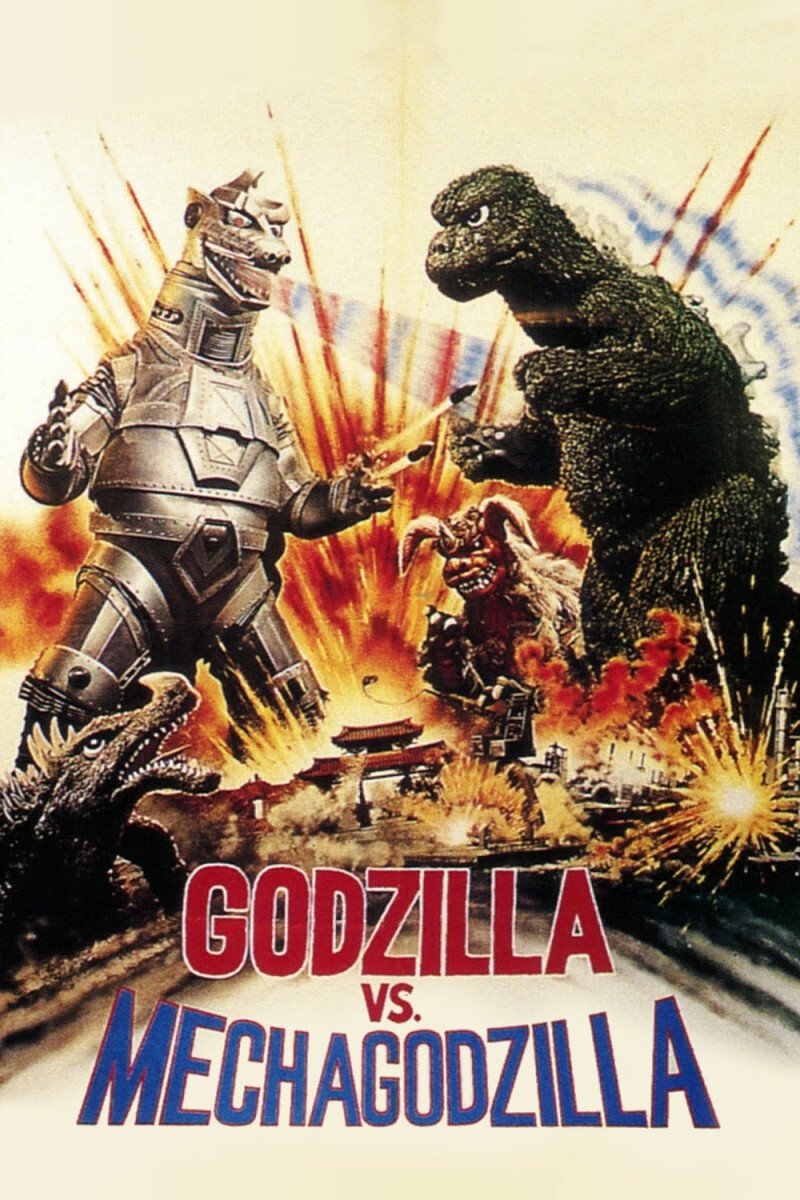
A prophecy from ancient Okinawa predicts that a monster will appear to destroy the world, but will be stopped by two other monsters. When Godzilla appears and begins to attack Japan, his ally Anguirus confronts him, only to be brutally defeated. It is soon revealed that this Godzilla is an imposter, a robot weapon created by aliens and covered in a false skin. The real Godzilla soon appears to challenge his mechanical double, Mechagodzilla.
This film introduces one of Godzilla’s most popular and enduring foes. The first battle between the two Godzillas is a memorable moment in the series. The plot also involves the appearance of the ancient guardian monster King Caesar, who joins forces with Godzilla in the final battle against Mechagodzilla.
Terror of Mechagodzilla (1975)
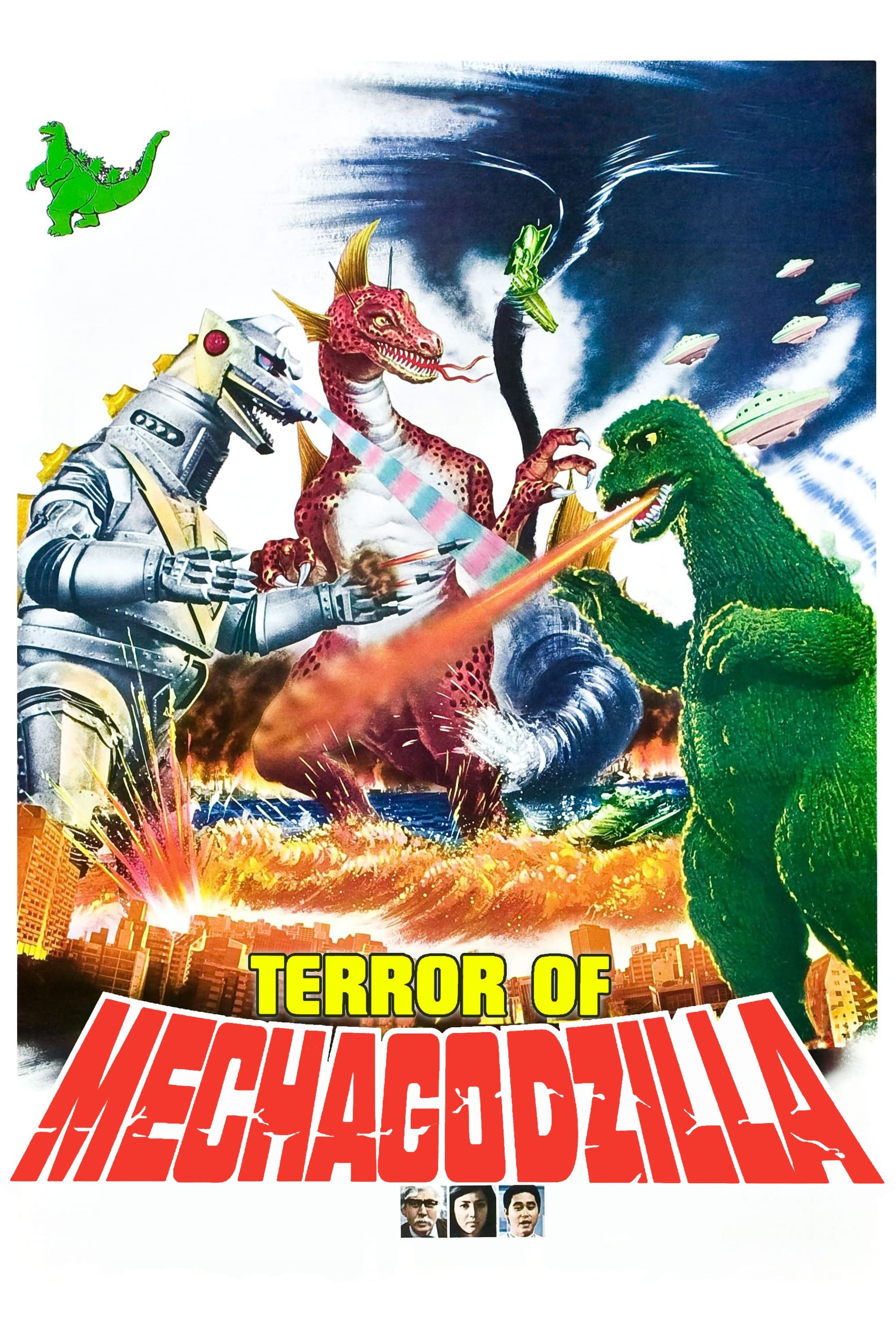
Continuing from the previous film, aliens are rebuilding Mechagodzilla with the help of a bitter marine biologist. They also unleash a new aquatic monster called Titanosaurus. Godzilla must once again battle his robotic duplicate, which has been upgraded and is now more powerful than before.
This film marked the end of the Showa series and was the final Godzilla film directed by the original director, Ishirō Honda. It has a darker and more serious tone than many of its immediate predecessors. The movie brings a close to the initial 15-film run, which saw Godzilla transform from a symbol of nuclear terror to a heroic protector of Earth.
Godzilla (1978-1979)
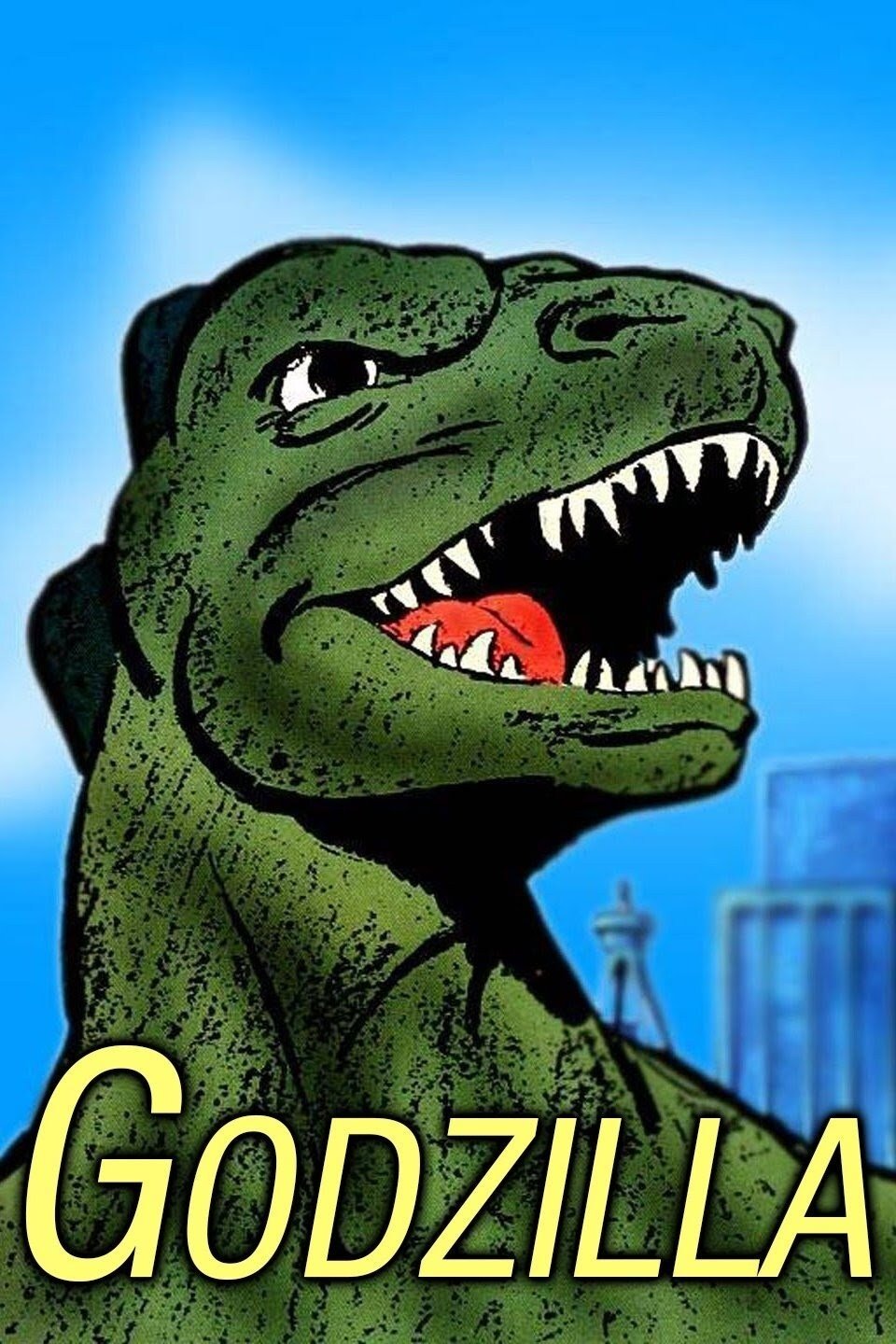
This American animated series was produced by Hanna-Barbera. The show follows the adventures of a team of scientists aboard the research vessel Calico. They are often joined by Godzilla, whom they can summon with a special signaling device. The series also introduced Godzilla’s small, flying cousin, Godzooky, who provided comic relief.
In the show, Godzilla is a heroic figure who defends humanity from a variety of other giant monsters. The scientific team would often find themselves in perilous situations involving these creatures, prompting them to call on their powerful reptilian friend for help. The series was a notable part of Godzilla’s presence in American pop culture during the late 1970s.
The Return of Godzilla (1984)
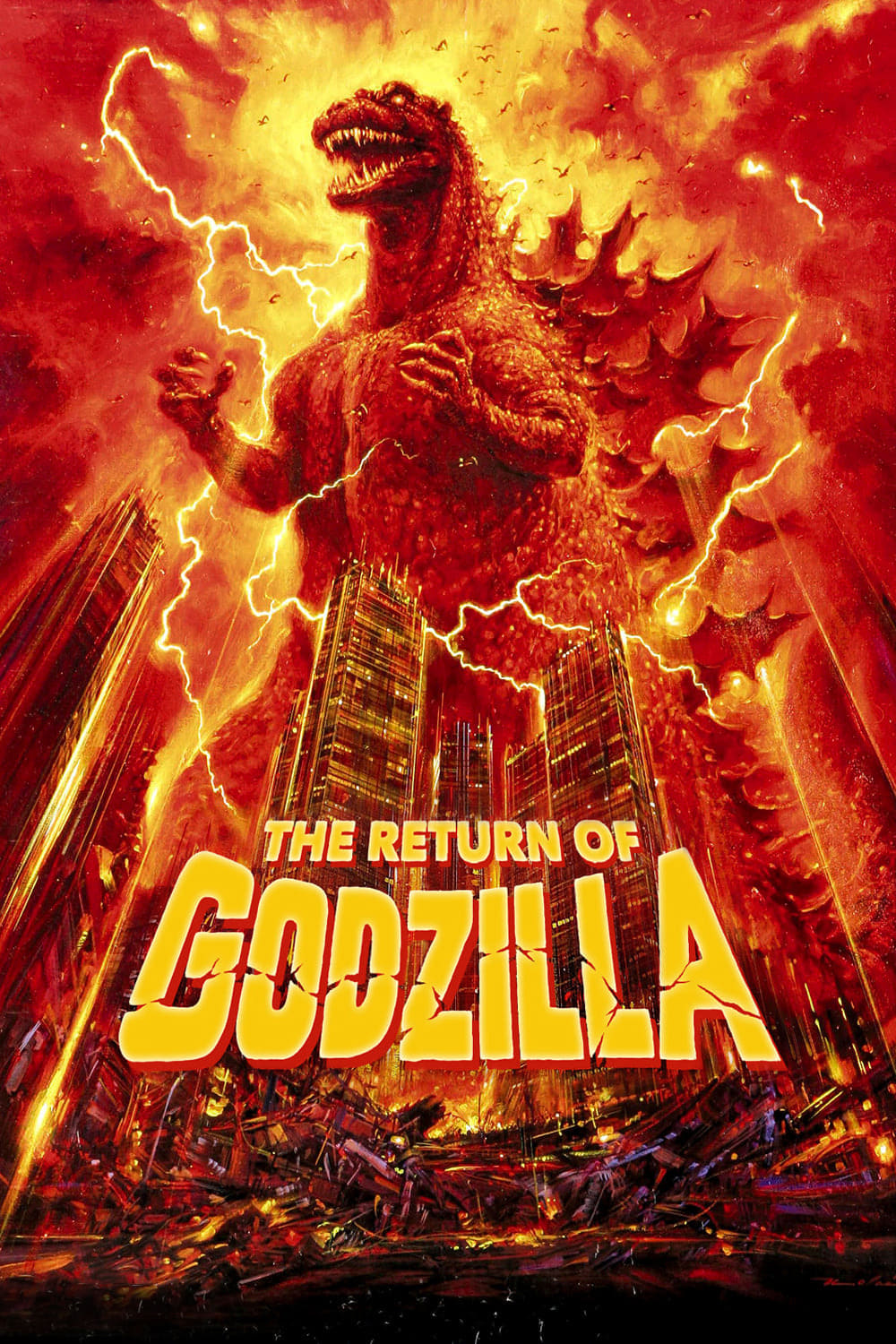
After a nearly decade-long hiatus, Toho rebooted the Godzilla series, ignoring all previous films except the 1954 original. This movie returns Godzilla to his roots as a purely destructive force. When a volcanic eruption awakens Godzilla, he attacks a nuclear power plant and then advances on Tokyo, posing a serious threat to Japan during the Cold War.
The film adopts a much more serious and political tone, reflecting the anxieties of a new era. It focuses on the tense diplomatic situation between Japan, the United States, and the Soviet Union, as they debate the use of nuclear weapons to stop the monster. The human story centers on a reporter, a scientist, and the government’s efforts to find a non-nuclear solution to stop Godzilla’s rampage.
Godzilla vs. Biollante (1989)
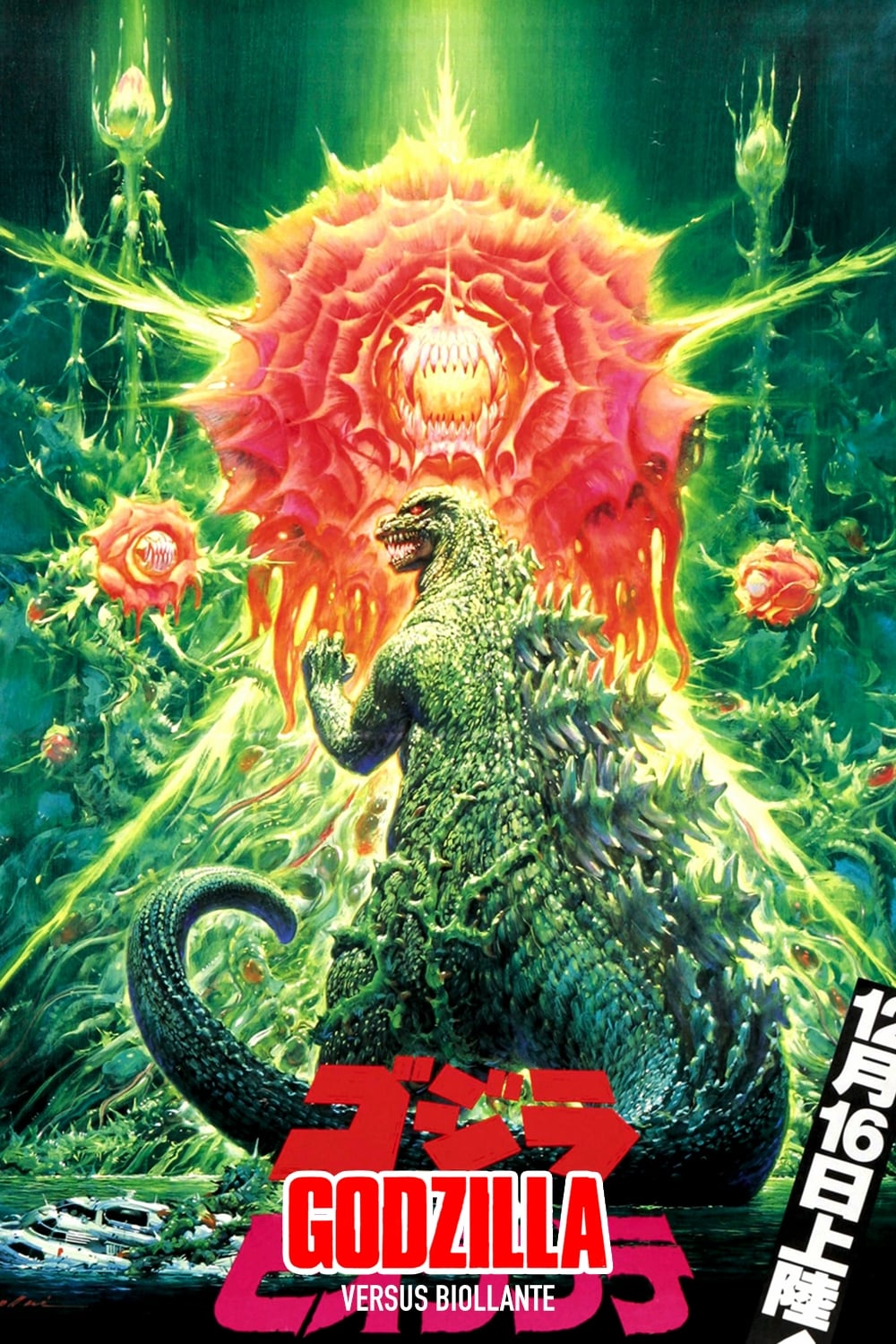
In this direct sequel, Godzilla’s cells, which were collected after his last attack, become a source of conflict. A scientist uses some of the cells to create a new, immortal plant by splicing them with a rose that contains the spirit of his deceased daughter. This experiment results in the creation of Biollante, a massive, sentient plant monster that soon escapes and takes root in a lake.
When Godzilla is released from his volcanic prison, he is drawn into a conflict with this new creature. The film is known for its unique and tragic monster, Biollante, as well as its themes of genetic engineering and corporate espionage. The battles between Godzilla and Biollante’s different forms are visually distinctive within the series.
Godzilla vs. King Ghidorah (1991)

Time-traveling humans from the 23rd century arrive in modern-day Japan with a warning: in the future, Godzilla will destroy the country. They propose a plan to travel back to 1944 and prevent the dinosaur that would become Godzilla from ever being irradiated. However, their true intention is to use their own genetically engineered creatures, the Dorats, to create King Ghidorah and use him to destroy Japan in the present.
This film offers a new origin story for Godzilla and his arch-nemesis. The plot involves time travel paradoxes and a complex narrative that sees alliances shift. A key moment in the movie is the creation of Mecha-King Ghidorah, a cyborg version of the three-headed dragon sent back from the future to stop Godzilla’s rampage.
Godzilla vs. Mothra (1992)

A meteorite crash awakens Godzilla and also uncovers a giant egg on Infant Island. The egg belongs to Mothra, whose ancient rival, Battra, a dark version of Mothra, has also been awakened. When the egg is brought to Japan, Godzilla appears and attacks. The egg hatches into a Mothra larva, which must then battle both Godzilla and Battra.
The film was a massive box office success in Japan. It reimagines the mythology of Mothra for the Heisei era, presenting her as a guardian of the Earth. The story focuses on the conflict between the three monsters, with the two moth larvae eventually transforming into their powerful adult forms for a final, spectacular battle over the fate of the planet.
Godzilla vs. Mechagodzilla II (1993)
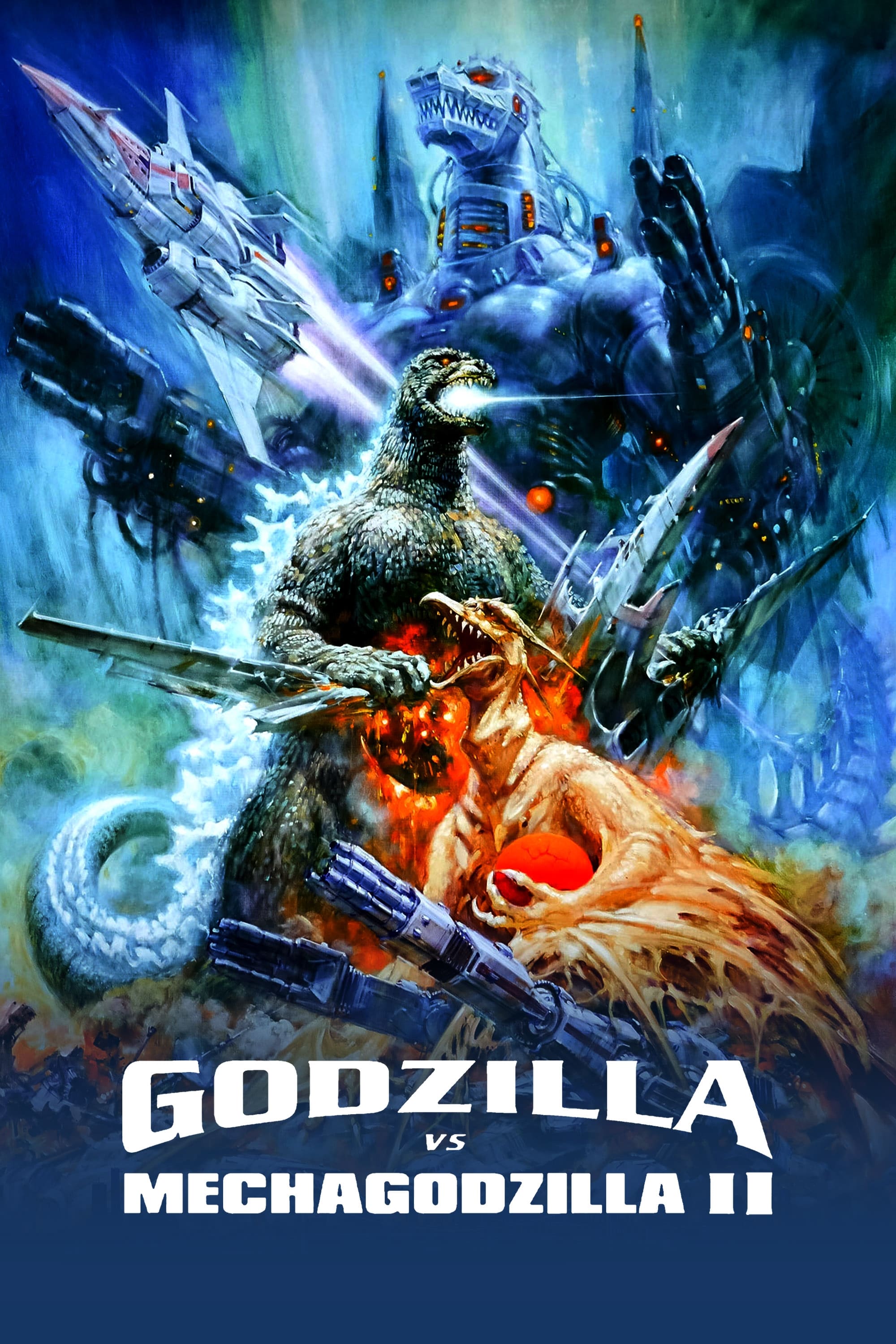
Using technology salvaged from the future Mecha-King Ghidorah, the United Nations Godzilla Countermeasures Center builds Mechagodzilla. The weapon is designed to finally defeat Godzilla. Meanwhile, scientists on a remote island discover an egg that they believe belongs to a Pteranodon, but it is actually the egg of a baby Godzillasaurus.
This film introduces a new version of Mechagodzilla, built by humans to defend against Godzilla. It also introduces Baby Godzilla, a new, more dinosaur-like infant of Godzilla’s species. The story focuses on the relationship between Baby Godzilla and the human characters, as well as the climactic battle between Godzilla, Mechagodzilla, and the flying monster Rodan.
Godzilla vs. SpaceGodzilla (1994)
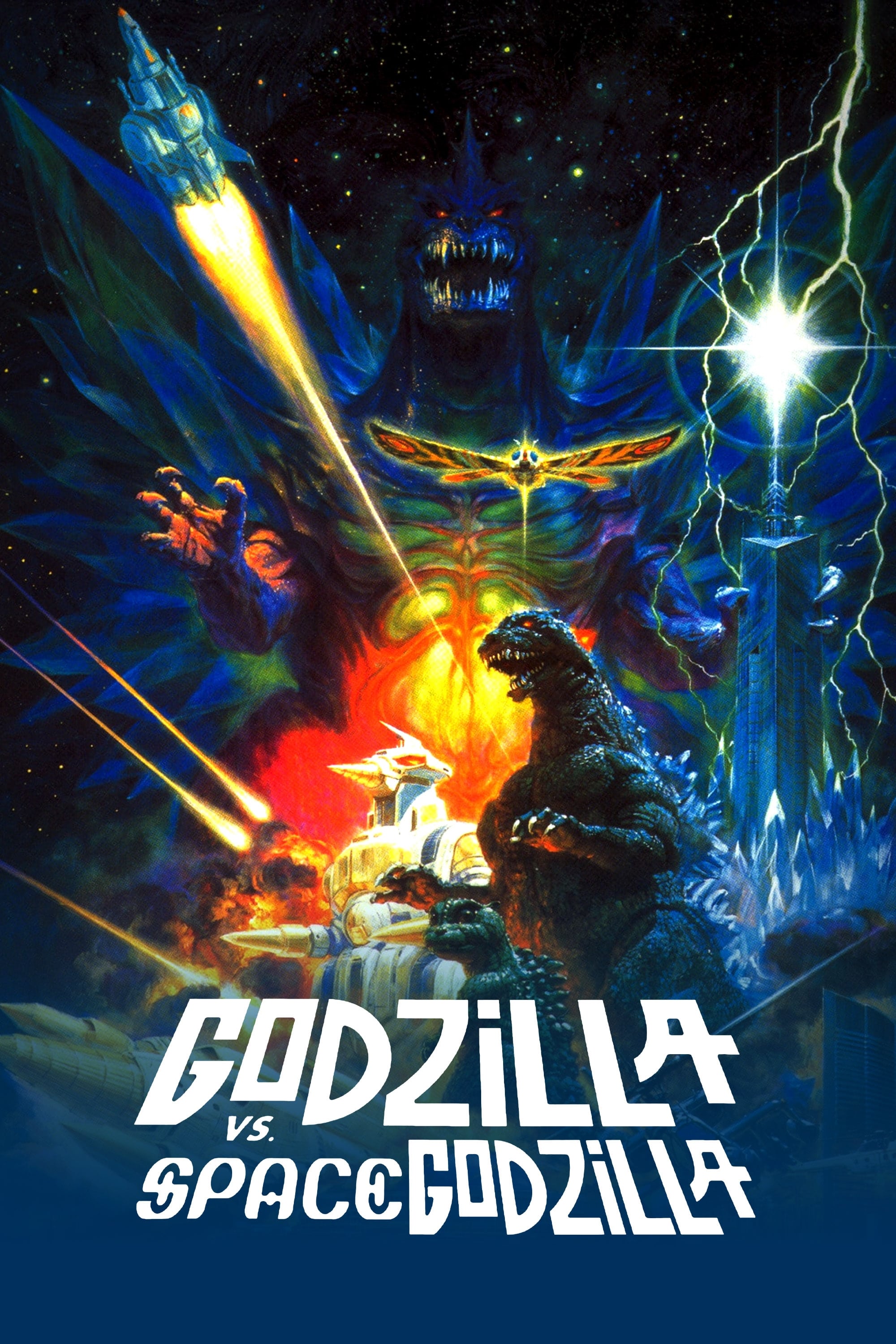
Godzilla cells that were carried into space, either by Biollante or Mothra, were sucked into a black hole and merged with crystalline organisms. The result is the birth of SpaceGodzilla, a powerful and intelligent monster with abilities similar to Godzilla’s, but with control over cosmic energy. SpaceGodzilla heads to Earth with the goal of conquering it, and its first target is Godzilla’s adopted son, LittleGodzilla.
This entry in the series pits Godzilla against a cosmic duplicate of himself. The film also features the return of the human-built robot M.O.G.U.E.R.A. (Mobile Operation Godzilla Universal Expert Robot Aero-type), an updated version of a robot from the 1957 Toho film The Mysterians. Godzilla and M.O.G.U.E.R.A. must team up to defeat the powerful SpaceGodzilla.
Godzilla vs. Destoroyah (1995)
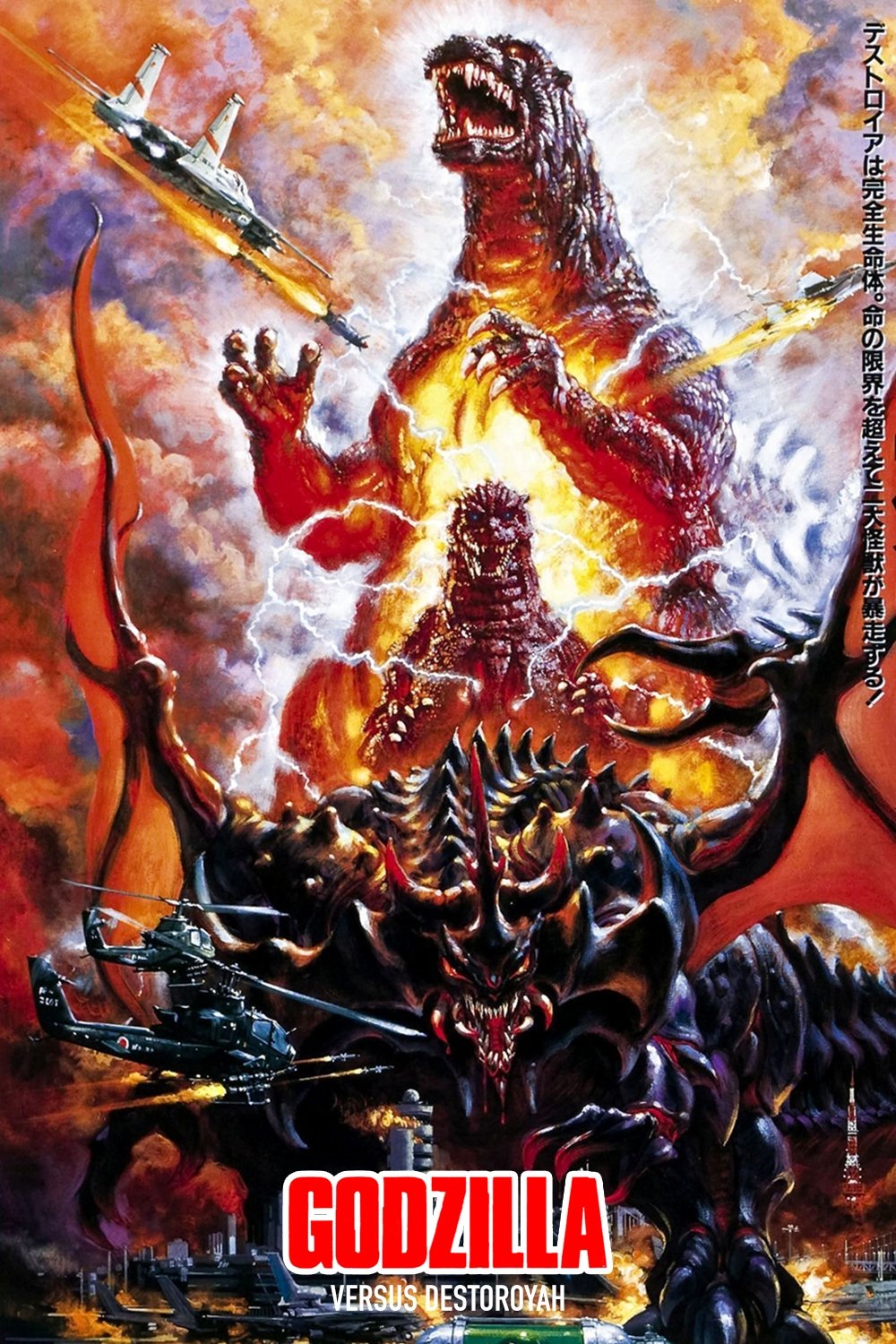
This film serves as the dramatic conclusion to the Heisei series. Godzilla’s internal nuclear reactor is beginning to overload, turning him into “Burning Godzilla” and threatening to cause an explosion that will destroy the Earth. Meanwhile, a colony of microscopic Precambrian organisms, mutated by the Oxygen Destroyer used to kill the original Godzilla in 1954, has evolved into a single, massive creature called Destoroyah.
The movie connects back to the original 1954 film and brings the Heisei era to a definitive close. Godzilla must face a deadly new foe that is the living embodiment of the weapon that killed his predecessor, all while his own body is melting down. The film features the death of Godzilla, a powerful and emotional moment that was meant to be the character’s final appearance for some time.
Godzilla: The Series (1998-2000)
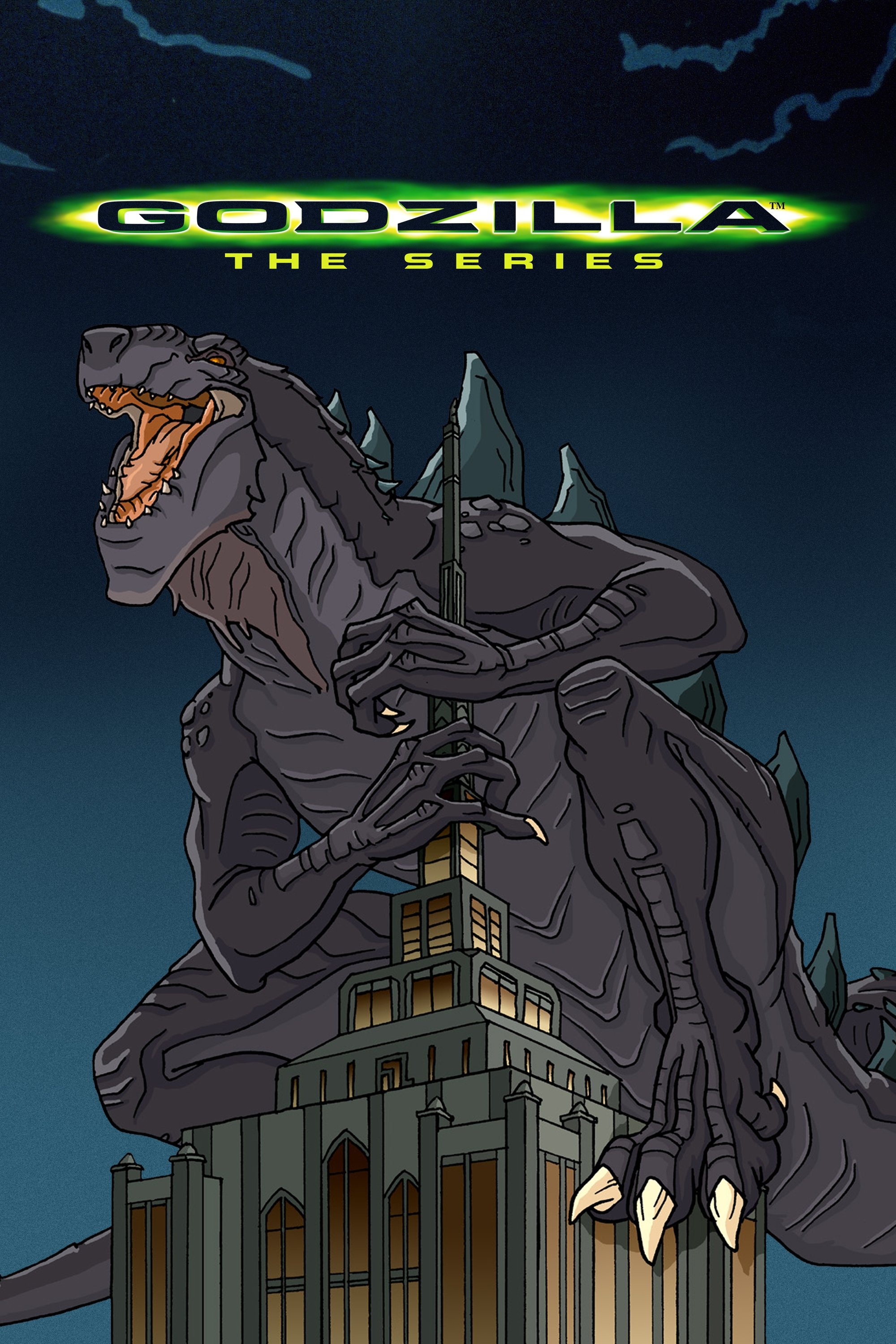
This animated series serves as a sequel to the 1998 American Godzilla film. The story follows Dr. Nick Tatopoulos, who discovers that one of Godzilla’s offspring survived and hatched. This new, smaller Godzilla imprints on Nick as a parent and becomes a protector of humanity. The series follows Nick’s research team, H.E.A.T., as they encounter and study giant mutations around the world.
The new Godzilla, often referred to as Zilla Jr. by fans, possesses many of the classic Godzilla abilities that the 1998 version lacked, such as an atomic heat ray. The show was generally well-received by fans for its action-packed stories and for presenting a version of the monster that was more in line with the heroic Japanese incarnation. It features a host of new and creative monsters for Godzilla to battle.
Godzilla 2000: Millennium (1999)
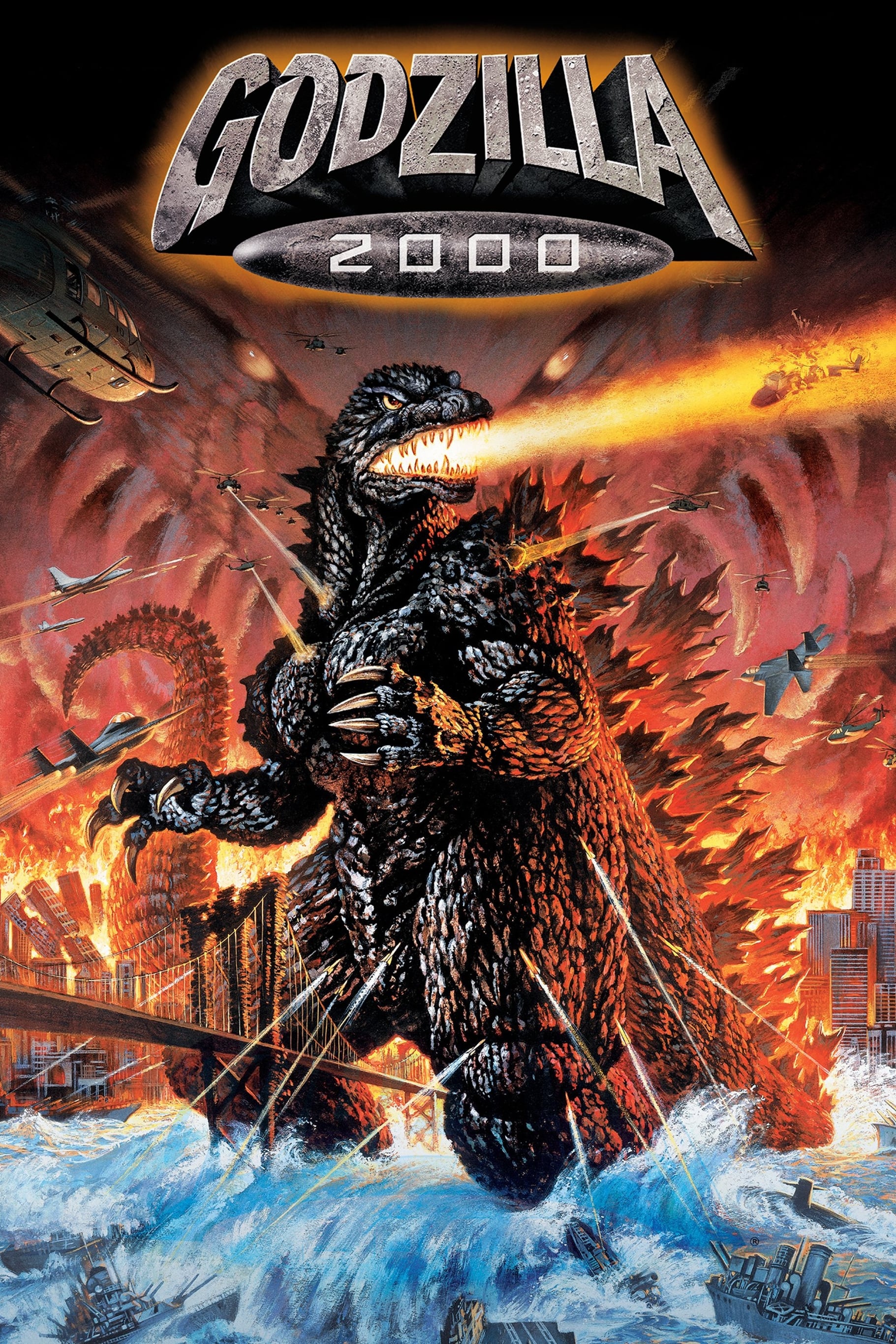
Toho’s response to the 1998 American film, Godzilla 2000 marks the beginning of the Millennium series. This film, like most in this era, is a direct sequel to the 1954 original, ignoring the Heisei series. It follows the Godzilla Prediction Network, a group of civilians who track Godzilla’s movements. When a 60-million-year-old UFO is discovered, it awakens and seeks to harness Godzilla’s genetic material to create a new body for itself.
The UFO eventually transforms into a new monster called Orga, which battles Godzilla in the streets of Shinjuku. The film presents a redesigned Godzilla with a more ferocious and reptilian look. It re-establishes Godzilla as a destructive force of nature that is also occasionally helpful in the face of a greater threat.
Godzilla vs. Megaguirus (2000)
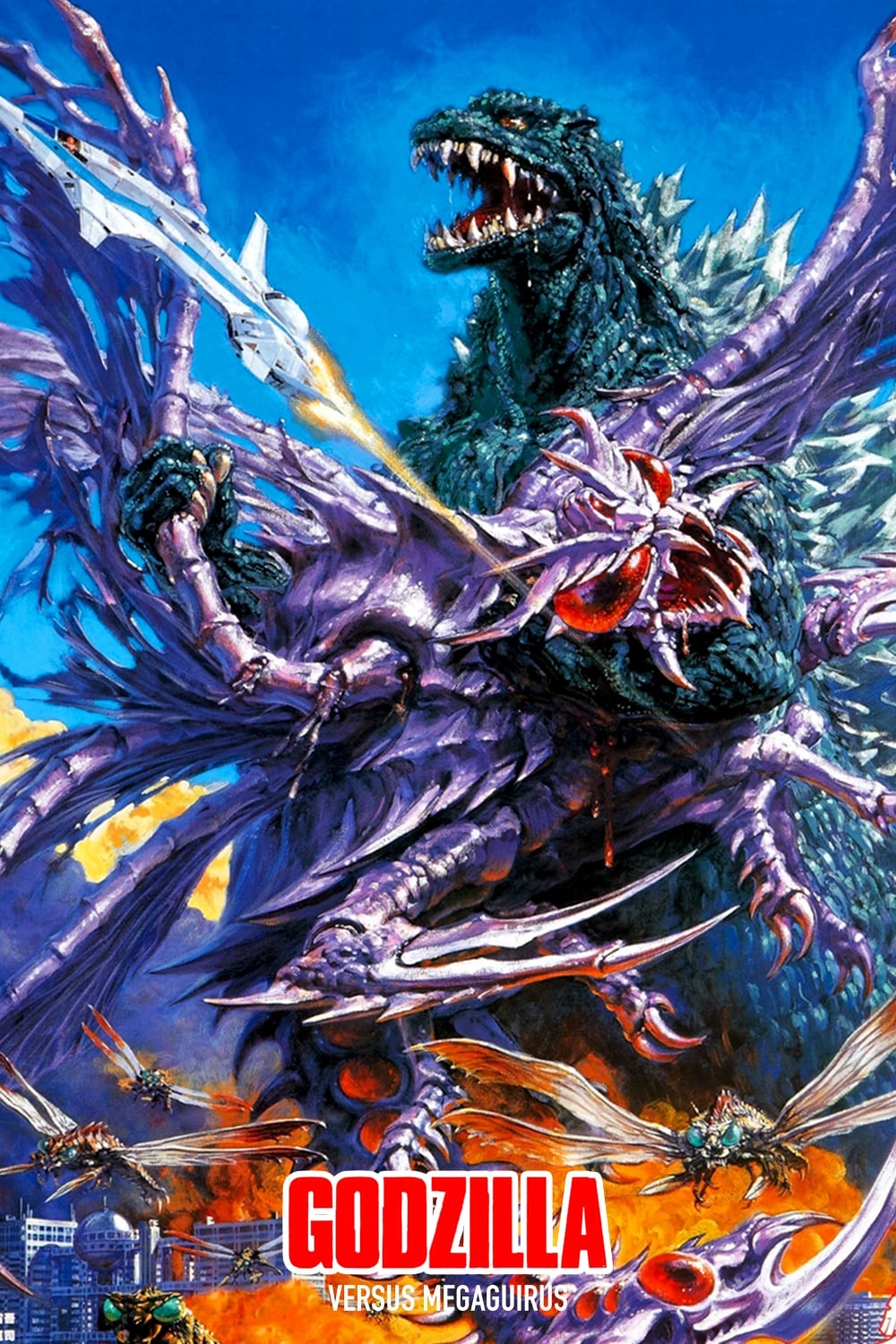
In an alternate timeline where the original Godzilla was never killed, Japan has been living with the threat of Godzilla attacks for decades. The capital has been moved to Osaka, and a special military unit called the G-Graspers has been formed. They develop a new weapon, the Dimension Tide, designed to create a black hole and trap Godzilla in it. However, a test of the weapon allows a prehistoric dragonfly to lay an egg in the present.
The egg hatches into a swarm of giant insects called Meganulon, which then drain energy from Godzilla to feed to their queen, Megaguirus. The film features a high-speed battle between Godzilla and the incredibly fast Megaguirus. It also explores the concept of using new energy sources, with plasma energy being a key plot point.
Godzilla, Mothra and King Ghidorah: Giant Monsters All-Out Attack (2001)
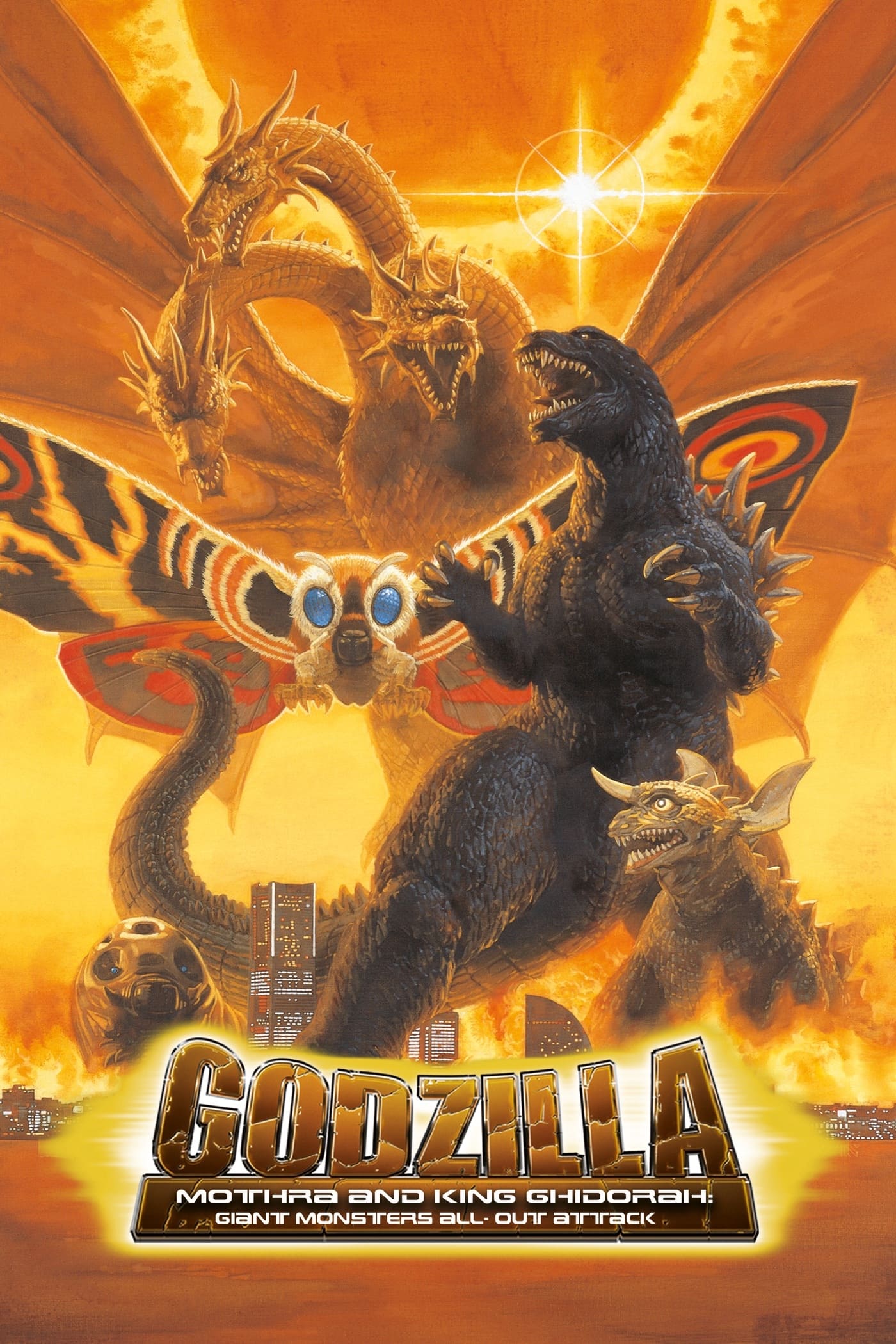
In this film, Godzilla is depicted as a purely malevolent force, embodying the vengeful spirits of those who died in the Pacific War. Decades after the original 1954 attack, a new, more powerful Godzilla appears and begins a relentless assault on Japan. To stop him, a trio of ancient guardian monsters—Baragon, Mothra, and King Ghidorah—are awakened to defend the nation.
This movie is unique for its mystical and fantasy elements, as well as its portrayal of the monsters. In a significant change from tradition, King Ghidorah is presented as a heroic guardian monster, while Godzilla is the story’s unambiguous villain. The film is known for its dark tone and the intense, brutal battles between Godzilla and the guardian beasts.
Godzilla Against Mechagodzilla (2002)
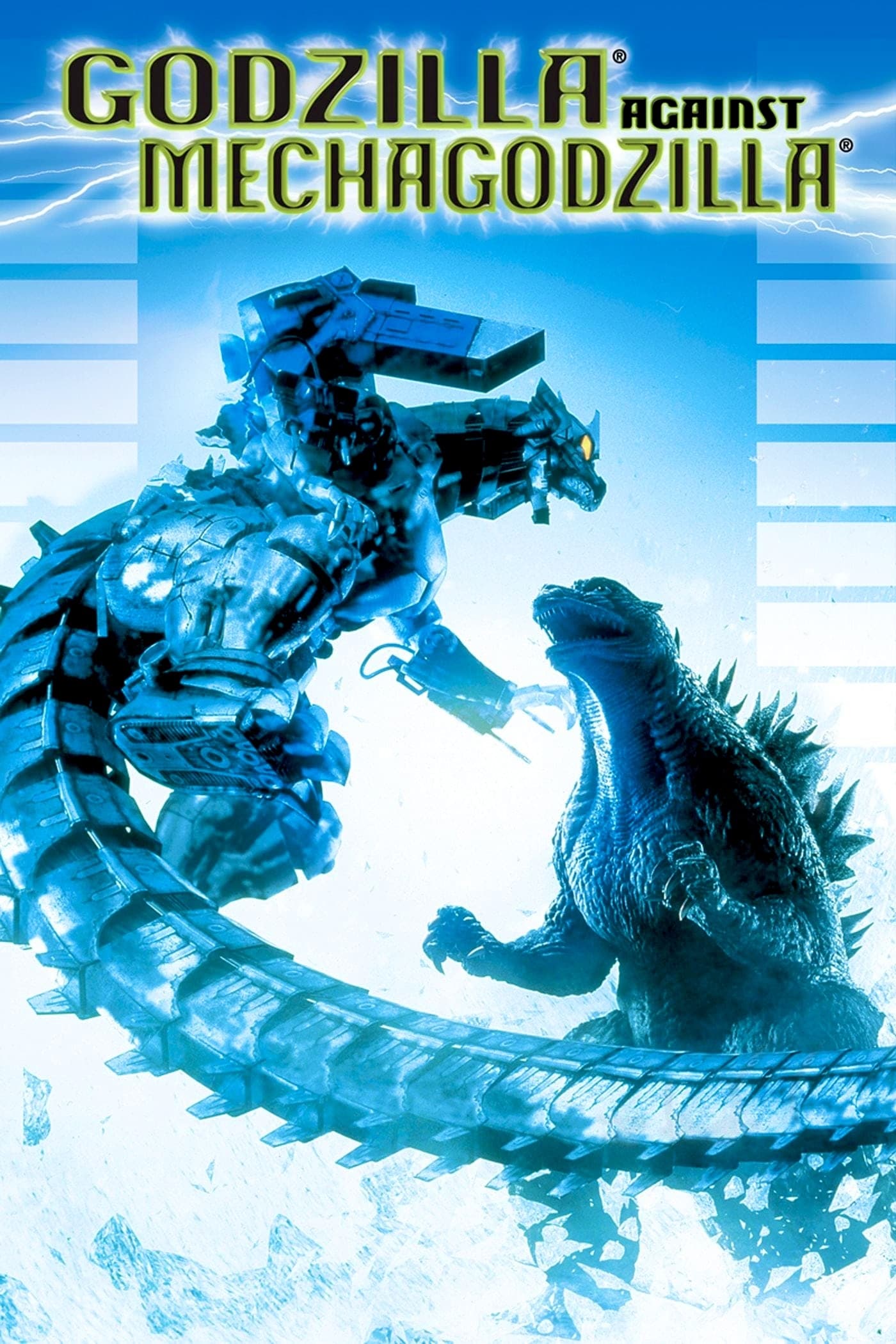
Set in a timeline where Japan has been dealing with monster attacks since the original Godzilla in 1954, the government decides to build a bio-mechanical robot to fight back. Using the skeleton of the original Godzilla as its frame, they create Kiryu, also known as Mechagodzilla. A new Godzilla appears, and the powerful new weapon is sent to fight it.
During their first battle, the spirit of the original Godzilla is awakened within Kiryu by the new Godzilla’s roar, causing the machine to go berserk and destroy the city. The story follows the pilot of Kiryu as she and her team work to overcome the machine’s flaws and protect Japan from Godzilla’s wrath.
Godzilla: Tokyo S.O.S. (2003)
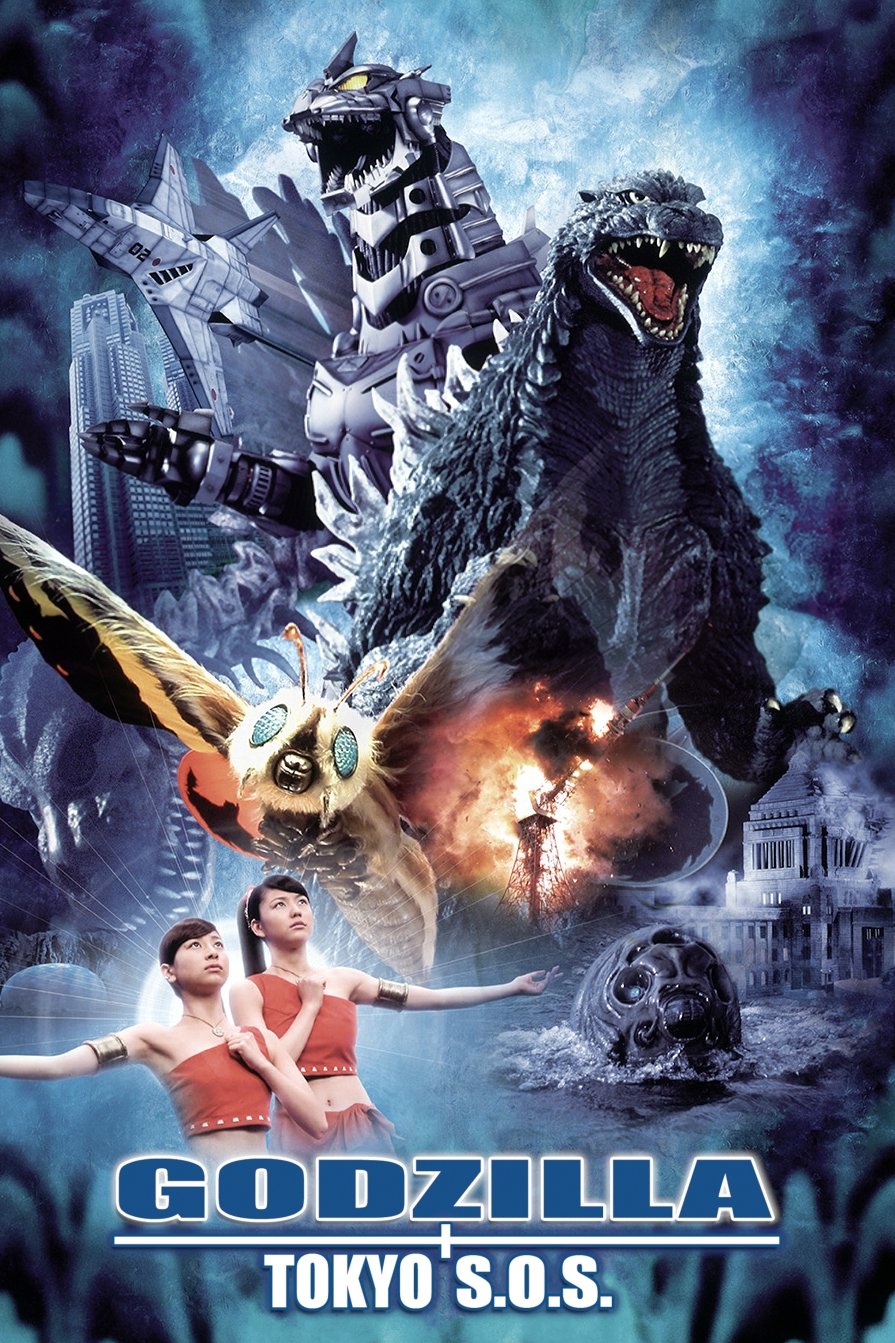
A direct sequel to the previous film, Godzilla: Tokyo S.O.S. sees Kiryu undergoing repairs after its battle with Godzilla. The Shobijin, Mothra’s twin fairies, appear and warn the Japanese government that using the original Godzilla’s bones is a violation of the natural order. They offer Mothra’s protection if Kiryu is dismantled, but the government refuses, fearing another Godzilla attack.
When Godzilla does return, Mothra engages him in battle. As the fight turns against her, Kiryu is once again deployed, this time with the help of Mothra’s two newborn larvae. The film is a direct continuation of the story from Godzilla Against Mechagodzilla and features themes of respecting nature and the consequences of human arrogance.
Godzilla: Final Wars (2004)
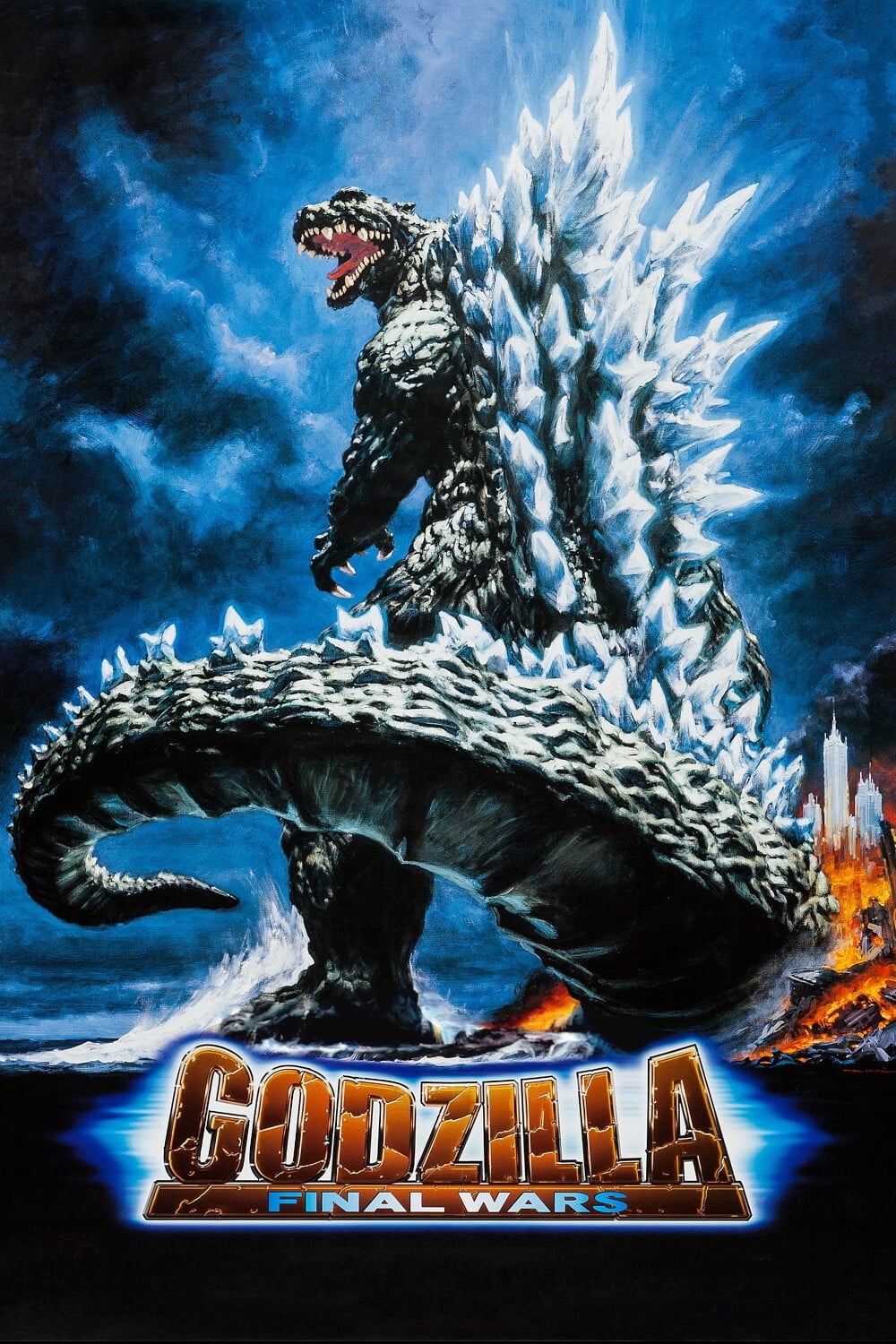
Created to celebrate Godzilla’s 50th anniversary, this film is a massive monster spectacle. In the future, monsters have been appearing all over the world, and the Earth Defense Force, a group of super-powered mutants, is formed to combat them. An alien race called the Xiliens appears, claiming to be friendly and capturing all the monsters. However, their true goal is to conquer Earth.
When the Xiliens unleash all the monsters under their control, the Earth Defense Force has only one option left: to awaken Godzilla. The film features a huge roster of monsters from throughout the franchise’s history in a series of rapid-fire battles. Godzilla travels the globe, defeating monster after monster in a fast-paced and action-packed adventure.
Godzilla (2014)
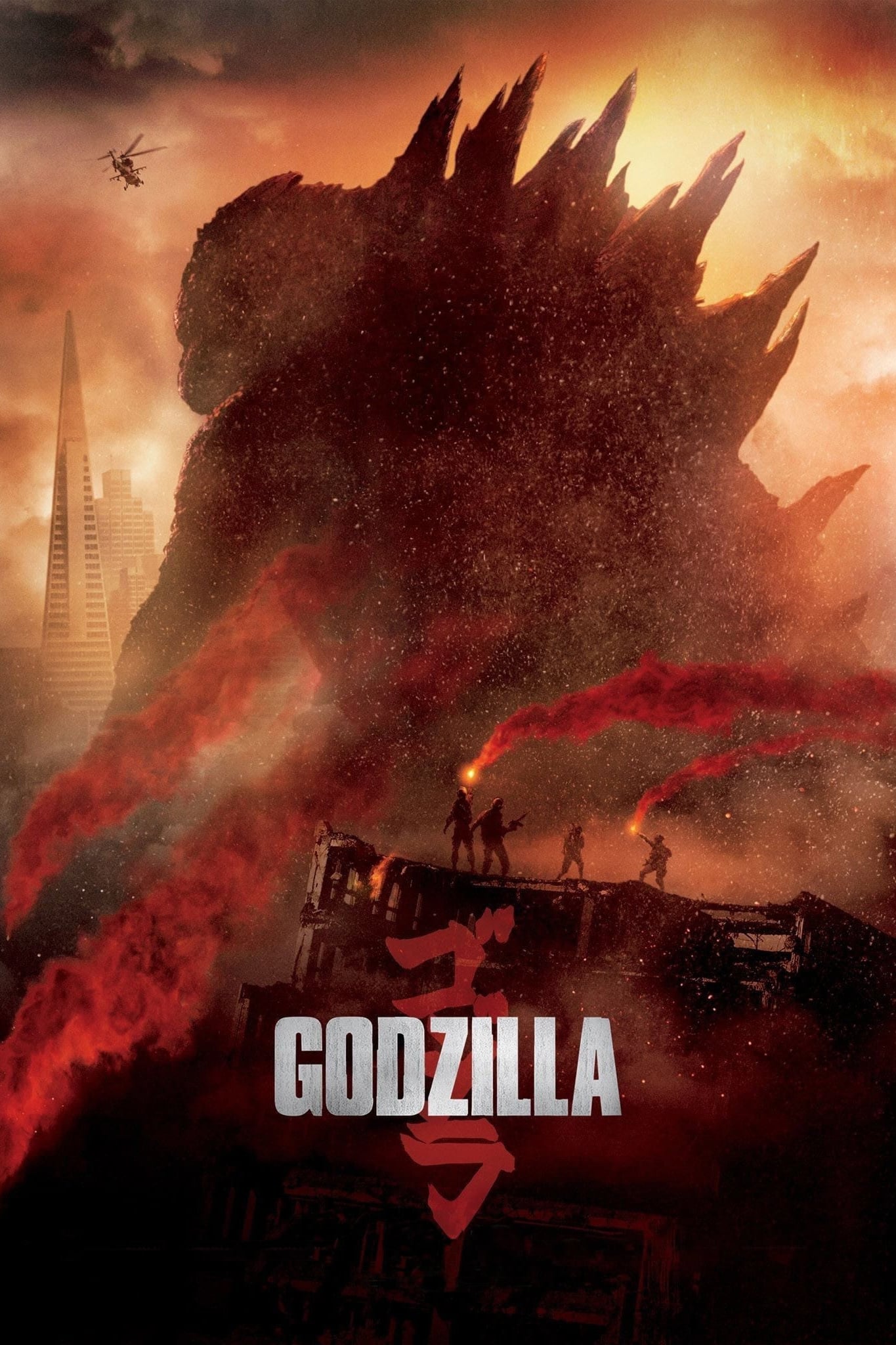
This American film launched the Monsterverse, a shared cinematic universe. The story begins in 1999 with the discovery of a giant fossilized skeleton and two parasitic spores in the Philippines. One of the spores hatches and burrows away, while the other is taken to a nuclear power plant in Japan for study. Years later, the creature emerges and causes a disaster that a man named Joe Brody believes was covered up.
Fifteen years later, Joe’s son, a naval officer, gets drawn into the world of Monarch, a secret organization that studies giant monsters, known as Titans. When the creature, a “MUTO” (Massive Unidentified Terrestrial Organism), and its mate emerge, Godzilla appears to hunt them, acting as a force of nature that restores balance. The film establishes a world where humanity must coexist with these ancient, massive creatures.
Shin Godzilla (2016)
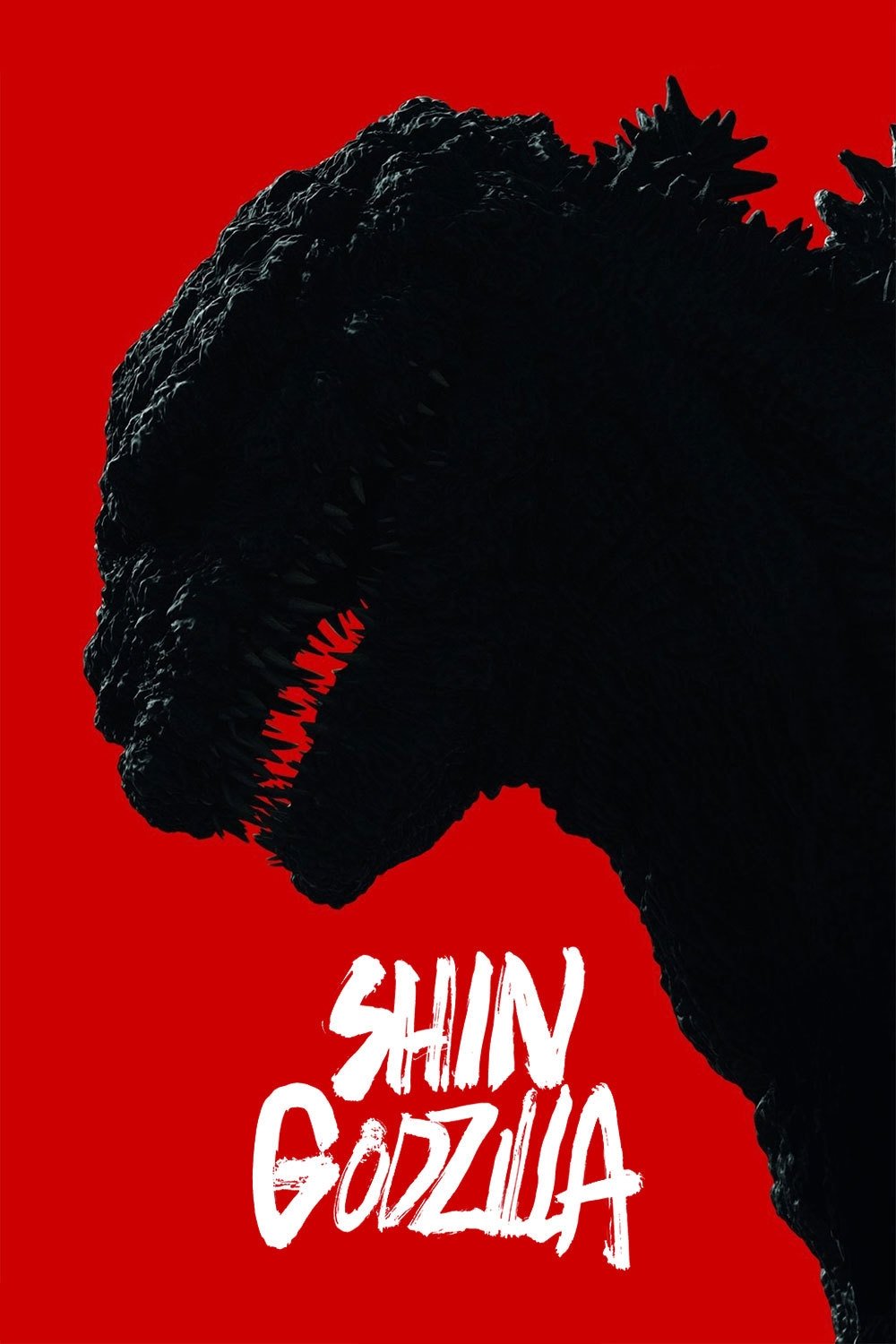
This film is a complete reboot of the franchise from Toho, presenting a new and terrifying version of Godzilla. When an unknown giant creature appears in Tokyo Bay, the Japanese government is slow and bureaucratic in its response. The creature quickly comes ashore and begins to rapidly evolve, growing in size and power with each new form.
Shin Godzilla is a satirical look at government bureaucracy and Japan’s place in the international community. The film depicts Godzilla as an ever-changing, almost incomprehensible horror, a true force of nature born from modern-day pollution and radioactive contamination. The creature’s design and abilities are unlike any seen before, and the film focuses heavily on the realistic human response to such an unprecedented disaster.
Godzilla: Planet of the Monsters (2017)
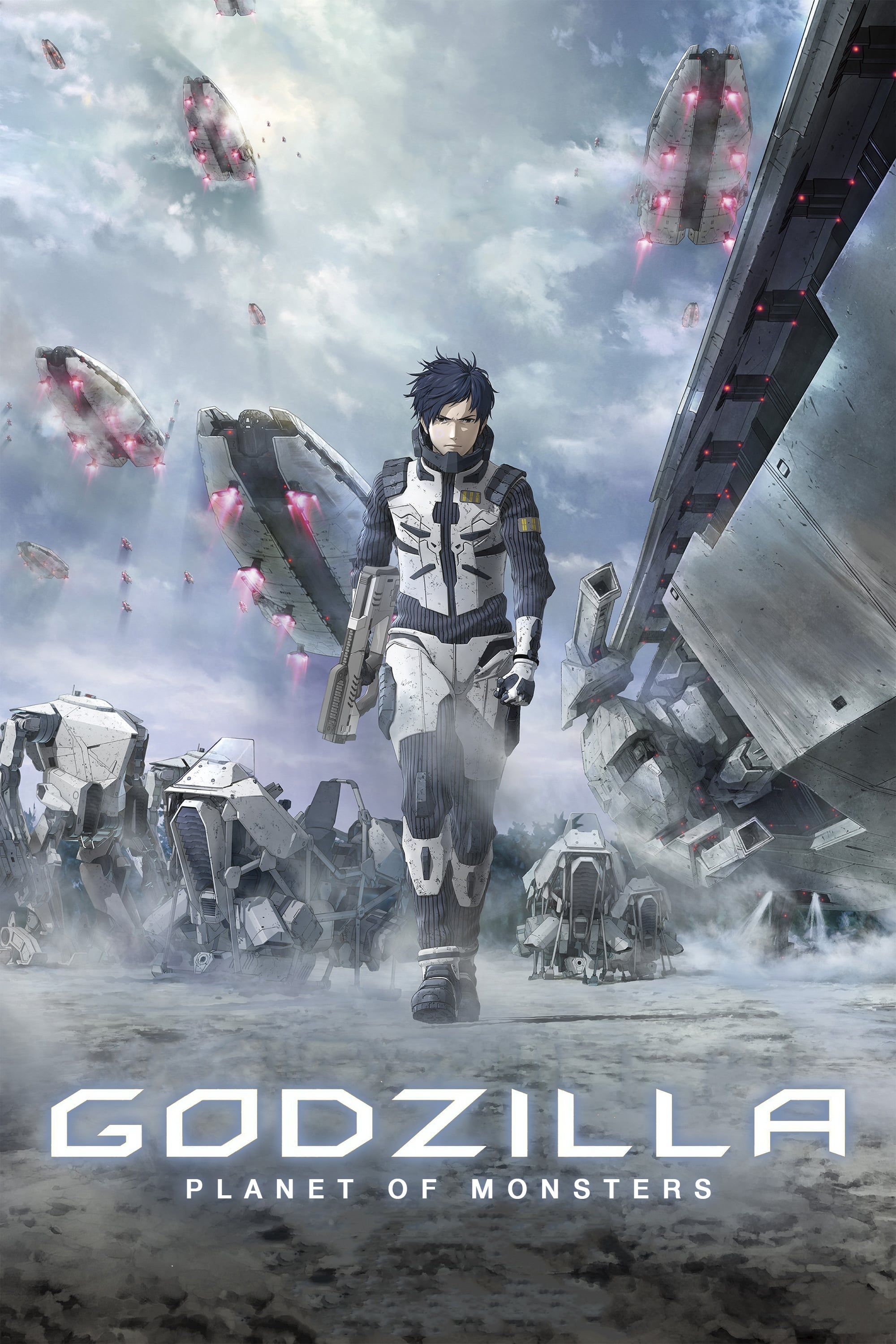
This is the first film in a trilogy of animated Godzilla movies. In the distant future, humanity has been forced to flee Earth after decades of losing the war against Godzilla and other giant monsters. After 20,000 years of searching for a new home, the remaining humans decide to risk a dangerous return to Earth, hoping to reclaim their planet.
They find an Earth that has been completely transformed, with an ecosystem that has evolved under Godzilla’s rule for millennia. The soldiers who land must face a hostile new world and the most powerful version of Godzilla ever seen. The film sets a dark, post-apocalyptic tone for the animated trilogy.
Godzilla: City on the Edge of Battle (2018)
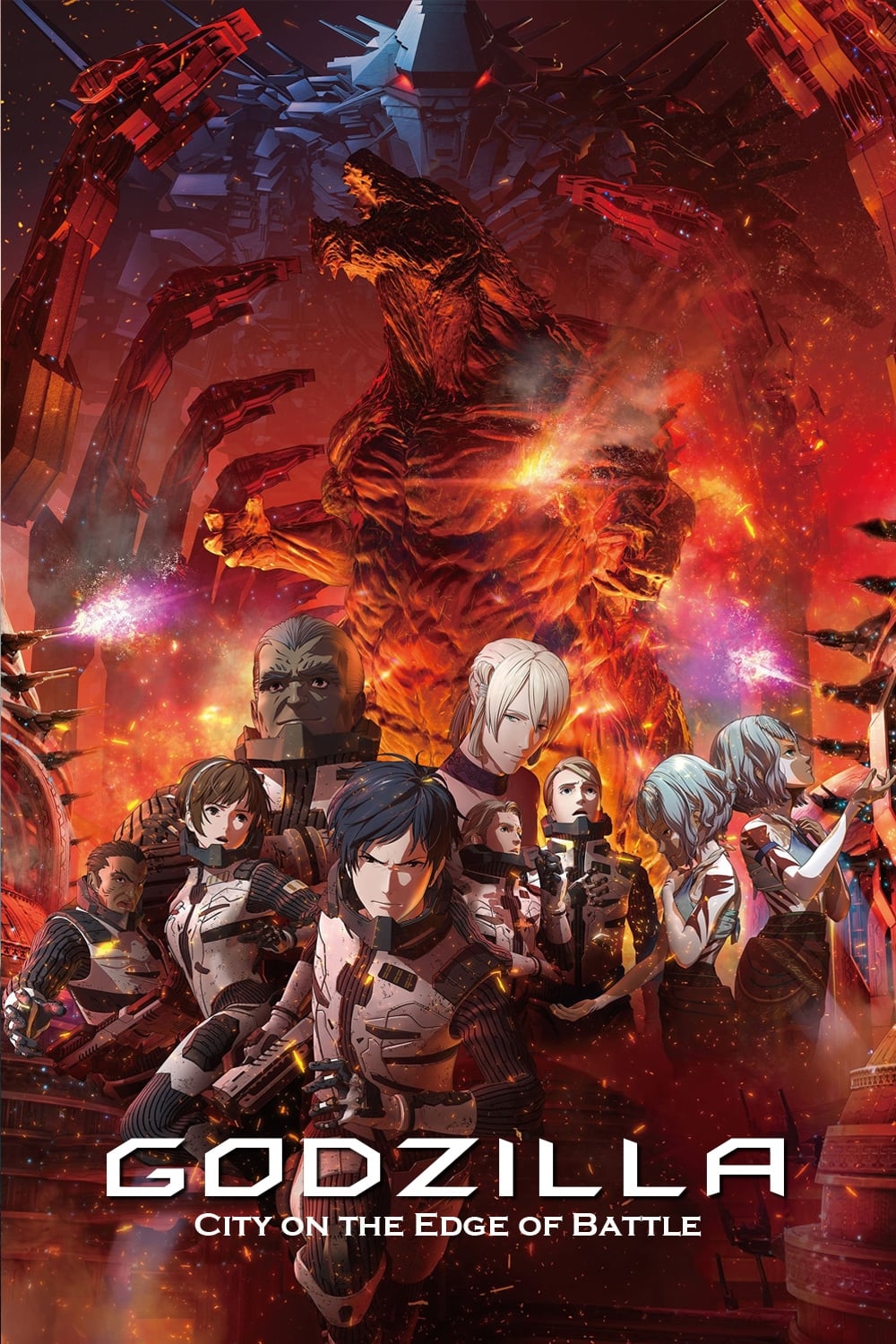
The second film in the anime trilogy continues the story of the surviving humans on the monster-ruled Earth. After being defeated by the overwhelmingly powerful Godzilla Earth, the remaining soldiers discover a settlement of human descendants who have survived by living alongside the remains of Mechagodzilla.
This version of Mechagodzilla is a city-sized fortress made of “nanometal,” a self-replicating and evolving metal. The humans and their new allies decide to use the nanometal city as their ultimate weapon in a desperate plan to finally destroy Godzilla. The film explores themes of technology versus nature and the cost of survival.
Godzilla: The Planet Eater (2018)
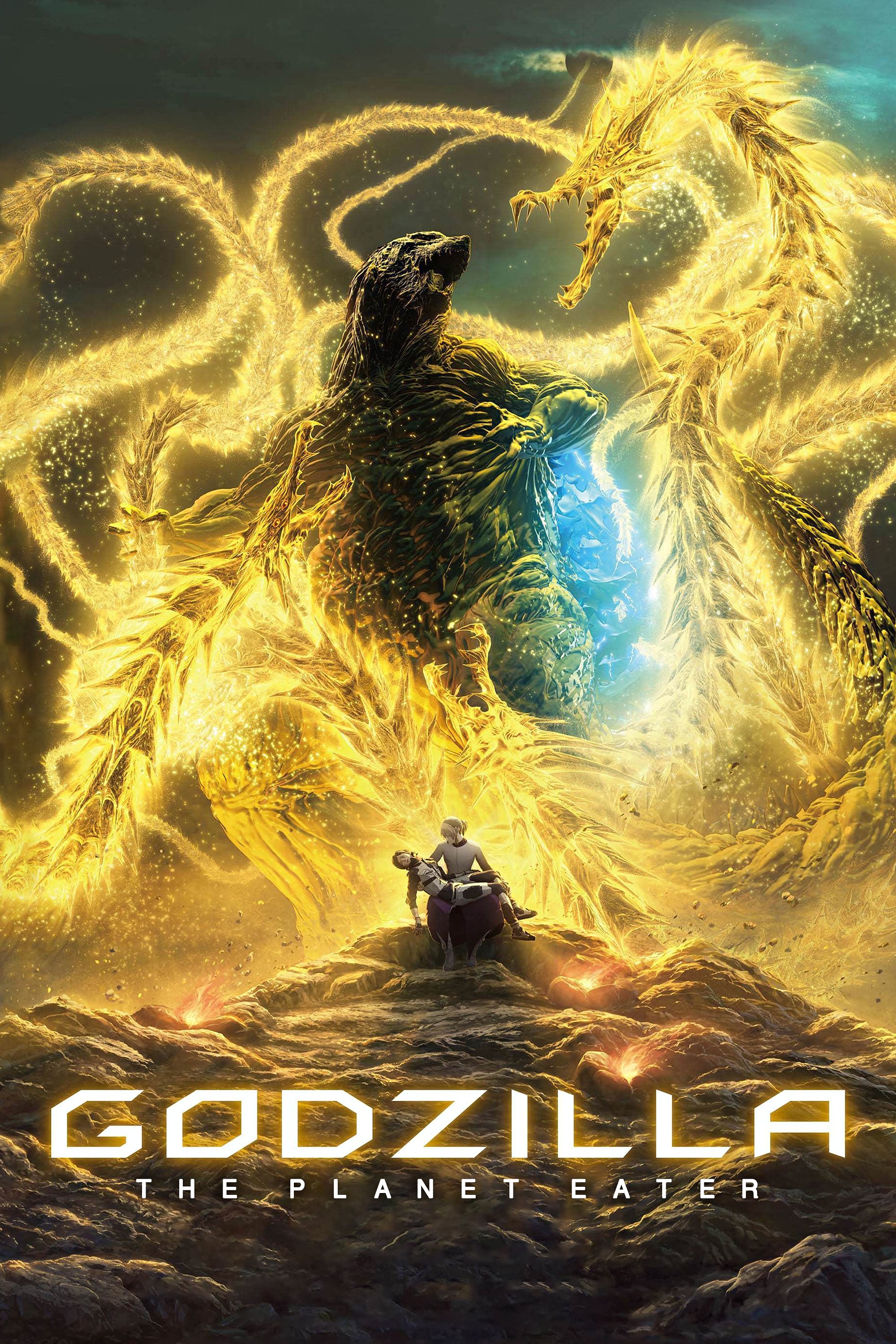
The final chapter of the animated trilogy sees the human alliance fractured. Some have grown to resent the plan to turn Earth into a metal fortress, while others are desperate for any way to defeat Godzilla. A religious cult that has been traveling with the humans summons their god, King Ghidorah, from another dimension to destroy Godzilla.
This version of Ghidorah is an energy being that exists on a higher plane of existence, making it immune to physical attacks. Godzilla must face an enemy that he cannot touch, while the human protagonist is forced to make a choice that will determine the fate of both humanity and the Earth itself. The film provides a philosophical and cosmic conclusion to the anime trilogy.
Godzilla: King of the Monsters (2019)
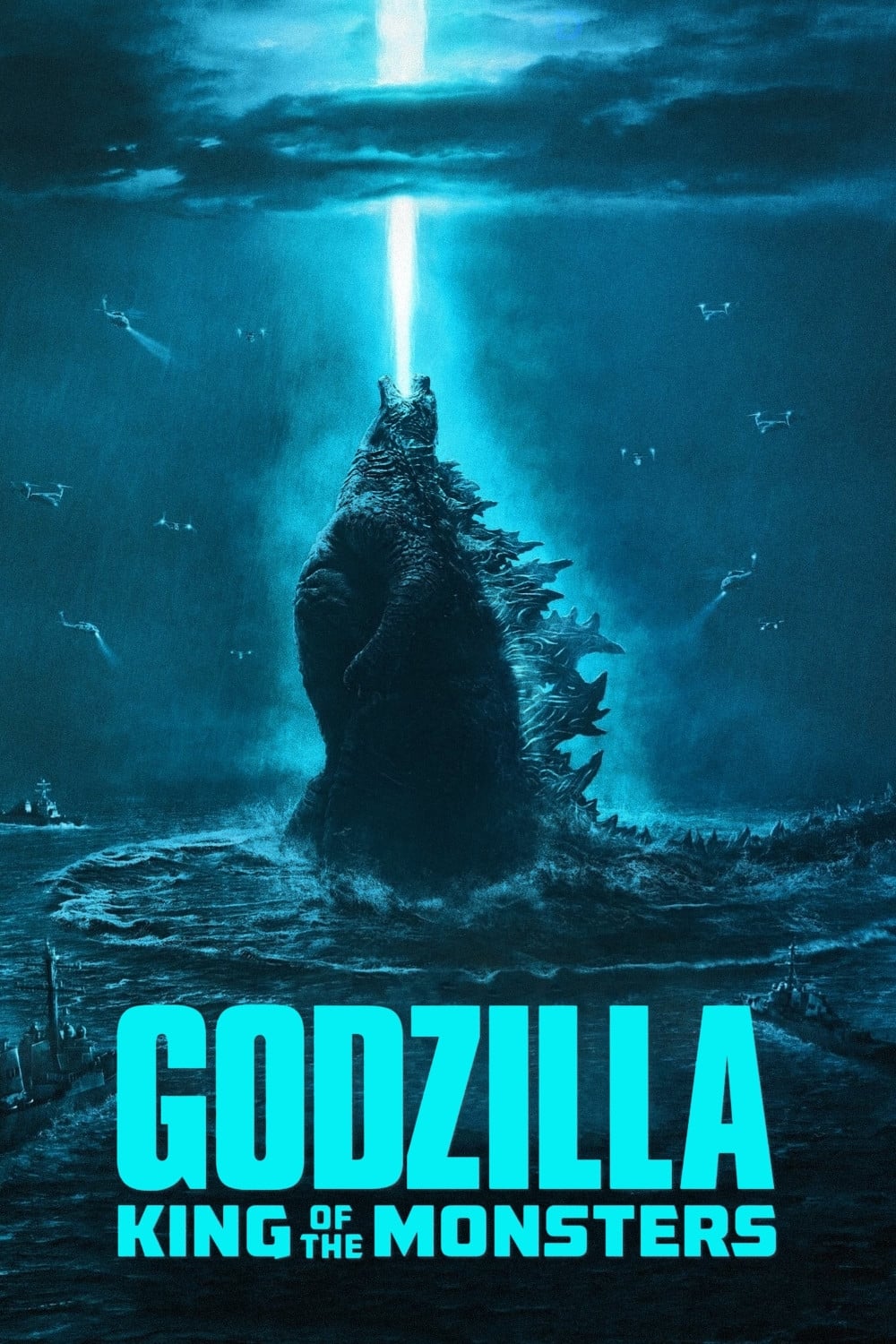
The second Godzilla film in the American Monsterverse follows the crypto-zoological agency Monarch as they face a new crisis. A group of eco-terrorists steals a device that can communicate with and control the Titans. They awaken King Ghidorah, who begins to summon other Titans around the world to destroy human civilization.
To stop this global threat, Monarch must rely on Godzilla to reclaim his title as the King of the Monsters. The film features spectacular battles between Godzilla and Ghidorah, as well as appearances from other classic Toho monsters like Rodan and Mothra. It expands the mythology of the Monsterverse, revealing that these creatures were once the planet’s original rulers.
Godzilla Singular Point (2021)
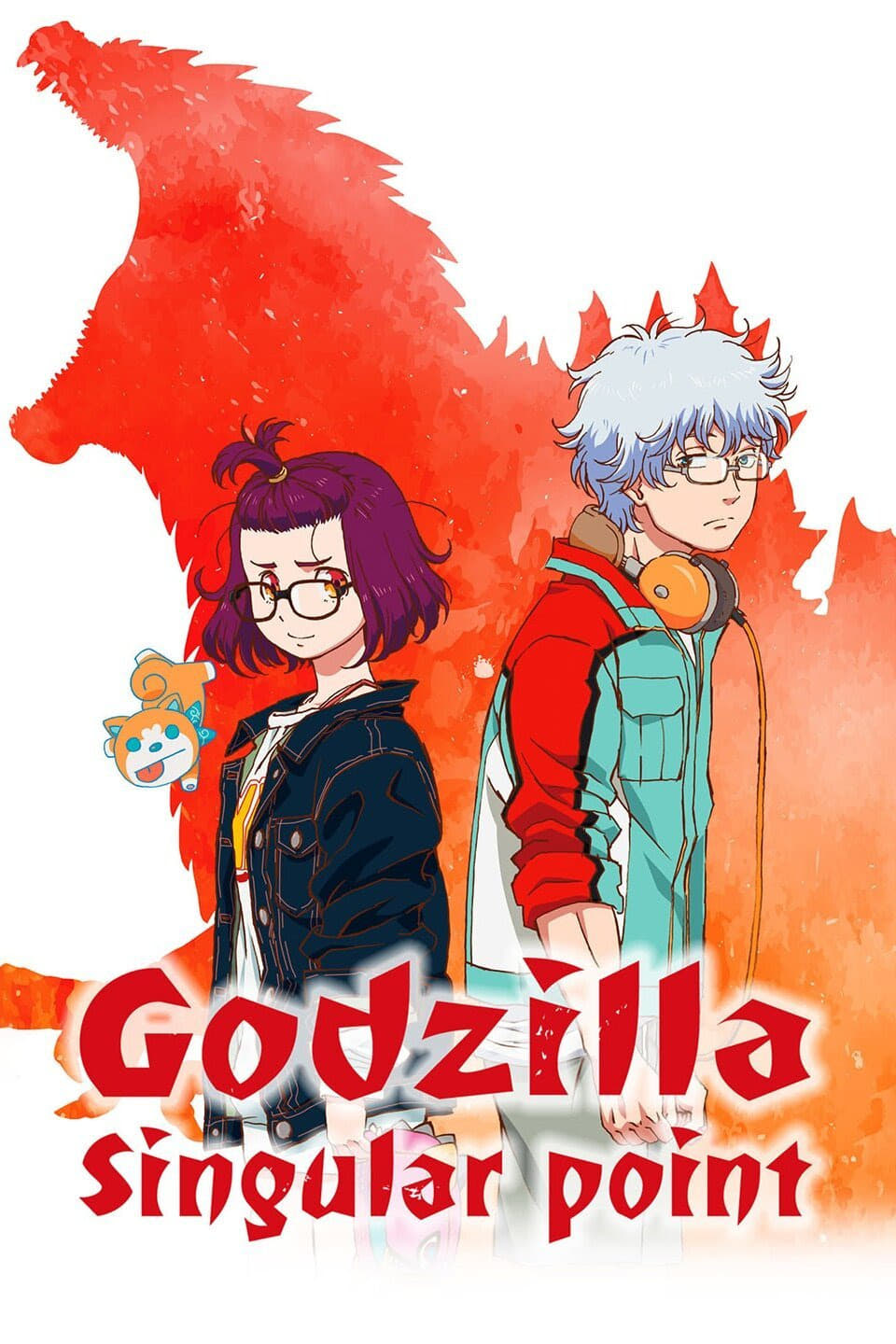
This Japanese animated television series presents a complex and mind-bending science fiction story. A graduate student and a quirky engineer are separately drawn into a mystery involving a strange signal and the appearance of pterosaur-like monsters. Their investigations reveal a looming catastrophe that threatens to upend the laws of physics and bring about the end of the world.
The series features a new interpretation of Godzilla, who is depicted as a trans-dimensional being that can warp space-time. The plot is filled with scientific and philosophical concepts, including quantum mechanics and prophecies of a future disaster. It also re-imagines several classic Toho monsters, including Rodan, Anguirus, and Jet Jaguar, in a unique and modern context.
Godzilla vs. Kong (2021)
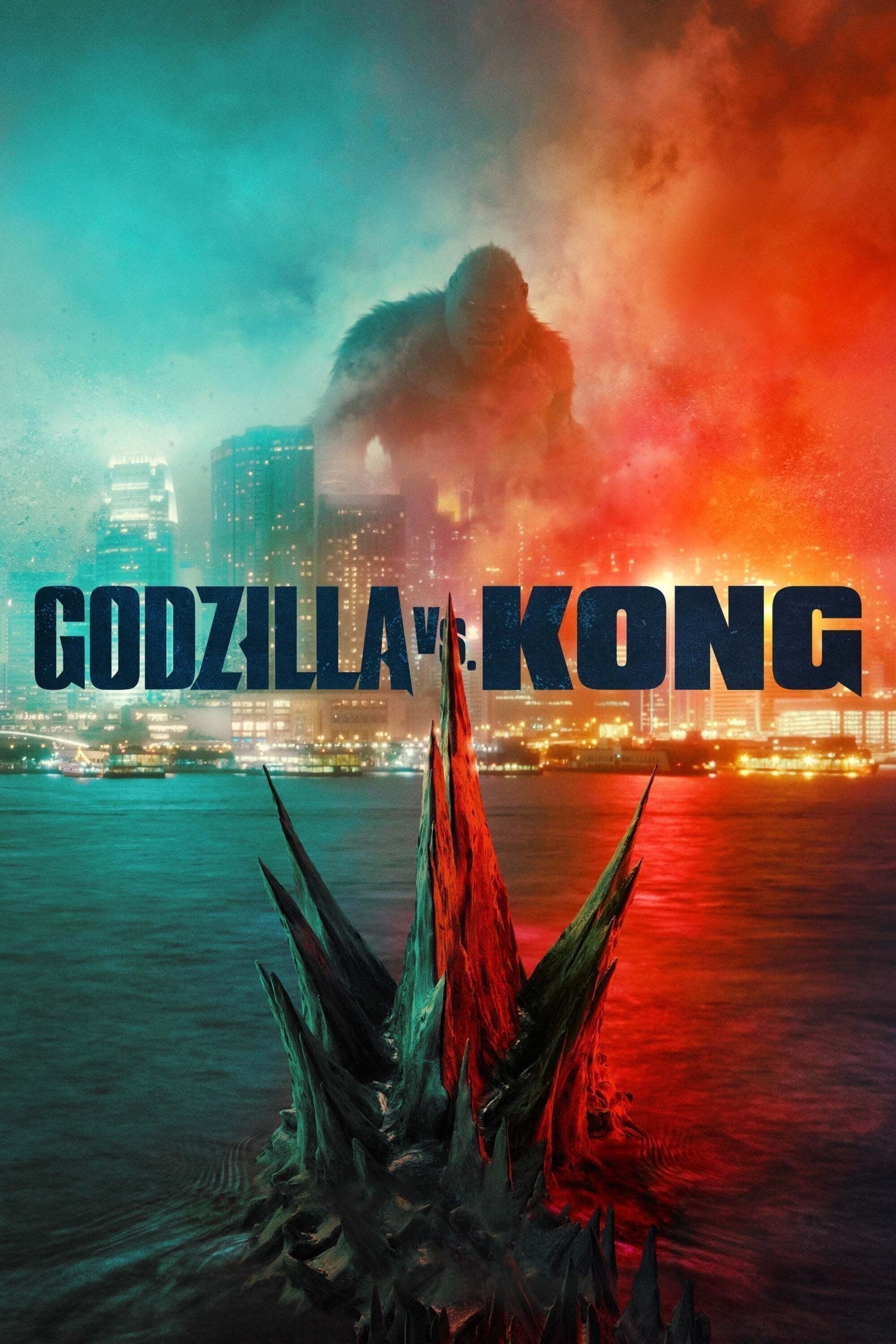
This Monsterverse film brings the two legendary Titans together for a modern showdown. Kong is taken from his home on Skull Island to help humanity find a mysterious energy source located in the Hollow Earth, a hidden world deep beneath the planet’s surface. However, Godzilla, sensing a rival alpha Titan, attacks the convoy transporting Kong.
The film features several intense and destructive battles between the two iconic monsters. The human plot revolves around the search for the Hollow Earth and the sinister plans of the corporation Apex Cybernetics, which is secretly building a weapon to challenge the Titans. Ultimately, a greater threat emerges that forces the two kings to consider fighting alongside each other.
Skull Island (2023-Present)
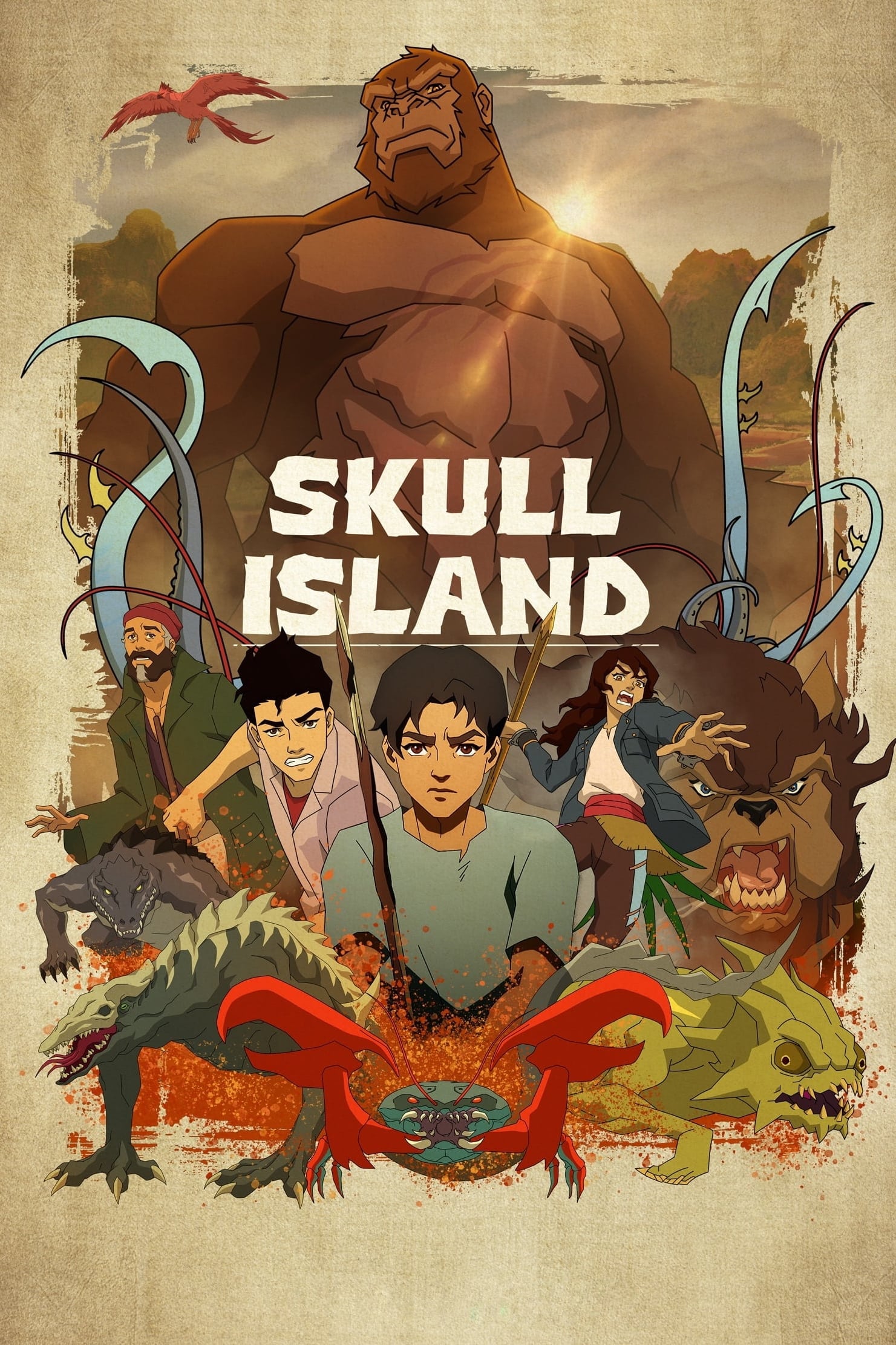
This animated series is set in the 1990s, after the events of the movie Kong: Skull Island but before the modern-day Monsterverse films. It follows a group of explorers who are shipwrecked on the mysterious island and must survive its dangerous and monstrous inhabitants. They encounter not only Kong but also a variety of other giant creatures that call the island home.
The show expands on the lore of Skull Island and its ecosystem. While Godzilla himself does not appear, the series is part of the same continuity and timeline as the Monsterverse films. It provides more background on the world of the Titans and the many strange creatures that exist within it.
Monarch: Legacy of Monsters (2023-Present)
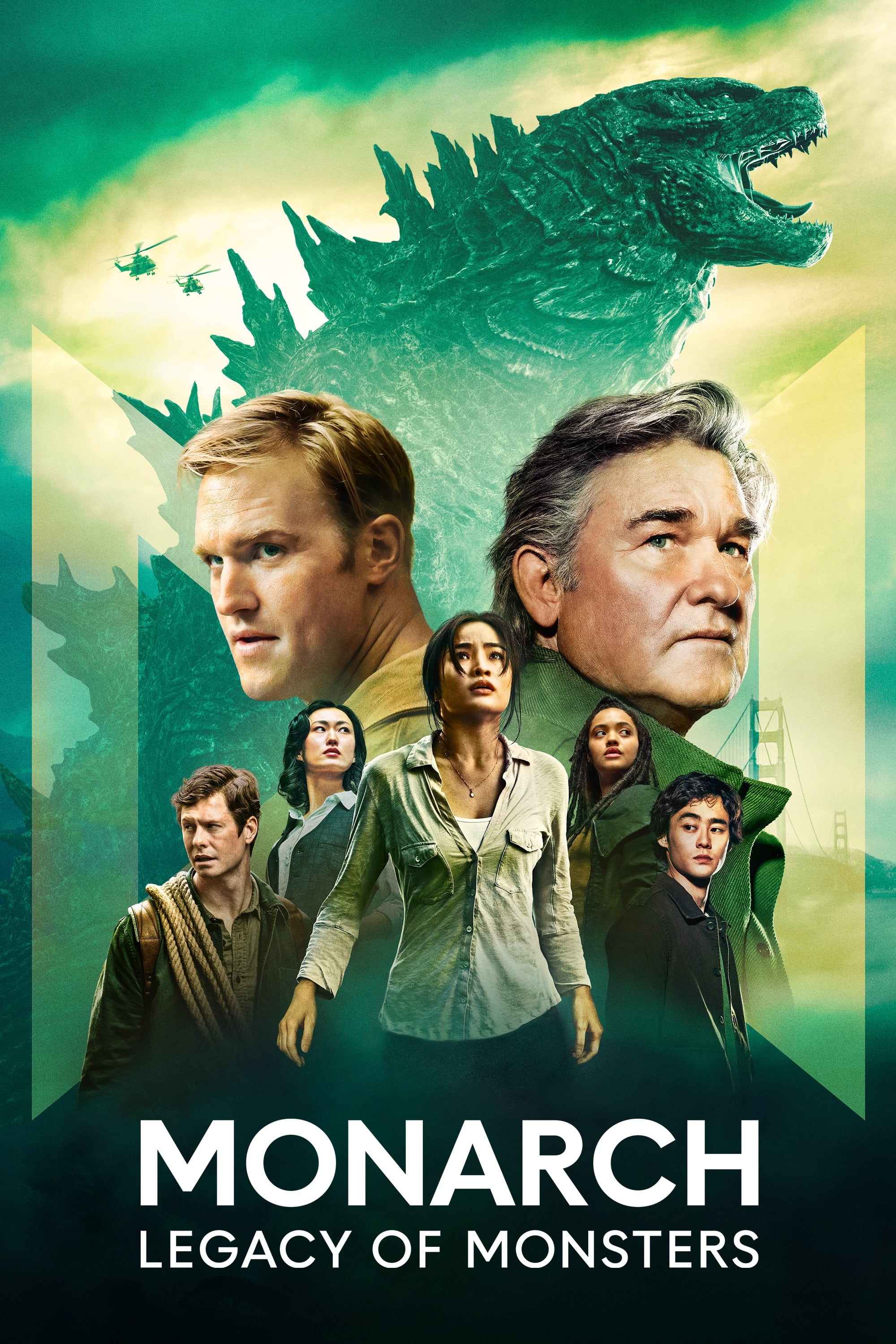
This live-action series expands the world of the Monsterverse by focusing on the secret organization Monarch. The story takes place across two timelines. In the 1950s, it follows the early days of Monarch and its founding members as they first discover the existence of Titans. In the present day, following the events of the 2014 Godzilla film, two siblings uncover their family’s connection to the organization and a legacy of secrets.
The series delves into the history of Monarch and its decades-long mission to study and monitor the Titans. Godzilla appears in the series, with his past and present activities being a central part of the overarching mystery. The show explores the human element of living in a world with giant monsters and the impact it has on families and individuals across generations.
Godzilla Minus One (2023)
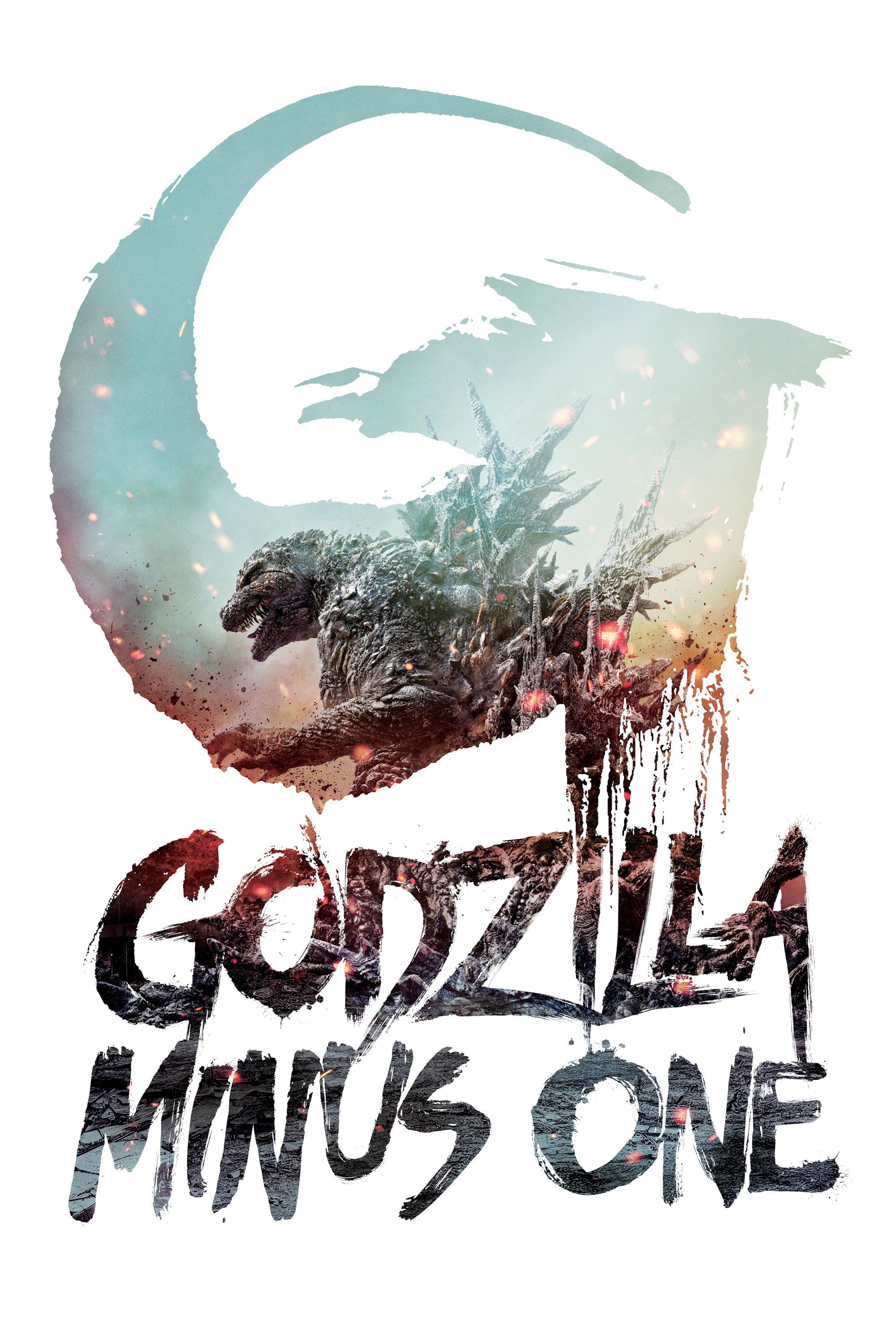
Set in post-World War II Japan, this film presents a new, standalone story. The country is at its lowest point, dealing with the devastation of the war. A former kamikaze pilot, suffering from his own failures, finds himself caught up in the appearance of a new threat: a massive monster that rises from the sea to attack the already broken nation. This Godzilla is a terrifying and destructive force, a direct threat to a country struggling to rebuild.
Godzilla Minus One returns the character to his roots as a metaphor for overwhelming destruction and despair. The story focuses on the efforts of a small group of veterans and civilians who must band together to fight the monster with limited resources. The film has been widely praised for its powerful human story, its stunning visual effects, and its intense and frightening portrayal of Godzilla.
Godzilla x Kong: The New Empire (2024)
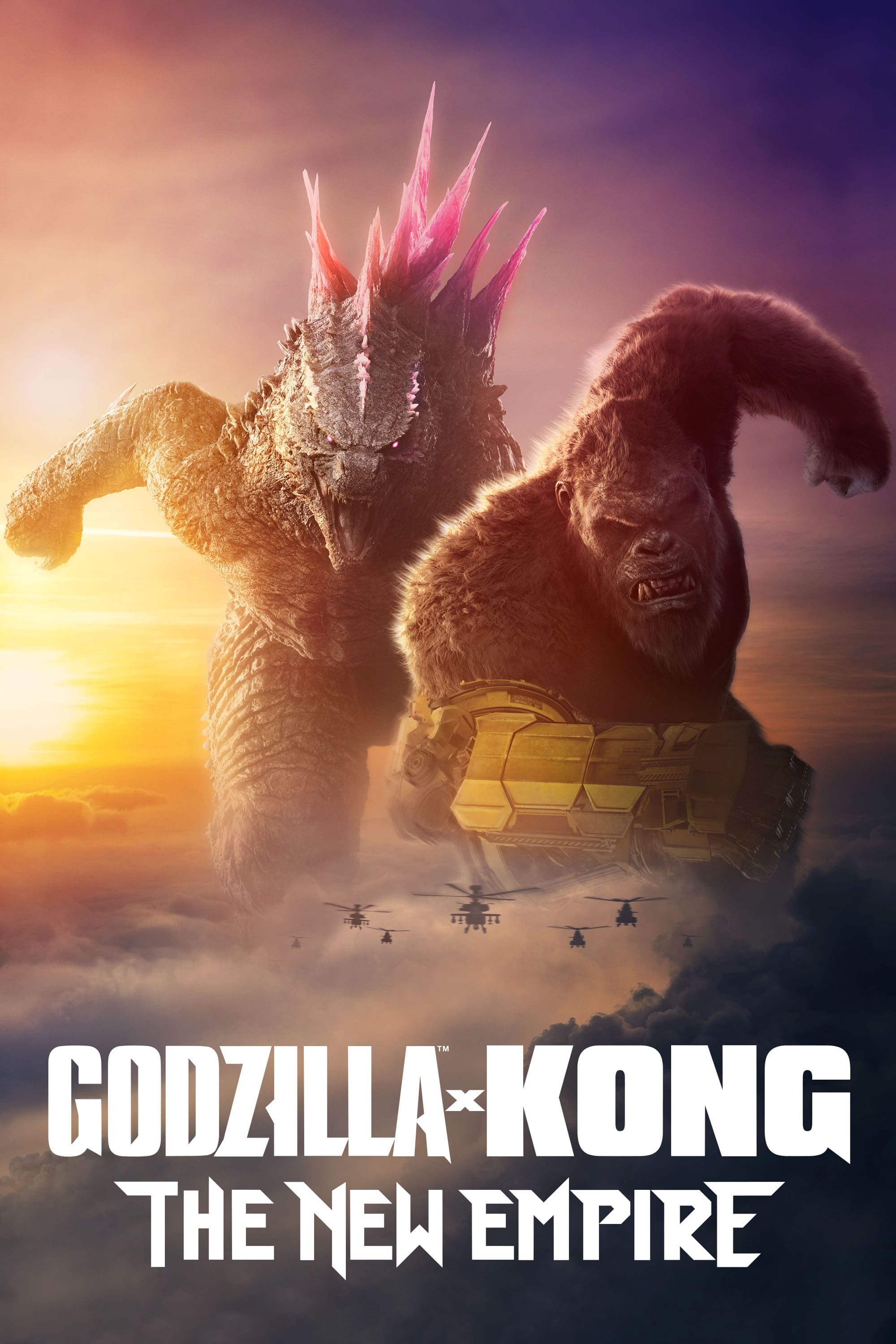
This film follows the events of Godzilla vs. Kong and sees the two Titans facing a new threat that has emerged from the Hollow Earth. Kong, now residing in the hidden world, discovers a lost civilization of his own kind. However, they are ruled by a tyrannical ape known as the Skar King, who plans to lead his army to conquer the surface world.
To stop this new empire, Godzilla and Kong must team up once again. The movie explores more of the history and mythology of the Titans and the Hollow Earth. It features new monsters and spectacular action sequences, with the two iconic Titans fighting alongside each other against a common enemy to save both their worlds.