Actors Who Hate Marvel Movies


Superhero films dominate the box office, and Marvel sits at the center of that story. Not everyone in Hollywood has embraced that direction though. Plenty of well known actors have voiced doubts about the creative tradeoffs, the heavy CGI, the long contracts, or the way these movies crowd out mid budget dramas and comedies. Some even walked away from roles or sequels after difficult experiences.
This list gathers actors who have publicly pushed back on Marvel or on the superhero wave it represents. You will find comments about grueling prosthetics, pay and credit disputes, creative differences, and a general preference for original stories over shared universes. Each entry focuses on what the actor actually said or did, and where relevant it notes how their position evolved over time.
Ethan Hawke
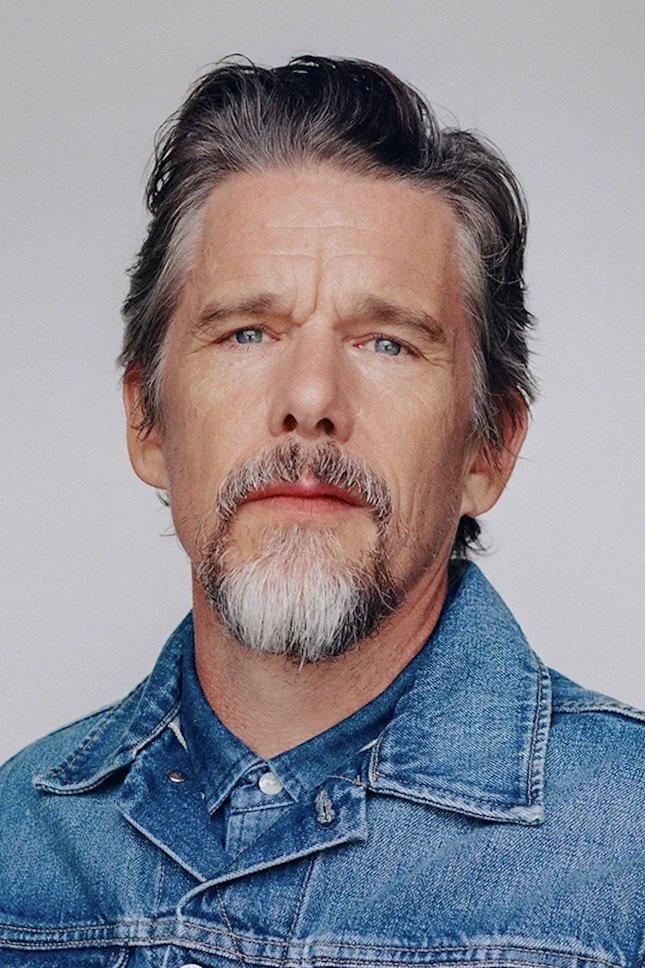
Hawke said in interviews that the industry sometimes confuses box office success with artistic value and he used superhero hits as examples of that problem. He explained that he respects the craftsmanship involved while questioning the idea that tentpoles should define what counts as cinema.
Years later he joined Marvel television in ‘Moon Knight’ and played the antagonist. He described that project as a character driven opportunity and said the quality of collaborators mattered to him more than a logo, which showed that his earlier criticism targeted industry trends rather than individual crews.
Jodie Foster
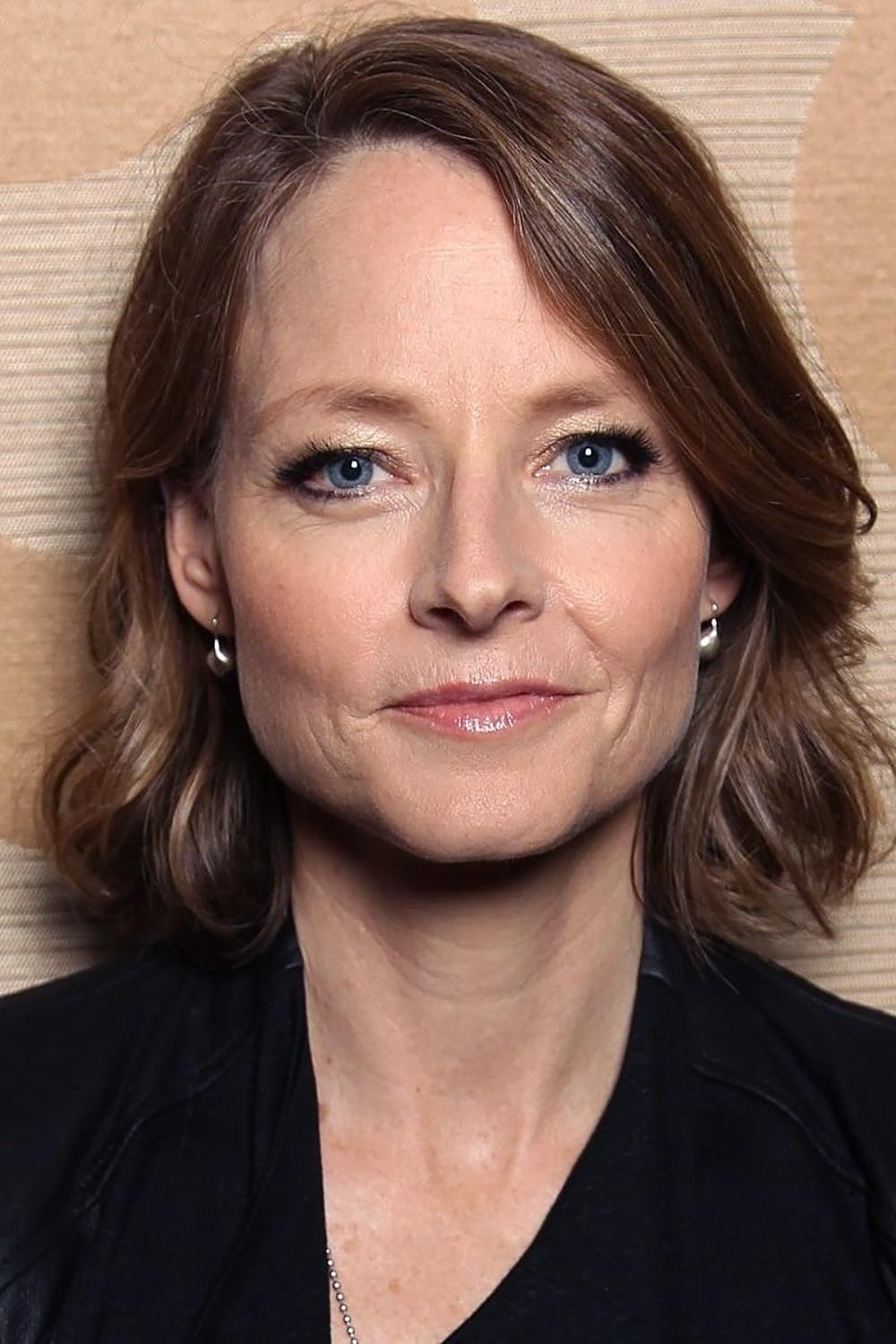
Foster compared some modern blockbuster strategies to short term extraction and warned that the business can erode audience taste when it only rewards spectacle. She said she prefers stories grounded in human behavior and has been selective with franchise offers.
She later clarified that she is open to any scale of filmmaking when the script is strong. Her stance highlights concern about the market impact of superhero cycles while leaving room for exceptions when the storytelling aligns with her values.
Jason Statham
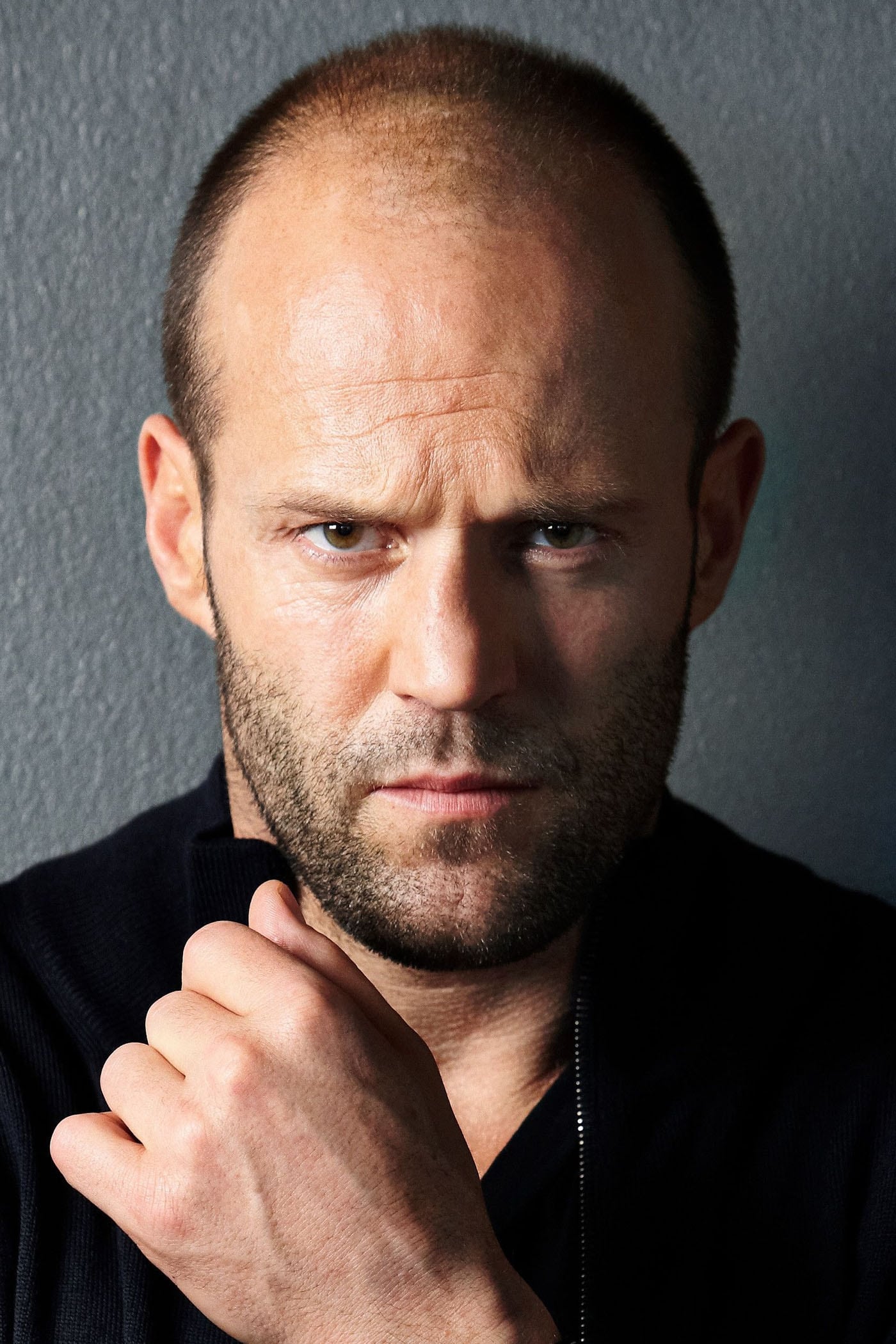
Statham contrasted practical stunt work with effects heavy superhero productions in press conversations. He said he values doing his own fights and chases and suggested that large amounts of green screen reduce the kind of physical performance he enjoys.
He continued to headline action movies that foreground real stunts and hand to hand choreography. His comments positioned superhero work as a poor match for his skill set rather than a target for personal attacks.
Mickey Rourke
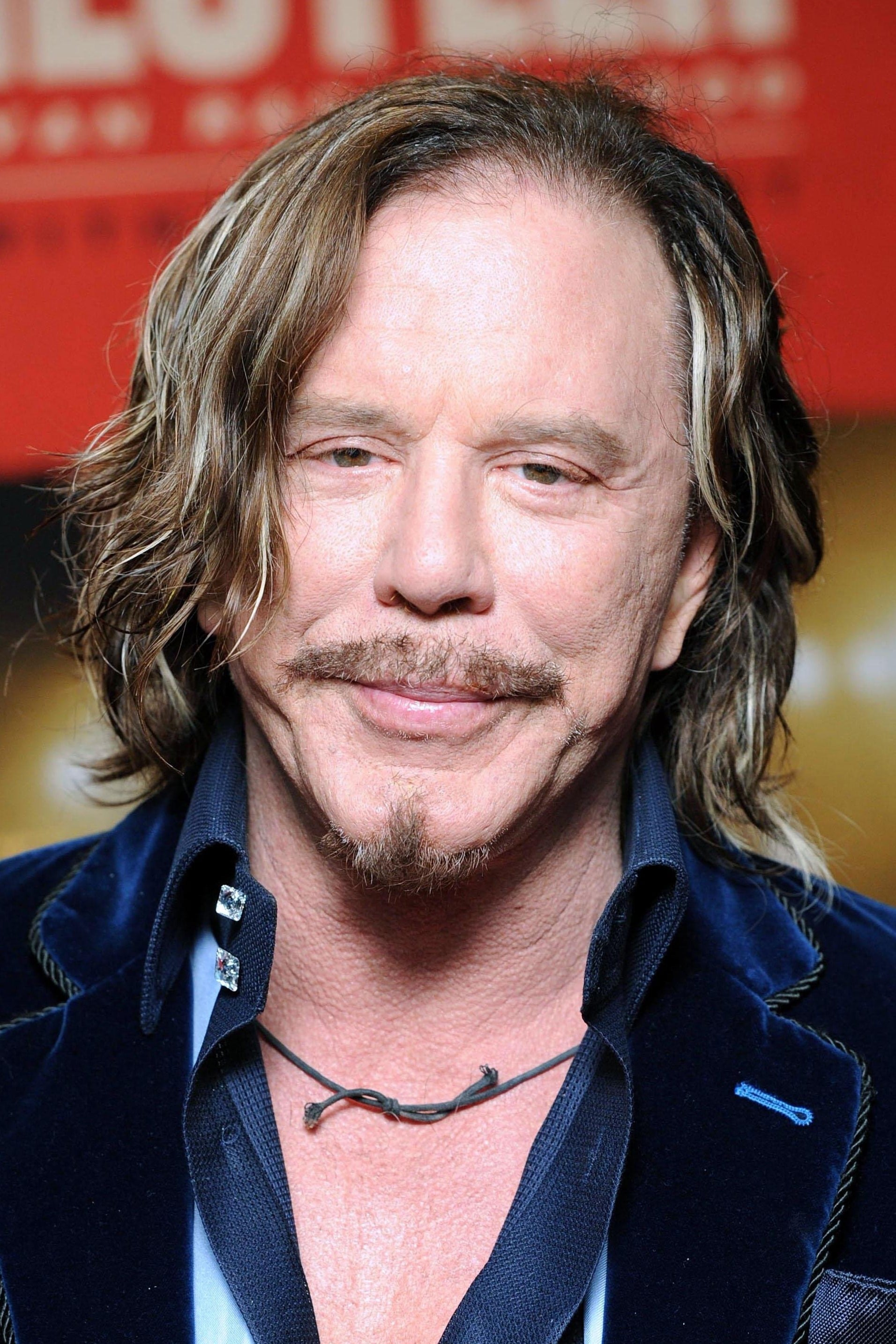
Rourke said his experience on ‘Iron Man 2’ left him frustrated because scenes he crafted to deepen his villain were cut in the final edit. He credited the director for collaboration while blaming studio choices for simplifying his character.
He has repeated that creative conflict shaped his view of Marvel. His later remarks praised individual filmmakers he admires, which underscored that his complaint focused on studio level decision making and not on crews or acting partners.
Edward Norton
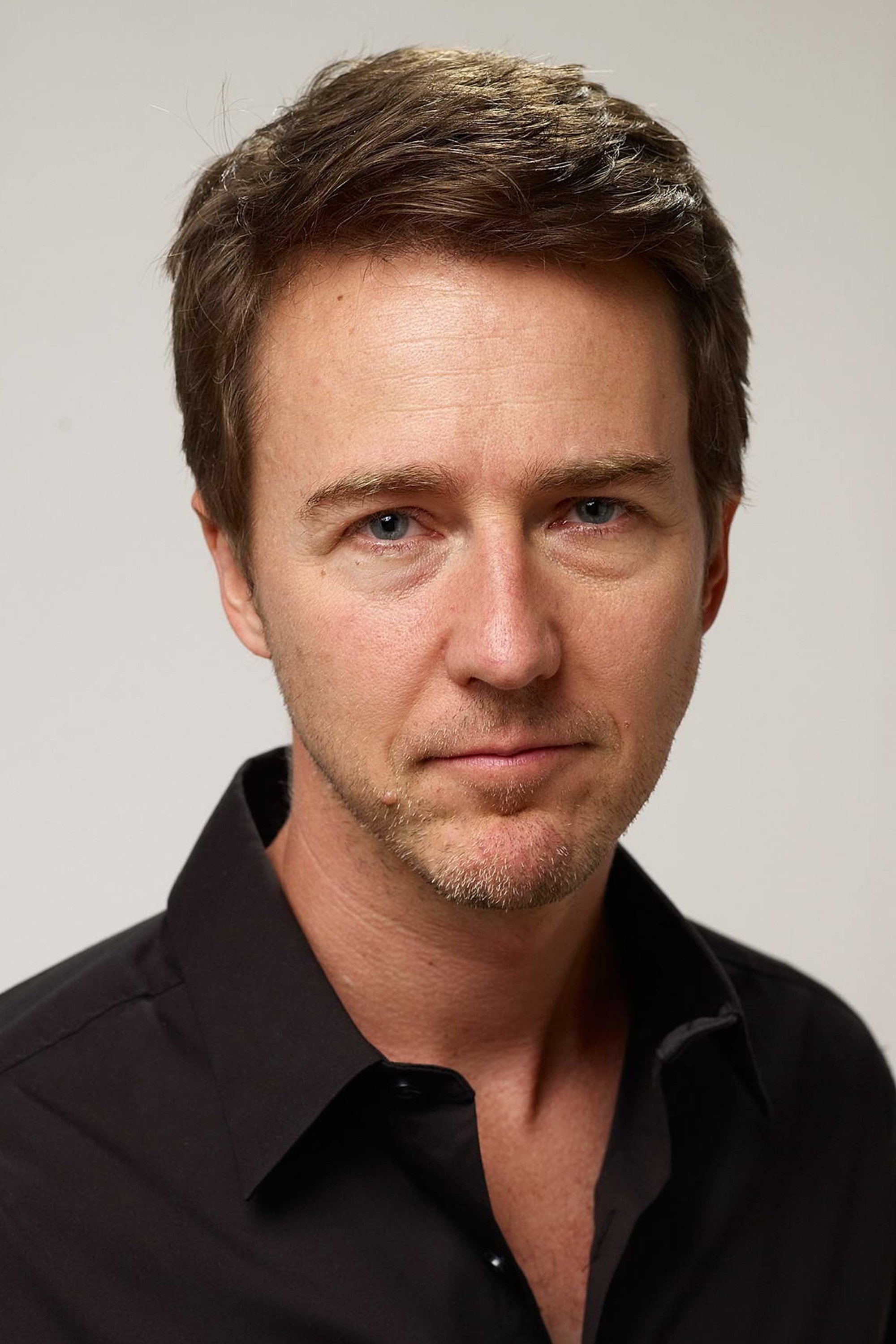
Norton starred in ‘The Incredible Hulk’ and was involved with early script work. He described a wish to explore the character’s psychology more deeply and said creative differences with Marvel over tone and direction led to a parting of ways.
The role was recast for later ensemble films and Norton moved on to other projects. He has said he bears no ill will and that the split came down to incompatible visions for a long running franchise.
Terrence Howard
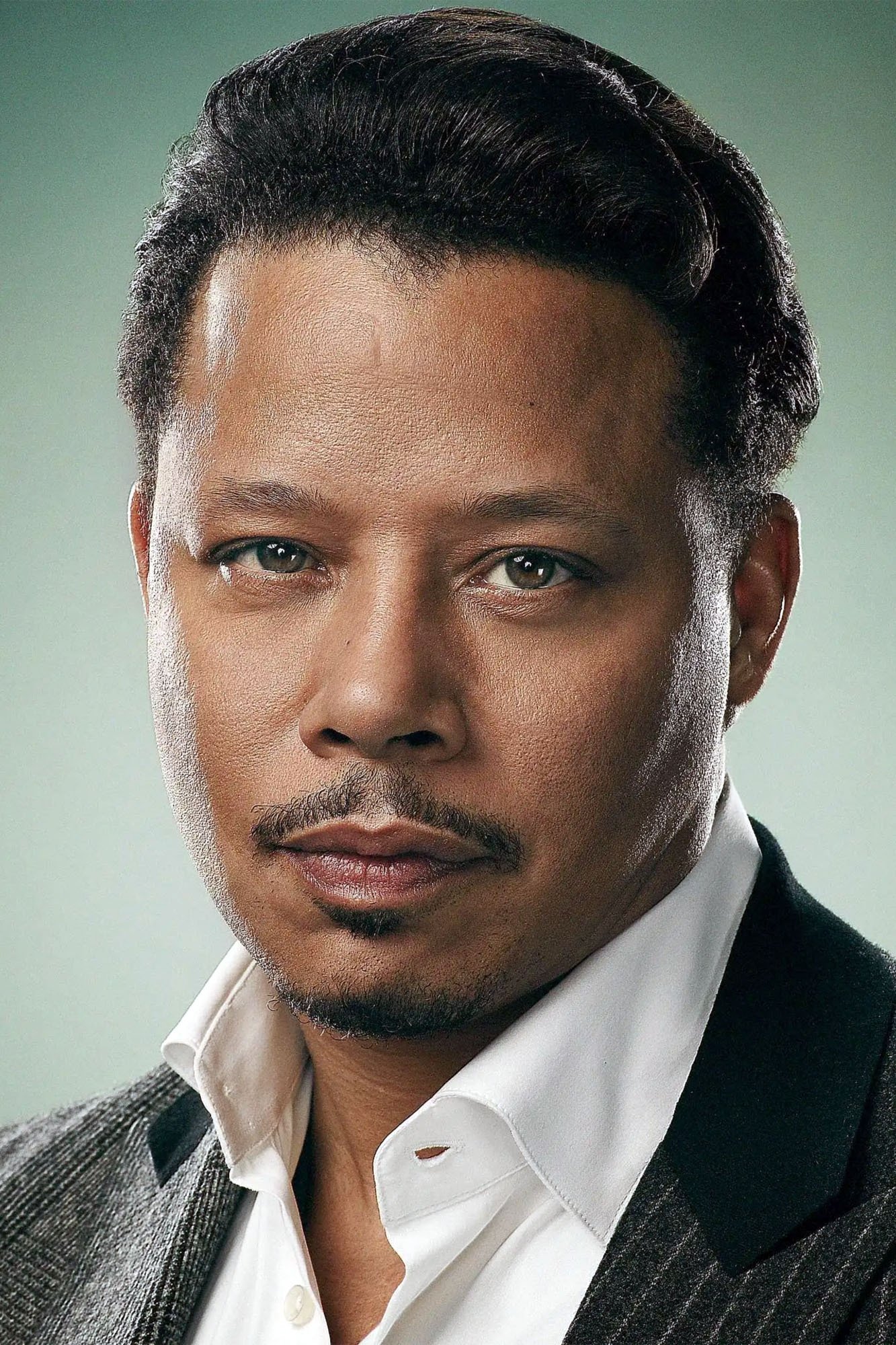
Howard appeared in ‘Iron Man’ and then did not return for the sequel. He said payment terms changed after the first film and that contract negotiations collapsed, which resulted in his replacement.
He has spoken openly about how that dispute affected him professionally. His account frames his distance from Marvel as a business breakdown rather than a creative disagreement.
Hugo Weaving
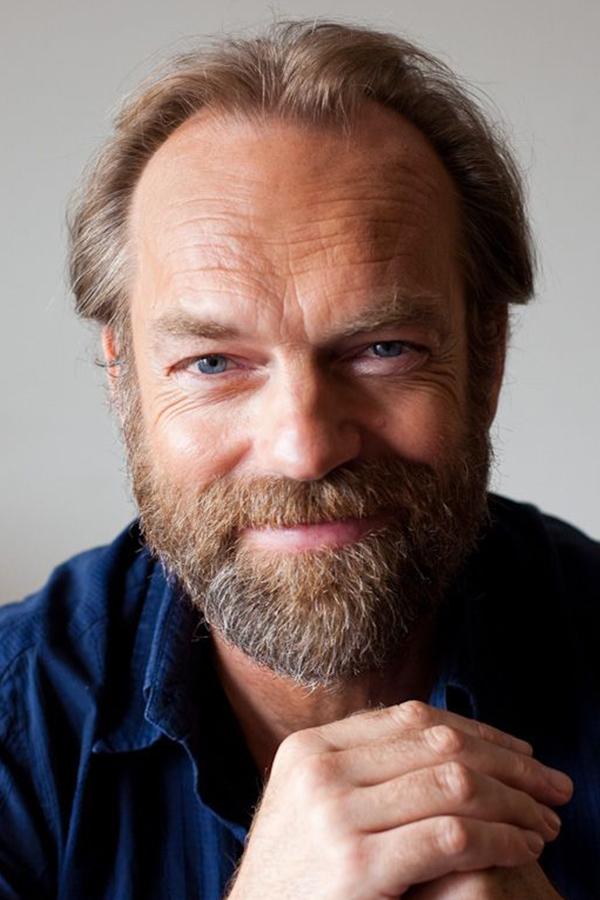
Weaving played Red Skull in ‘Captain America The First Avenger’ and later explained that he declined to return. He cited compensation and scheduling issues and said the heavy prosthetics were not appealing enough to justify another round.
When the character reappeared in later films another actor took over through voice and motion capture. Weaving’s comments focused on practical burdens and contract terms that made a reprise unattractive.
Christopher Eccleston
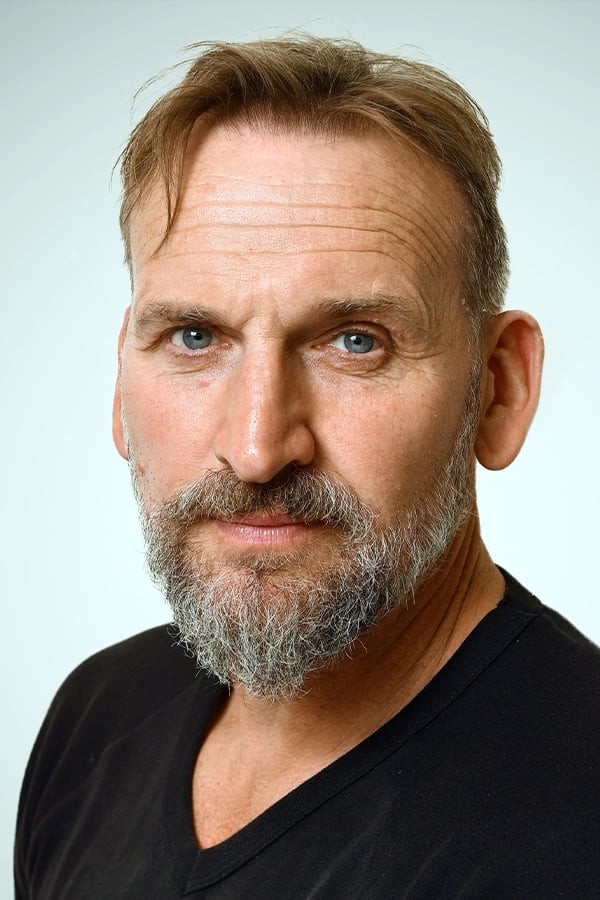
Eccleston portrayed Malekith in ‘Thor The Dark World’ and later described the job as difficult. He said the prosthetics required long daily sessions and that the final part differed from what he expected when he signed on.
He has said he respected colleagues on set but would not seek similar work again. His remarks highlight how extensive makeup and late stage changes can sour an experience even on a successful production.
Natalie Portman
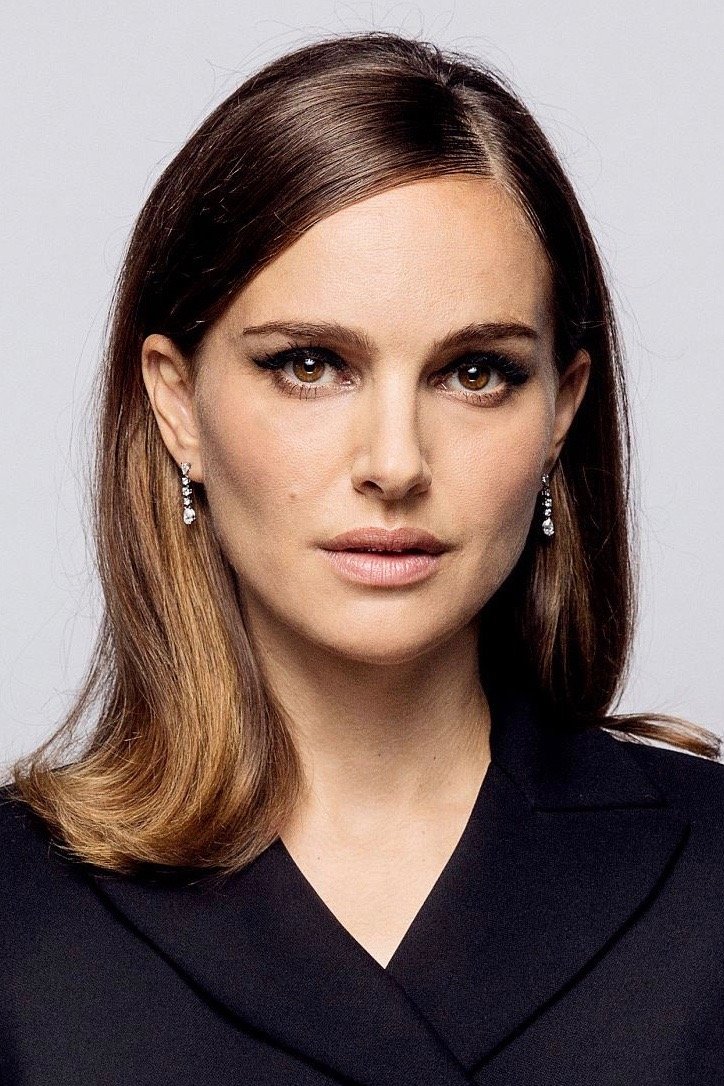
Portman returned for ‘Thor The Dark World’ after publicly supporting a director who left the project. Reports at the time described her as disappointed by that change and she took a long break from the franchise afterward.
She later came back for ‘Thor Love and Thunder’ when offered a story that centered her character. Her trajectory shows how behind the scenes shifts can affect an actor’s enthusiasm for a series like Marvel.
Idris Elba
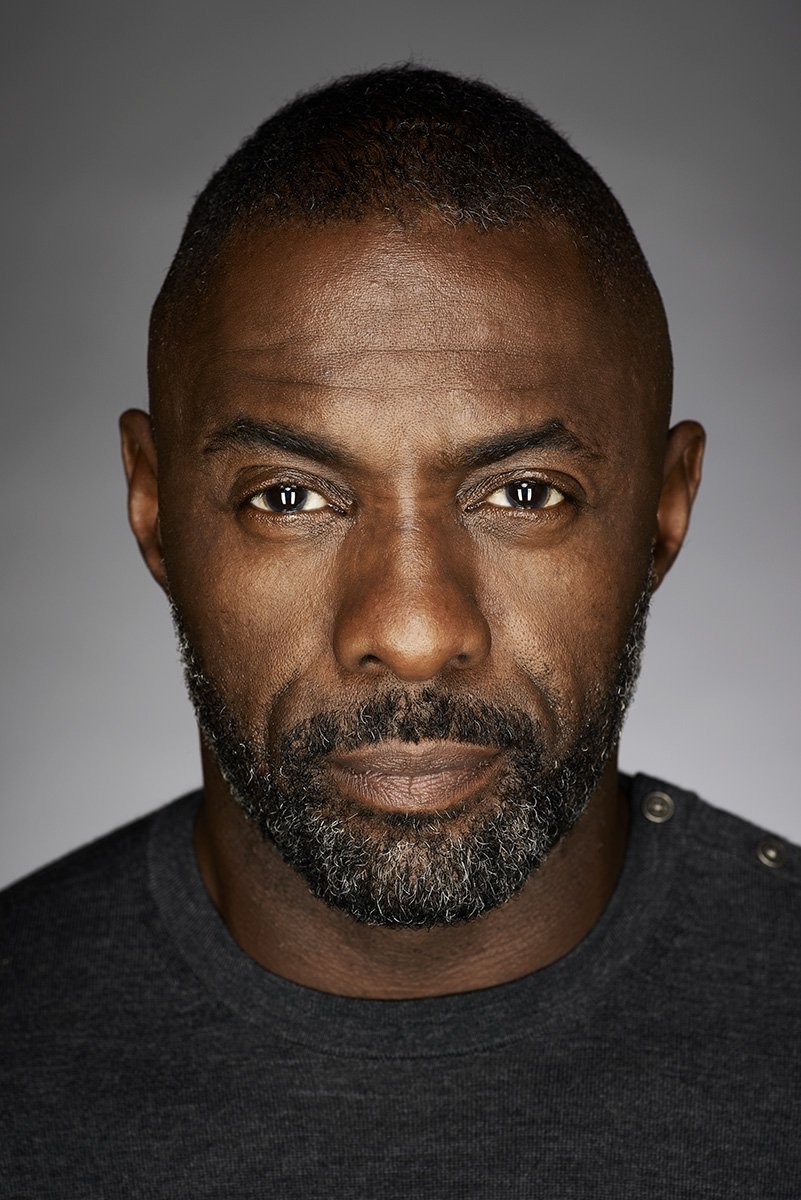
Elba said reshoots for ‘Thor The Dark World’ were grueling because they followed immediately after his work on ‘Mandela Long Walk to Freedom’. He described the contrast between an intense biographical drama and effects heavy set pieces as physically and mentally tough.
Despite that experience he continued to appear as Heimdall in subsequent films. His comments draw attention to scheduling strain and the different demands that Marvel productions can place on actors.
Joaquin Phoenix
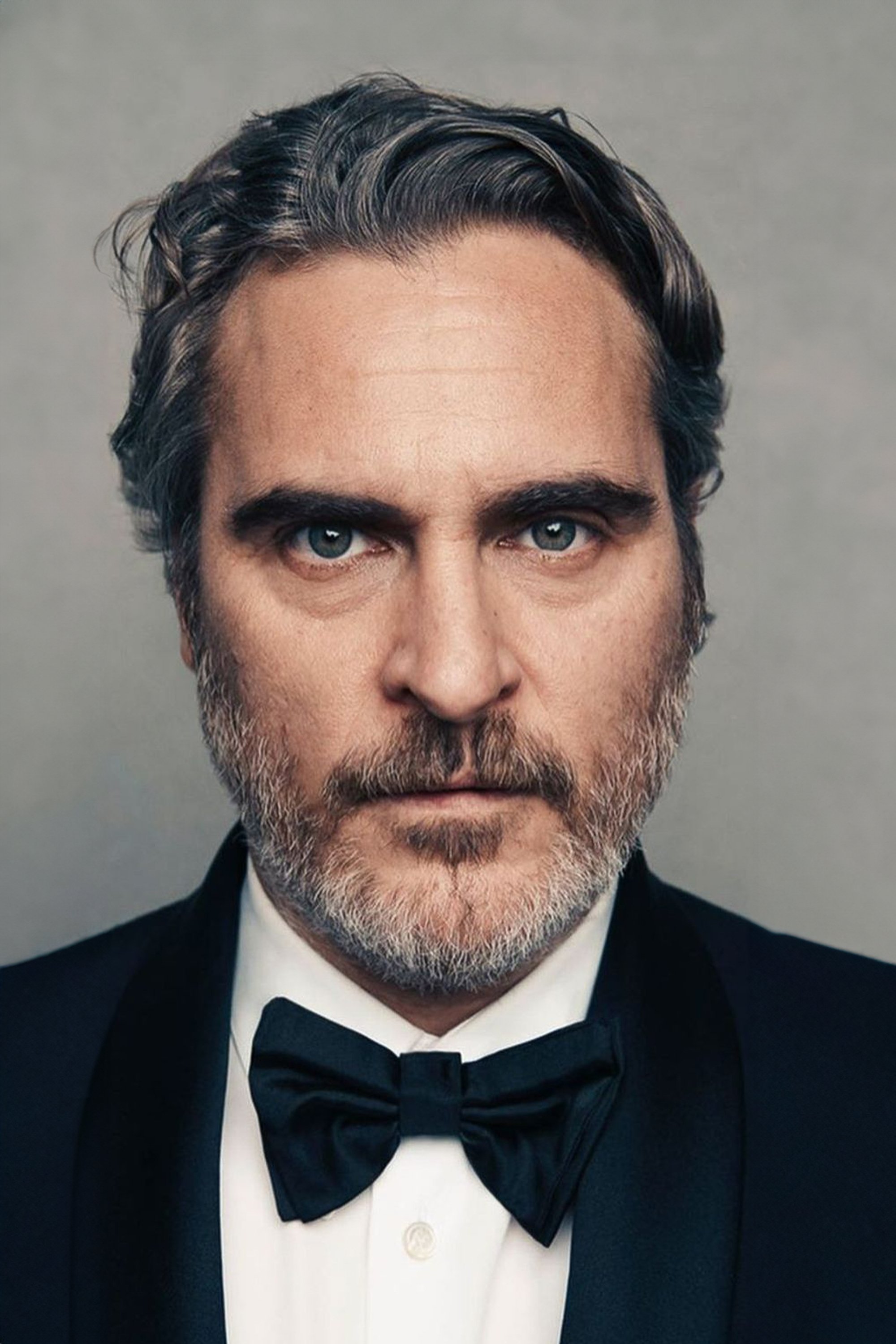
Phoenix entered talks to play the lead in ‘Doctor Strange’ and later explained why he did not sign. He said long term commitments and the scale of publicity required by a shared universe did not fit the way he prefers to work.
He then pursued character focused projects and later led a separate comic book film outside Marvel. His decision making showed a consistent preference for autonomy and limited franchise obligations.
Stephen Dorff
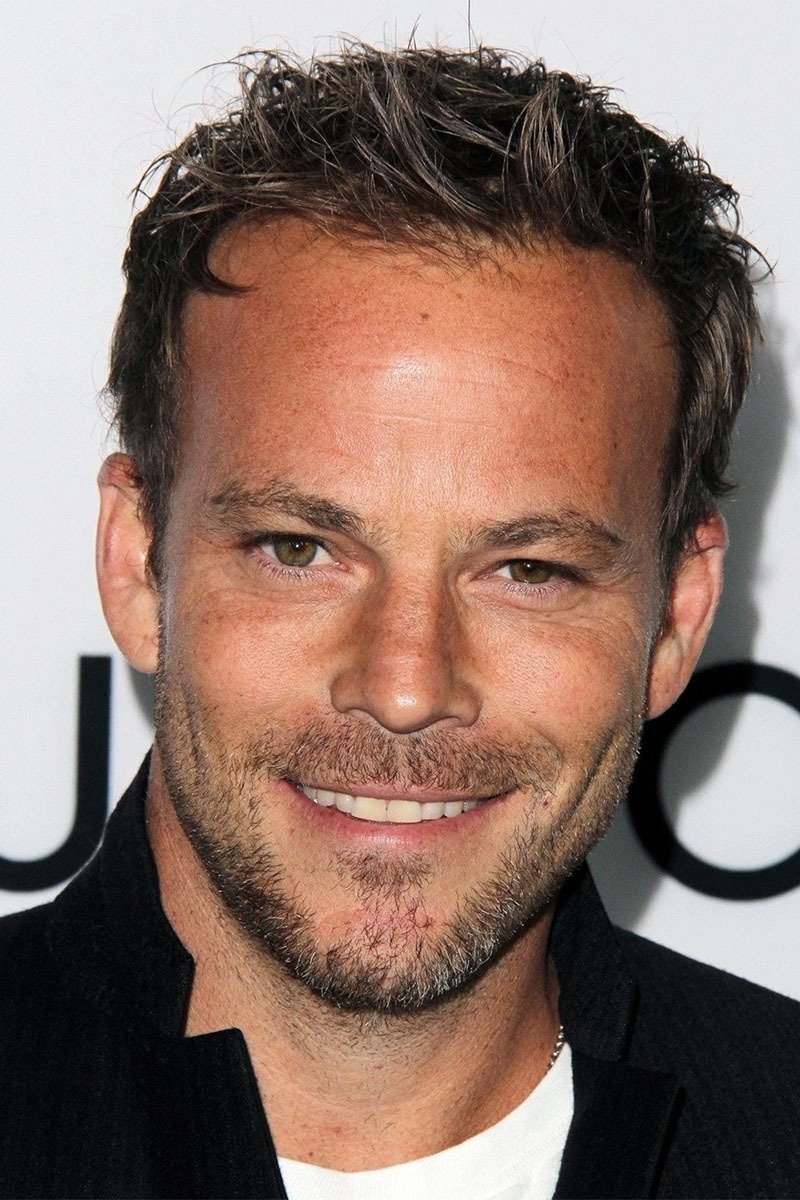
Dorff played the villain in ‘Blade’ and has since criticized newer superhero releases. He said recent entries rely on formula and that he seeks material with more risk and personality.
He has repeatedly contrasted his interest in independent films with the direction of current comic book blockbusters. His comments name Marvel titles when discussing his lack of interest in the modern approach.
John Boyega
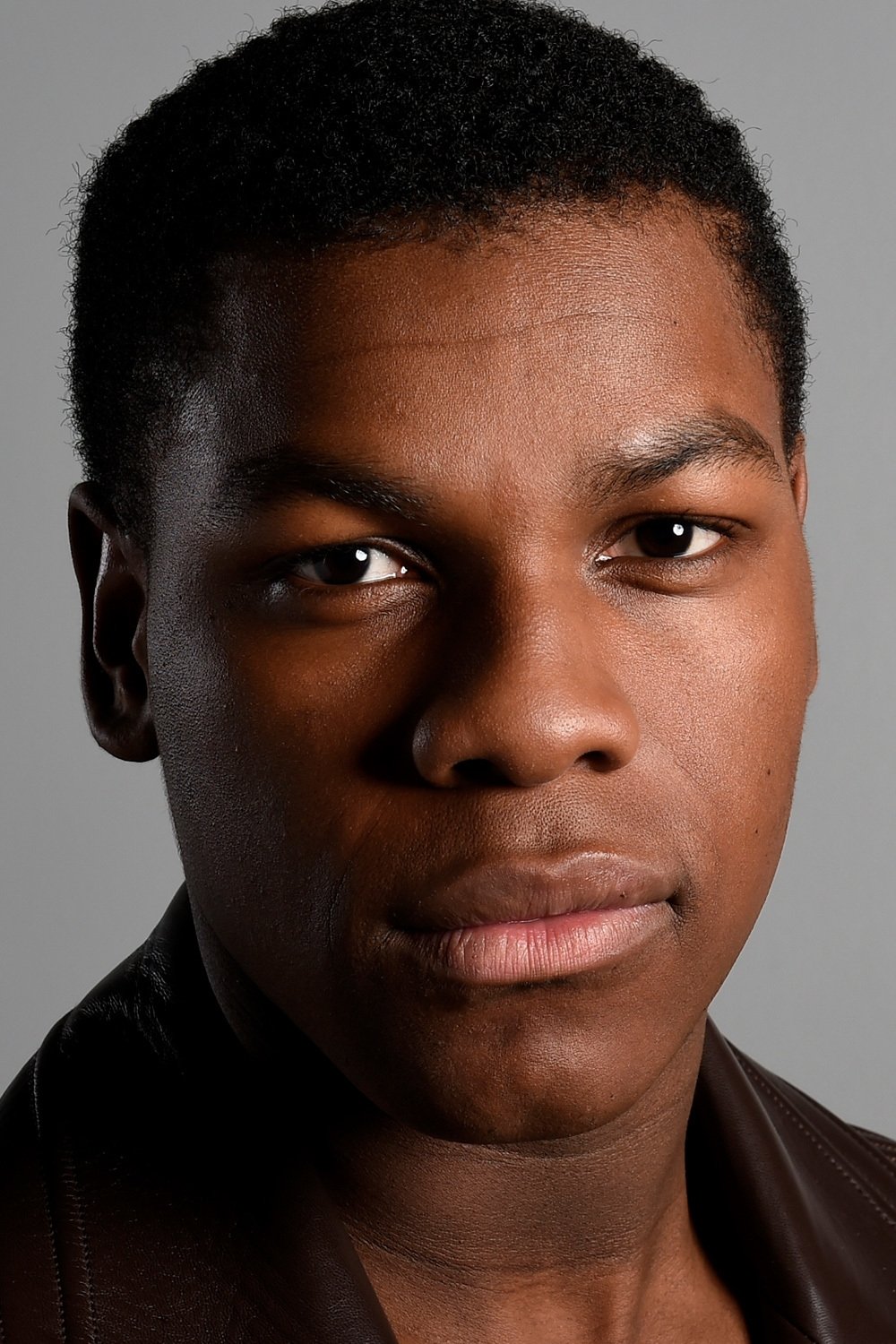
Boyega has said he is not pursuing Marvel roles and that he wants to focus on original stories with distinctive directors. He pointed to the satisfaction he gets from contained projects where he can help shape a role from the ground up.
He has spoken about franchise fatigue after a major space saga and prefers varied work across genres. His stance places Marvel on a list of opportunities he is deliberately passing on for the time being.
Amanda Seyfried

Seyfried said she once declined a Marvel opportunity because she did not want to spend months covered in paint and surrounded by heavy CGI. She also mentioned doubts at the time about whether audiences would embrace a talking raccoon and a tree.
She has since said that choice came from a practical place in her career and that it did not reflect on any specific team. Her explanation illustrates how makeup demands and uncertainty about tone can steer an actor away from Marvel.
Jennifer Aniston
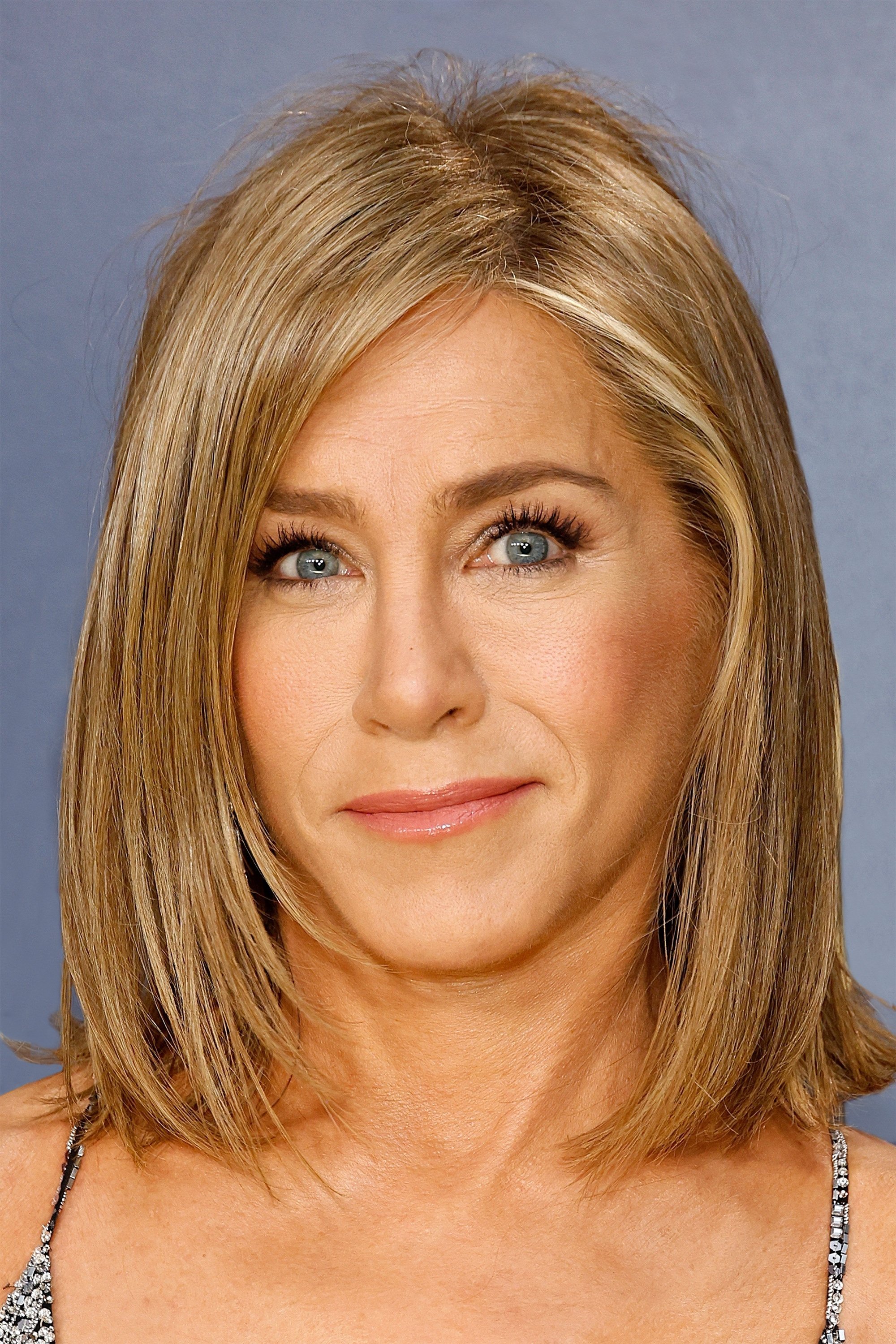
Aniston said the market has shifted toward superhero spectacles at the expense of mid budget theatrical releases. She described moving back into television partly because that format still supports the kinds of adult dramas and comedies she enjoys.
Her remarks often use Marvel as shorthand for the current blockbuster model. She has not pursued roles in that space and continues to advocate for projects that prioritize character work over effects.
Simon Pegg
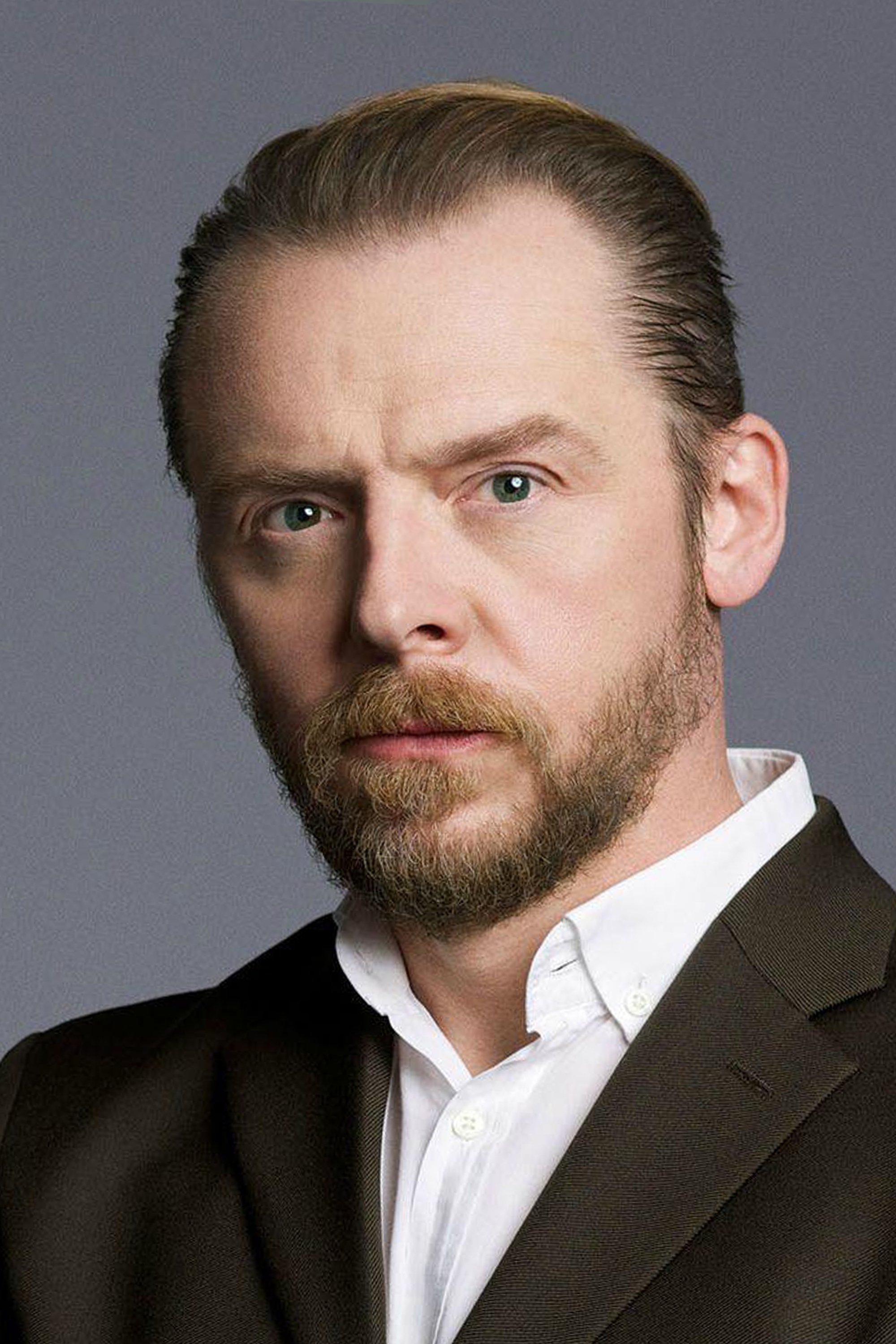
Pegg said that the culture can lean too hard on comic book escapism and that he worries about balance. He later clarified that he enjoys well made genre films while still wanting room for other types of storytelling.
He has not appeared in Marvel films and tends to choose projects that mix comedy with practical adventure. His comments treat Marvel as a symbol of a broader shift he thinks the industry should moderate.
Mel Gibson
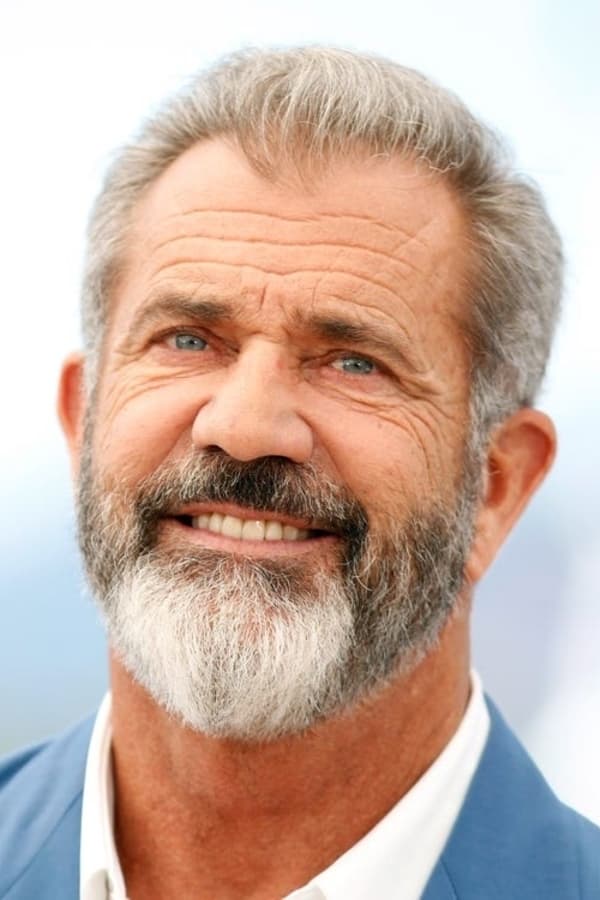
Gibson criticized modern superhero movies in interviews and questioned whether extreme budgets are good for filmmaking. He said he prefers stories with practical craft and human scale conflict.
He has not joined Marvel and has kept his focus on projects that match his tastes. His public comments use superhero franchises as examples when discussing budget priorities and tone.
Sean Penn
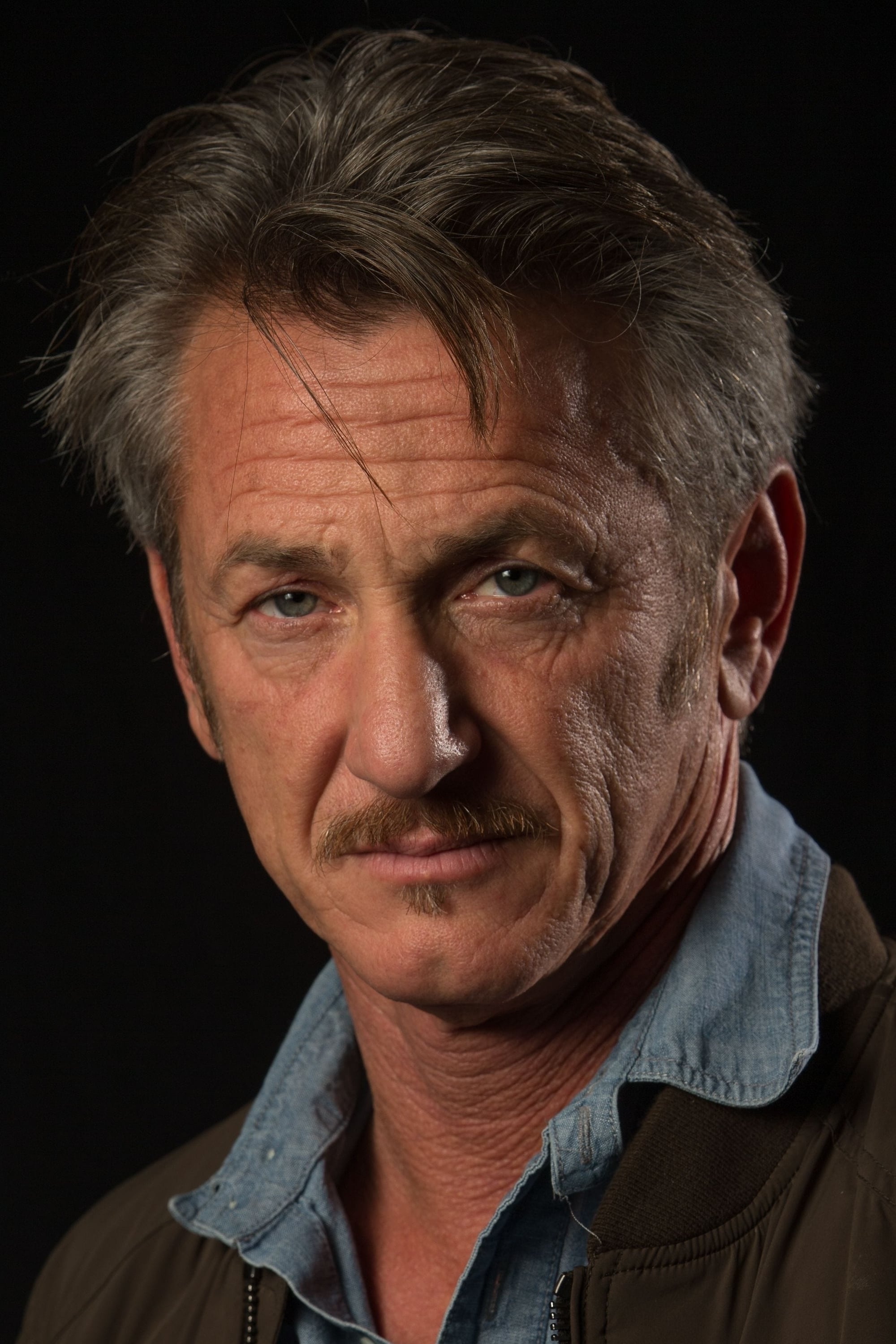
Penn has said that superhero films do not interest him because he looks for roles grounded in realism. He has expressed skepticism about the emotional depth offered by effects driven blockbusters.
He has stayed away from Marvel and from similar franchise offers. His view lines up with a career spent in dramas that emphasize performance over spectacle.
Emily Blunt

Blunt said she is not drawn to the superhero genre and that rumors connecting her to Marvel leads were inaccurate. She previously missed a Marvel role due to a scheduling conflict and later said the genre does not excite her.
She continues to choose a wide range of films without joining a shared universe. Her comments set clear boundaries about what she wants from material and why Marvel does not fit that plan.
Thomas Jane
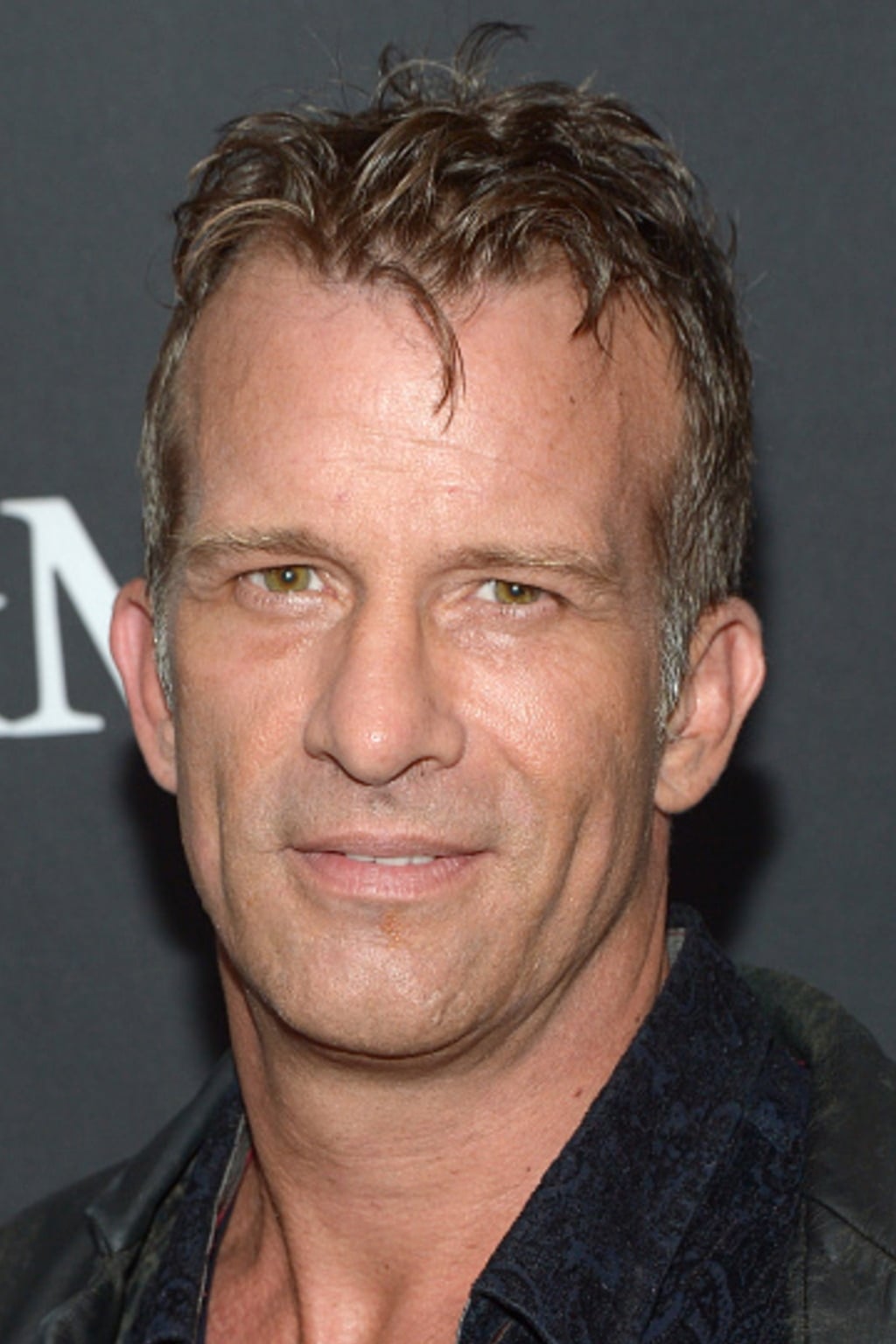
Jane starred in ‘The Punisher’ and then walked away from the planned sequel. He said the new script did not reflect the character he believed in and that the tone was more extreme than he was willing to support.
Years later he made the short film ‘Dirty Laundry’ as an unofficial return to the antihero on his own terms. His path shows how creative control and tone can push an actor out of Marvel territory even when they like the character.
Share which takes you agree or disagree with and tell us how you think Marvel and actors could meet in the middle in the comments.