Older Movies Whose CGI Looks Better Than Today’s


There is a special kind of movie magic that appears when digital effects support story and character. Many earlier productions blended practical craft with computer imagery in a way that let performances and clear visual ideas take the lead.
This list revisits films that balanced artists, cameras, and computers with care. You will find short summaries of each story along with cast and crew details and the teams and techniques that built the illusions on screen.
‘Jurassic Park’ (1993)
Steven Spielberg tells the story of a remote island theme park where cloned dinosaurs escape and place visitors in danger. Sam Neill, Laura Dern, Jeff Goldblum, and Richard Attenborough lead the cast with support from Ariana Richards, Joseph Mazzello, and Samuel L Jackson. The screenplay is by Michael Crichton and David Koepp and John Williams composed the score.
Industrial Light and Magic created computer generated dinosaurs while Stan Winston Studio built full scale animatronics. Dennis Muren supervised visual effects with Phil Tippett guiding creature movement and Michael Lantieri heading special effects. Dean Cundey served as cinematographer and Michael Kahn edited the film.
‘Terminator 2: Judgment Day’ (1991)
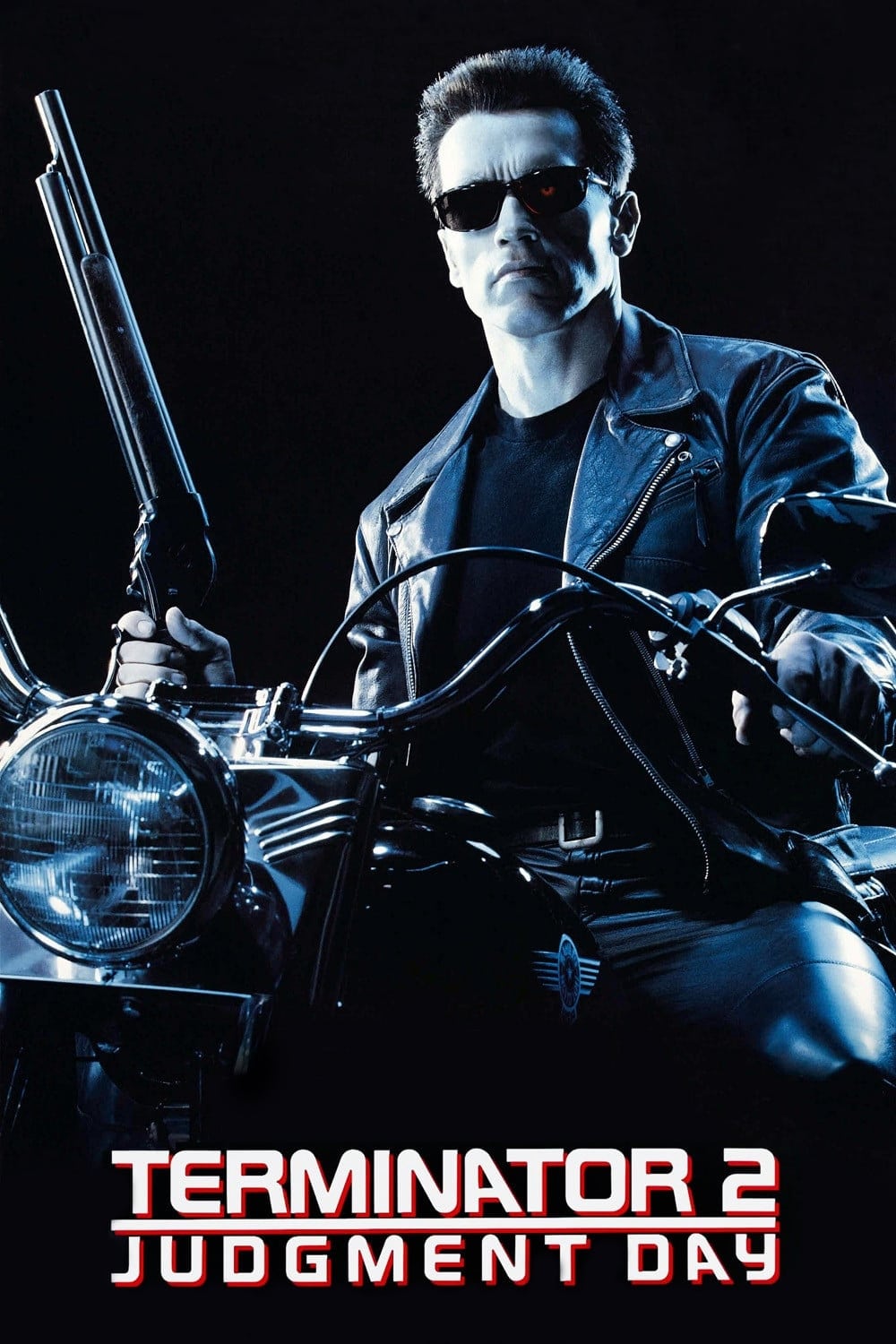
James Cameron continues the story of Sarah and John Connor who are targeted by a liquid metal assassin while an older model protector fights to keep them alive. Arnold Schwarzenegger, Linda Hamilton, Edward Furlong, and Robert Patrick star with Joe Morton and Earl Boen in support. The script is by James Cameron and William Wisher and Brad Fiedel provided the score.
Industrial Light and Magic handled liquid metal shots and Stan Winston Studio created complex makeup and animatronics. Dennis Muren led visual effects and Mark Dippé and Steve Williams guided work on the shape shifting character. Adam Greenberg shot the film and the editors were Conrad Buff, Mark Goldblatt, and Richard A Harris.
‘The Abyss’ (1989)
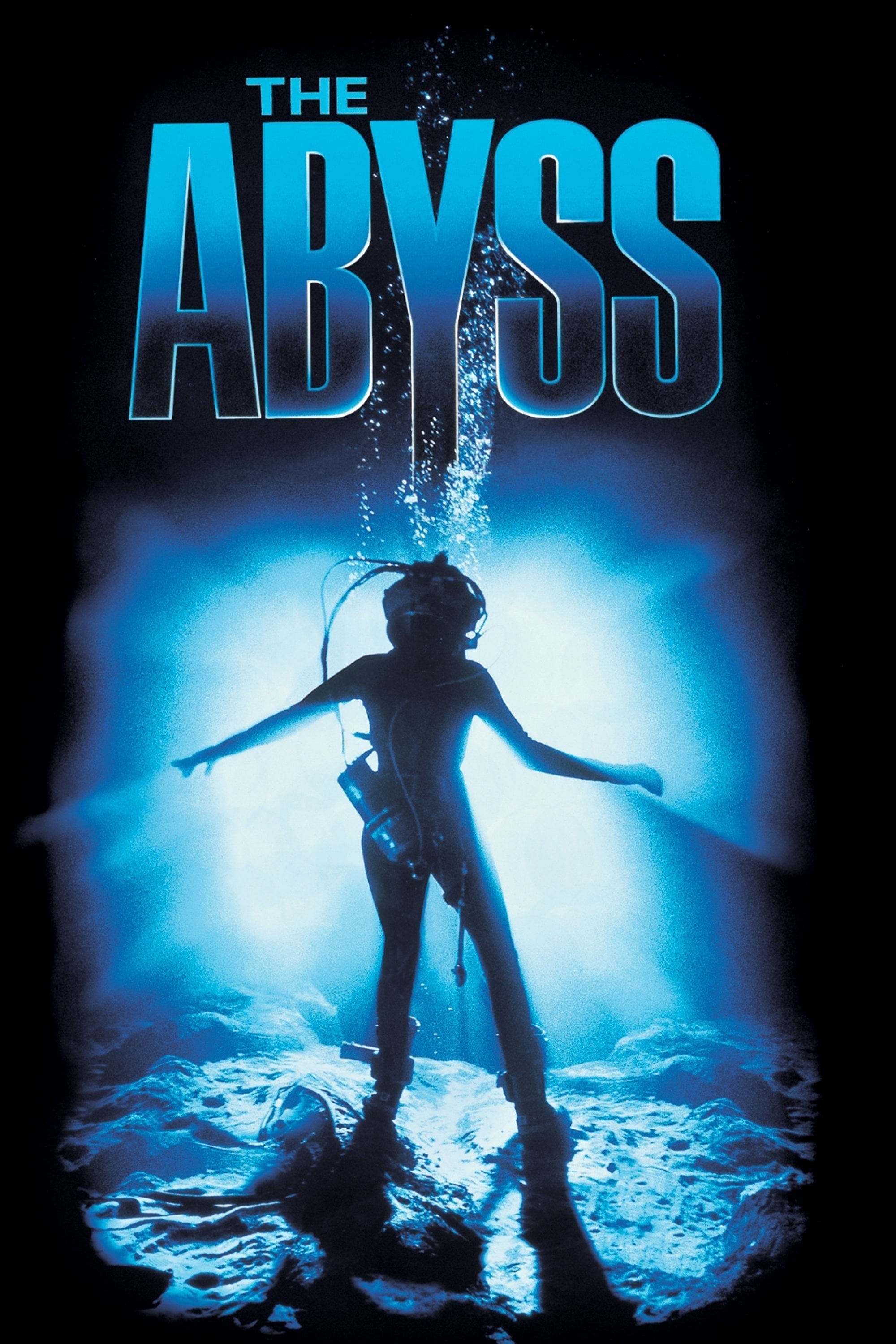
A civilian dive team and Navy personnel search a sunken submarine and encounter an unknown underwater presence. Ed Harris, Mary Elizabeth Mastrantonio, and Michael Biehn head the cast with Leo Burmester and Todd Graff in key roles. James Cameron directed and wrote the story and Alan Silvestri composed the music.
Industrial Light and Magic created the water pseudopod and other digital shots while massive underwater sets were built inside a South Carolina tank. Dennis Muren supervised visual effects with contributions from artists including John Knoll. Mikael Salomon handled cinematography and the editors included Conrad Buff and Howard E Smith.
‘The Matrix’ (1999)
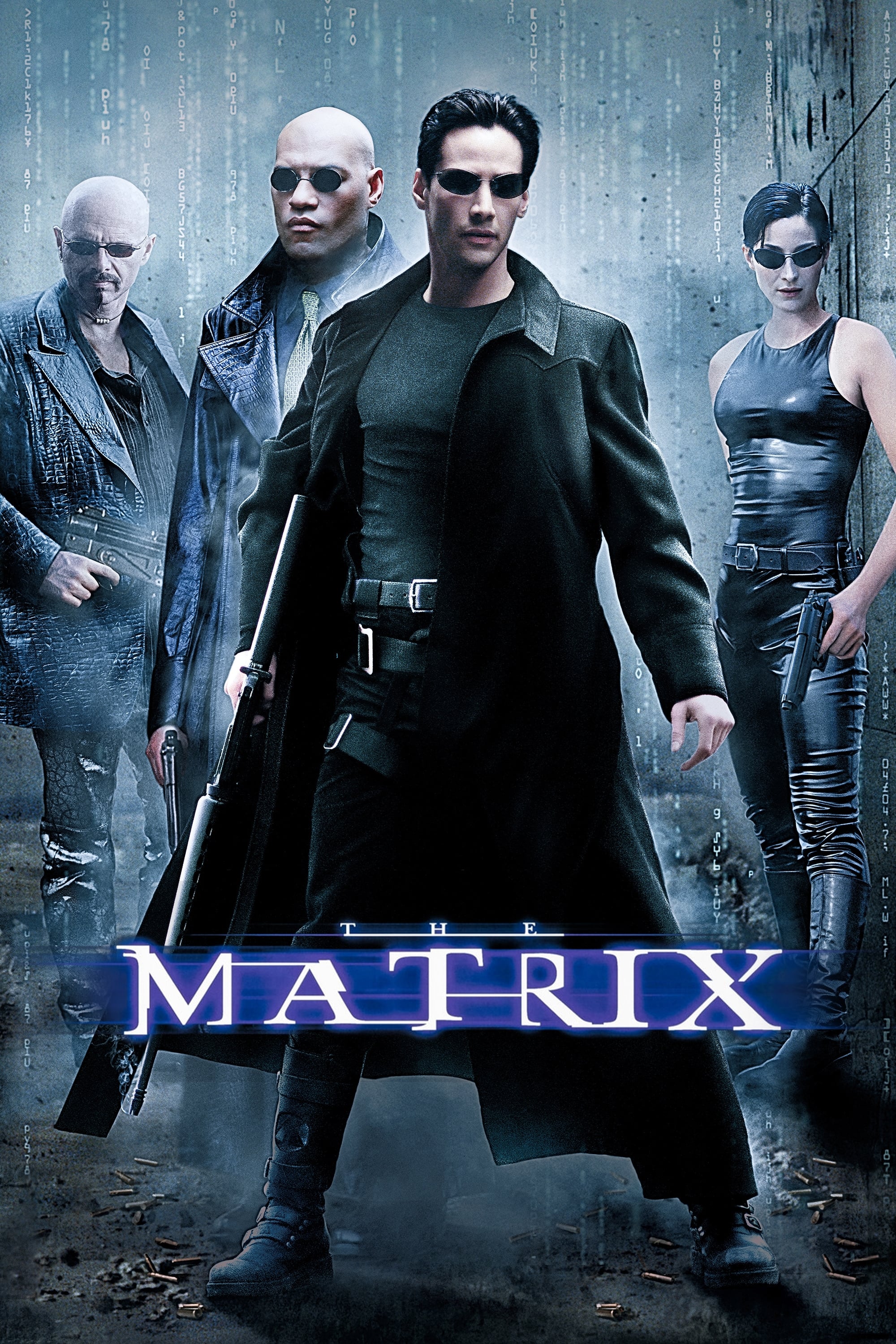
A computer hacker learns that reality is a simulation and joins a small resistance to fight sentient machines. Keanu Reeves stars with Laurence Fishburne, Carrie Anne Moss, and Hugo Weaving. The film is written and directed by Lilly Wachowski and Lana Wachowski and Don Davis composed the score. Zach Staenberg edited.
John Gaeta led visual effects and Manex Visual Effects developed bullet time photography using arrays of still cameras and specialized rigging. Additional work came from Animal Logic and D Film. Bill Pope served as cinematographer and wire work was coordinated by Yuen Woo Ping across Sydney locations and stages.
‘Titanic’ (1997)
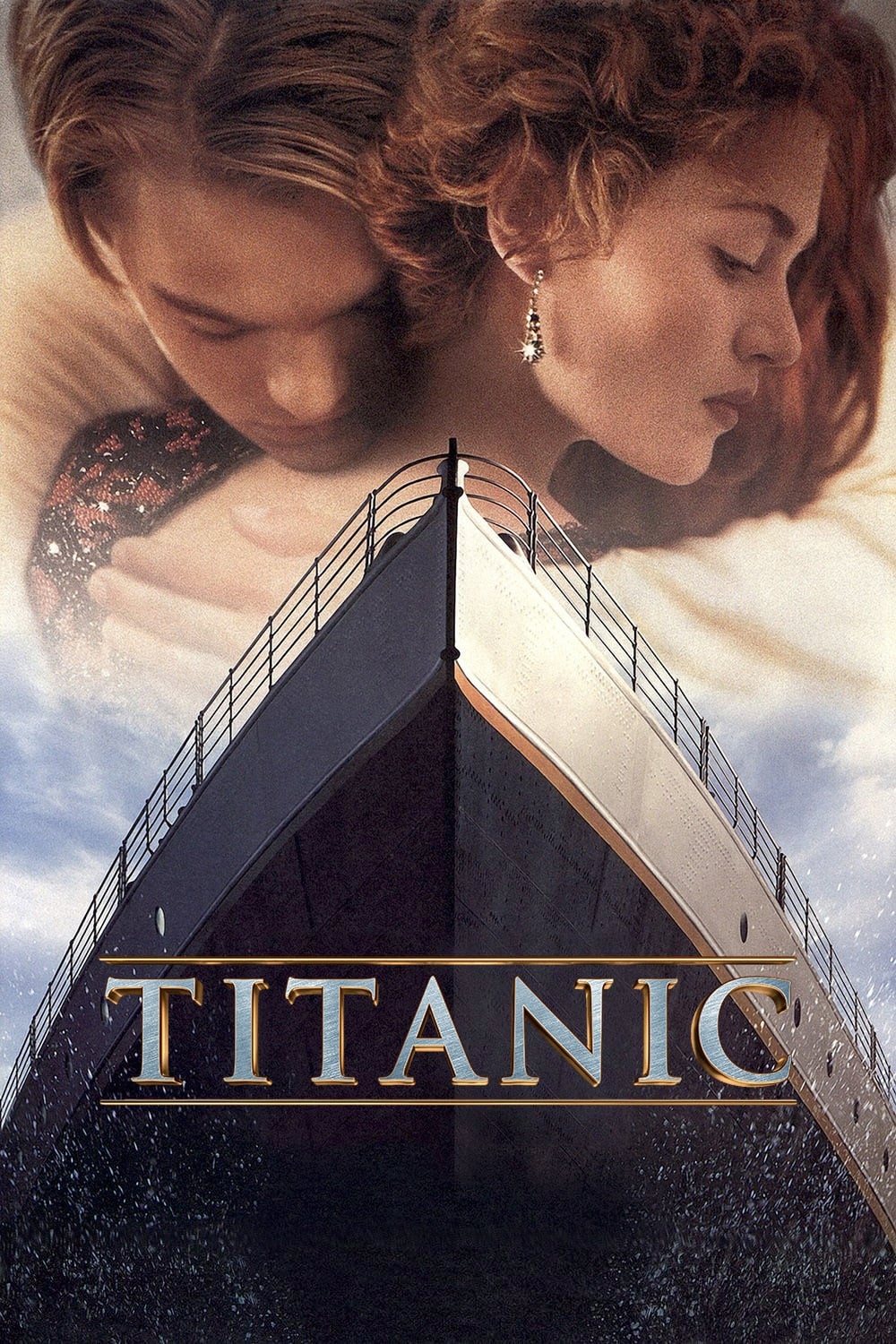
A young artist and a first class passenger meet aboard an ocean liner and face a disaster at sea after the ship strikes an iceberg. Leonardo DiCaprio and Kate Winslet star with Billy Zane, Kathy Bates, Frances Fisher, Gloria Stuart, and Bill Paxton. James Cameron wrote and directed and James Horner composed the score.
Digital Domain led visual effects for ship and water work with support from multiple vendors. Russell Carpenter served as cinematographer and Rob Legato supervised visual effects. Large exterior sets and miniature photography were combined with digital crowds. The editors were James Cameron, Conrad Buff, and Richard A Harris.
‘The Lord of the Rings: The Fellowship of the Ring’ (2001)
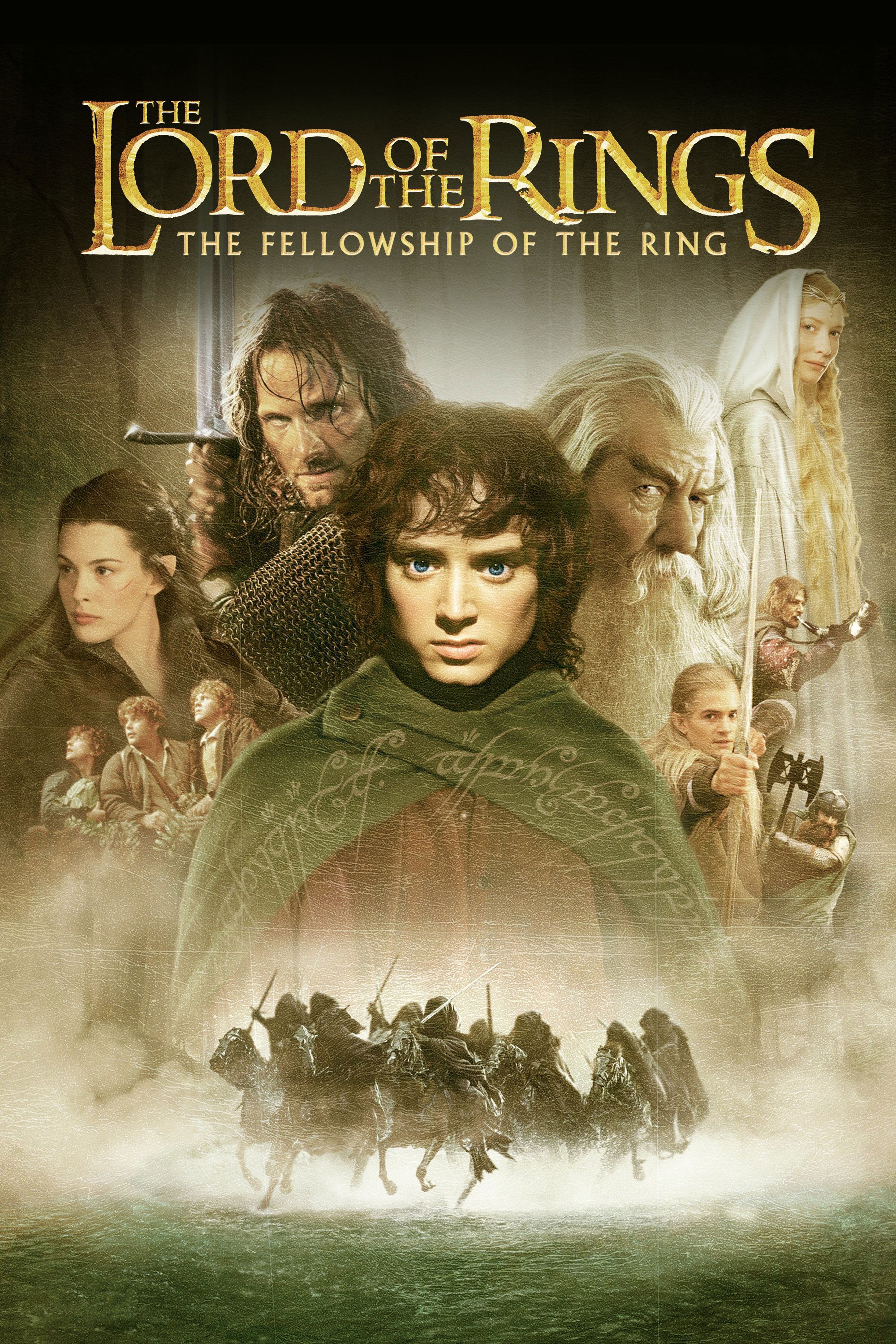
A young hobbit leaves the Shire with a small fellowship to carry a powerful ring away from the forces that seek it. Elijah Wood, Ian McKellen, Viggo Mortensen, Sean Astin, Orlando Bloom, John Rhys Davies, and Cate Blanchett lead the ensemble with Christopher Lee and Hugo Weaving in key roles. Peter Jackson directed and the screenplay is by Fran Walsh, Philippa Boyens, and Jackson. Howard Shore composed the score.
Weta Digital produced digital creatures and environments and Weta Workshop built prosthetics and armor. Bigature models and forced perspective sold scale differences between characters. Andrew Lesnie was the cinematographer and John Gilbert edited.
‘The Lord of the Rings: The Two Towers’ (2002)
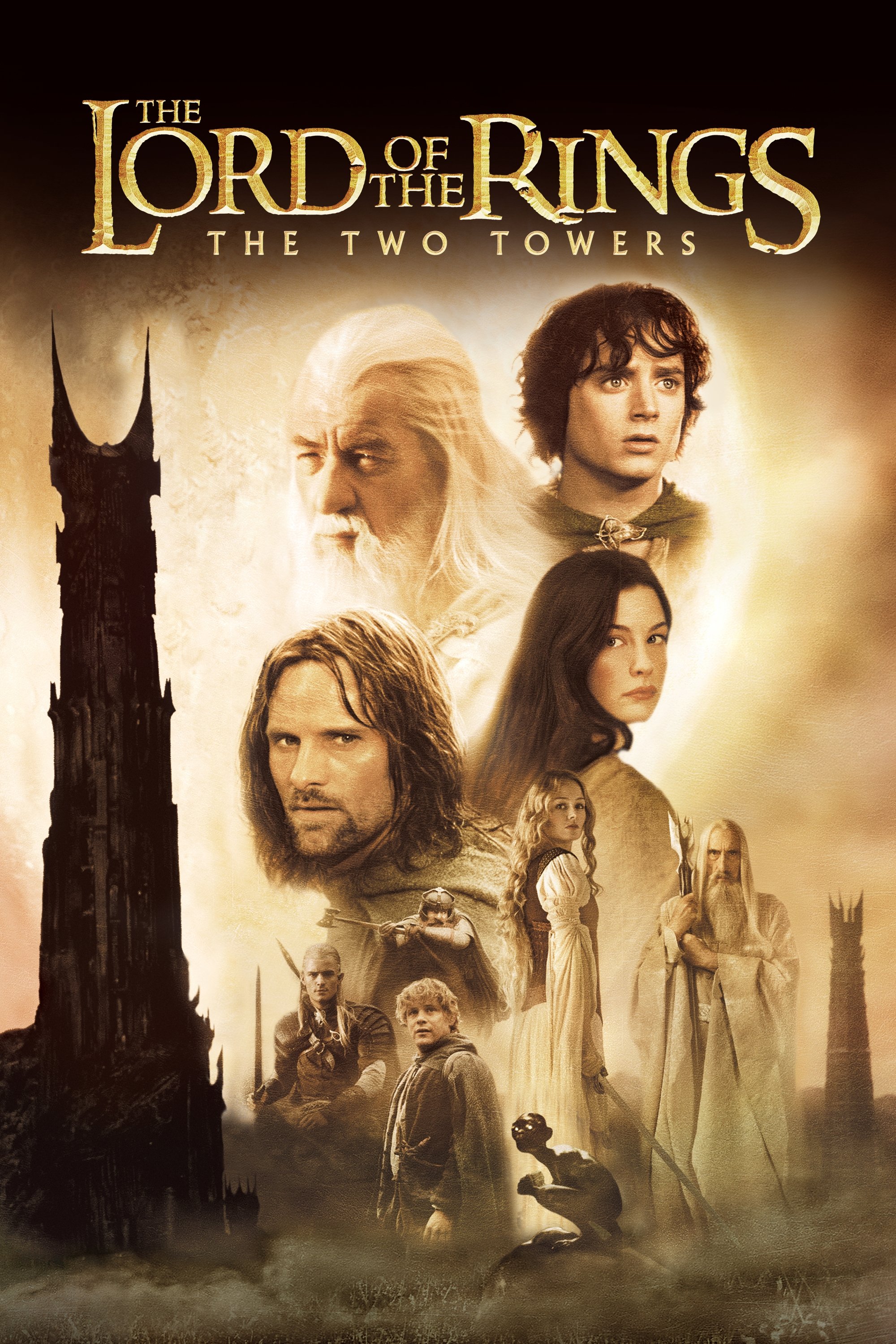
The fellowship is split as friends seek to rescue allies while an enemy army advances on a mountain stronghold. Elijah Wood and Sean Astin continue as Frodo and Sam with Ian McKellen, Viggo Mortensen, Orlando Bloom, and John Rhys Davies across multiple story threads. Peter Jackson directs and the screenplay team is Fran Walsh, Philippa Boyens, and Jackson. Howard Shore provides the score.
Weta Digital advanced creature animation for Gollum and built large battle shots with crowd simulation. Andrew Lesnie shot the film and Michael Horton edited. Weta Workshop created armor and prosthetics and location work covered rugged terrain and night sequences.
‘The Lord of the Rings: The Return of the King’ (2003)
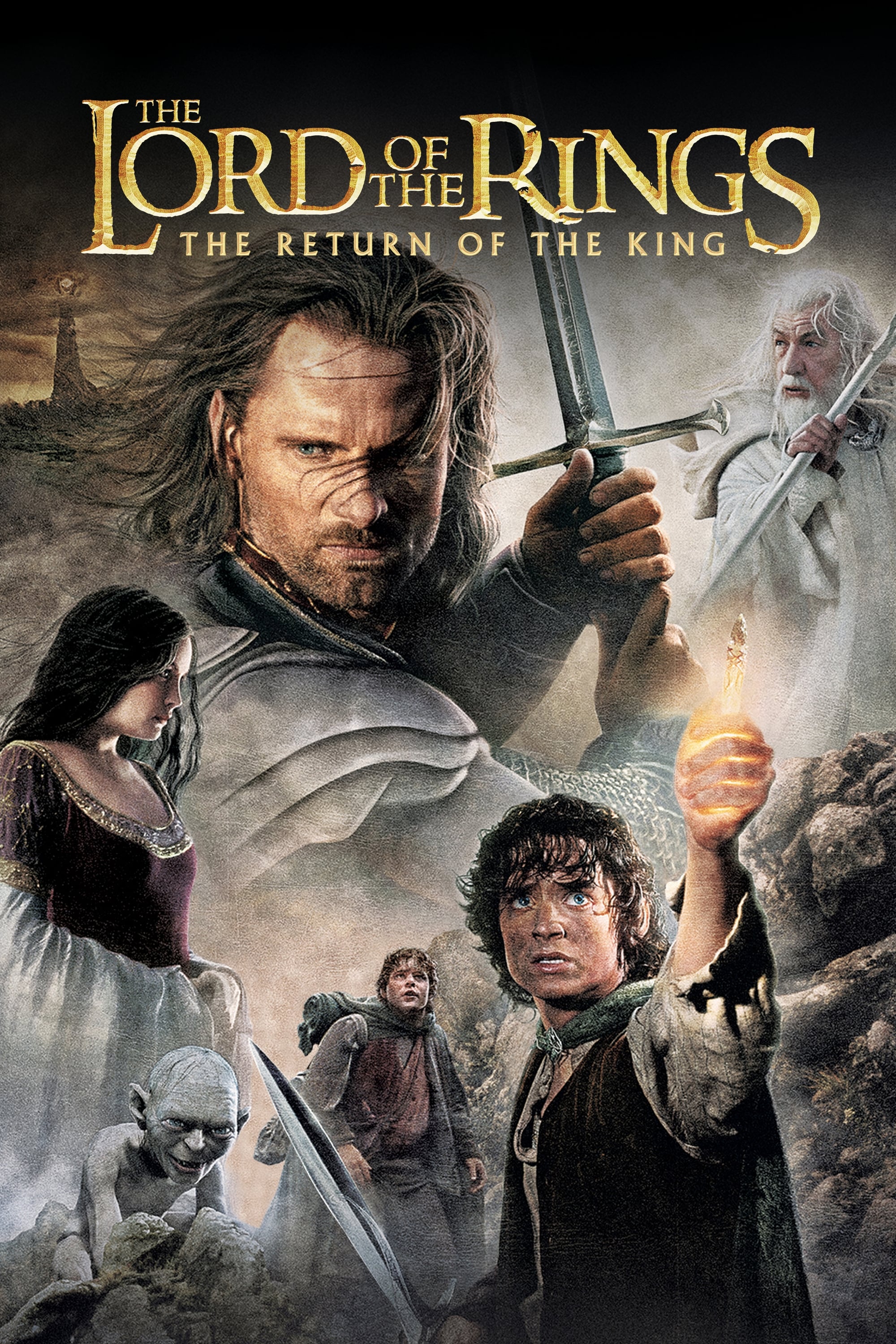
The quest reaches its final leg as a small group pushes toward the enemy’s land while allies rally to defend a besieged city. Elijah Wood, Sean Astin, Ian McKellen, Viggo Mortensen, Orlando Bloom, and John Rhys Davies lead with Andy Serkis, Bernard Hill, and Miranda Otto in key roles. Peter Jackson directs and shares writing with Fran Walsh and Philippa Boyens. Howard Shore returns for the score.
Weta Digital delivered massive battles and creature work using motion capture and detailed compositing. Jamie Selkirk edited and Andrew Lesnie shot the film. Weta Workshop built miniatures and practical armor and the production integrated large exterior builds with digital extensions.
‘Starship Troopers’ (1997)
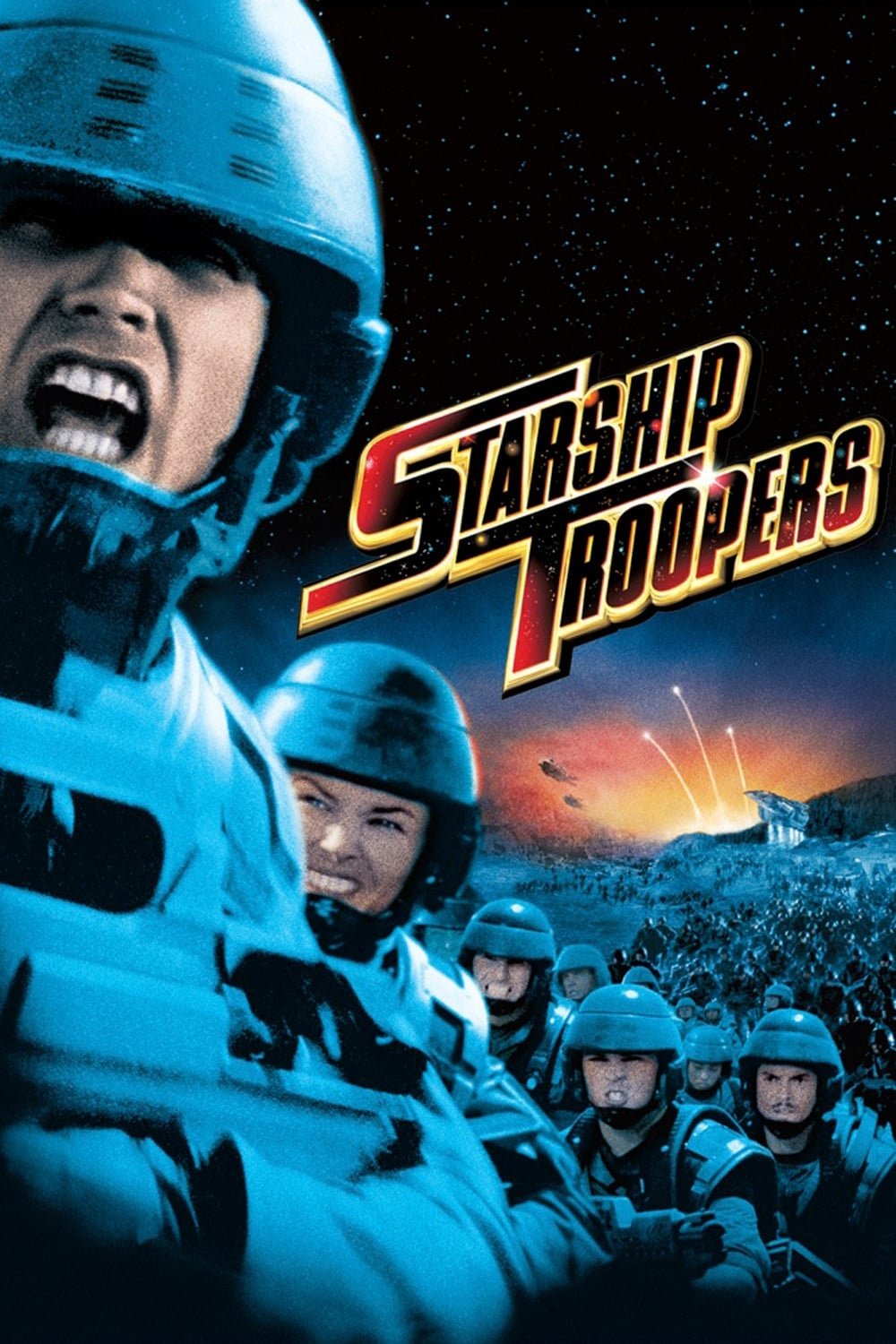
A group of young soldiers fights an insect species on distant planets while personal relationships evolve during training and combat. Casper Van Dien, Denise Richards, Dina Meyer, Neil Patrick Harris, and Michael Ironside star. Paul Verhoeven directs from a screenplay by Edward Neumeier based on the novel by Robert A Heinlein. Basil Poledouris composed the music.
Tippett Studio created digital bugs with support from Sony Pictures Imageworks and Boss Film Studios. Jost Vacano served as cinematographer and Mark Goldblatt edited. Pyrotechnics, practical suits, and motion control passes supported integration with CG swarms.
‘Forrest Gump’ (1994)
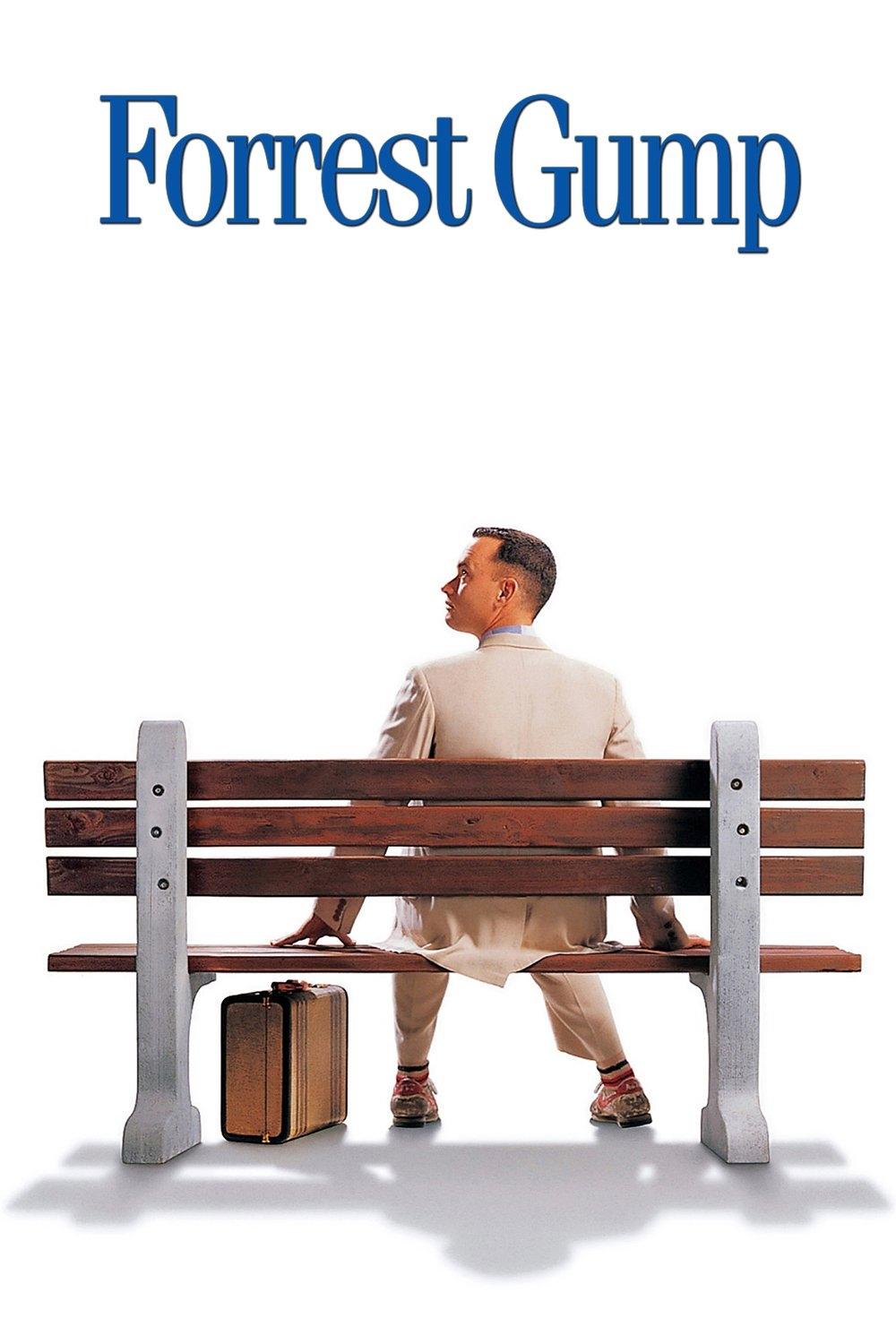
The life of a man from Alabama intersects with major American events while he searches for his childhood love. Tom Hanks plays the title role with Robin Wright, Gary Sinise, Mykelti Williamson, and Sally Field. Robert Zemeckis directed and the screenplay is by Eric Roth from the novel by Winston Groom. Alan Silvestri composed the score.
Industrial Light and Magic composited the character into historic footage and created digital crowds and limb removal work. Don Burgess served as cinematographer and Arthur Schmidt edited. Period accurate props and costumes were supported by visual effects that blended with live action plates.
‘Contact’ (1997)
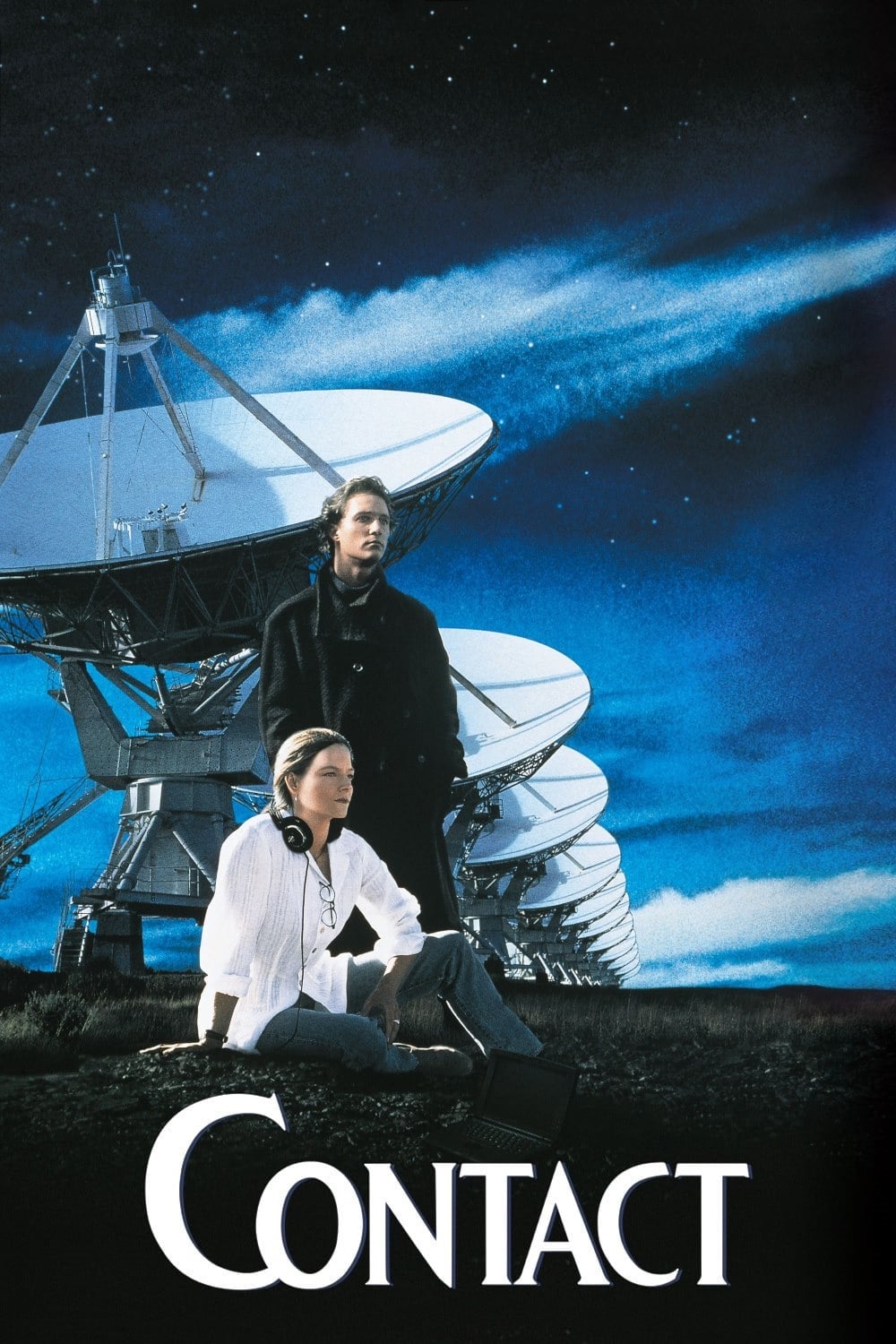
A scientist receives a coded message from deep space and joins a project to build a mysterious machine while politics and media attention build. Jodie Foster leads the cast with Matthew McConaughey, Tom Skerritt, James Woods, John Hurt, and Angela Bassett. Robert Zemeckis directed and the screenplay is by James V Hart and Michael Goldenberg from the novel by Carl Sagan. Alan Silvestri composed the music.
Sony Pictures Imageworks created complex composites and celestial imagery with notable reflection sequences. Don Burgess handled cinematography and Arthur Schmidt edited. Real locations and staged news segments were blended through visual effects to ground the story.
‘The Fifth Element’ (1997)
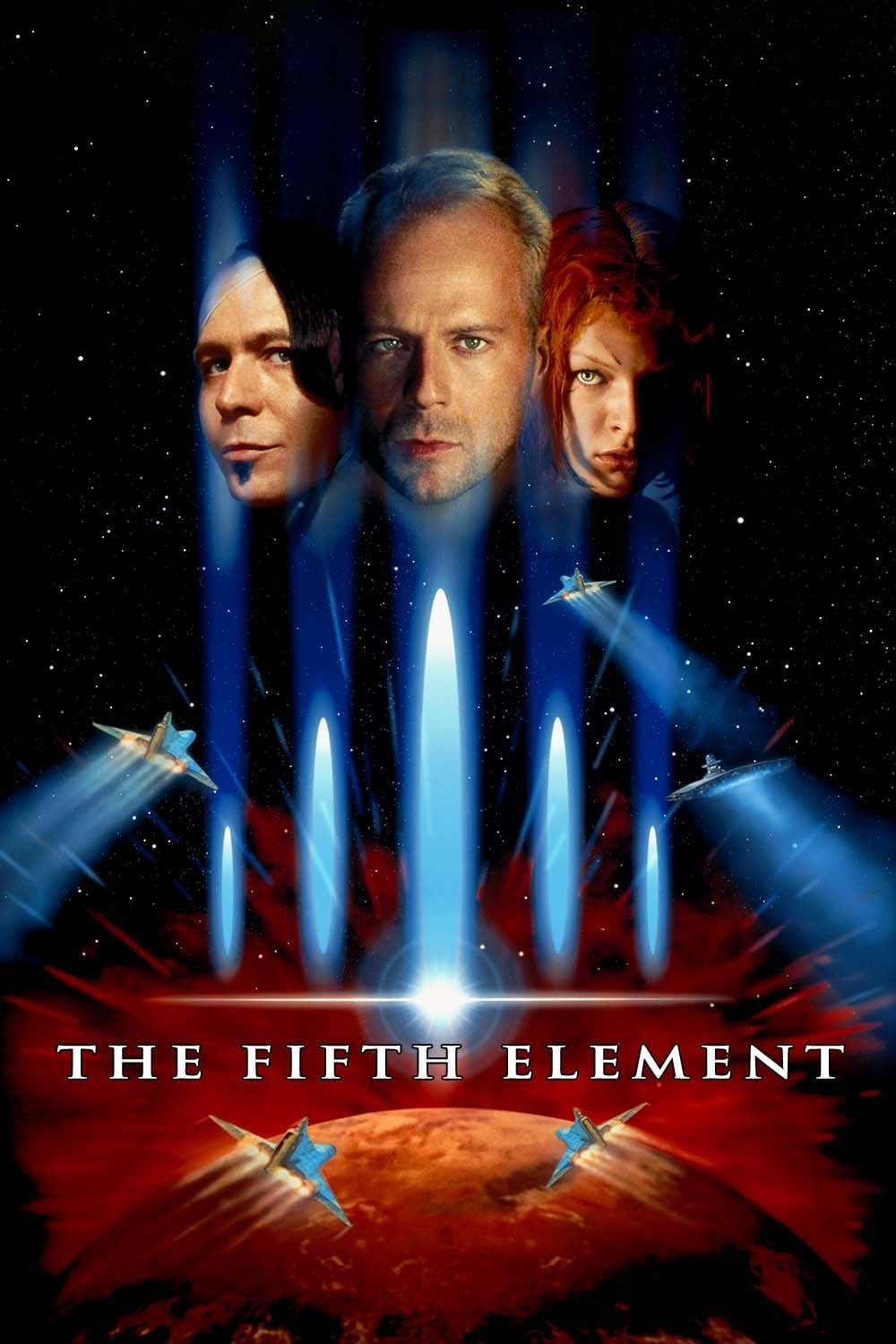
A cab driver in a futuristic city becomes protector to a mysterious being who holds the key to saving the world. Bruce Willis stars with Milla Jovovich, Gary Oldman, and Chris Tucker with Ian Holm in support. Luc Besson directed and wrote the story with Robert Mark Kamen and Éric Serra composed the music.
Digital Domain and BUF Compagnie produced digital cityscapes and flying traffic and miniature crews built detailed blocks and vehicles. Thierry Arbogast served as cinematographer and Sylvie Landra edited. Costume design by Jean Paul Gaultier and concept art by Jean Giraud and Jean Claude Mézières shaped the setting.
‘Spider-Man 2’ (2004)
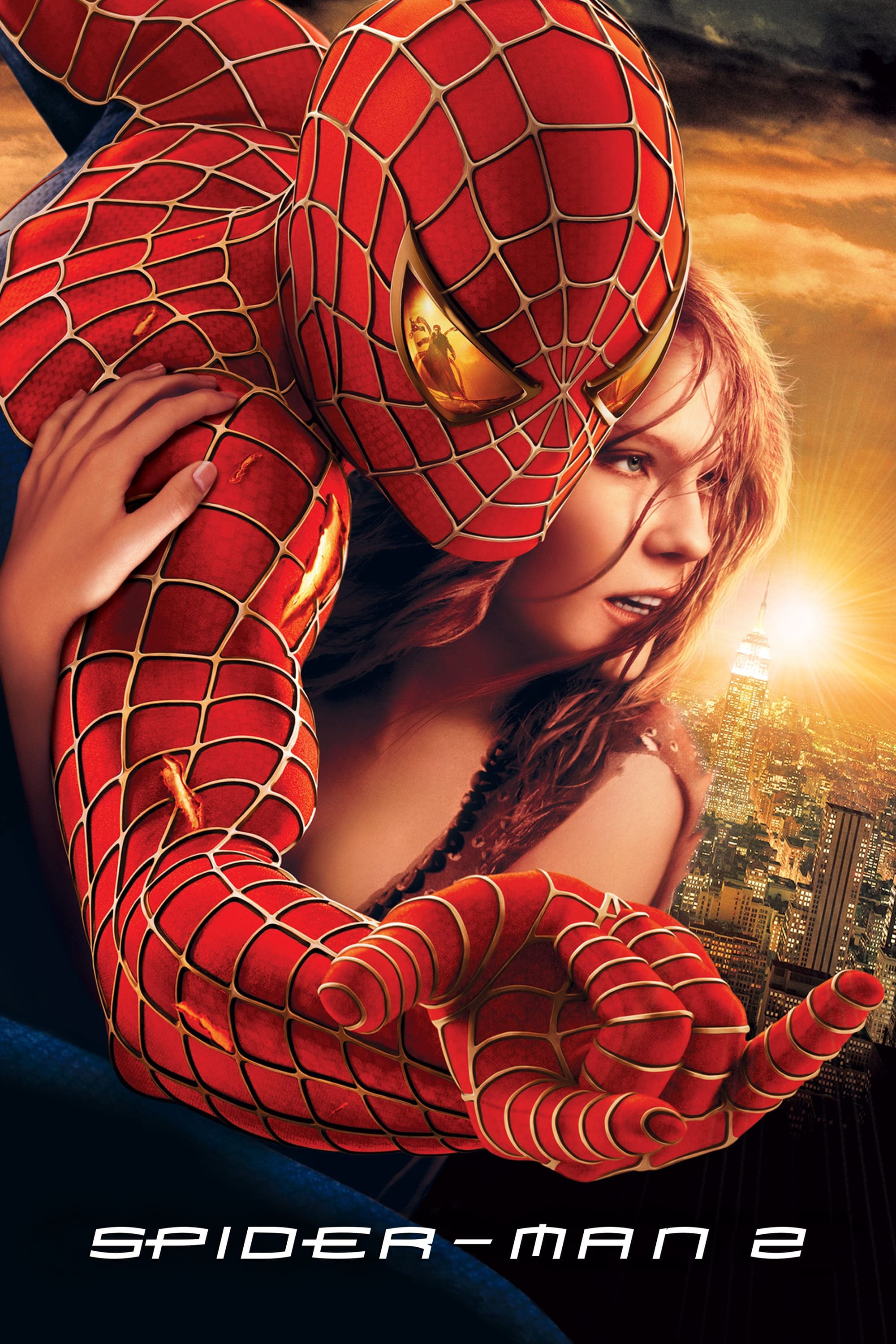
Peter Parker tries to balance college life and relationships while facing a brilliant scientist who becomes a dangerous adversary. Tobey Maguire returns with Kirsten Dunst, Alfred Molina, James Franco, and Rosemary Harris. Sam Raimi directs and Alvin Sargent wrote the screenplay from characters by Stan Lee and Steve Ditko. Danny Elfman composed the score.
Sony Pictures Imageworks created web swinging shots and digital doubles while practical tentacle rigs brought the villain to life on set. Bill Pope was the cinematographer and Bob Murawski edited. Stunt teams coordinated wire work through New York location shoots and backlot builds.
‘Pirates of the Caribbean: Dead Man’s Chest’ (2006)
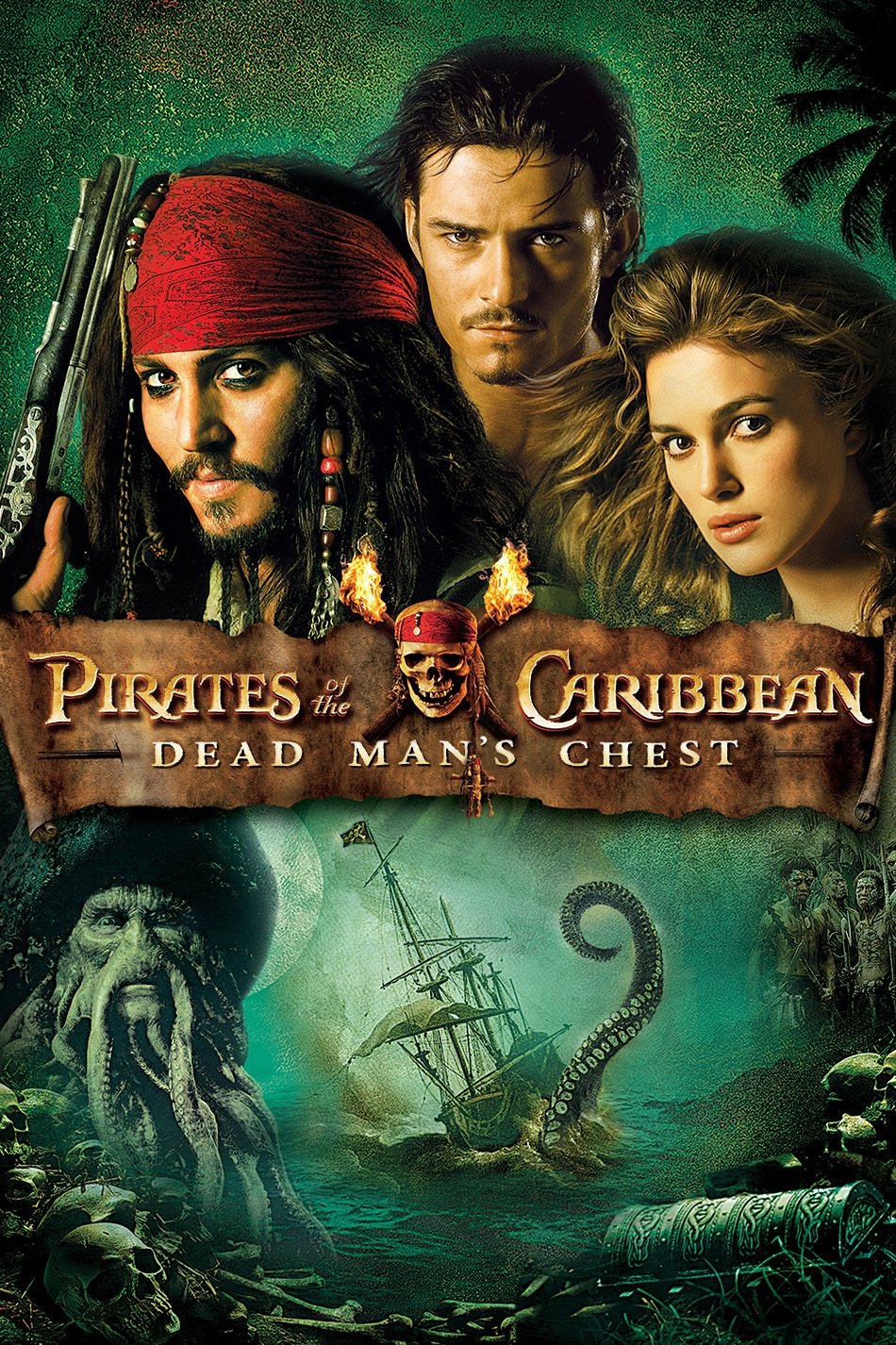
Captain Jack Sparrow searches for a way to escape a sea debt while friends become entangled with a ghostly crew. Johnny Depp leads with Orlando Bloom, Keira Knightley, Bill Nighy, and Stellan Skarsgård. Gore Verbinski directs and the screenplay is by Ted Elliott and Terry Rossio. Hans Zimmer composed the music.
Industrial Light and Magic created the tentacled captain and crew using performance capture under supervisors including John Knoll and Hal Hickel. Dariusz Wolski served as cinematographer and the editors were Craig Wood and Stephen Rivkin. Large ship sets were mounted on gimbals and Caribbean locations supported exterior work.
‘The Perfect Storm’ (2000)
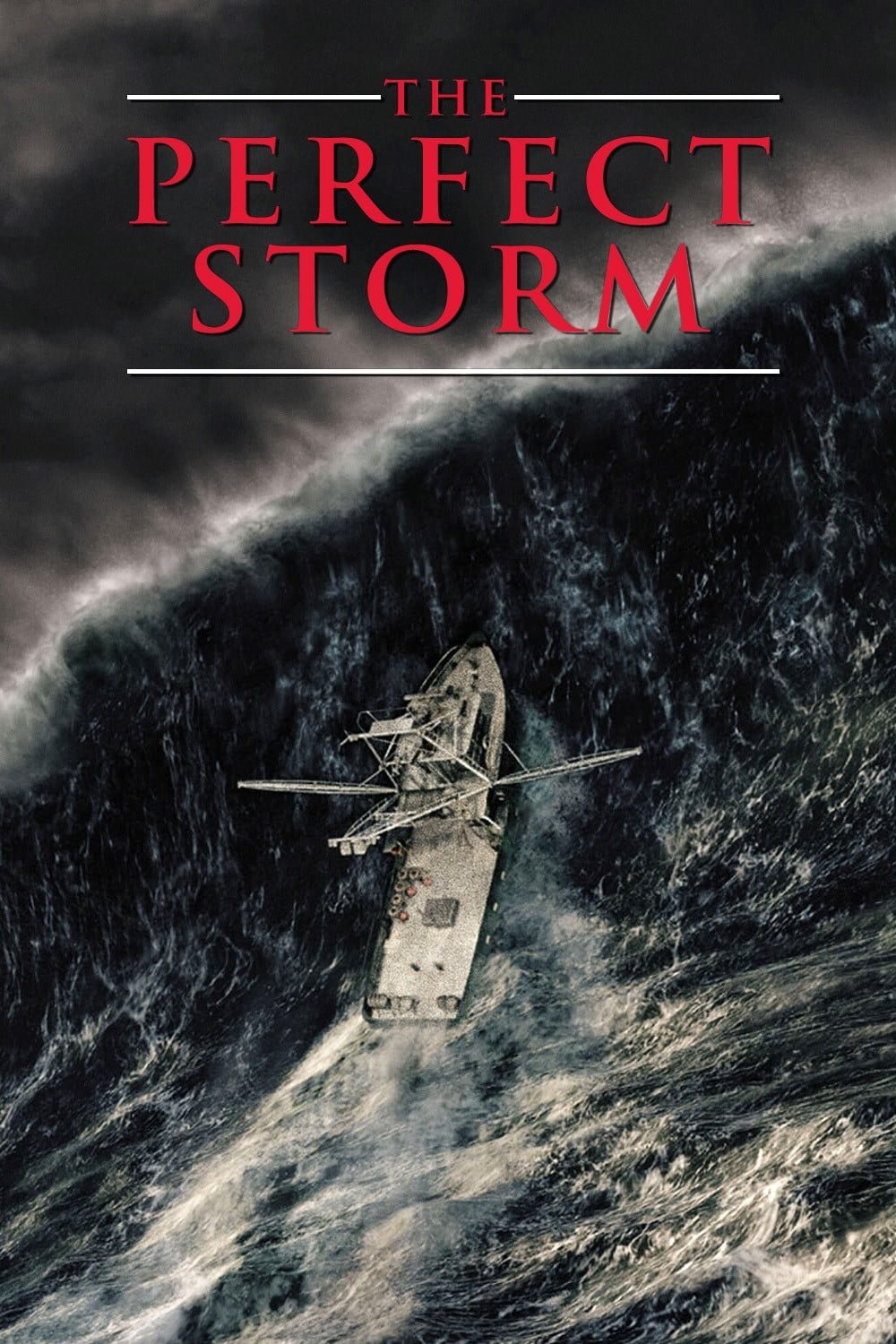
A New England fishing crew ventures into dangerous waters and encounters a historic weather event while families wait at home. George Clooney, Mark Wahlberg, Diane Lane, John C Reilly, and William Fichtner star with Mary Elizabeth Mastrantonio. Wolfgang Petersen directs with a screenplay by Bill Wittliff based on the book by Sebastian Junger. James Horner composed the score.
Industrial Light and Magic produced large scale water simulations and digital vessels and miniature work provided detailed ship shots. John Seale was the cinematographer and Richard Francis Bruce edited. Physical tank work and motion base rigs supported deck scenes.
‘A.I. Artificial Intelligence’ (2001)
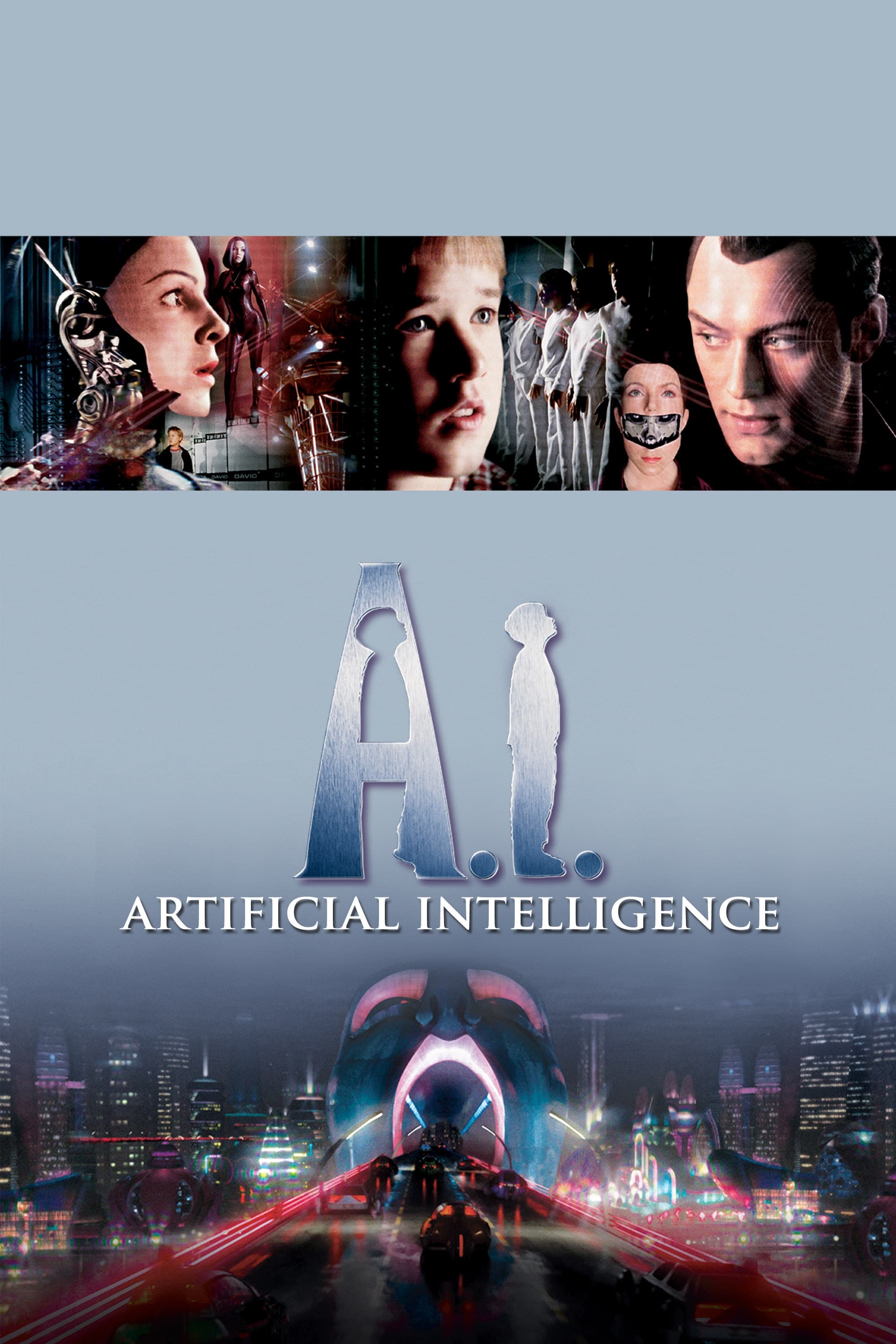
A robotic boy longs to become real and sets out to earn the love of the mother who adopted him. Haley Joel Osment stars with Jude Law, Frances O’Connor, William Hurt, and Sam Robards. Steven Spielberg directed from a long developed concept by Stanley Kubrick. John Williams composed the score.
Industrial Light and Magic created digital robots and environment extensions and Stan Winston Studio built animatronics including the teddy companion. Janusz Kamiński served as cinematographer and Michael Kahn edited. Large practical sets portrayed future cities with digital cleanup for character effects.
‘Young Sherlock Holmes’ (1985)
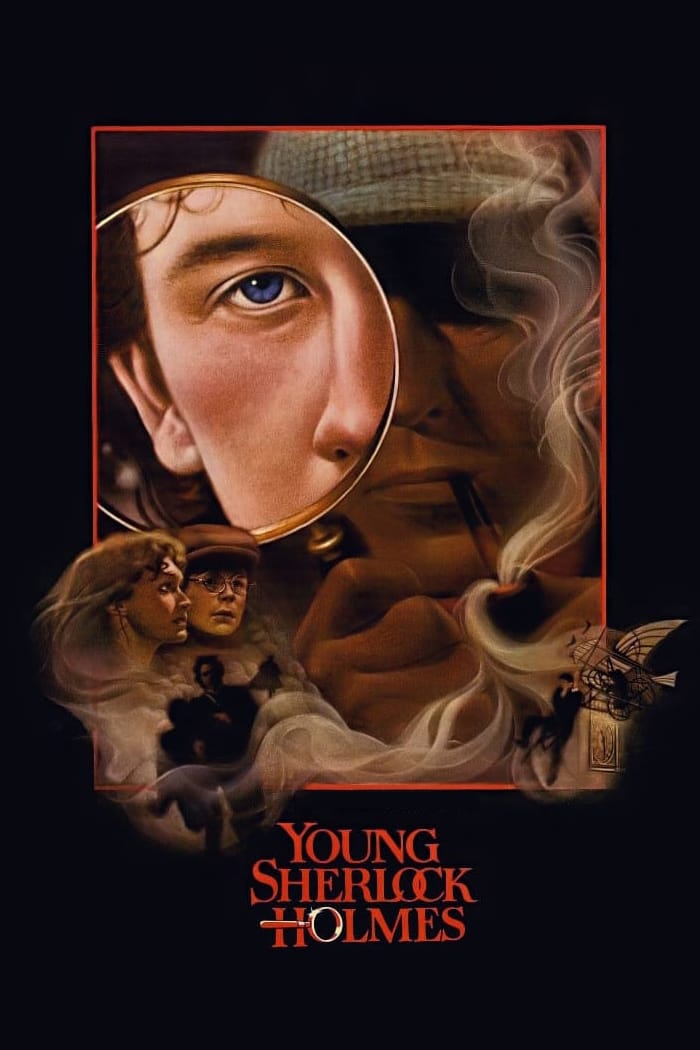
A teen version of the famous detective investigates strange deaths with help from his friend while attending a London school. Nicholas Rowe plays Holmes with Alan Cox as Watson and Sophie Ward in a central role. Barry Levinson directed and Chris Columbus wrote the screenplay. Bruce Broughton composed the music.
Industrial Light and Magic created a stained glass knight that stands as an early fully computer generated character integrated with live action plates. Stephen Goldblatt handled cinematography and the production built elaborate Victorian sets. Optical compositing and model work supported the period setting.
‘Tron’ (1982)
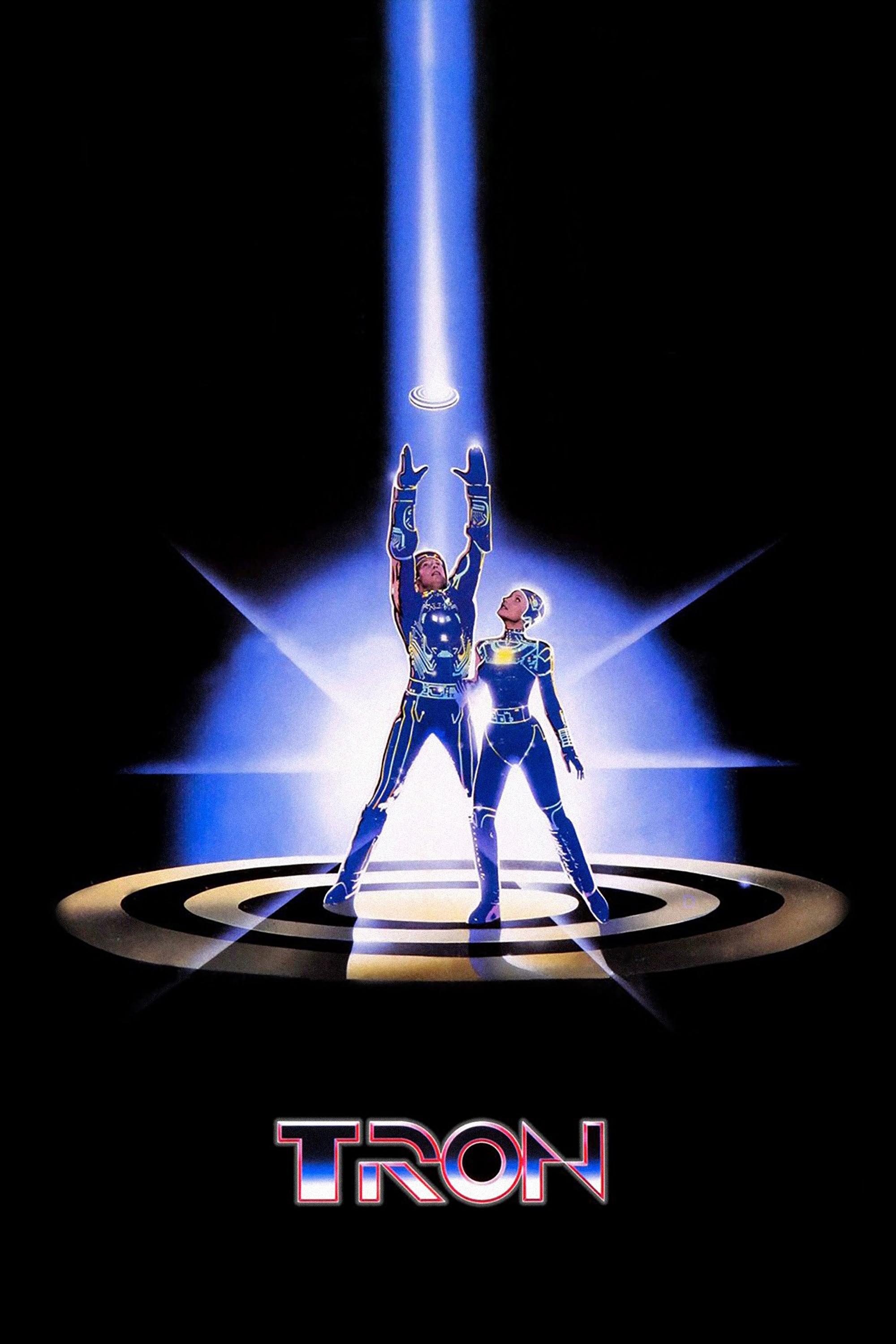
A computer programmer is pulled inside a digital world and must survive arena games while searching for a way back. Jeff Bridges stars with Bruce Boxleitner, David Warner, and Cindy Morgan. Steven Lisberger directed and worked on the story and screenplay. Wendy Carlos composed the music.
Computer imagery for vehicles and environments came from vendors including MAGI, Triple I, and Digital Effects. Bruce Logan served as cinematographer and Jeff Gourson edited. Backlit animation and live action were combined with early computer models to depict the grid world.
‘Jumanji’ (1995)
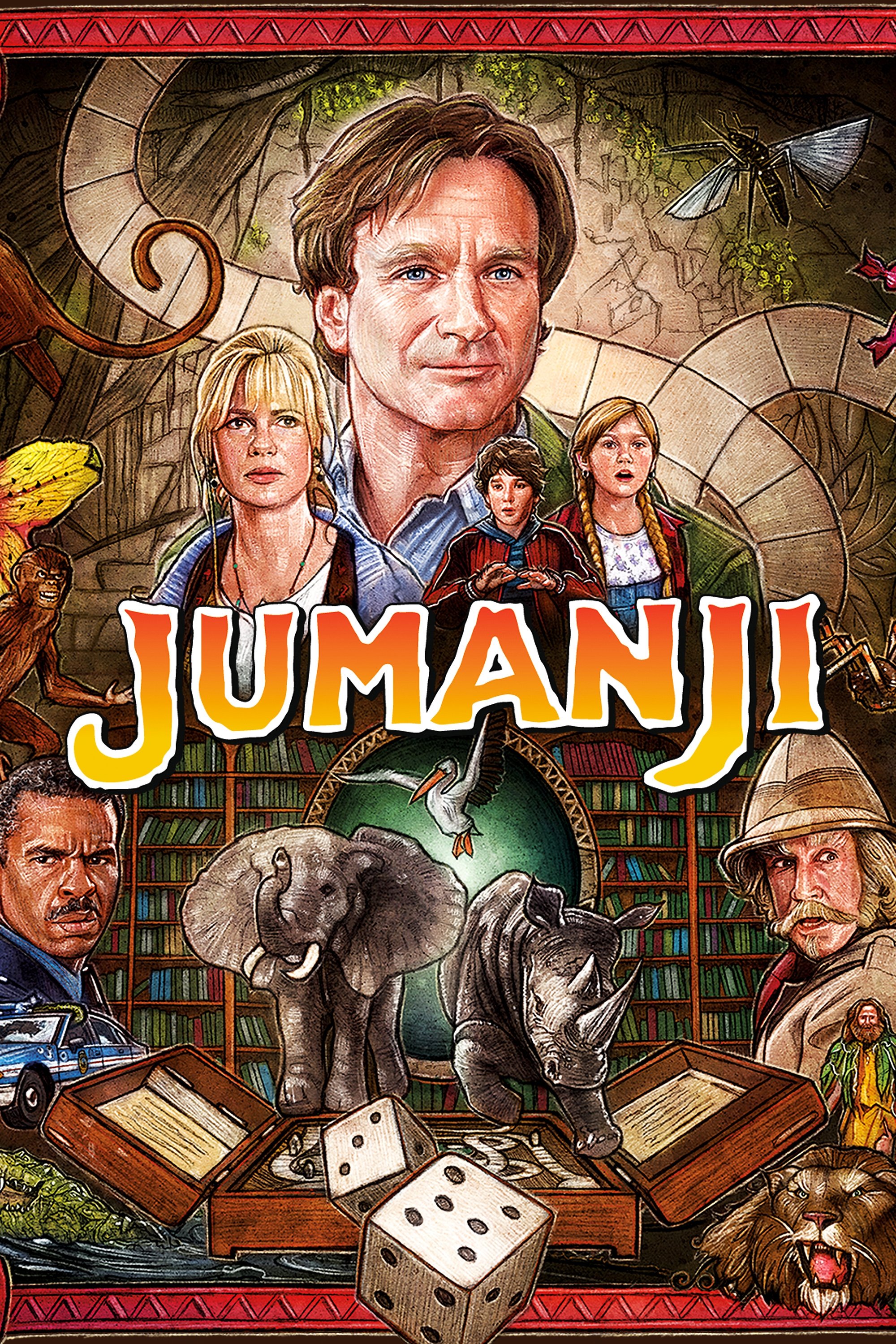
A magical board game unleashes wild animals and hazards into a small town after two children free a man who has been trapped inside the game. Robin Williams, Bonnie Hunt, Kirsten Dunst, and Bradley Pierce lead the cast with David Alan Grier and Jonathan Hyde in key roles. Joe Johnston directed and the screenplay is by Greg Taylor, Jonathan Hensleigh, and Jim Strain from the book by Chris Van Allsburg. James Horner composed the score.
Industrial Light and Magic created digital animals while practical effects teams built collapsing sets and animatronic creatures. Thomas E Ackerman was the cinematographer and Robert Dalva edited. Miniature work and composites were used for wide shots including the stampede sequence.
‘Babe’ (1995)
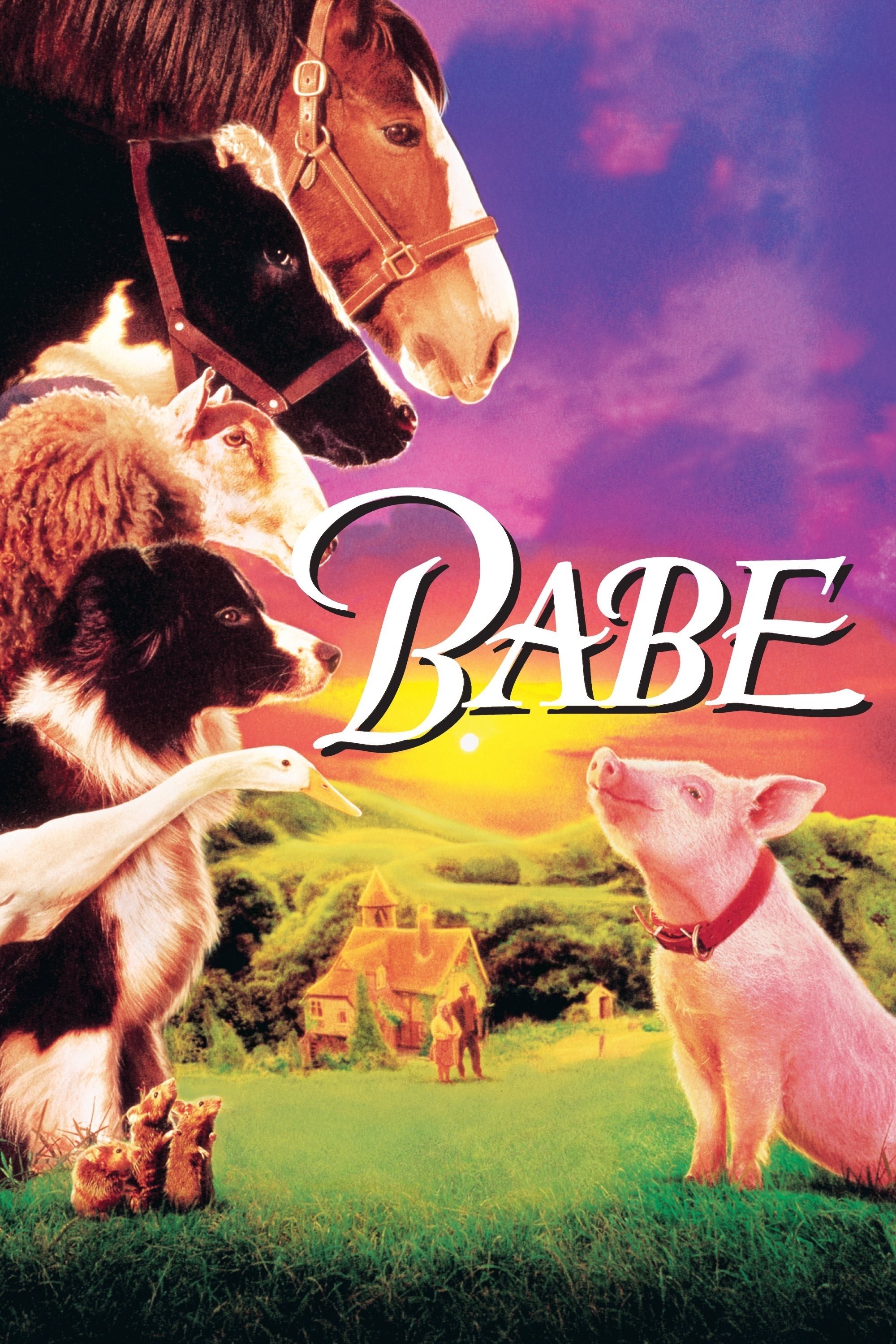
A small farm pig learns to herd sheep and forms a bond with a quiet farmer while other animals offer advice. James Cromwell stars with the voice of Christine Cavanaugh and Magda Szubanski. Chris Noonan directed and wrote the screenplay with George Miller. Nigel Westlake composed the music.
Rhythm and Hues created digital mouth movements and blended them with animatronic heads and trained animals. Andrew Lesnie served as cinematographer and the editors were Marcus D’Arcy and Jay Friedkin. The production filmed on rural locations with carefully designed sets and costumes.
‘The Mummy’ (1999)
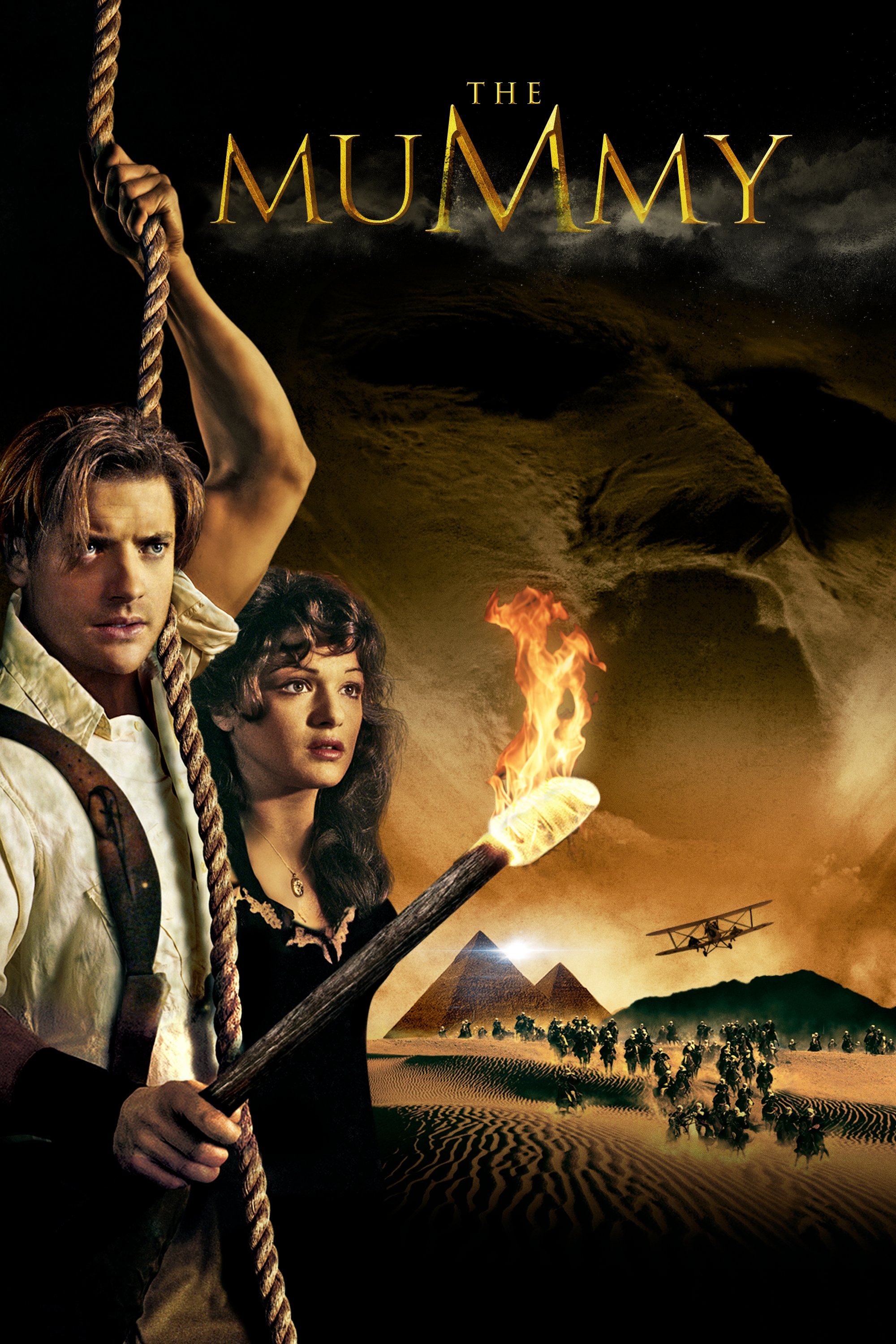
An adventurer and a librarian travel to an ancient city and awaken a cursed priest who seeks to regain power. Brendan Fraser and Rachel Weisz star with John Hannah and Oded Fehr and Arnold Vosloo as the title character. Stephen Sommers directed and wrote the screenplay with Lloyd Fonvielle and Kevin Jarre on story. Jerry Goldsmith composed the score.
Industrial Light and Magic created digital transformations and sand effects. Adrian Biddle handled cinematography and Bob Ducsay edited. Moroccan locations and large set builds portrayed tomb interiors and city streets. Stunt teams coordinated practical action with digital set extensions.
‘Star Wars: Episode I – The Phantom Menace’ (1999)
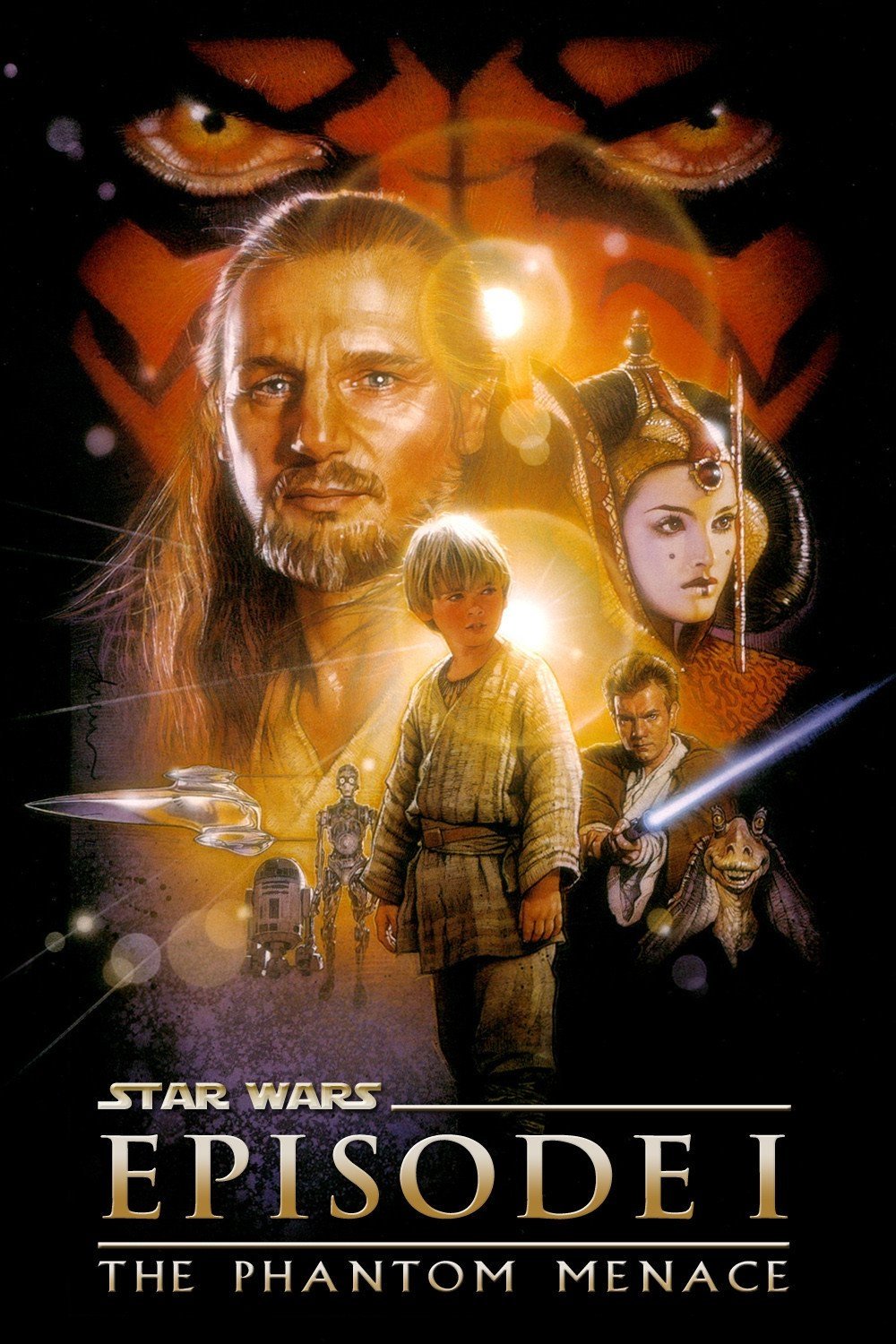
A Jedi master and his apprentice protect a young queen while encountering a boy with unusual potential during a trade conflict. Liam Neeson, Ewan McGregor, Natalie Portman, Ian McDiarmid, and Jake Lloyd star with Pernilla August and Ahmed Best. George Lucas wrote and directed and John Williams composed the score. Ben Burtt and Paul Martin Smith shared editing.
Industrial Light and Magic delivered digital characters, podracing sequences, and large environment work. David Tattersall served as cinematographer and the production built extensive miniature sets. Location work included Tunisia and studio stages in the United Kingdom.
‘Star Wars: Episode III – Revenge of the Sith’ (2005)
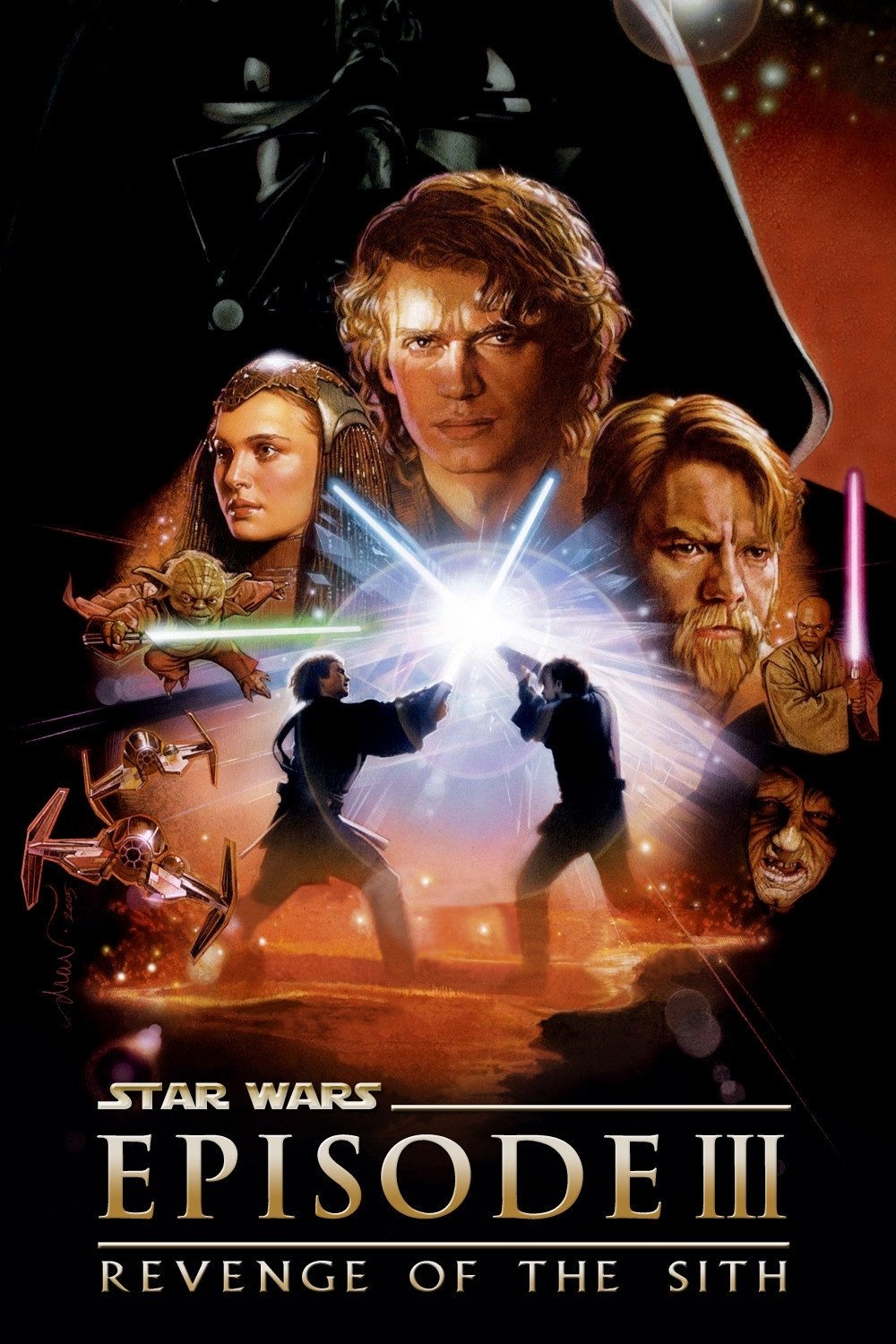
A Jedi Knight faces a turn toward the dark side while a galactic war reaches its breaking point. Ewan McGregor and Hayden Christensen lead with Natalie Portman, Ian McDiarmid, and Samuel L Jackson. George Lucas wrote and directed and John Williams composed the score. Editors Roger Barton and Ben Burtt shaped the final cut.
Industrial Light and Magic created space battles and digital environments with extensive bluescreen stages. David Tattersall was the cinematographer and the production used a digital capture workflow. Miniatures, motion control, and compositing supported complex sequences.
‘King Kong’ (2005)

A filmmaker and his crew travel to a mysterious island where a giant ape is discovered and later brought to a city for exhibition. Naomi Watts, Jack Black, Adrien Brody, and Andy Serkis lead the cast. Peter Jackson directed and produced and the screenplay is by Fran Walsh, Philippa Boyens, and Jackson. James Newton Howard composed the score.
Weta Digital created the ape through performance capture led by Andy Serkis with detailed fur and facial work. Andrew Lesnie served as cinematographer and Jamie Selkirk and Jabez Olssen edited. Large jungle sets and bigature miniatures supported city action.
‘District 9’ (2009)
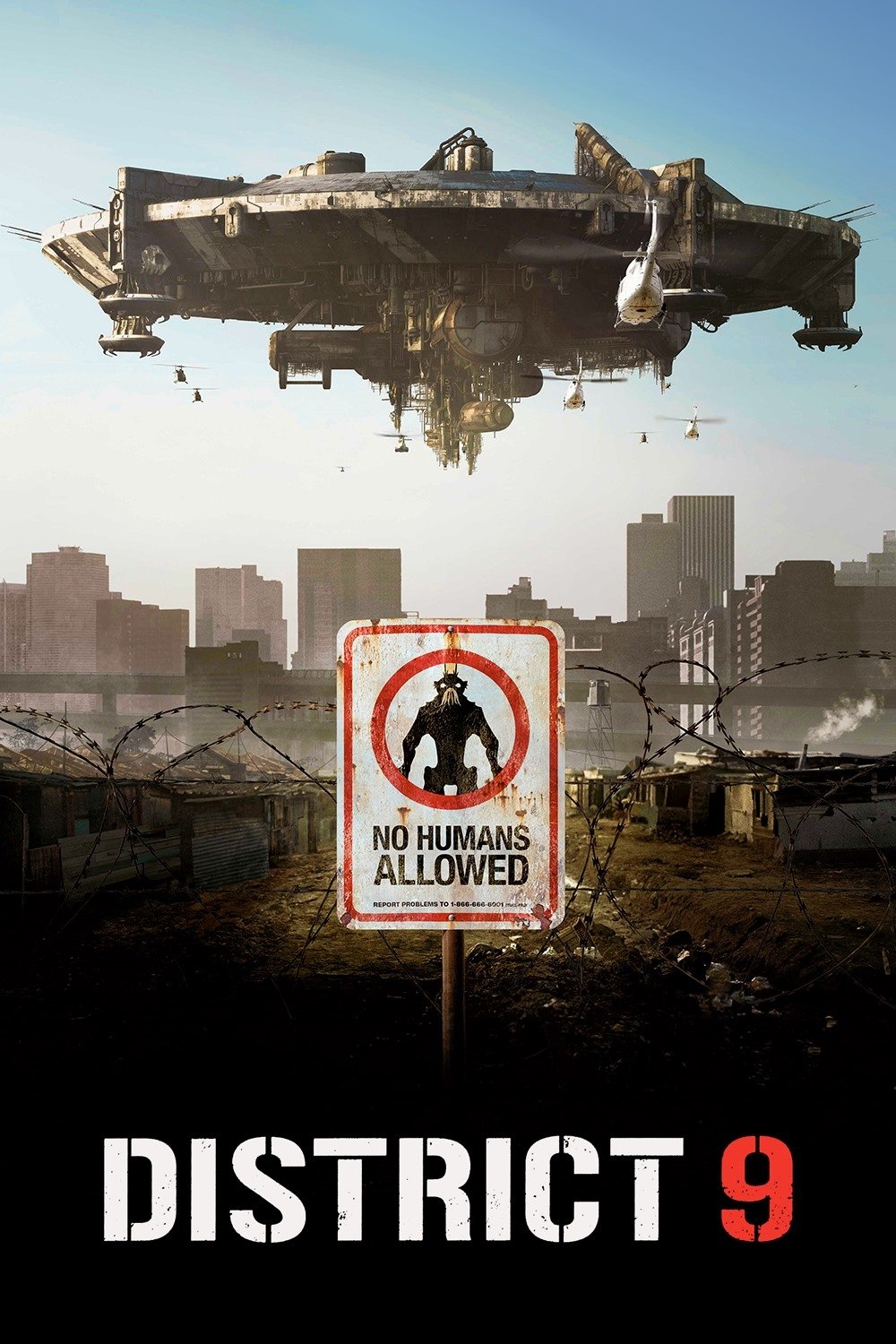
An office worker becomes involved with stranded extraterrestrials living in a segregated area near Johannesburg and undergoes a life changing transformation. Sharlto Copley stars with support from Jason Cope and an ensemble cast. Neill Blomkamp directed and wrote with Terri Tatchell. Peter Jackson served as a producer and Clinton Shorter composed the score.
Image Engine led the creature effects with additional work by Weta Digital and The Embassy. Trent Opaloch was the cinematographer and Julian Clarke edited. Documentary style camerawork used real locations and practical props with on set stand ins for digital characters.
‘The Curious Case of Benjamin Button’ (2008)
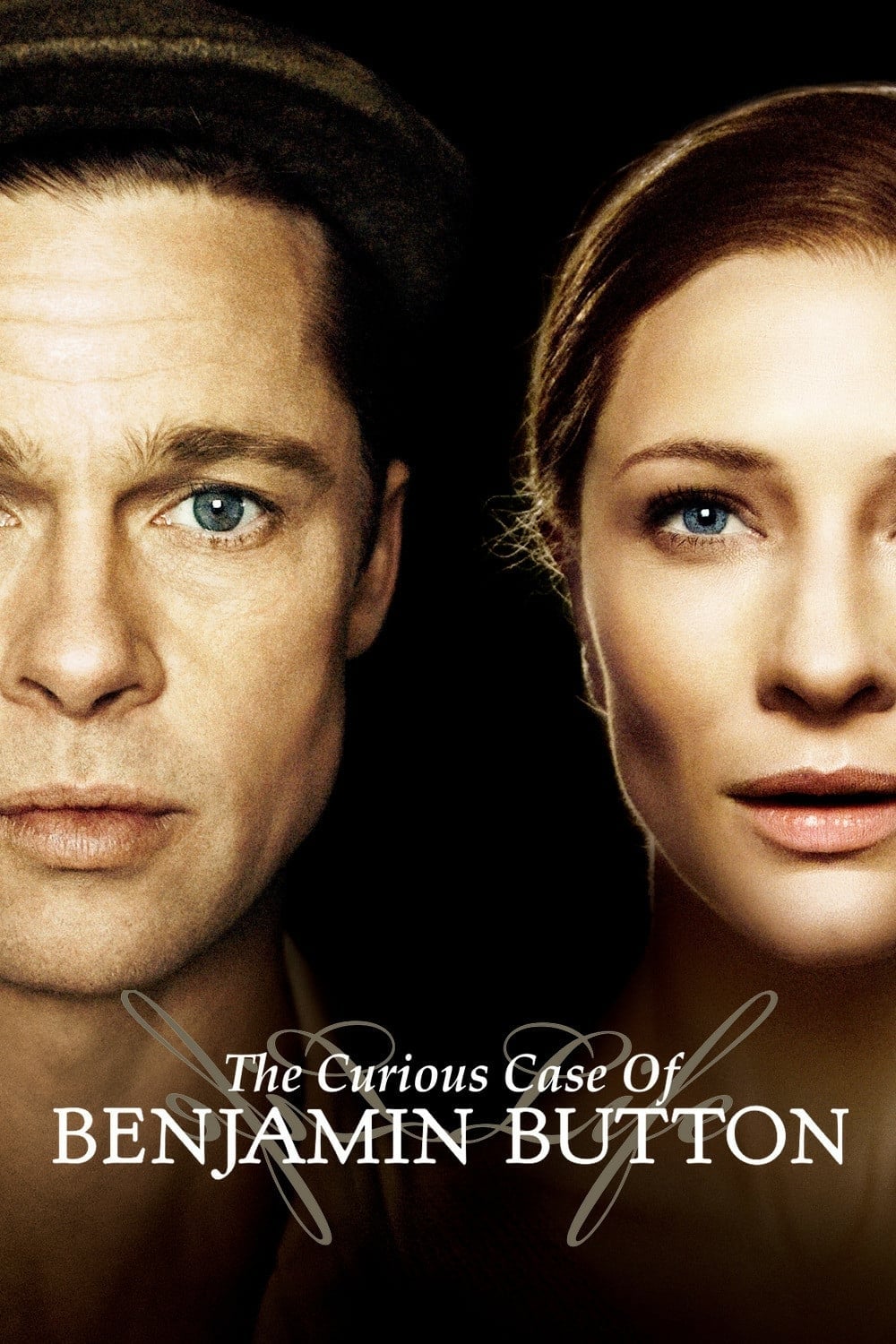
A man ages in reverse while his life intersects with a dancer and a cast of family and friends across decades. Brad Pitt and Cate Blanchett star with Taraji P Henson, Julia Ormond, and Tilda Swinton. David Fincher directed from a screenplay by Eric Roth and Robin Swicord adapted from a short story by F Scott Fitzgerald. Alexandre Desplat composed the music.
Digital Domain created facial performance capture for early life stages with additional vendors handling body doubles and environment work. Claudio Miranda served as cinematographer and the editors were Angus Wall and Kirk Baxter. Makeup and wardrobe teams coordinated designs to match digital transitions.
‘Apollo 13’ (1995)
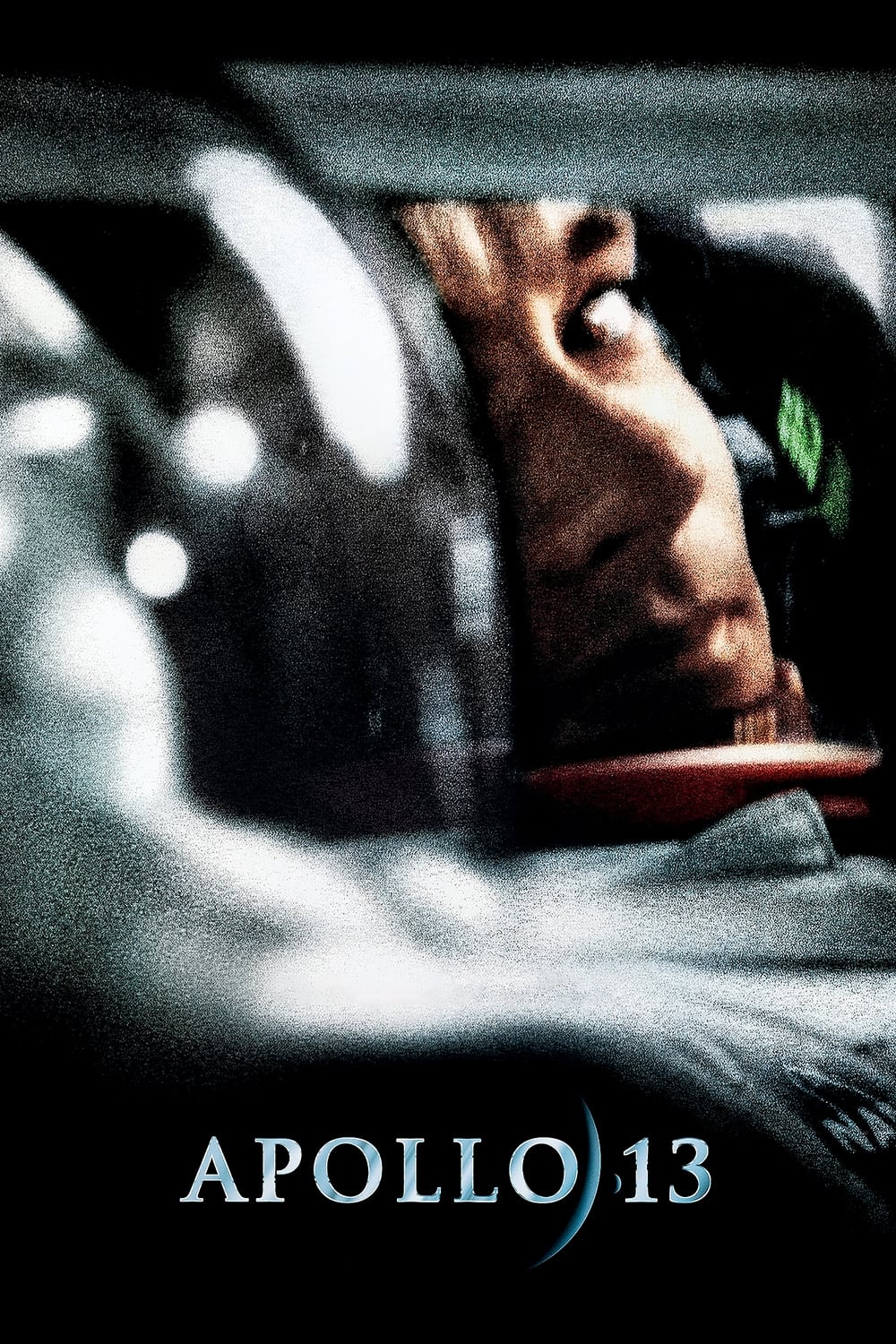
NASA astronauts on a lunar mission face a life threatening malfunction and work with ground control to find a way home. Tom Hanks, Kevin Bacon, Bill Paxton, Gary Sinise, and Ed Harris star. Ron Howard directed with a screenplay by William Broyles Jr and Al Reinert based on the book by Jim Lovell and Jeffrey Kluger. James Horner composed the score.
Digital Domain created spacecraft shots and practical zero gravity scenes were filmed aboard a reduced gravity aircraft. Dean Cundey served as cinematographer and the editors were Mike Hill and Dan Hanley. Full scale capsule mockups and mission control sets supported period accuracy.
‘Independence Day’ (1996)
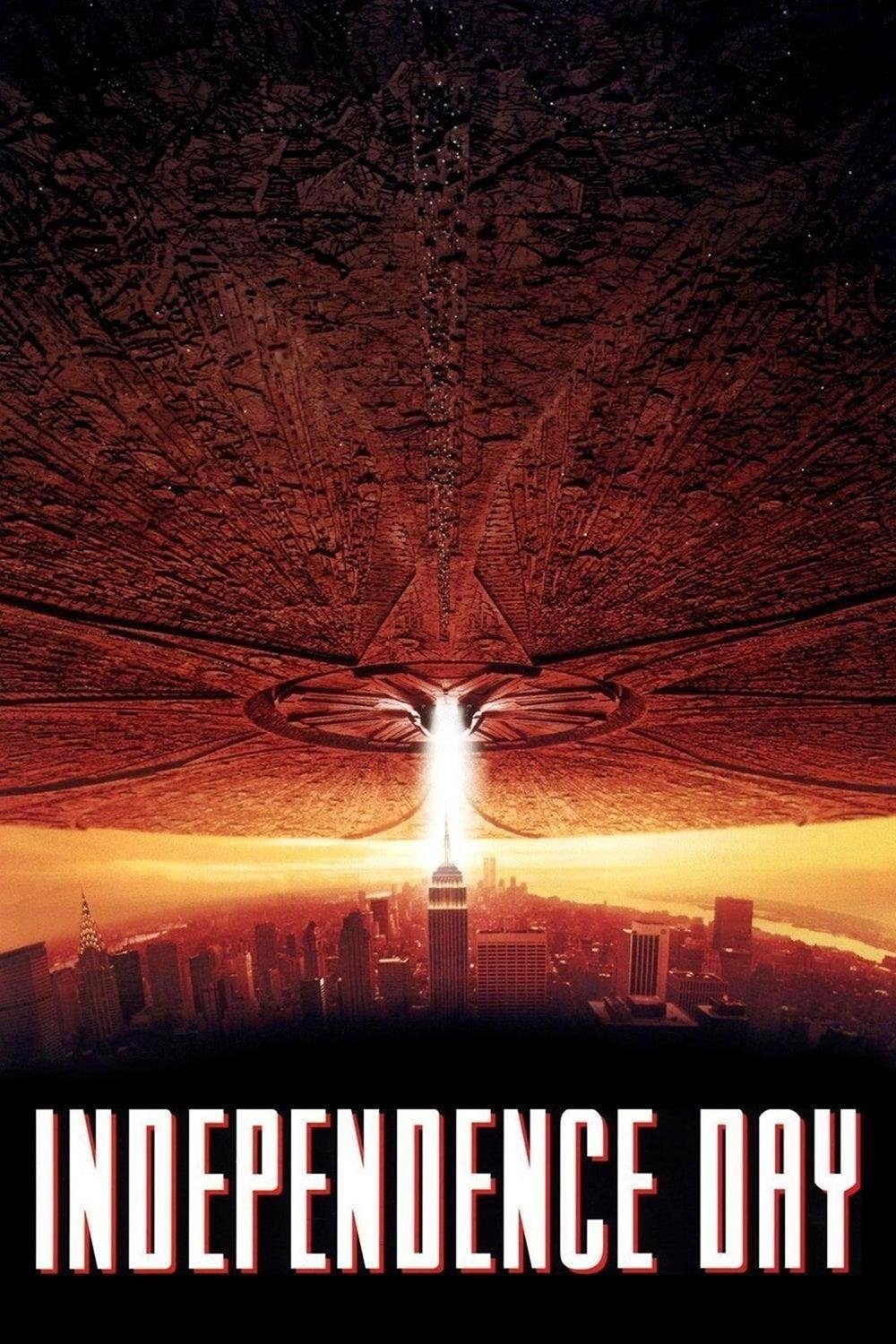
A worldwide alien attack brings together a fighter pilot, a satellite technician, and government leaders who plan a counterstrike. Will Smith, Jeff Goldblum, and Bill Pullman lead the cast with Mary McDonnell, Vivica A Fox, and Randy Quaid. Roland Emmerich directed and wrote with Dean Devlin. David Arnold composed the music.
Large miniatures and pyrotechnics created city destruction with visual effects supervision by Volker Engel and Douglas Smith. Karl Walter Lindenlaub handled cinematography and David Brenner edited. Motion control photography and composites supported the scale of aerial sequences.
‘The Mask’ (1994)
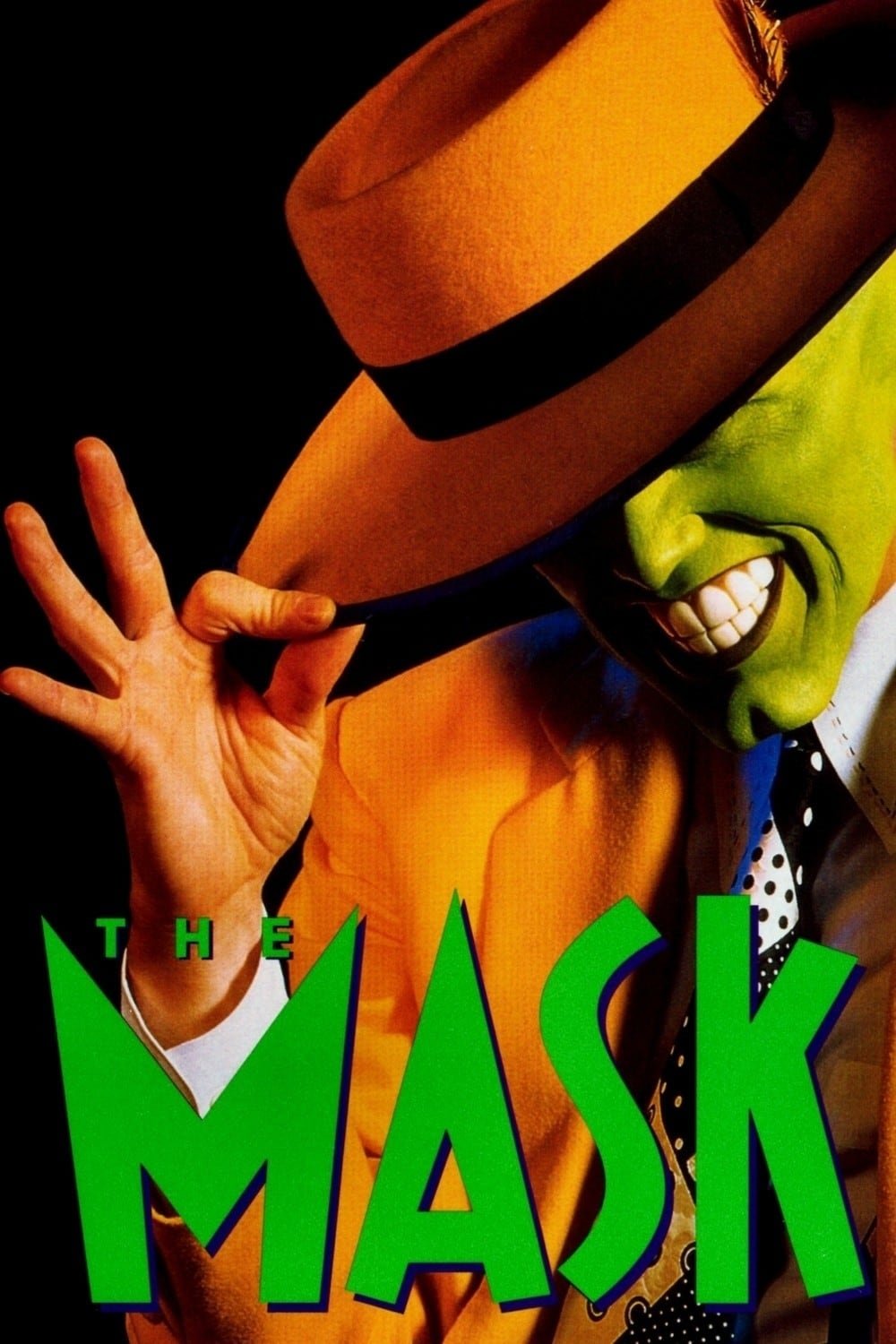
A mild mannered bank clerk finds a wooden mask that gives him cartoon like powers while mobsters chase him. Jim Carrey stars with Cameron Diaz, Peter Riegert, Peter Greene, and Amy Yasbeck. Chuck Russell directed with a screenplay by Mike Werb based on a Dark Horse comic. Randy Edelman composed the score.
Industrial Light and Magic delivered facial warps and body stretch gags while practical effects teams built props and makeup appliances. John R Leonetti served as cinematographer and the editors were Donn Cambern and John Wright. Musical numbers and choreography were supported by visual effects timing.
‘The Matrix Reloaded’ (2003)
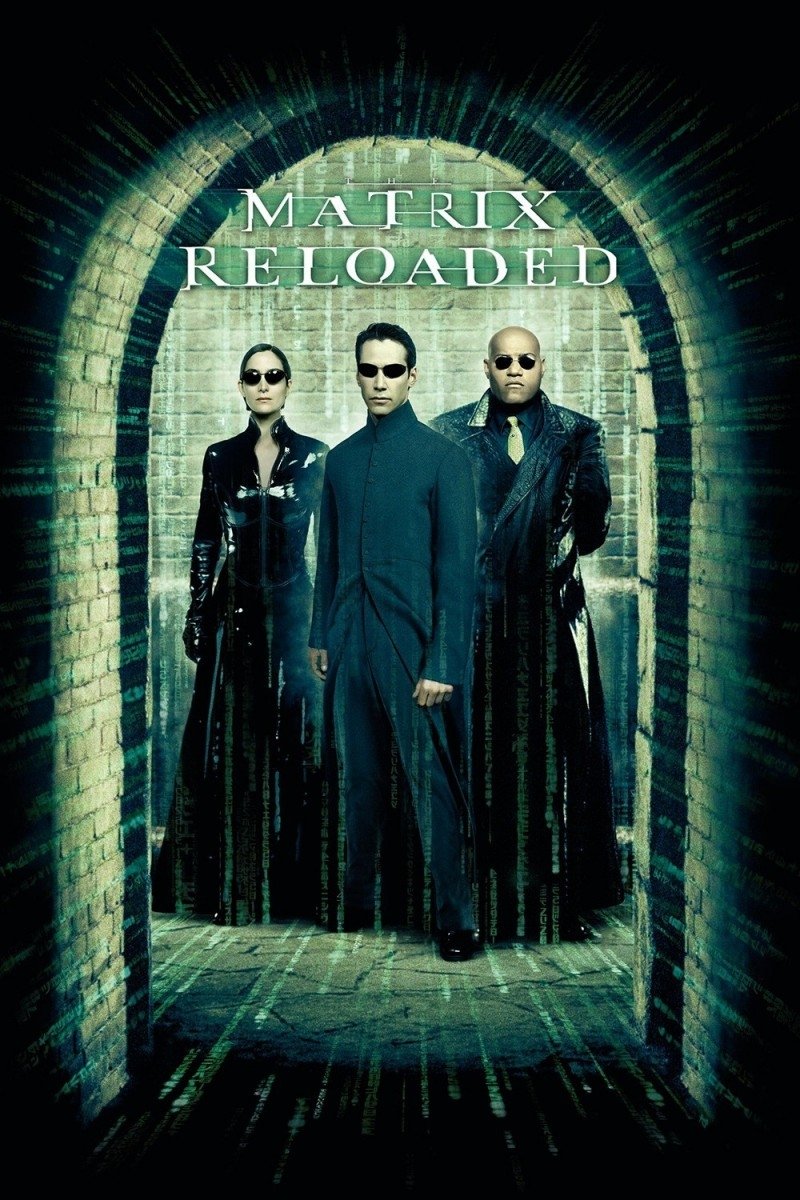
The resistance searches for a way to protect a human city while Neo confronts new programs and a growing enemy force. Keanu Reeves, Laurence Fishburne, Carrie Anne Moss, Hugo Weaving, and Jada Pinkett Smith star. Lilly Wachowski and Lana Wachowski wrote and directed and Don Davis returned for the score. Zach Staenberg edited.
ESC Entertainment led visual effects on the Burly Brawl and the freeway chase with contributions from Animal Logic. Bill Pope served as cinematographer and a purpose built freeway set allowed real stunt driving and wire work. Motion capture and digital doubles extended action shots.
Share your favorite examples in the comments and tell everyone which older films you think still set the standard for digital effects today.