Directors who Got Fired from Their Own Movies


Studios rarely plan to replace a director once the cameras are rolling, but it happens when vision, schedule, or cost disputes hit a breaking point. When that happens, the filmmaker who launched a project can be removed and another director steps in to finish the work, often reshaping what the audience eventually sees on screen. It is disruptive, complicated, and governed by credit rules that determine whose name appears on the final cut.
This list collects well-documented cases where the person originally hired to direct was dismissed from the film they were making. Each entry highlights the project, why the change occurred, who took over, and how credit and footage were handled. You’ll find that even when a replacement completes most of the shoot, the original director’s work often remains embedded in the finished movie.
Richard Donner
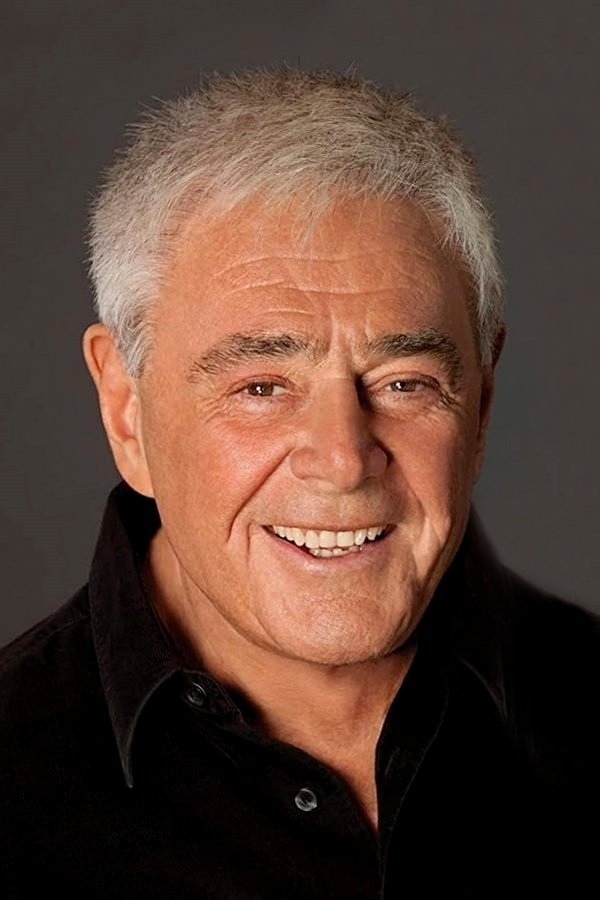
On ‘Superman II’, Richard Donner was removed after a prolonged clash with the producers during a hiatus between the first film’s release and the sequel’s resumed shoot. Richard Lester was hired to take over and reshot major sections to align the production with the studio’s preferred approach and to satisfy credit requirements under guild rules.
The theatrical version of ‘Superman II’ credited Lester as director, though substantial Donner footage stayed in the film. Years later, a separate cut titled ‘Superman II: The Richard Donner Cut’ was assembled from earlier material, allowing viewers to see an alternate version built from Donner’s original scenes and editorial intentions.
Phil Lord & Christopher Miller
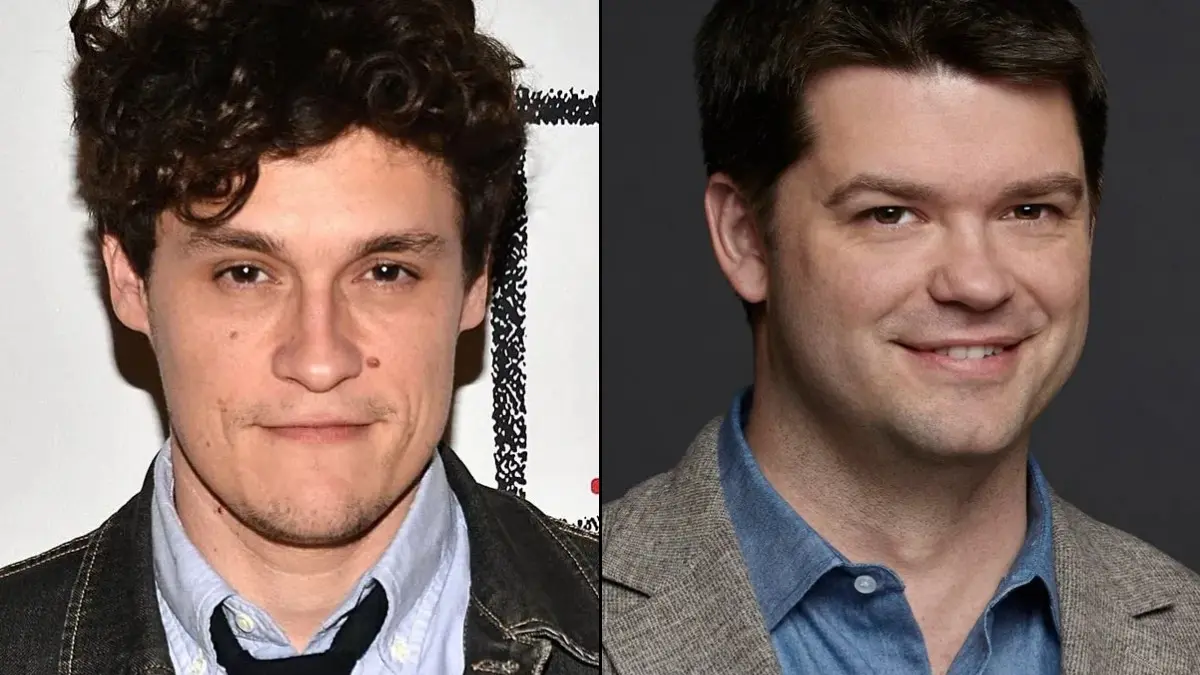
During ‘Solo: A Star Wars Story’, Phil Lord and Christopher Miller were dismissed deep into principal photography after disagreements over tone, improvisation, and schedule control with the studio and producers. Ron Howard replaced the duo and directed extensive reshoots that reoriented performances and action to match the franchise’s established style.
On ‘Solo: A Star Wars Story’, Lord and Miller retained executive producer credits reflecting their development and early-shoot contributions. Ron Howard received the directing credit on the completed film, which encompassed his reshoot workload, editorial oversight, and delivery through post-production.
Bryan Singer
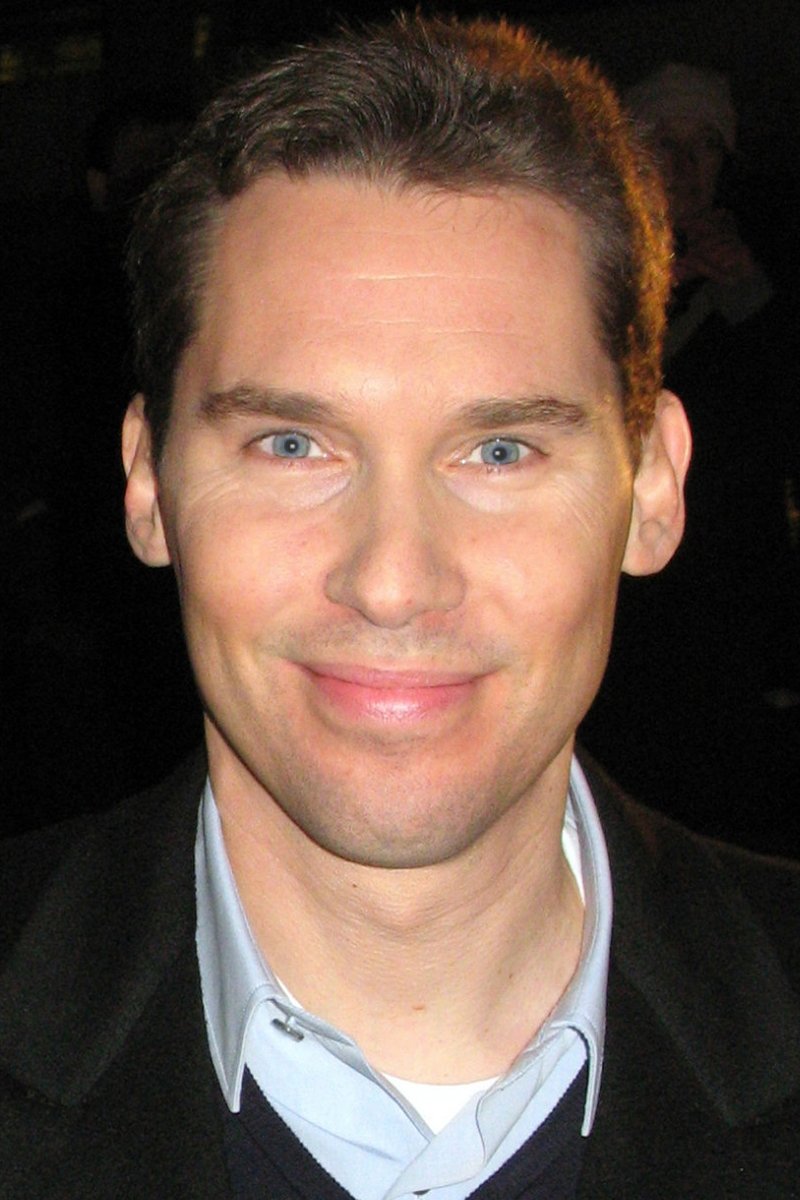
Near the end of principal photography on ‘Bohemian Rhapsody’, Bryan Singer was fired following repeated absences and production stoppages that impacted the schedule. Dexter Fletcher took over to complete remaining scenes and oversee pickups, ensuring the project moved through the final leg of shooting.
On ‘Bohemian Rhapsody’, guild credit determinations left Singer as the credited director because of how much footage had already been shot under his supervision. Fletcher received an executive producer credit acknowledging his role in finishing photography and guiding the film into post.
Richard Stanley
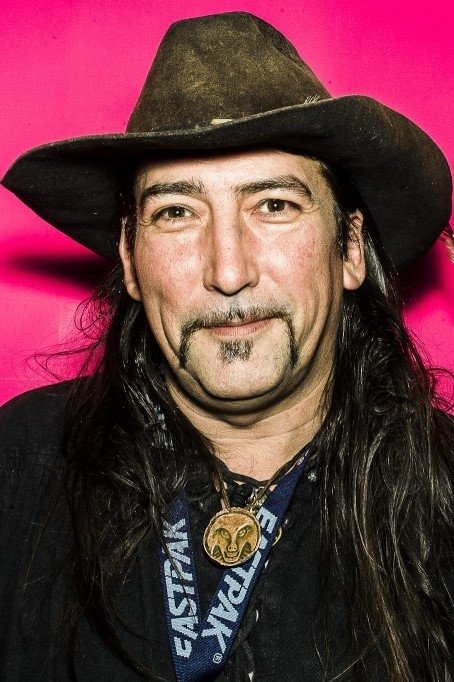
Early in the shoot for ‘The Island of Dr. Moreau’, Richard Stanley was fired after escalating production difficulties and on-set tensions. John Frankenheimer stepped in, reworked script pages in active use, and pushed the film forward under challenging location and logistical conditions.
For ‘The Island of Dr. Moreau’, Frankenheimer directed the majority of the final photography and shaped the film’s structure during editing. Stanley’s initial work left traces in certain setups and design elements, but the released version primarily reflects Frankenheimer’s direction after the turnover.
Philip Kaufman
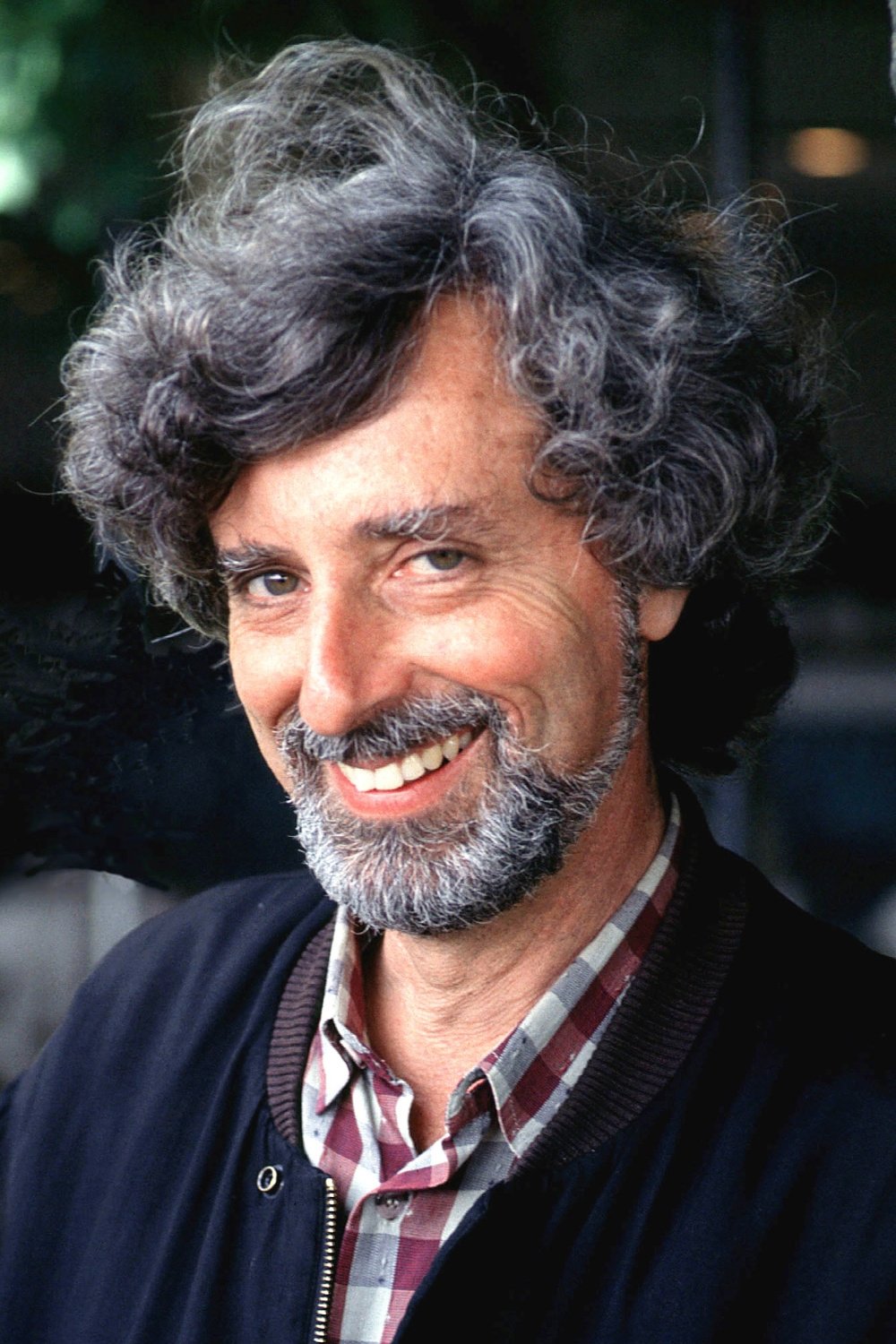
Philip Kaufman began directing ‘The Outlaw Josey Wales’ but was removed following disputes over pace and approach during production. Clint Eastwood assumed directing duties while continuing to star, reorganizing the schedule and guiding the film through the remainder of the shoot.
With ‘The Outlaw Josey Wales’, the dismissal later informed a Directors Guild policy—often called the “Eastwood Rule”—intended to discourage a producer or star from firing a director and immediately taking over. Kaufman retained credit for his earlier contributions to the project, while Eastwood received the director credit on release.
Anthony Mann

Anthony Mann started ‘Spartacus’ and completed initial sequences before being dismissed by the film’s star-producer after disagreements about direction and scope. Stanley Kubrick took over and supervised the large-scale battles, dramatic staging, and the bulk of the production through to completion.
In ‘Spartacus’, some of Mann’s early material was retained, but Kubrick’s work defined the final cut’s look and narrative emphasis. The director credit went solely to Kubrick, reflecting his responsibility for most principal photography and for shepherding the film through post-production.
George Cukor
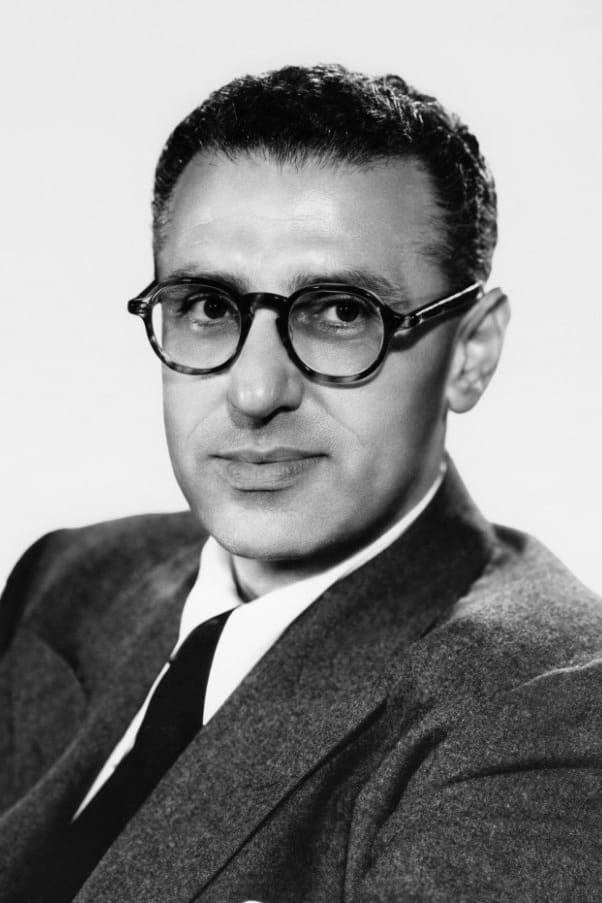
George Cukor spent months preparing and began filming ‘Gone with the Wind’ before being replaced by producer David O. Selznick over creative differences and pace concerns. Victor Fleming took over primary directing duties, with Sam Wood doing uncredited fill-in work when Fleming was unavailable.
On ‘Gone with the Wind’, Cukor’s groundwork—cast preparation, performance calibration, and script refinements—continued to influence the production after his exit. The finished film credited Fleming as director, consolidating the leadership role he held during the central stretch of the shoot.
Richard Thorpe
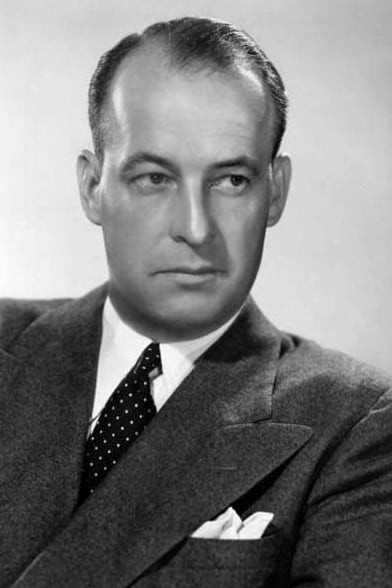
Richard Thorpe initially directed ‘The Wizard of Oz’ but was removed when early footage did not align with the studio’s desired tone and visual approach. After a brief advisory period under George Cukor to reset performance style and design choices, Victor Fleming took over the main block of filming.
In ‘The Wizard of Oz’, when Fleming left near the end for another assignment, King Vidor completed specific sequences, including key Kansas material. The final screen credit listed Fleming as director, reflecting his leadership across the majority of production despite the multiple hands involved.
Paul Schrader
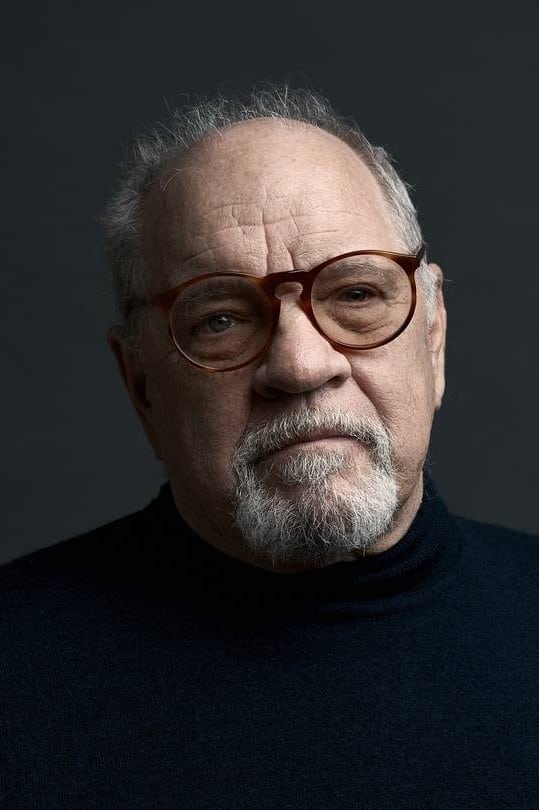
Paul Schrader delivered a full version of ‘Exorcist: The Beginning’ but was fired when producers objected to its restrained, psychological emphasis. Renny Harlin was hired to reconceive the project, leading to broad rewrites, new sets, and an almost complete reshoot under his direction.
With ‘Exorcist: The Beginning’, Harlin received the directing credit on the widely released cut, which reflected his newly shot material and editorial choices. Schrader’s earlier version was later completed and released separately as ‘Dominion: Prequel to the Exorcist’, presenting a distinct interpretation of the same narrative foundation.
Kevin Jarre
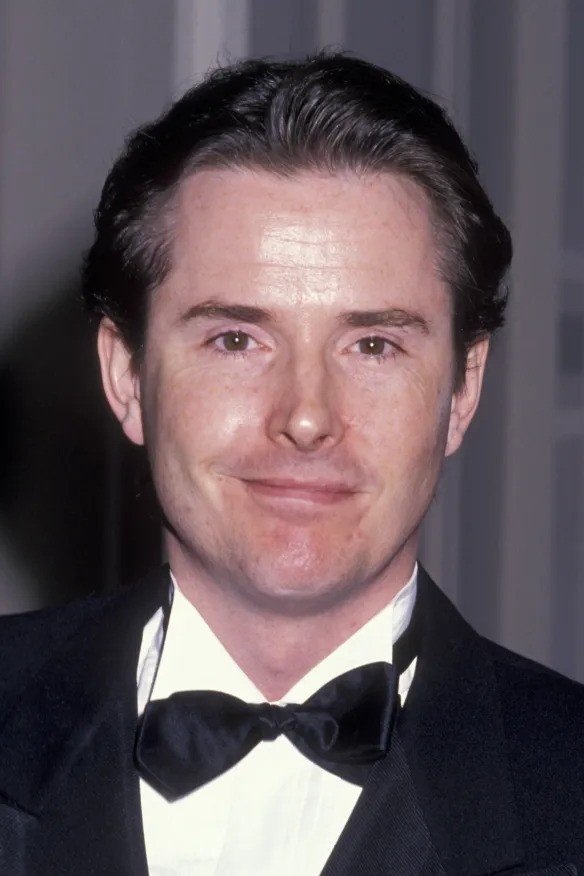
Screenwriter Kevin Jarre was hired to direct ‘Tombstone’ but was fired early in production after schedule delays and difficulties coordinating large action scenes. George P. Cosmatos replaced him, reordered the shoot plan, and accelerated coverage to keep the project on track.
On ‘Tombstone’, Jarre remained credited as the writer, preserving his authorship of the script and structure. Cosmatos received the director credit on the release version, reflecting his control over the majority of principal photography and post-shoot pickups.
Brenda Chapman
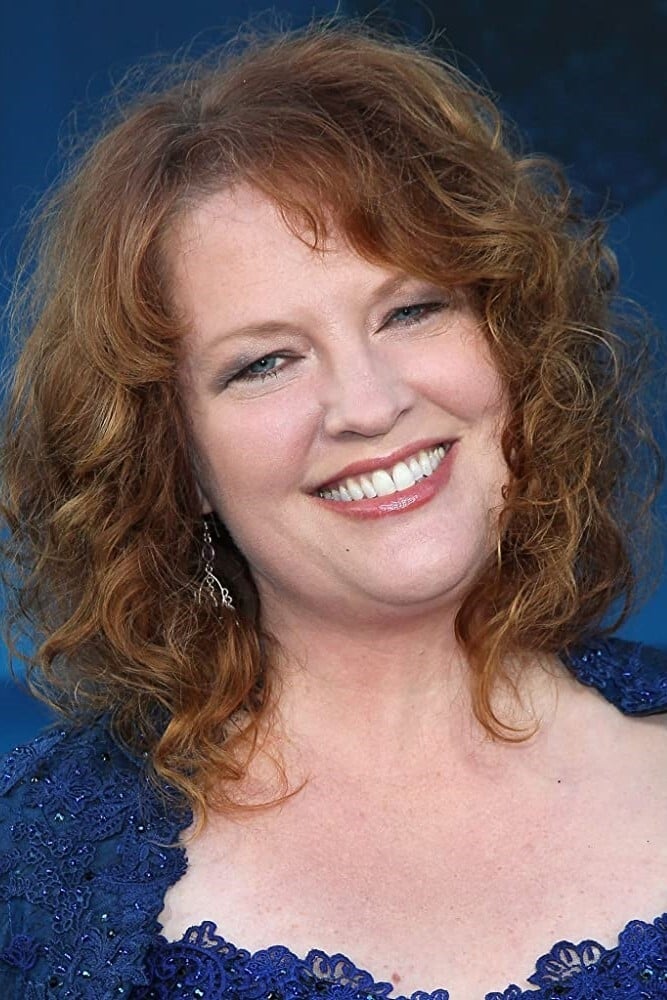
Brenda Chapman originated and directed ‘Brave’ through a long development period before being removed amid disagreements over story direction. Mark Andrews stepped in as director, with Steve Purcell as co-director, steering later narrative changes, new sequences, and the push through final animation.
For ‘Brave’, Chapman ultimately shared the directing credit with Andrews, acknowledging her foundational work on concept, characters, and the core storyline. The shared credit followed established practices for animated features where directorial responsibilities shift over extended production timelines.
Tell us which cases you’d add to this list—and share your insights in the comments.