Actors who Survived Cancer

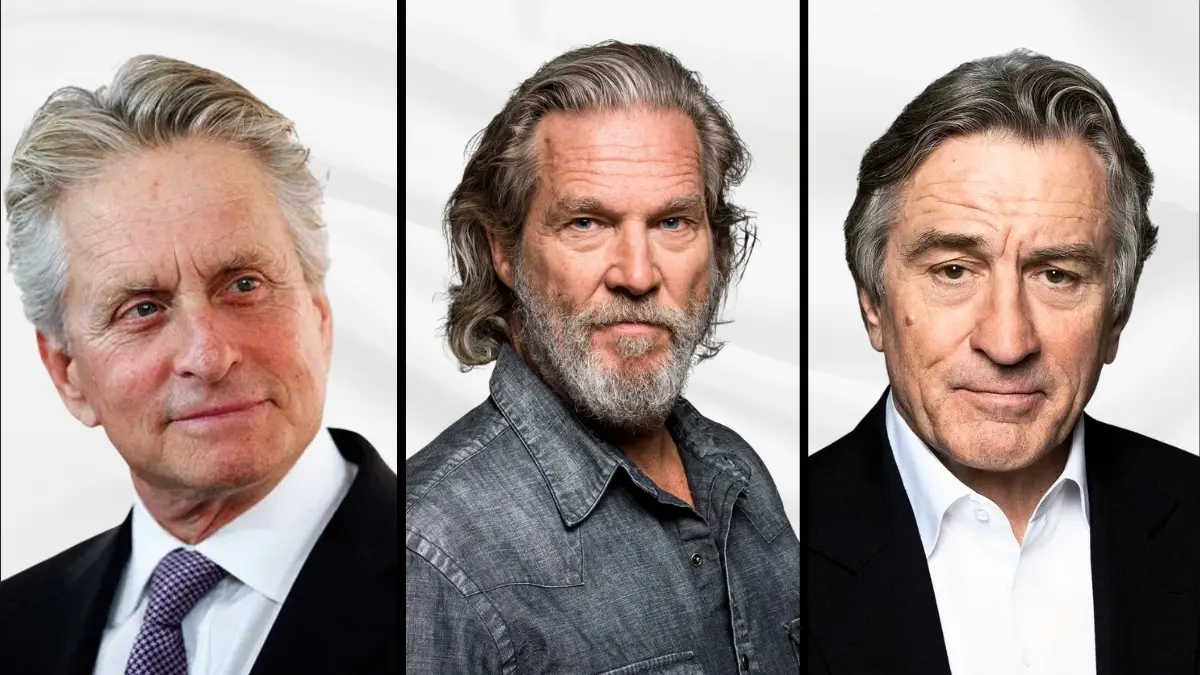

Cancer has touched people in every line of work, and film and television are no exception. Many well-known male actors have faced diagnoses ranging from skin and oral cancers to prostate and lymphatic cancers. Their experiences vary widely in how the diseases were discovered, which treatments were used, and how recovery unfolded, but a common thread is careful follow-up and long-term management with their medical teams.
This list focuses on actors who publicly shared their diagnoses and returned to work after treatment. You’ll find key details about what they faced, how they were treated, and how they resumed their careers, with project titles included to mark notable periods in their film and TV work.
Michael Douglas
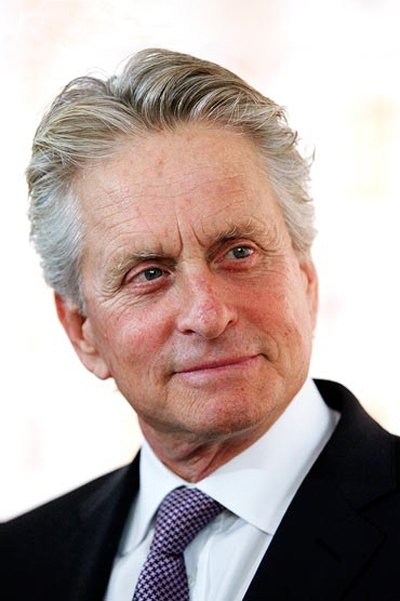
Michael Douglas announced a diagnosis of advanced tongue cancer in 2010 after experiencing persistent throat discomfort and swallowing difficulties. He underwent an intensive course of chemotherapy and radiation and later clarified that the tumor originated on his tongue, which guided the treatment plan. Following a period of recovery and surveillance imaging, doctors reported no evidence of disease the next year.
He resumed a full workload, including headline projects such as ‘Wall Street: Money Never Sleeps’ and ‘Behind the Candelabra’. Douglas has discussed risk factors such as smoking and HPV and continues regular checkups while remaining active in film and television production.
Robert De Niro
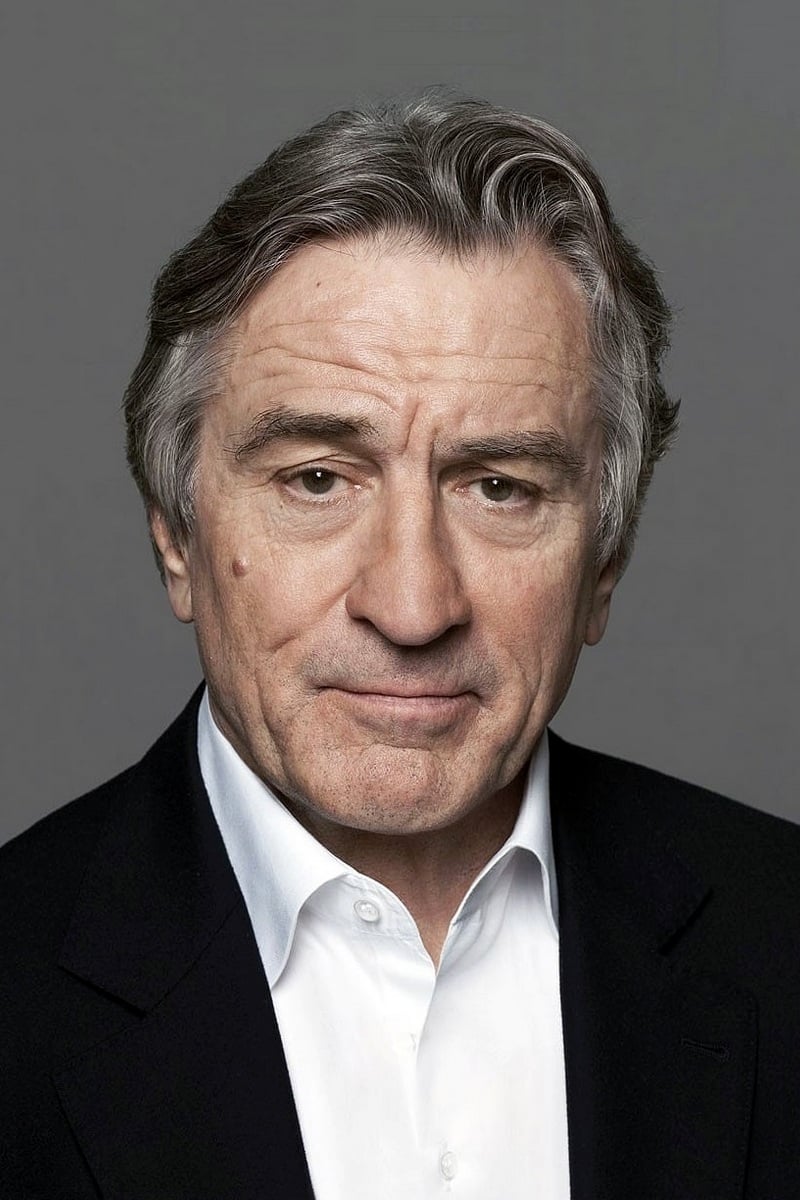
Robert De Niro’s prostate cancer was detected in 2003 during a routine screening. He underwent surgery shortly thereafter, followed by regular monitoring. Physicians later indicated that the procedure was successful, and he returned to normal activity.
De Niro continued to work steadily across genres, with major roles in films such as ‘The Irishman’ and ‘Silver Linings Playbook’. He has highlighted the role of early detection for prostate conditions and maintained ongoing follow-up care in line with urological guidance.
Ben Stiller
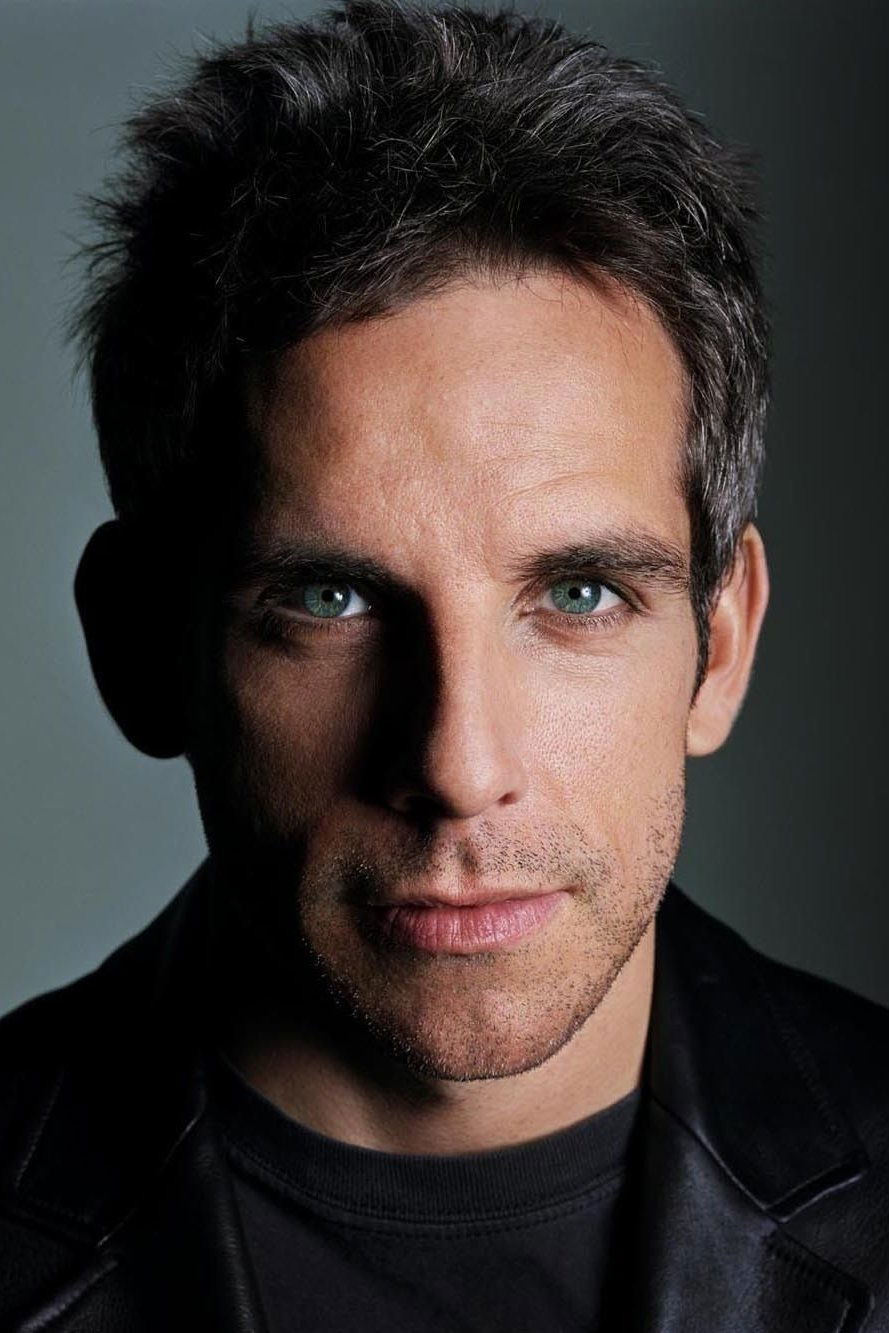
Ben Stiller revealed that he was diagnosed with prostate cancer in 2014 after a blood test led to further evaluation and imaging. He elected to have a robotic-assisted prostatectomy, and subsequent testing showed no evidence of disease. Stiller has described the decision-making process around treatment and the role of risk assessment in choosing surgery.
After recovery, Stiller returned to directing and acting, including high-profile TV and limited-series work such as ‘Arrested Development’ and ‘Escape at Dannemora’. He has discussed individualized screening plans developed with a physician, especially for people with personal risk factors.
Hugh Jackman
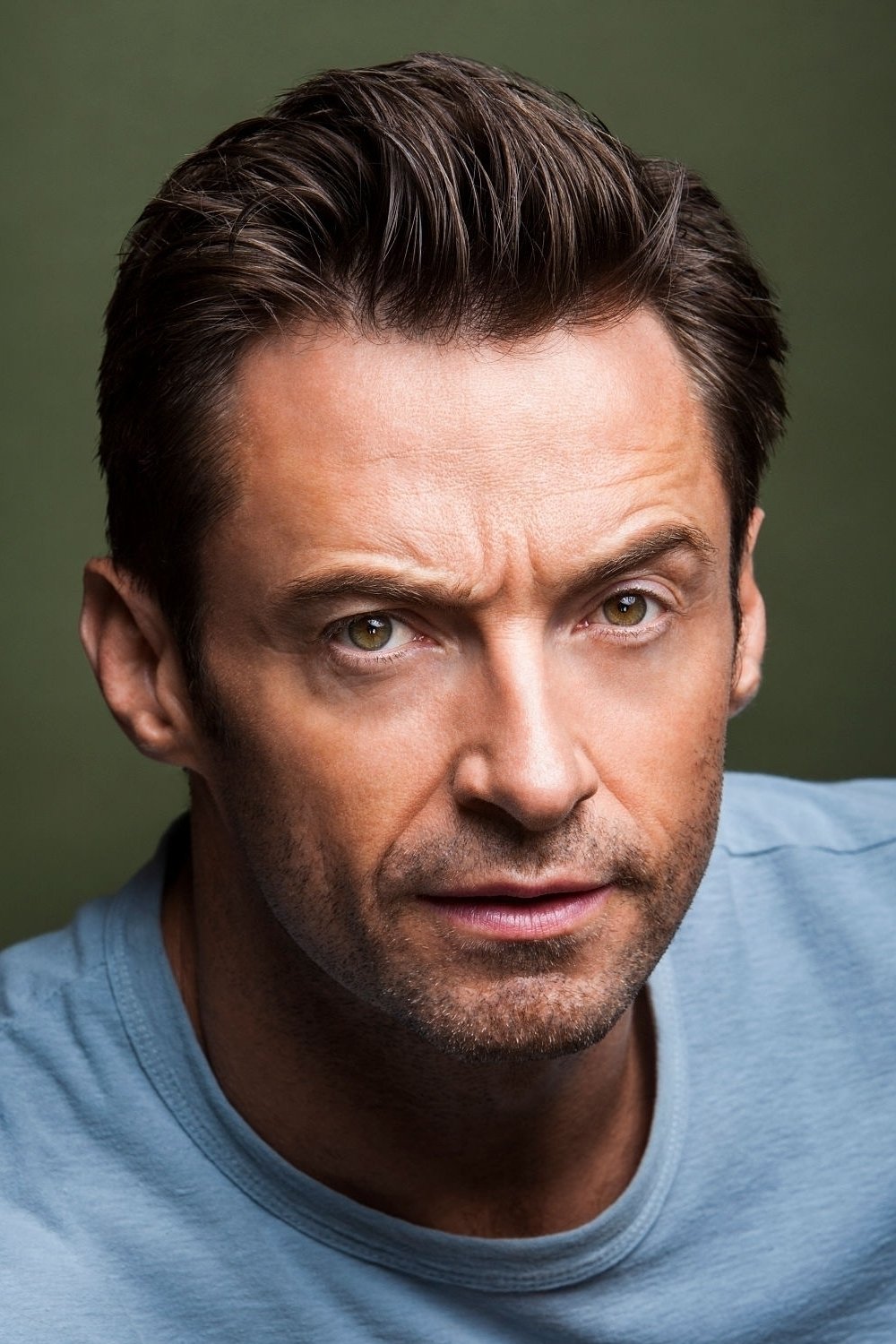
Hugh Jackman has had multiple basal cell carcinomas removed since first disclosing a skin cancer diagnosis in 2013. Treatments have included excisions and routine dermatology checks. He has consistently reminded audiences that these cancers are often linked to cumulative sun exposure and that early detection can simplify treatment.
Jackman continued performing on stage and on screen, including roles connected to ‘The Wolverine’ and ‘Logan’. He regularly mentions sun protection and follow-up skin exams and has used public appearances to highlight how quickly small lesions can change between skin checks.
Val Kilmer
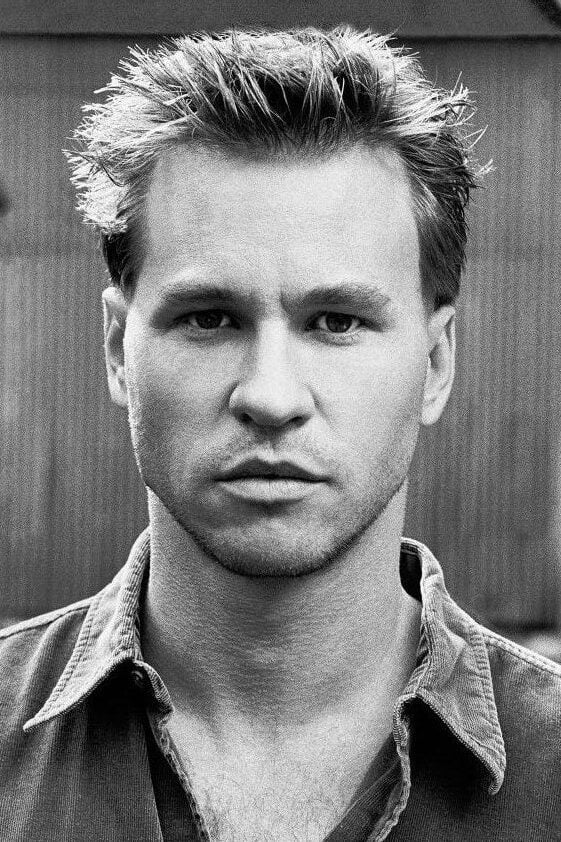
Val Kilmer disclosed that he was treated for throat cancer beginning around 2015. His therapy included chemotherapy and radiation, and he later underwent a tracheostomy that affected his voice. Kilmer has described using a voice prosthesis and working with specialists to support breathing and speech.
He returned to high-profile work with a notable appearance in ‘Top Gun: Maverick’ and has shared more of his experience in the documentary ‘Val’. Kilmer’s care continued to include voice rehabilitation and periodic medical follow-ups tailored to long-term effects of head and neck cancer treatment. He died in 2025 of pneumonia.
Stanley Tucci
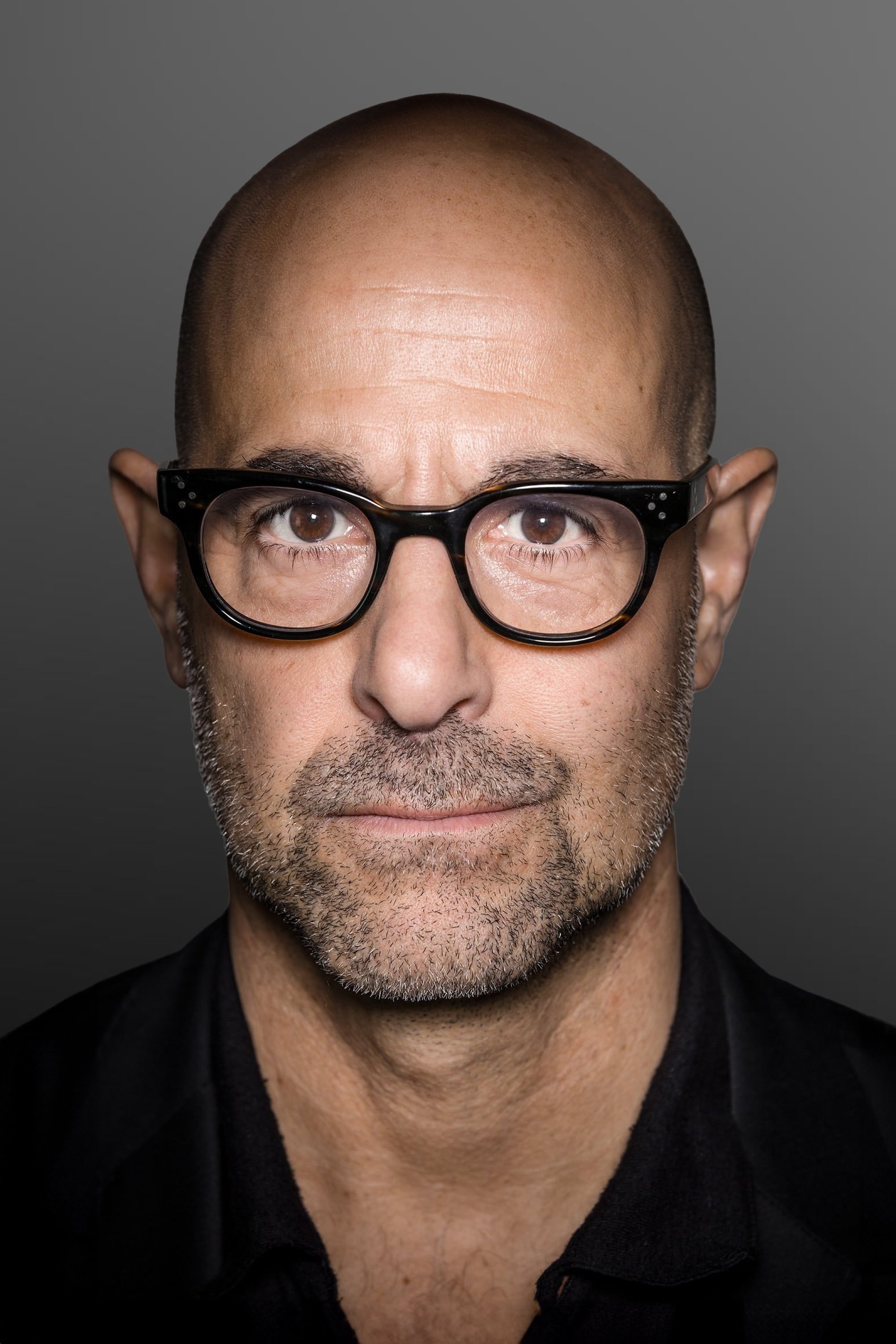
Stanley Tucci was diagnosed with a tumor at the base of his tongue in 2017. He underwent chemotherapy and radiation, and during treatment he relied on a feeding tube to maintain nutrition. After completing therapy, he transitioned to surveillance imaging and regular exams with his oncology team.
Tucci resumed on-screen and hosting work, including the series ‘Stanley Tucci: Searching for Italy’. He has discussed lasting taste changes and dry mouth after head and neck radiation and how these effects influenced his approach to food and travel while filming.
Jeff Bridges
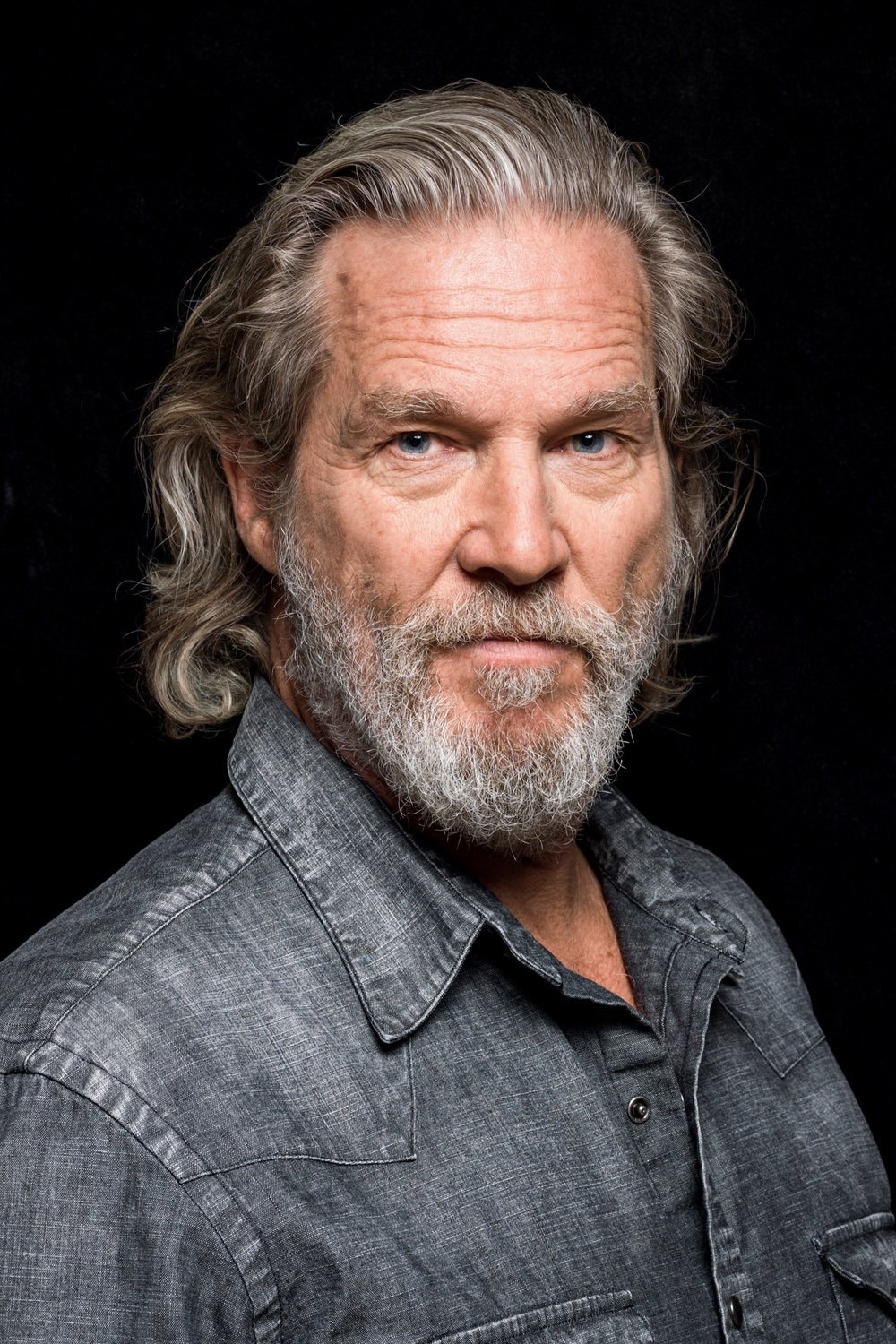
Jeff Bridges announced a lymphoma diagnosis in 2020 and began chemotherapy soon after. During treatment he contracted COVID-19, which extended his recovery, but subsequent scans indicated remission the following year. He has described using physical therapy and conditioning to rebuild strength after intensive therapies.
Bridges returned to acting with the series ‘The Old Man’, coordinating production schedules around his recovery. He has continued periodic checkups, a standard practice for lymphoma survivors, and has shared updates on how maintenance care fits alongside his work commitments.
Stephen Fry
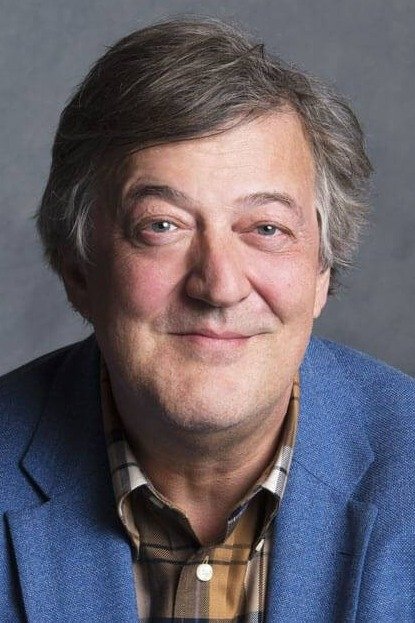
Stephen Fry disclosed a prostate cancer diagnosis in 2018 following a routine PSA test that prompted MRI imaging and biopsy. He underwent a radical prostatectomy and nerve-sparing procedure, followed by monitoring to confirm undetectable PSA levels after surgery. Fry has outlined the diagnostic steps to help others understand typical workups.
He quickly returned to narration, presenting, and acting projects, including voice work and appearances tied to ‘QI’ and other productions. He remains publicly engaged with men’s health discussions and encourages structured follow-up, which commonly includes regular PSA testing and clinical visits.
Ken Watanabe
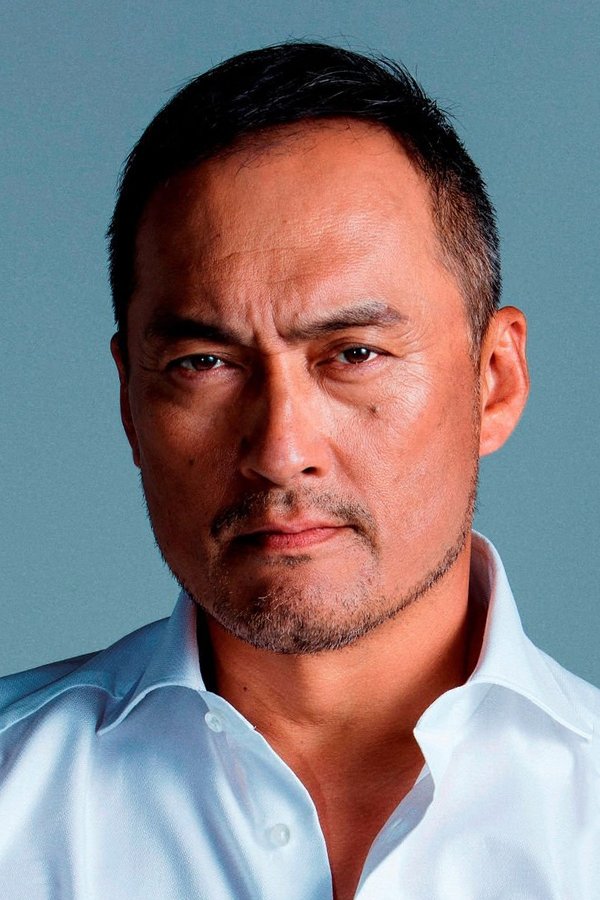
Ken Watanabe has survived two separate cancers. He was treated for acute myeloid leukemia in 1989 and achieved remission after intensive therapy. In 2016, he disclosed an early-stage stomach cancer that was discovered during a checkup and treated surgically. Postoperative follow-up and routine surveillance supported his return to normal activity.
Watanabe continued major film and stage work, including roles in ‘The Last Samurai’, ‘Inception’, and ‘Godzilla’. He has spoken about the importance of periodic health screenings, which played a key role in catching his stomach cancer at an early, more treatable stage.
Sanjay Dutt
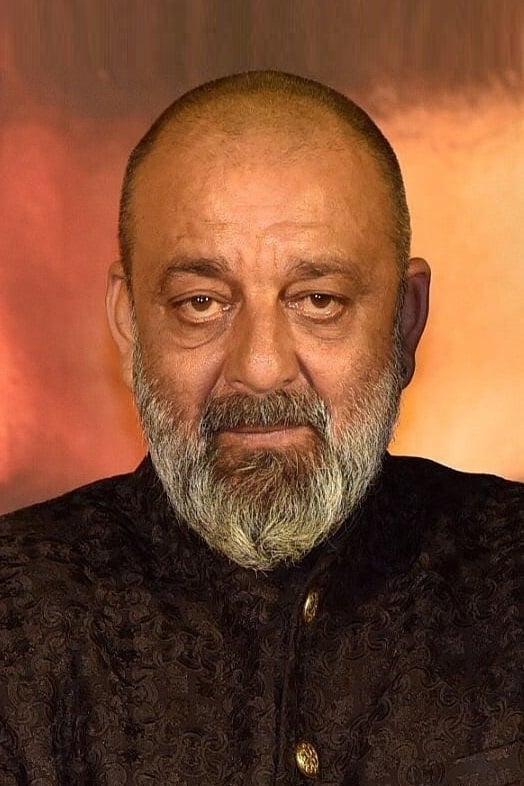
Sanjay Dutt shared in 2020 that he had been diagnosed with lung cancer. He underwent treatment in Mumbai, and later that year he announced he was cancer-free based on his doctors’ assessments. Follow-up evaluations and scheduled imaging formed the backbone of his post-treatment care plan.
Dutt returned to film sets soon after, completing projects such as ‘K.G.F: Chapter 2’. He has described keeping close coordination with his medical team for routine checks while managing a demanding shooting schedule.
Tom Green
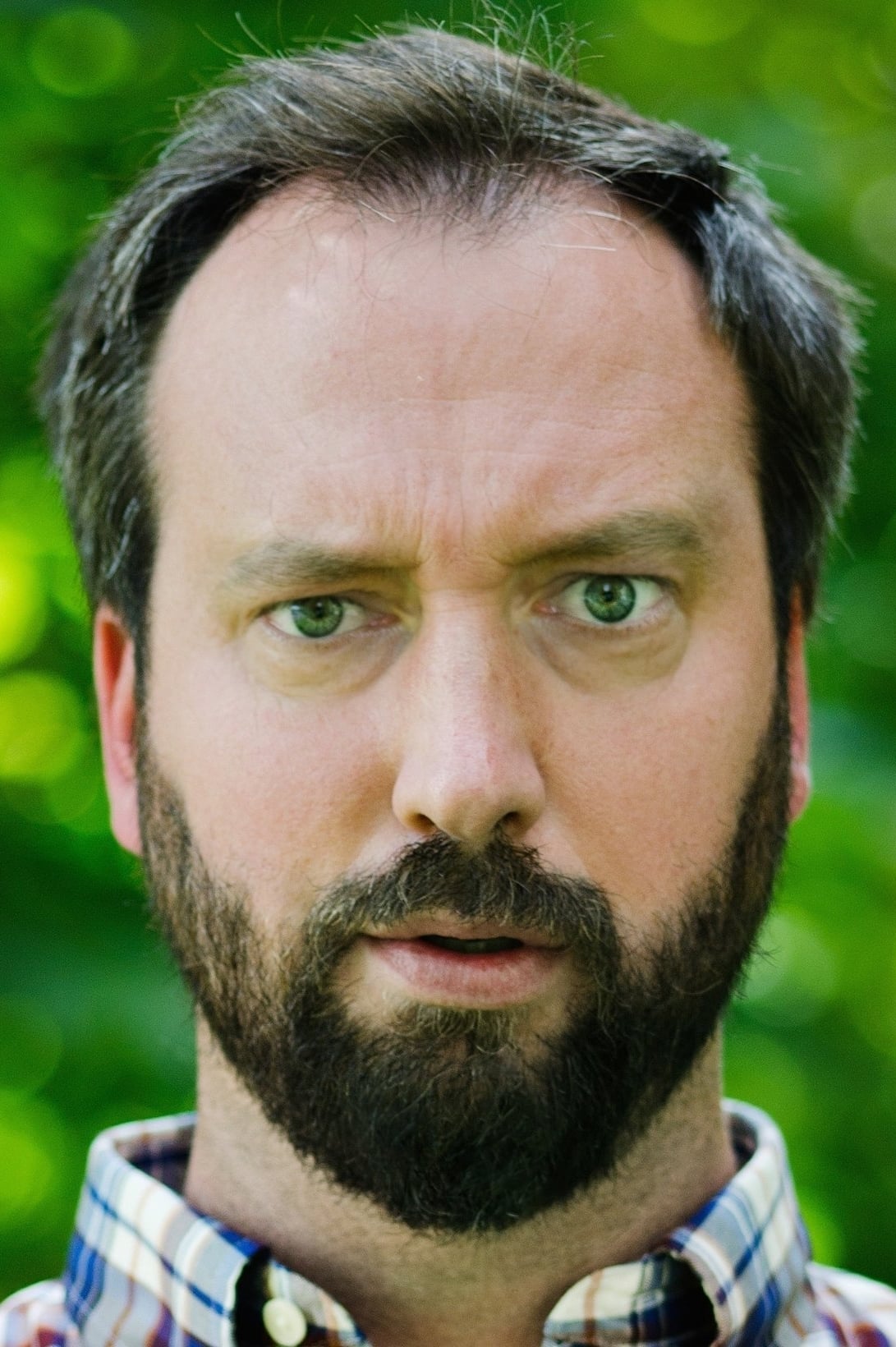
Tom Green was diagnosed with testicular cancer in 2000 after noticing changes and seeking medical evaluation and imaging. He underwent an orchiectomy and additional treatment as recommended by his care team. He publicly documented the process to help others recognize symptoms and understand how the disease is typically treated.
Following recovery, Green resumed acting and comedy, with appearances connected to ‘Road Trip’ and a TV special titled ‘The Tom Green Cancer Special’. He has continued to discuss survivorship topics such as long-term monitoring and fertility considerations that can accompany testicular cancer treatment.
Mandy Patinkin

Mandy Patinkin was diagnosed with early-stage prostate cancer in 2010. He chose surgical treatment and later shared that his follow-up tests remained in the desired range. His experience highlighted how early detection can expand the range of treatment options available to patients.
Patinkin continued work in television and theater, including his role in the series ‘Homeland’. He has supported awareness efforts around prostate health and encourages regular consultations so people can decide on screening and treatment choices that fit their circumstances.
Share your thoughts below on which stories stood out to you, and who else you would add in the comments.