Actors Who Are Against AI


Artificial intelligence in film and TV isn’t theoretical anymore—it’s already here in the form of voice clones, deepfake ads, and proposals to scan actors for reuse. In 2023–2025, the issue moved from back-lot chatter to center stage in union negotiations, courtrooms, and—most recently—an industry-wide backlash to an AI-generated “actress” named Tilly Norwood. SAG-AFTRA called synthetic “performers” a direct threat to human-centered creativity, and major outlets documented actors’ push for consent, compensation, and enforceable guardrails.
Since September 30, 2025, the Tilly Norwood rollout has triggered statements from SAG-AFTRA and a wave of on-record reactions from working stars—Emily Blunt, Whoopi Goldberg, Natasha Lyonne, Melissa Barrera, Sophie Turner, Mara Wilson and others—who argue that AI “actors” are built on unlicensed human work and could sideline real performers. Their comments sit alongside earlier, documented incidents: Tom Hanks warning fans about an AI ad using his face, Stephen Fry playing a cloned version of his voice at a tech festival, and Scarlett Johansson challenging a chatbot voice she says sounded “eerily similar” to hers.
Keanu Reeves
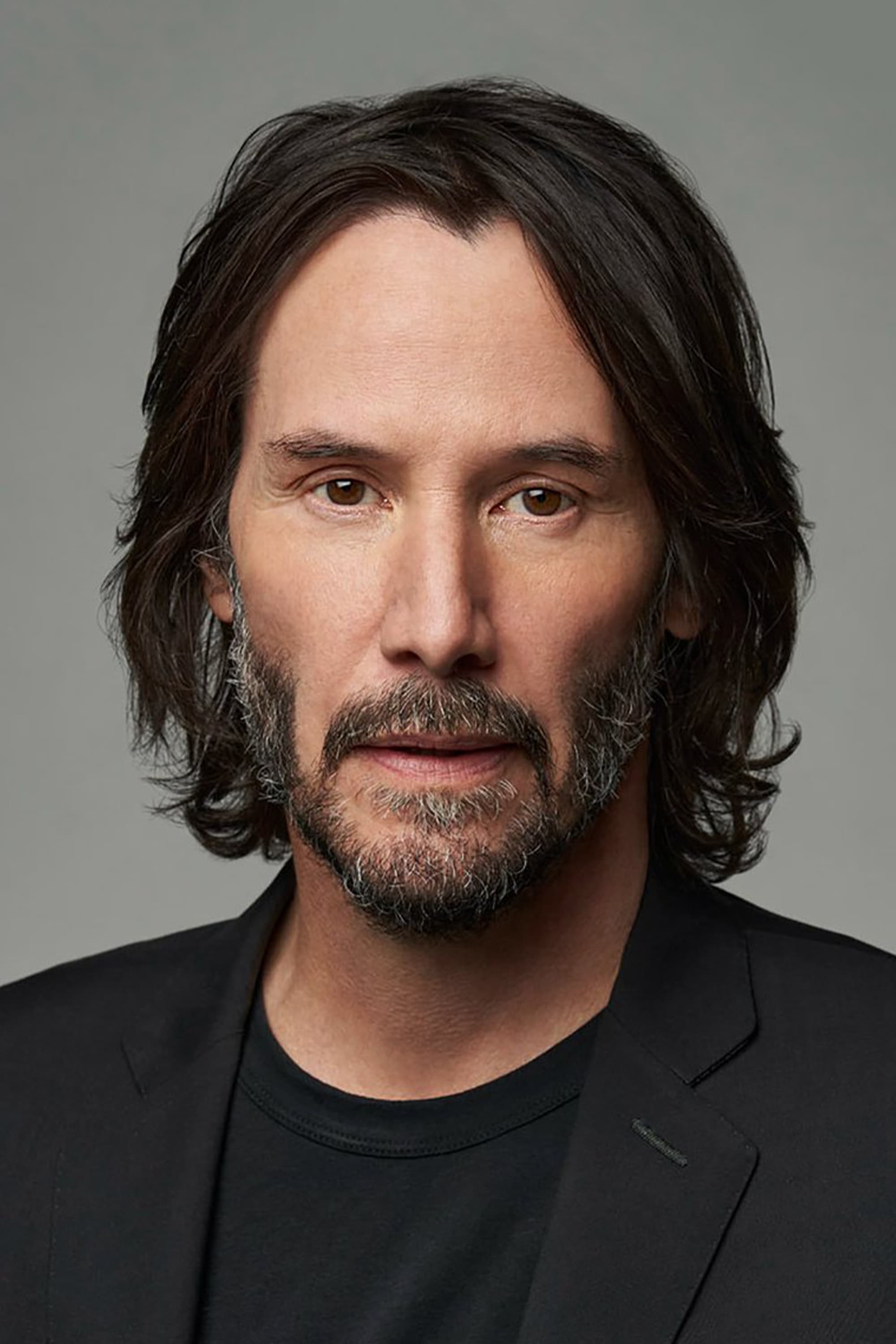
On February 15, 2023, Keanu Reeves said deepfakes are “scary” and confirmed his film contracts now prohibit digital edits to his performances, citing past experiences where changes were made without his consent. Trade and entertainment outlets that covered his remarks noted the clause was added to protect artistic intent.
In the same news cycle, additional reporting reiterated Reeves’s view that deepfakes strip actors of agency once their images can be manipulated or repurposed. He tied the concern to broader industry practices around digital doubles.
Tom Hanks
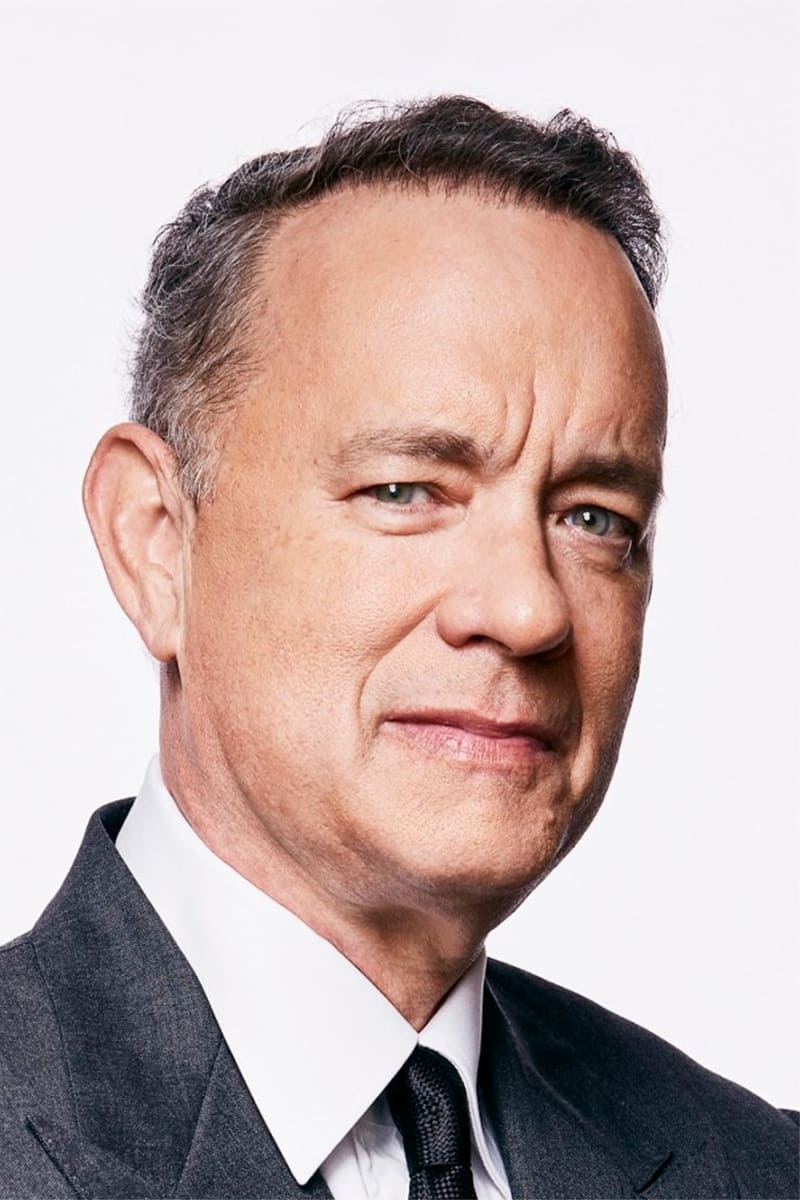
On October 1, 2023, Tom Hanks posted a warning that a circulating dental-plan video used an AI version of him without permission, writing “I have nothing to do with it.” Major outlets archived the post and used it to illustrate how easily public figures’ likenesses can be exploited.
Subsequent coverage highlighted Hanks’s broader concerns about deepfake ads and raised the unresolved legal questions around unauthorized image use and likeness rights in entertainment.
Scarlett Johansson
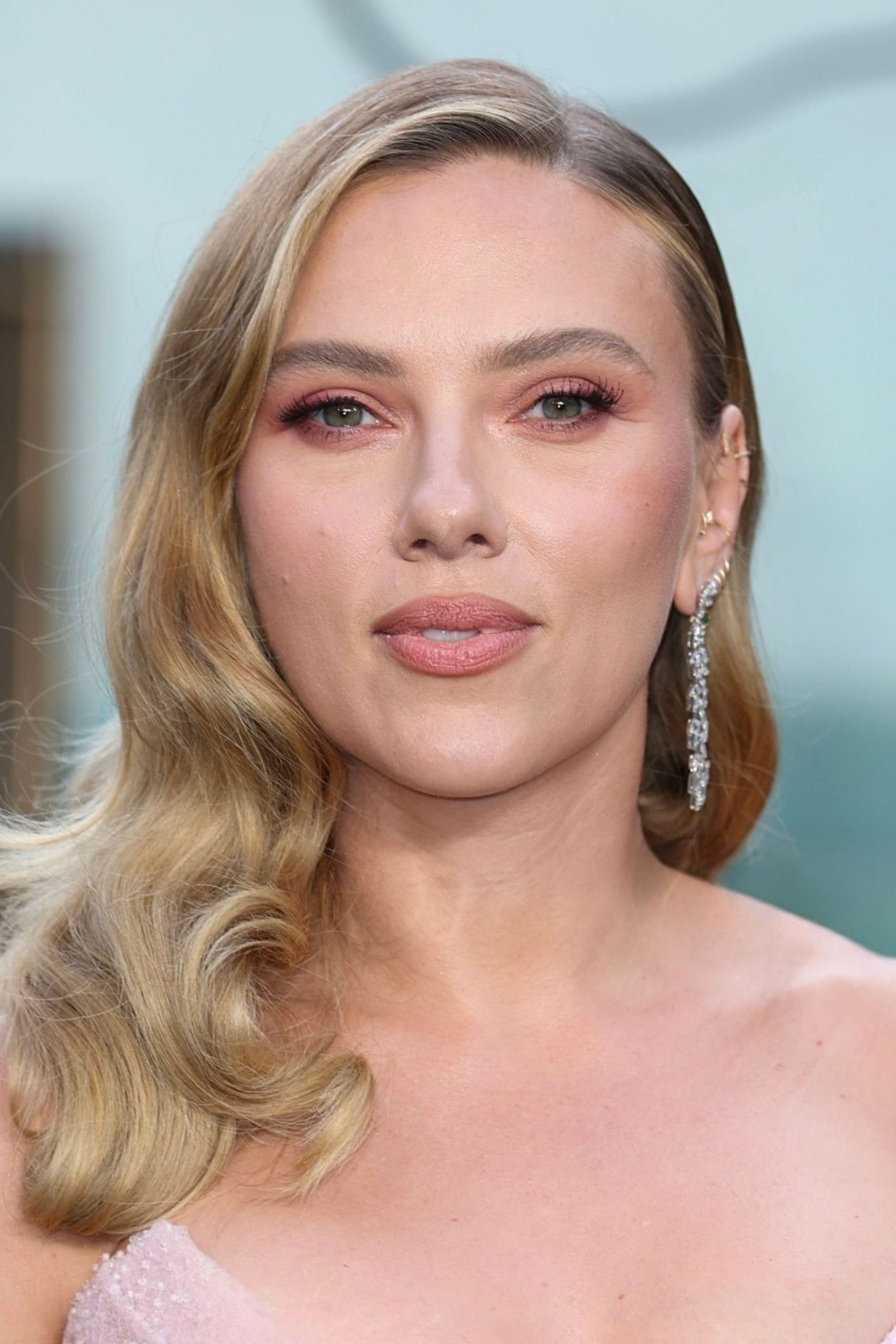
On May 20–21, 2024, Scarlett Johansson said a chatbot voice released by OpenAI sounded “eerily similar” to hers after she had declined to participate; the company paused that voice and said it wasn’t intended to imitate her. International outlets documented both her statement and the company’s response.
Follow-up reporting examined third-party analyses of the voice similarity and the policy questions raised by voice mimicry, underscoring why performers want explicit consent rules.
Bryan Cranston
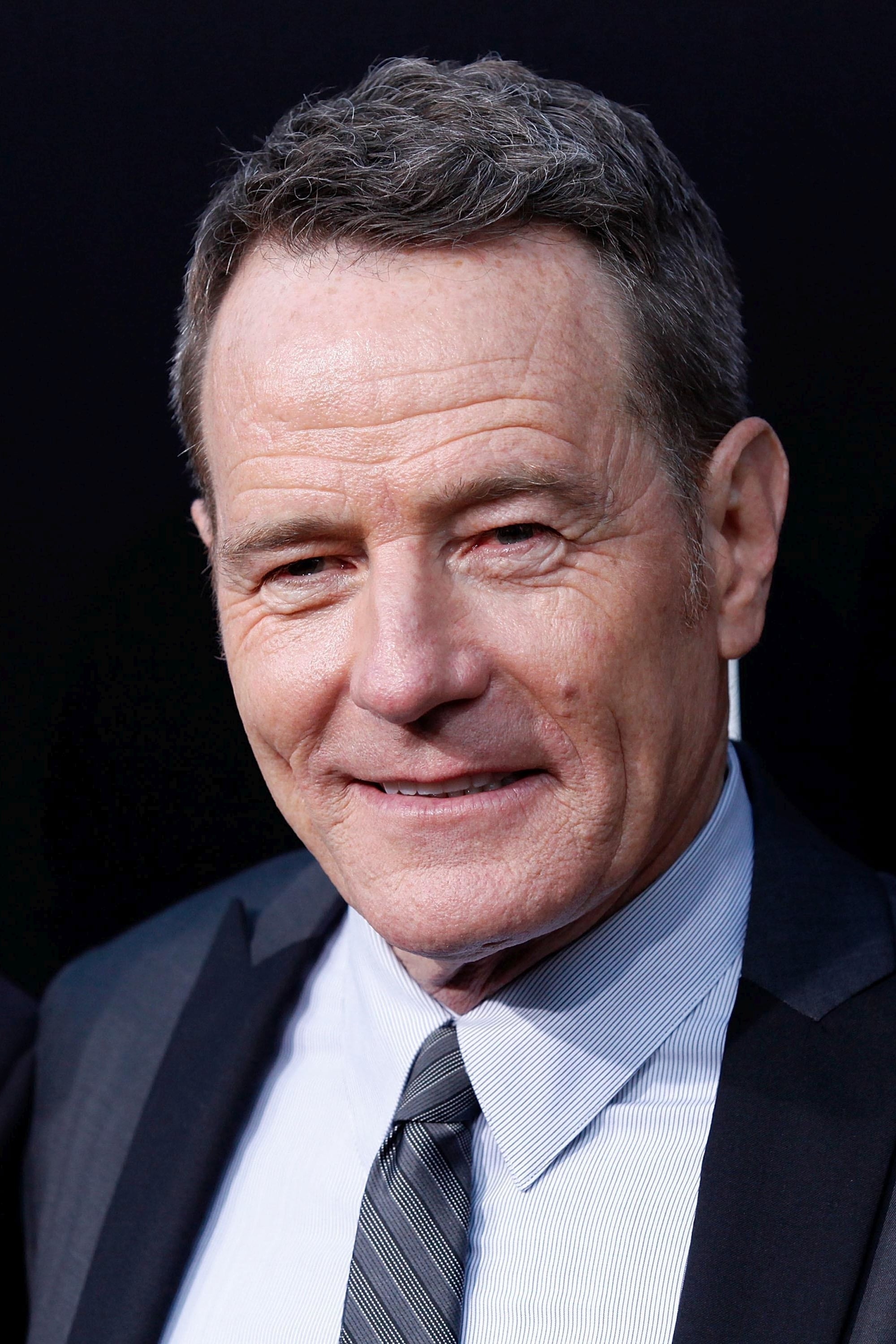
At a Times Square rally on July 25, 2023, Bryan Cranston told studio leadership that actors’ jobs “will not be taken away by robots,” centering AI among the core strike issues. Multiple outlets captured the speech and its message about dignity, consent, and work.
Coverage of the rally reinforced how AI protections sat alongside pay and residuals in negotiations, with Cranston’s remarks serving as a widely quoted example from that day’s events.
Stephen Fry
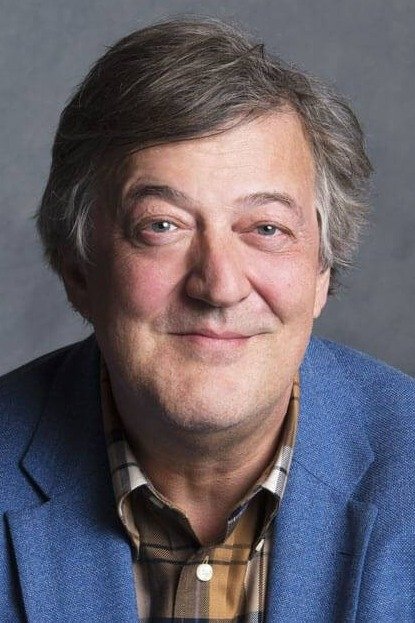
On September 18–21, 2023, Stephen Fry revealed an AI system had cloned his voice—apparently trained on his audiobook recordings—and used it to narrate a documentary without his knowledge; he played a clip at London’s CogX festival to demonstrate the issue.
Fry warned that unauthorized voice cloning poses direct risks to performers and urged industry and union responses, a view repeated across UK press coverage of his talk.
Sean Penn
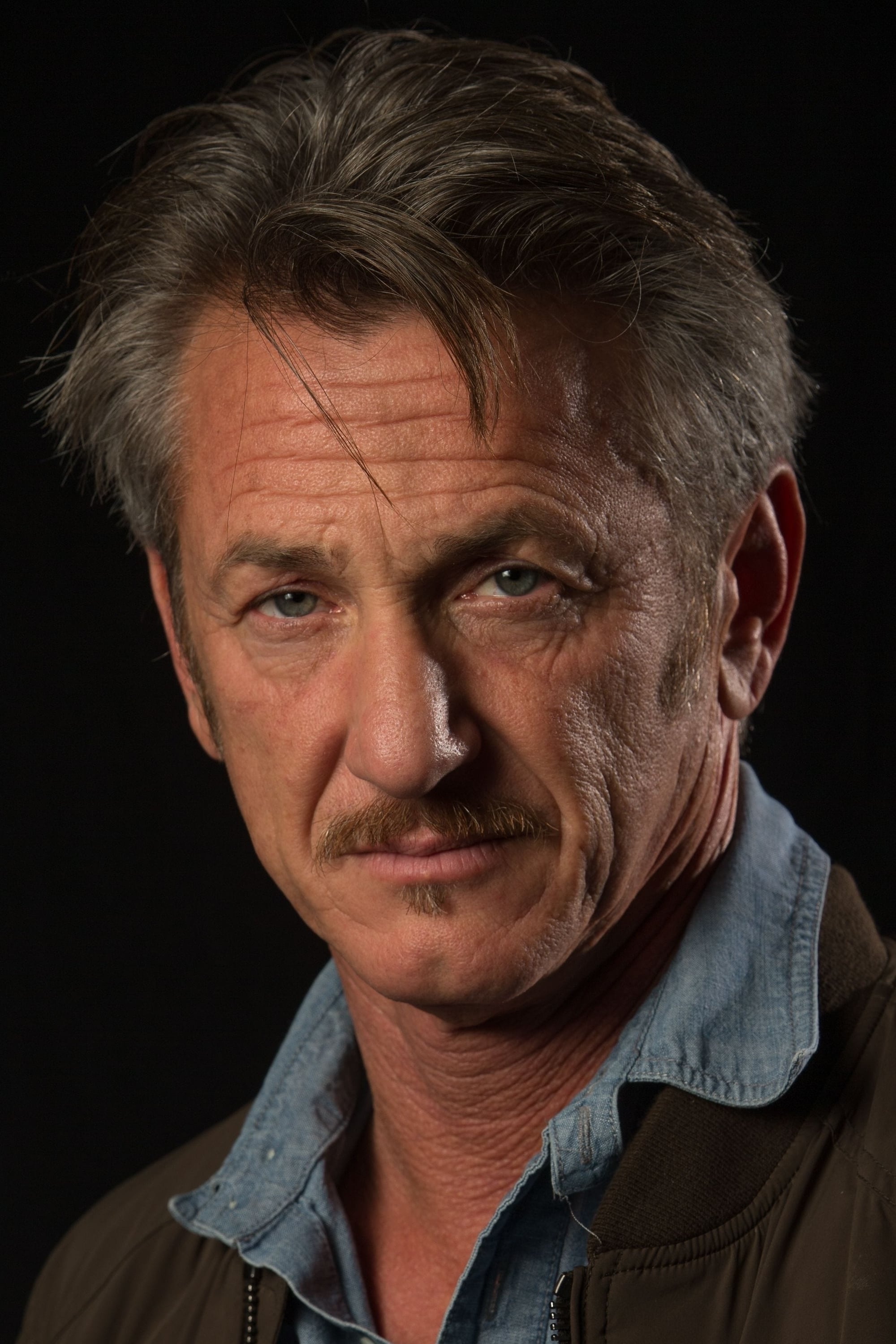
On May 19, 2023, at Cannes, Sean Penn called studios’ stance on AI a “human obscenity” while backing striking writers and urging contractual limits on AI tools. The remark was reported from the press conference and widely syndicated.
Trade outlets the same day reiterated Penn’s position that AI should not displace human storytelling, situating his comments within the strike’s AI disputes.
Fran Drescher
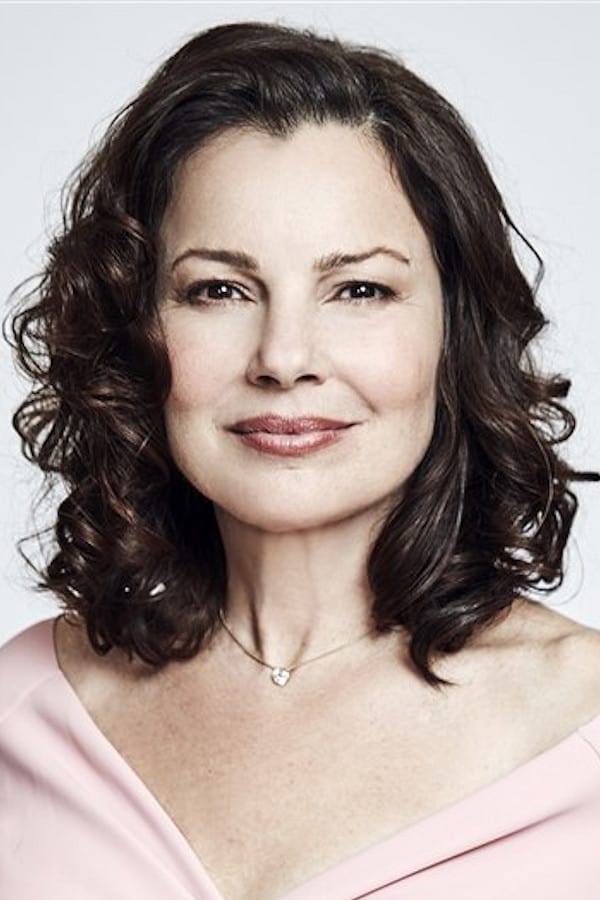
As SAG-AFTRA president, Fran Drescher repeatedly characterized AI as a “huge threat” to performers and a central driver of the 2023 strike, calling for guardrails and human-centered creativity. Interviews and speeches through 2024 emphasized those themes.
She also warned in February–March 2024 that without stronger limits, AI would “trap us in a matrix,” pressing for consent and compensation in any digital-replica use.
Samuel L. Jackson
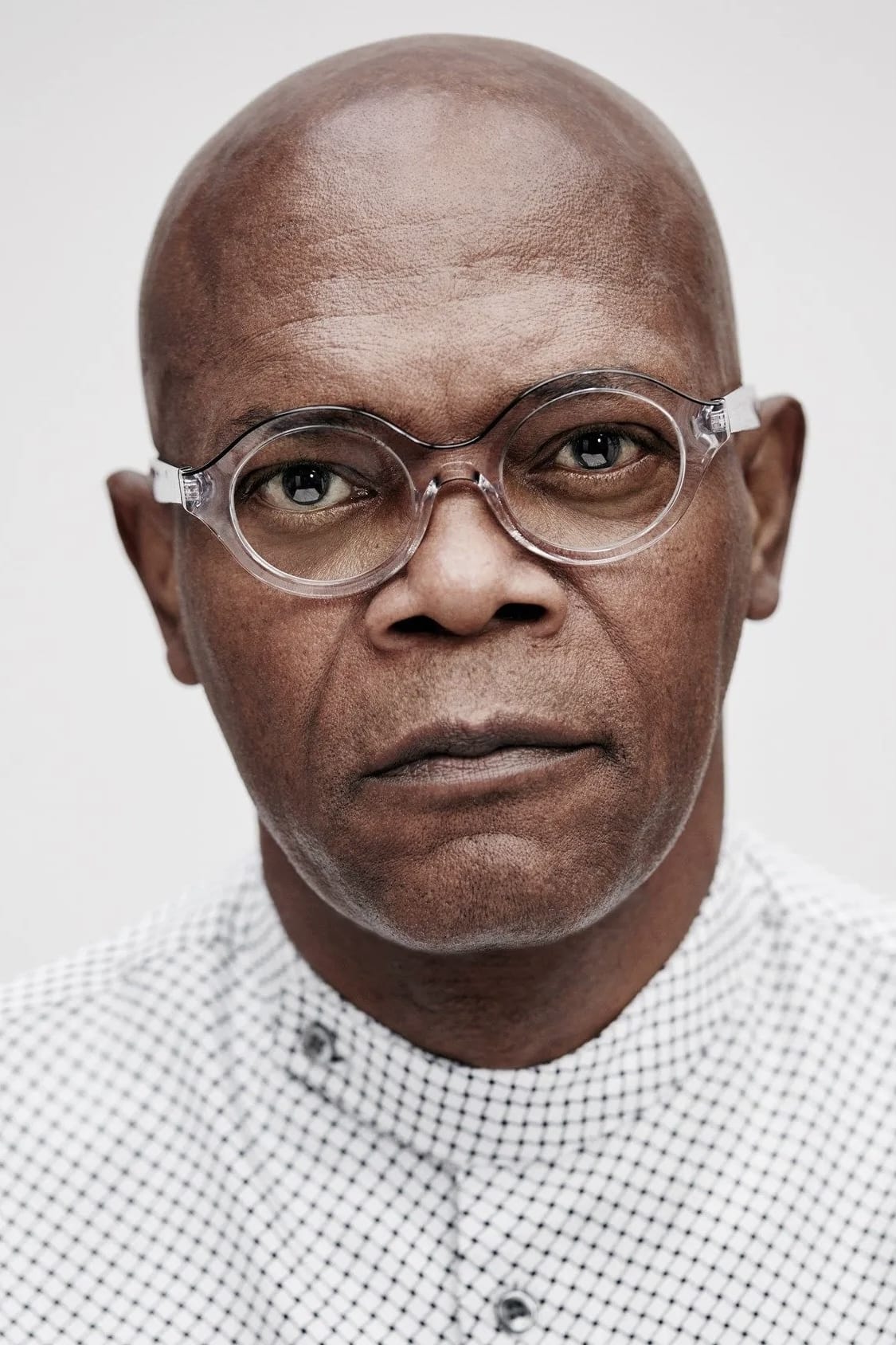
In June 2023, Samuel L. Jackson said he refuses contract language allowing his likeness “in perpetuity,” advising actors to strike out vague AI terms. Interviews reiterated his long-standing worry over replica rights and misuse.
Jackson linked those concerns to routine on-set scanning, cautioning that captured data can be repurposed unless agreements clearly restrict AI reuse.
Brian Cox
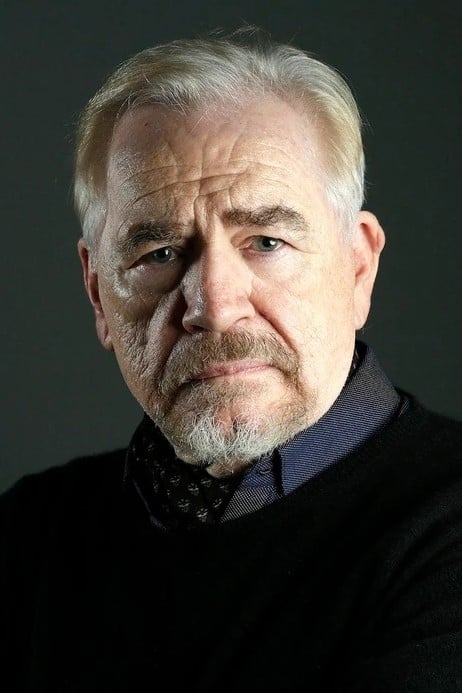
On July 21, 2023, at Equity’s London rally, Brian Cox called AI “the worst aspect” of the fight and said attempts to build an “artificial-intelligence Brian Cox” were “weird and really a little scary,” urging the industry to stop such practices.
UK outlets the same day covered Cox and peers warning that AI could diminish artists’ identities if replicas or voice models proceed without strict consent and pay.
John Cusack
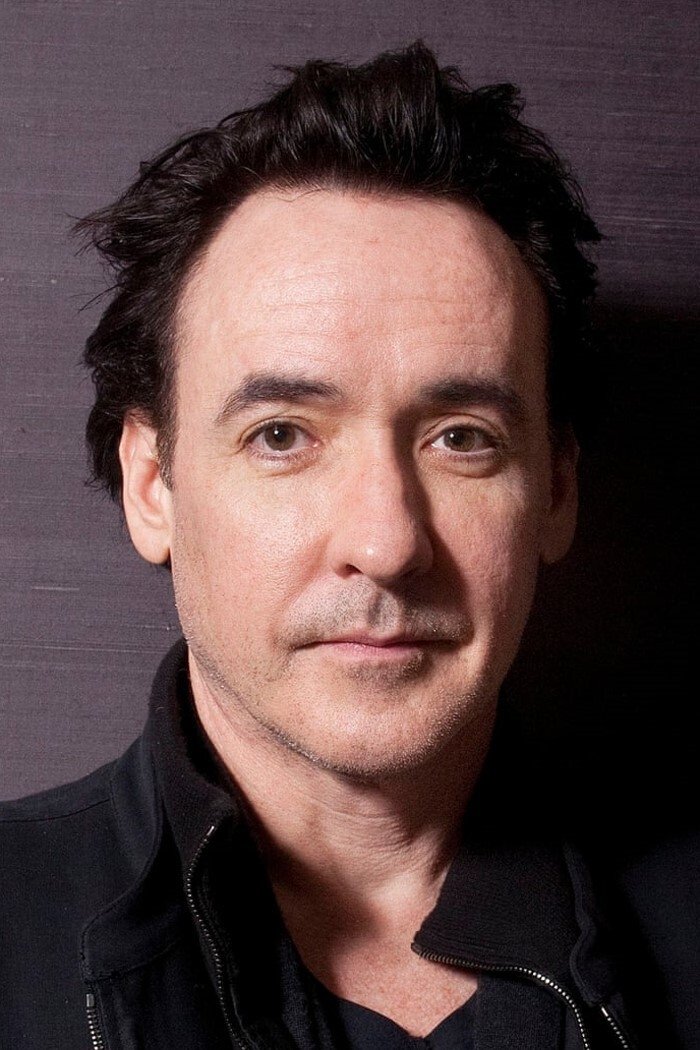
On July 14, 2023, John Cusack criticized studio proposals to scan background actors and own their likeness “forever,” calling it a “criminal enterprise.” His comments mirrored union briefings about scanning proposals for background performers.
Entertainment press compiled Cusack’s posts and quotes as emblematic of actors’ fears that one-time scan fees could enable mass AI replacement without ongoing compensation.
Emily Blunt
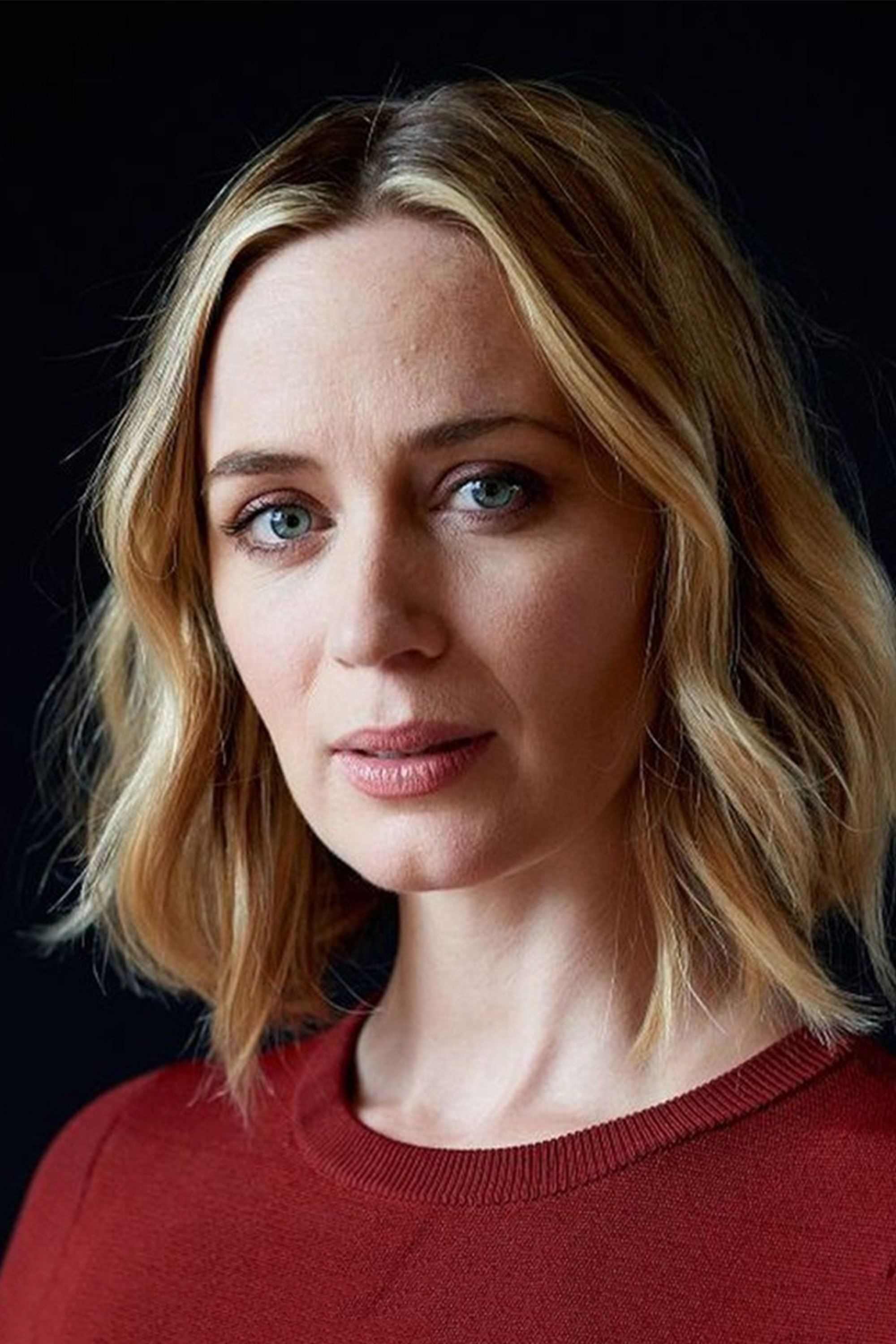
On September 30, 2025, Emily Blunt condemned the push to sign the AI “actress” Tilly Norwood, calling the development “scary” and urging agencies not to legitimize synthetic performers. Her remarks were quoted as part of industry blowback.
Follow-up pieces recapped Blunt’s comments alongside the union’s statement that such AI “talent” is built on unlicensed human performances and threatens jobs.
Whoopi Goldberg
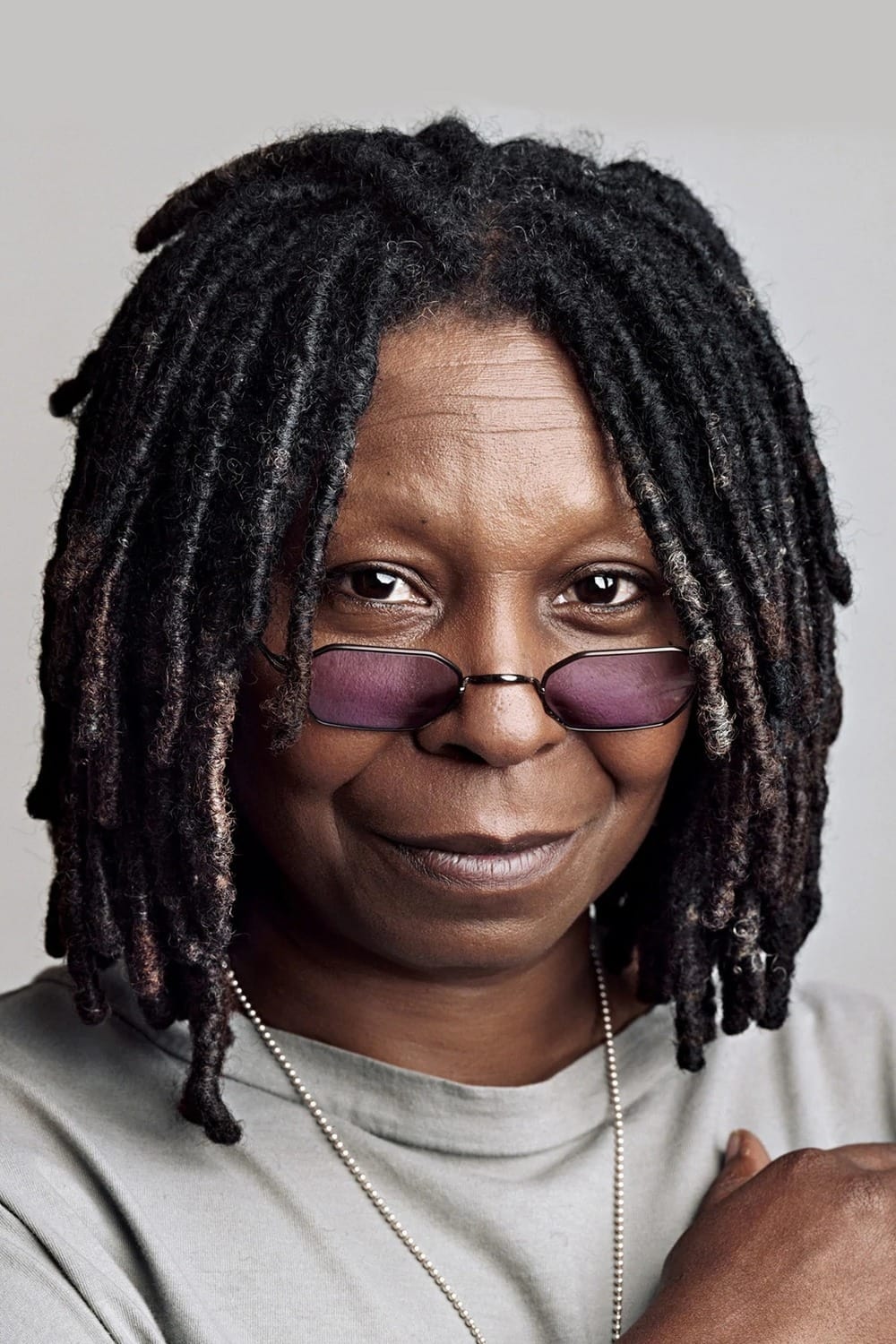
On September 29–30, 2025, Whoopi Goldberg used ‘The View’ to warn audiences that AI “actors” like Tilly Norwood can’t replace human connection or movement, weighing in amid the week’s controversy. Entertainment outlets summarized her on-air remarks.
International coverage grouped Goldberg’s comments with union and peer criticism, framing the week as a flashpoint over synthetic “talent.”
Mark Ruffalo
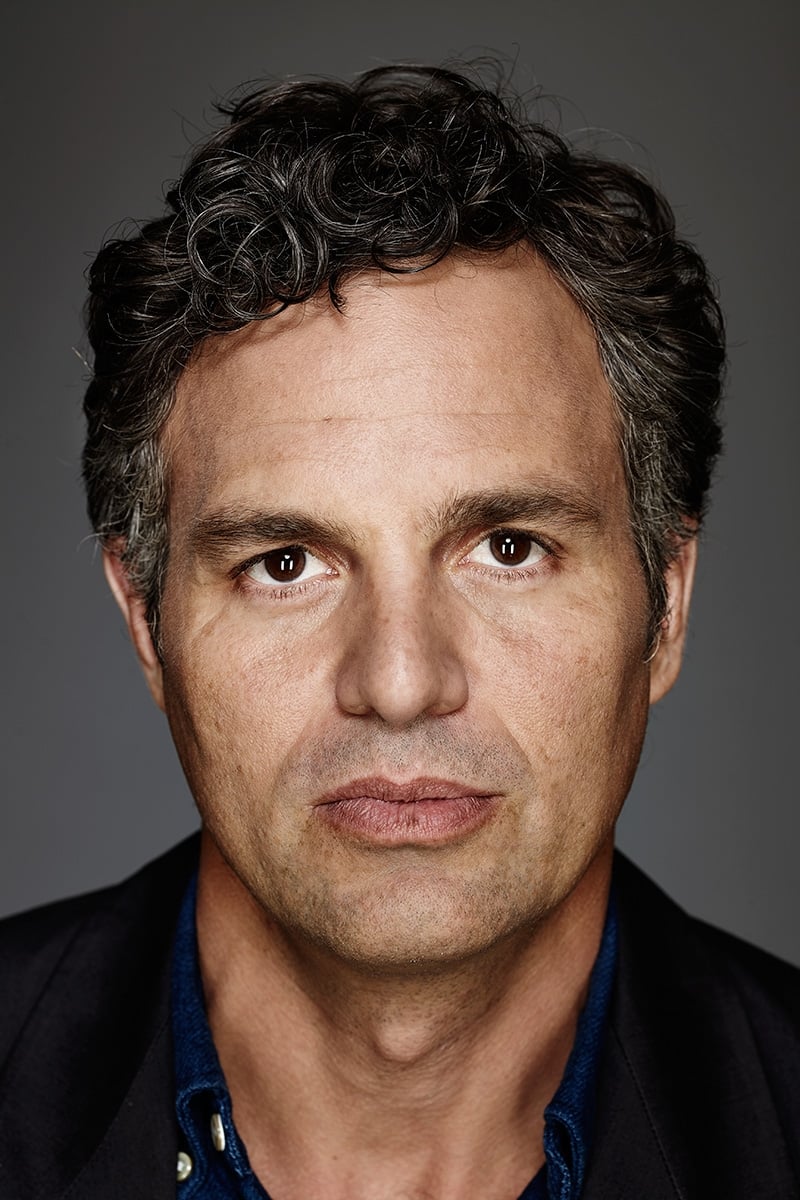
On March 17, 2025, Mark Ruffalo joined more than 400 creatives in an open letter urging the White House to stop AI companies from exploiting copyrighted works without permission, aligning with broader calls for consent-based training and licensing.
The letter’s signatories, including actors and musicians, positioned AI scraping and imitation as threats to creative workers’ livelihoods, illustrating why performers seek stronger rules.
Zachary Levi
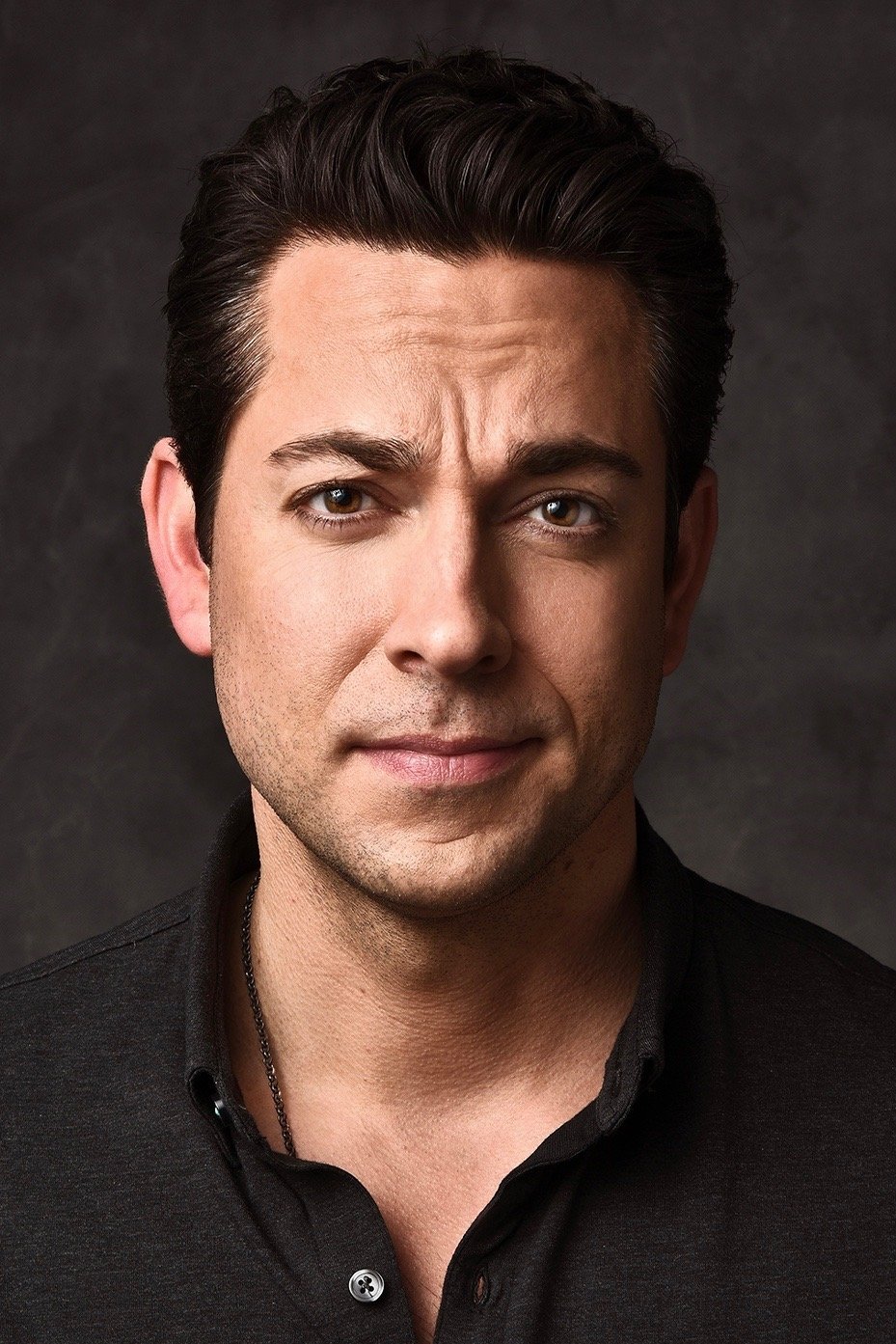
On August 13, 2023, Zachary Levi warned that AI “can very quickly consume” creative fields while speaking at a fan expo during the strike, adding his voice to concerns about unregulated adoption.
Coverage noted his broader support for the union’s AI goals even as he navigated strike-era communications with fans.
Andy Serkis
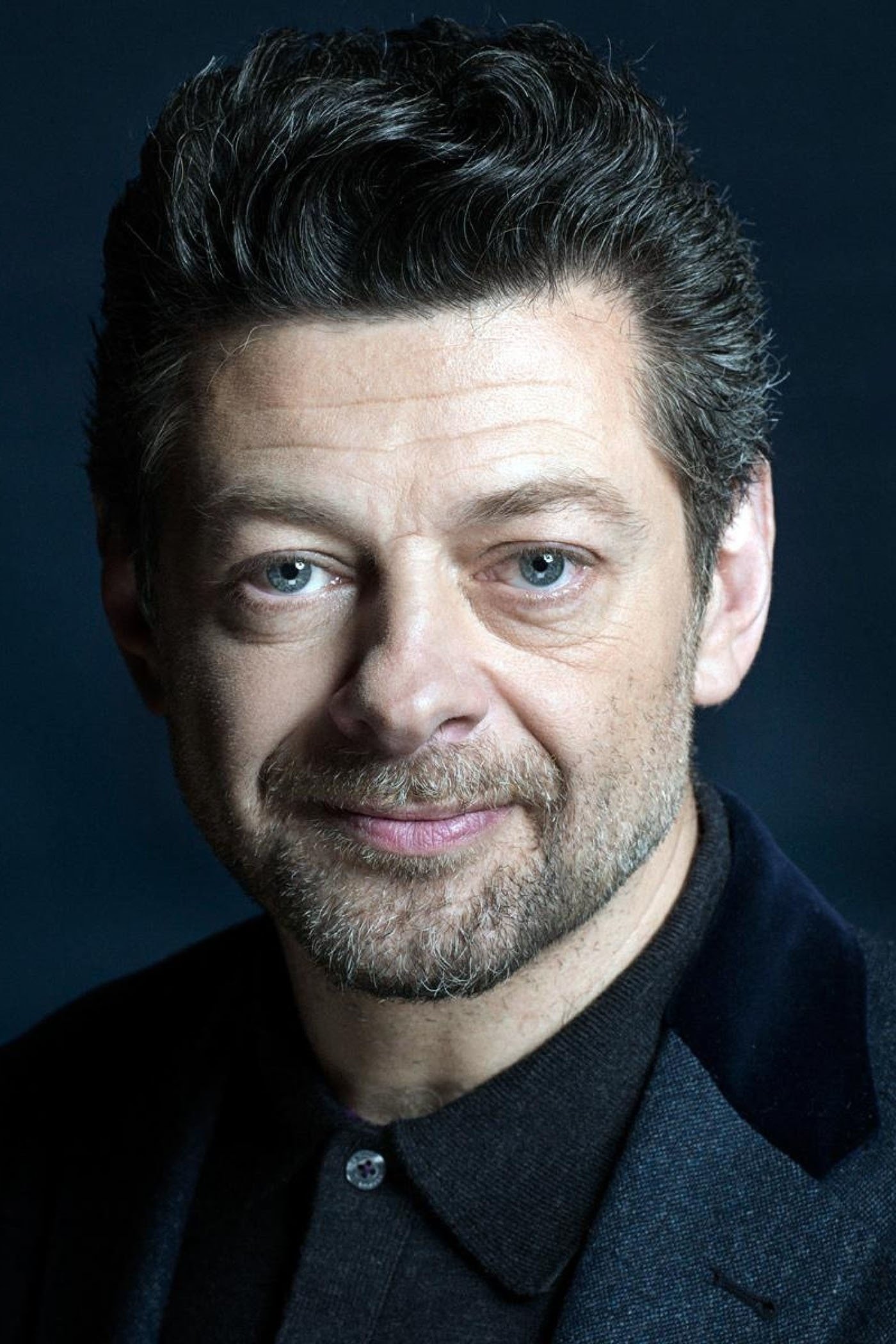
On July 21, 2023, Andy Serkis told UK media at Equity’s London rally that AI could be used to undermine actors’ work and must be taken seriously as negotiations evolve.
Reports from the event featured Serkis alongside peers warning about scans, replicas, and voice models without adequate pay and control for performers.
Melissa Barrera
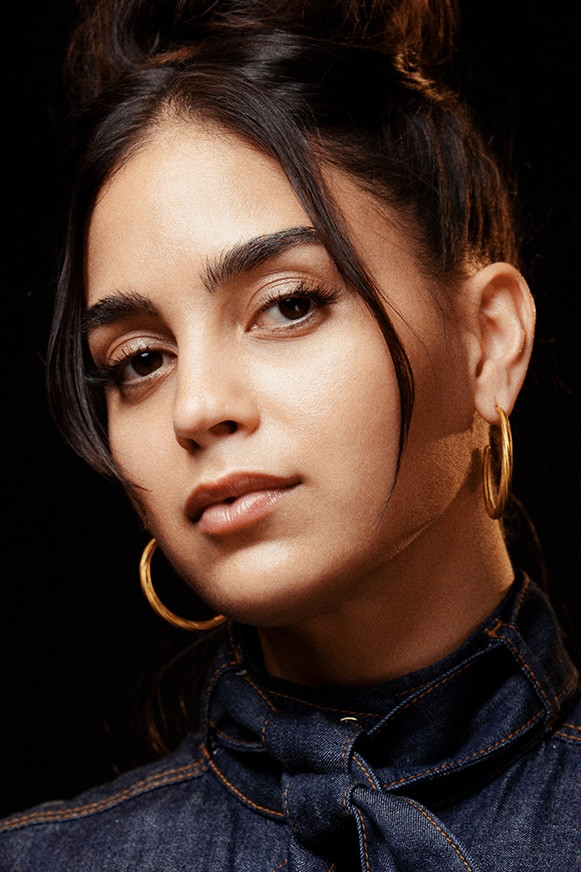
During the Tilly Norwood backlash (September 30–October 2, 2025), Melissa Barrera publicly criticized agencies considering AI “actors,” urging solidarity behind human-centered casting. News recaps quoted her social posts as part of the industry response.
That reaction was cited alongside SAG-AFTRA’s statement condemning synthetic performers trained on unlicensed human work.
Natasha Lyonne
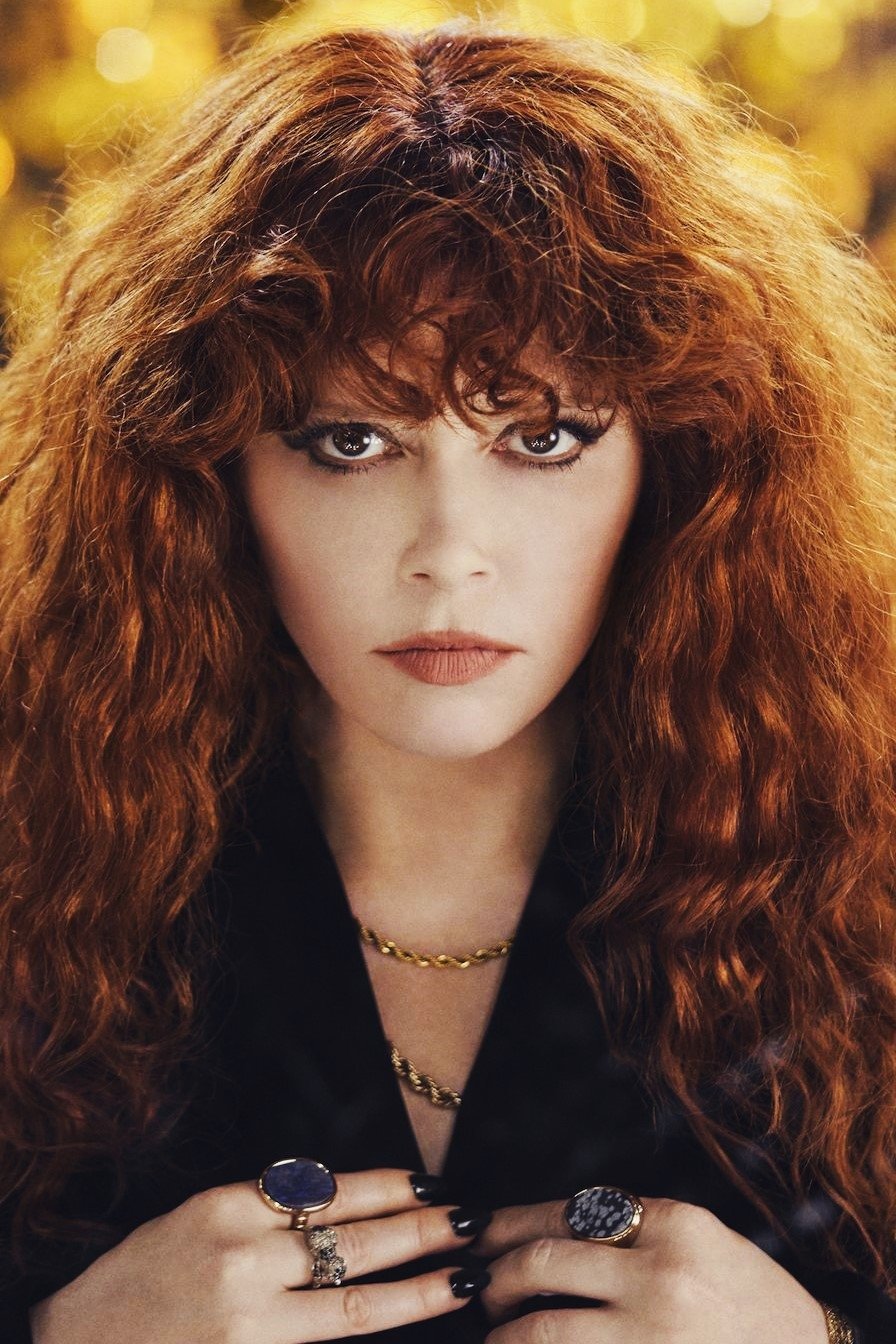
Natasha Lyonne called the push to sign Tilly Norwood “deeply misguided & totally disturbed,” urging a boycott of any agency that represents AI talent, as aggregated by multiple outlets from her Instagram post.
Her stance also connected to a wider coalition letter and advocacy for protecting artists’ rights as AI tools spread across production.
Sophie Turner
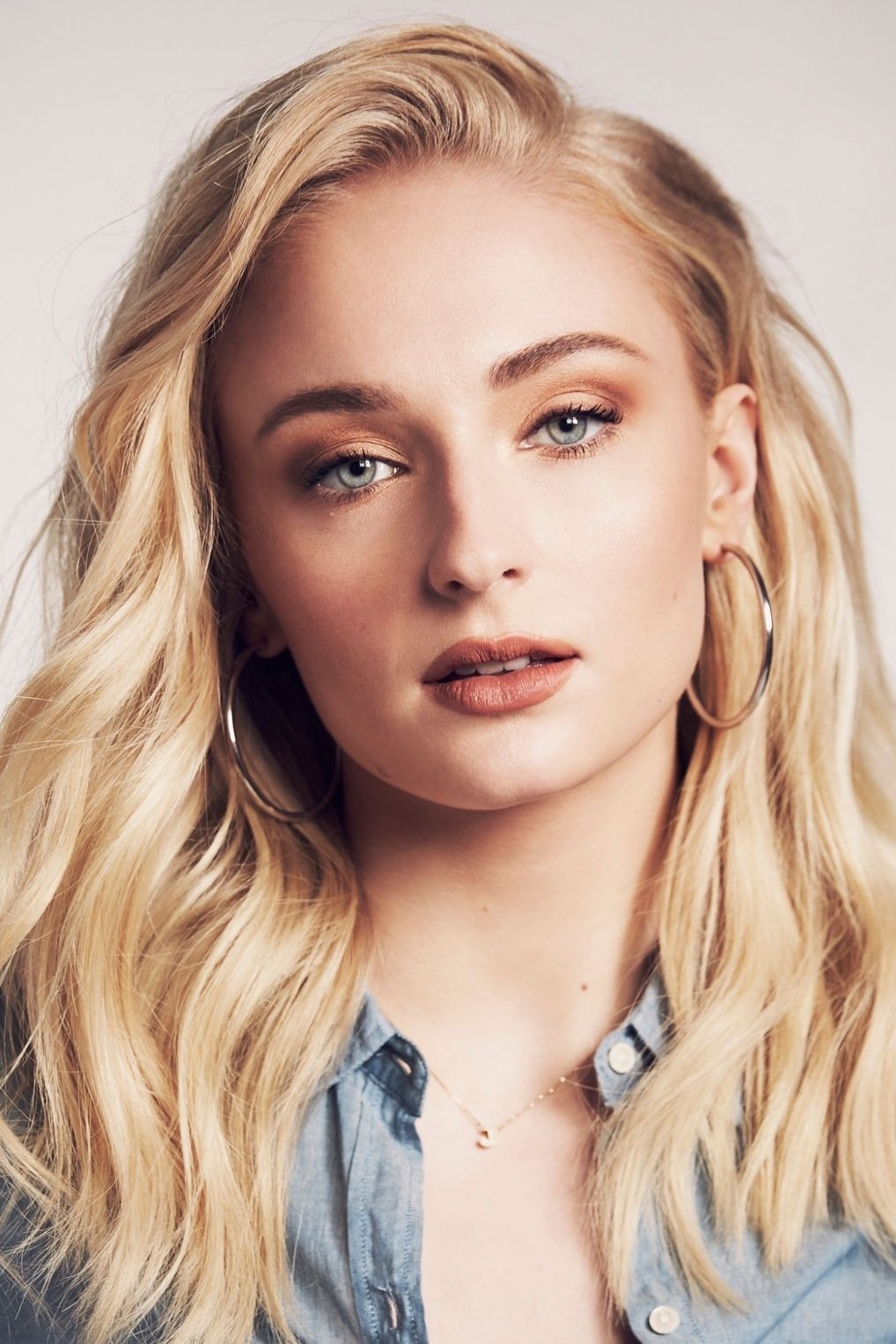
As the Tilly Norwood account drew attention in late September 2025, Sophie Turner reacted on Instagram, writing “Wow… no thanks,” a comment captured in roundups of celebrity responses.
Coverage paired Turner’s remark with union and peer criticism to show how mainstream actors view synthetic “performers” as a step toward replacing working people.
Tye Sheridan
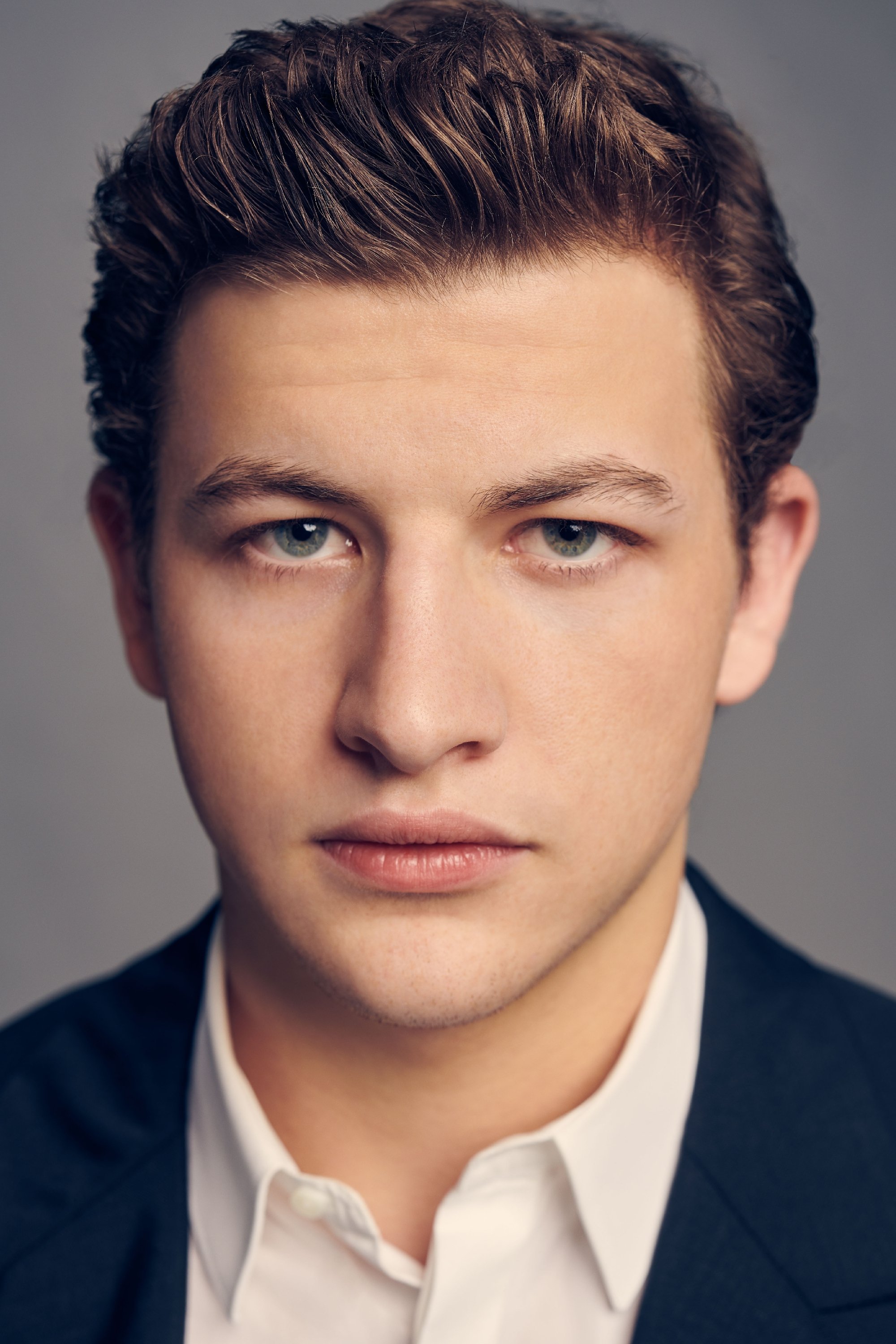
In 2024 interviews about Wonder Dynamics, Tye Sheridan—while highlighting practical VFX uses—also discussed the need for ethical adoption of AI so tools don’t jeopardize performers without consent or fair terms.
Trade press contextualized his comments within strike-era debates about how AI pipelines should be governed to support, not replace, human labor in production.
Anthony Rapp
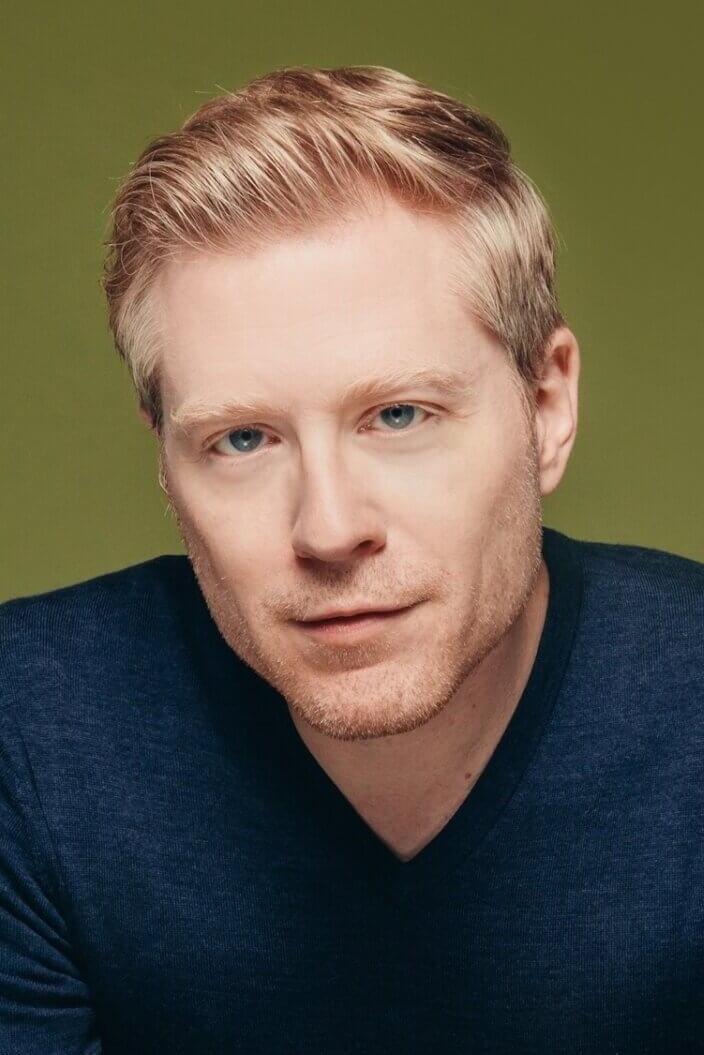
During July–October 2023 coverage of SAG-AFTRA negotiations, Anthony Rapp—on the union’s negotiating committee—flagged AI as a significant sticking point and referenced proposals around scanning background actors.
Rapp’s public posts amplified concerns that one-day scan payments paired with perpetual reuse rights would harm performers, reinforcing the union’s case for consent and compensation.
Lisa Kudrow
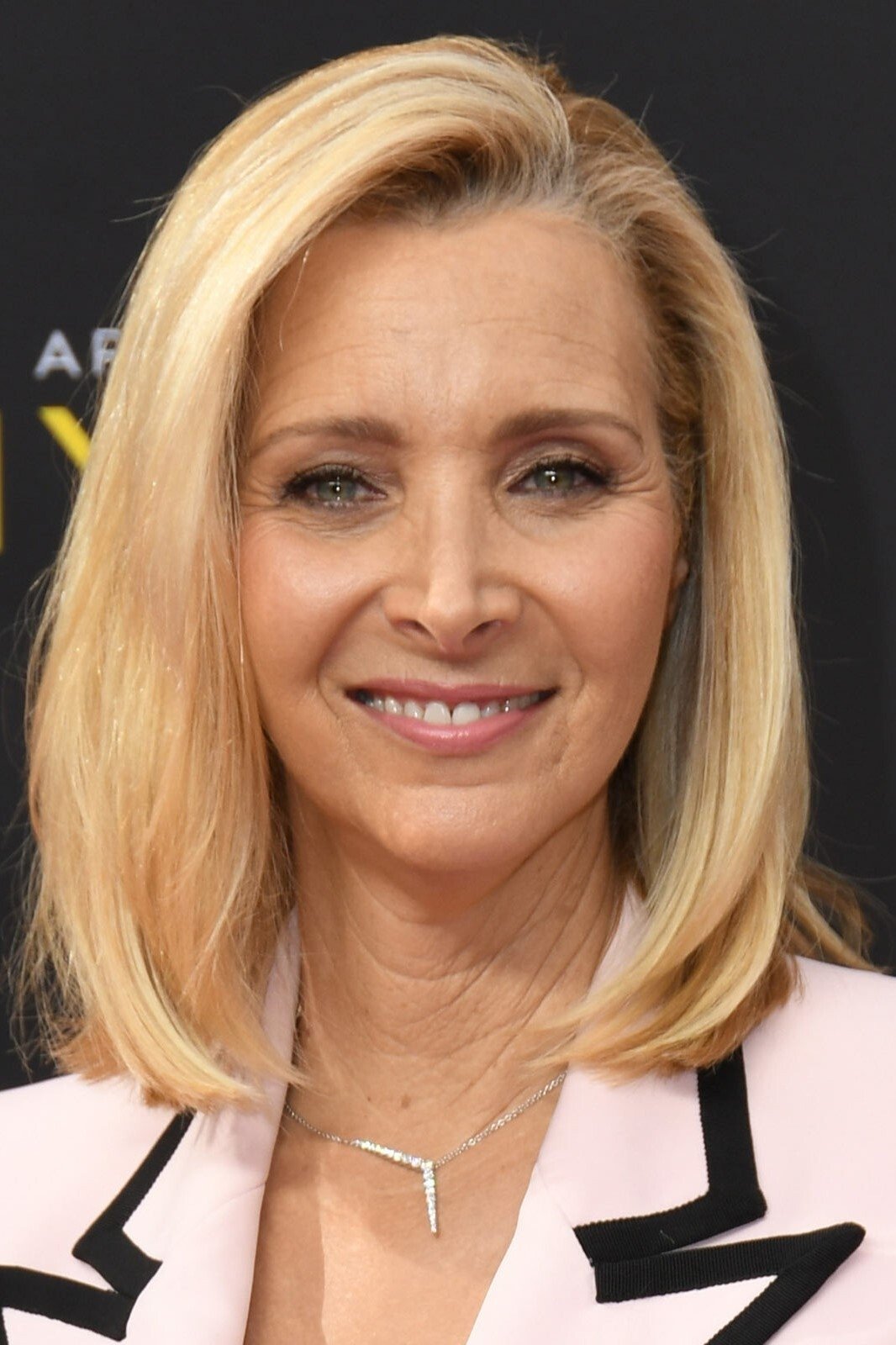
On December 16, 2024, Lisa Kudrow criticized the de-aging approach on ‘Here’ as an “endorsement for AI,” questioning what work would remain for human actors if such tools proliferate without limits. Coverage summarized her remarks from a podcast appearance.
Reports placed her comments alongside ongoing disputes over AI de-aging and replica rights, noting how stars are raising alarms about long-term impacts on acting careers.
Mara Wilson
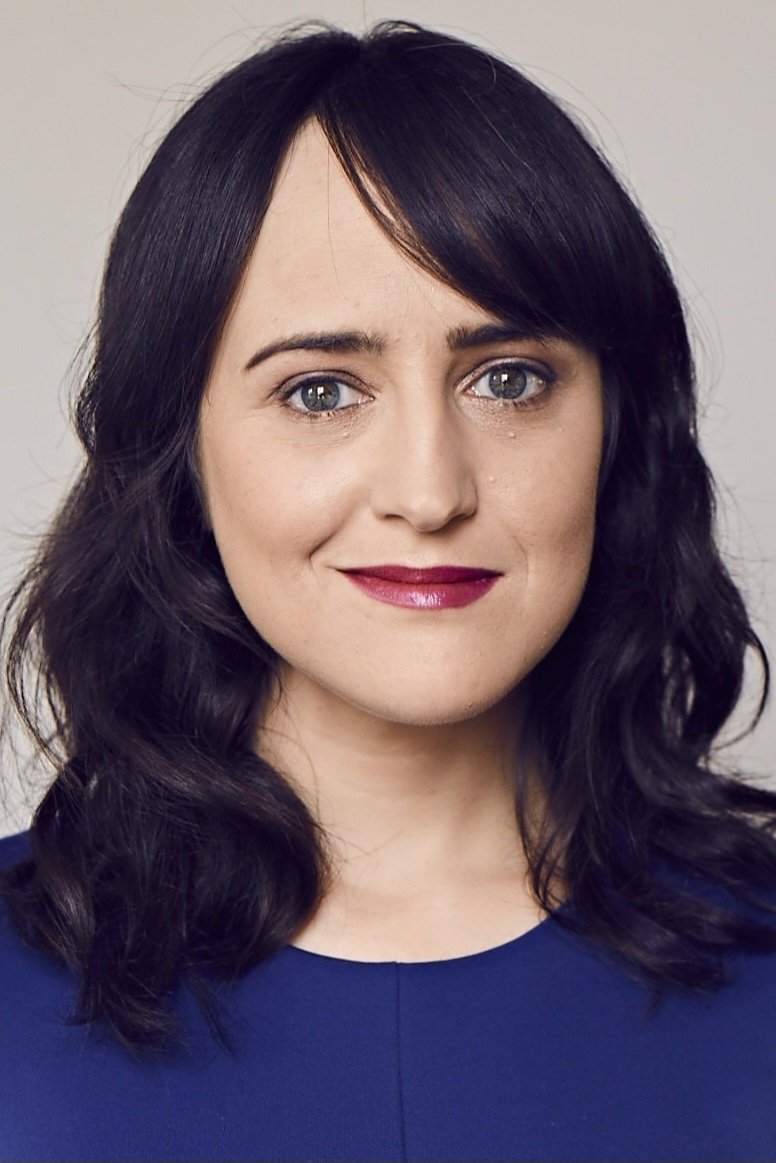
In late September–October 2025, Mara Wilson condemned the Tilly Norwood project as “identity theft,” arguing that its makers had “stolen the faces of hundreds of young women,” according to coverage that compiled celebrity reactions.
Roundups cited Wilson’s posts to show how actors view AI “actors” as composites built on unlicensed human material, not original performances.
Justine Bateman
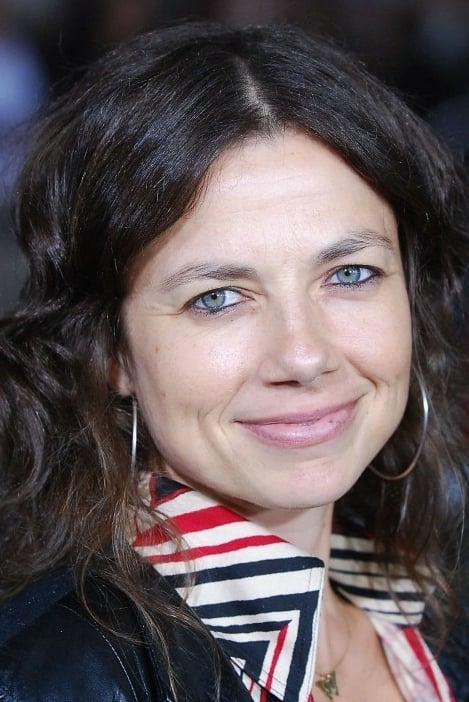
On November 8–17, 2023, Justine Bateman—an AI adviser to SAG-AFTRA—said generative AI has “no place” replacing human performances and warned that weak contract terms would put actors out of work, urging strict consent-and-pay rules.
She later criticized AI protections in the tentative deal as insufficient, arguing publicly that members needed to understand the risks before voting.
Stephen Colbert
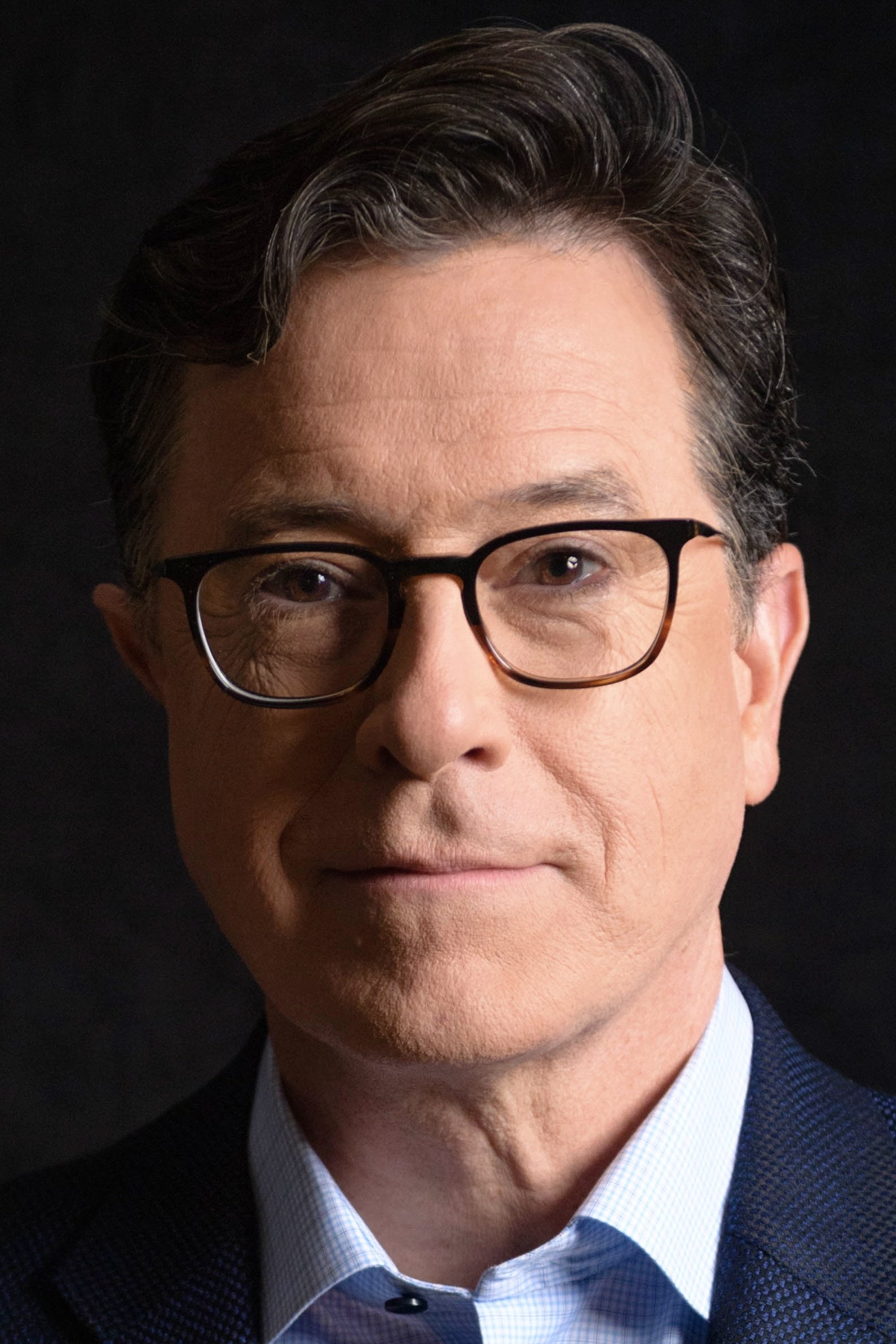
At the July 25, 2023 Times Square rally, Stephen Colbert told reporters he supported WGA, SAG-AFTRA, and Animation Guild goals—“We have to win”—as AI and other issues defined that moment.
Coverage of the event used Colbert’s comments to illustrate broad on-camera talent backing for AI limits in contracts.
Sarah Silverman
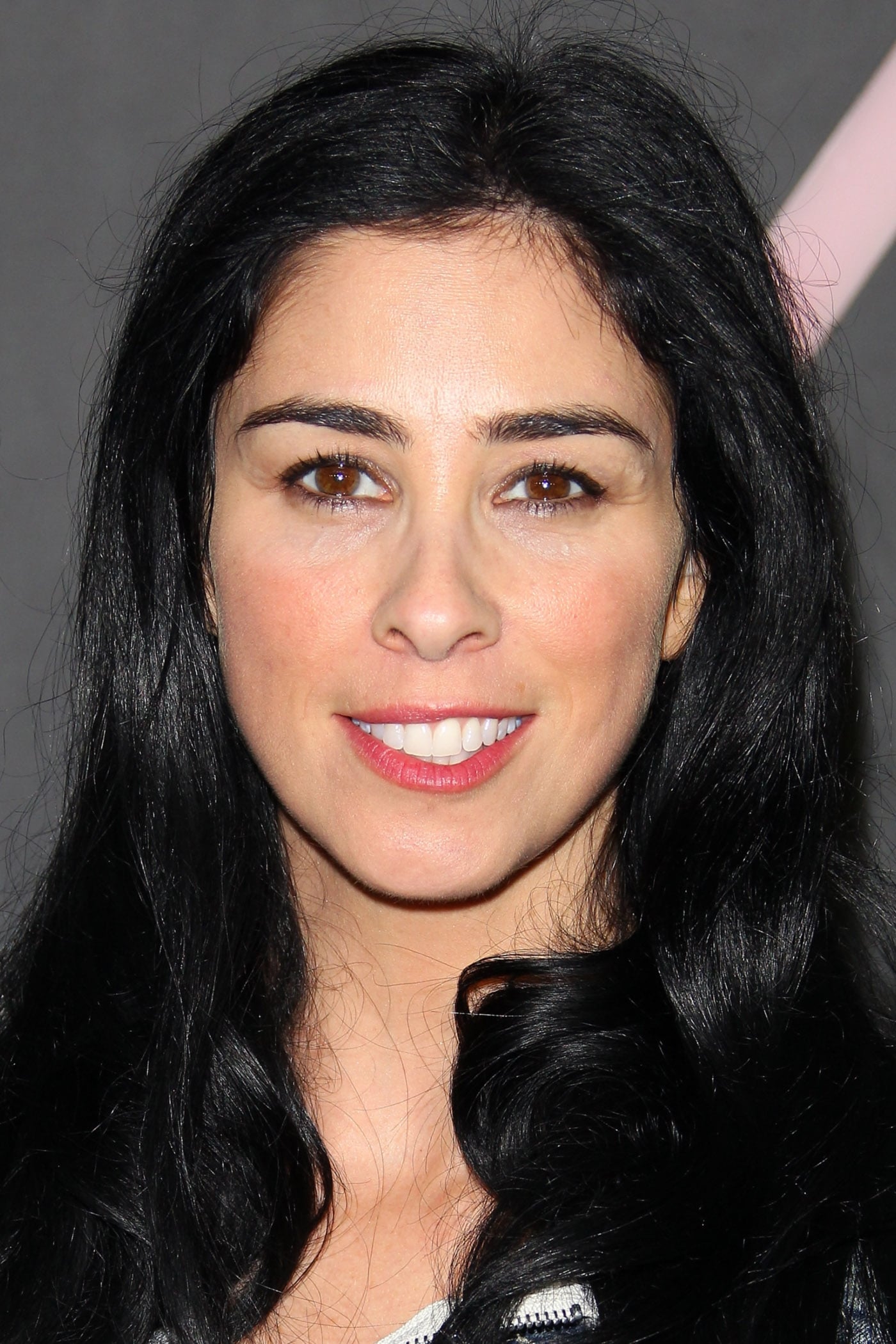
On July 10–12, 2023, Sarah Silverman sued OpenAI and Meta, alleging her books were used without permission to train AI models—cases widely reported by major outlets and subsequently tracked through partial dismissals and ongoing claims.
Later court coverage followed key rulings and depositions, underscoring how creators—including performers who also write—are challenging AI training on copyrighted material without consent.
Share your thoughts below: which protections around AI and performer likenesses do you think should be prioritized first?