Actors Who Battled Cancer


Cancer does not spare talent, fame, or momentum. Across decades of film and television, many male actors have faced diagnoses that upended their lives and work—some early and treatable, others advanced and life-threatening. Their experiences span colon, prostate, skin, oral, throat, and blood cancers, along with a range of treatments including surgery, chemotherapy, radiation, immunotherapy, and active surveillance.
This list gathers verified accounts of male actors who have publicly shared their cancer journeys or whose families or representatives have confirmed the facts. You’ll find key dates, diagnoses, and treatment details—sourced from original statements, major outlets, and cancer organizations—so readers can understand what was faced, how it was treated, and what happened next.
Chadwick Boseman
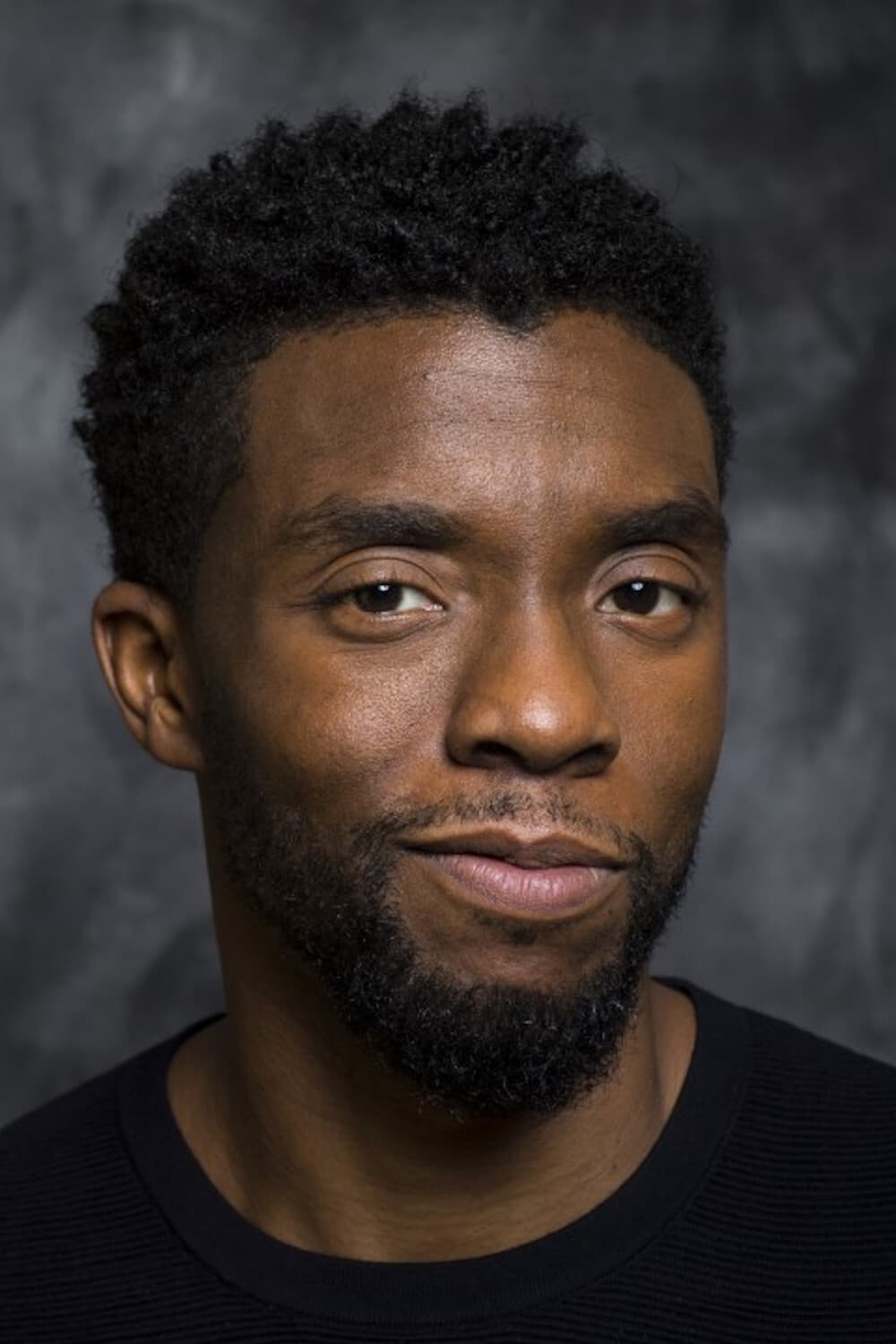
Chadwick Boseman was diagnosed with stage III colon cancer in 2016; the disease progressed to stage IV before his death on August 28, 2020, at age 43. His family announced the diagnosis and timeline publicly, noting that he worked through multiple surgeries and chemotherapy while continuing to perform in films such as ‘Black Panther’.
Boseman’s passing drew attention to rising colorectal cancer in younger adults and the importance of recognizing symptoms and screening options. Cancer centers and foundations highlighted how his case reflected a broader epidemiological trend and urged awareness among people under traditional screening ages.
Hugh Jackman

Hugh Jackman has had multiple basal cell carcinomas (BCCs) removed since first noticing a suspicious mark on his nose in 2013, an experience he has used to encourage regular skin checks and sun protection. He has shared updates after biopsies and procedures, underscoring that BCC—though common—still requires prompt treatment.
Jackman has also spoken about undergoing Mohs surgery for BCC and continuing routine dermatology follow-ups. His public reminders emphasize UV protection and early detection—messages amplified in entertainment and health media coverage.
Michael Douglas
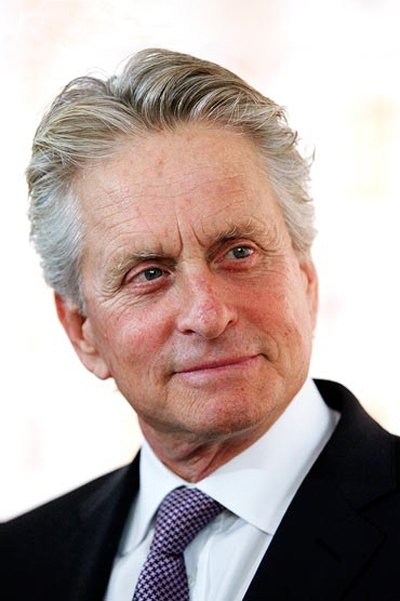
Michael Douglas revealed in 2013 that human papillomavirus (HPV) was linked to his cancer and later clarified that his illness was tongue cancer (not “throat cancer”), treated with chemotherapy and radiation. He explained the initial wording was to avoid publicity around possible surgery while promoting a film at the time.
Health organizations and major outlets used Douglas’s statements to explain HPV-related oropharyngeal cancers and to correct misconceptions about transmission and disease sites within the mouth and throat region. Subsequent coverage and foundation posts contextualized the HPV connection and underscored prevention and vaccination.
Robert De Niro
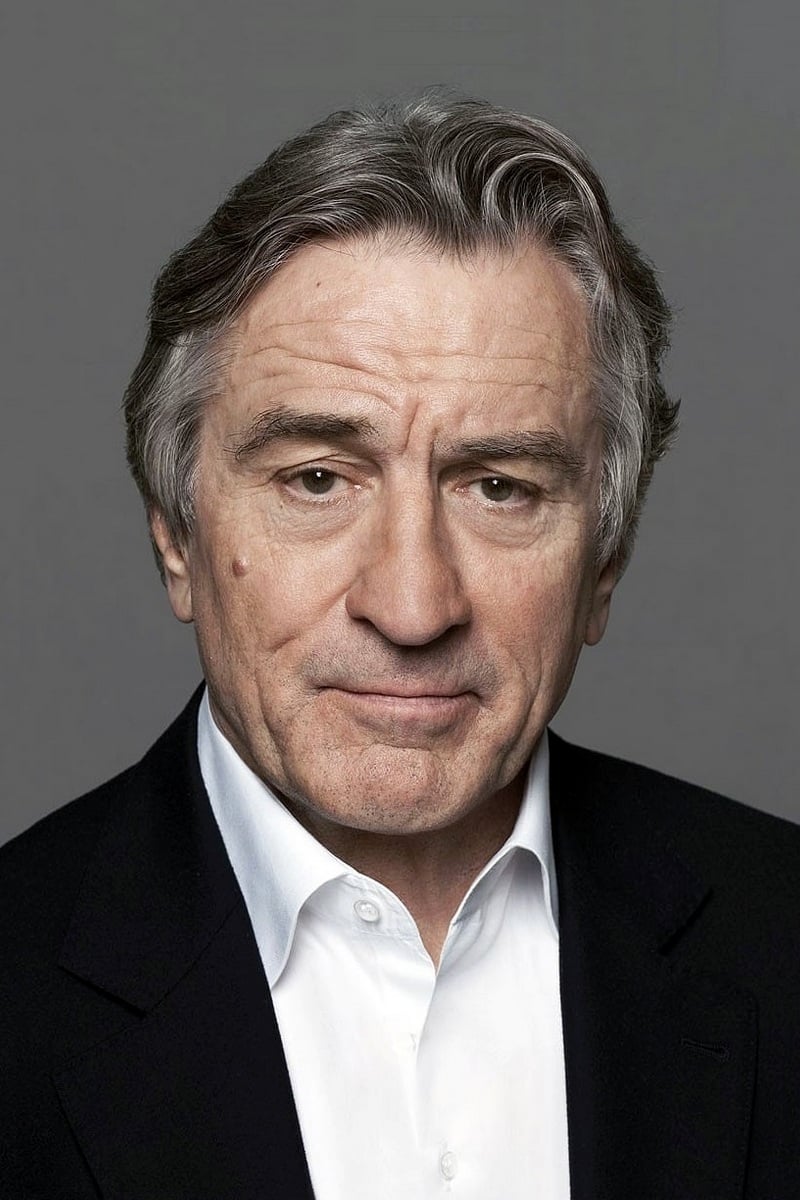
Robert De Niro’s representative confirmed in October 2003 that the actor had been diagnosed with prostate cancer, detected early through regular checkups; public statements at the time indicated a good prognosis. Contemporary reports documented the diagnosis and emphasized early detection.
Follow-up coverage in ensuing years referenced the 2003 timeline and the role of screening in identifying the cancer at an early stage. Reporting also noted that details of specific treatments were kept private, while underscoring common options such as surgery or radiation for localized disease.
Ben Stiller
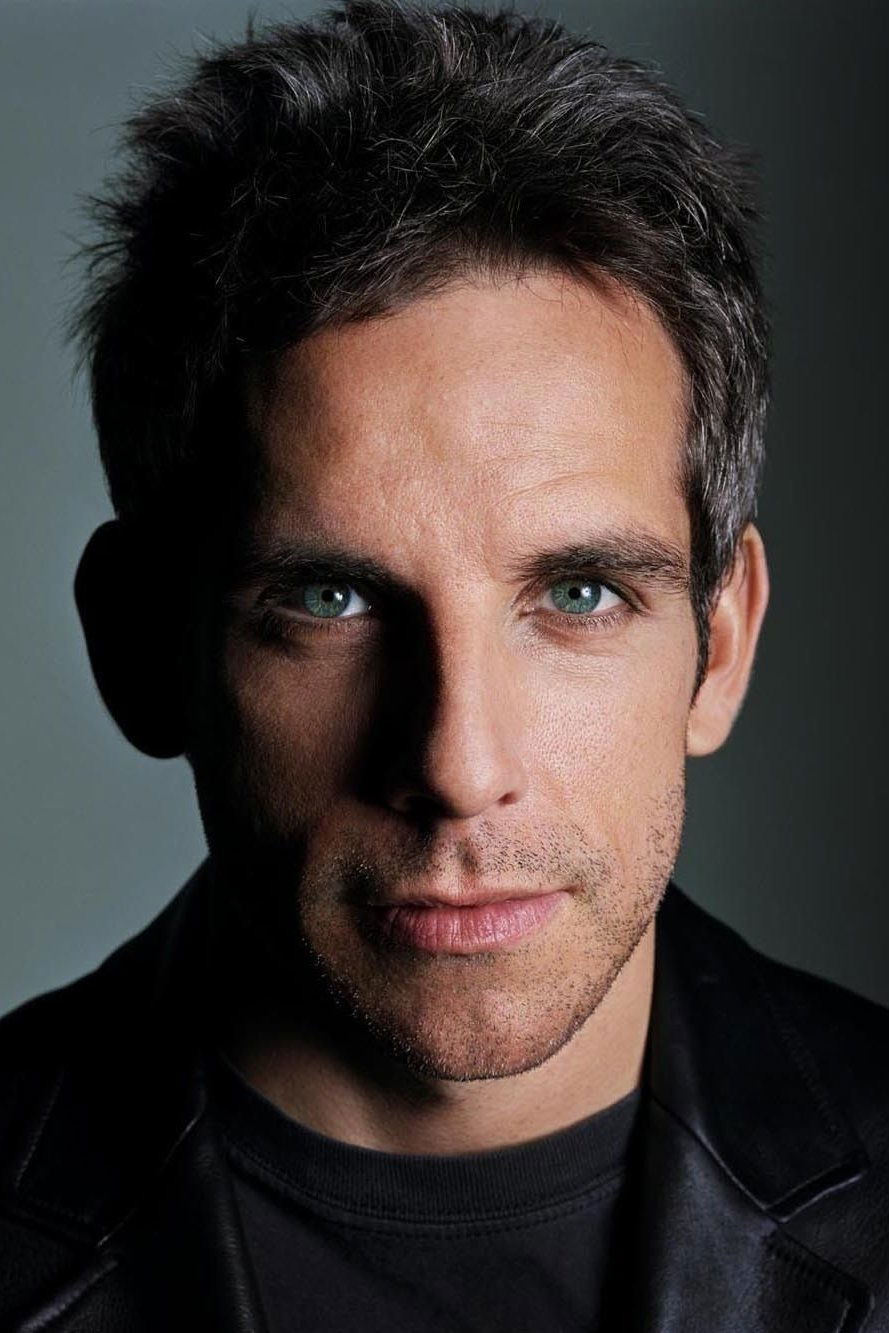
Ben Stiller disclosed in 2016 that he had been diagnosed with prostate cancer in 2014 after a PSA test his doctor ordered even though he had no symptoms. He underwent a prostatectomy and later discussed the experience in media interviews and a detailed essay, crediting screening with finding the cancer early.
Stiller’s account sparked broad discussion about PSA testing, shared decision-making, and timing of screening—especially for men in their 40s with individual risk factors—topics that health reporters highlighted when covering his story.
Val Kilmer
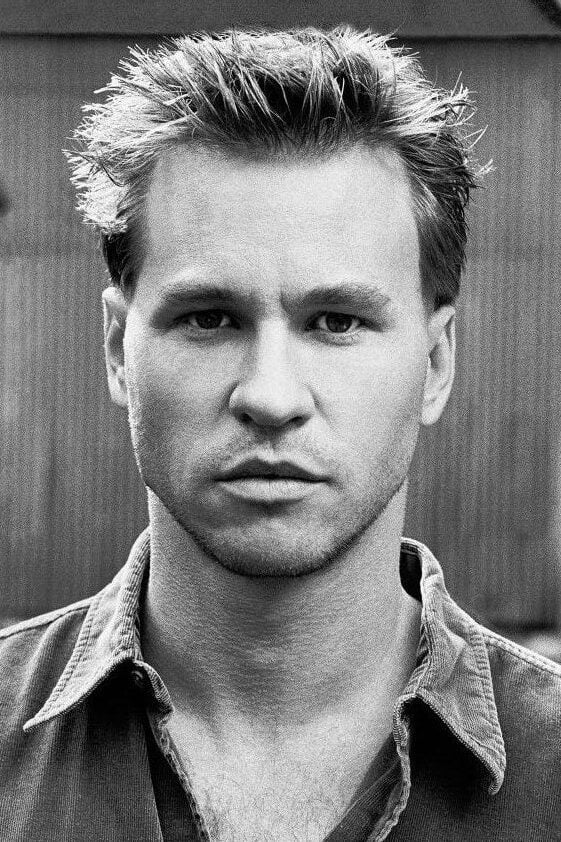
Val Kilmer was diagnosed with throat cancer in the mid-2010s and underwent chemotherapy, radiation, and a tracheostomy that permanently altered his voice. His recovery and communication challenges were documented in interviews and in the documentary ‘Val’.
Kilmer continued creative work despite long-term effects. In April 2025, he died at age 65; outlets reporting his death noted his decade-long health struggles and the respiratory vulnerability associated with his treatment history.
Stanley Tucci
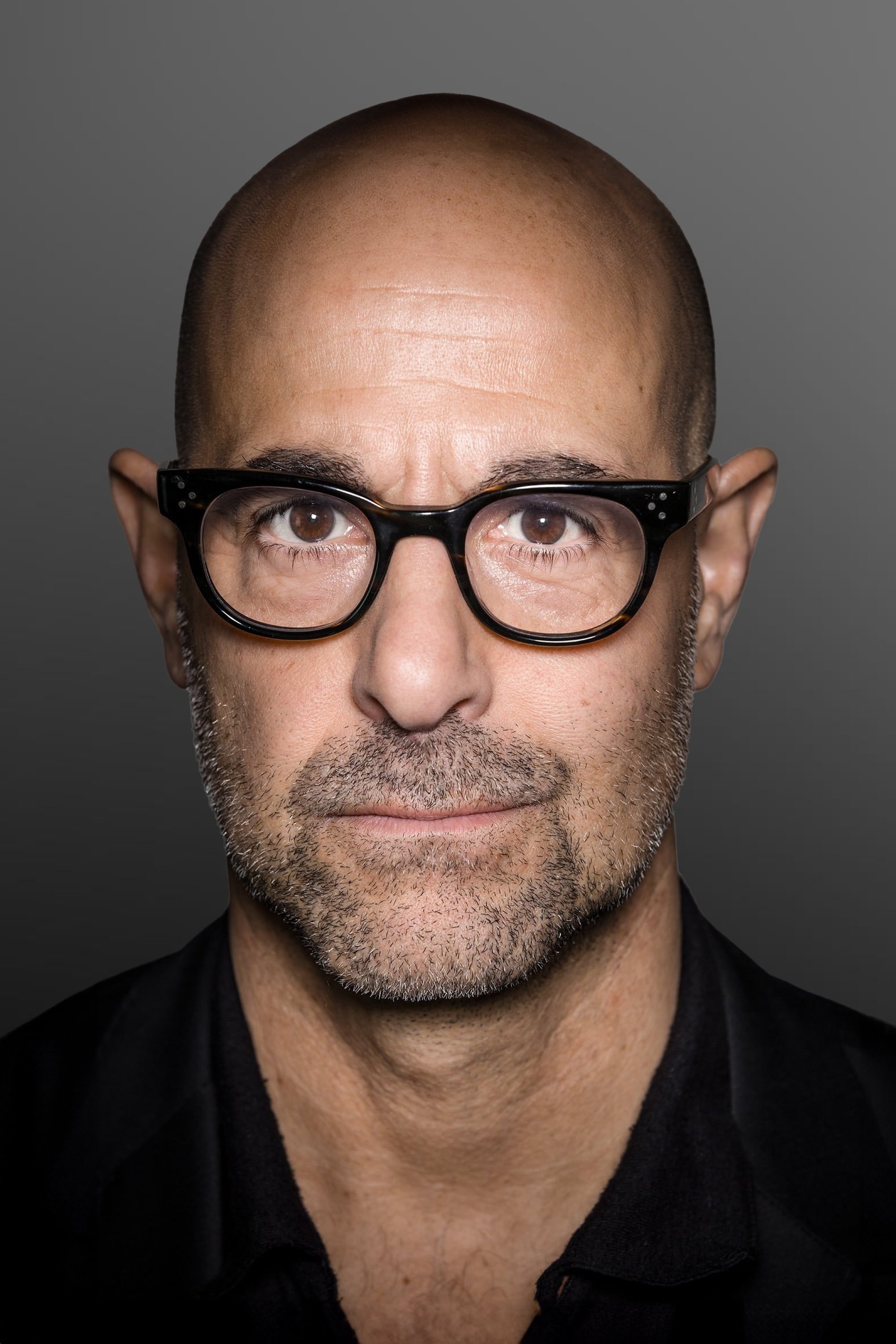
Stanley Tucci was diagnosed in 2017 with a tumor at the base of his tongue and underwent treatment that led to significant side effects, including loss of taste and difficulty swallowing. He has spoken about relying on a feeding tube for six months during recovery.
In subsequent interviews and profiles, Tucci has described gradual recovery, changes to his voice, and the impact on his work schedule—details media outlets and cancer resources have used to illustrate the realities of head-and-neck cancer treatment and survivorship.
Jeff Bridges
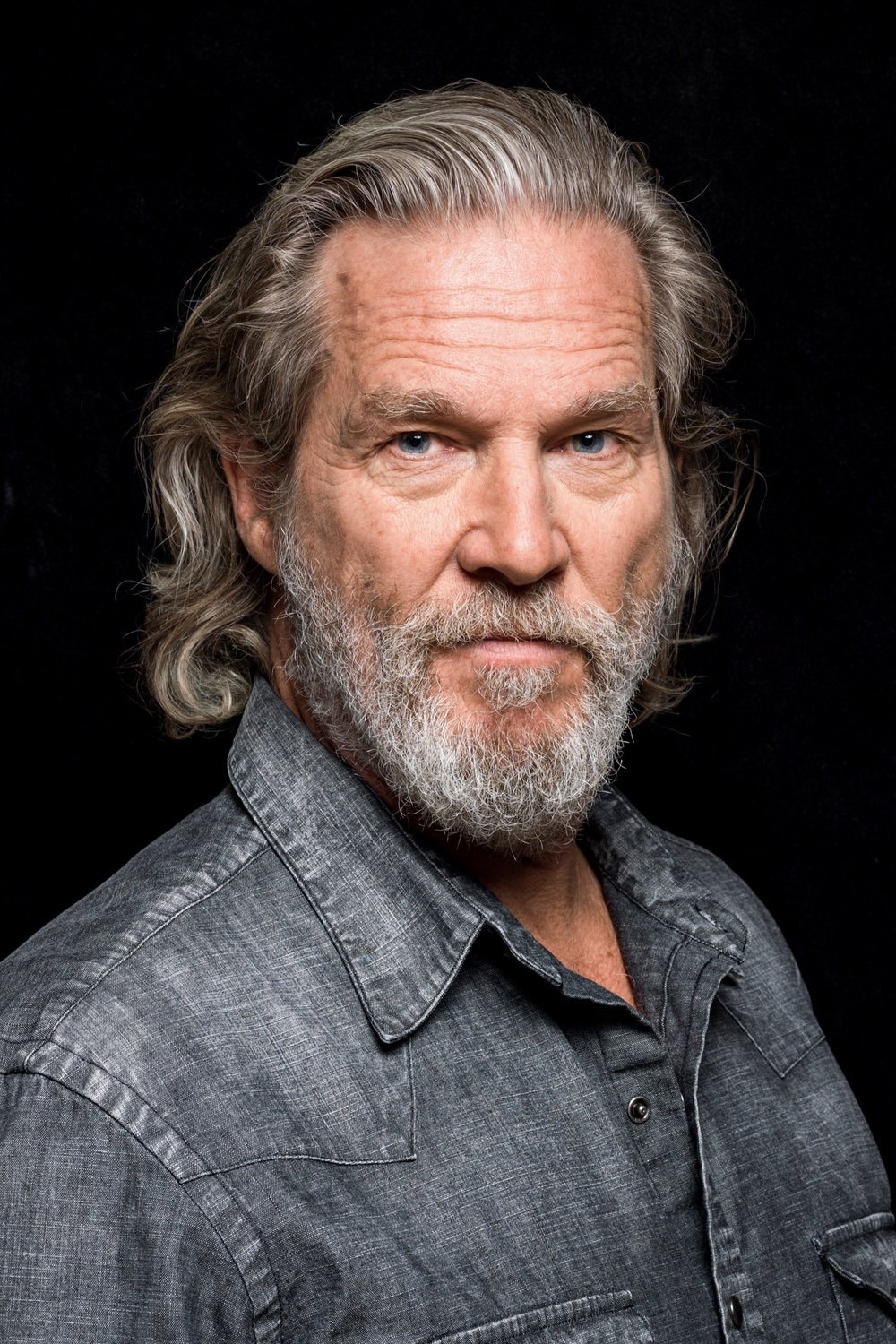
Jeff Bridges announced a lymphoma diagnosis in October 2020 and later shared that he entered remission in 2021. He has continued to provide updates, saying in 2025 that he was feeling “very good” while acknowledging treatment-related challenges and his close call with COVID-19 during therapy.
Coverage of Bridges’ return to work on ‘The Old Man’ has detailed his treatment course and recovery timeline, including the sequence of chemotherapy and remission, as well as the medical complications he faced during the pandemic.
Ian McKellen
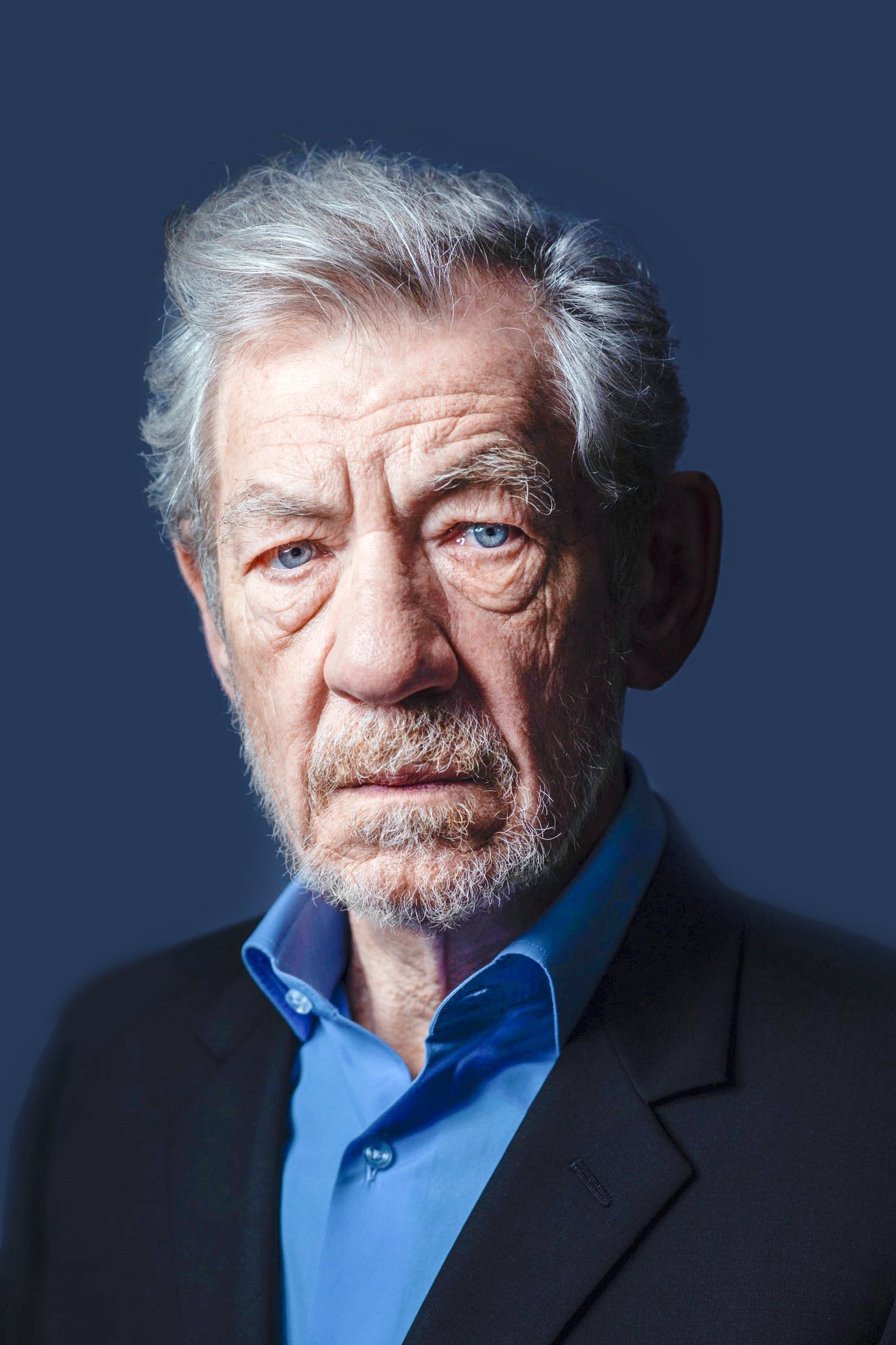
Ian McKellen disclosed in 2012 that he had been living with early, contained prostate cancer for several years and that doctors were monitoring it closely. He emphasized that he had not needed invasive treatment and was examined regularly.
News reports at the time reiterated his description of the diagnosis as “no cause for alarm,” reflecting an active-surveillance approach often used for low-risk cases—updates later echoed by mainstream outlets summarizing his remarks.
Tom Green
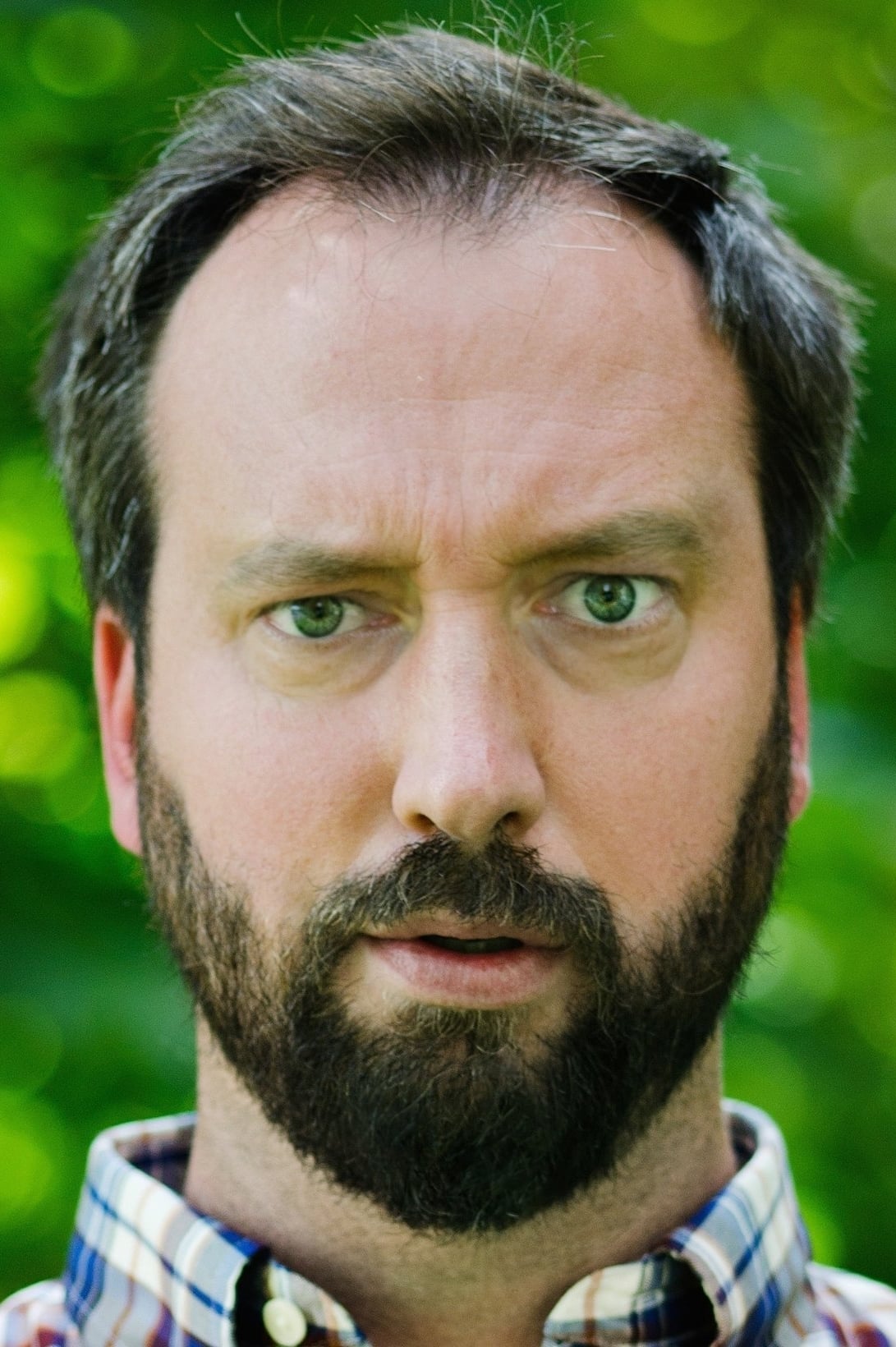
Comedian and actor Tom Green was diagnosed with testicular cancer in 2000 and underwent surgery, documenting the experience in an MTV special that reached a young audience. His case has been cited by health communicators for raising awareness among men in the typical age range for testicular cancer.
Media and advocacy pieces continue to reference that broadcast when discussing how humor and candid storytelling can encourage testicular self-exams and earlier presentation to care—an approach researchers have evaluated for public-health impact.
Share your thoughts or add other verified examples in the comments so we can keep this list useful and up to date.