Actors Whose Smart Choices Paid Off



Careers in film and television rarely move in a straight line. The performers here made decisions that changed their trajectories in ways that show how strategy, timing, and ownership can shape a life on screen. Their choices include smart contracts, bold pivots, and a willingness to build things behind the camera as well as in front of it.
You will see actors who took control as producers, who pursued roles that rewrote their image, and who formed companies to secure better material. You will also see people who turned a single role into a durable franchise or who used one breakout to create lasting leverage. Each entry highlights specific moves and the concrete outcomes that followed.
Robert Downey Jr.
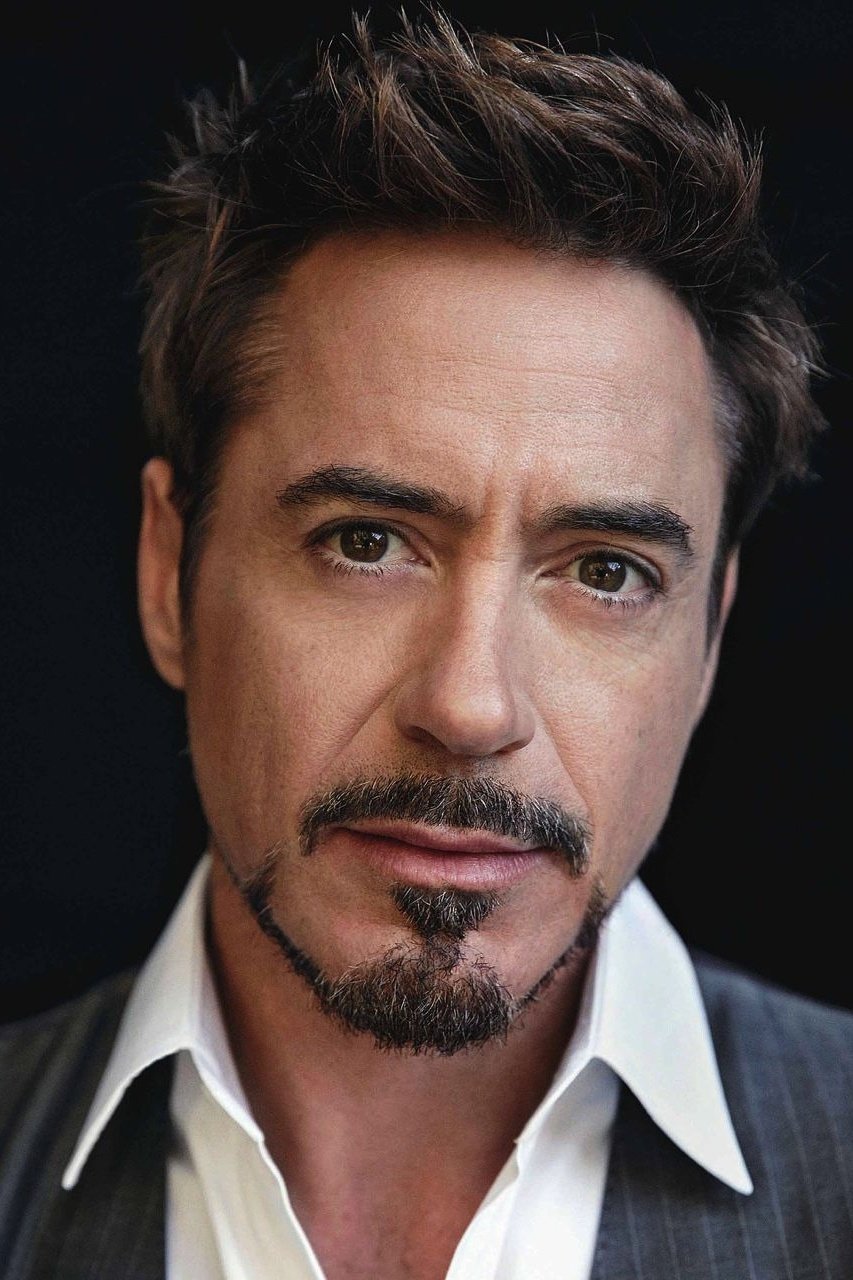
He agreed to anchor Marvel’s launch with ‘Iron Man’ on a deal that tied a large part of his compensation to the overall success of the universe. As the series expanded into ensemble titles like ‘The Avengers’ and ‘Avengers: Endgame’ his backend participation and continued casting as Tony Stark compounded his earnings and influence.
He also positioned himself as a producer and a creative partner on later projects which kept his voice central to character decisions and marketing. That approach ensured continuity for Marvel while giving him veto power on key choices and a path to select non superhero work with strong packages.
Reese Witherspoon
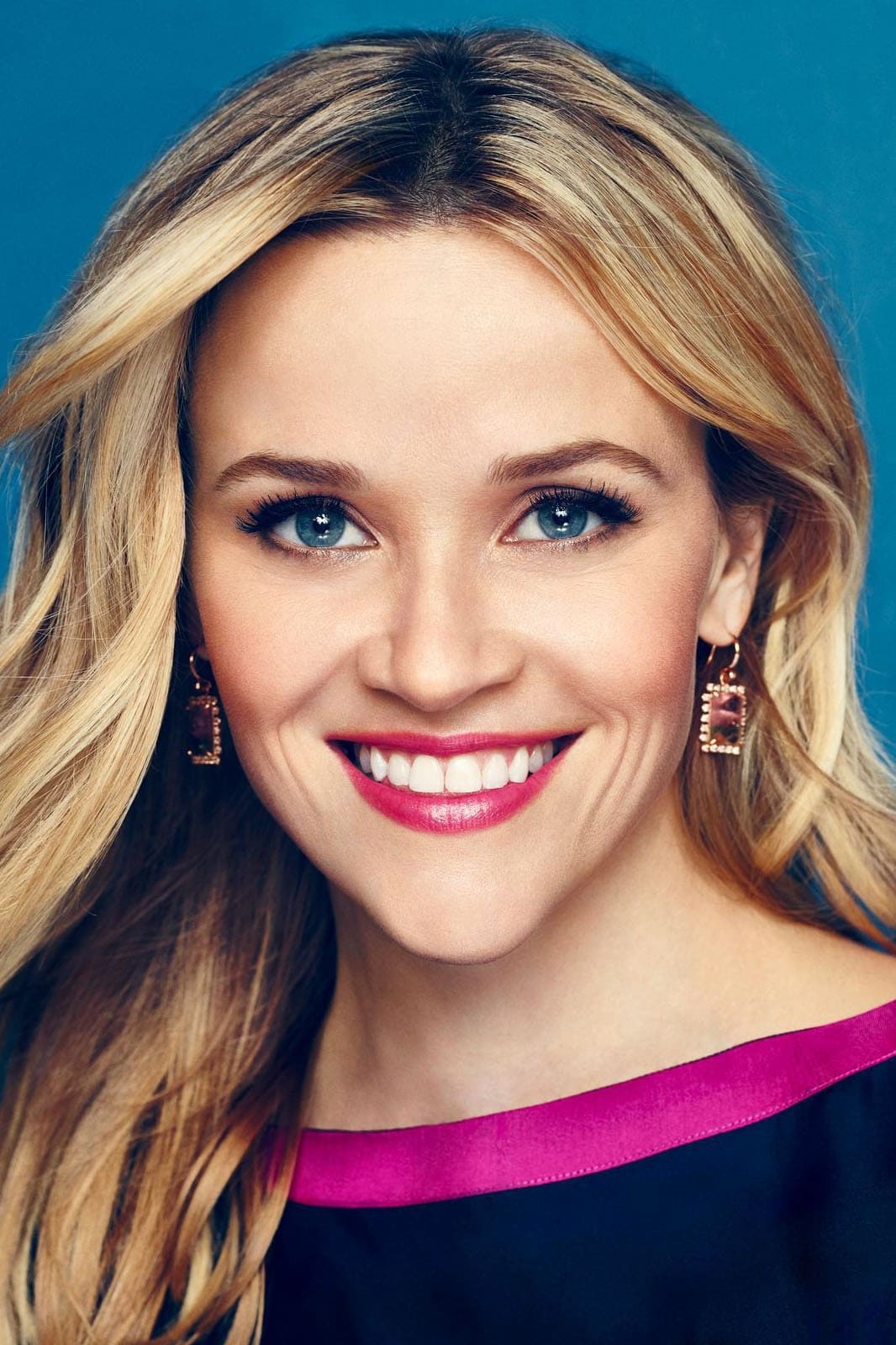
She founded Hello Sunshine to buy and develop book rights that studios had overlooked. That strategy produced ‘Big Little Lies’ and ‘Little Fires Everywhere’ and later led to ‘The Morning Show’ where she held an executive producer credit along with a lead role.
By controlling underlying rights and packaging talent early, she set favorable terms for distribution and merchandising. The company’s growth created recurring revenue beyond acting fees and opened doors for more female led stories across film and television.
Ryan Reynolds
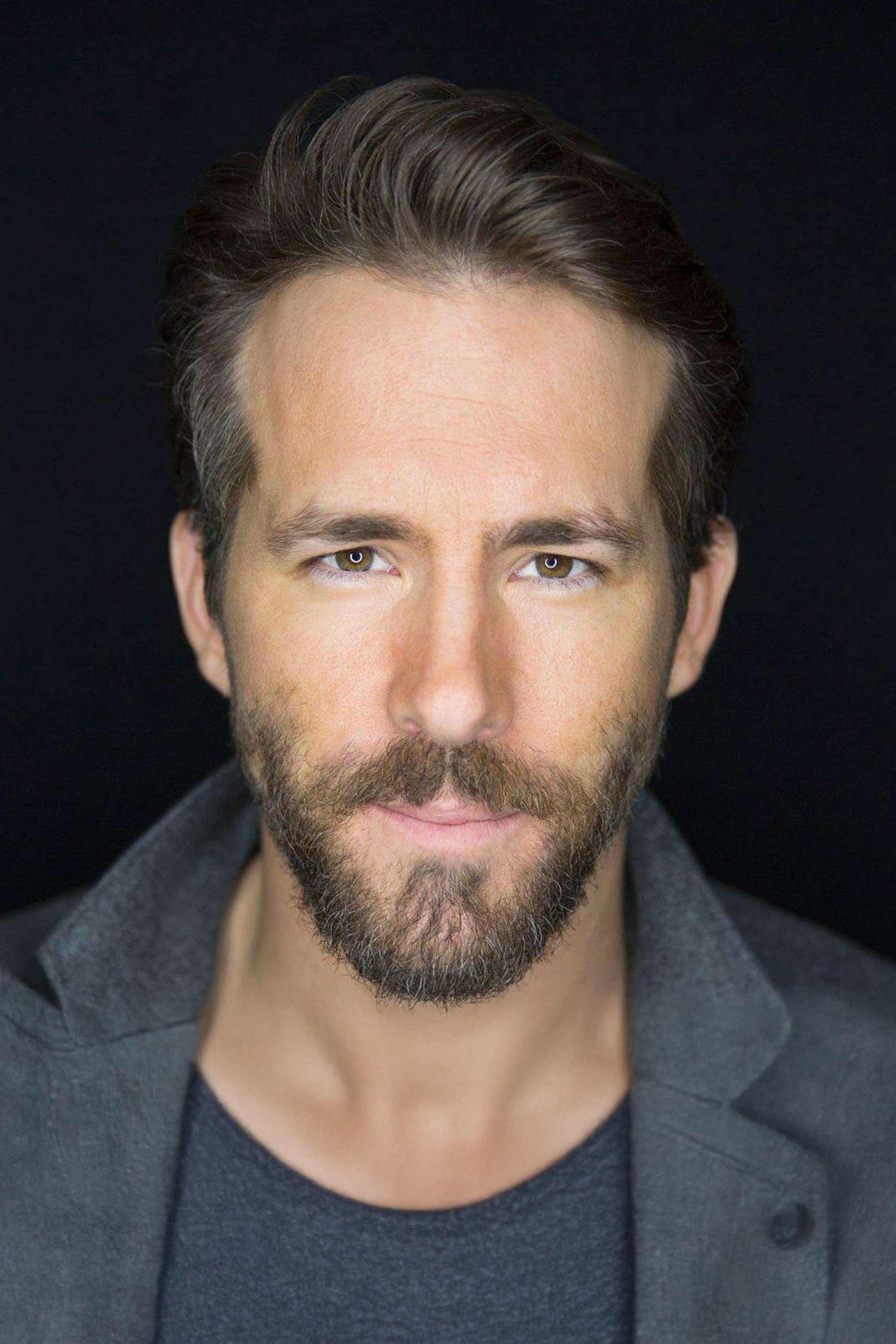
He spent years pushing ‘Deadpool’ from a stalled concept to a studio priority and took an active role in marketing that turned low budget expectations into event scale results. He negotiated producer authority that covered creative tone and campaign strategy which kept the character consistent across appearances.
He also diversified with ownership stakes that complemented his screen persona, then folded that audience back into film launches. That loop strengthened his leverage with studios and ensured he could move between action comedies and dramas while keeping brand level visibility.
Keanu Reeves
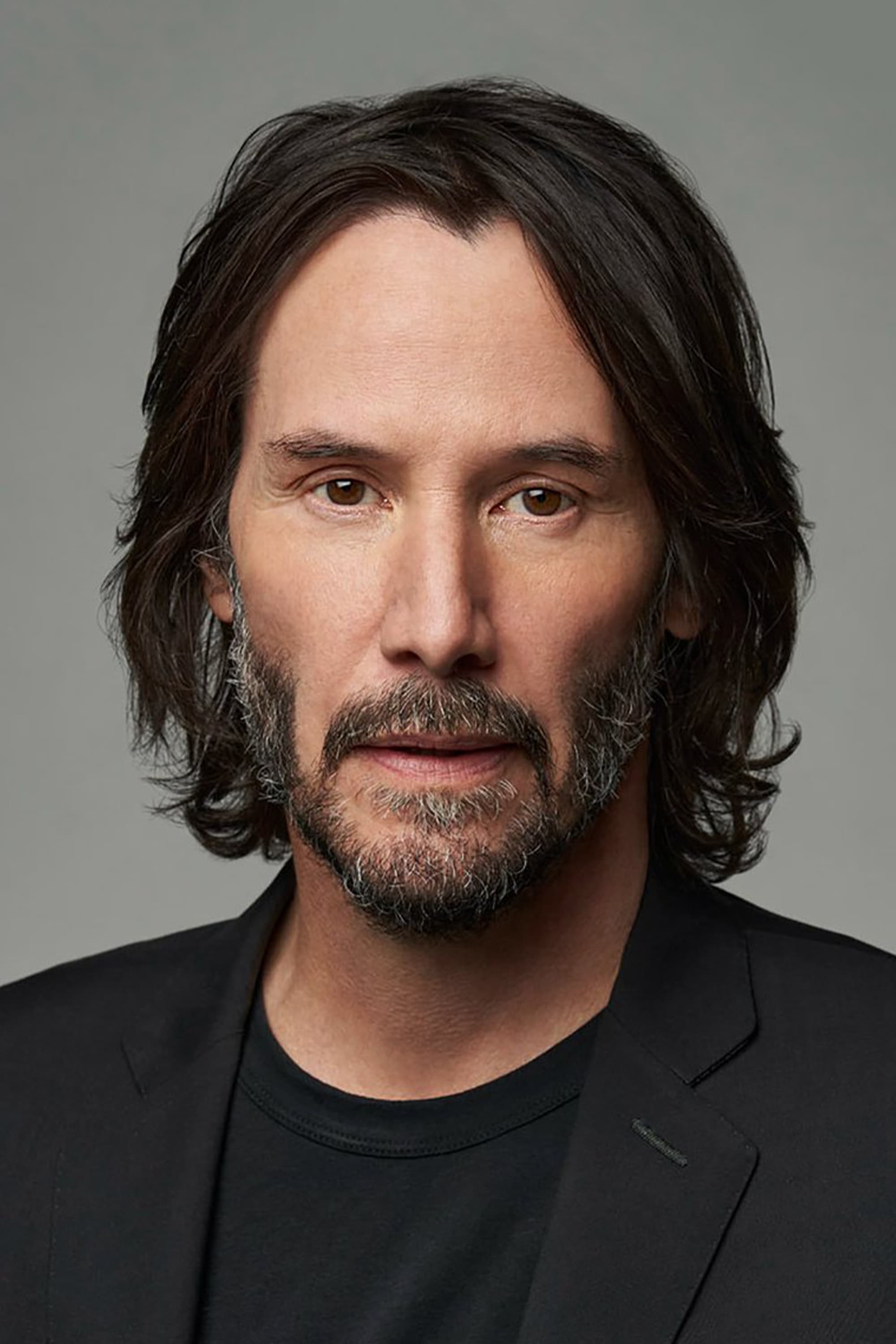
He teamed with stunt experts turned directors to build ‘John Wick’ around close quarters choreography and long takes. The commitment to physical training and collaboration with the action team created a recognisable style that carried across sequels and international markets.
He has also accepted performance based compensation on select films which aligned his pay with outcomes. That flexibility helped attach top tier collaborators on earlier projects and kept budgets workable while preserving quality on the screen.
Margot Robbie

She launched LuckyChap Entertainment to find and develop distinctive scripts with strong female leads. The company produced ‘I, Tonya’ and ‘Promising Young Woman’ and later shepherded ‘Barbie’ from concept to global phenomenon while she starred and produced.
This model gave her a direct stake in development, casting, and final cut conversations. It also let her balance franchises with auteur driven work which expanded her range and secured long term relationships with studios and filmmakers.
Tom Cruise
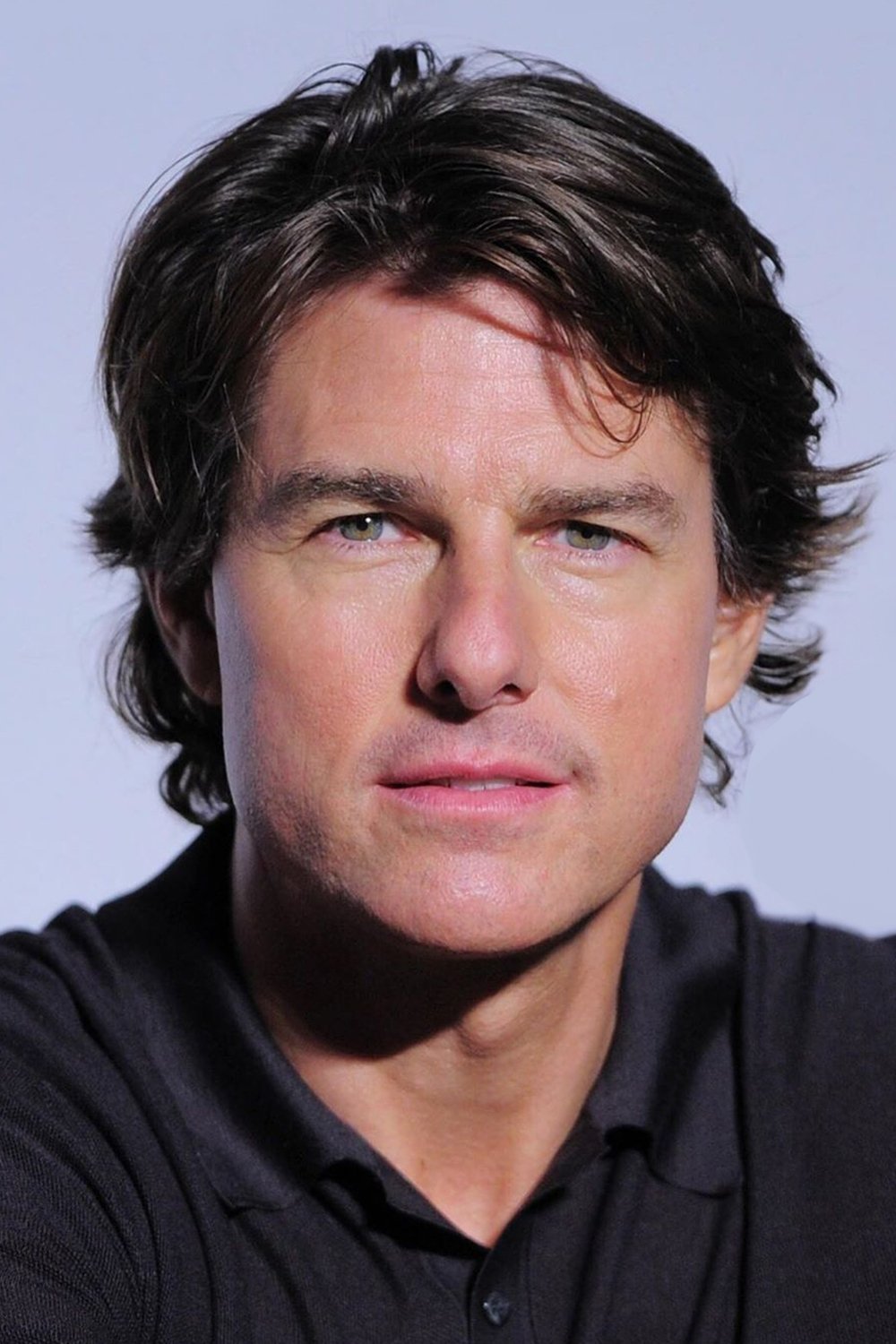
He secured producer control on ‘Mission: Impossible’ which let him shape directors, set pieces, and release strategies. By committing to practical stunts and rigorous training he turned each film into a theatrical showcase that sustained premium large format demand.
He kept a similar focus on audience experience with ‘Top Gun’ titles where flight sequences were designed for big screens. That consistency protected the brand value of his franchises and preserved strong terms for future installments.
Matthew McConaughey
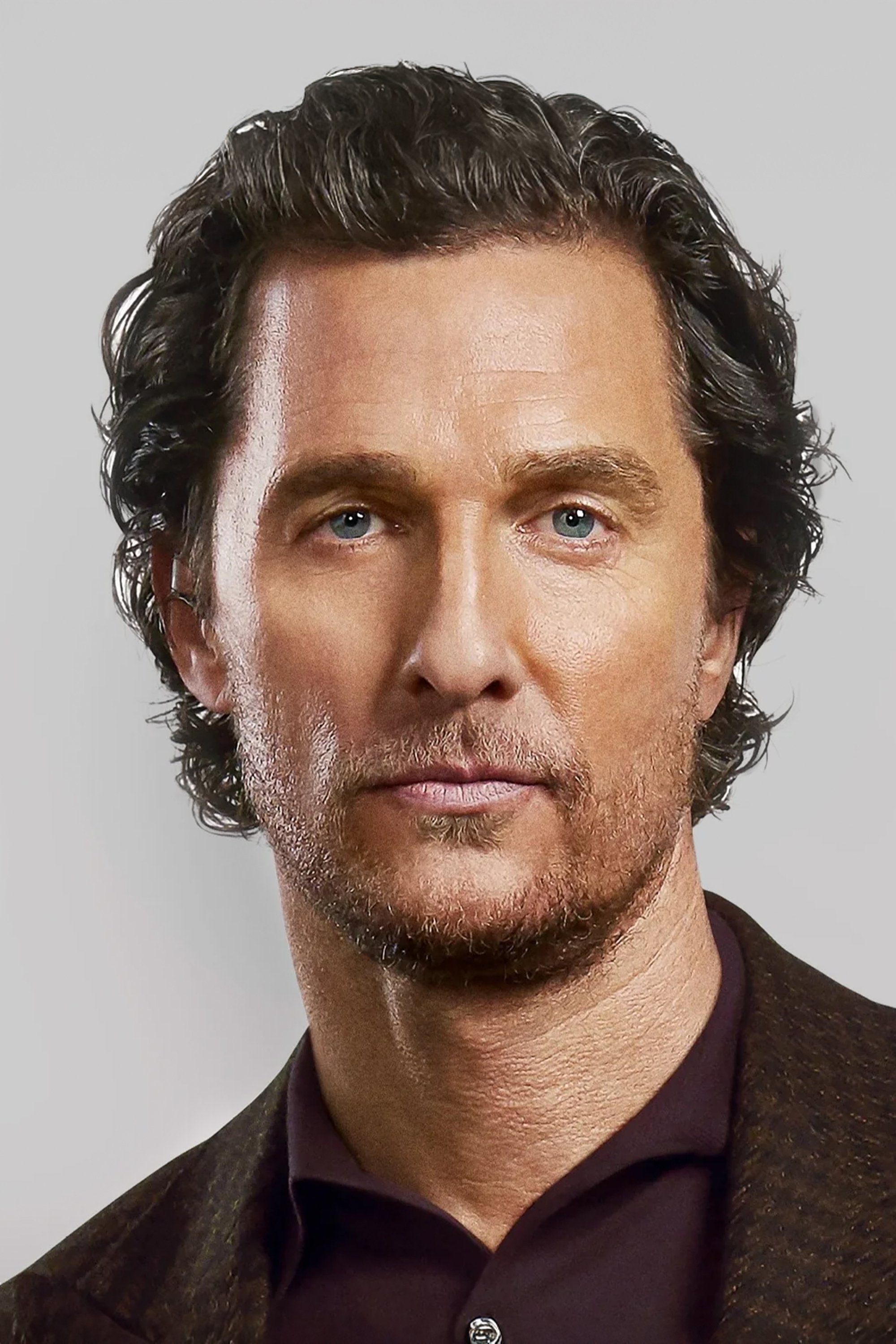
He turned down a run of romantic comedies and moved into character driven dramas and prestige television. Roles in ‘Dallas Buyers Club’, ‘True Detective’, and ‘Mud’ reset expectations and led to awards recognition that raised his market rate for serious material.
He used that repositioning to split time between studio releases and smaller projects with acclaimed directors. The shift also brought better script offers and expanded opportunities in producing and voice work.
Sandra Bullock
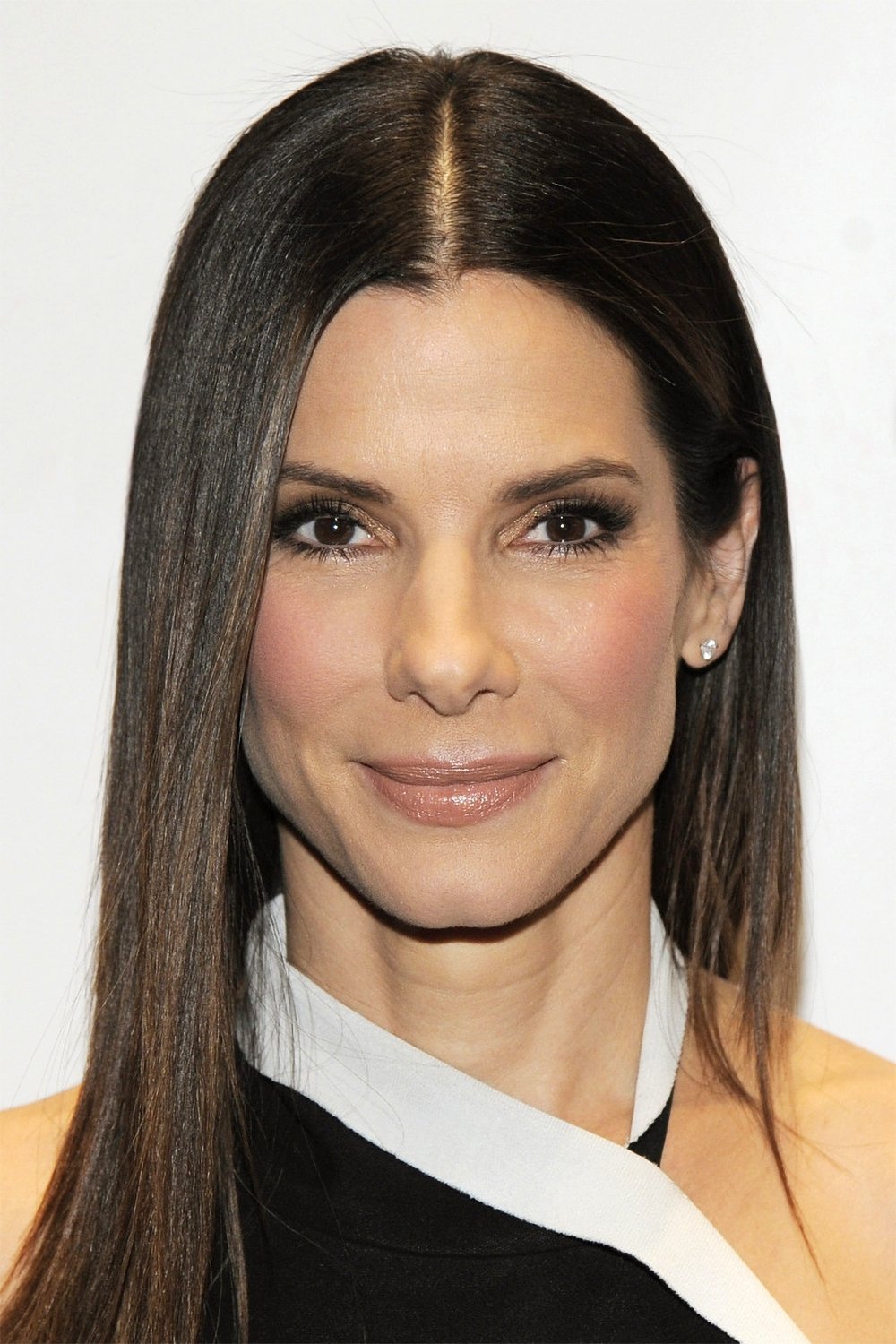
She began attaching herself as a producer on projects she led which gave her a say in scripts and directors. That approach delivered ‘The Blind Side’ and ‘Bird Box’ and supported a strong theatrical result with ‘Gravity’ where she also structured favorable backend terms.
She then moved between streaming and cinema while protecting event status for select releases. The mix allowed for large audiences on platform debuts and strong worldwide play for theatrical features.
Sylvester Stallone
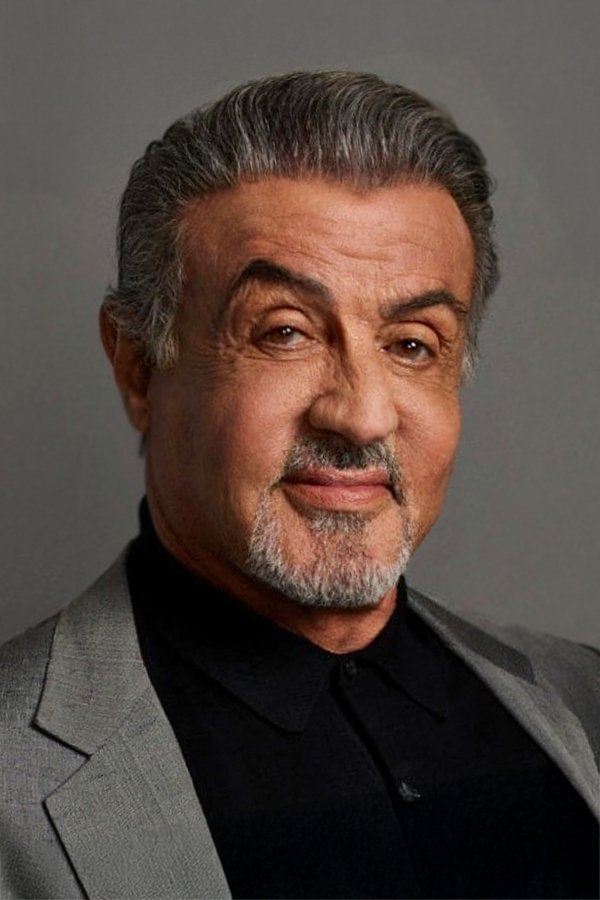
He wrote ‘Rocky’ and refused to sell the script without playing the lead. Accepting a modest upfront fee in exchange for points gave him ownership in a franchise that grew for decades and supported spinoffs like ‘Creed’.
He repeated the strategy by building ‘Rambo’ and by keeping control over character direction. The combination of writing, producing, and acting ensured long tail revenue from television sales and new platform deals.
Leonardo DiCaprio
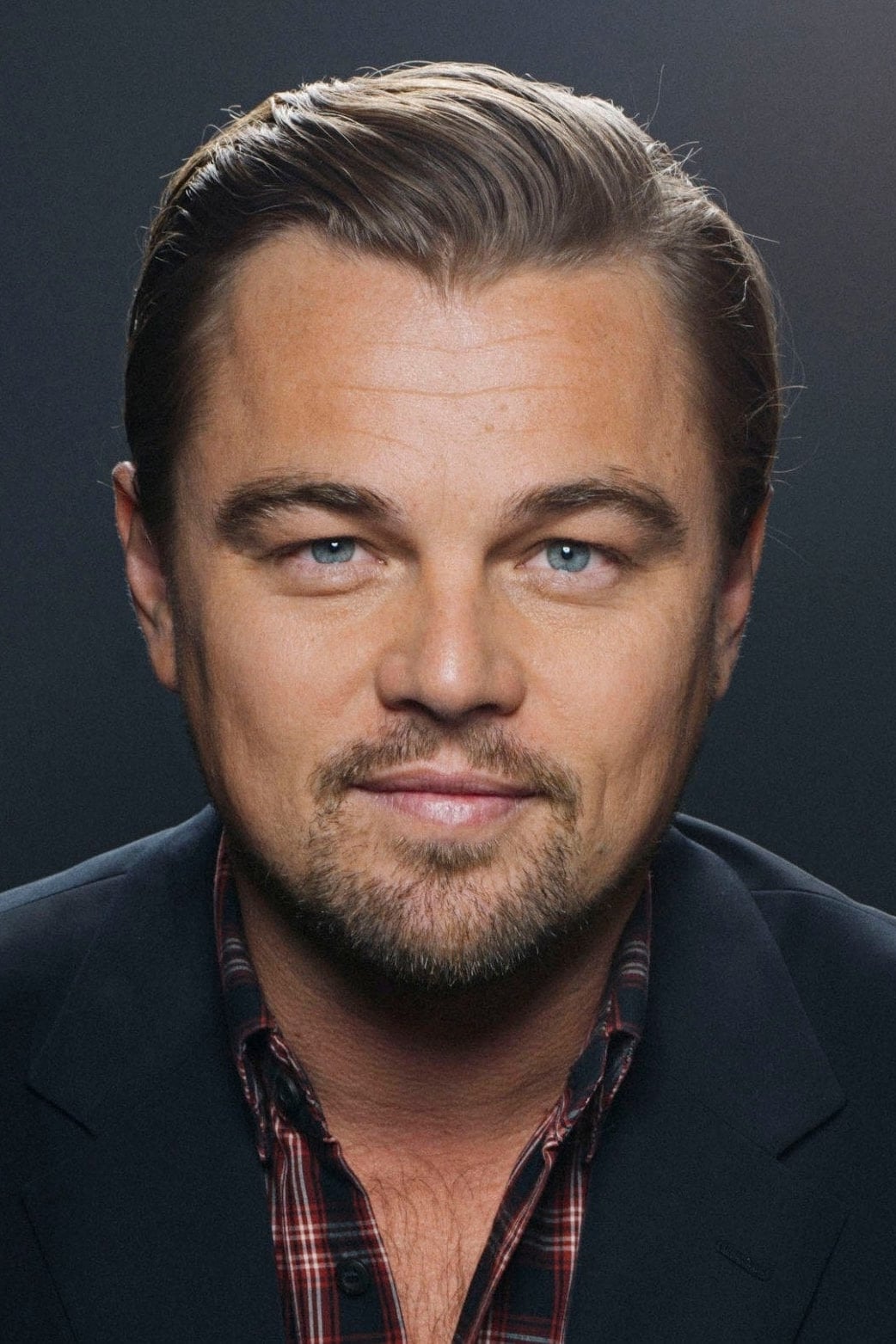
He chose to concentrate on a small set of directors and protected his schedule for those projects. Collaborations with Martin Scorsese, Christopher Nolan, and Quentin Tarantino kept his filmography focused on event level dramas like ‘The Wolf of Wall Street’ and ‘Inception’.
Through Appian Way he developed material that matched his interests and brought in top writers early. The company’s slate supported documentaries and features which kept him active even between major releases.
Scarlett Johansson
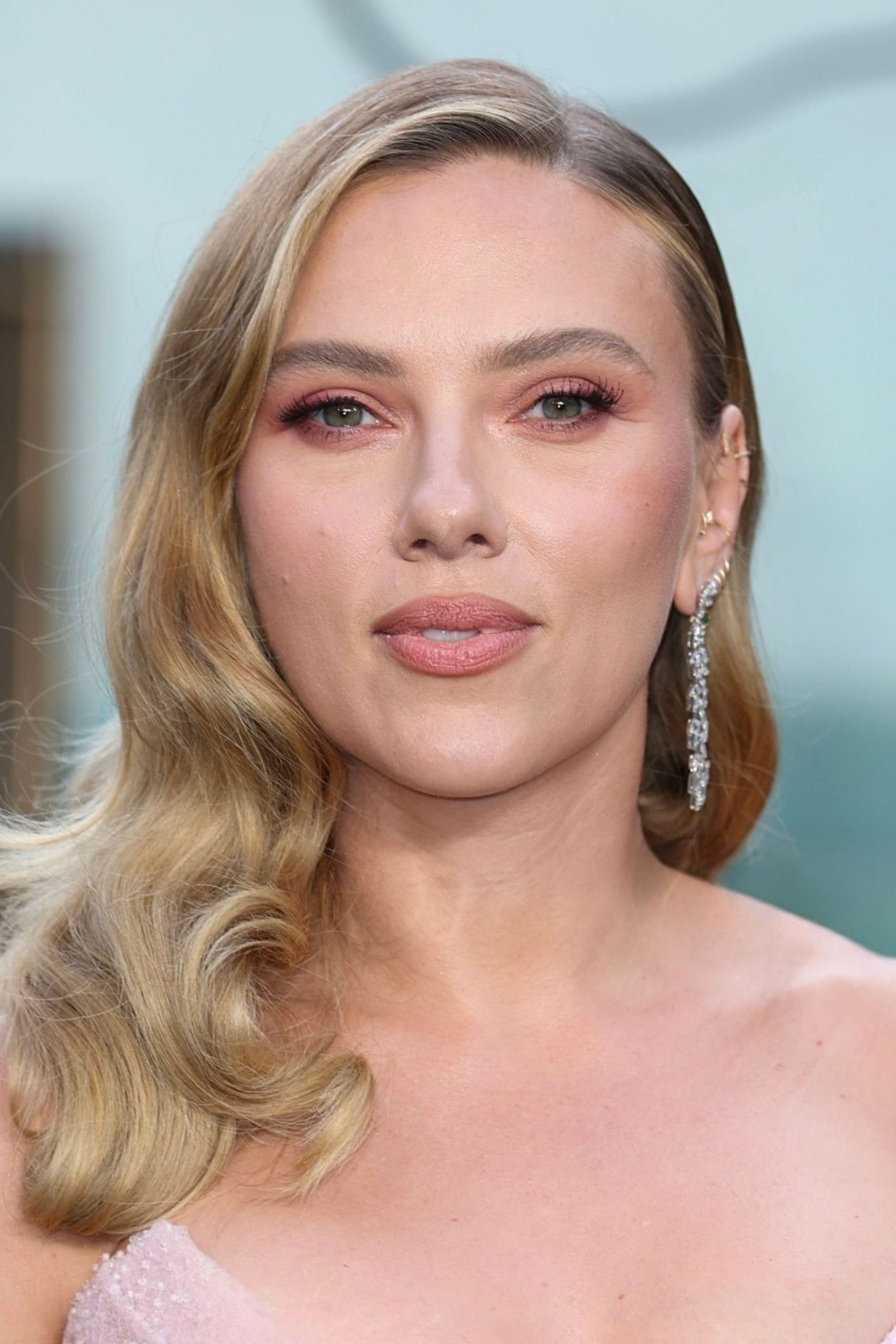
She maintained a long term role with Marvel through multiple ensemble films and then led ‘Black Widow’ with a producing credit. She defended her contractual rights when release strategies shifted and reached a settlement that preserved her value for future studio work.
She also balanced franchise visibility with acclaimed independent films like ‘Marriage Story’ and ‘Jojo Rabbit’. That mix protected awards momentum and showed range that kept offers varied.
Dwayne Johnson
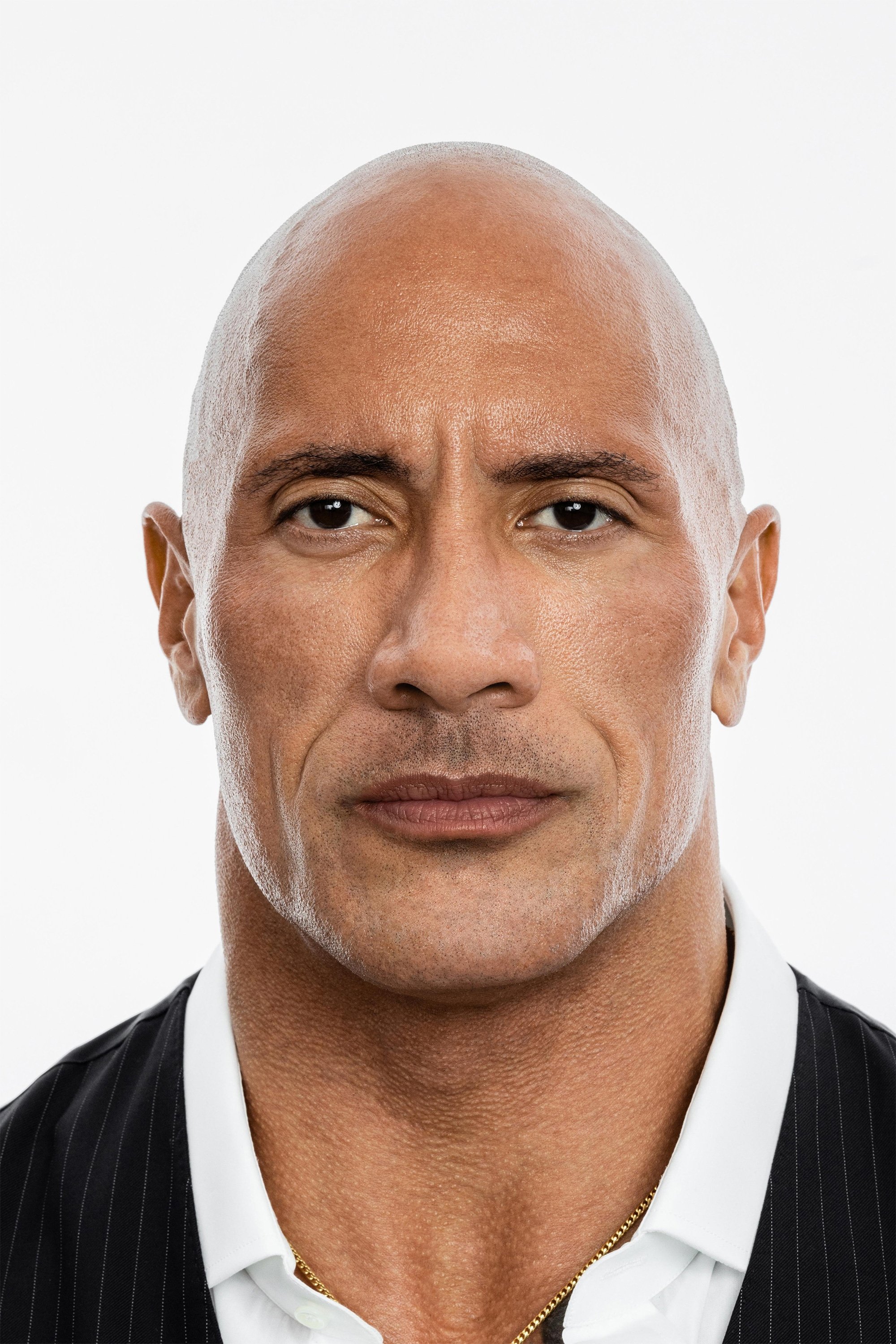
He built Seven Bucks Productions to generate vehicles tailored to his strengths. Partnerships with studios produced action adventure hits like ‘Jumanji: Welcome to the Jungle’ and ‘Fast and Furious Presents: Hobbs and Shaw’ where he held producing roles.
He also grew global audience reach through reality series and sports ventures that fed back into film openings. The ecosystem supported strong international presales and tie in campaigns around each release.
Jennifer Aniston
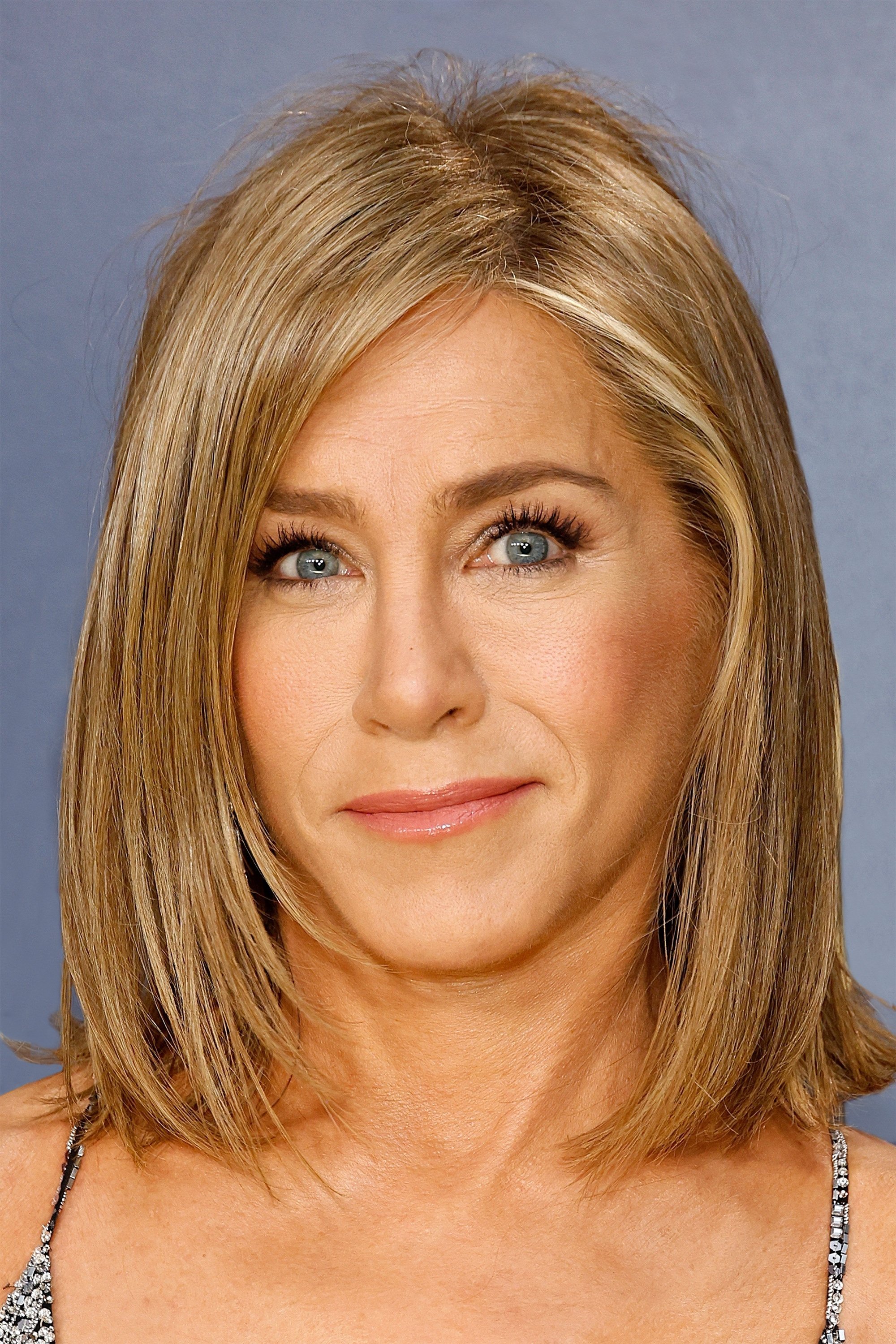
She and her cast negotiated ‘Friends’ salaries and residual terms that paid out through syndication and streaming deals. That contract structure created reliable income that supported freedom to select film roles.
She later returned to series television with ‘The Morning Show’ as star and executive producer. The move into prestige streaming drama renewed her awards presence and established a second phase for long form storytelling.
Bryan Cranston
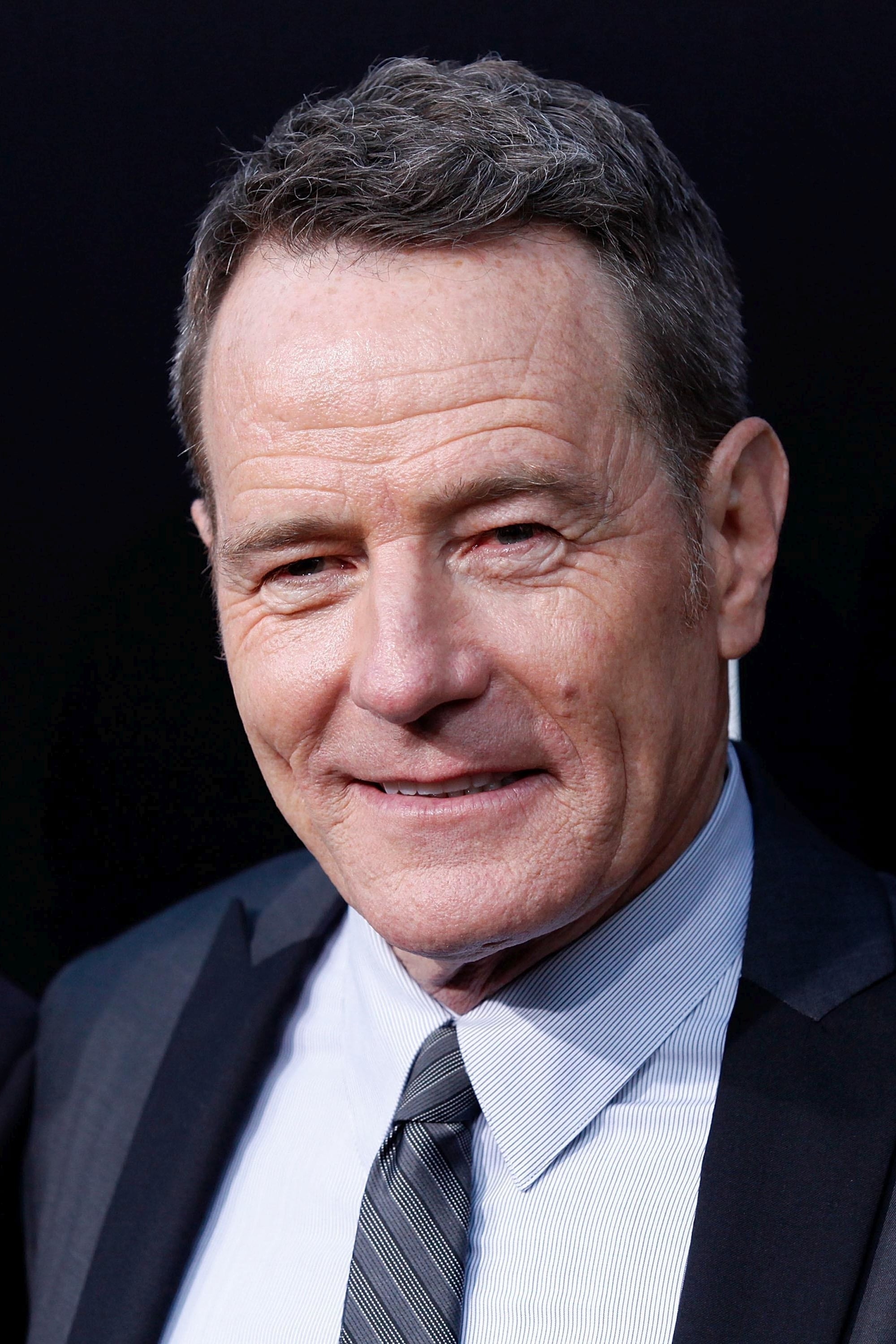
He moved from sitcom success on ‘Malcolm in the Middle’ to the lead in ‘Breaking Bad’ which transformed how audiences saw him. By signing on early and working closely with writers he helped define the tone and character arc across the series.
He also leveraged that momentum into stage work and producing duties on later shows like ‘Your Honor’. The combination of television, theater, and film kept him visible year round and broadened the roles offered.
Daniel Radcliffe
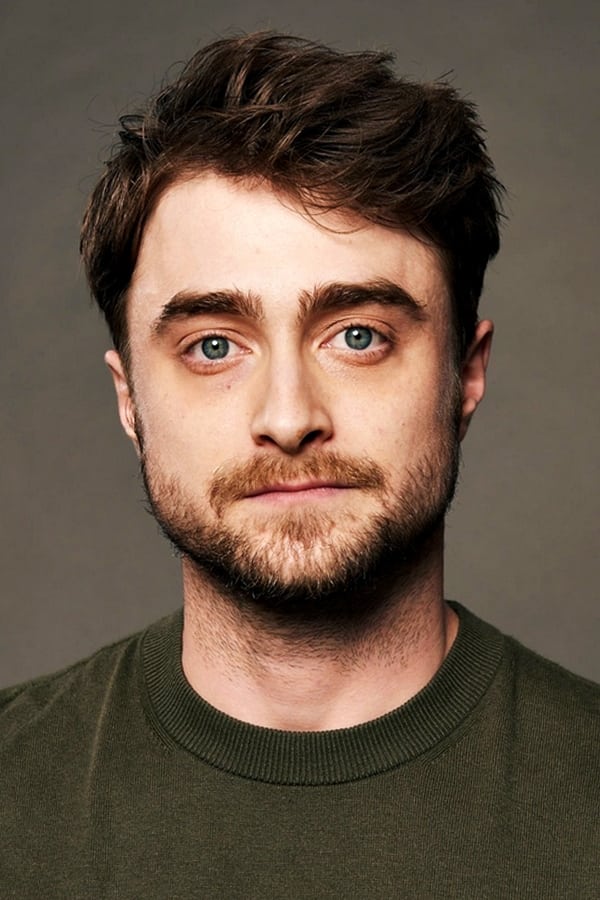
After ‘Harry Potter’ he prioritized stage and independent films to avoid typecasting. Choices like ‘Equus’, ‘Kill Your Darlings’, and ‘Swiss Army Man’ showed range and kept him working with directors who value unconventional roles.
He balanced that with television projects and genre pieces that maintained a loyal fan base. The steady output established him as a reliable lead away from franchise wizardry.
Robert Pattinson
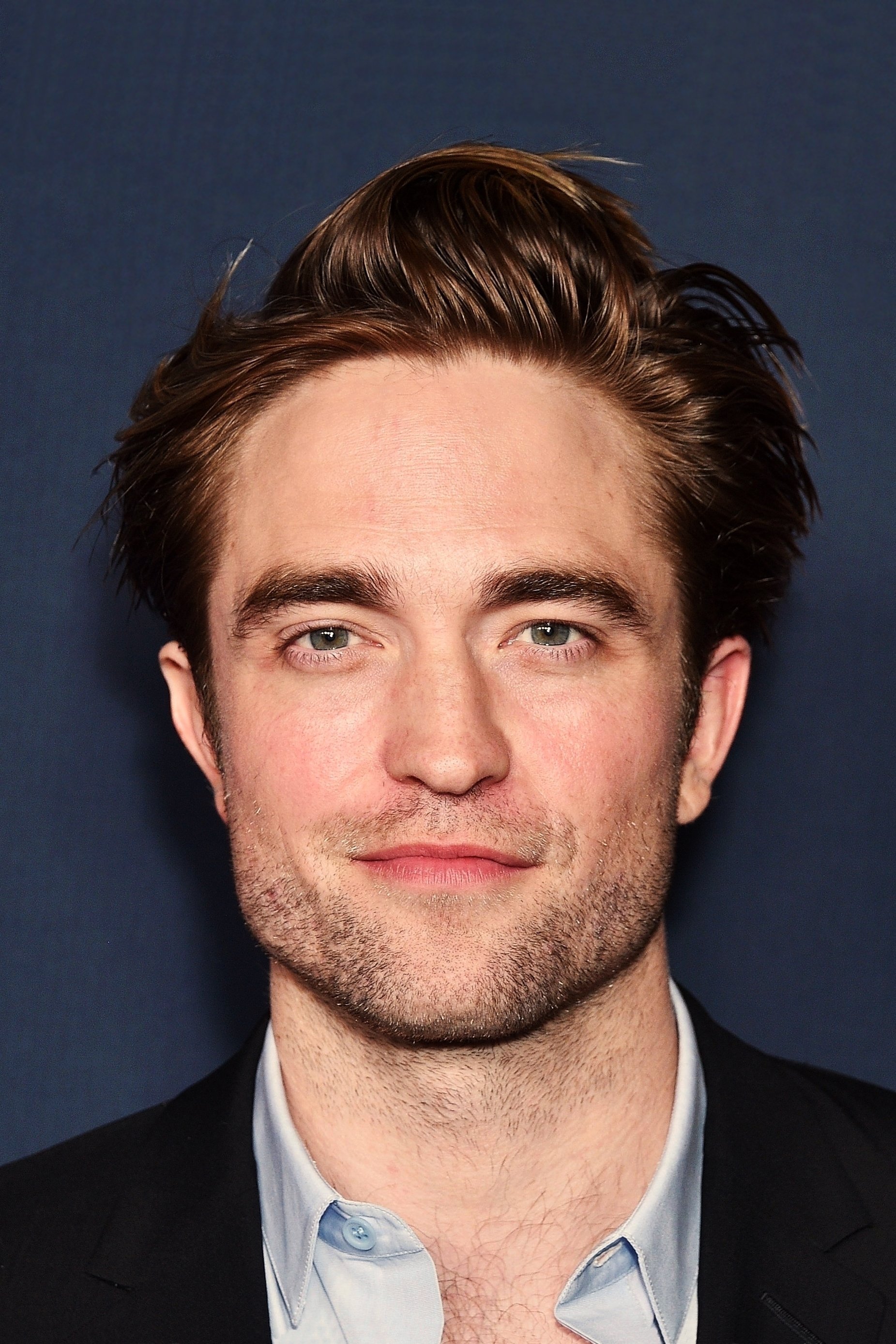
He pivoted from franchise stardom to character heavy indies. Work in ‘Good Time’, ‘The Lighthouse’, and ‘High Life’ reintroduced him to critics and directors who then considered him for major studio leads.
That path led to his casting in ‘The Batman’, where he stepped into a legacy role with creative breathing room. The earlier indie period gave him credibility to push for a darker tone and ambitious collaborators.
Viola Davis
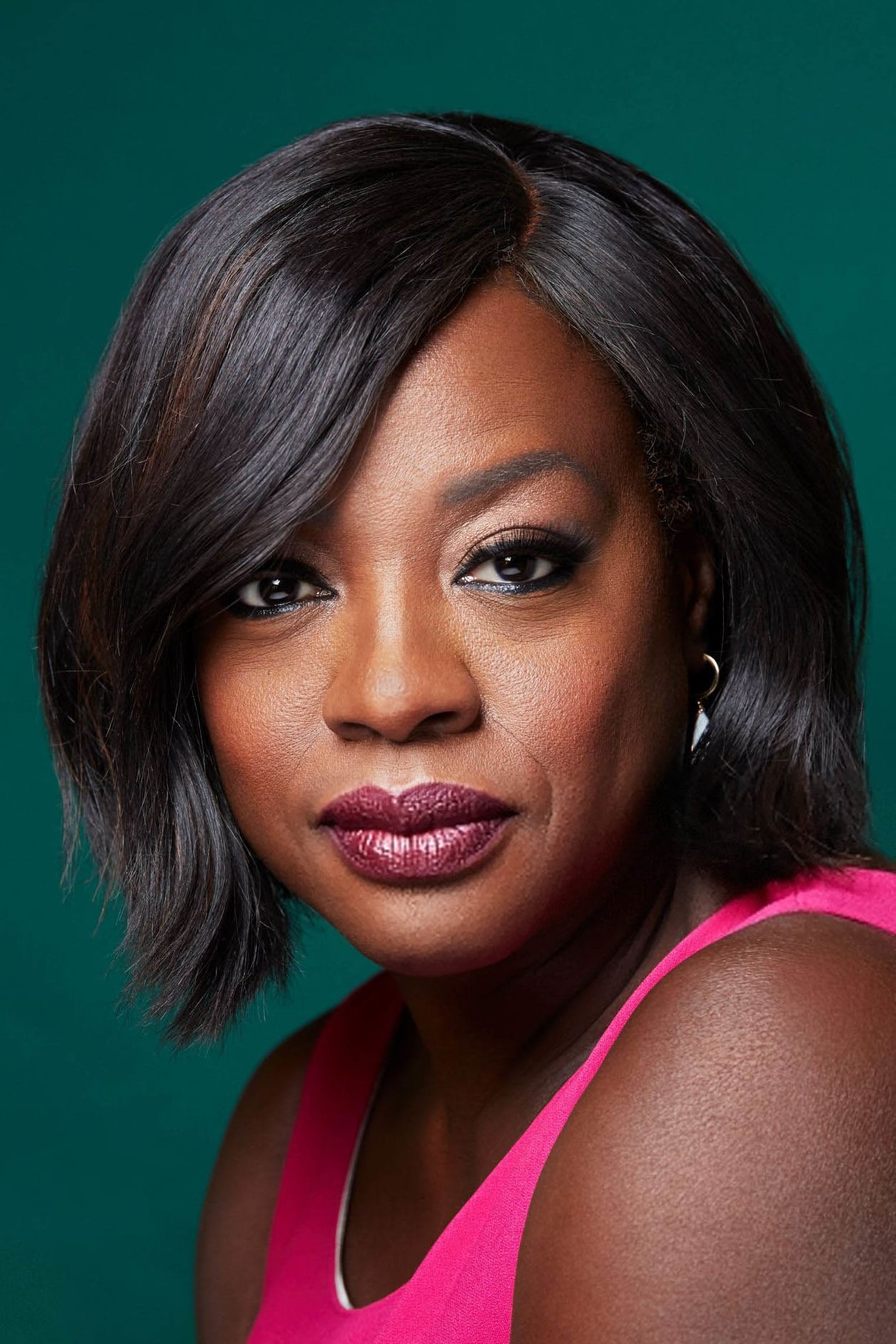
She accepted lead roles across film, television, and theater rather than focusing on a single lane. ‘How to Get Away with Murder’ made her the first Black woman to win the Emmy for lead actress in a drama series and anchored a long running hit.
Through JuVee Productions she developed projects that center complex women and historical figures. The company’s slate supported films like ‘The Woman King’ which put her at the center of large scale action and period storytelling.
Zendaya

She negotiated producer credit on ‘Euphoria’ which expanded her input on casting and story. The show’s success raised her profile and led to a new pay tier for future seasons.
She also selected a mix of franchise roles and auteur projects including ‘Dune’ and ‘Malcolm and Marie’. The combination kept her active between tentpoles and strengthened relationships with directors and streamers.
Bradley Cooper
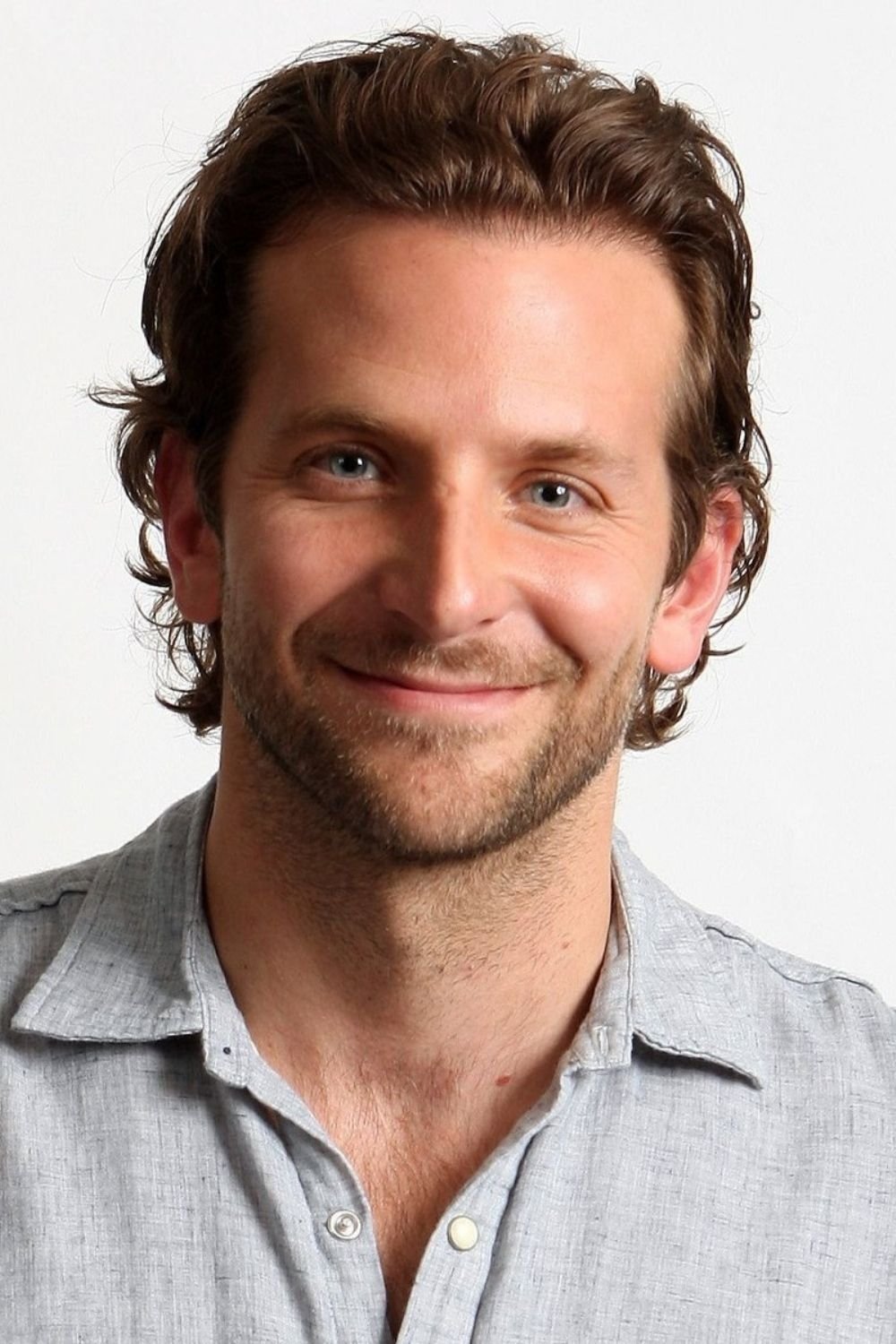
He developed ‘A Star Is Born’ as a directing debut while also producing and starring. The project’s music and live performance approach required extensive prep that paid off with strong box office and awards recognition.
He continued the multi hyphenate path with ‘Maestro’, again building a film from research through postproduction. The pattern established him as a filmmaker who can mount prestige projects at scale.
Ben Affleck
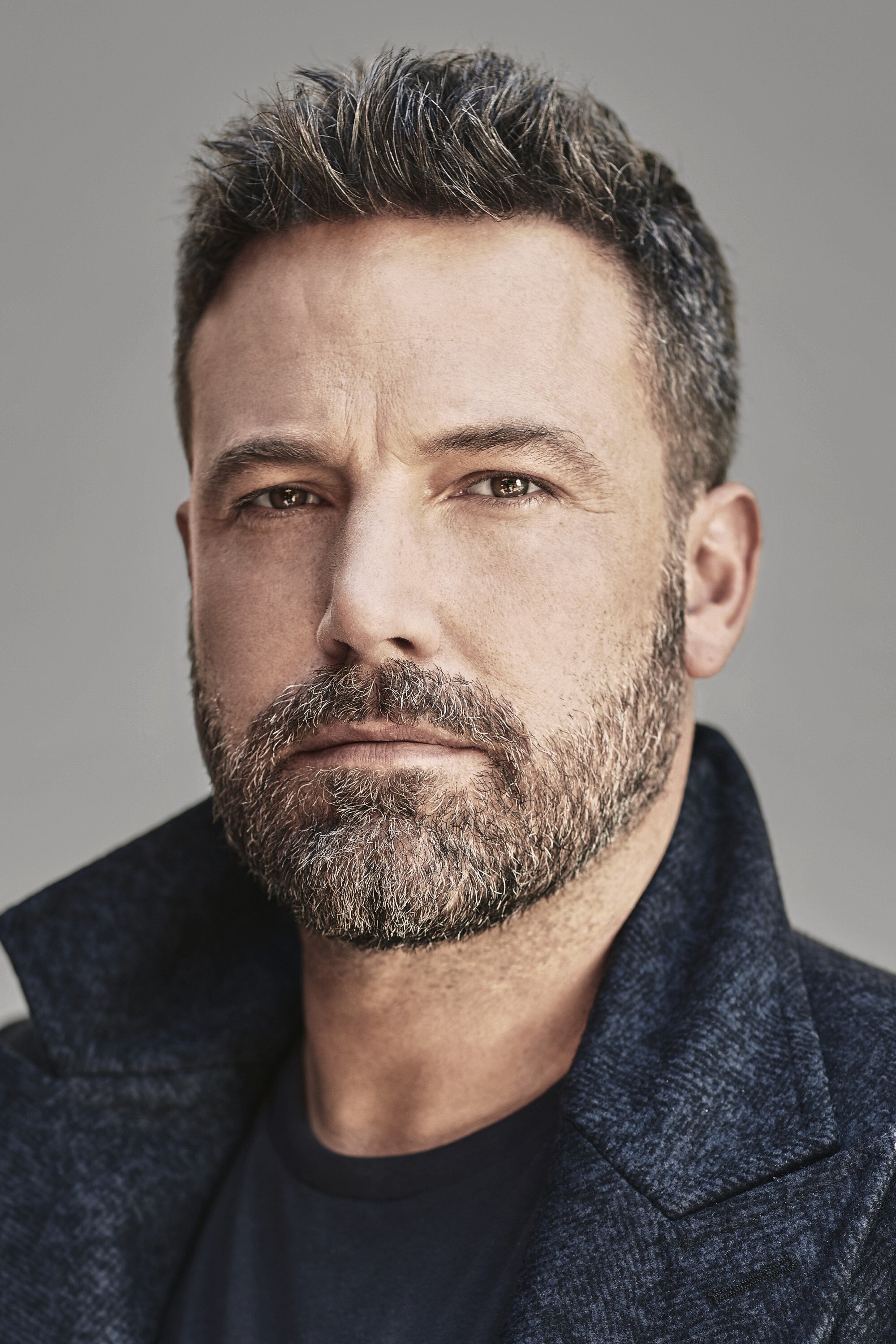
He returned to directing with ‘Gone Baby Gone’, ‘The Town’, and ‘Argo’. The last title won the Academy Award for Best Picture which restored his standing as a bankable creative leader.
He later co founded Artists Equity with a goal to share profits more equitably with crews and actors. The company launched with ‘Air’ which showcased a talent first financing model and brought him back to directing and acting in a studio backed drama.
Michelle Yeoh
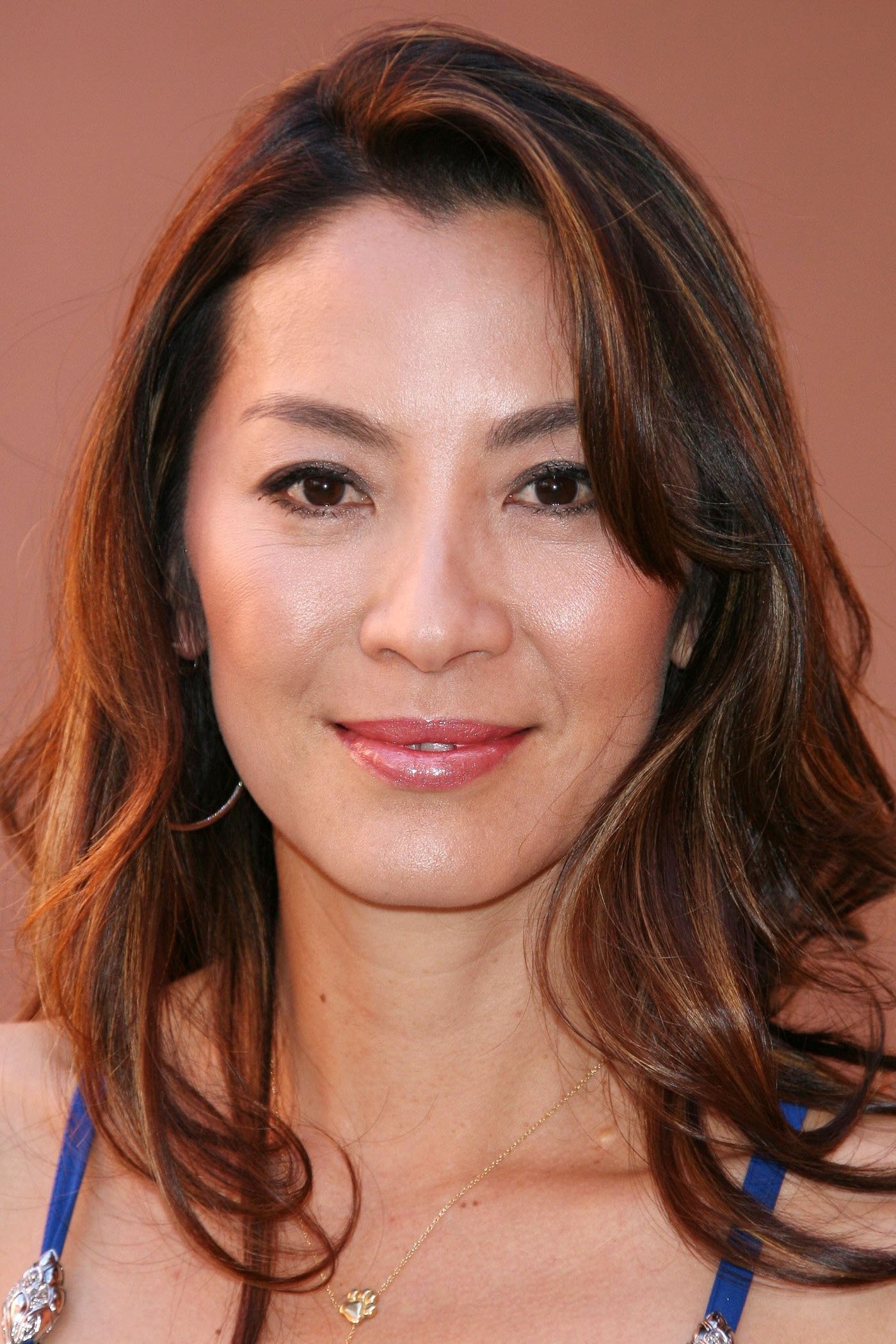
She chose ‘Everything Everywhere All at Once’ after decades of action and dramatic work. The role showcased emotional range and physical skill and resulted in the Academy Award for Best Actress.
Her success led to lead roles in franchise and streaming projects while she continued to champion Asian led stories. The momentum also secured producing opportunities that place her at the center of development.
Pedro Pascal
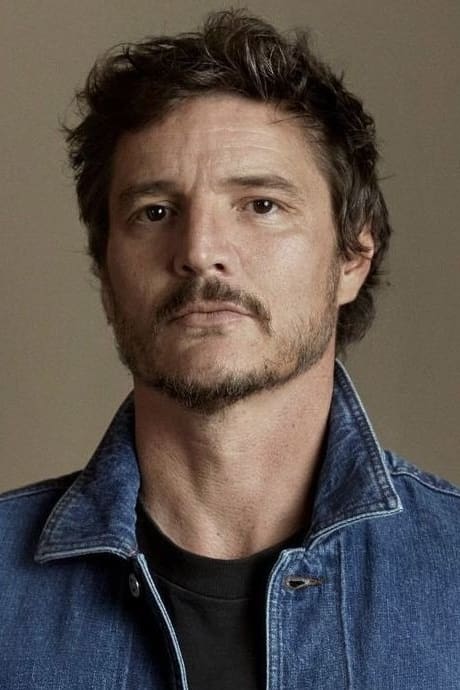
He accepted a masked lead in ‘The Mandalorian’ which used voice and physical doubles to manage a demanding schedule. The setup allowed him to work on other projects while still headlining a flagship series.
He then took the lead in ‘The Last of Us’, building a one two punch of prestige television roles. The combination strengthened his standing with both family audiences and adult drama viewers.
Anya Taylor-Joy

She built early credibility with distinctive indies like ‘The Witch’ and ‘Split’. That foundation made her the natural choice for complex leads in projects that need both intensity and fragility.
She then fronted ‘The Queen’s Gambit’, which became a global streaming hit and raised interest in limited series led by strong female characters. The role expanded her international profile and unlocked top tier offers in film and voice work.
Harrison Ford
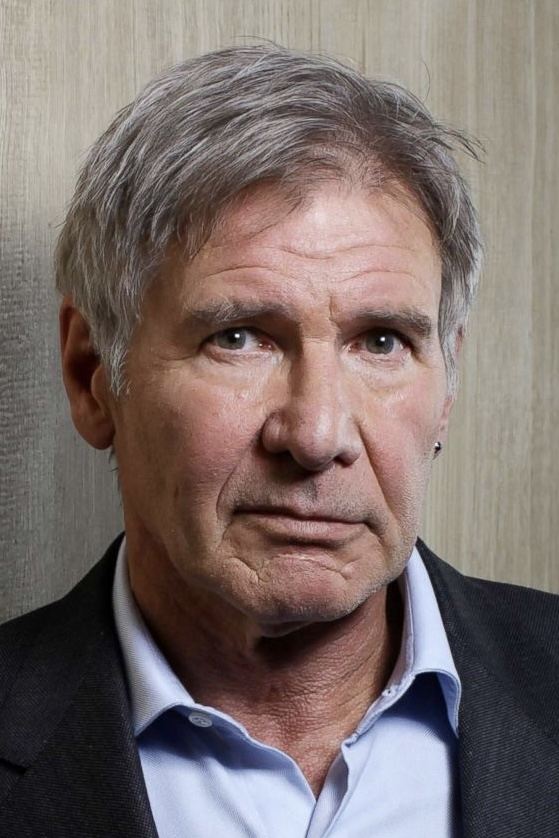
He held on to signature roles that aged with him which kept legacy franchises active. Returns to ‘Star Wars’ and ‘Blade Runner’ gave studios proven anchors for new chapters and introduced him to younger audiences.
He also continued as Indiana Jones which preserved one of cinema’s longest running adventure brands. The steady presence in event titles kept his value high while he sampled television work to reach new viewers.
Chris Pratt
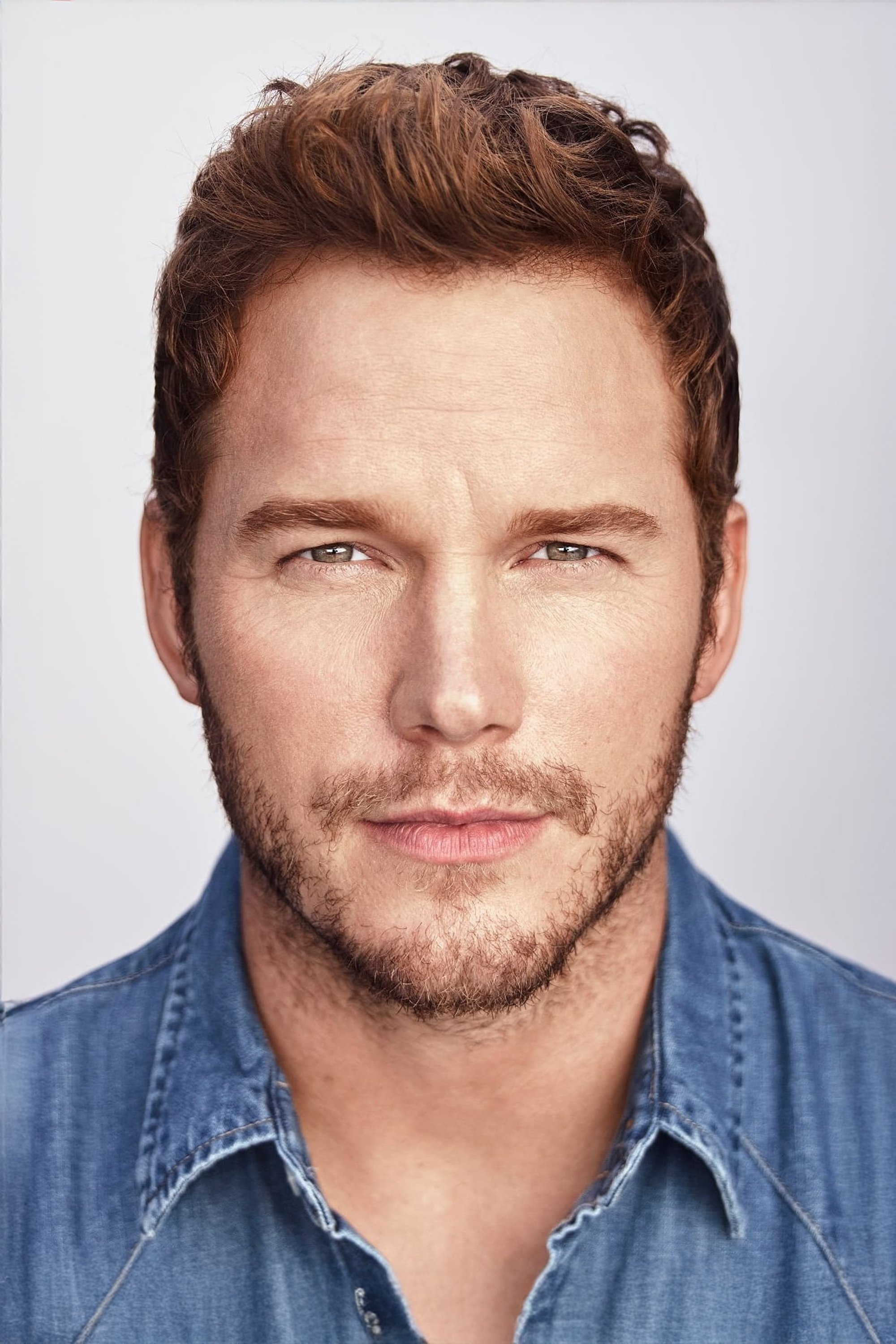
He used ‘Parks and Recreation’ to show comedic timing then transformed his physical profile to win action leads. ‘Guardians of the Galaxy’ turned him into a franchise headliner and opened the door to ‘Jurassic World’.
He balanced voice roles in animated hits with live action blockbusters which kept release frequency high without oversaturation. The mix built a family friendly brand that studios rely on for big opening weekends.
Share the moments and moves you think mattered most in the comments.