Are Ruben and Niall Gay in ‘Half Man’? Richard Gadd’s HBO Drama Is More Complicated Than You Think

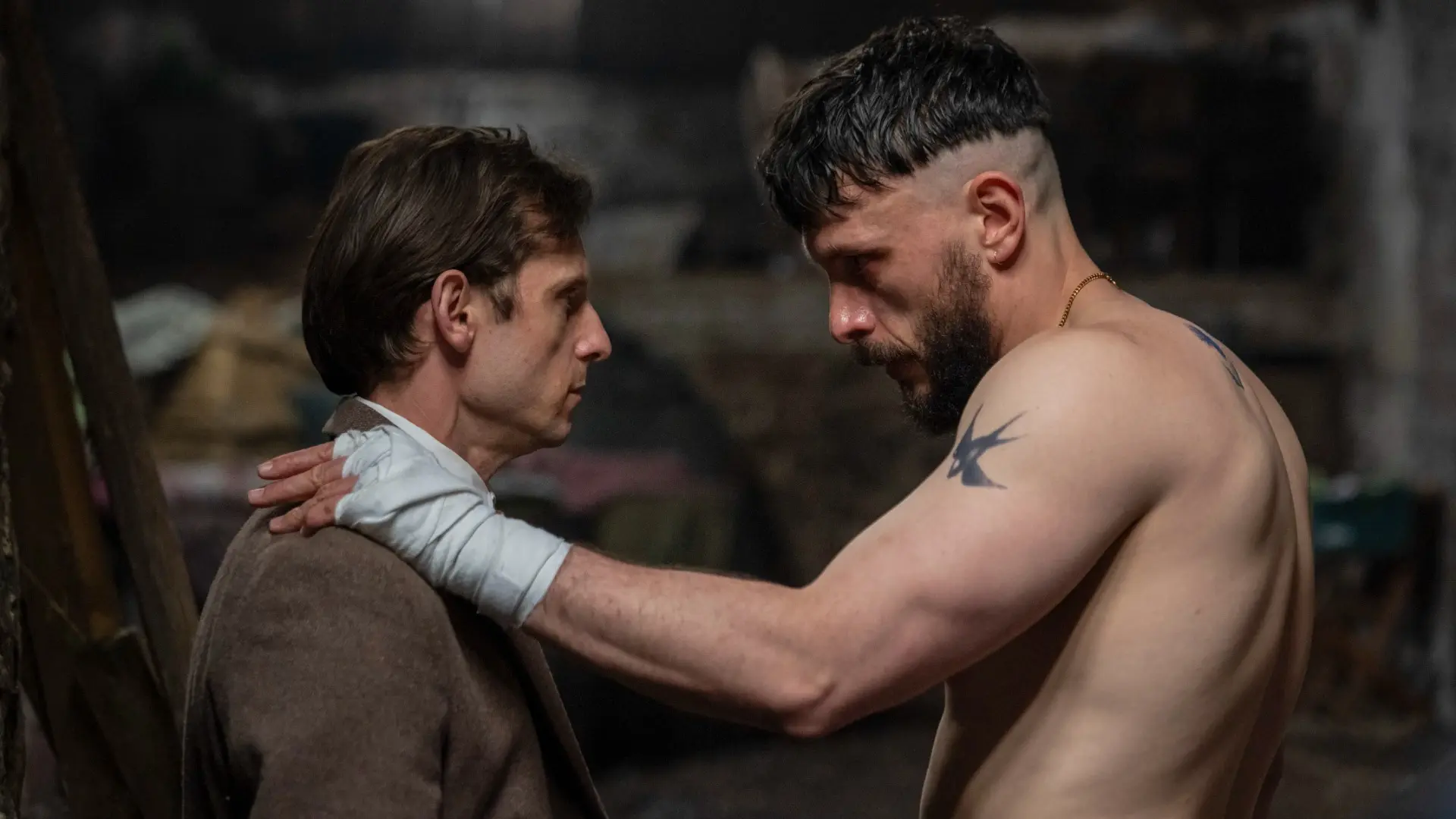

Richard Gadd does not make things easy for his audience, and ‘Half Man’ is no exception. The BBC and HBO co-production, which premiered on April 23, 2026, has quickly ignited conversation online over one of its central tensions, specifically what the relationship between its two leading men actually means in terms of sexuality and identity.
The drama is fundamentally about sibling rivalry, masculinity, and the fragile perception of sexuality, with Niall Kennedy’s queerness sitting as one of several pressure points across six emotionally punishing episodes. It is not a clean love story, and it was never meant to be.
Niall’s Sexuality and the Weight of Repression
‘Half Man’ is not a gay love story, and according to critics and Gadd himself, that is entirely the point. The show explores the explosive impacts of a toxic bond between two men, with questions of sexuality built into its very fabric.
Niall’s queerness is not a plot twist but a slow, suffocating pressure that builds across decades. The first indication of fifteen-year-old Niall’s sexuality is delivered by a classmate who spits a slur at him in school.
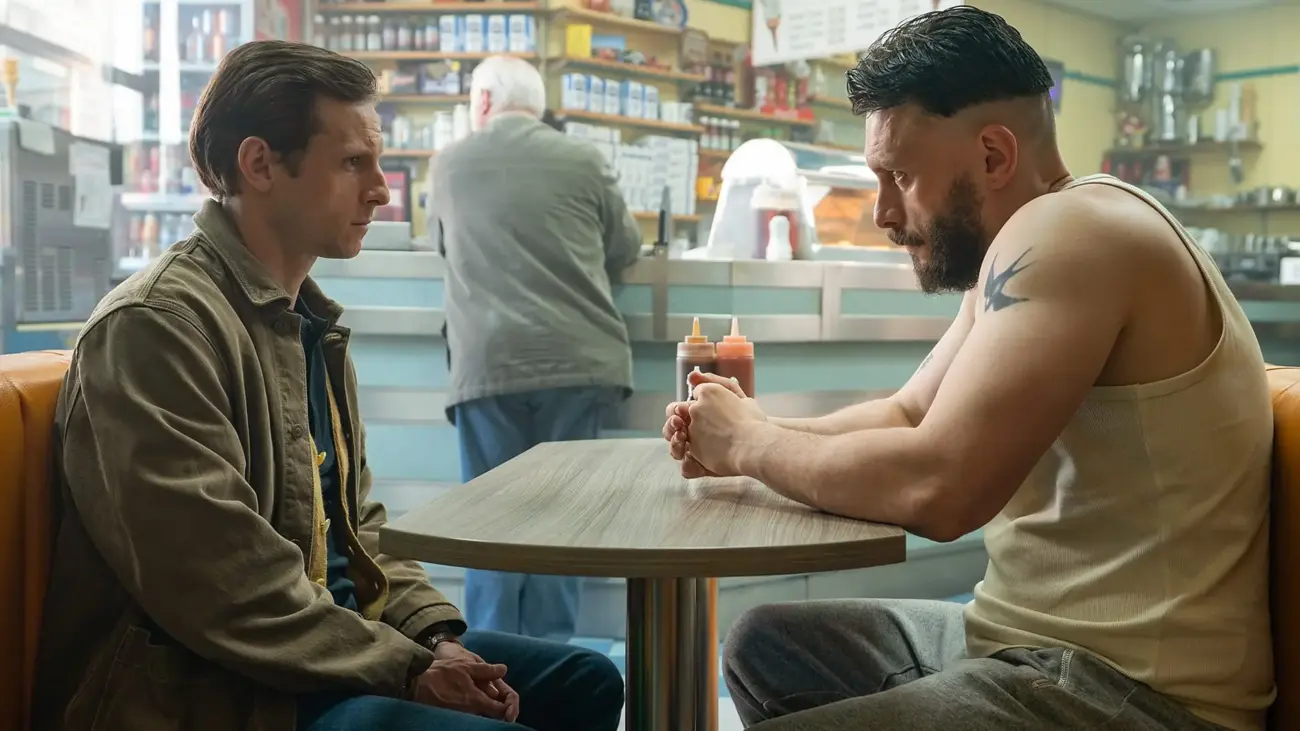
As an adult, Niall seems to hate himself and Ruben more as he feels increasingly humiliated by his inability to accept his own sexuality, even as the world around him does. His own toxic masculinity and internalized homophobia are the sole barriers between him and his sexuality, not external factors.
Niall is quiet, sensitive, and secretly unsure about his sexuality, while Ruben is tough, rebellious, and prone to violence. They are seeming opposites, and it is a match made in hell.
Ruben and Niall’s Relationship in ‘Half Man’
The relationship between the two men is toxic, and whether it is romantic in any way is genuinely complicated. Niall seems to have complicated feelings for Ruben, following his lead in everything, while Ruben has not outright confirmed whether he feels similarly.
Niall is queer, though whether gay or bisexual is somewhat ambiguous, but Ruben’s sexuality, like so much else about his personality, motivations, and inner life, remains something of an enigma. There is something that burns between them with an intense and almost erotic quality, even if it does not map neatly onto desire.
The show makes clear that Ruben’s fear of Niall being gay is at least one reason he brings his girlfriend Mona back to their shared bedroom and coerces Niall into having sex with her. It is a scene that doubles as both an act of violence and a window into Ruben’s own unresolved terror.
Niall also looks up to Ruben, but fears his mood swings and struggles with his own sexual attraction to his stepbrother. That tangled, almost incestuous undercurrent is part of what makes the show so profoundly unsettling.
The Homoerotic Dynamic Richard Gadd Built on Purpose
Ahead of the premiere, the younger stars of the show, Mitchell Robertson and Stuart Campbell, spoke with Variety about the fraternal and sometimes sexual nature of the boys’ friendship, that bedroom dance, and the shocking sex scene that required two intimacy coordinators.
The BBC and HBO co-production spends decades following two men after they become brothers from another lover when their respective mothers begin a romantic relationship together. The show is laden with homoerotic yearning, albeit in twisted and deeply unsettling ways.
The show makes clear that it is the combination of sex and violence, of desire and fear, that sits at the root of homophobia. Desire between men is framed as more shameful, which is also what makes it such a powerful weapon in the world Gadd has constructed.
What Richard Gadd Says ‘Half Man’ Is Actually About
Gadd’s stance on queer identity in ‘Half Man’ seems antithetical to recent portrayals of male homosexuality in shows like ‘Heartstopper’ and ‘Heated Rivalry’. According to Gadd, this is deliberate, intended to offer another perspective on queer identities entirely.
Gadd told Attitude magazine that when he was going through a sexuality crisis, what he felt was missing was something on television that represented that experience. He argued that there are people who are going through a sexuality crisis and feel left behind in the current era of moral and ethical enlightenment.
The series asks what happens when a terrified child’s entire identity is shaped by and dependent on a bully’s approval, and whether anyone whose humanity is governed by anger can ever truly turn back. These are not questions ‘Half Man’ pretends to answer, which is precisely what gives them their power.
On Rotten Tomatoes, the series currently holds an approval rating of seventy seven percent based on fifty two critic reviews, with the consensus crediting Gadd’s broodingly bleak sophomore effort for plumbing the depths of toxic masculinity and repression.
So while ‘Half Man’ may not be the clean queer narrative some viewers were hoping for, it is quietly doing something far more rare: refusing to make its own characters comfortable, or its audience either.
After sitting with everything Niall and Ruben put each other through across six episodes, do you think ‘Half Man’ earned its place in the conversation around queer identity on television, or did Gadd keep his characters just ambiguous enough to avoid committing to the story they were clearly telling?