Best 2020s Movies You Probably Haven’t Seen Yet


There have been so many releases in the 2020s that plenty of inventive and acclaimed films slipped past a lot of watchlists. This guide highlights smaller theatrical runs, festival discoveries, and international standouts that did not always get broad promotion.
Each pick includes practical details to help you figure out what the film is about and where it came from. You will find directors, key cast, languages, festival milestones, and production notes so you can decide what to queue up next.
‘Shiva Baby’ (2020)

Emma Seligman directs this tightly staged comedy set almost entirely at a family shiva where secrets keep colliding. The film stars Rachel Sennott with standout turns from Polly Draper, Fred Melamed, and Dianna Agron, and it expands on Seligman’s earlier short with the same title. The score by Ariel Marx uses tense strings to underline the social pressure of the single location setting.
‘Shiva Baby’ was backed by indie distributors after a strong festival debut and was later picked up for streaming. The running time is lean which keeps the pacing brisk and focused on overlapping conversations, cultural details, and the logistics of a crowded gathering.
‘The Wolf of Snow Hollow’ (2020)
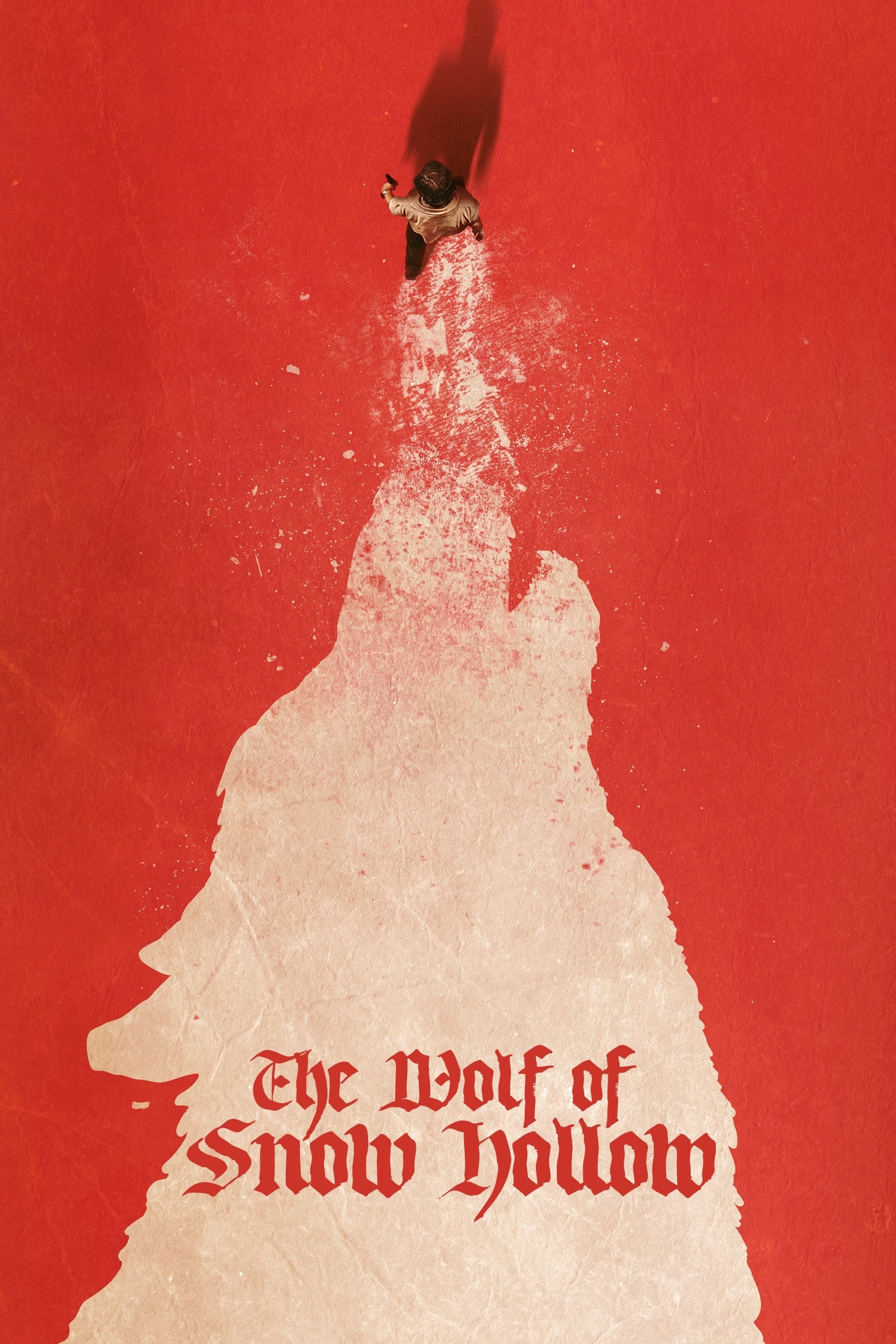
Jim Cummings writes, directs, and stars as a small town deputy dealing with a string of killings in a mountain community. The cast includes Riki Lindhome and Robert Forster in one of his final screen roles. The story follows the procedures of a strained department as tourism season and local folklore complicate the case.
‘The Wolf of Snow Hollow’ was shot with wintry locations that add to the closed in atmosphere of the town. Practical effects and location photography are used to keep the mystery grounded while the script tracks department politics and family responsibilities.
‘Quo Vadis, Aida?’ (2020)
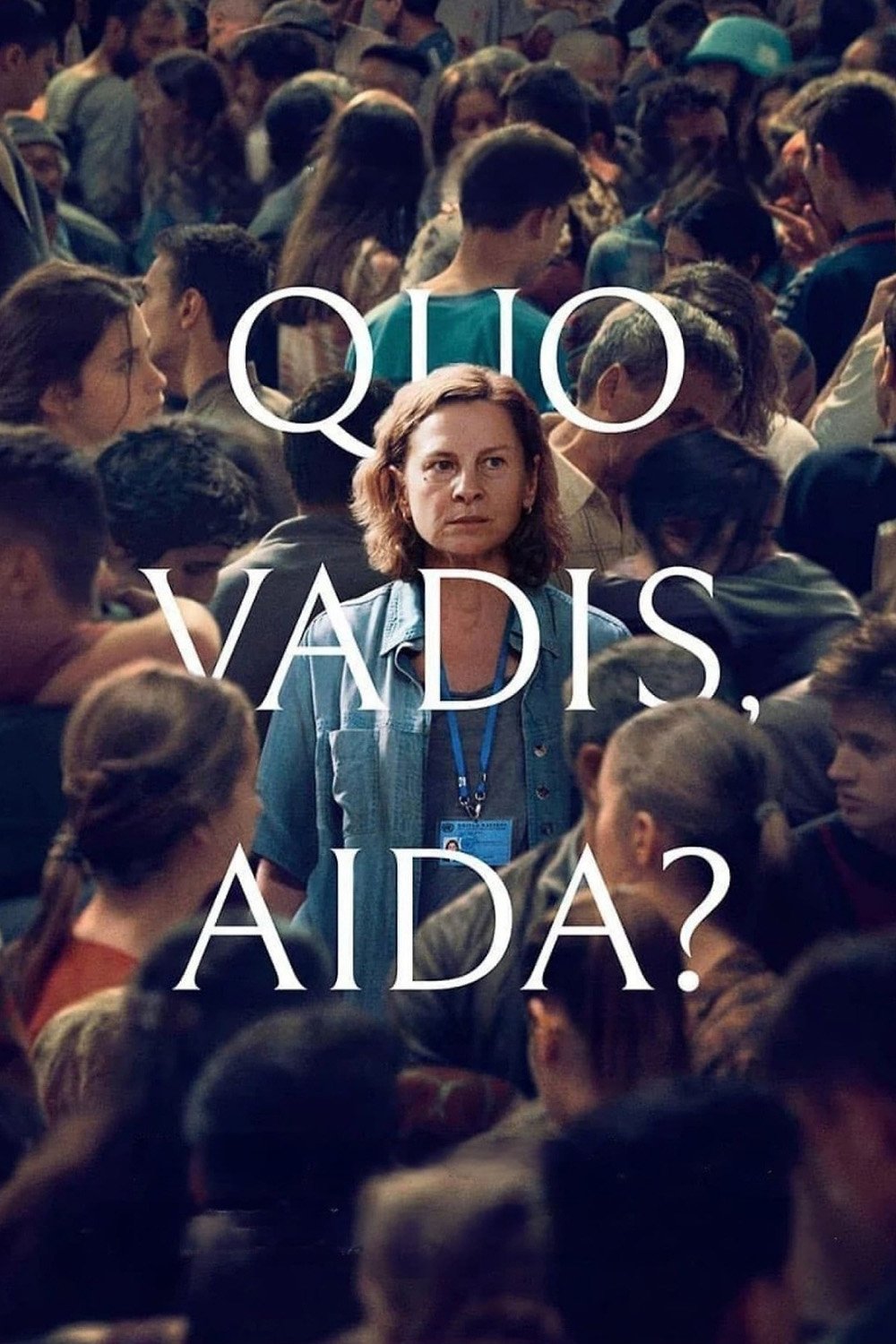
Jasmila Žbanić tells the story of a schoolteacher and translator working for the United Nations in Srebrenica as refugees seek protection. Jasna Đuričić leads the cast with a performance that anchors the translation rooms, negotiation tents, and crowded shelters.
‘Quo Vadis, Aida?’ was a major international co production and received an Academy Award nomination for international feature. The film recreates administrative spaces and voiceover channels in detail to show how orders and messages move through checkpoints and camps.
‘Wheel of Fortune and Fantasy’ (2021)

Ryusuke Hamaguchi presents an anthology of three stories about chance encounters, campus life, and mistaken identity. Each chapter focuses on long conversations that shift meaning through small revelations, with careful sound design that keeps attention on voices and pauses.
‘Wheel of Fortune and Fantasy’ won the Silver Bear Grand Jury Prize at the Berlin Film Festival. The production uses modest interiors, natural lighting, and restrained camerawork, allowing non musical rhythm in dialogue to carry the structure.
‘The Innocents’ (2021)
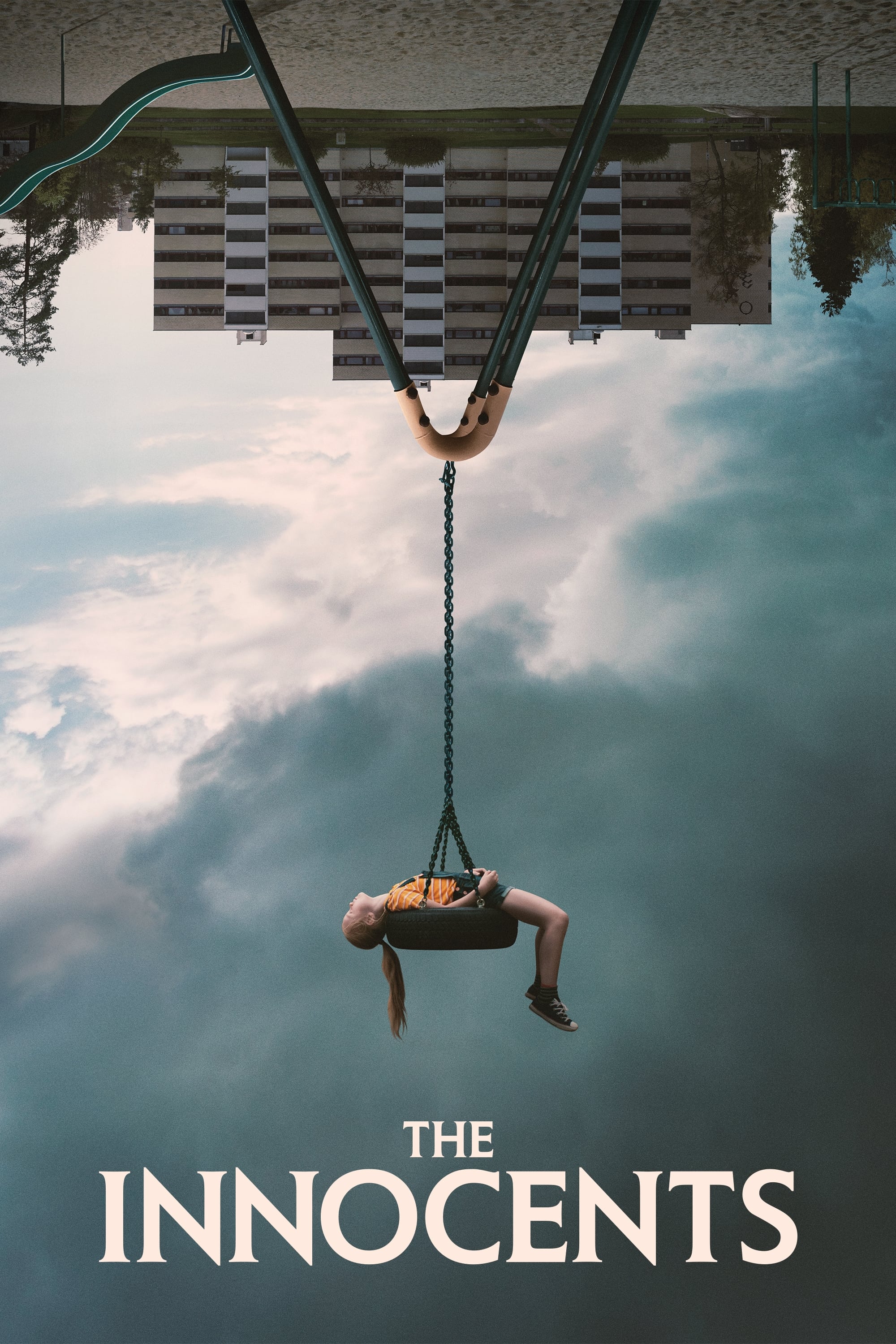
Eskil Vogt sets this eerie drama in a modern apartment complex where a group of children discover unusual abilities. The film follows everyday routines on courtyards and stairwells and gradually shows how small choices affect families living in close quarters.
‘The Innocents’ premiered in the Un Certain Regard section at Cannes and was praised for its controlled staging. Norwegian locations and precise blocking create a clear sense of place while the sound mix emphasizes playground noises and room tone.
‘Hit the Road’ (2021)

Panah Panahi’s debut follows a family driving across rural landscapes with stops at clinics, checkpoints, and mountain roads. The ensemble includes a memorable performance by a young actor whose musical moments become major beats in the trip.
‘Hit the Road’ premiered in Directors’ Fortnight at Cannes and toured many festivals after that launch. The production favors long takes and wide frames that highlight the geography of the route, and it uses pop songs that are well known in Iran to set mood and memory.
‘Compartment No. 6’ (2021)
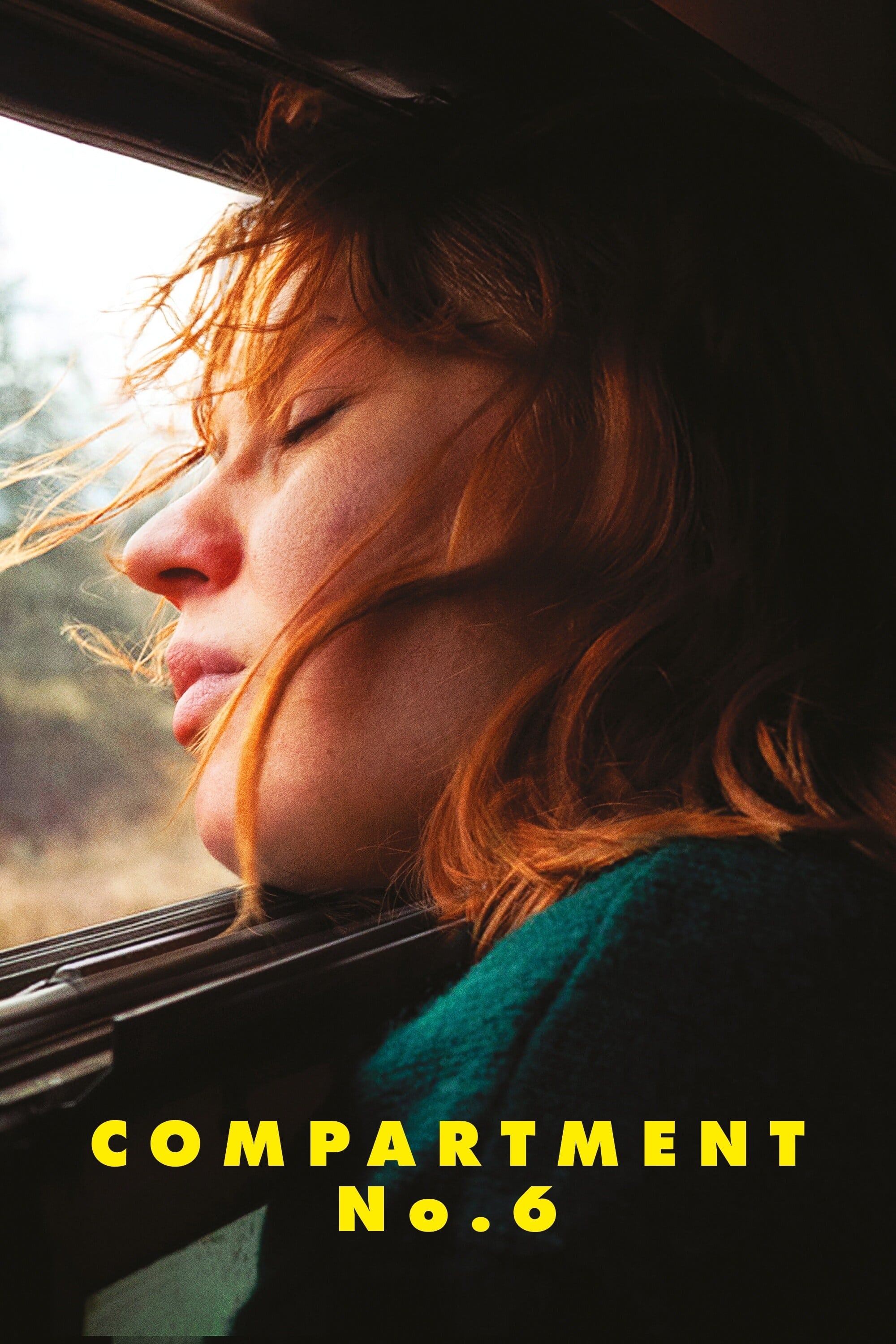
Juho Kuosmanen adapts Rosa Liksom’s novel about a Finnish archaeology student who shares a sleeper car with a Russian miner on a northbound train. The film tracks meals in dining cars, smoke breaks between stops, and landscape shifts as the route heads toward the Arctic.
‘Compartment No. 6’ won the Grand Prix at the Cannes Film Festival. It was shot on actual trains and features Finnish and Russian dialogue, with production support from multiple European partners to manage the long rail schedule.
‘Nitram’ (2021)
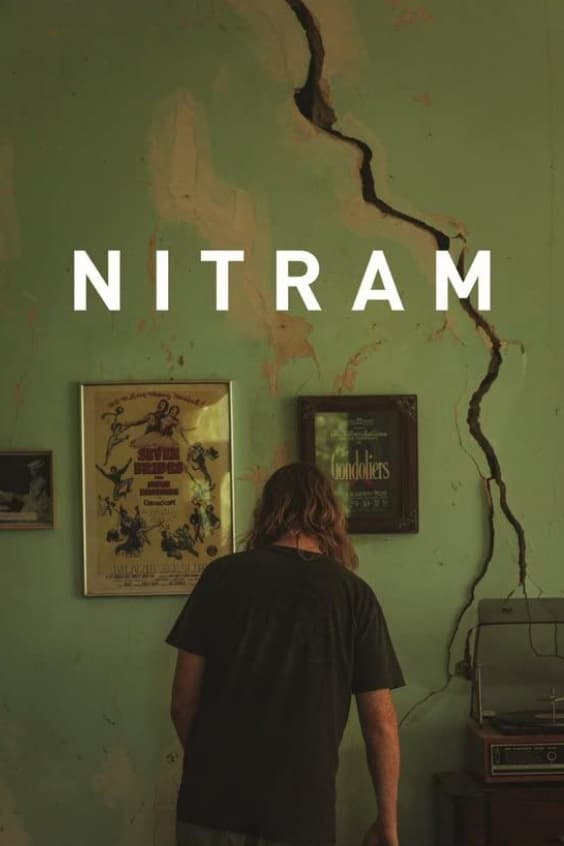
Justin Kurzel examines the events leading up to the mass shooting in Port Arthur through a character study that focuses on family dynamics and community interactions. Caleb Landry Jones stars with Judy Davis, Essie Davis, and Anthony LaPaglia in key roles.
‘Nitram’ was produced in Australia with careful consultation on sensitive material and minimal depiction of violence. The film earned prizes on the festival circuit and used a restrained visual approach that centers interiors, clinic visits, and neighborhood routines.
‘Watcher’ (2022)
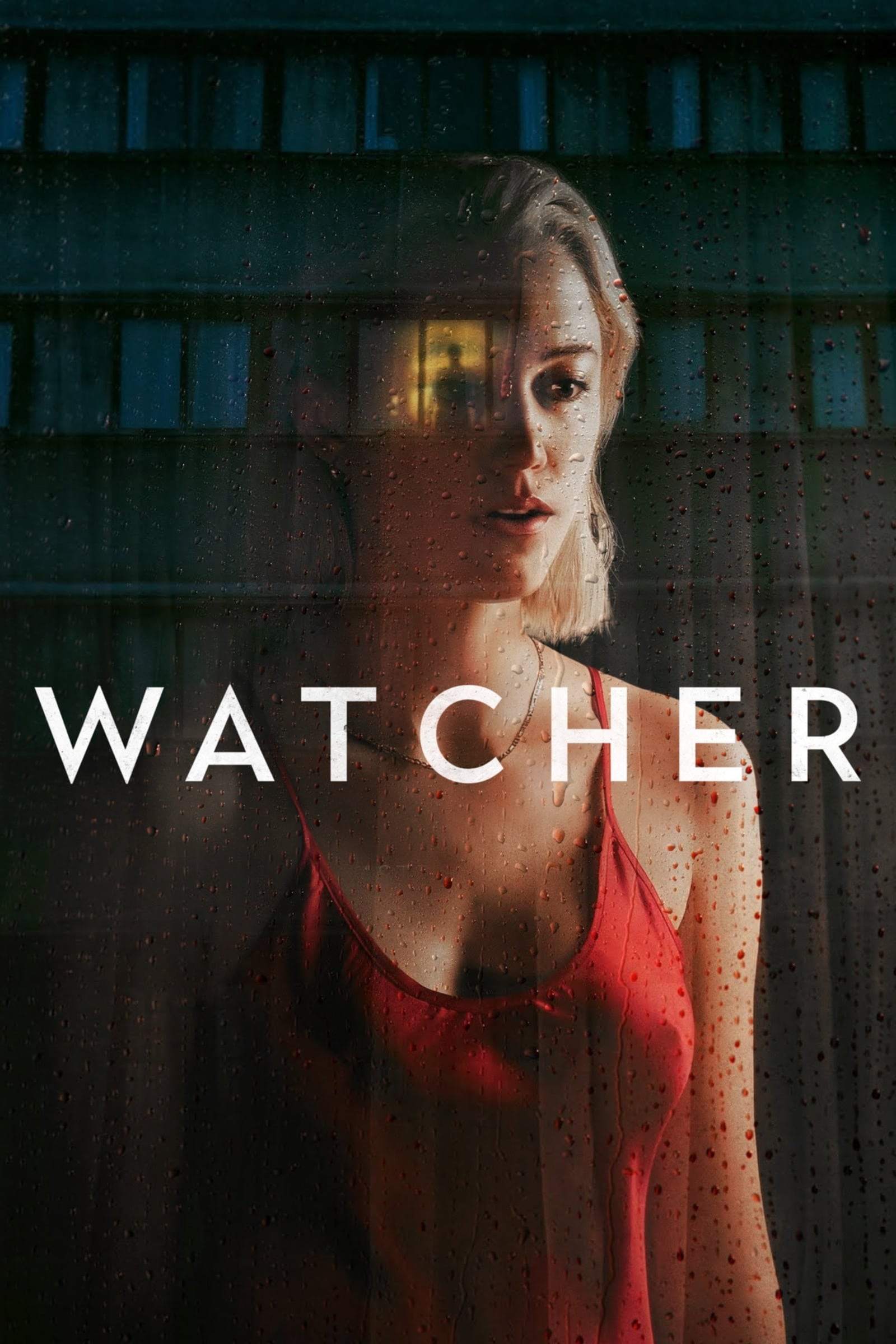
Chloe Okuno directs this thriller about a young woman who relocates to Bucharest and suspects a neighbor is observing her. Maika Monroe plays the lead with Karl Glusman and Burn Gorman in support, and the story uses city streets, subway platforms, and window frames to shape point of view.
‘Watcher’ premiered at Sundance and was shot in Romania with English and Romanian dialogue. The production design uses apartments with large panes of glass and long hallways, and the soundtrack favors ambient city noise over constant music.
‘Resurrection’ (2022)
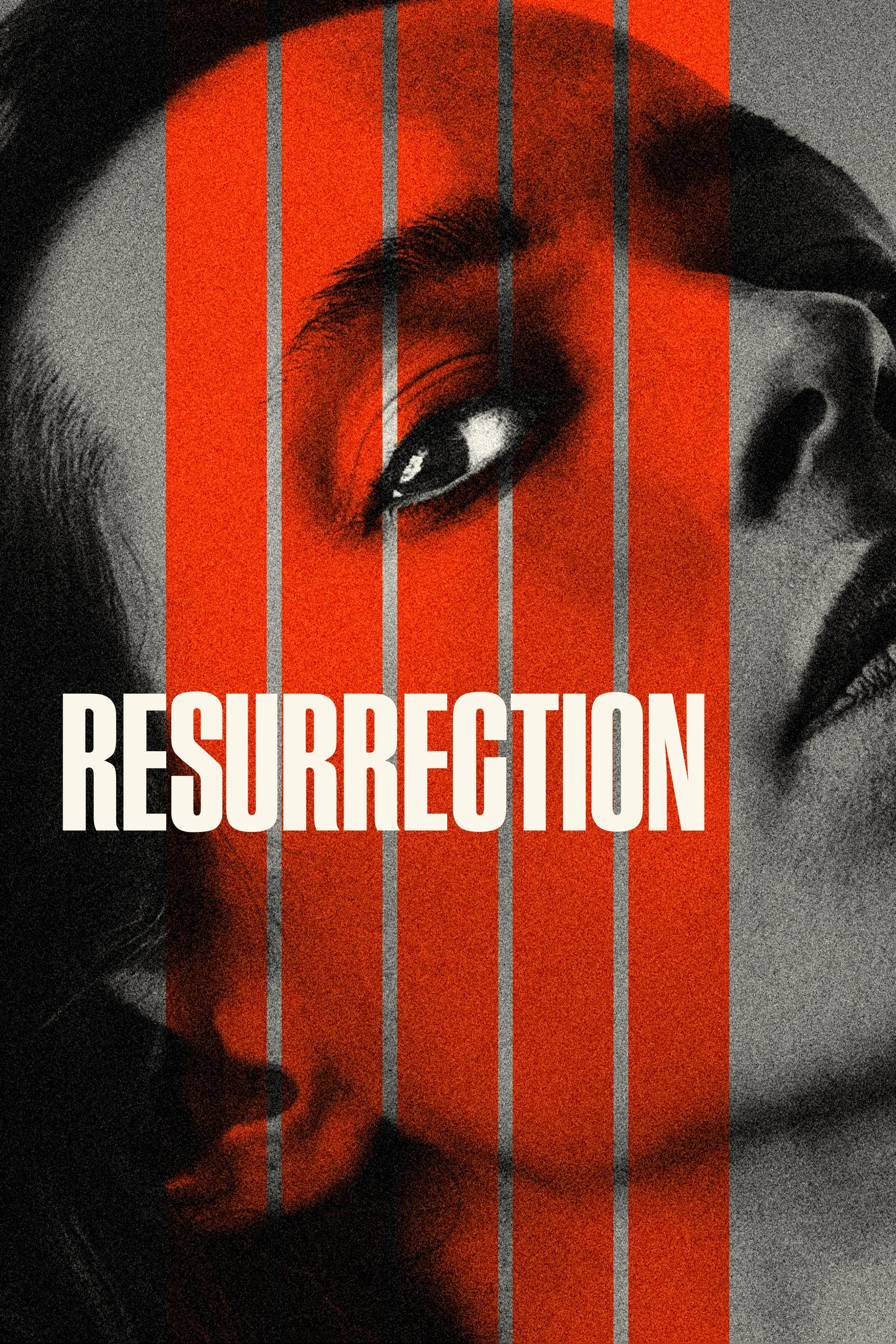
Andrew Semans crafts a psychological thriller about a successful professional who reencounters a figure from her past. Rebecca Hall and Tim Roth lead the cast in a story built around workplace scenes, lectures, and precise routines that slowly come apart.
‘Resurrection’ premiered at Sundance and later moved to a limited theatrical and streaming rollout. The film uses a small set of locations and a focused schedule, with sound and color choices that track the lead character’s attempts to control her environment.
‘Aftersun’ (2022)
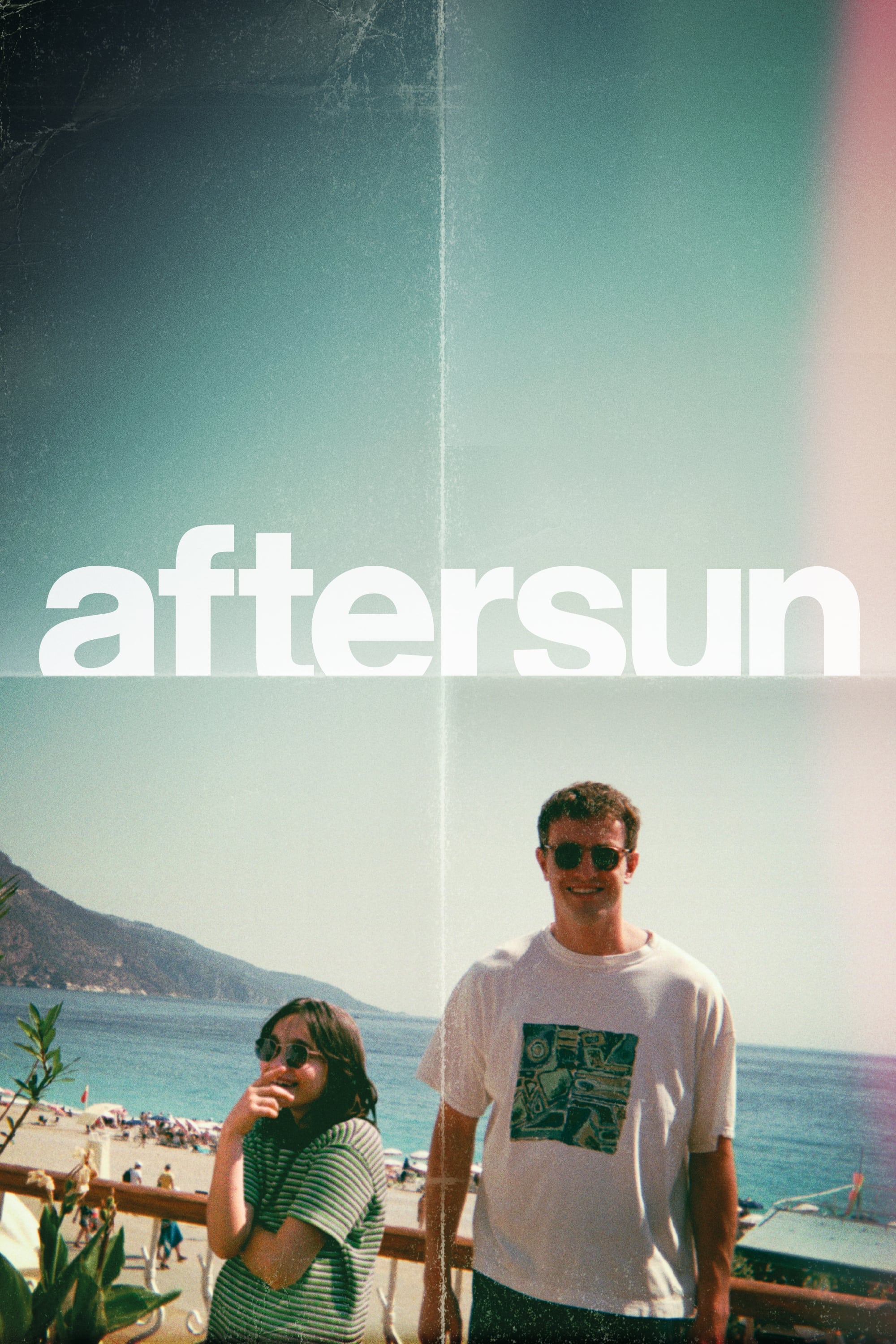
Charlotte Wells follows a father and daughter on a package holiday at a seaside resort. Paul Mescal and Frankie Corio play the central duo while the film blends camcorder footage with present day perspective to document shared spaces like pools, buffets, and bus rides.
‘Aftersun’ screened in Cannes Critics’ Week and later expanded to wider release with support from both American and British backers. The production was shot on location in a Turkish resort town and uses licensed pop tracks alongside a delicate original score.
‘Vortex’ (2021)
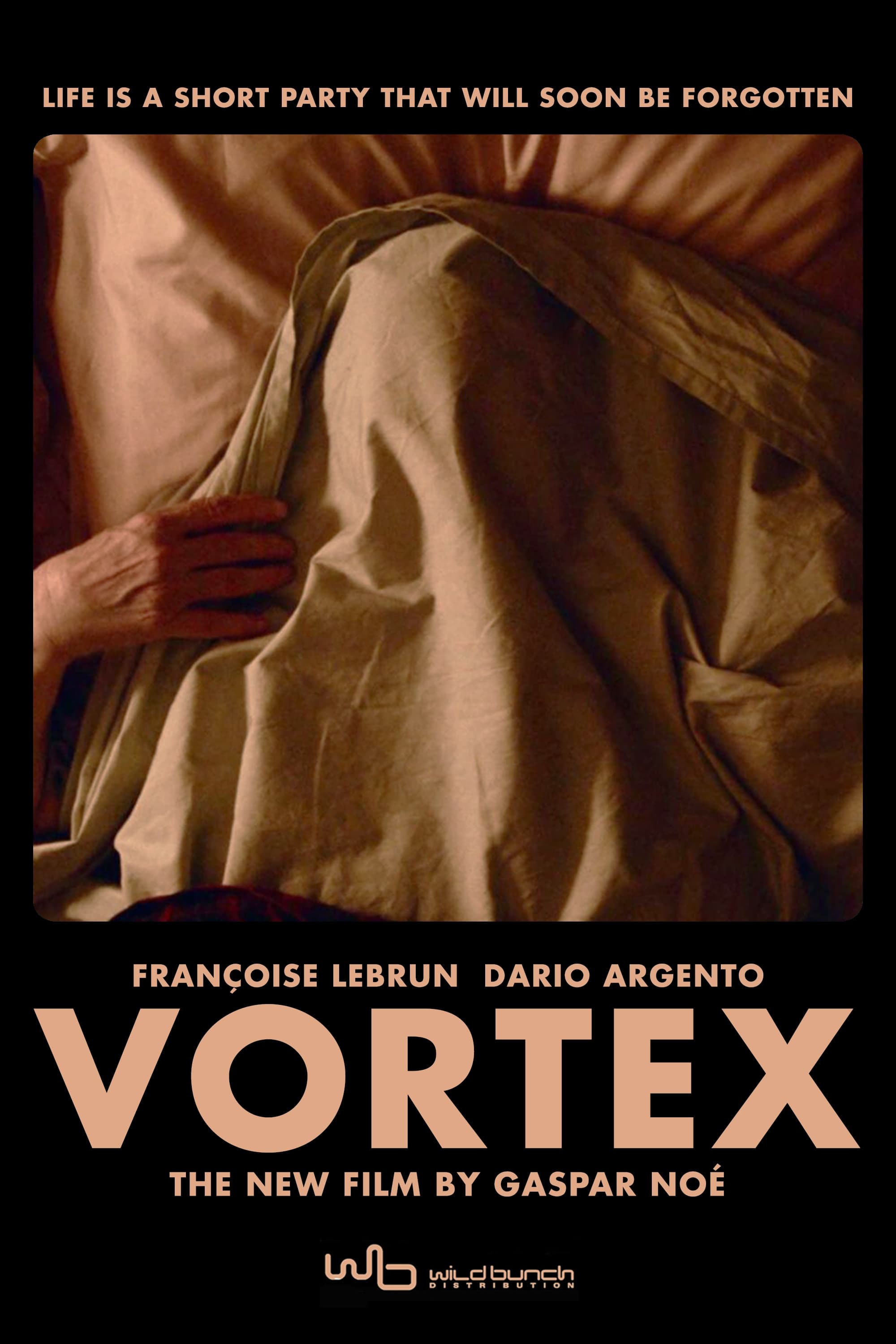
Gaspar Noé explores aging and memory through the daily life of an elderly couple in a Paris apartment. Dario Argento and Françoise Lebrun play the pair, and the film uses split screen for extended stretches to follow each person separately within the same home.
‘Vortex’ was filmed with a small crew and substantial improvisation, with scenes designed around actual living spaces rather than sets. The camera quietly observes medication schedules, phone calls, and neighborhood errands, and the credits include a dedication to all who care for loved ones.
‘Speak No Evil’ (2022)

Christian Tafdrup directs this unsettling drama about two families who meet on holiday and later reunite in the countryside. The script pays close attention to small social conventions like invitations, etiquette, and hospitality which shape the choices the guests make.
‘Speak No Evil’ is a Danish production that mixes Danish, Dutch, and English dialogue, with location work in the Netherlands and Scandinavia. The film drew enough attention to inspire an English language remake while retaining its focus on manners and power.
‘Piggy’ (2022)
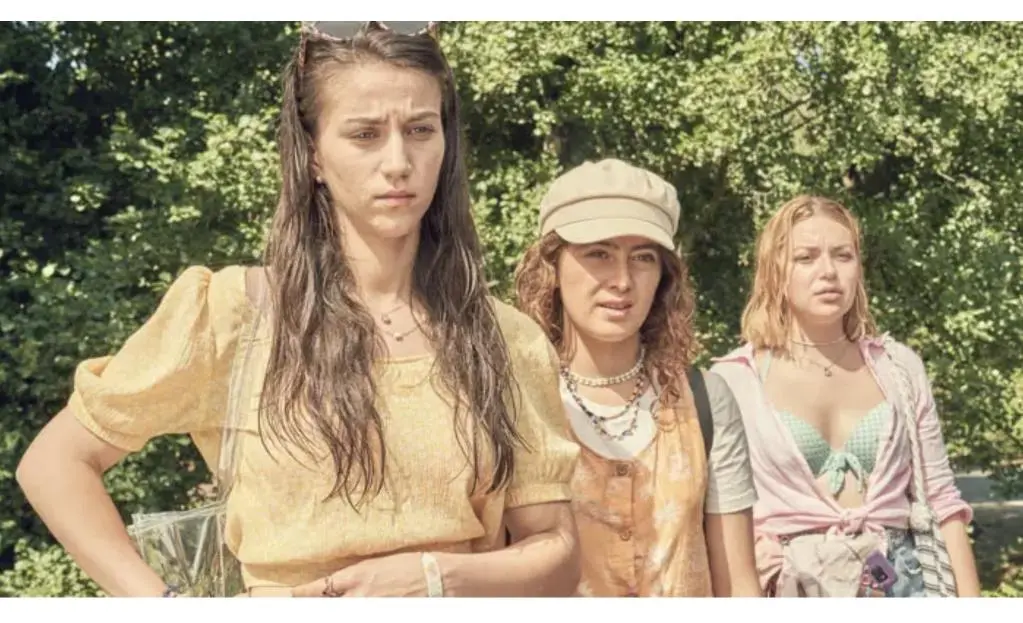
Carlota Pereda adapts her own short into a feature about a bullied teenager in rural Spain who becomes entangled with a violent stranger. Laura Galán reprises her role, and the story centers on family business routines, village festivals, and local swimming holes.
‘Piggy’ was shot in Extremadura and uses the region’s heat and open roads as key visual elements. The film balances intimate interiors with dusty exteriors and keeps dialogue in Spanish, with casting that includes many local performers.
‘How to Blow Up a Pipeline’ (2022)
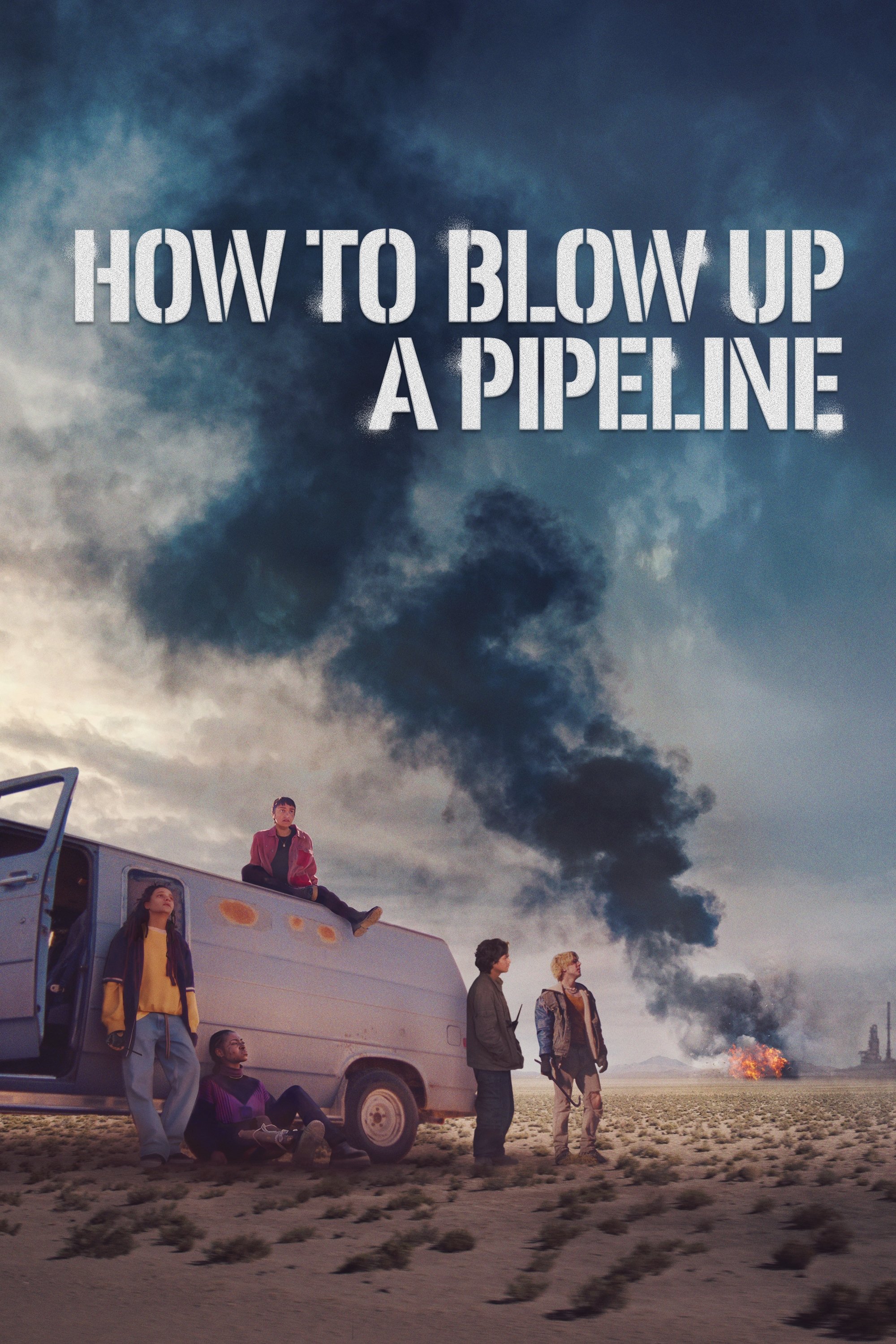
Daniel Goldhaber translates Andreas Malm’s nonfiction book into a fictional heist that follows several activists planning sabotage against energy infrastructure. The ensemble structure moves through recruitment, training, and logistics, and the script shows the steps of sourcing materials and timing.
‘How to Blow Up a Pipeline’ premiered at Toronto and was produced in the American Southwest on a tight schedule. The filmmakers used handheld cameras and practical effects, and the release included campus and community screenings to frame legal and safety context around the subject.
‘Sanctuary’ (2023)
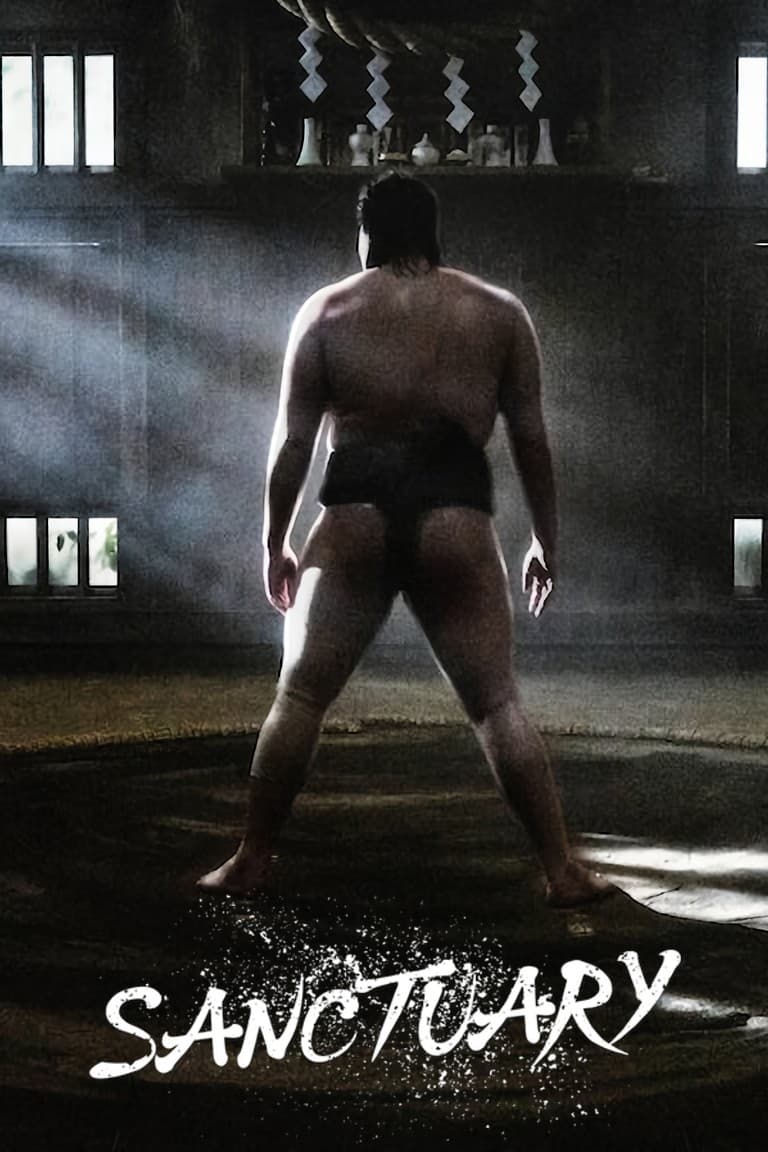
Zachary Wigon directs a two actor drama set almost entirely inside a luxury hotel suite during a high stakes meeting between a wealthy client and a professional who knows his secrets. Christopher Abbott and Margaret Qualley play the leads with choreography that treats the room like a stage.
‘Sanctuary’ was produced by an independent team with a screenplay by Micah Bloomberg and distributed by a specialty label. The production design relies on mirrors, partitions, and corridors to shift sightlines, and the sound mix emphasizes footsteps, doors, and room service staging.
‘When Evil Lurks’ (2023)
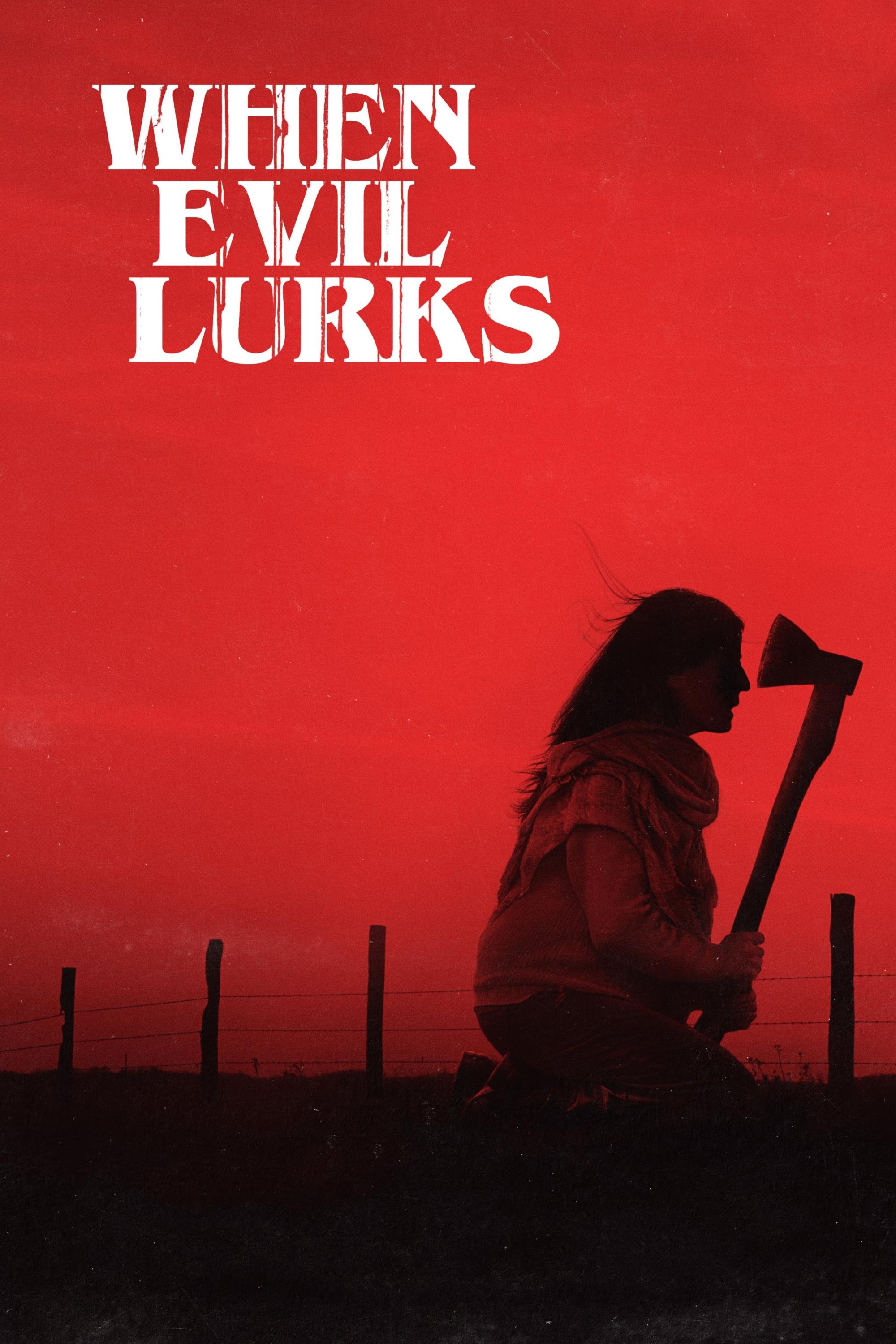
Demián Rugna sets this possession outbreak story in rural Argentina where two brothers discover evidence of a looming catastrophe. The film uses farms, dirt roads, and small schools to show how rumors and warnings spread through an isolated community.
‘When Evil Lurks’ premiered in the Midnight Madness section at Toronto and later became a major title on a horror focused streaming platform. The production emphasizes practical effects, and the Spanish language dialogue features regional accents that ground the setting.
‘Godland’ (2022)

Hlynur Pálmason follows a young Danish priest who travels across Iceland to establish a church and document the landscape with early photography. The film uses an academy ratio frame and vintage lenses to echo period images, with chapters marked by plates and captions.
‘Godland’ is a co production between Iceland and Denmark with dialogue in both languages. The crew shot on remote locations that required horseback transport and river crossings, and the film premiered in Un Certain Regard at Cannes.
‘The Eight Mountains’ (2022)
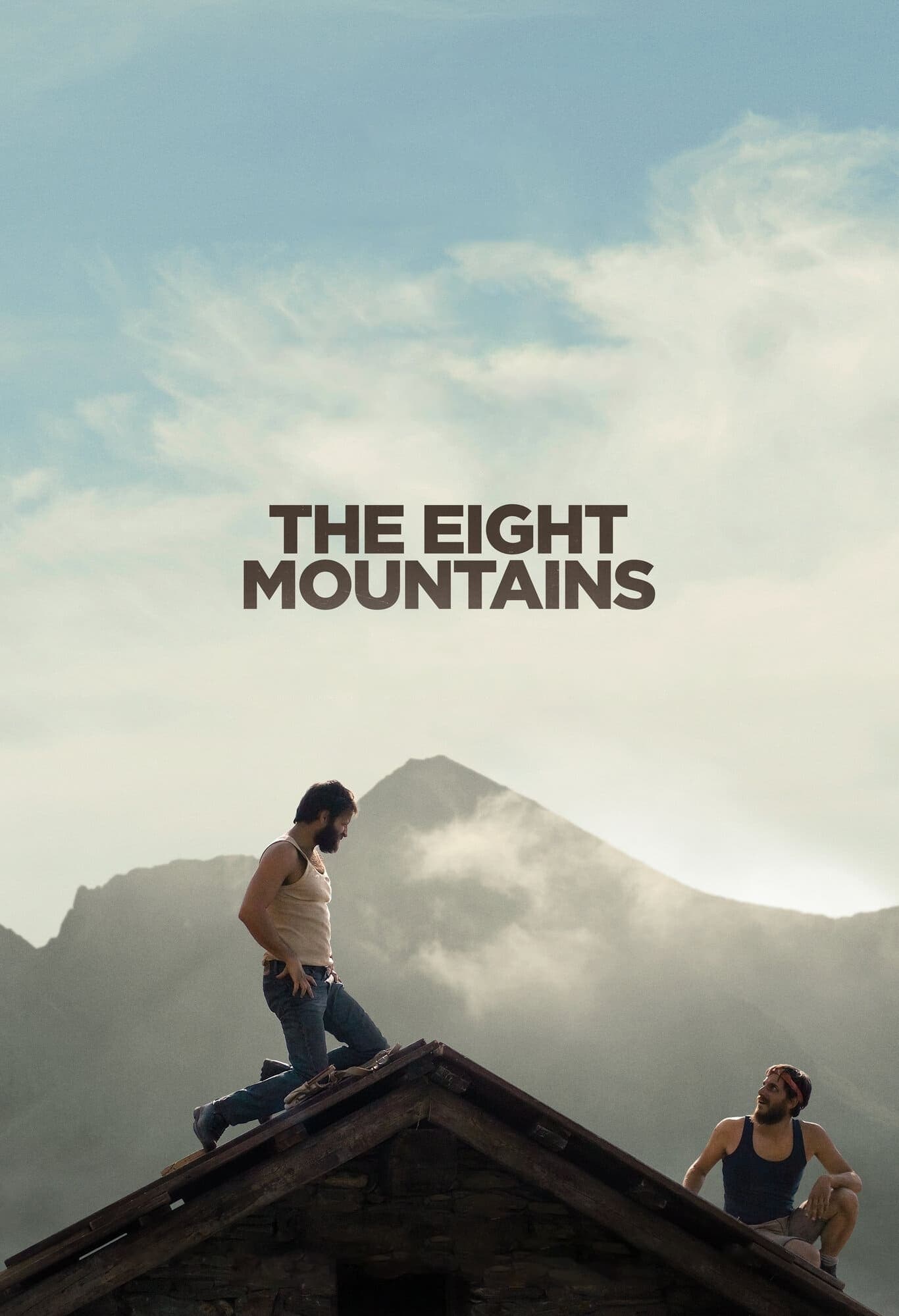
Felix van Groeningen and Charlotte Vandermeersch adapt Paolo Cognetti’s prize winning novel about a friendship that develops around a mountain village. The story tracks seasonal work, stone masonry, and long hikes as two friends build a life around a remote house.
‘The Eight Mountains’ won the Jury Prize at Cannes and features Italian dialogue with some scenes in French. The production filmed in the Aosta Valley and also traveled to Nepal for high altitude sequences that mirror the themes of distance and return.
‘Rotting in the Sun’ (2023)
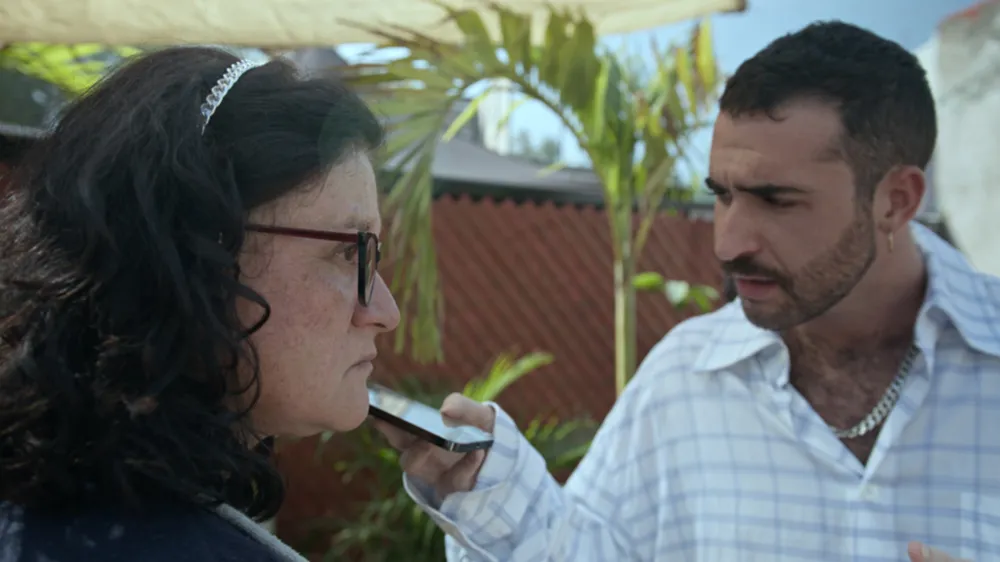
Sebastián Silva plays a version of himself in this meta satire that begins in Mexico City and moves to a coastal town favored by artists. Jordan Firstman co stars, and the film blends Spanish and English dialogue with a mix of professional and non professional performers.
‘Rotting in the Sun’ premiered at Sundance and was acquired by an arthouse streaming service for distribution. The production uses natural light and handheld cameras, and it includes graphic content that is clearly labeled by the distributor for viewers.
‘The Settlers’ (2023)
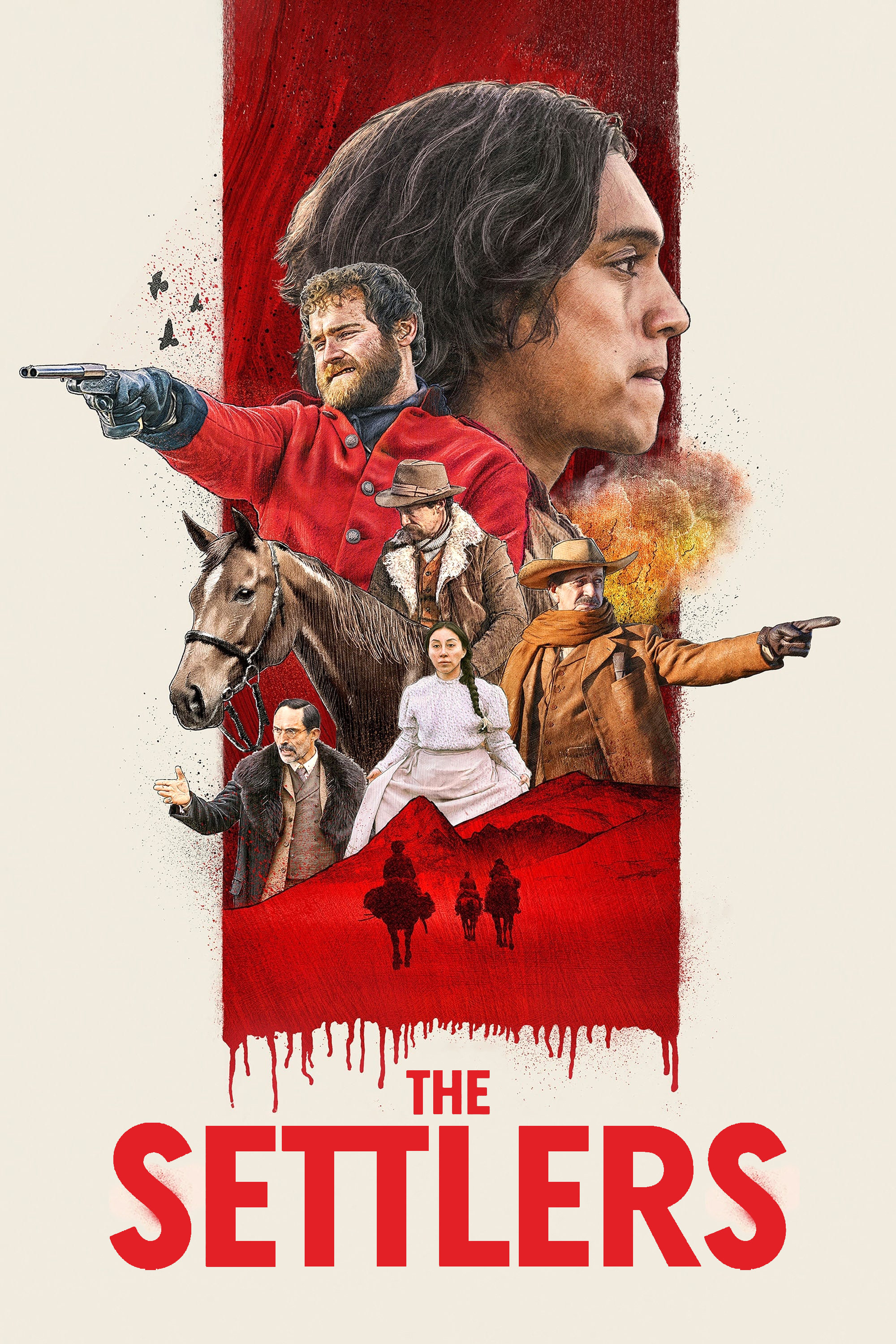
Felipe Gálvez Haberle revisits the colonization of Tierra del Fuego through the story of a guide and two horsemen sent to open a route. The film examines the treatment of the Selk’nam people by landowners and private militias, with dialogue in Spanish and English.
‘The Settlers’ screened in Un Certain Regard at Cannes and was produced as a Chilean led co production with partners in Europe and Latin America. The cinematography favors wide horizons and cold steppe light, and the sound design foregrounds hooves, wind, and gunfire.
‘La Chimera’ (2023)

Alice Rohrwacher follows a British archaeologist drifting among tomb raiders in central Italy as they hunt for artifacts. Josh O’Connor leads the cast with Carol Duarte and Isabella Rossellini, and the story moves between train lines, archaeological sites, and family homes.
‘La Chimera’ was shot on 35mm with hand cranked segments that nod to early cinema techniques. Italian folk songs and period instruments appear in the soundtrack, and the film premiered in the main competition at Cannes before rolling out through specialty distributors.
‘I Saw the TV Glow’ (2024)
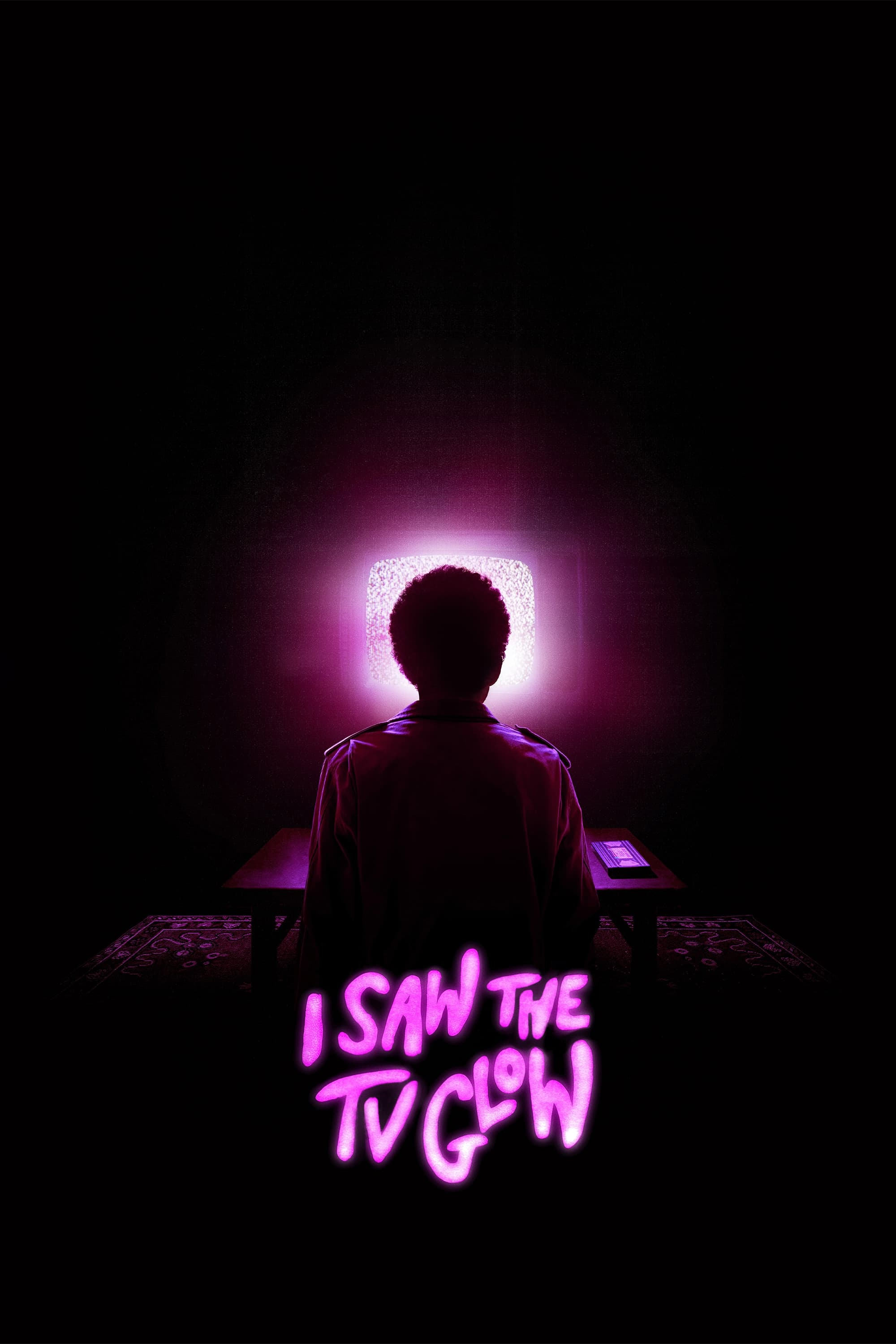
Jane Schoenbrun charts a suburban friendship built around a mysterious late night television show that seems to bleed into real life. The cast includes Justice Smith and Brigette Lundy Paine, and the production uses practical lighting and glow in the dark palettes to mirror the broadcast.
‘I Saw the TV Glow’ premiered at Sundance and was released by an independent label with support from a wide platform partner. The film features an original score by Alex G and curates needle drops that connect scenes to the imagined show within the story.
‘Riddle of Fire’ (2023)
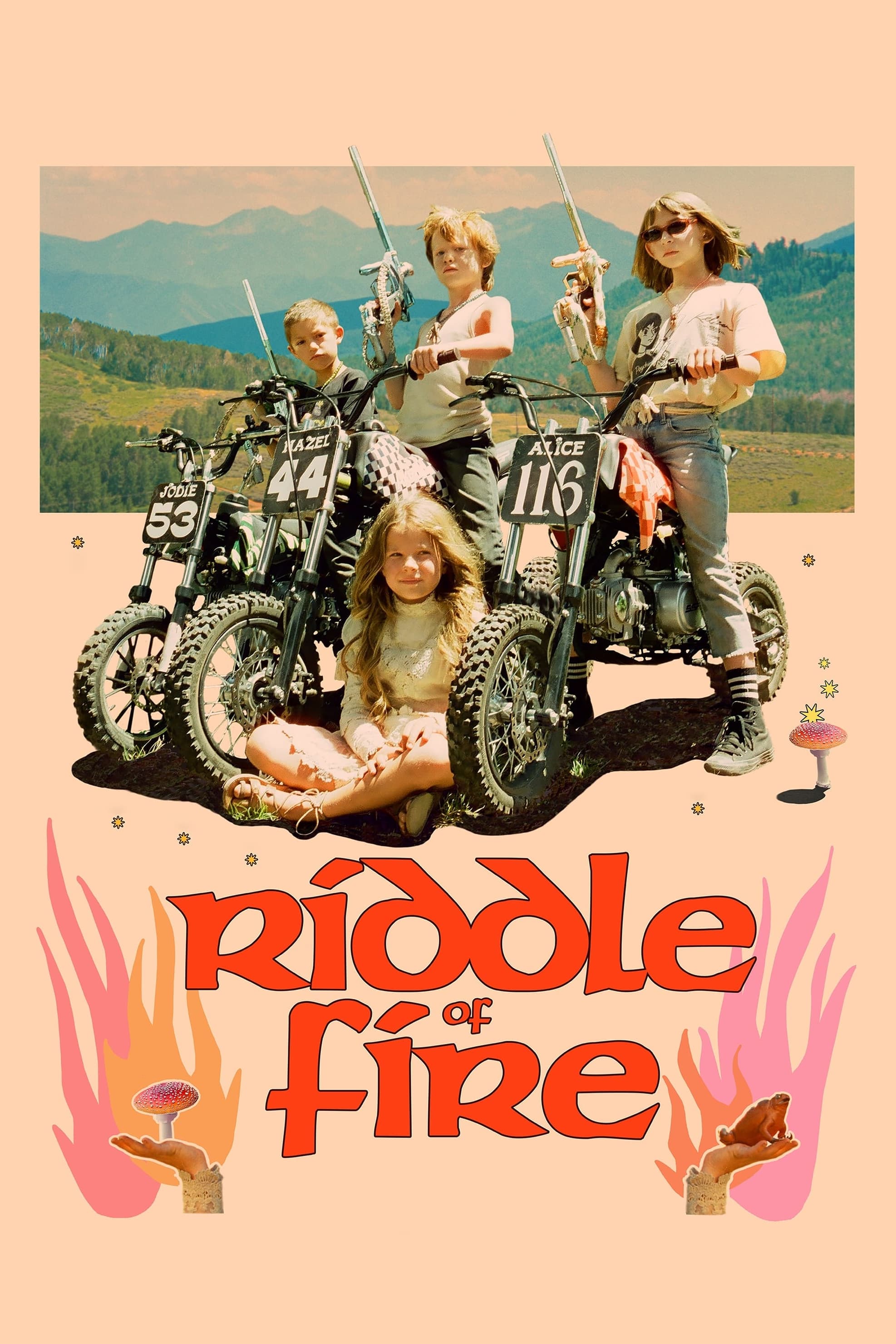
Weston Razooli’s debut is an adventure about three kids on a quest to secure ingredients for a remedy for their sick mother. The film features regional crew and non professional actors, and it unfolds across forests, small towns, and workshops with a storybook tone built through practical props.
‘Riddle of Fire’ premiered in Directors’ Fortnight at Cannes and expanded through repertory friendly theaters. The production embraced in camera tricks and authentic locations in the American West, which give the story a tactile feel without heavy visual effects.
‘Evil Does Not Exist’ (2023)
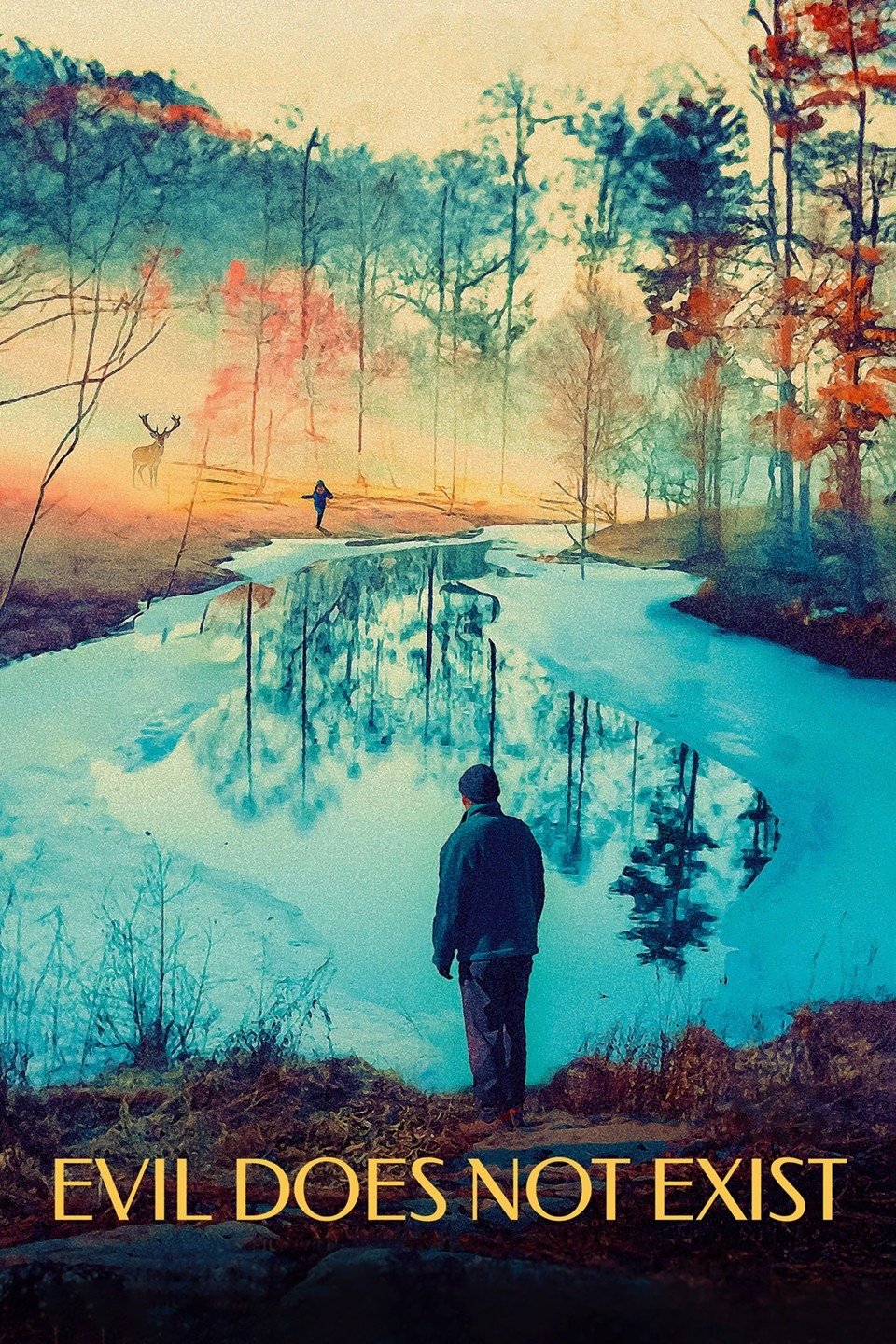
Ryusuke Hamaguchi sets this rural drama in a village where residents respond to a proposed glamping project that would alter their water supply. The film builds community meetings, site visits, and performances into the narrative while showing how decisions move between city offices and local stakeholders.
‘Evil Does Not Exist’ originated from a collaboration with composer Eiko Ishibashi and premiered at Venice before expanding to art houses. Long takes and environmental sound emphasize streams, wind, and footsteps, and the release often paired screenings with live music events connected to the project.
If a favorite hidden gem from the 2020s is missing here, share your pick in the comments so others can discover it.