Best Korean Movies on HBO Max You Shouldn’t Skip


Korean cinema has produced some of the most gripping thrillers, soulful dramas, and visually inventive stories of the past few decades, and a good slice of that excellence is available to stream on HBO Max. Below you’ll find twenty-five essential South Korean films spanning crime, horror, historical epics, and intimate character studies, with details on who made them, who stars, and what each story covers.
Because catalogs shift, and Max/HBO Max line-ups differ by country, note that—depending on your current time and location—some of these titles might not appear in your app right now. Still, this guide gives you the key facts for each film so you can track them down on Max where available, or add them to your watchlist for when they rotate back in.
‘Parasite’ (2019)
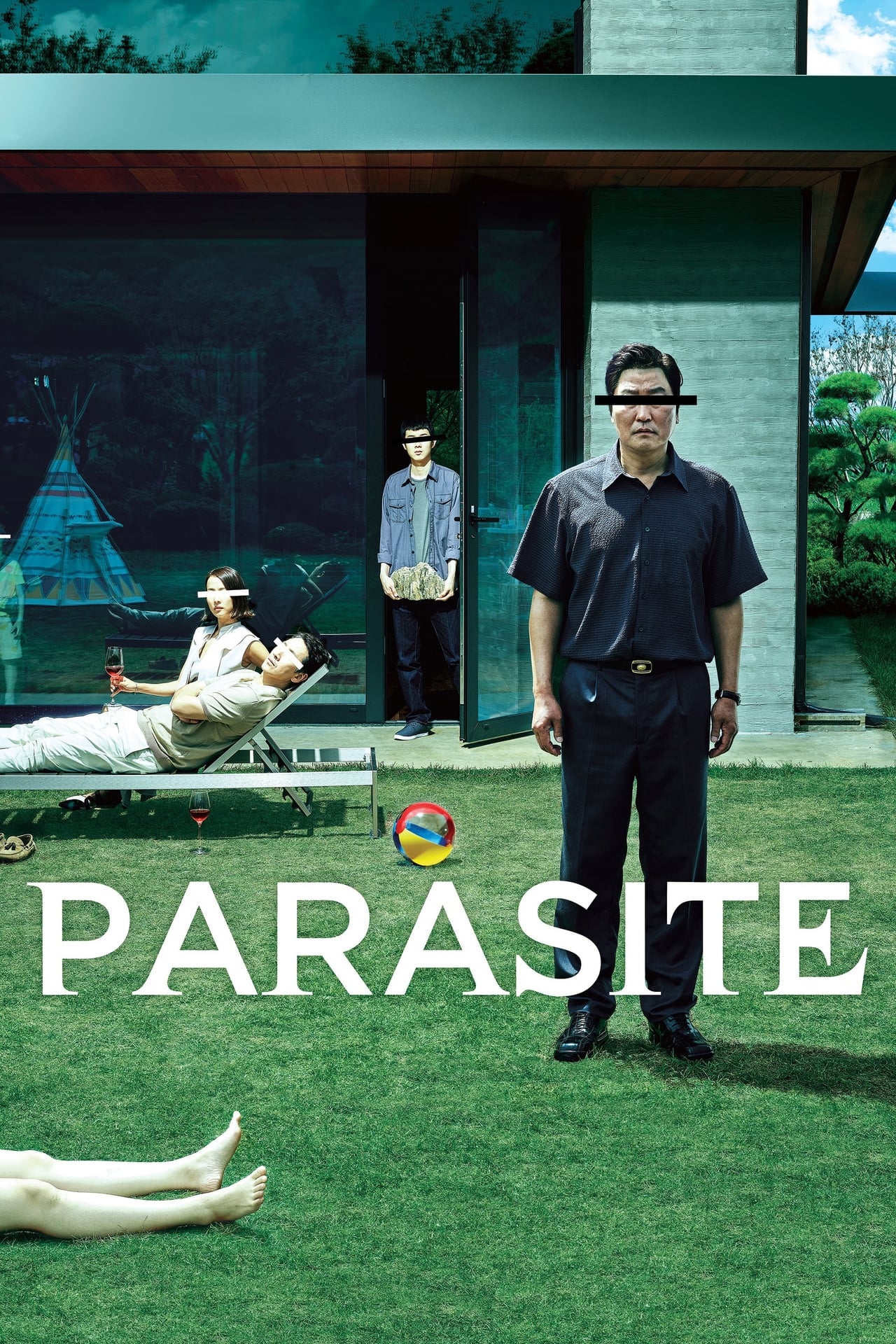
Written and directed by Bong Joon-ho, ‘Parasite’ stars Song Kang-ho, Choi Woo-shik, Park So-dam, Jang Hye-jin, Lee Sun-kyun, and Cho Yeo-jeong. The film follows the Kim family as they insinuate themselves into the wealthy Park household, using forged credentials and carefully staged deceptions. It was produced by Barunson E&A and made history at major awards ceremonies with international recognition.
Behind the camera, Hong Kyung-pyo handled cinematography, with production design by Lee Ha-jun that contrasts the Parks’ minimalist mansion and the Kims’ semi-basement home. Composer Jung Jae-il’s score and Yang Jin-mo’s editing support tonal shifts from social satire to thriller, while the ensemble’s performances anchor its class-conscious premise.
‘The Host’ (2006)

Bong Joon-ho’s ‘The Host’ blends monster-movie spectacle with a family rescue narrative led by Song Kang-ho, Bae Doona, Park Hae-il, and Go Ah-sung. After a mutated creature emerges from the Han River and abducts a young girl, her extended family mounts a desperate search outside official channels. The film was produced by Showbox and Chungeorahm Film and became one of South Korea’s biggest domestic hits of its era.
Creature effects combined practical work and CGI from The Orphanage, with cinematography by Kim Hyung-koo capturing Seoul’s riverside spaces as both playground and danger zone. Lee Byung-woo’s score and tightly constructed set-pieces build momentum around public health mishandling and grassroots determination.
‘Memories of Murder’ (2003)
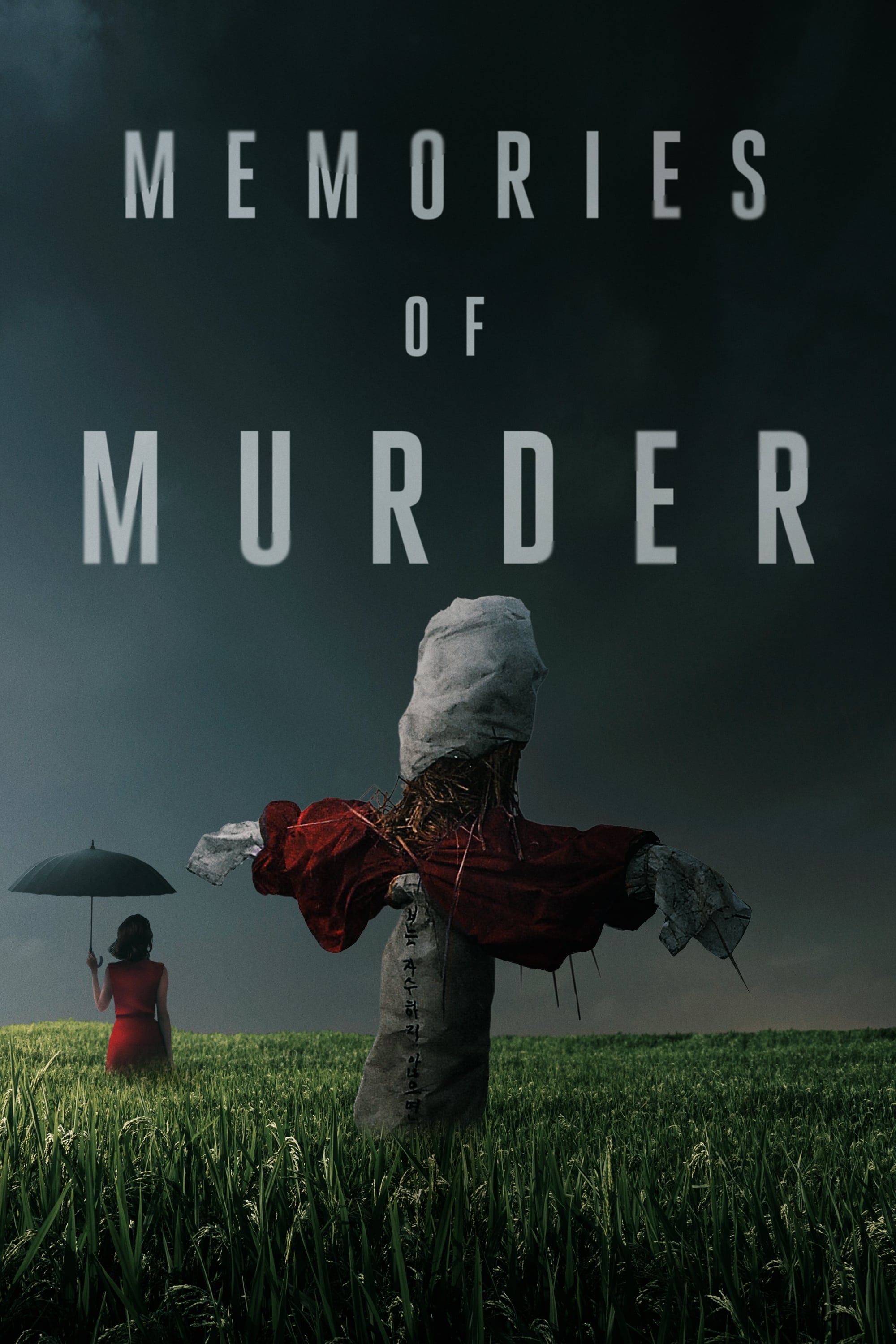
Directed by Bong Joon-ho and starring Song Kang-ho and Kim Sang-kyung, ‘Memories of Murder’ dramatizes the serial killings that terrorized Hwaseong in the late 1980s. Investigators with clashing methods struggle against scarce forensic tools and a mounting body count. The film was produced by Sidus Pictures and CJ Entertainment, with a screenplay by Bong and Shim Sung-bo.
Cinematographer Kim Hyung-koo gives the rural settings a damp, textured look, while Taro Iwashiro’s music underscores the procedural’s futility and tension. The film is widely cited for its influence on modern Korean crime cinema and for its historically grounded depiction of police work before DNA breakthroughs.
‘Mother’ (2009)

From writer-director Bong Joon-ho, ‘Mother’ stars Kim Hye-ja as a parent fighting to exonerate her intellectually disabled son, played by Won Bin, after he’s accused of murder. The narrative centers on small-town dynamics and the limits of institutional support. Produced by CJ Entertainment and Barunson, the film premiered at Cannes in Un Certain Regard.
Hong Kyung-pyo’s cinematography and Lee Byung-woo’s score set a hushed, foreboding tone, while the screenplay’s investigative turns reveal how rumor and desperation shape the case. Kim Hye-ja’s performance earned multiple awards, anchoring the film’s character-driven approach to a legal and moral maze.
‘The Handmaiden’ (2016)
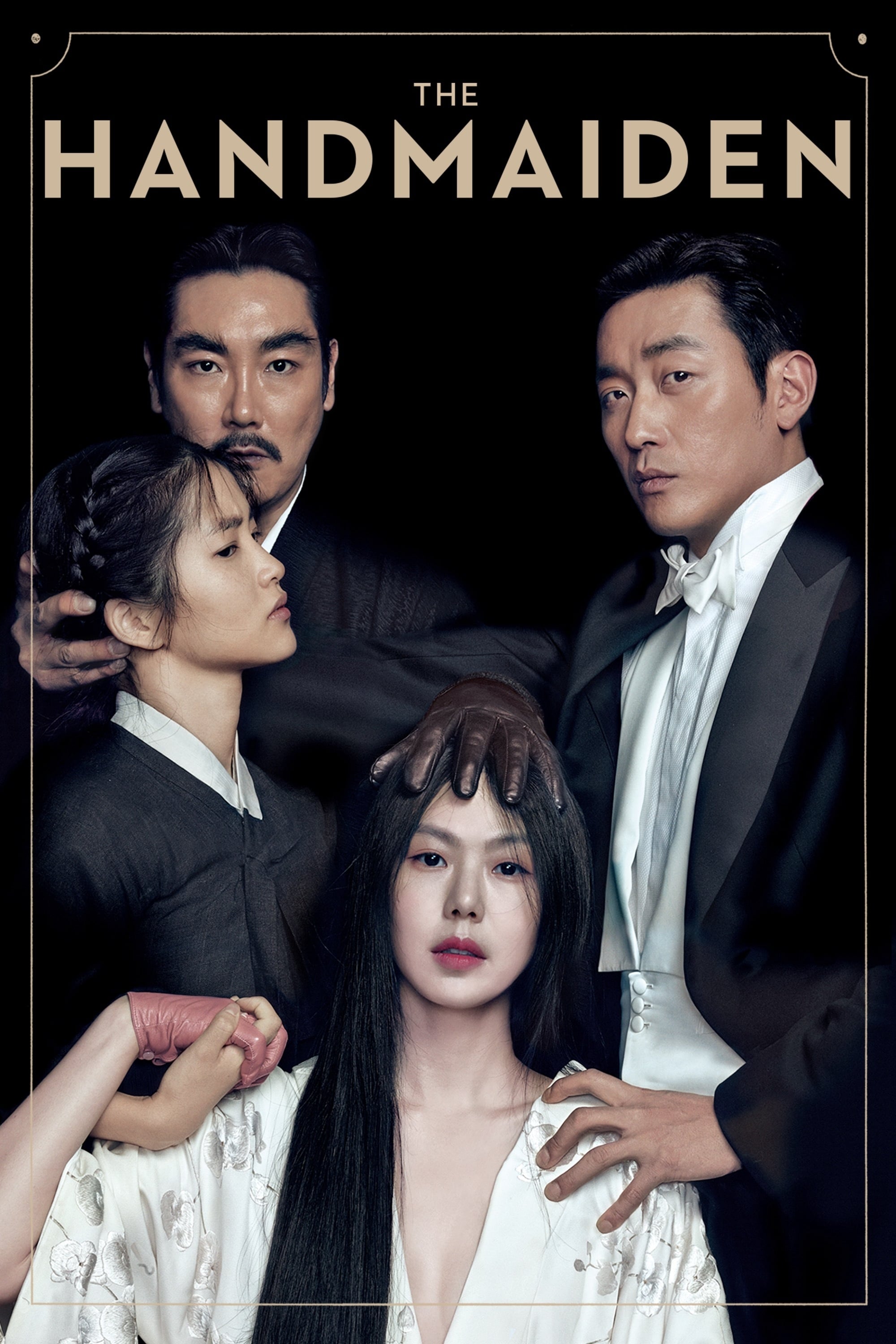
Park Chan-wook adapts Sarah Waters’s novel for ‘The Handmaiden’, relocating the story to 1930s Japanese-occupied Korea. Starring Kim Min-hee, Kim Tae-ri, Ha Jung-woo, and Cho Jin-woong, the plot follows a con that pairs a pickpocket with a swindler to target a wealthy heiress, only for loyalties to change as secrets surface. The film was produced by Moho Film and CJ Entertainment.
Chung Chung-hoon’s elegant cinematography, Ryu Seong-hee’s production design, and Jo Yeong-wook’s music create an intricate period atmosphere. Park’s screenplay restructures the narrative into shifting viewpoints, emphasizing textual forgery, coded desire, and the power of archives within a colonial setting.
‘Oldboy’ (2003)
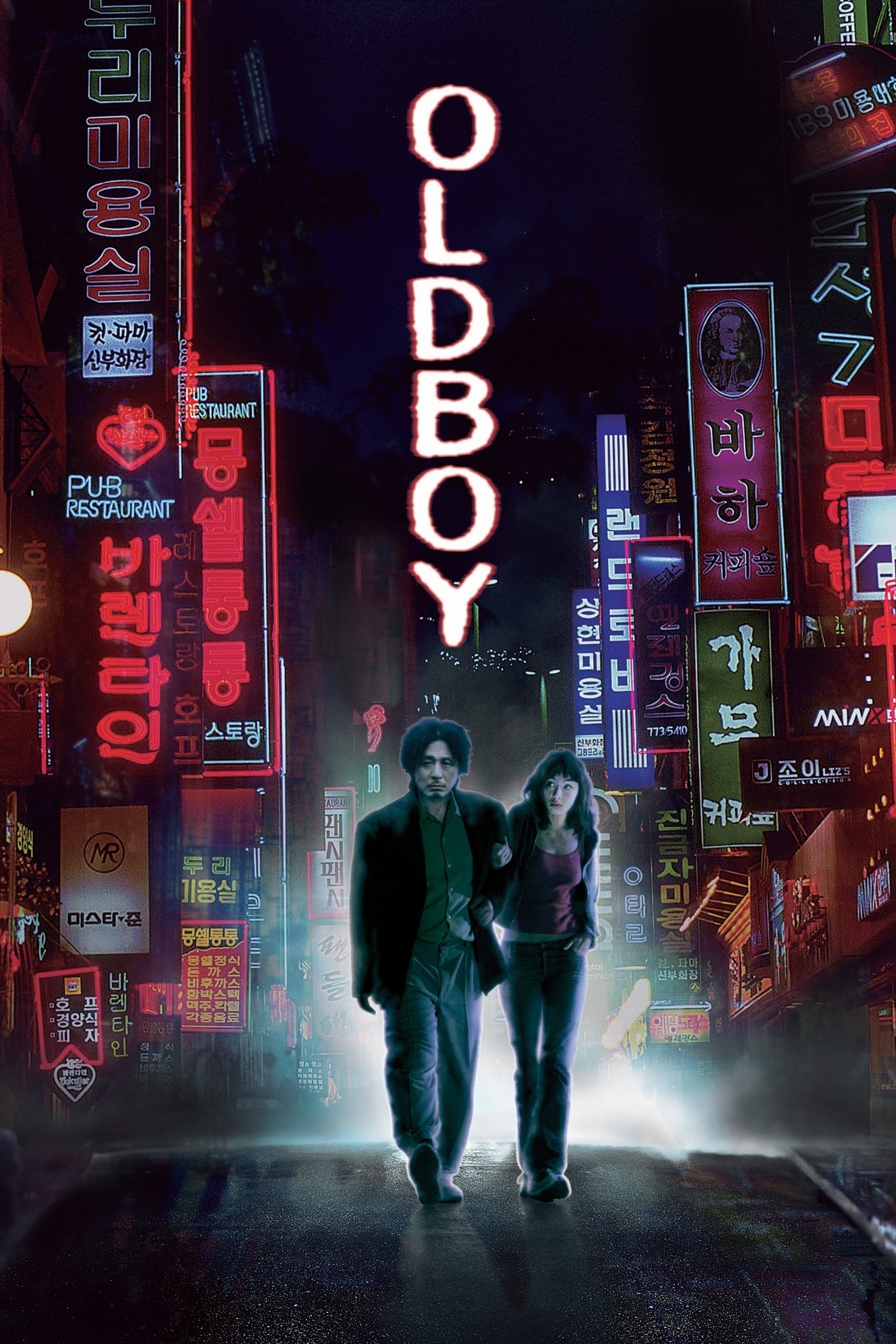
Directed by Park Chan-wook and starring Choi Min-sik, Yoo Ji-tae, and Kang Hye-jung, ‘Oldboy’ tracks a man mysteriously imprisoned for years and then released with limited time to uncover his captor’s motive. Adapted from the Japanese manga by Garon Tsuchiya and Nobuaki Minegishi, the film is the middle entry in Park’s Vengeance Trilogy.
Cinematographer Chung Chung-hoon’s iconic hallway sequence and Jo Yeong-wook’s score punctuate the revenge narrative’s formal precision. Editing by Kim Sang-beom and Kim Jae-beom supports time jumps and reveals, while production design gives the confinement spaces a surreal, claustrophobic mood.
‘A Tale of Two Sisters’ (2003)
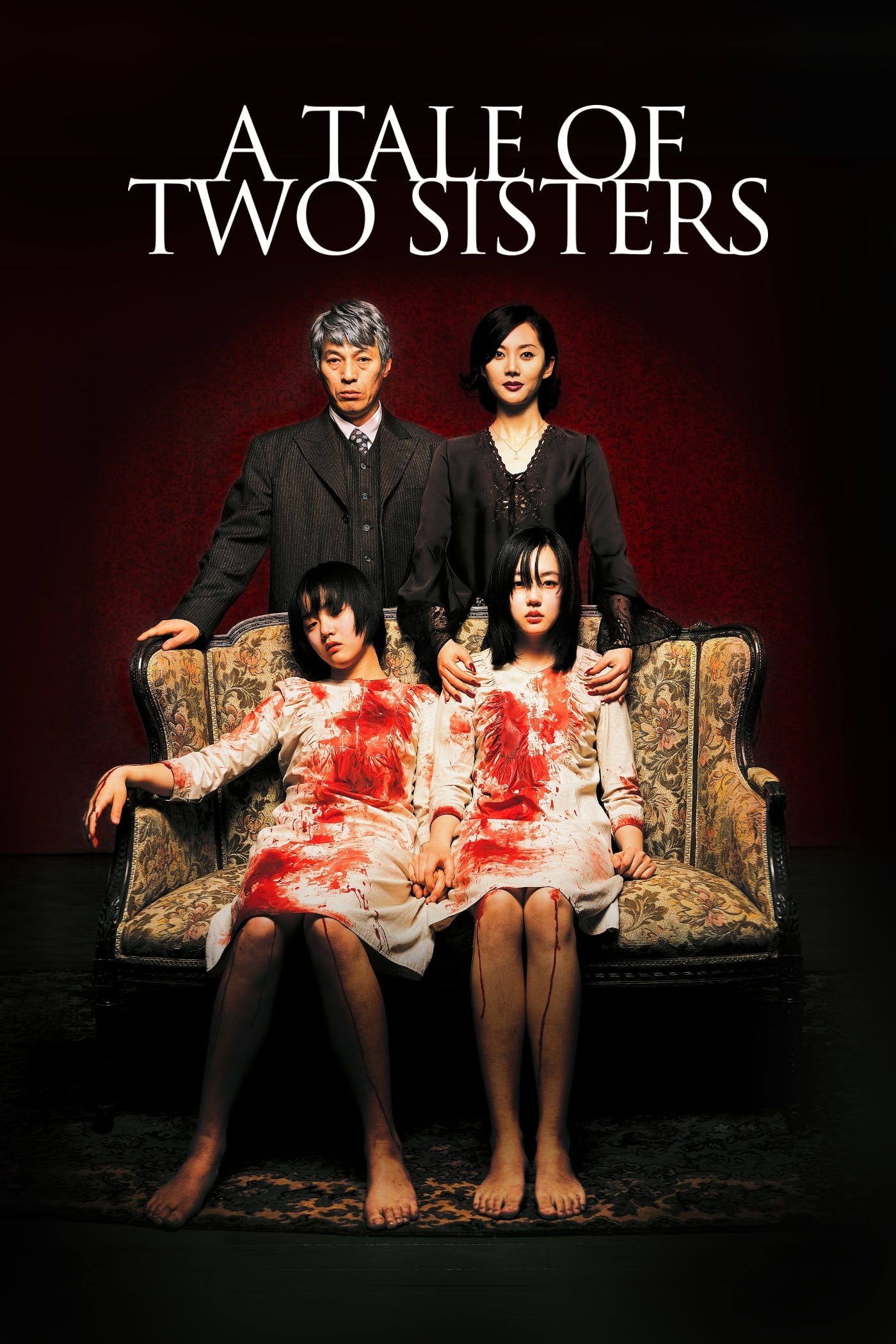
Kim Jee-woon’s ‘A Tale of Two Sisters’ stars Im Soo-jung, Moon Geun-young, Yum Jung-ah, and Kim Kap-soo in a gothic family drama inspired by a Joseon-era folktale. Two sisters return from a psychiatric facility to a home ruled by a strict stepmother, where supernatural and psychological elements intertwine. The film was produced by B.O.M. Film Productions.
Cinematography by Lee Mo-gae and art direction by Ryu Seong-hee craft a meticulously color-coded domestic space. The sound design and score by Lee Byung-woo accentuate unreliable perception and memory, making the house itself a key narrative device.
‘I Saw the Devil’ (2010)
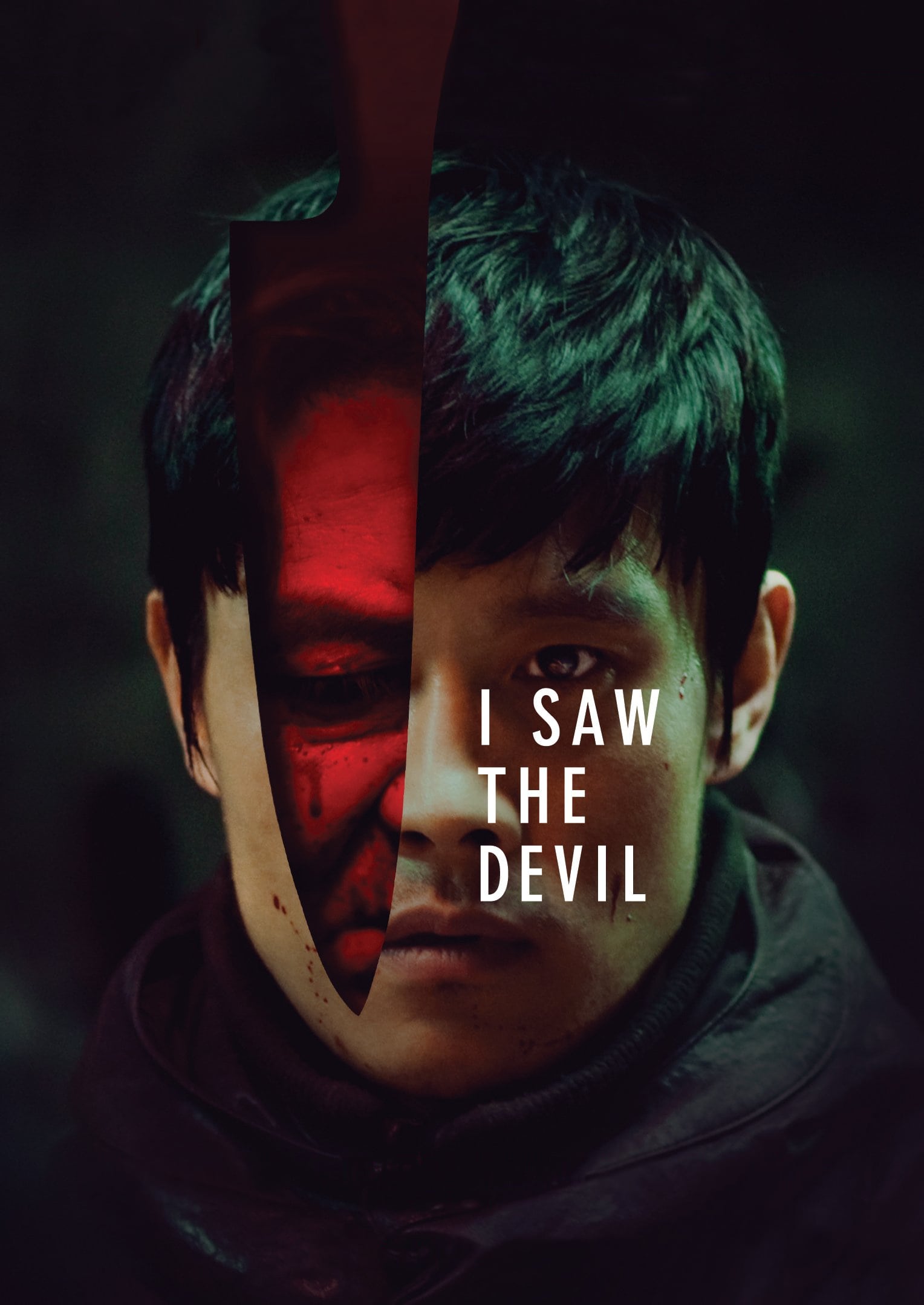
Directed by Kim Jee-woon, ‘I Saw the Devil’ stars Lee Byung-hun as a secret agent and Choi Min-sik as a serial killer whose capture sparks a cycle of pursuit and retaliation. The screenplay by Park Hoon-jung and Kim Jee-woon structures the story as a series of escalating confrontations rather than a single climax.
Lee Mo-gae’s cinematography frames nocturnal Seoul and rural roads with stark clarity, while Mowg’s music underscores shifting control between hunter and quarry. The production, handled by Showbox and Peppermint & Company, emphasizes practical stunt work and tightly choreographed encounters.
‘The Chaser’ (2008)
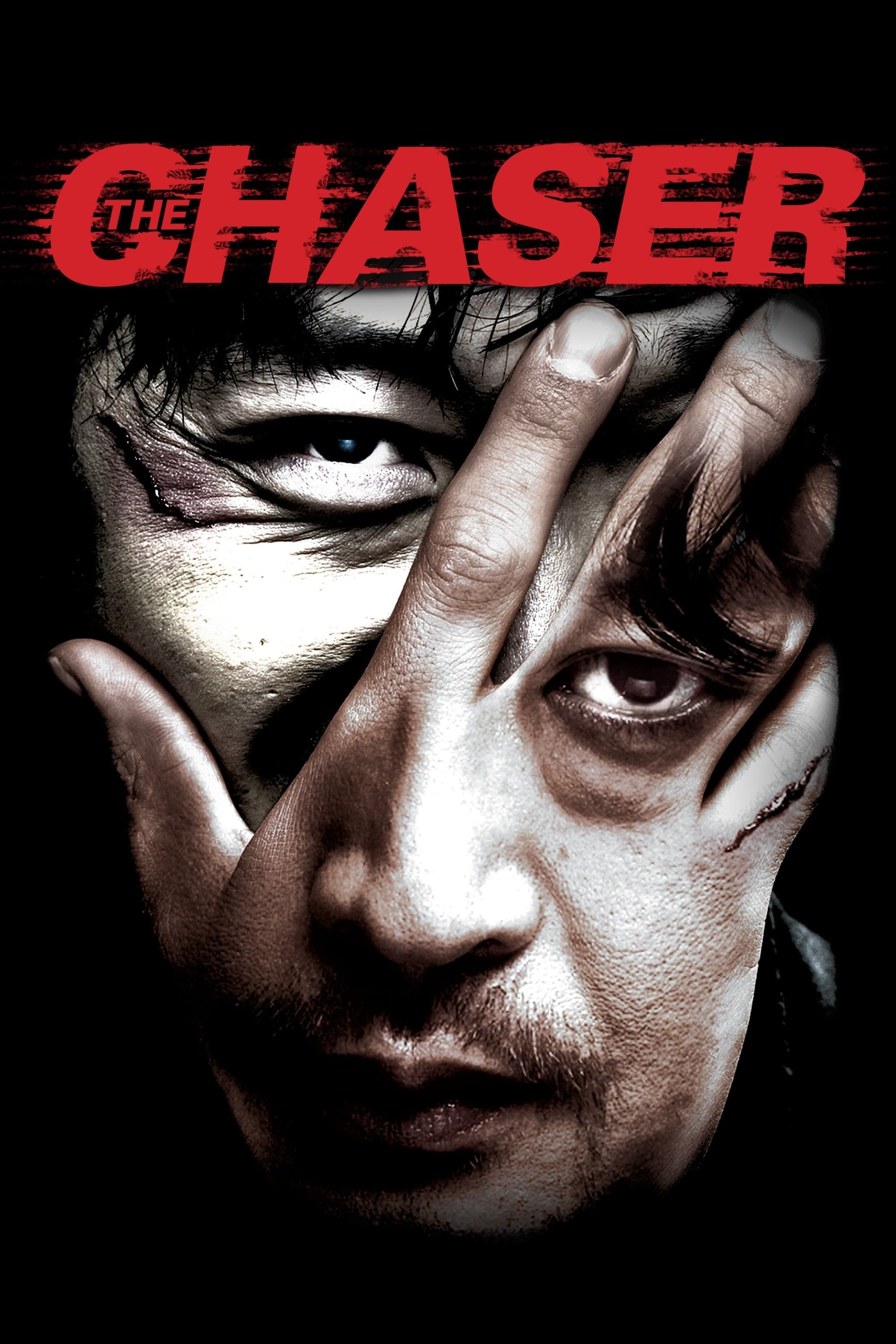
Na Hong-jin’s debut ‘The Chaser’ stars Kim Yoon-seok as a disgraced detective turned pimp and Ha Jung-woo as a soft-spoken but chilling suspect. The plot centers on a race against bureaucratic delays as the protagonist tries to locate a missing woman before evidence disappears. The film was produced by Showbox/Mediaplex.
Cinematographer Lee Seong-jae captures narrow alleyways and rain-slick streets, while Kim Jae-beom and Kim Sang-beom’s editing keeps the timeline taut. Na’s direction spotlights institutional limits, showing how procedural bottlenecks intersect with crimes of opportunity.
‘Burning’ (2018)
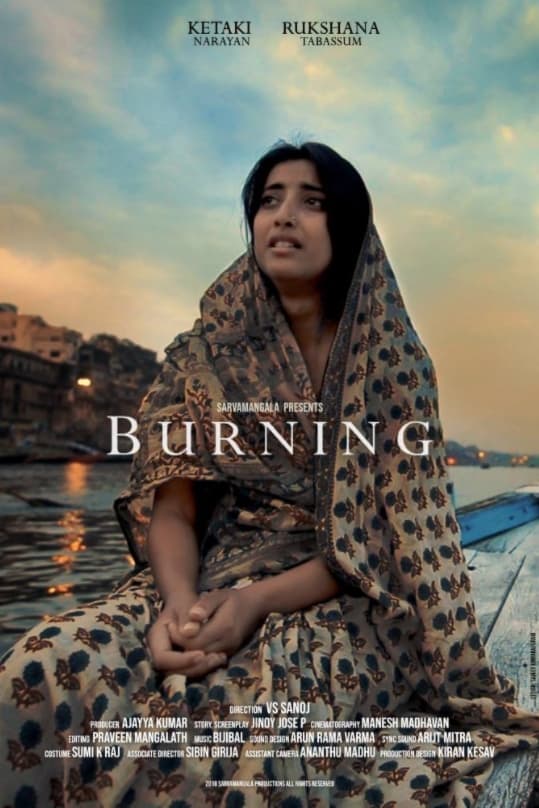
Lee Chang-dong’s ‘Burning’, adapted from Haruki Murakami’s short story, stars Yoo Ah-in, Steven Yeun, and Jeon Jong-seo. The narrative follows a delivery worker who reconnects with a childhood acquaintance and meets her enigmatic friend, leading to an ambiguous disappearance. The film was produced by Pinehouse Film and NHK, among others.
Hong Kyung-pyo’s cinematography uses long takes and precise framing to cultivate uncertainty, while Mowg’s score is sparing to foreground natural ambience. The screenplay expands Murakami’s text with contemporary Seoul details, class markers, and rural-urban contrasts.
‘The Wailing’ (2016)
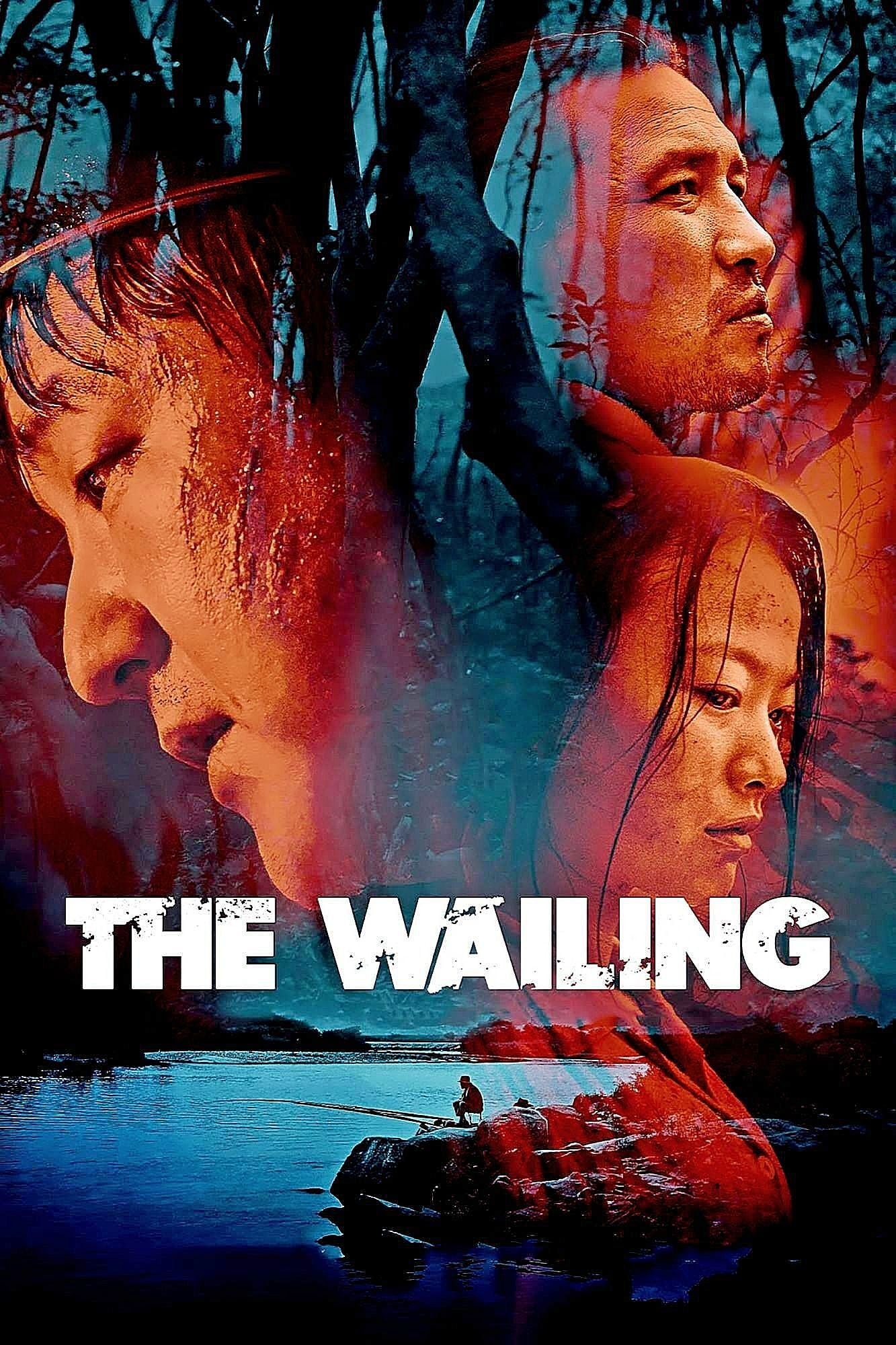
Na Hong-jin directs ‘The Wailing’, a supernatural thriller starring Kwak Do-won, Hwang Jung-min, and Chun Woo-hee. Set in a village plagued by unexplained killings and illness, the story follows a local policeman investigating amid rumors of a mysterious outsider. Fox International Productions co-financed the film and it premiered at Cannes.
Hong Kyung-pyo’s photography and Jang Young-gyu’s score build dread across rain-drenched landscapes and ritual spaces. The production integrates shamanic ceremonies and folklore into a procedural framework, using sound and editing to blur coincidence and causality.
‘A Taxi Driver’ (2017)
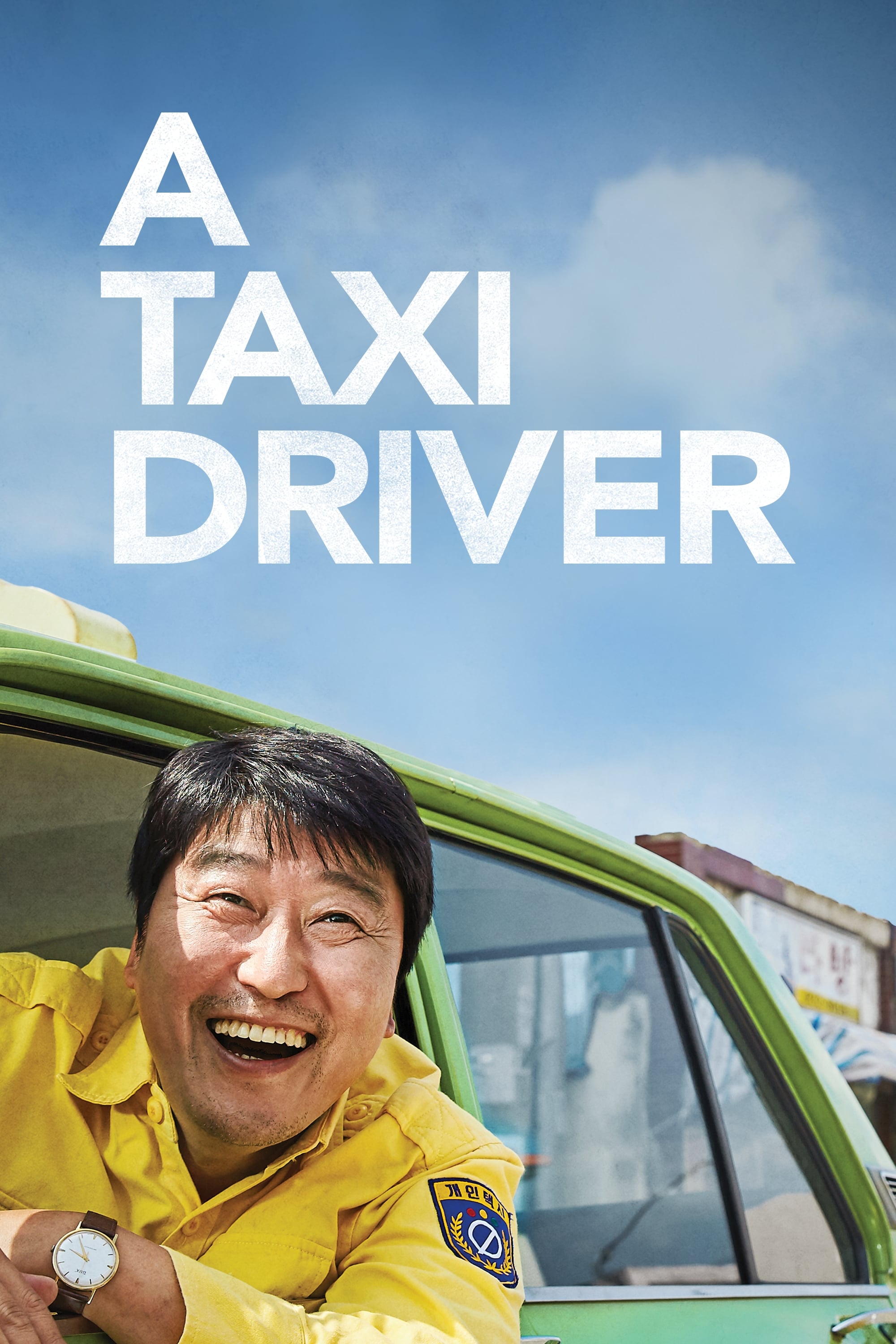
Directed by Jang Hoon, ‘A Taxi Driver’ stars Song Kang-ho as a Seoul cabbie who transports a German journalist, played by Thomas Kretschmann, into the 1980 Gwangju Uprising. The film was produced by Showbox and The Lamp and recreates period locations to document the crackdown on demonstrators.
Go Nak-sun’s production design and Ko Chang-seok’s supporting role bolster the road-movie structure, while Cho Young-wuk’s music supports shifts from everyday humor to historical urgency. Extensive research and newsreel references inform the portrayal of martial law and media suppression.
‘Train to Busan’ (2016)
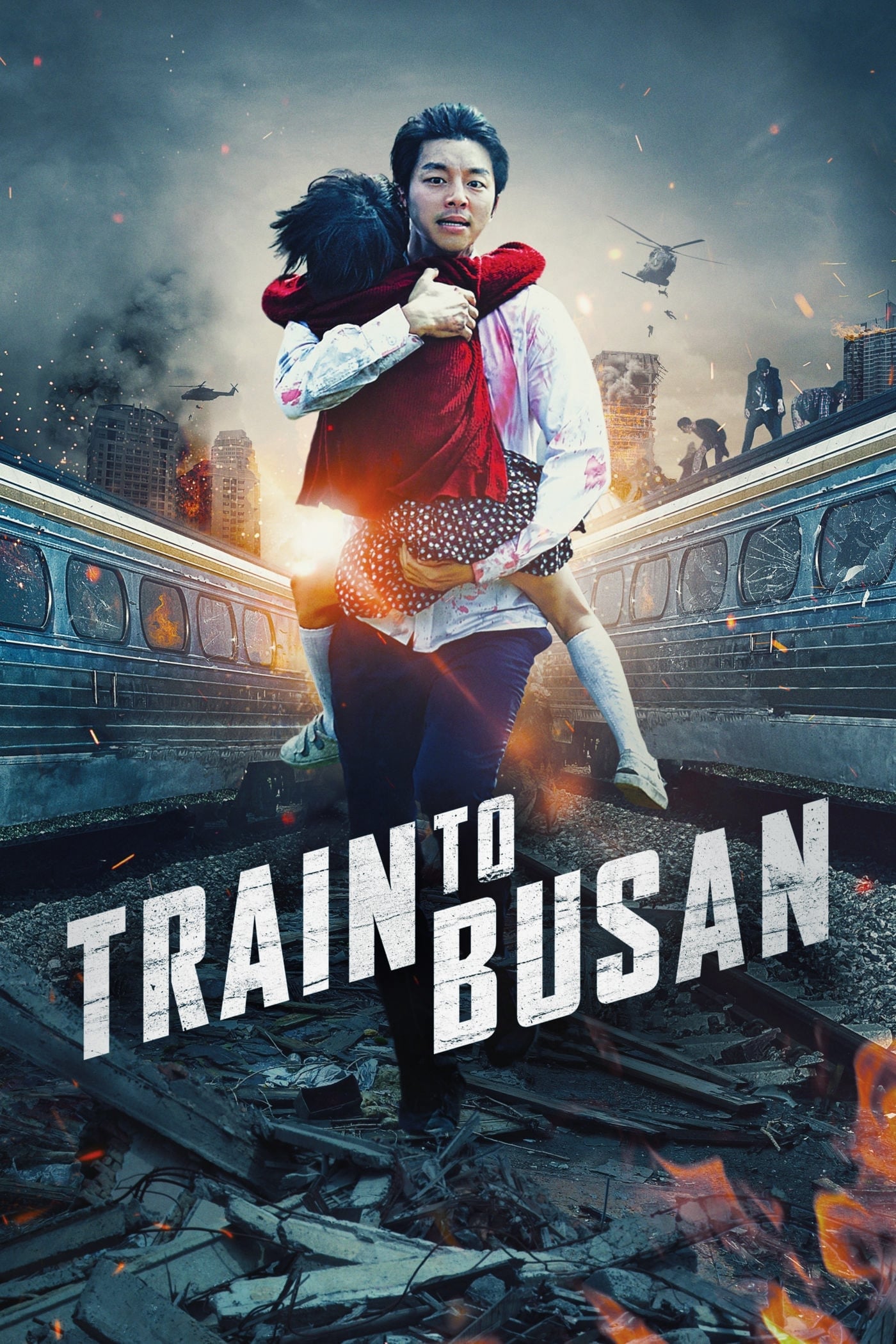
Yeon Sang-ho’s ‘Train to Busan’ stars Gong Yoo, Kim Su-an, Jung Yu-mi, Ma Dong-seok, and Choi Woo-shik. The plot confines a zombie outbreak to a high-speed KTX train, aligning action beats with station stops and carriage divisions. The film was produced by Next Entertainment World and RedPeter Film.
Cinematographer Lee Hyung-deok and editor Yang Jin-mo emphasize clear geography within tight spaces, while Jang Young-gyu’s music punctuates crowd surges and separations. Practical stunts and ensemble blocking create escalating set-pieces across multiple train cars.
‘The Good, the Bad, the Weird’ (2008)
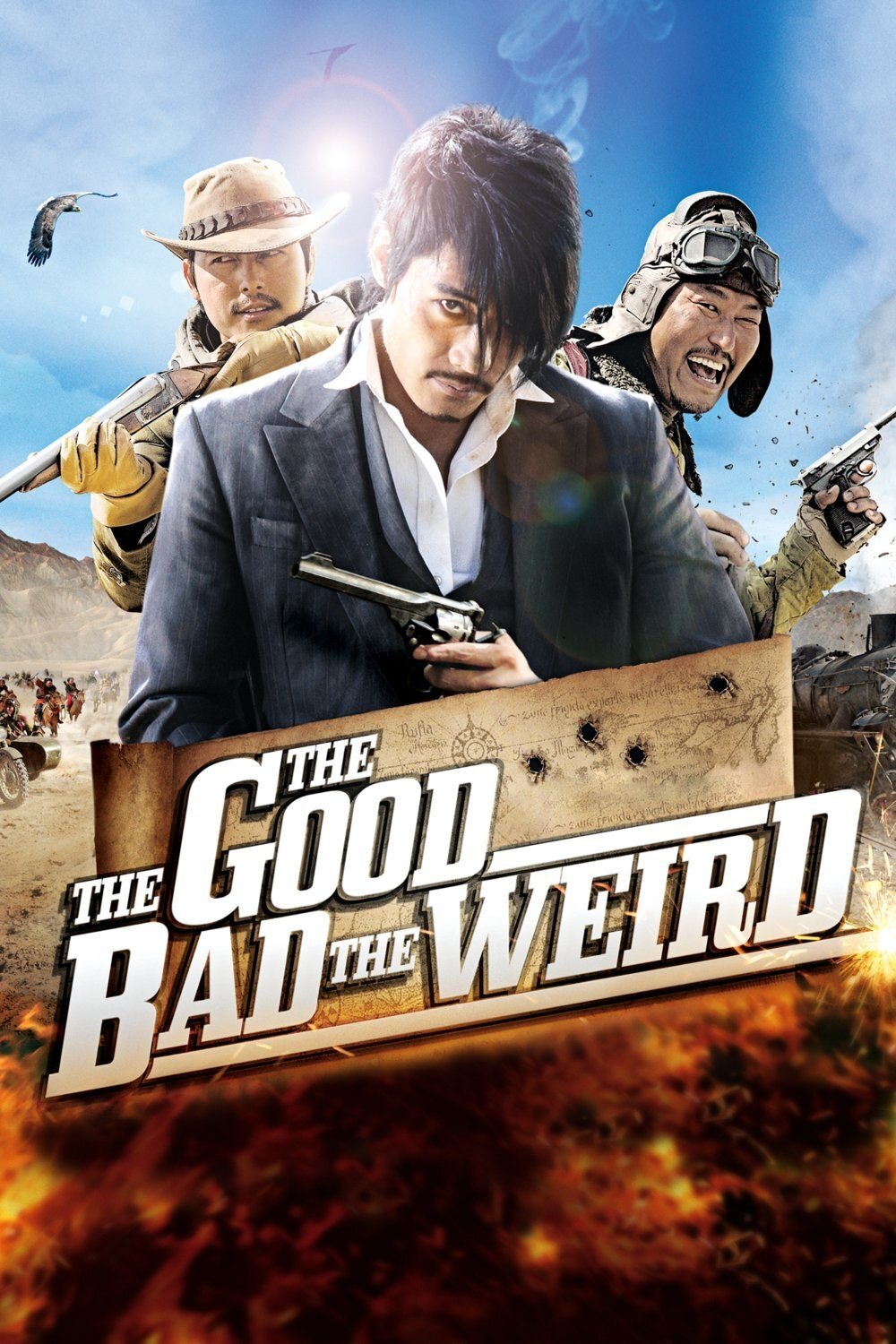
Kim Jee-woon’s Manchurian Western ‘The Good, the Bad, the Weird’ stars Song Kang-ho, Lee Byung-hun, and Jung Woo-sung. Set in the 1930s, the film follows three outlaws chasing a treasure map amid competing factions. The production involved CJ Entertainment and Barunson, with large-scale location shoots.
Lee Mo-gae’s widescreen cinematography and Dalpalan’s music contribute to the genre fusion, while stunt coordination supports motorcycle and train sequences. The screenplay riffs on Sergio Leone influences and Manchurian historical settings to build a chase narrative across deserts and rail yards.
‘The Man from Nowhere’ (2010)
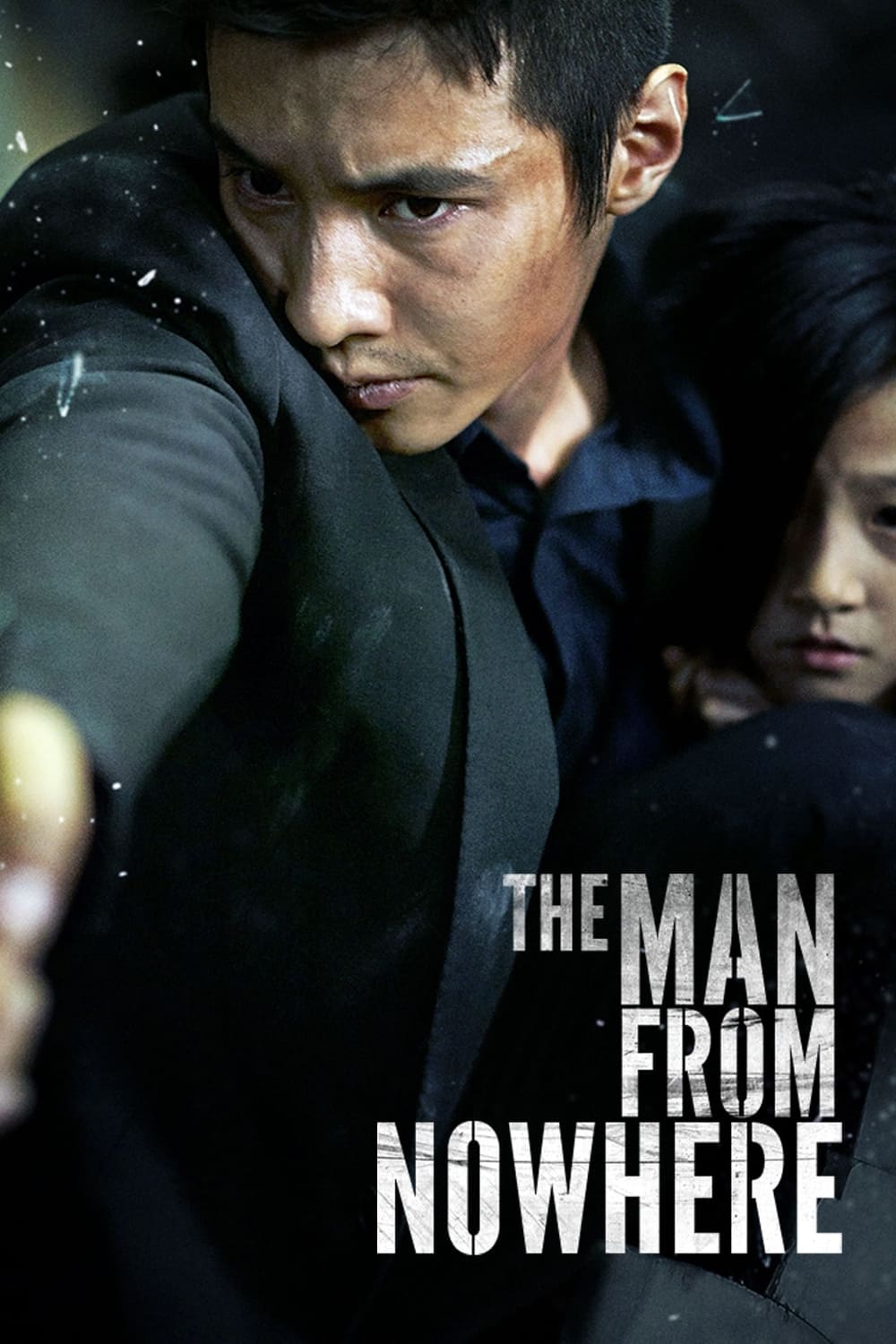
Lee Jeong-beom’s ‘The Man from Nowhere’ stars Won Bin as a pawnshop owner with a concealed past who targets a trafficking ring after a neighbor child is kidnapped. The film was produced by Opus Pictures and became a domestic box-office leader.
Cinematographer Lee Tae-yoon and editor Lee Yong-mi craft compact action scenes with close-quarters combat and knife choreography. The score by Shim Hyun-jung underlines the protagonist’s methodical infiltration, while the script ties personal history to organized crime networks.
‘Joint Security Area’ (2000)
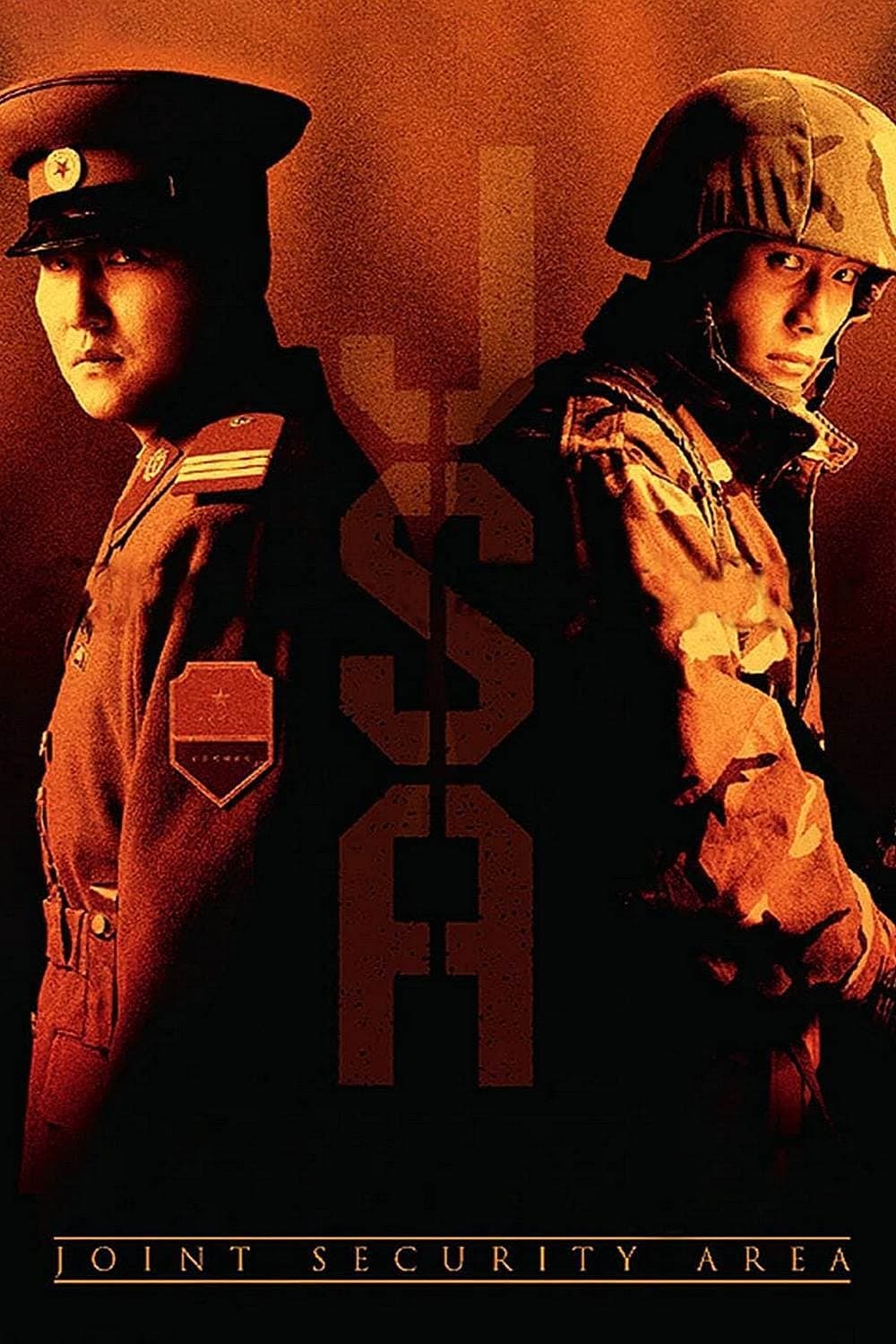
Park Chan-wook’s ‘Joint Security Area’ stars Lee Byung-hun, Song Kang-ho, Lee Young-ae, and Shin Ha-kyun. The story examines a deadly incident at the DMZ and the multinational investigation that follows, with testimonies gradually revealing an unlikely cross-border bond. Myung Films produced the film, which was adapted from Park Sang-yeon’s novel.
Cinematography by Kim Sung-bok and art direction by Ryu Seong-hee reconstruct the Panmunjom setting, while Jo Yeong-wook’s score supports alternating formal inquiry and personal recollection. The film uses flashbacks and forensic details to piece together the event.
‘Silenced’ (2011)
Hwang Dong-hyuk directs ‘Silenced’, starring Gong Yoo and Jung Yu-mi, based on Gong Ji-young’s novel about abuse at a school for the hearing-impaired in Gwangju. The story follows a teacher and an activist lawyer confronting institutional cover-ups and legal hurdles. The film was produced by Samgeori Pictures and CJ Entertainment.
Cinematographer Kim Ji-yong and composer Mowg underscore courtroom proceedings and witness testimony with restrained visuals and music. Real-case origins informed the screenplay’s legal procedures and prompted policy discussions after release, with end-credits materials linking characters to documented events.
‘Poetry’ (2010)

Written and directed by Lee Chang-dong, ‘Poetry’ stars Yoon Jeong-hee as a grandmother in Daegu who enrolls in a poetry class while caring for her grandson and navigating a difficult family crisis. The film was produced by Pinehouse Film and UniKorea Culture & Art Investment.
Cinematographer Kim Hyun-seok’s patient framing and Kim Hyun-bo’s editing allow observational rhythms, while the script balances language exercises with investigative threads. Festival recognition included a Best Screenplay award at Cannes, reflecting Lee’s precise character work and structure.
‘Peppermint Candy’ (1999)

Lee Chang-dong’s ‘Peppermint Candy’ stars Sol Kyung-gu and Moon So-ri, telling one man’s story in reverse chronology against major South Korean historical moments from the 1980s to the late 1990s. Produced by Myung Films, the narrative uses six episodes to track personal and national trauma.
Cinematography by Kim Hyung-ku and an editing design that steps backward in time give each chapter distinct tonal markers. The film’s structural approach connects the protagonist’s choices to broader political and economic shifts, using recurring props and locations as anchors.
‘Secret Sunshine’ (2007)
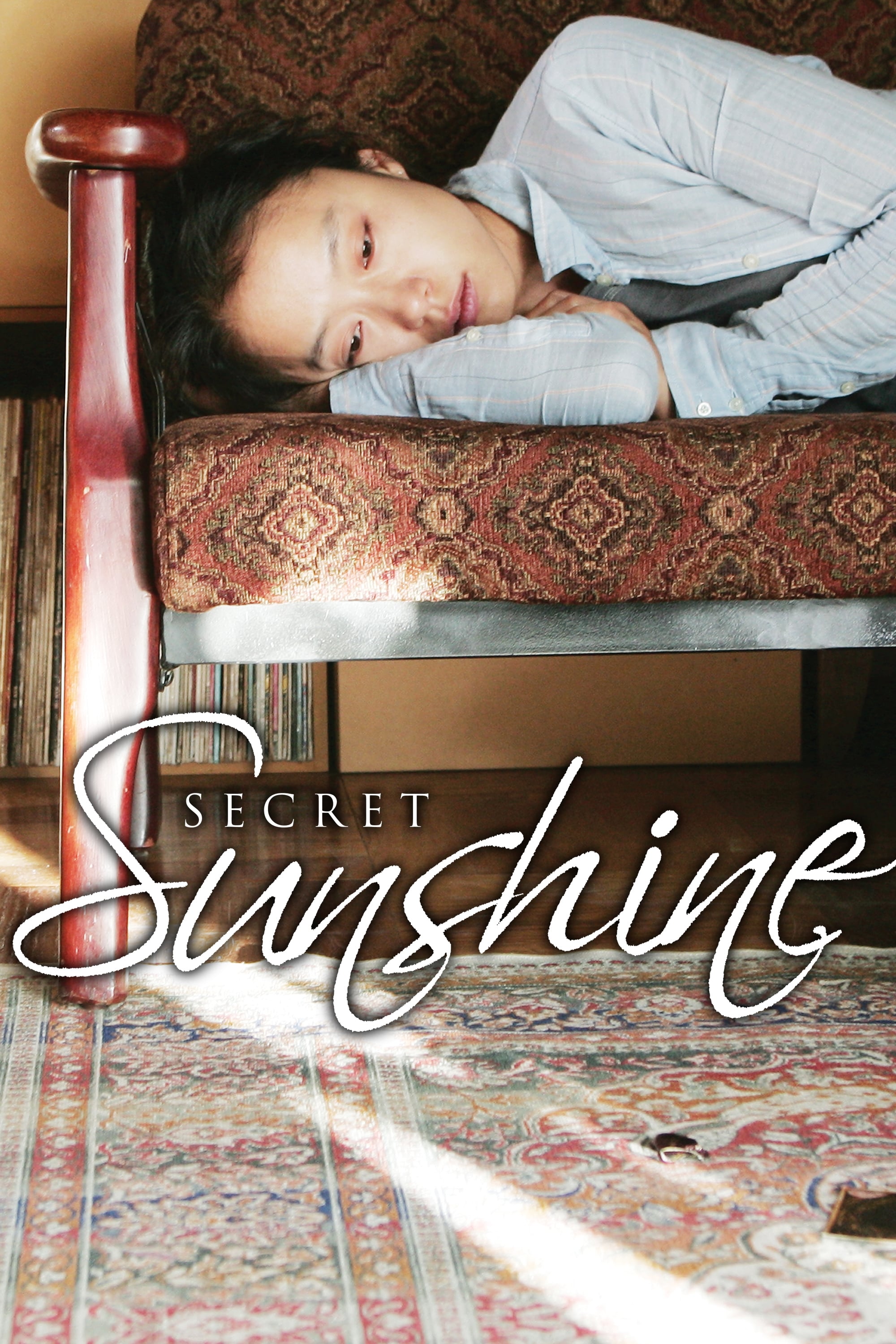
Lee Chang-dong’s ‘Secret Sunshine’ features Jeon Do-yeon and Song Kang-ho in a portrait of grief and faith in the city of Miryang. After a family tragedy, a mother relocates and engages with local church life while facing complex community dynamics. The film was produced by Cinema Service and Pinehouse Film.
Cho Yong-kwan’s cinematography and Kim Hyun’s editing favor measured pacing, while music is used sparingly to foreground performance and environment. Jeon Do-yeon won Best Actress at Cannes for the role, underscoring the film’s focus on interior states and social textures.
‘The Yellow Sea’ (2010)
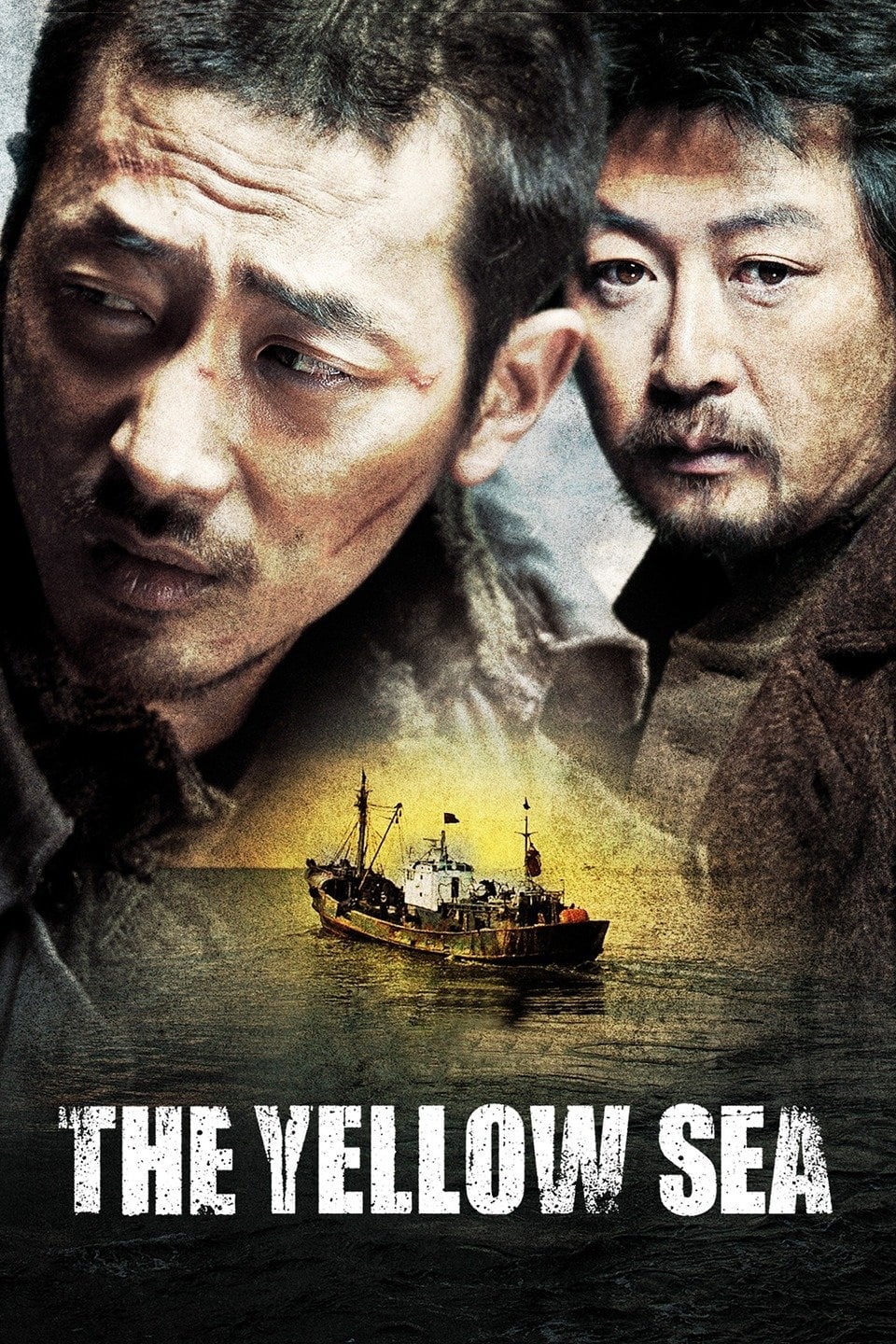
Na Hong-jin’s ‘The Yellow Sea’ stars Ha Jung-woo and Kim Yoon-seok, following a Joseonjok taxi driver hired for a contract killing who becomes entangled in a larger conspiracy. The film was produced by Showbox and Popcorn Film.
Cinematography by Lee Sung-je emphasizes handheld chases and knife fights across ports and alleys, while Kim Jae-beom and Kim Sang-beom’s editing manages multiple pursuing factions. The screenplay interweaves debt, migration, and organized crime across borders.
‘The Man Standing Next’ (2020)

Woo Min-ho’s ‘The Man Standing Next’ stars Lee Byung-hun, Lee Sung-min, and Kwak Do-won in a political thriller about the events surrounding the 1979 assassination of President Park Chung-hee. Adapted from the nonfiction book ‘Chiefs of Namsan’, it was produced by Hive Media Corp.
Production design recreates late-1970s Seoul interiors and governmental offices, while cinematographer Go Nak-sun and editor Kim Sang-beom maintain a procedural tempo. The film details intelligence rivalries, legislative hearings, and security protocols, rooting the drama in documented power struggles.
‘The Age of Shadows’ (2016)
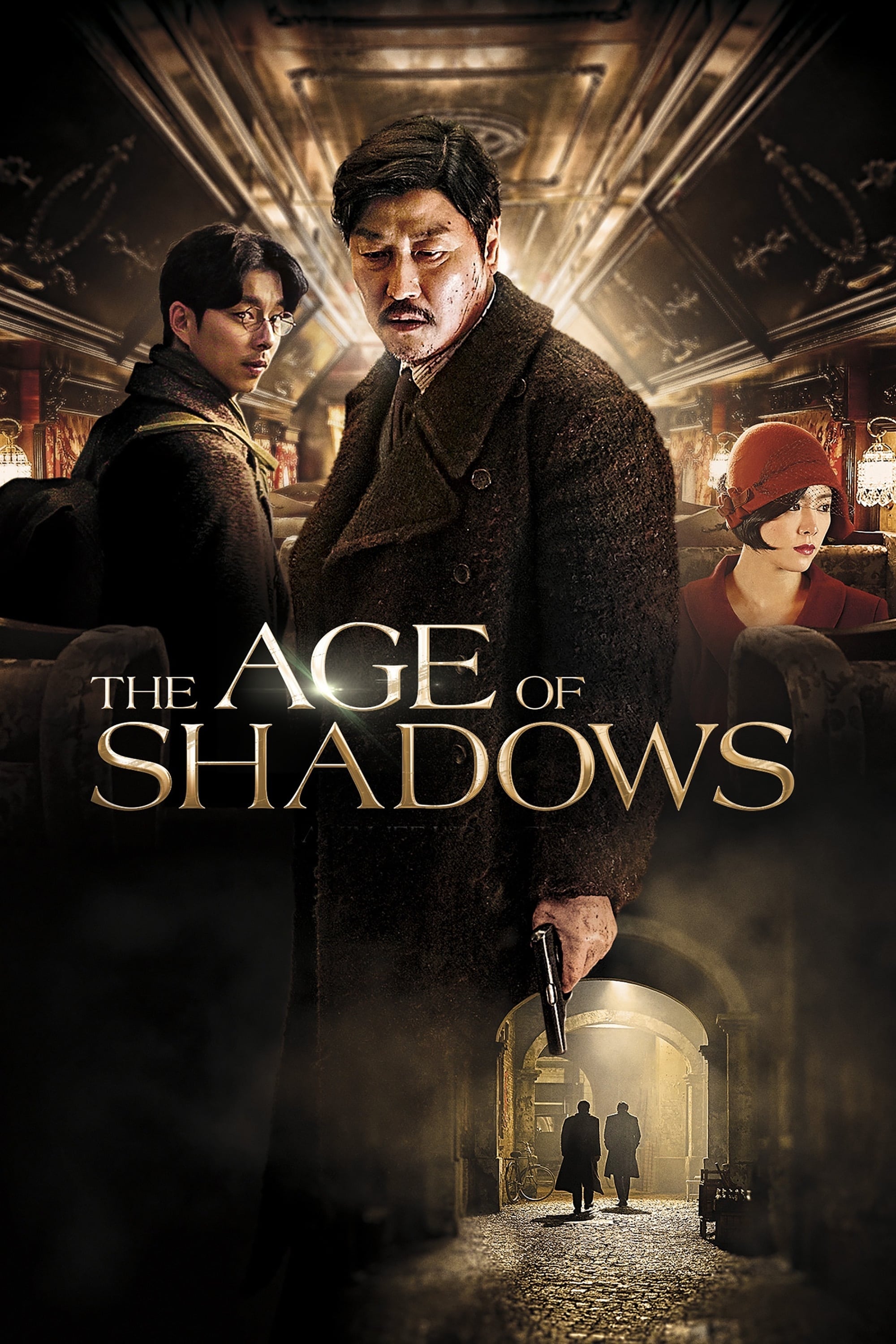
Kim Jee-woon’s ‘The Age of Shadows’ stars Song Kang-ho, Gong Yoo, and Han Ji-min in a resistance thriller set during Japanese occupation. The plot follows double agents and underground operatives moving stolen explosives from Shanghai to Seoul. The film was produced by Warner Bros. Korea and Grimm Pictures.
Hong Kyung-pyo’s cinematography and Ryu Seong-hee’s production design mount period train and station sequences, while Mowg’s score supports stealth operations and interrogations. The script incorporates coded communications, surveillance methods, and shifting allegiances among police and rebels.
‘1987: When the Day Comes’ (2017)
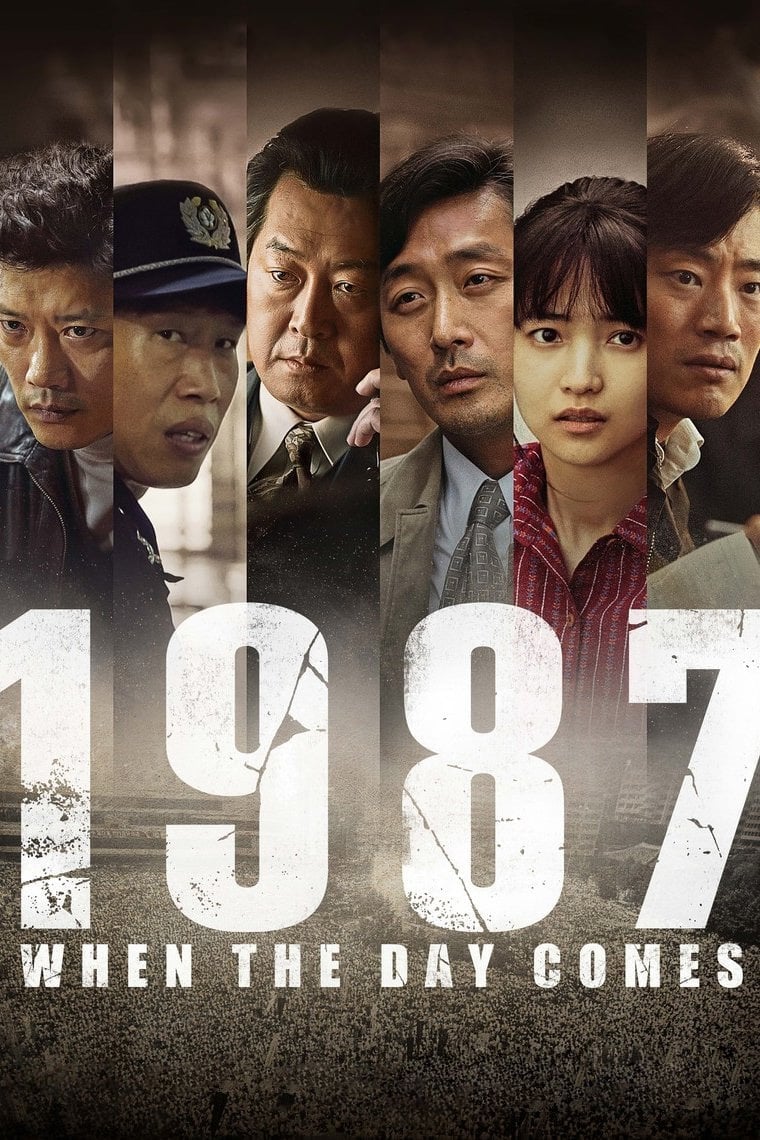
Jang Joon-hwan’s ‘1987: When the Day Comes’ features Kim Yoon-seok, Ha Jung-woo, Yoo Hae-jin, Kim Tae-ri, and Park Hee-soon in a multi-perspective account of the June Democratic Uprising. The narrative connects prosecutors, journalists, and students as they respond to a death in custody and subsequent cover-ups. The film was produced by Woojeung Film and CJ Entertainment.
Cinematographer Kim Woo-hyung and editor Yang Jin-mo structure the timeline through official memos, press leaks, and demonstrations. The production design recreates 1980s offices and streets, with period costumes and vehicles grounding the political chronology.
‘The Villainess’ (2017)
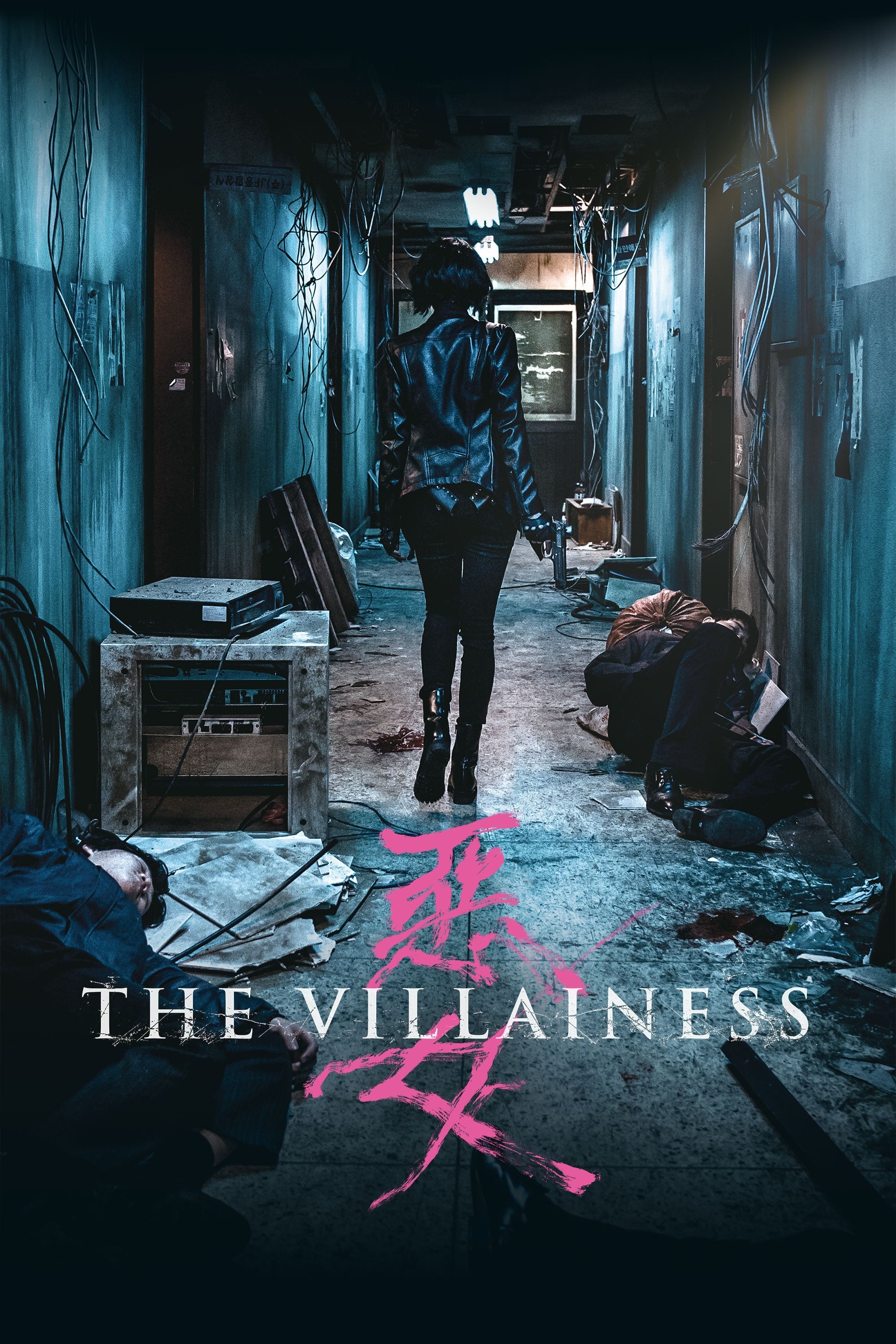
Jung Byung-gil’s ‘The Villainess’ stars Kim Ok-vin as a trained assassin navigating competing intelligence agencies after a staged wedding attack. The film was produced by Next Entertainment World and Apeitda, featuring supporting roles for Shin Ha-kyun and Sung Joon.
Cinematographer Park Jung-hun and editor Kim Chang-ju deliver set-pieces that incorporate POV transitions and extended motorcycle chases. The sound team’s design and Koo Ja-wan’s music support intricate fight choreography and gunplay executed across vertical and horizontal planes.
‘A Bittersweet Life’ (2005)
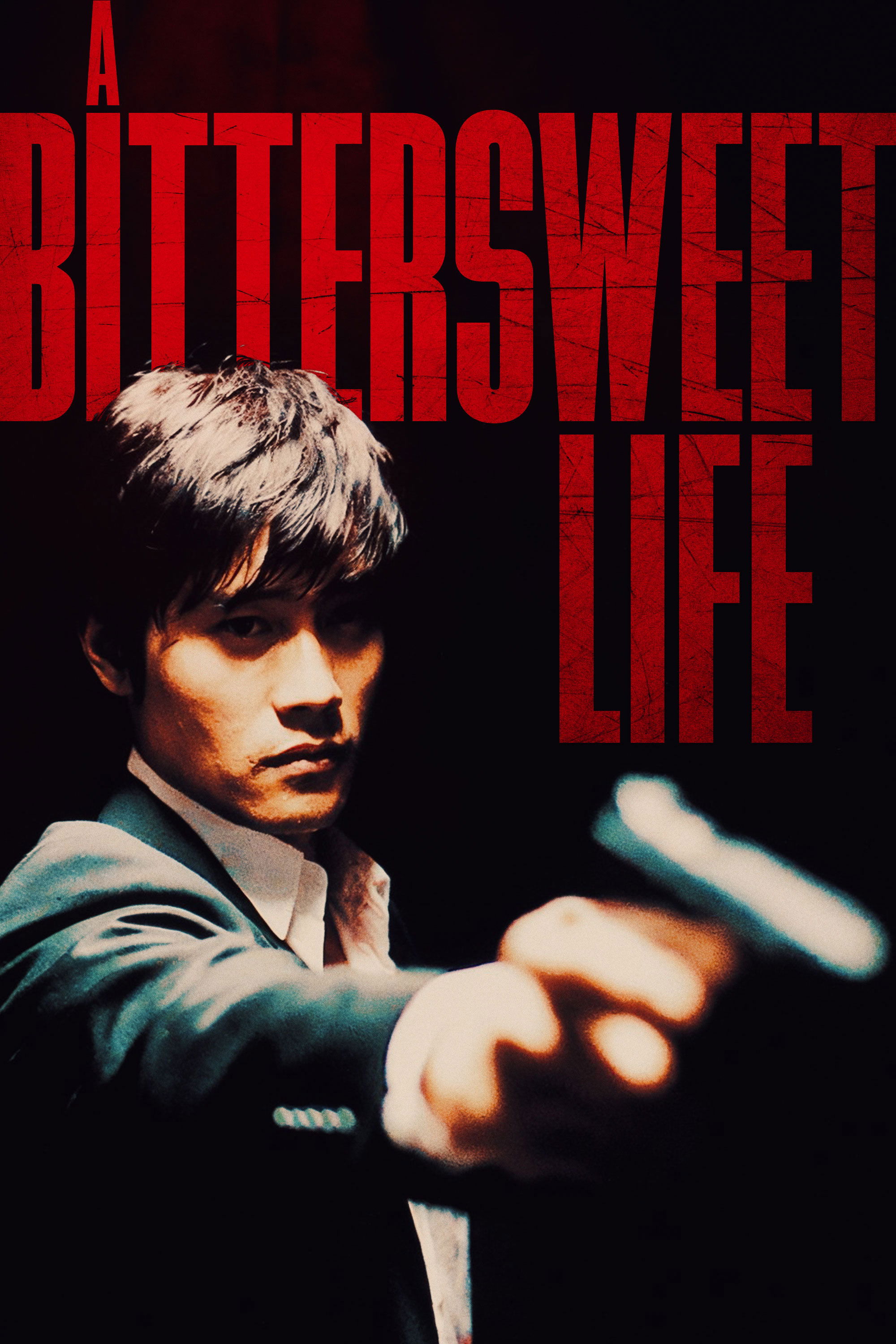
Kim Jee-woon’s ‘A Bittersweet Life’ stars Lee Byung-hun as a mob enforcer whose decision during a surveillance assignment triggers a violent rupture with his boss. The film was produced by Bom Film Productions and distributed by CJ Entertainment.
Cinematography by Kim Ji-yong shapes sleek urban interiors and night exteriors, while Dalpalan and Jang Young-gyu’s music reinforces the film’s cool, deliberate pacing. The screenplay explores loyalty codes, internal syndicate discipline, and the logistics of reprisals.
‘The Berlin File’ (2013)
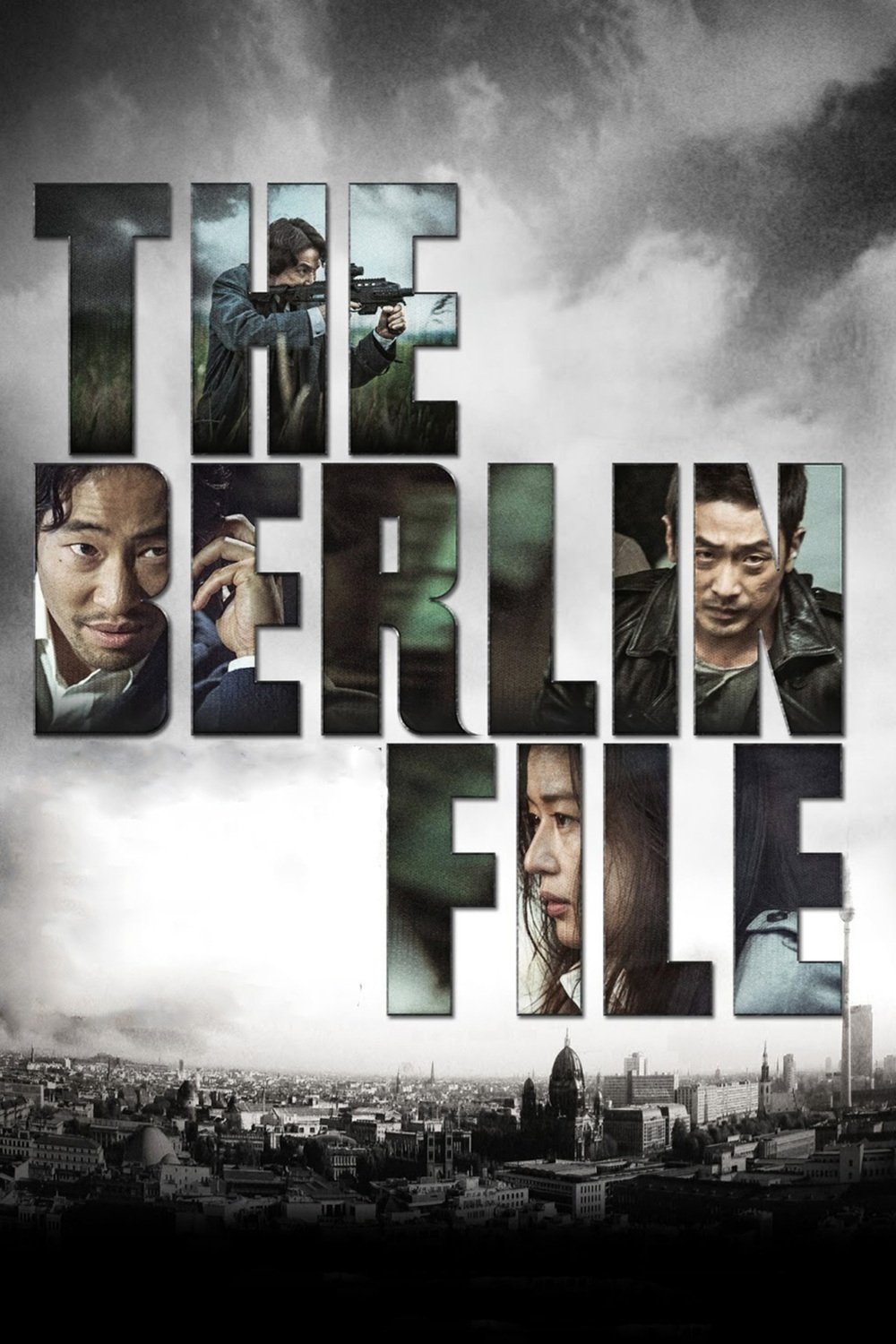
Ryoo Seung-wan’s ‘The Berlin File’ stars Ha Jung-woo, Han Suk-kyu, Jun Ji-hyun, and Ryoo Seung-bum in an espionage thriller set among Korean operatives in Europe. The plot weaves arms deals, defections, and shifting alliances around a botched meeting in Berlin. The film was produced by CJ Entertainment and Shotcake Films.
Choi Young-hwan’s cinematography uses on-location shooting across Germany and Latvia, while action direction emphasizes practical stunts and foot chases. The narrative incorporates diplomatic cover identities and inter-agency rivalries, broadening the scope of Korean spy cinema.
‘The Suspect’ (2013)

Won Shin-yun’s ‘The Suspect’ features Gong Yoo as a North Korean defector framed for murder who becomes the target of a multinational manhunt. The film was produced by Showbox and Greenfish Pictures, with supporting roles from Park Hee-soon and Jo Seong-ha.
Hong Jae-sik’s cinematography favors handheld urgency for close-quarters fights and urban chases, while editor Kim Chang-ju keeps the timeline propulsive. The script integrates surveillance tech, special-operations tactics, and corporate complicity in weapons development.
‘Thirst’ (2009)
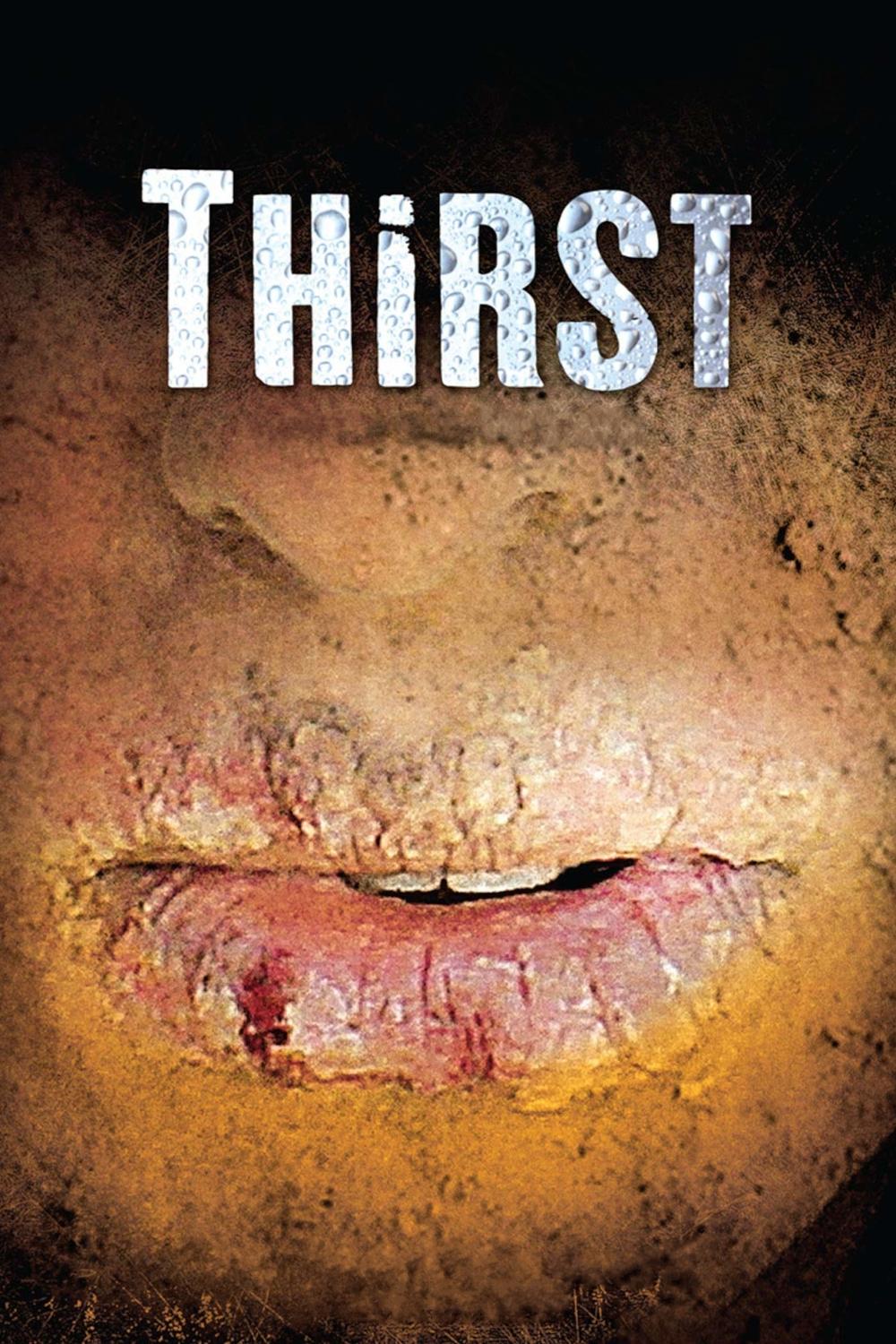
Park Chan-wook’s ‘Thirst’ stars Song Kang-ho and Kim Ok-vin in a genre blend of vampire mythology and transgressive romance. A Catholic priest undergoes a medical experiment that leads to a craving for blood and entanglement with a friend’s wife. The film was produced by Moho Film and CJ Entertainment.
Cinematographer Chung Chung-hoon and production designer Ryu Seong-hee create ornate interiors and nocturnal textures, while Jo Yeong-wook’s music accents shifts between desire and dread. The screenplay uses medical ethics, spiritual conflict, and domestic entrapment to frame its supernatural premise.
‘The King’ (2017)
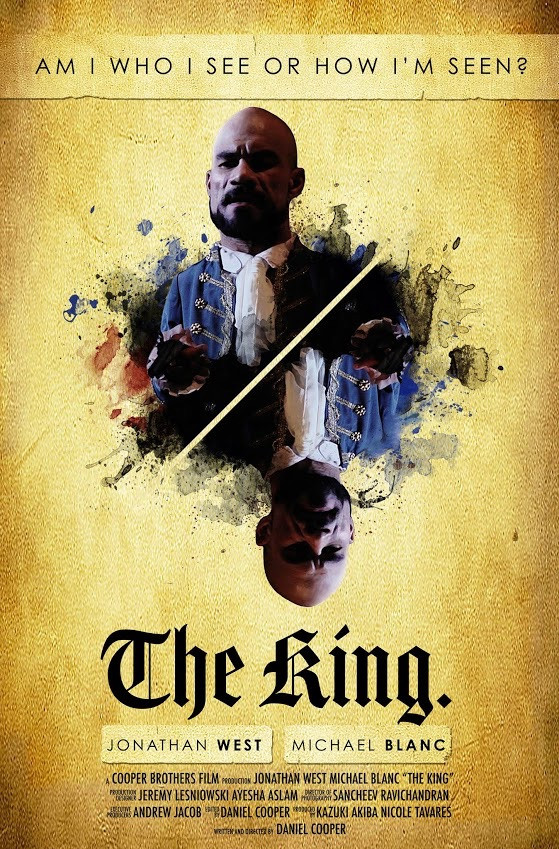
Han Jae-rim’s ‘The King’ stars Jo In-sung, Jung Woo-sung, Bae Seong-woo, and Kim Ah-joong in a crime drama about a prosecutor who rises through South Korea’s elite legal circles during a period of political turbulence. The film was produced by Woojoo Film and distributed by Next Entertainment World.
Cinematography by Lee Mo-gae and editor Kim Sang-beom highlight montage-driven storytelling across courtrooms, parties, and press conferences. The narrative details patronage networks, media influence, and internal power realignments within prosecutorial offices.
Share your favorites and any hidden gems we missed in the comments!