Best Korean Movies on Netflix You Shouldn’t Skip


Korean cinema has range for days—edge-of-your-seat thrillers, big-hearted romances, genre-bending sci-fi, and action that leaves your jaw on the floor. This list gathers a wide spread of titles so you can jump from intimate character studies to high-concept blockbusters without losing momentum. You’ll find festival darlings, Netflix-backed originals, and sleeper hits that quietly built loyal followings.
Quick heads-up: Netflix catalogs rotate. Depending on where you are and when you’re reading this (we’re writing from Europe/Zagreb), some of these titles may not be available in your region right now.
‘Okja’ (2017)
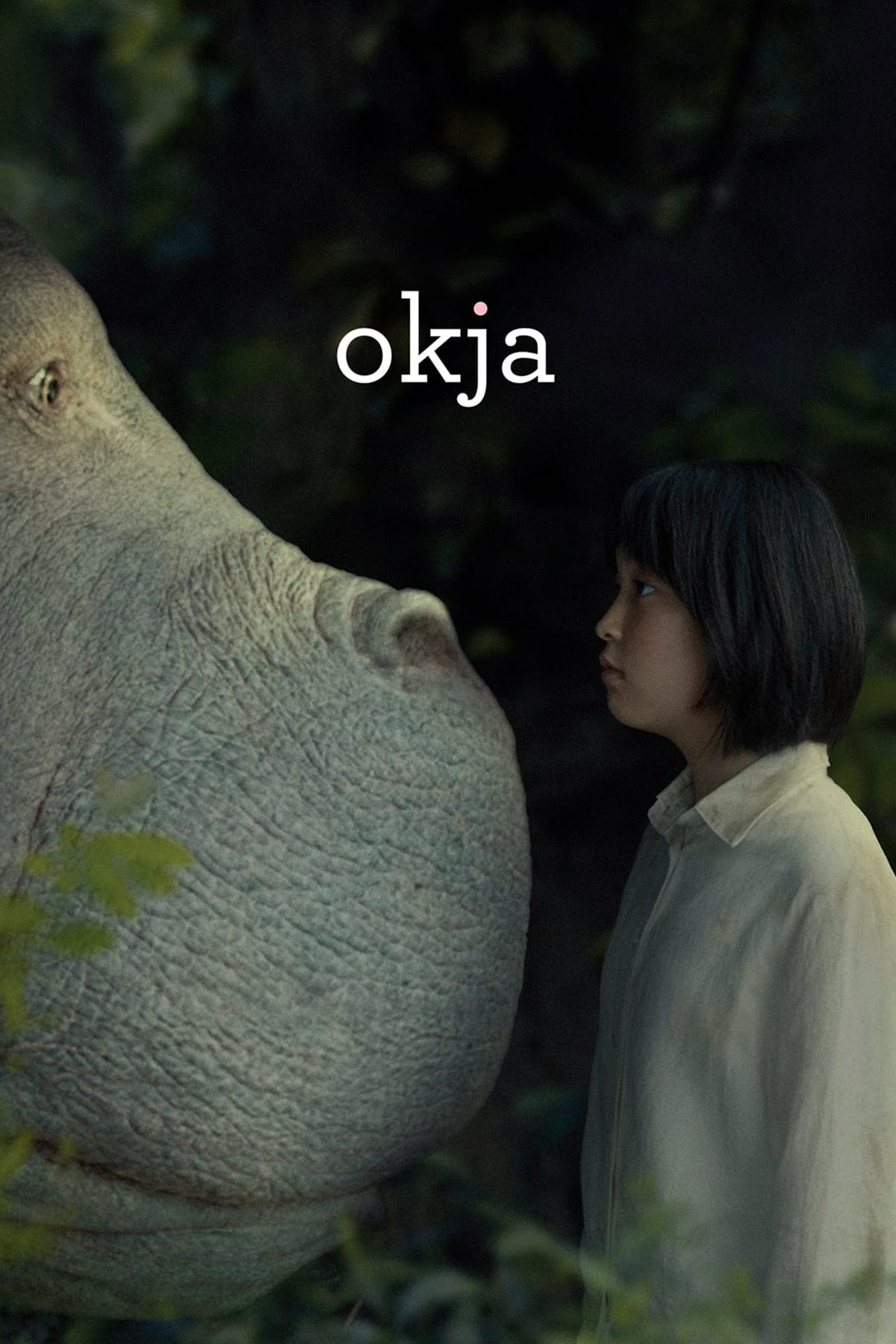
Bong Joon-ho directs this satire-adventure about a girl, Mija, who sets out to rescue her genetically engineered “super pig” from a conglomerate with a spotless PR smile and a very dark supply chain. The cast bridges Korean and international talent, including Ahn Seo-hyun, Tilda Swinton, Paul Dano, Jake Gyllenhaal, and Steven Yeun, with production by Plan B Entertainment alongside Lewis Pictures. The film’s creature work blends practical effects with VFX to give the title character weight and presence in every scene.
Behind the scenes, Darius Khondji’s cinematography shifts nimbly between rural Korean mountainsides and slick corporate spaces, underlining the story’s collision of worlds. Dialog alternates between Korean and English, and the score by Jang Young-gyu threads whimsical motifs through sequences that tackle animal ethics, media spin, and activist tactics with equal clarity.
‘The Call’ (2020)
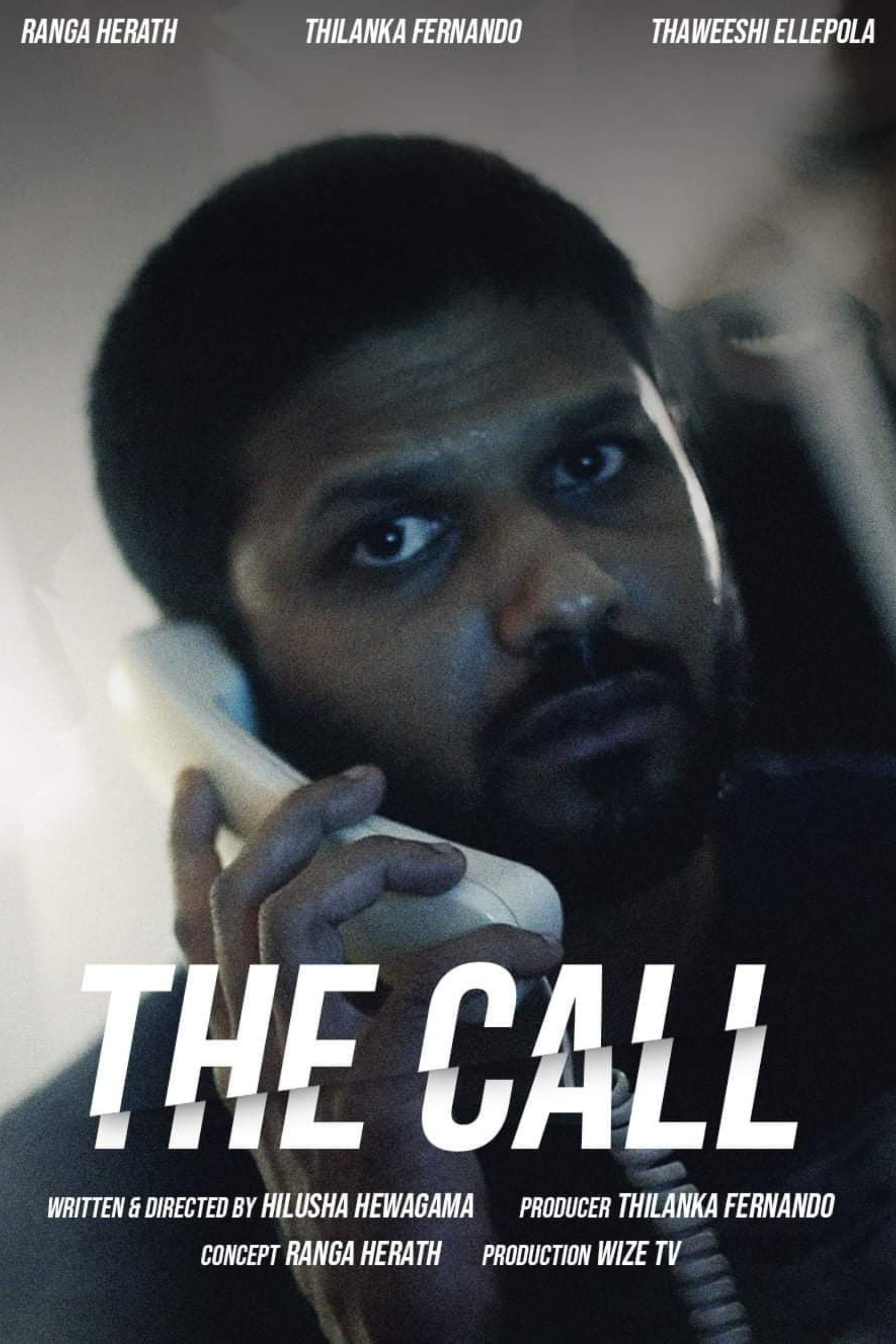
Directed by Lee Chung-hyun, this twisty thriller connects two women living in the same house at different times via a single phone line. Park Shin-hye and Jeon Jong-seo anchor the story with complementary performances—one reactive and resourceful, the other chillingly unpredictable—while supporting turns by Lee El and Kim Sung-ryoung widen the mystery’s footprint. The production leans into a tightly designed location that evolves as cause and effect spiral.
Sound design does heavy lifting, turning a ring tone into a countdown clock for dread, and the editing tracks branching realities without losing orientation. Adapted from the Puerto Rican film ‘The Caller,’ the screenplay reshapes the premise with Korean familial dynamics, folding themes of regret, identity, and the costs of rewriting the past into each reveal.
‘Forgotten’ (2017)

Jang Hang-jun writes and directs this psychological mystery about a young man whose brother returns home after an abduction—only he’s somehow changed. Kang Ha-neul and Kim Mu-yeol lead, with Moon Sung-keun and Na Young-hee rounding out a family portrait where every smile is worth a second look. The production uses cool palettes and precise blocking to let the house itself keep secrets.
Careful layering of clues turns ordinary objects—medication bottles, notebooks, footsteps on a landing—into signposts that reframe earlier scenes. The film’s structure draws on memory gaps, interrogation sequences, and methodical police work, building to a reveal that ties personal trauma to a broader conspiracy.
‘Time to Hunt’ (2020)
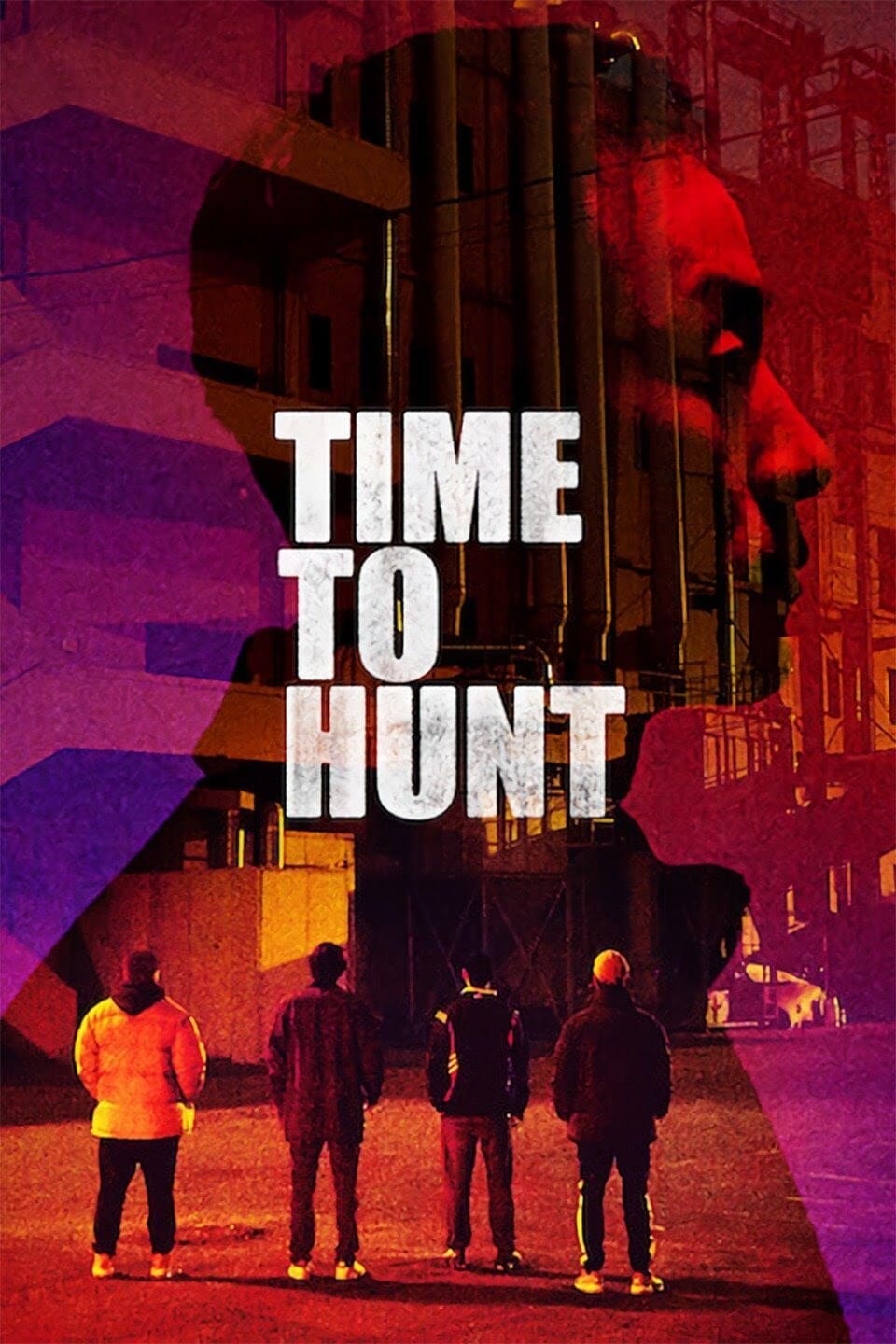
Yoon Sung-hyun stages a dystopian near-future where a small crew plans one last score, only to find themselves pursued by an implacable fixer. Lee Je-hoon, Ahn Jae-hong, Choi Woo-shik, and Park Jung-min form the core team, with Park Hae-soo as the relentless hunter who never raises his voice but never misses either. The production design lays out currency collapse and industrial decay without exposition dumps.
Action beats favor long takes through warehouses, alleys, and apartment corridors, while ambient synths and machine hums keep tension simmering. The film nods to heist mechanics—stakeouts, safe codes, getaway routes—then pivots into a survival chase where urban geography becomes a chessboard of dead ends and double-backs.
‘#Alive’ (2020)

Cho Il-hyung directs this confined-space survival story about a gamer trapped in his apartment as a fast-moving infection tears through the city. Yoo Ah-in plays a loner forced into practical ingenuity, while Park Shin-hye’s neighboring survivor adds a line-of-sight partnership that evolves through rope rigs, drones, and handwritten signs. The setup stays intimate, trading sweeping crowd shots for the logistics of water, food, and signal strength.
Makeup and stunt teams craft quick-twitch infected who feel dangerous in tight hallways, and the production mines everyday tech—power banks, streaming gear—for problem-solving steps that feel tactile. The film maps the emotional arc of isolation to a concrete survival timeline: inventory, contact, rescue planning.
‘Space Sweepers’ (2021)
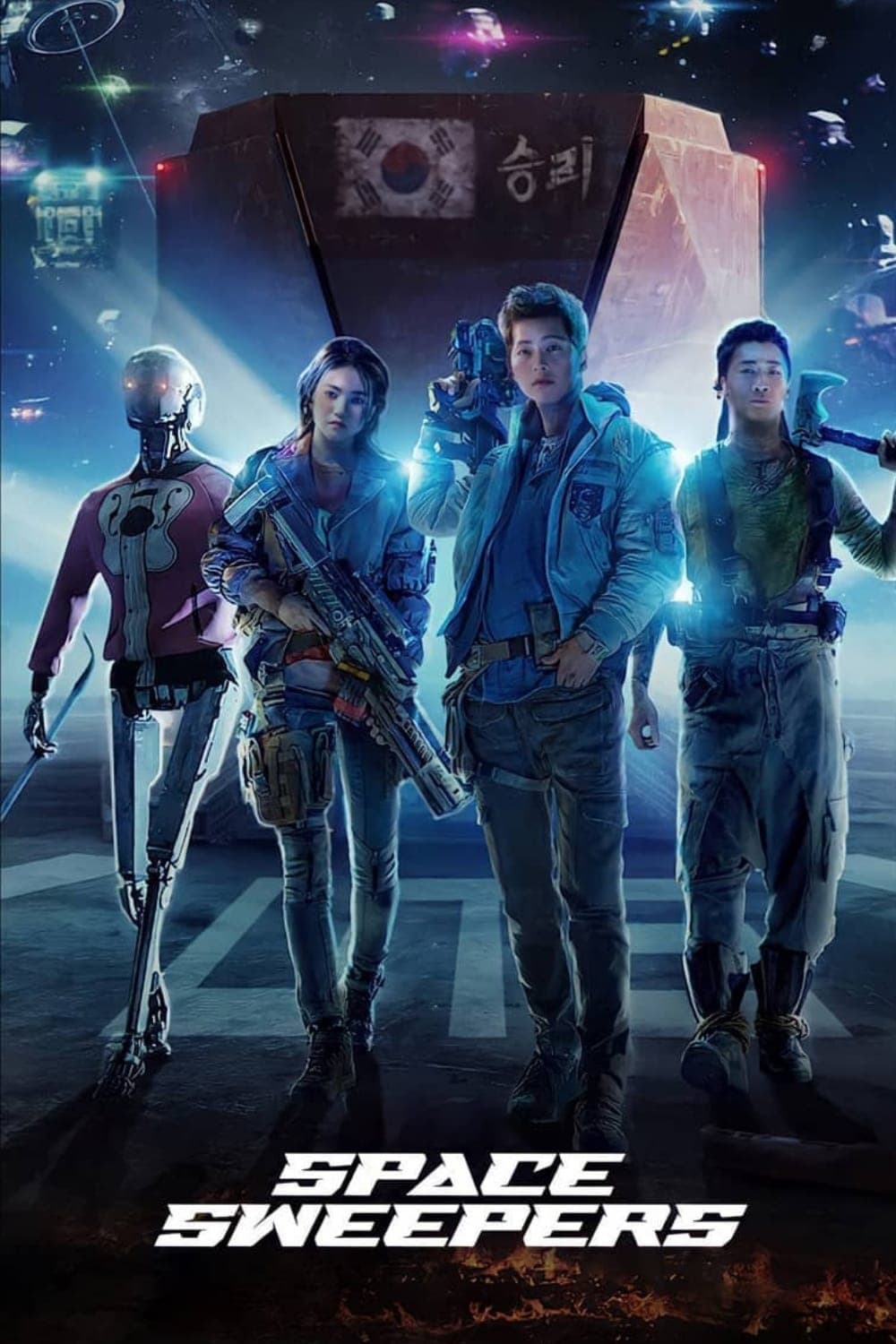
Jo Sung-hee steers a space-opera caper about a scrappy salvage crew who discover a child android tied to a corporate terraforming plot. Song Joong-ki, Kim Tae-ri, Jin Seon-kyu, and Yoo Hae-jin (as the motion-capture voice of a robot) give the ensemble a found-family vibe. The production assembles multilingual comms, patchwork ships, and orbital junkyards into a lived-in future.
CGI integrates with physical sets—airlocks, cargo holds, cockpit rigs—to keep action geography clear during chases and debris storms. The script threads corporate geopolitics through smuggling economics, while costume and prop design signal each character’s backstory in welding scars, mismatched armor, and treasured keepsakes.
‘The Pirates: The Last Royal Treasure’ (2022)
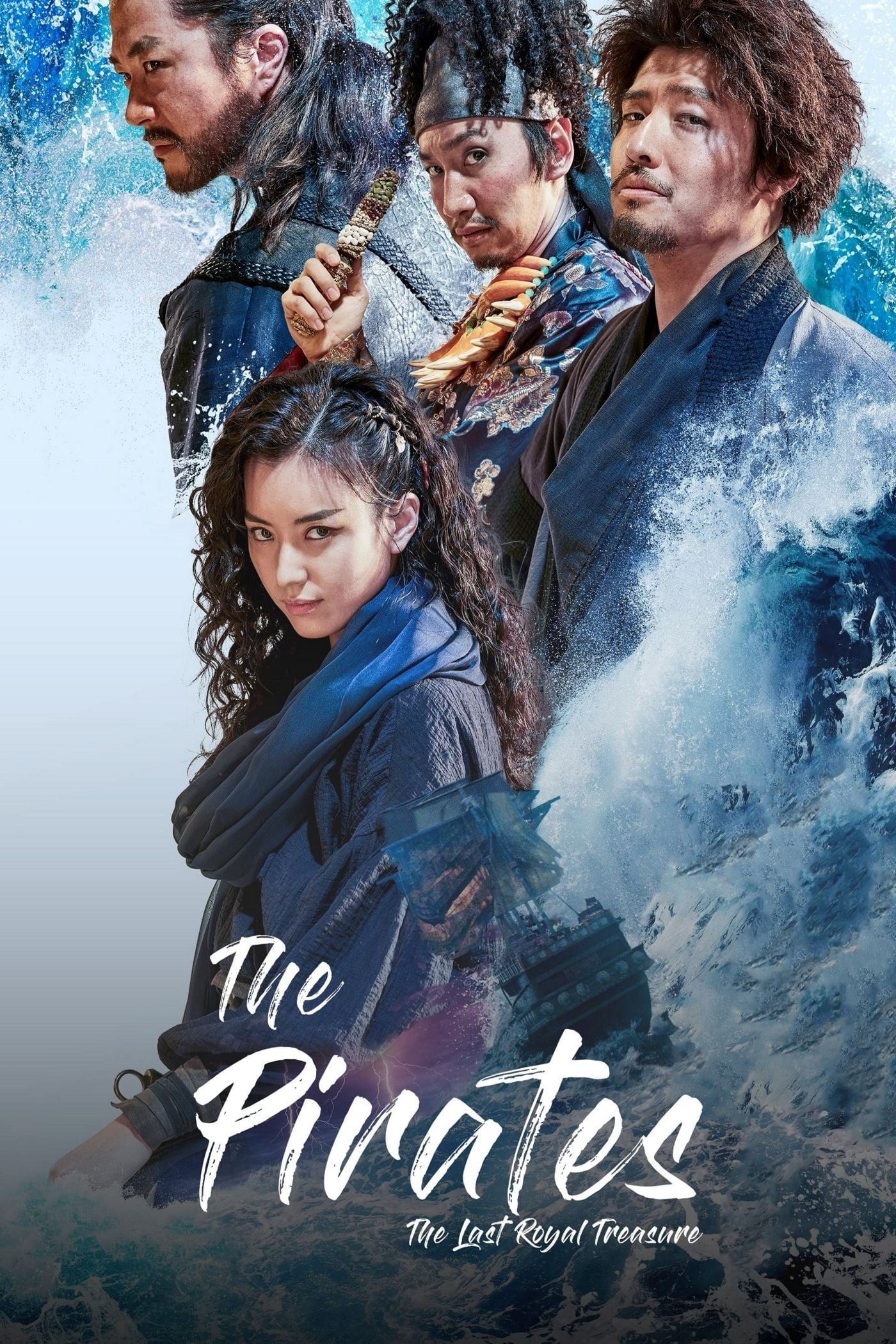
Kim Jung-hoon directs this swashbuckling adventure about rival crews racing to recover lost royal gold. Kang Ha-neul and Han Hyo-joo lead opposite a lively ensemble that includes Lee Kwang-soo and Kwon Sang-woo. The film balances ship-board brawls, rope-swing boarding, and slapstick beats against a treasure map threaded with court intrigue.
Marine cinematography and large-scale sets sell swells, rigging, and deck layouts, while VFX extend storm sequences and whale encounters. Choreography leans on staff and sword exchanges that read cleanly on wide shots, and the score punctuates clue-to-setpiece progression from hidden caves to cresting waves.
‘Seoul Vibe’ (2022)
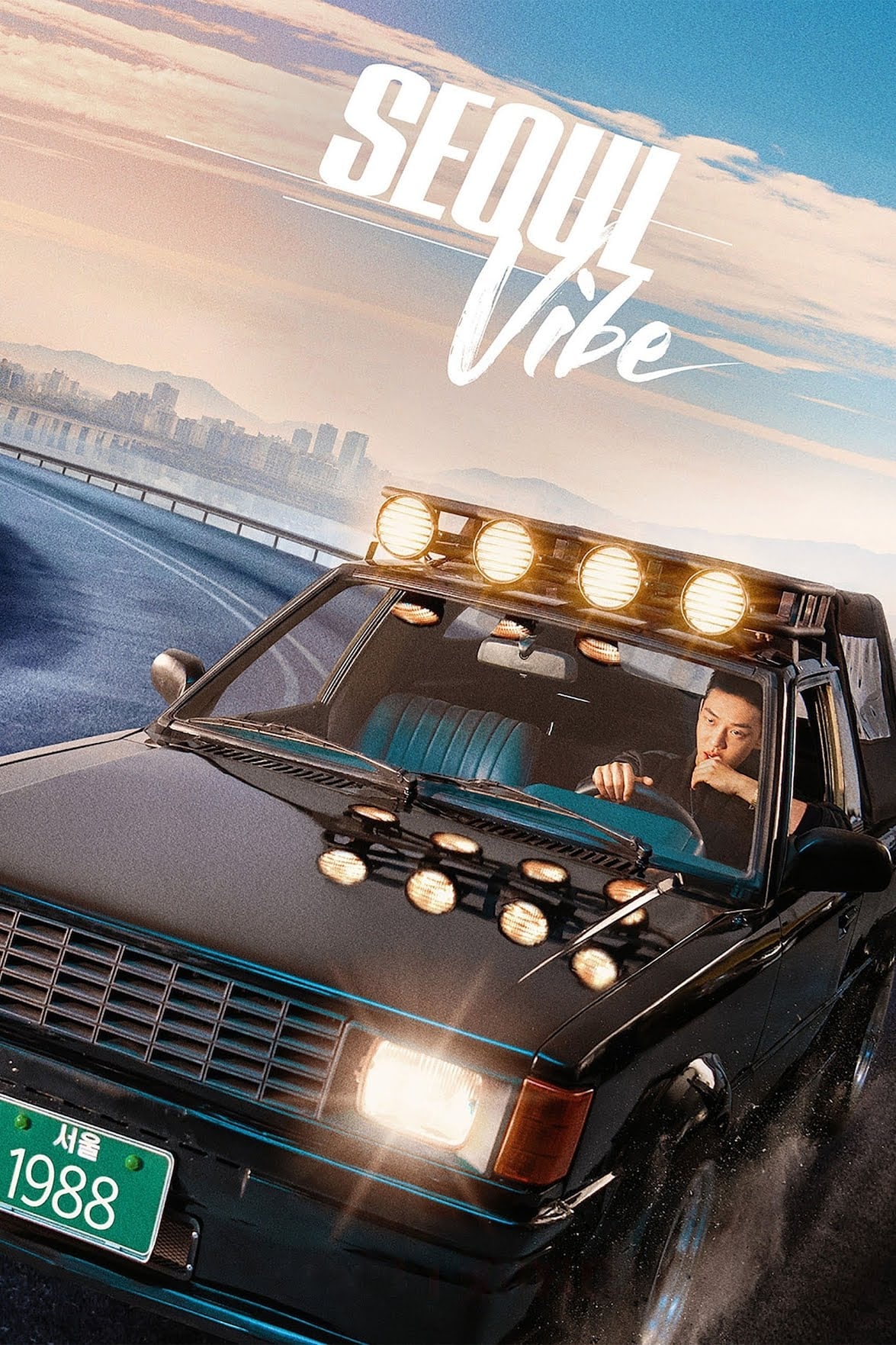
Moon Hyun-sung sets an action-heist during the lead-up to a major international sports event in the late 1980s, following a team of drivers drawn into laundering investigations. Yoo Ah-in fronts the crew with Go Kyung-pyo, Lee Kyoo-hyung, Park Ju-hyun, and Ong Seong-wu, while Kim Sung-kyun and Moon So-ri add official pressure. Car-to-car stunt work is the centerpiece, riffing on period tuner culture.
Production design recreates neon signage, analog dashboards, and cassette-era aesthetics, and the soundtrack stacks era-appropriate tracks with modern beats. The plot runs sting operations, shell companies, and suitcase drops through a pipeline of drifting sequences and convoy ambushes, keeping the mechanics of the scam legible.
‘Yaksha: Ruthless Operations’ (2022)
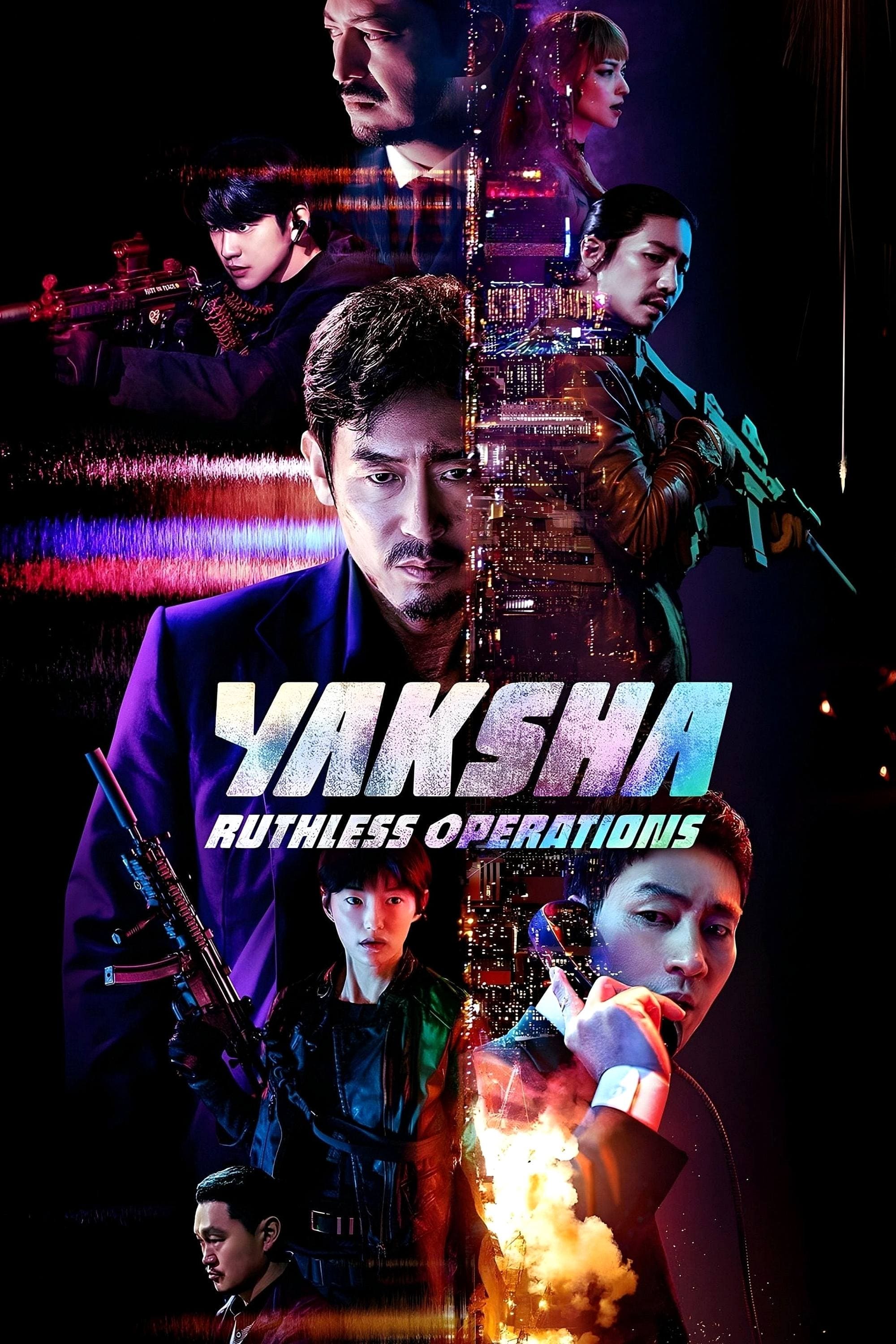
Na Hyeon directs a spy thriller set around the intense intelligence battleground of Shenyang, where an upright prosecutor (Park Hae-soo) is assigned to audit a black-ops team led by the feared field officer nicknamed Yaksha (Sol Kyung-gu). The supporting cast includes Yang Dong-keun, Lee El, Song Jae-rim, and Hiroyuki Ikeuchi, broadening the cross-border stakes.
The film lays out competing agencies, double agents, and disinformation channels, then escalates into urban gunfights and close-quarters knife work. Location work threads safe houses, night markets, and consulates, while the script uses legal procedure and chain-of-command friction to push the outsider into the team’s moral gray zone.
‘Carter’ (2022)
Jung Byung-gil crafts a relentless actioner built to feel like a continuous shot, following an amnesiac operative (Joo Won) who wakes up in the middle of a bio-crisis and is ordered back into the field. The cast features Lee Sung-jae, Jeong So-ri, and Kim Bo-min, with cameo appearances that tie into the story’s covert program.
The camera rigs and stunt design move through factories, bathhouses, and airborne setpieces, blending practical falls with digital stitching. The plot dispenses mission beats via earpiece directives and quick dossiers, letting geography and momentum carry the narrative while still planting reveals about identity and allegiance.
‘Kill Boksoon’ (2023)
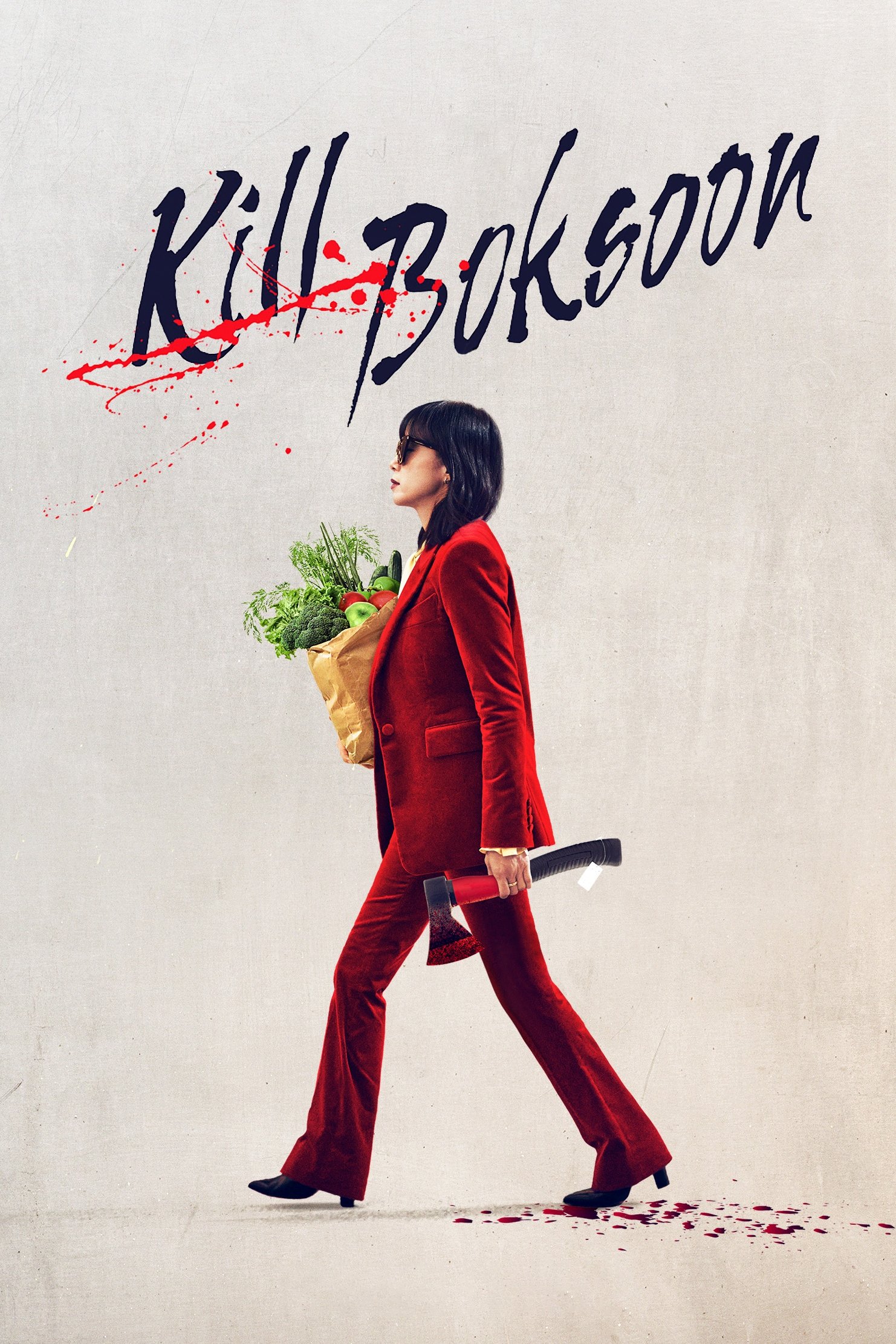
Byun Sung-hyun directs Jeon Do-yeon as a top-rank contract killer who’s also a single mother navigating office politics inside a corporate assassination firm. Sol Kyung-gu, Kim Si-a, Esom, and Koo Kyo-hwan expand the company’s hierarchy—mentors, rivals, HR-style evaluation systems—that formalize violence into quarterly goals and training modules.
Fight choreography uses rehearsal motifs, marking possibilities before choosing a final line of attack, and the production’s graphic design—brand guidelines, briefing decks—sells the company as a chillingly normal workplace. The script balances parental negotiations with operational secrecy, mapping trust and leverage across both spheres.
‘Unlocked’ (2023)

Kim Tae-joon adapts Akira Shiga’s novel into a grounded thriller about a woman (Chun Woo-hee) whose misplaced phone opens her life to a stalker-hacker (Im Si-wan). The supporting cast, including Kim Hee-won and Park Ho-san, links personal danger to an ongoing investigation. The film details how a single compromised device can cascade into location tracking, identity spoofing, and social engineering.
Visual language leans on screen-within-screen interfaces, notifications, and camera LEDs to keep the threat tangible. The procedural thread shows data trails, device forensics, and the slow work of connecting incidents, while careful blocking turns buses, offices, and cafés into spaces of hidden exposure.
‘Ballerina’ (2023)

Lee Chung-hyun returns with a revenge piece centered on an ex-bodyguard (Jeon Jong-seo) who pursues a trafficking ring after a friend’s death, with Kim Ji-hoon and Park Yu-rim in key roles. The film’s color timing and production design use neon signage, mirrored surfaces, and industrial stacks to turn each location into a stage for movement.
Action beats prioritize rhythm and silhouette—knife ranges, hallway ambushes, and vehicle interiors—supported by percussive scoring that punctuates each escalation. The story traces intel gathering, target selection, and infiltration, culminating in a methodical dismantling of the network’s layers.
’20th Century Girl’ (2022)

Bang Woo-ri’s coming-of-age romance follows a high-schooler (Kim Yoo-jung) who agrees to watch over her friend’s crush, only to find her own feelings shifting. Byeon Woo-seok, Park Jung-woo, and Roh Yoon-seo round out a quartet that navigates notes, pagers, and after-school rendezvous.
Period detail—school uniforms, photo studios, community theaters—sets a warm backdrop for a story built around misread signals and preserved mementos. The narrative structure uses time jumps and keepsakes to connect youthful promises to later-life consequences, with a soundtrack that leans into late-90s textures.
‘Tune in for Love’ (2019)
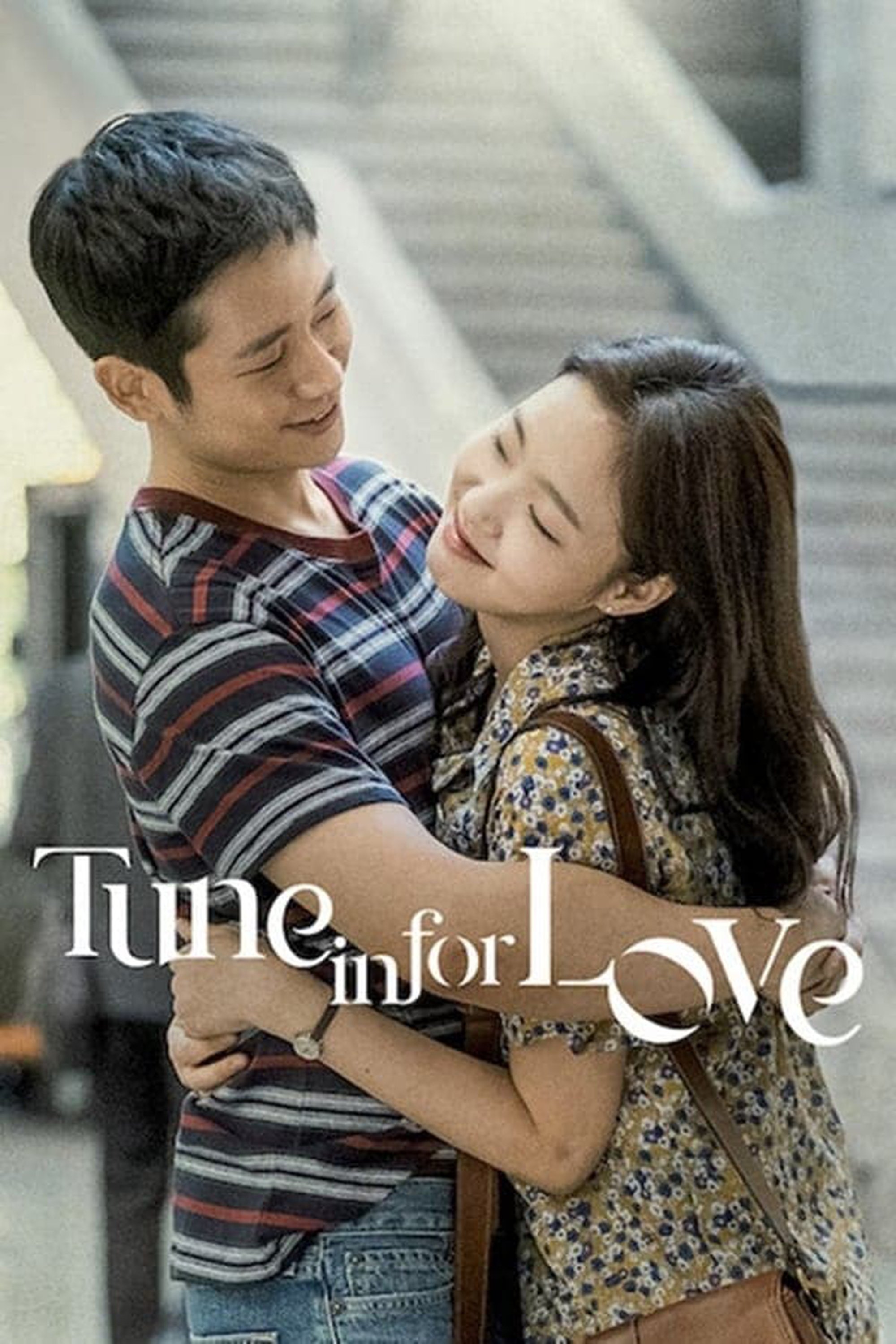
Jung Ji-woo directs Kim Go-eun and Jung Hae-in as two people whose paths cross repeatedly thanks to a popular radio program. The plot spans years of economic shifts and personal detours, using part-time jobs, entrance exams, and service obligations as milestones that keep bringing them together.
The production tracks changing technology—cassette decks, CD burners, early internet cafés—and uses radio call-ins as narrative anchors. Gentle pacing and careful sound mixing let ambient noise and familiar jingles carry memory, while supporting characters mark how friendships stretch across distance and time.
‘Illang: The Wolf Brigade’ (2018)
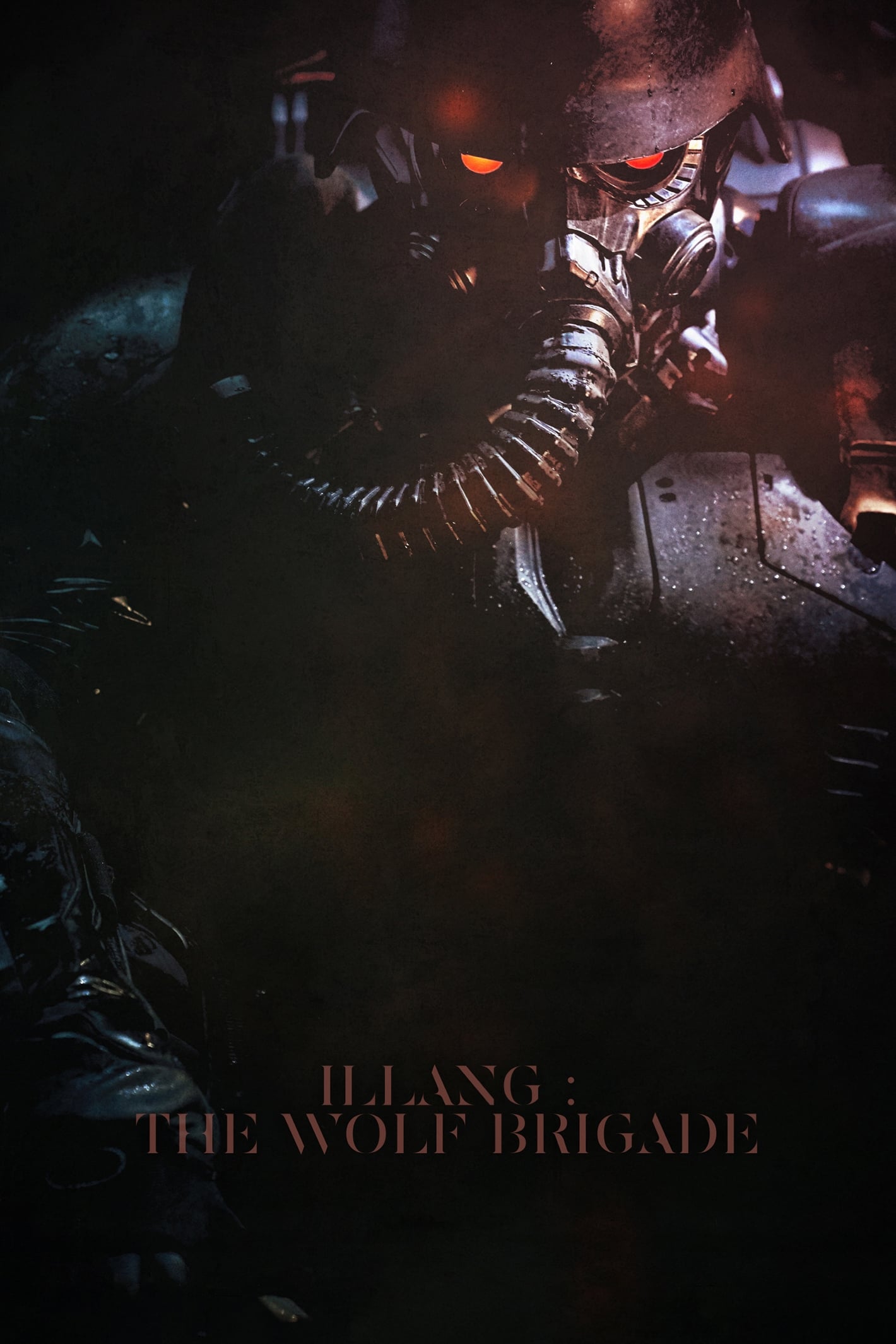
Kim Jee-woon adapts the Japanese animated ‘Jin-Roh’ into a live-action political thriller set after proposed Korean unification triggers new security forces. Gang Dong-won, Han Hyo-joo, Jung Woo-sung, and Kim Mu-yeol populate a landscape of special-ops units, protest movements, and clandestine agendas. The armored “wolf brigade” suits are practical showpieces built for close-quarters clashes.
Setpieces use tunnels, flooded chambers, and government buildings to layer line-of-sight tactics over riot-control formations. The plot examines how counter-terror missions, propaganda, and bureaucratic rivalries intersect, with action choreography and sound mixing emphasizing weight and recoil.
‘Night in Paradise’ (2020)
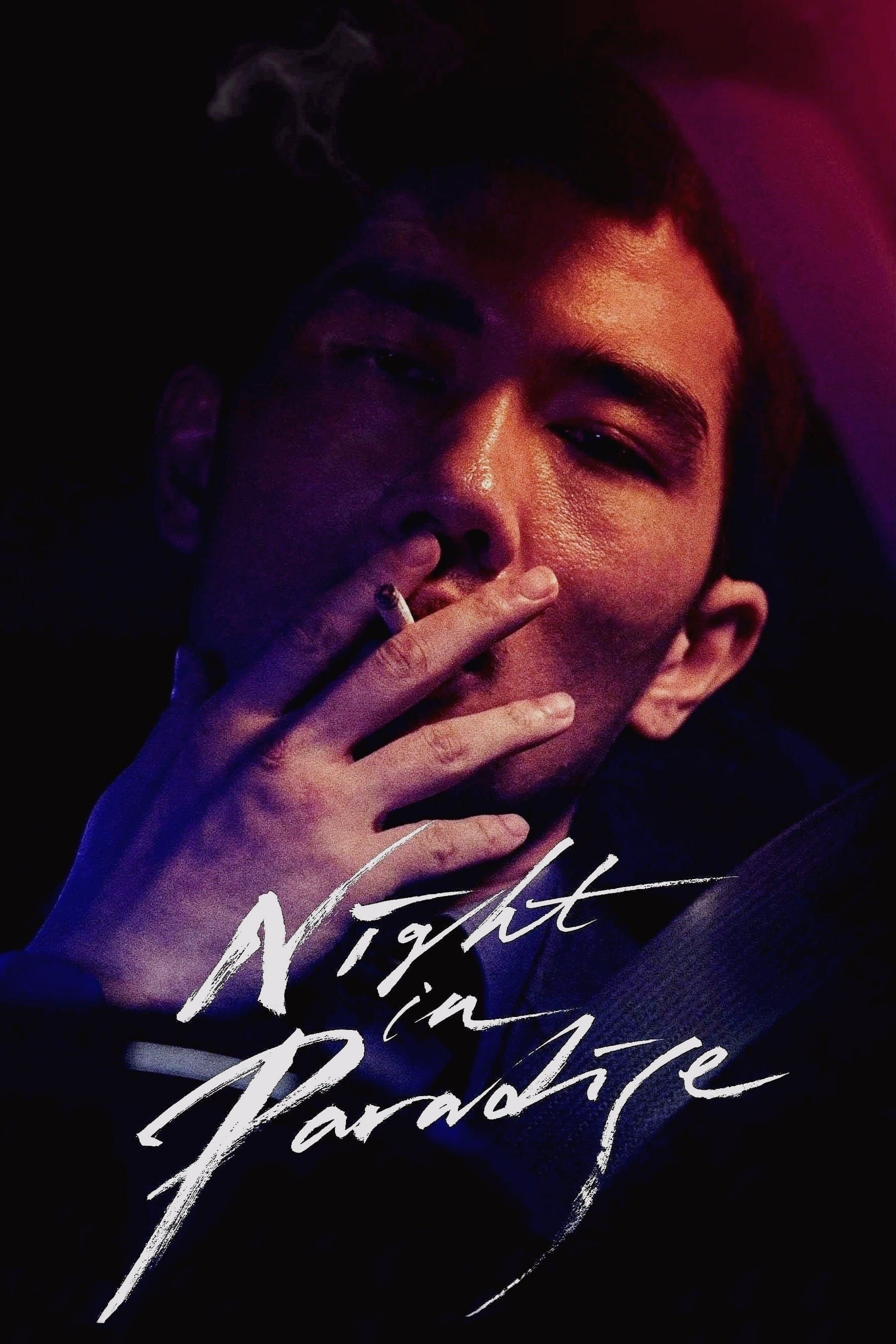
Park Hoon-jung follows a gangster (Um Tae-goo) who escapes to Jeju Island after a tragedy and meets a woman (Jeon Yeo-been) with her own terminal diagnosis. Cha Seung-won appears as a boss whose patience narrows as debts come due. The island’s volcanic terrain and wind-bent pines give the story a stark, elemental backdrop.
Violence arrives in sudden, bruising bursts, offset by quiet scenes of fishing piers, noodle shops, and roadside motels. The script tracks obligations—familial, criminal, medical—colliding in a space that feels outside mainland rules, while pacing builds to a confrontation that feels both inevitable and avoidable.
‘The 8th Night’ (2021)

Kim Tae-hyung crafts a supernatural horror rooted in Buddhist legend, where a former exorcist (Lee Sung-min) and a young monk (Nam Da-reum) race to stop a sealed evil from reassembling its path back into the world. Park Hae-joon and Kim Yoo-jung join a cast that ties ritual practice to modern investigation.
Cinematography leans on lantern light, temple architecture, and desert landscapes, while practical effects and creature design keep the myth tactile. The narrative uses a chain of possessions and forensic clues to connect folklore to present-day crimes, tracking artifacts, sutras, and omens along the way.
‘JUNG_E’ (2023)
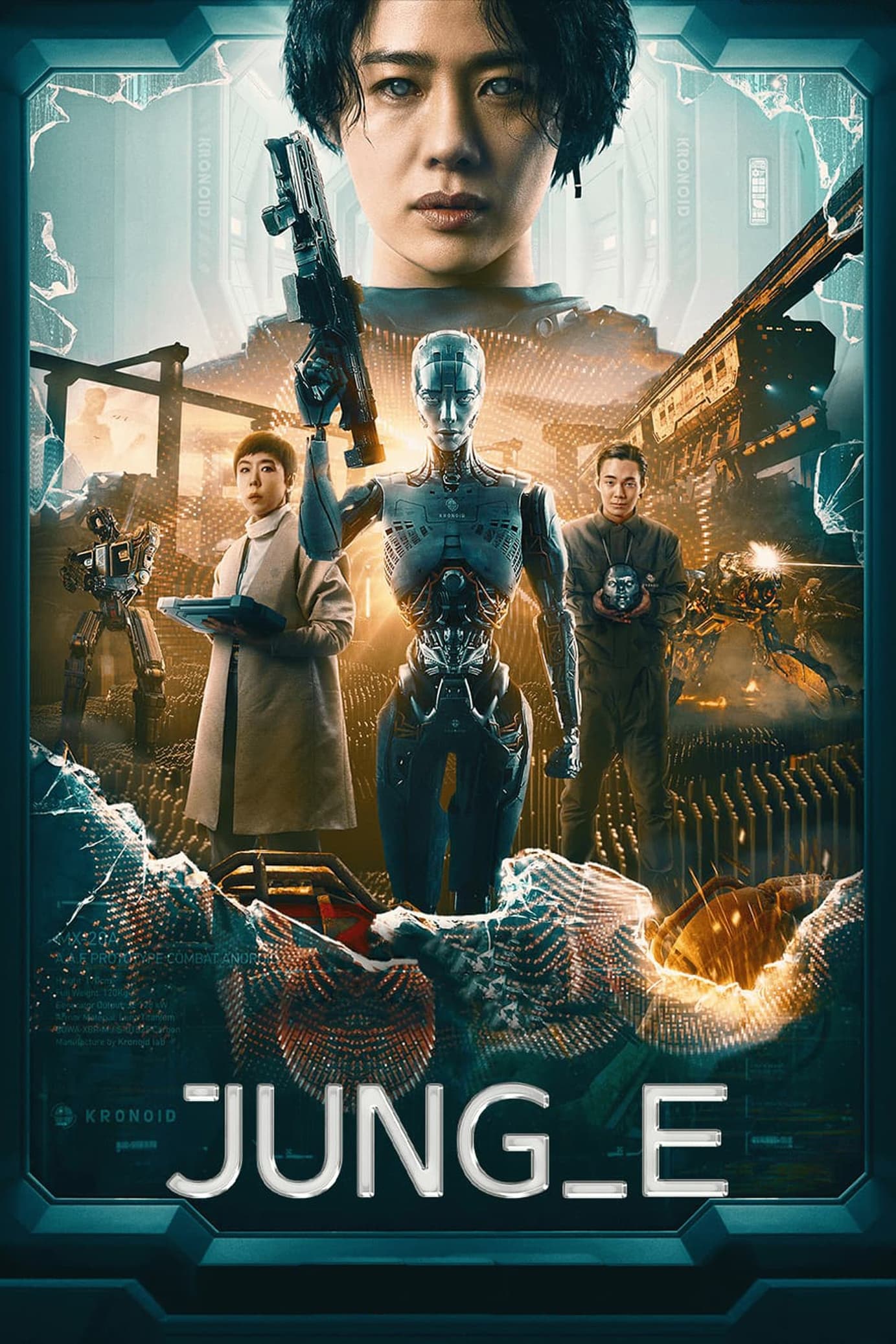
Yeon Sang-ho sets an AI-warfare story in a corporate lab where a legendary soldier’s combat data is cloned for weaponization. Kim Hyun-joo plays the title combat model, with the late Kang Soo-yeon as a lead researcher and Ryu Kyung-soo as an executive balancing ethics against profitability. The production blends motion-capture performance with robotics design to examine identity and consent.
World-building lays out space-habitat life, evacuation policies, and defense contracts, while action sequences showcase iterative test runs that fail, adjust, and refine. The screenplay threads corporate reorganizations and internal audits through the emotional stakes of a parent-child bond reframed by technology.
‘Sweet & Sour’ (2021)
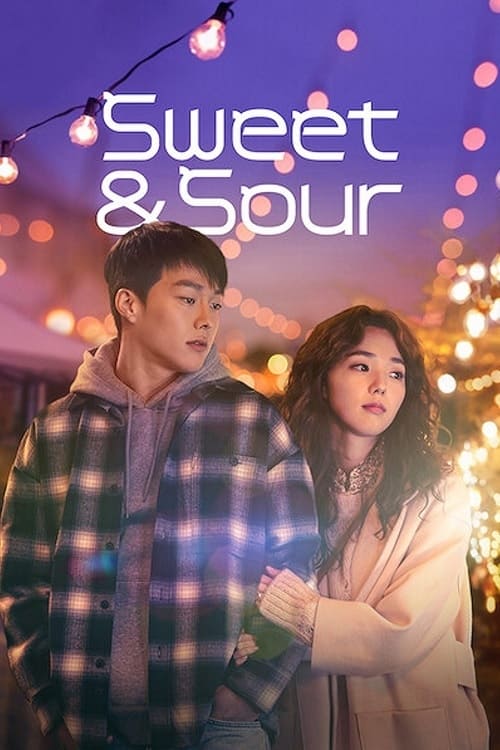
Lee Gye-byeok explores a modern relationship tested by commuting, contract jobs, and shifting ambitions. Jang Ki-yong and Chae Soo-bin carry the main line with Krystal Jung adding a disruptive third point at work. The film maps commuter shuttles, hospital shifts, and project deadlines onto a timeline of affection and friction.
Costuming and production design chart subtle changes—office badges, overnight bags, promotions—that signal evolving priorities. The script uses miscommunication and expectation-setting as structural beats, keeping attention on choices made under fatigue, jealousy, and opportunity.
‘Love and Leashes’ (2022)

Park Hyun-jin adapts a popular webtoon about two colleagues (Seohyun and Lee Jun-young) who negotiate a consensual BDSM relationship with clear boundaries and check-ins. The office comedy frame gives way to thoughtful scenes about contracts, safewords, and aftercare, grounded by HR realities and public/private lines.
Art direction and wardrobe pull muted workplace palettes into warmer, more expressive textures in private spaces, while the soundtrack softens transitions between negotiation and play. The film treats communication as skill-building, showing how trust is constructed through logistics as much as chemistry.
‘The Bad Guys: Reign of Chaos’ (2019)
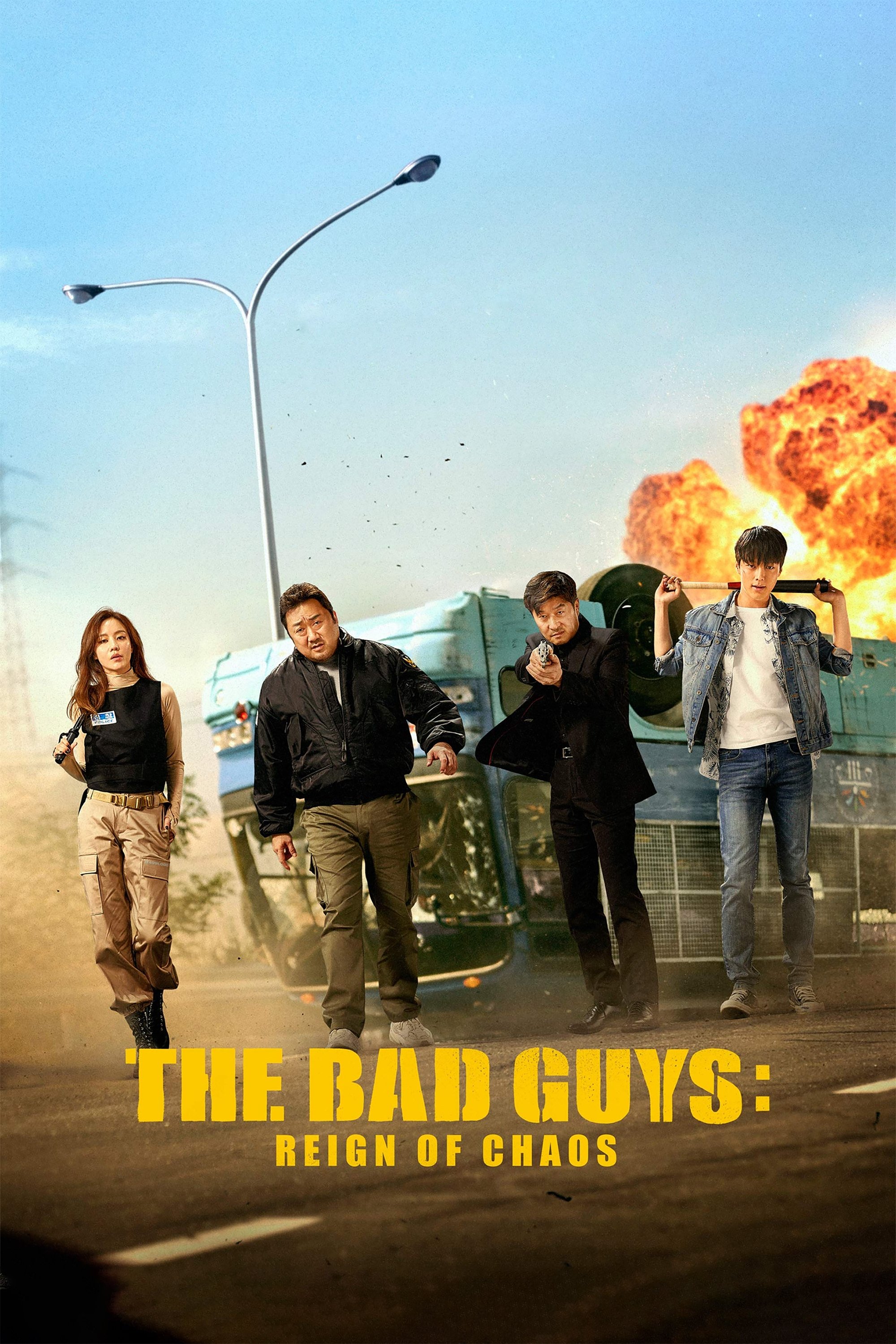
Kang Yoon-sung expands the crime-buster premise of the ‘Bad Guys’ series into a feature where a special unit recruits convicts to hunt escaped prisoners after a transport ambush. Ma Dong-seok leads with Kim Sang-joong, Kim Ah-joong, and Jang Ki-yong, balancing fist-first takedowns with team friction.
Action sequences are built around impact and momentum—shoulder checks, baton work, bus interiors—while investigation beats connect gang hierarchies and political cover. The film uses precinct offices, scrapyards, and docks as modular arenas for pursuit and confrontation.
‘The Witch: Part 1. The Subversion’ (2018)
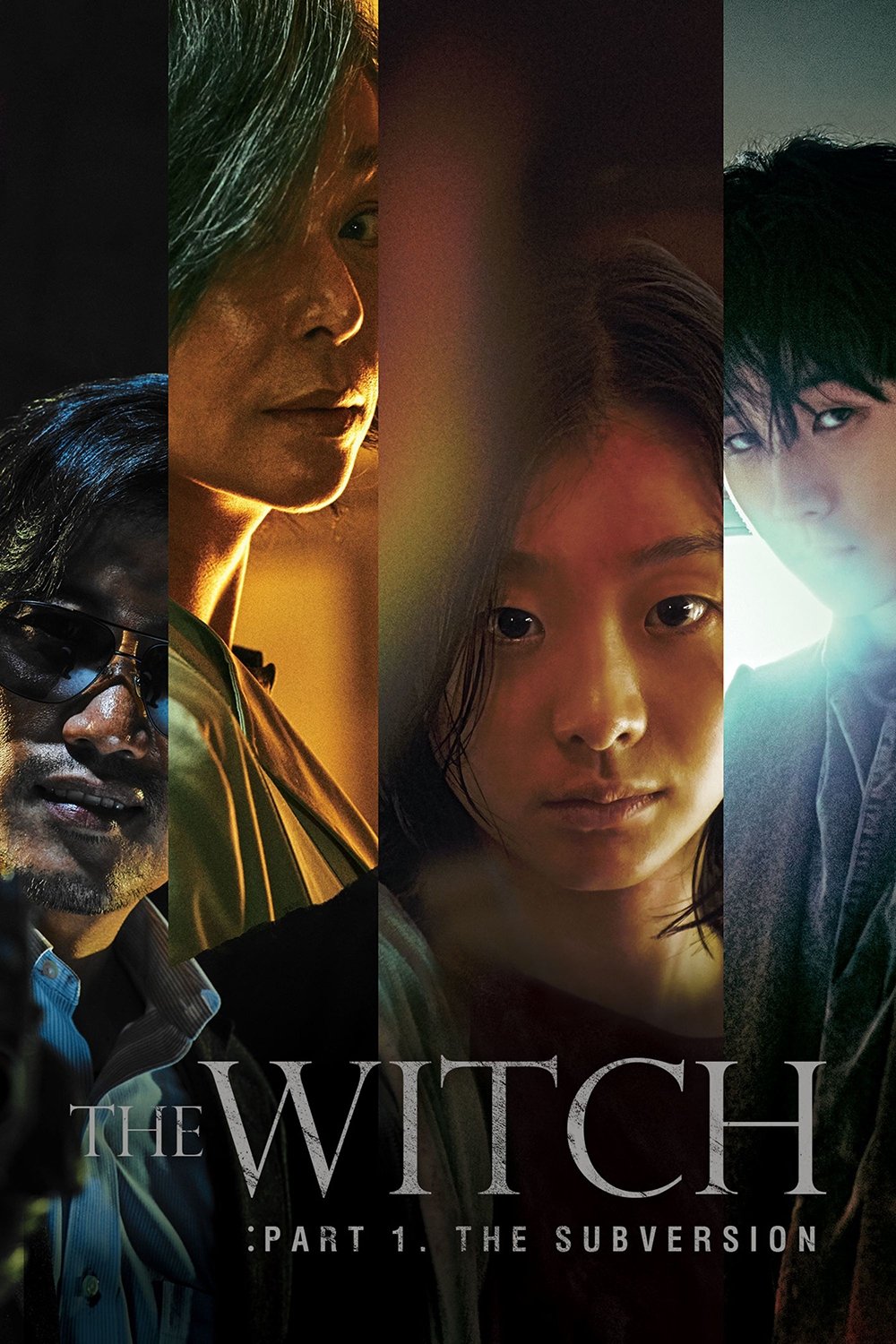
Park Hoon-jung introduces a gifted teenager (Kim Da-mi) whose past at a clandestine lab catches up during a televised talent show detour. Choi Woo-shik, Jo Min-soo, and Park Hee-soon orbit a story that ramps from quiet rural life to kinetic showdowns powered by bioengineered abilities.
The production calibrates power displays—telekinetic bursts, speed-blurred strikes—against sterile lab flashbacks and warmly lit farmhouses. Dialogue parcels out project nomenclature and command structures, setting the table for a wider universe while delivering stand-alone escalation.
‘A Taxi Driver’ (2017)
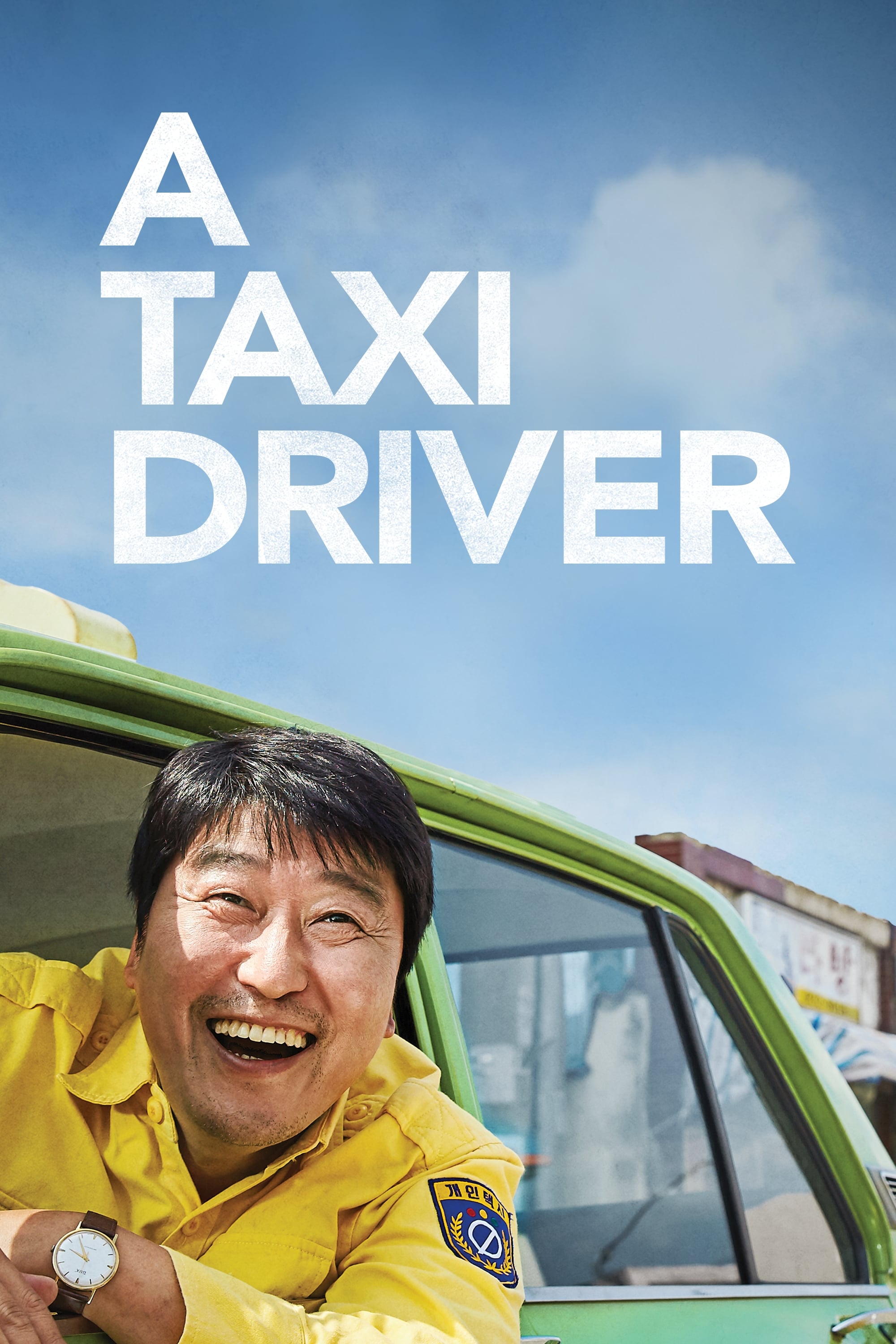
Jang Hoon’s historical drama follows a Seoul cab driver (Song Kang-ho) who unwittingly becomes involved in documenting the Gwangju Uprising with a German journalist (Thomas Kretschmann). Yoo Hae-jin and Ryu Jun-yeol round out the ensemble, positioning civilians at the intersection of press access and martial law.
Location work recreates roadblocks, broadcast stations, and streets under curfew, while vehicle interiors become moving confessionals. The film lays out accreditation hurdles, military cordons, and the logistics of smuggling footage, tying personal risk to the mechanics of bearing witness.
‘Train to Busan’ (2016)
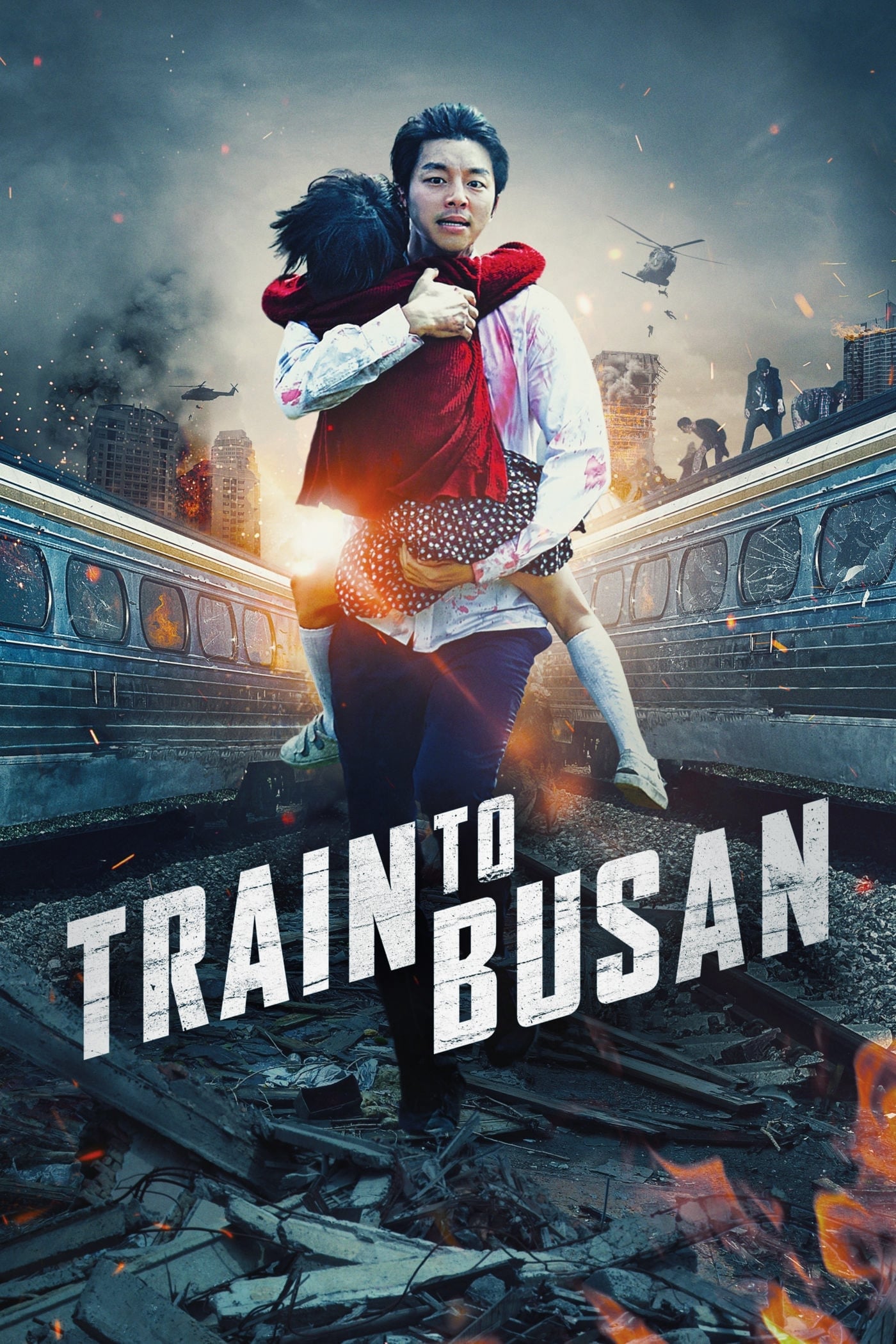
Yeon Sang-ho’s breakout live-action feature traps passengers on a high-speed train during a sudden outbreak. Gong Yoo, Jung Yu-mi, Ma Dong-seok, Kim Su-an, and Choi Woo-shik form intersecting arcs—parenthood, teamwork, and self-preservation—tested at each stop.
Choreography emphasizes speed and herd behavior, with tight corridor geography that forces inventive use of luggage racks, bathrooms, and coupling spaces. Practical makeup layered with digital augmentation keeps the infected readable in motion, while the score accents sprint-to-breather pacing across compartments.
Share your favorite Korean films you’ve found on Netflix—and the hidden gems we missed—in the comments!