Best TV Shows of the 1990s


The 1990s delivered a wave of genre-defining television across networks, cable, and syndication, spanning sitcoms, prestige dramas, animation, sci-fi, and reality formats. Creators refined serialized storytelling, cable channels expanded creative boundaries, and international hits crossed over to new audiences. The decade also cemented the blueprint for long-running franchises and spinoffs that still shape TV today.
Below is an info-rich tour through standout series that either launched or flourished during the decade. Each entry notes creators, networks, main cast, format details, and notable achievements—so you can quickly see what made each show significant and how it influenced what came next.
‘The Sopranos’ (1999–2007)
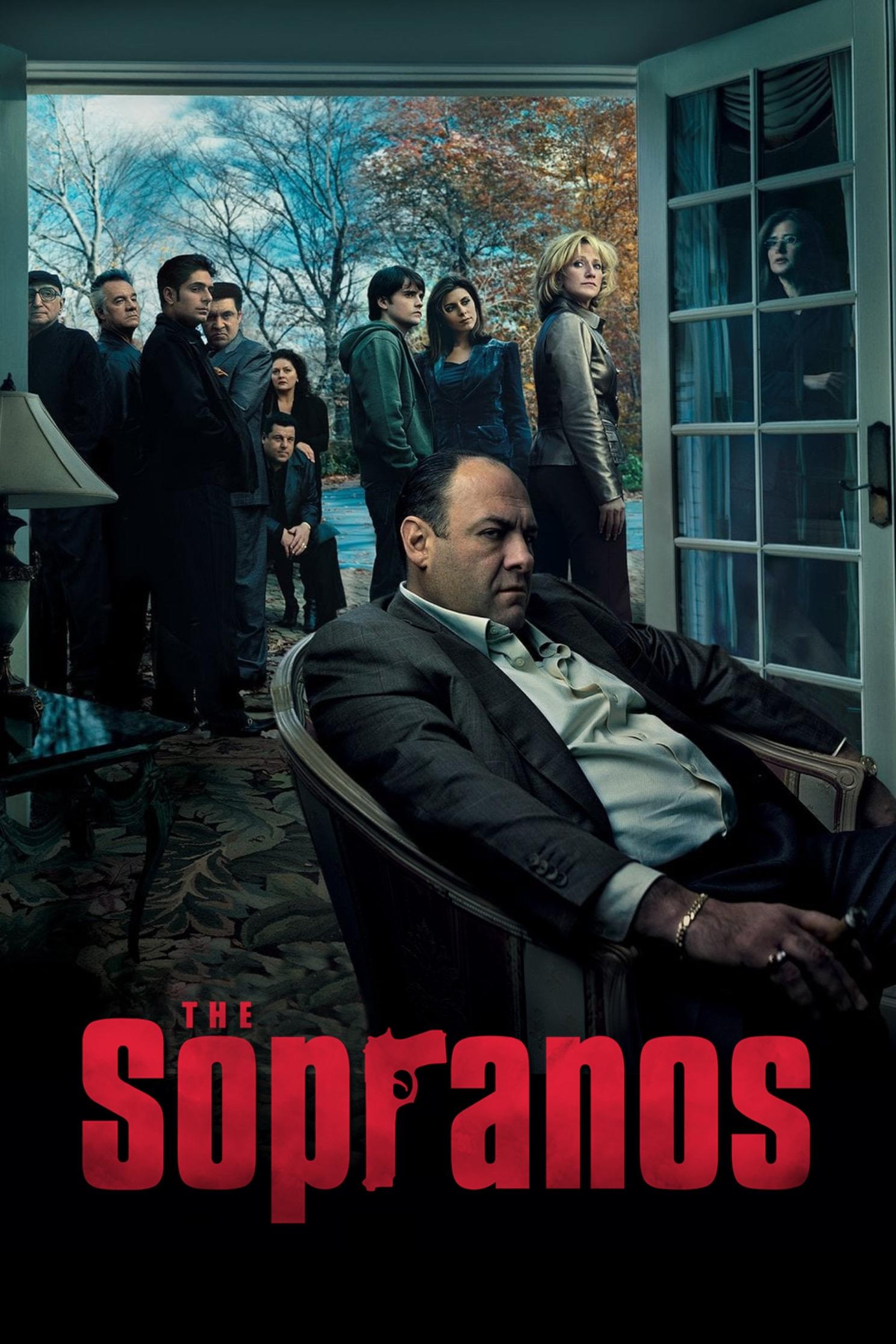
Created by David Chase for HBO, ‘The Sopranos’ centers on New Jersey mob boss Tony Soprano balancing organized crime with family life. The series stars James Gandolfini, Edie Falco, Lorraine Bracco, and Michael Imperioli, with production grounded in North Jersey and New York locations.
It introduced therapy as a narrative engine and codified prestige-drama hallmarks on premium cable. The show accumulated major industry awards, influenced later antihero dramas, and expanded HBO’s subscriber base and international profile.
‘The X-Files’ (1993–2002)
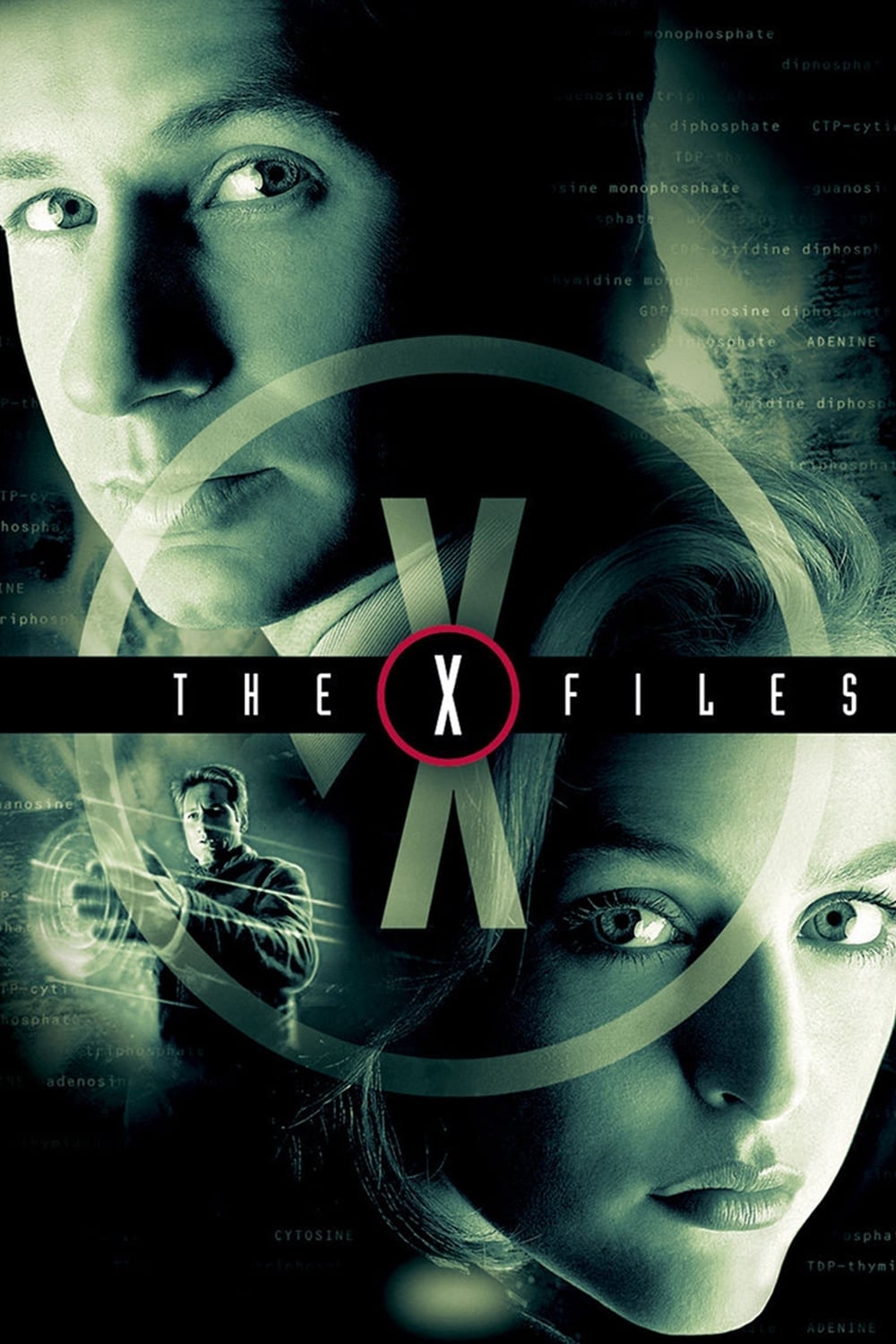
Created by Chris Carter for Fox, ‘The X-Files’ follows FBI agents Fox Mulder and Dana Scully investigating unexplained phenomena. David Duchovny and Gillian Anderson lead, supported by recurring figures like Walter Skinner, the Cigarette Smoking Man, and the Lone Gunmen.
A hybrid structure alternates mythology arcs with stand-alone cases. The series generated feature films, a spinoff in ‘The Lone Gunmen’, extensive tie-in novels and comics, and helped normalize genre TV on a major broadcast network.
‘Friends’ (1994–2004)
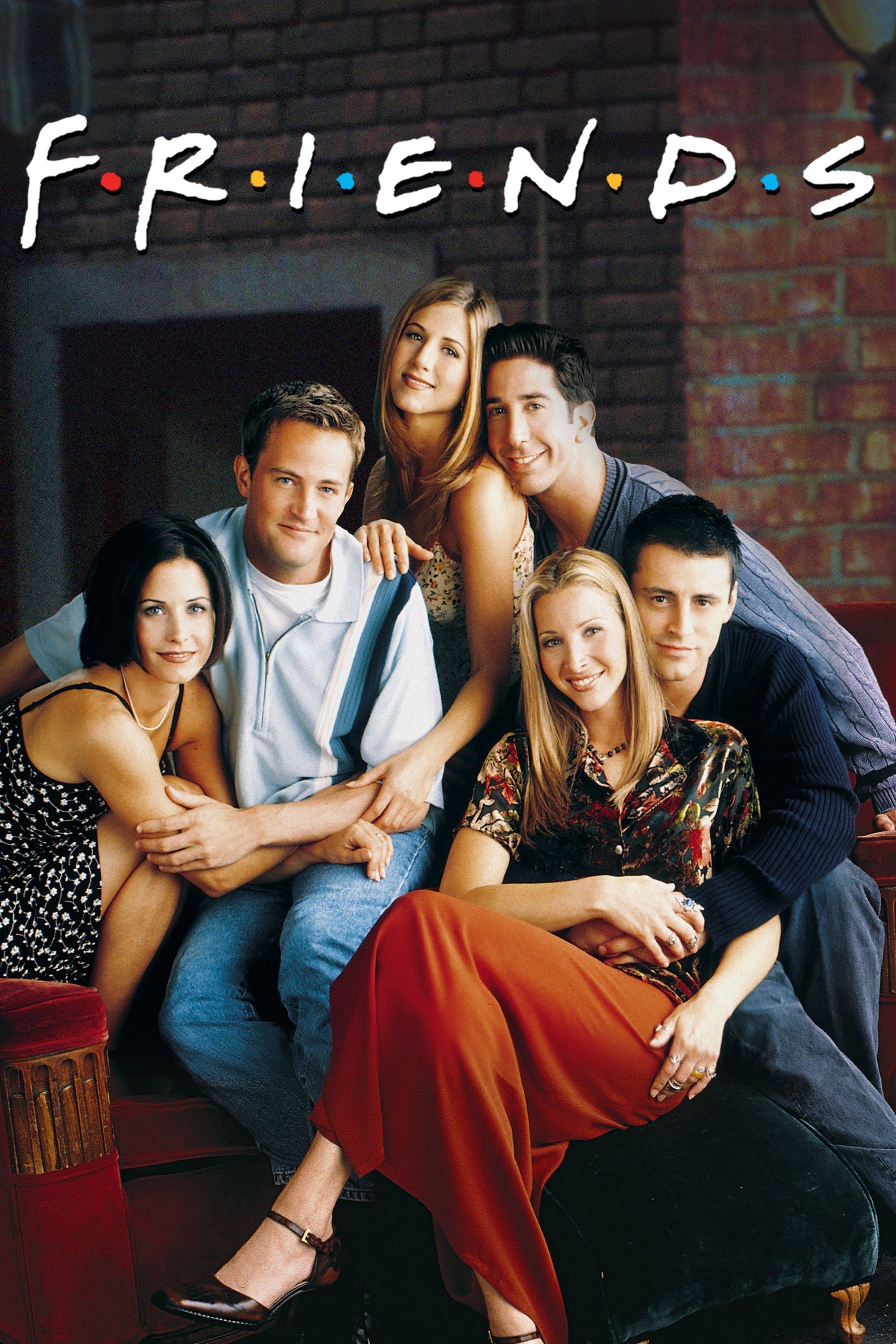
Produced by Bright/Kauffman/Crane for NBC, ‘Friends’ tracks six twenty-somethings sharing life in New York City. Jennifer Aniston, Courteney Cox, Lisa Kudrow, Matt LeBlanc, Matthew Perry, and David Schwimmer anchor the ensemble.
Central sets like Central Perk and adjoining apartments became iconic, and high-profile guest arcs supported network synergy. The show spawned international remakes, a lucrative syndication package, and enduring licensing.
‘Seinfeld’ (1989–1998)
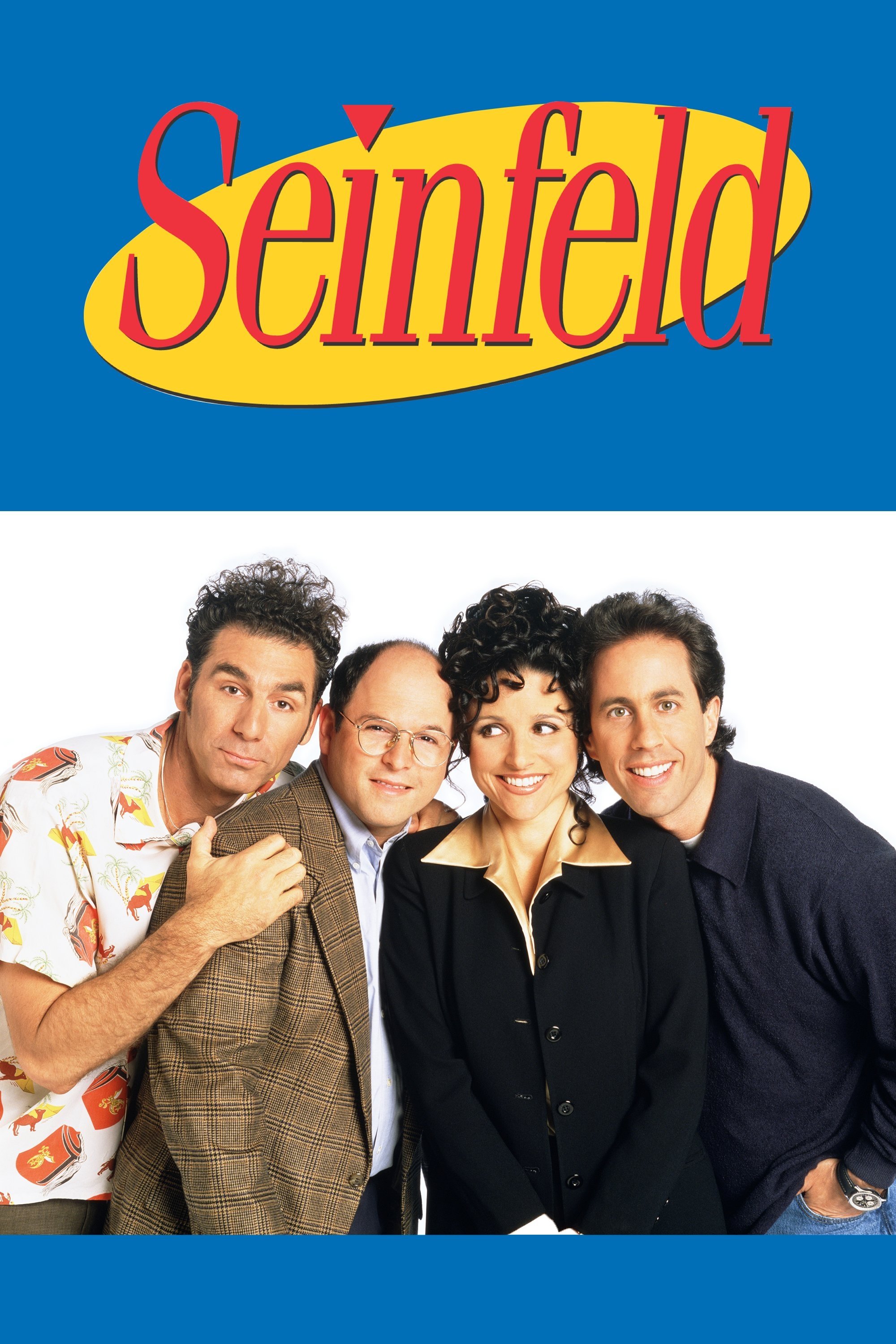
Co-created by Larry David and Jerry Seinfeld for NBC, ‘Seinfeld’ follows four friends navigating everyday absurdities in New York. Jerry Seinfeld, Julia Louis-Dreyfus, Jason Alexander, and Michael Richards star.
Episodes interweave multiple plotlines that converge by the end, paired with a “no hugging, no learning” approach. The series pioneered recurring callbacks, minted catchphrases, and sustained strong syndicated viewership.
‘Twin Peaks’ (1990–1991)
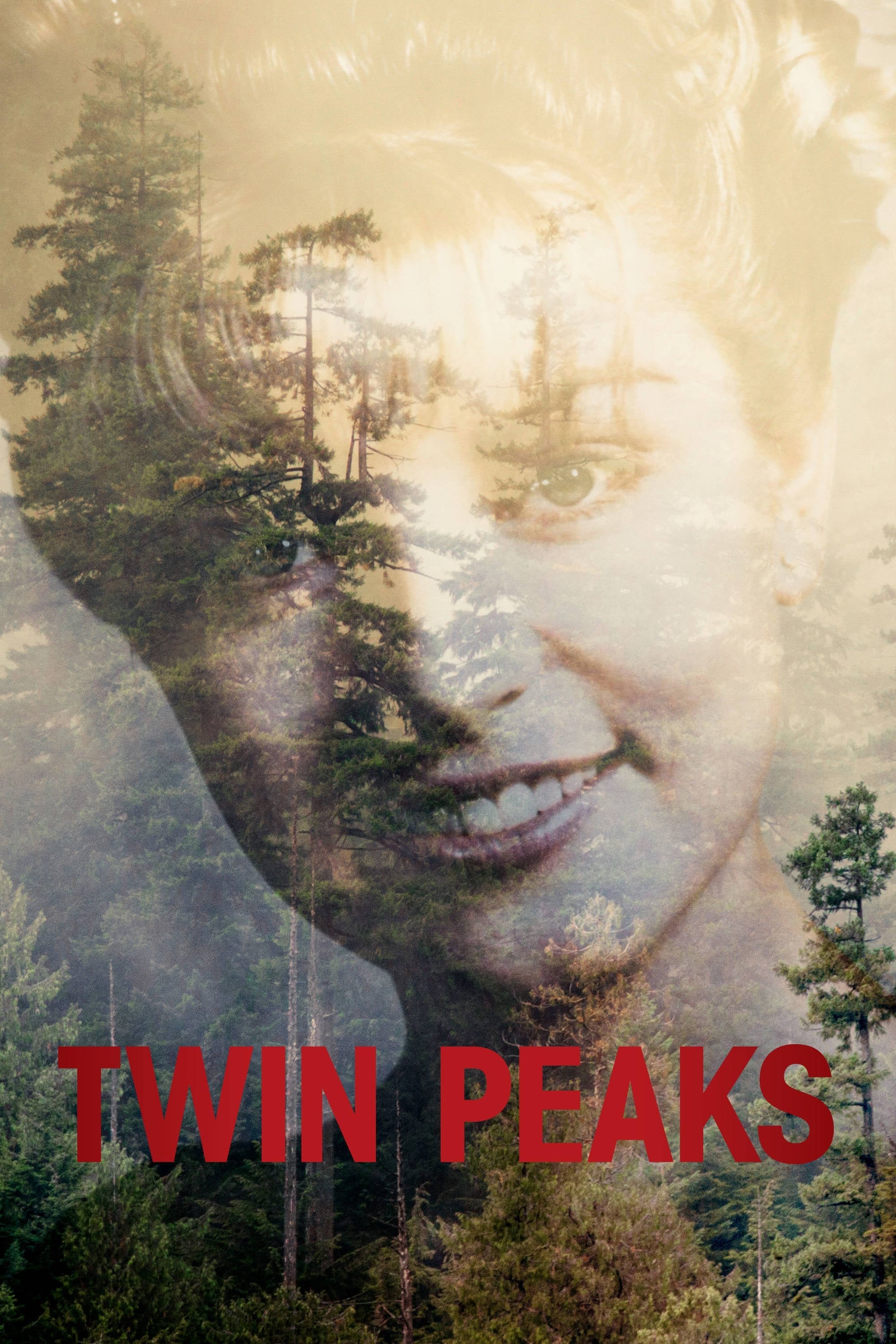
From David Lynch and Mark Frost for ABC, ‘Twin Peaks’ opens with the investigation of a homecoming queen’s death in a small Northwestern town. Kyle MacLachlan leads as Agent Dale Cooper, with a large ensemble and a distinctive Angelo Badalamenti score.
Its surreal tone, dream imagery, and production design expanded network TV’s stylistic range. The series spawned a prequel film, inspired later mystery and horror shows, and sustained a devoted fan culture that supported a limited-series revival.
‘ER’ (1994–2009)
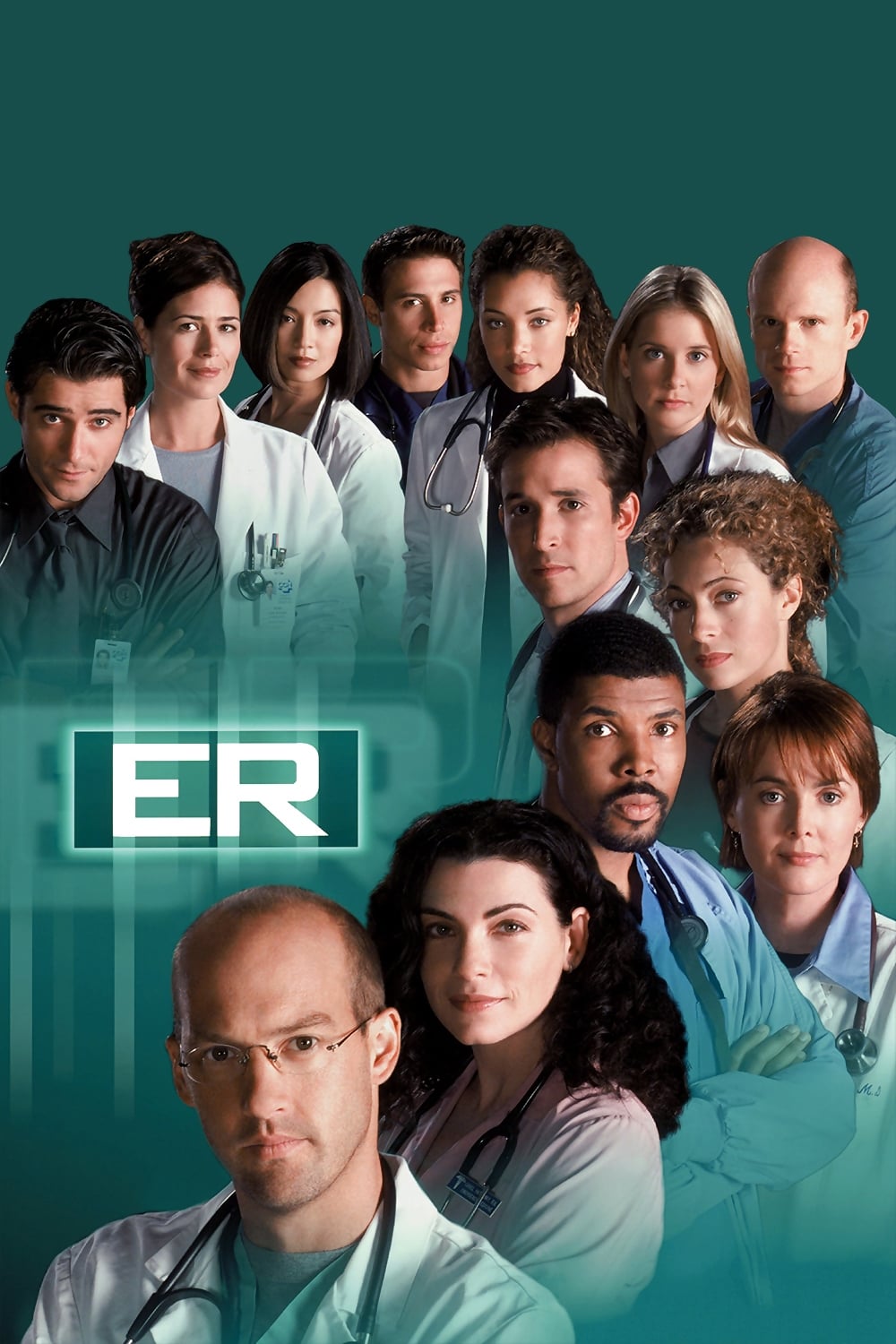
Created by Michael Crichton for NBC, ‘ER’ depicts the high-intensity operations of a Chicago emergency department. Early principal cast includes Anthony Edwards, George Clooney, Sherry Stringfield, Eriq La Salle, Noah Wyle, and Julianna Margulies.
Fast-paced direction, long takes, and medical authenticity defined its approach. The series ranked among the most watched dramas of its era, won numerous awards, and set a template for serialized medical storytelling.
‘The Simpsons’ (1989–present)
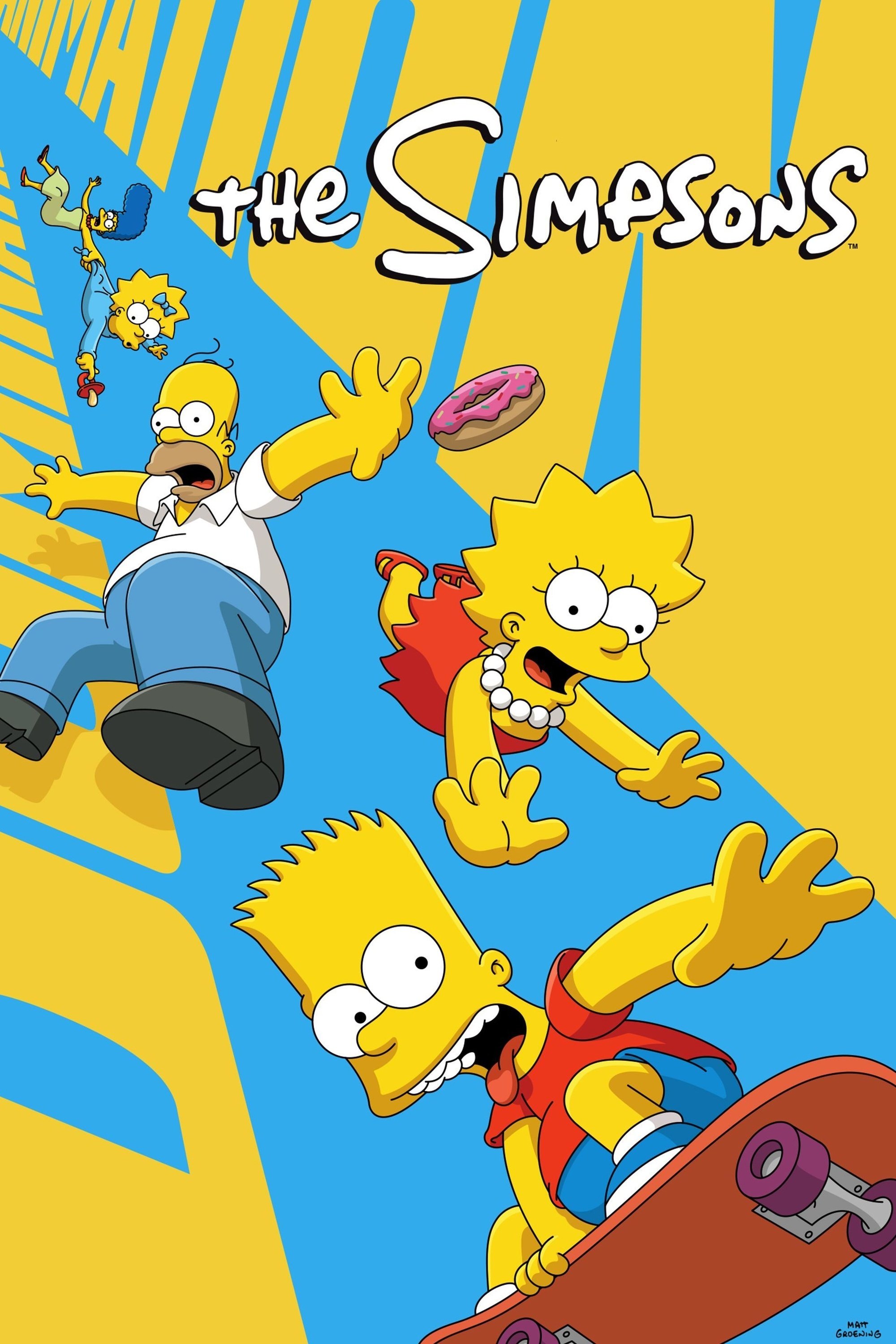
Developed by James L. Brooks, Matt Groening, and Sam Simon for Fox, ‘The Simpsons’ chronicles the Simpson family and Springfield’s residents through animated satire. The voice cast features Dan Castellaneta, Julie Kavner, Nancy Cartwright, and Yeardley Smith.
The series integrates parody, cultural references, and couch-gag variations within a robust episodic format. It built a transmedia footprint with merchandise, video games, and a feature film and influenced the expansion of primetime animation.
‘Buffy the Vampire Slayer’ (1997–2003)
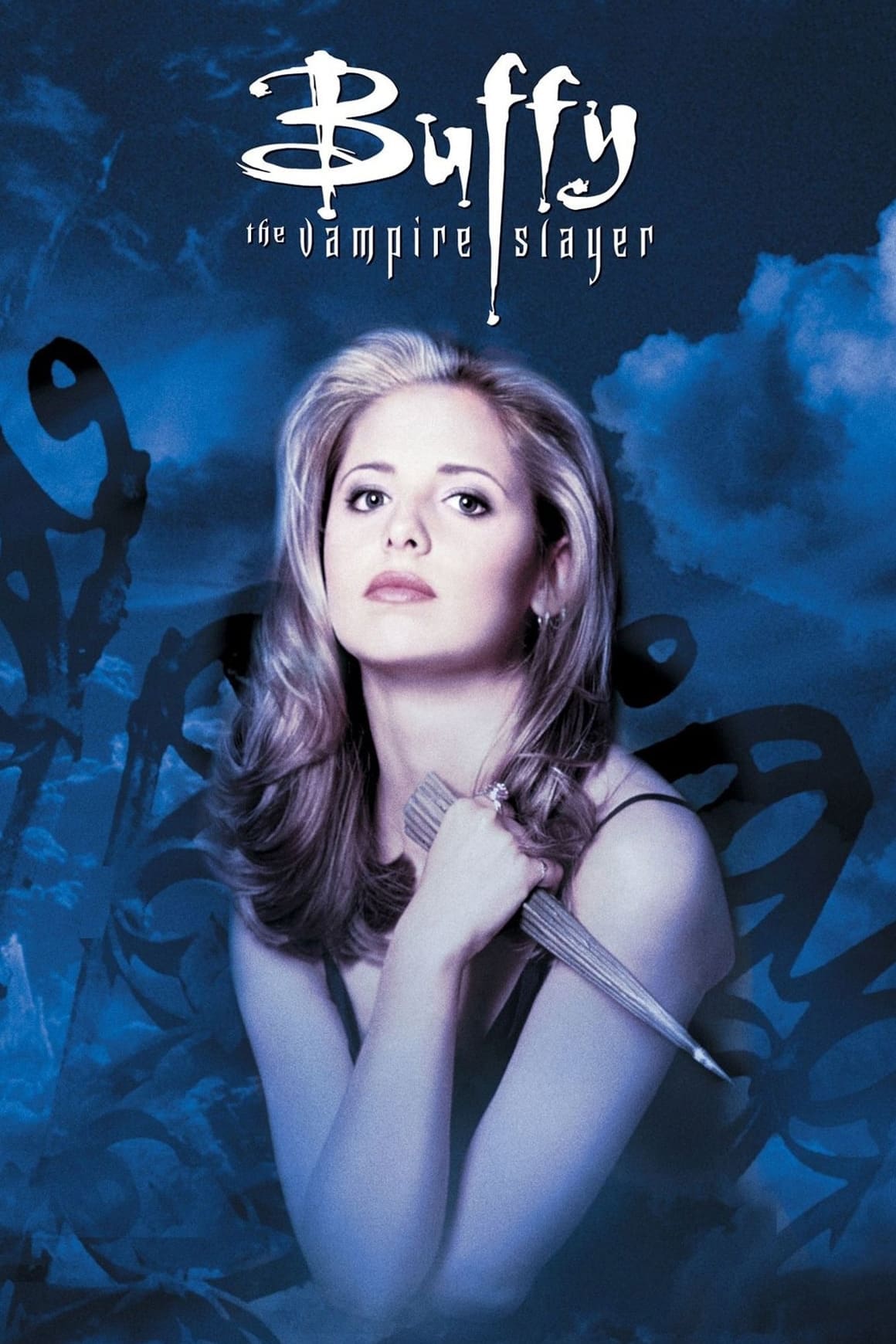
Created by Joss Whedon for The WB/UPN, ‘Buffy the Vampire Slayer’ follows Buffy Summers and the Scooby Gang confronting supernatural threats in Sunnydale. Sarah Michelle Gellar, Alyson Hannigan, Nicholas Brendon, and Anthony Head headline, with links to ‘Angel’.
The show blends monster-of-the-week plots with serialized arcs and season “Big Bads.” It popularized quippy ensemble fantasy on network TV, produced tie-in novels and comics, and established a template for genre shows mixing action and mythology.
‘Frasier’ (1993–2004)
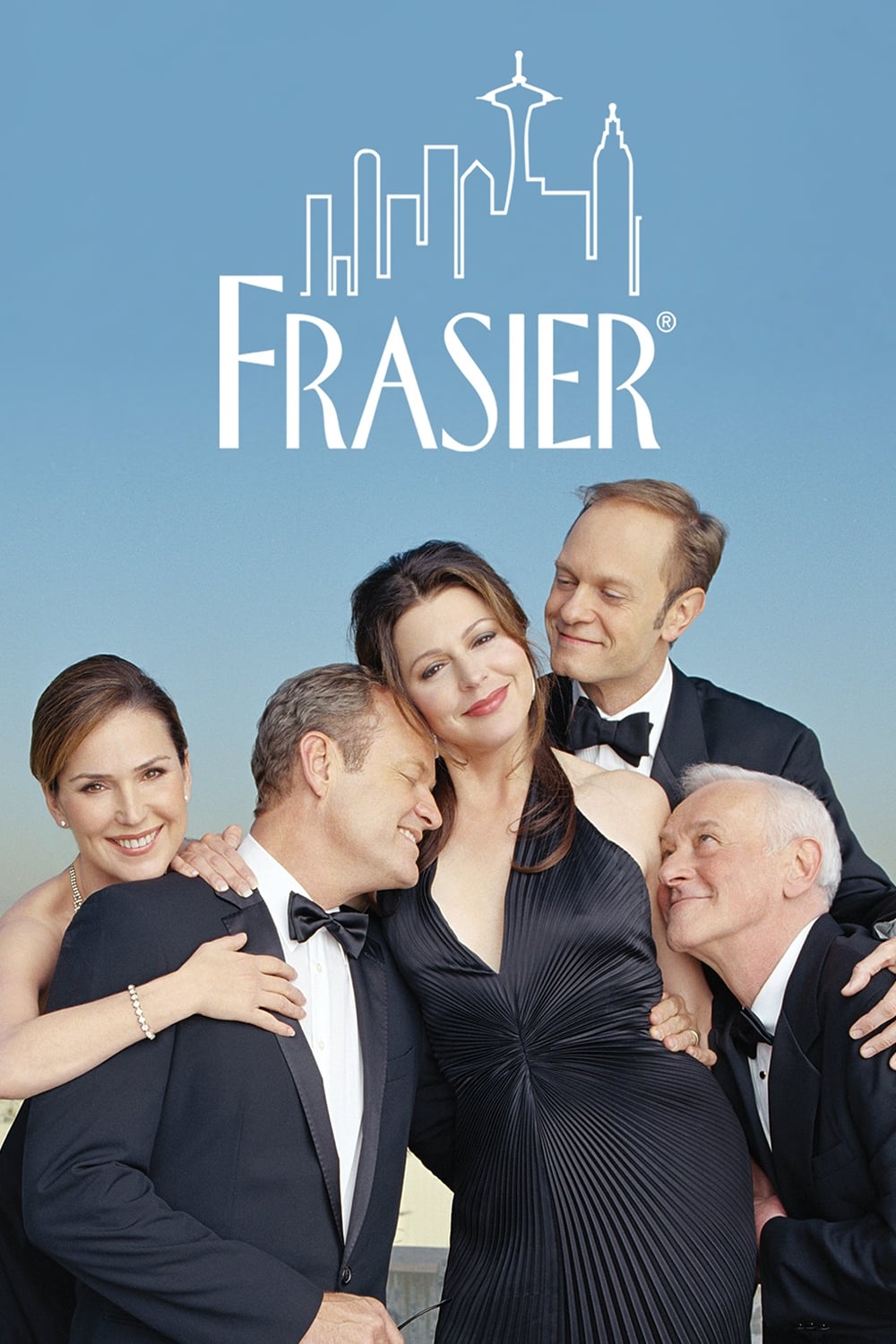
A spinoff of ‘Cheers’ produced for NBC, ‘Frasier’ follows Dr. Frasier Crane’s return to Seattle to host a radio psychiatry show. Kelsey Grammer stars with David Hyde Pierce, John Mahoney, Jane Leeves, and Peri Gilpin.
Recurring settings like Café Nervosa and Frasier’s apartment support farce construction and wordplay. The series amassed a large award haul for acting and writing and demonstrated the strength of character-centered spinoffs.
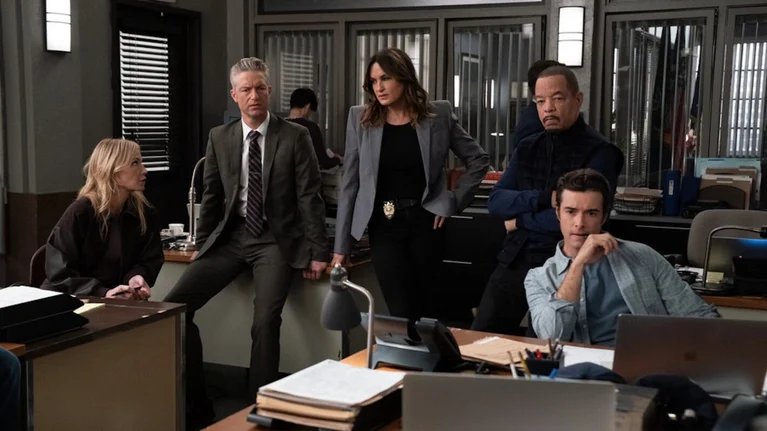
‘Law & Order’ (1990–2010)
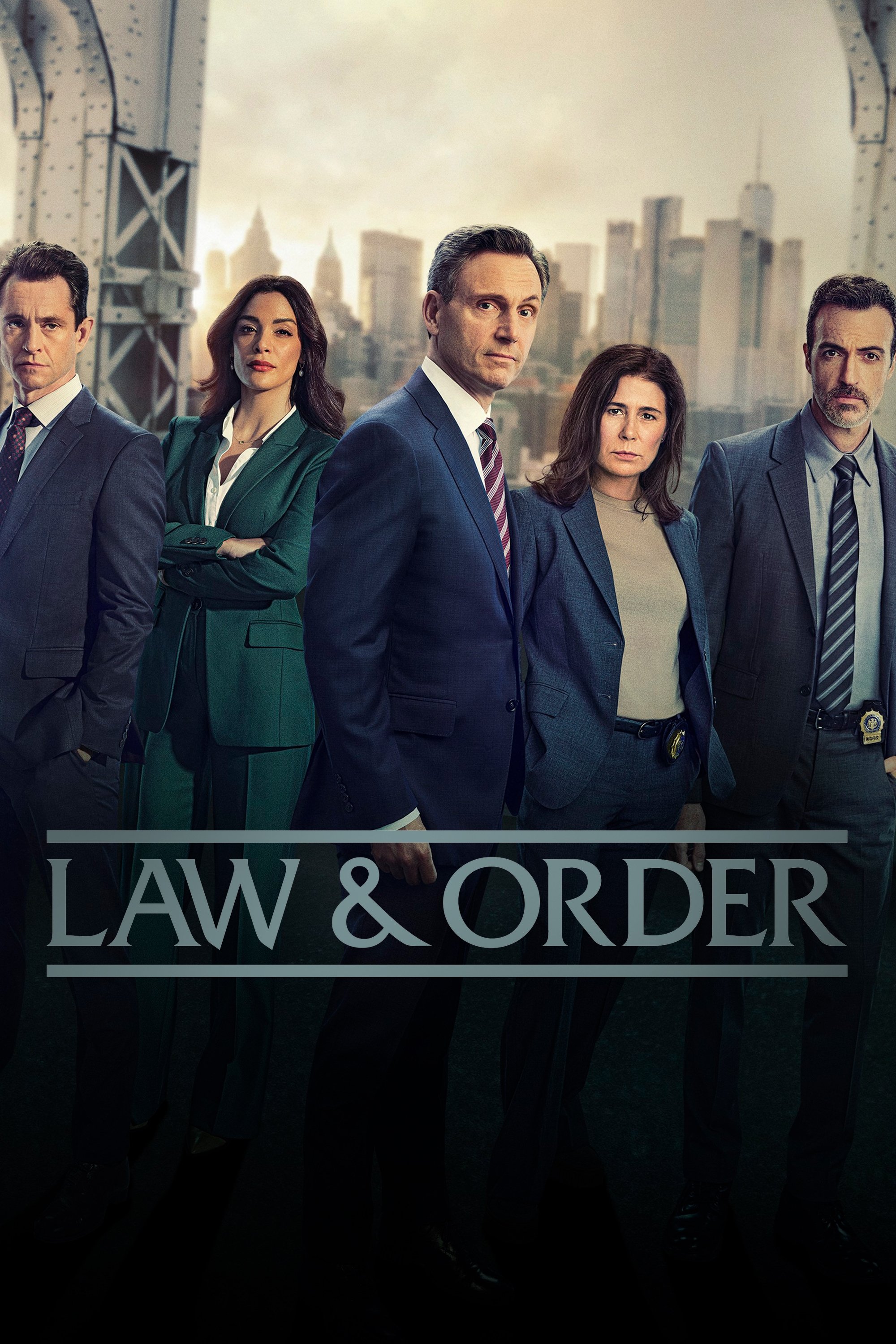
Created by Dick Wolf for NBC, ‘Law & Order’ splits episodes between police investigation and prosecution. Key cast across eras includes Jerry Orbach, S. Epatha Merkerson, Sam Waterston, and Steven Hill.
Its two-part format enabled vast syndicated packages and international versions. The franchise generated multiple spinoffs, crossovers, and a production model emphasizing ripped-from-the-headlines case construction.
‘NYPD Blue’ (1993–2005)
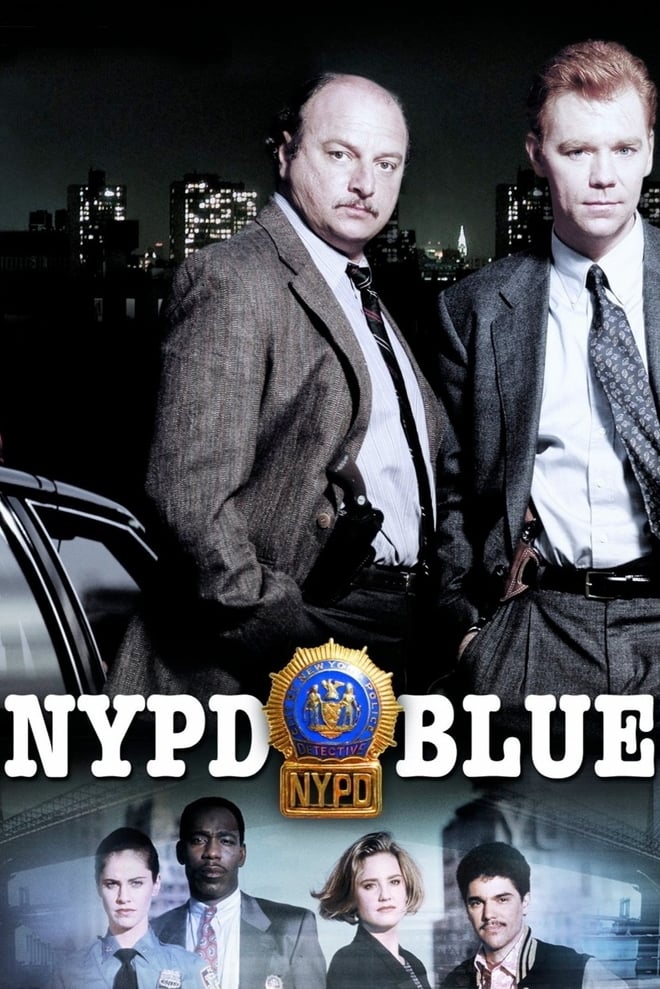
From Steven Bochco and David Milch for ABC, ‘NYPD Blue’ depicts detectives in a Manhattan precinct. Dennis Franz and Jimmy Smits led major periods, supported by a rotating ensemble and hand-held camerawork.
The show addressed mature themes on broadcast TV and influenced later police dramas’ tone and visual language. It received significant awards recognition, with serialized character arcs alongside closed-case structures.
‘South Park’ (1997–present)
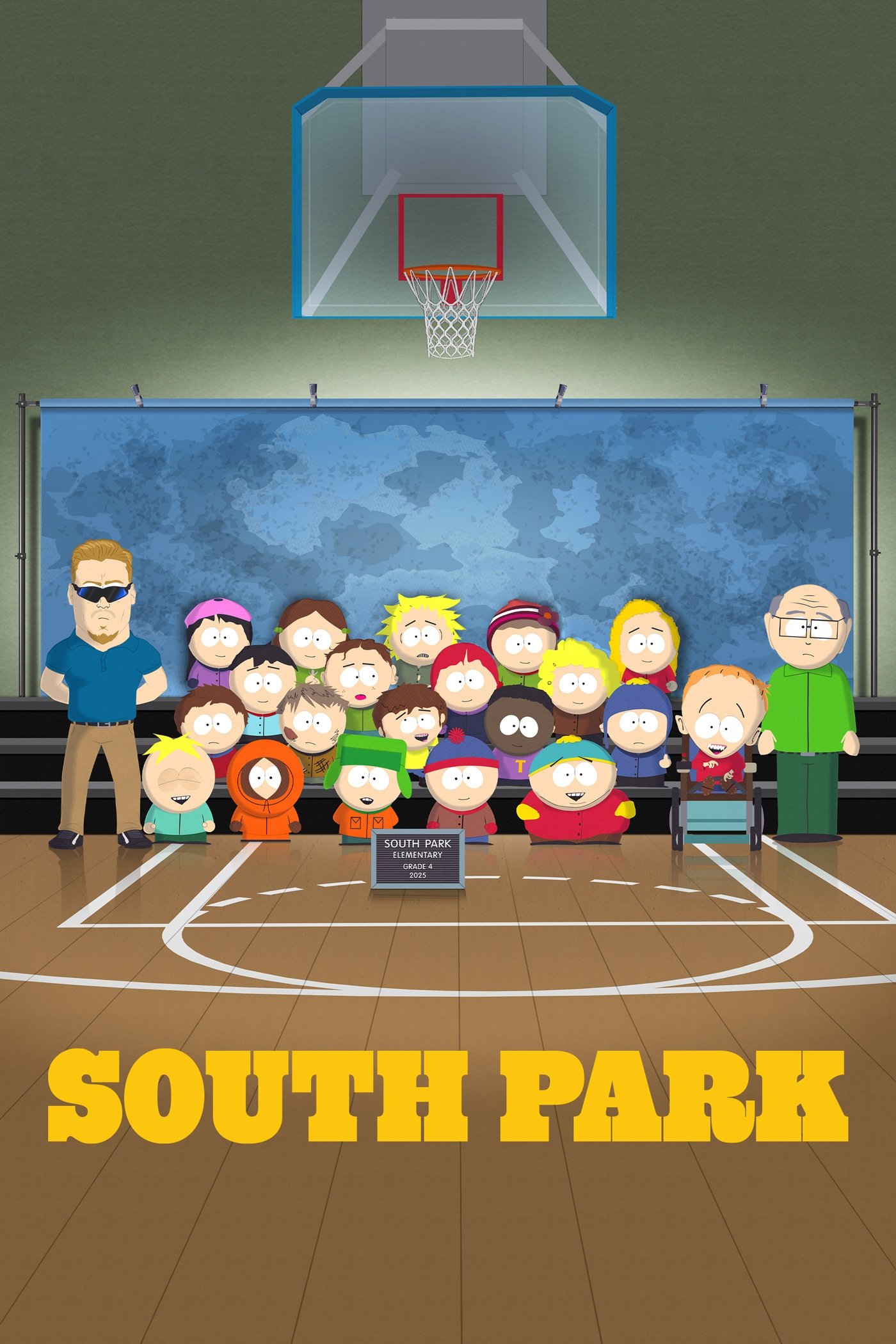
Created by Trey Parker and Matt Stone for Comedy Central, ‘South Park’ uses cutout-style animation to follow four boys in a Colorado town. A small core voice cast performs many characters.
A rapid production pipeline enables topical episodes tied closely to current events. The series expanded into films, games, and tours, defined Comedy Central’s brand, and demonstrated the viability of adult animation in cable primetime.
‘Batman: The Animated Series’ (1992–1995)
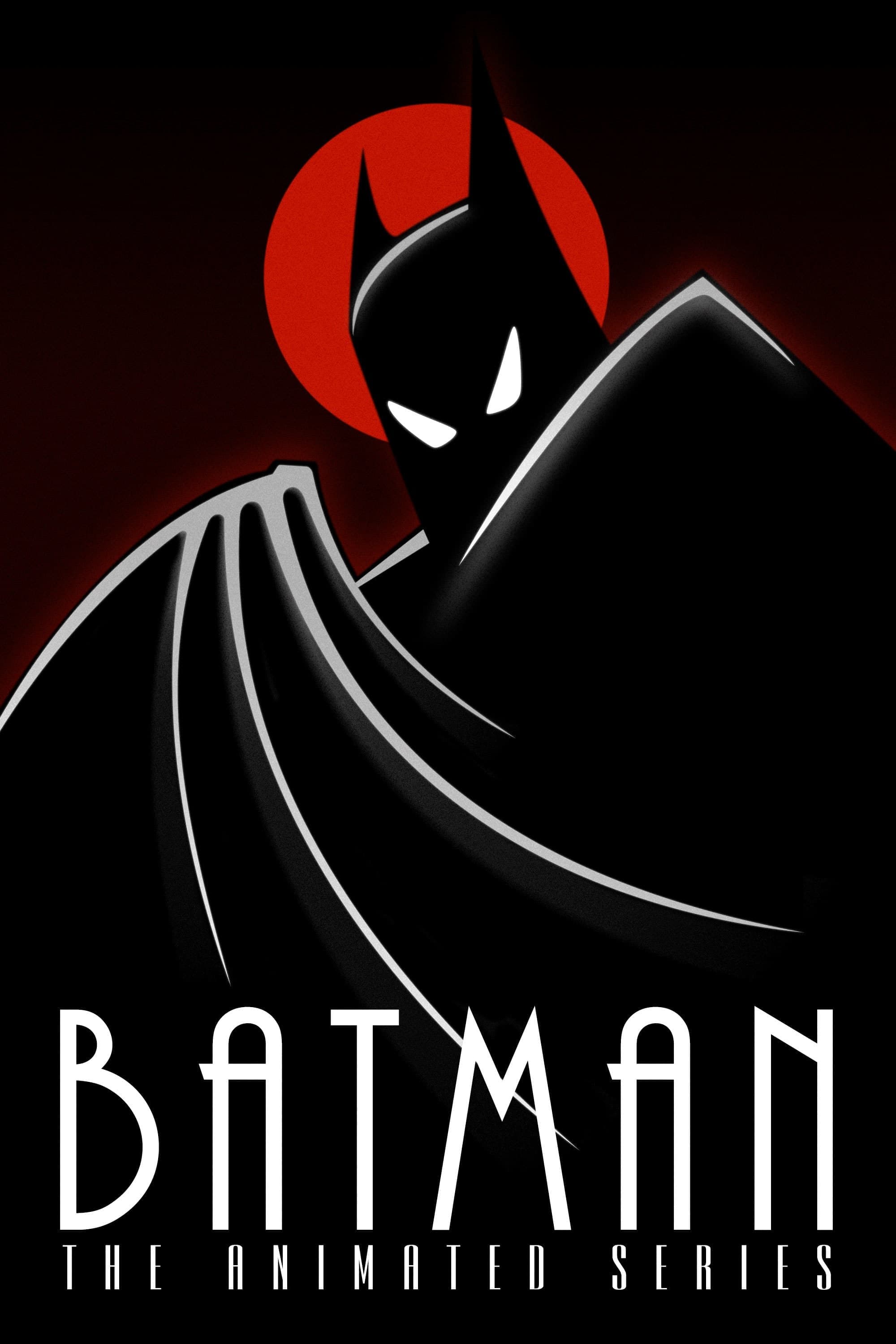
Developed by Bruce Timm and Eric Radomski for Fox Kids, ‘Batman: The Animated Series’ presents a noir-influenced take on Gotham. Kevin Conroy and Mark Hamill delivered widely recognized voice performances.
The show introduced Harley Quinn to the franchise, spun off ‘The New Batman Adventures’ and ‘Batman Beyond’, and set a standard for superhero animation with art-deco design and orchestral scoring.
‘Star Trek: Deep Space Nine’ (1993–1999)
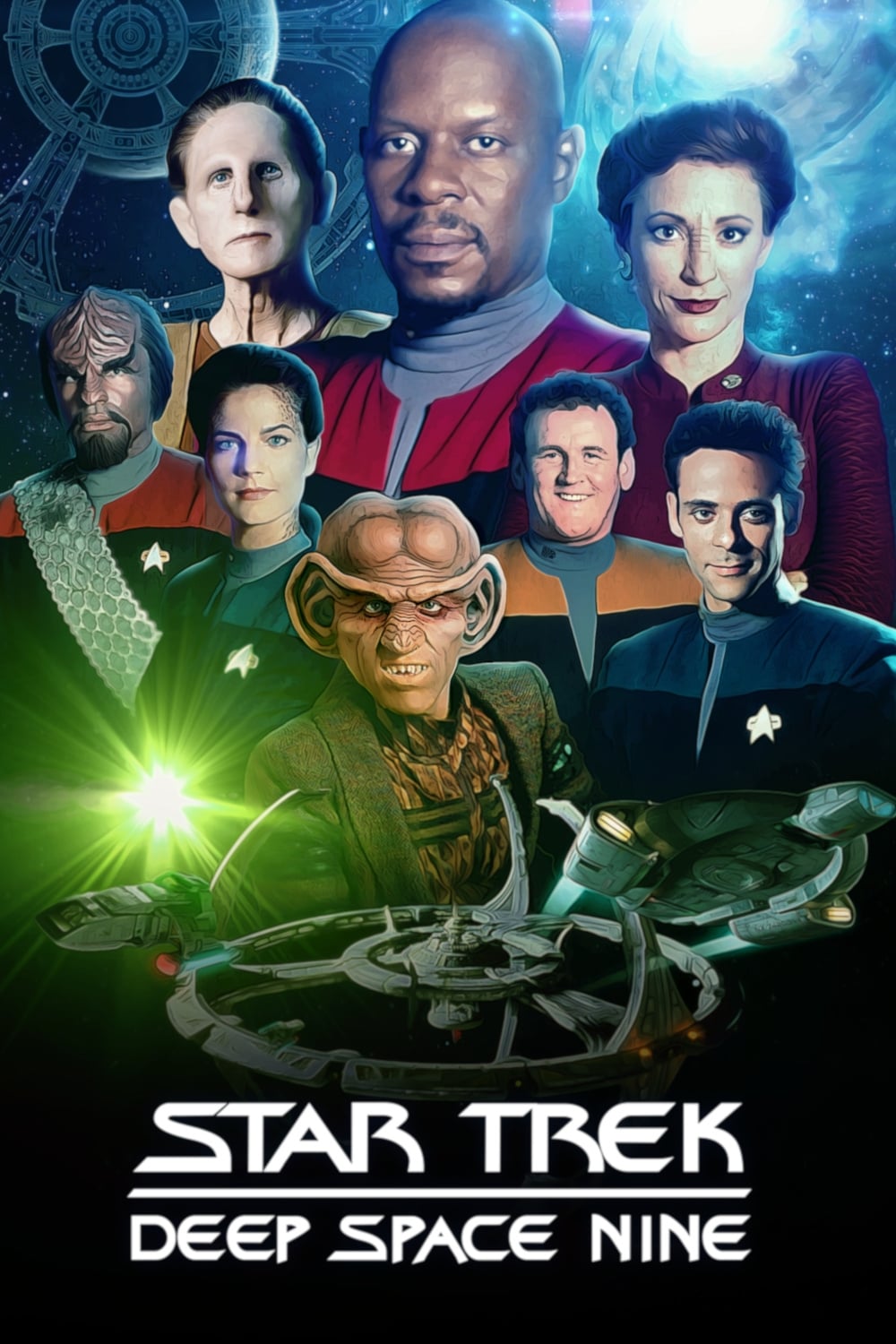
Created by Rick Berman and Michael Piller for syndication, ‘Star Trek: Deep Space Nine’ centers on a space station near a strategic wormhole. Avery Brooks leads a diverse ensemble, with a long-running Dominion War arc.
The show foregrounded serial storytelling, political themes, and a large recurring cast. Its multi-episode arcs and moral complexity influenced later science-fiction television structures.
‘Star Trek: Voyager’ (1995–2001)
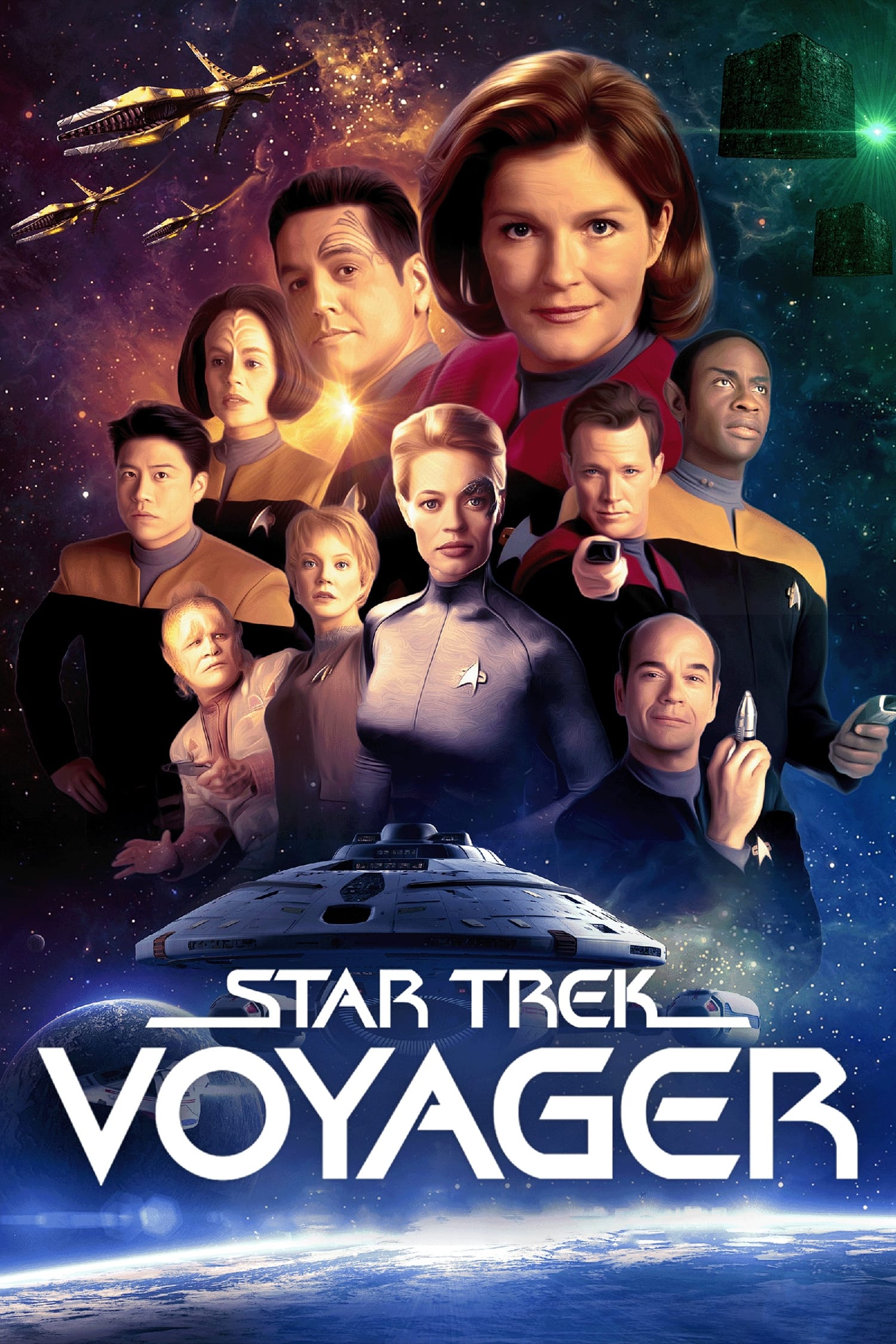
From Rick Berman, Michael Piller, and Jeri Taylor for UPN, ‘Star Trek: Voyager’ follows a stranded Starfleet crew in the Delta Quadrant. Kate Mulgrew stars as Captain Janeway, with Robert Beltran, Tim Russ, Roxann Dawson, Robert Picardo, and later Jeri Ryan.
The series balanced exploration with resource-management plots and recurring antagonists like the Borg. It anchored UPN’s early schedule and expanded representation in franchise leadership roles.
‘The West Wing’ (1999–2006)
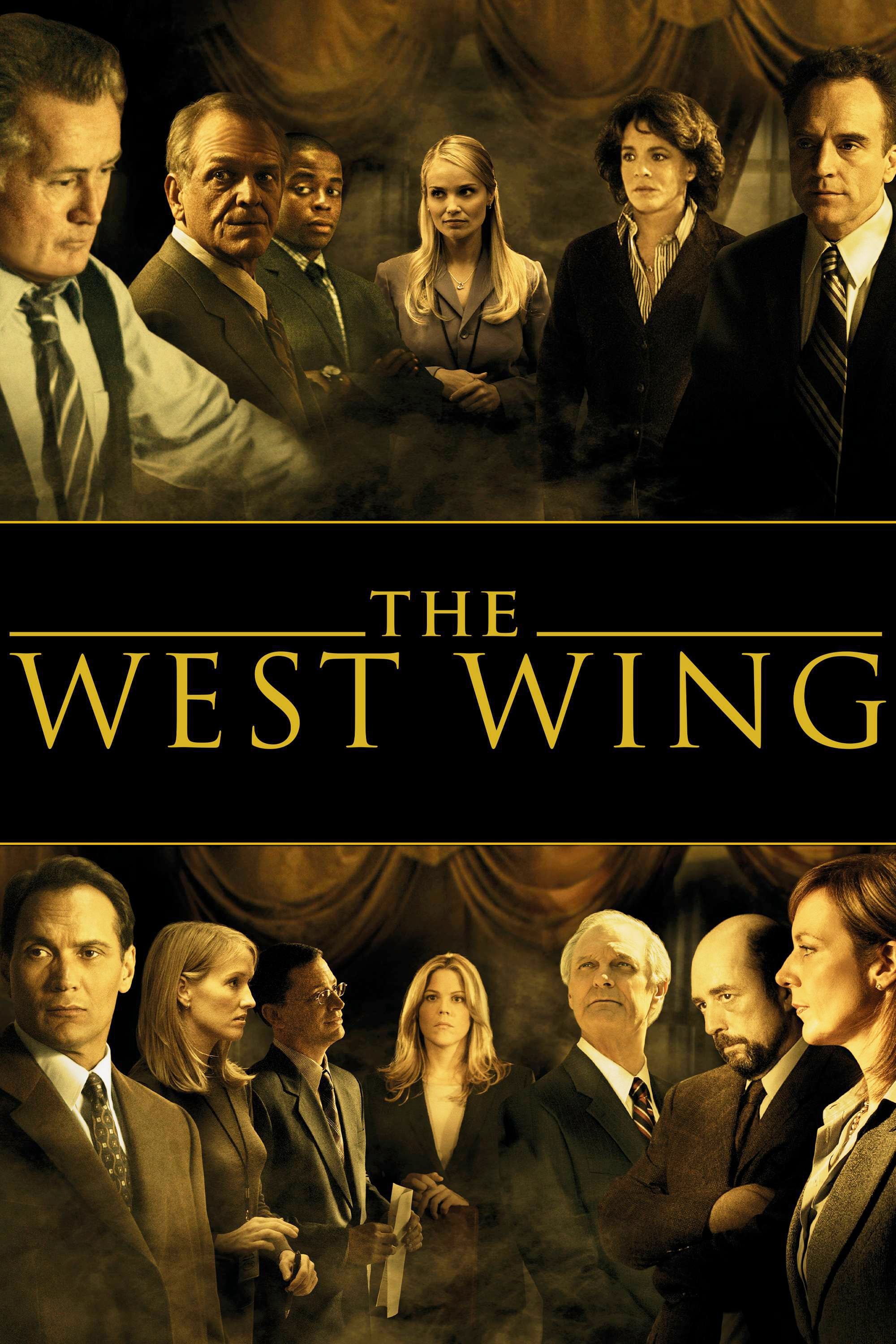
Created by Aaron Sorkin for NBC, ‘The West Wing’ dramatizes daily operations in the White House. Martin Sheen, Allison Janney, Bradley Whitford, Richard Schiff, Rob Lowe, and Dulé Hill form the core ensemble.
Production is known for walk-and-talk staging, dense dialogue, and multi-episode legislative arcs. The show earned extensive awards and served as a platform for guest stars and policy consultants.
‘Oz’ (1997–2003)
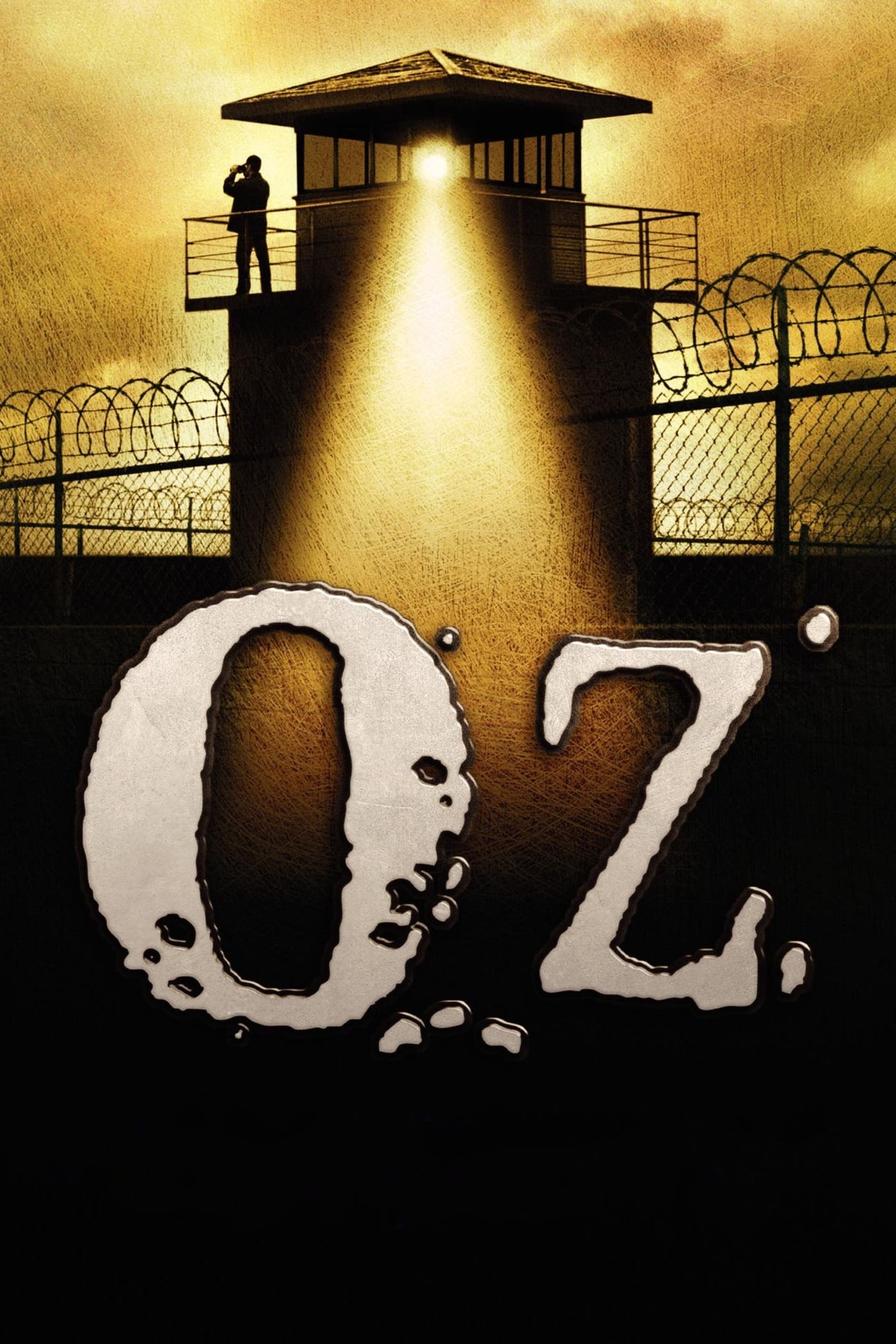
Created by Tom Fontana for HBO, ‘Oz’ is set in a maximum-security prison and centers on the experimental Emerald City unit. Ernie Hudson, Harold Perrineau, J. K. Simmons, and Lee Tergesen are among the principal cast.
Anthology-style subplots unfold within a continuous ensemble structure. The show’s frank depiction of institutional dynamics broadened the range of cable drama and demonstrated premium-channel latitude.
‘The Larry Sanders Show’ (1992–1998)
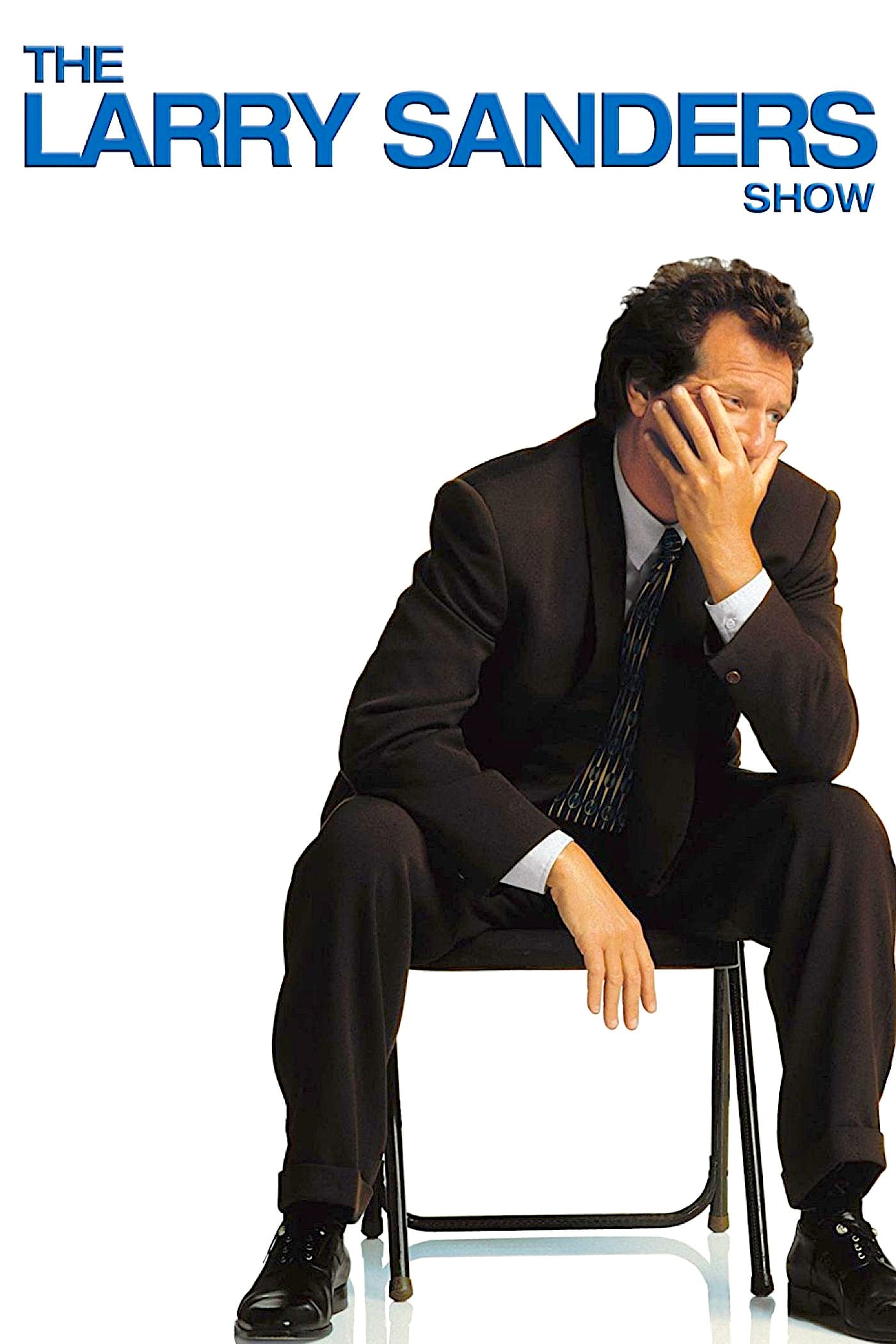
Created by Garry Shandling and Dennis Klein for HBO, ‘The Larry Sanders Show’ satirizes a late-night talk show’s on- and off-camera operations. Garry Shandling, Jeffrey Tambor, and Rip Torn lead a mix of scripted scenes and cameo appearances.
The series employed mock-backstage formats and industry in-jokes with a rotating slate of real-life guests. It influenced later comedies about entertainment production and established techniques common in behind-the-scenes storytelling.
‘Freaks and Geeks’ (1999–2000)
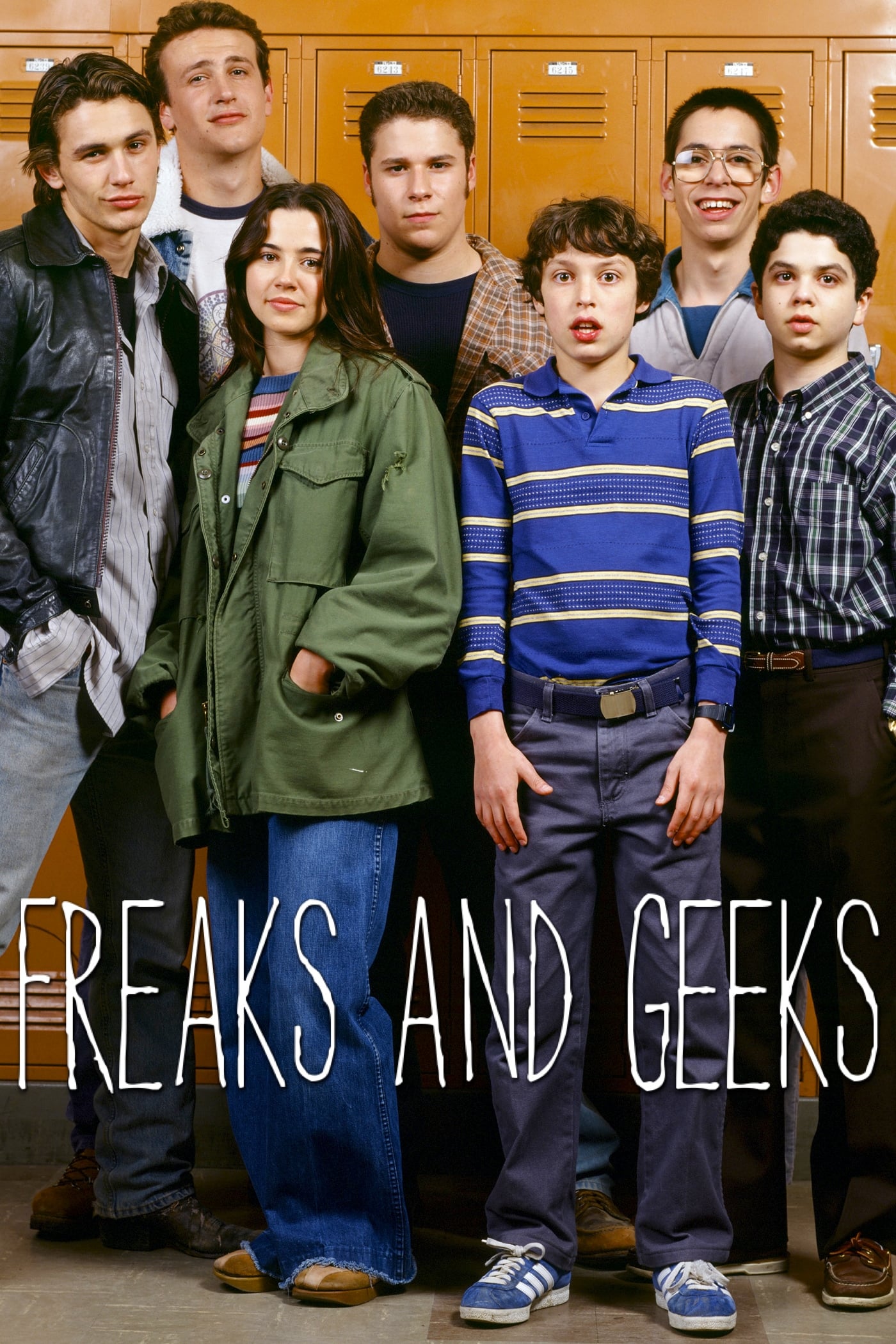
Created by Paul Feig and executive-produced by Judd Apatow for NBC, ‘Freaks and Geeks’ chronicles high-school cliques in a Michigan suburb. The ensemble includes Linda Cardellini, John Francis Daley, James Franco, Seth Rogen, Busy Philipps, and Jason Segel.
Period detail, needle-drop soundtracks, and character-focused arcs define its approach. Despite a brief run, it launched numerous careers and maintained a strong afterlife through home media and streaming.
‘My So-Called Life’ (1994–1995)
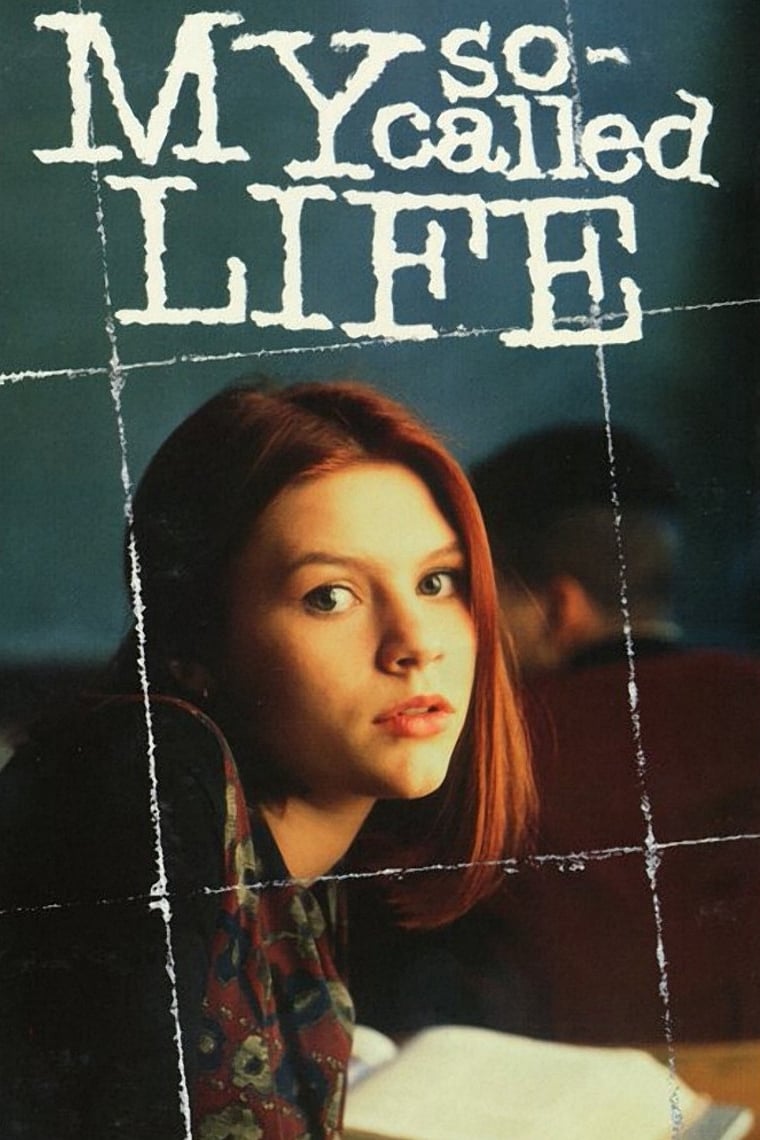
Developed by Winnie Holzman for ABC, ‘My So-Called Life’ follows Angela Chase and her family and friends in suburban Pennsylvania. Claire Danes and Jared Leto head the cast, with Wilson Cruz and Devon Gummersall in key roles.
The series addressed adolescent identity, family dynamics, and school life through grounded storytelling. It built a notable fan campaign for continuation and remains a reference point in teen-drama writing.
‘Homicide: Life on the Street’ (1993–1999)
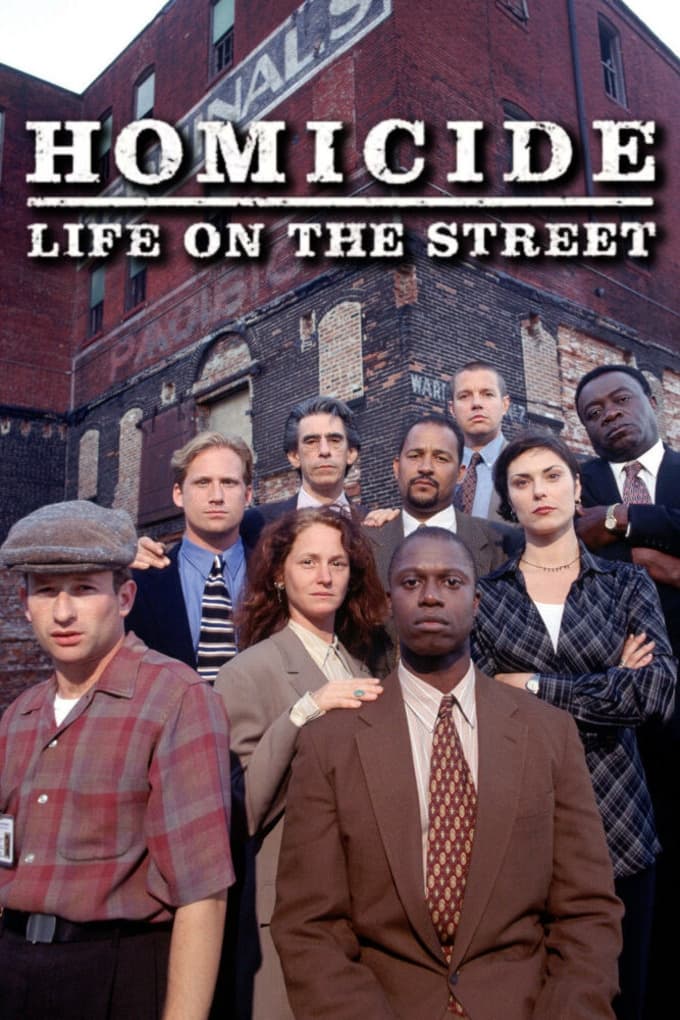
Developed by Paul Attanasio from David Simon’s nonfiction book for NBC, ‘Homicide: Life on the Street’ focuses on Baltimore detectives. Andre Braugher, Kyle Secor, and Yaphet Kotto lead, with visual realism shaped by hand-held camerawork.
The show introduced memorable interrogation-room episodes and complex case structures. Crossovers with ‘Law & Order’ created a shared TV universe, and the series earned significant recognition for performances and writing.
‘The Practice’ (1997–2004)
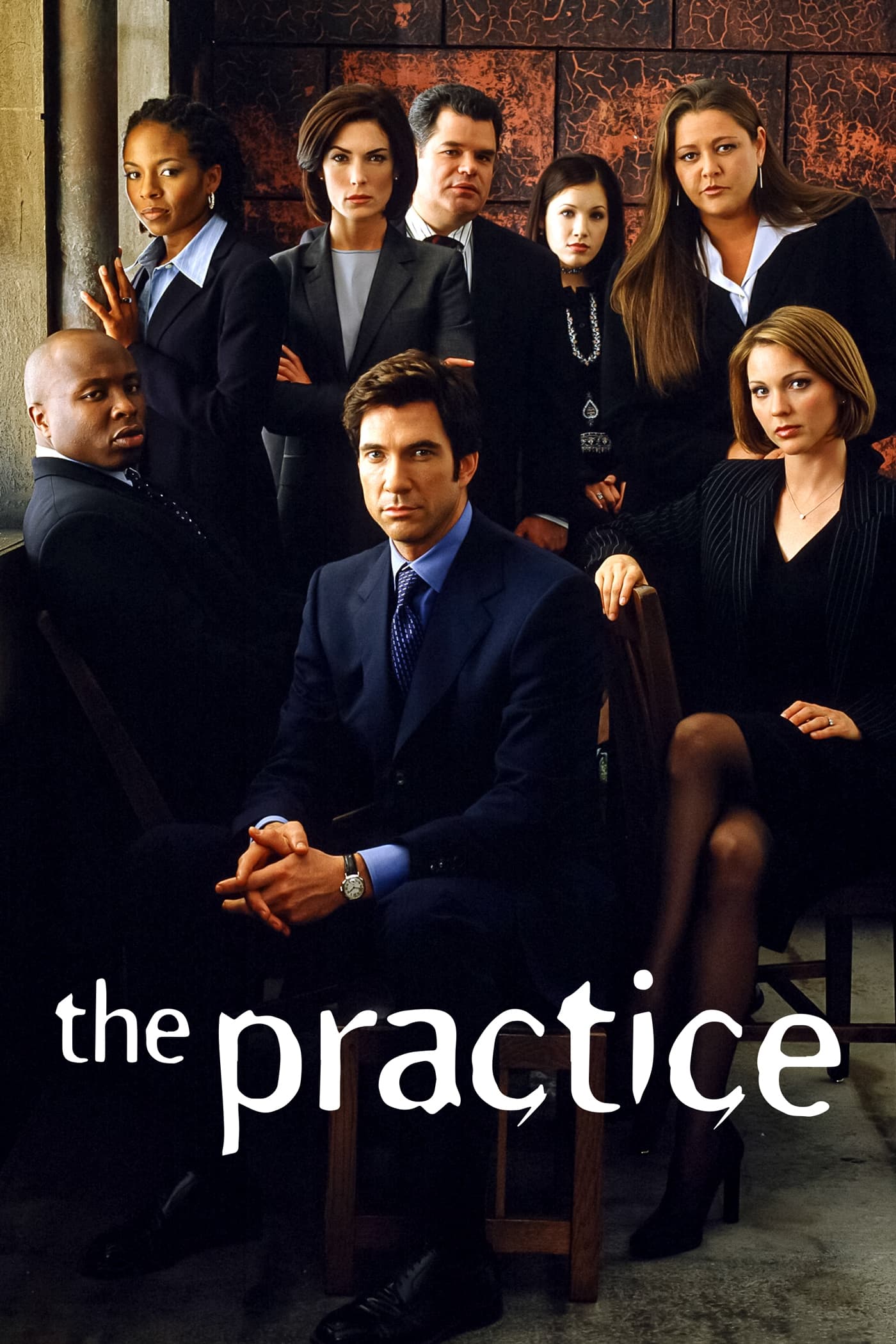
Created by David E. Kelley for ABC, ‘The Practice’ follows a Boston law firm handling criminal and civil cases. Dylan McDermott, Camryn Manheim, Steve Harris, Michael Badalucco, and later James Spader are key cast members.
Serialized legal arcs appear alongside case-of-the-week stories, with occasional crossovers to ‘Ally McBeal’. The series’ final seasons set up ‘Boston Legal’, continuing character threads in a new show.
‘King of the Hill’ (1997–2010)
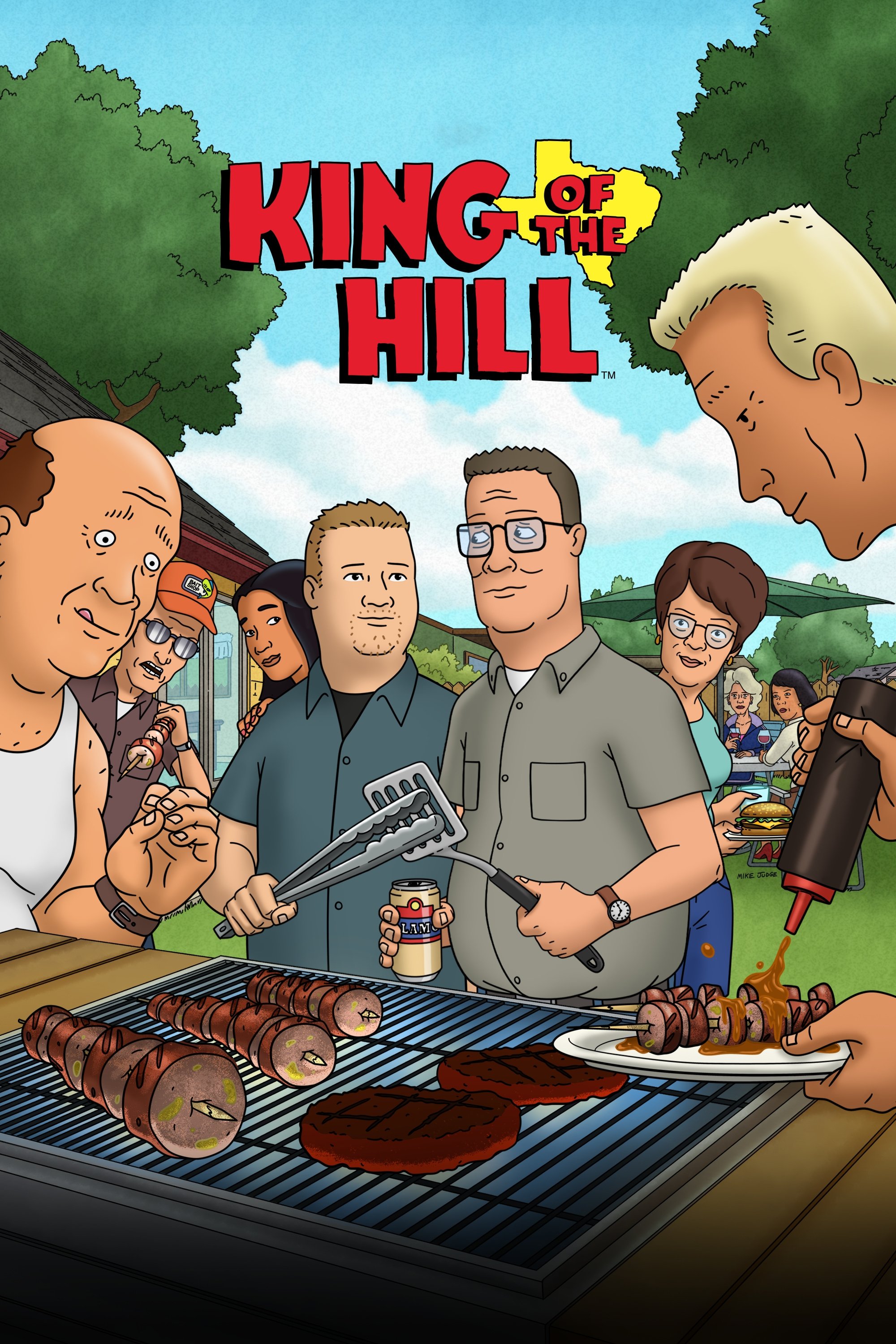
Created by Mike Judge and Greg Daniels for Fox, ‘King of the Hill’ portrays the Hill family and neighbors in the town of Arlen, Texas. Voice leads include Mike Judge, Kathy Najimy, Pamela Adlon, and Brittany Murphy.
A grounded slice-of-life approach distinguishes it within primetime animation. The series maintained steady ratings, produced syndicated packages, and influenced later animated family comedies.
‘Rugrats’ (1991–2004)
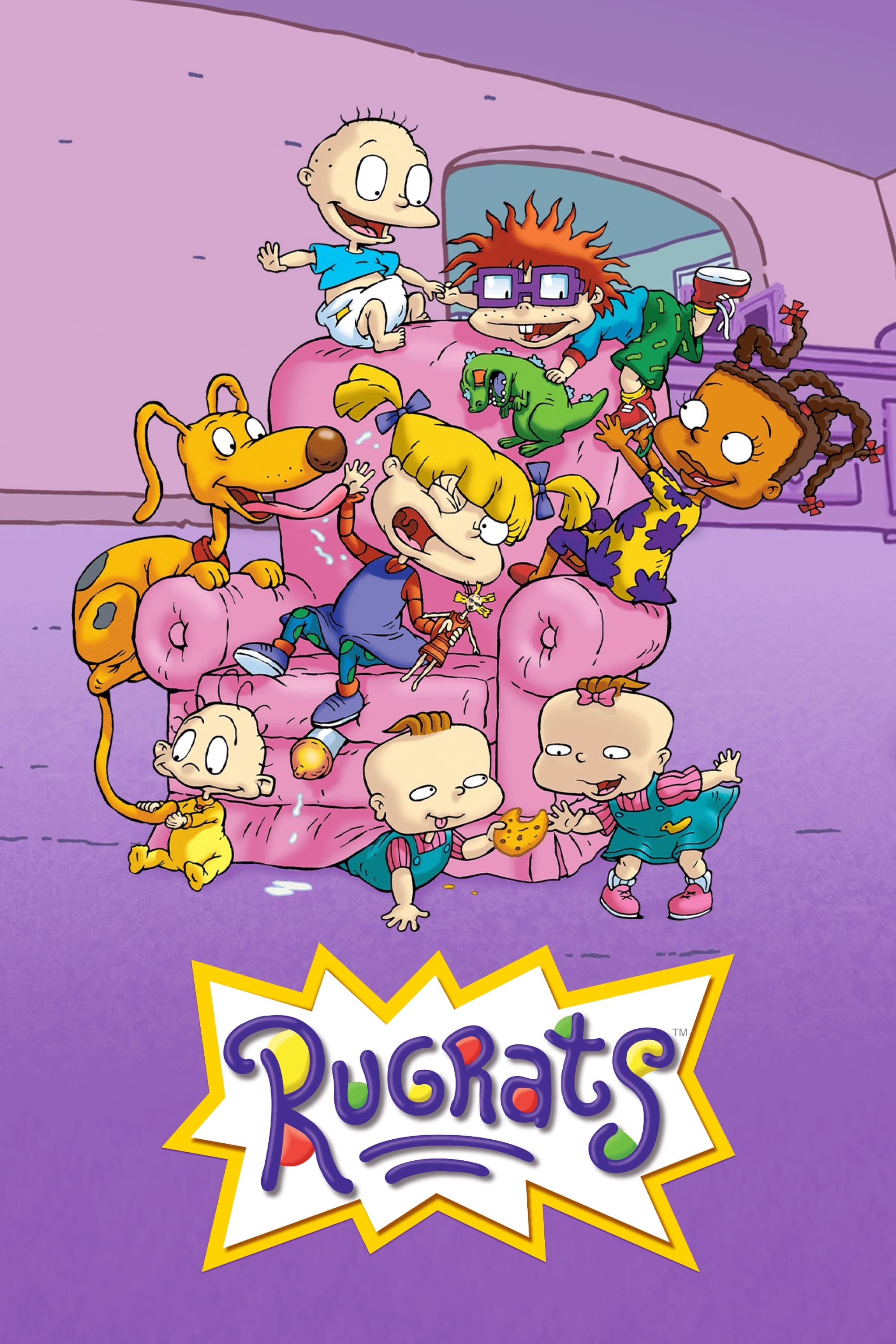
Created by Arlene Klasky, Gábor Csupó, and Paul Germain for Nickelodeon, ‘Rugrats’ tells stories from the perspective of toddlers led by Tommy Pickles. Voice performers include E. G. Daily, Christine Cavanaugh, Kath Soucie, and Cheryl Chase.
The series spawned theatrical films, a spinoff set in later years, and extensive merchandise. Its visual style and child-eye storytelling helped establish Nickelodeon’s animation identity.
‘Neon Genesis Evangelion’ (1995–1996)
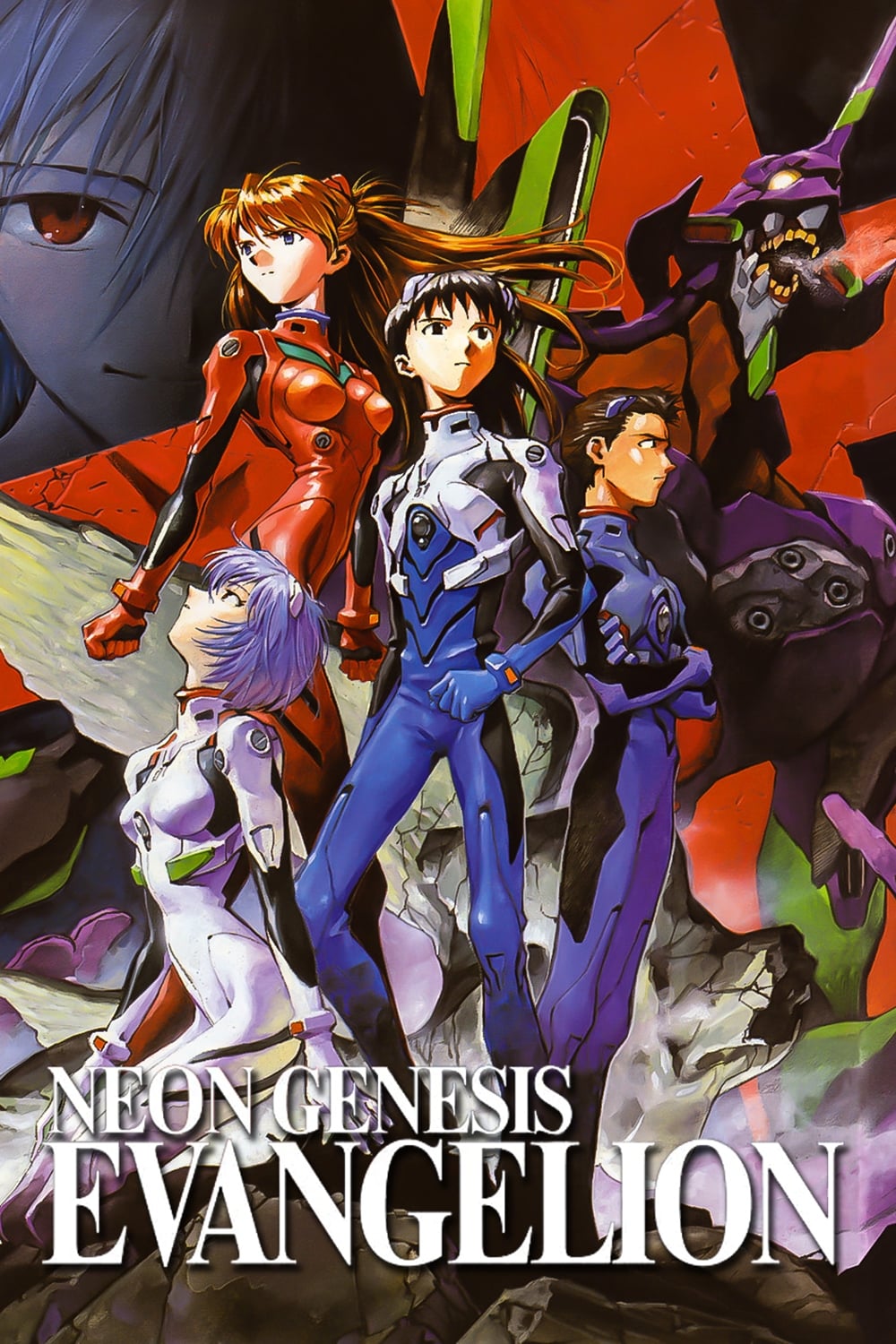
Produced by Gainax for TV Tokyo, ‘Neon Genesis Evangelion’ follows teenage pilots operating biomechanical units against mysterious threats. The core Japanese voice cast includes Megumi Ogata, Megumi Hayashibara, and Kotono Mitsuishi.
The show combines mecha action with psychological and philosophical elements and extended into films that reinterpreted the ending. The franchise generated ongoing releases, new editions, and broad influence on anime production.
‘Cowboy Bebop’ (1998–1999)
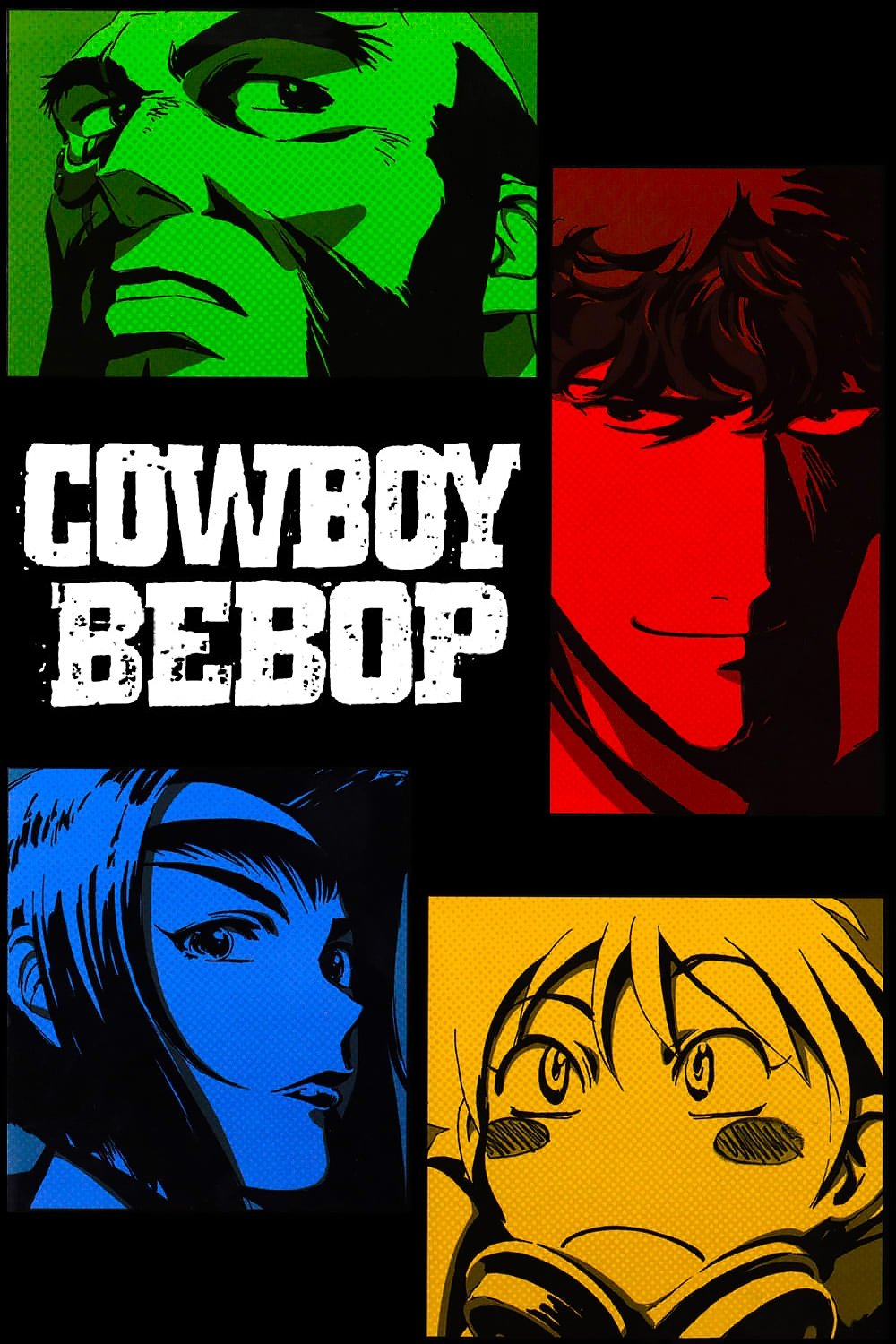
Created by Sunrise for TV Tokyo, ‘Cowboy Bebop’ tracks a crew of bounty hunters aboard the Bebop through episodic adventures. The Japanese voice cast features Kōichi Yamadera, Unshō Ishizuka, Megumi Hayashibara, and Aoi Tada.
Music by Yoko Kanno and genre-mixing structure became central to its identity. International broadcasts on late-night blocks expanded its audience, and a feature film and continuing home-media circulation sustained popularity.
‘Sailor Moon’ (1992–1997)
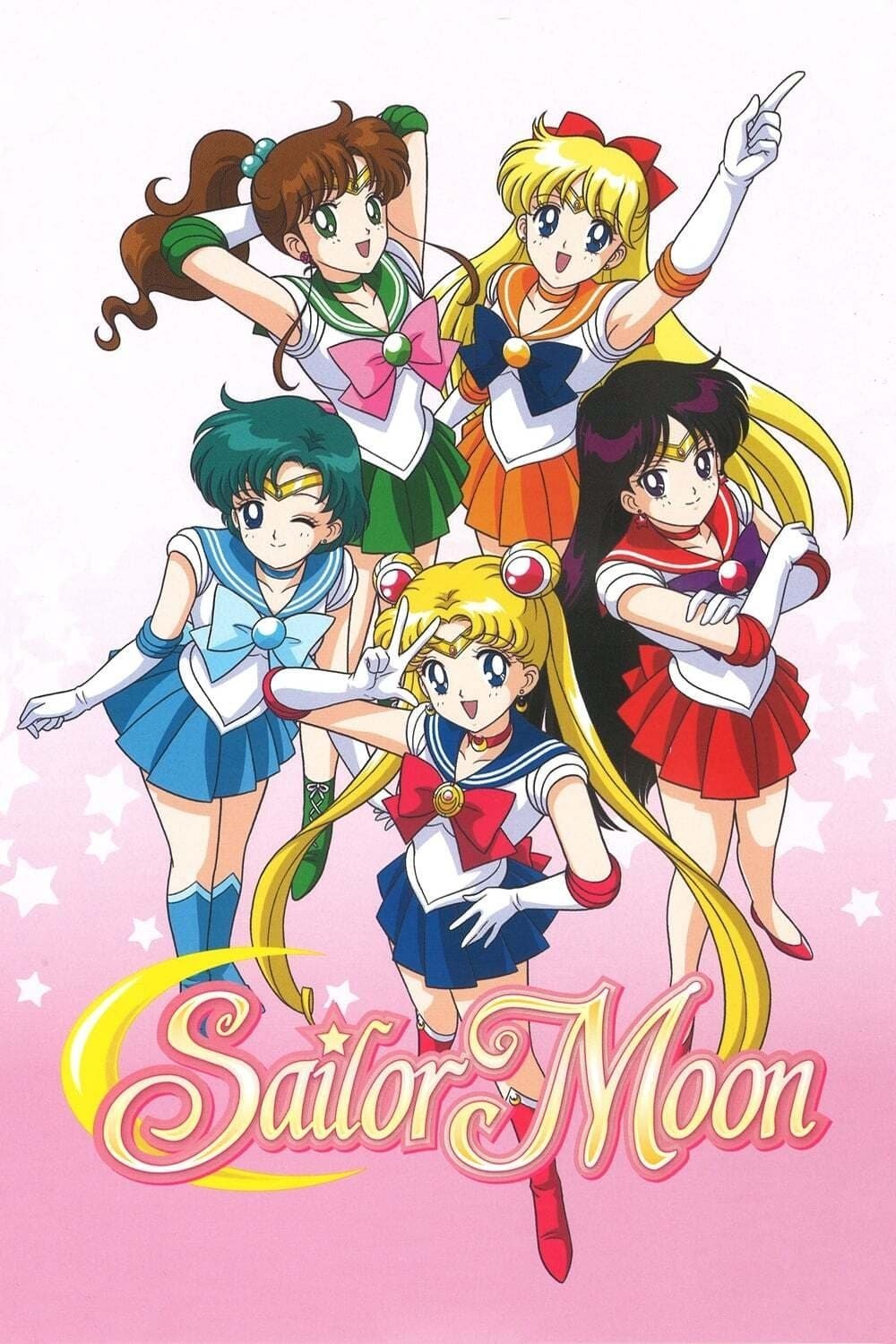
Based on Naoko Takeuchi’s manga and produced for TV Asahi, ‘Sailor Moon’ follows a team of magical guardians led by Sailor Moon. Seasonal arcs introduce new characters and transformations.
The series popularized the magical-girl genre worldwide and generated a large merchandising line. International localizations brought it to new audiences and supported later reimaginings and continuations.
‘Dragon Ball Z’ (1989–1996)

Adapted from Akira Toriyama’s manga and produced by Toei Animation for Fuji TV, ‘Dragon Ball Z’ continues Goku’s adventures with escalating battles. The ensemble features multi-episode fights, transformations, and a wide roster of allies and foes.
Syndication and cable blocks built a global following, leading to games, films, and successor series. Home-video releases and remasters kept the property active for new generations.
‘Babylon 5’ (1994–1998)

Created by J. Michael Straczynski for syndication, ‘Babylon 5’ is a space-station drama planned as a five-season arc. Bruce Boxleitner and Mira Furlan lead an ensemble portraying interstellar politics and conflict.
Early CGI supported space sequences, while serialized plotting emphasized foreshadowing. TV movies, spinoff attempts, and persistent fan engagement kept the universe alive beyond the initial run.
‘Roseanne’ (1988–1997)
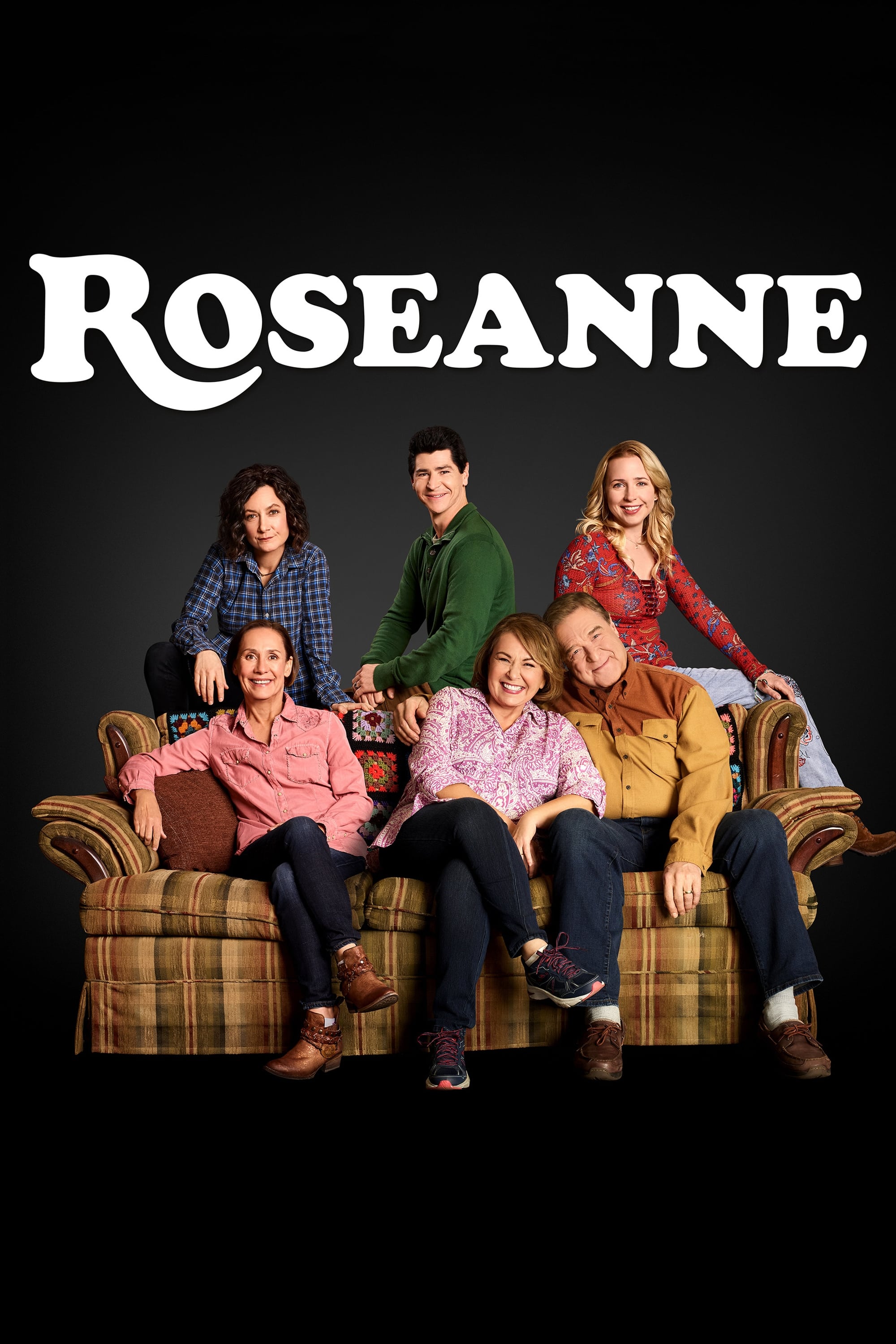
Developed by Matt Williams for ABC, ‘Roseanne’ centers on the Conner family’s working-class life in the Midwest. Roseanne Barr and John Goodman head the cast, with Laurie Metcalf and Sara Gilbert in key roles.
The show focused on everyday economics, family changes, and workplace stories using multi-camera staging. It maintained strong viewership, later spun off ‘The Conners’, and is often cited for detailed set design and lived-in production values.
‘Home Improvement’ (1991–1999)
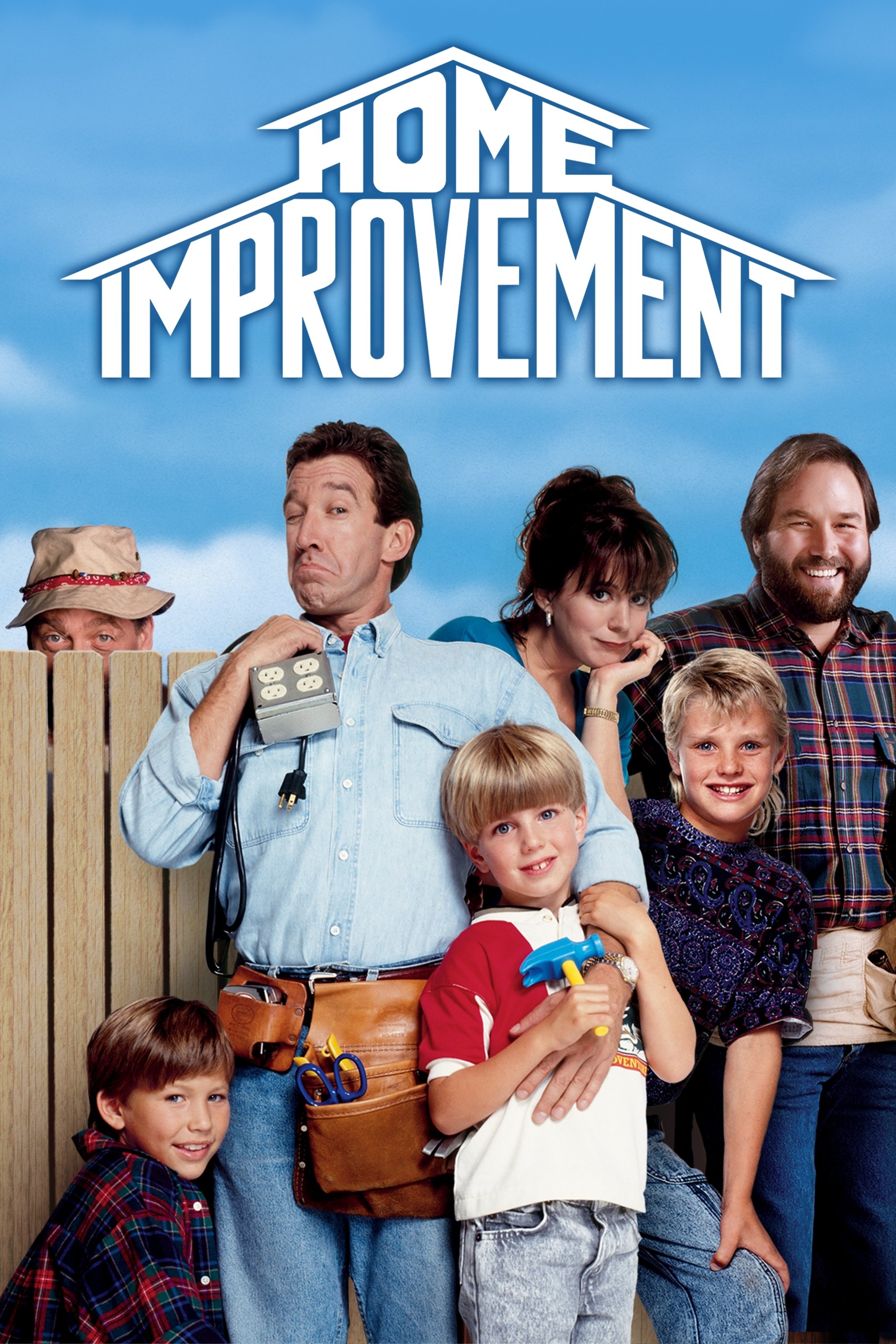
Created by Carmen Finestra, David McFadzean, and Matt Williams for ABC, ‘Home Improvement’ stars Tim Allen as a DIY show host juggling family life. Patricia Richardson, Zachery Ty Bryan, Jonathan Taylor Thomas, and Taran Noah Smith co-star.
Recurring bits include the Tool Time show-within-a-show and neighbor Wilson’s partial face concealment. The series ranked highly in network schedules and generated merchandise and tie-ins.
‘Everybody Loves Raymond’ (1996–2005)
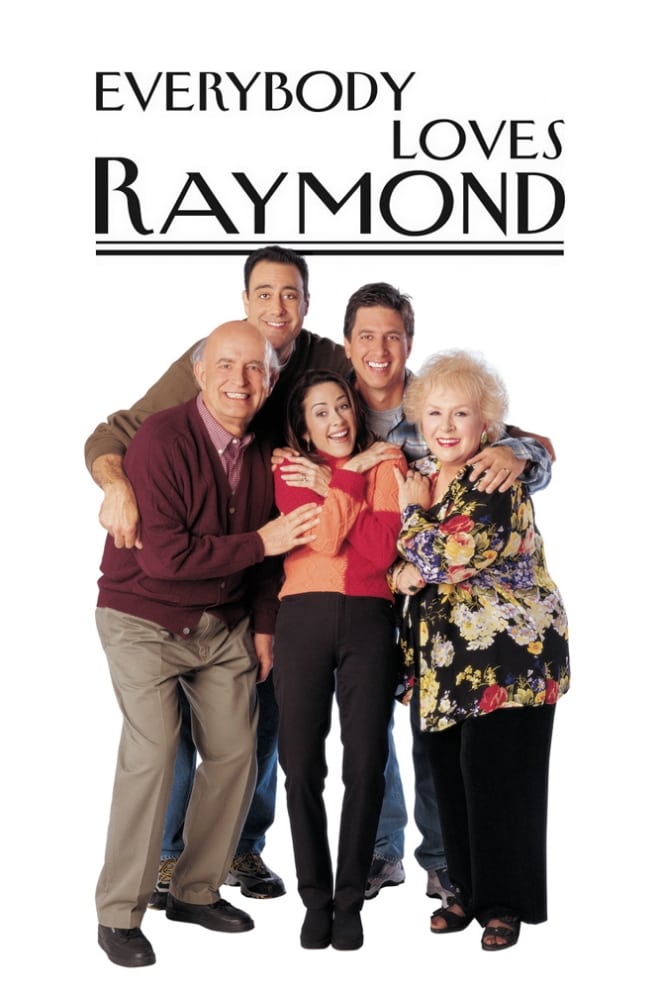
Created by Philip Rosenthal for CBS, ‘Everybody Loves Raymond’ follows sportswriter Ray Barone and his extended family on Long Island. Ray Romano, Patricia Heaton, Brad Garrett, Doris Roberts, and Peter Boyle comprise the main cast.
Family and neighborhood settings stage episodic conflicts within a multi-camera format. The series achieved consistent ratings, international versions, and a long syndication life built on a large episode library.
‘Will & Grace’ (1998–2006)
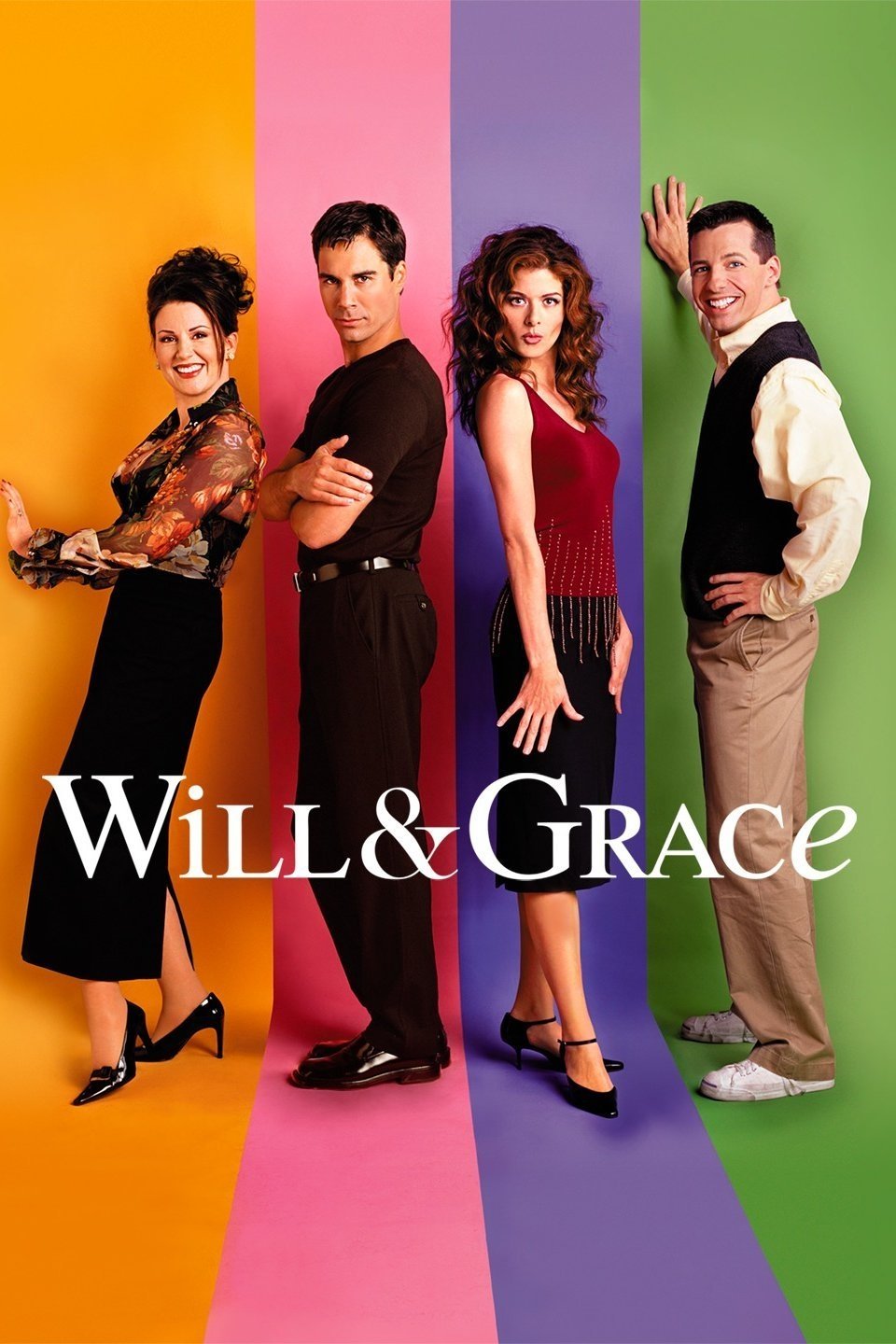
Created by David Kohan and Max Mutchnick for NBC, ‘Will & Grace’ centers on friends sharing apartments and social circles in New York. Eric McCormack, Debra Messing, Megan Mullally, and Sean Hayes lead the ensemble.
A sharp multi-camera rhythm supports fast dialogue and frequent guest appearances. The series returned later with additional seasons, extending its run and updating storylines for new contexts.
‘3rd Rock from the Sun’ (1996–2001)
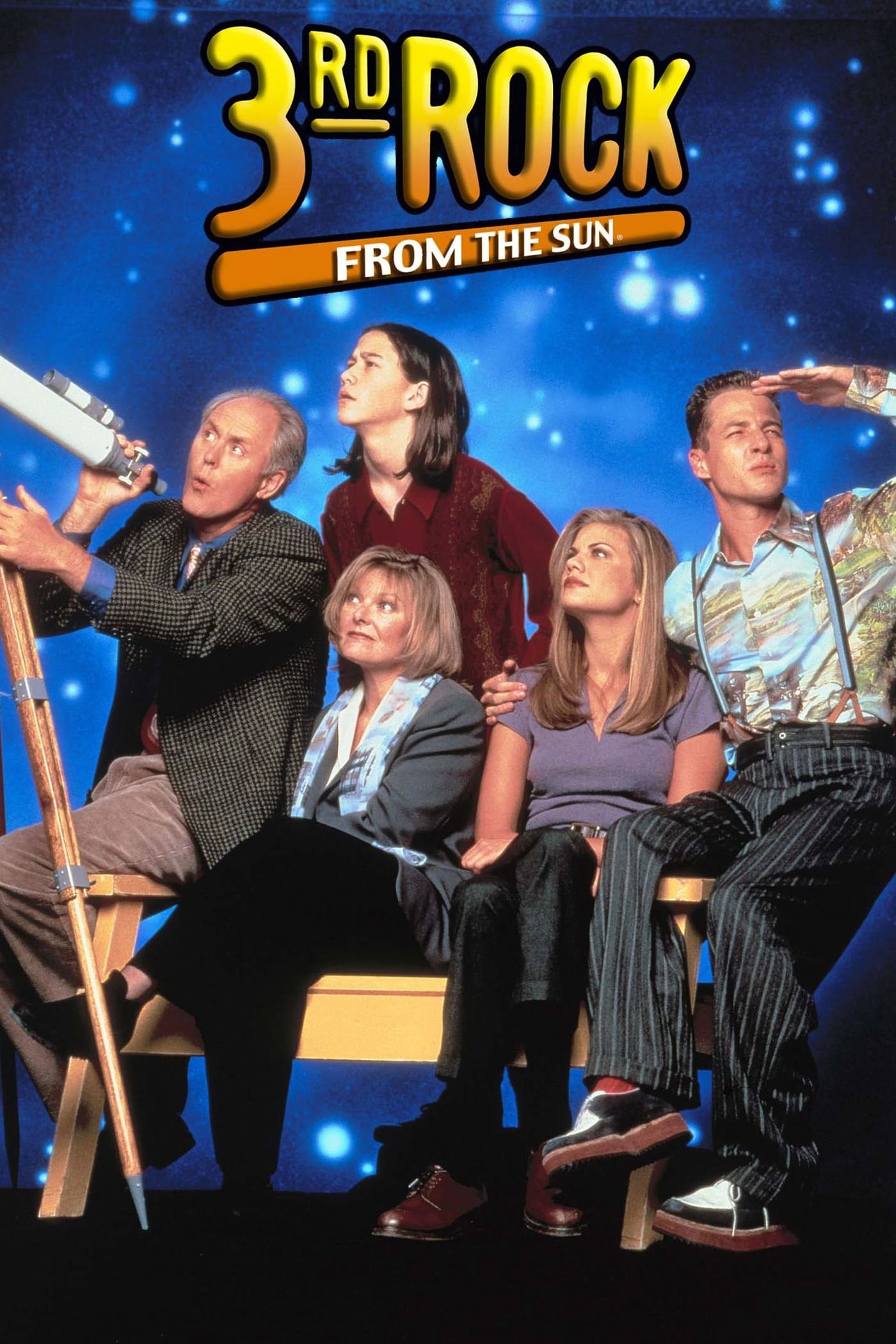
Created by Bonnie and Terry Turner for NBC, ‘Third Rock from the Sun’ follows a group of aliens posing as a family in Ohio. John Lithgow, Kristen Johnston, French Stewart, and Joseph Gordon-Levitt star.
Episodes revolve around earth customs interpreted through the visitors’ perspective, with classroom and university settings. The show won multiple acting awards and sustained strong syndication performance.
‘Beavis and Butt-Head’ (1993–1997)
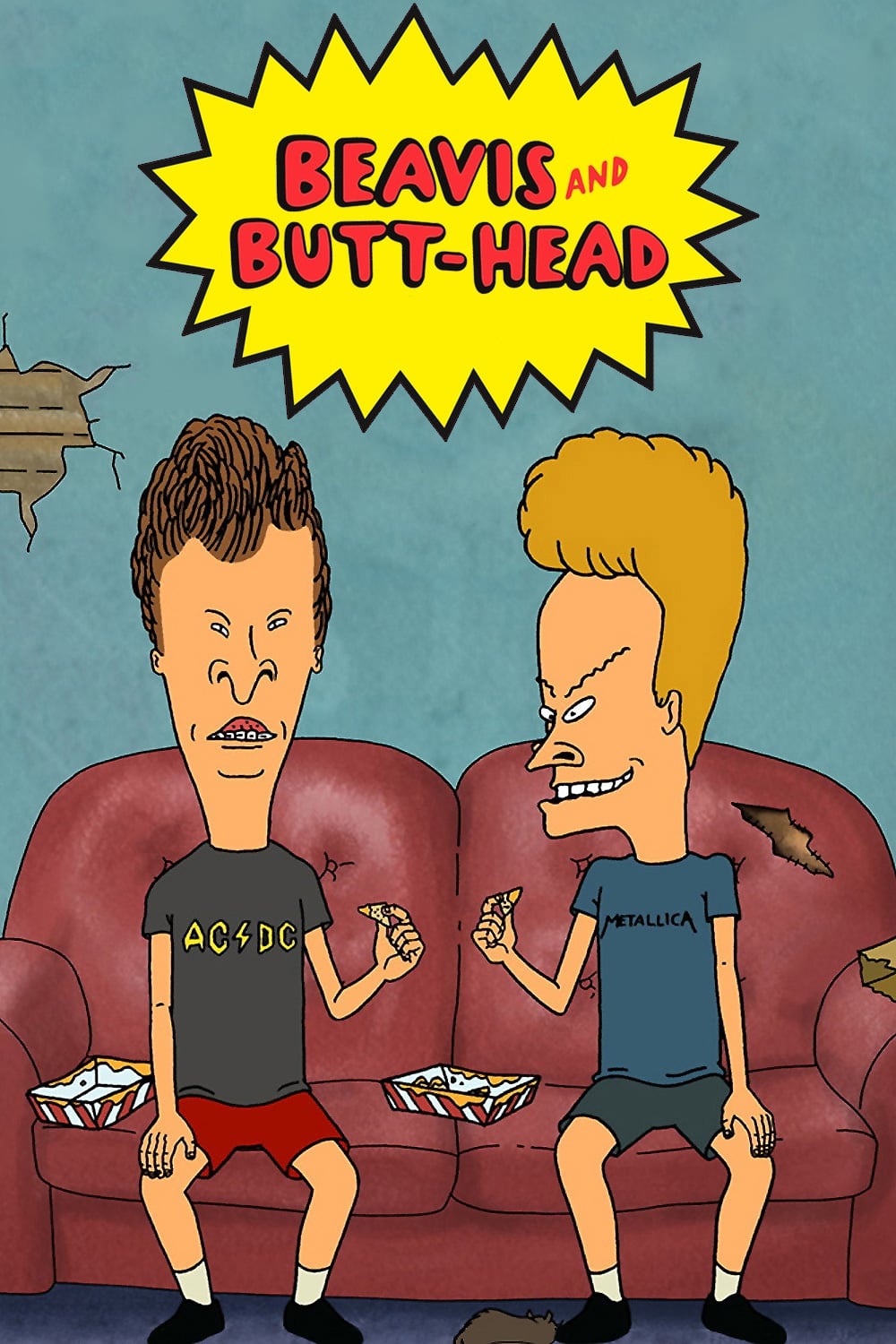
Created by Mike Judge for MTV, ‘Beavis and Butt-Head’ centers on two teenagers providing commentary and engaging in misadventures. Narrative segments intercut with music-video riffs voiced by the creator.
The series led to a feature film, crossovers with ‘Daria’, and periodic revivals. Its simple design supported quick turnaround, aligning with MTV’s programming strategies.
‘Daria’ (1997–2002)

Created by Glenn Eichler and Susie Lewis Lynn for MTV, ‘Daria’ spins off a supporting character from ‘Beavis and Butt-Head’ into her own high-school setting. Tracy Grandstaff voices the lead alongside a cast of students, family, and teachers.
Animated satire addresses adolescence, media, and consumer culture through episodic stories and TV movies. The show remained a staple in MTV’s animation lineup and has enjoyed continuing home-media circulation.
‘Xena: Warrior Princess’ (1995–2001)
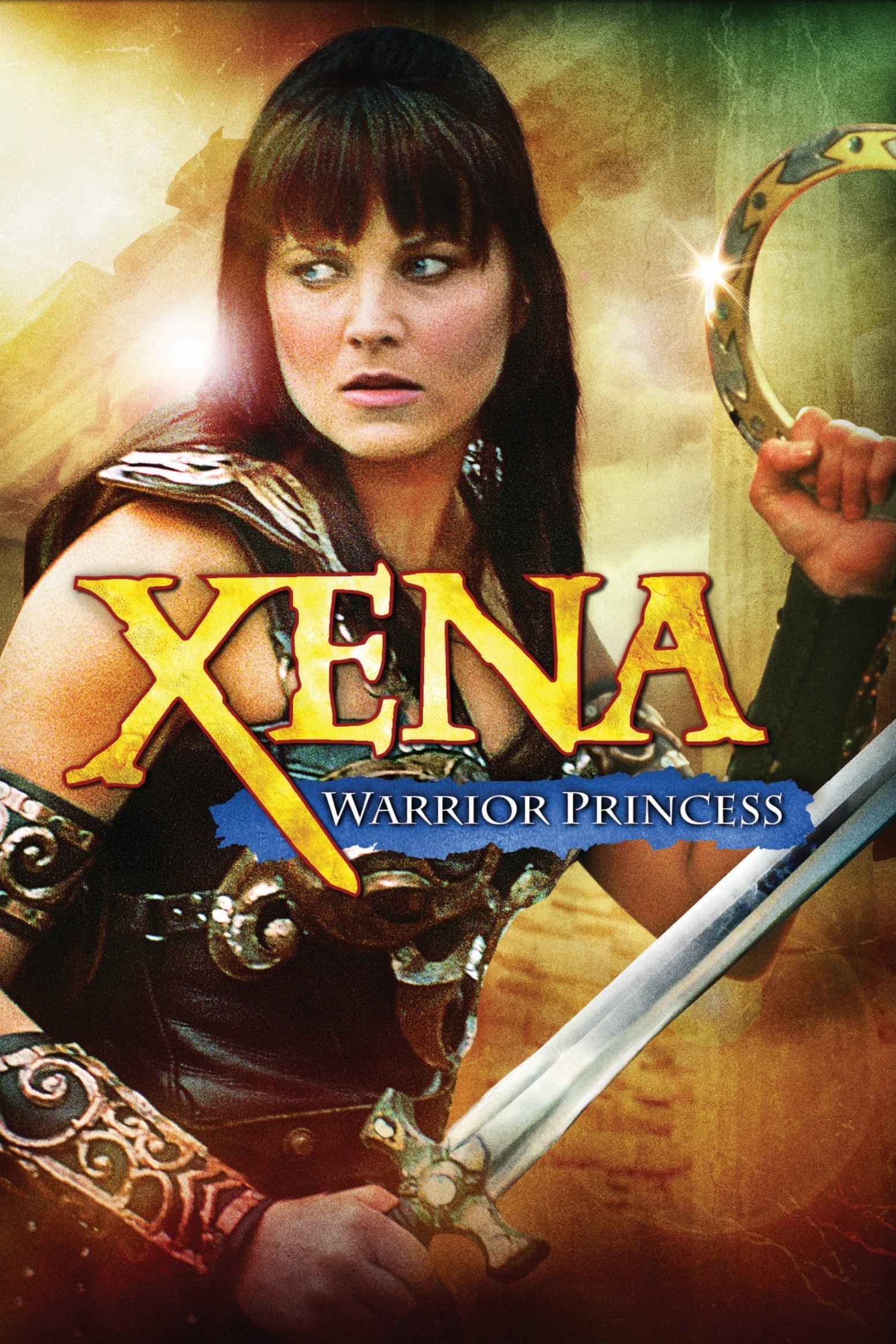
Developed by John Schulian and Robert Tapert for syndication, ‘Xena: Warrior Princess’ follows a traveling warrior seeking redemption. Lucy Lawless leads, with Renée O’Connor as a key companion, and action-adventure set pieces filmed largely in New Zealand.
Emerging from ‘Hercules: The Legendary Journeys’, the series built its own mythology with recurring antagonists and allies. International distribution and a dedicated convention circuit supported a large, enduring fan base.
‘Dawson’s Creek’ (1998–2003)
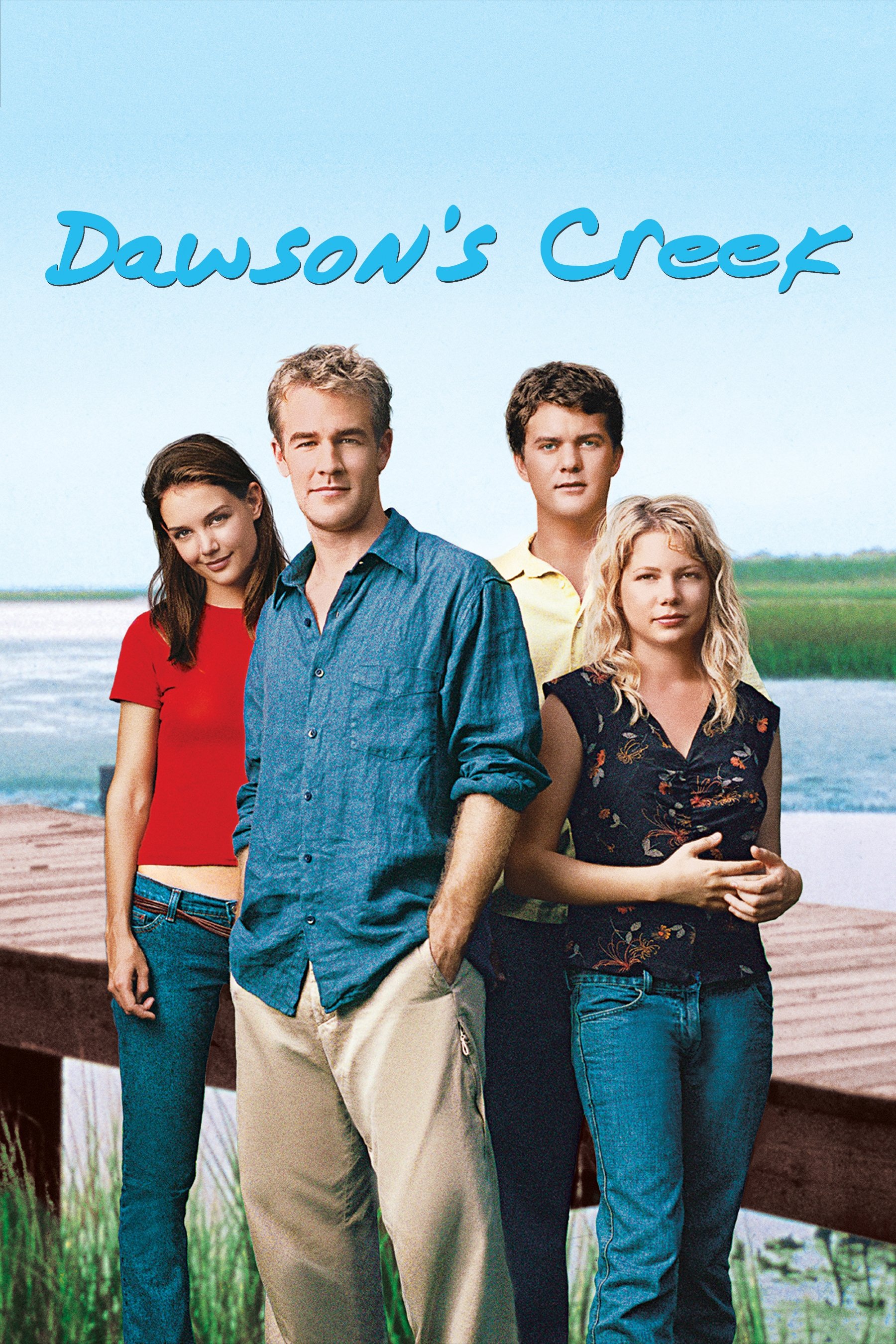
Created by Kevin Williamson for The WB, ‘Dawson’s Creek’ tracks a group of friends in a coastal town through school and early adulthood. James Van Der Beek, Katie Holmes, Michelle Williams, and Joshua Jackson lead the ensemble.
Character-driven storytelling and prominent soundtrack selections became defining elements. The series achieved broad international broadcasts and a robust home-media footprint.
‘Boy Meets World’ (1993–2000)
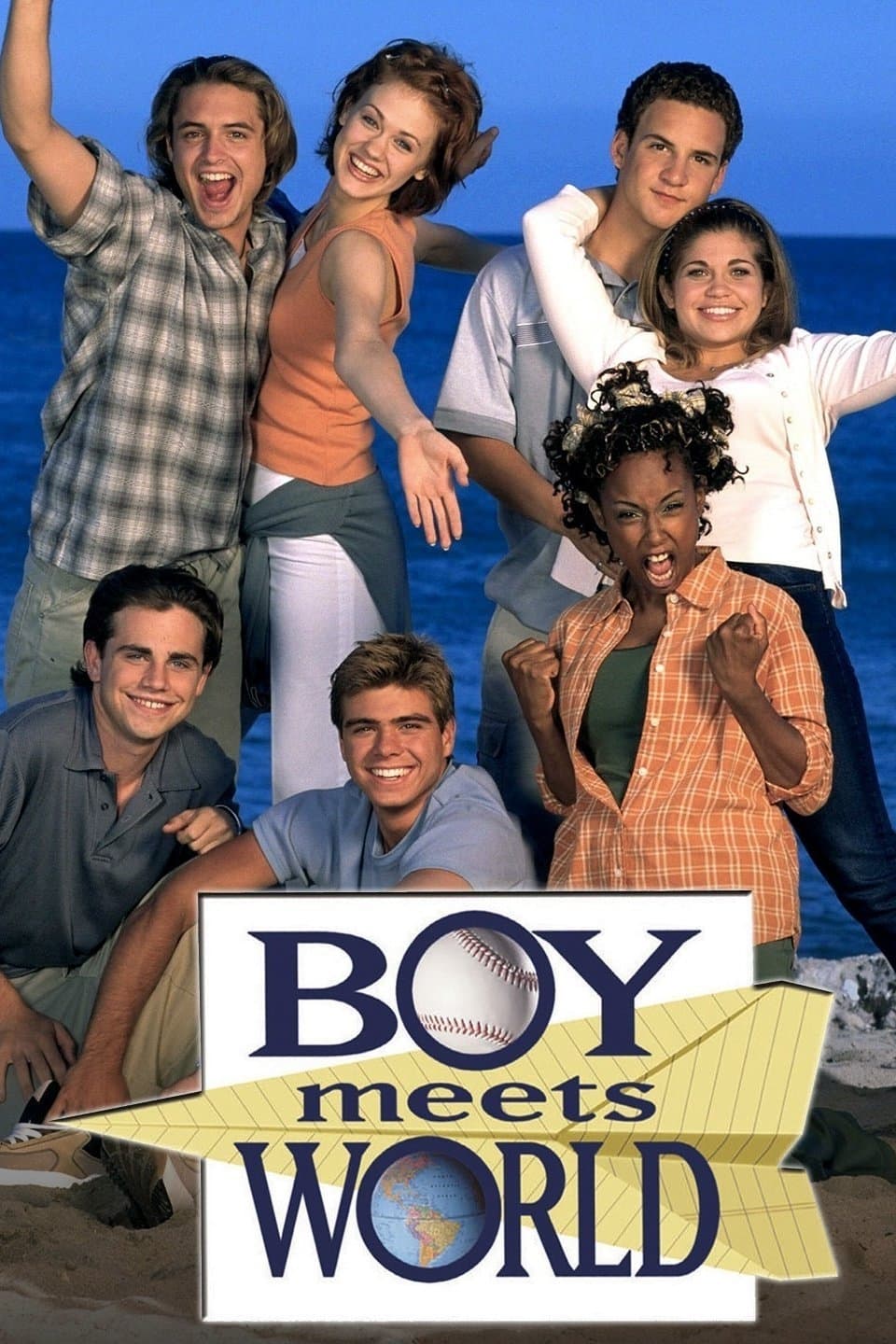
Created by Michael Jacobs and April Kelly for ABC, ‘Boy Meets World’ follows Cory Matthews from middle school into adulthood. Ben Savage, Danielle Fishel, Rider Strong, and William Daniels star.
School and home settings anchor episodic growth stories, with educators and family as recurring pillars. The property later continued with ‘Girl Meets World’, extending characters into a new era.
‘The Real World’ (1992–present)
Produced by Bunim/Murray for MTV, ‘The Real World’ brings a group of young adults into a shared residence and documents their interactions. Each season relocates to a new city, shaping cast dynamics and local storylines.
The series codified elements of modern reality TV, including confessionals and real-time conflict arcs. Its format influenced numerous subsequent unscripted shows and sustained a long run across many seasons.
‘SpongeBob SquarePants’ (1999–present)
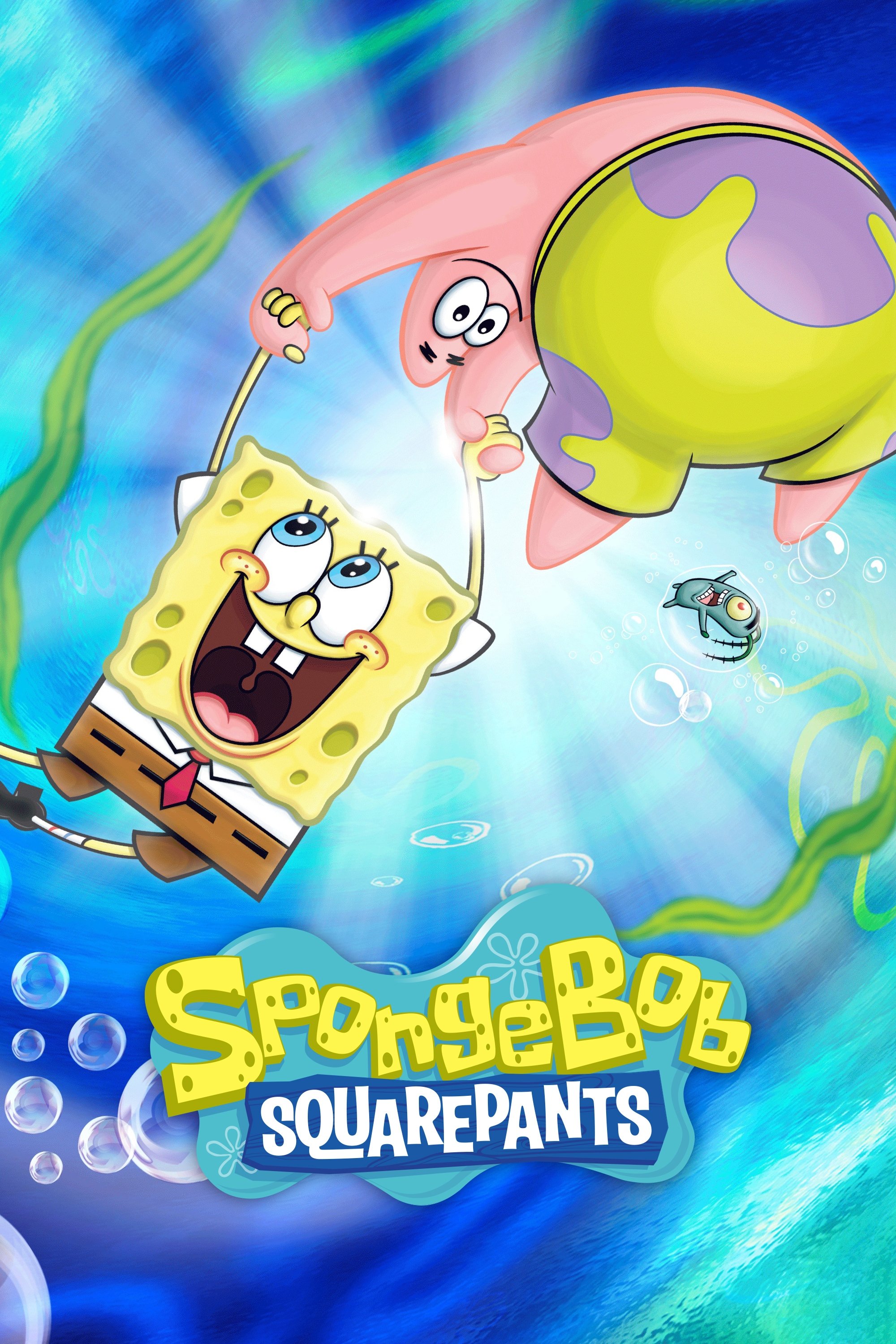
Created by Stephen Hillenburg for Nickelodeon, ‘SpongeBob SquarePants’ follows a sea sponge and friends in the undersea city of Bikini Bottom. The principal voice cast includes Tom Kenny, Bill Fagerbakke, Rodger Bumpass, and Clancy Brown.
Storyboard-driven episodes use slapstick, musical cues, and nautical wordplay. The property expanded into films, games, and a stage musical, becoming a durable anchor for Nickelodeon’s schedule.
‘Are You Afraid of the Dark?’ (1992–1996)
Created by D. J. MacHale and Ned Kandel for YTV and Nickelodeon, ‘Are You Afraid of the Dark?’ assembles a Midnight Society that tells spooky tales around a campfire. Each episode presents a new stand-alone story with a rotating young cast.
The anthology approach allows varied folklore, urban legends, and creature designs. The brand later returned in miniseries and reboots, maintaining recognition across generations.
‘The Powerpuff Girls’ (1998–2005)
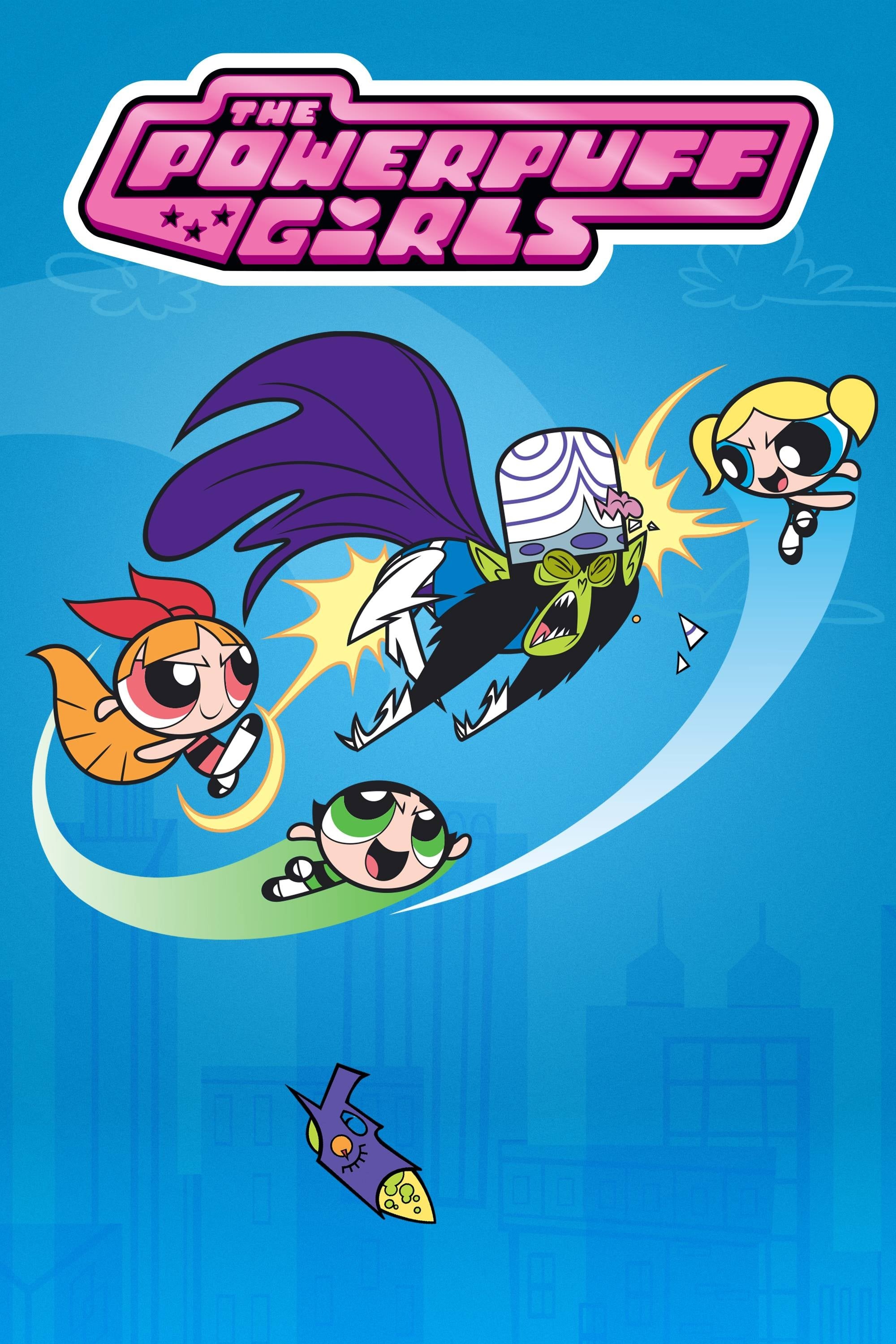
Created by Craig McCracken for Cartoon Network, ‘The Powerpuff Girls’ follows three young superheroes defending Townsville. Voice actors Catherine Cavadini, Tara Strong, and E. G. Daily portray the leads, with Tom Kenny and others in supporting roles.
Action and comedy appear in eleven-minute segments and half-hour blocks. The series led to a feature film, extensive merchandise, and later reimaginings that kept the brand active.
‘Animaniacs’ (1993–1998)
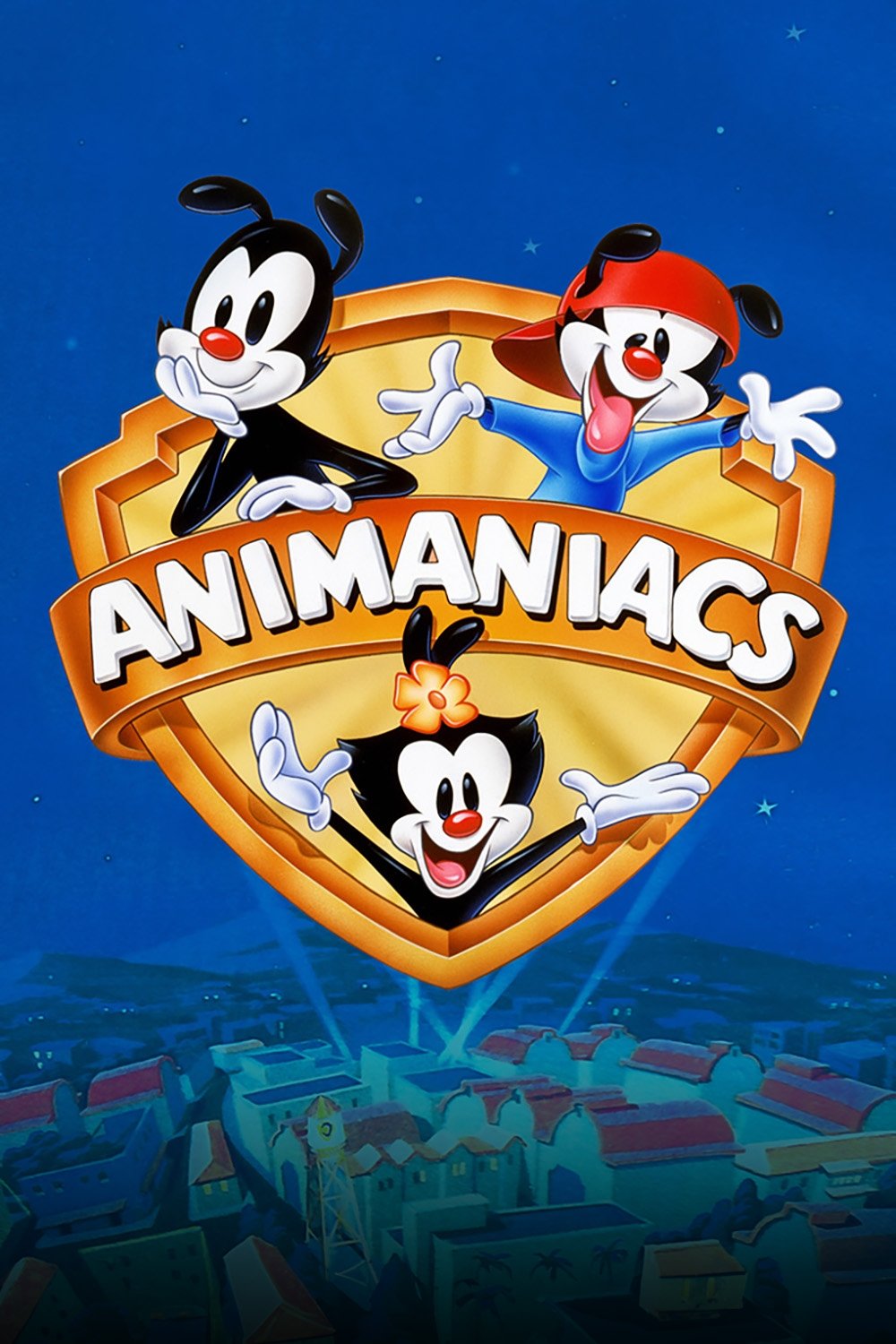
Developed by Tom Ruegger for Fox Kids and Kids’ WB, ‘Animaniacs’ presents variety-style animated shorts featuring the Warner siblings and recurring segments. Voice talent includes Rob Paulsen, Tress MacNeille, Jess Harnell, and Maurice LaMarche.
Parody, music, and educational gags drive a fast-paced format. The show produced spinoffs like ‘Pinky and the Brain’ and later received a modern revival with updated episodes.
‘The Nanny’ (1993–1999)
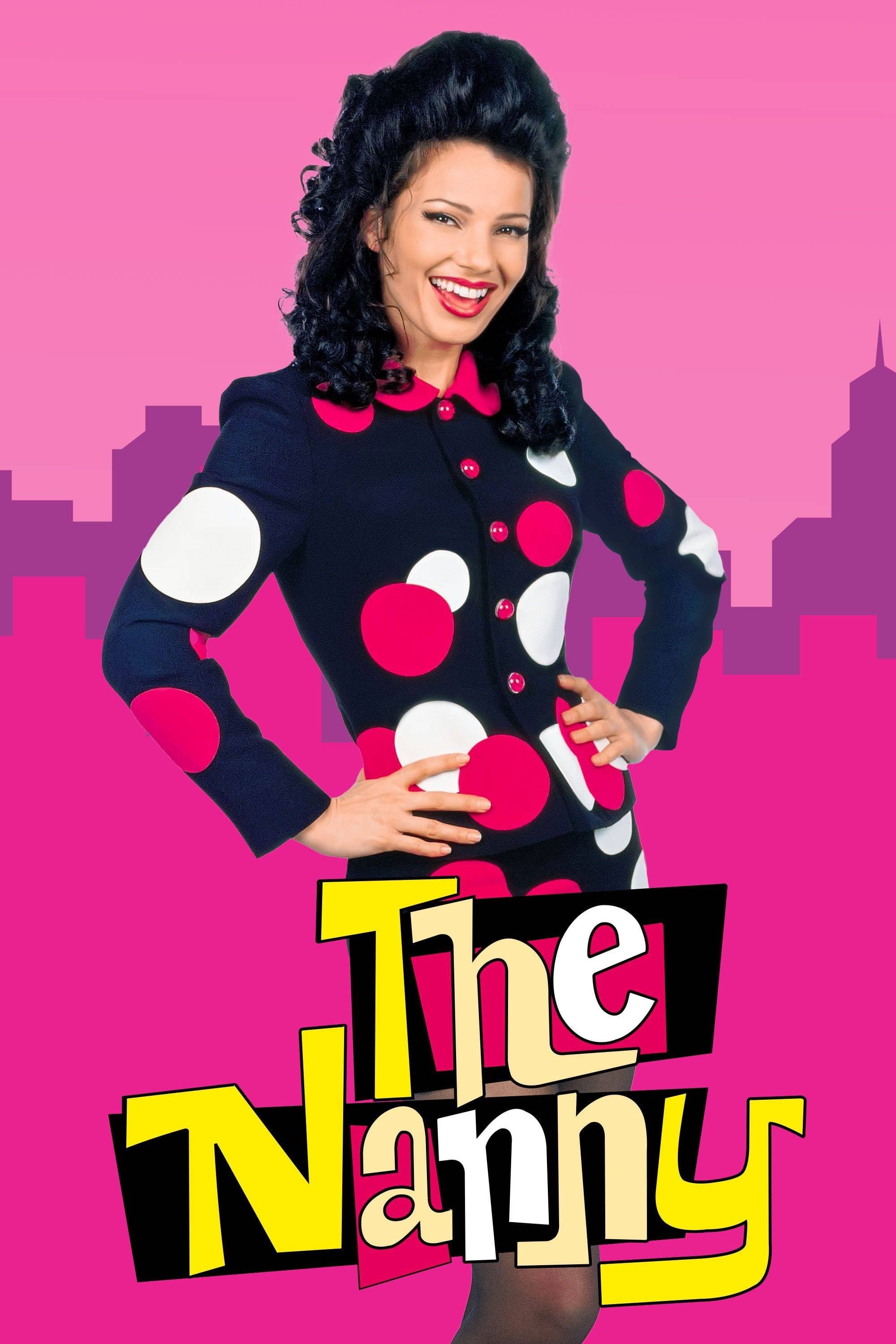
Created by Fran Drescher and Peter Marc Jacobson for CBS, ‘The Nanny’ follows a Queens-born cosmetics saleswoman who becomes a nanny for a Broadway producer’s three children. Fran Drescher, Charles Shaughnessy, Daniel Davis, Lauren Lane, Nicholle Tom, Benjamin Salisbury, and Madeline Zima star.
Costumes, running gags, and Broadway guest appearances became production hallmarks across six seasons. The series maintained strong syndication, inspired international adaptations, and generated a lasting pop-culture footprint through licensed merchandise and home media.
‘Living Single’ (1993–1998)
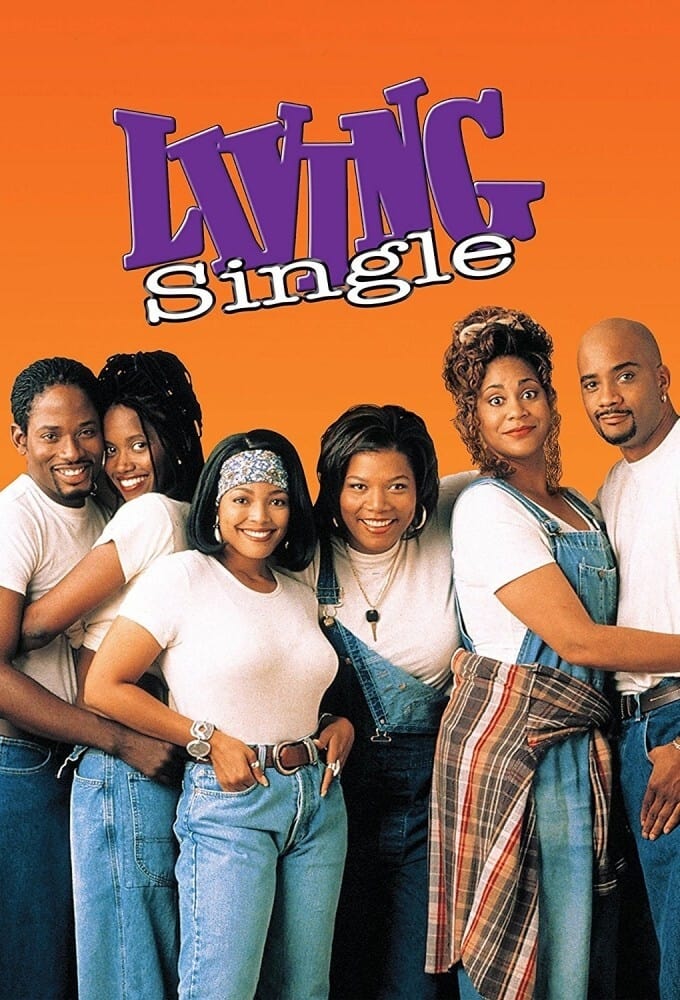
Created by Yvette Lee Bowser for Fox, ‘Living Single’ centers on six friends sharing work and home life in Brooklyn’s Fort Greene. The ensemble includes Queen Latifah, Kim Coles, Erika Alexander, Kim Fields, T. C. Carson, and John Henton.
A multi-camera setup built around apartment and workplace sets supports ensemble stories, with a theme performed by Queen Latifah. The show broadened network comedies led by Black ensembles and sustained strong rerun performance on cable and streaming.
‘Farscape’ (1999–2003)
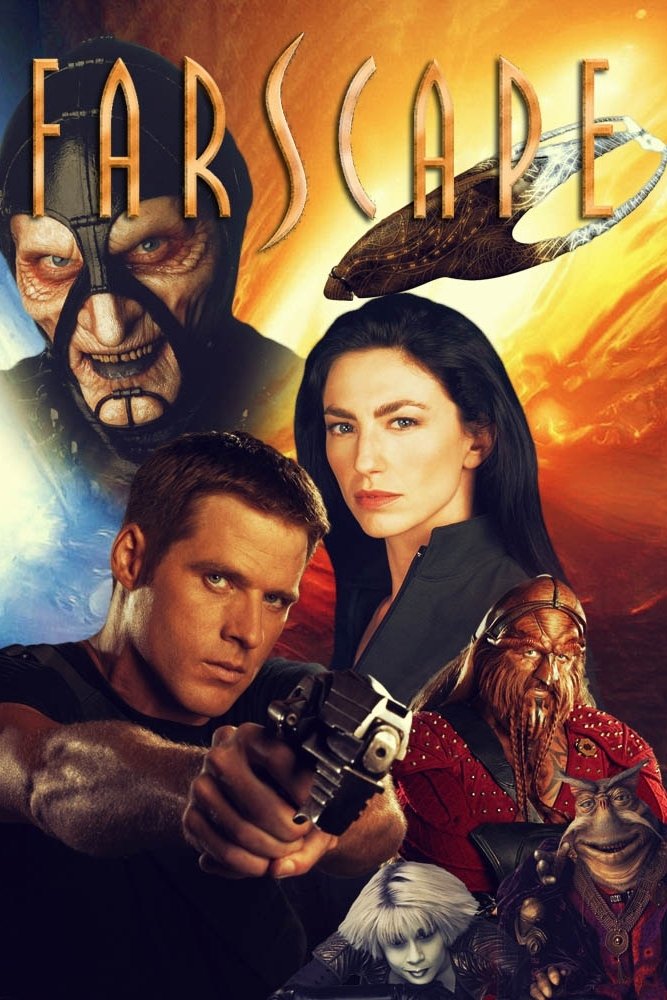
Created by Rockne S. O’Bannon and produced by The Jim Henson Company for the Sci-Fi Channel with Australian partners, ‘Farscape’ follows an astronaut flung across the universe who joins a living ship’s fugitive crew. The principal cast features Ben Browder, Claudia Black, Anthony Simcoe, Lani Tupu, and Gigi Edgley.
Henson Creature Shop animatronics and location work in Australia gave the series a distinctive look. After cancellation, concluding storylines wrapped in the miniseries ‘Farscape: The Peacekeeper Wars’, and the property continued through novels, comics, and remastered releases.
‘The Drew Carey Show’ (1995–2004)
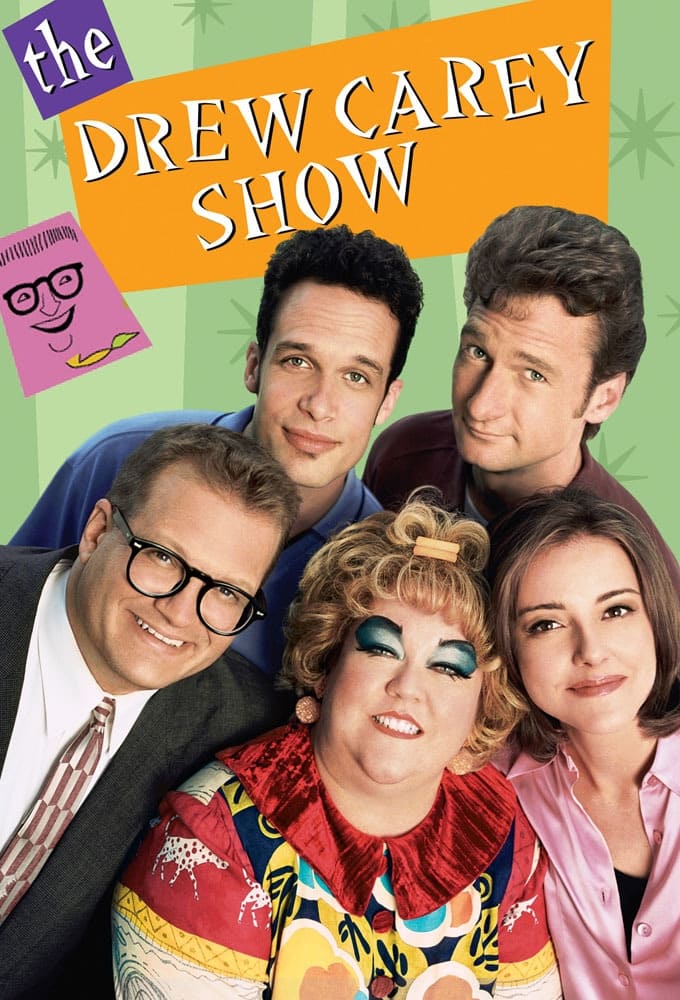
Co-created by Drew Carey and Bruce Helford for ABC, ‘The Drew Carey Show’ is a workplace-and-friends sitcom set in Cleveland, built around a department-store office and neighborhood hangouts. The main cast includes Drew Carey, Ryan Stiles, Diedrich Bader, Christa Miller, Kathy Kinney, and later Craig Ferguson.
The production ran for many seasons, generating a large episode count for syndication and international sales. The series featured themed episodes, live broadcasts, and musical numbers, with tie-ins and soundtrack releases extending its presence beyond first-run airings.
Share your favorite ’90s series in the comments and tell us which ones you think deserve a spot here!