Best TV Shows of the 2010s


The 2010s reshaped television, blending cinematic ambition with character-driven storytelling across broadcast, cable, and streaming. Prestige dramas sat alongside inventive comedies and animated series, while international hits crossed borders more easily than ever. Viewers got sprawling fantasy worlds, limited series built like novels, and comedies that smuggled in high-concept ideas without losing their laughs.
This list pulls together fifty standout series from that decade. For each one, you’ll find clear, practical context—creators and showrunners, the core premise, notable cast members, formats and networks, and the kinds of recognition and influence each series earned. No fluff—just the useful details to help you pick what to watch next.
‘Game of Thrones’ (2011–2019)
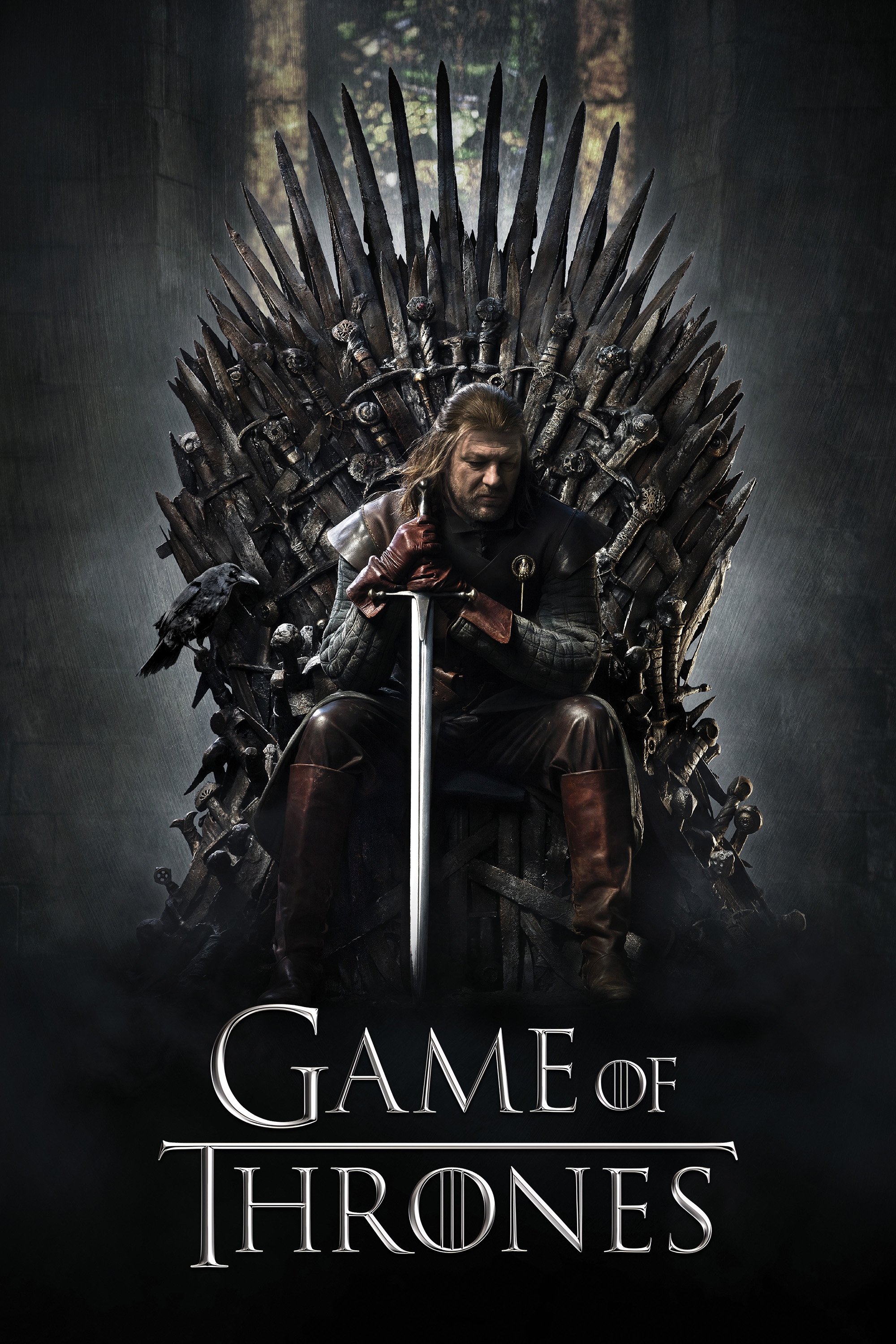
Based on George R. R. Martin’s ‘A Song of Ice and Fire’ novels and developed by David Benioff and D. B. Weiss for HBO, ‘Game of Thrones’ tracks rival houses vying for the Iron Throne. It interweaves political intrigue, battlefield strategy, and dynastic succession across multiple continents with an ensemble cast.
The production mounted location shoots across several countries, used a rotating director model, and combined practical work with large-scale visual effects. It became a global franchise for the network, earned major industry awards, and set a new budgetary benchmark for serialized fantasy on television.
‘Better Call Saul’ (2015–2022)
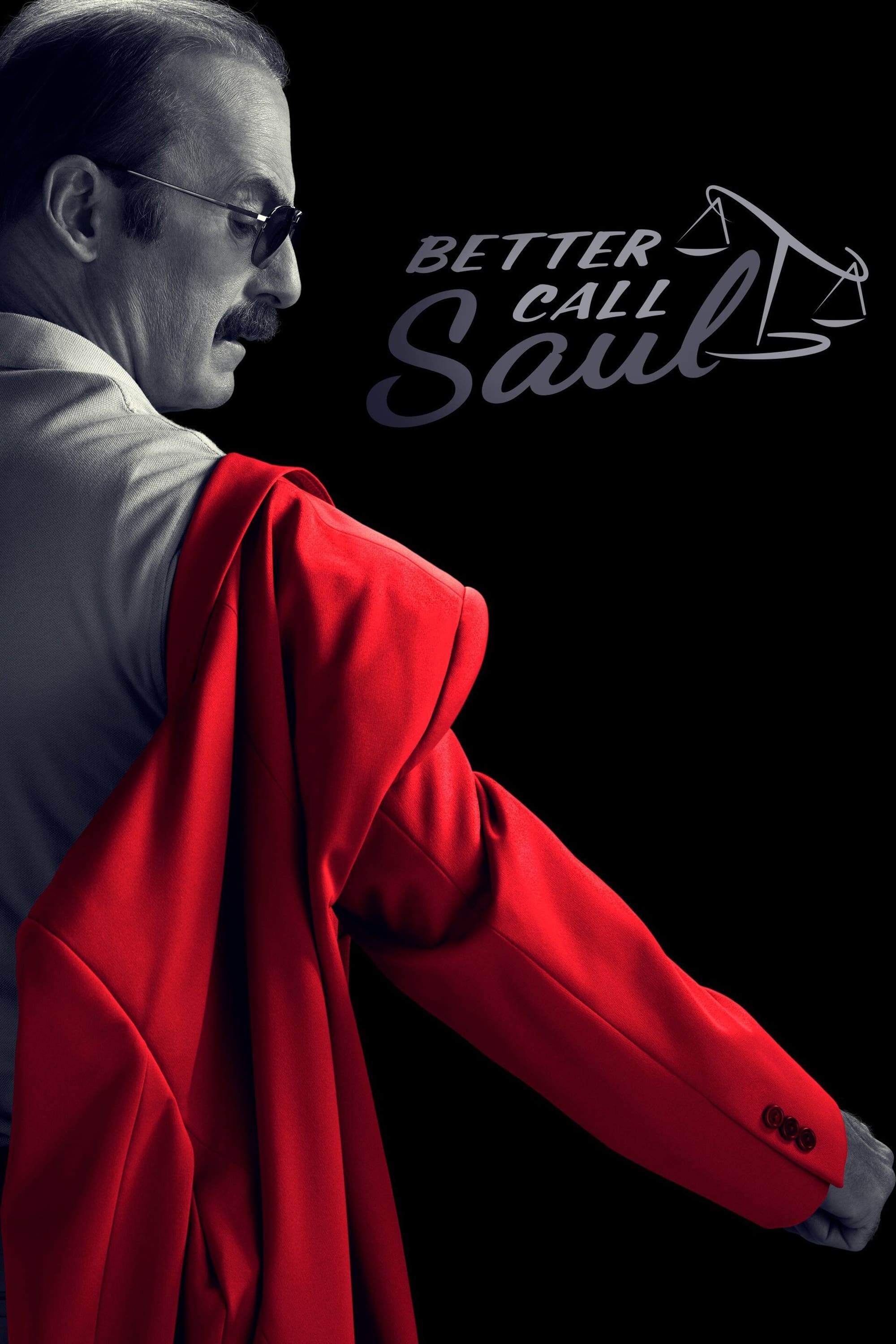
‘Better Call Saul’, from Vince Gilligan and Peter Gould for AMC, charts Jimmy McGill’s transformation into Saul Goodman while running parallel stories about cartel logistics. It blends legal procedure—contracts, elder law, disciplinary boards—with organized-crime operations around Albuquerque.
The show preserved franchise visual grammar while crafting a distinctive tone driven by character choices and professional ethics. It earned widespread recognition for writing, direction, and performances and expanded the shared universe with carefully engineered crossovers.
‘The Leftovers’ (2014–2017)
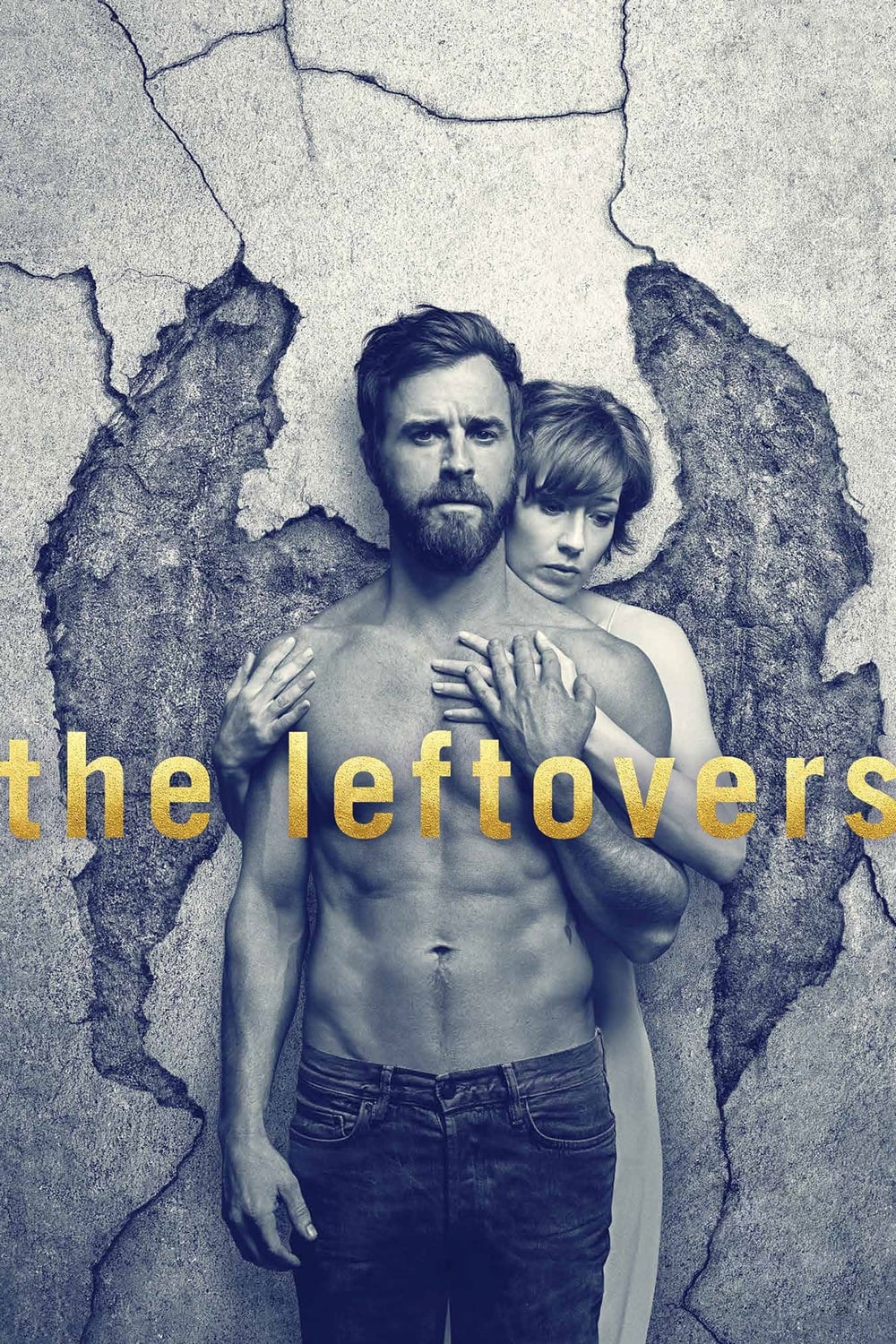
Developed by Damon Lindelof and Tom Perrotta for HBO from Perrotta’s novel, ‘The Leftovers’ examines communities coping after a sudden disappearance event. It tracks how families, law enforcement, and new religious movements reorganize daily life and ritual.
The series employs anthology-like focus shifts, bottle episodes, and a defining score by Max Richter. International locations, time jumps, and standalone chapters allow the show to study social adaptation and private recovery with unusual scope.
‘The Americans’ (2013–2018)
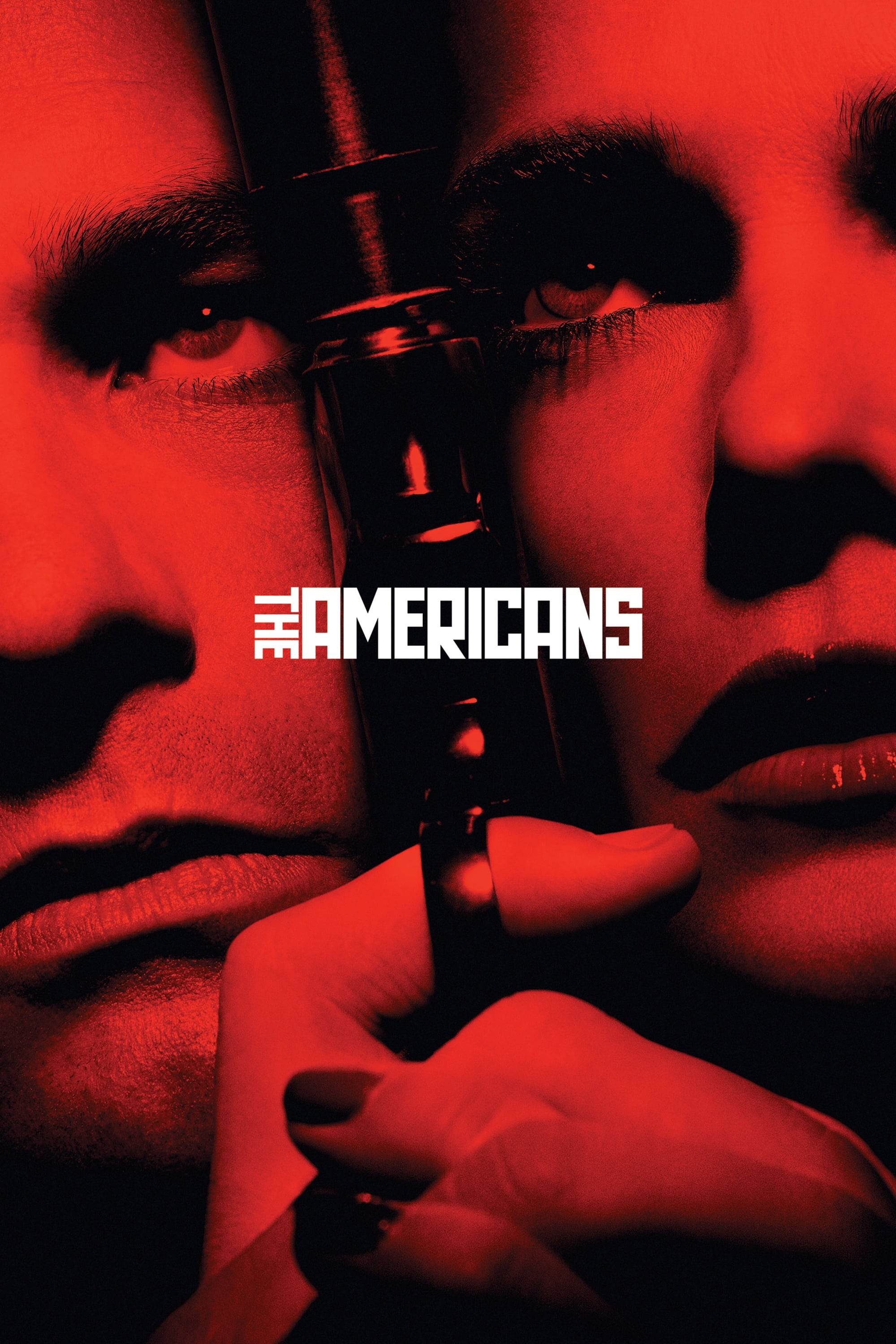
Created by Joe Weisberg for FX, ‘The Americans’ centers on two deep-cover KGB officers posing as a suburban couple near Washington, D.C. It integrates dead drops, surveillance tradecraft, and recruitment with the pair’s family obligations and friendships.
The production emphasizes period authenticity in wardrobe, vehicles, and analog tech, while folding real intelligence methods into serialized arcs. It won major awards for writing and lead performances and became a benchmark for realistic espionage drama.
‘Fleabag’ (2016–2019)
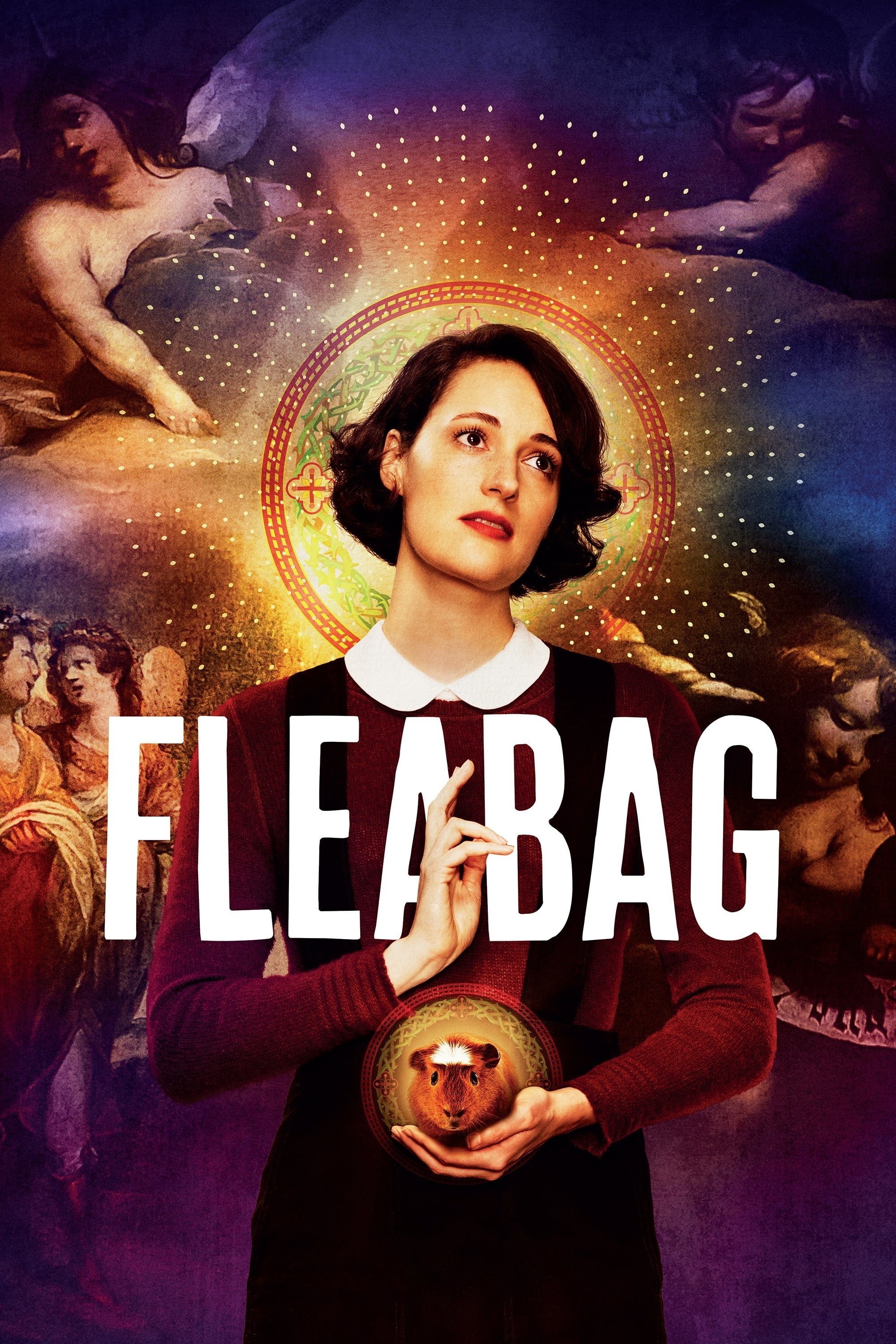
Phoebe Waller-Bridge created and starred in ‘Fleabag’ for BBC Three and Prime Video, using direct address to fold commentary into the story. The series follows a Londoner navigating family friction, a small business, and complicated relationships.
It’s known for a single-author voice, sharp editorial rhythms, and inventive use of fourth-wall techniques as a storytelling device. The show collected top awards for writing and acting and became a compact model for author-driven television.
‘True Detective’ (2014)
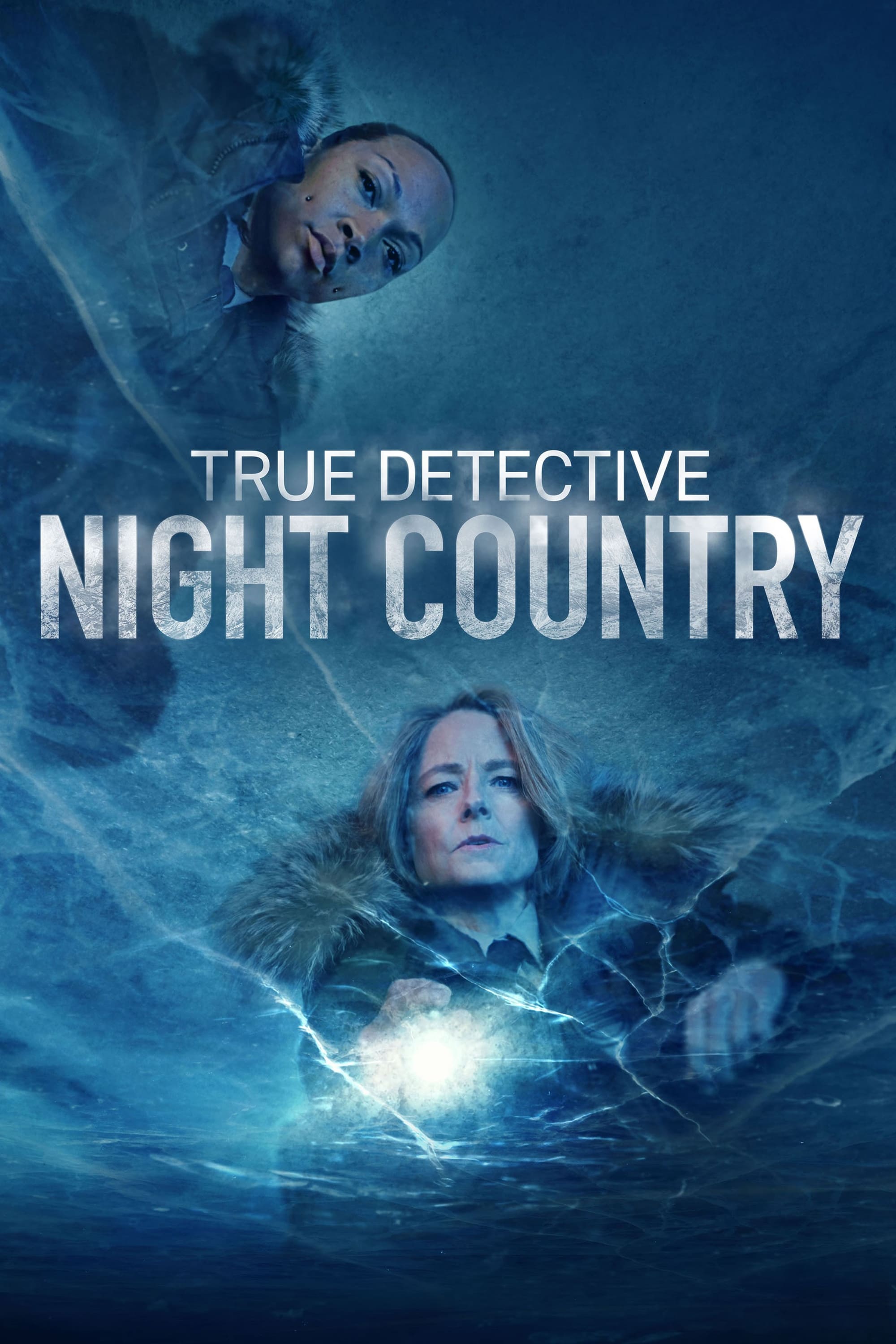
Created by Nic Pizzolatto for HBO, ‘True Detective’ is an anthology where each season investigates a new case with a fresh cast. It uses interrogation frameworks, nonlinear timelines, and region-specific settings to show how institutions and investigators intersect.
The series is recognized for atmospheric direction, long-take sequences, and tightly unified season aesthetics. Its flexible format attracted high-profile actors and directors and established a template for modern limited-run crime anthologies.
‘Fargo’ (2014)
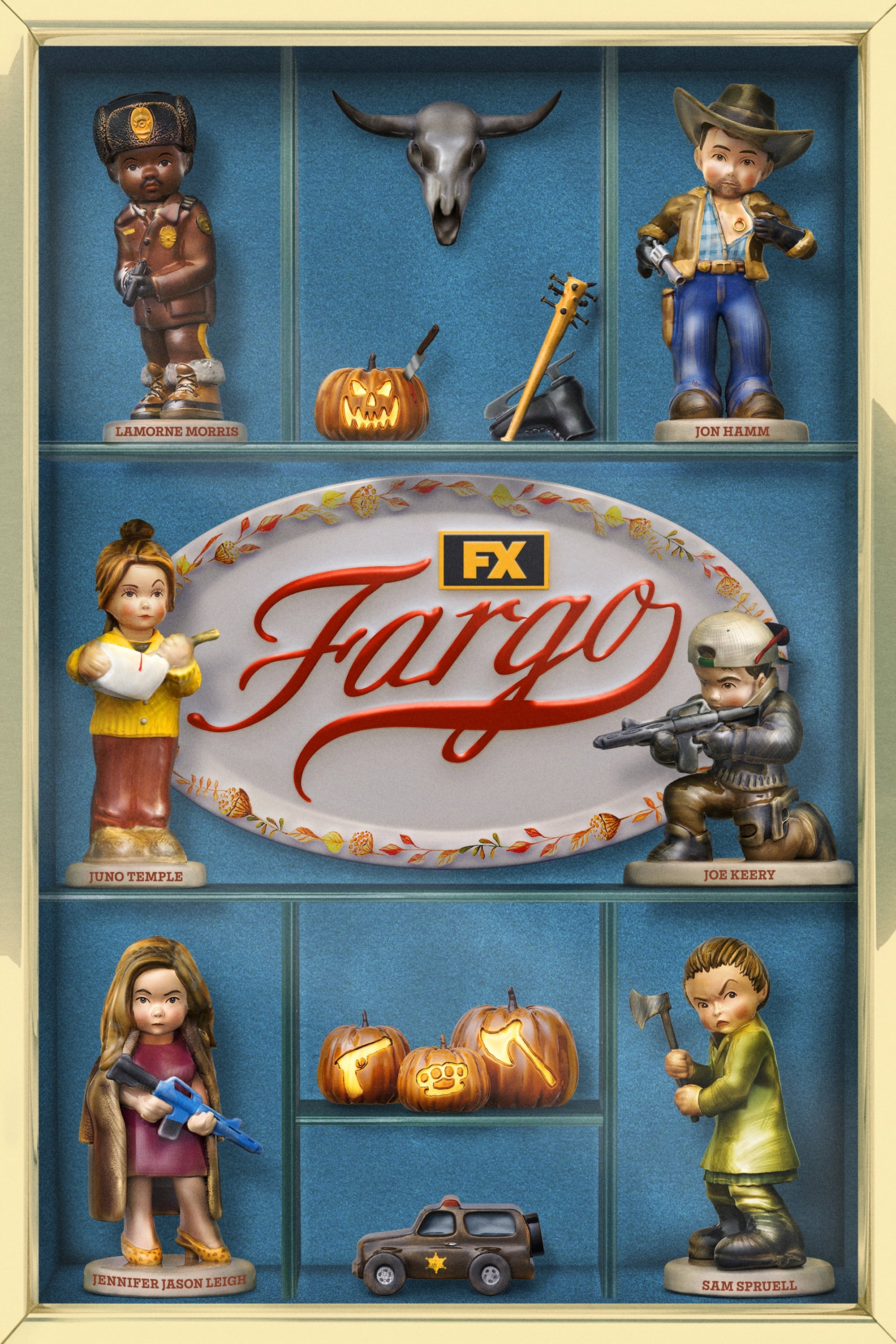
‘Fargo’, created by Noah Hawley for FX and inspired by the Coen Brothers’ film, tells standalone Midwestern crime tales that echo shared themes and props. Seasons link loosely through motifs while introducing new casts and conflicts.
Split-screen editing, stylized dialogue, and curated soundtracks define its look and feel. The show has earned awards for writing, acting, and production design and remains a flagship anthology for the network.
‘Black Mirror’ (2011)
Charlie Brooker’s ‘Black Mirror’ is a science-fiction anthology about technology’s social and psychological effects. Each standalone episode presents a near-future scenario with distinct casts and tones.
Produced first in the UK and later with Netflix, it experiments with episode length and interactive storytelling in ‘Bandersnatch’. The series influenced public conversations about surveillance, social scoring, and algorithmic systems and collected multiple awards.
‘BoJack Horseman’ (2014–2020)
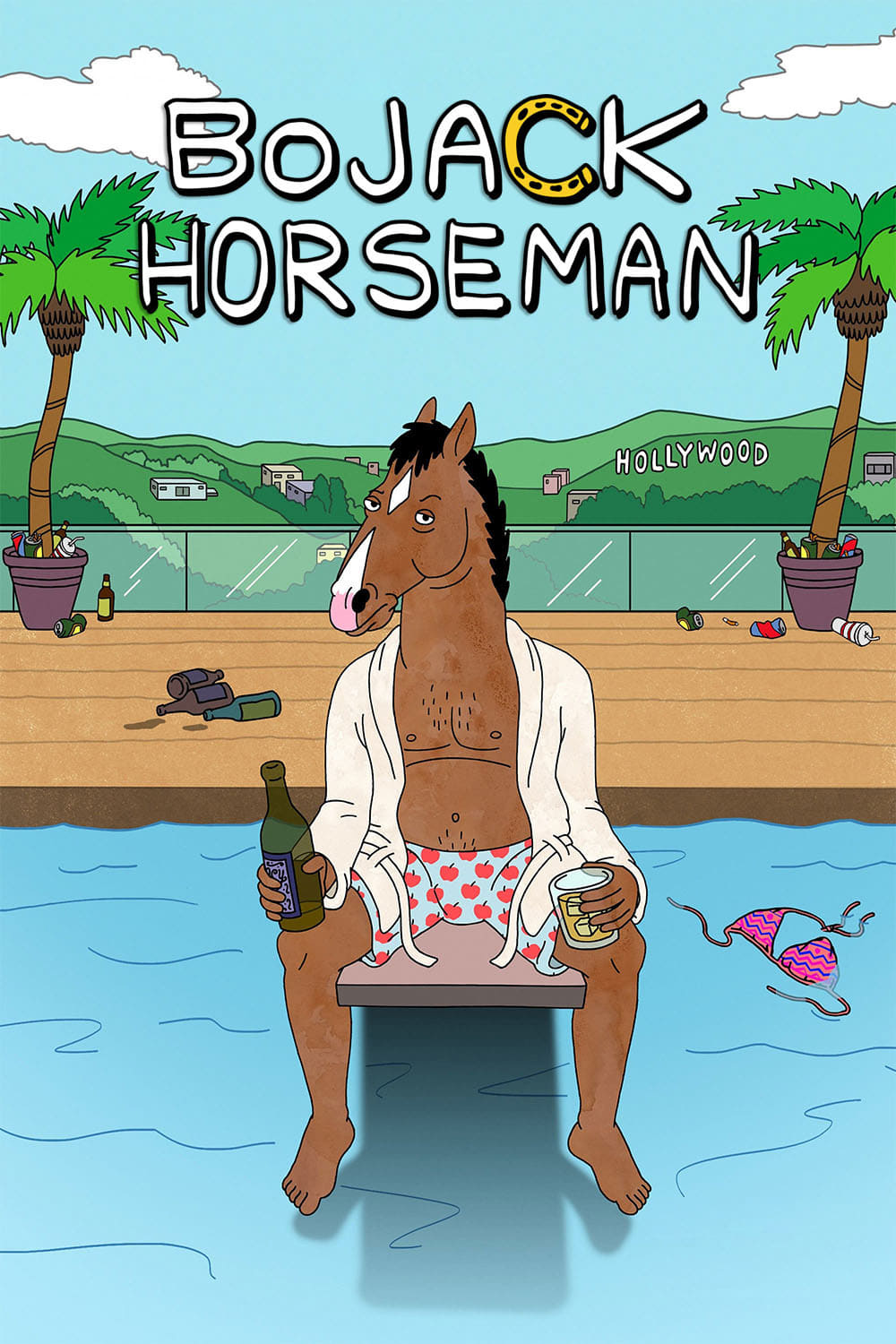
Created by Raphael Bob-Waksberg for Netflix, ‘BoJack Horseman’ follows a washed-up sitcom star navigating addiction, publicity cycles, and a stalled career. It balances gags with serial arcs built around relationships and the entertainment business.
The show is known for ambitious formal swings—silent storytelling, documentary riffs, and visual wordplay—while maintaining continuity. It received awards for voice work and writing and became a key example of adult animation with long-form structure.
‘Rick and Morty’ (2013)
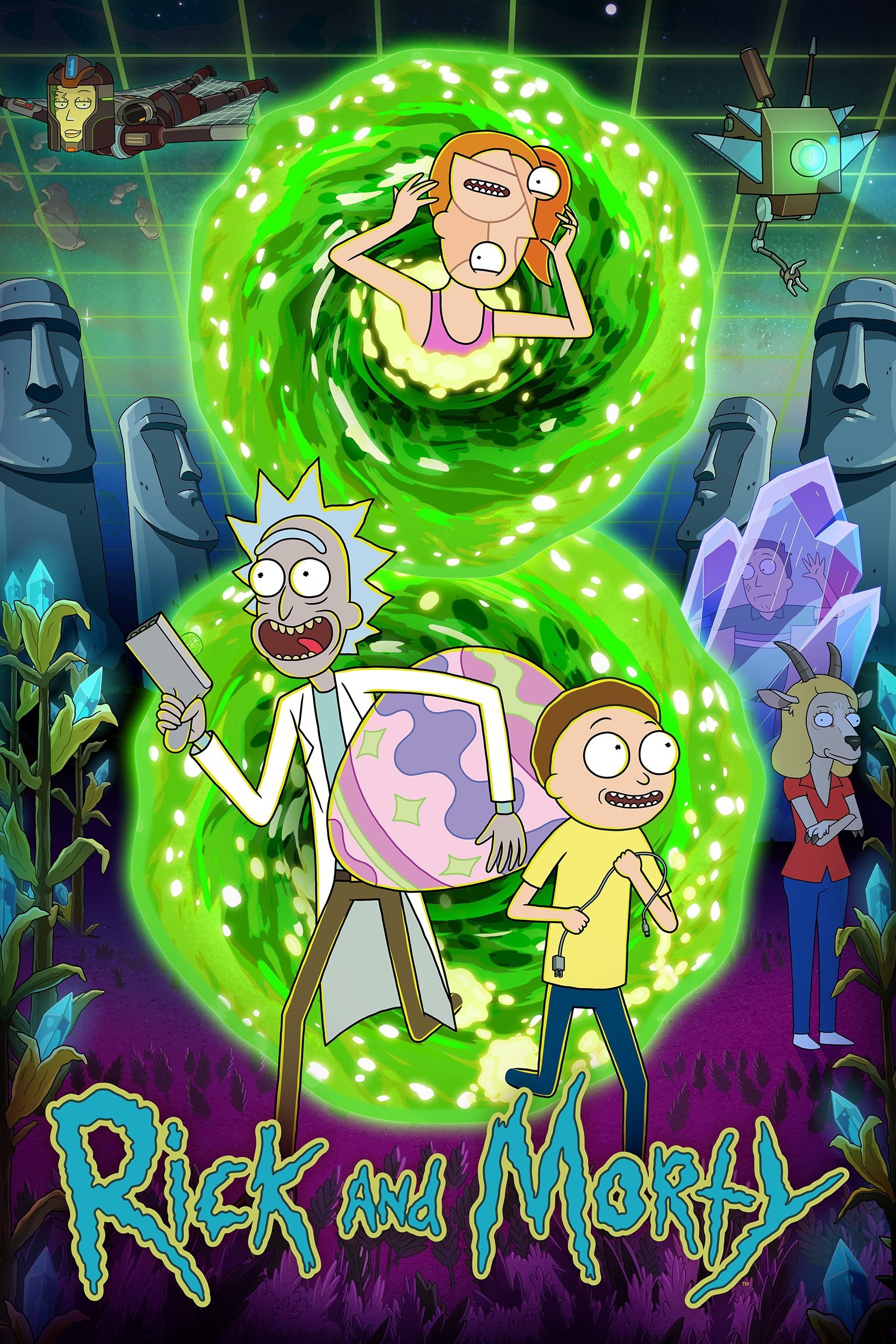
Developed by Justin Roiland and Dan Harmon for Adult Swim, ‘Rick and Morty’ sends a scientist and his grandson on multiverse adventures. Episodes combine high-concept science fiction with parody structures and alternate-reality versions of core characters.
The writers’ room builds intricate continuity, including Citadel arcs and serialized callbacks. The series spawned games, merchandise, and cross-media appearances and received awards for animated programming.
‘The Crown’ (2016–2023)
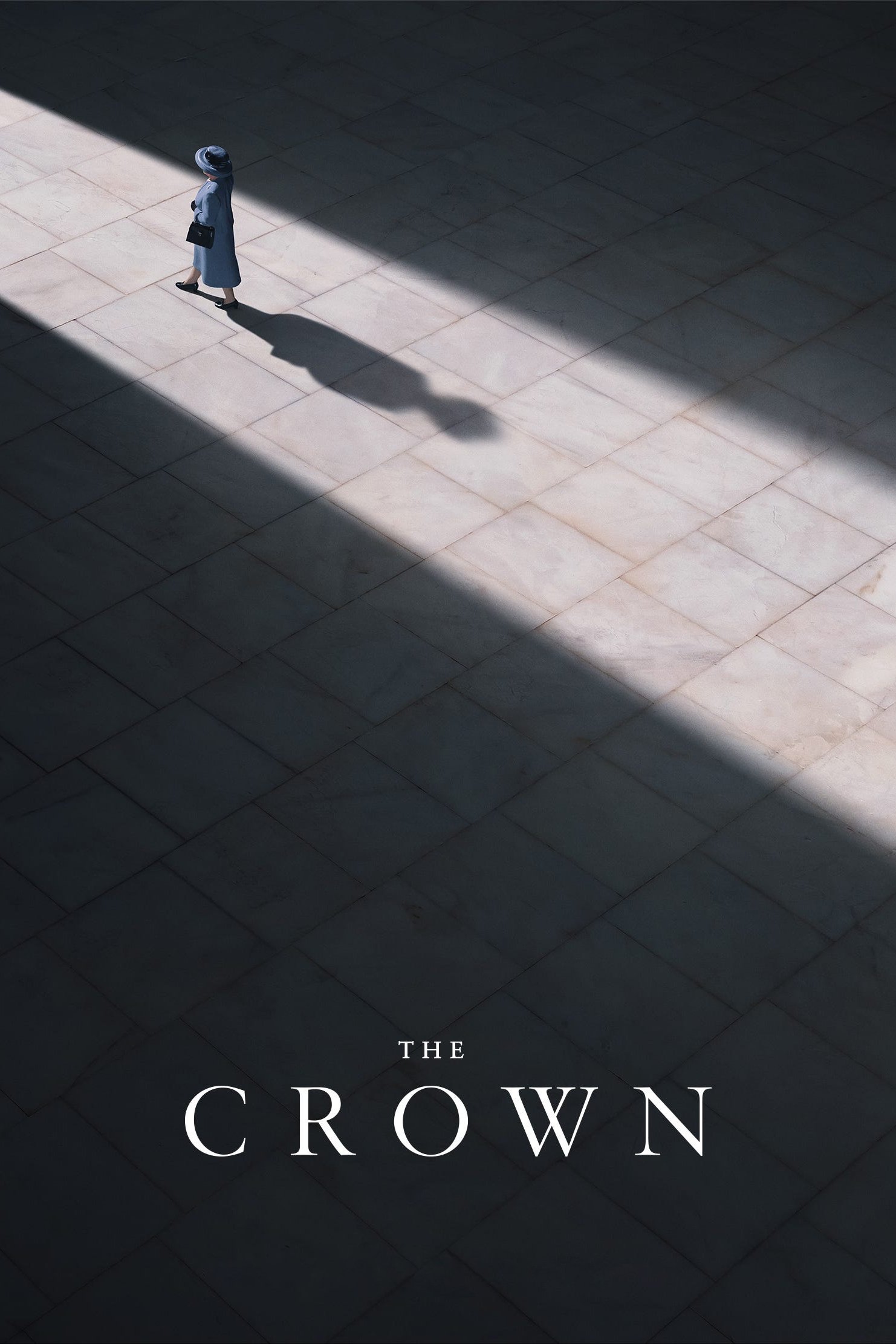
Created by Peter Morgan for Netflix, ‘The Crown’ chronicles the reign of Queen Elizabeth II across multiple eras with a planned recast strategy. It portrays constitutional conventions, diplomatic visits, and media relations within the royal household.
Lavish production design, location work, and detailed costuming anchor its historical dramatization. The series earned major awards across acting and crafts and became a cornerstone of the platform’s prestige slate.
‘The Handmaid’s Tale’ (2017)
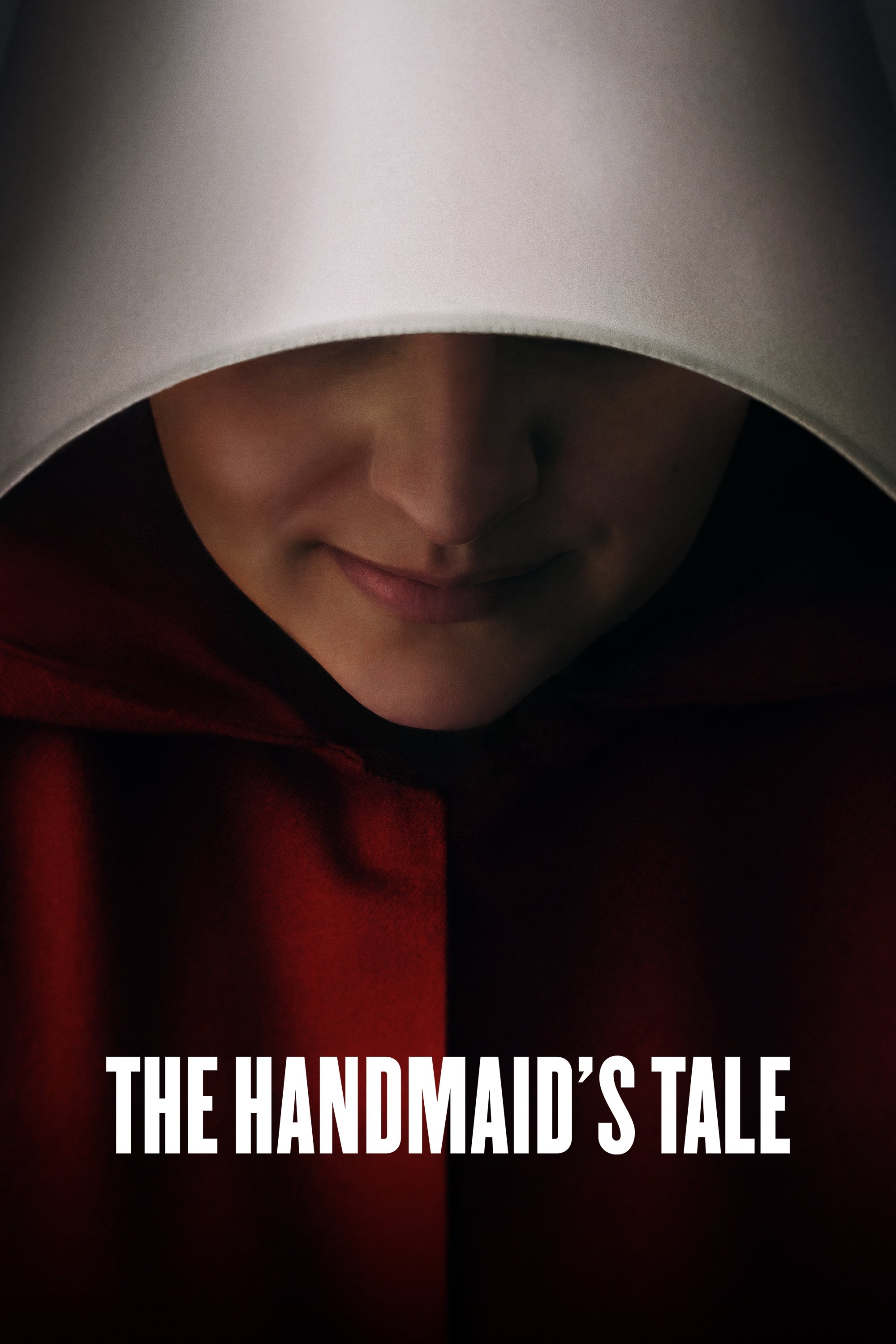
Developed by Bruce Miller for Hulu from Margaret Atwood’s novel, ‘The Handmaid’s Tale’ depicts a theocratic regime’s control over women’s lives. It details state procedures, resistance networks, and the legal apparatus of a fictional republic.
The show’s iconography—color-coded uniforms, strict ceremony, and distinctive production design—has been widely recognized. It collected significant awards and contributed to public conversations about civil liberties and reproductive rights.
‘Stranger Things’ (2016)
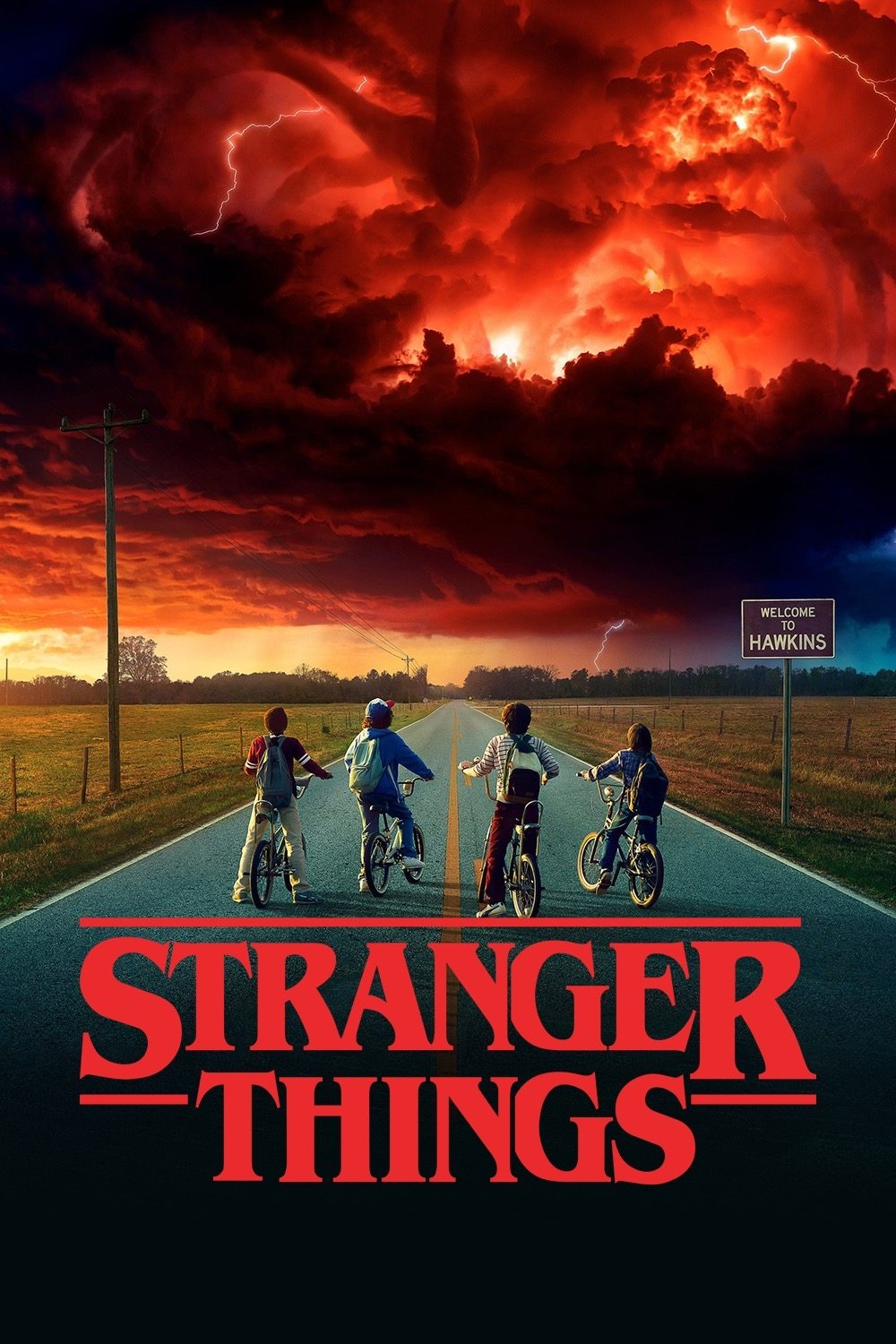
Created by the Duffer Brothers for Netflix, ‘Stranger Things’ blends supernatural mystery with small-town adventure as kids and adults uncover a secretive lab and a parallel dimension. It highlights friendship dynamics, local policing, and covert research programs.
Synth-driven scoring, practical creature effects, and ensemble youth casting define the production. The series generated licensed tie-ins, games, concerts, and live events and became one of the platform’s most watched franchises.
‘Mr. Robot’ (2015–2019)
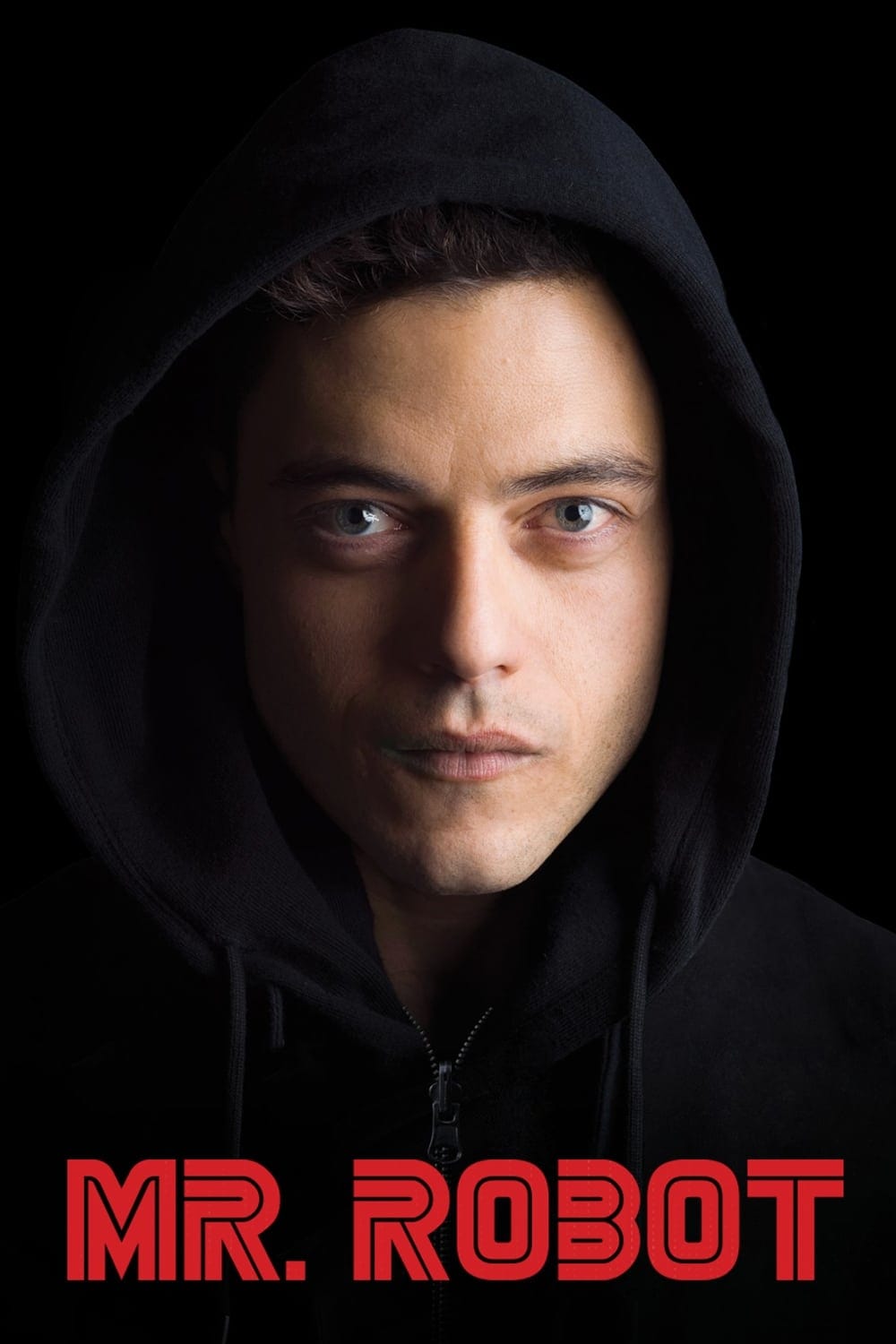
Sam Esmail’s ‘Mr. Robot’ for USA Network follows a cybersecurity engineer drawn into a hacktivist plot against a conglomerate. It foregrounds command-line realism, social-engineering tactics, and the operational risks of large-scale intrusions.
Off-center framing, aspect-ratio shifts, and extended takes shape its visual identity. The show worked with security consultants for technical accuracy and received awards for direction and performance.
‘Atlanta’ (2016–2022)
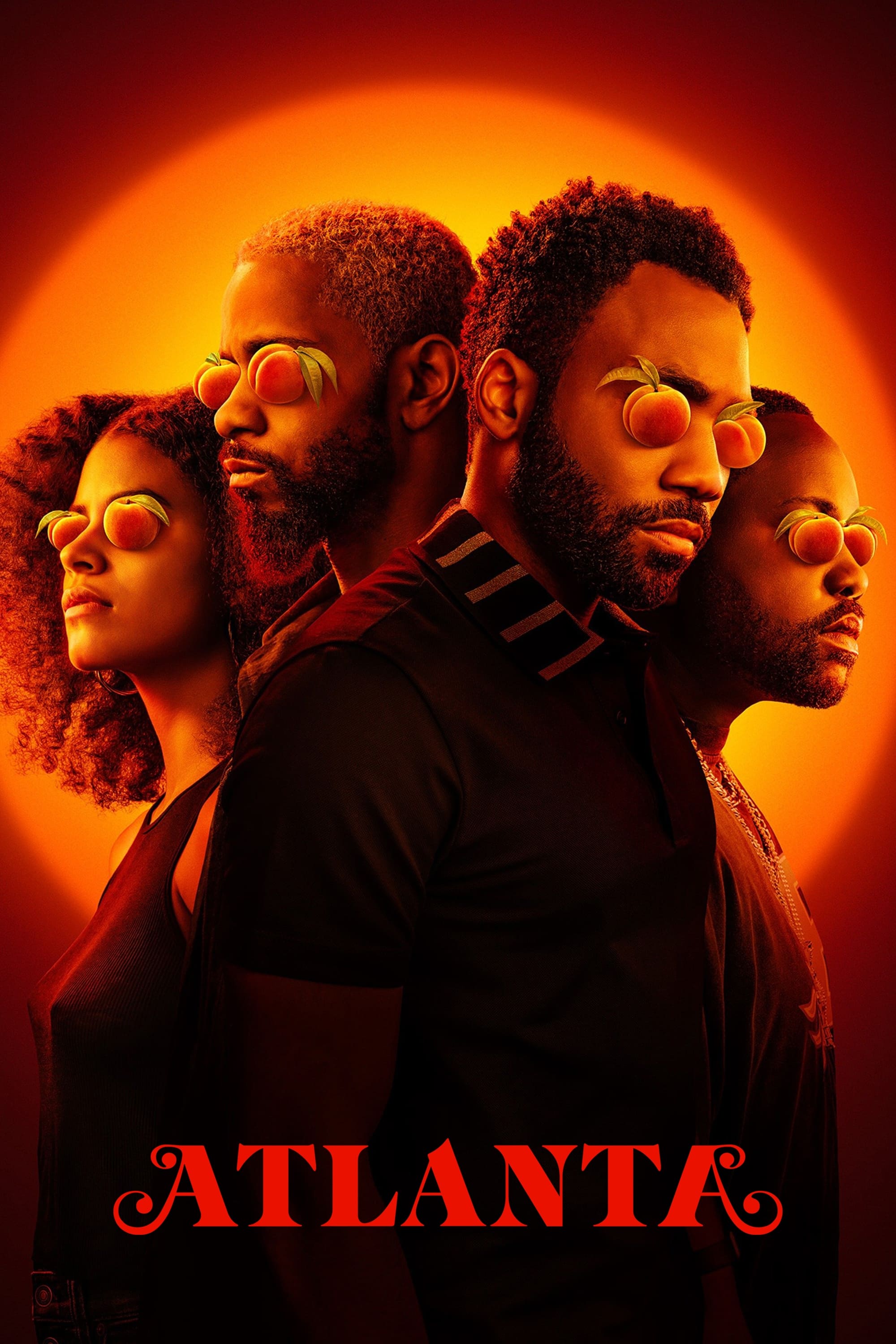
Created by Donald Glover for FX, ‘Atlanta’ tracks two cousins navigating the local rap scene, promotion economics, and media attention. Episodes range from grounded character studies to standalone satires.
The production experiments with anthology-style detours, unexpected casting, and bold tonal shifts while maintaining continuity for the core ensemble. It won awards across comedy categories and is frequently cited for formally inventive episodes.
‘The Good Place’ (2016–2020)
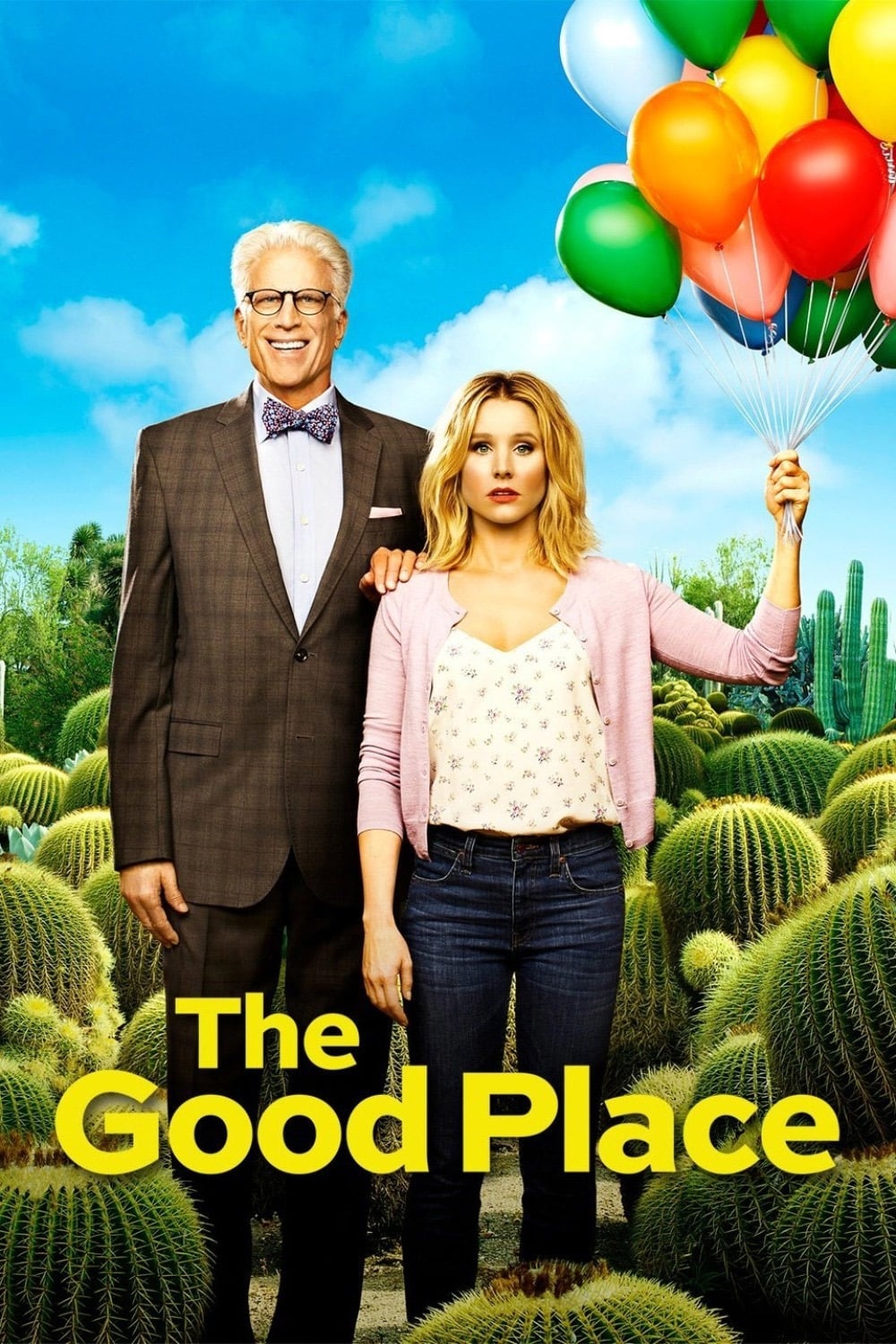
Michael Schur’s ‘The Good Place’ for NBC builds a sitcom around moral philosophy, point systems, and afterlife bureaucracy. The story regularly resets its premise to explore new rules and dilemmas.
Serialized plotting unusual for network comedy is paired with a diverse ensemble and evolving practical sets. The writers consulted academics to present ethical concepts clearly, and the show received awards for writing and ensemble work.
‘Mad Men’ (2007–2015)
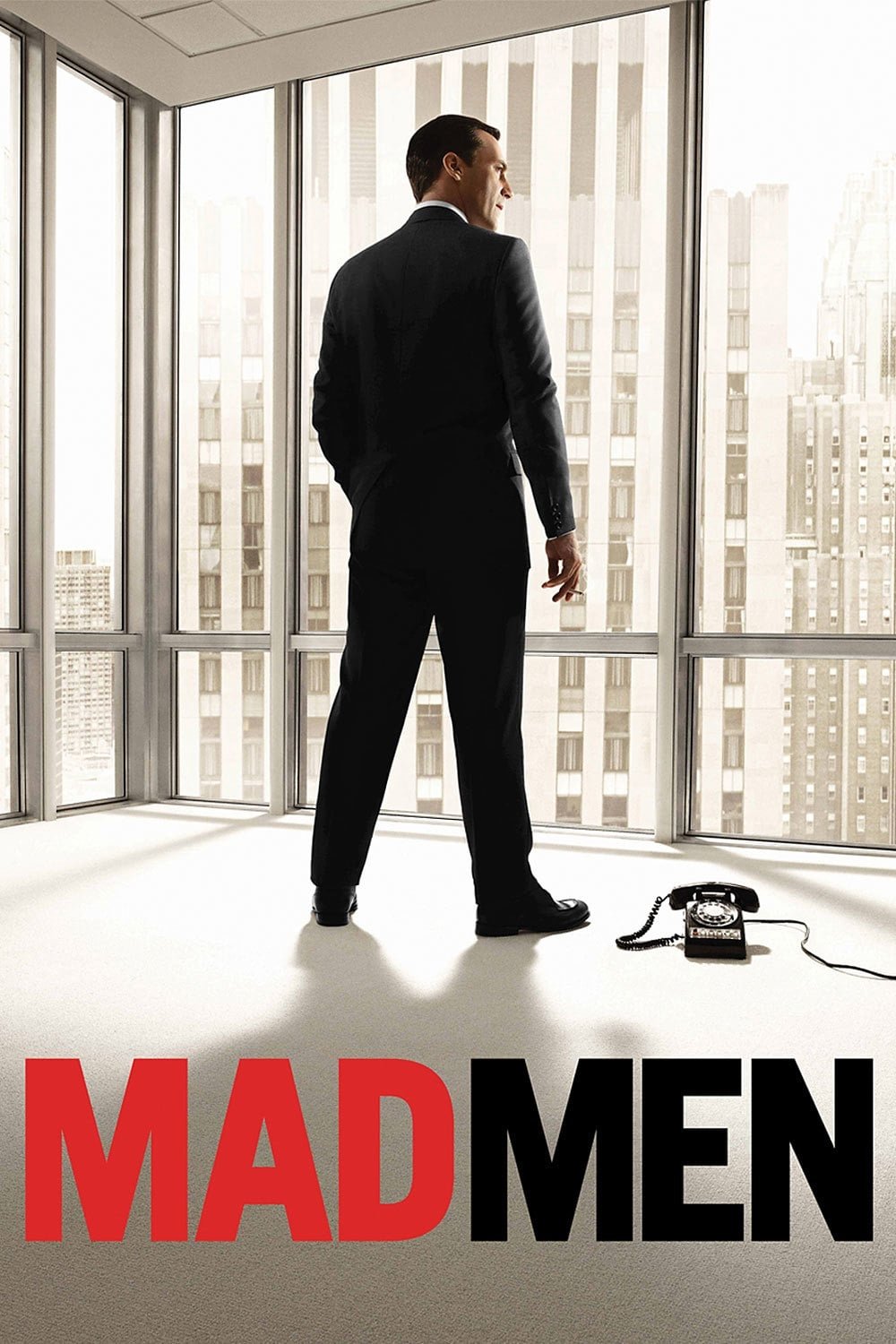
Created by Matthew Weiner for AMC, ‘Mad Men’ follows a New York advertising agency’s creative pitches, account struggles, and corporate shifts alongside personal lives. It integrates real brands and campaigns into episodic and seasonal arcs.
Historically precise props, wardrobe, and office design define its production detail. The series won top industry awards and helped establish its network’s prestige identity.
‘Community’ (2009–2015)
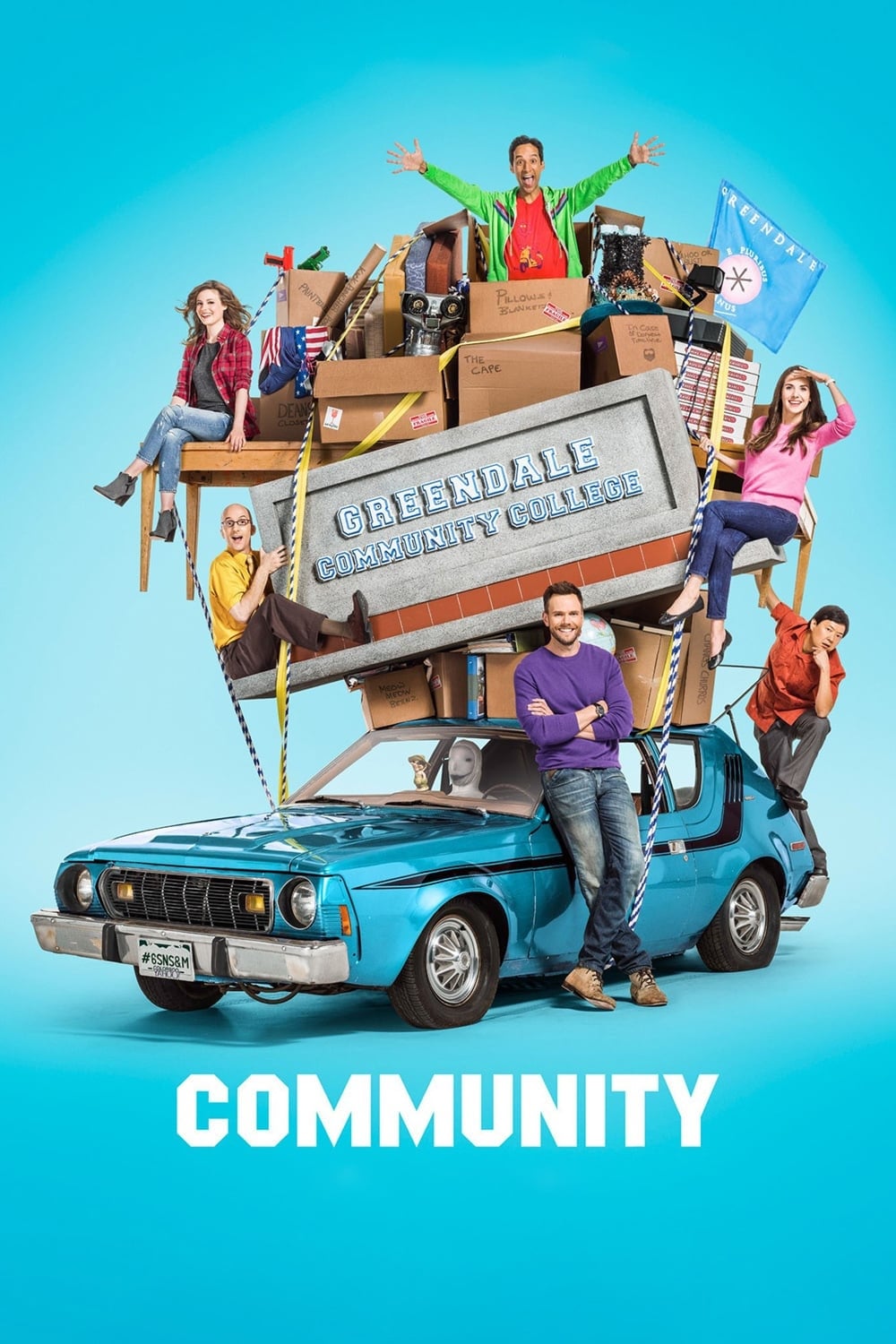
Dan Harmon’s ‘Community’ for NBC follows a study group at a community college, using genre parodies, bottle episodes, and meta structure. Stories track course schedules, campus clubs, and administrative politics.
High-concept homages—from heist blueprints to animated specials—sit alongside ensemble arcs. The series developed a devoted fanbase, influenced later self-aware comedies, and set up a feature continuation.
‘Brooklyn Nine-Nine’ (2013–2021)
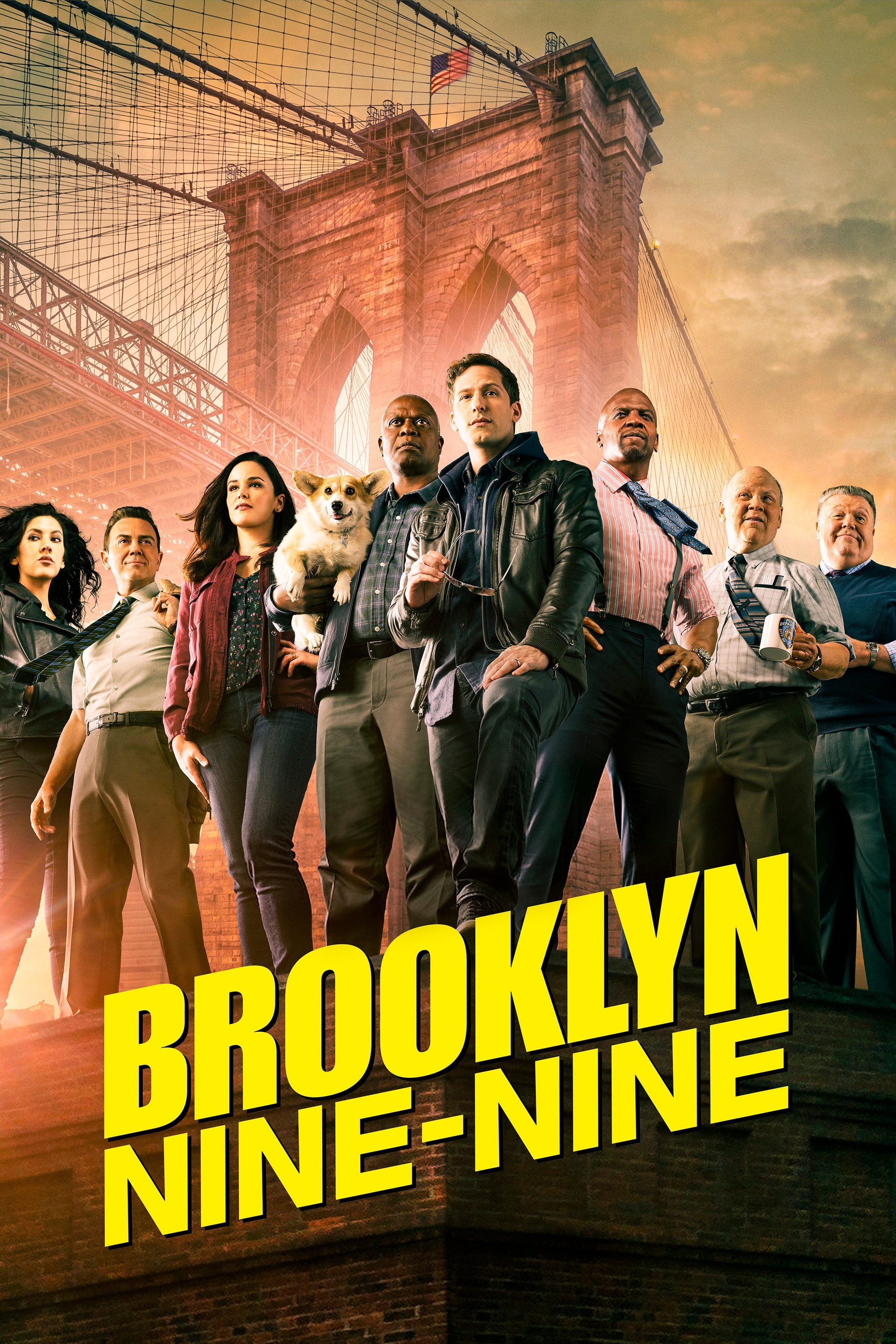
Created by Dan Goor and Michael Schur, ‘Brooklyn Nine-Nine’ blends precinct cases with workplace comedy rhythms. Plots involve investigations, inter-bureau collaborations, and recurring holiday capers.
The series moved networks while maintaining tone through showrunner continuity. It earned awards for ensemble performance and became known for character-centered promotions, transfers, and partnerships.
‘Veep’ (2012–2019)
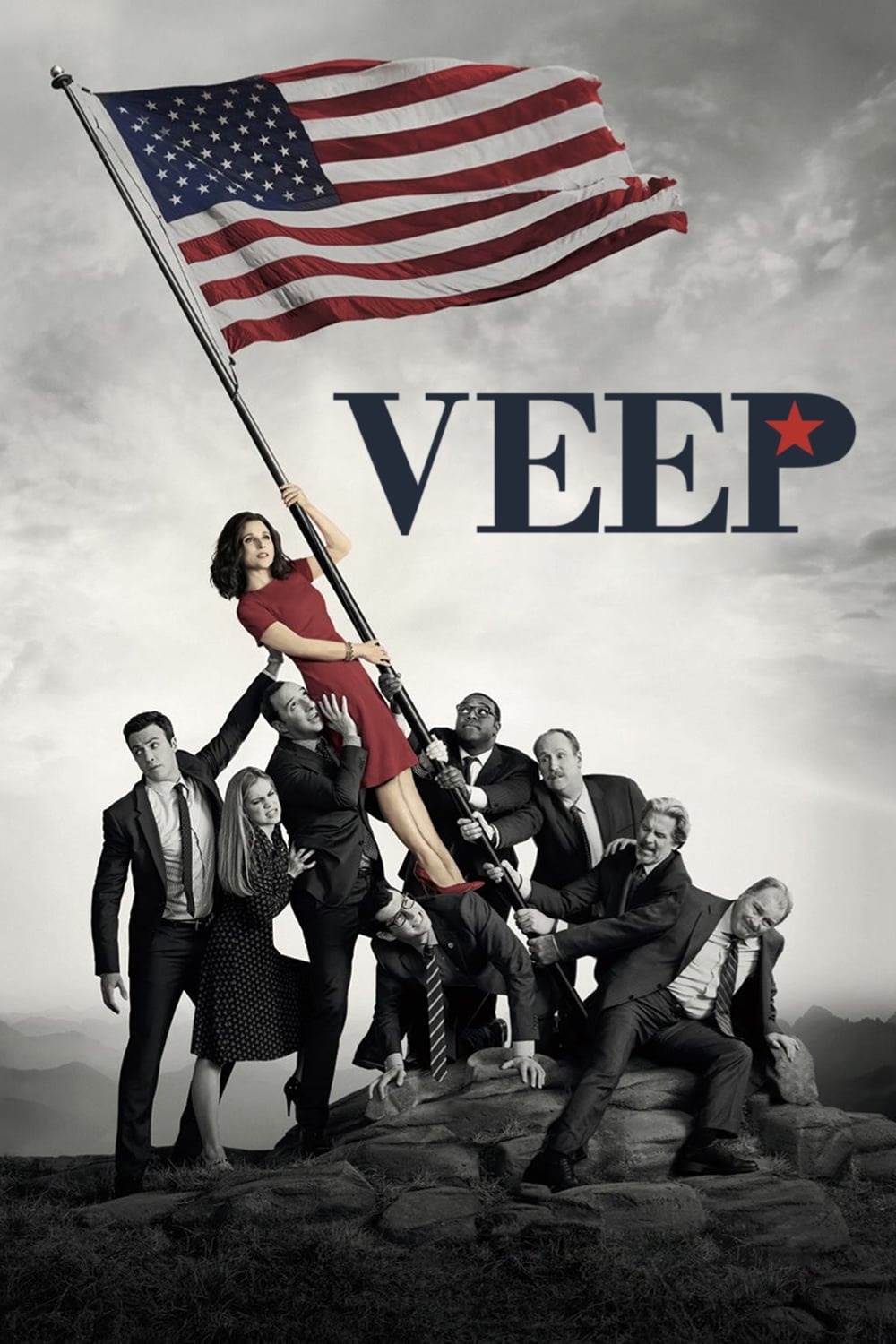
Armando Iannucci’s ‘Veep’ for HBO follows a vice president and her staff through campaigns, crises, and legislative maneuvering. Rapid-fire dialogue and walk-and-talk staging show policy and PR in motion.
Scripts incorporate mechanics like vote counts, polling swings, and procedural hurdles. The show won multiple comedy awards for acting and writing and released companion material that explains its fictional governance.
‘Silicon Valley’ (2014–2019)
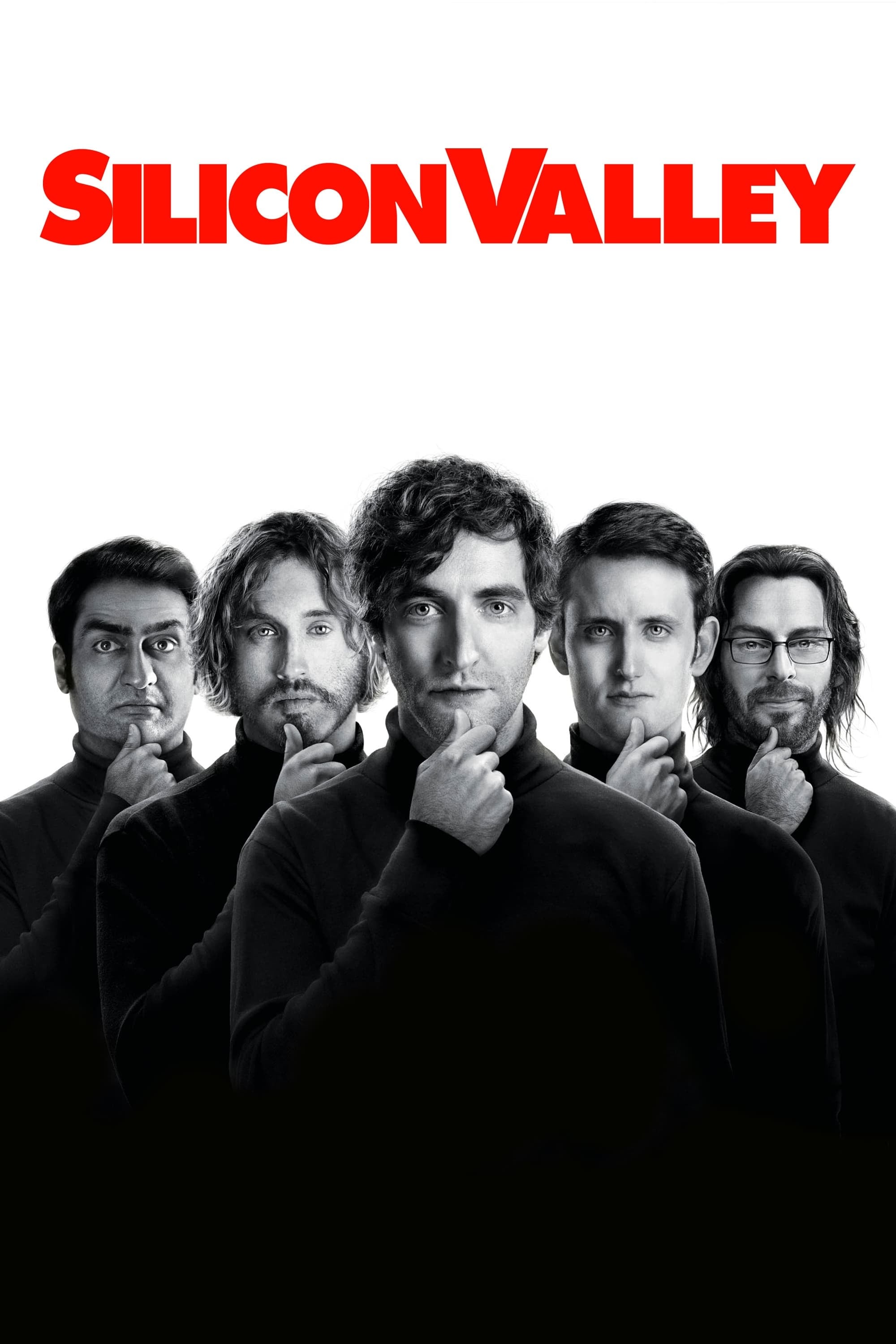
Created by Mike Judge, John Altschuler, and Dave Krinsky for HBO, ‘Silicon Valley’ chronicles a startup’s battles over funding, patents, and platform pivots. Episodes dramatize board governance, compression tech, and product-market fit.
Tech advisors helped model realistic demos, investor meetings, and legal exposure. The series received awards and became a touchpoint for depicting startup culture’s incentives and pitfalls.
‘Barry’ (2018–2023)
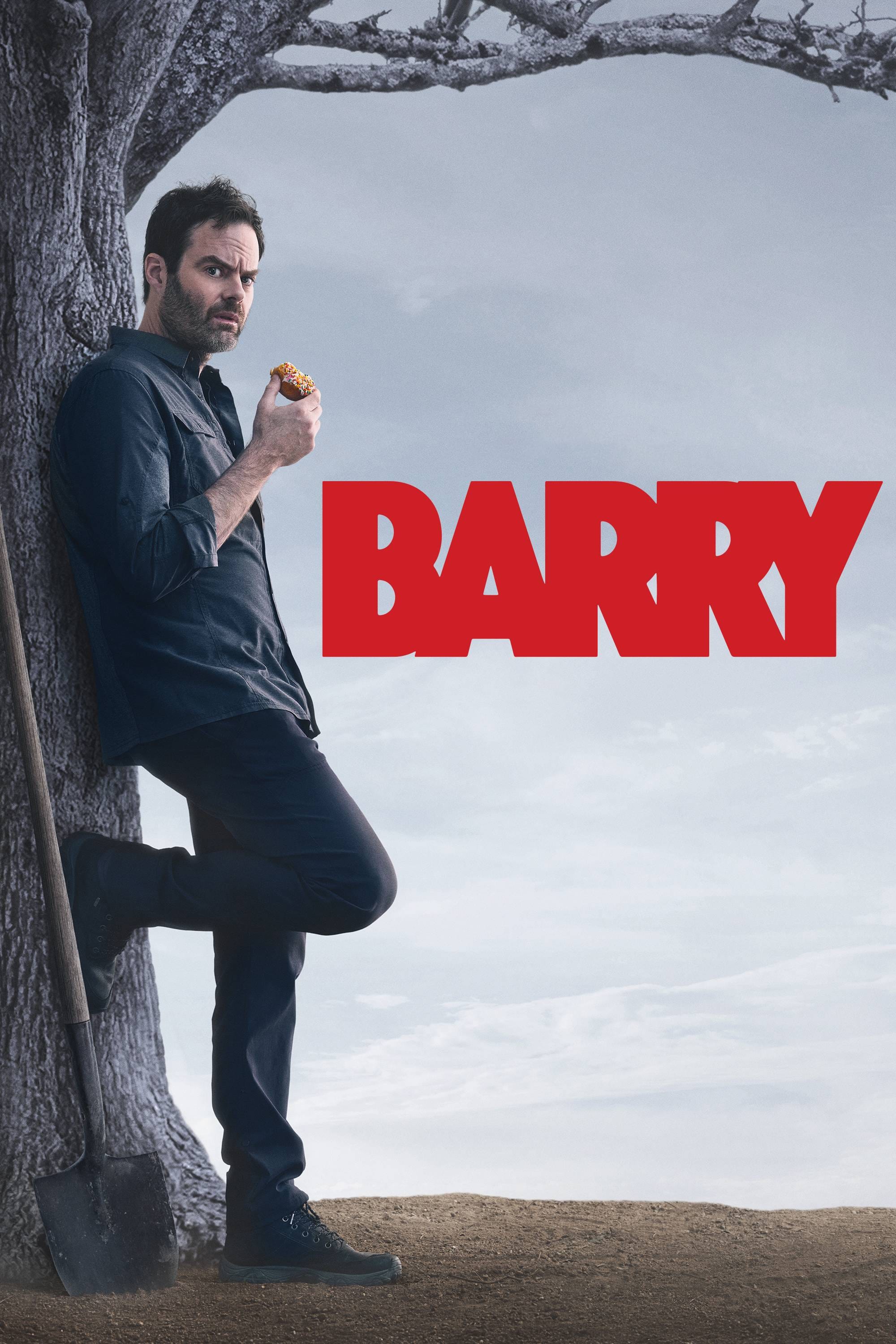
Created by Bill Hader and Alec Berg for HBO, ‘Barry’ follows a contract killer who stumbles into an acting class and tries to switch careers. It examines organized-crime logistics, regional theater ecosystems, and police procedure.
Precise direction, coordinated stunts, and location work support its mix of action and industry satire. The show won major awards for acting and directing and is regularly studied for genre blending.
‘Succession’ (2018–2023)
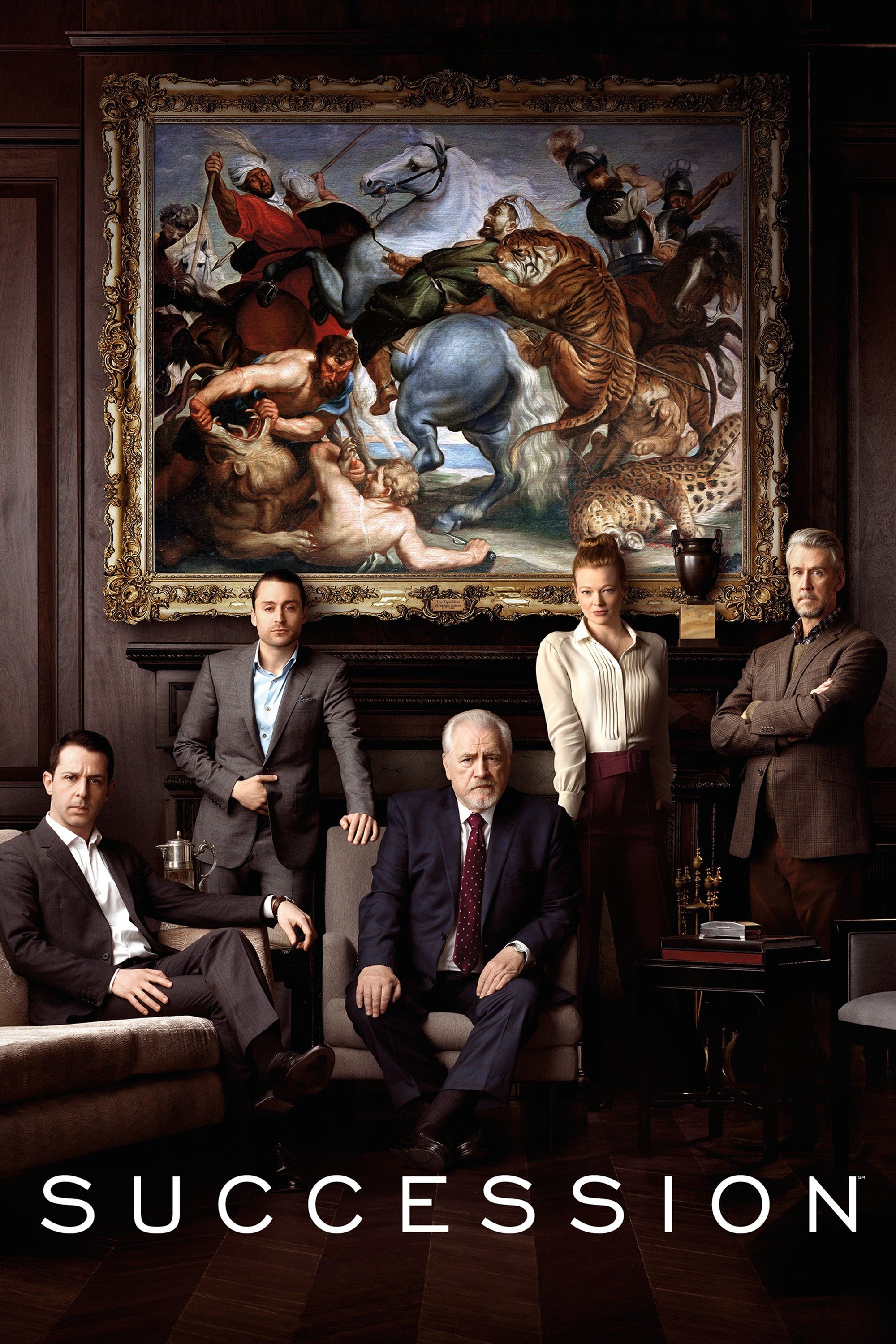
Jesse Armstrong’s ‘Succession’ for HBO tracks a media dynasty through board votes, trust structures, and leadership contests. Episodes unpack shareholder blocs, poison-pill defenses, and cross-border mergers.
The production leans on real corporate settings and financial consultants to keep deal mechanics plausible. It collected top awards and influenced business-focused storytelling across television.
‘Halt and Catch Fire’ (2014–2017)
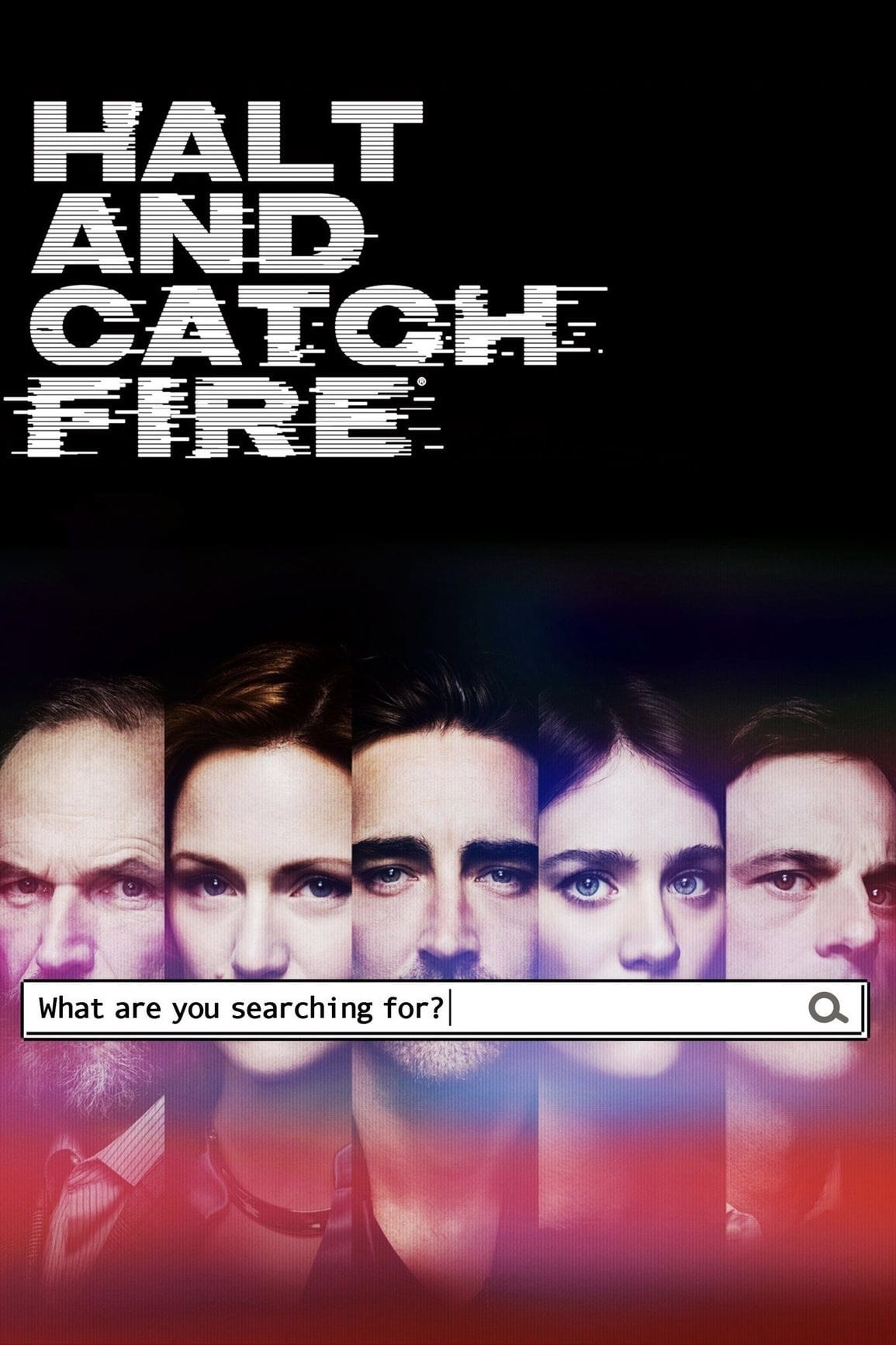
Created by Christopher Cantwell and Christopher C. Rogers for AMC, ‘Halt and Catch Fire’ follows engineers and founders across personal computing, networking, and early online communities. It shows prototyping, user testing, and investor relations.
The series maps product cycles and leadership pivots while keeping collaboration at the center. It gained recognition for realistic portrayals of innovation and the social dynamics of building technology.
‘The Expanse’ (2015–2022)
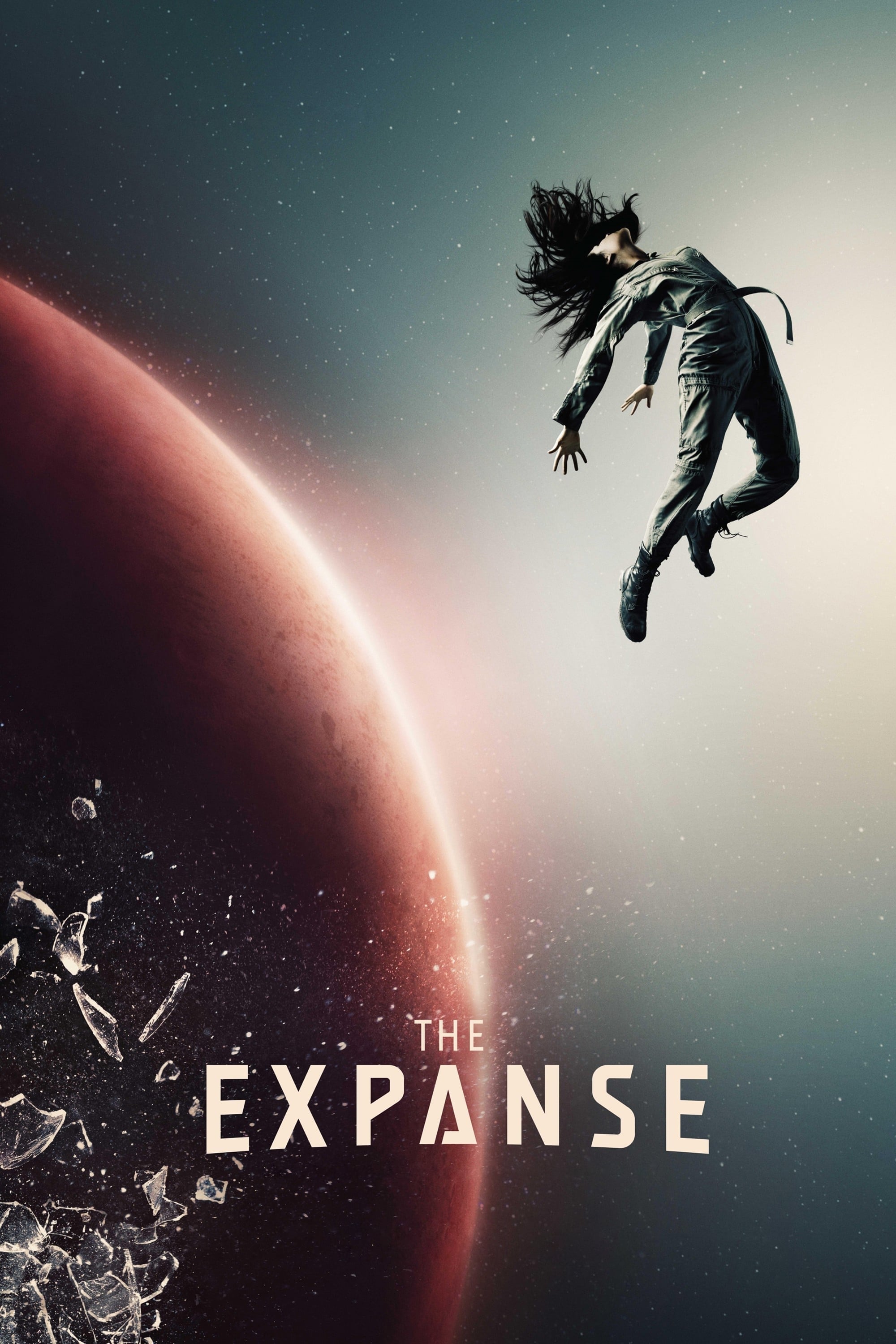
Developed by Mark Fergus and Hawk Ostby from novels by James S. A. Corey, ‘The Expanse’ treats physics and politics with a grounded approach. It follows crews, corporations, and governments across the solar system.
Zero-g choreography, constructed languages, and a coherent geopolitical map set it apart. The series changed platforms mid-run while retaining continuity and won awards for visual effects and sound.
‘Mindhunter’ (2017–2019)
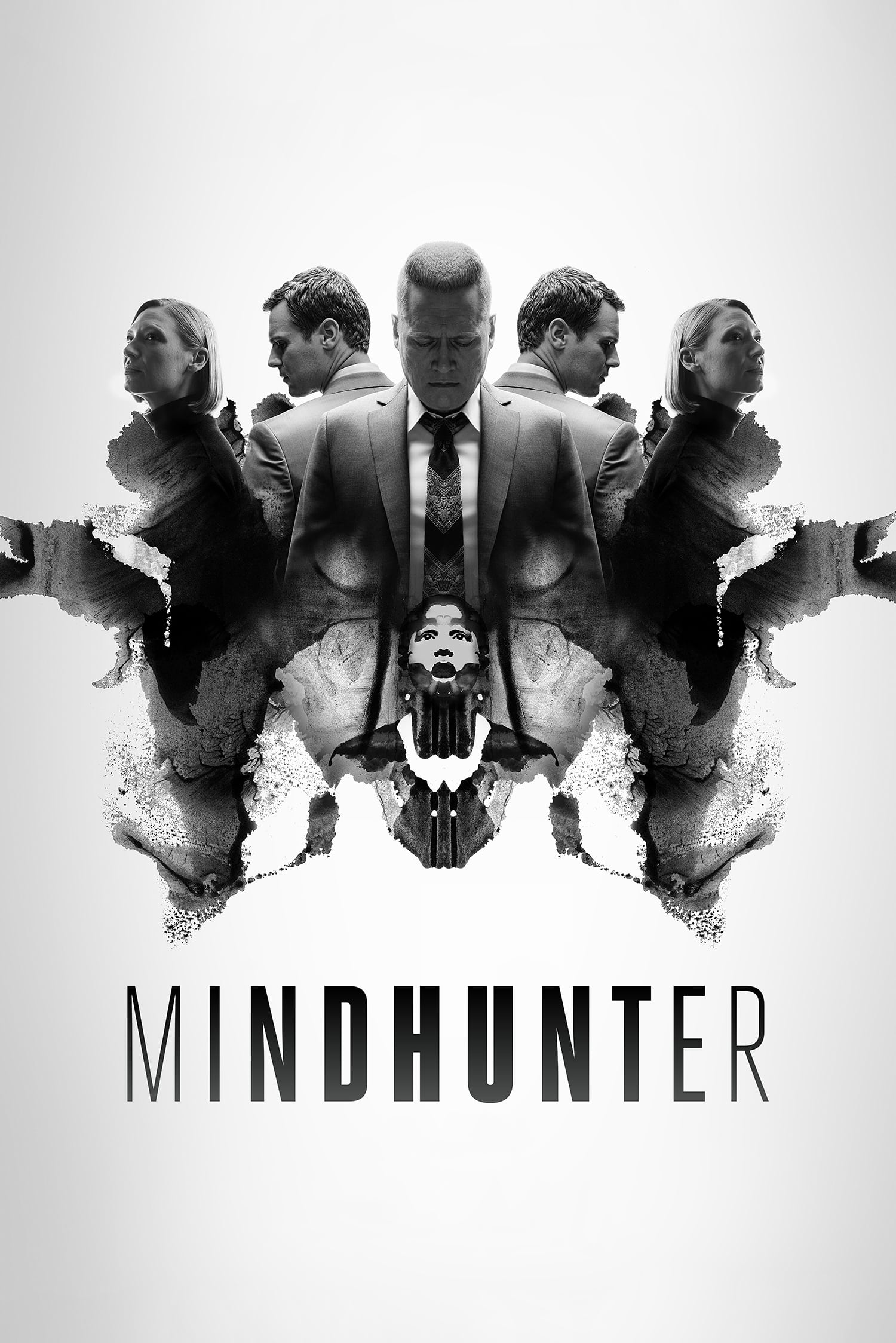
Developed by Joe Penhall with David Fincher producing for Netflix, ‘Mindhunter’ follows FBI agents building psychological profiling protocols. Interviews with incarcerated offenders inform active investigations and internal debates.
The show emphasizes procedure: interview scripts, transcription analysis, and inter-agency coordination. Its restrained camera work and period-specific design support a focus on institutional method over sensationalism.
‘Narcos’ (2015–2017)
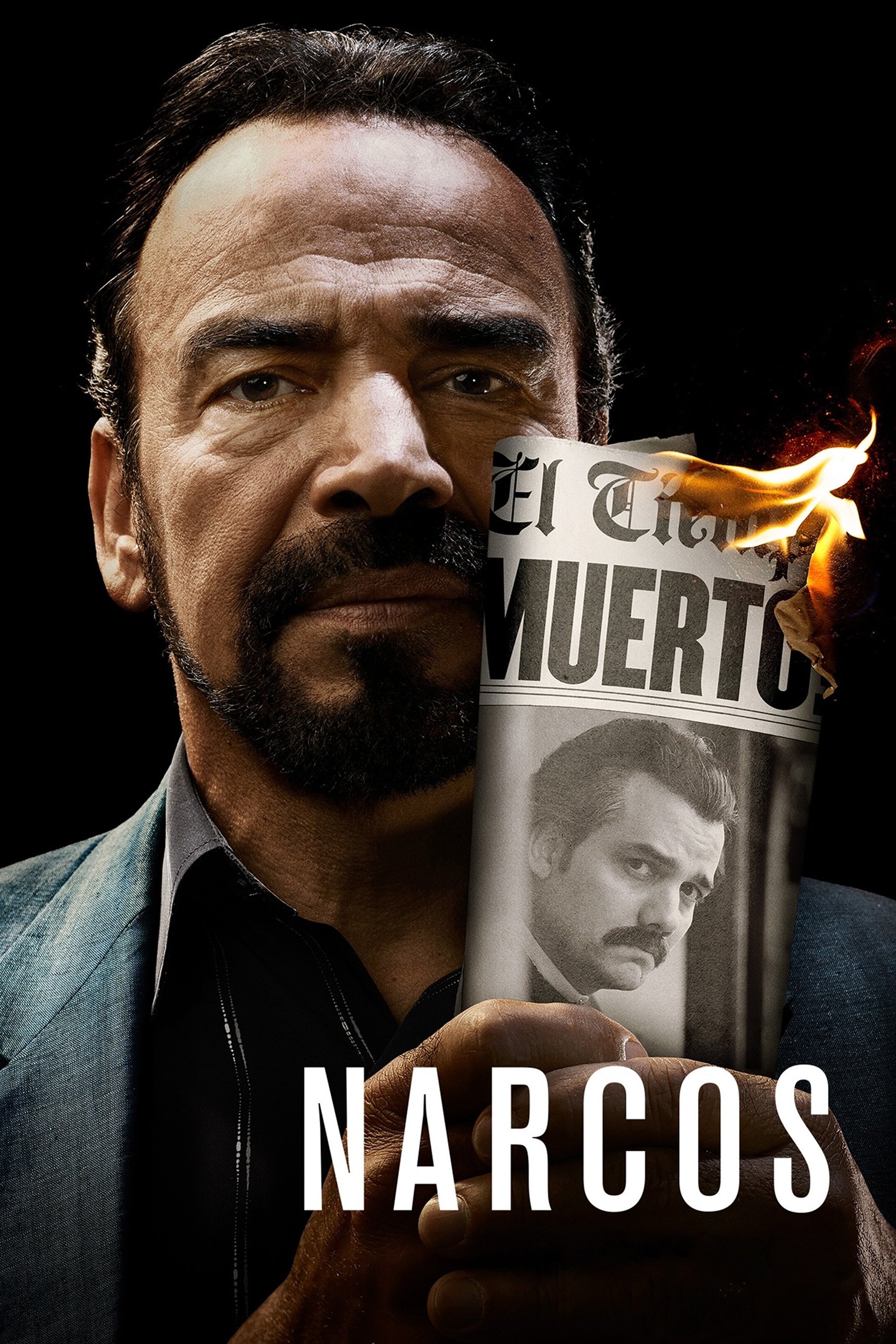
Created by Chris Brancato, Carlo Bernard, and Doug Miro for Netflix, ‘Narcos’ dramatizes drug-trade organizations and the law-enforcement response. It blends dramatized scenes with archival-style narration to explain structures and tactics.
Bilingual dialogue and location shooting ground the series in real jurisdictions. The show expanded into ‘Narcos: Mexico’, extending the franchise’s timeline and geography.
‘Narcos: Mexico’ (2018–2021)
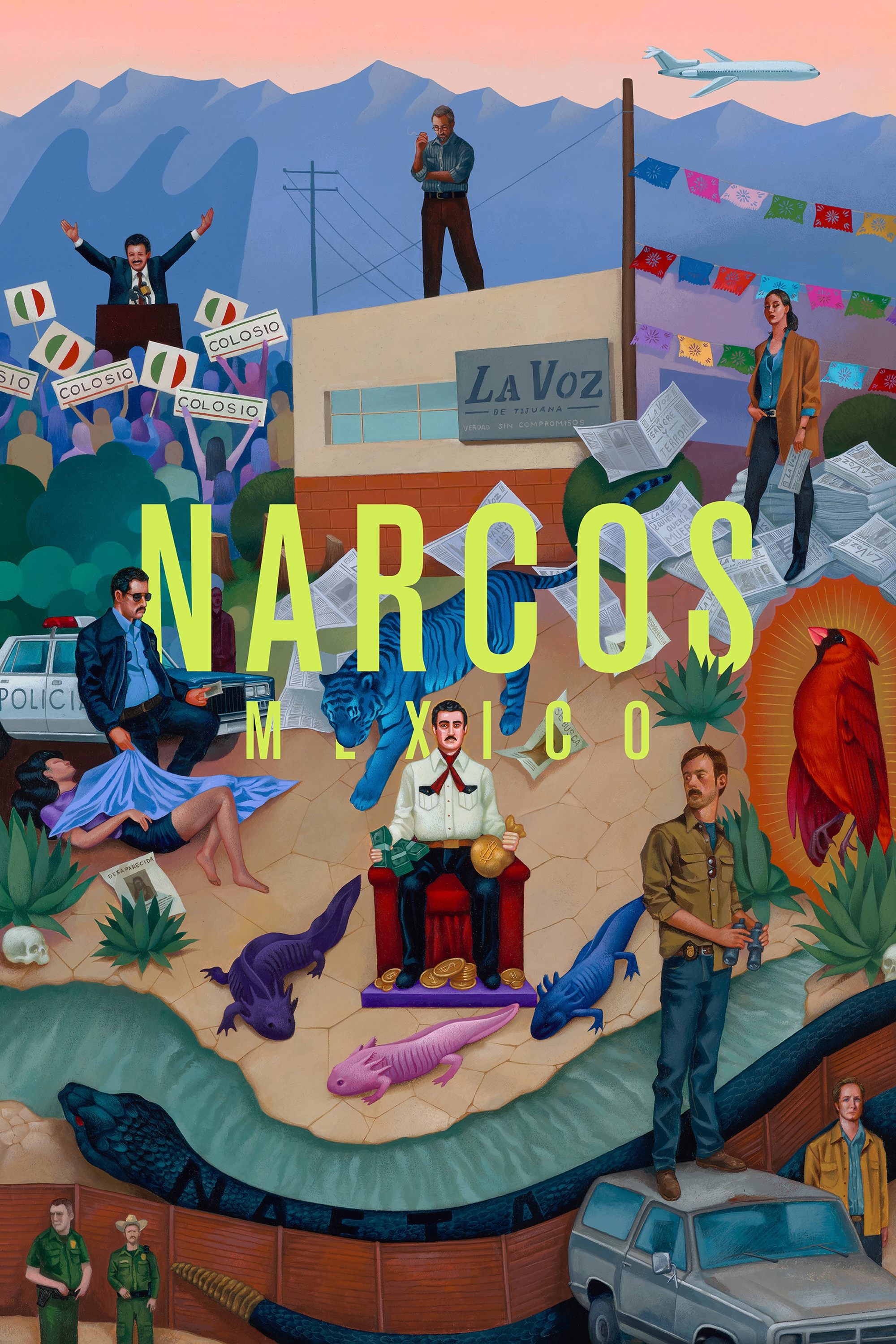
‘Narcos: Mexico’ traces the development of modern cartels in a different region, focusing on alliances, supply routes, and state pressure. It mirrors investigative strategies and institutional constraints faced by multiple agencies.
Maintaining the docudrama approach, it uses narration and on-location production to sketch complex networks. The series broadened the franchise’s scope with new casts, eras, and operational details.
‘The Walking Dead’ (2010–2022)
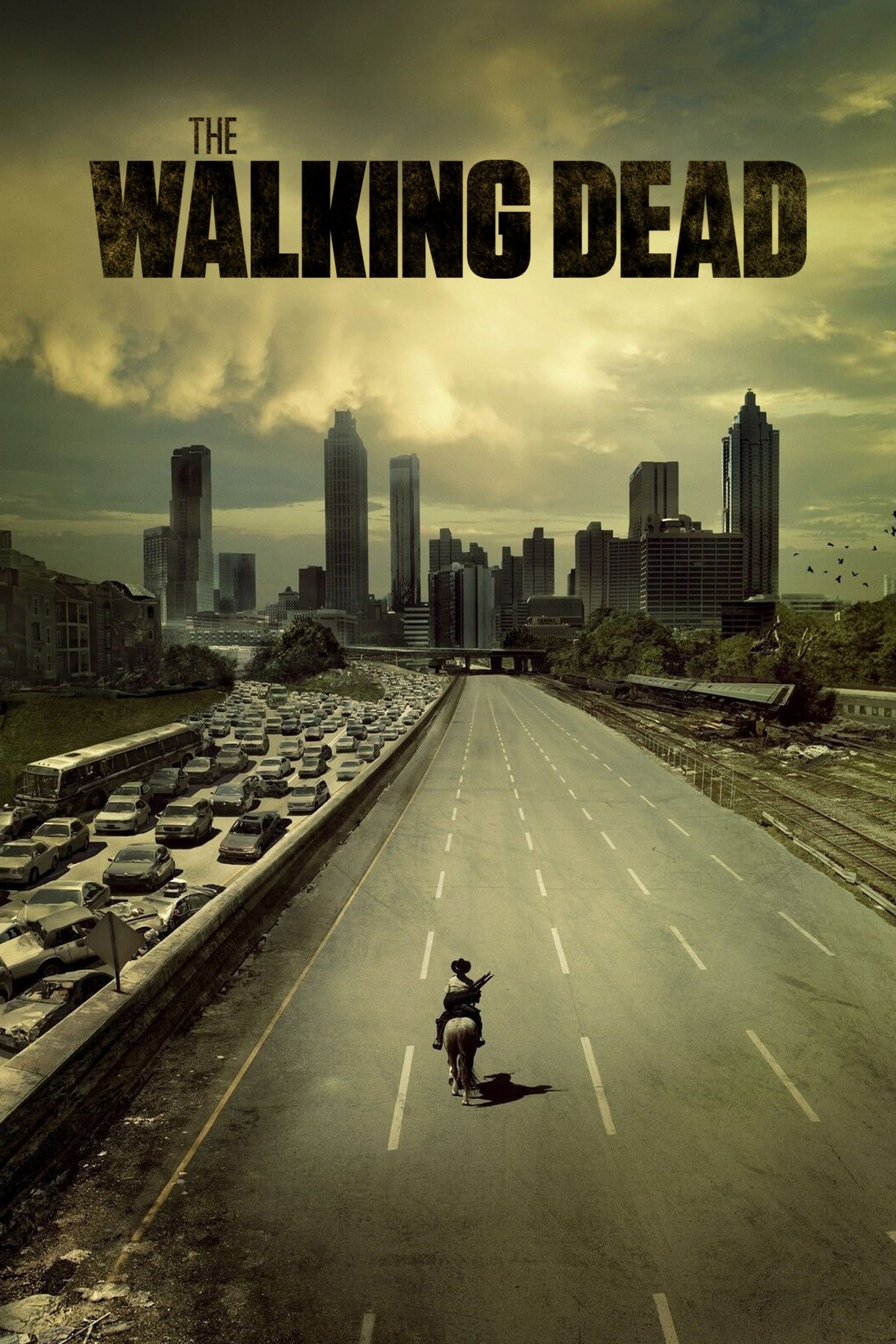
Developed by Frank Darabont from Robert Kirkman’s comic for AMC, ‘The Walking Dead’ depicts communities reorganizing after a viral catastrophe. It tracks settlement management, resource allocation, and governance under stress.
Extensive practical makeup effects and large-scale set pieces define the production. The series grew into a multi-show franchise with aftershows, webisodes, and spin-offs that explored new regions and groups.
‘Sherlock’ (2010–2017)
Created by Steven Moffat and Mark Gatiss for the BBC, ‘Sherlock’ modernizes Arthur Conan Doyle’s detective in feature-length episodes. On-screen text and visualizations depict deduction, digital forensics, and urban surveillance.
International co-production with PBS turned each series into an event release. The show earned awards for acting, writing, and sound and spurred fresh adaptations worldwide.
‘Downton Abbey’ (2010–2015)
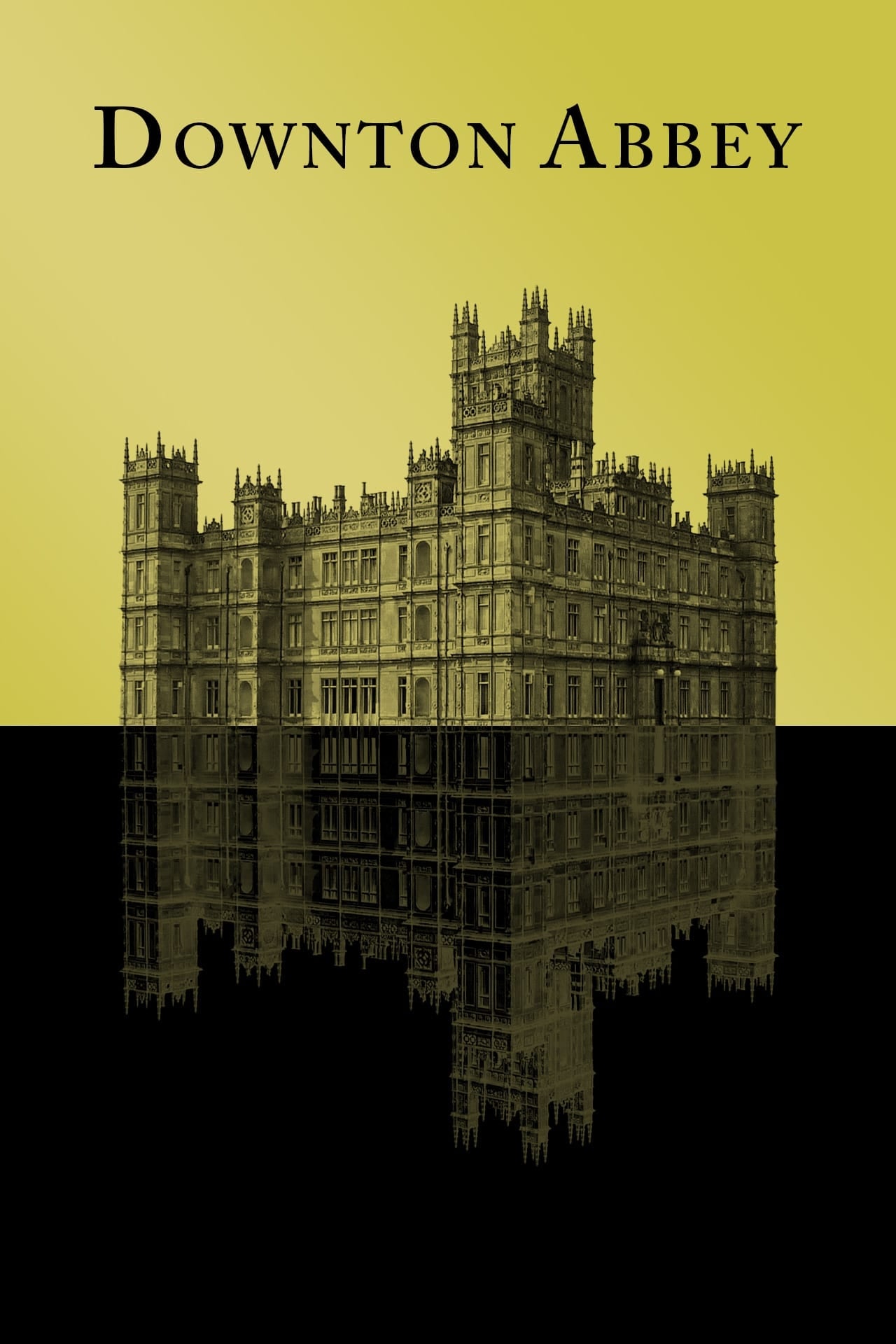
Julian Fellowes created ‘Downton Abbey’ for ITV, following an aristocratic estate and its staff. Stories cover inheritance law, household management, and shifting social roles.
Detailed costuming, etiquette, and serialized legal and financial pressures ground the drama. The series became a global hit, generated location tourism, and continued as a feature-film franchise.
‘Homeland’ (2011–2020)
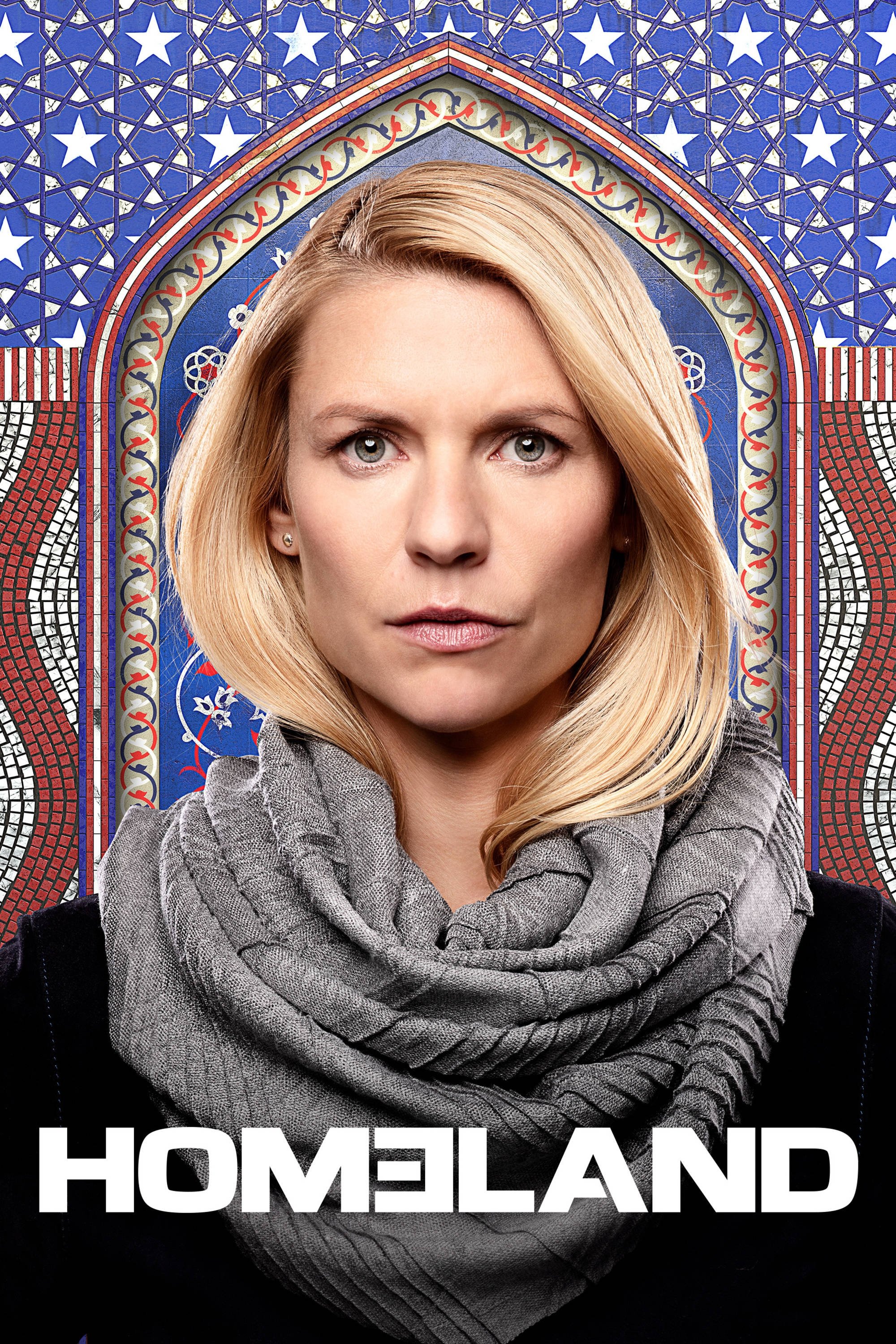
Developed by Howard Gordon and Alex Gansa for Showtime, ‘Homeland’ follows intelligence officers managing assets, surveillance, and crisis response. It tracks interagency negotiations and the political consequences of covert decisions.
Consultants helped stage operations and diplomatic scenarios with procedural credibility. The series won major awards early and shifted topics to reflect evolving geopolitical concerns.
‘Justified’ (2010–2015)
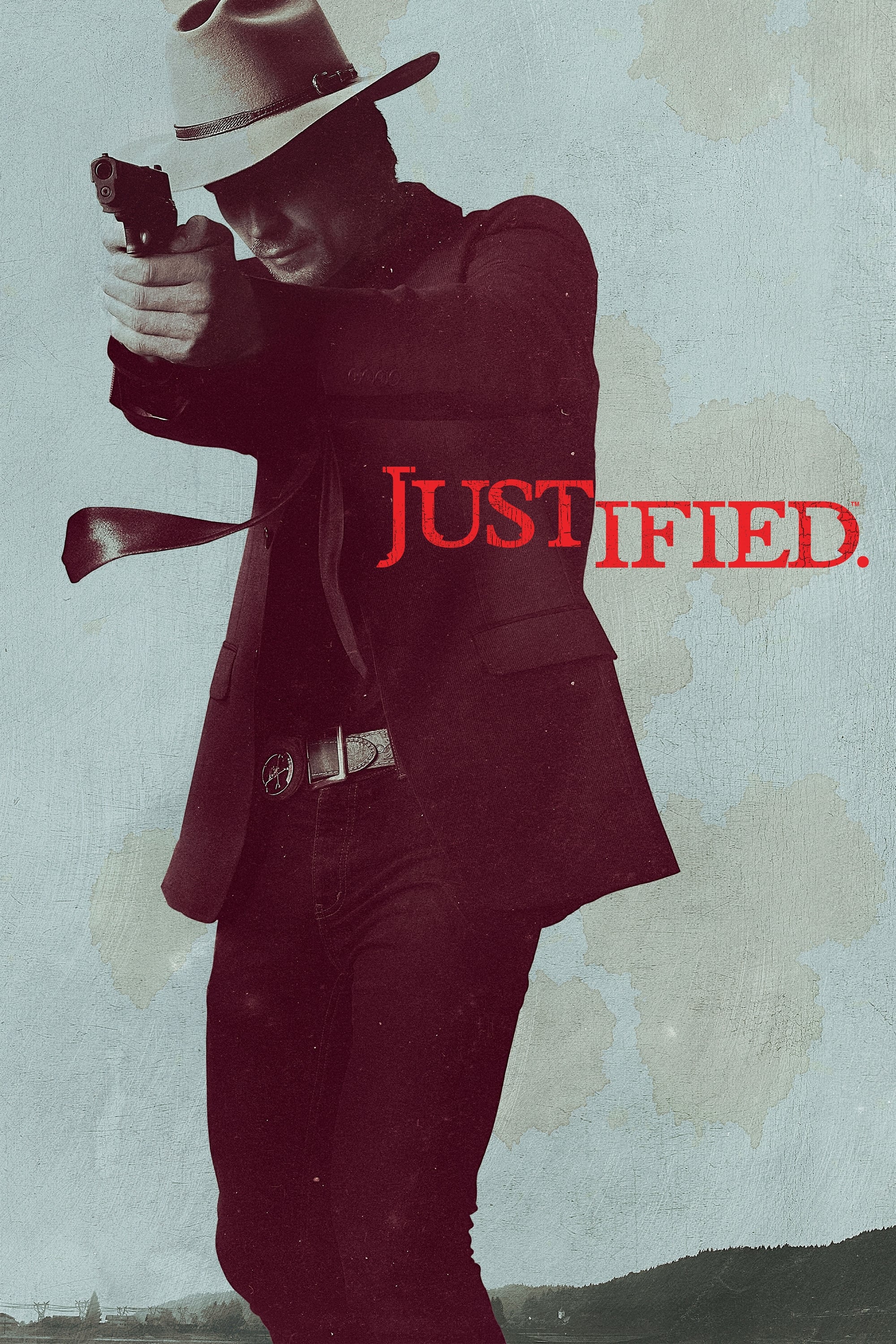
Developed by Graham Yost from Elmore Leonard’s work for FX, ‘Justified’ follows a U.S. Marshal confronting local families and organized crews. Dialogue reflects Leonard’s style while cases escalate from local disputes to broader operations.
Location-driven arcs and recurring guest characters create a lived-in regional world. The series earned awards and later returned with a limited sequel set in a new city.
‘Person of Interest’ (2011–2016)

Created by Jonathan Nolan for CBS, ‘Person of Interest’ blends surveillance-state science fiction with case-of-the-week structure. A predictive system flags people tied to imminent crimes, and a small team tries to prevent harm.
Across later seasons, competing artificial intelligences, encryption battles, and city-scale stakes expand the premise. The series is noted for stunt work, serialized mythology, and an ensemble of operatives, analysts, and handlers.
‘Broadchurch’ (2013–2017)
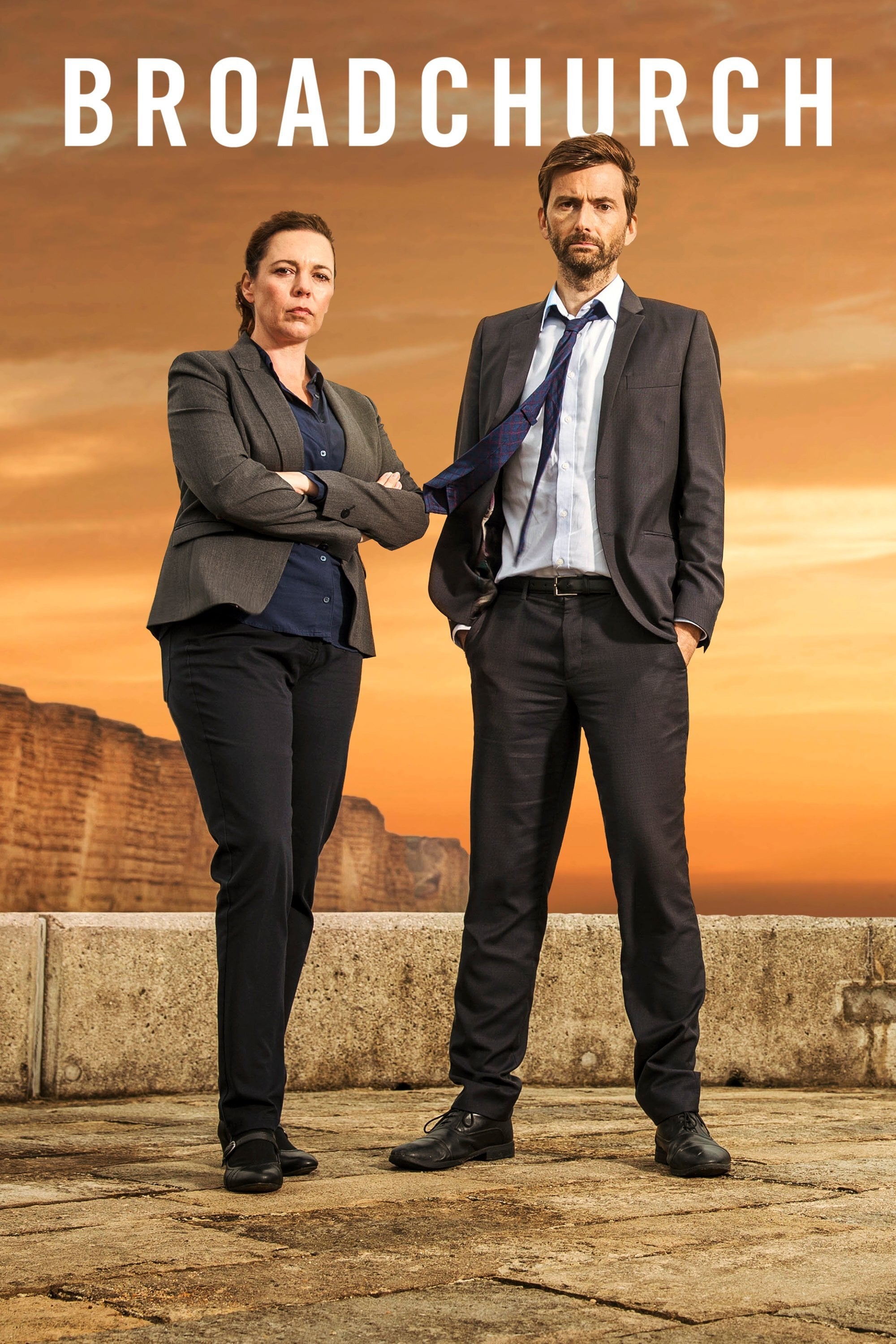
Created by Chris Chibnall for ITV, ‘Broadchurch’ begins with a single coastal case and follows its legal and social effects. It emphasizes victim support, media impact, and small-town relationships.
Location is central, with cliffside visuals and tight community networks shaping the investigation. The format was remade internationally, adapting legal procedures to local contexts.
‘Peaky Blinders’ (2013–2022)
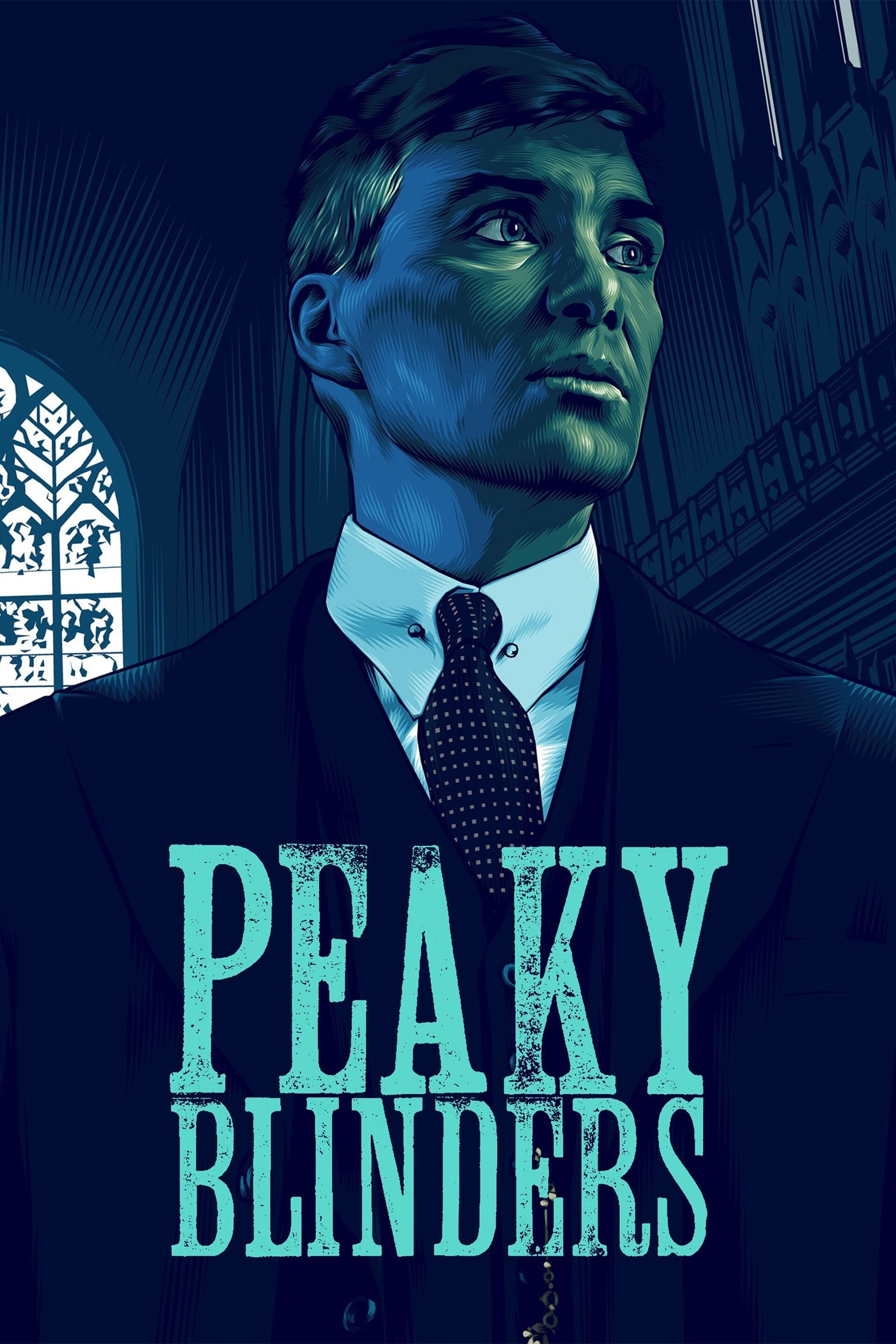
Steven Knight’s ‘Peaky Blinders’ for the BBC charts a family gang’s expansion from local rackets to legitimate fronts. It depicts leadership challenges, rival factions, and political intermediaries.
Stylized cinematography, licensed music, and meticulous costuming created a strong brand identity. The series built an international audience via streaming and set up continuation in feature form.
‘Line of Duty’ (2012)
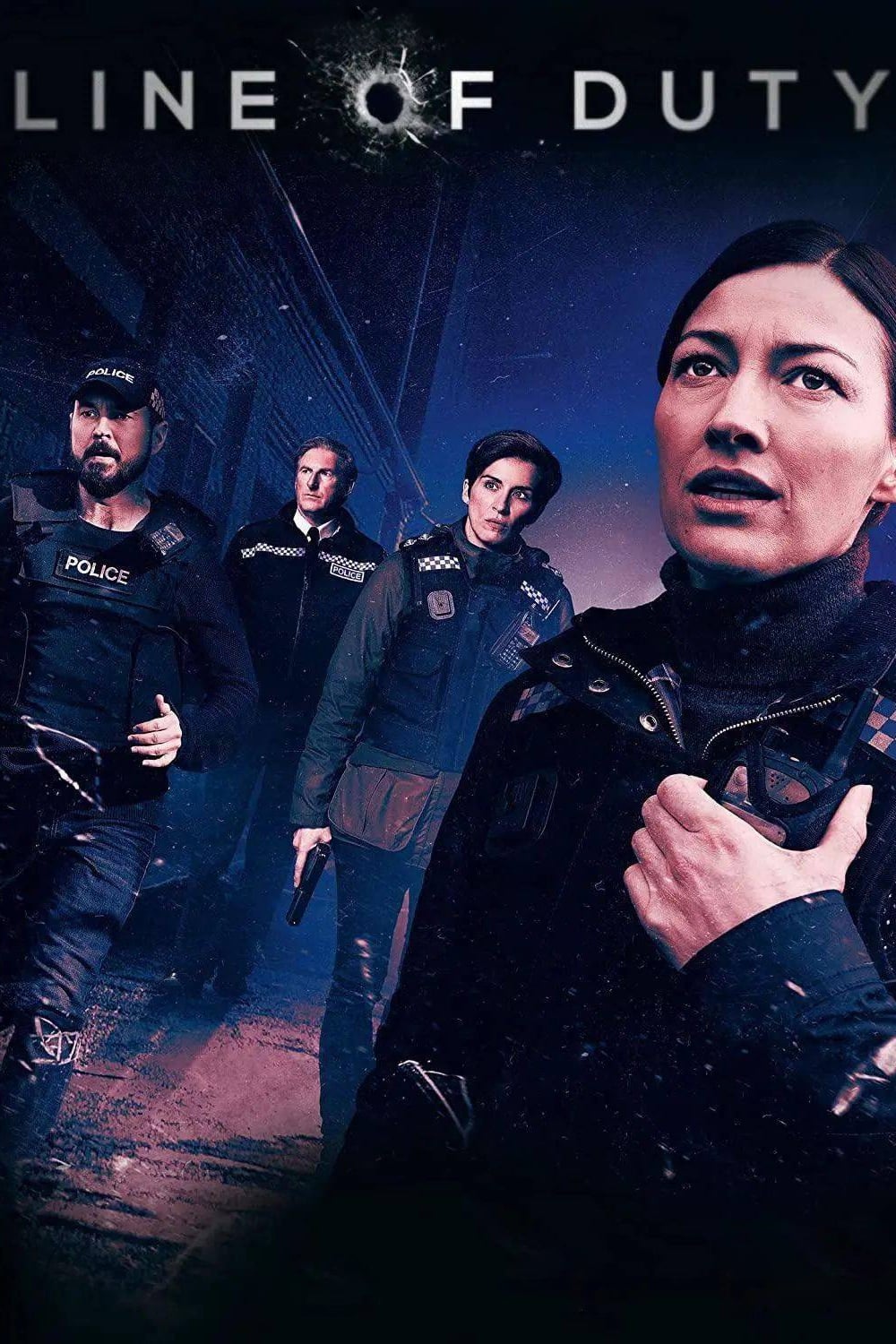
Created by Jed Mercurio for the BBC, ‘Line of Duty’ follows an anti-corruption unit investigating police misconduct. Long interrogation sequences test evidence chains, procedures, and competing testimonies.
Acronym-heavy dialogue and codenamed operations became signatures. The show’s cliffhanger-driven arcs delivered high live and catch-up audiences and sparked broad debates about oversight.
‘The Bridge’ (2011–2018)
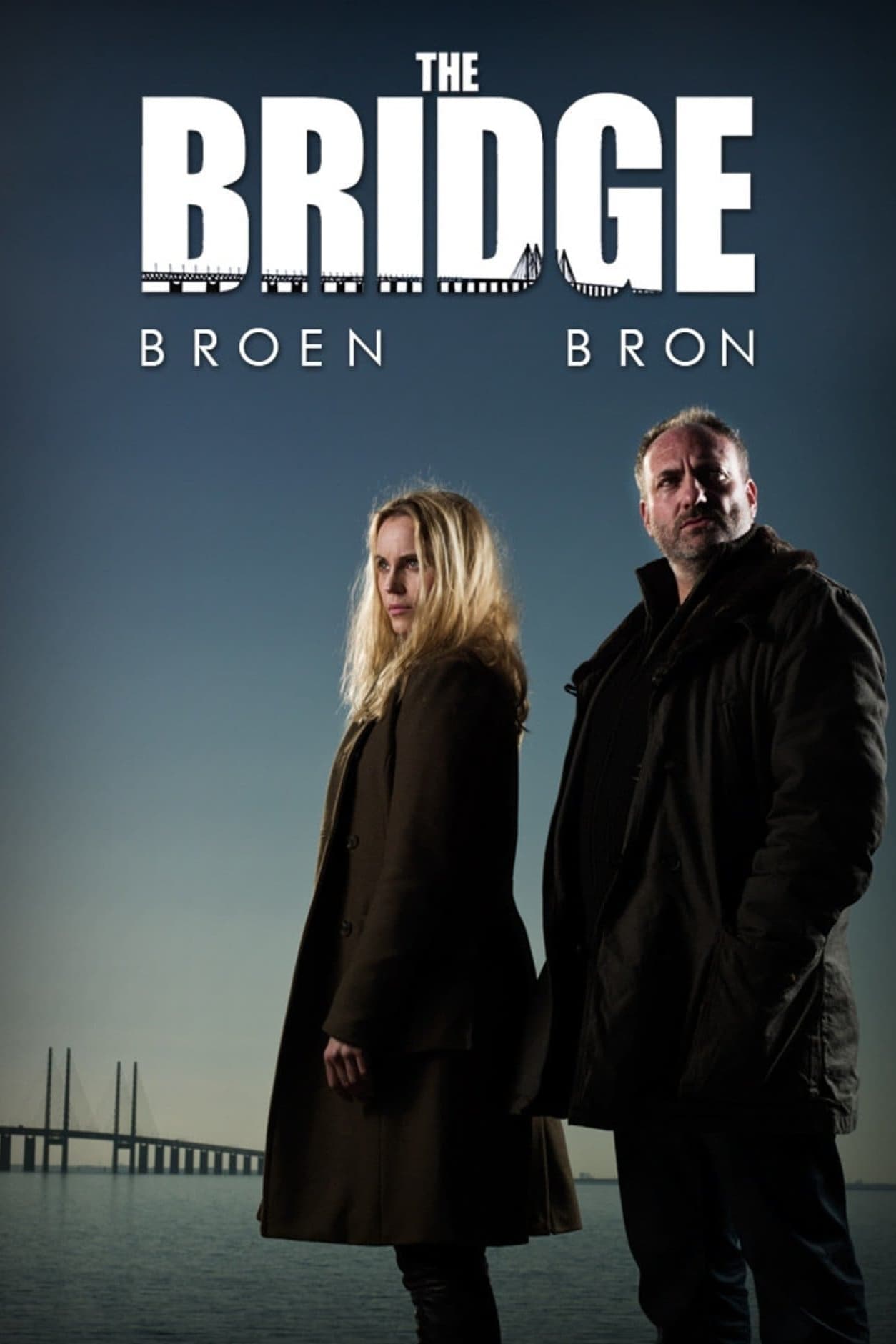
‘The Bridge’ (‘Bron/Broen’), a Danish-Swedish co-production, opens with a body found on the border-spanning structure and pairs detectives from two jurisdictions. It explores cross-border law, cultural differences, and coordinated policing.
The format inspired localized remakes that adapted the border dynamic to new settings. The original is known for a distinctive visual identity, lead performances, and carefully layered casework.
‘Gomorrah’ (2014–2021)
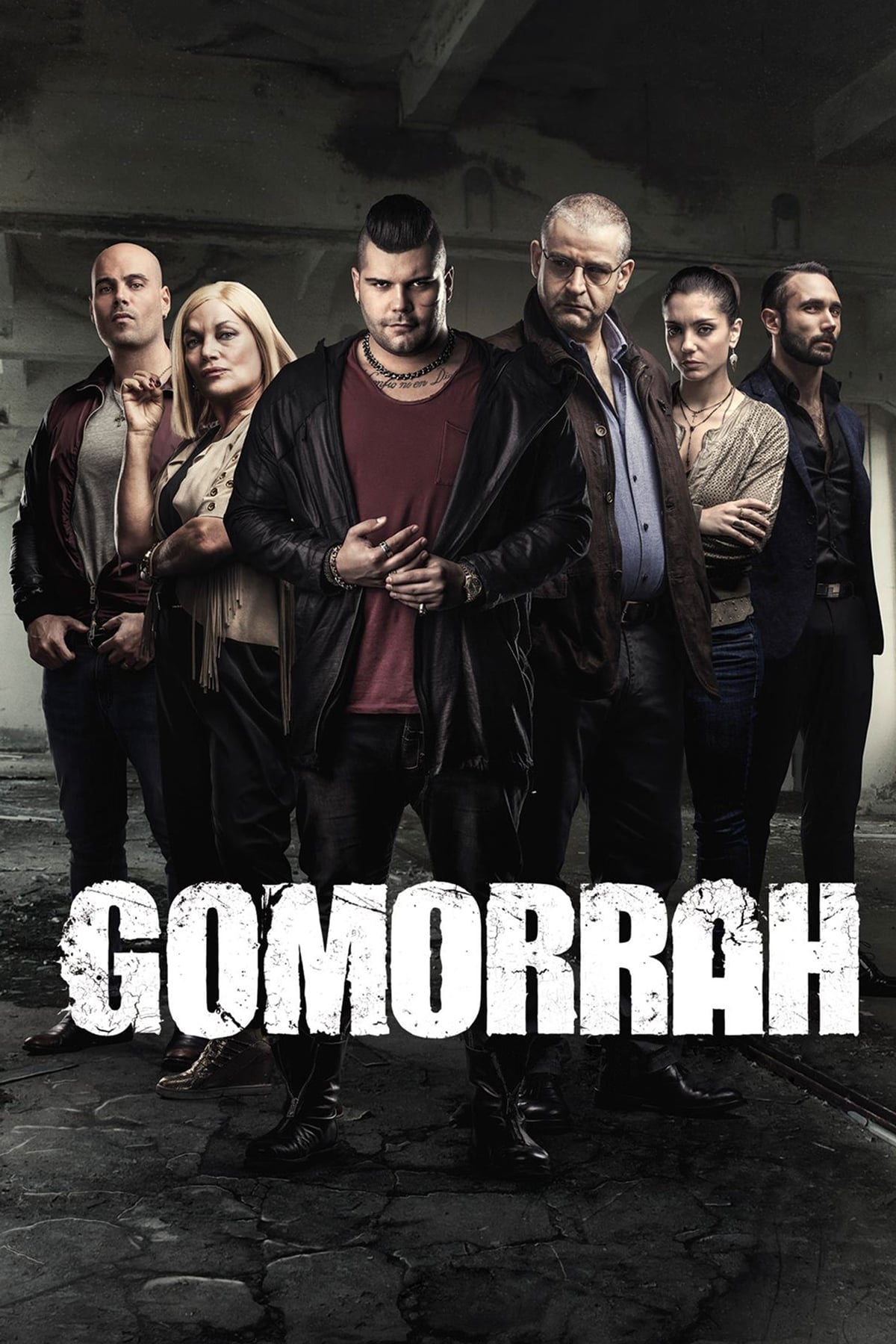
Based on Roberto Saviano’s reporting, ‘Gomorrah’ examines clan hierarchies, supply lines, and territorial control in organized crime. It focuses on leadership succession and fragile alliances.
Shot on location with naturalistic style and regional dialects, the series aimed for authenticity. It expanded into a feature prequel and is recognized for its unflinching logistics of criminal enterprises.
‘Money Heist’ (2017–2021)
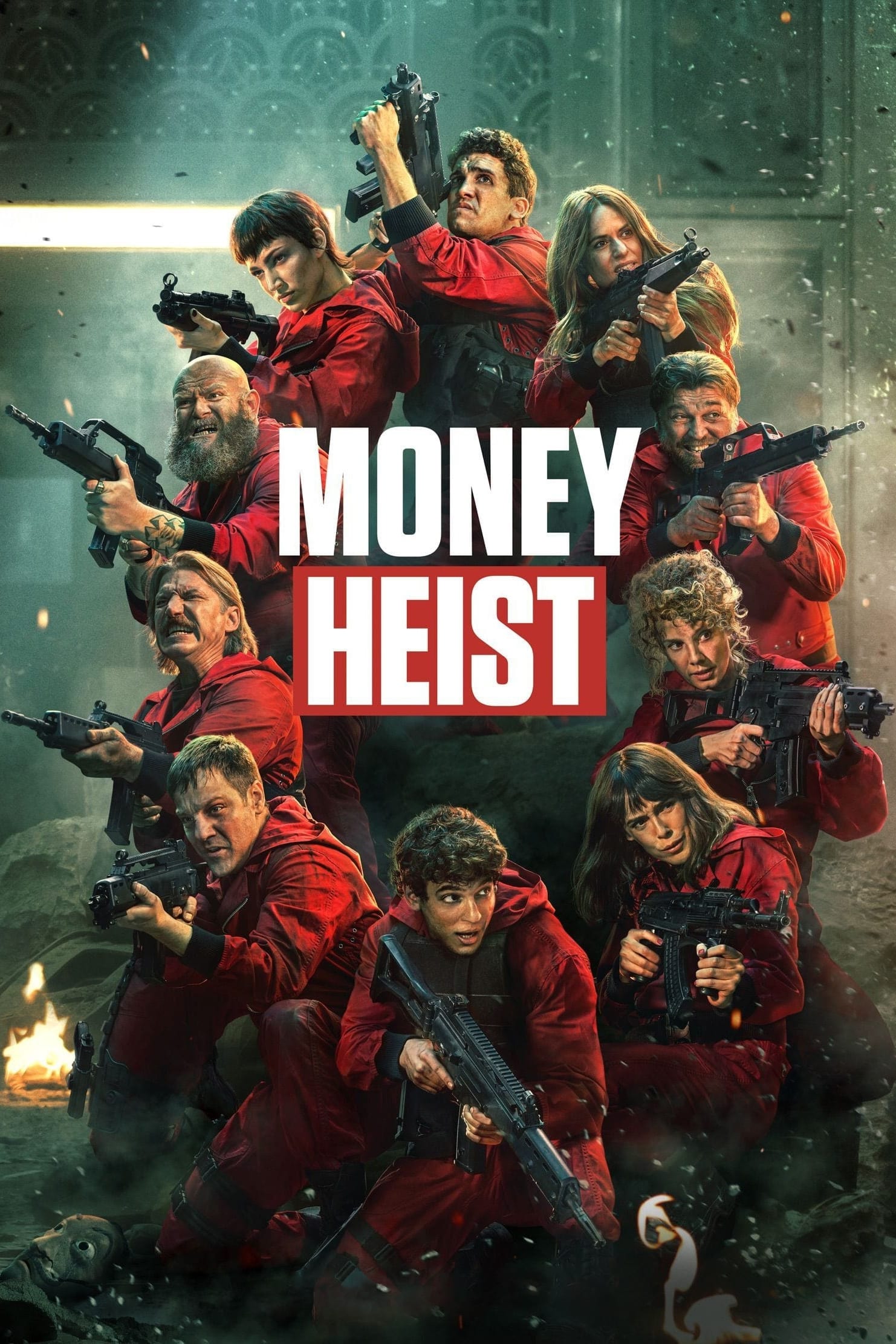
Álex Pina’s ‘Money Heist’ (‘La Casa de Papel’) follows a group executing multi-phase robberies led by the Professor. Flashbacks reveal training, contingency plans, and negotiation tactics that leverage public opinion.
Red jumpsuits and Salvador Dalí masks became instantly recognizable branding. The show moved from domestic broadcast to global streaming, grew into a franchise, and spawned international adaptations and live experiences.
‘Dark’ (2017–2020)
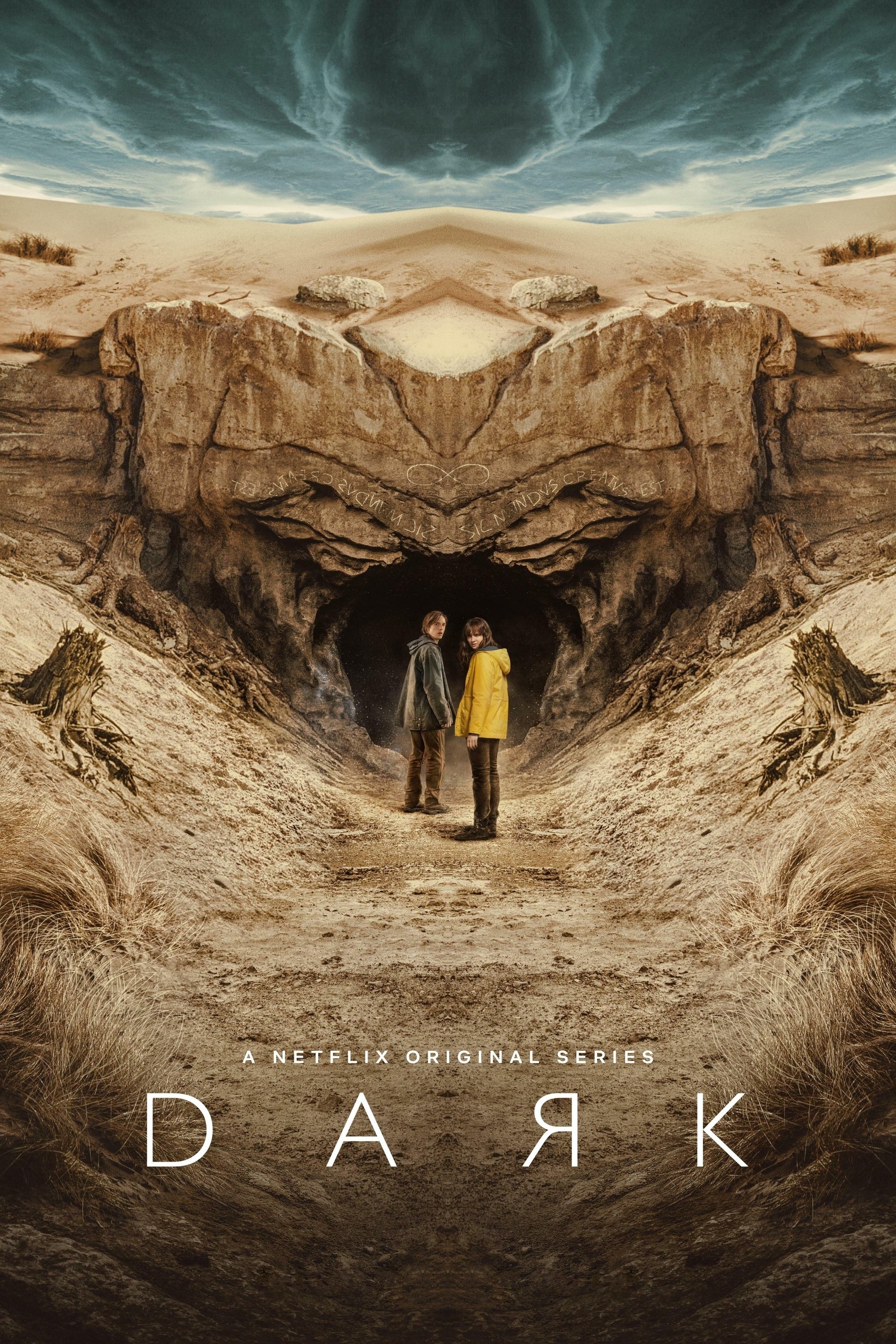
Created by Baran bo Odar and Jantje Friese for Netflix, ‘Dark’ is a German science-fiction thriller about families linked by disappearances and hidden facilities. It relies on a detailed character map to track relationships across generations.
Strict continuity in casting, props, and production design helps audiences follow complex timelines. Companion guides and official materials supported viewers, and the show became a model for puzzle-box storytelling that stays internally consistent.
‘The Night Of’ (2016)
Developed by Richard Price and Steven Zaillian for HBO, ‘The Night Of’ follows a homicide case from arrest through trial, examining police procedure and the corrections system. It tracks how evidence handling and legal strategy shape outcomes.
On-location shooting and meticulous courtroom staging drive authenticity. The limited run received awards for acting and writing and stands as a concise legal procedural.
‘Chernobyl’ (2019)
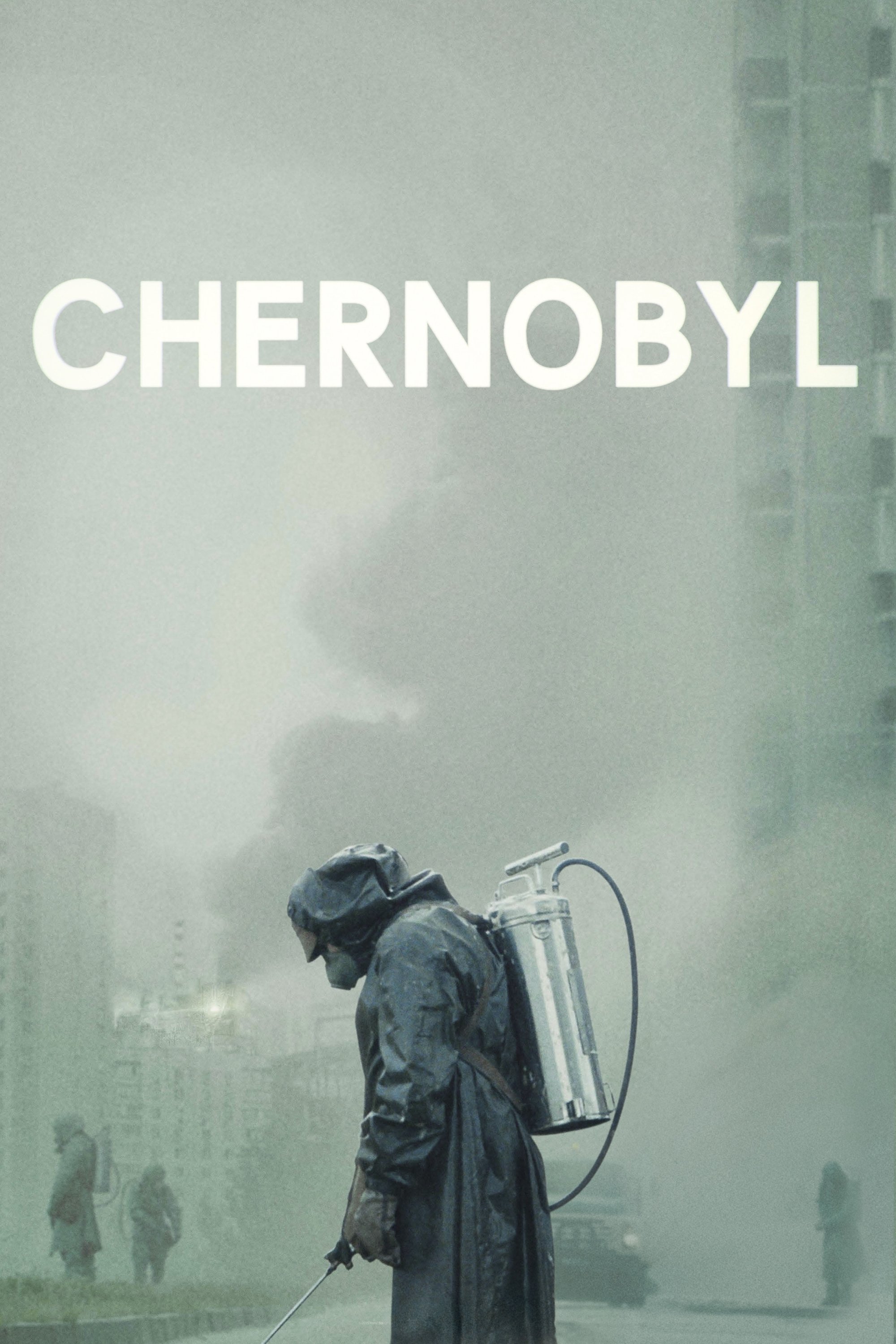
Created by Craig Mazin for HBO, ‘Chernobyl’ dramatizes the nuclear disaster and its investigation, showing reactor design, emergency response, and scientific inquiry. It foregrounds how engineers, workers, and officials responded under extreme pressure.
Large-scale sets, technical consultation, and a distinctive score convey the invisible risks of radiation. The series earned extensive awards and is frequently used in discussions of risk management and crisis communication.
‘Rectify’ (2013–2016)

Ray McKinnon’s ‘Rectify’ for SundanceTV follows a man released from death row and the impact on his family and town. It focuses on legal appeals, therapy, employment, and community relations.
The production favors close observation over sensational plotting, building a portrait of reintegration. It drew critical recognition for patient pacing and character focus within a small-town setting.
‘The Haunting of Hill House’ (2018)
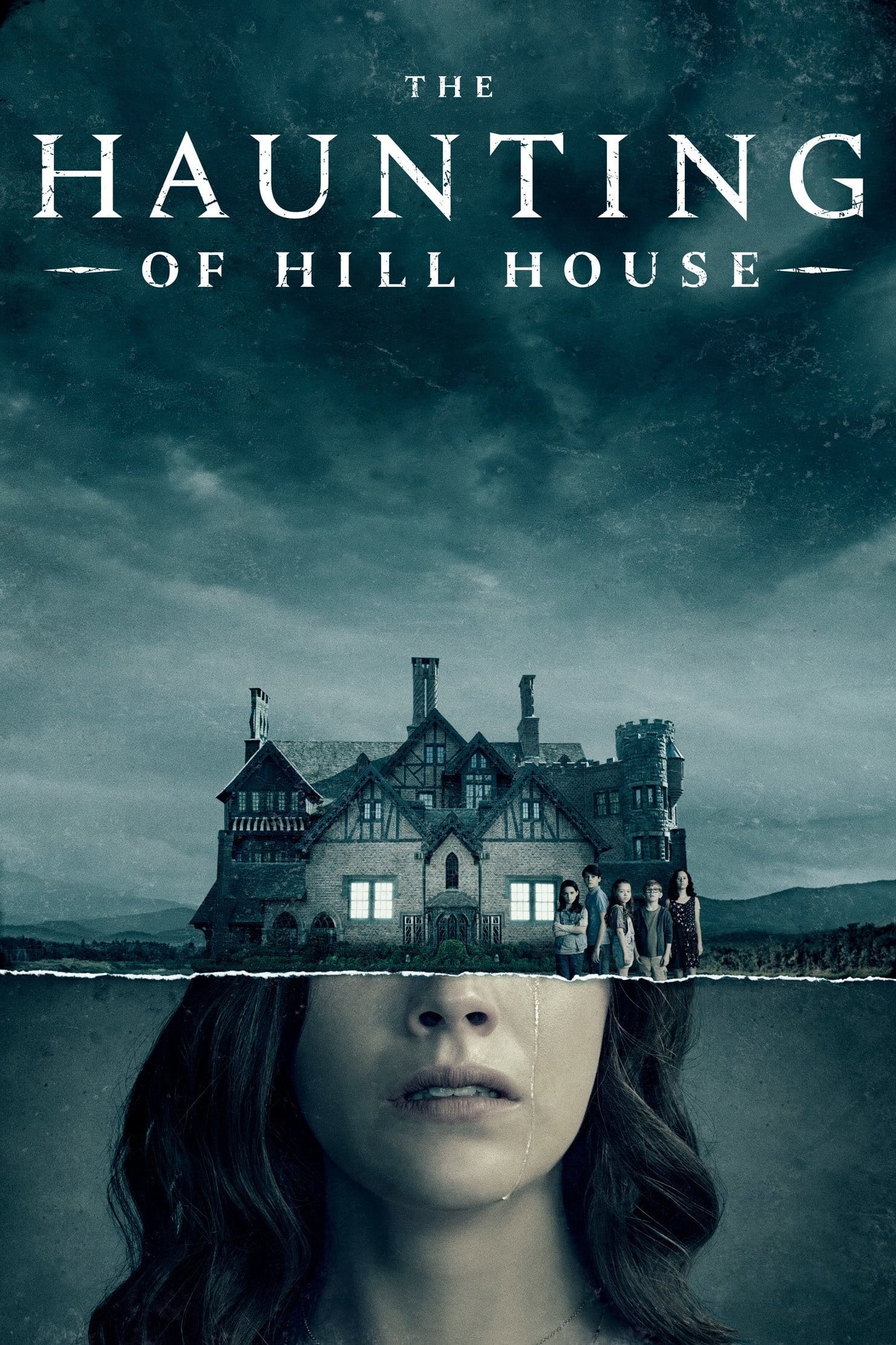
Created by Mike Flanagan for Netflix, ‘The Haunting of Hill House’ adapts and expands Shirley Jackson’s novel into a family-centered ghost story. Alternating timelines connect childhood experiences with adult consequences inside a haunted home.
Long takes, hidden background figures, and layered sound design anchor its atmosphere. The success led to an anthology approach under ‘The Haunting’ banner with new casts and stories.
‘Adventure Time’ (2010–2018)
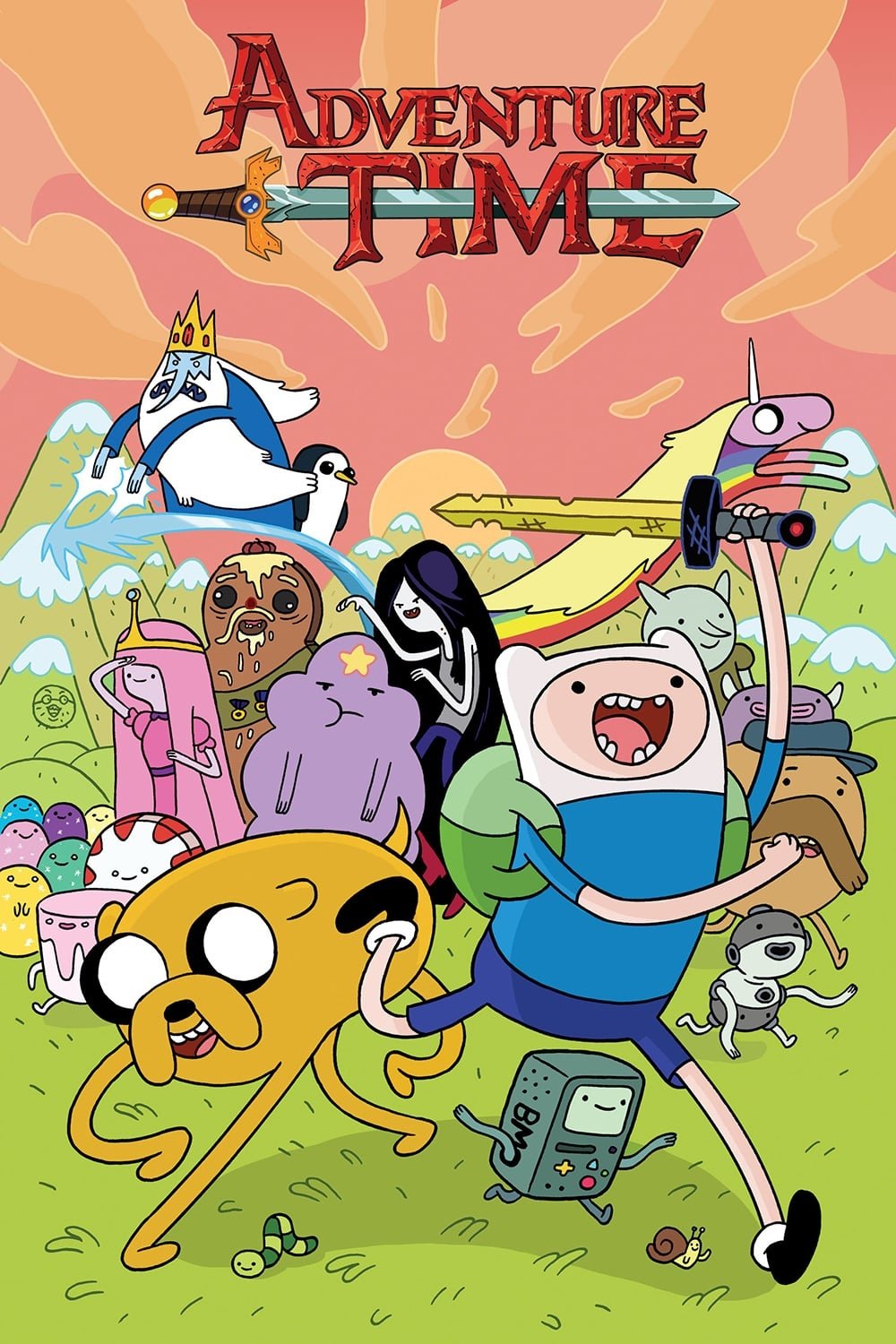
Created by Pendleton Ward for Cartoon Network, ‘Adventure Time’ follows heroes in a post-apocalyptic fantasy land. It blends standalone adventures with lore about kingdoms, artifacts, and magical rules.
The series pioneered serialized world-building in kids’ animation and fostered a community of storyboard artists who later created their own shows. It expanded into specials, comics, and games and influenced the tone of later animated hits.
‘Steven Universe’ (2013–2019)

Rebecca Sugar’s ‘Steven Universe’ for Cartoon Network mixes monster-of-the-week adventures with a broader mythology about gems, fusions, and interstellar politics. Music is integral to character development and plot.
Visual symbolism, character-driven arcs, and inclusive storytelling shaped its identity. The show extended into a feature and an epilogue series while maintaining continuity across formats.
Tell us which favorites we missed and what you’d add—drop your picks in the comments!