Biggest Box-Office Flops by A-listers


Big stars don’t always guarantee big returns. Even with brand-name talent, major studios, and hefty marketing campaigns, some projects struggle to connect with audiences strongly enough to recoup their costs. The titles below paired marquee names with large budgets and wide releases, yet still wound up posting disappointing theatrical results relative to expectations.
This list spotlights high-profile misfires anchored by A-list actors. Each entry highlights core facts—budgets, worldwide grosses where reported, studios involved, and the factors commonly cited in trade coverage such as production hurdles, troubled test screenings, costly reshoots, and release-date competition. It’s a reminder that the economics of moviemaking are complicated, and that even the most bankable careers include a few painful setbacks.
‘The Adventures of Pluto Nash’ (2002)
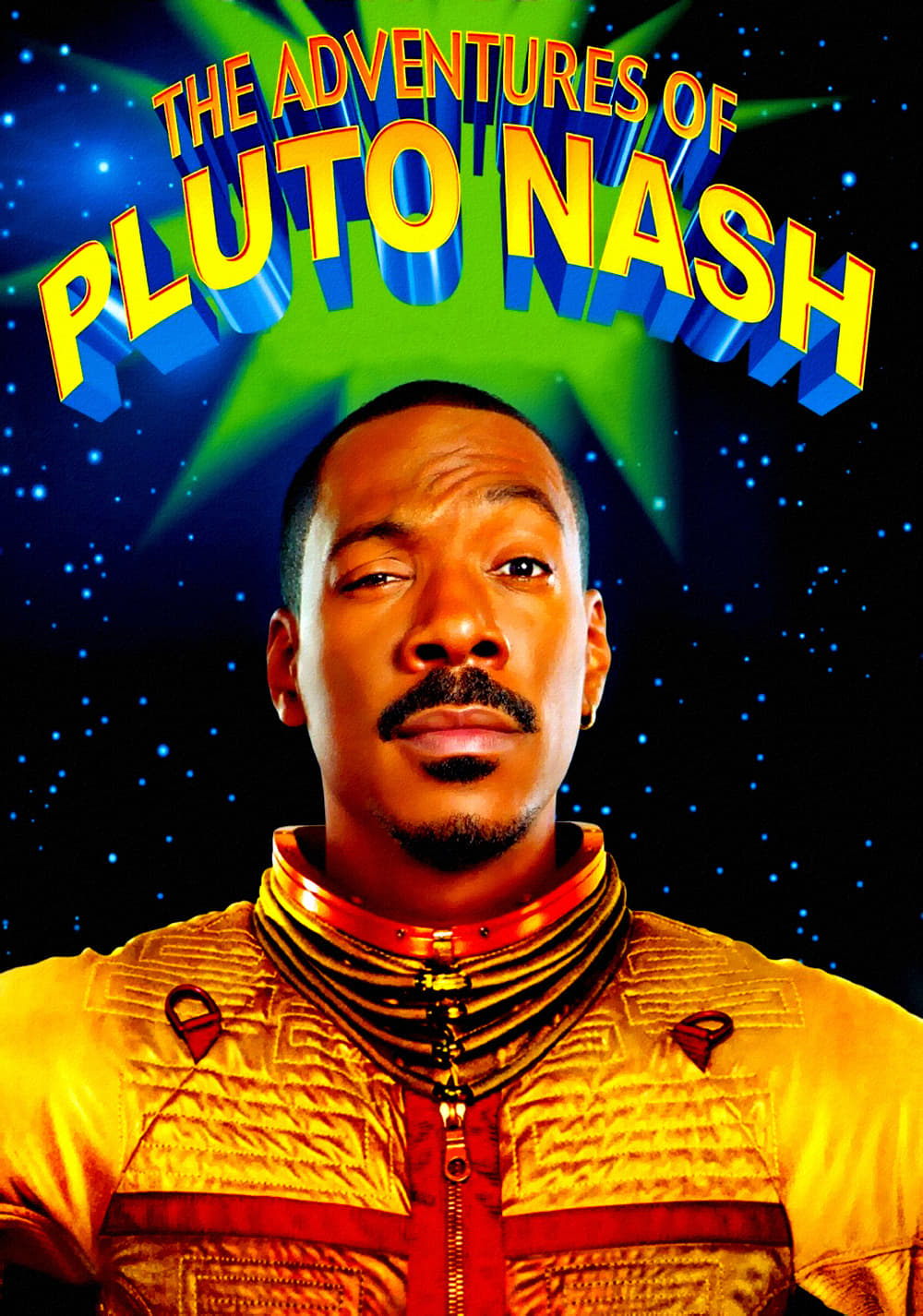
Eddie Murphy headlined this sci-fi comedy for Warner Bros., which carried an estimated production cost well north of the typical comedy of its era. Despite a wide release and a recognizable star, the movie grossed only a tiny fraction of its budget theatrically, becoming a frequent reference point for modern box-office losses.
Trade reports have long pointed to a difficult post-production cycle, with retooling that added expense without lifting audience interest. The film’s minimal domestic and international totals triggered a substantial write-down and effectively ended any franchise ambitions that might have existed around the character.
‘The Lone Ranger’ (2013)
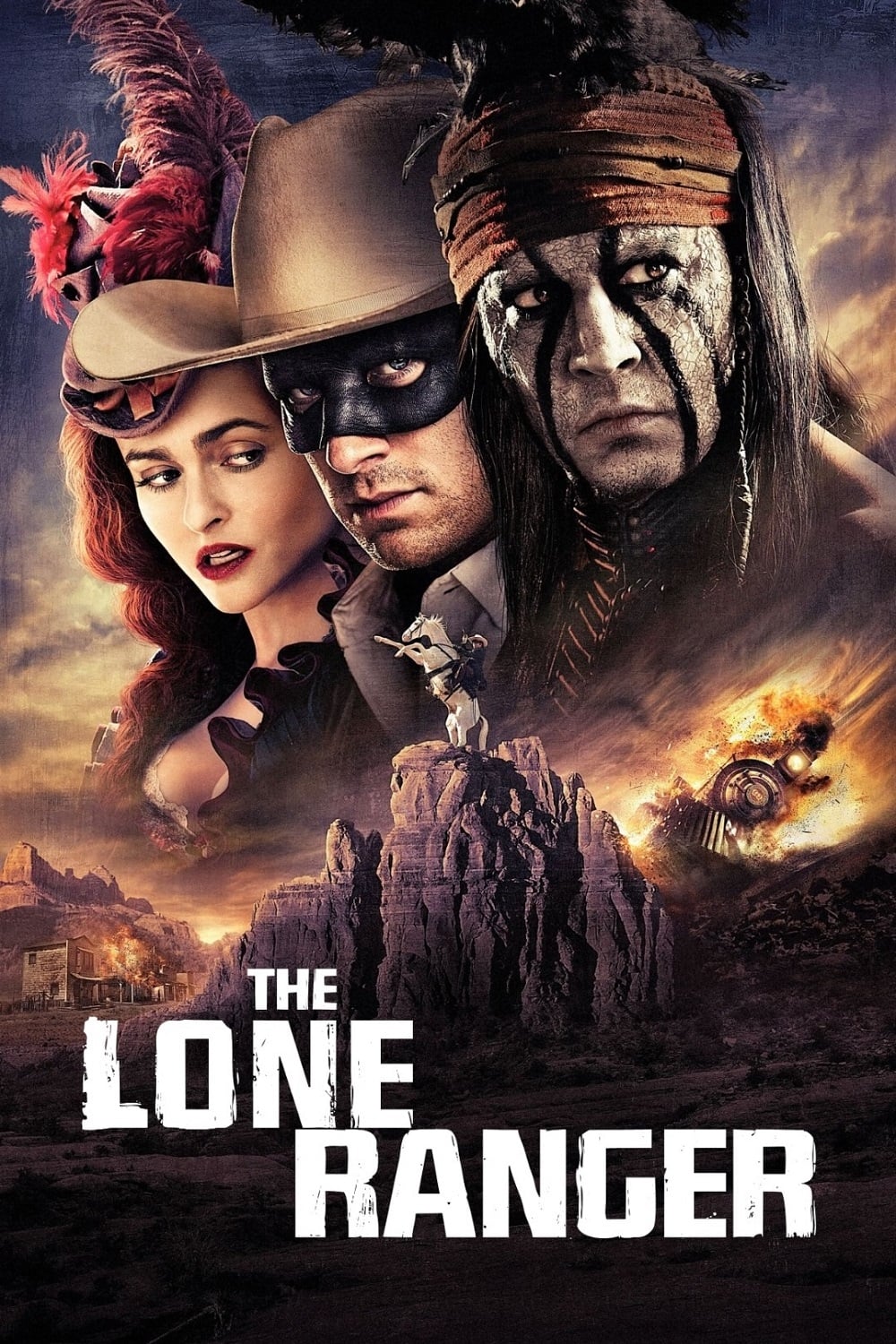
Johnny Depp and Armie Hammer teamed with producer Jerry Bruckheimer and Disney on this Western, which amassed blockbuster-level costs through elaborate action set pieces and extensive location work. The movie’s global gross fell short of recouping reported negative costs and marketing outlays during its theatrical window.
Industry coverage at the time cited delays and cost overruns, including shutdowns during production, as factors that inflated the break-even point. Although international markets added meaningful revenue, the studio still recorded a sizable loss and moved away from further live-action Westerns at this scale.
‘The 13th Warrior’ (1999)
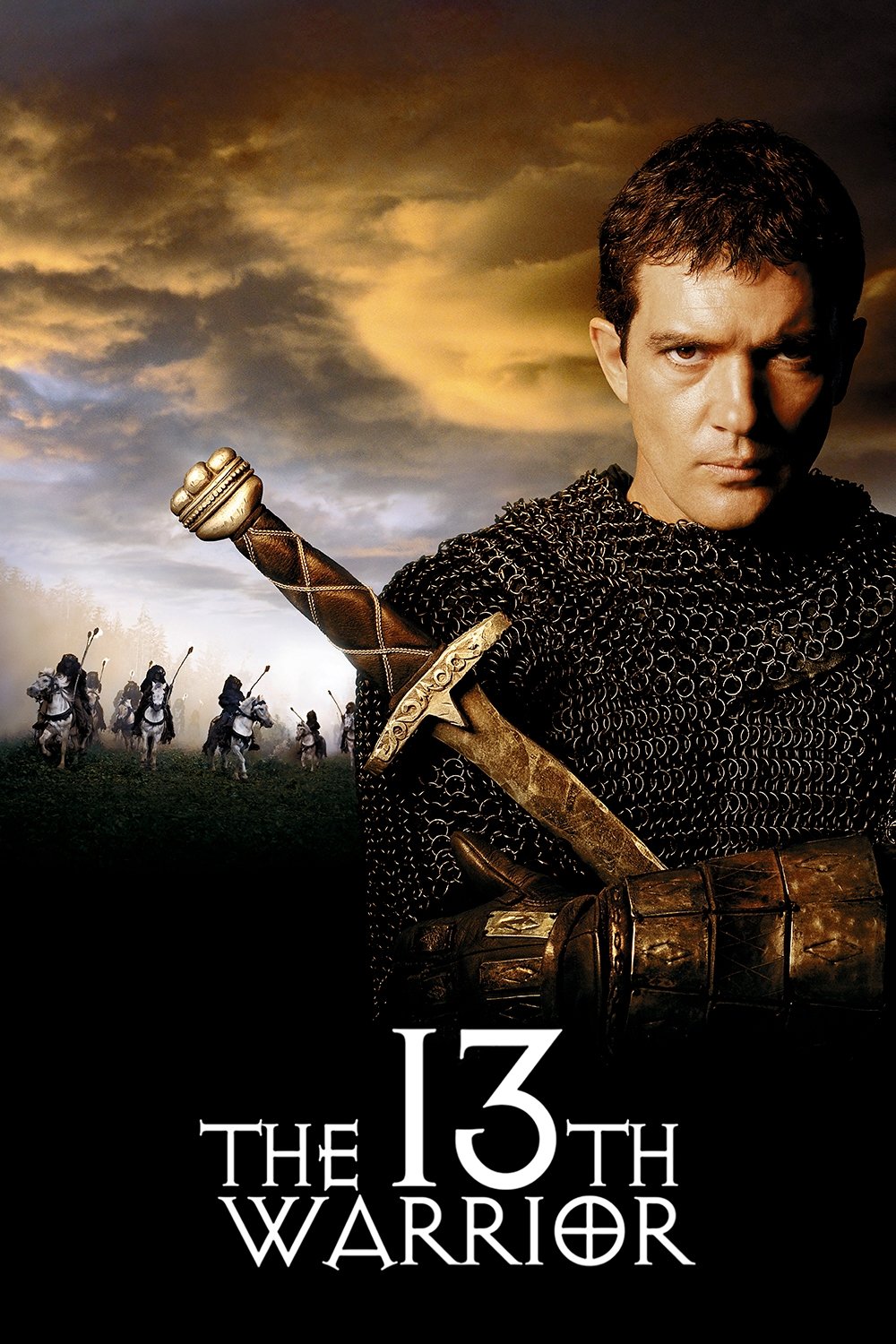
Antonio Banderas starred in this historical action thriller, adapted from Michael Crichton’s novel and released by Disney’s Touchstone banner. A high production budget and extended post-production period left the film with a steep path to profitability, and worldwide grosses did not approach the revised cost basis.
Well-documented reshoots and edits, along with a shift in creative direction, lengthened the timeline and raised expenses. The film became an oft-cited example of how schedule changes and retooling can push a project beyond what box office alone can recover.
‘Cutthroat Island’ (1995)
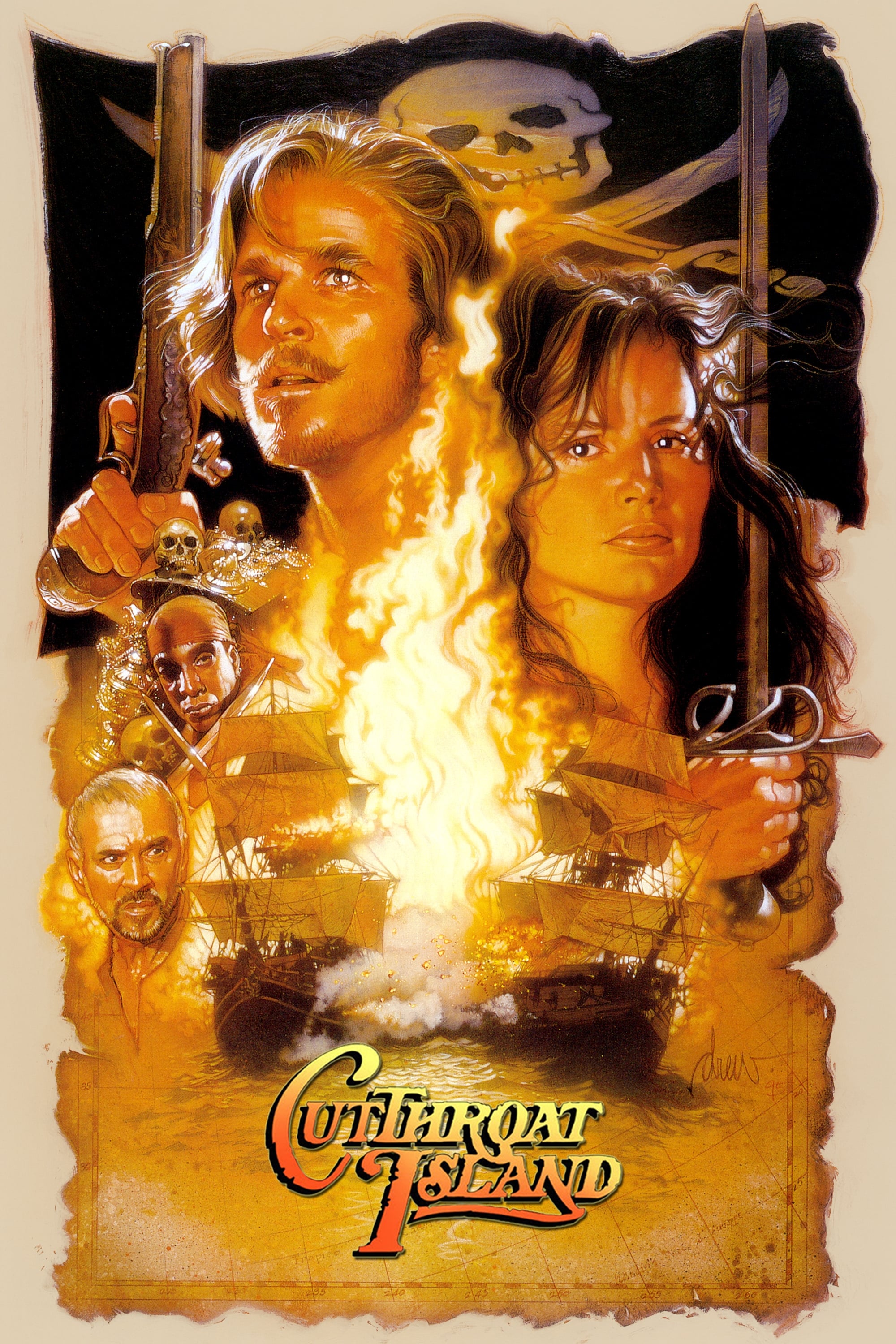
Geena Davis led this Carolco Pictures pirate adventure, which became synonymous with runaway costs and underwhelming receipts. Despite a wide holiday release and heavy promotion, the film earned only a small percentage of its negative cost in theaters.
The financial fallout contributed to Carolco’s bankruptcy, with creditors and insurers absorbing losses after international returns failed to materialize. The title’s performance cooled studio appetite for pirate films at large budgets until a later franchise revived the genre.
‘The Postman’ (1997)
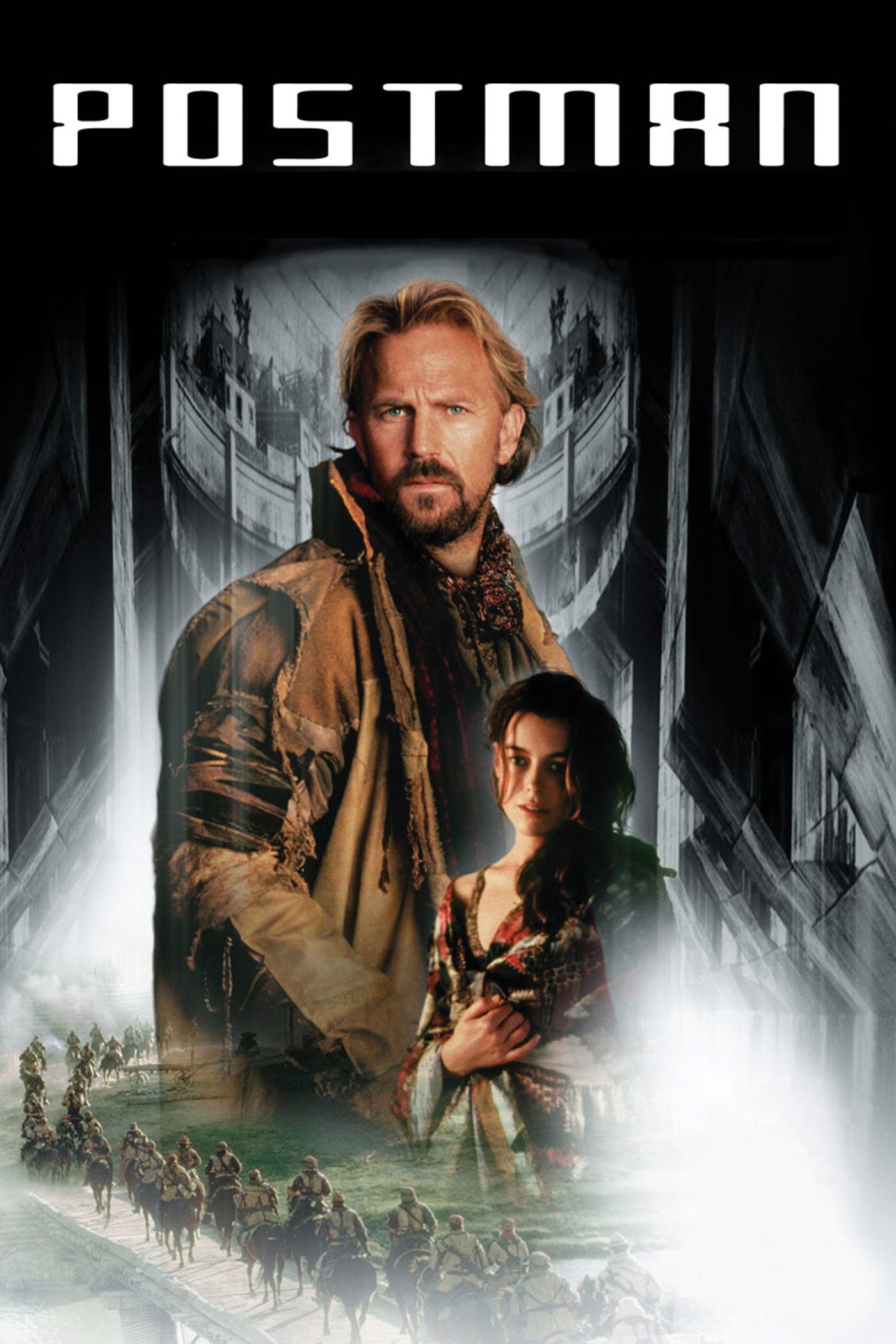
Kevin Costner directed and starred in this post-apocalyptic epic for Warner Bros., mounting a lengthy shoot across multiple states. With a production budget far above the norm for the genre at the time, the movie’s domestic run was brief and overseas interest limited, leading to a theatrical loss.
Costner’s film faced stiff competition and a packed holiday corridor. Home entertainment and television licensing added incremental revenue later, but not at levels sufficient to turn the overall ledger positive on a standalone basis.
‘Waterworld’ (1995)
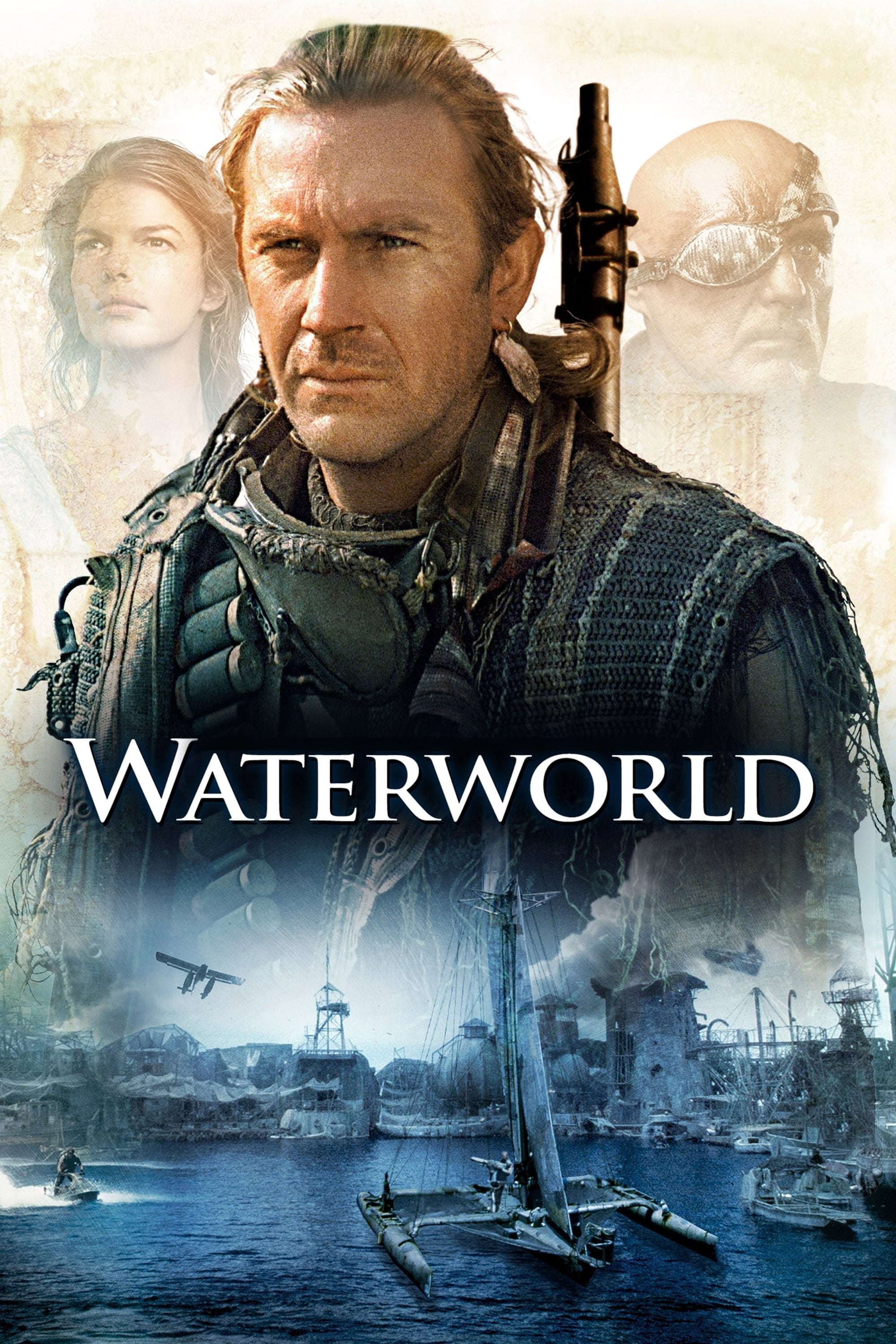
Kevin Costner reunited with Universal on this seafaring dystopian adventure, produced on a massive floating set and notable for weather-related delays. Theatrical revenue worldwide reached hundreds of millions, yet the combination of high negative cost and large marketing spend kept the break-even threshold unusually high.
While ancillary markets—particularly home video and television—improved the long-term picture, initial trade assessments pegged the title as a money-loser during its first release cycle. The production’s scale also became a case study in the risks of location-heavy shoots.
‘Gigli’ (2003)

Ben Affleck and Jennifer Lopez fronted this Columbia Pictures crime comedy that struggled to find an audience despite intense media attention. The film’s domestic gross was extremely low for a wide release, and overseas returns were minimal, leaving most of the production and marketing spend unrecovered.
Theatrical performance prompted a rapid reduction in screen count and curtailed international rollouts. Although its budget was modest relative to effects-driven tentpoles, the shortfall was large enough to make the film a frequent shorthand for high-profile underperformers.
‘Mortdecai’ (2015)

Johnny Depp starred for Lionsgate in this comic caper adapted from the Kyril Bonfiglioli novels, supported by an ensemble that included Gwyneth Paltrow and Ewan McGregor. The project’s mid-to-high production spend, together with a conventional global marketing push, outpaced the modest worldwide gross.
Industry accounting placed the film among the year’s more notable misses for its distributor, with domestic results particularly soft. Despite the built-in literary source, the film did not develop sequel potential and became a one-off.
‘Pan’ (2015)

Hugh Jackman anchored this Warner Bros. family adventure, a big-scale reimagining of J. M. Barrie’s characters with extensive visual effects. The production carried a substantial budget, but opening weekend numbers fell short of expectations, and international play could not close the gap.
Analysts cited a crowded release schedule and challenging word-of-mouth metrics that limited repeat attendance. The film’s worldwide total ended well below a plausible break-even range once global marketing and distribution costs were considered.
‘The Mummy’ (2017)
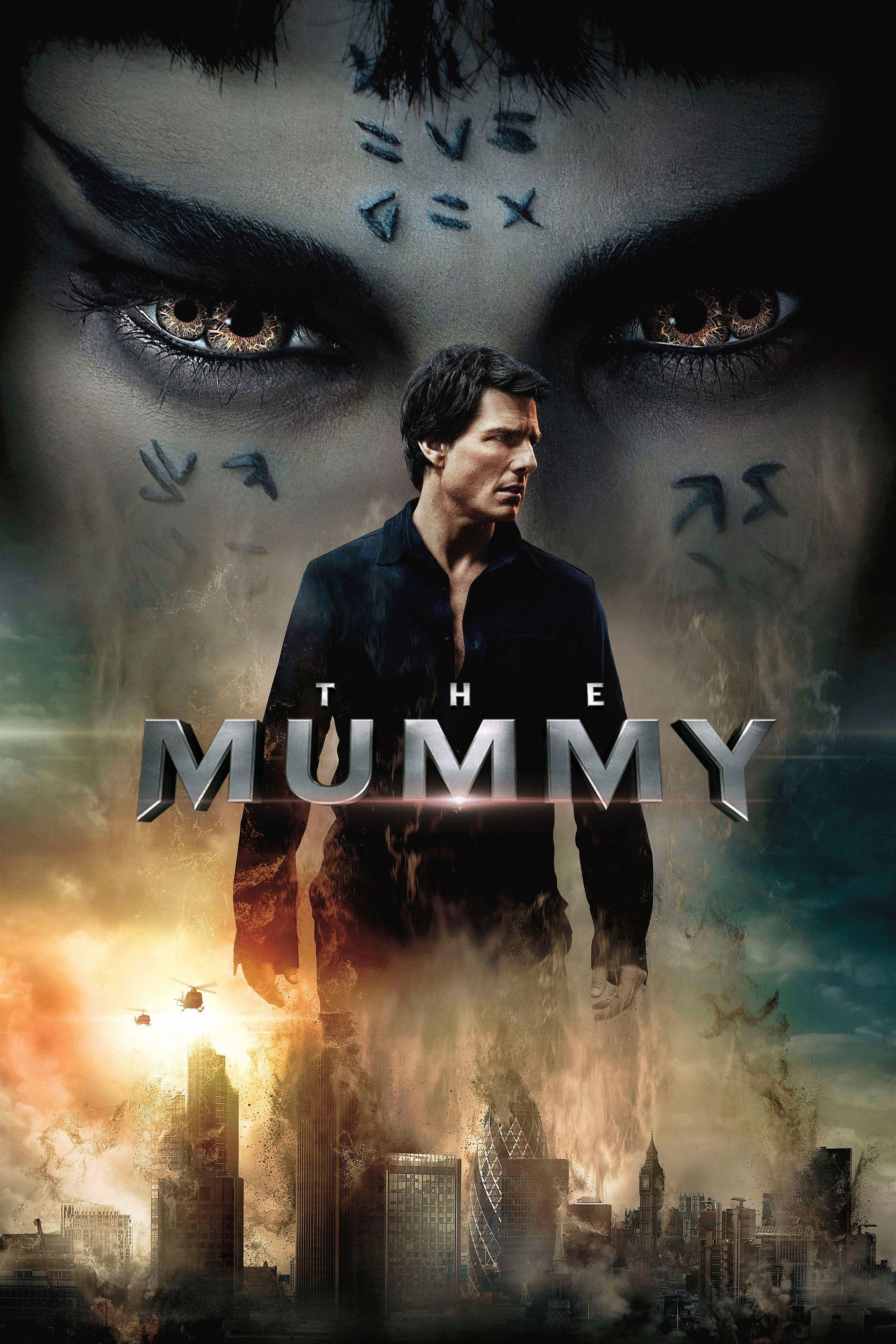
Tom Cruise headlined Universal’s attempt to launch a shared “Dark Universe” built around classic monsters. Although the movie earned a significant worldwide gross, negative cost estimates and a large global campaign meant theatrical revenue did not deliver the required margin.
Subsequent studio strategy shifted from a connective franchise to filmmaker-driven standalones, reflecting the project’s financial results. The film remains a prominent example of how reboot plans can be rethought when early entries underperform against internal models.
’47 Ronin’ (2013)
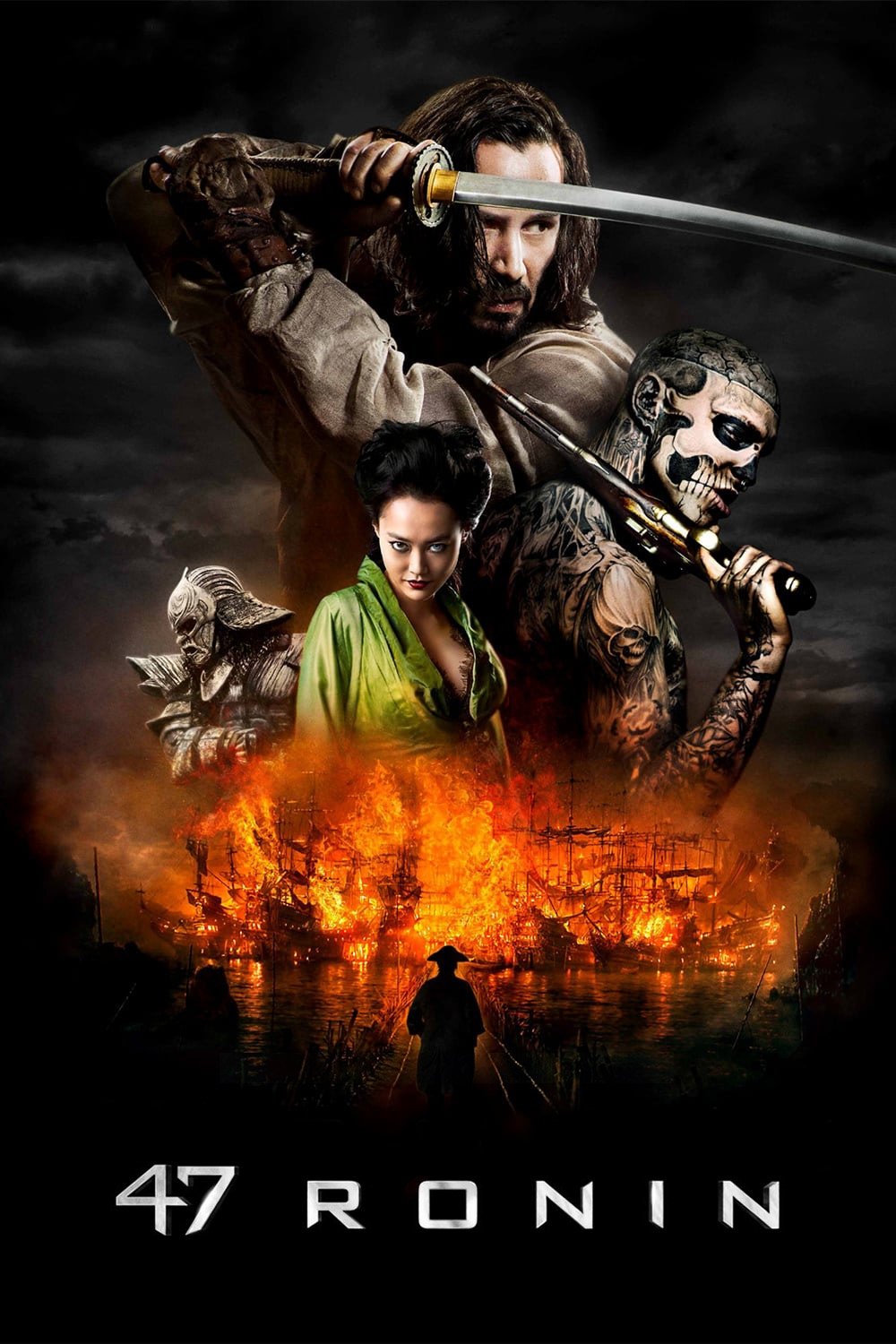
Keanu Reeves led this samurai fantasy for Universal, produced with extensive effects and reshoots that raised the final cost. Despite a wide international rollout, box-office returns were insufficient to offset the budget plus prints and advertising.
Coverage around release detailed schedule changes and editorial adjustments that increased expense. The movie’s global total placed it among the notable losses for its studio that year, limiting prospects for any follow-up.
‘The Last Duel’ (2021)
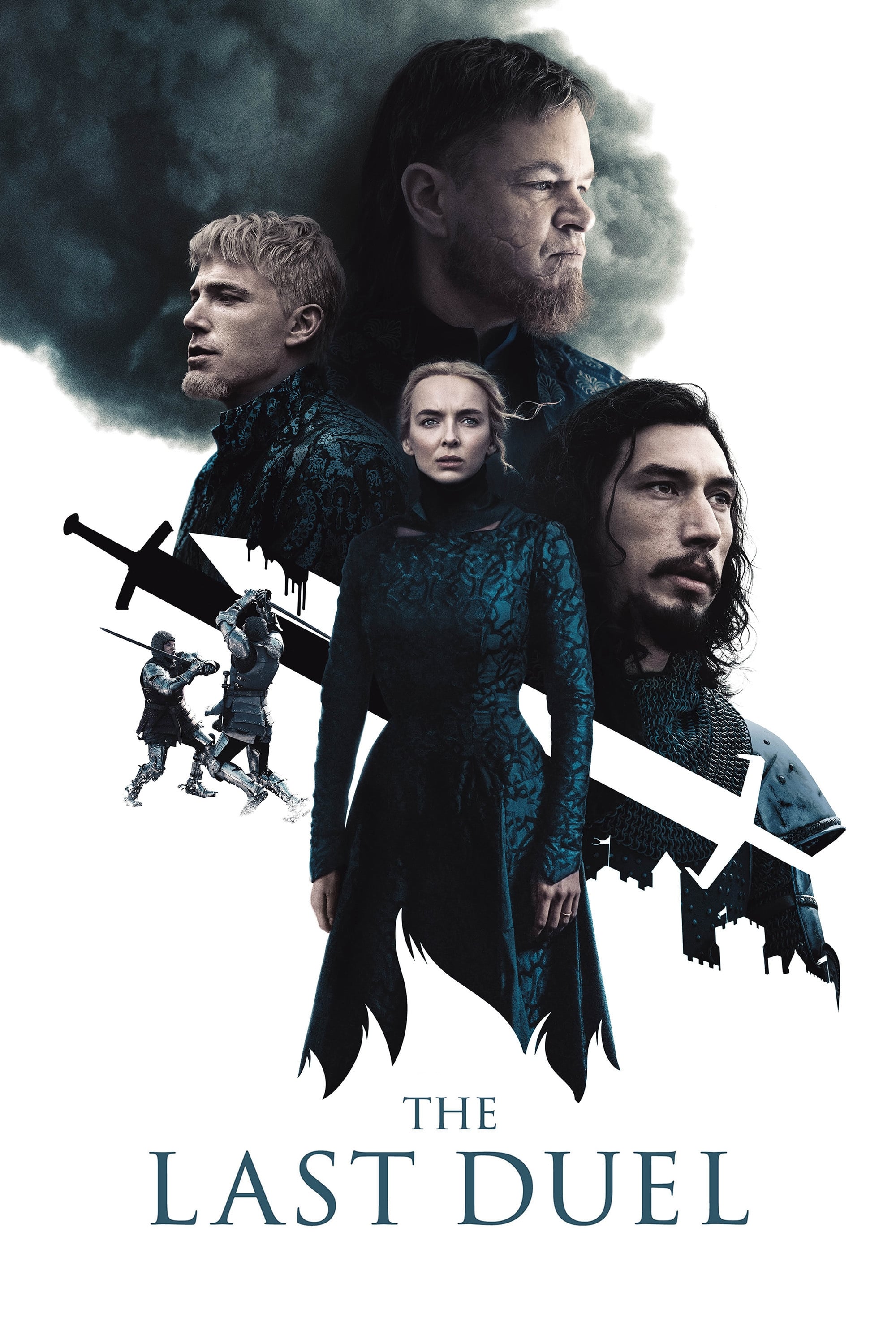
Matt Damon and Adam Driver starred in Ridley Scott’s medieval drama for 20th Century Studios, structured as a prestige title with a wide release. Production took place across European locations with authentic period staging, contributing to a cost basis that the box office did not recover.
Despite strong festival positioning and critical acknowledgment, the film’s domestic and international theatrical revenue was comparatively small for its scale. The shortfall led to trade-press analysis about adult-skewing dramas struggling in contemporary theatrical windows.
‘Blade Runner 2049’ (2017)

Ryan Gosling and Harrison Ford anchored this sequel backed by Alcon Entertainment and released by Warner Bros. and Sony in different territories. The production employed large-format cinematography and elaborate practical builds, resulting in a high budget.
Global grosses, while substantial, did not offset the combination of negative cost participation and worldwide marketing. The film has since been leveraged in streaming and television spinoff development, but initial theatrical accounting identified a loss.
‘Tomorrowland’ (2015)
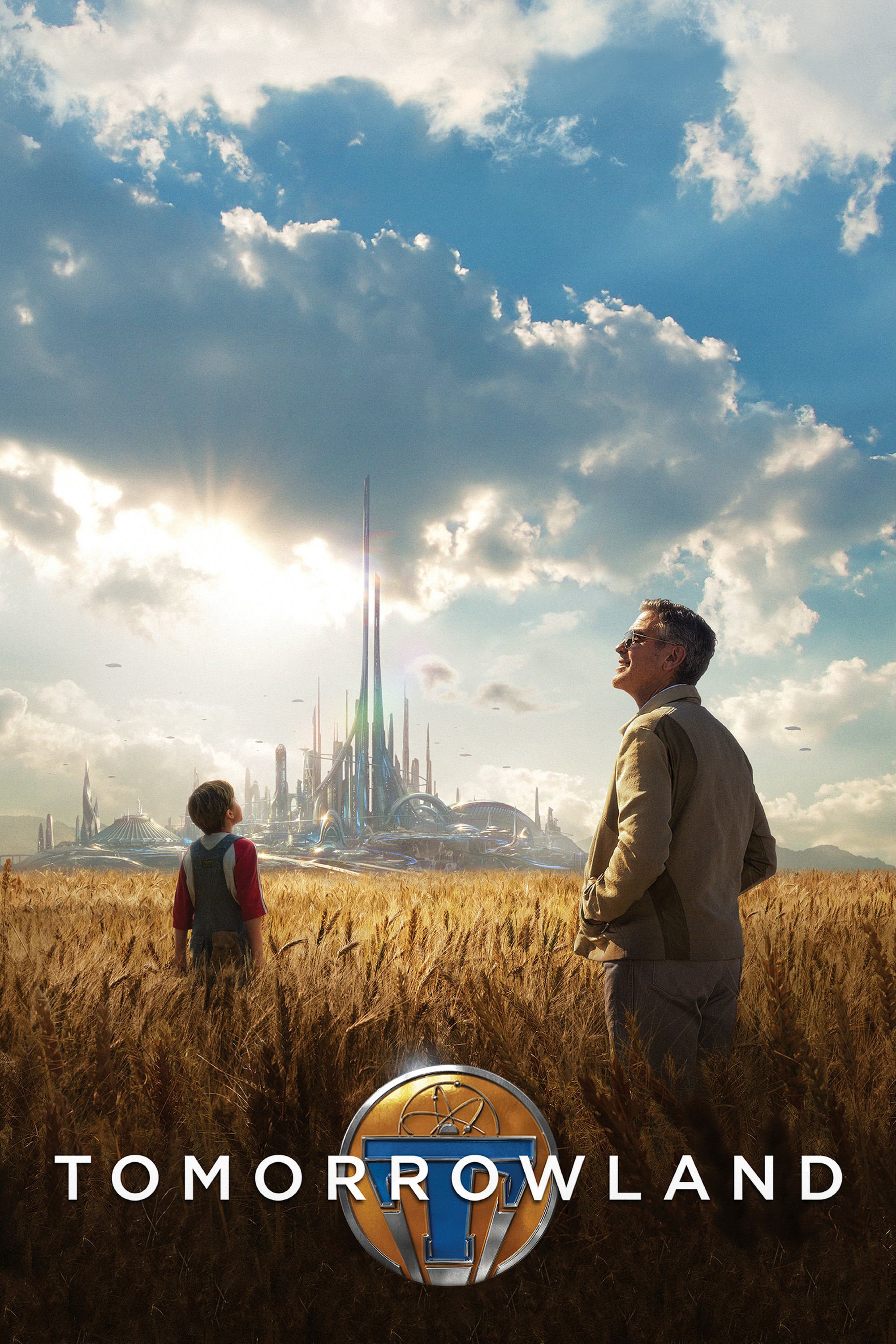
George Clooney headlined Disney’s original sci-fi adventure inspired by a theme-park concept, with significant spend on visual effects and location shoots. The movie opened broadly but delivered below expectations in key markets, leaving much of its investment unrecovered in theaters.
Analysts pointed to the difficulty of launching unfamiliar IP at tentpole scale and the high marketing outlays required for a new concept. The title prompted internal reassessments about risk tolerance for original, effects-heavy family fare at premium budgets.
‘Jupiter Ascending’ (2015)

Channing Tatum and Mila Kunis led this space opera from the Wachowskis, distributed by Warner Bros. A lengthy post-production period and a delay from an earlier release window added costs, while the final worldwide gross landed near the production outlay.
The thin theatrical margin after exhibitor splits could not absorb global marketing and distribution expenses. The film’s outcome reinforced how schedule moves and ambitious effects work can elevate break-even points beyond what worldwide attendance ultimately supports.
‘Ishtar’ (1987)

Warren Beatty and Dustin Hoffman teamed for this Columbia Pictures adventure comedy that became a touchstone for box-office disappointment. Despite star power and a significant budget for the genre, theatrical earnings remained far below the investment.
Reports from the period referenced location challenges and cost escalation during production. The film’s performance influenced studio leadership changes and became a staple in discussions about risk management on star-driven vehicles.
‘Heaven’s Gate’ (1980)

United Artists bankrolled Michael Cimino’s epic Western with a cast including Kris Kristofferson and Christopher Walken. Production overruns and an extended running time contributed to a budget that ballooned well past initial approvals.
The film’s minimal theatrical revenue proved devastating for its backer, with losses widely cited as a factor in corporate upheaval that followed. Although later restorations improved critical standing, the original release remains one of the most famous financial failures in studio history.
‘Battlefield Earth’ (2000)

John Travolta produced and starred in this sci-fi adaptation released by Franchise Pictures. The movie’s budget, marketing spend, and limited audience turnout produced a sizeable gap between cost and revenue.
Legal proceedings later scrutinized financing disclosures tied to the production, with judgments detailing irregularities and compounding the project’s notoriety. Theatrical results were weak domestically and overseas, ensuring a loss despite ancillary sales.
‘Alexander’ (2004)
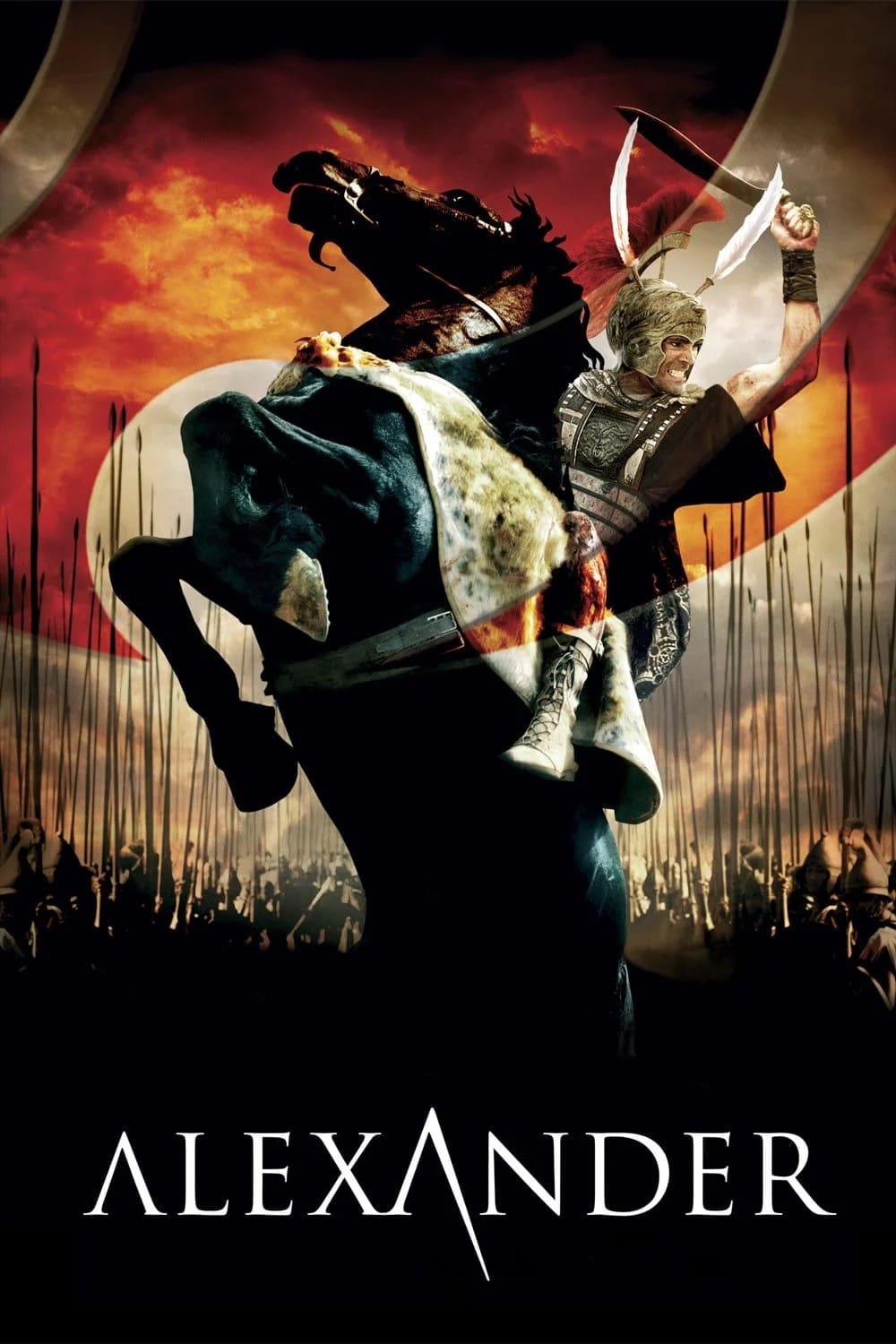
Colin Farrell headlined Oliver Stone’s historical epic for Warner Bros., with Angelina Jolie and Anthony Hopkins in key roles. The film’s substantial budget covered large-scale battles and international location work, but worldwide box office hovered close to production cost.
Multiple alternate cuts were released for home entertainment to extend the title’s lifecycle, yet initial theatrical accounting pointed to a shortfall once global marketing and participations were included. The project is frequently cited when discussing the financial risk of ancient-world epics.
‘The Alamo’ (2004)
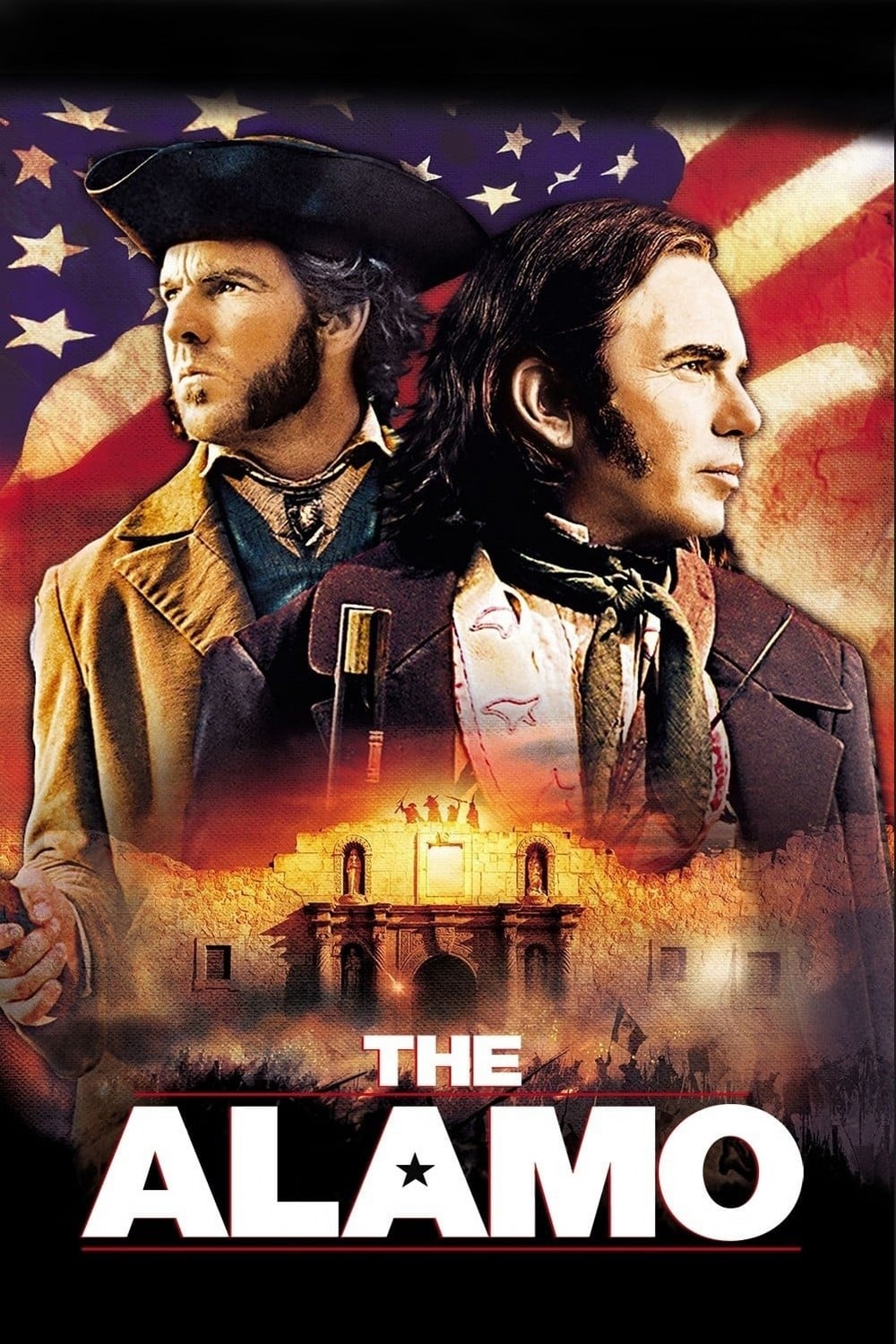
Disney and Imagine Entertainment mounted this period war drama with Dennis Quaid, Billy Bob Thornton, and an ensemble cast. The production invested heavily in a full-scale set and historically detailed costuming, leading to a high negative cost relative to expected returns.
Domestic attendance was modest and international interest limited for a story rooted in U.S. history. The film’s theatrical performance resulted in a significant loss, and the set later became a topic in behind-the-scenes reporting about cost containment.
‘Cats’ (2019)

Universal adapted the long-running Andrew Lloyd Webber musical with an ensemble that included Judi Dench, Idris Elba, and Taylor Swift. The project required extensive visual-effects work and a wide holiday release backed by a notably large marketing campaign.
Box-office returns were far below expectations in all major territories, with rapid declines after opening weekend. The film’s results prompted a quick awards-season pivot by the studio and made it one of the more discussed theatrical misfires of its release year.
‘Dolittle’ (2020)
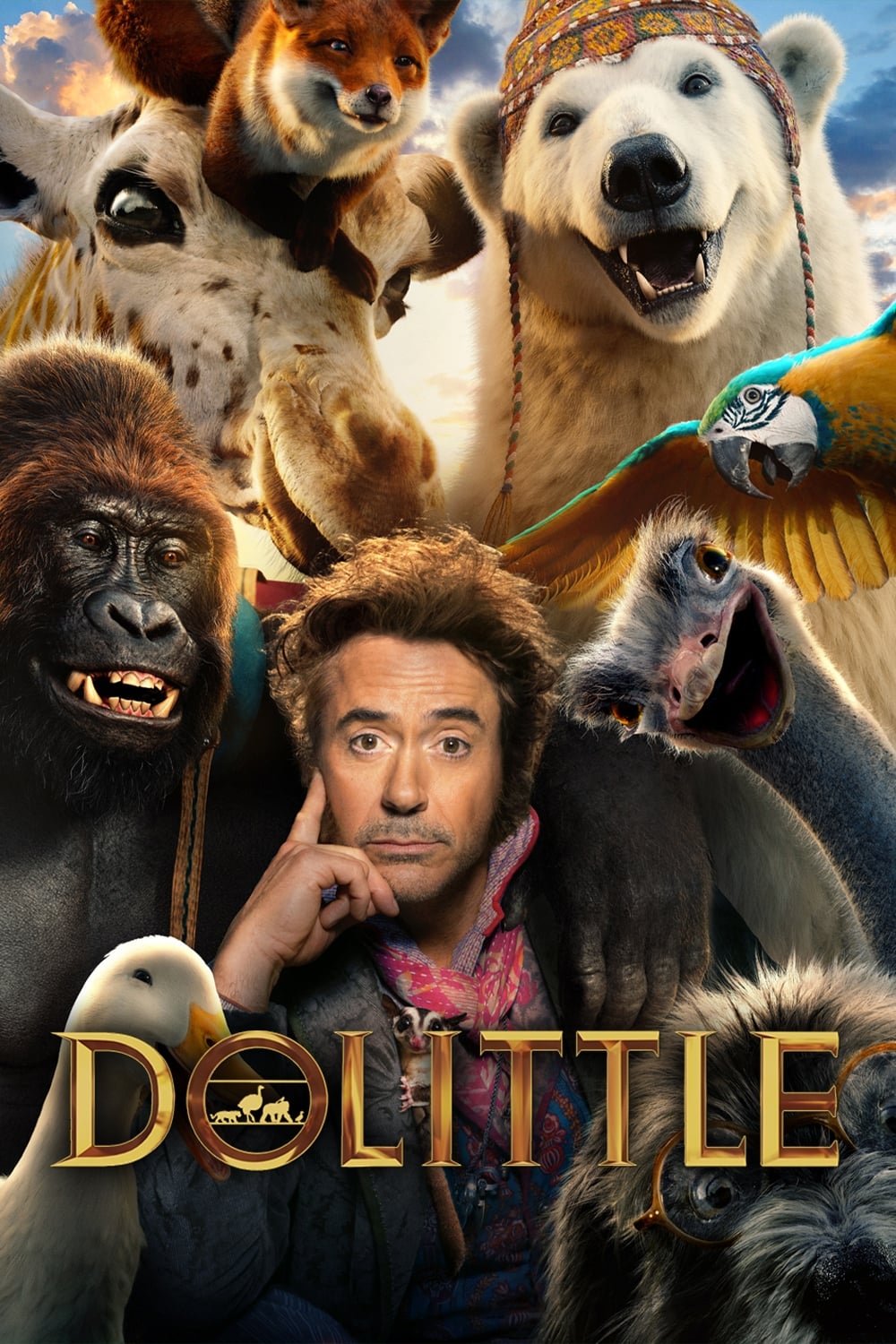
Robert Downey Jr. led this family adventure for Universal, produced on a sizable budget with major creature effects. The release landed shortly before widespread theatrical disruptions, and domestic grosses trailed projections while international markets provided only partial relief.
Reshoots and post-production polishing were reported to have increased costs, raising the break-even threshold. Even with ancillary revenue later, initial theatrical accounting categorized the film as a loss for its stakeholders.
‘The Great Wall’ (2016)

Matt Damon starred in this English-language co-production between Legendary and Chinese partners, with Universal handling many international territories. The film earned a considerable global gross, particularly from China, but revenue allocation and high costs limited profitability.
Because of co-financing structures and market-specific distributor splits, a large portion of box-office receipts did not flow back to offset the total investment. Trade analyses subsequently labeled the project a financial disappointment despite headline grosses.
‘The Island of Dr. Moreau’ (1996)
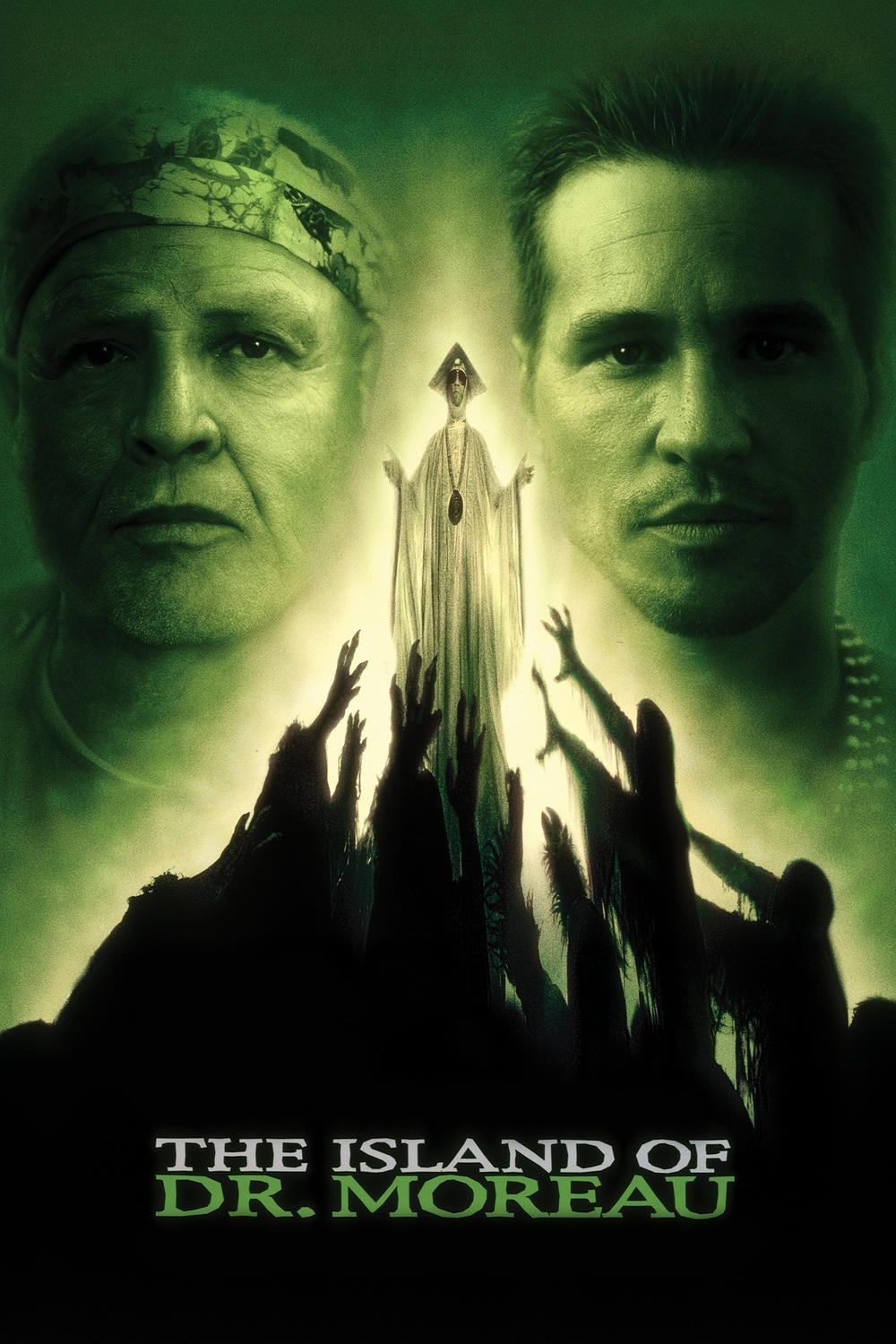
Marlon Brando and Val Kilmer headlined this New Line adaptation that endured director changes and cast turmoil. Production difficulties, including location issues and schedule disruptions, inflated costs beyond initial plans.
Theatrical revenue worldwide was modest relative to the final negative cost, and the film became a frequent case study in chaotic productions. Documentaries and long-form reporting later detailed the behind-the-scenes challenges that contributed to its financial outcome.
‘After Earth’ (2013)

Will Smith and Jaden Smith teamed with Sony on this sci-fi survival adventure designed for global appeal. The film’s production and worldwide marketing spend placed its break-even point high enough that theatrical revenues did not deliver a strong margin.
International box office exceeded domestic figures, but ancillary windows were needed to mitigate the gap. The project is often referenced when discussing the volatility of original science-fiction vehicles even with marquee talent and broad distribution.
Share your picks—Which big-name misfires did we miss? Drop your thoughts in the comments!