Black Actresses Who Absolutely Hated Their Character


Taking on a role in a major production is often a dream come true, but sometimes the experience turns into a nightmare for the talent involved. Whether due to creative differences, offensive stereotypes, or behind-the-scenes mistreatment, many performers have walked away from projects with deep regrets. This list explores the specific instances where prominent Black actresses felt disconnected from, or even detested, the characters they were hired to bring to life.
Viola Davis
The acclaimed actress has been vocal about her regret regarding her role as Aibileen Clark in ‘The Help’. Davis feels that the film catered to a white audience and failed to tell the truth about the experiences of Black maids in the 1960s. She has stated that she felt she betrayed herself and her people by participating in a movie that prioritized the comfort of white viewers over historical reality. Despite receiving an Oscar nomination, she maintains that the voices of the maids were not truly heard.
Gabrielle Union
Reflecting on her breakout role as Isis in ‘Bring It On’, Union has expressed regret for “muzzling” the character. She feels she played the cheerleader leader as too “classy” and “respectable” to make her palatable to white audiences, rather than allowing her to be rightfully angry about the theft of her team’s routines. Union wishes she had given Isis more edge and allowed her to express the full range of her humanity. She believes she failed the character by trying to be the “right kind of Black girl.”
Halle Berry
While she defends her decision to take the role of Patience Phillips in ‘Catwoman’ because of the paycheck, Berry has acknowledged the film’s poor quality. She famously accepted her Razzie Award in person, criticizing the script and the studio’s direction. Berry felt the character was poorly written and that the plot did not do justice to the comic book origins. She has often joked about the film being a misstep in her career, despite the financial gain.
Janet Jackson
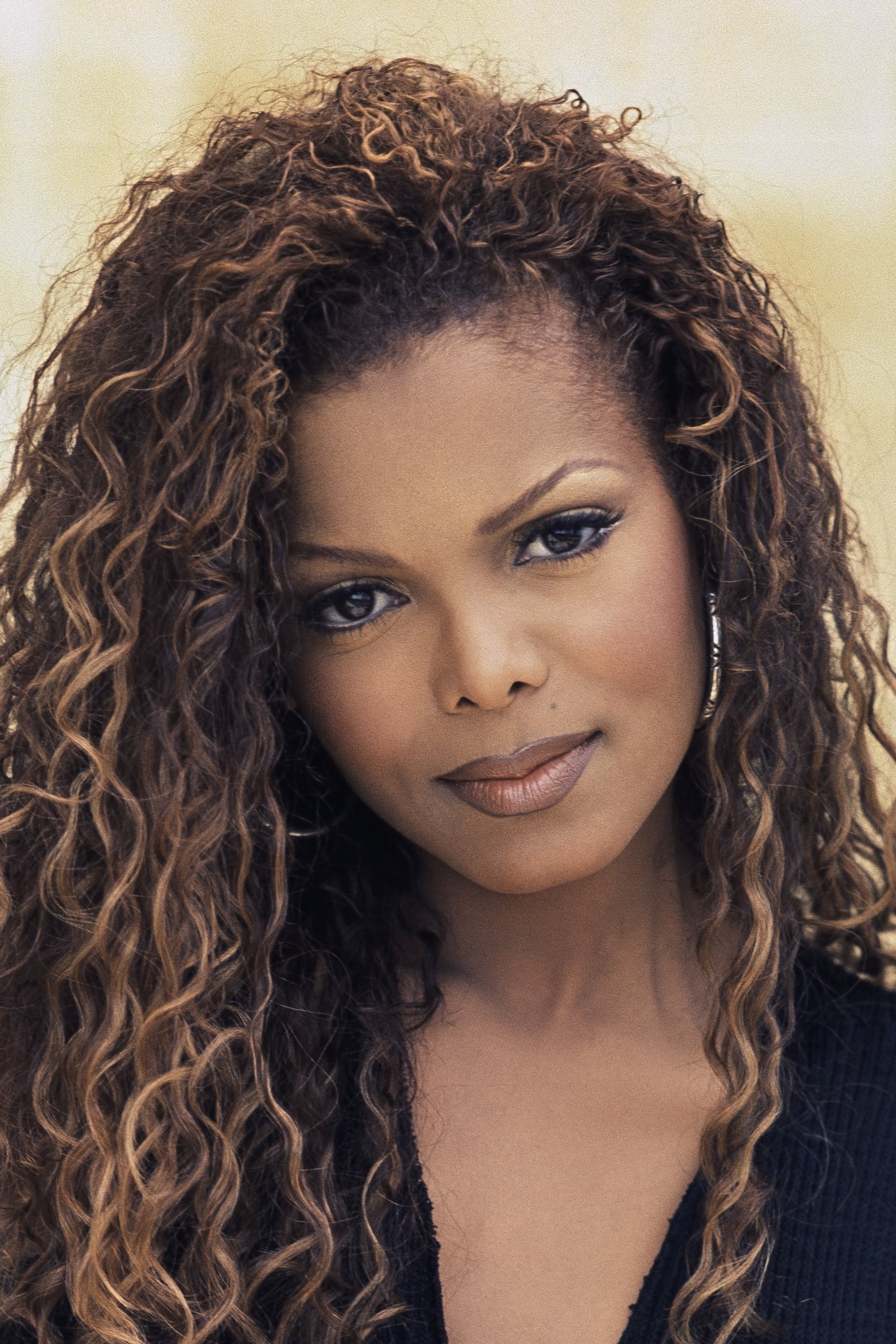
During her time as Penny on ‘Good Times’, Jackson faced body-shaming that left a lasting impact on her self-image. The production team bound her chest to hide her developing figure, which made her feel that her natural body was unacceptable. She was also told to lose weight, despite being a young child at the time. Jackson has spoken about how this treatment on set contributed to her lifelong struggle with body image.
Esther Rolle
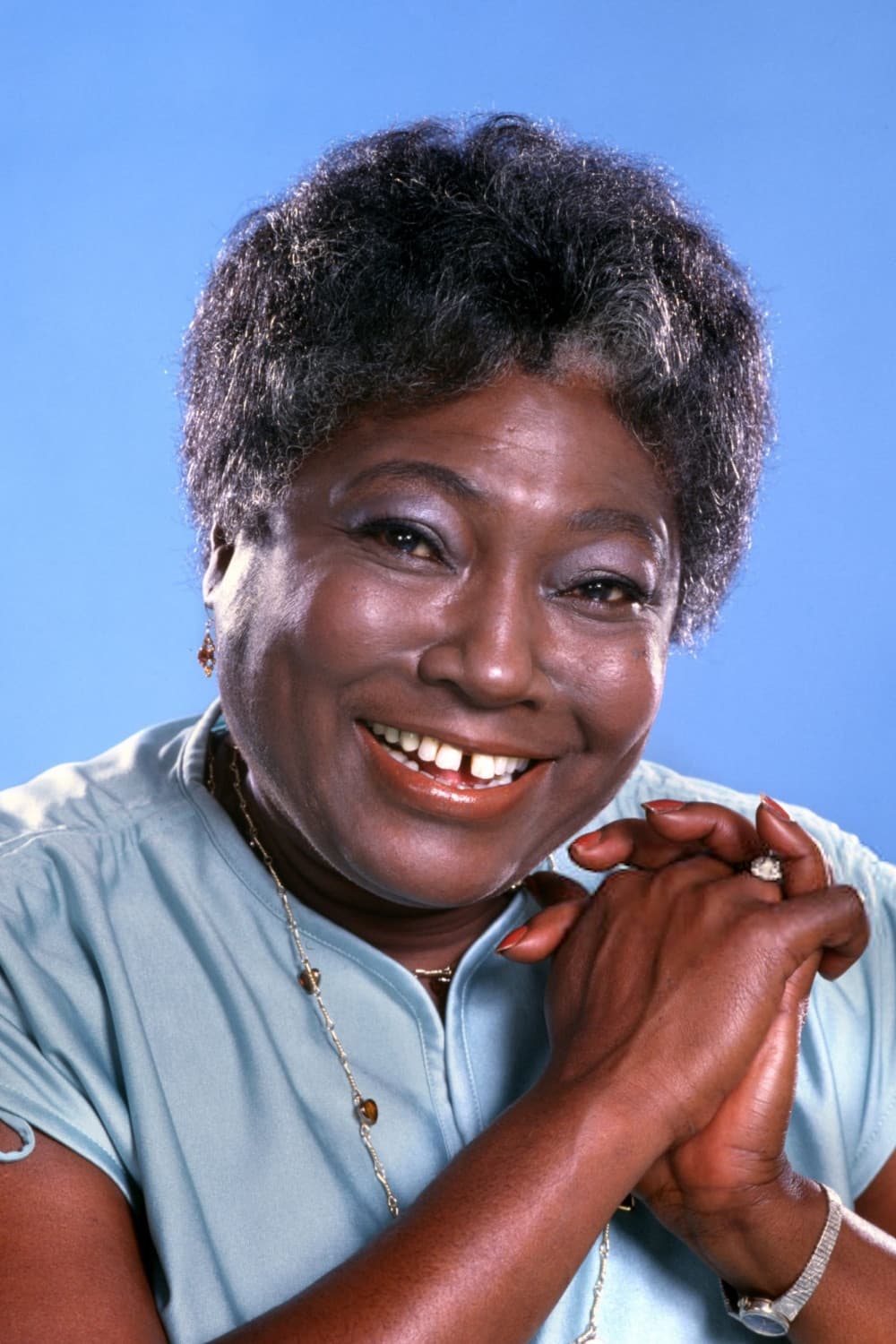
Rolle played the matriarch Florida Evans on ‘Good Times’ but became increasingly frustrated with the show’s direction. She detested the buffoonery of the J.J. character, feeling it perpetuated negative stereotypes about young Black men. Rolle was so unhappy with the shift from serious family issues to slapstick comedy that she eventually left the series. She only agreed to return later when producers promised to make the character of J.J. more responsible.
Whoopi Goldberg
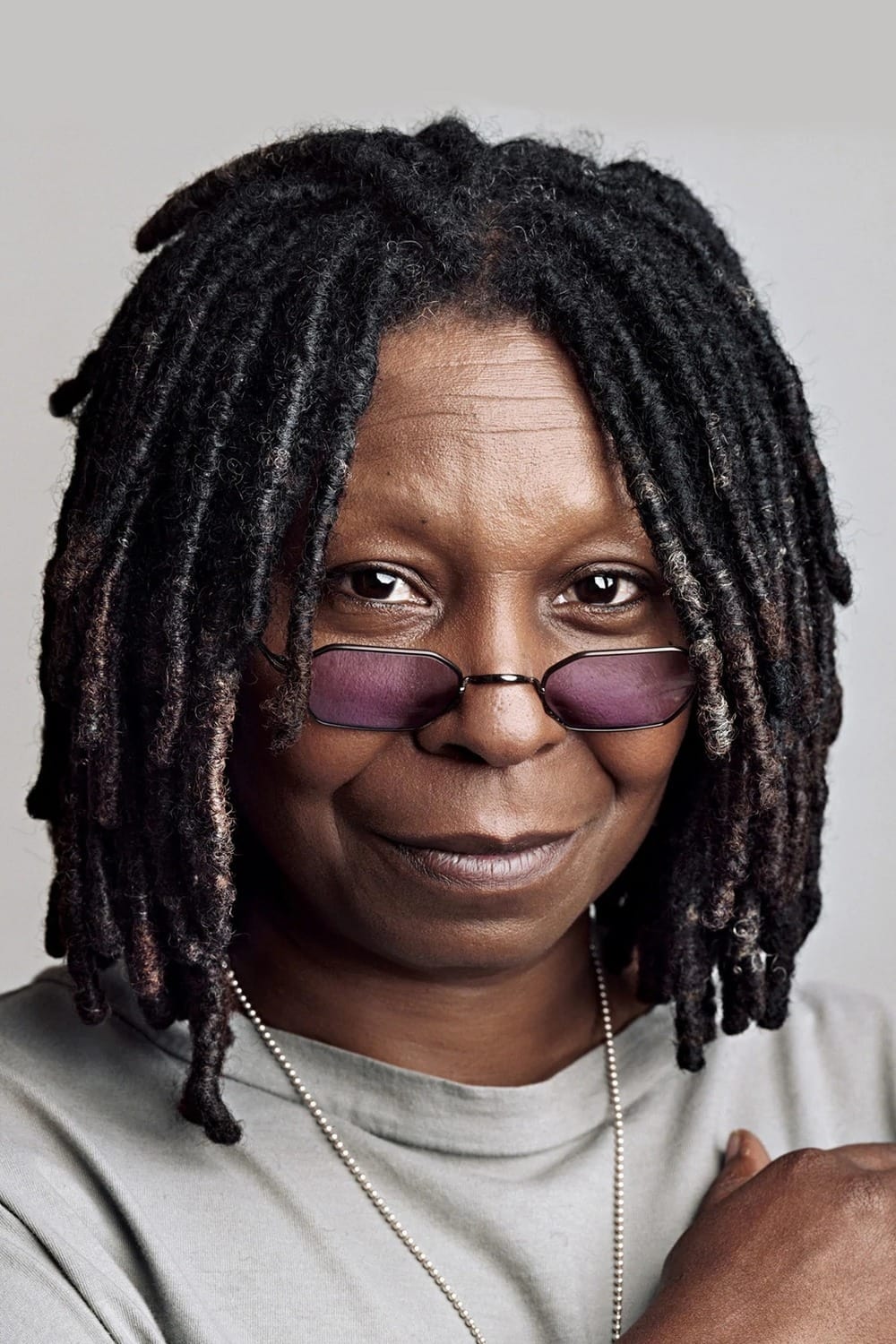
Goldberg famously tried to back out of starring in ‘Theodore Rex’, a buddy-cop movie featuring a dinosaur. She was sued by the producers and eventually forced to make the film to avoid financial ruin. Goldberg has made it clear that she hated the script and the entire experience of the production. The film was a critical and commercial failure, and she rarely speaks of it fondly.
Taraji P. Henson
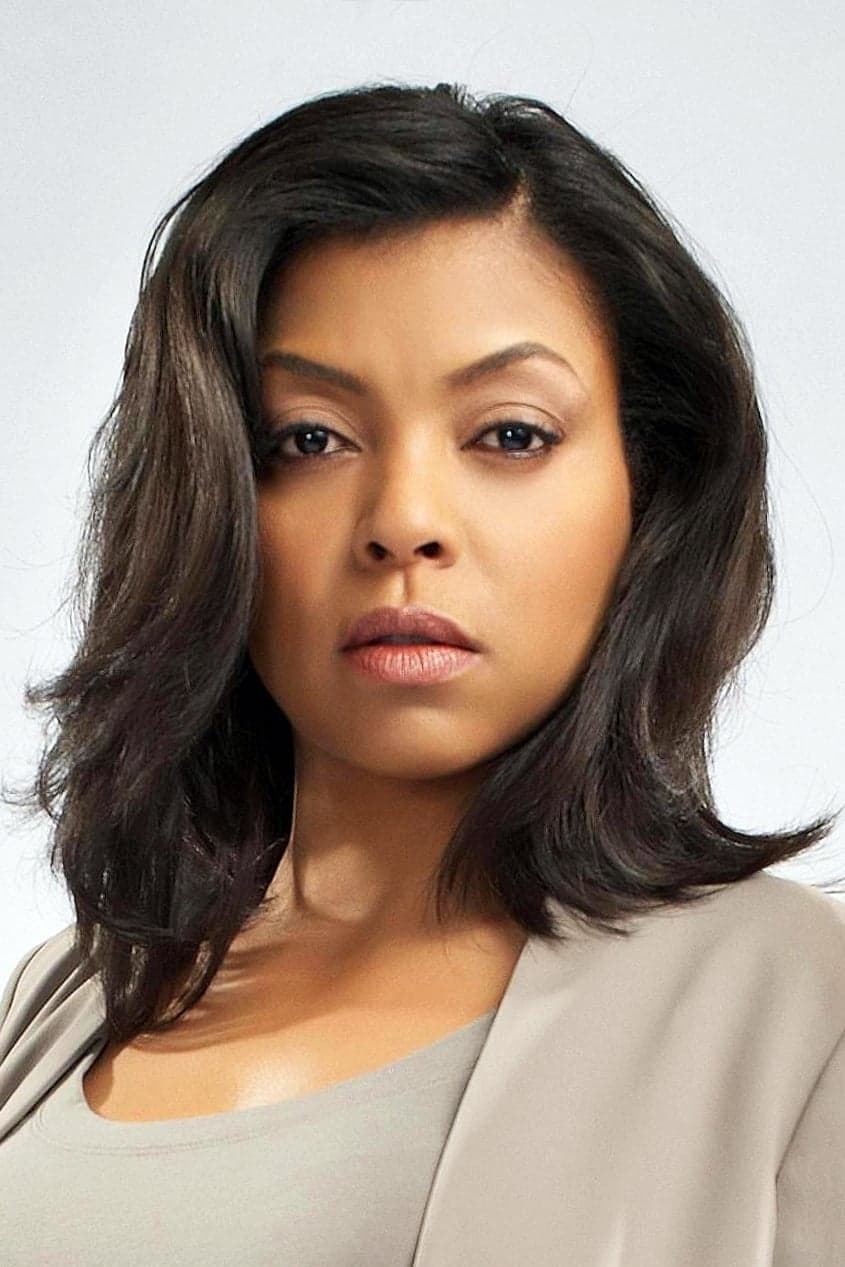
Henson’s grievance with ‘The Curious Case of Benjamin Button’ stemmed from the massive pay disparity she faced compared to her co-stars. Despite delivering an Oscar-nominated performance as Queenie, she was paid a fraction of what Brad Pitt and Cate Blanchett received. She had to pay for her own accommodation and felt undervalued by the studio. The experience highlighted for her the systemic undervaluation of Black actresses in Hollywood.
Butterfly McQueen
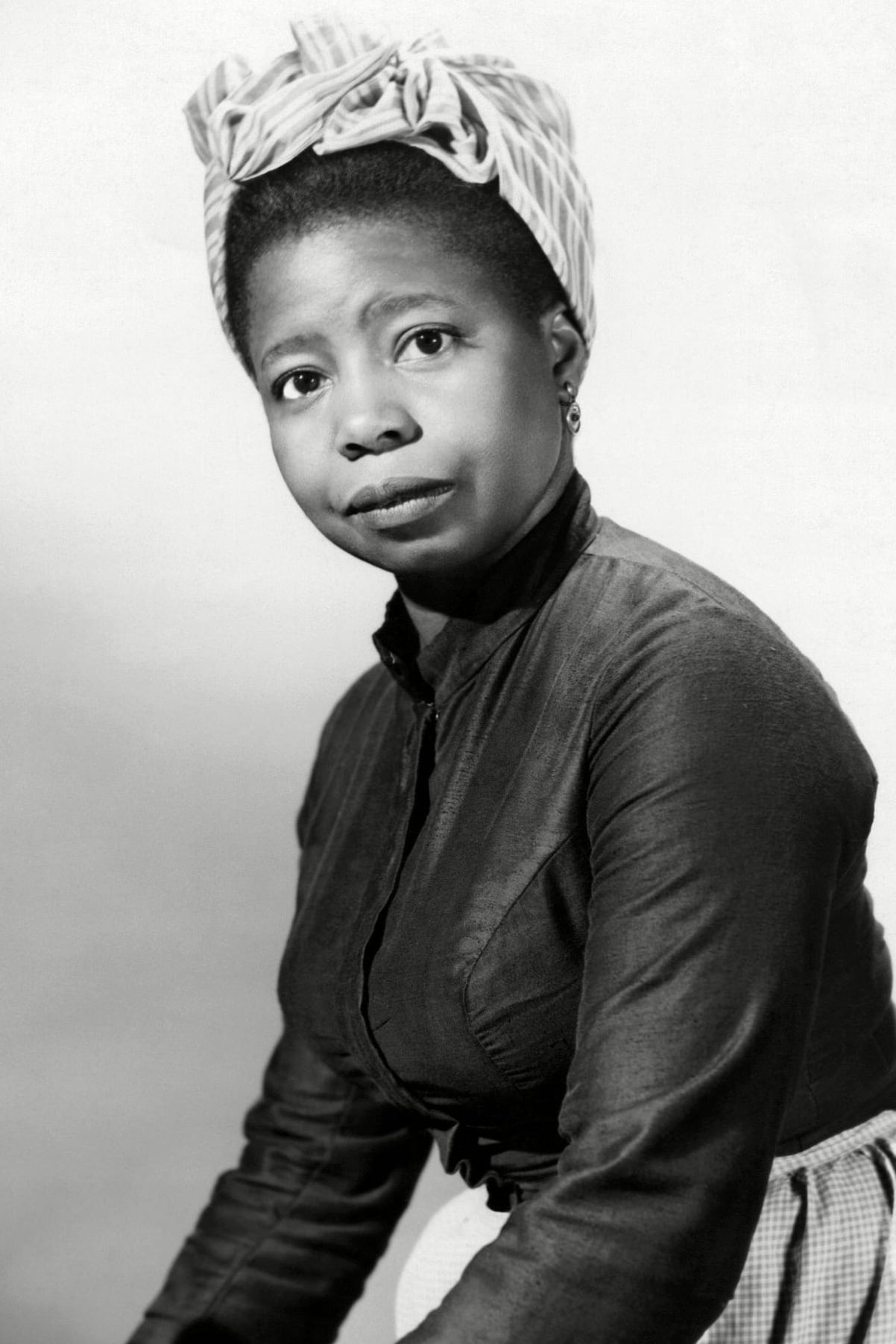
Best known for playing Prissy in ‘Gone with the Wind’, McQueen grew to despise the role and the demeaning stereotype it represented. She hated the “silly” and “stupid” characteristics she was forced to embody and the famous scene where she is slapped. McQueen felt the role was a step backward for Black representation and struggled to find work that wasn’t a maid character afterward. She eventually left Hollywood, feeling the industry had nothing respectful to offer her.
Monique Coleman
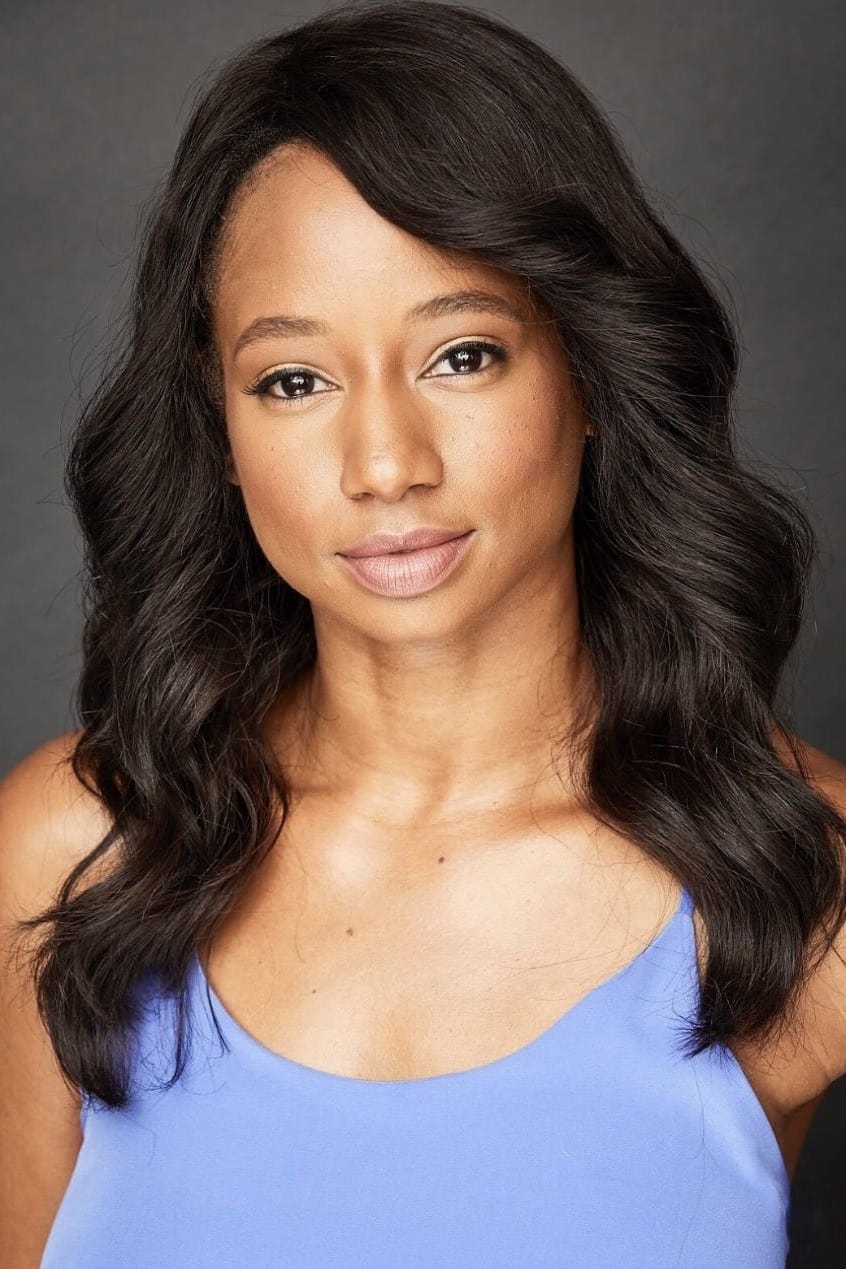
Coleman, who played Taylor McKessie in ‘High School Musical’, revealed that her character’s signature headbands were a result of the styling team’s inability to do Black hair. She suggested the accessory to hide the poor job the crew had done on her hair in the front. Coleman felt let down by the lack of resources and knowledge on set regarding Black aesthetics. It was a creative workaround for a systemic failure that she has since called out.
Vanessa Morgan
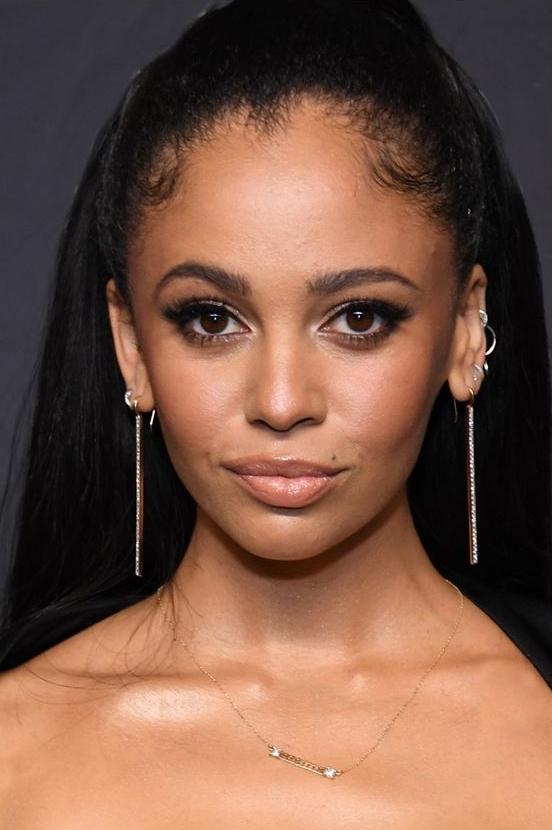
Morgan criticized ‘Riverdale’ for sidelining her character, Toni Topaz, and using her as a token for diversity. She expressed frustration at being the only Black series regular but being paid the least. Morgan felt her character was often used as a sidekick to white leads rather than having her own three-dimensional storylines. Her public comments forced the showrunner to apologize and promise better treatment for her character.
Candice Patton
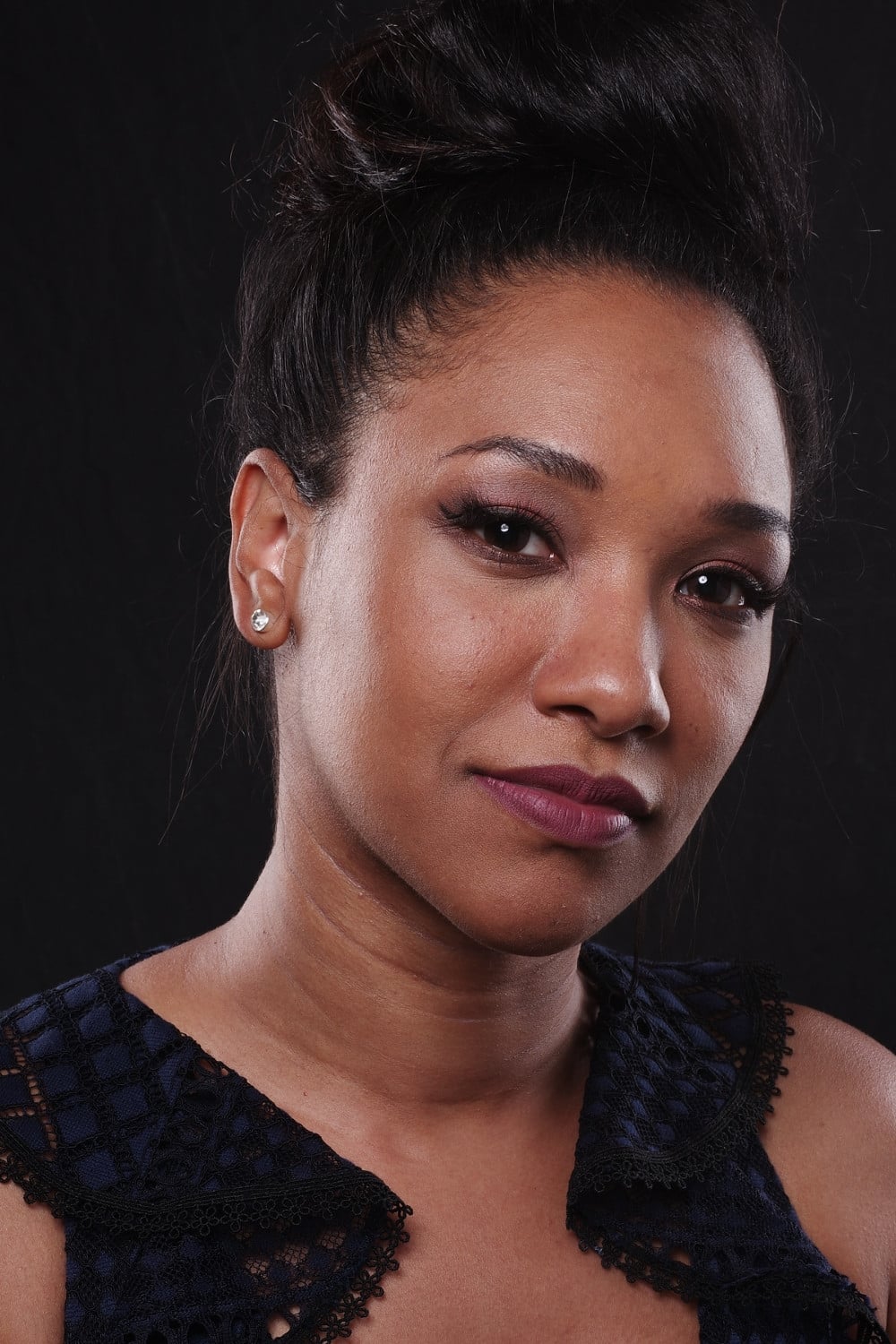
Patton faced years of racist harassment from fans after being cast as Iris West in ‘The Flash’, and she felt the studio did not do enough to protect her. She considered leaving the show as early as season two because of the toxicity and lack of support. Patton felt isolated and treated differently than her white co-stars on set. She has since been open about the emotional toll the role took on her mental health.
Kat Graham
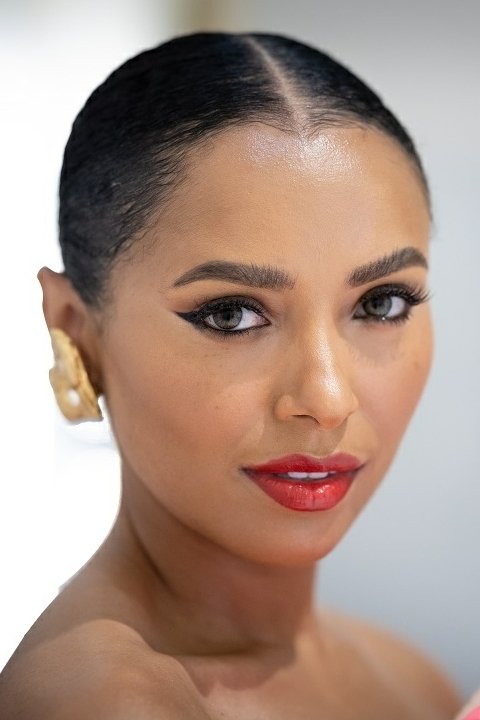
Graham played Bonnie Bennett on ‘The Vampire Diaries’ and dealt with her character constantly being killed off or sidelined to support white characters. She also struggled with the hair and makeup department, which often failed to style her natural hair correctly. Graham felt she had to fight for her character’s relevance and dignity throughout the series’ run. The experience was marred by the feeling that Bonnie was never given the same priority as the other leads.
Nicole Beharie
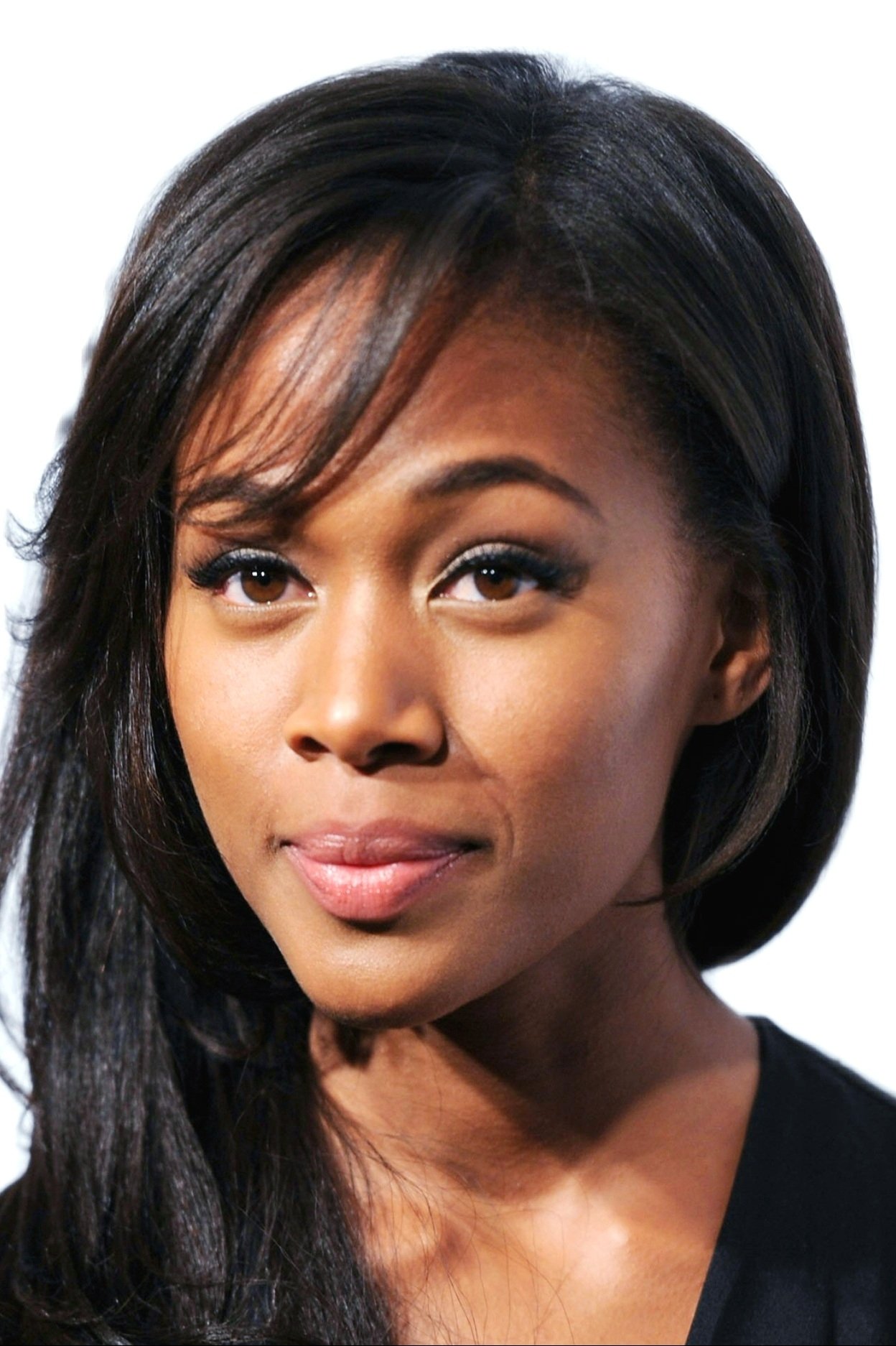
After starring as Abbie Mills in ‘Sleepy Hollow’, Beharie was written off the show in a controversial manner that many fans felt was disrespectful. She later revealed that she was treated inequitably on set compared to her white male co-star, particularly regarding health issues. Beharie felt she was labeled as “difficult” for advocating for herself, which led to her being blacklisted for a time. The toxicity of the environment made her exit a relief rather than a loss.
Michaela Coel
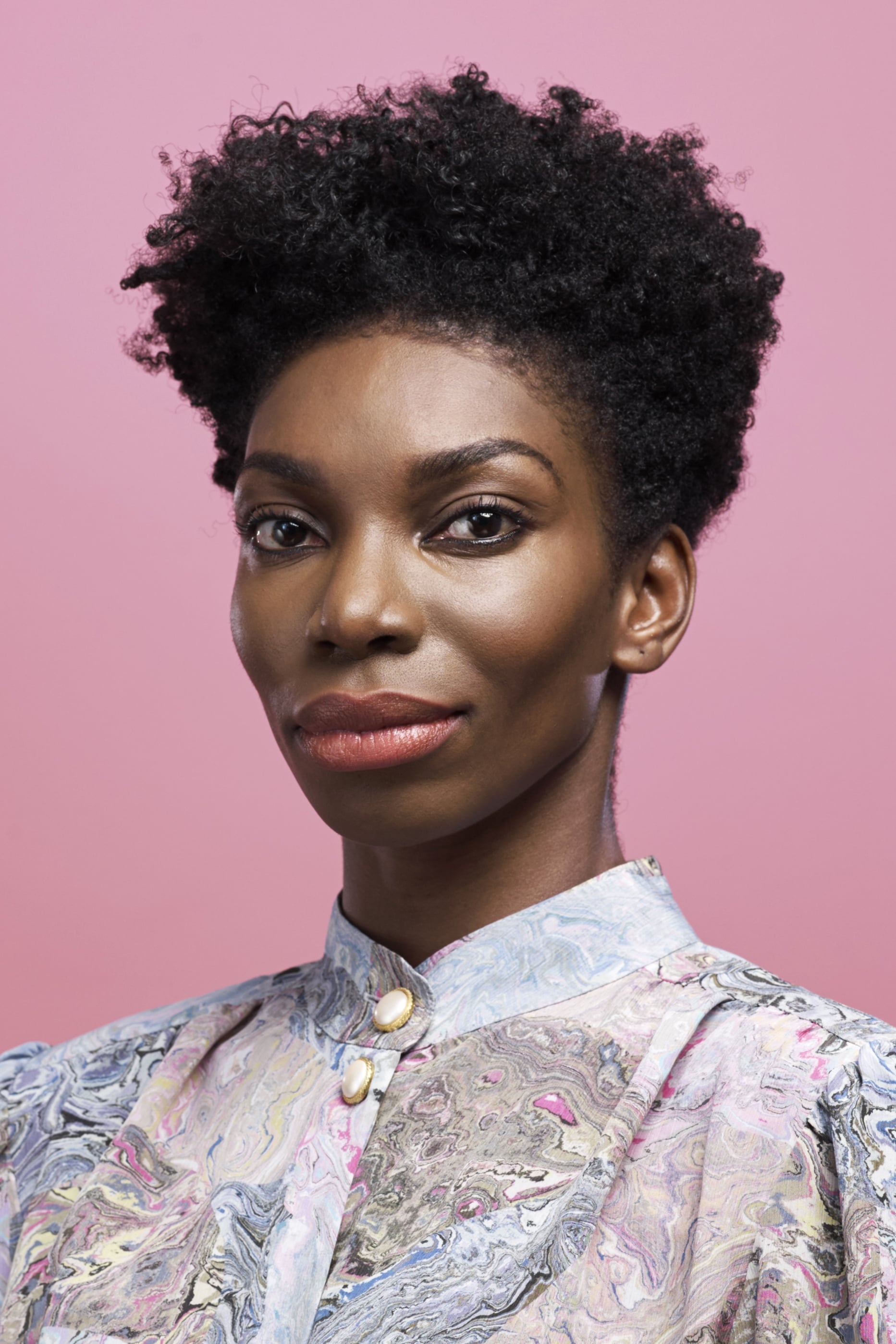
While creating and starring in ‘Chewing Gum’, Coel experienced a sexual assault that was directly tied to the production timeline. She has spoken about the trauma of trying to write the show while processing the assault, which occurred when she took a break from writing. The association between the show and her trauma made the experience incredibly painful. This eventually led her to turn down a massive deal from Netflix for her next project to retain her copyright and agency.
Lark Voorhies
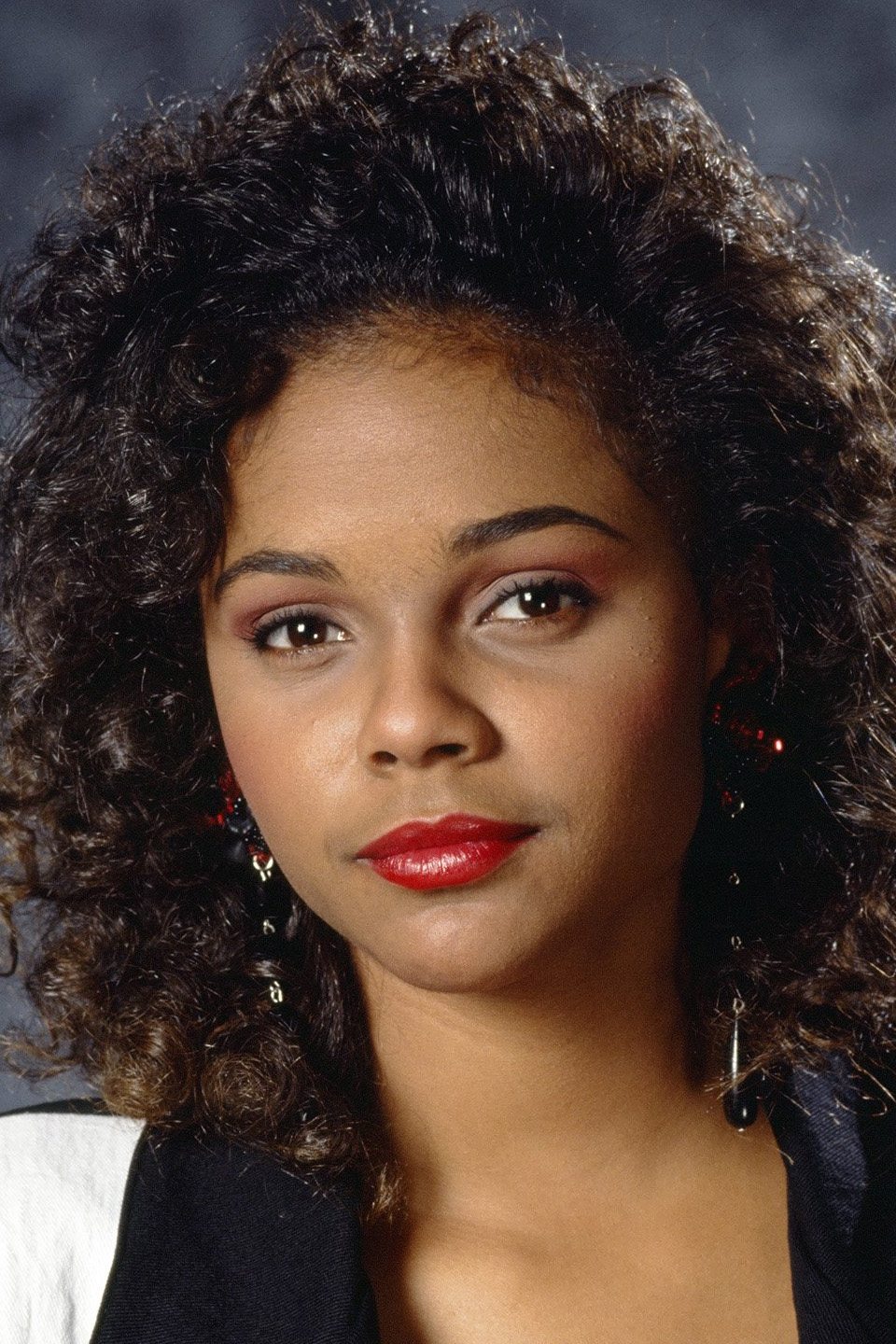
Voorhies played Lisa Turtle on ‘Saved by the Bell’ but felt slighted when she was excluded from initial reunions and the reboot. She has expressed hurt over being left out of the core group’s activities, citing her mental health struggles as a possible reason for the exclusion. Voorhies felt that her contribution to the show’s success was erased or ignored. She eventually made a cameo, but the initial rejection was a source of deep pain.
Trina McGee
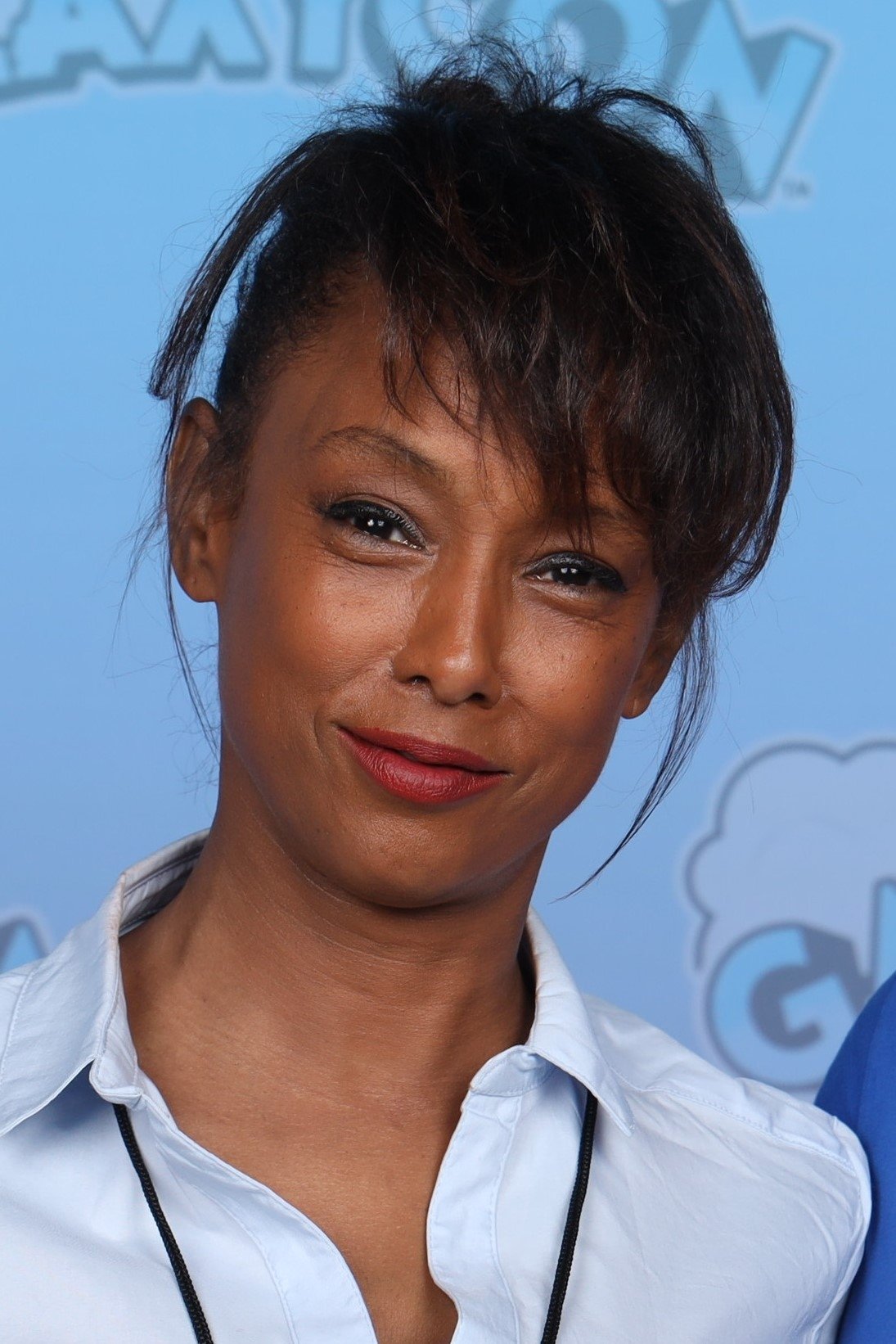
McGee, who played Angela Moore on ‘Boy Meets World’, revealed she faced racism and exclusion from her castmates. She was called derogatory names and made to feel like an outsider on set. McGee felt her character was often marginalized and that her presence was merely to serve as a love interest for a white character. The hostile work environment made her time on the show difficult and uncomfortable.
Rachel True
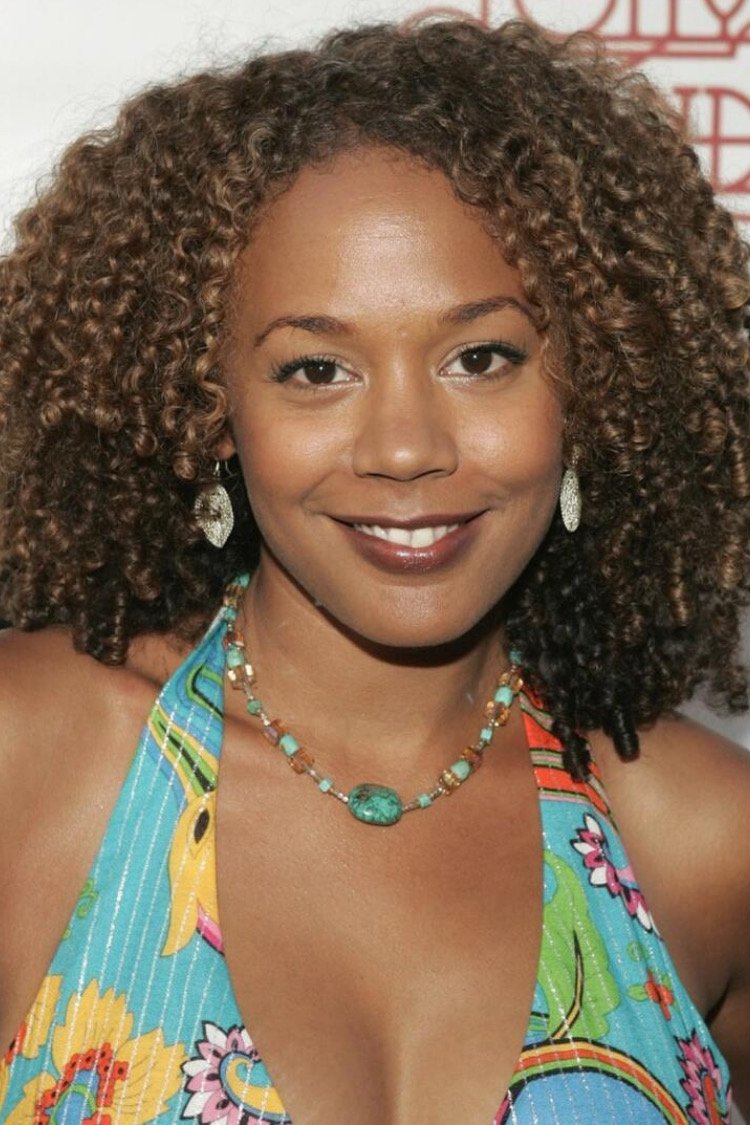
True starred in ‘The Craft’ but was famously excluded from much of the film’s promotional material and press junkets. She felt that the studio did not value her as much as her three white co-stars, despite being a core member of the coven. True has spoken about the pain of seeing posters and interviews that cropped her out or ignored her. This erasure made her feel that her character, Rochelle, was seen as disposable.
Amber Riley
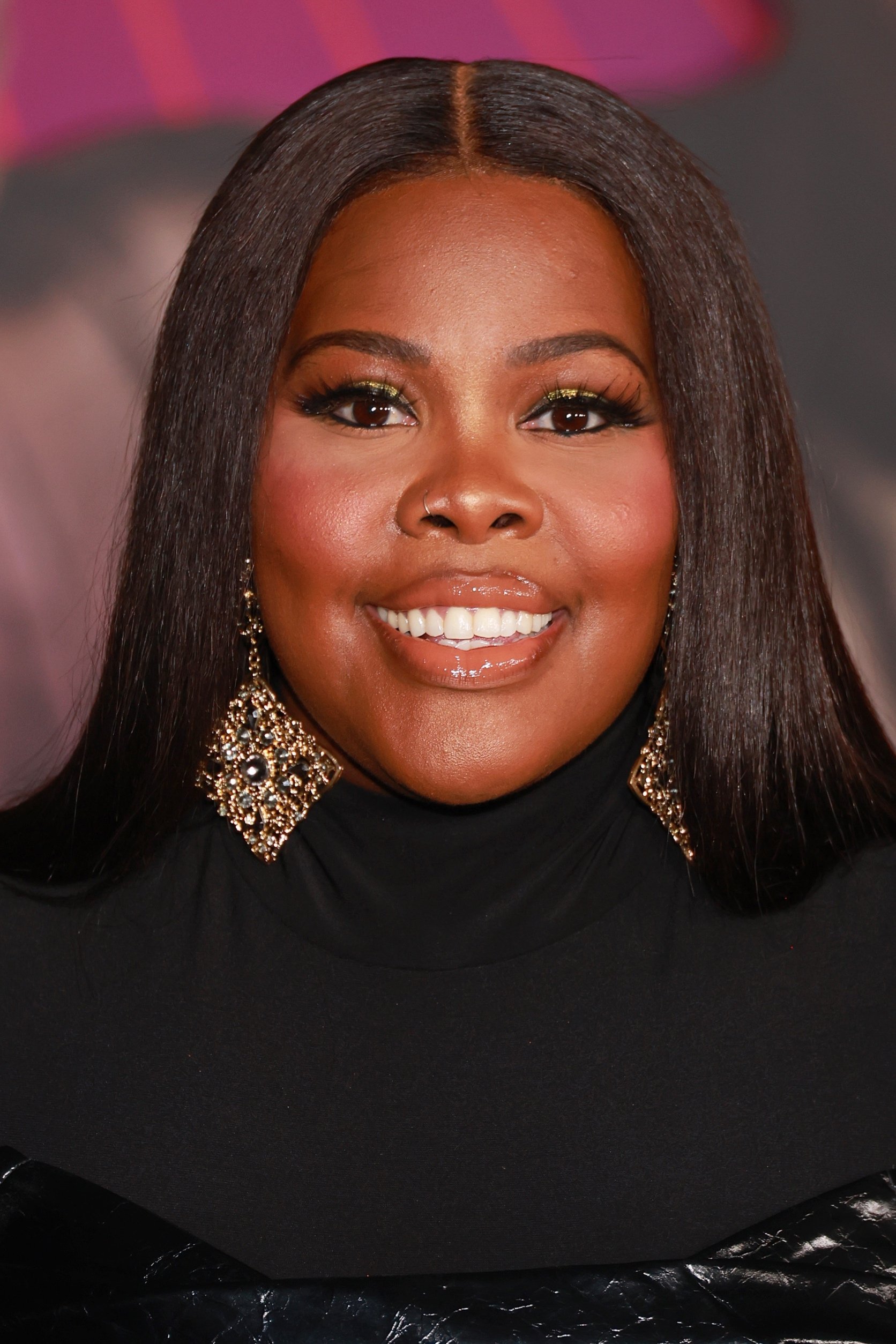
Riley played Mercedes Jones on ‘Glee’ and often felt her character was used solely for big musical numbers without getting substantial storylines. She disliked how Mercedes was often portrayed as the “sassy” stereotype or a sidekick to Rachel Berry. Riley has hinted at the difficult on-set atmosphere and the lack of respect for the Black cast members. She felt her talent was exploited while her character remained underdeveloped.
Nichelle Nichols
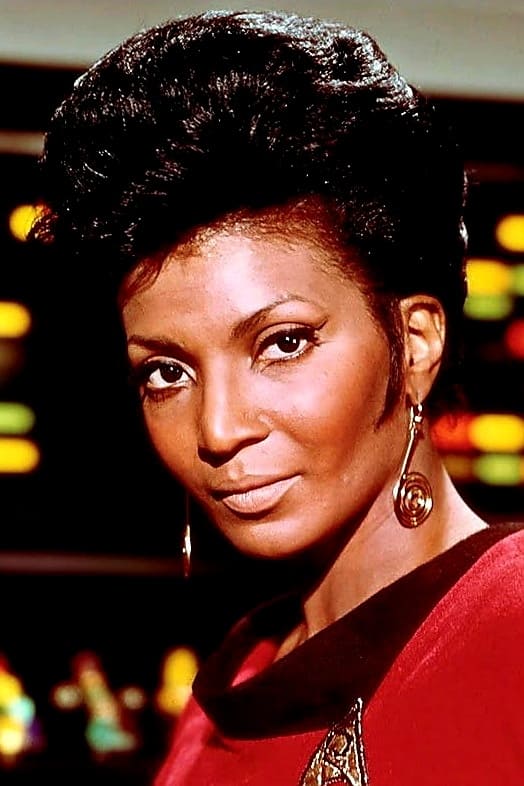
Nichols famously wanted to quit her role as Uhura on ‘Star Trek’ after the first season because she felt her character lacked depth and meaningful dialogue. She was tired of having lines that mostly consisted of “Hailing frequencies open.” It took a personal intervention from Martin Luther King Jr. to convince her to stay because of the importance of her representation. Despite the role’s significance, her initial frustration with the writing was profound.
Diahann Carroll
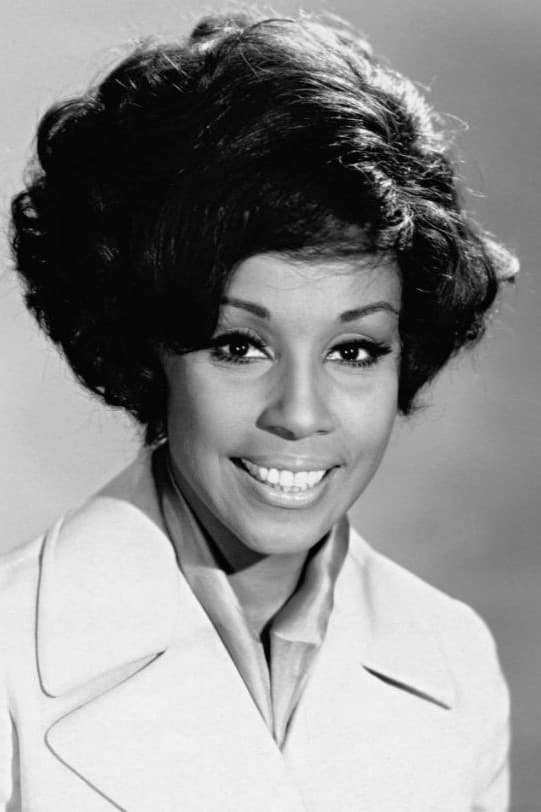
Carroll starred in ‘Julia’, the first sitcom to center on a Black woman in a non-stereotypical role, but she criticized the show for being unrealistic. She felt the series presented a sanitized version of Black life that ignored the social and political realities of the time. Carroll struggled with the pressure of being a “credit to her race” while playing a character she found lacking in authenticity. She often felt the show was disconnected from the actual Black experience.
Ellen Holly
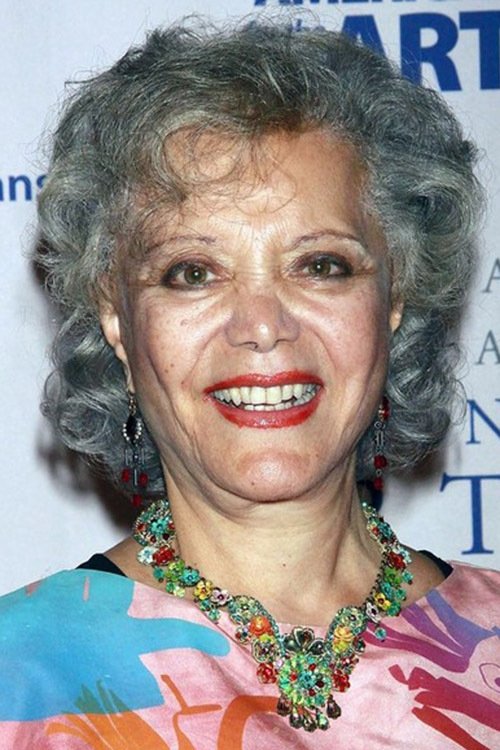
Holly played Carla Gray on ‘One Life to Live’ and wrote a memoir detailing the racism she faced behind the scenes. She felt the writers constantly punished her character because of her race and the interracial relationship storyline. Holly described a toxic environment where she was paid less and treated worse than her white counterparts. She felt her character’s suffering was used for ratings without any care for the actress’s well-being.
Victoria Rowell
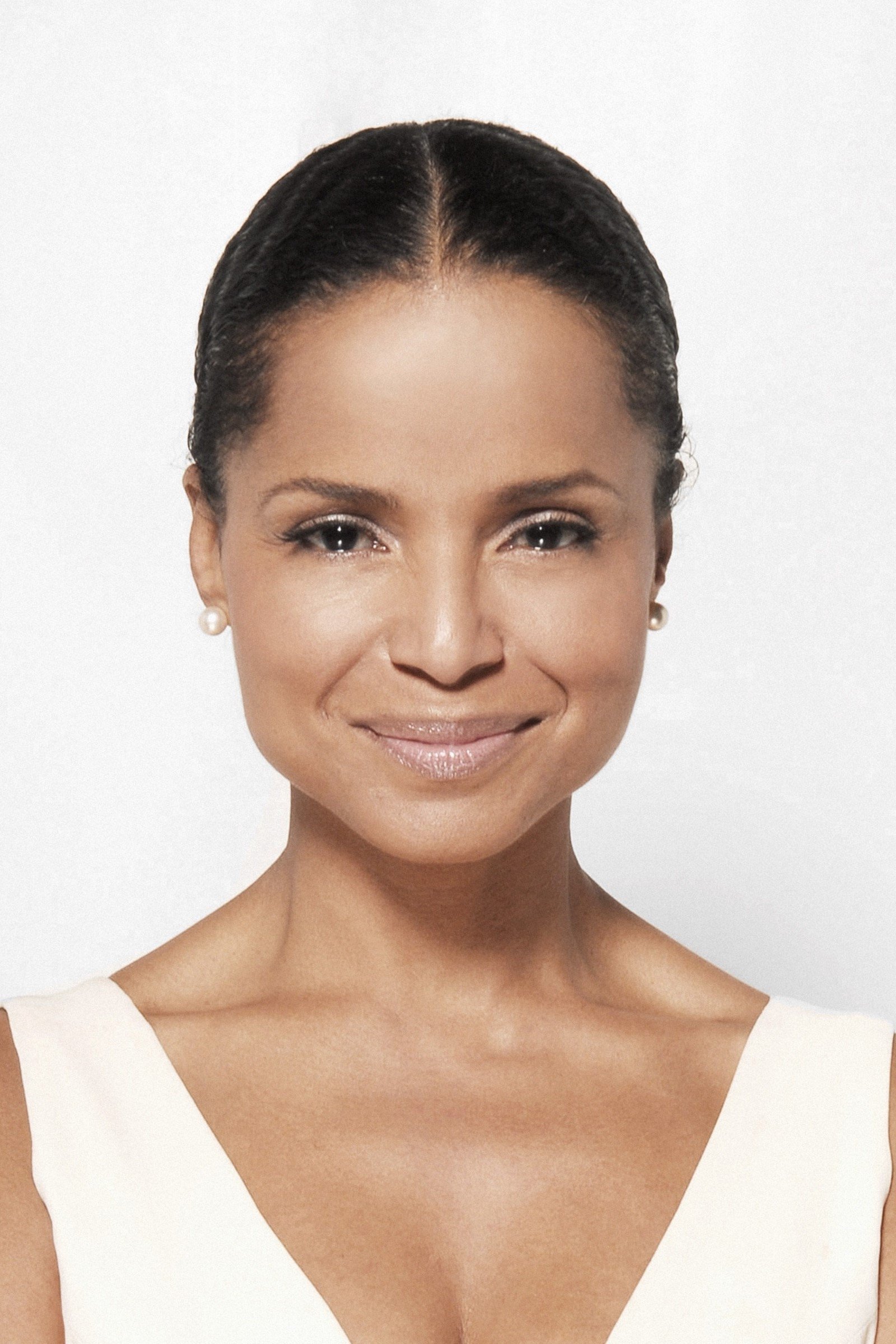
Rowell played Drucilla Winters on ‘The Young and the Restless’ and eventually sued the network for racial discrimination. She was vocal about the lack of support for Black hair and makeup and the absence of Black writers in the room. Rowell felt her character was mocked and that she was prevented from advancing due to systemic racism. Her departure was a direct result of her dissatisfaction with the hostile work culture.
Alexandra Shipp
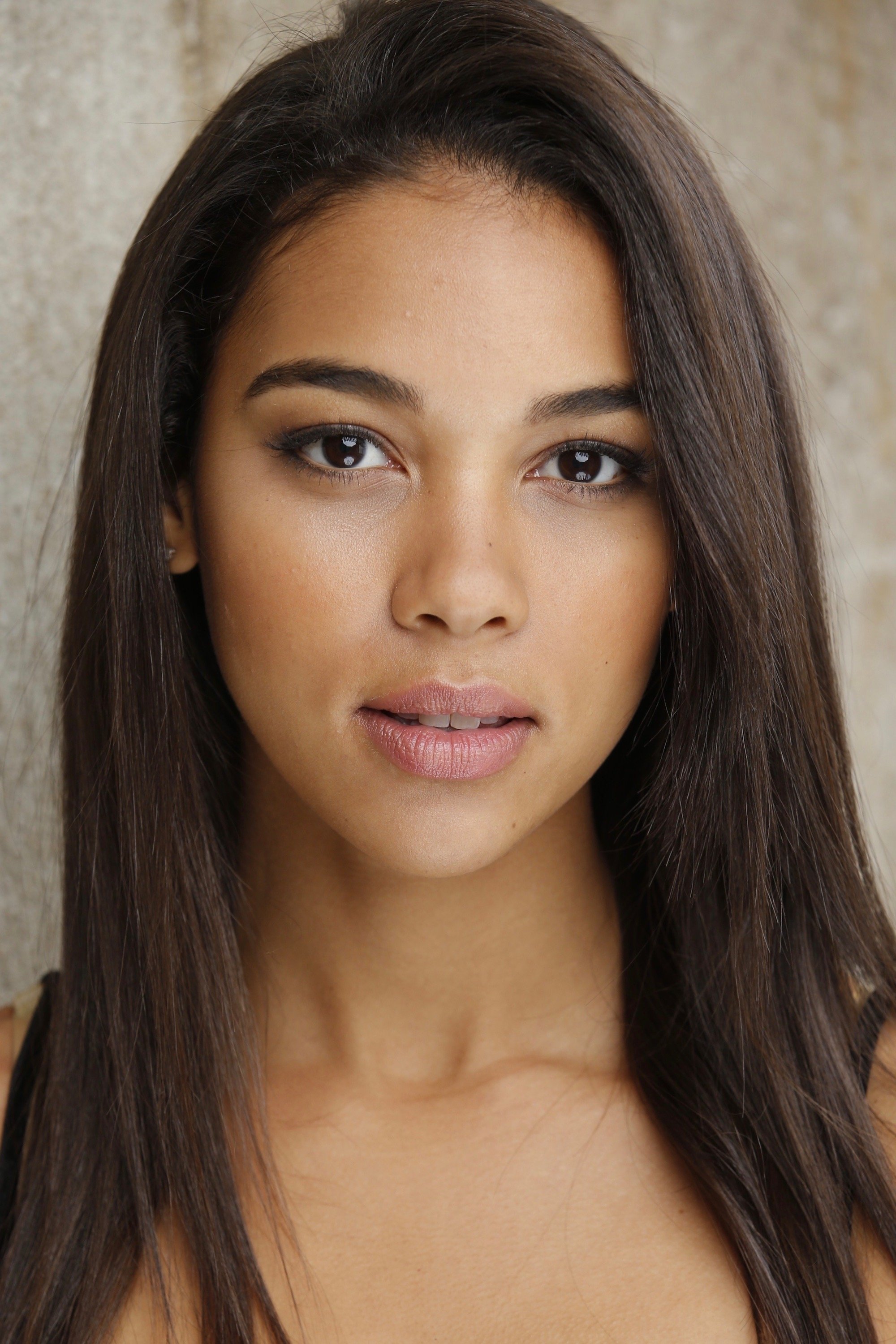
Shipp faced immense backlash for playing the title role in the biopic ‘Aaliyah: The Princess of R&B’, primarily due to colorism and the singer’s family disapproving of the project. She has spoken about the cyberbullying she received and how it affected her mental health. Shipp felt caught in the middle of a controversy she didn’t create, simply for accepting a job. The negativity surrounding the role made the experience one of the hardest of her career.
Amandla Stenberg
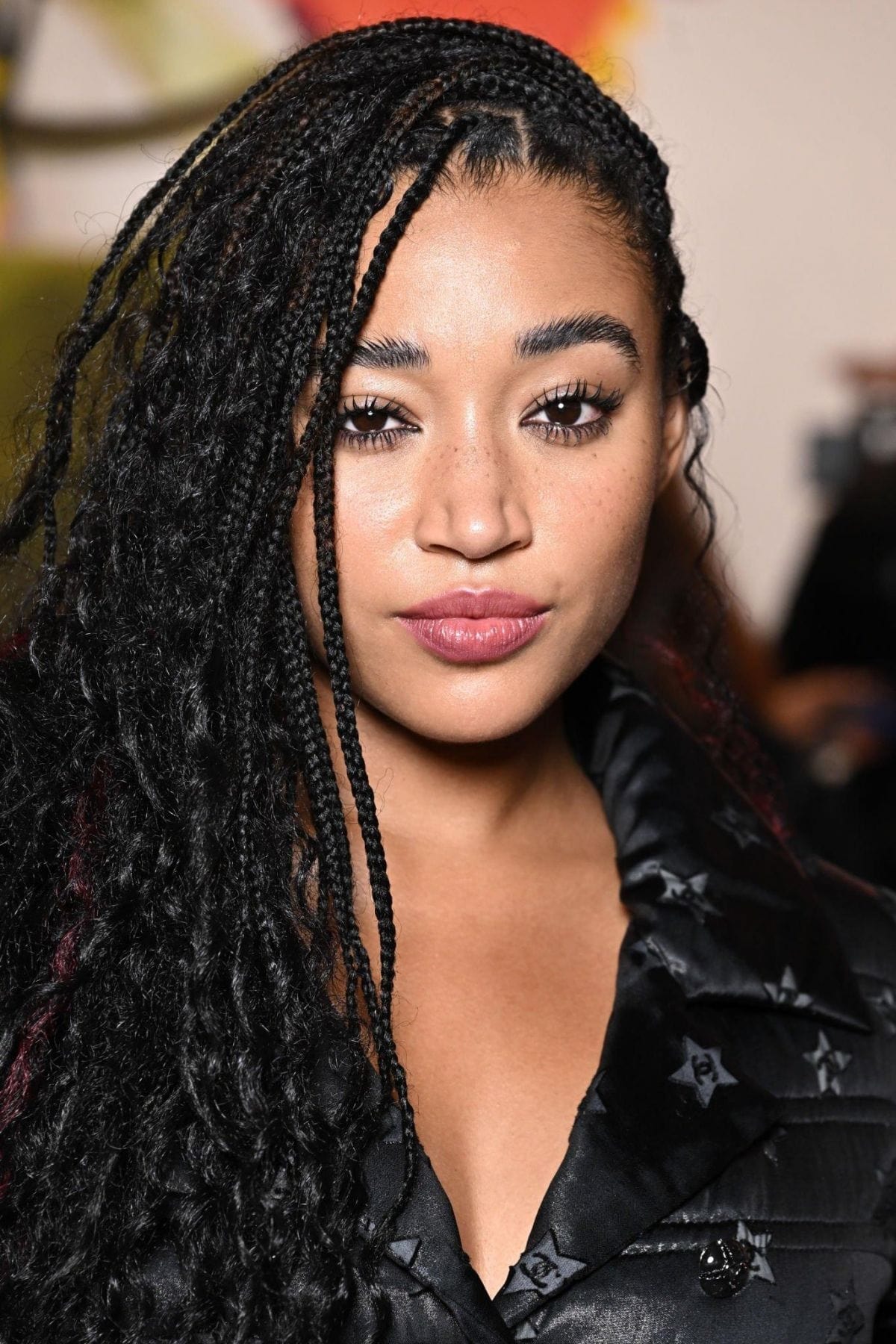
Stenberg faced criticism for her role in ‘Where Hands Touch’, a film about a biracial girl in Nazi Germany. She later expressed regret over how the film romanticized a horrific period of history. Stenberg acknowledged that the project was misguided and that she was too young to fully grasp the implications of the script. The backlash taught her a hard lesson about the responsibility of choosing roles.
Cynthia Erivo
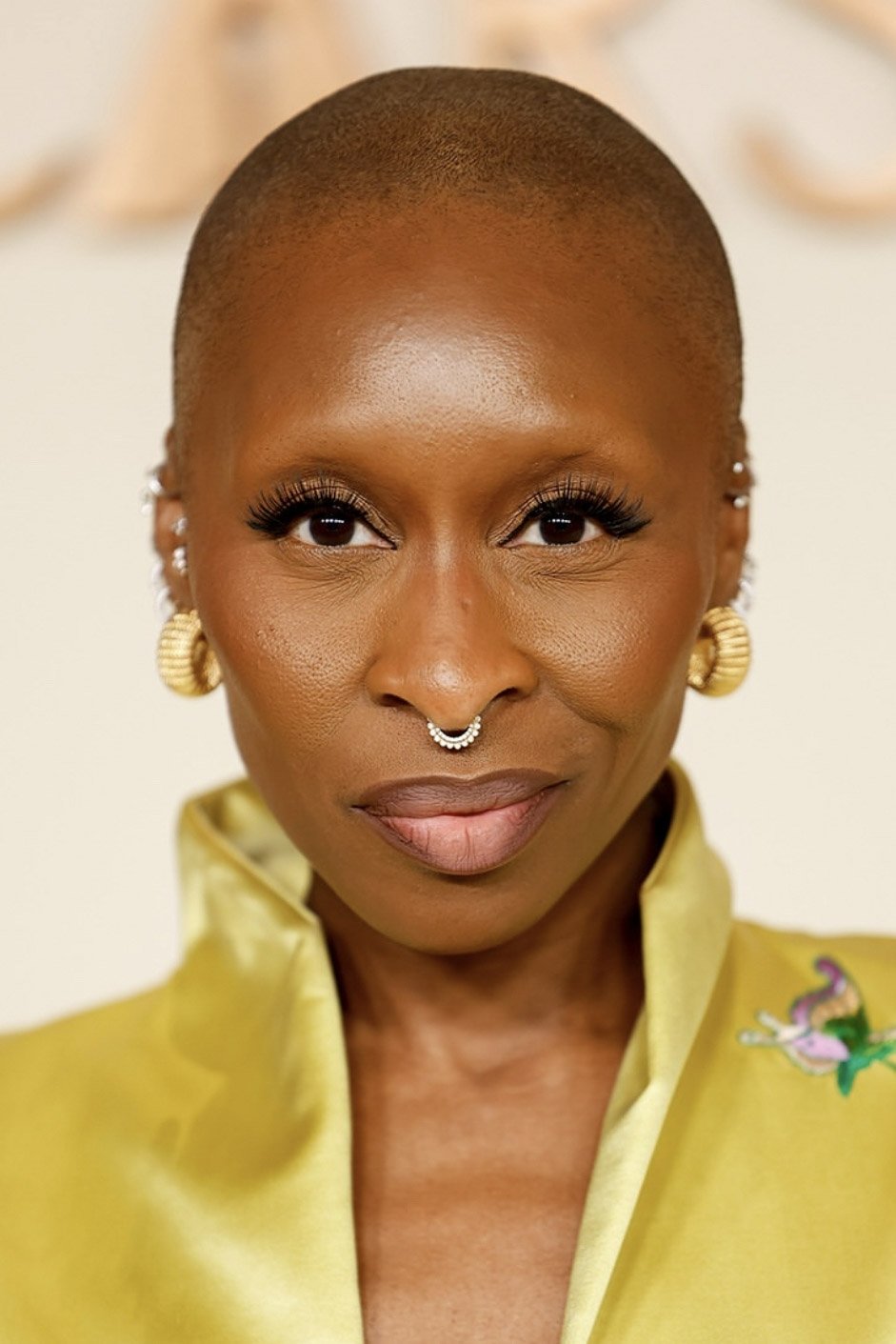
Erivo’s casting as Harriet Tubman in ‘Harriet’ drew criticism because she is British and not African American. She faced a wave of online hostility that made the experience of playing the American hero incredibly stressful. Erivo felt she had to constantly prove her right to inhabit the role against a backdrop of xenophobia and identity politics. The discourse surrounding her casting overshadowed much of her performance.
Jodie Turner-Smith
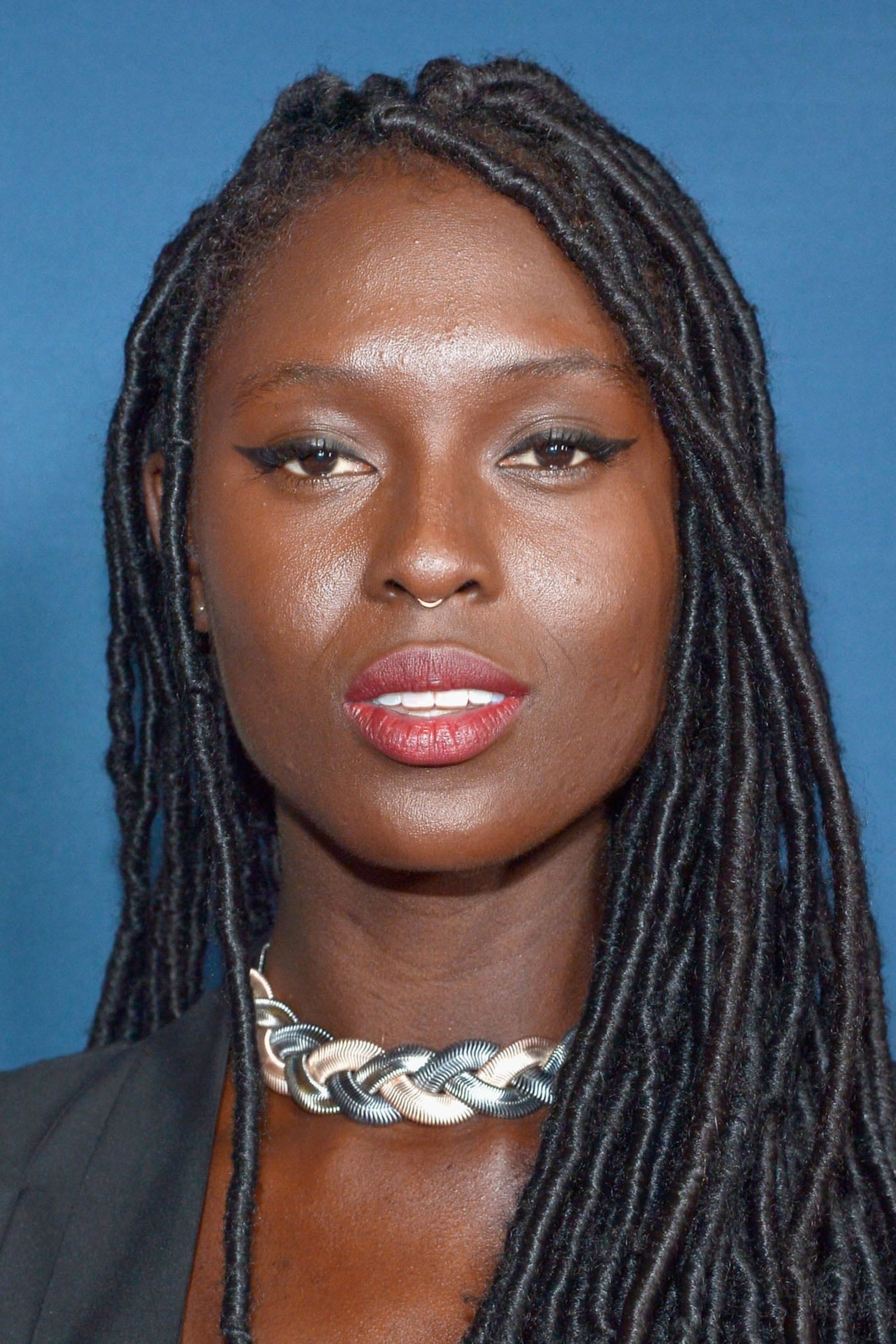
Turner-Smith played Anne Boleyn in a channel 5 series and was subjected to racist abuse for playing a historically white figure. She admitted that the backlash was overwhelming and that she hadn’t anticipated the level of vitriol. Turner-Smith felt the conversation focused entirely on her race rather than her acting or the story. The experience was a trial by fire regarding the public’s acceptance of color-blind casting.
Anna Diop
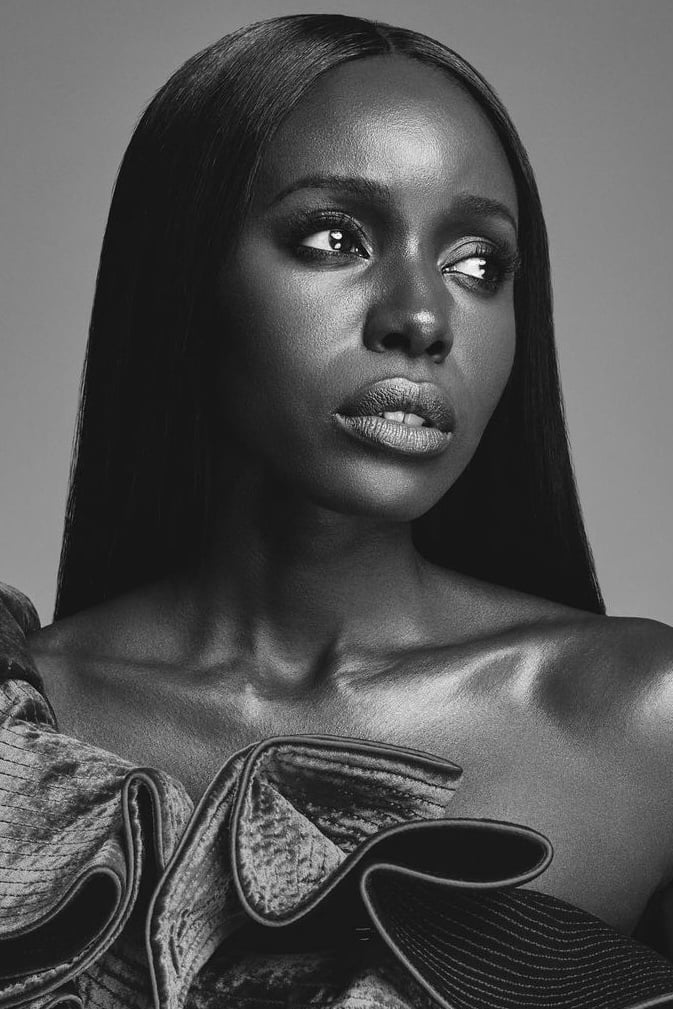
When Diop was cast as Starfire in ‘Titans’, racist fans attacked her appearance and the low-budget look of leaked set photos. She had to disable her Instagram comments due to the hate speech she received. Diop felt the production did not initially style her character well, which fueled the trolls, though the look was improved in later seasons. The initial wave of hatred made her introduction to the DC universe traumatic.
Octavia Spencer
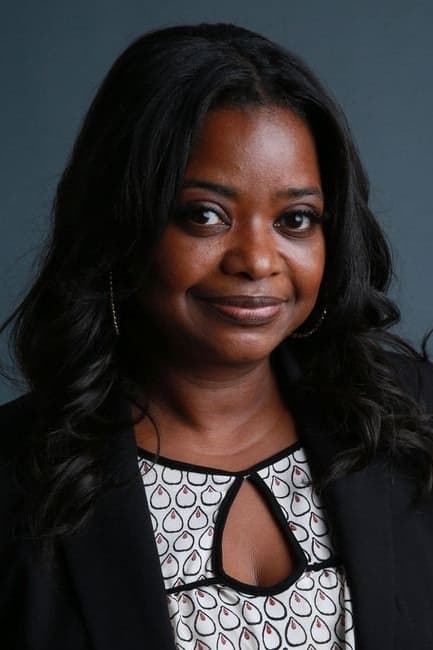
Like Viola Davis, Spencer has expressed complicated feelings about her Oscar-winning role in ‘The Help’. While she is grateful for the career boost, she has acknowledged the valid criticisms regarding the “white savior” narrative. Spencer has since moved toward producing her own projects to ensure Black stories are told with more agency. She has stated she wants to move away from roles that center on Black servitude.
Lisa Bonet
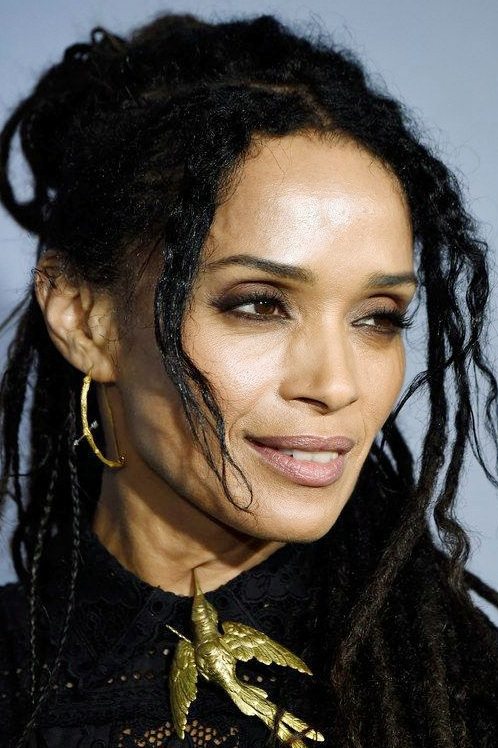
Bonet clashed with Bill Cosby over the creative direction of her character, Denise Huxtable, on ‘The Cosby Show’ and ‘A Different World’. She wanted to explore more mature and realistic themes, which Cosby opposed. Her pregnancy and participation in the film ‘Angel Heart’ led to further friction and her eventual firing. Bonet felt creatively stifled and judged by the show’s conservative leadership.
Nell Carter
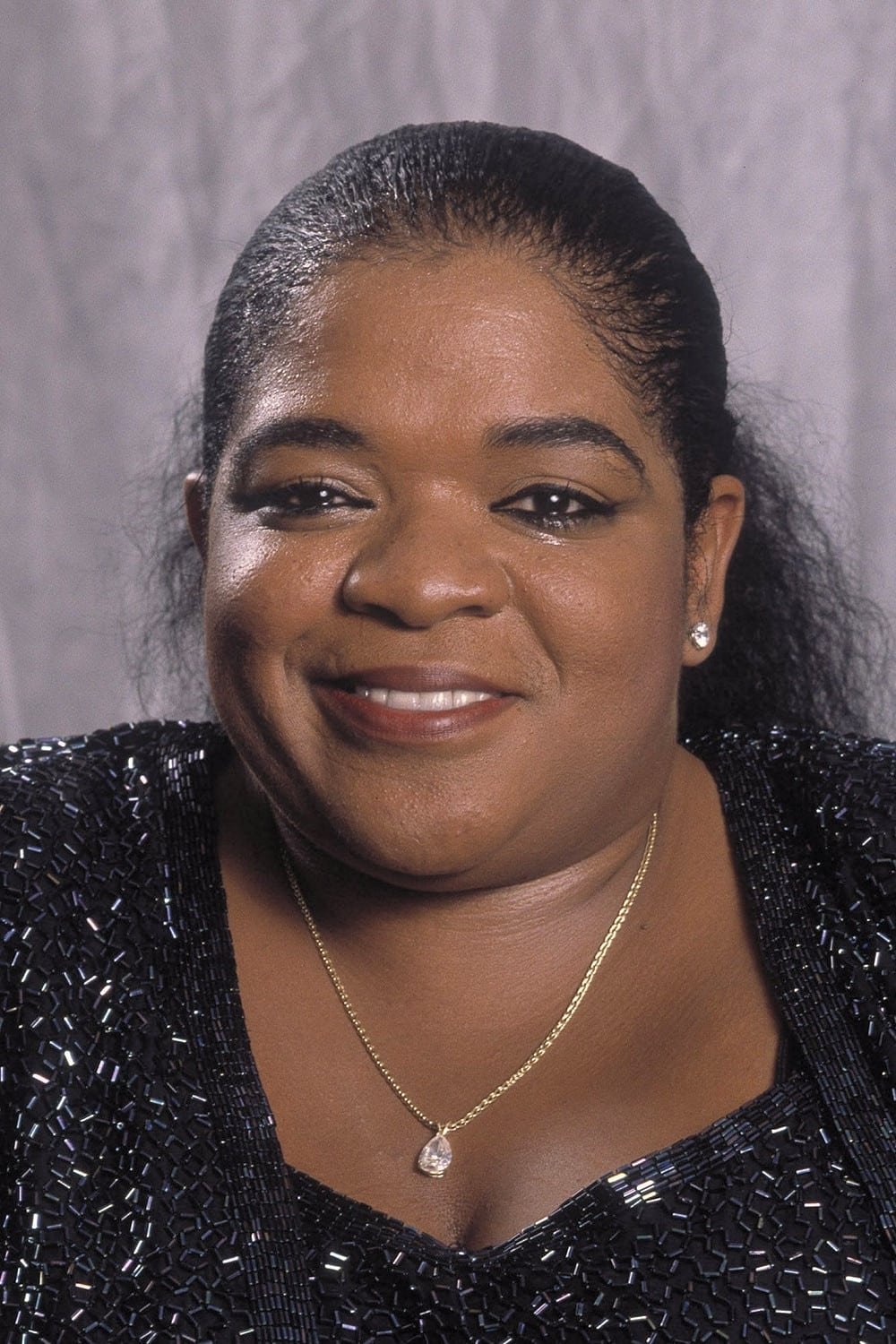
Carter starred in ‘Gimme a Break!’ but often fought with writers to avoid “mammy” stereotypes. She threatened to quit multiple times when scripts called for her to act in ways she found degrading or buffoonish. Carter was protective of her character, Nell Harper, and hated when the show veered into minstrelsy. She felt a constant burden to police the writing to maintain her dignity.
Lena Horne
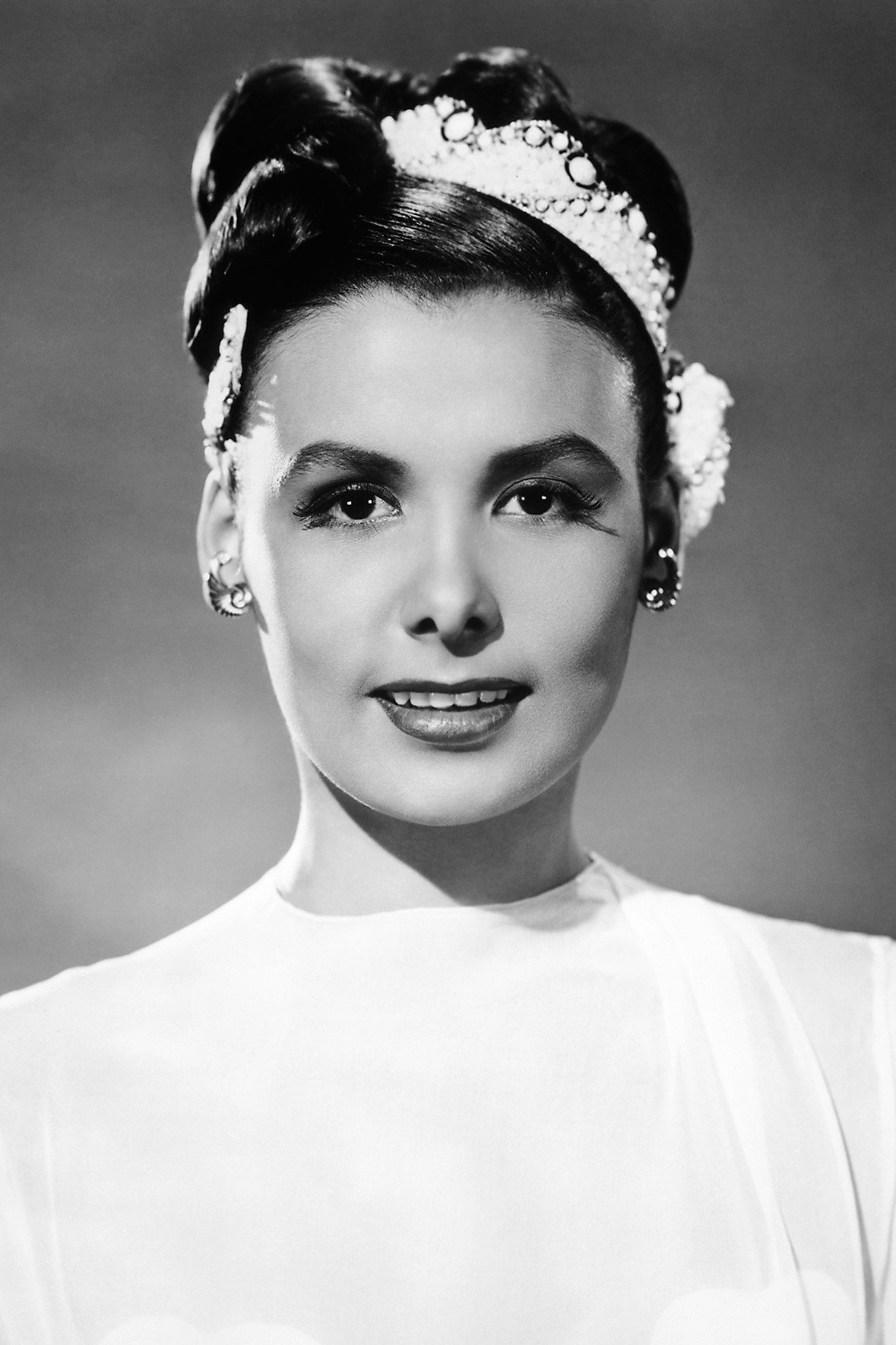
Horne was the first Black performer signed to a long-term contract with a major studio, but she hated that MGM didn’t know what to do with her. She was often cast in standalone musical numbers that could be easily cut for screenings in the South. Horne resented being used as window dressing and denied substantial acting roles because of her race. She felt her talent was wasted on a system that only wanted her for her beauty and voice, not her acting.
Dorothy Dandridge
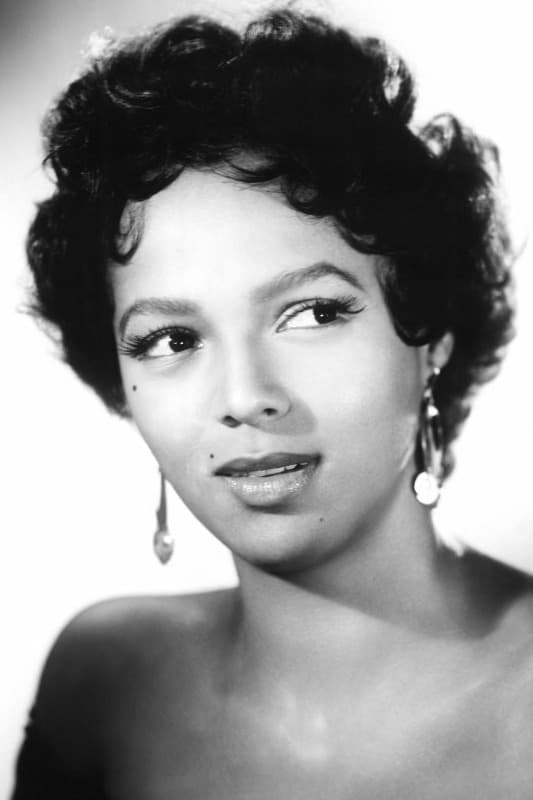
Dandridge was the first Black woman nominated for a Best Actress Oscar, but she hated the “tragic mulatto” roles she was confined to. She famously despised the character of Bess in ‘Porgy and Bess’, feeling it was a degrading stereotype of a drug-addicted, loose woman. Dandridge wanted to play strong, complex characters but was trapped by the limited imagination of 1950s Hollywood. Her frustration with these roles contributed to her personal unhappiness.
Pam Grier
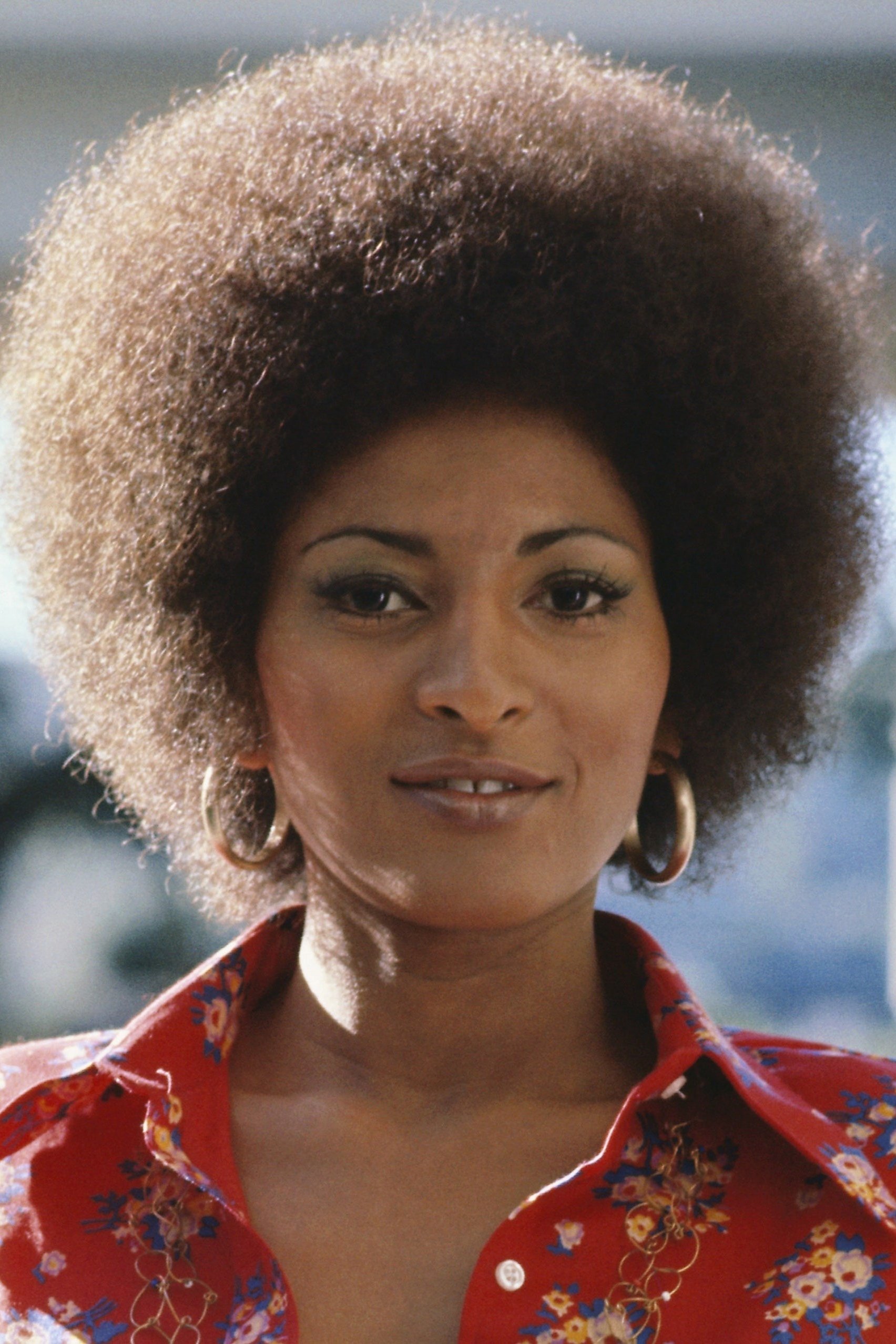
While Grier is an icon of the Blaxploitation era, she eventually grew tired of the repetitive, violent, and hyper-sexualized nature of the roles. She turned down many scripts later in her career that tried to cash in on her “Foxy Brown” image. Grier felt that the genre, while empowering in some ways, also trapped her in a box that was hard to escape. She wanted to be seen as a serious actress, not just an action figure.
Jada Pinkett Smith
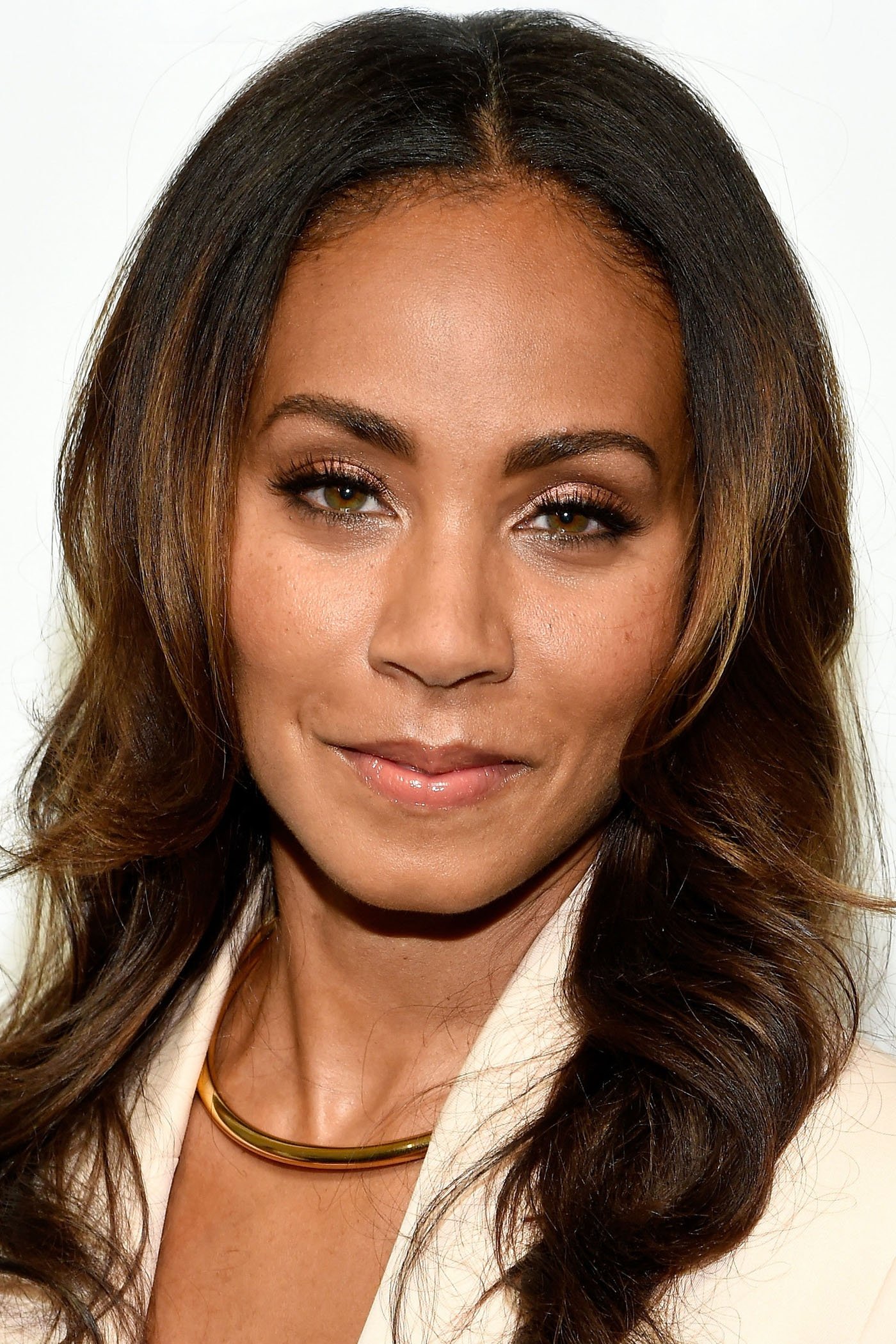
Smith starred in the romantic comedy ‘Woo’, a film that was a critical and commercial flop. She has largely distanced herself from the movie, which presented a chaotic and unlikeable main character. The production was reportedly troubled, and the final product was disjointed. It remains a blemish on her filmography that she rarely discusses.
Regina King
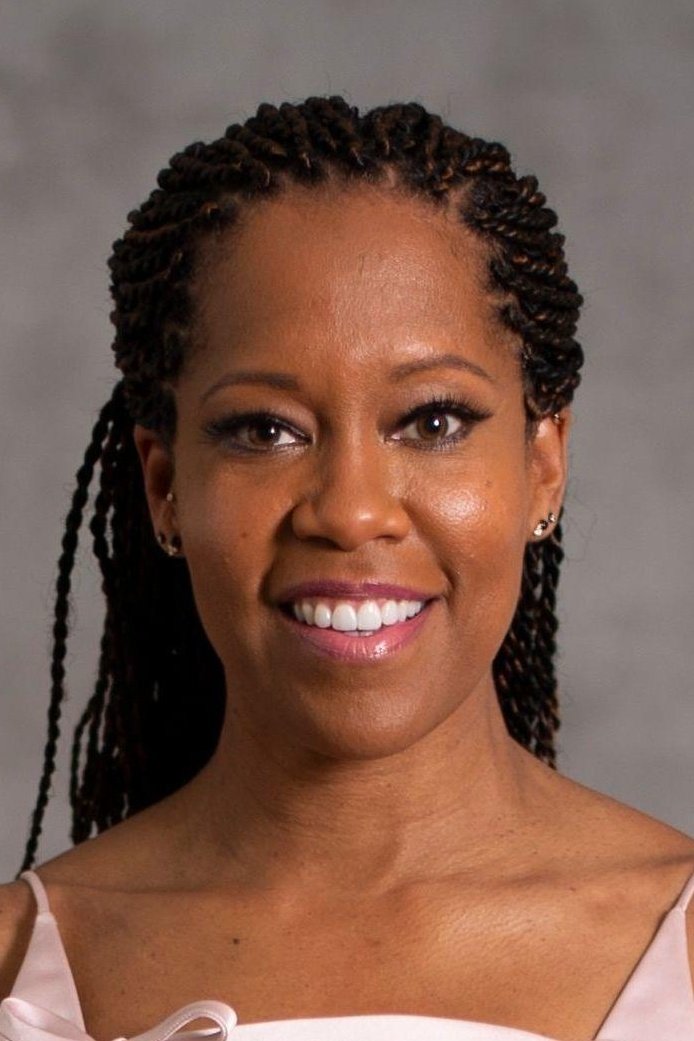
King voiced both Huey and Riley Freeman in ‘The Boondocks’, but she has expressed some conflict over the use of the N-word in the show. While she loved the satire, she sometimes worried about how the language would be received by younger audiences. However, her main gripe with roles came earlier in her career when she was often cast as the “homegirl” or sidekick. She had to fight hard to break out of that typecasting to be taken seriously as a dramatic actress.
Sanaa Lathan
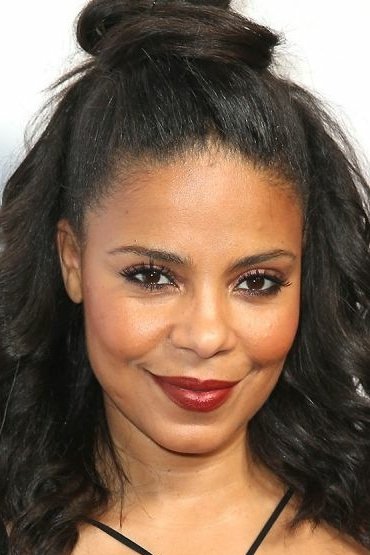
For the film ‘Nappily Ever After’, Lathan had to shave her head on camera, an experience she described as traumatic and emotionally difficult. While she didn’t hate the character, the physical transformation caused her significant distress and anxiety. She felt naked and vulnerable, challenging her own perceptions of beauty. The role forced her to confront deep-seated insecurities in a very public way.
Tiffany Haddish
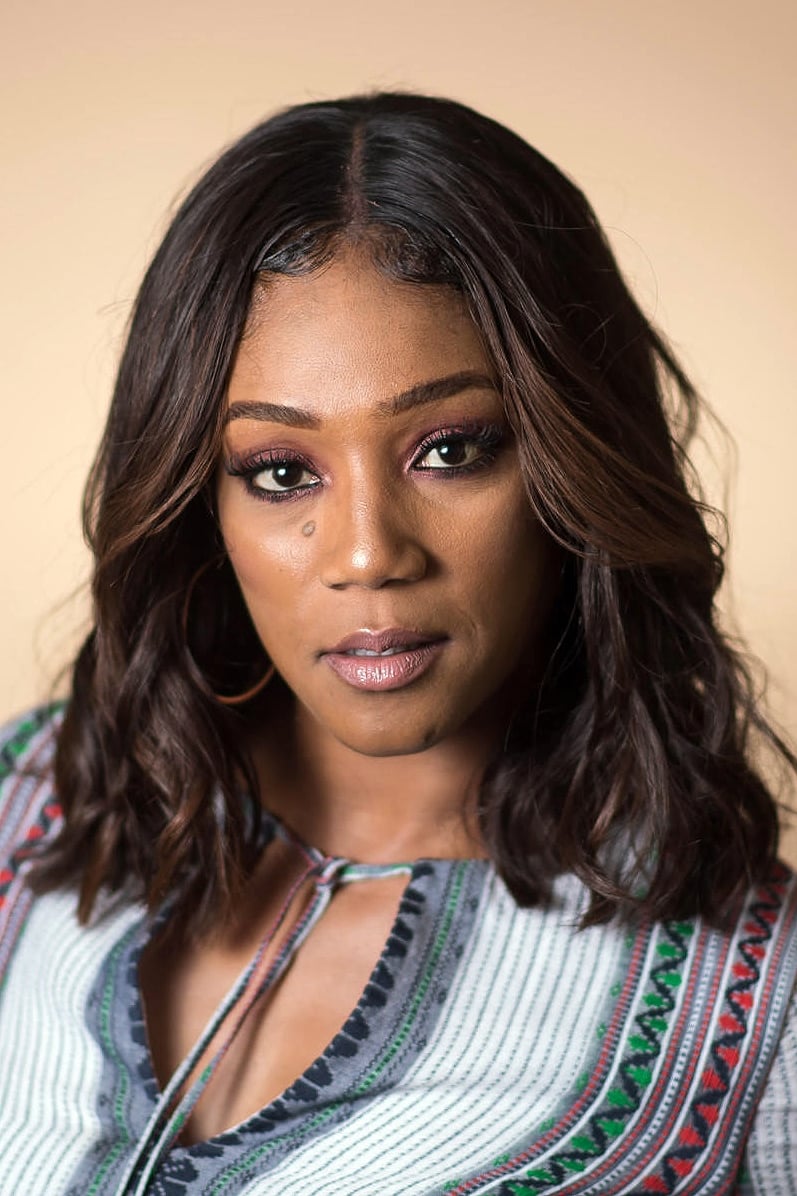
Haddish has expressed regret over some of her early roles where she felt she had to play up stereotypes to get work. She has spoken about being encouraged to be “more ghetto” by casting directors. Haddish hated feeling like she had to perform a caricature of Black womanhood to be employed. As she gained power, she vowed to take roles that showed more range and humanity.
Mo’Nique
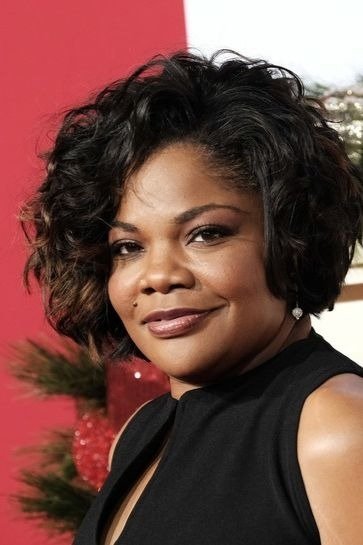
Mo’Nique won an Oscar for ‘Precious’ but was subsequently blackballed by the industry for refusing to campaign for free. She has expressed deep anger at how the studios treated her after she delivered the performance of a lifetime. While she stands by her work, the aftermath made her relationship with the role and the film’s producers incredibly bitter. She felt punished for knowing her worth and refusing to play the Hollywood game.
Lupita Nyong’o
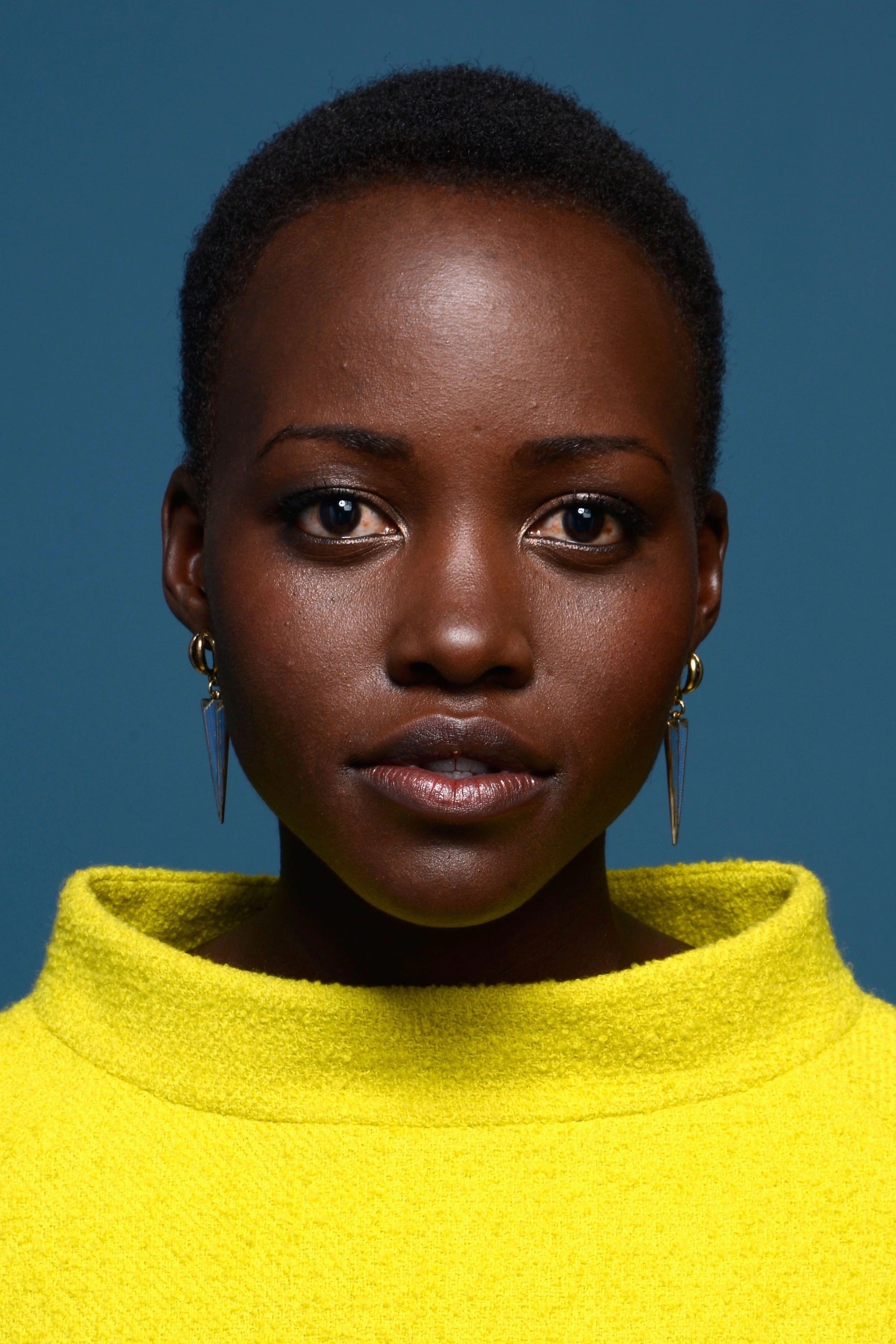
Nyong’o played the dual roles of Adelaide and Red in ‘Us’, and the voice she created for Red caused her physical damage. She developed spasmodic dysphonia from the strain of doing the raspy voice, which terrified her. Nyong’o felt she had sacrificed her health for the character and feared she had permanently damaged her vocal cords. The physical toll made the role a painful experience to look back on.
Sonequa Martin-Green
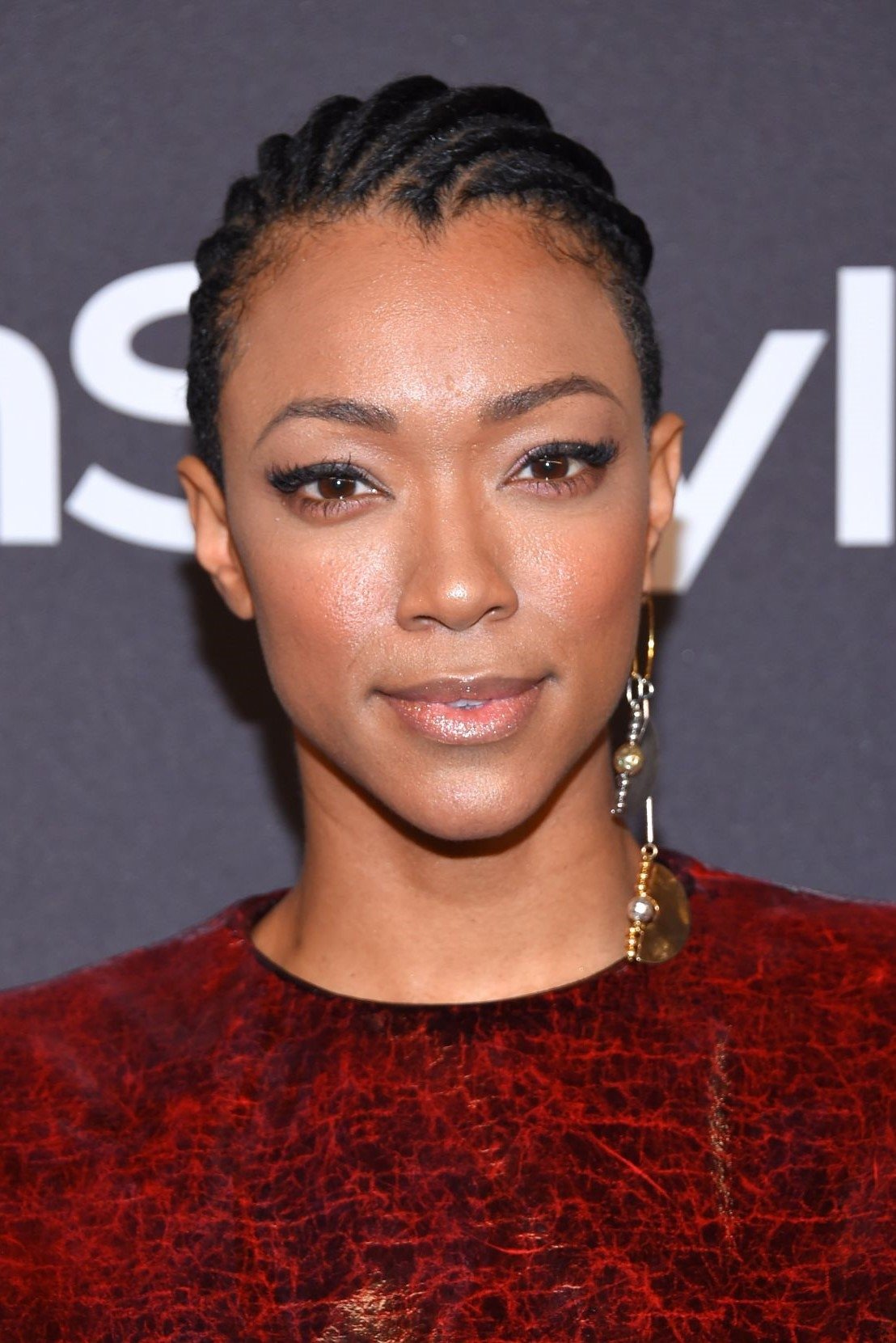
As the lead of ‘Star Trek: Discovery’, Martin-Green faced a barrage of racist backlash from so-called fans who hated a Black woman captaining a ship. She had to maintain a dignified silence while being the target of hateful internet campaigns. The actress felt the weight of carrying the franchise while being attacked for her mere existence. It cast a shadow over what should have been a celebratory career milestone.
Moses Ingram
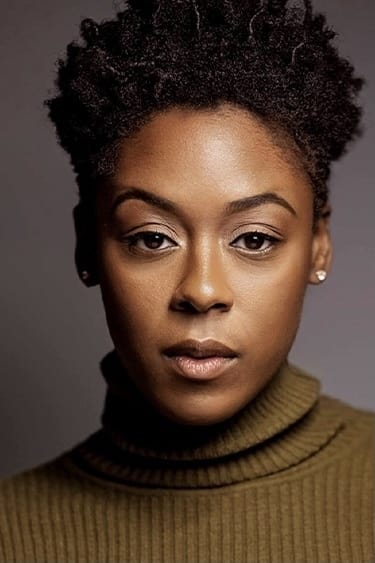
Ingram played Reva in ‘Obi-Wan Kenobi’ and was warned by Lucasfilm ahead of time about the racism she would likely face. Despite the warning, the intensity of the hate mail and online abuse was shocking. Ingram felt the pressure of entering a beloved franchise where a vocal minority was determined to hate her character. She had to publicly address the racism, which distracted from her performance.
Lashana Lynch

Lynch played the new 007 in ‘No Time to Die’ and immediately became a target for misogynistic and racist abuse. She had to delete her social media apps to avoid the vitriol directed at her character replacing James Bond. Lynch felt the burden of representing a progressive shift in a franchise that some fans wanted to keep in the past. The negativity forced her to emotionally detach from the online discourse to protect her peace.
Which of these casting stories surprised you the most—share your thoughts in the comments!