Cancelled Netflix TV Series that Are Still Worth Checking Out


Netflix has greenlit hundreds of original series—and ended many of them early. Even so, plenty of scrapped shows still deliver complete, compelling stories across one or more seasons, with memorable casts, distinctive worlds, and strong production values. Whether you’re into sci-fi, crime, fantasy, comedy, or YA drama, there are cancelled titles that remain easy to recommend because the episodes that do exist are polished and self-contained enough to enjoy on their own terms.
Below is a hand-picked guide to 25 Netflix shows that were cancelled yet remain absolutely watchable. For each entry you’ll find the premise, key creators and cast, how many seasons and episodes were produced, notable production details, and—where relevant—why the series ended. Use it to discover what you might have missed, or to finally queue up that talked-about title you never started.
‘The OA’ (2016–2019)
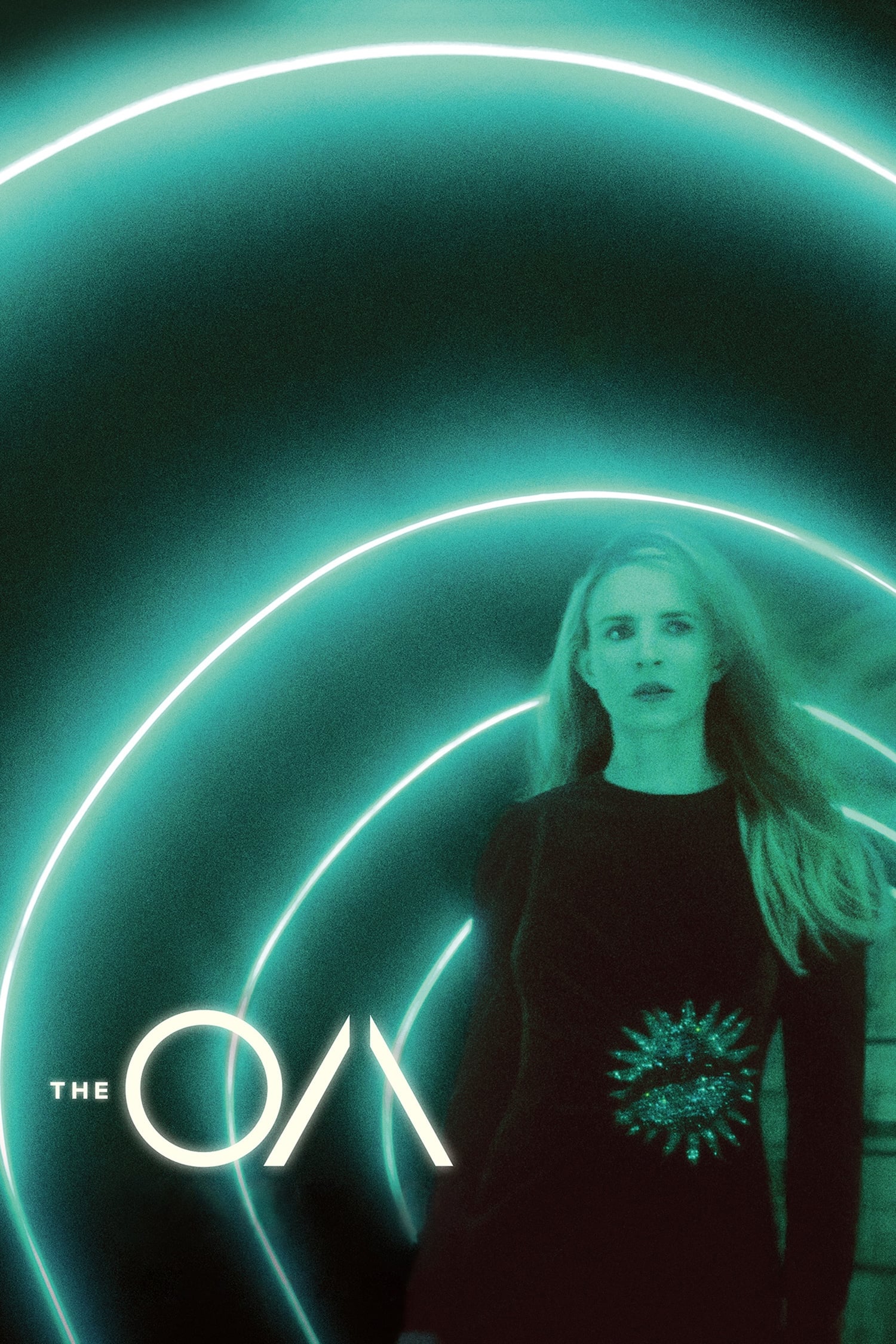
Created by Brit Marling and Zal Batmanglij, ‘The OA’ blends mystery, science fiction, and metaphysical drama across two seasons totaling 16 episodes. It follows a formerly missing woman who returns with new scars, a new name, and a mission that involves five strangers and a story she insists must be told in a very particular way. The cast includes Brit Marling, Emory Cohen, Jason Isaacs, Phyllis Smith, and Kingsley Ben-Adir.
The series is known for its chapter-like structure, extensive original choreography embedded into the narrative, and multi-location production that spans small-town America to European settings. Netflix ended the show after its second season, leaving planned future parts unproduced, but the existing run forms two distinct arcs with clear thematic through-lines and a complete production package—score by Rostam Batmanglij, meticulous sound design, and inventive visual storytelling.
‘Sense8’ (2015–2018)
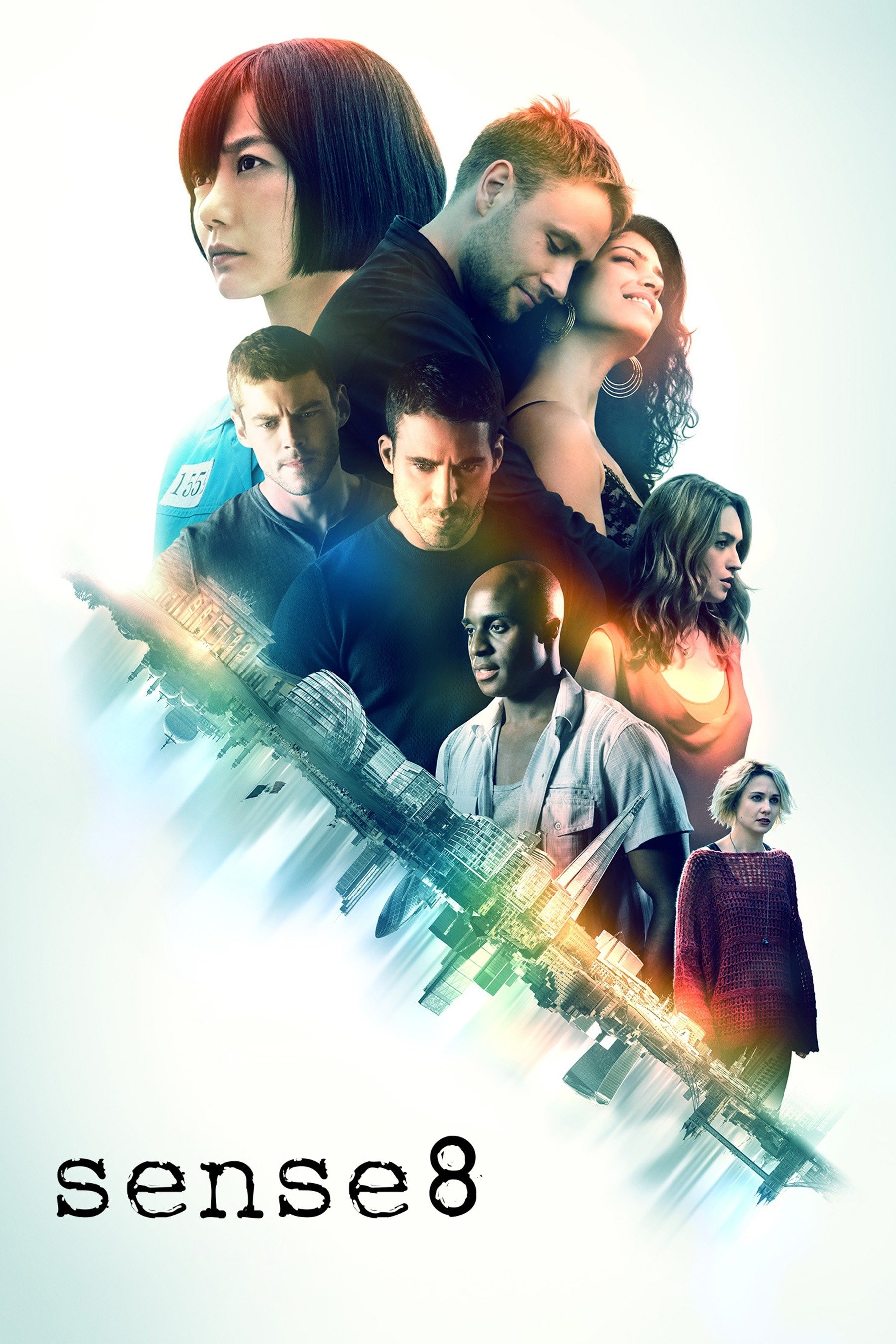
From Lana and Lilly Wachowski and J. Michael Straczynski, ‘Sense8’ tells the story of eight strangers around the globe who become psychically linked, sharing skills and emotions. Across two seasons and a feature-length finale, it showcases an international ensemble including Doona Bae, Max Riemelt, Tina Desai, Jamie Clayton, and Brian J. Smith.
The production famously filmed on location in cities including Seoul, Nairobi, Berlin, Mexico City, and San Francisco, coordinating cross-continental shoots to stage scenes where multiple characters inhabit the same space. Netflix cancelled the series after two seasons, later commissioning a wrap-up special that closes the main conflict and preserves the globetrotting craft that defined the show.
‘Mindhunter’ (2017–2019)
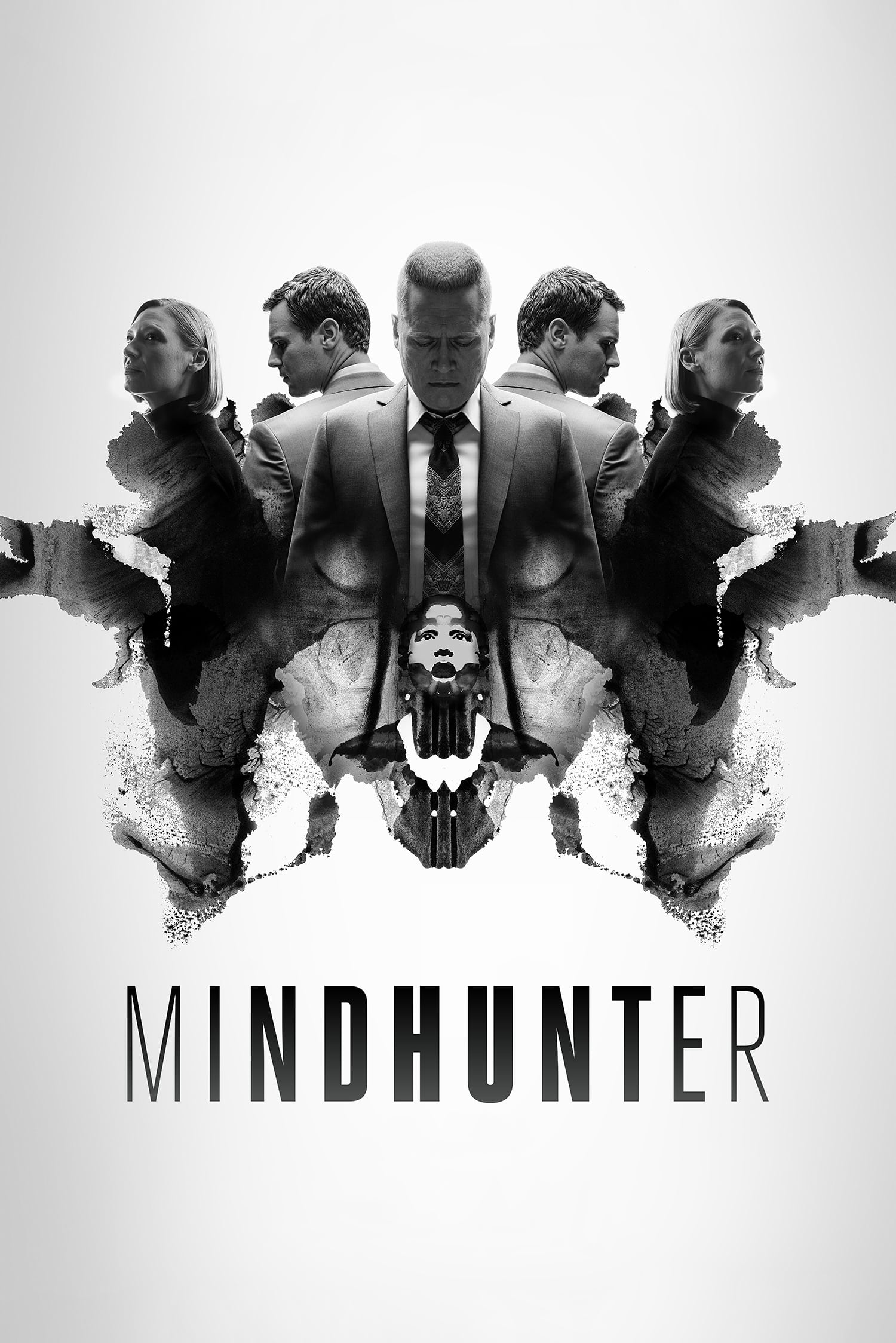
‘Mindhunter’ is a procedural-meets-character study developed by Joe Penhall with executive production and frequent direction by David Fincher. Over two seasons and 19 episodes, it follows FBI agents and a psychologist who pioneer criminal profiling by interviewing incarcerated offenders to understand active cases. The principal cast includes Jonathan Groff, Holt McCallany, and Anna Torv.
The show adapts material from the non-fiction book by John Douglas and Mark Olshaker, recreating period-accurate investigative methods, costuming, and production design. Though placed on indefinite hold and later confirmed not to be continuing, its existing seasons deliver full investigations, carefully staged interrogation sequences, and a detailed look at behavioral science inside a historically grounded framework.
‘GLOW’ (2017–2019)
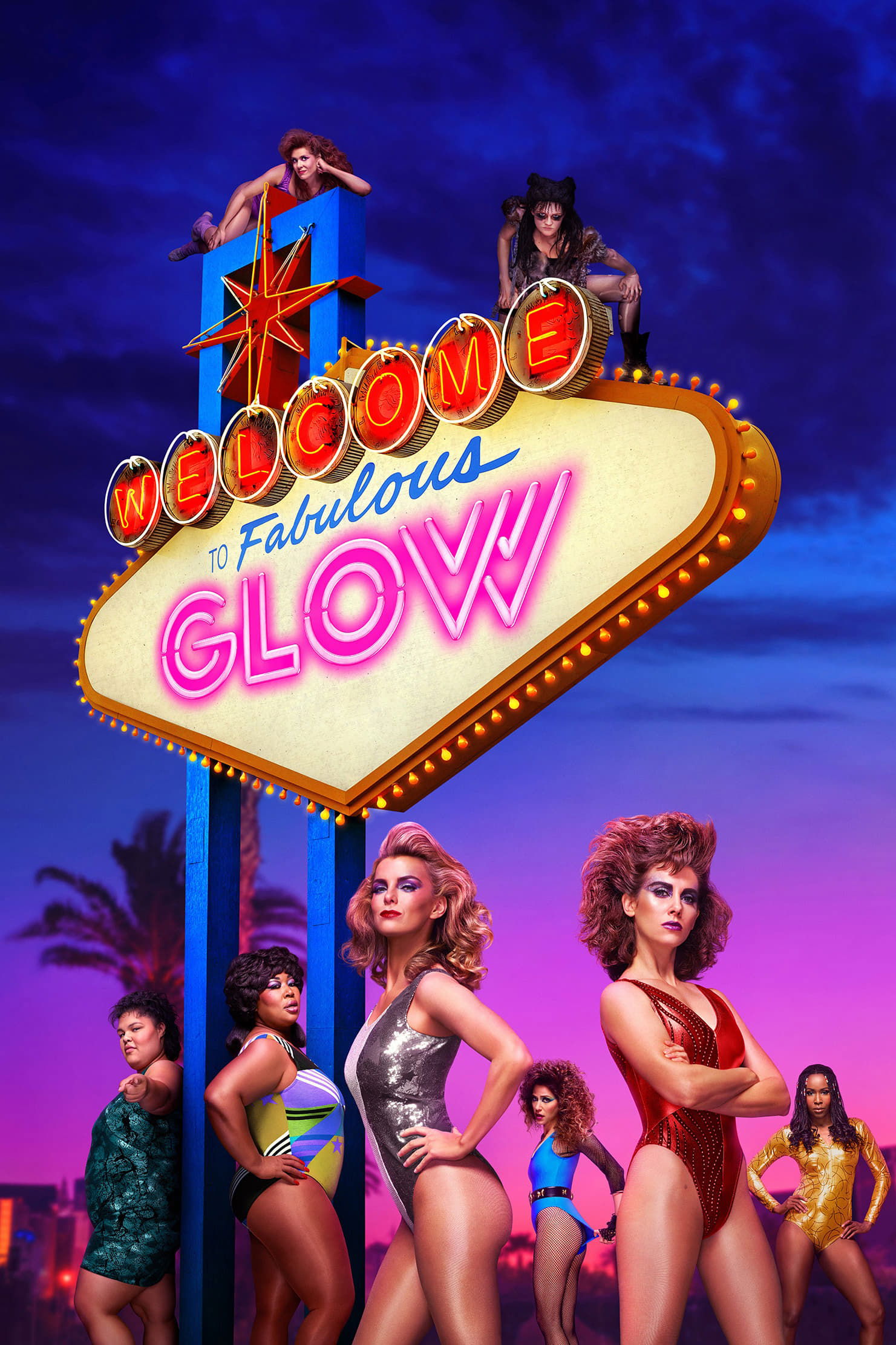
‘GLOW’ chronicles the formation of a women’s professional wrestling show in Los Angeles, following performers and producers as they build characters and navigate the business. Across three seasons and 30 episodes, it stars Alison Brie, Betty Gilpin, Marc Maron, Sydelle Noel, and Britt Baron, with creators Liz Flahive and Carly Mensch drawing inspiration from a real-life program of the same name.
The series combines stunt choreography with period production design, synthesizing training sequences, locker-room dynamics, and in-ring storylines. Netflix initially renewed it for a final season but reversed course due to pandemic-era constraints, leaving its produced episodes as a rich behind-the-scenes portrait of television craft, ensemble storytelling, and physical performance.
‘Santa Clarita Diet’ (2017–2019)
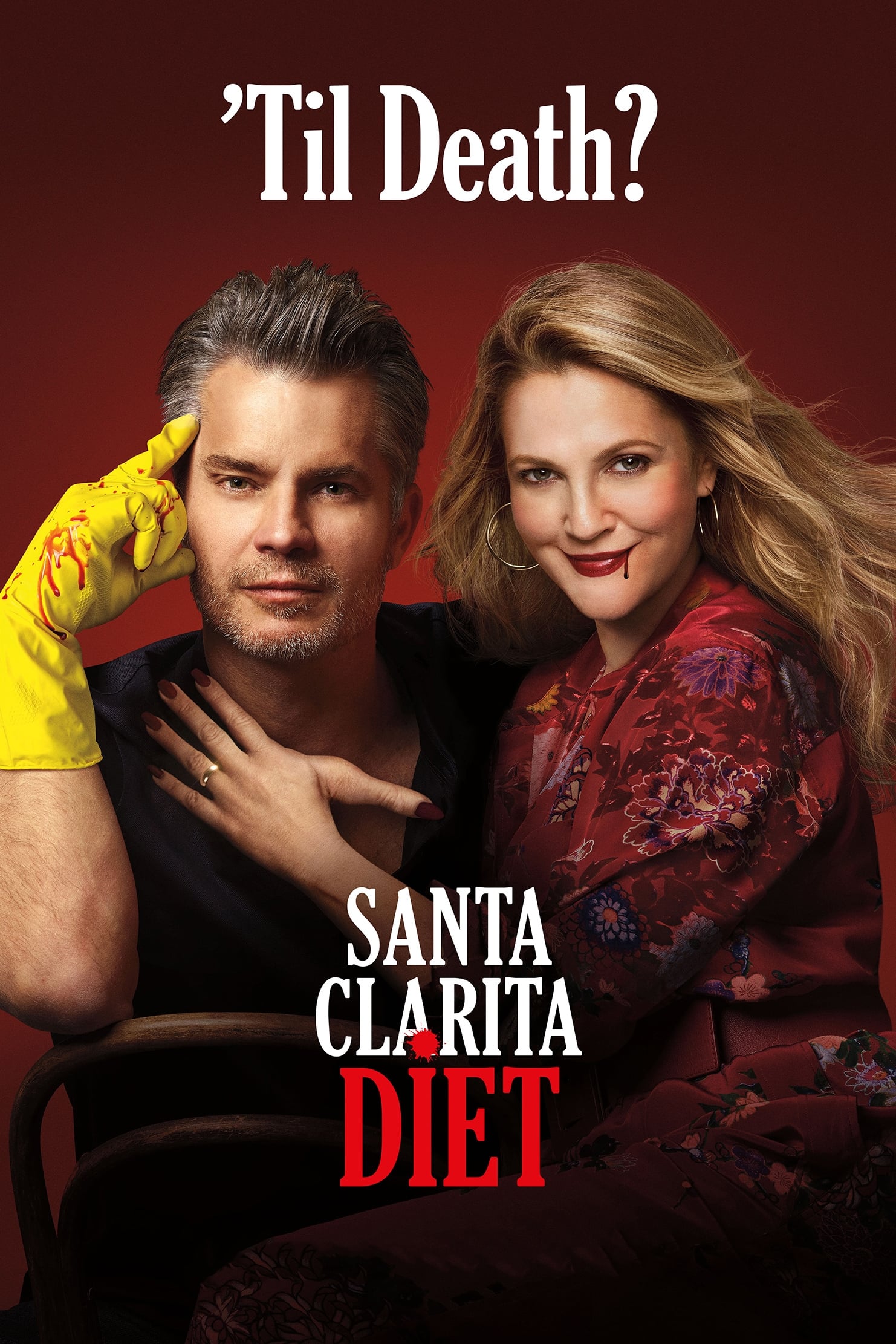
‘Santa Clarita Diet’ is a suburban horror-comedy starring Drew Barrymore and Timothy Olyphant as real-estate agents dealing with an unusual medical condition that changes their family routines and ethical calculus. Over three seasons and 30 episodes, the show tracks cover-ups, rivalries, and a network of curious investigators and neighbors.
Created by Victor Fresco, the series blends practical gore effects with brisk dialogue and a rotating set of antagonists and allies. Netflix cancelled the show after its third season, but each season presents a contained escalation of its central premise, supported by recurring performances from Liv Hewson, Skyler Gisondo, Natalie Morales, and Mary Elizabeth Ellis.
‘Altered Carbon’ (2018–2020)

Based on Richard K. Morgan’s novel, ‘Altered Carbon’ explores a future where consciousness can be transferred between bodies, upending law, class, and mortality. Two seasons and an animated special cover separate investigations led by the same protagonist in different sleeves, with Joel Kinnaman, Anthony Mackie, and Lela Loren headlining across the run.
The production features extensive VFX cityscapes, cyberpunk costuming, and stunt-heavy action sequences, with show design informed by concept art and neon-noir cinematography. Netflix cancelled the series following its second season, but the available episodes fully stage distinct cases, worldbuilding elements like stack technology and AI hotels, and interconnected side characters.
‘The Get Down’ (2016–2017)
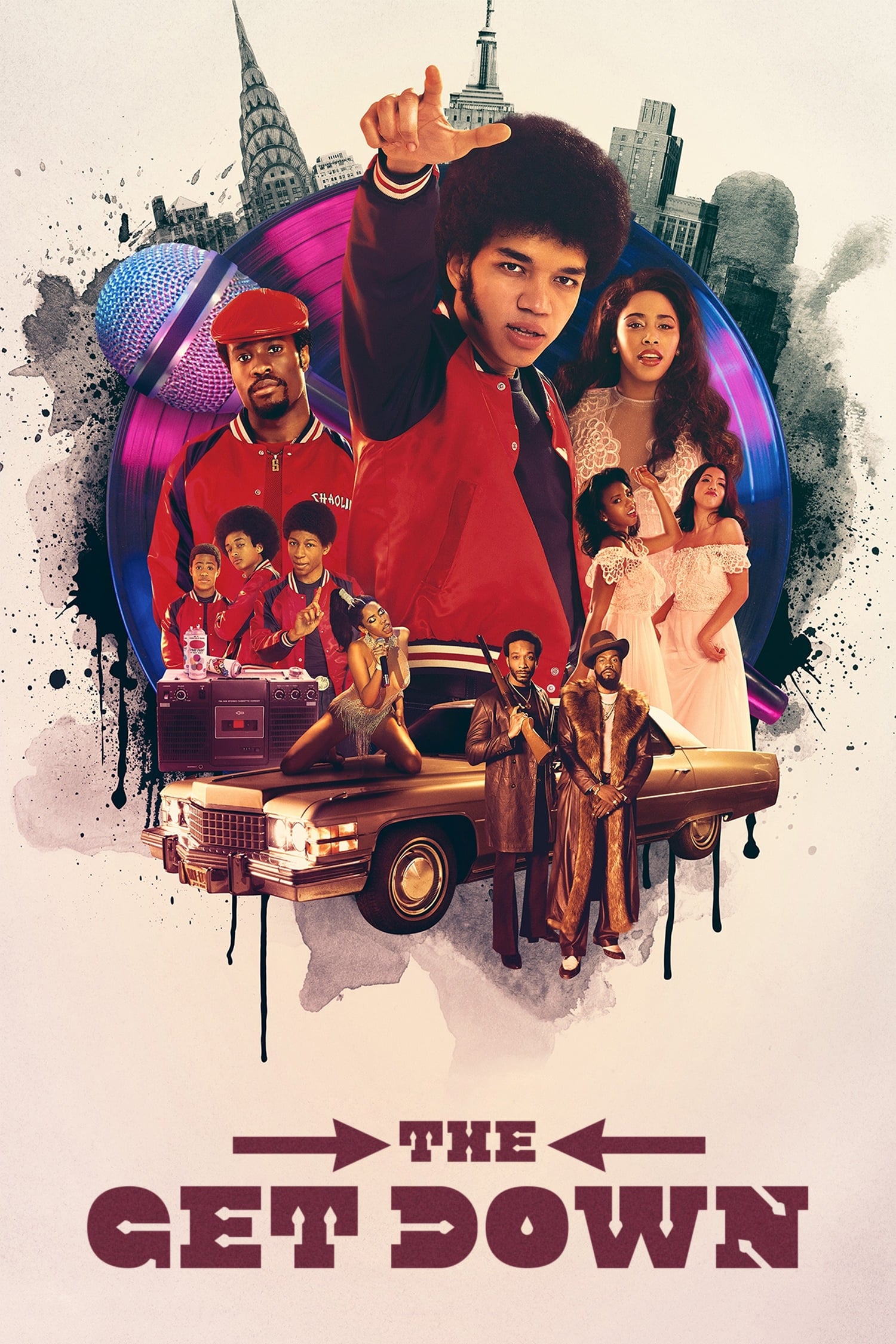
Baz Luhrmann and Stephen Adly Guirgis created ‘The Get Down’, a musical drama about the rise of hip-hop and the evolution of disco in the South Bronx. The two-part first season (12 episodes total) features Justice Smith, Shameik Moore, Herizen Guardiola, and Yahya Abdul-Mateen II, and incorporates archival-style narration and period detail.
The series blends staged performances, DJ culture, graffiti, and neighborhood politics, with original music and choreography woven into the plot. Despite high per-episode costs leading to its cancellation, the completed run documents a pivotal cultural moment with stylized direction, location shooting, and a large supporting cast of real-world artists and industry figures.
‘The Dark Crystal: Age of Resistance’ (2019)
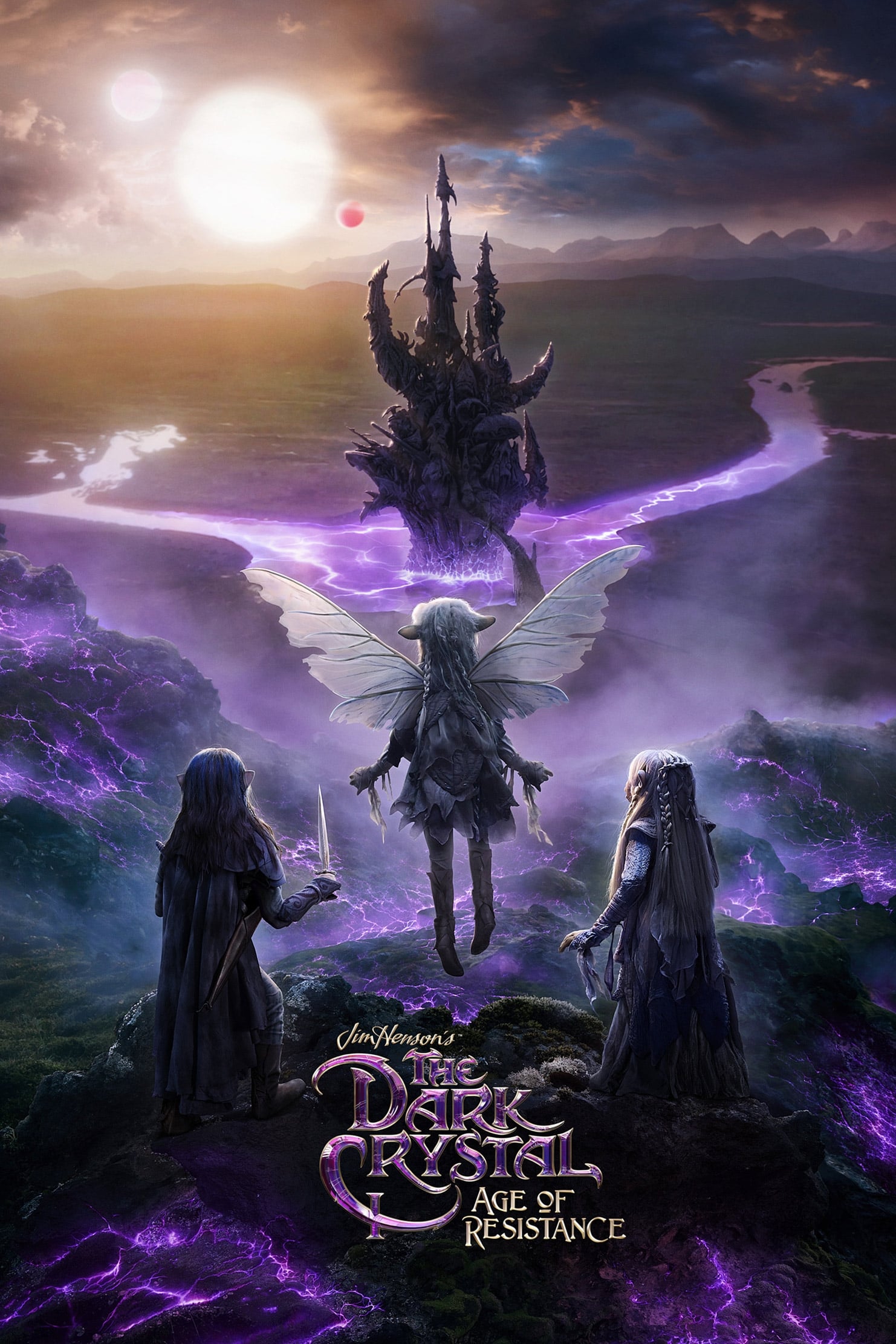
A prequel to Jim Henson’s classic, ‘The Dark Crystal: Age of Resistance’ returns to the world of Thra using advanced puppetry and practical effects. Its 10-episode season features voice performances from Taron Egerton, Anya Taylor-Joy, Nathalie Emmanuel, Lena Headey, and Mark Hamill, among others.
The production used extensive creature design, miniature work, and in-camera techniques, supplemented by visual effects to enhance environments and magic. Netflix did not proceed with additional seasons, but the existing episodes tell a complete rebellion arc within the established mythology, accompanied by a behind-the-scenes special that documents puppeteering processes and workshop craftsmanship.
‘One Day at a Time’ (2017–2019)
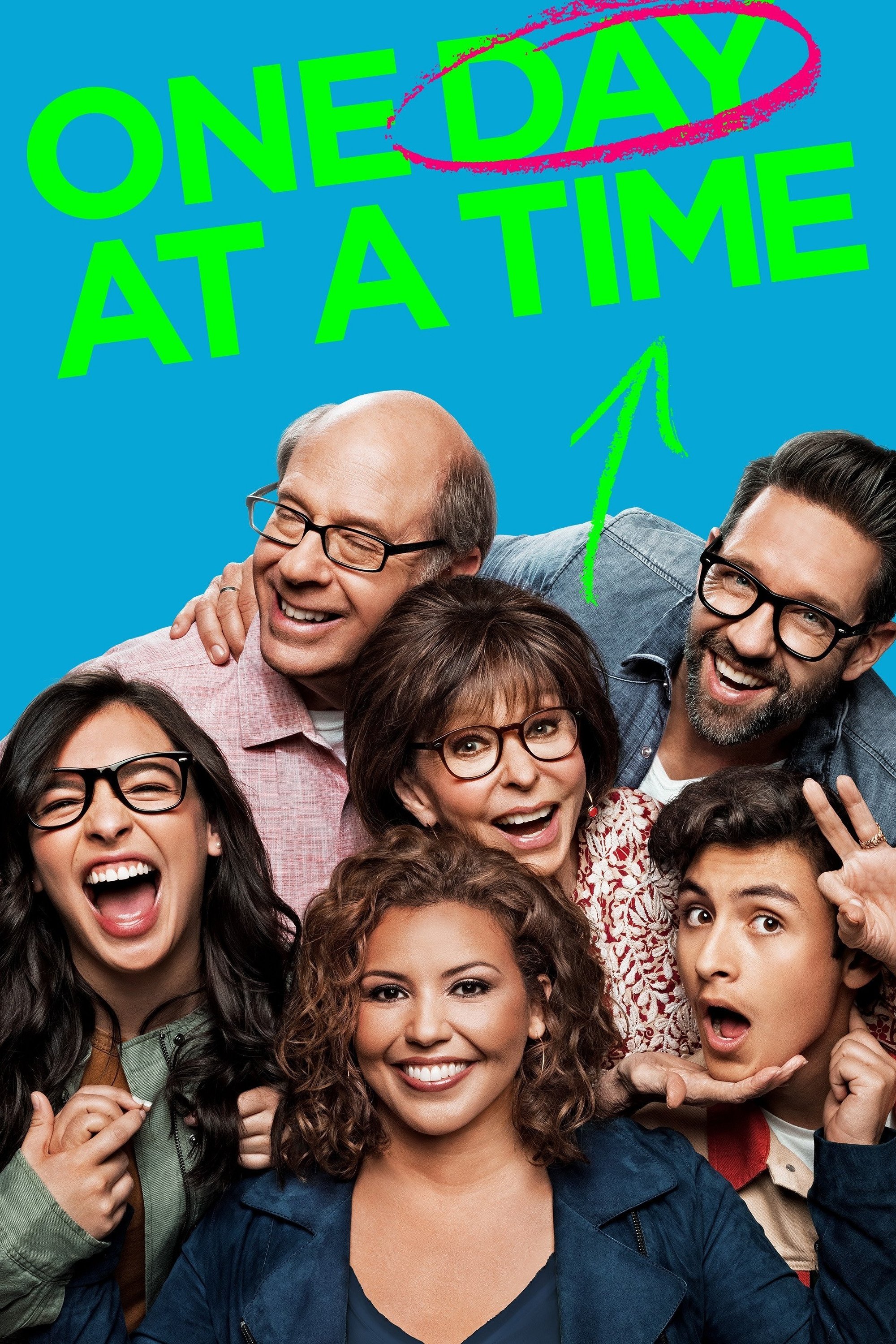
‘One Day at a Time’ reimagines Norman Lear’s sitcom with a Cuban American family at its center, led by Justina Machado and Rita Moreno. Across three Netflix seasons, it addresses family, work, and intergenerational dynamics through multi-camera comedy with recurring guest stars and a rotating set of workplace and school settings.
The show transitioned to another network after Netflix ended its run, producing additional episodes before concluding. The Netflix seasons stand on their own, featuring holiday specials, bottle episodes, and character-focused arcs, alongside theme-song and set-piece updates that pay homage to the original series.
‘Marco Polo’ (2014–2016)
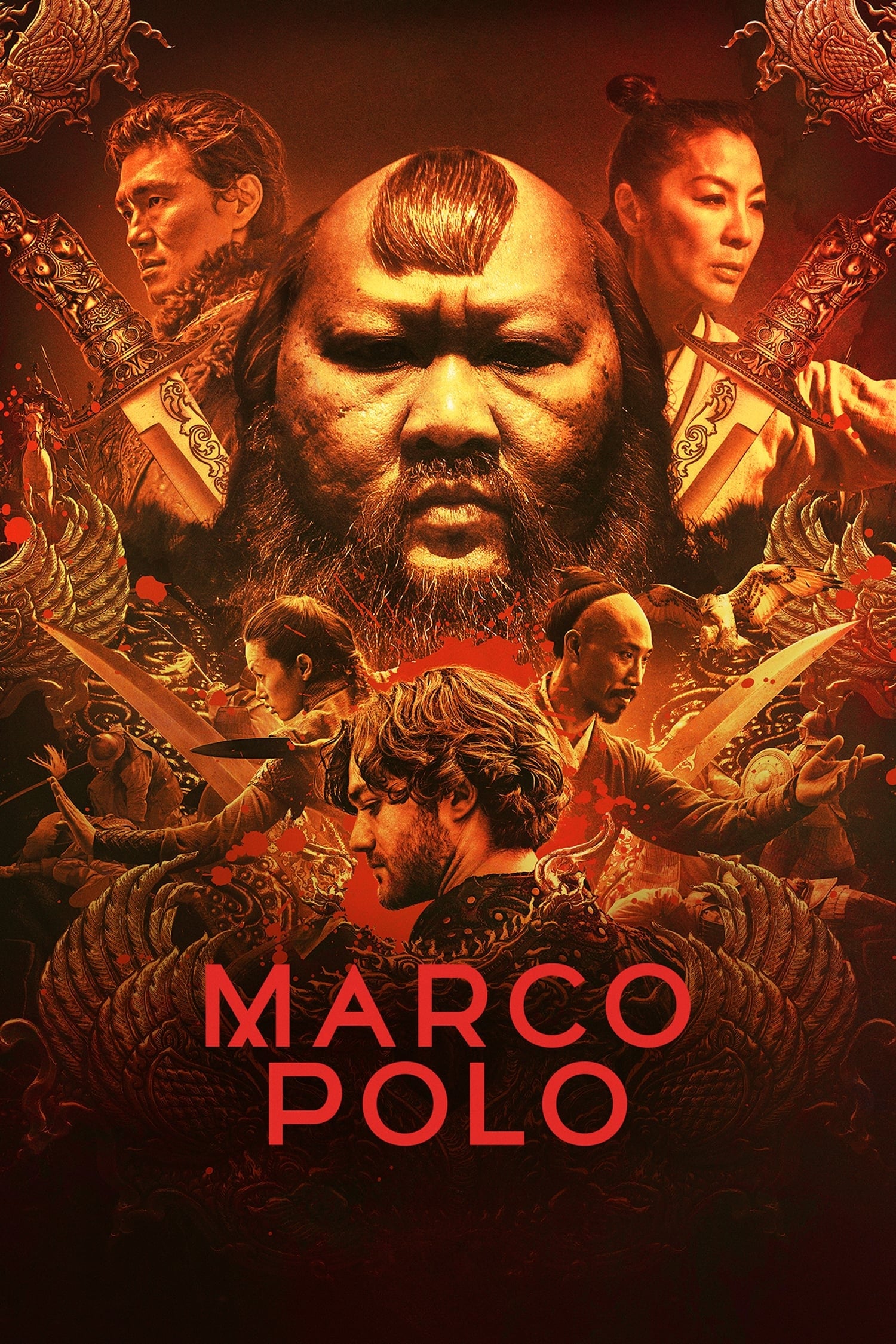
‘Marco Polo’ dramatizes the Venetian explorer’s early years at the court of Kublai Khan, combining palace intrigue, warfare, and cultural exchange. Over two seasons and 20 episodes, it stars Lorenzo Richelmy, Benedict Wong, Zhu Zhu, and Tom Wu.
The series was produced on a large scale with international locations, period armors and weapons, and martial-arts choreography. Netflix cancelled it after its second season, but the completed episodes cover major campaigns and diplomatic maneuvers, with production design that reconstructs the Mongol Empire’s court and frontier settings.
‘Hemlock Grove’ (2013–2015)
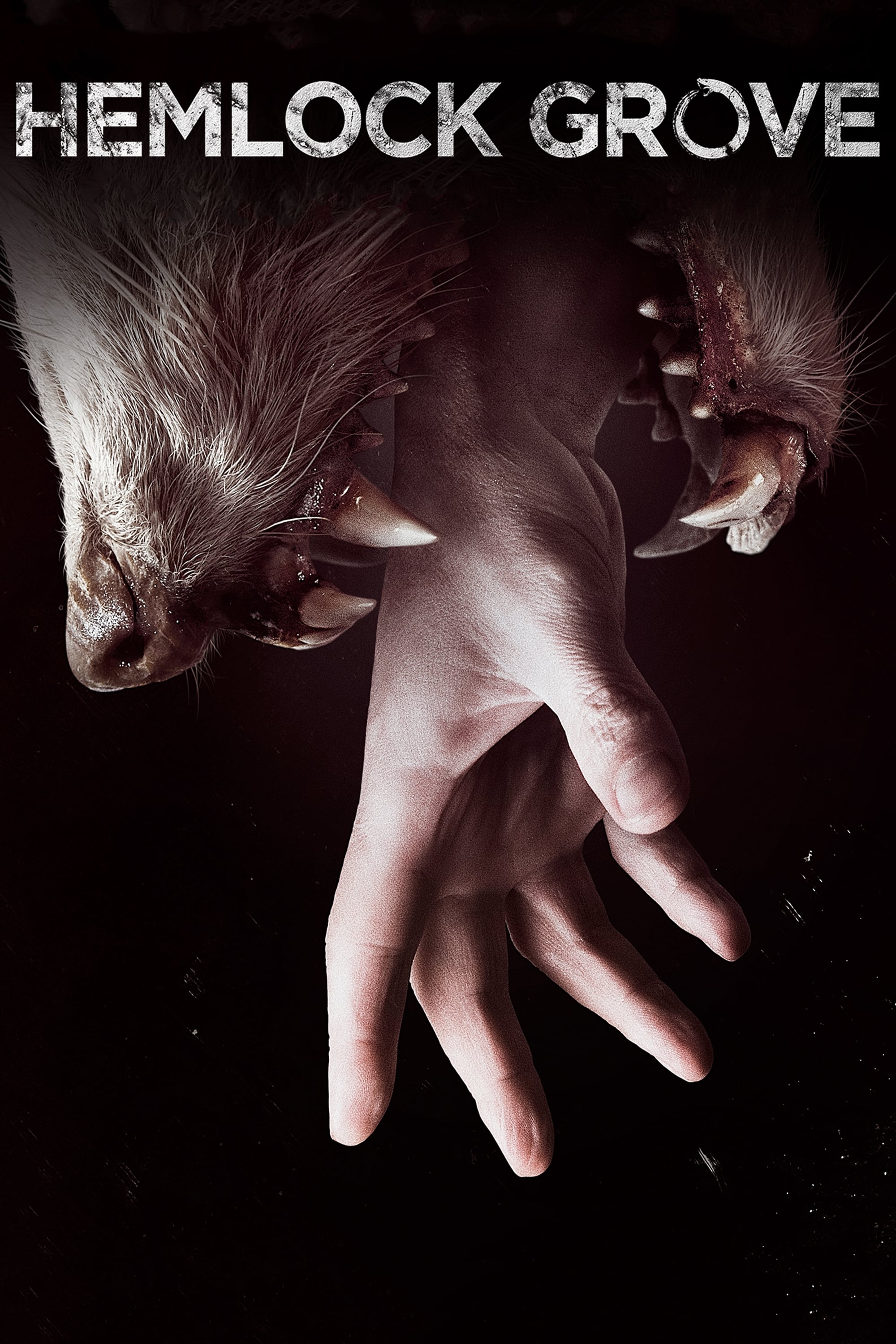
‘Hemlock Grove’ adapts Brian McGreevy’s novel about strange happenings in a Pennsylvania steel town, weaving together family secrets, biotech conspiracies, and shapeshifter lore. The cast includes Famke Janssen, Bill Skarsgård, Landon Liboiron, and Penelope Mitchell across three seasons.
As one of Netflix’s earliest originals, the series experimented with serialized horror on streaming, using prosthetics and early-generation Netflix VFX to depict transformations and creature design. Its run concludes with a third season that ties up primary conflicts, while the earlier episodes establish the town’s institutions, laboratories, and interfamily rivalries.
‘Everything Sucks!’ (2018)

Set in the ’90s, ‘Everything Sucks!’ follows high-schoolers in the AV club and drama club who collaborate on a homemade sci-fi film. The 10-episode season stars Peyton Kennedy, Jahi Di’Allo Winston, Sydney Sweeney, and Patch Darragh.
The show integrates period-specific props, music cues, and analog video workflows as story elements, depicting editing, location shooting, and school-based production hurdles. Netflix cancelled it after one season, but the episodes form a complete project-from-idea-to-premiere arc, capturing club politics, parent-teacher interactions, and creative problem-solving.
‘The Society’ (2019)
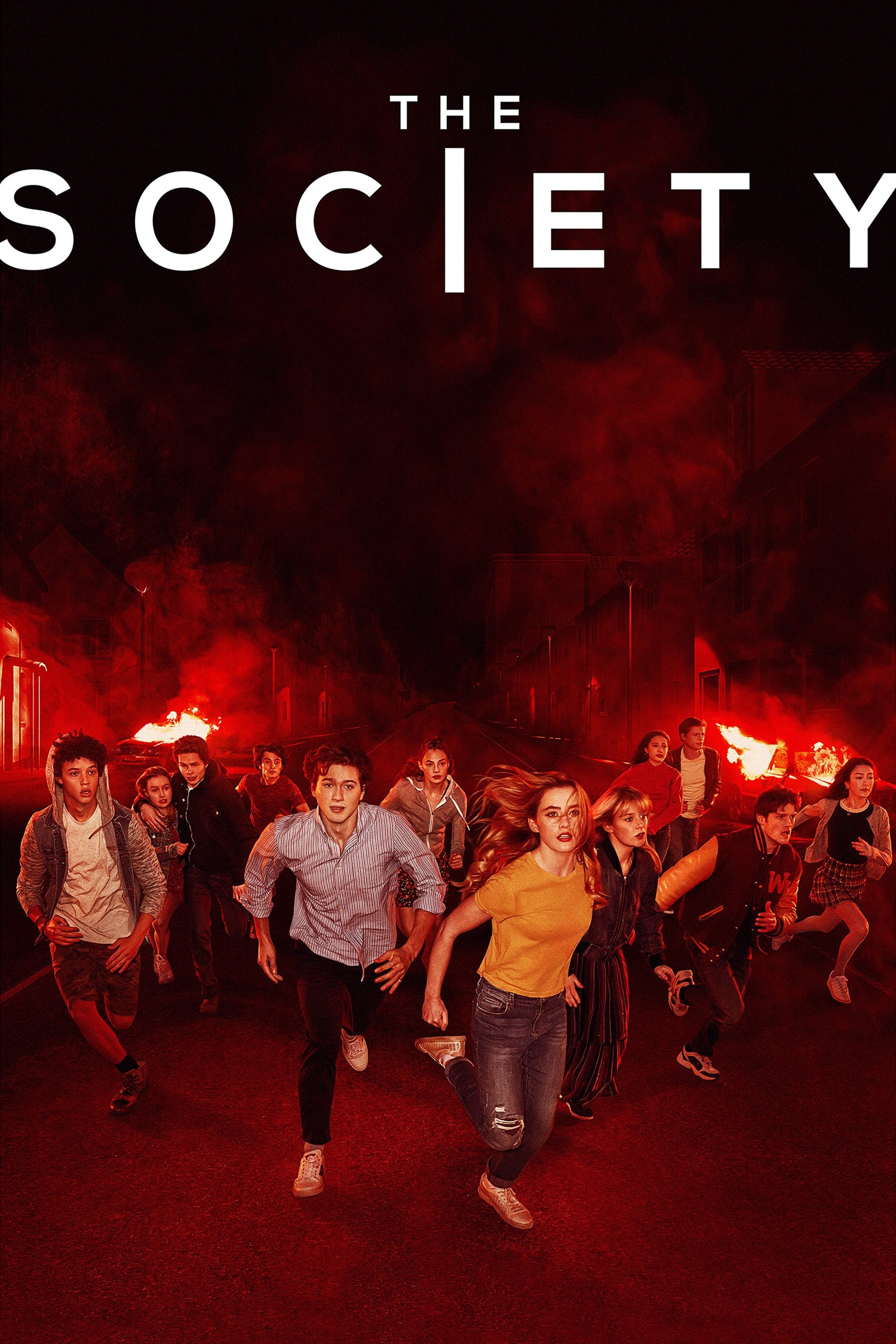
‘The Society’ centers on a group of teenagers who return from a trip to find their town mysteriously isolated, forcing them to establish rules, supply chains, and a system of governance. The ensemble includes Kathryn Newton, Gideon Adlon, and Olivia DeJonge.
The season explores resource management, health services, and emerging institutions such as councils and courts, using the town’s real infrastructure as both setting and plot device. Plans for a second season were cancelled during pandemic-related shutdowns, leaving a single season that still maps out community formation, security protocols, and conflict resolution.
‘I Am Not Okay with This’ (2020)
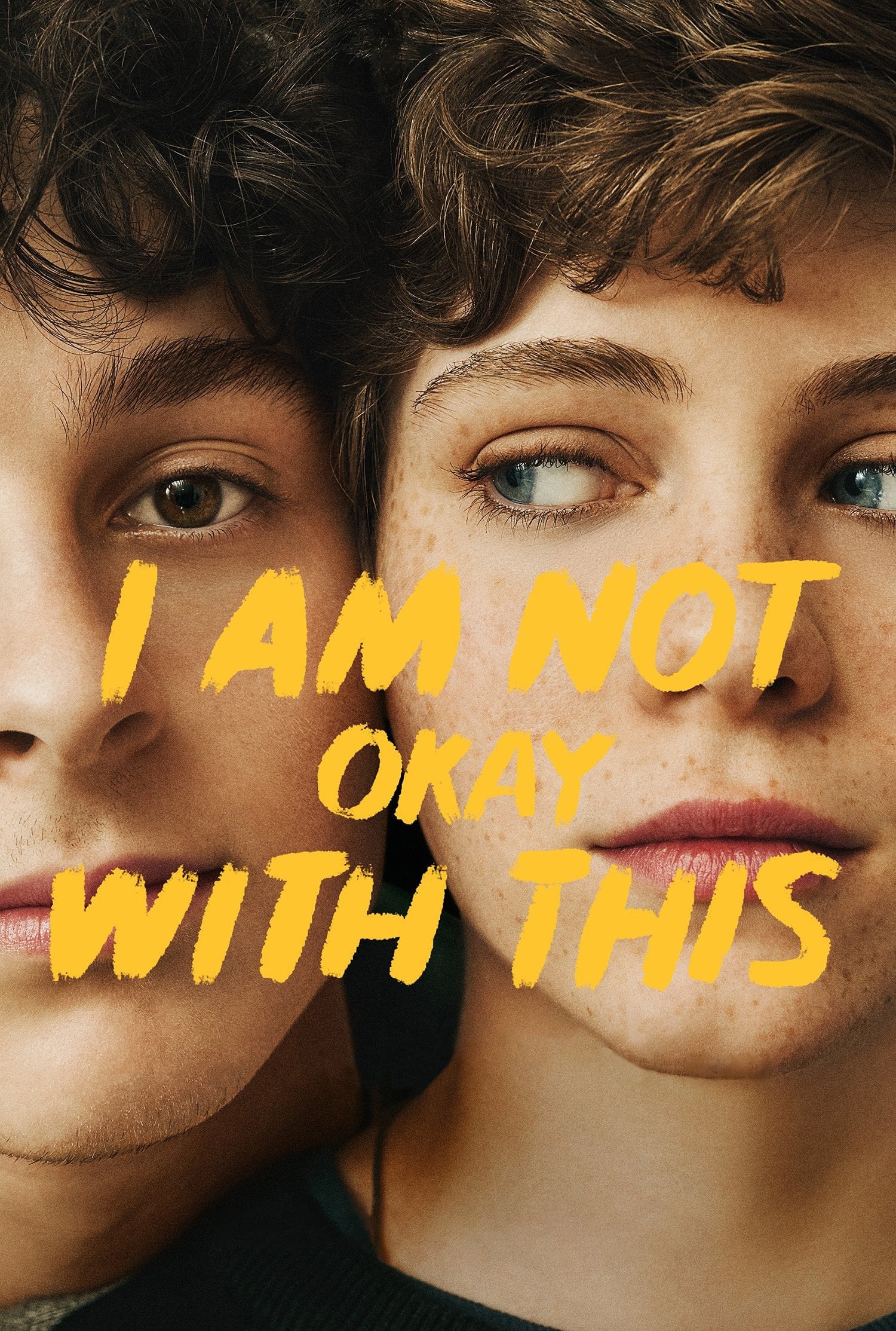
Based on Charles Forsman’s graphic novel, ‘I Am Not Okay with This’ follows a teenager confronting family issues and newfound abilities that amplify typical high-school challenges. The cast features Sophia Lillis, Wyatt Oleff, and Sofia Bryant across seven episodes.
The series incorporates diary narration, single-camera staging, and practical-effects-assisted set pieces to externalize internal states. A planned continuation was cancelled amid pandemic uncertainties, but the existing season tracks the development of friendships, school events, and investigations into the origins and limits of the abilities on display.
‘Teenage Bounty Hunters’ (2020)
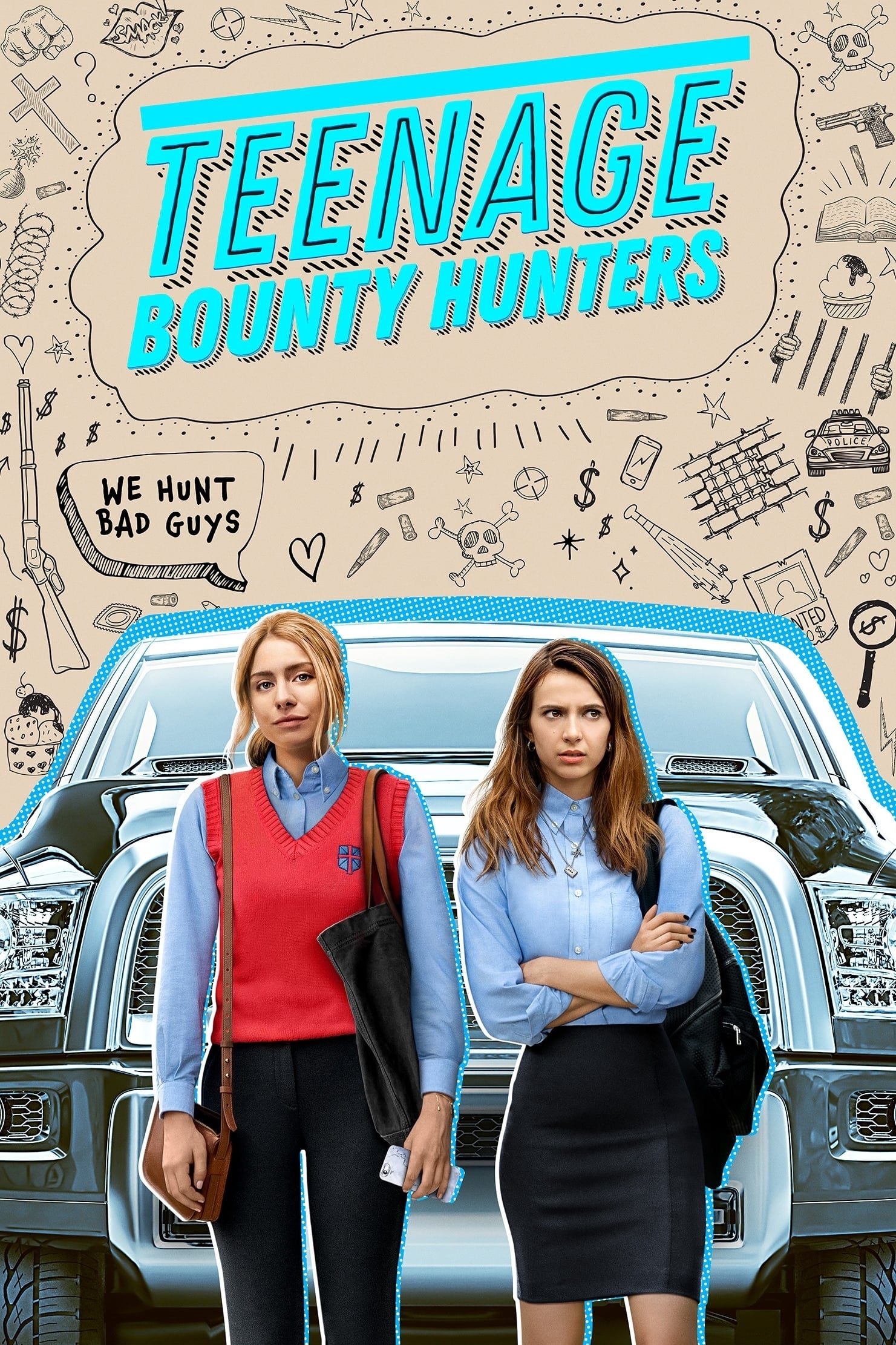
‘Teenage Bounty Hunters’ pairs twin students with a local bail recovery agent, balancing school life with off-hours assignments that require surveillance, negotiation, and improvisation. It stars Maddie Phillips, Anjelica Bette Fellini, and Kadeem Hardison in a 10-episode season.
The show mixes case-of-the-week elements with serialized family and school arcs, depicting gear acquisition, client management, and coordination with bondsmen and law enforcement. Netflix cancelled the series after one season, but the episodes collectively cover training, ethics of the job, and the administrative side of bounty work.
‘Cowboy Bebop’ (2021)
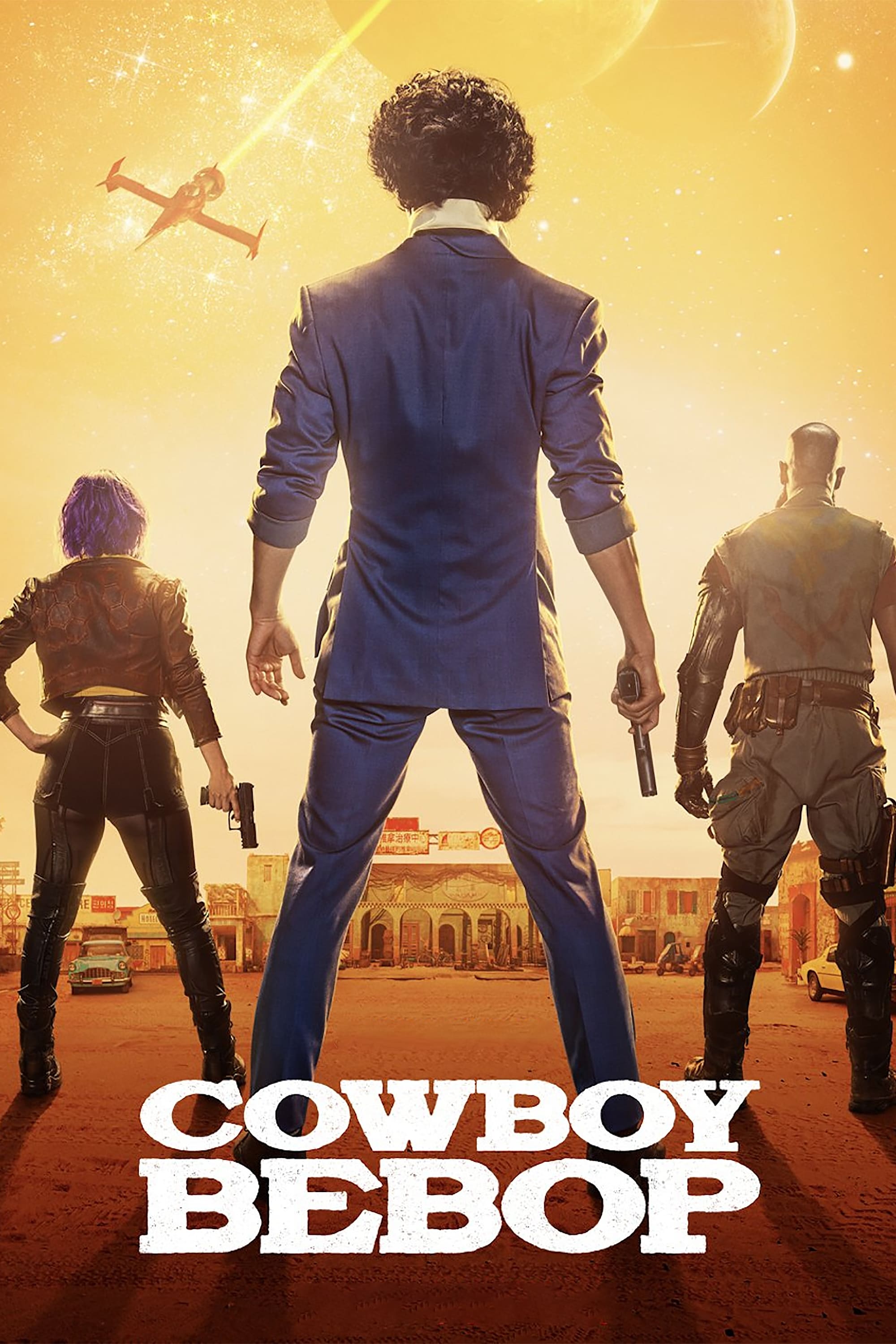
A live-action adaptation of the acclaimed anime, ‘Cowboy Bebop’ follows a crew of bounty hunters working cases across a colonized solar system. The season stars John Cho, Mustafa Shakir, and Daniella Pineda, and incorporates a new arrangement of the original’s music by Yoko Kanno.
Production recreated signature sets like the Bebop ship interior and Martian cityscapes, combining practical builds with digital backdrops. Netflix cancelled the series after one season, but the released episodes include multiple standalone bounties, expanded character backstories, and set-piece chases that highlight the adaptation’s staging and fight coordination.
‘Jupiter’s Legacy’ (2021)

Adapted from Mark Millar and Frank Quitely’s comics, ‘Jupiter’s Legacy’ contrasts the early days of a superhero team with the present-day generation inheriting its code. The season stars Josh Duhamel, Leslie Bibb, Ben Daniels, and Elena Kampouris.
The show alternates between origin-era expeditions and contemporary team management, using distinct cinematography, costuming, and makeup to separate timelines. Netflix ended the series after one season while commissioning related projects from the same universe; the existing episodes chart recruitment, power-set testing, and disagreements over conduct and accountability.
‘Archive 81’ (2022)
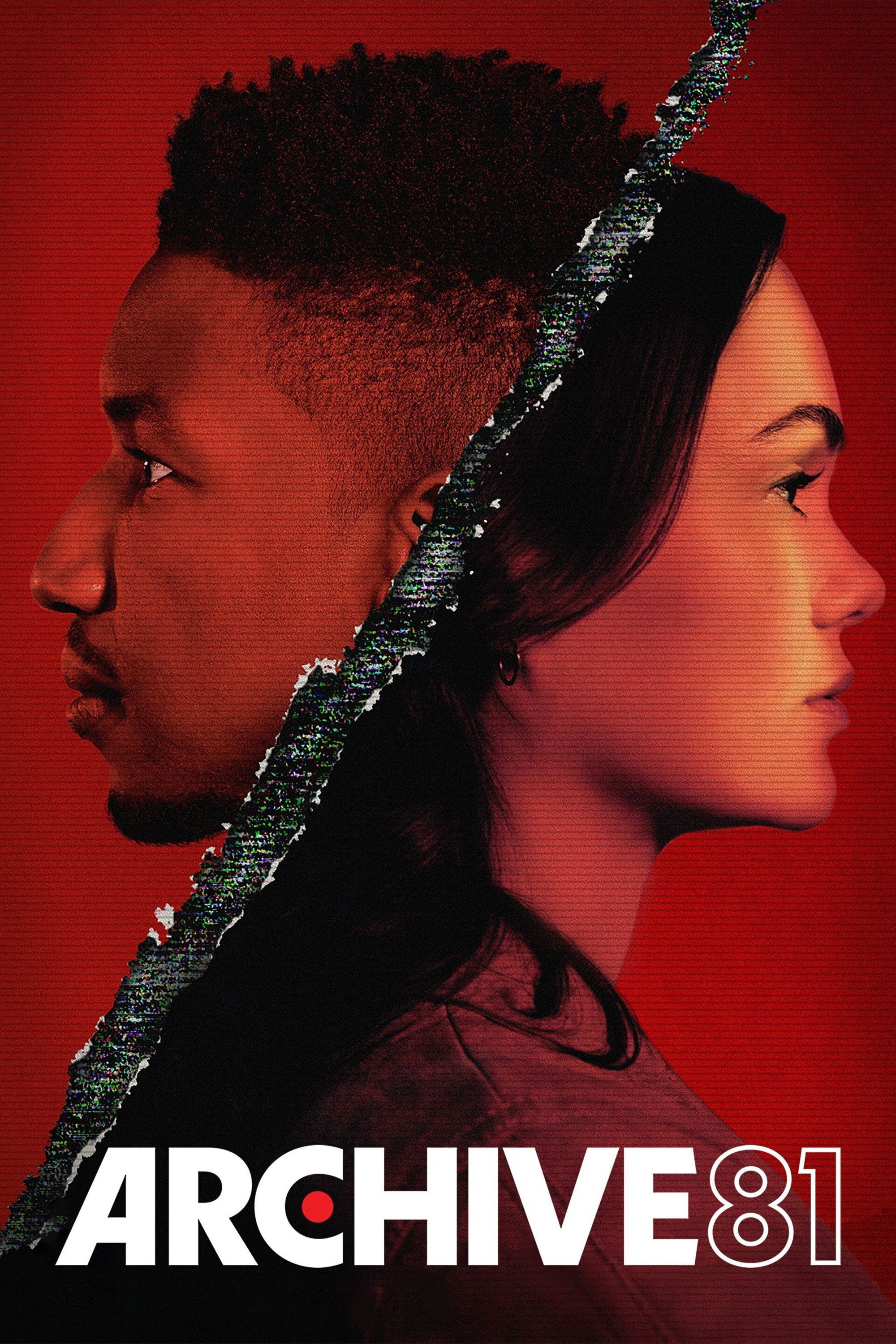
‘Archive 81’ adapts the found-audio podcast into a screen mystery about a video archivist restoring damaged tapes connected to a missing filmmaker and a cult. The eight-episode season stars Mamoudou Athie and Dina Shihabi.
The series emphasizes analog media preservation, showing restoration techniques, tape formats, and cataloging processes as integral plot mechanics. Netflix cancelled it after one season, but the run completes an investigation that ties together building histories, archival anomalies, and cross-referenced records from multiple sources.
‘The Midnight Club’ (2022)
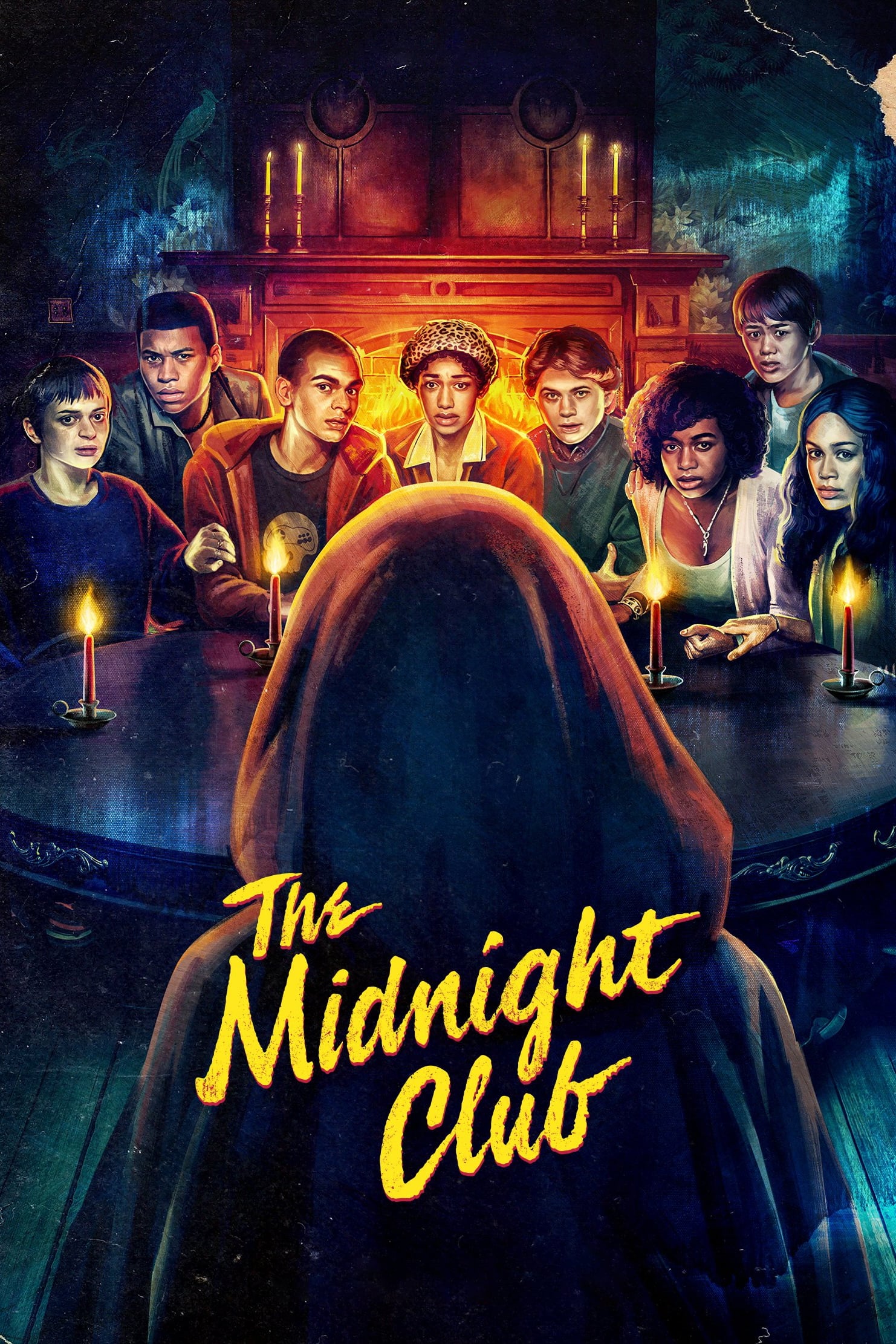
Based on works by Christopher Pike and developed by Mike Flanagan and Leah Fong, ‘The Midnight Club’ follows terminally ill teens who meet nightly to tell stories and uncover the history of their hospice. It stars Iman Benson, Igby Rigney, and Ruth Codd across 10 episodes.
The production uses a story-within-a-story format, staging distinct genres with dedicated set designs, props, and cinematographic choices for each tale. Although further seasons were not produced, the existing episodes document the club’s rituals, the facility’s prior occupants, and the investigative steps the characters take to trace folklore and records.
‘1899’ (2022)
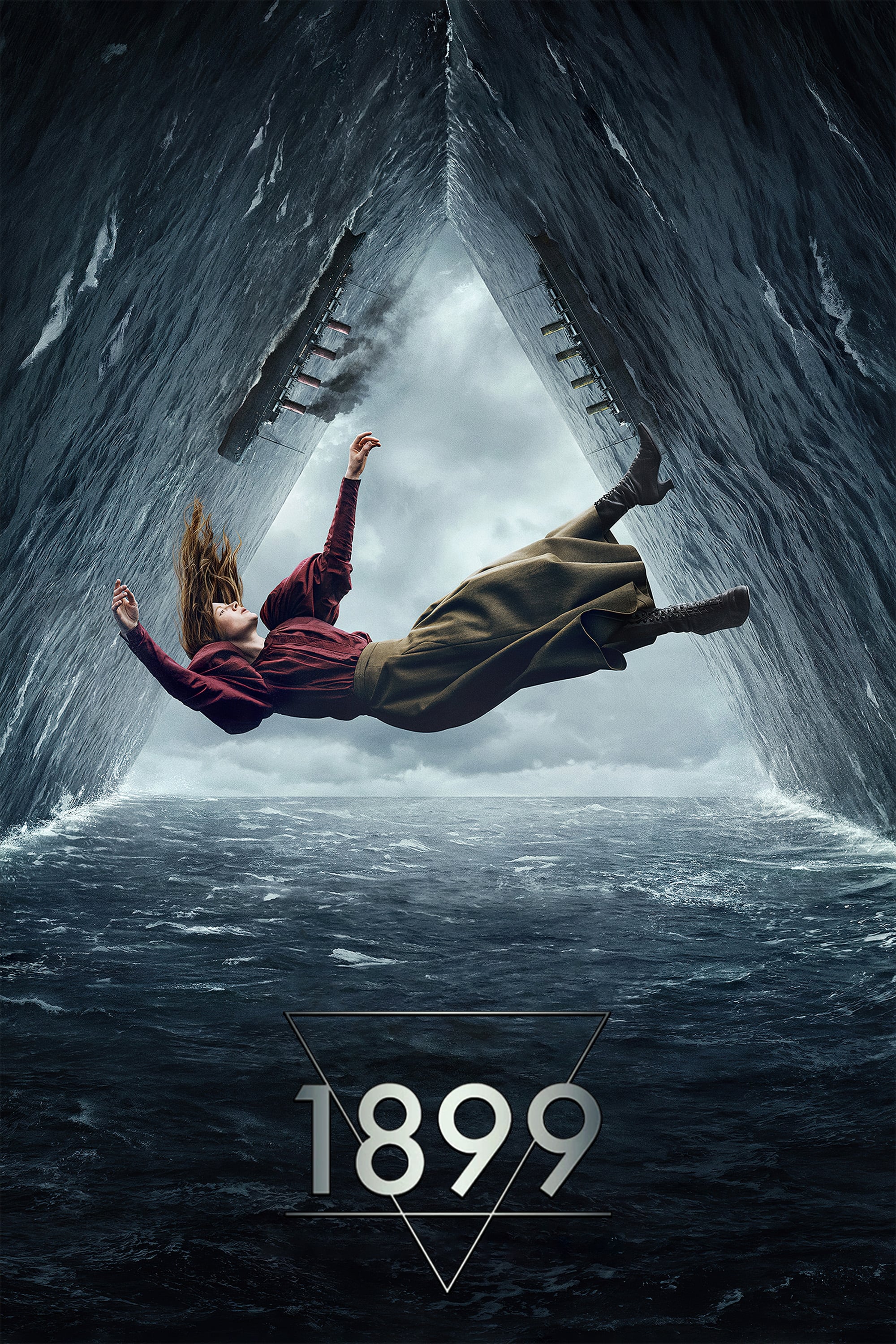
From the creators of ‘Dark’, ‘1899’ tracks passengers on a migrant steamship as they respond to a distress signal and encounter unexplained events. The international cast includes Emily Beecham, Andreas Pietschmann, and Aneurin Barnard across eight episodes.
Filmed with a cutting-edge virtual-production volume and real-time backgrounds, the show was produced in multiple languages and uses layered set pieces that transform over time. Netflix cancelled it after one season, but the released episodes map passenger backgrounds, shipboard command structures, and the investigative process that propels the plot.
‘Lockwood & Co.’ (2023)
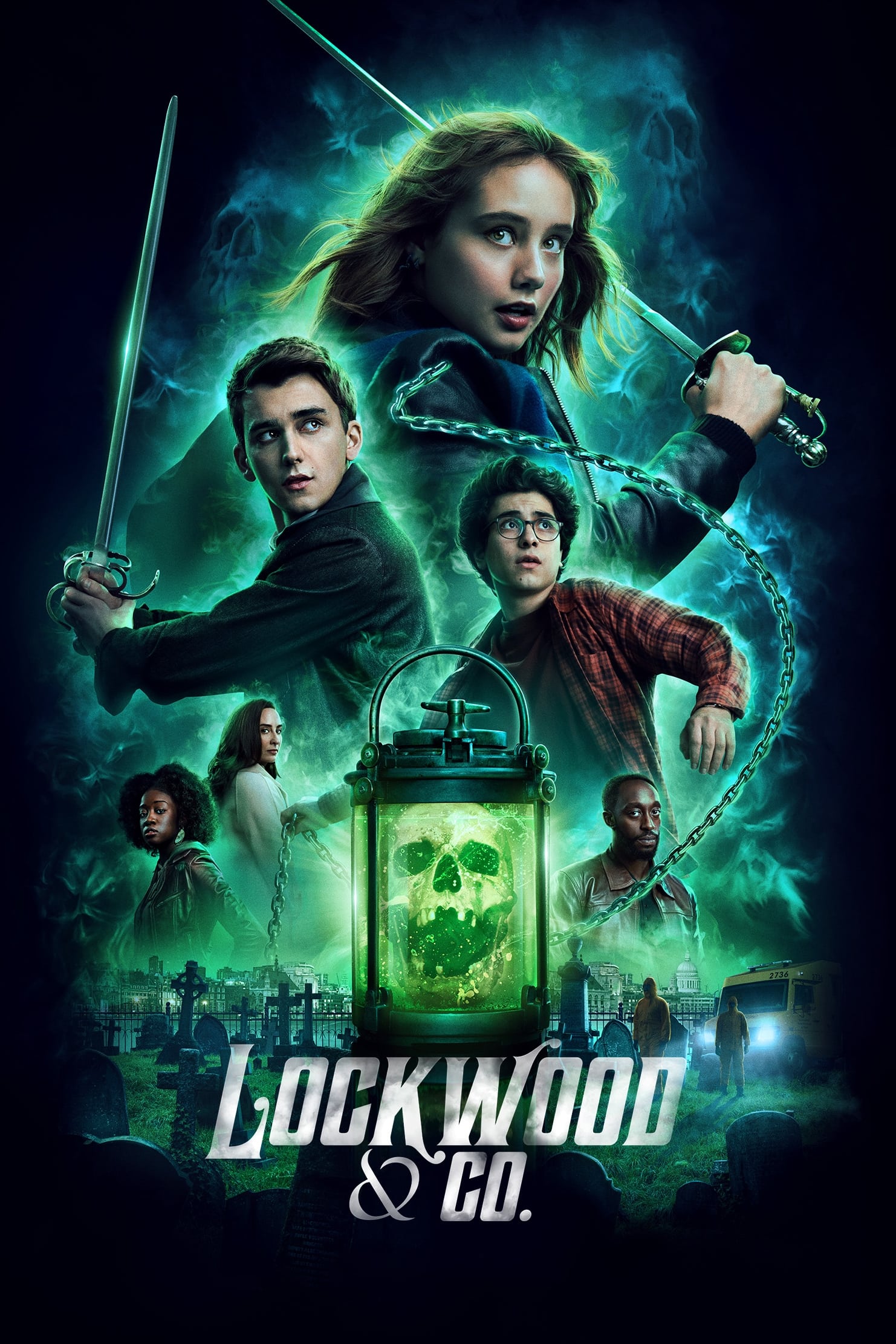
Adapted from Jonathan Stroud’s novels, ‘Lockwood & Co.’ follows teenage agents who hunt and neutralize spectral threats in an alternate modern Britain. The season stars Ruby Stokes, Cameron Chapman, and Ali Hadji-Heshmati.
The show details tools of the trade—from rapiers and salt bombs to thermoses and iron chains—alongside case files, client intake, and bureaucratic oversight. Netflix cancelled the series after one season, but the episodes cover multiple investigations, training methods, and the firm’s operations, including insurance, licensing, and rival agencies.
‘Warrior Nun’ (2020–2022)
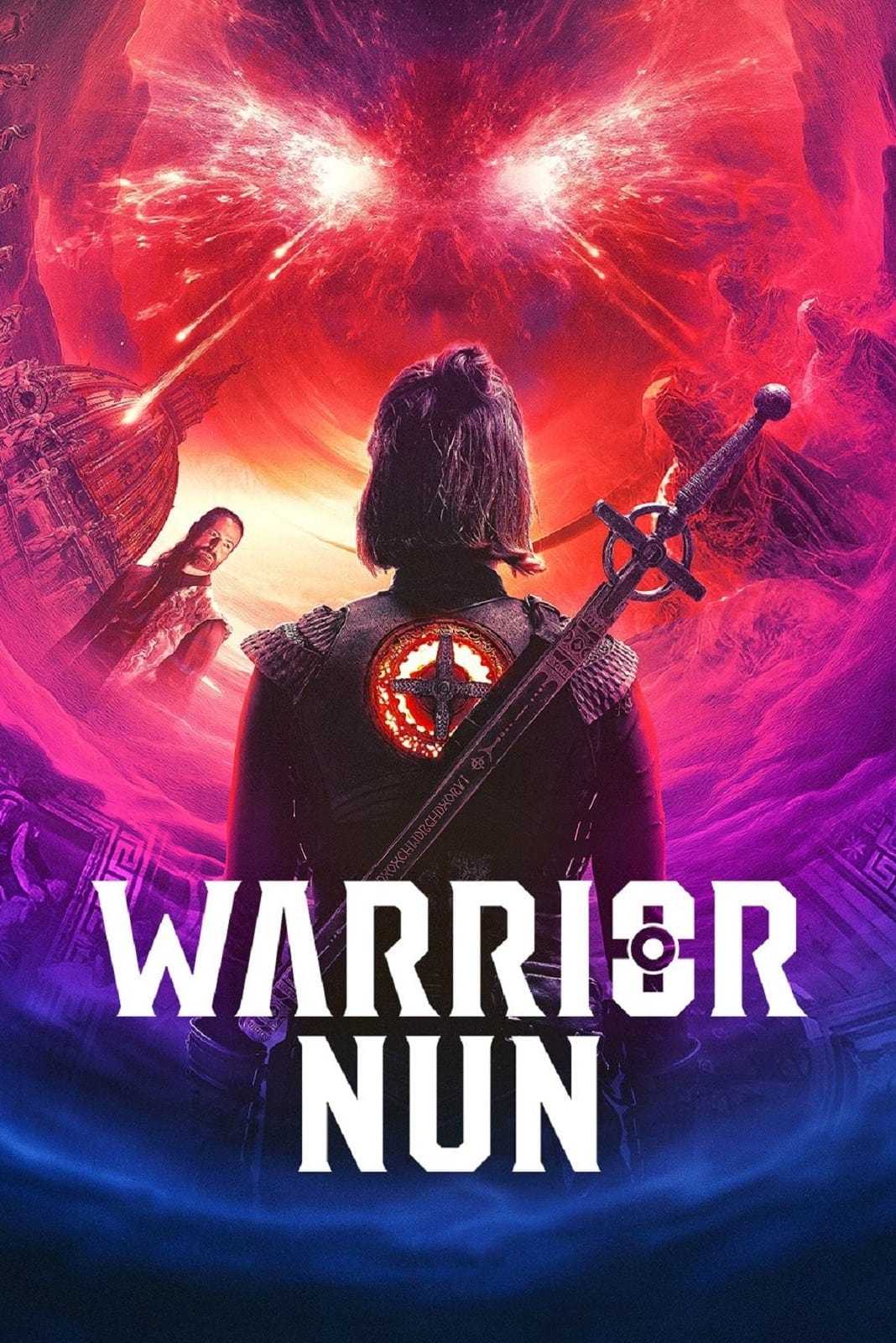
‘Warrior Nun’ centers on a secret order within the Catholic Church and a young woman who becomes its latest halo-bearer, gaining access to an arsenal and a long-running mission. The series stars Alba Baptista, Toya Turner, Kristina Tonteri-Young, and Lorena Andrea.
The production films across European locations, blending wire-work fight scenes with ecclesiastical sets, relics, and historical archives that inform the mission. Netflix cancelled the series after two seasons; later continuation plans shifted format, but the existing episodes depict training, chain-of-command dynamics, and a catalog of adversaries and artifacts.
‘Giri/Haji’ (2019)
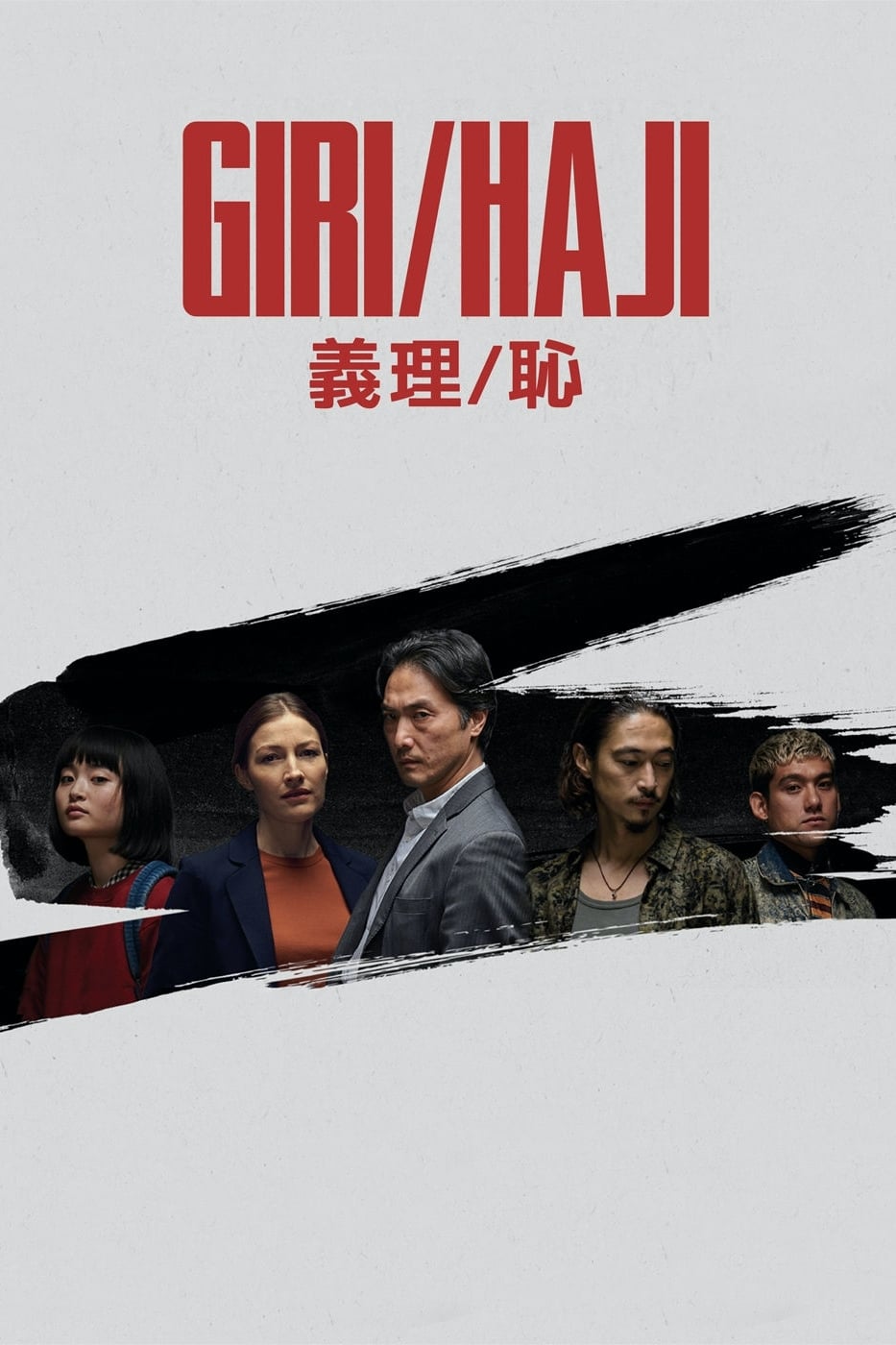
A UK-Japan co-production, ‘Giri/Haji’ (Japanese for “Duty/Shame”) follows a Tokyo detective searching London for his missing brother, intersecting with gangs and law enforcement across jurisdictions. The cast includes Takehiro Hira, Kelly Macdonald, Aoi Okuyama, and Will Sharpe.
The single season combines stylized interludes with grounded police work, multilingual dialogue, and cross-border procedures. Despite strong critical response, no further episodes were commissioned; the produced run resolves its central case while exploring cooperation between agencies, legal constraints, and cultural mediation.
‘Messiah’ (2020)
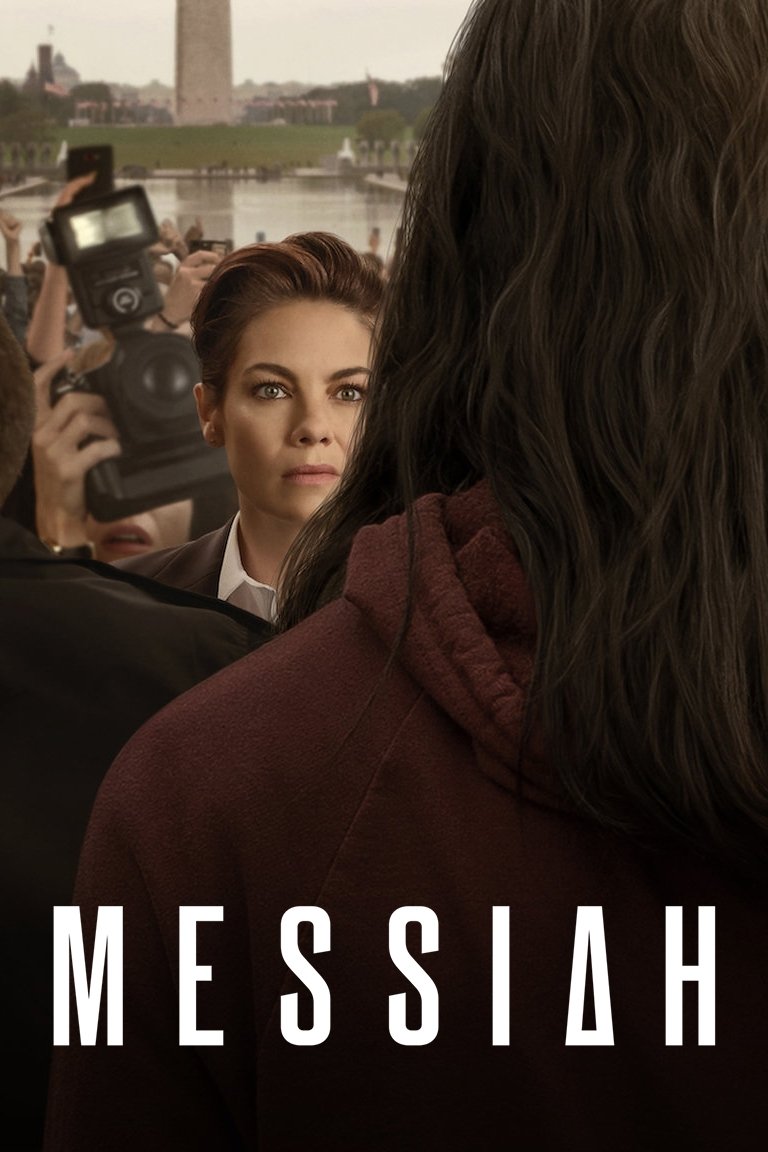
‘Messiah’ examines global reactions when a mysterious figure appears performing acts that attract international attention, prompting investigations by intelligence services and religious authorities. The cast includes Mehdi Dehbi, Michelle Monaghan, and John Ortiz.
The series depicts media dissemination, surveillance practices, and jurisdictional tensions as agencies track movements and authenticate events. Netflix cancelled it after one season, but the available episodes follow parallel inquiries in multiple countries, incorporating courtroom scenes, border operations, and press management.
‘Julie and the Phantoms’ (2020)
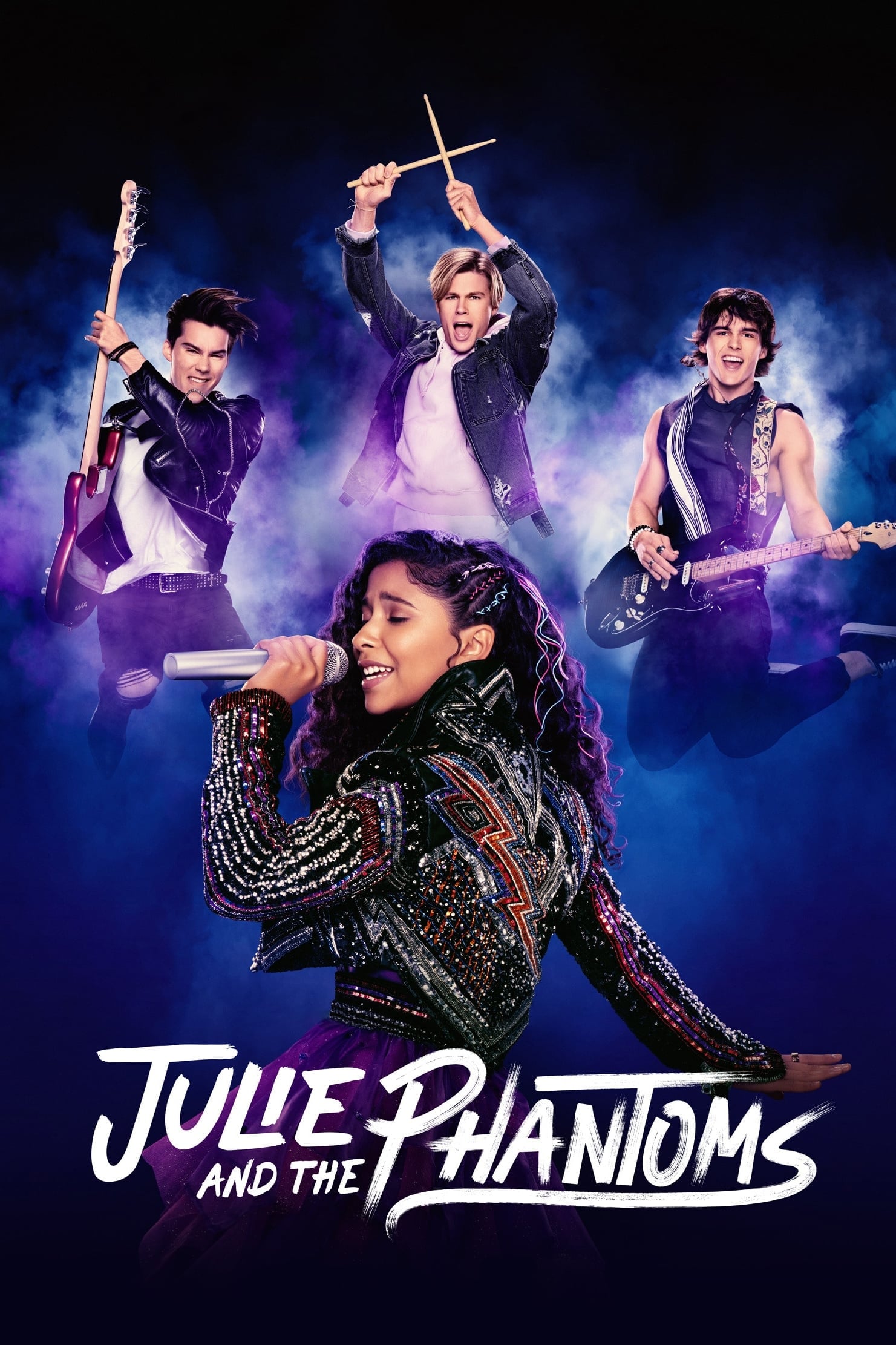
‘Julie and the Phantoms’ is a musical series from director and producer Kenny Ortega about a student who forms a band with three teen musicians who reappear under unusual circumstances. It stars Madison Reyes, Charlie Gillespie, Owen Patrick Joyner, and Jeremy Shada.
The production integrates original songs, choreography, and performance-based narrative beats, with recording-studio and stage sequences driving character and plot. Although not renewed, the season includes concert set pieces, rehearsal montages, and music-industry elements such as songwriting credits, rehearsal schedules, and school-show logistics.
Share your favorites and the ones we missed in the comments so other readers can discover their next cancelled-but-worthy Netflix watchlist picks.