Clint Eastwood Names the 3 Greatest Acting Performances of Cinema’s Golden Age

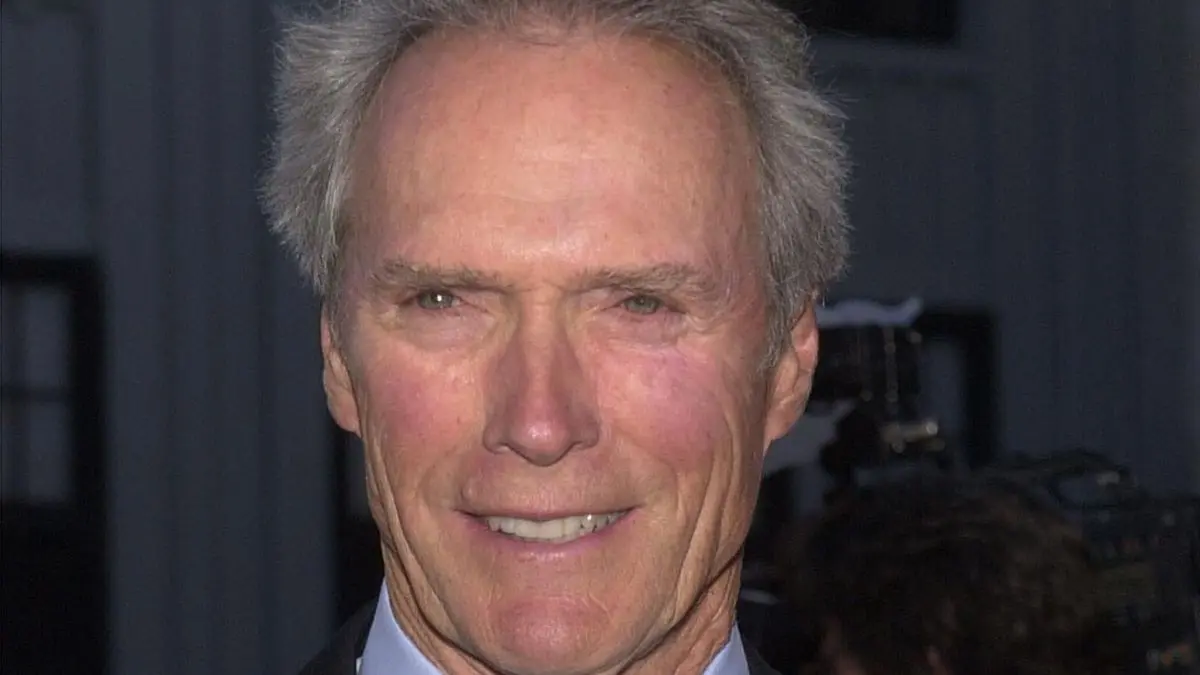

Clint Eastwood has spoken openly about how acting styles changed during the rise of Marlon Brando, and he believes that shift had a strong impact on cinema.
Eastwood explained that when he started acting in the mid-1950s, many performers were copying Brando’s style. He made his screen debut in 1955 with Revenge of the Creature, around the same time Brando’s performance in On the Waterfront was reshaping acting in Hollywood. Eastwood said this influence quickly spread across the industry in a way he did not admire.
He said, “I came into acting in the period where everybody was imitating Marlon Brando. Everybody. Even when they were playing brain surgeons, they’d still be acting like Brando was when he was playing a fighter.” He criticized this trend strongly and made it clear he believed actors should avoid copying others. He added, “To me, one performance doesn’t deserve imitating like that. It’s degrading to imitate somebody. Do your own thing.”
Eastwood’s point was that acting should be personal and individual. He felt that copying famous performances removes originality from the craft. He also suggested that earlier Hollywood stars did not fall into this habit and instead created their own unique screen presence.
He pointed to several actors from the so-called Golden Age of cinema as examples of strong individuality. Among them was Montgomery Clift, who starred in films like The Search. Eastwood said Clift did not imitate anyone else in his performances and brought something original to the screen.

He also mentioned Oskar Werner, known for his work in films such as The Last Ten Days. Eastwood said Werner also avoided imitation and had a style that stood on its own. In addition, he referred to Albert Finney and his performance in Saturday Night and Sunday Morning, which Eastwood saw as another example of a deeply individual approach to acting.
According to Eastwood, these actors stood out because they did not follow trends or copy others. Instead, they built their performances around their own interpretation of characters. He believed this made their work more powerful and memorable over time.
Film commentary sources discussing Eastwood’s remarks also placed his views in the context of broader Hollywood history. The article notes that many major stars of earlier decades, such as Cary Grant, James Stewart, Humphrey Bogart, John Wayne, and Kirk Douglas, each had very distinct styles and were not known for imitating other actors.
Eastwood’s comments reflect his long-standing belief in simplicity and authenticity in performance. Over his career as both an actor and director, he has often promoted a direct and natural style of acting that avoids excess or imitation.
His reflections on Golden Age cinema highlight his respect for actors who created original screen identities. At the same time, his criticism of imitation shows his preference for individuality over trend-following in Hollywood performance styles.
Have something to add? Let us know in the comments!