Comedies You Must Watch at Least Once in Your Life


Comedy comes in many flavors—satire, screwball, mockumentary, rom-com, farce—and the best examples often reflect the times while still feeling timeless. This list spans studio classics, cult favorites, indie gems, and global hits, pulling together films that shaped genres, launched careers, and introduced lines people still quote today.
Each entry below highlights essentials like creators, cast, premise, and cultural footprint, so you get a quick sense of why it matters and what made it click. Whether you’re filling gaps in your movie education or building a fresh watchlist, these picks cover a wide stretch of styles and sensibilities that continue to influence how comedies are written, performed, and produced.
‘Some Like It Hot’ (1959)
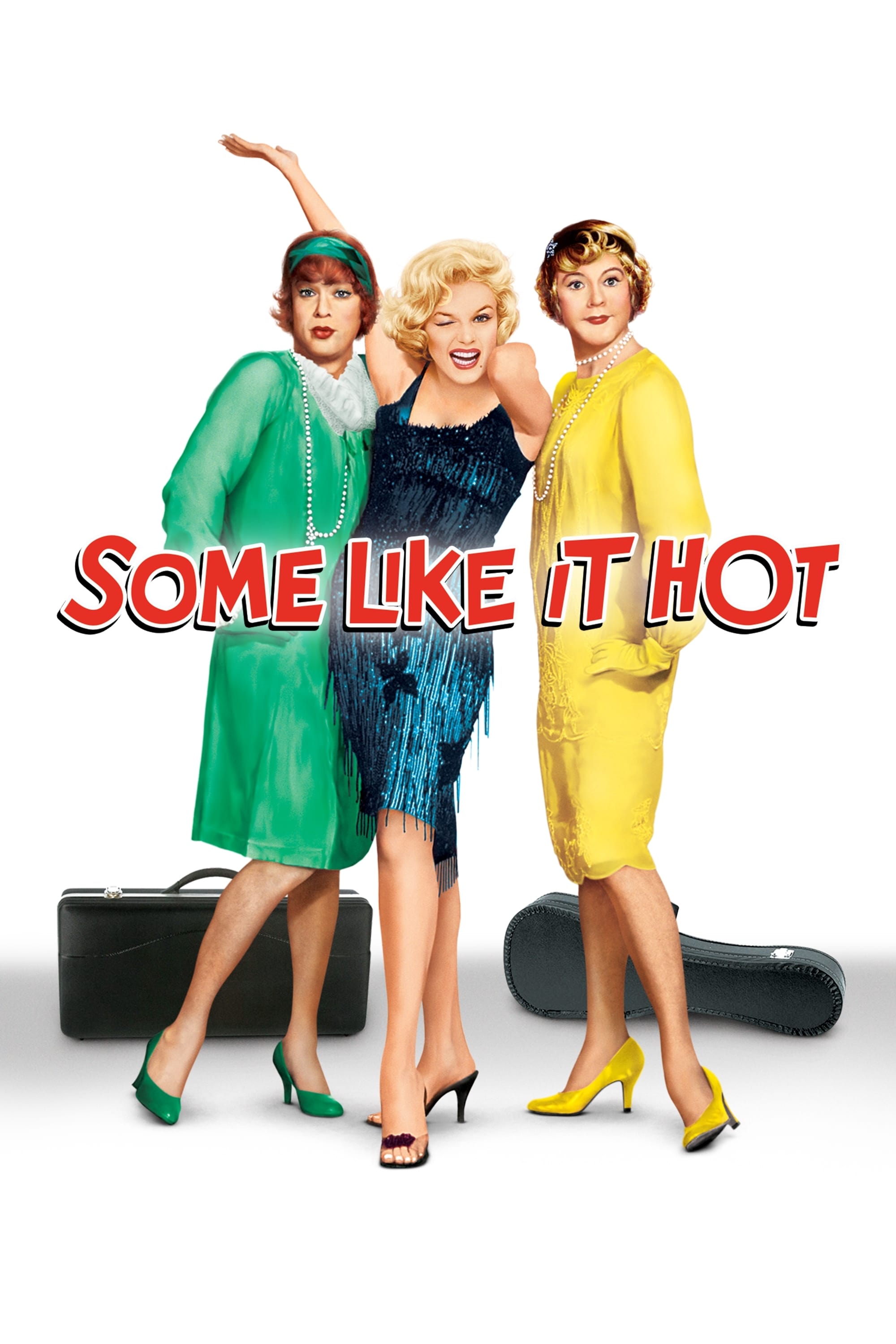
Billy Wilder directs this cross-dressing caper about two musicians who hide with an all-female band after witnessing a mob hit. The film stars Marilyn Monroe alongside Tony Curtis and Jack Lemmon, blending gangster-movie tropes with rapid-fire dialogue and meticulously timed set pieces.
Its daring premise led to ongoing discussions about censorship and gender presentation in mainstream cinema. The American Film Institute has repeatedly singled it out in comedy lists, and Wilder’s punchline-rich screenplay remains a model for structure and payoff.
‘Dr. Strangelove or: How I Learned to Stop Worrying and Love the Bomb’ (1964)
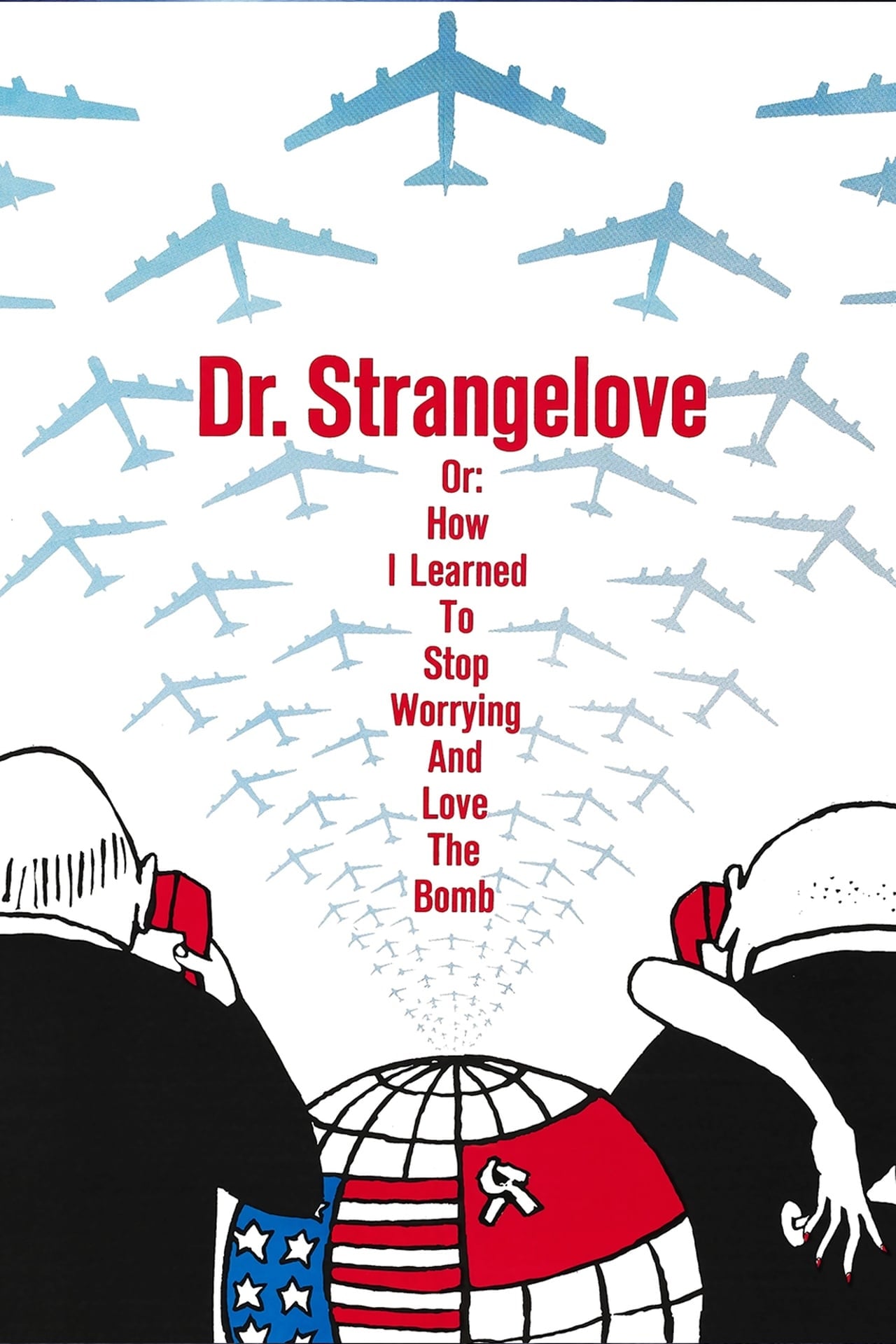
Stanley Kubrick adapts a serious Cold War novel into a satirical portrait of military bureaucracy and nuclear brinkmanship. Peter Sellers plays multiple roles, supported by George C. Scott and Sterling Hayden, using deadpan delivery to underline the absurdity of command-and-control systems.
Production design by Ken Adam and the War Room set became enduring visual shorthand for power and paranoia. The screenplay’s precise terminology and insider jargon helped the satire land with authenticity, influencing political comedies and satires for decades.
‘The Apartment’ (1960)
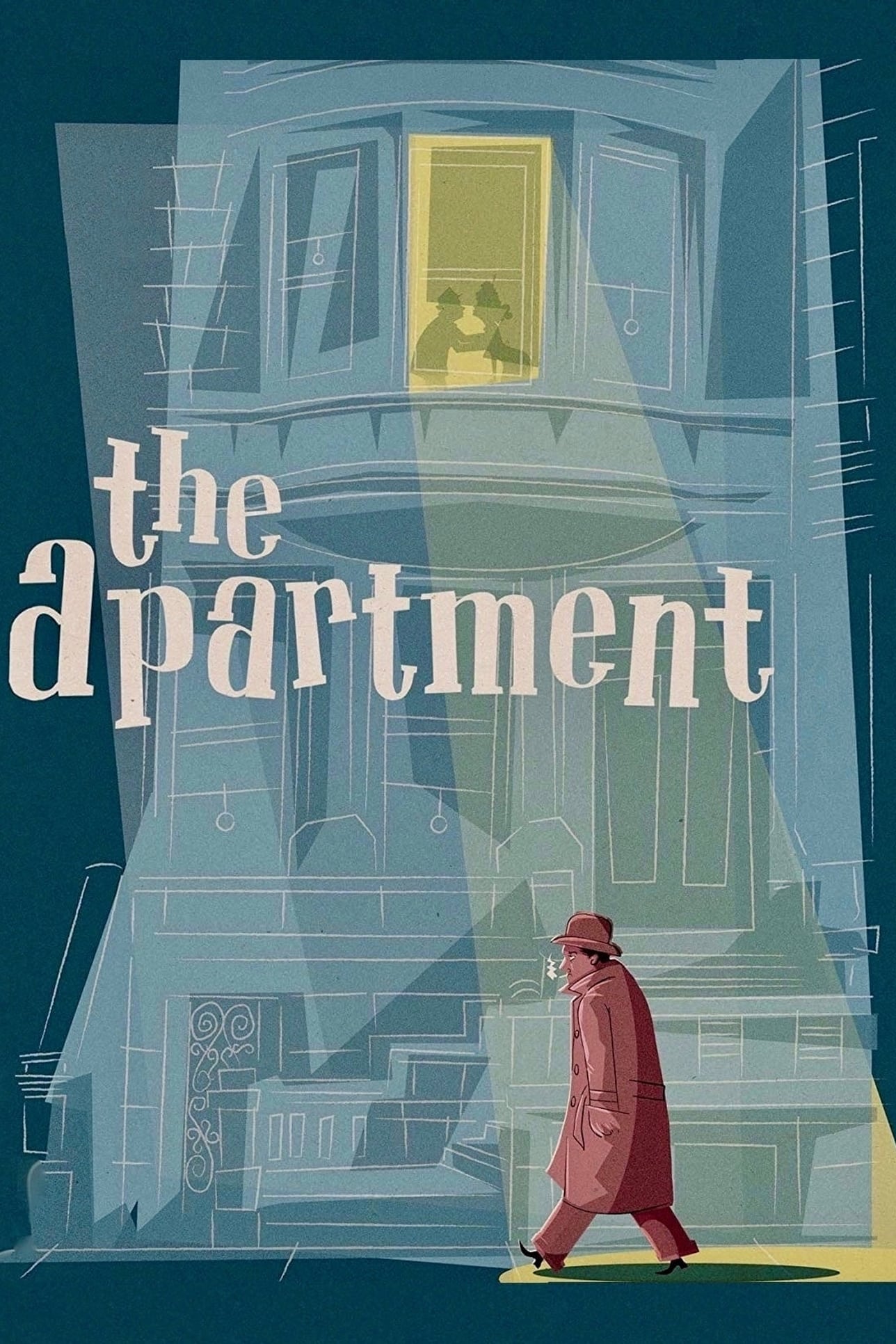
Billy Wilder and I. A. L. Diamond craft a workplace comedy-drama centered on an insurance clerk who lends his apartment to executives. Jack Lemmon and Shirley MacLaine lead a story that fuses humor with pointed observations about office culture and personal compromise.
The film won major Academy Awards, including Best Picture, and is praised for its restrained cinematography and elegant use of recurring props. Its portrayal of corporate ladders and coded relationships helped redefine romantic comedy conventions.
‘Monty Python and the Holy Grail’ (1975)
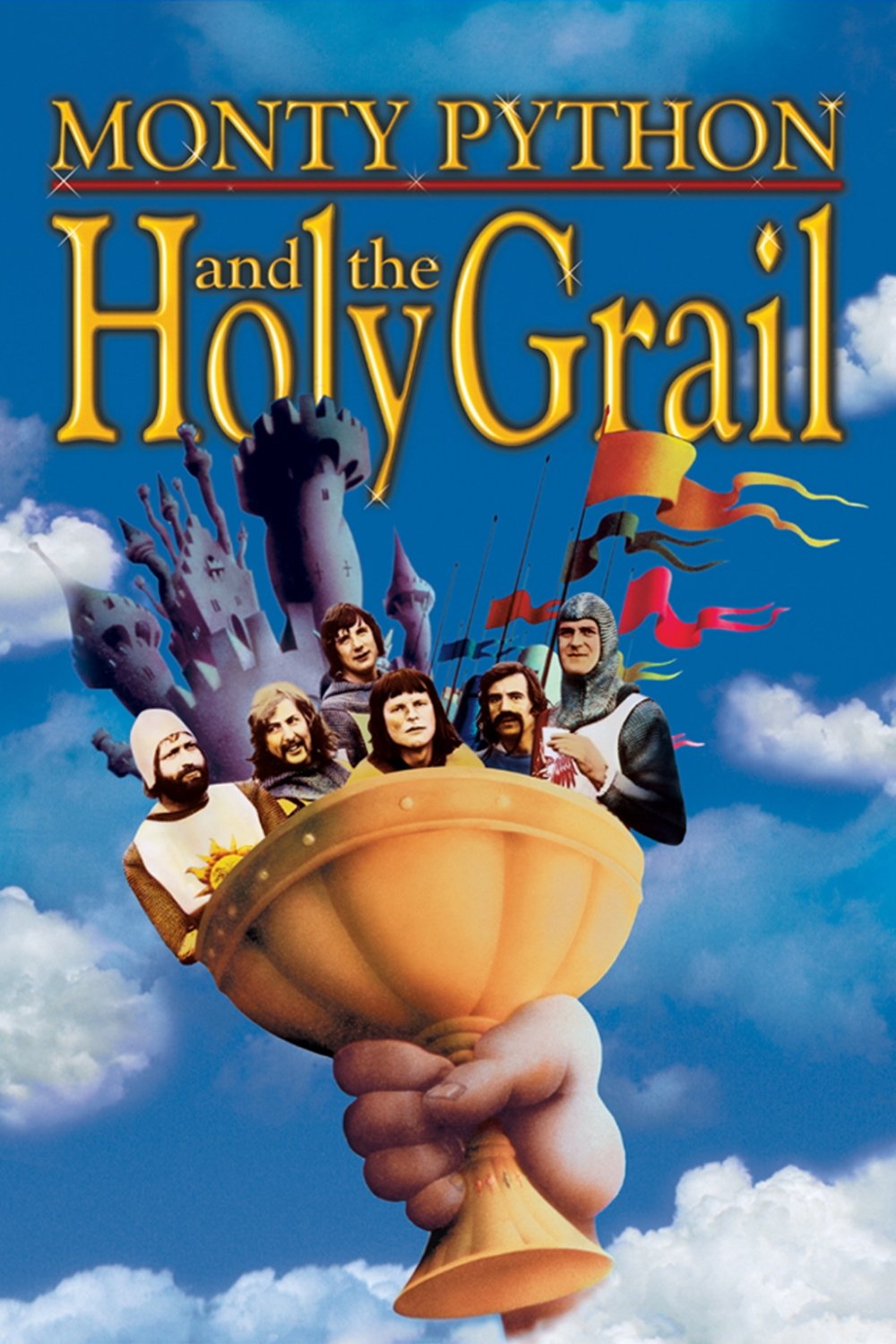
The Monty Python troupe reimagines Arthurian legend with sketches stitched into a quest narrative. Directors Terry Gilliam and Terry Jones incorporate meta-jokes, intertitles, and abrupt transitions that became a blueprint for absurdist cinema.
Low-budget ingenuity is visible in choices like coconut-shell horse effects and minimalist set pieces. The film’s dialogue and visual gags seeded a long afterlife in stage adaptations, quotes, and subsequent Python projects.
‘Annie Hall’ (1977)
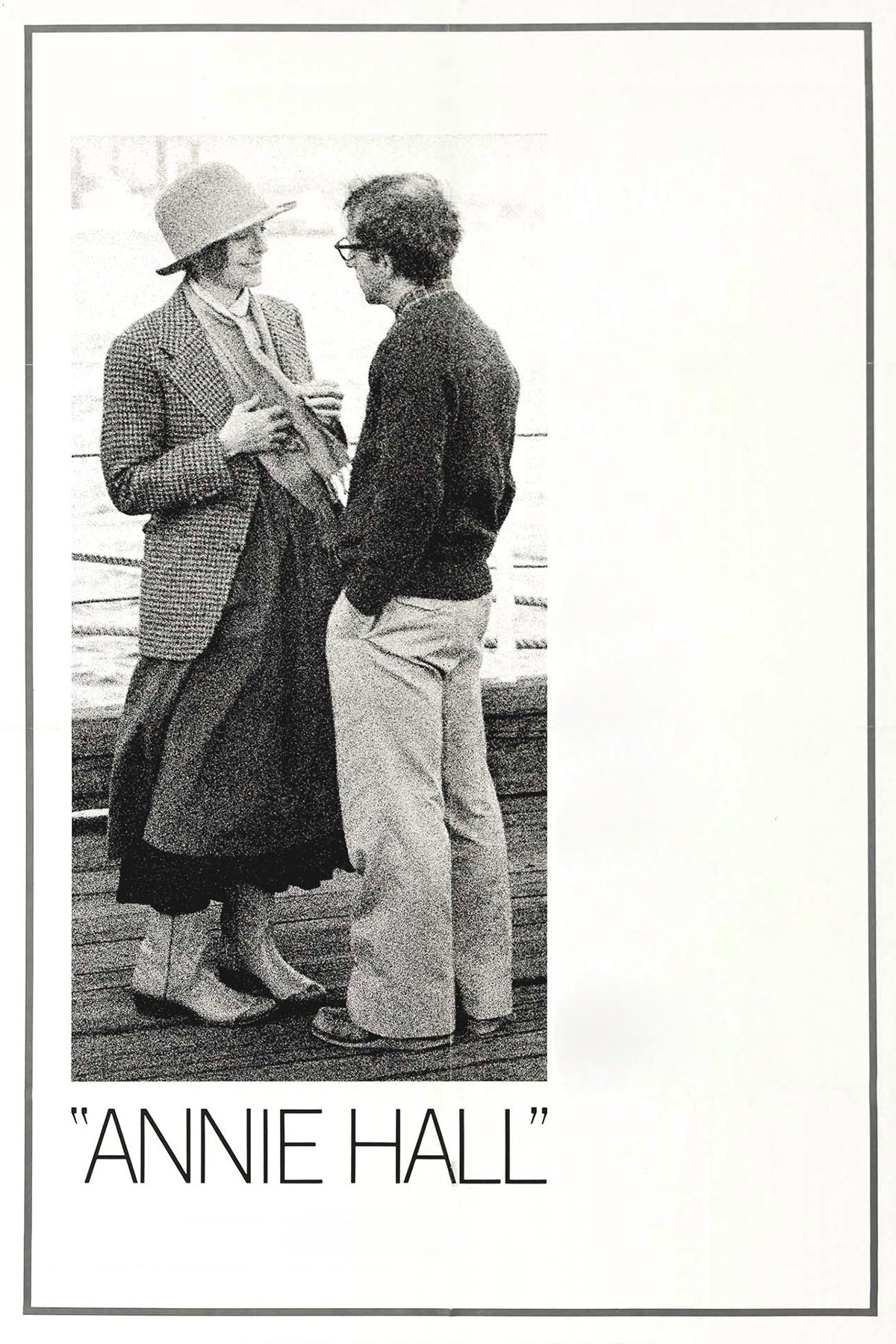
This New York-set romantic comedy explores memory, performance, and mismatched expectations through split screens, subtitles, and fourth-wall breaks. Diane Keaton’s wardrobe sparked a fashion trend, while the structure interweaves stand-up rhythms with narrative flashbacks.
The film’s editing style, including jump cuts and reflexive inserts, influenced later relationship comedies. Its screenplay is frequently cited in screenwriting courses for economical characterization and scene construction.
‘Airplane!’ (1980)
David Zucker, Jim Abrahams, and Jerry Zucker spoof disaster movies with a barrage of visual puns, deadpan line-reads, and background gags. Leslie Nielsen’s reinvention as a comedy straight man started here, supported by Robert Hays, Julie Hagerty, and Kareem Abdul-Jabbar.
The film’s joke density per minute set a benchmark that later parodies aimed to match. Its approach to casting serious actors in ridiculous scenarios became a repeatable formula across the genre.
‘This Is Spinal Tap’ (1984)
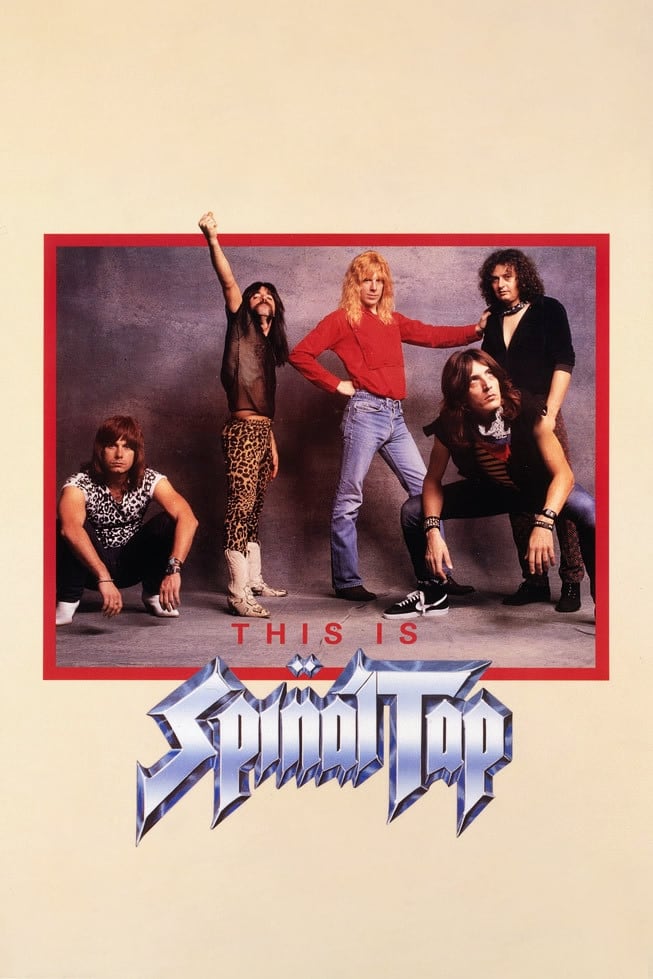
Rob Reiner’s mockumentary follows a fictional British rock band on a faltering tour, using improvised dialogue and documentary techniques. Michael McKean, Christopher Guest, and Harry Shearer developed original songs that mirror evolving rock styles.
The film established a template for the Christopher Guest ensemble comedies that followed. Terms like “goes to eleven” entered pop vocabulary, and its faux-doc format shaped later shows and films across music and beyond.
‘Ghostbusters’ (1984)
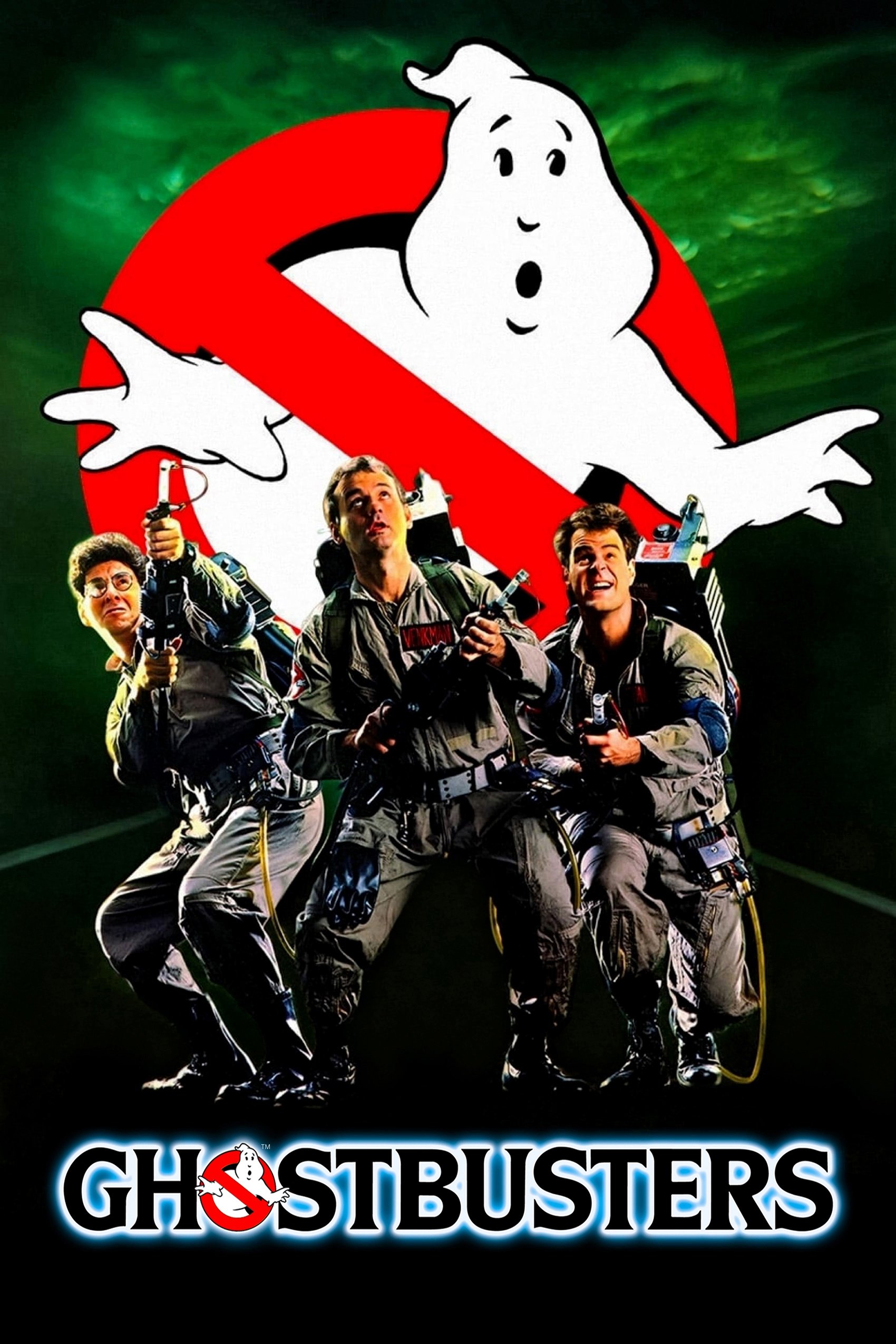
Ivan Reitman directs a supernatural comedy about entrepreneurs who commercialize ghost-busting tech in New York City. Bill Murray, Dan Aykroyd, Harold Ramis, and Ernie Hudson headline, with visual effects blending practical and optical techniques.
The film’s theme song, merchandising, and animated spin-offs turned it into a multimedia franchise. Its mixture of workplace comedy, sci-fi gadgetry, and city-based satire proved highly adaptable to sequels and reboots.
‘Back to the Future’ (1985)
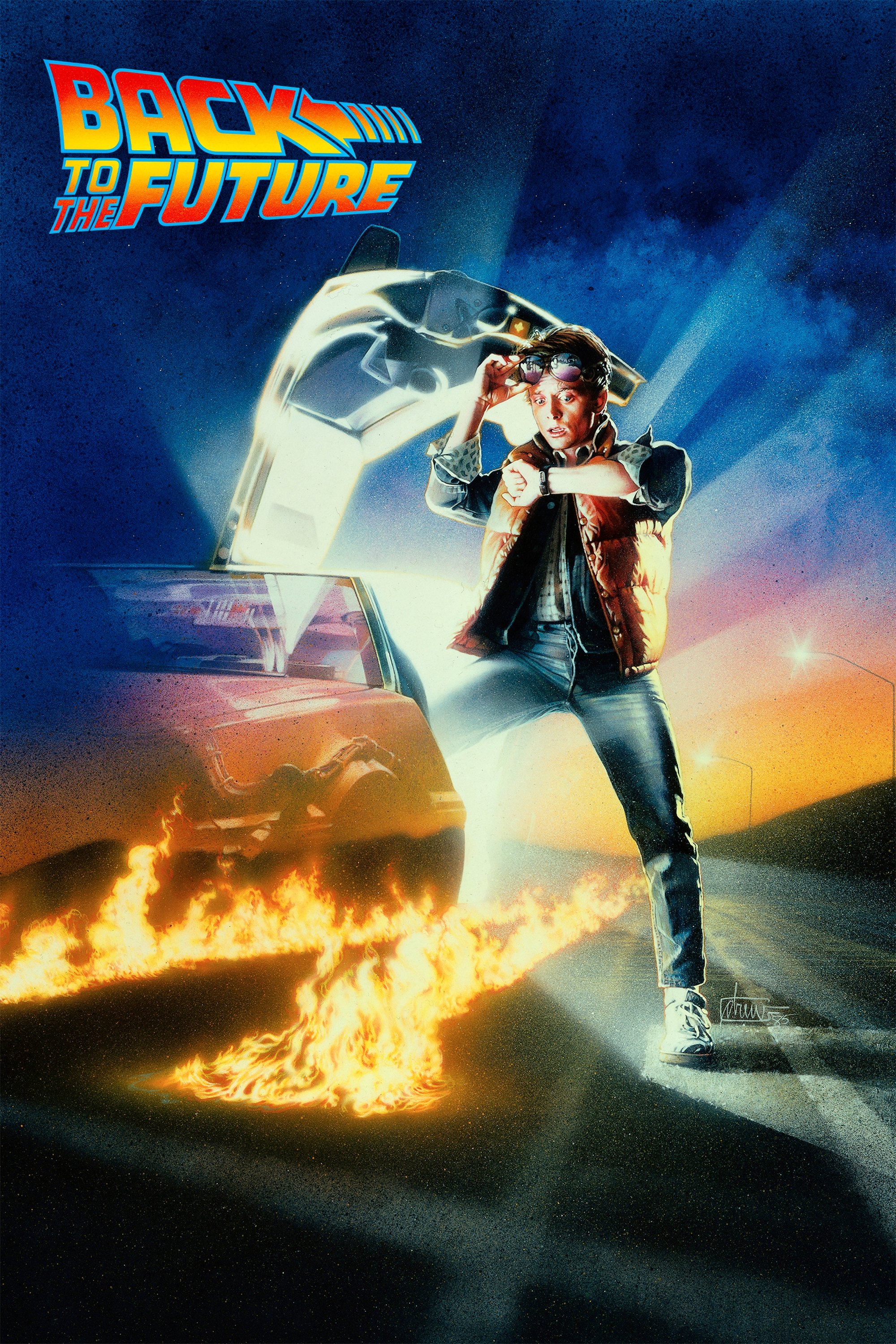
Robert Zemeckis and Bob Gale construct a time-travel comedy with tight cause-and-effect plotting. Michael J. Fox and Christopher Lloyd anchor the story’s comic escalation through props like a sports car, a photograph, and a clock tower.
Alan Silvestri’s score and Industrial Light & Magic’s effects underscore the film’s kinetic tone. Its screenplay is frequently taught for setup-payoff symmetry and the clean integration of sci-fi mechanics into character goals.
‘Ferris Bueller’s Day Off’ (1986)
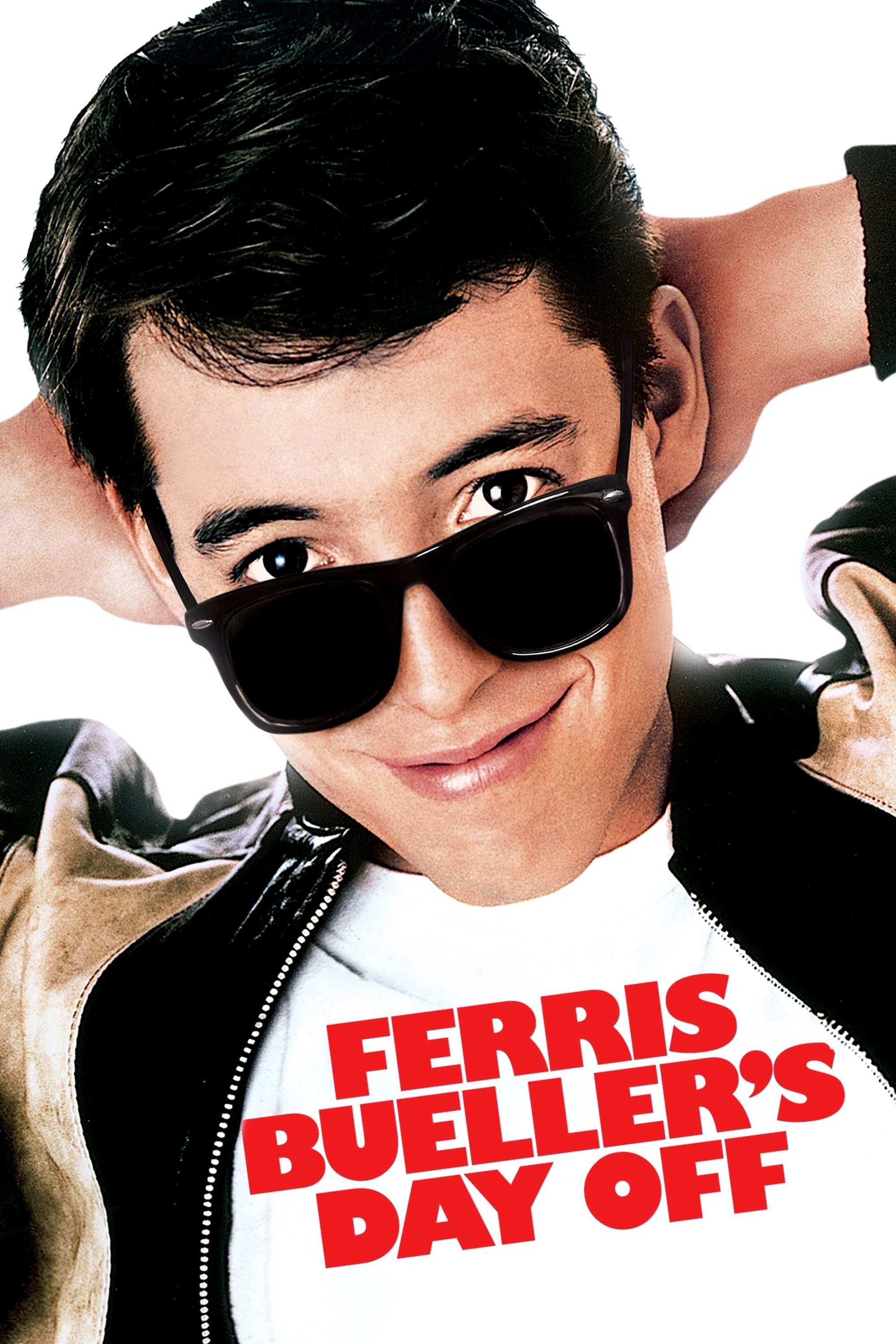
John Hughes crafts a day-in-the-life comedy about a high-schooler evading authority for one elaborate city adventure. Matthew Broderick’s direct-to-camera asides and the film’s parade sequence are signature elements.
The story explores adolescent autonomy, friendship dynamics, and institutional rigidity with light touch. Its Chicago locations and needle-drop soundtrack helped cement a distinct regional and musical identity.
‘The Princess Bride’ (1987)
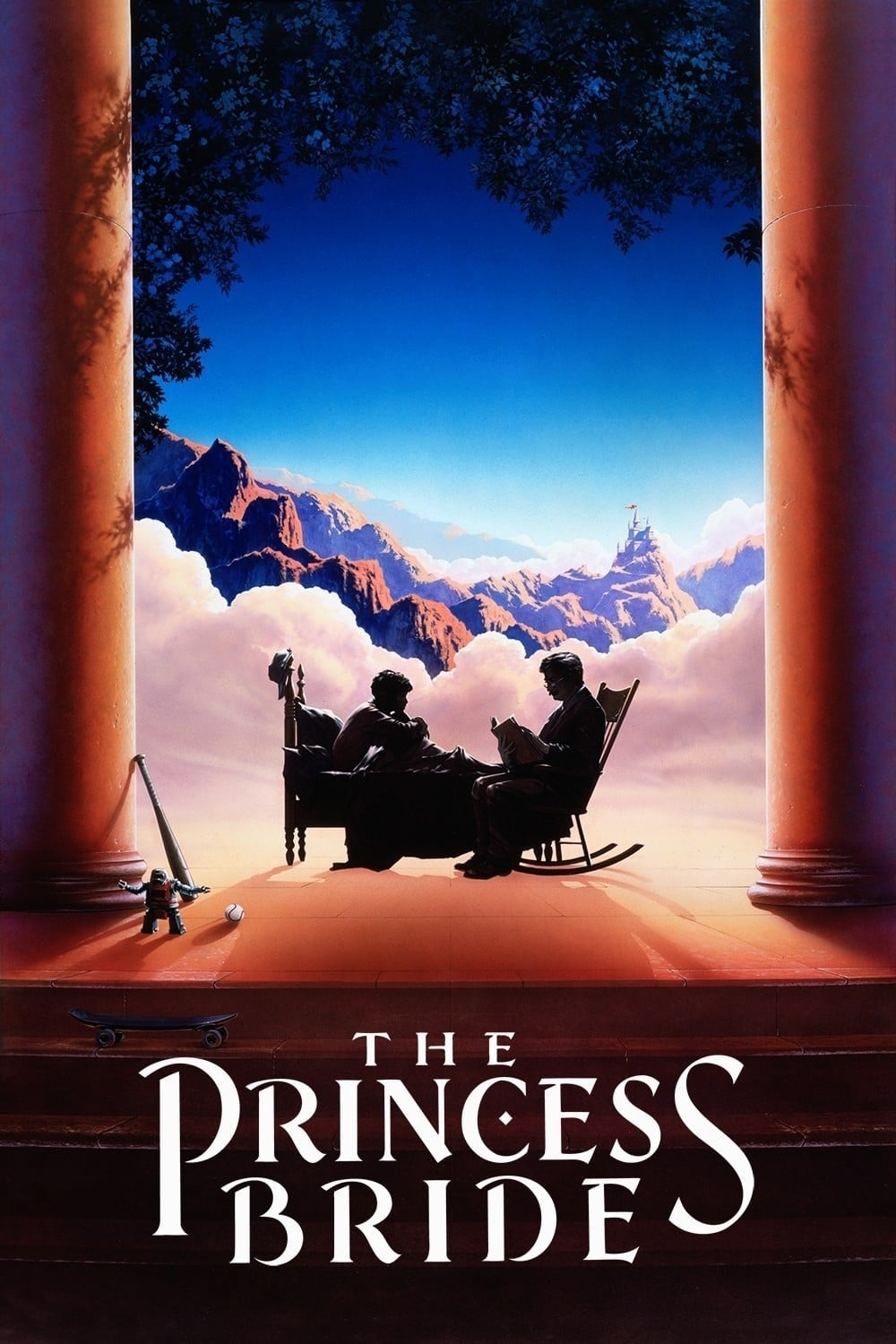
Rob Reiner adapts William Goldman’s fairy-tale adventure that toggles between storybook and framing device. Cary Elwes, Robin Wright, Mandy Patinkin, and Wallace Shawn deliver a mix of swashbuckling, romance, and verbal sparring.
The blend of fencing choreography, comic villains, and quotable banter fueled a long second life on home video and stage. Its nested storytelling has been referenced by later films and television episodes.
‘A Fish Called Wanda’ (1988)
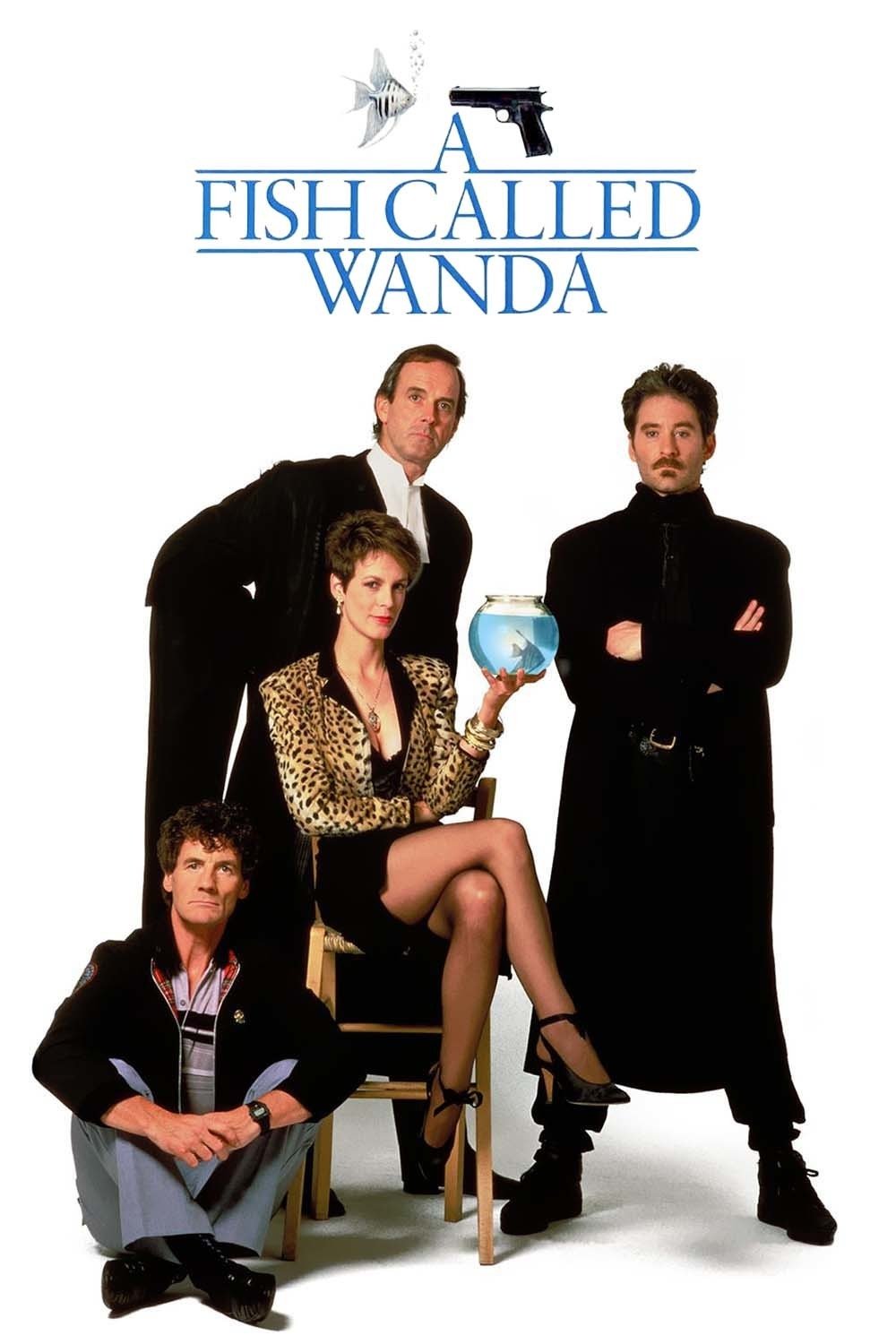
Charles Crichton directs a heist-comedy featuring John Cleese, Jamie Lee Curtis, Kevin Kline, and Michael Palin. The plot tracks double-crosses around a stash of diamonds, with legal and linguistic mix-ups driving the farce.
Kevin Kline won an Academy Award for his supporting role, a rarity for broad comedy. The screenplay balances slapstick with wordplay, and its courtroom and crime elements influenced later caper comedies.
‘When Harry Met Sally…’ (1989)

Nora Ephron’s script and Rob Reiner’s direction chart a years-long friendship that tests whether platonic relationships can stay platonic. Billy Crystal and Meg Ryan lead, with intercut interviews that mimic documentary confessionals.
The film standardized several rom-com beats and city-as-character choices. Its restaurant set piece and conversational structure became staples referenced in subsequent relationship films.
‘Home Alone’ (1990)
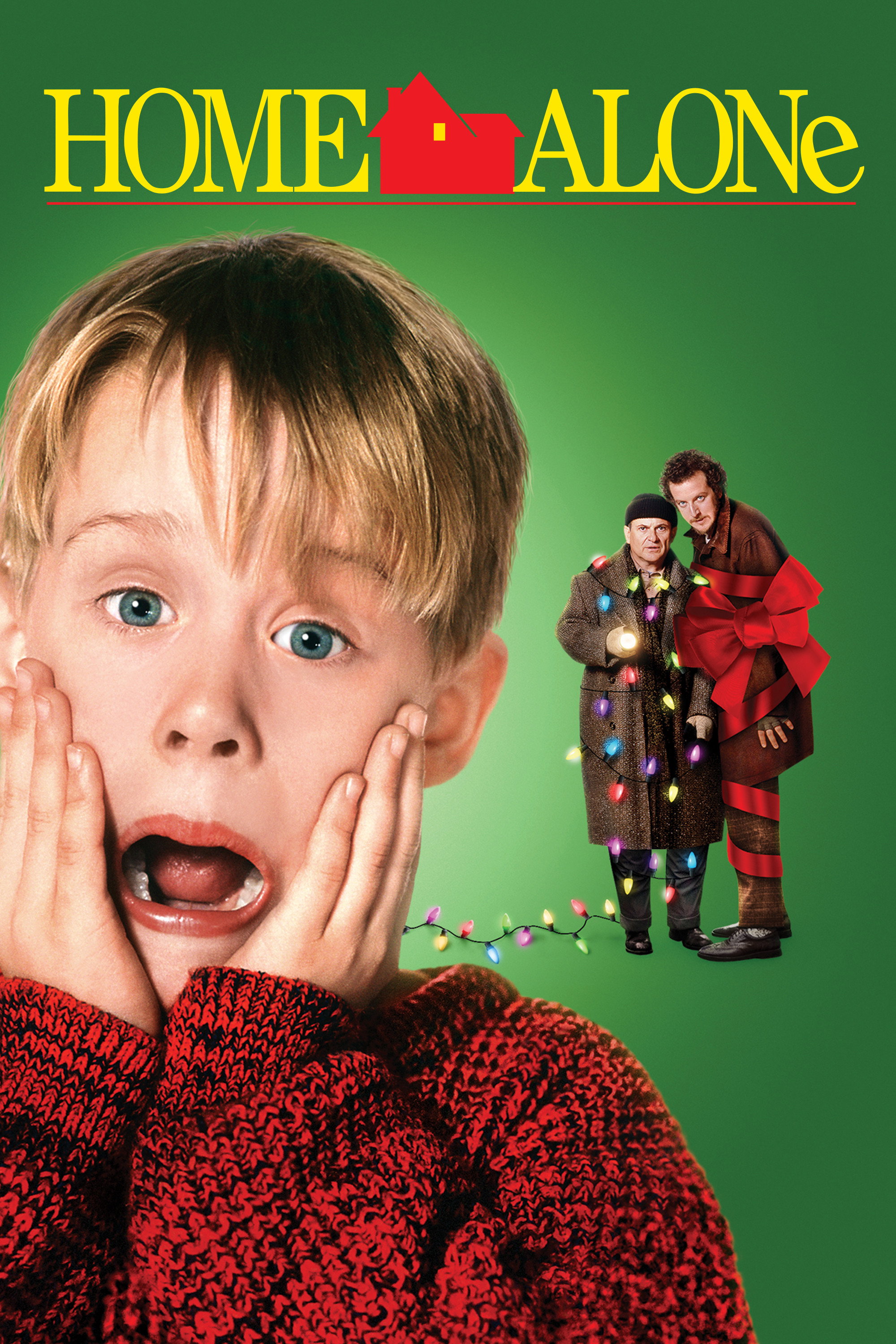
Chris Columbus directs a family comedy about a resourceful kid defending his home from burglars using improvised traps. Macaulay Culkin’s performance anchors a physical-comedy showcase for Joe Pesci and Daniel Stern.
John Williams’s score and the intricate production design of the house set contribute to the film’s identity. Its holiday setting and stunt choreography supported a durable franchise and recurring seasonal broadcasts.
‘Groundhog Day’ (1993)

Harold Ramis builds a time-loop premise that resets a single day for a cynical weatherman. Bill Murray and Andie MacDowell guide a structure that uses repetition to explore skill acquisition, empathy, and behavioral change.
The film inspired academic writing across philosophy and religious studies due to its iterative design. Its narrative mechanics influenced later loop stories in film, television, and games.
‘Mrs. Doubtfire’ (1993)

Chris Columbus adapts a novel about a voice actor who disguises himself as a Scottish nanny to stay close to his children. Robin Williams combines character work with practical makeup effects overseen by industry specialists.
The film examines custody, employment, and identity through situational humor. Its blend of prosthetics, voice performance, and kitchen-set farce contributed to an enduring pop-culture footprint.
‘Dumb and Dumber’ (1994)
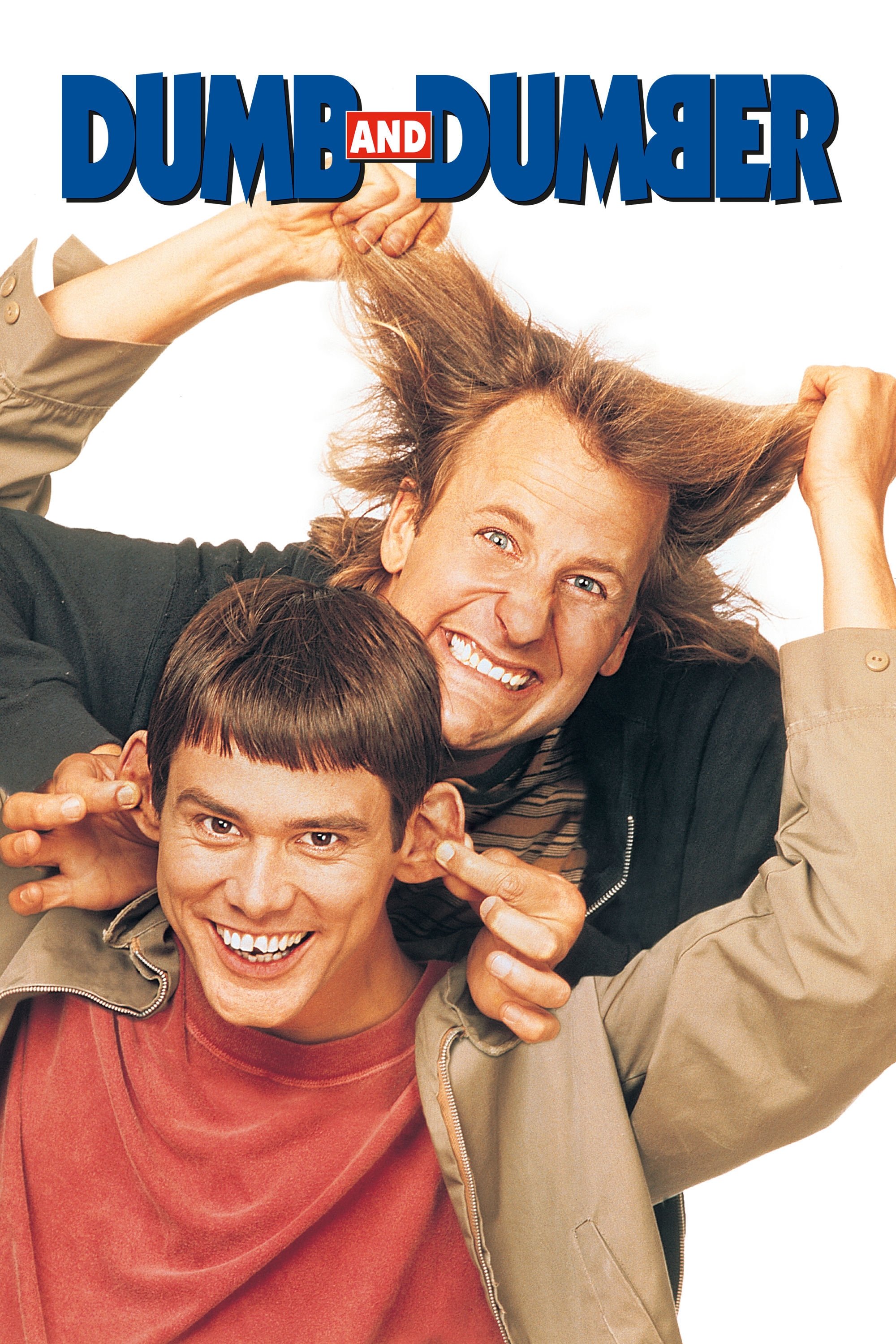
Peter and Bobby Farrelly deliver a road-trip comedy centered on two well-meaning but misguided friends. Jim Carrey and Jeff Daniels commit to verbal malapropisms, physical gags, and escalating misunderstandings.
The film’s set pieces—ranging from a briefcase mix-up to ski-town detours—became templates for later buddy comedies. Its success helped launch a cycle of high-concept, gross-out-tinged studio comedies.
‘The Mask’ (1994)
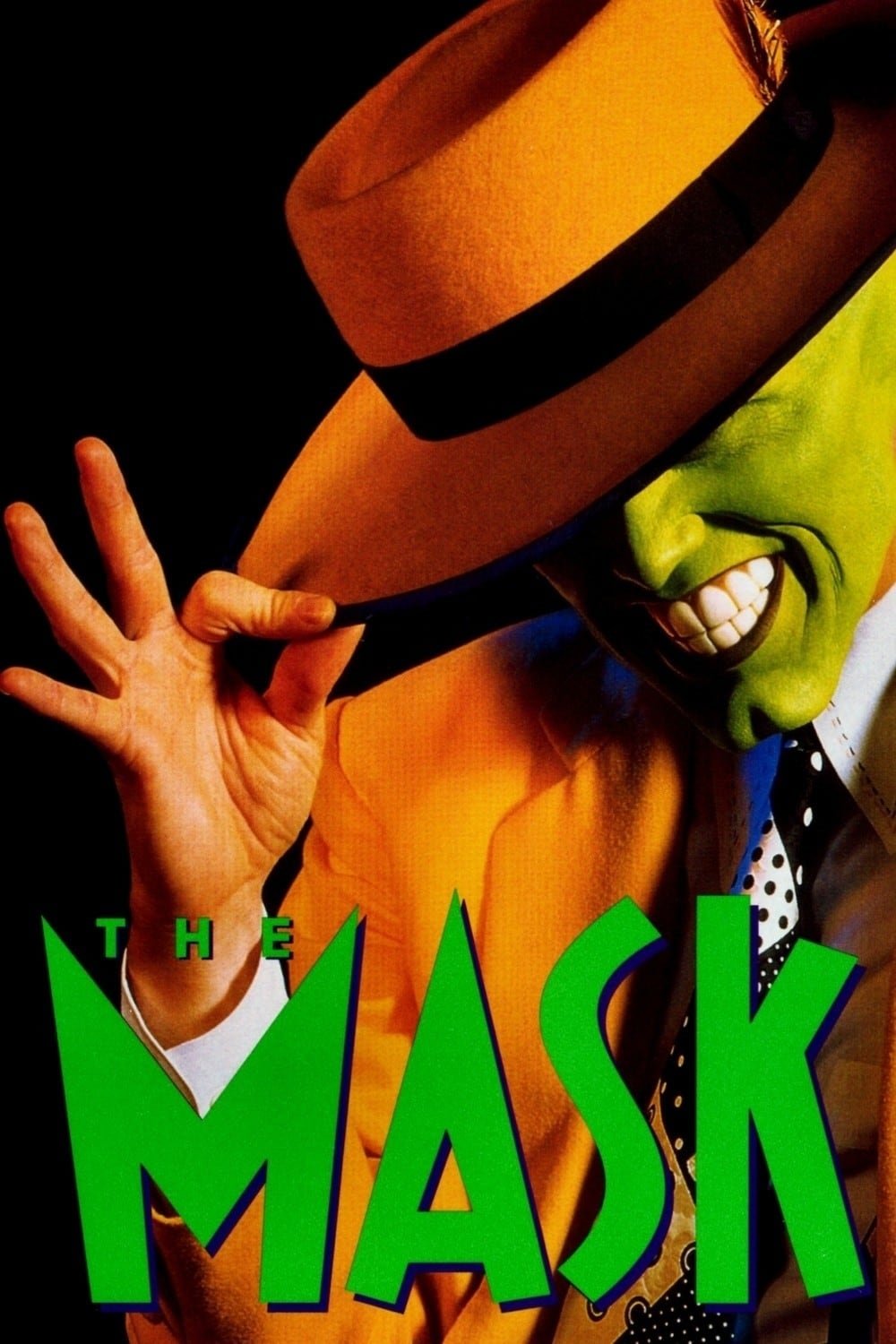
Chuck Russell directs a comic-book adaptation about a timid banker transformed by a magical artifact. Jim Carrey’s elastic performance is augmented by then-cutting-edge computer animation integrated with practical effects.
Cameron Diaz’s debut and a swing-influenced soundtrack shaped the film’s nightclub aesthetic. The character’s exaggerated physics demonstrated how digital tools could amplify cartoon logic in live action.
‘Clueless’ (1995)
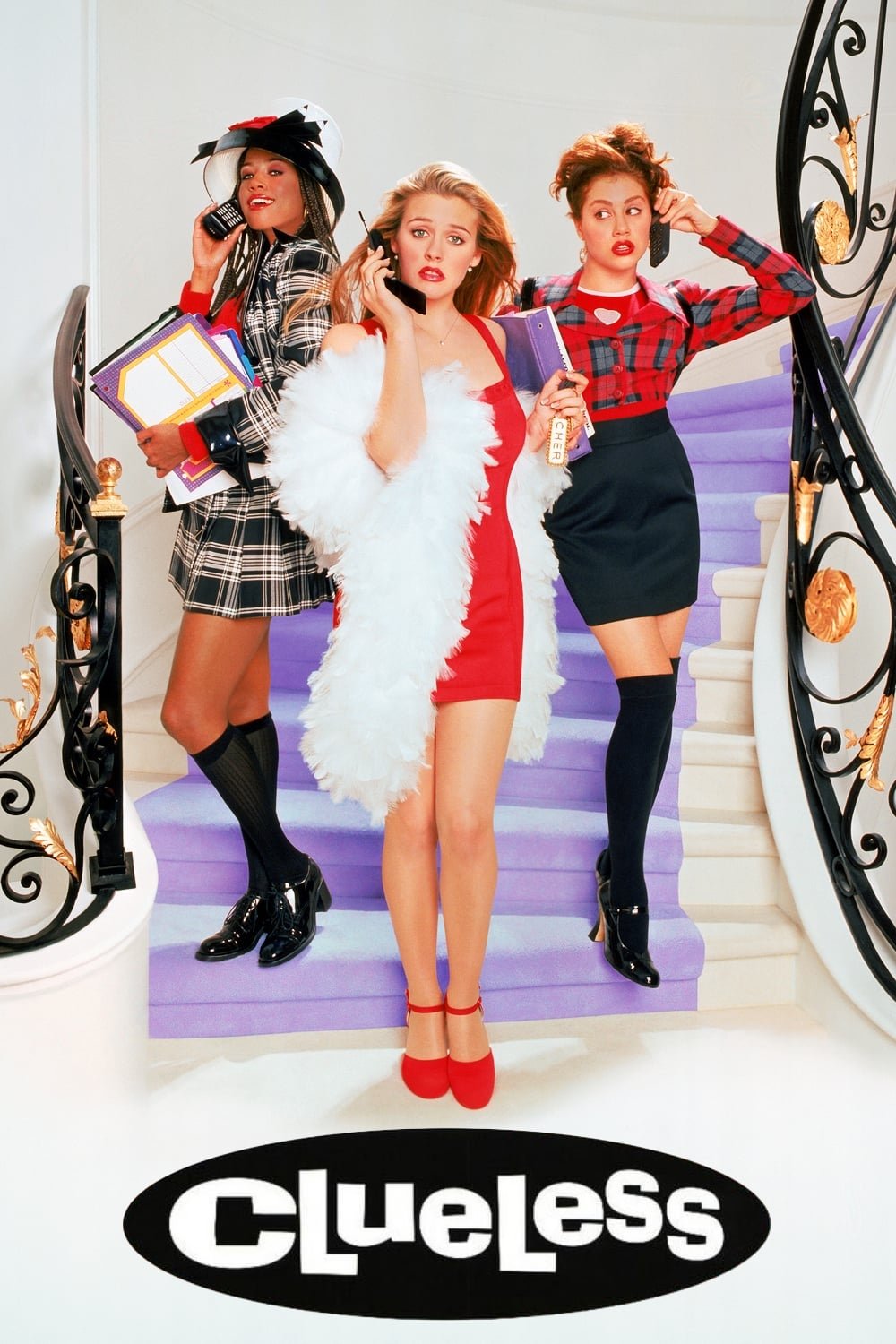
Amy Heckerling refashions a classic novel into a high-school comedy set in Beverly Hills. Alicia Silverstone’s lead performance is supported by an ensemble that helped launch multiple careers.
The screenplay’s slang, fashion, and mall geography map a specific teen culture with precision. Its influence is visible in later teen movies and in ongoing discussions about adaptation and voice.
‘Fargo’ (1996)
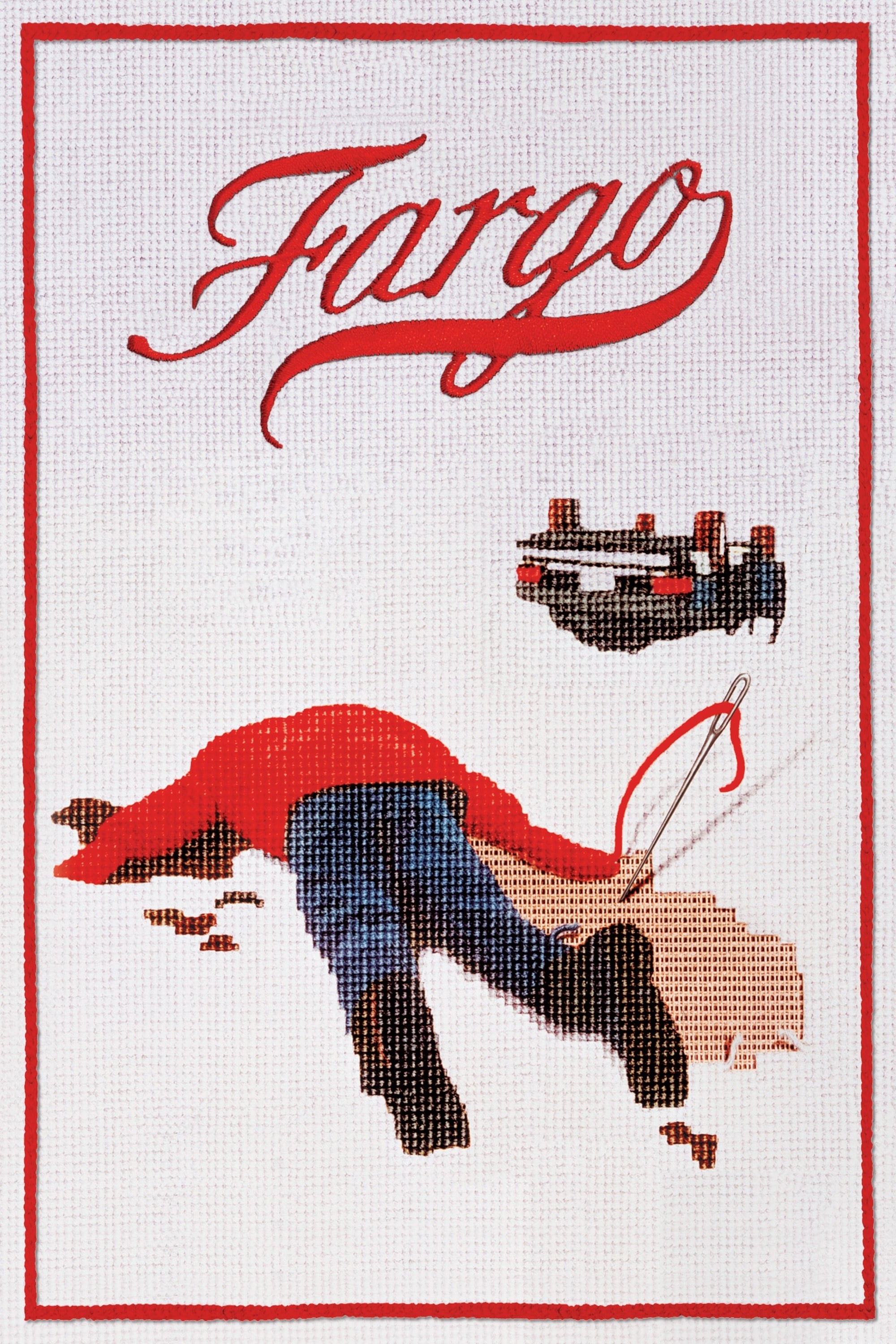
Joel and Ethan Coen tell a crime story whose humor emerges from politeness, procedure, and petty greed. Frances McDormand’s pregnant police chief and the film’s upper-Midwest cadence shape its tone.
The production’s snowbound visuals and careful sound design heighten both menace and absurdity. Its legacy includes a television anthology that expands on the original’s criminal ecosystems and conversational rhythms.
‘The Big Lebowski’ (1998)
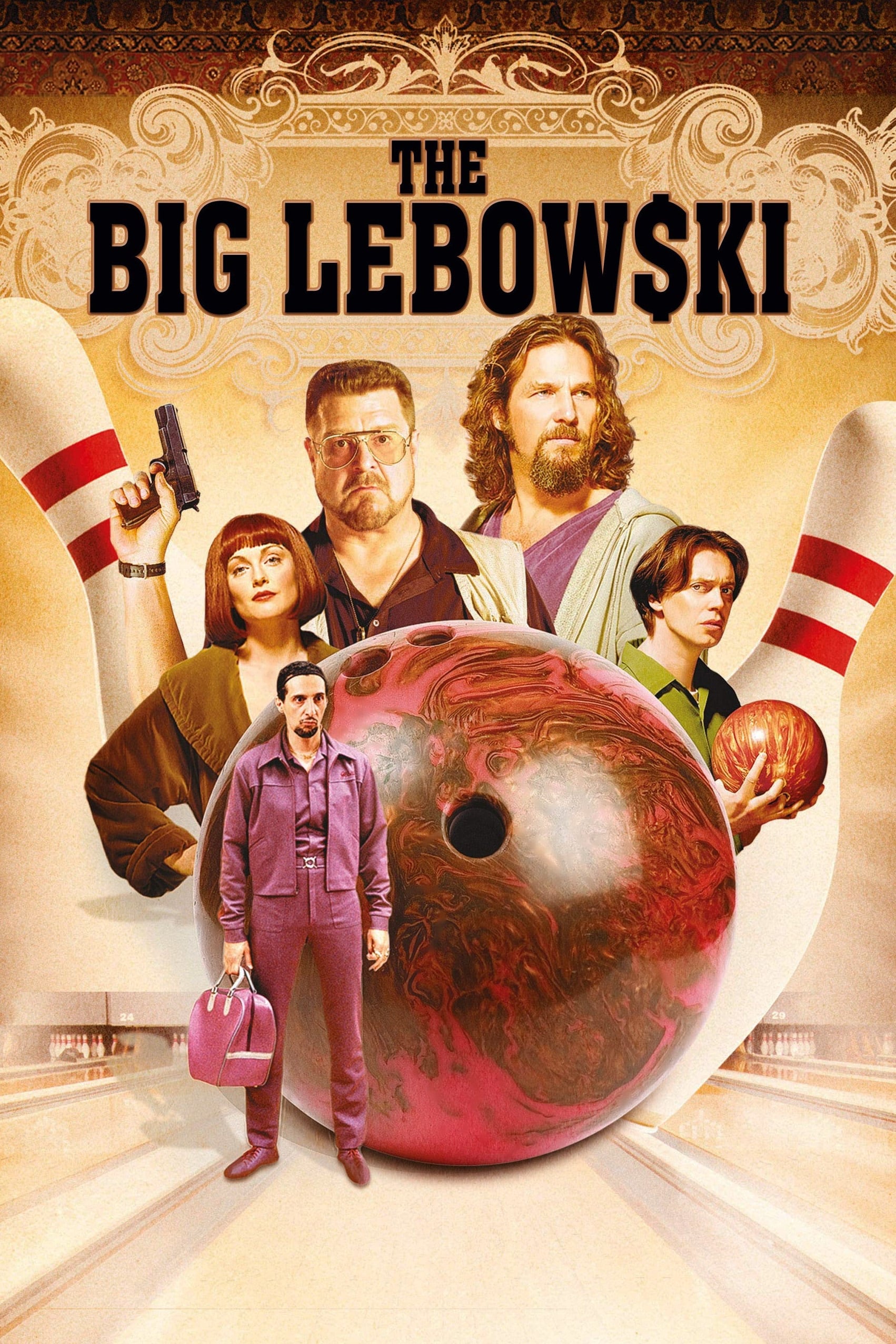
The Coen brothers mix detective tropes with bowling-alley hangouts and mistaken identity. Jeff Bridges, John Goodman, and Julianne Moore headline a plot that meanders by design through ransom notes and art-world satire.
Ralphs, bowling leagues, and a rug that “really tied the room together” entered fan lore through festivals and screenings. The film’s soundtrack curation and dream sequences are widely studied for tone control.
‘Rush Hour’ (1998)
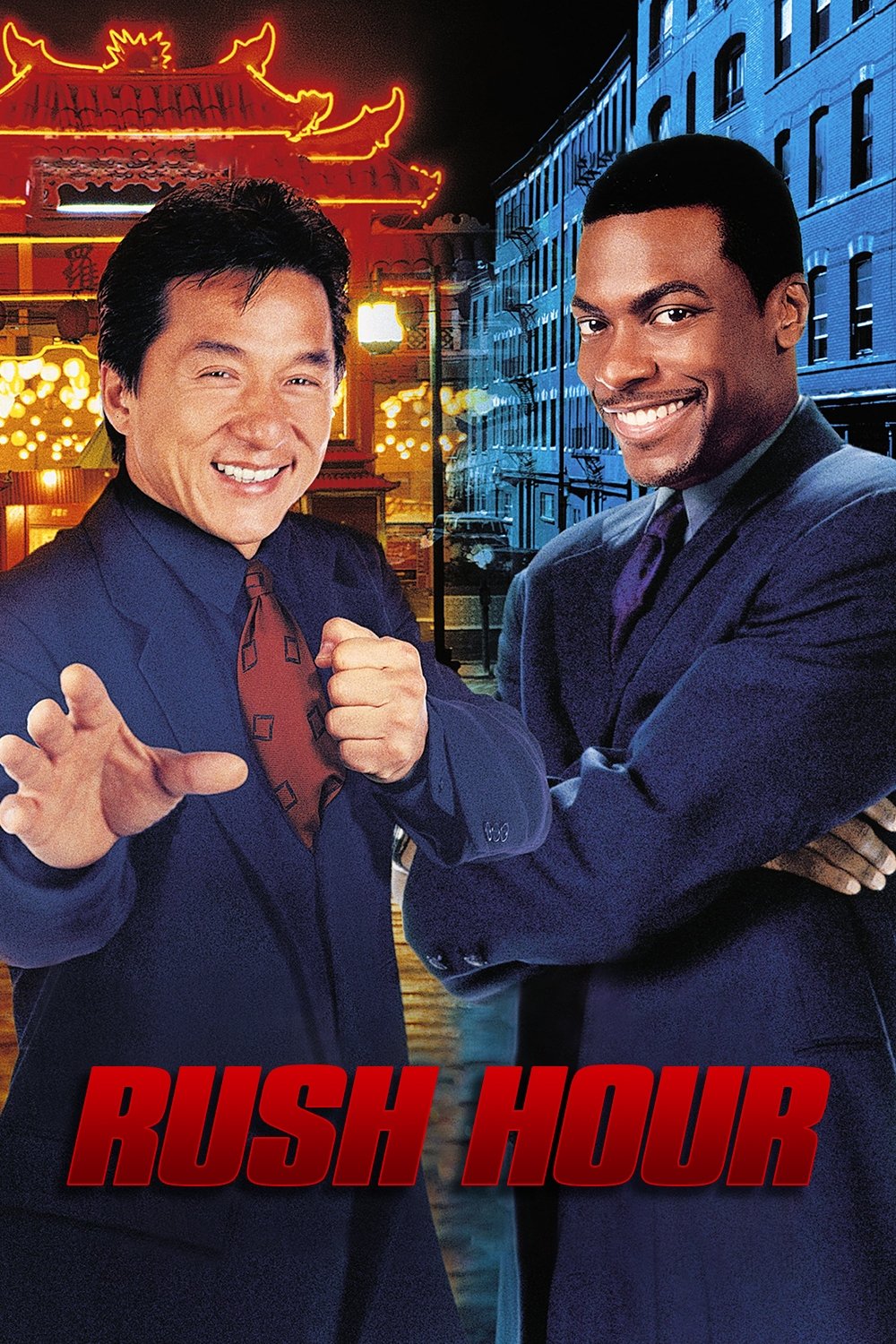
Brett Ratner pairs Jackie Chan’s stunt comedy with Chris Tucker’s fast-talking detective persona. The bilingual, cross-cultural setup frames action sequences choreographed for clarity and rhythm.
The film’s box-office success led to sequels and broadened Chan’s reach in English-language markets. Its fight-scene outtakes popularized end-credit bloopers as a marketing and goodwill tool.
‘The Truman Show’ (1998)
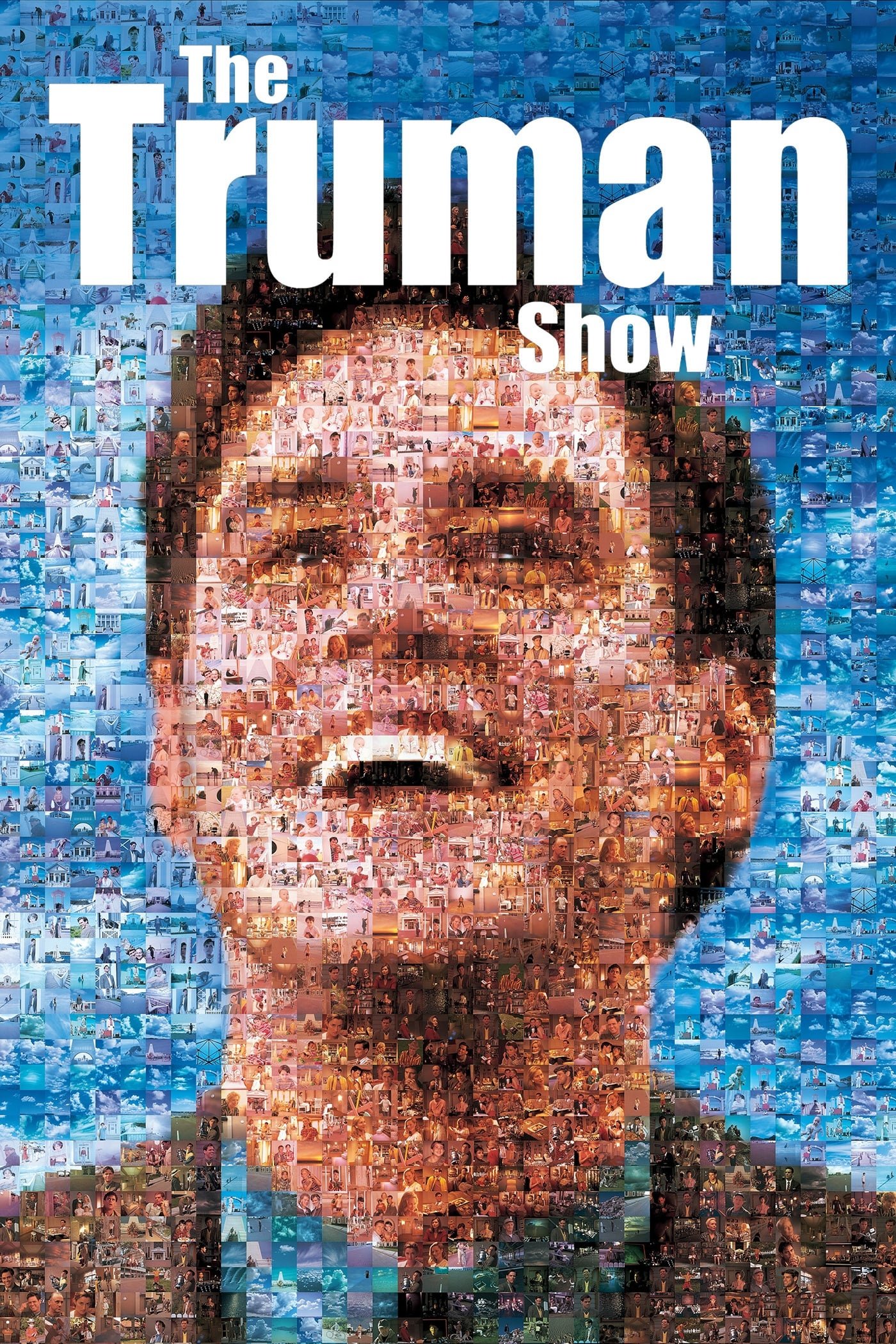
Peter Weir directs a media satire about a man whose life is an unwitting broadcast. Jim Carrey’s dramatic turn anchors production design that mimics idealized suburbia with corporate branding and hidden cameras.
The film anticipated debates about surveillance, reality programming, and consent. Academic and media studies courses frequently use it to examine spectacle and constructed authenticity.
‘Office Space’ (1999)
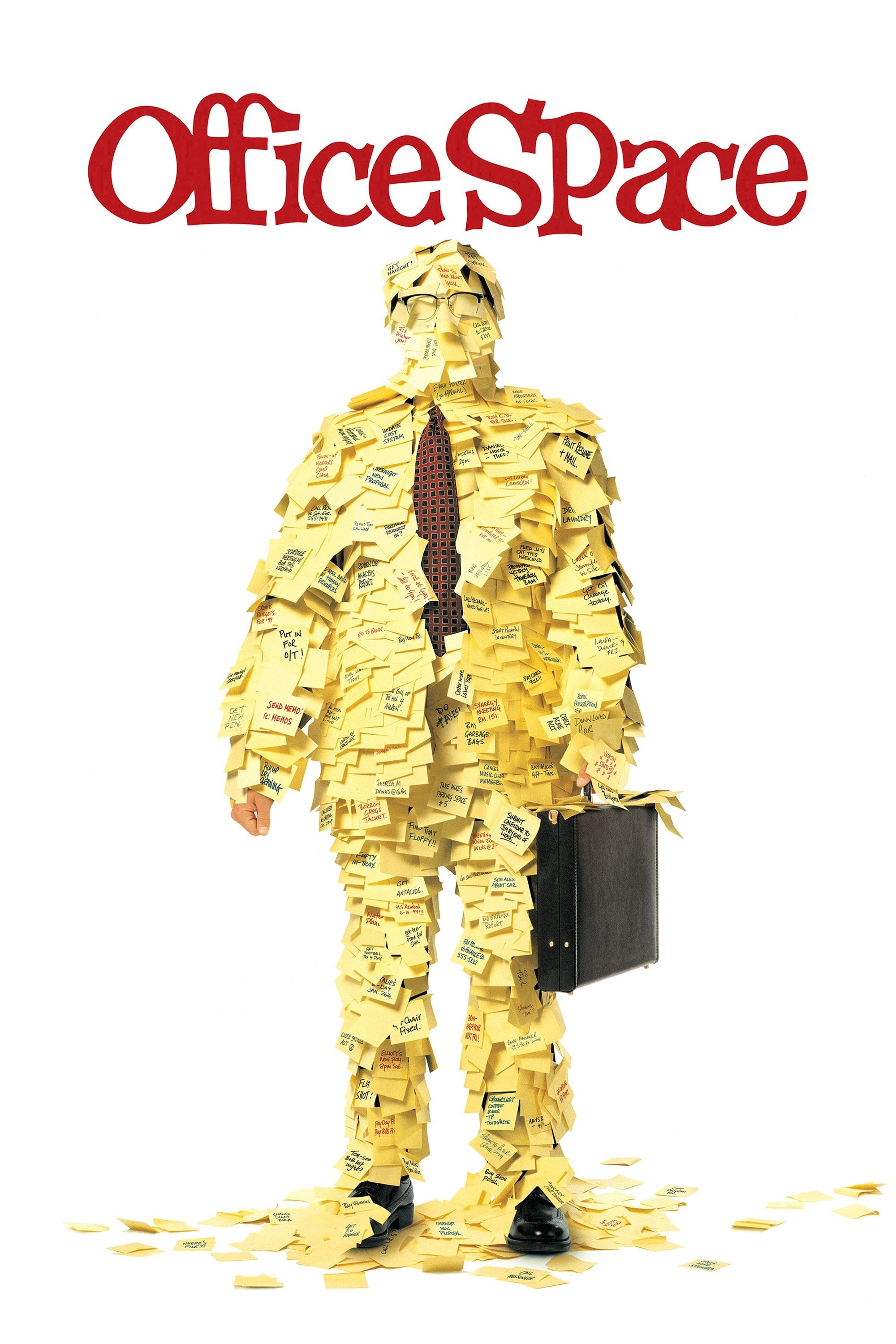
Mike Judge adapts his animated shorts into a live-action look at software-company malaise. Ron Livingston, Jennifer Aniston, and Stephen Root navigate cubicles, malfunctioning printers, and process-driven absurdity.
The film’s terminology—TPS reports, flair, and memos—became shorthand for corporate culture. Home video and cable replays transformed it from modest theatrical results into a cult staple.
‘American Pie’ (1999)
This ensemble high-school comedy follows friends navigating rites of passage with a pact that drives the plot. The cast includes Jason Biggs, Alyson Hannigan, Seann William Scott, and Eugene Levy, whose dad character became a franchise constant.
The film’s mixture of raunch and heart influenced a wave of youth comedies and spin-offs. Its soundtrack and suburban settings anchored a repeatable formula for ensemble sequels.
‘Amélie’ (2001)
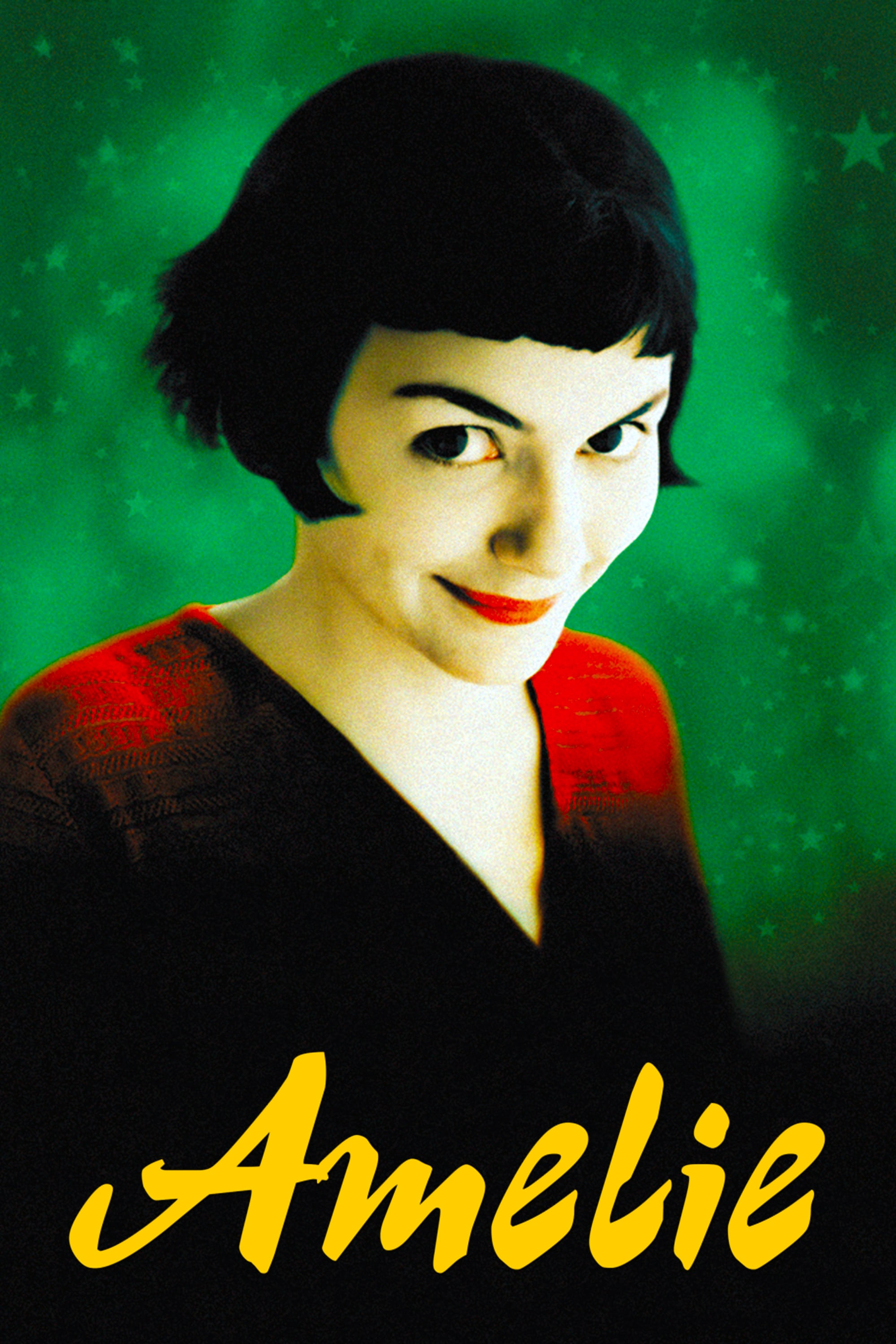
Jean-Pierre Jeunet crafts a whimsical Paris-set story about a shy waitress who orchestrates small acts to improve others’ lives. Audrey Tautou’s performance pairs with saturated color palettes, stylized production design, and inventive transitions.
The film boosted tourism to specific neighborhoods and inspired visual homages across advertising and music videos. Its international success expanded the audience for contemporary French comedies.
‘Mean Girls’ (2004)
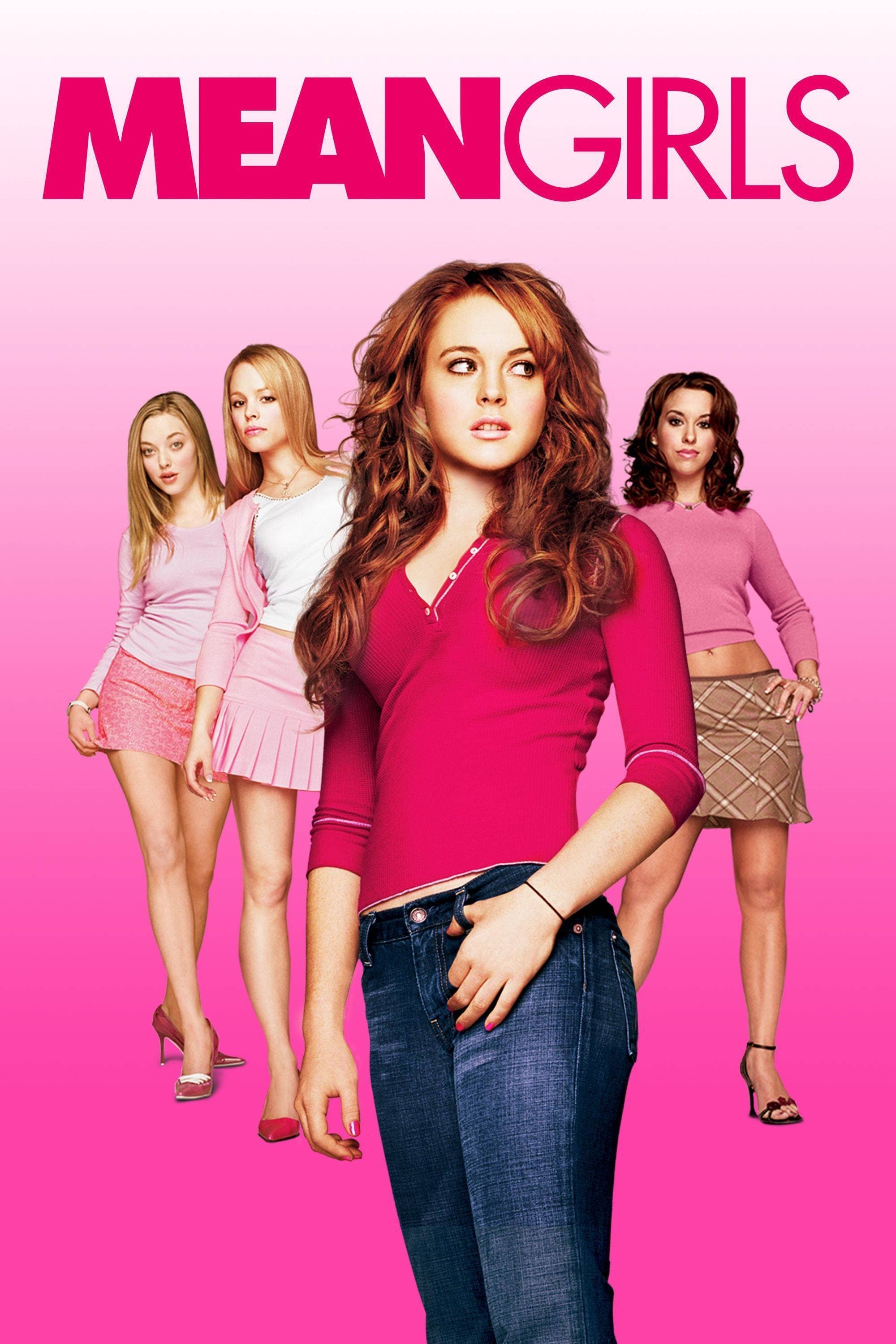
Tina Fey adapts a non-fiction sociology book into a high-school comedy about social cliques and identity. Lindsay Lohan, Rachel McAdams, and a deep ensemble deliver precise characterization across classrooms and cafeterias.
The film’s vocabulary entered everyday speech, supported by an online afterlife and stage adaptation. Its depiction of guidance counseling, assemblies, and rulebooks is frequently referenced in education and pop-culture commentary.
‘Shaun of the Dead’ (2004)
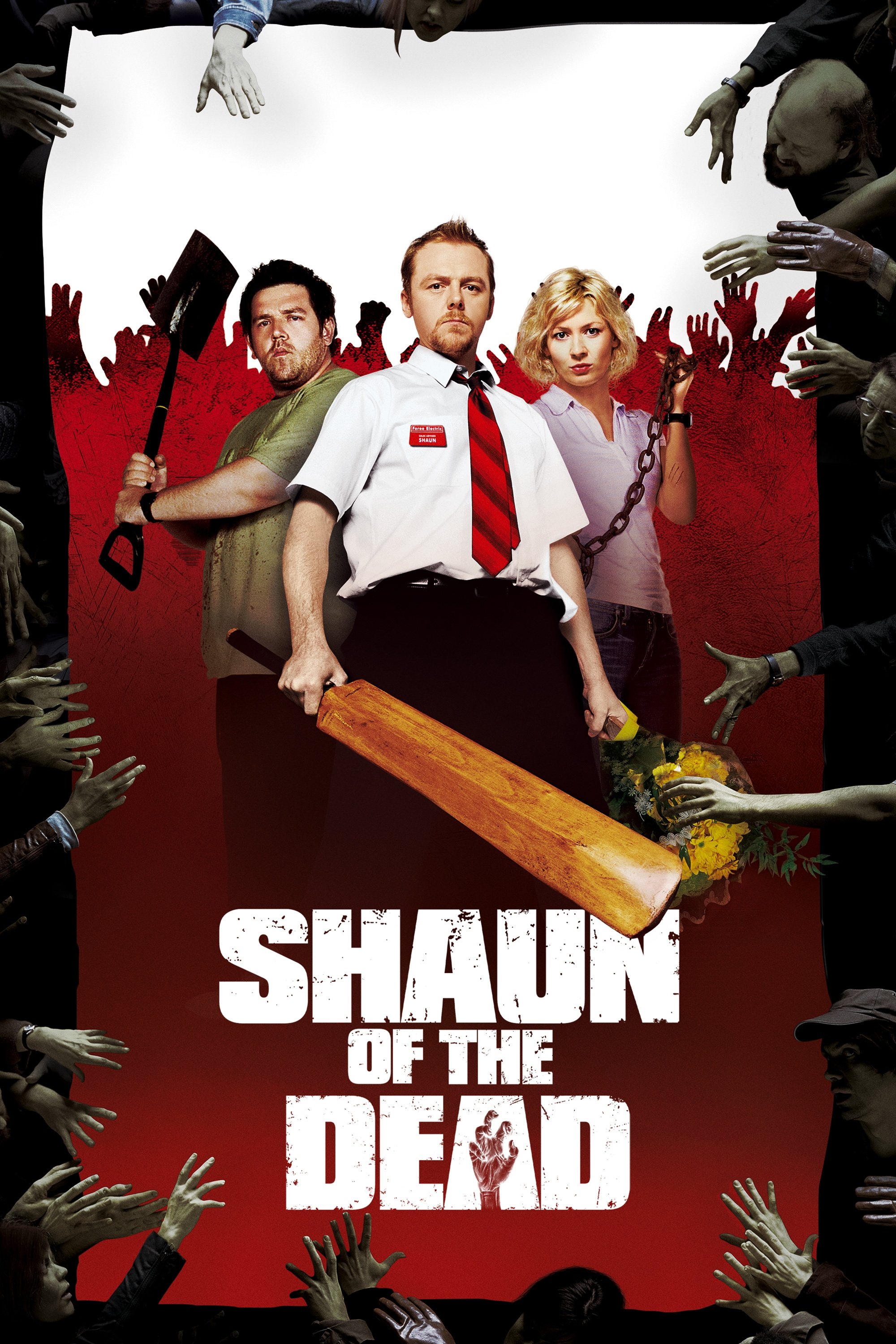
Edgar Wright fuses a relationship story with a zombie outbreak, co-written with Simon Pegg. Quick cuts, whip pans, and visual match-cuts form a stylistic signature often called the “Pub Crawl” energy.
The film kicked off the so-called Cornetto Trilogy through recurring collaborators and themes. Its soundtrack cues and repeated staging demonstrate how visual callbacks can build jokes across acts.
‘Anchorman: The Legend of Ron Burgundy’ (2004)
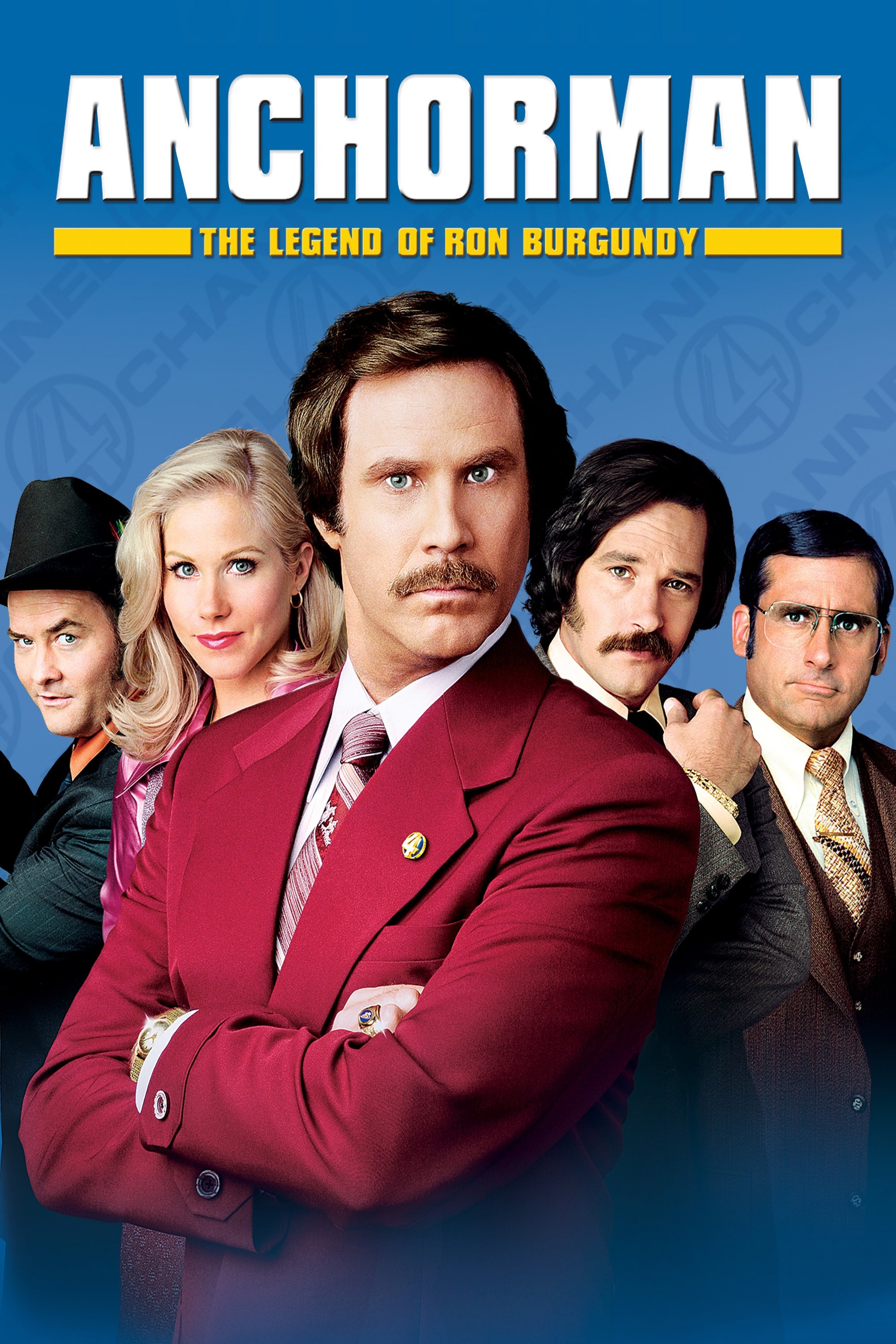
Adam McKay and Will Ferrell build a newsroom satire around regional TV egos and shifting workplace norms. The ensemble—Christina Applegate, Paul Rudd, Steve Carell, and David Koechner—improvises within tightly outlined scenarios.
The film’s invented channel brands, teleprompter rules, and rival news gangs fed a broader universe of spin-offs and outtakes. Its marketing leaned on character bits that spread through trailers and viral clips.
‘Borat: Cultural Learnings of America for Make Benefit Glorious Nation of Kazakhstan’ (2006)
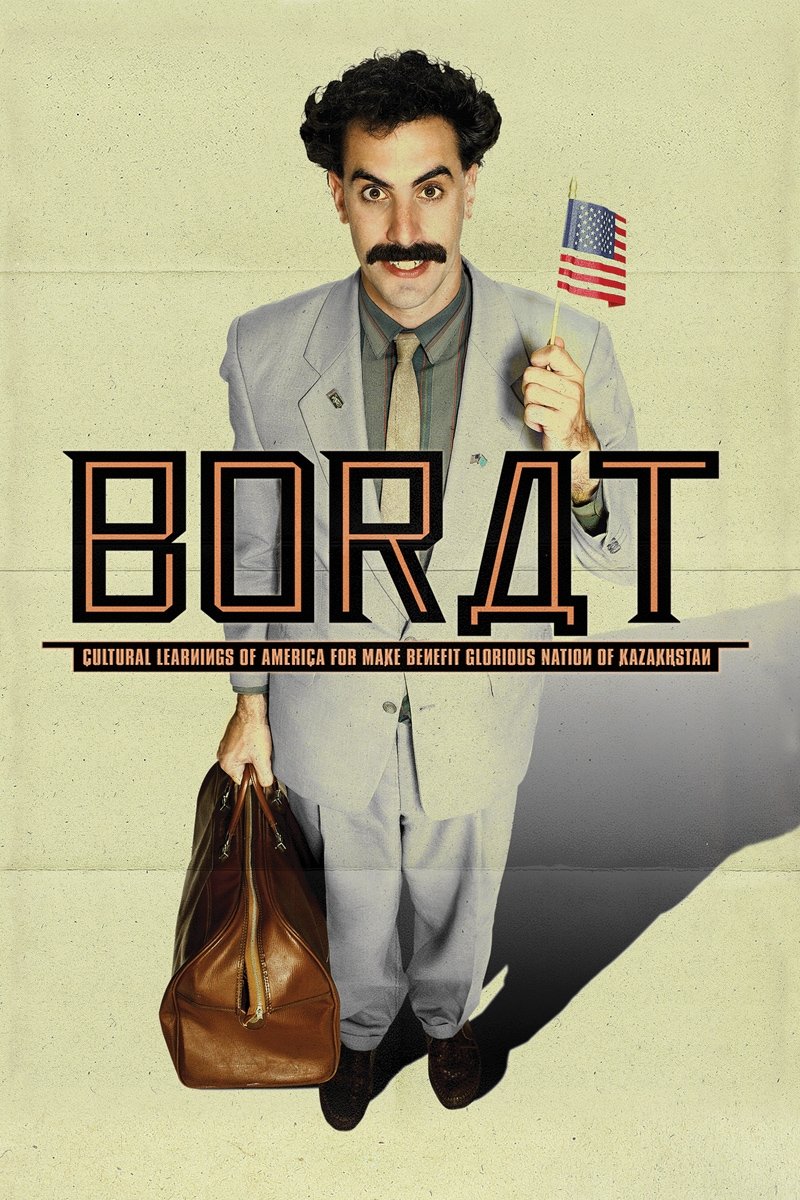
Sacha Baron Cohen extends his mockumentary character into a cross-country trip that elicits unscripted reactions. The production relies on a small crew, hidden-camera tactics, and staged interviews that test social boundaries.
The film’s legal clearances and consent procedures drew attention to documentary ethics in comedy. Its catchphrases and cultural footprint led to subsequent projects using a similar hybrid format.
‘Hot Fuzz’ (2007)
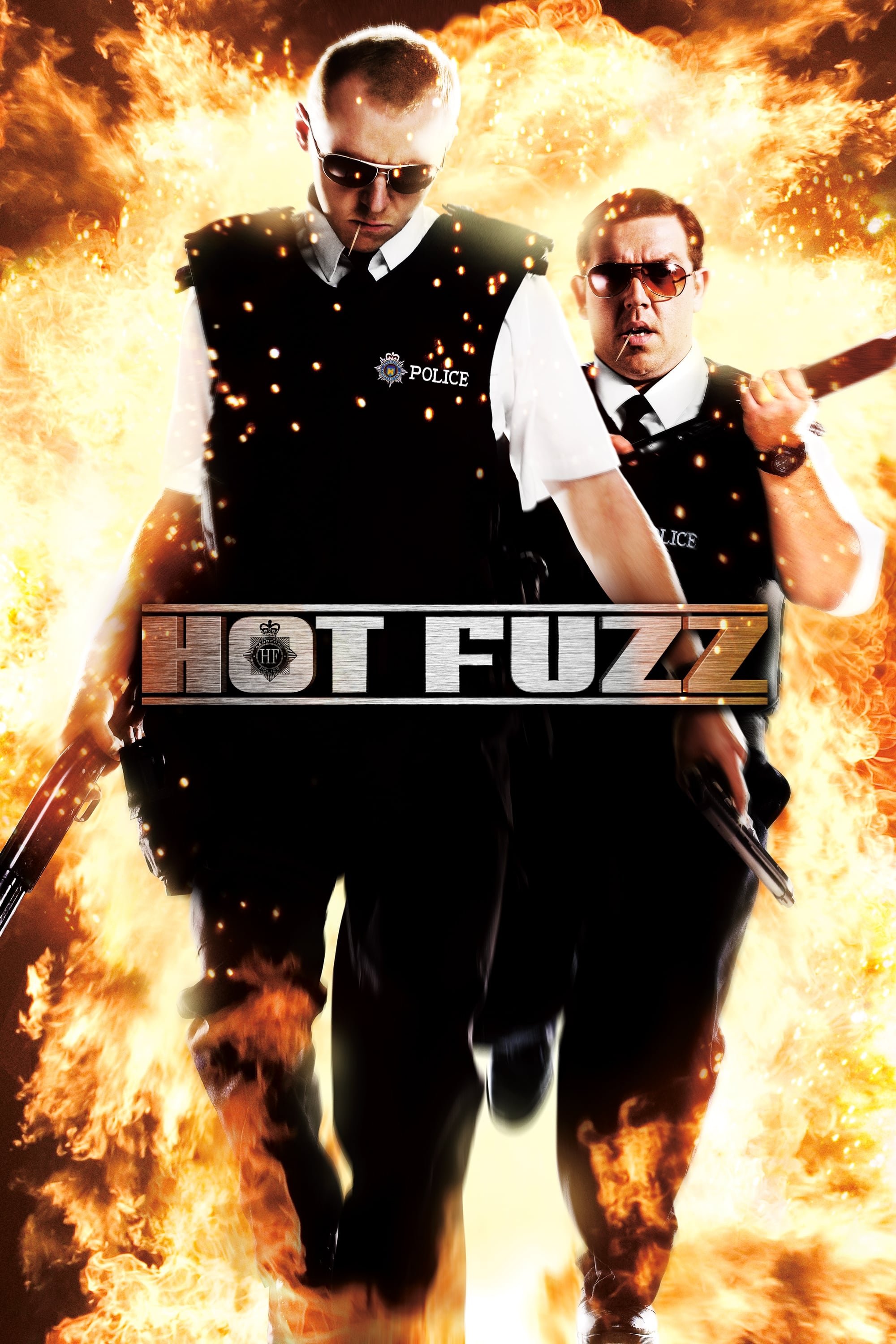
Edgar Wright and Simon Pegg pivot from horror parody to action-movie homage set in an English village. Nick Frost co-stars as the local officer who embraces genre conventions, while the film mirrors buddy-cop beats with rural quirks.
The production features intricate foreshadowing where early throwaway lines return as plot points. Stunt work and practical effects are designed to echo blockbuster aesthetics on a smaller scale.
‘Superbad’ (2007)
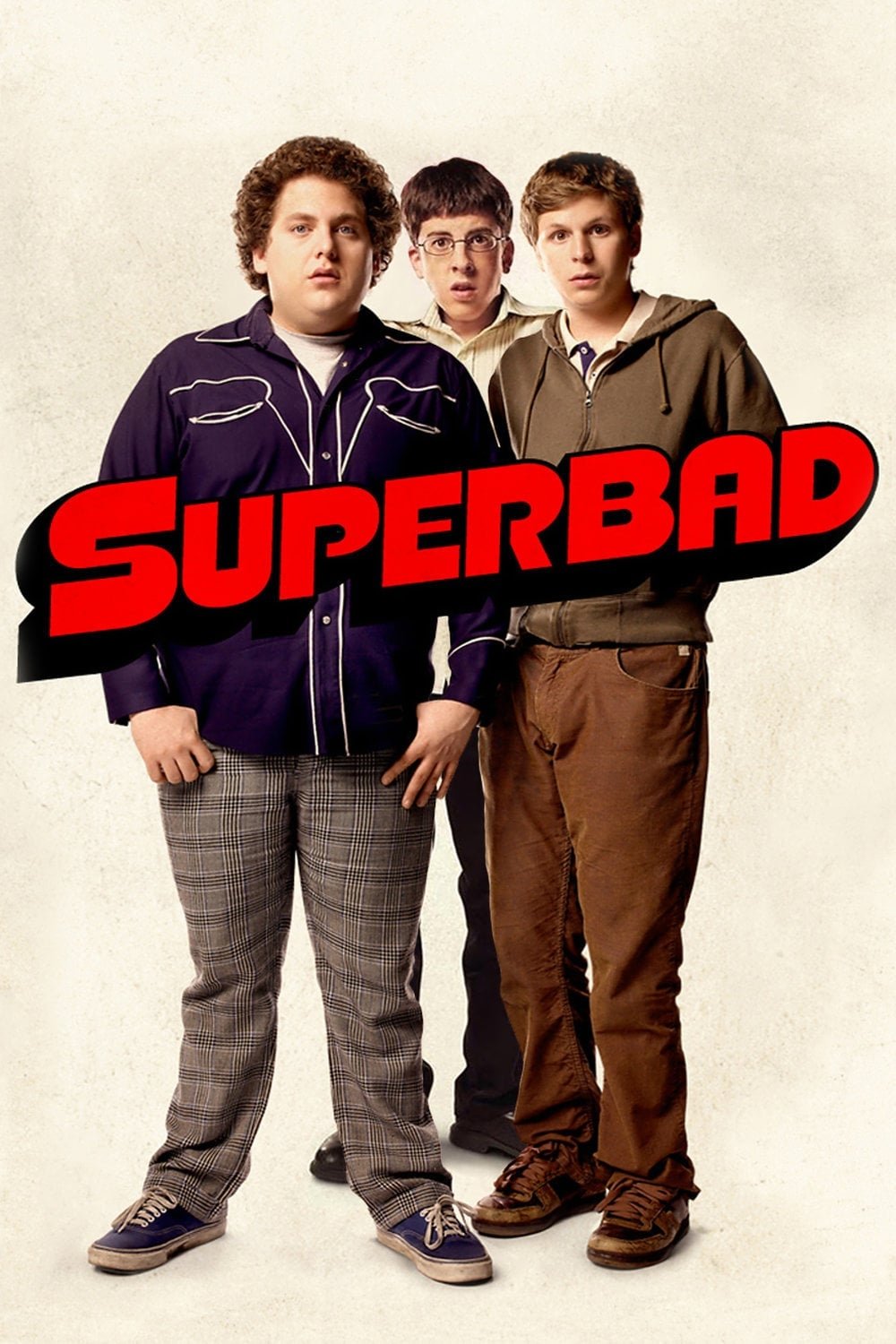
Writers Seth Rogen and Evan Goldberg channel adolescent friendship dynamics into a one-night odyssey. Jonah Hill, Michael Cera, and Christopher Mintz-Plasse headline a structure that uses episodic misadventures to chart growing independence.
The film helped define a wave of dialogue-driven youth comedies produced by Judd Apatow. Its prop comedy, from fake IDs to mislabeled containers, became recognizable touchstones.
‘In Bruges’ (2008)
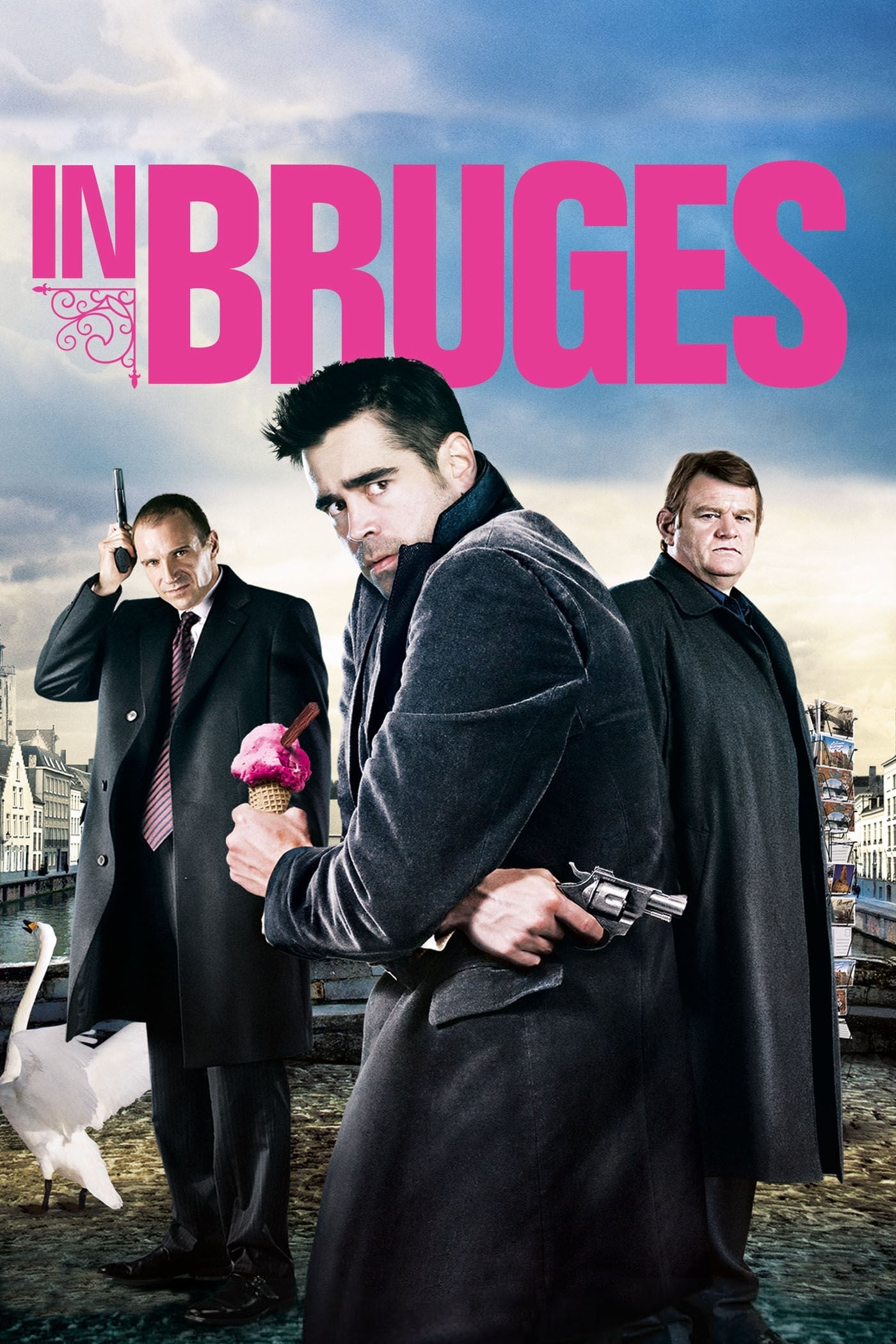
Martin McDonagh sets two hitmen in a medieval Belgian city to explore guilt, redemption, and fatalism through dark humor. Colin Farrell and Brendan Gleeson anchor scenes that balance violent stakes with philosophical banter.
The city’s canals, squares, and towers function as character, with location shooting integral to tone. The film’s dialogue cadence reflects the writer’s stage background, influencing later crime comedies.
‘The Hangover’ (2009)
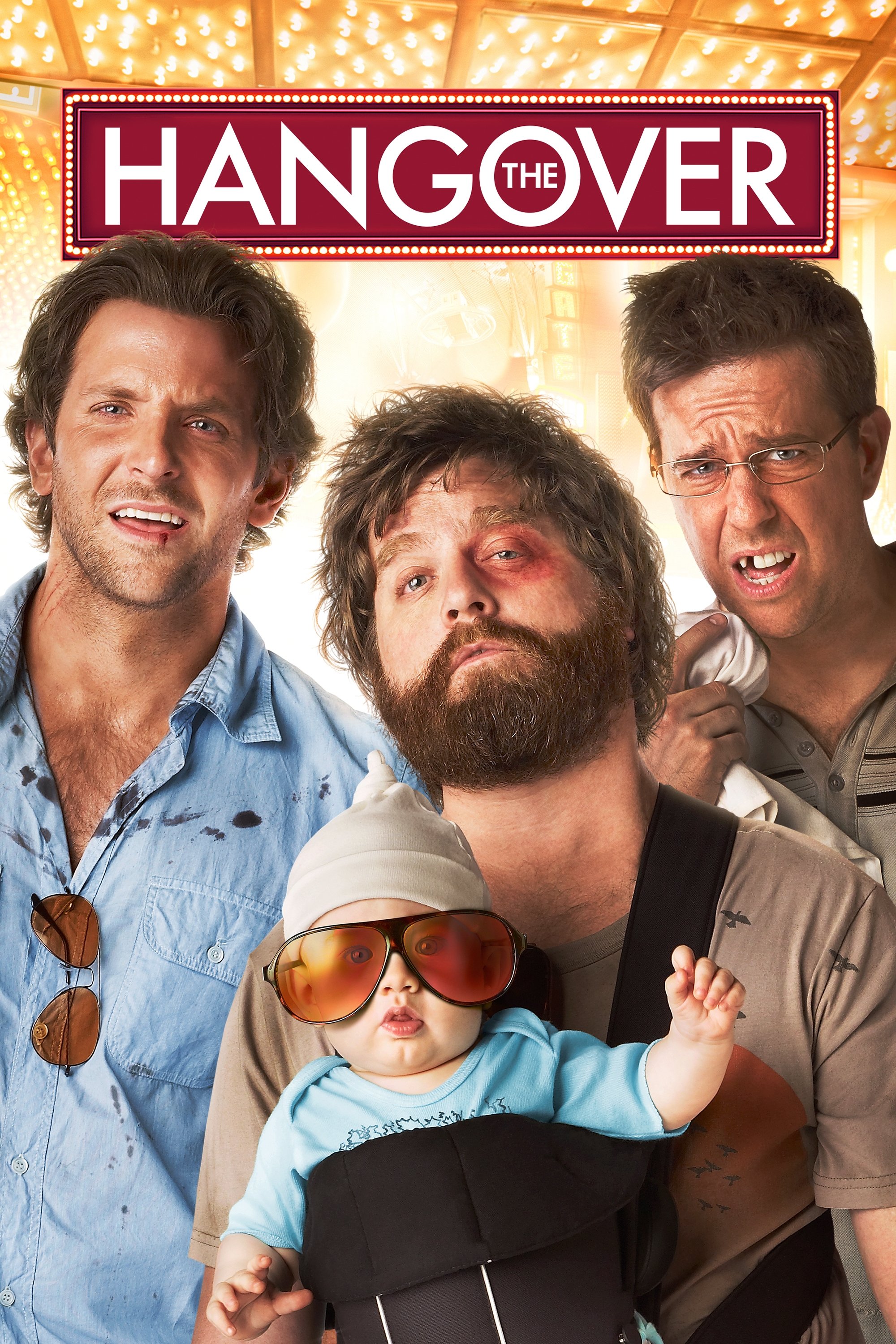
Todd Phillips frames a mystery around a bachelor party that goes missing piece by piece. Bradley Cooper, Ed Helms, and Zach Galifianakis reconstruct events through clues, photos, and unexpected cameos.
The film’s nonlinear investigation structure let set pieces play like reveals. It became a franchise and revitalized Las Vegas as a comedic backdrop, impacting tourism campaigns and themed attractions.
‘Bridesmaids’ (2011)
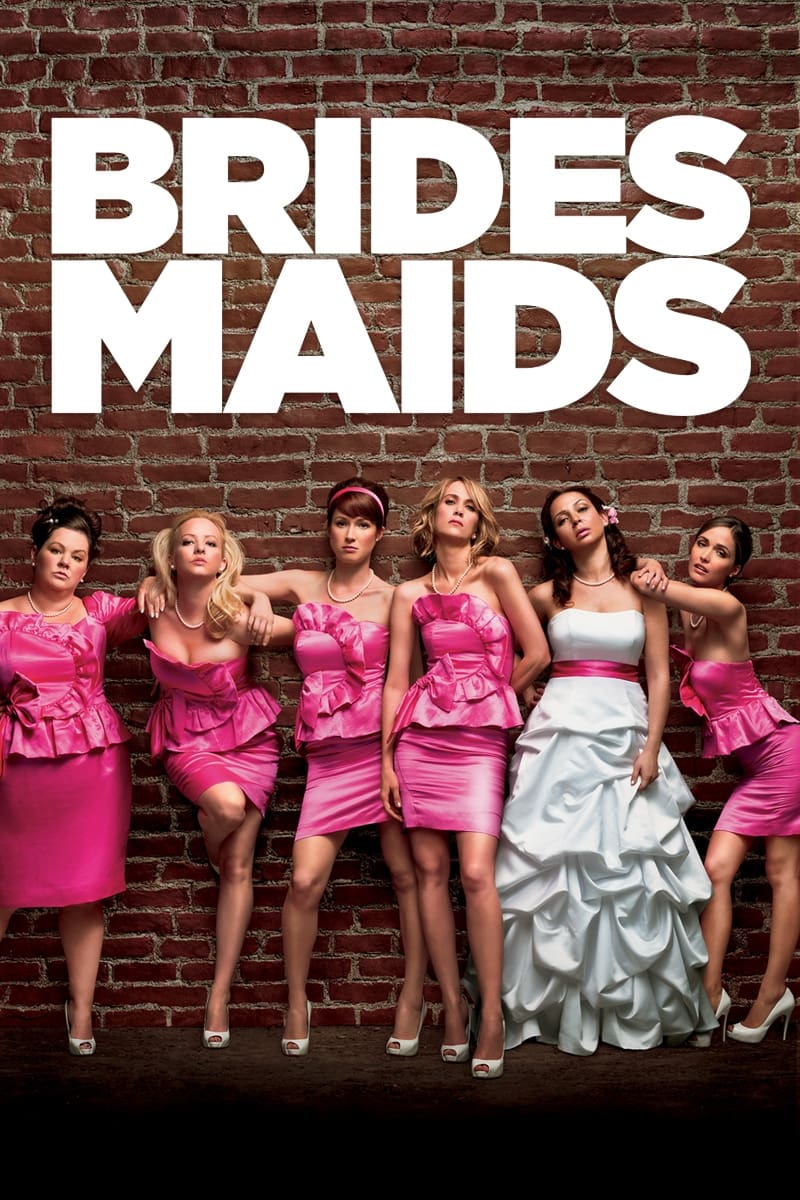
Kristen Wiig and Annie Mumolo’s script centers on friendship stress tested by a wedding’s social pressures. Wiig, Maya Rudolph, Melissa McCarthy, Rose Byrne, and an ensemble deliver character-specific humor rooted in status shifts.
The film expanded perceptions about who anchors studio comedies and what scenarios they tackle. Its airplane, dress-fitting, and engagement-party sequences are studied for escalation and ensemble blocking.
‘The Grand Budapest Hotel’ (2014)
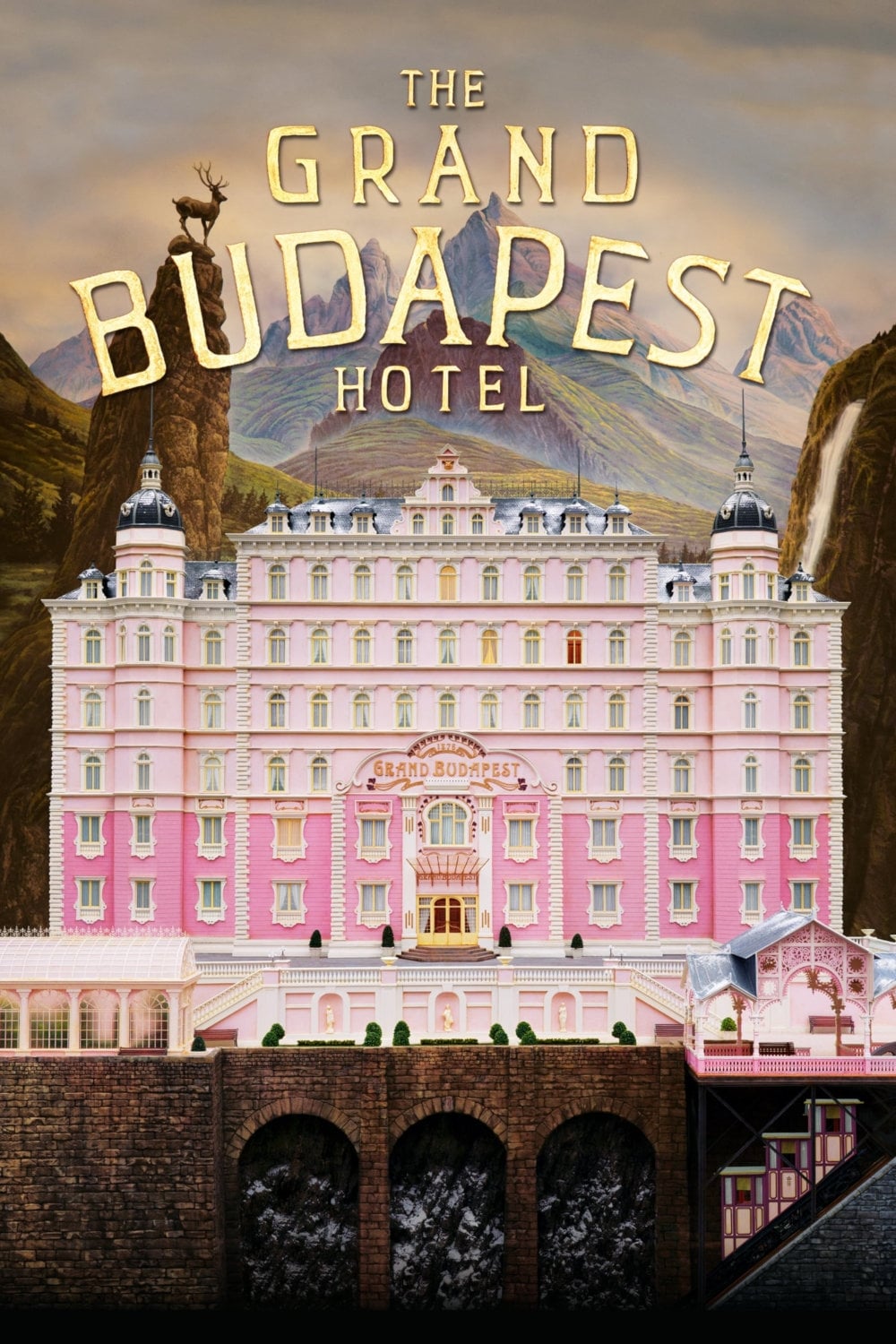
Wes Anderson constructs a caper across nested timelines in a fictional European republic. Ralph Fiennes leads an ensemble as a concierge navigating theft, war, and mentorship, supported by precise production design and miniatures.
The film’s aspect ratios, pastel palettes, and model work showcase handcrafted craft traditions. It earned multiple Academy Awards in craft categories and is frequently referenced for meticulous visual comedy.
‘What We Do in the Shadows’ (2014)
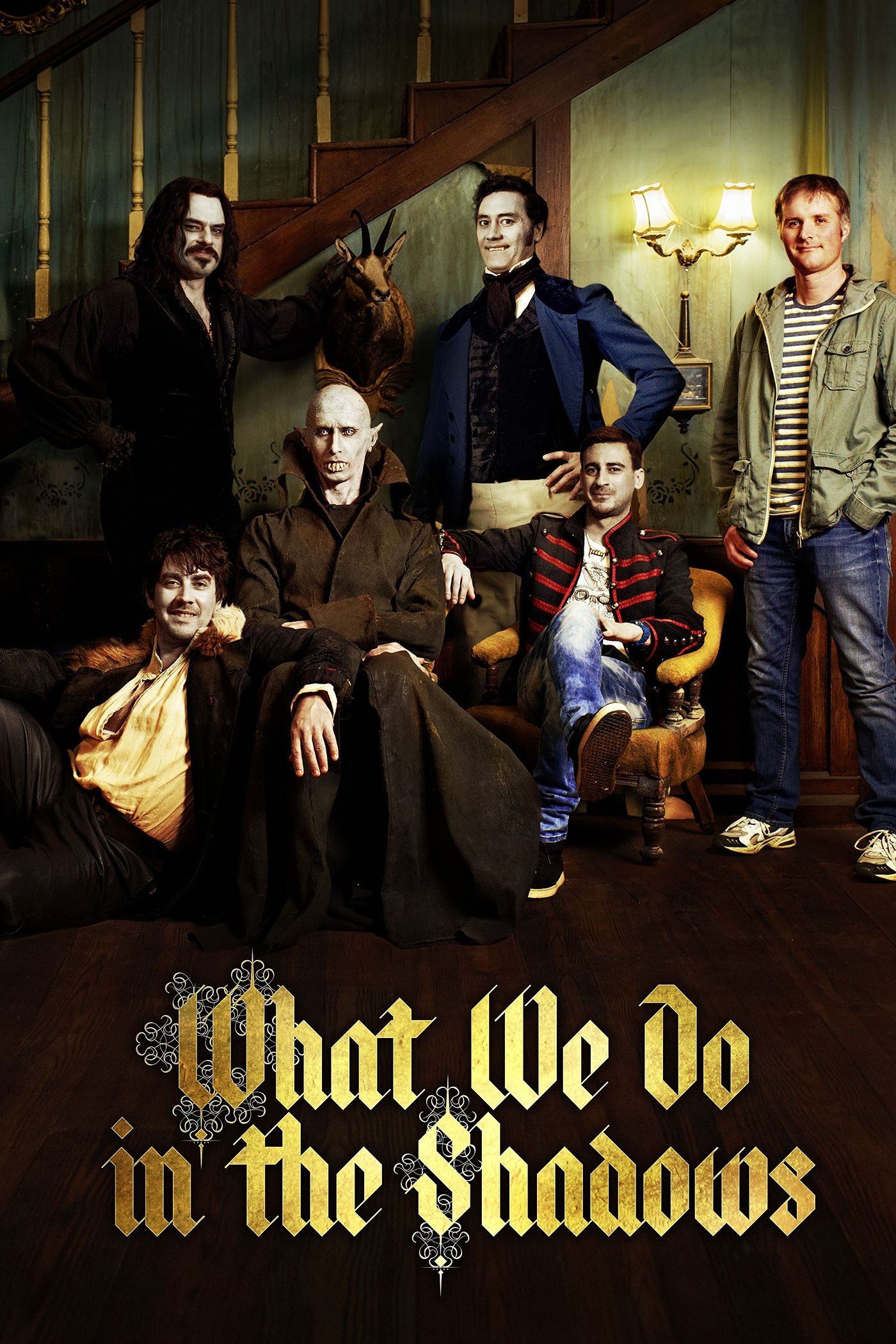
Jemaine Clement and Taika Waititi co-write and co-direct a mockumentary about vampire housemates dealing with modern life. The film applies deadpan interviews and mundane chores to supernatural lore, using practical effects for low-key transformations.
Its success launched a television spin-off that broadened the universe with new characters and locations. The format demonstrated how monster mythology can support workplace and roommate humor.
‘The Nice Guys’ (2016)
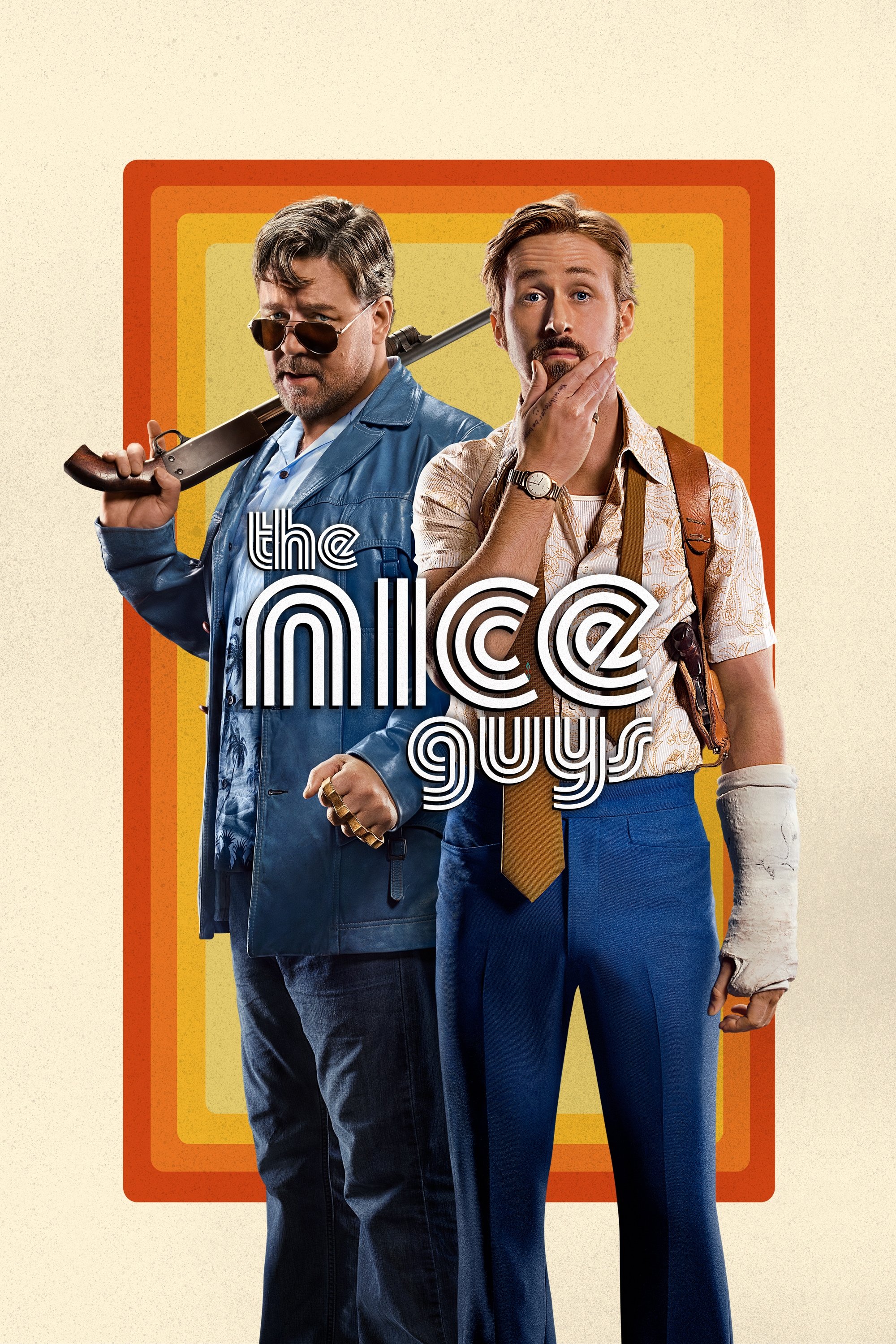
Shane Black blends private-eye tropes with corporate intrigue in a period Los Angeles setting. Russell Crowe and Ryan Gosling play mismatched investigators whose paths intersect over a missing person and an industry cover-up.
The film features set pieces built around geography, including hillside homes and convention floors. Its dialogue balances quips with plot clues, rewarding close attention to running gags and callbacks.
‘Jojo Rabbit’ (2019)
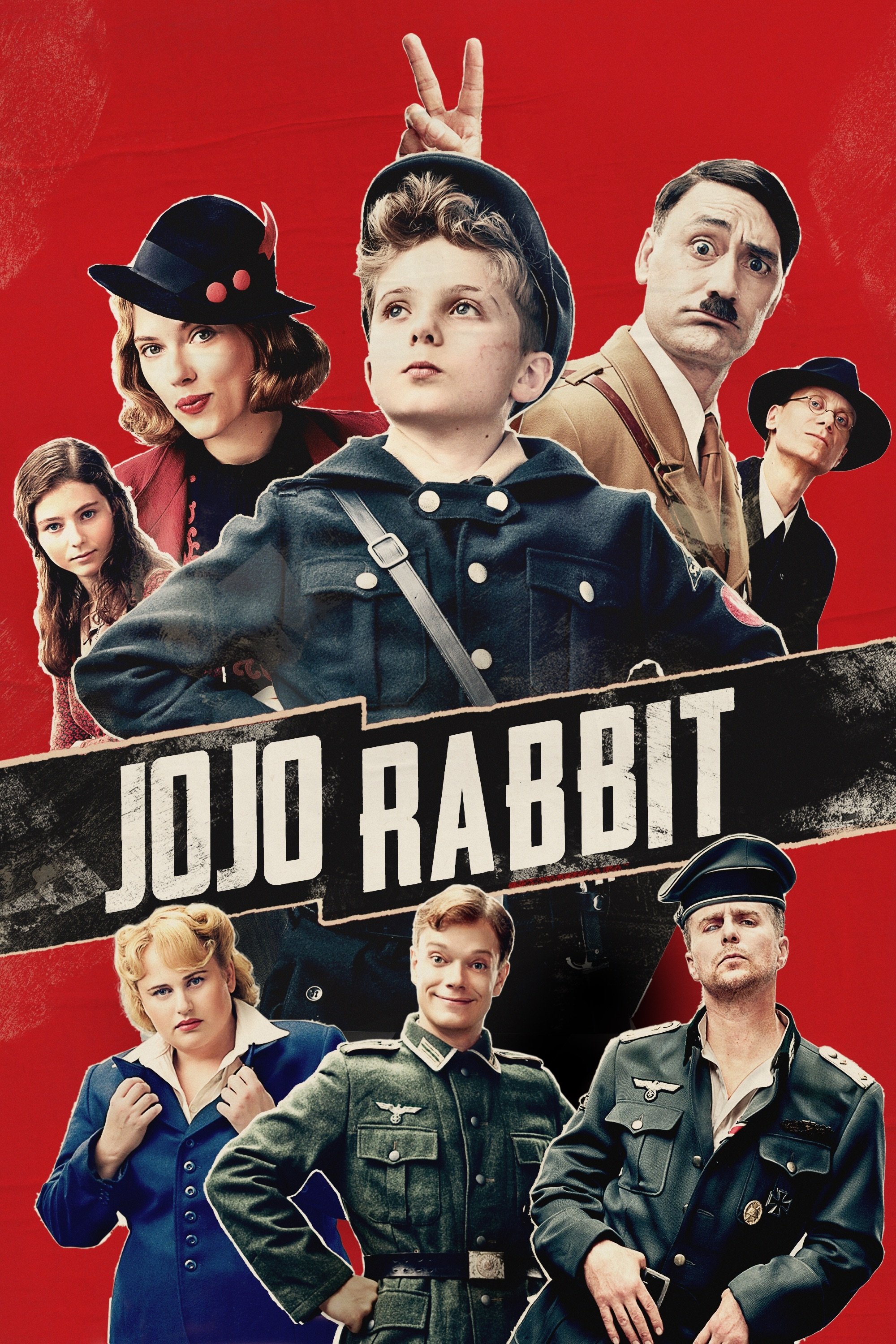
Taika Waititi adapts a novel into a satire about indoctrination, centering on a boy whose imaginary companion complicates his worldview. Roman Griffin Davis, Thomasin McKenzie, Scarlett Johansson, and Waititi lead an ensemble that balances humor with moral awakening.
The production contrasts bright color design with the subject’s seriousness to frame tone. It won an Academy Award for screenplay and spurred discussions about satire’s role in portraying sensitive themes.
‘Palm Springs’ (2020)
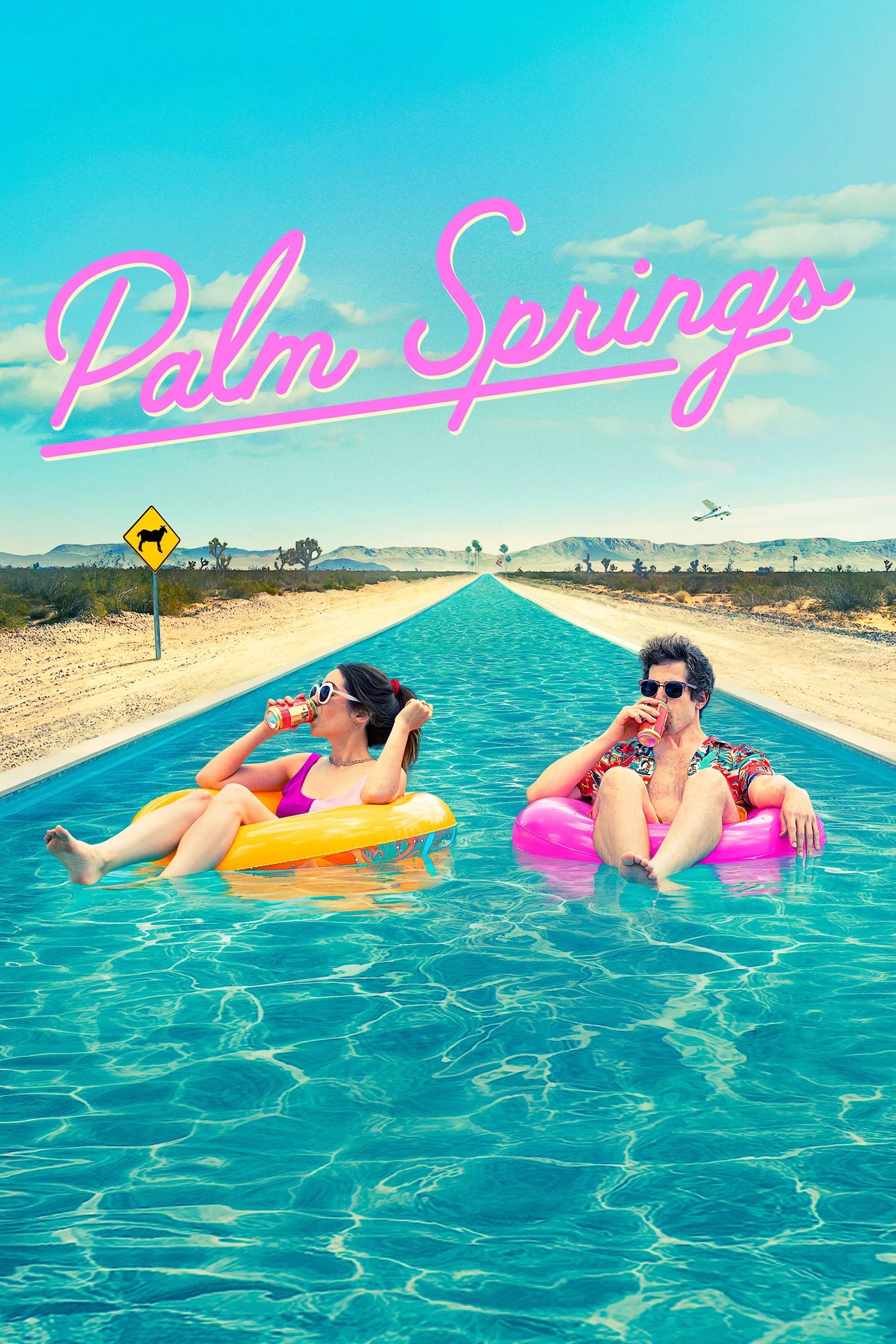
This time-loop romantic comedy traps two wedding guests in a desert resort’s repeating day. Andy Samberg and Cristin Milioti lead, with inventive use of montage to explore trial-and-error, skill building, and alternative routes.
The film’s release strategy emphasized streaming discovery and festival buzz, helping it reach wide audiences quickly. Its structure invites conversations about determinism and cooperative problem-solving within a comedic frame.
Tell us which comedies you’d add to the list in the comments!