The Best Cult Movies of All Time


Cult movies don’t always conquer the box office on first release. They tend to grow in the shadows—through midnight screenings, word-of-mouth, home-video discoveries, and repertory revivals that encourage audiences to keep returning and sharing them with friends. A strong cult film usually has a distinctive vision, an unusual tone, or a bold idea that makes it linger long after the credits roll.
Below is a curated tour through fifty titles that built devoted followings over time. You’ll find midnight-movie landmarks, subversive comedies, anime milestones, punk-spirited oddities, and visionary science fiction—each with concrete details on what it is, who made it, and how its audience sustained it across formats and decades.
‘The Rocky Horror Picture Show’ (1975)
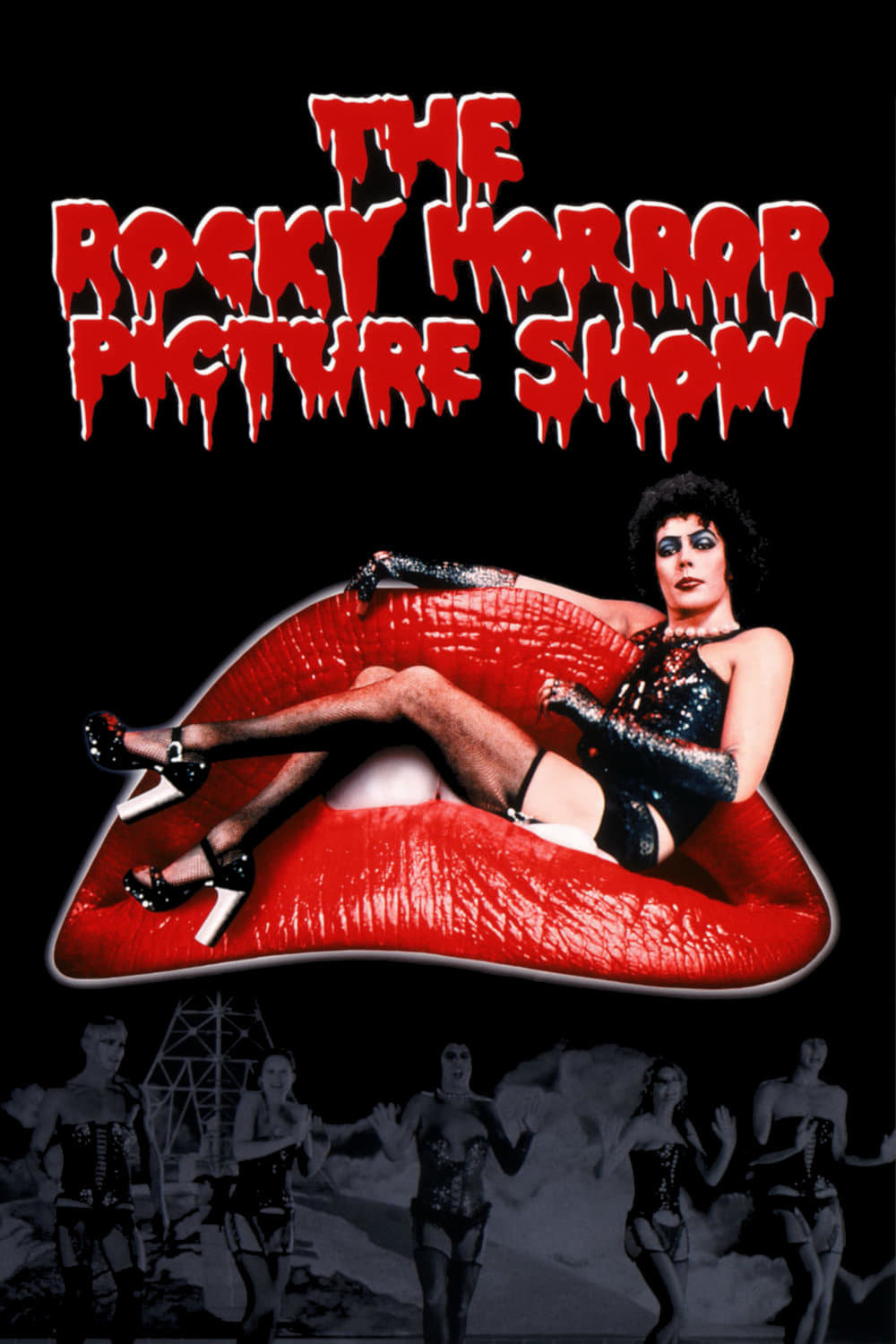
Richard O’Brien and Jim Sharman’s musical sends Brad and Janet to the castle of Dr. Frank-N-Furter, with songs ranging from “Science Fiction/Double Feature” to “Time Warp.” The production drew from glam rock and B-movie pastiche, with Tim Curry, Susan Sarandon, and Barry Bostwick leading the cast.
The film’s following grew through shadow casts, call-backs, and prop bags that made screenings participatory events. Specialty bookings, campus circuits, and home-video circulation supported continuous theatrical revivals and soundtrack sales.
‘Blade Runner’ (1982)
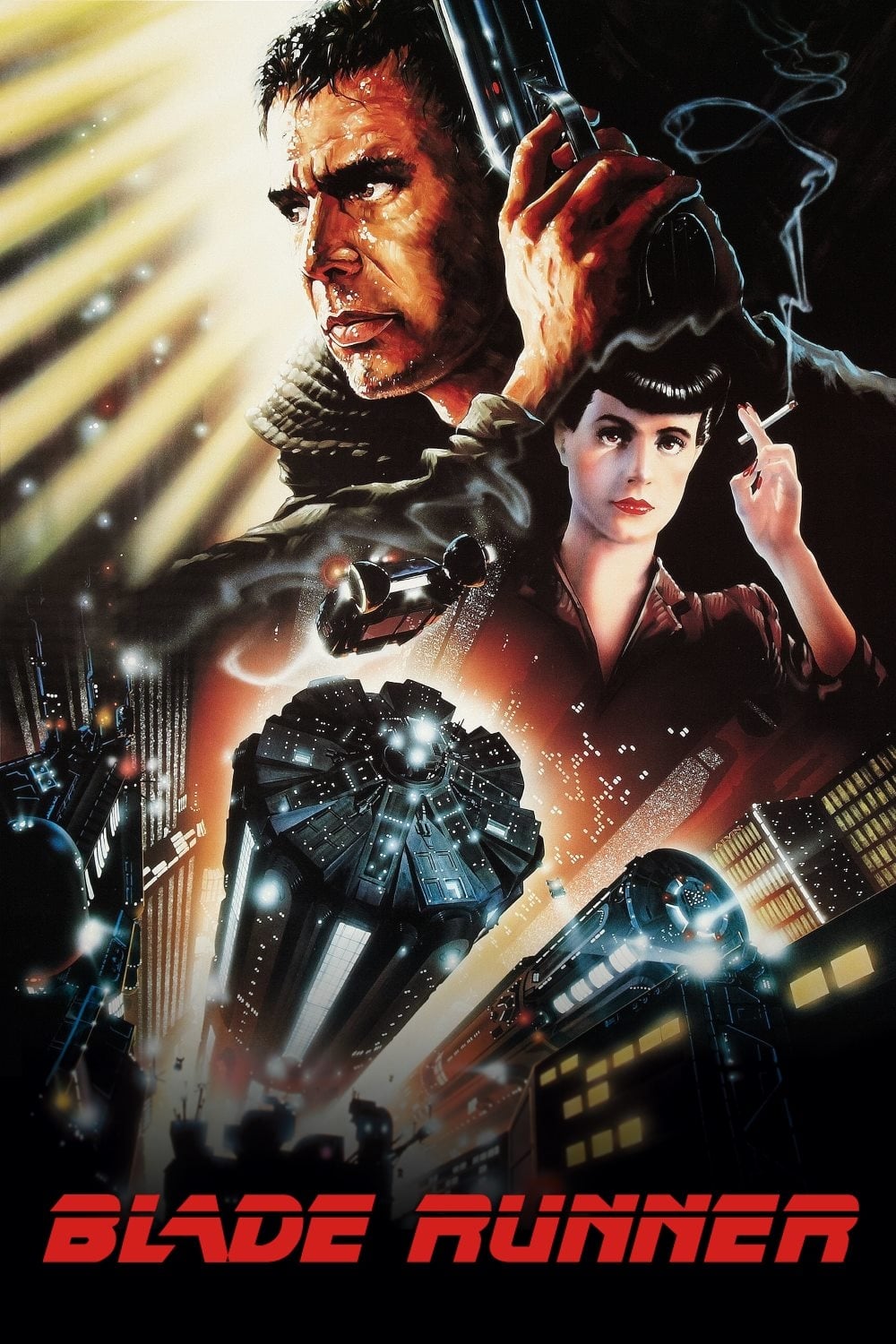
Ridley Scott adapts Philip K. Dick’s ideas into a rain-soaked Los Angeles where Rick Deckard investigates bioengineered replicants. The production’s miniatures, matte paintings, and neon-noir design were shaped by artists including Syd Mead, with Vangelis composing an electronic score.
Multiple edits—including a workprint, a later “director-associated” version, and a subsequent final cut—reshaped emphasis and character interpretation. Restorations and archival materials on disc releases expanded access and spurred ongoing analysis.
‘Donnie Darko’ (2001)
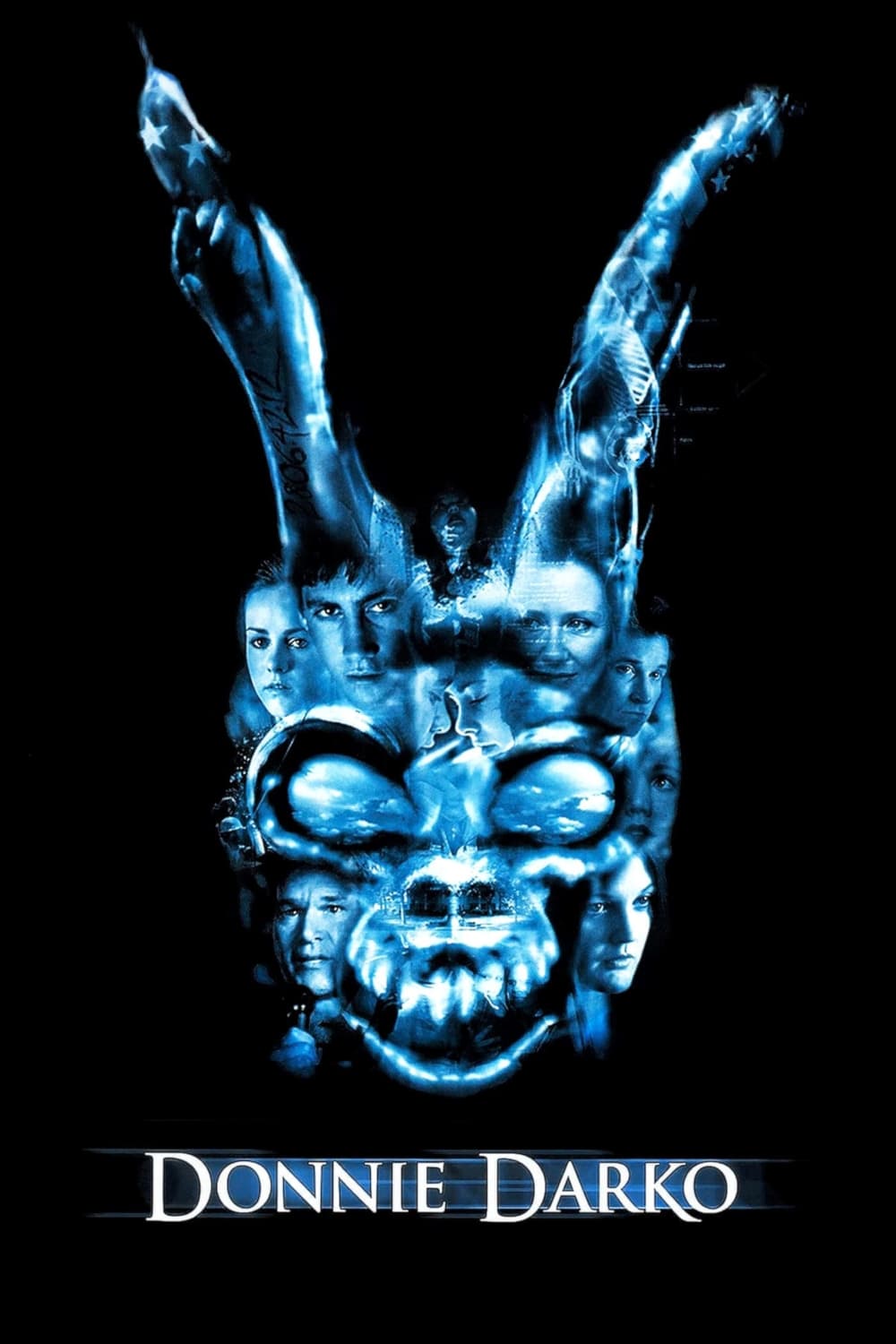
Writer-director Richard Kelly centers on a suburban teen guided by a figure in a rabbit suit amid time-loop paradoxes. Jake Gyllenhaal headlines alongside Jena Malone, Drew Barrymore, and Patrick Swayze, with licensed tracks from alternative and new-wave artists.
Festival buzz and a later director’s cut boosted visibility and clarified narrative details for viewers tracking the “tangent universe.” Midnight screenings and online forums sustained interest in its structure and symbolism.
‘Fight Club’ (1999)
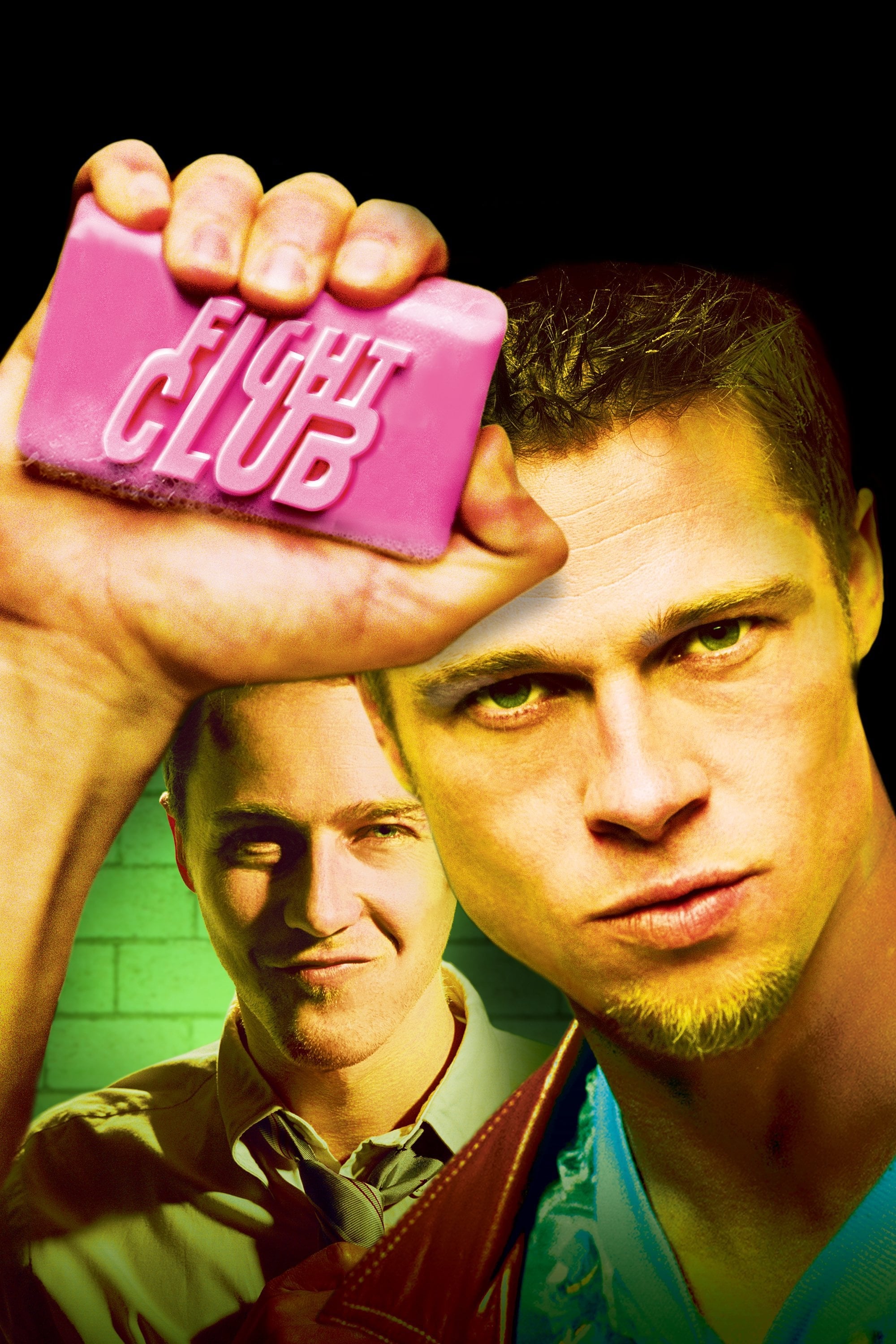
David Fincher adapts Chuck Palahniuk’s novel about a white-collar narrator who starts an underground bare-knuckle club with Tyler Durden. Brad Pitt, Edward Norton, and Helena Bonham Carter anchor a production that blends satire with stylized visuals.
Comprehensive home-video editions documented production design, visual effects, and sound work that reinforced repeat viewings. Iconography such as the pink soap became widely reproduced across promotional materials and retrospectives.
‘The Big Lebowski’ (1998)
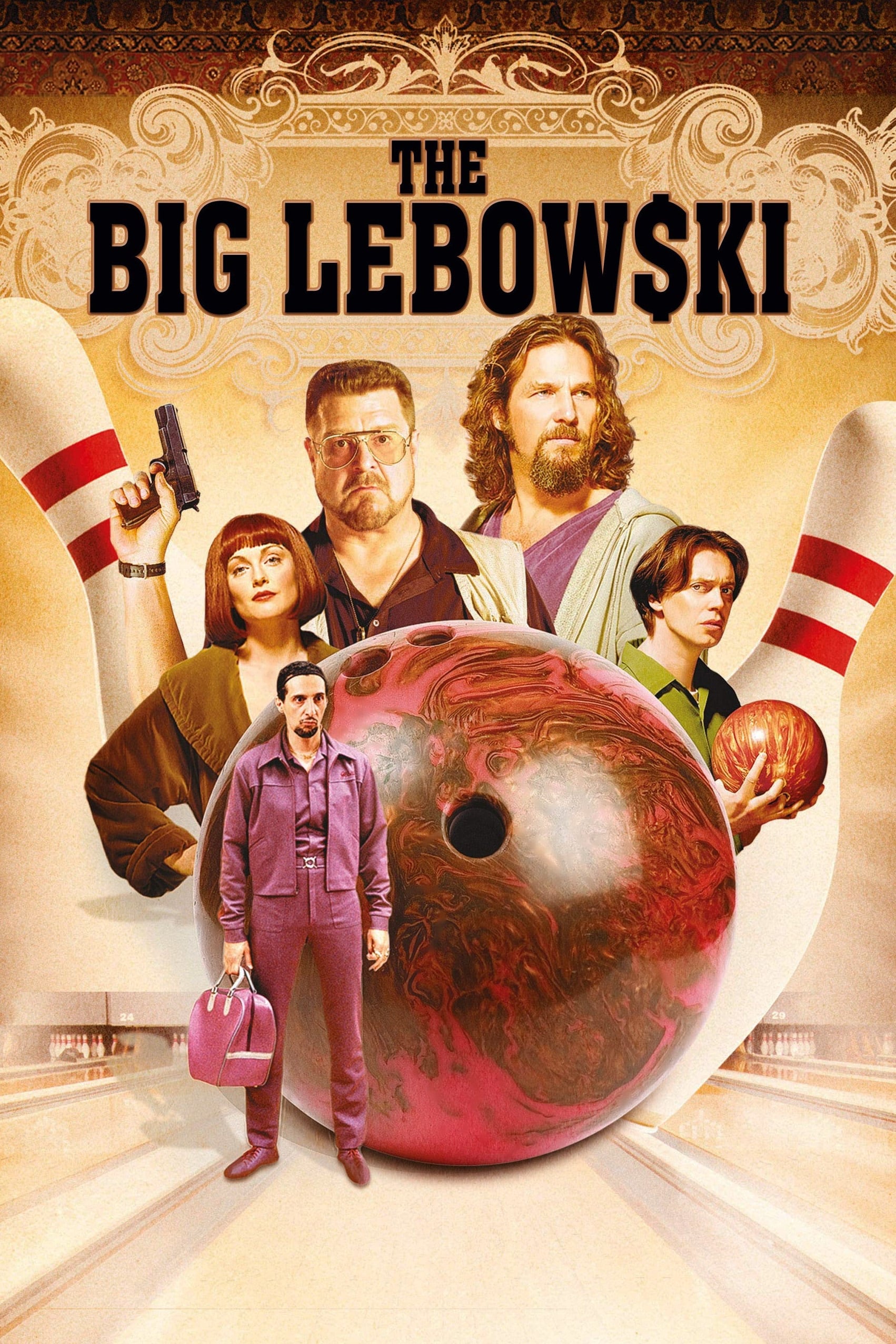
Joel and Ethan Coen follow Jeff “The Dude” Lebowski as a carpet mix-up draws him into a kidnapping plot. Jeff Bridges, John Goodman, Julianne Moore, and Steve Buscemi headline a story set around bowling alleys, ransom exchanges, and mistaken identities.
Fan culture expanded through themed festivals, bowling-league tributes, and merchandise. A soundtrack mixing rock, country, and experimental selections supported reissues and anniversary events.
‘Eraserhead’ (1977)
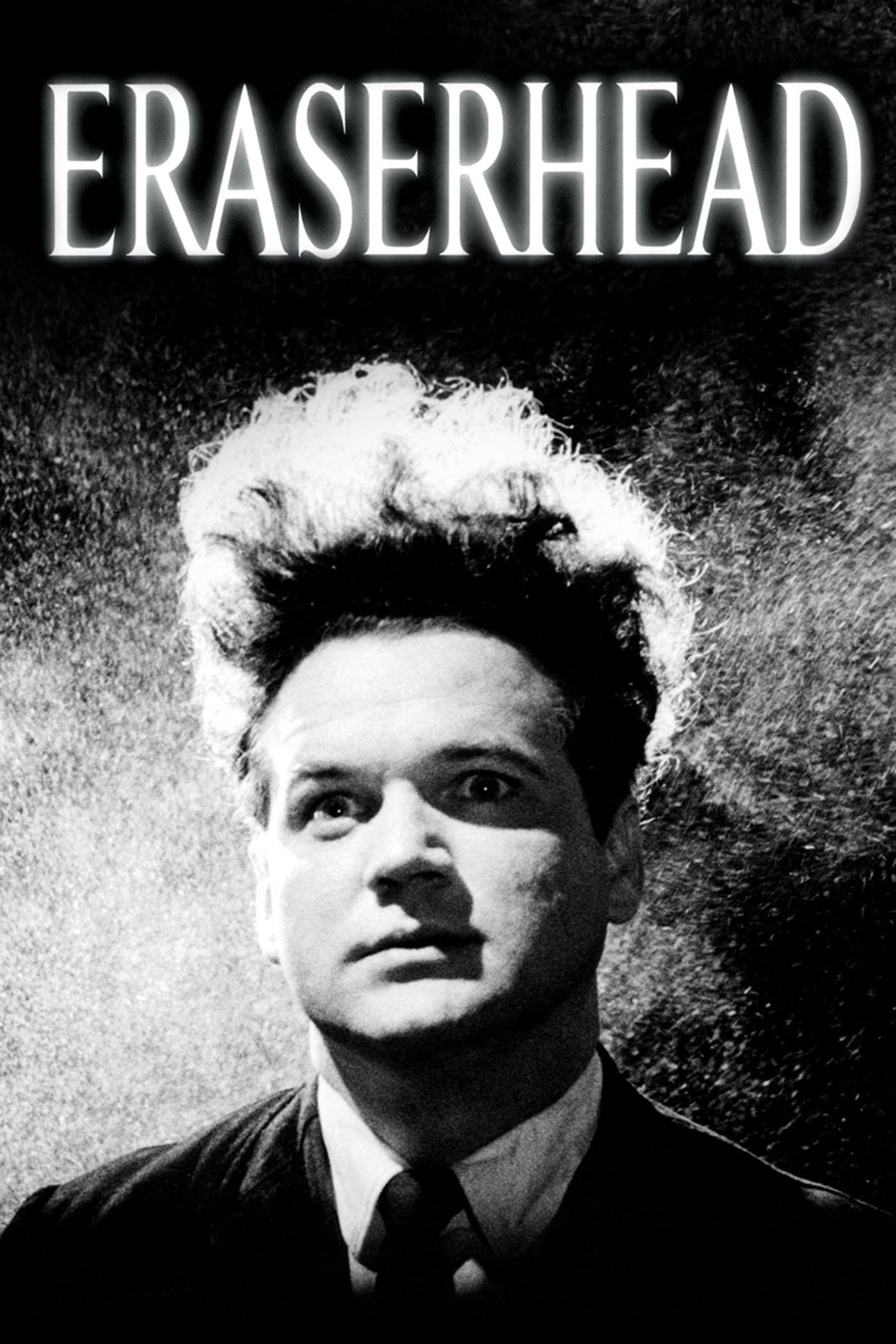
David Lynch’s first feature presents Henry Spencer navigating industrial desolation, a distressed infant, and nightmarish apartments. The team used handmade practical effects, intricate sound design, and black-and-white cinematography to build its atmosphere.
Midnight circuits and film-school syllabi circulated production stories that became part of the film’s lore. Musicians, designers, and theater artists cited its imagery in later projects, extending its reach beyond initial art-house runs.
‘A Clockwork Orange’ (1971)
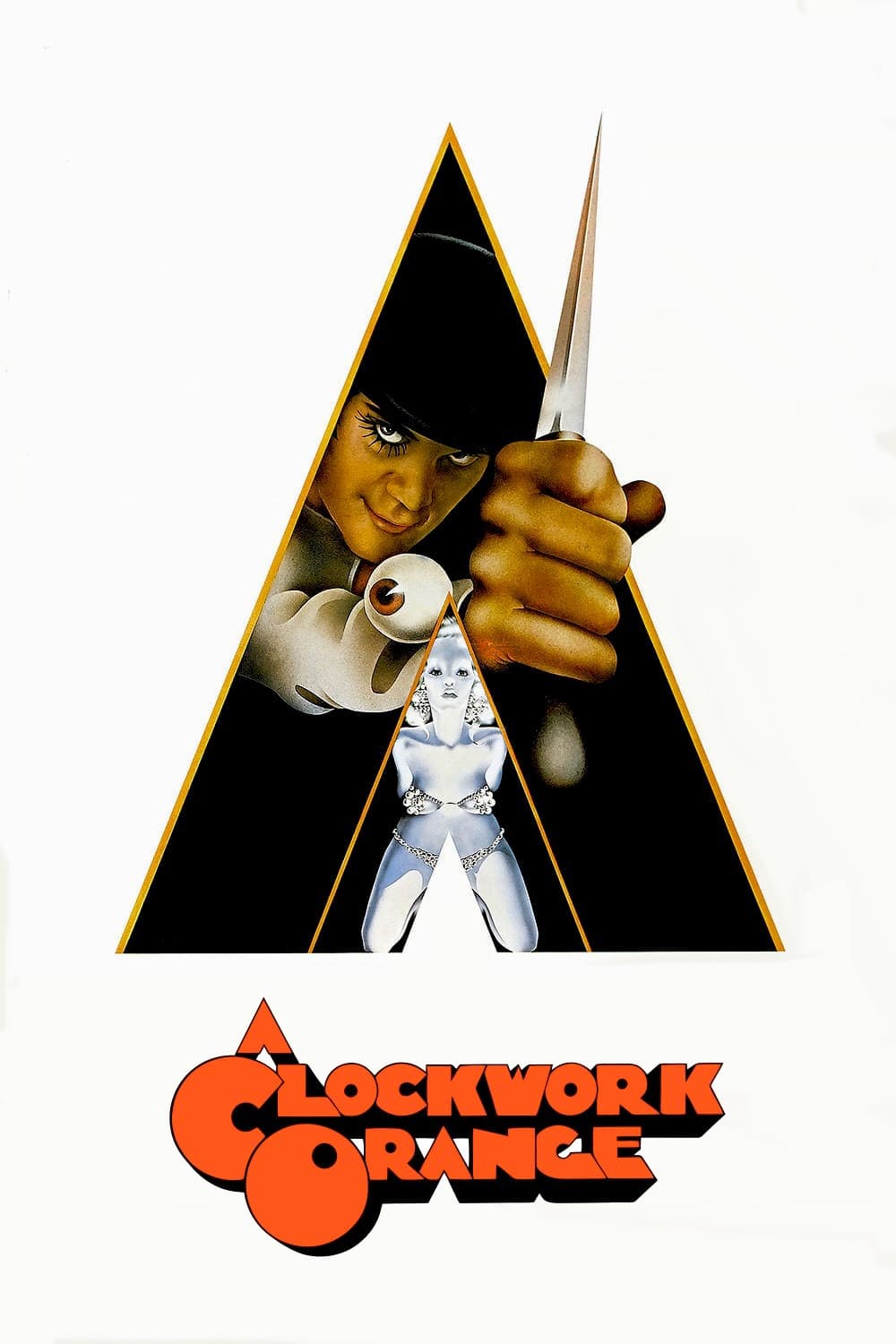
Stanley Kubrick adapts Anthony Burgess’s novel, following Alex and his droogs through violence, state conditioning, and Beethoven-scored sequences. Malcolm McDowell’s performance and Wendy Carlos’s electronic arrangements define much of its tone.
Stylized slang, costume design, and set decoration entered poster art and album covers. Academic debate around free will and behaviorism kept the title active in film and literature courses.
‘Pink Flamingos’ (1972)
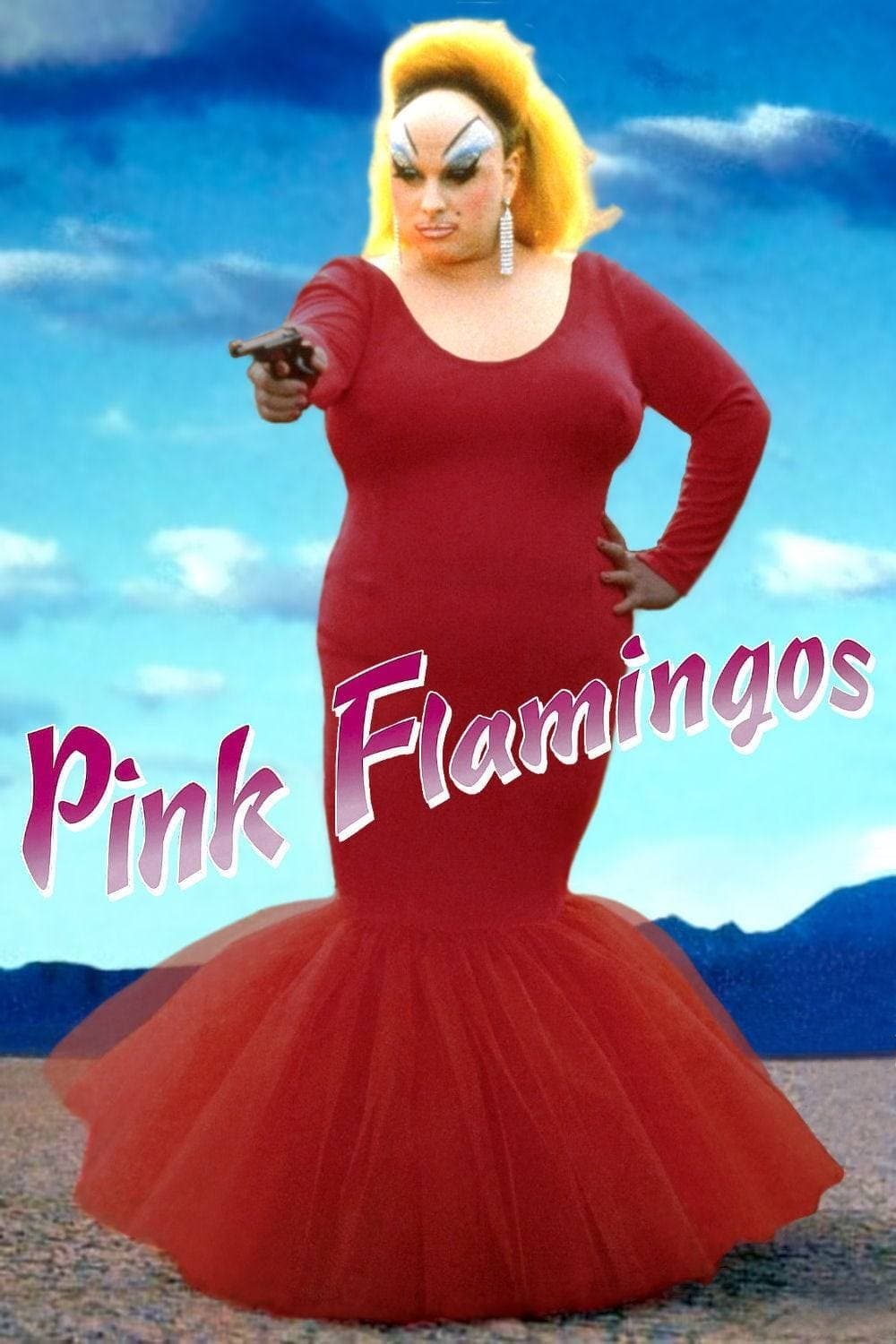
John Waters’s underground provocation stars Divine in a transgressive contest framed by camp aesthetics. Shot on a small budget with Waters’s Dreamlanders troupe, it uses gross-out gags and suburban satire.
Repertory programming and discussions around censorship and independent production circulated the title for decades. Restorations and retrospectives placed it within the lineage of American underground cinema.
‘The Room’ (2003)
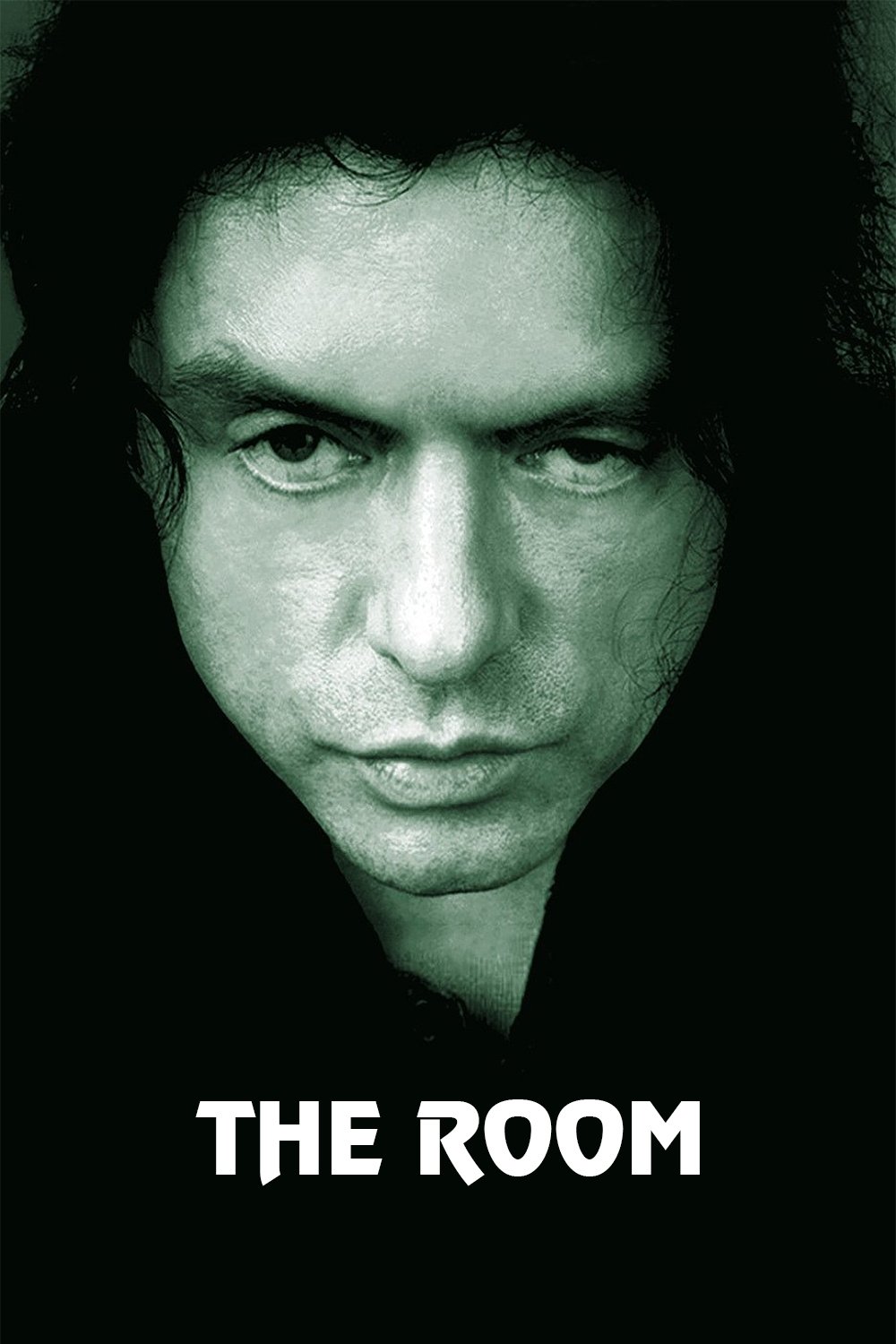
Tommy Wiseau writes, directs, and stars in a melodrama about a banker, his fiancée, and his best friend. Unconventional dialogue, continuity quirks, and composited backgrounds give the film a distinctive texture.
Audience rituals—spoon-throwing, tuxedo football, and call-backs—turned screenings into participatory events. A memoir and a later dramatization of the production history broadened its cultural footprint.
‘Repo Man’ (1984)
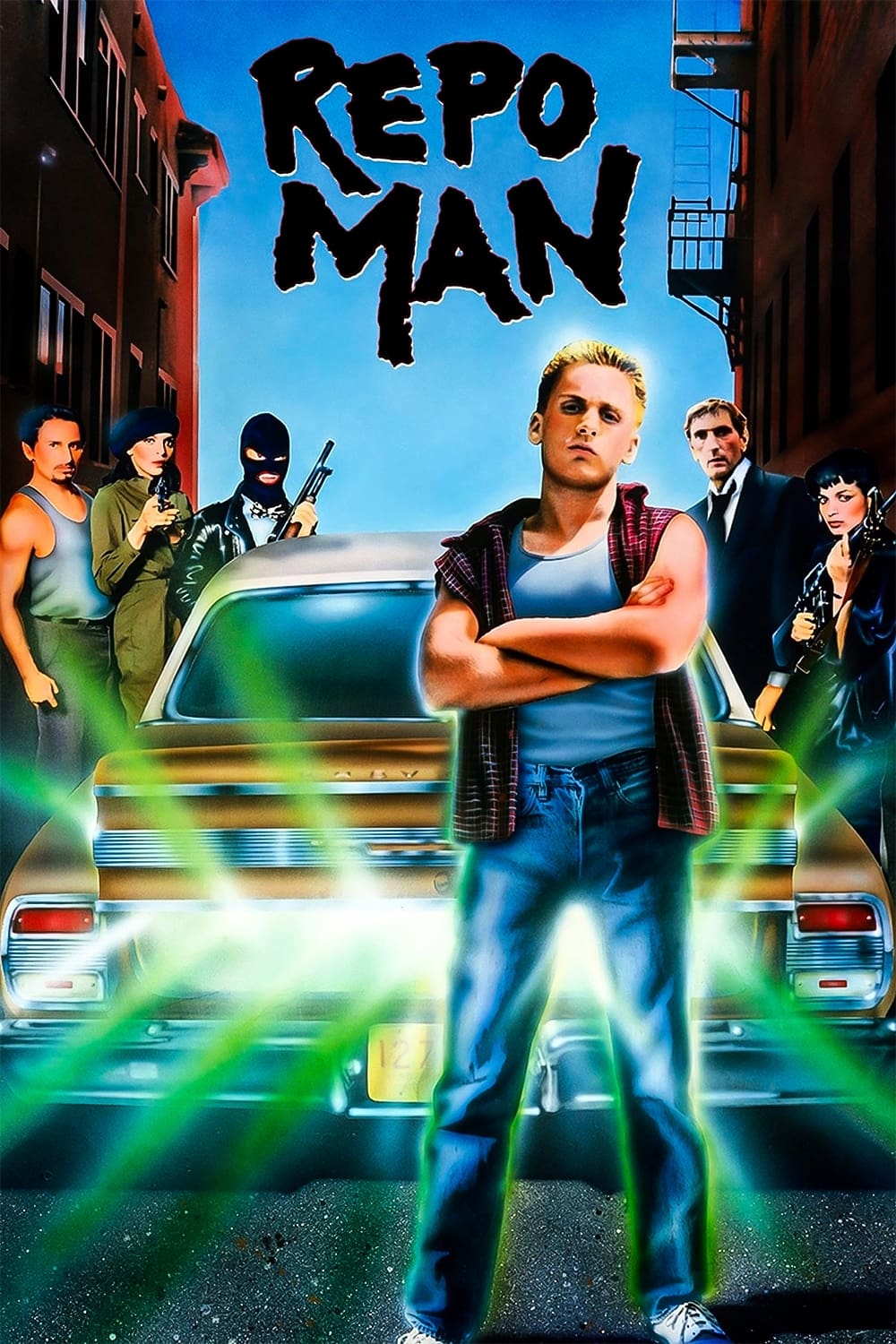
Alex Cox follows a young punk recruited into repossessing cars amid government agents, televangelists, and a glowing trunk. Emilio Estevez and Harry Dean Stanton headline a story steeped in Los Angeles subcultures.
The soundtrack, associated with hardcore and post-punk scenes, became central to the film’s identity. TV airings, home video, and repertory theaters maintained circulation and discovery by new audiences.
‘Withnail & I’ (1987)
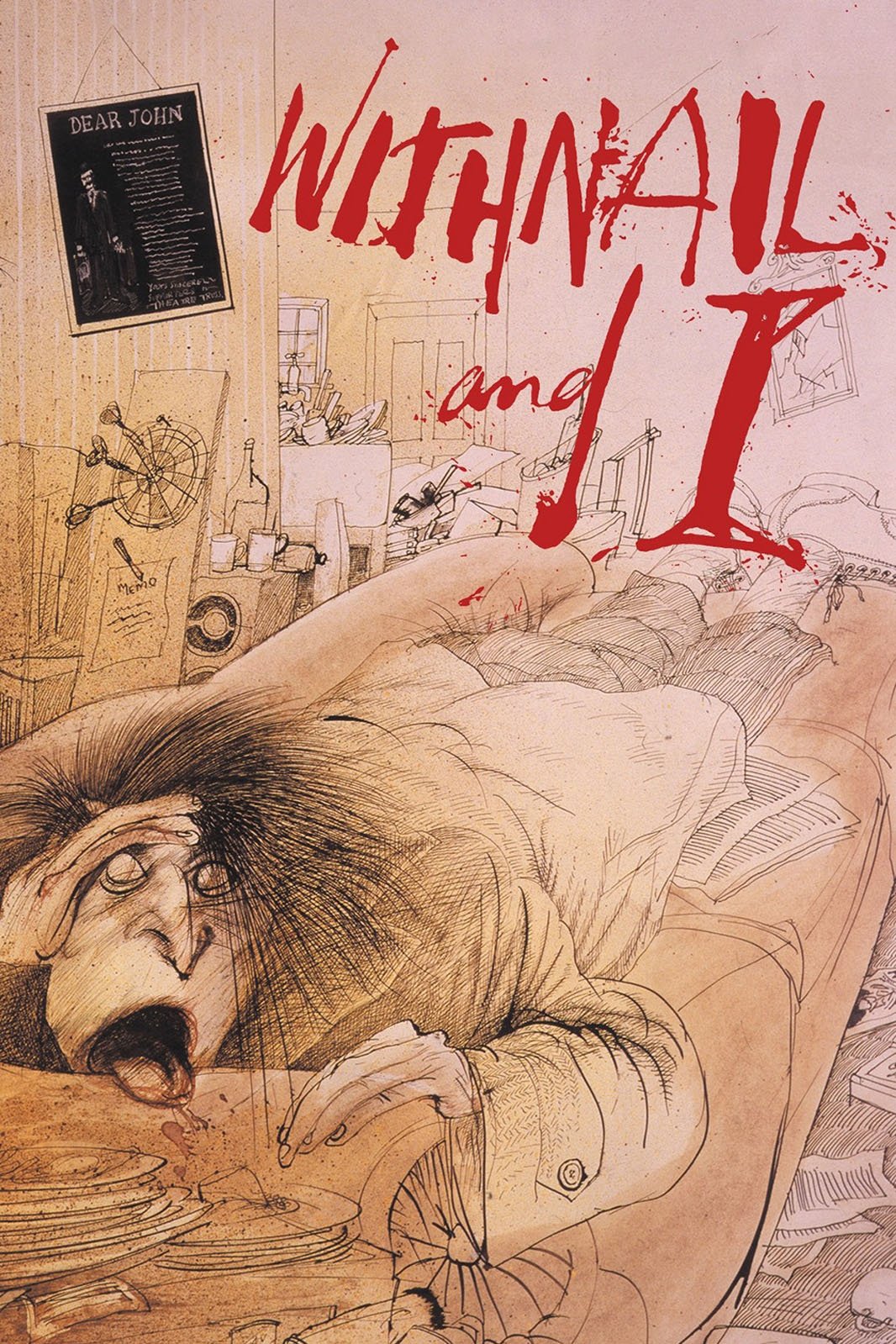
Bruce Robinson’s comedy tracks two out-of-work actors who escape a grim flat for a chaotic countryside trip. Richard E. Grant and Paul McGann lead a script noted for rhythmically precise dialogue.
Campus screenings and British television repeats boosted familiarity with its lines and locations. Anniversary events and location tours continue to foreground production history and performance details.
‘Harold and Maude’ (1971)
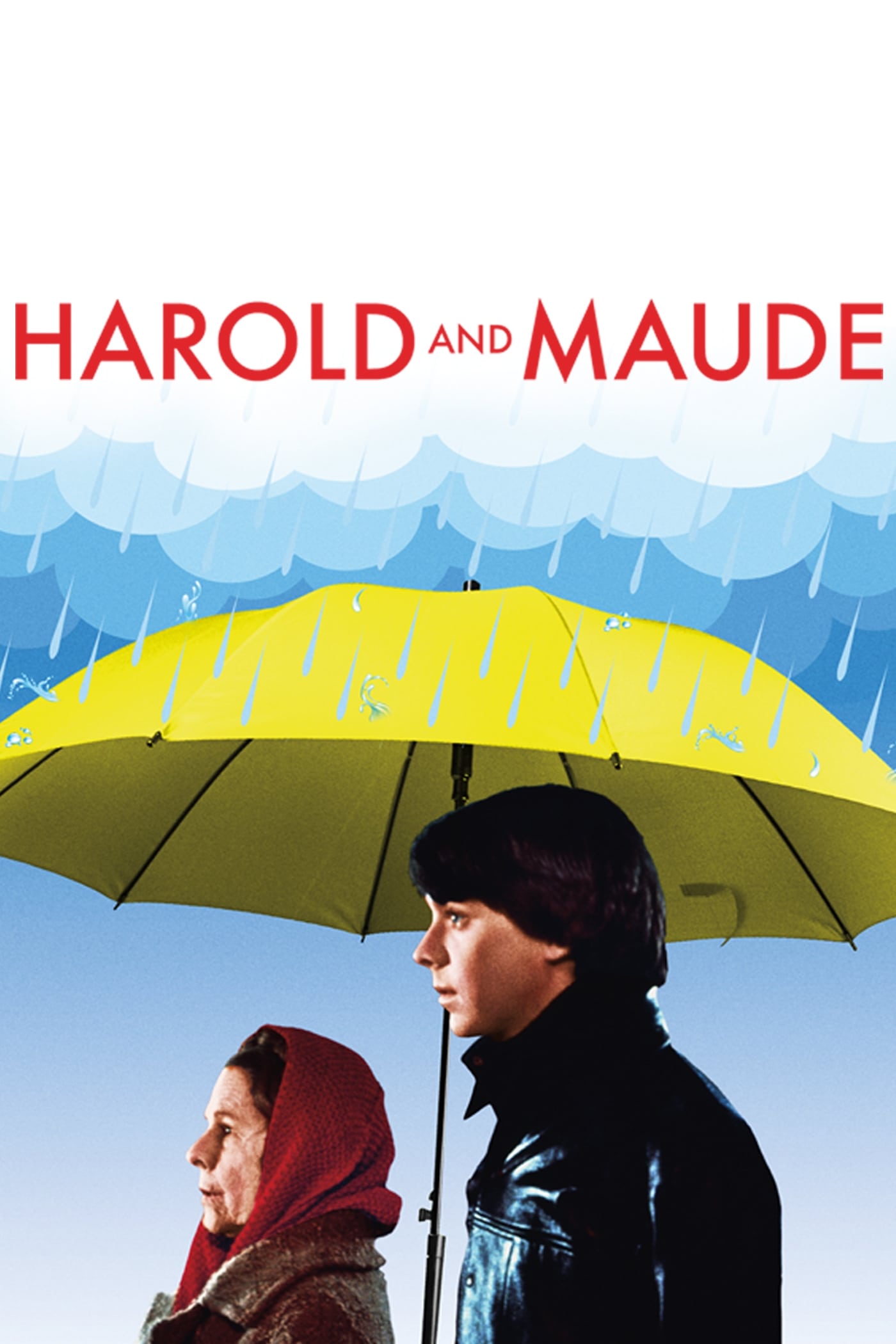
Hal Ashby’s dark comedy pairs a death-fixated young man with a free-spirited elder. Bud Cort and Ruth Gordon star, with Cat Stevens contributing songs that frame the narrative.
Repertory runs and home media led to a gradual reassessment and wider audience. Stage adaptations and soundtrack availability supported ongoing interest.
‘Brazil’ (1985)
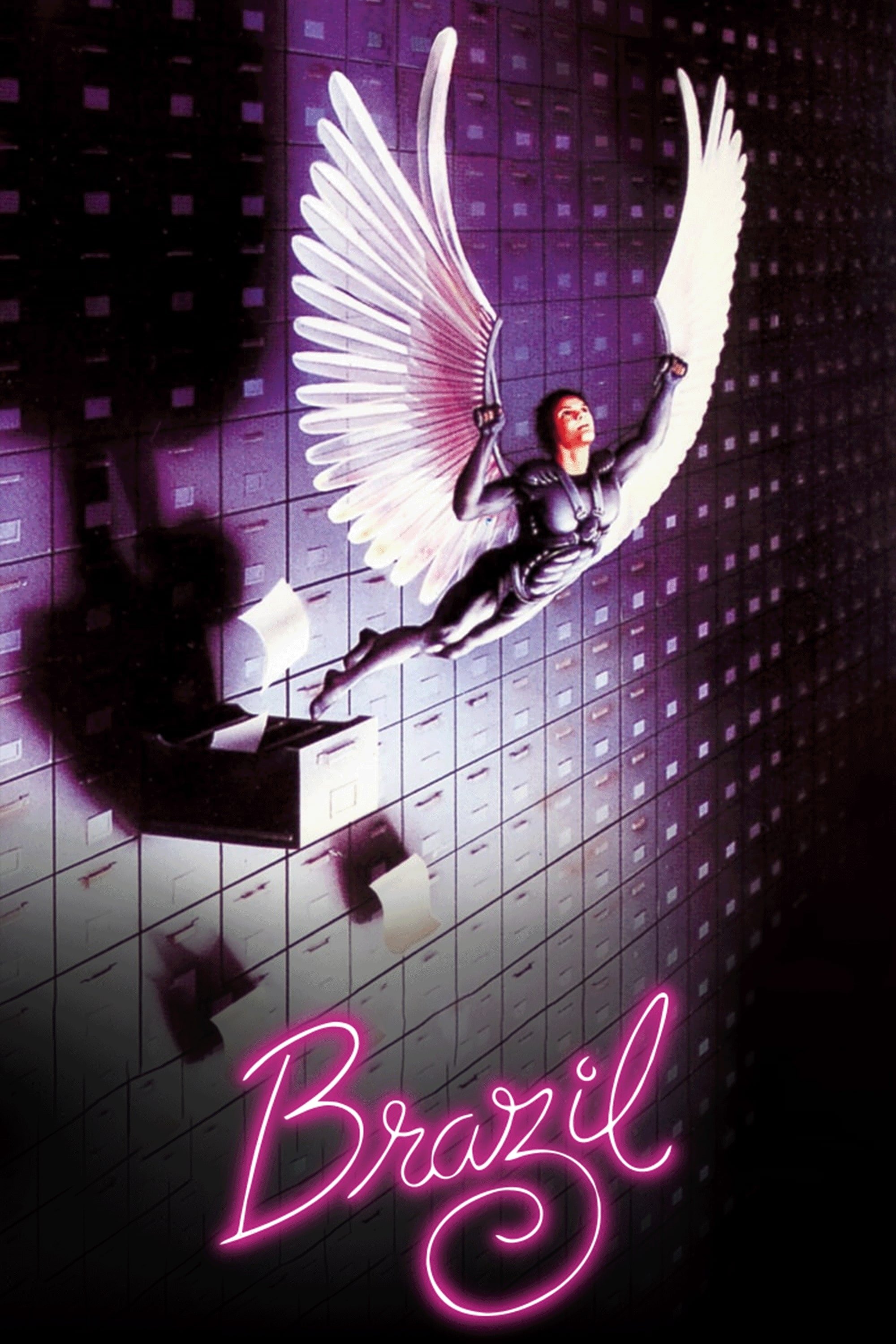
Terry Gilliam follows a bureaucrat entangled in authoritarian red tape, dreams, and mistaken identity. Jonathan Pryce leads a cast including Robert De Niro and Kim Greist, with retro-futurist design and extensive practical effects.
Publicized disputes over final edits drew attention to competing versions. Restorations and annotated releases documented alternate cuts and design archives.
‘They Live’ (1988)
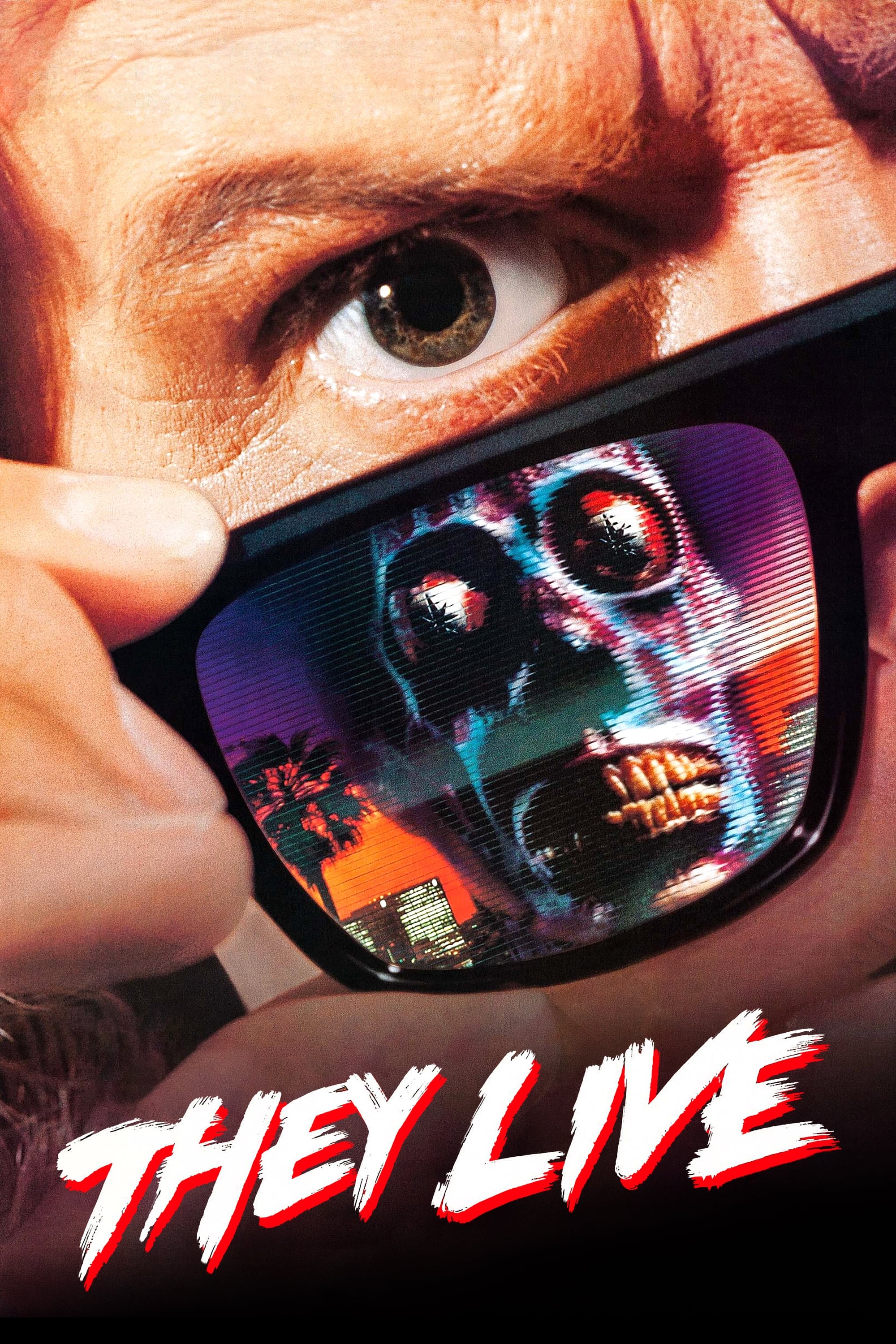
John Carpenter’s story centers on a drifter who discovers sunglasses that reveal subliminal control by disguised overlords. Slogans such as “Obey” and “Consume” appear across billboards and print once the lenses are on.
A widely cited alley fight sequence and analog creature effects made it a regular feature of late-night programming. Graphic-design homages and new prints kept the imagery in circulation for audiences and artists.
‘The Warriors’ (1979)
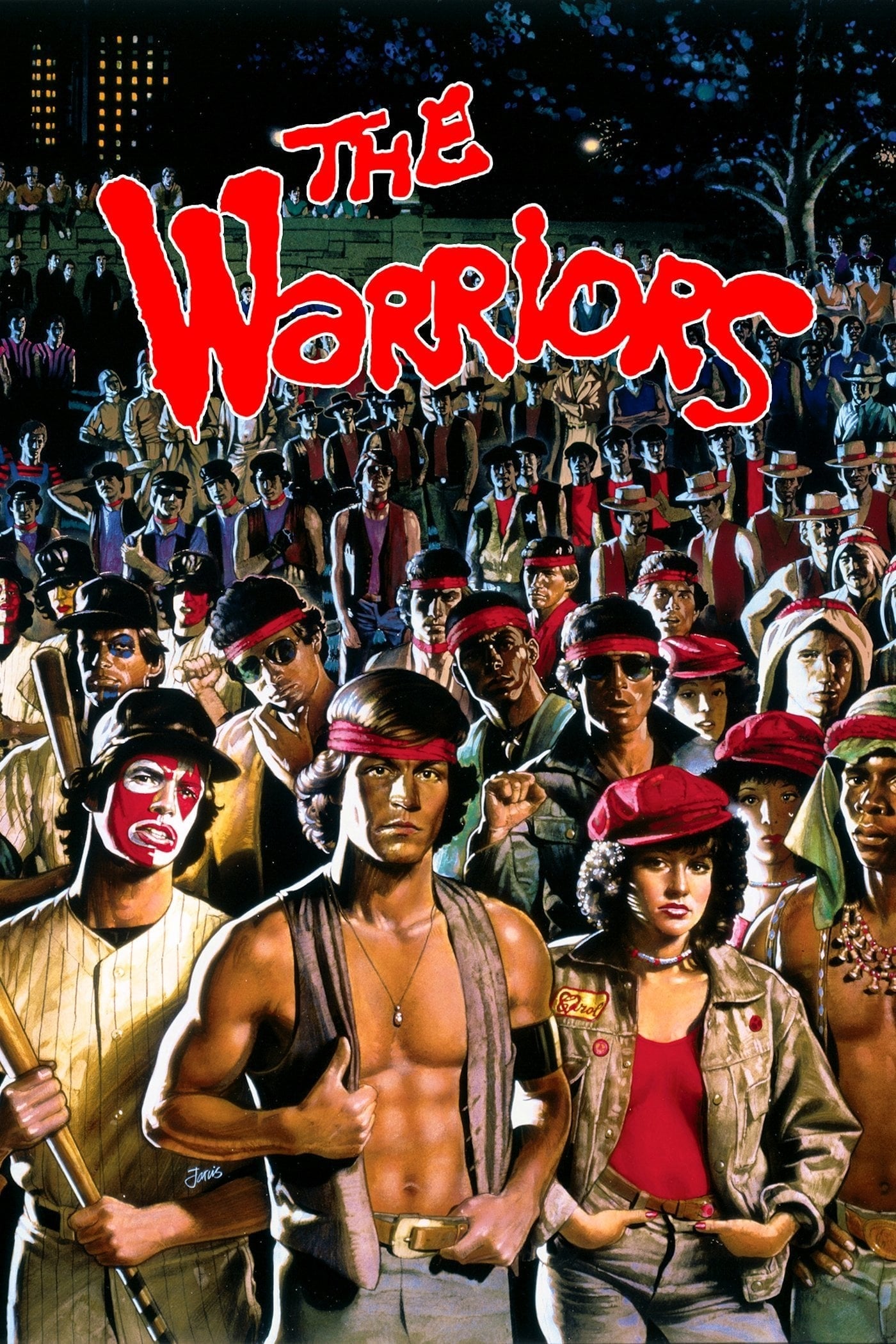
Walter Hill adapts Sol Yurick’s novel about a Coney Island gang crossing a hostile city after a leader is killed. The production establishes themed crews, coded colors, and stylized street conflicts.
Home-video releases and a later video game expanded the fictional world. Reunions, outdoor screenings, and location tours highlight recognizable New York settings.
‘Evil Dead II’ (1987)
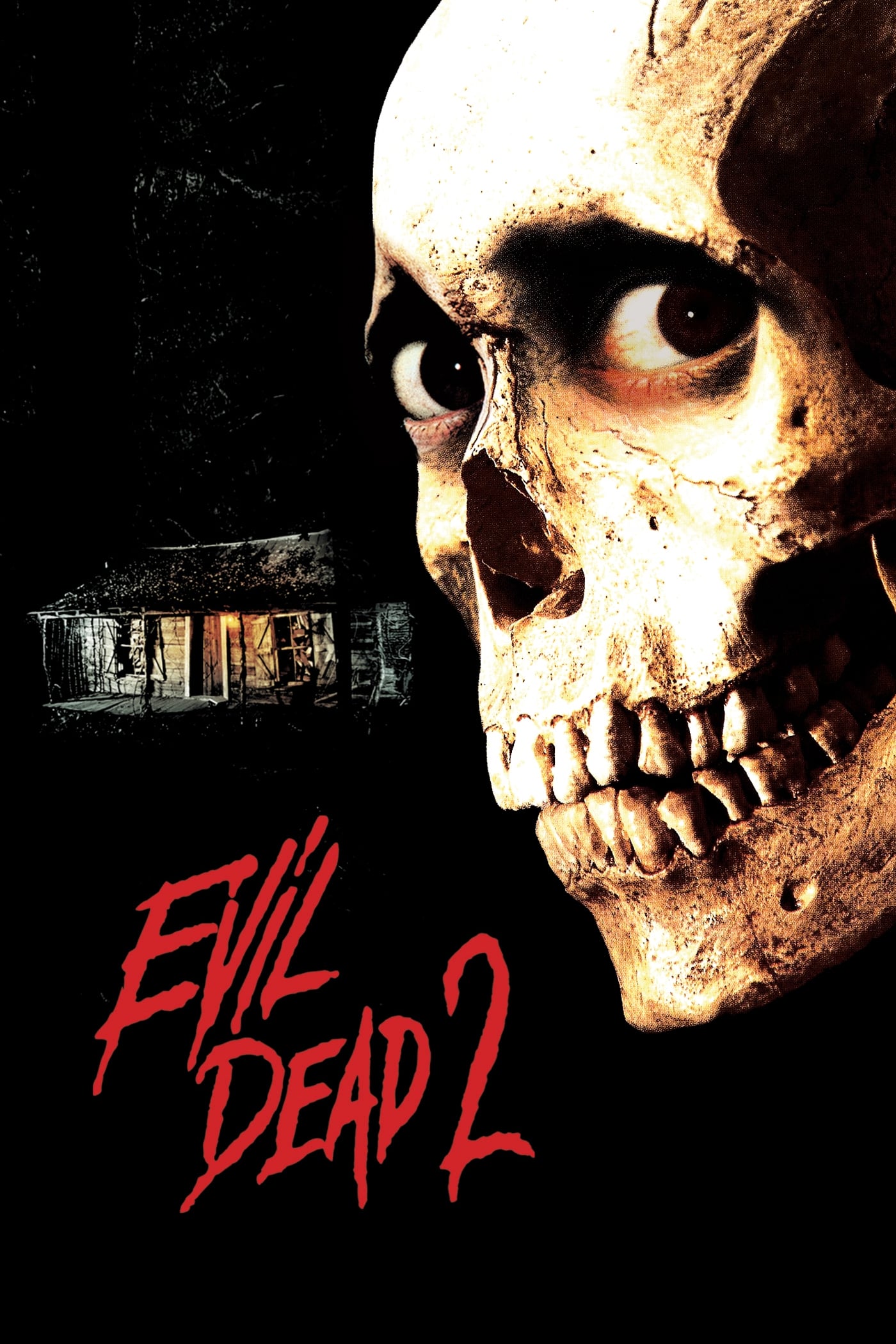
Sam Raimi revisits his cabin-in-the-woods concept with elaborate camera moves, practical gore, and slapstick. Bruce Campbell’s physical performance anchors set-pieces using handcrafted prosthetics and rigs.
Makeup effects, stop-motion gags, and on-set ingenuity are documented across behind-the-scenes features. Conventions and marathon screenings often present it alongside related entries.
‘The Texas Chain Saw Massacre’ (1974)
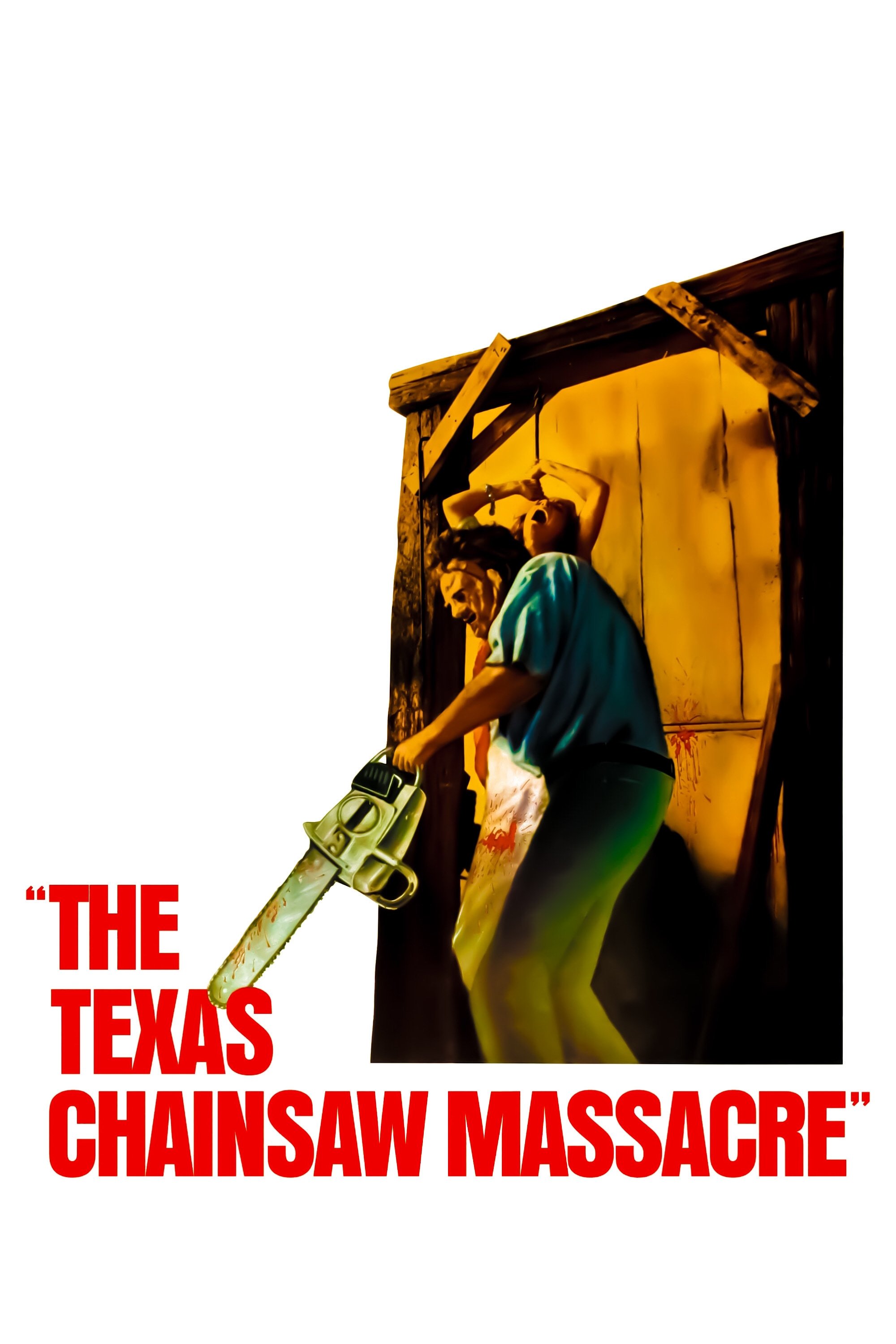
Tobe Hooper’s independent horror follows friends who encounter a cannibal family and the chainsaw-wielding Leatherface. The team relied on natural light, abrasive soundscapes, and rural locations to achieve a documentary feel.
Distribution challenges and rating concerns pushed the film into drive-ins and grindhouses. Later restorations and academic studies placed it among influential independent productions.
‘The Thing’ (1982)
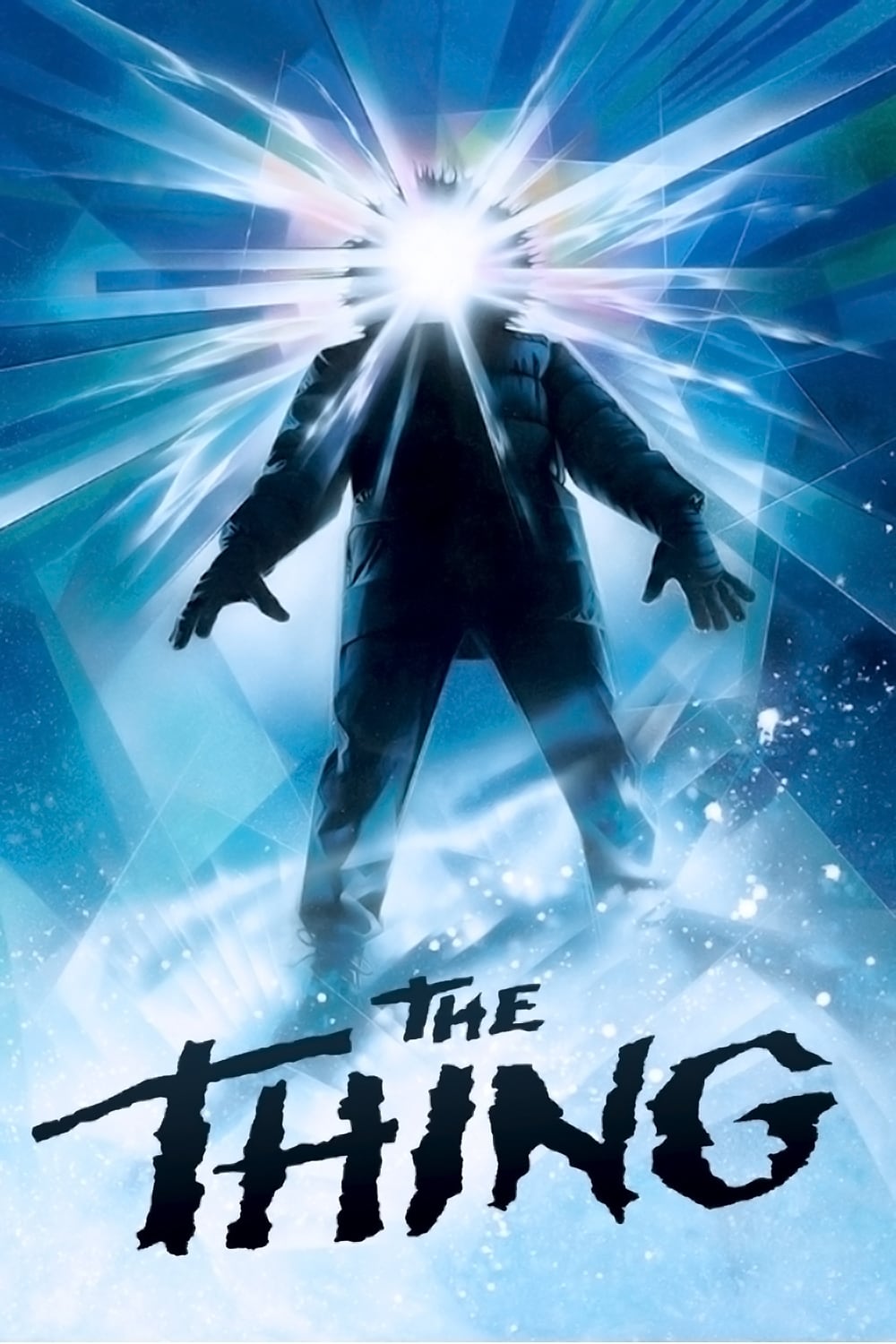
John Carpenter sets a research station in Antarctica against a shapeshifting organism that imitates hosts. Rob Bottin’s practical effects deliver transformations that remain reference points for makeup artists.
Home-video transfers and commentary tracks highlighted the production’s effects and sound design. Board games, comics, and a prequel extended the narrative universe.
‘Heathers’ (1989)
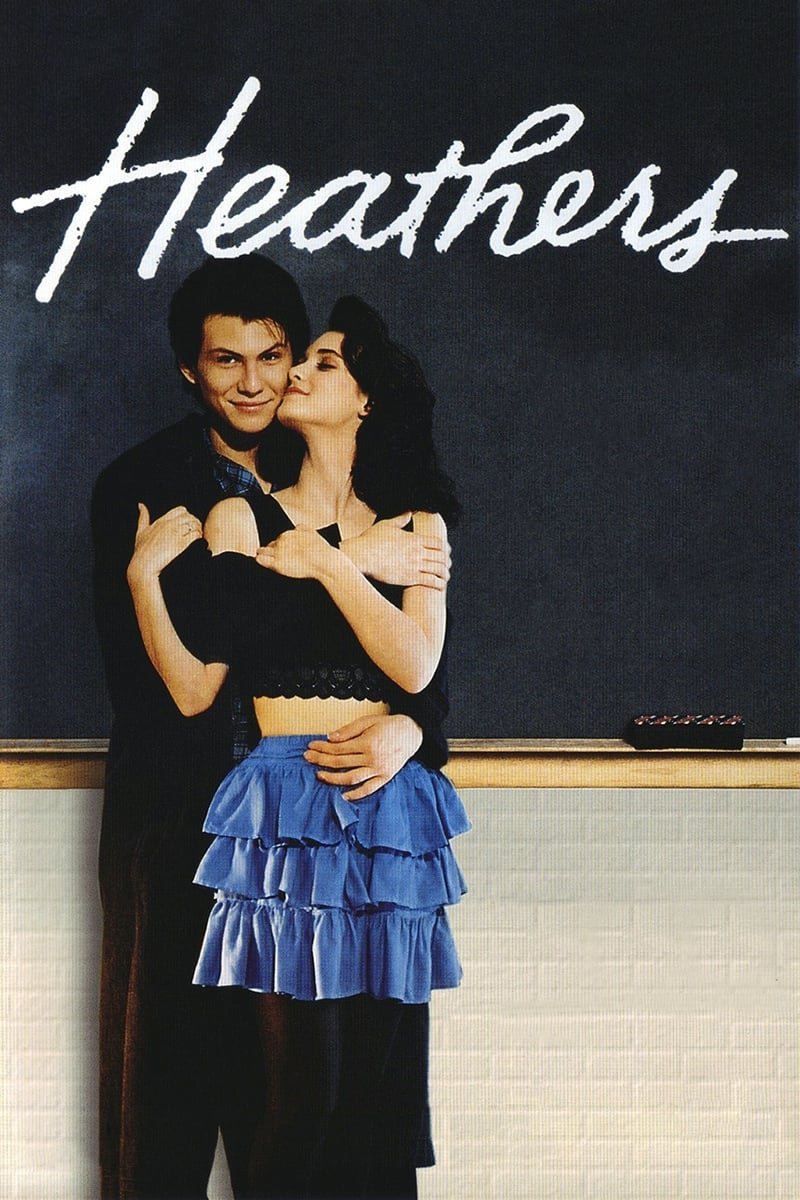
Michael Lehmann’s dark comedy examines cliques and forged notes that escalate into deaths at Westerburg High. Winona Ryder and Christian Slater headline, with a script by Daniel Waters noted for stylized dialogue.
A stage musical adaptation and repertory revivals introduced the work to new audiences. Television airings and streaming access maintained steady discovery.
‘Akira’ (1988)
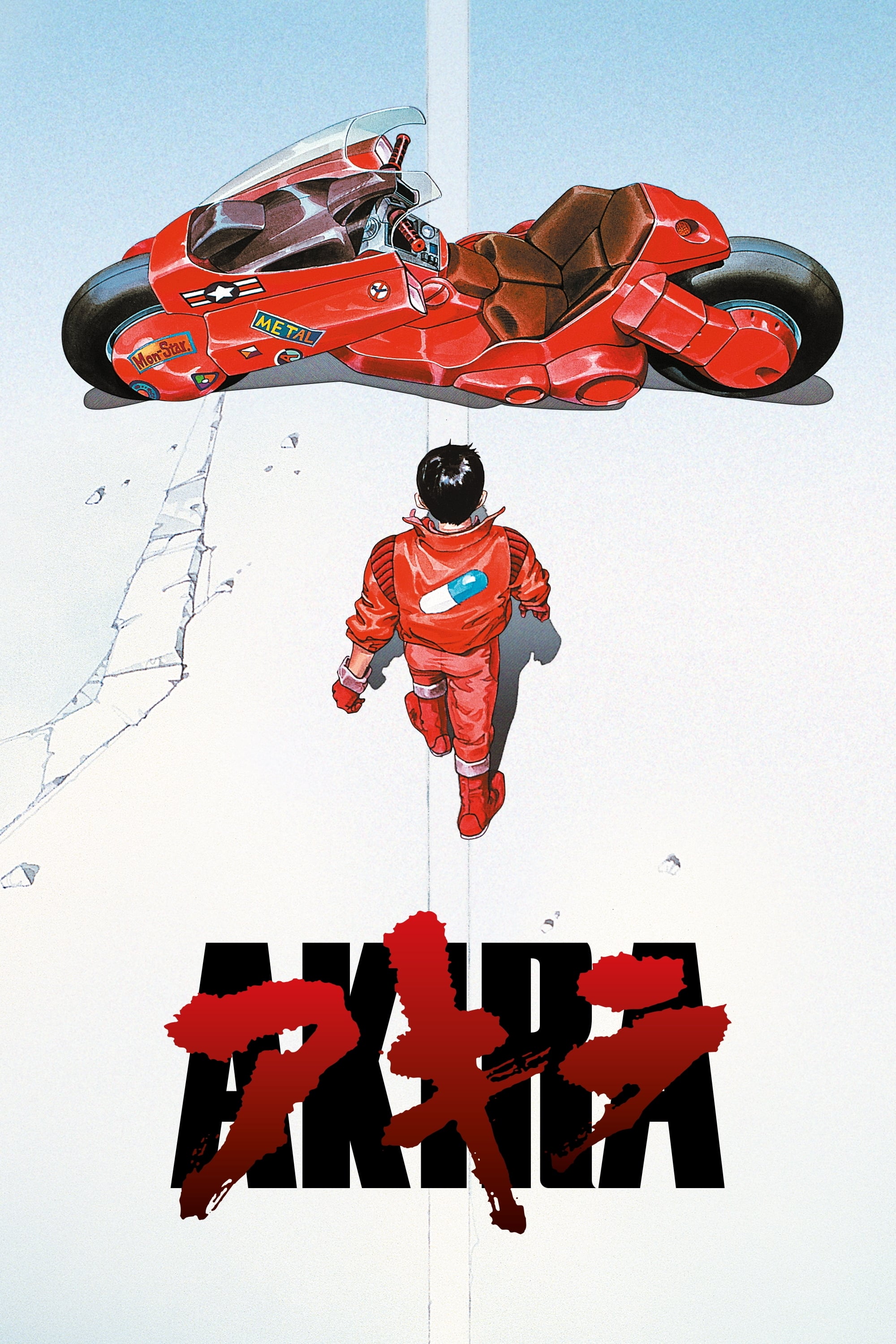
Katsuhiro Otomo adapts his manga into an anime about biker gangs, psychic awakenings, and a secret project. The film used high cel counts and advanced lighting effects for unusually fluid motion.
Theatrical reissues, remasters, and multiple dubs broadened access beyond its original market. Art books, merchandise, and cross-media references sustained global recognition.
‘Ghost in the Shell’ (1995)

Mamoru Oshii’s cyber-thriller follows Section 9’s Major Kusanagi as she tracks the Puppet Master. Hand-drawn animation blends with digital compositing to depict reflective cityscapes and cybernetic bodies.
Reissues, a television spin-off continuity, and a later live-action adaptation extended its reach. Discussions of identity and embodiment kept it central to cyberpunk media studies.
‘Oldboy’ (2003)
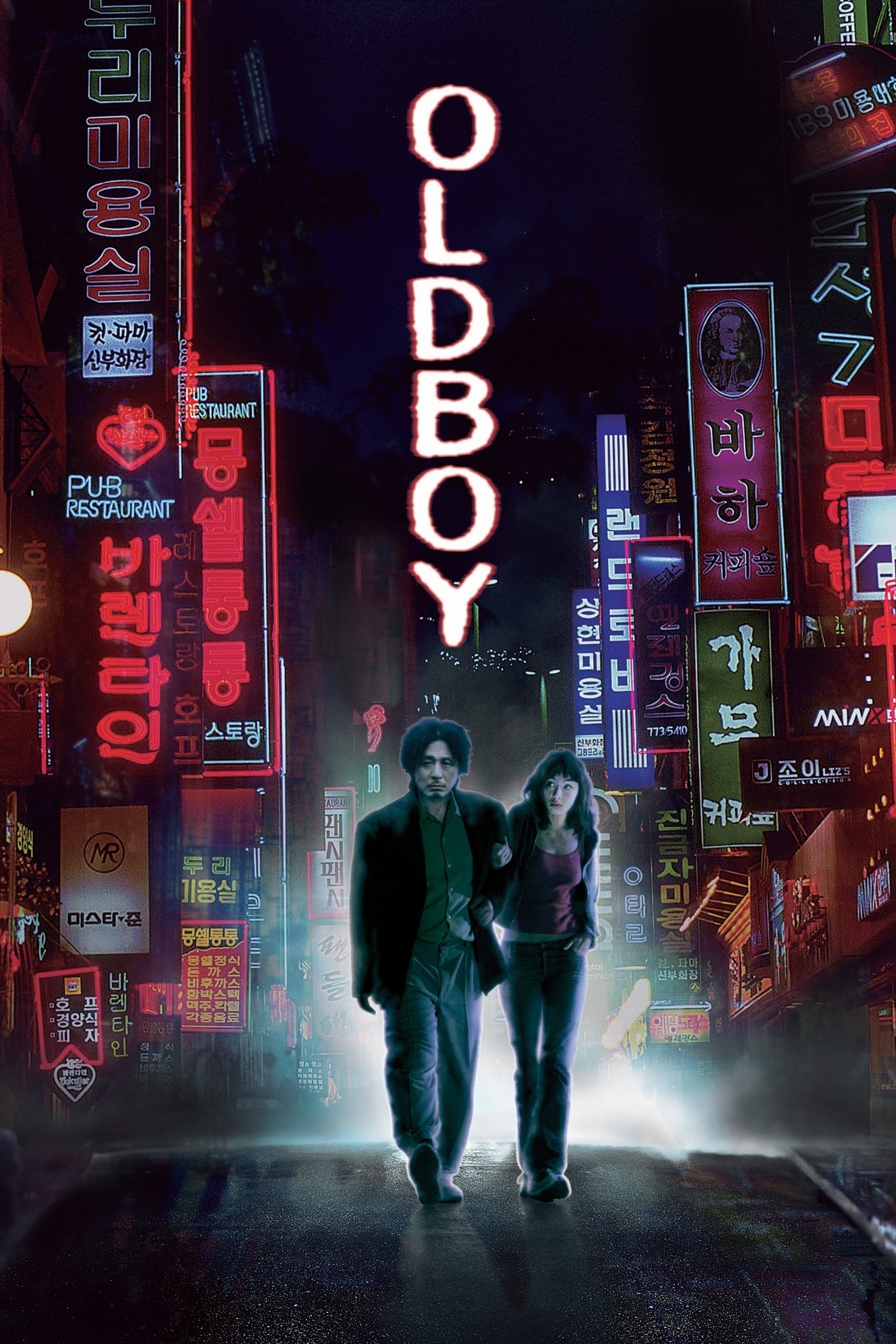
Park Chan-wook focuses on a man imprisoned and released under mysterious circumstances who enters a complex revenge plot. Choi Min-sik’s performance supports carefully choreographed fights and recurring visual motifs.
International festival awards led to art-house distribution and specialty-label releases. A remaster and later remake renewed attention to structure and staging.
‘Suspiria’ (1977)
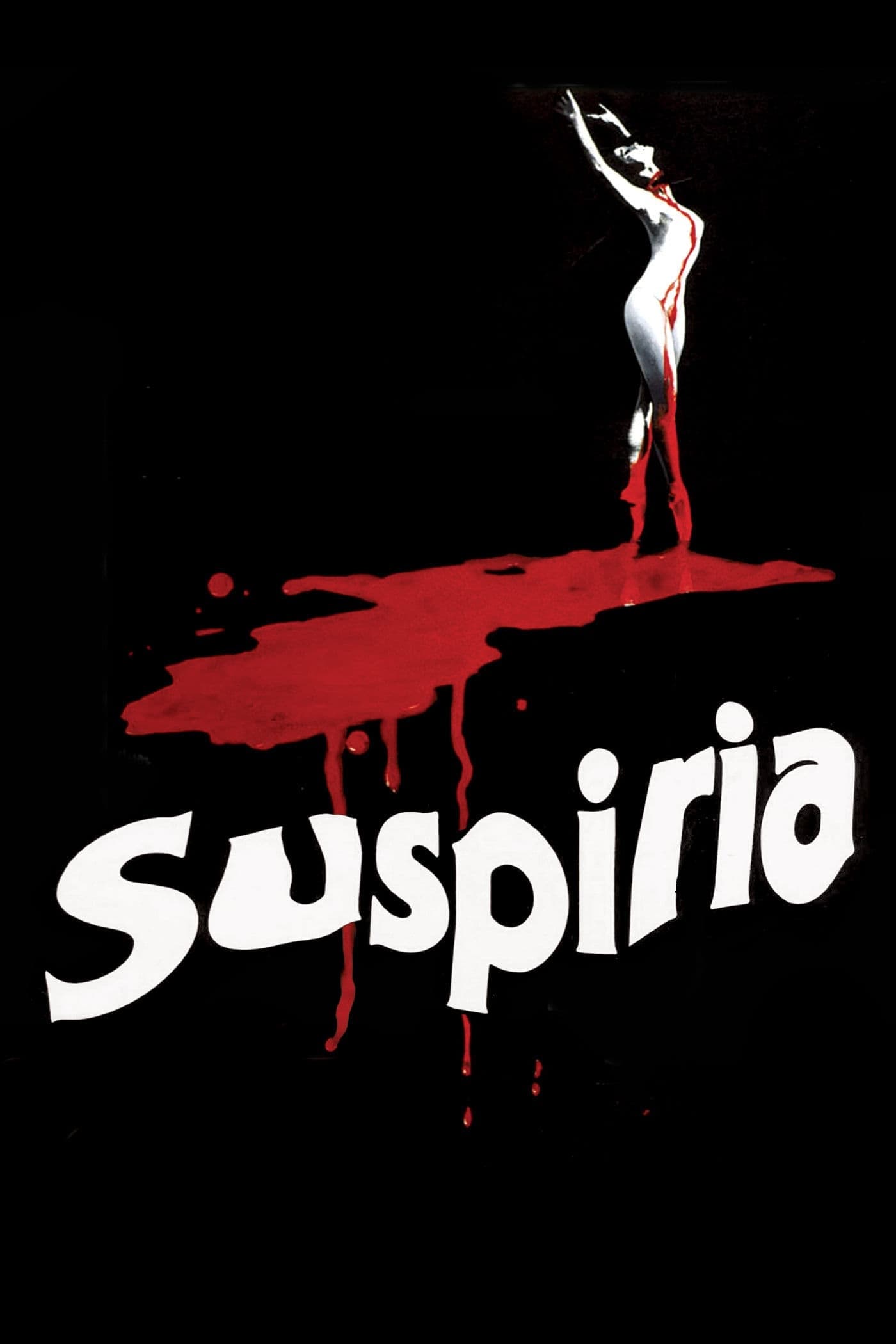
Dario Argento sets a supernatural mystery in a ballet academy with occult underpinnings. Cinematographer Luciano Tovoli’s color design and Goblin’s score shape the film’s sonic and visual identity.
Restorations recovered color timing and multi-track audio, drawing audiences to repertory screenings. A later re-imagining and extensive scholarship on Italian genre cinema broadened its reach.
‘Clerks’ (1994)
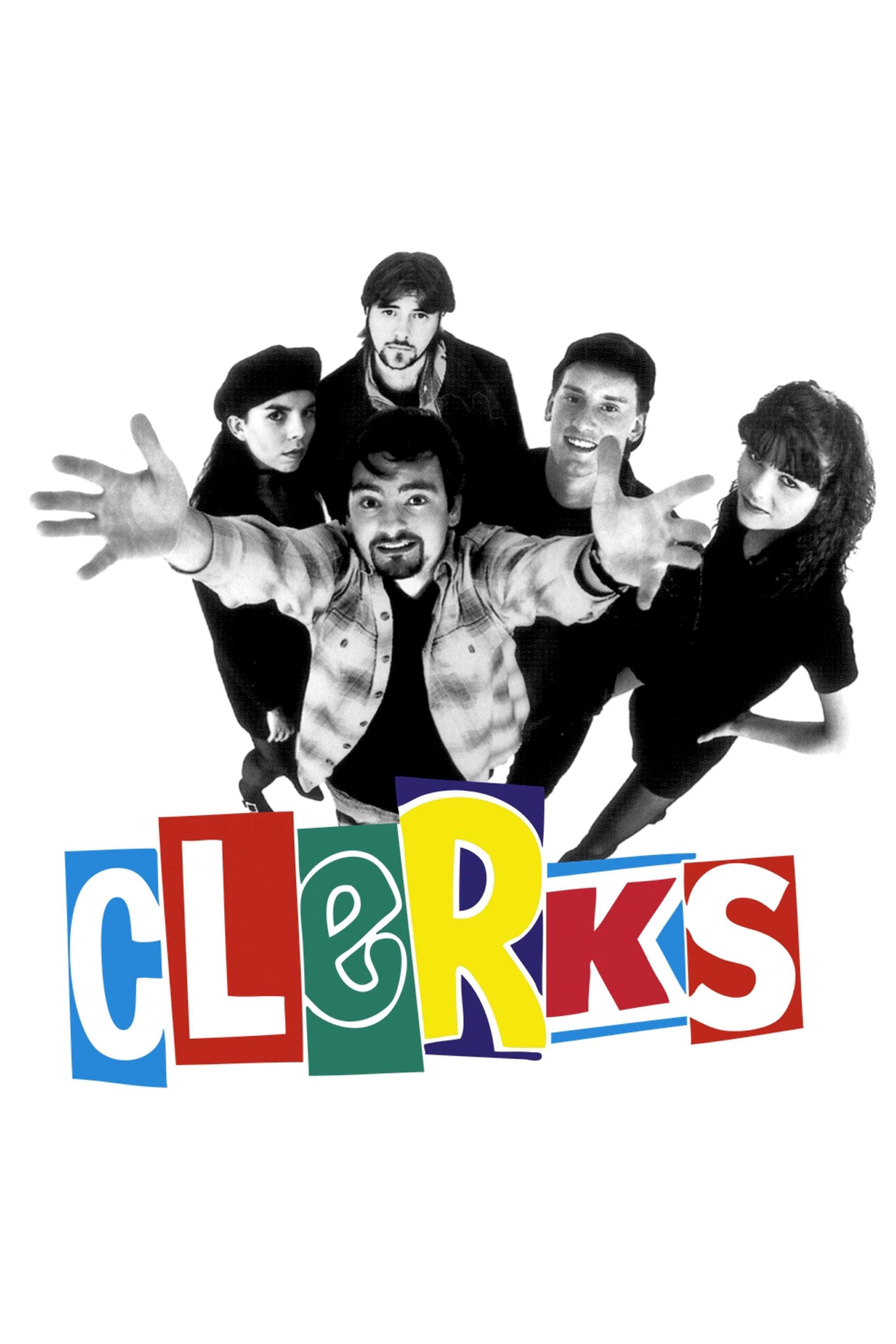
Kevin Smith’s debut follows two store employees dealing with customers, relationships, and an impromptu funeral visit. Shot in black-and-white on a limited budget, it uses real locations and a largely non-professional ensemble.
Festival momentum and specialty distribution established a platform for the film’s dialogue-driven style. Animated spin-offs, sequels, and podcasts extended the characters across formats.
‘Office Space’ (1999)
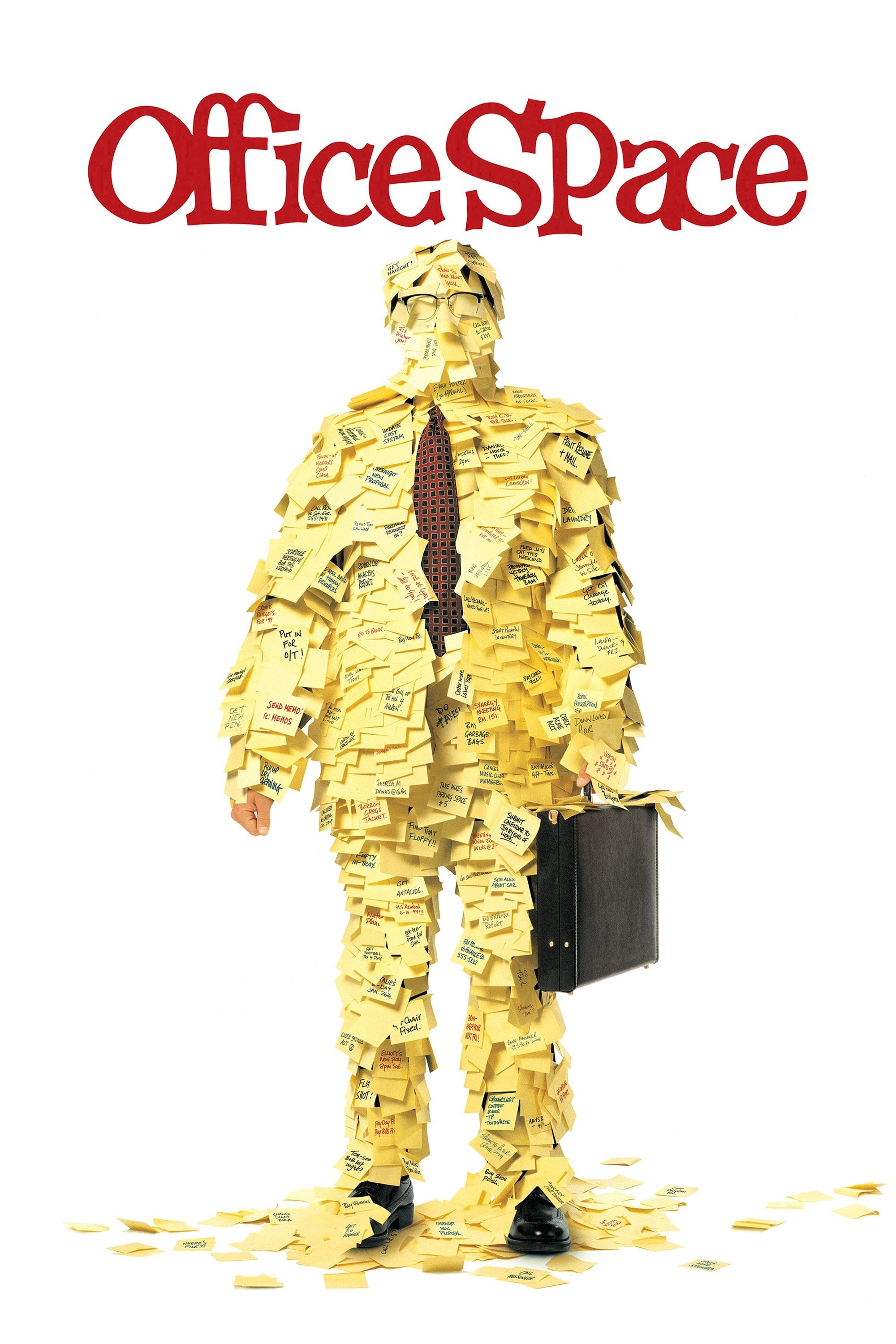
Mike Judge satirizes cubicle culture as Peter Gibbons disengages from his software job and conspires with coworkers. Recurring gags include malfunctioning printers, TPS reports, and copy-machine meltdowns.
Cable rotation and DVD sales elevated visibility among workplace comedies. Merchandising and quotes in corporate trainings kept it present in office culture.
‘This Is Spinal Tap’ (1984)
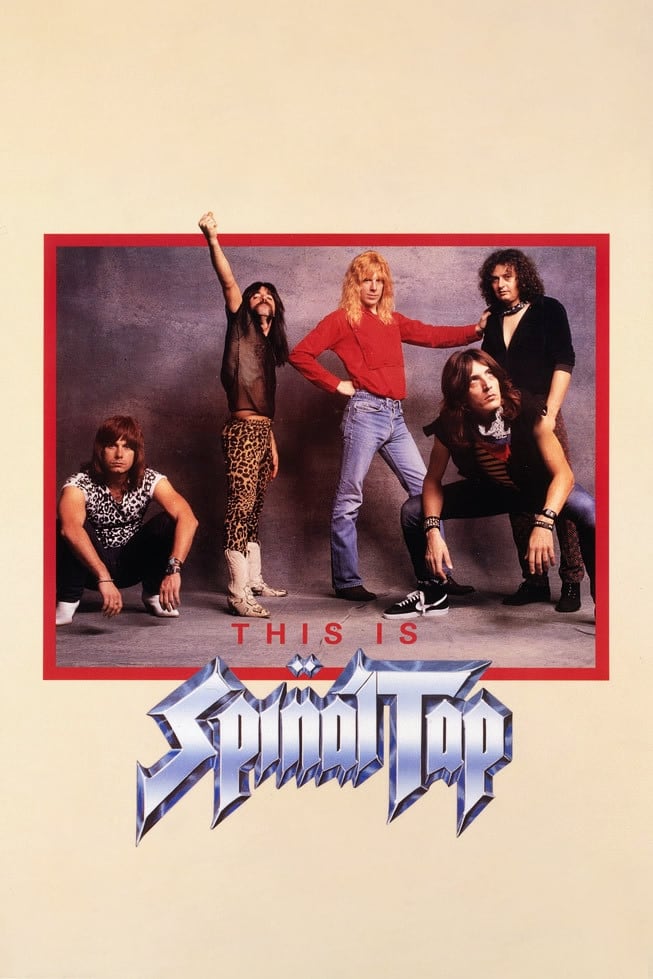
Rob Reiner’s mockumentary follows a British rock band through a troubled tour, stage-prop mishaps, and lineup changes. Christopher Guest, Michael McKean, and Harry Shearer perform original songs credited to their characters.
In-character commentary tracks and occasional live performances blurred fiction and performance. Music journalism and equipment forums repeatedly cite its terminology and scenarios.
‘Monty Python and the Holy Grail’ (1975)
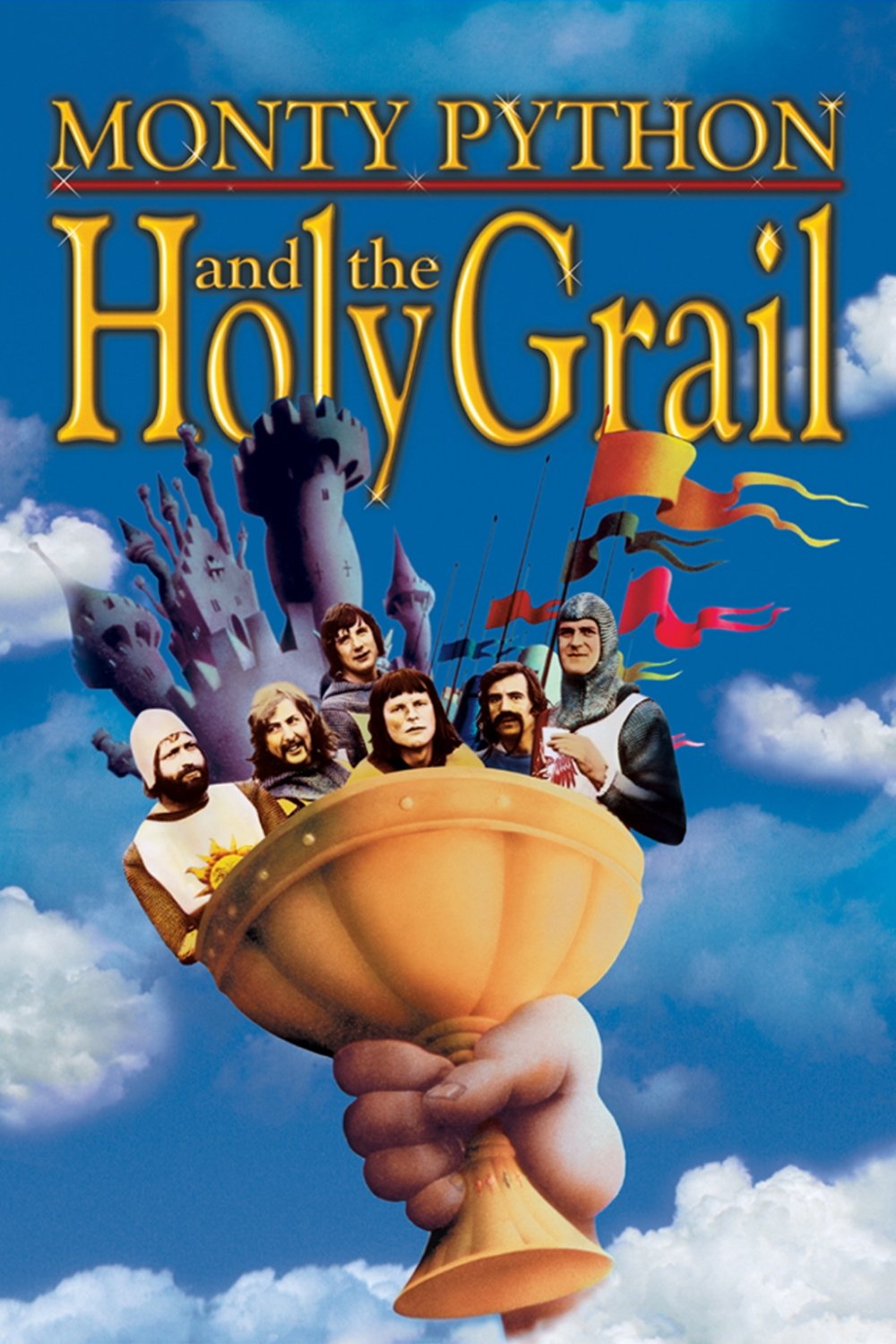
The Monty Python troupe retells Arthurian legend with coconut horses, a killer rabbit, and argumentative peasants. Directors Terry Gilliam and Terry Jones stitch sketch-style sequences into a feature.
Sing-along events, stage spin-offs, and screenings with audience participation supported longevity. Quotations and costumes frequently appear at conventions and themed gatherings.
‘Plan 9 from Outer Space’ (1957)
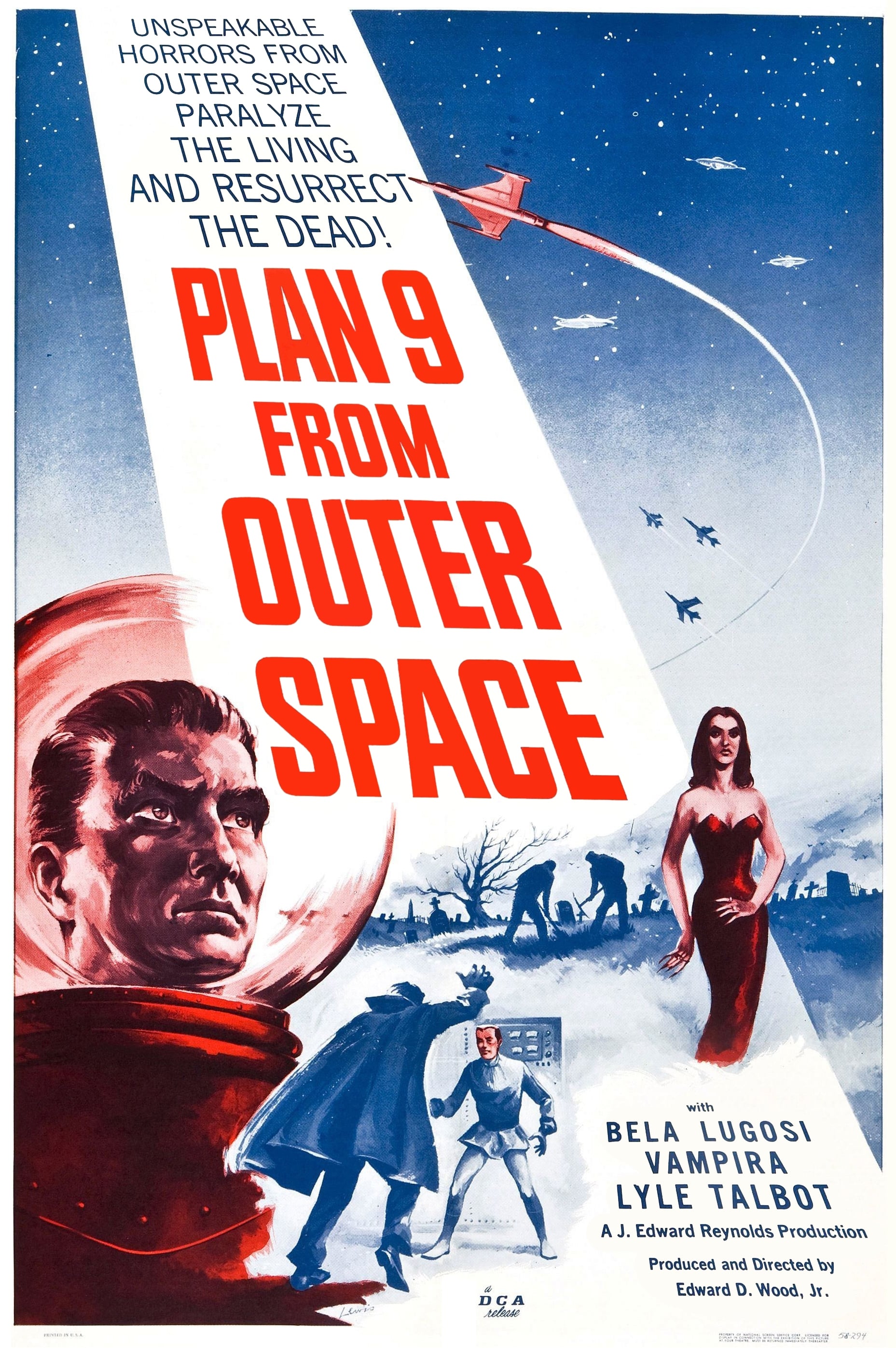
Ed Wood’s science-fiction film pits reanimated corpses against earthlings under alien direction. Production methods include stock footage, simple sets, and stand-ins for missing actors.
Rediscovery via late-night television and camp retrospectives reframed it as a curiosity in film history. Documentaries and a biographical feature revisited Wood’s broader body of work.
‘El Topo’ (1970)
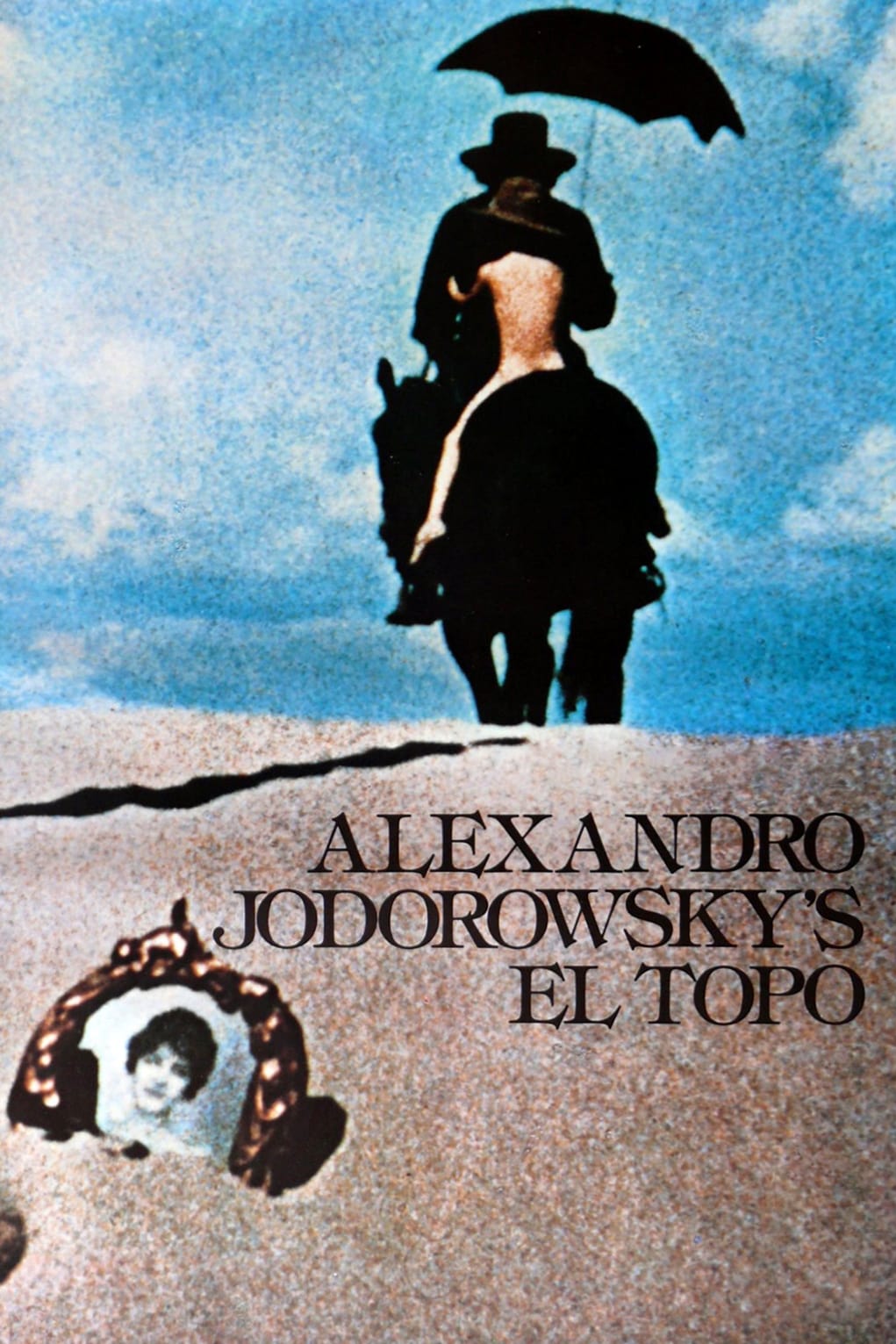
Alejandro Jodorowsky crafts a surreal western that blends spiritual quests with violent allegory. The director also stars, incorporating religious iconography and avant-garde theater practices.
Midnight screenings in counterculture hubs established a foundation for repeat viewings. Long-delayed home releases and restored prints expanded access well beyond initial art-house circuits.
‘The Princess Bride’ (1987)
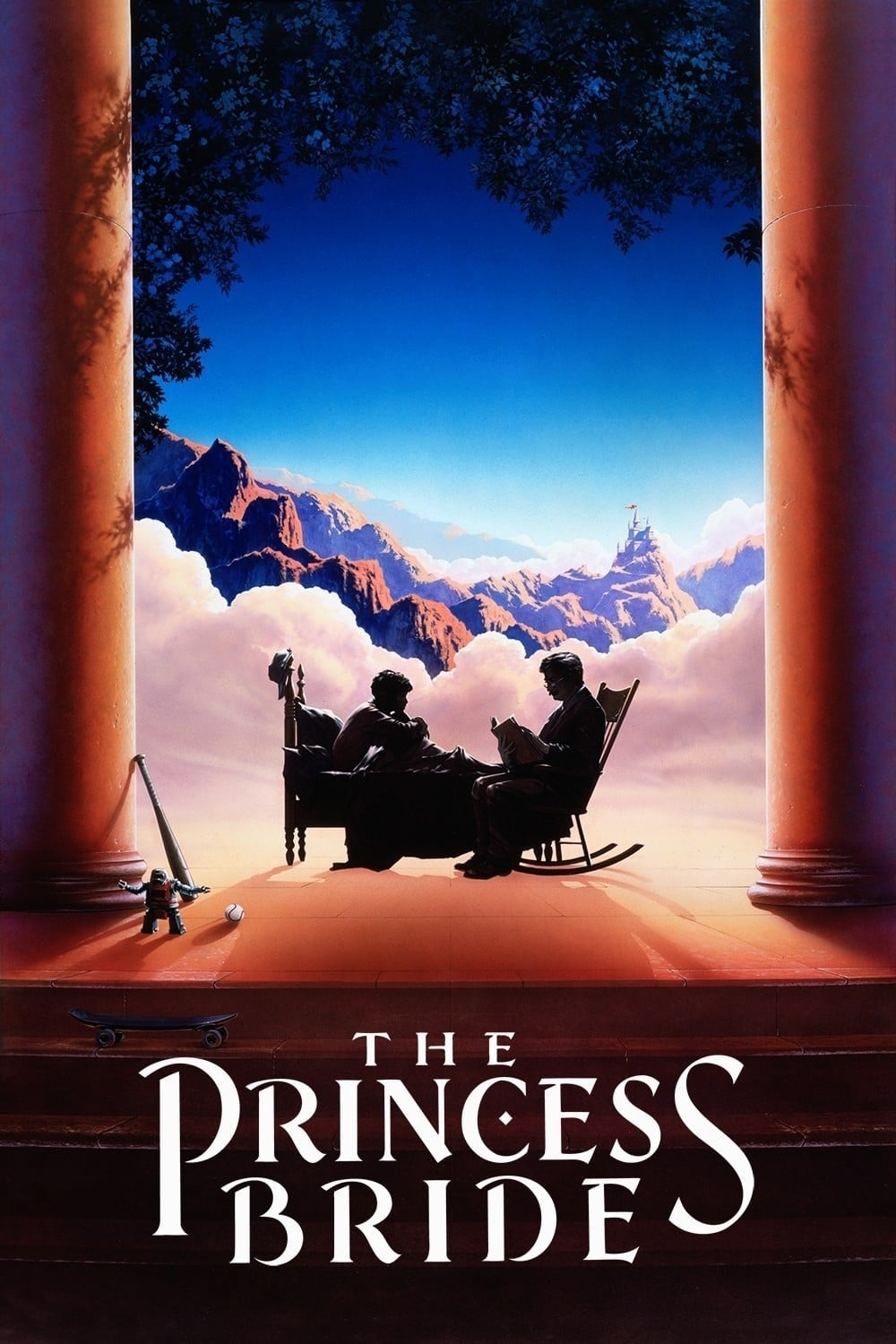
Rob Reiner adapts William Goldman’s adventure framed as a story read aloud, featuring duels, rescues, and layered narration. Cary Elwes, Robin Wright, Mandy Patinkin, and André the Giant lead the ensemble.
Memorable fencing choreography and a well-documented production process made it common in behind-the-scenes features. Anniversary editions and cast reunions supported intergenerational discovery.
‘Videodrome’ (1983)
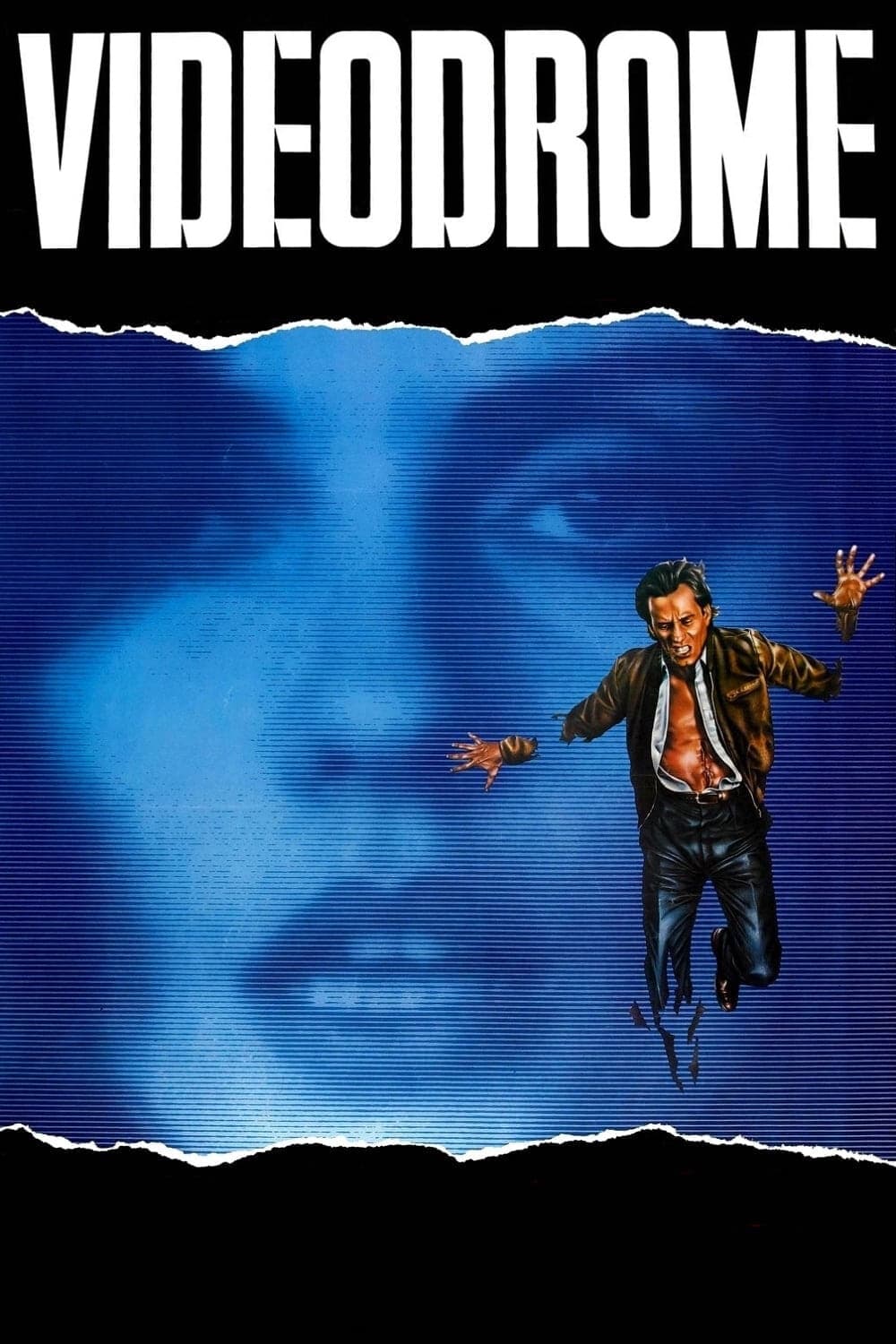
David Cronenberg follows a cable programmer who encounters a broadcast that alters perception and reality. Practical effects by Rick Baker deliver body-horror transformations integrated into narrative themes.
Media-theory discussions and film-studies syllabi sustained academic interest. High-definition releases and interviews chronicled design and philosophy.
‘The Wicker Man’ (1973)
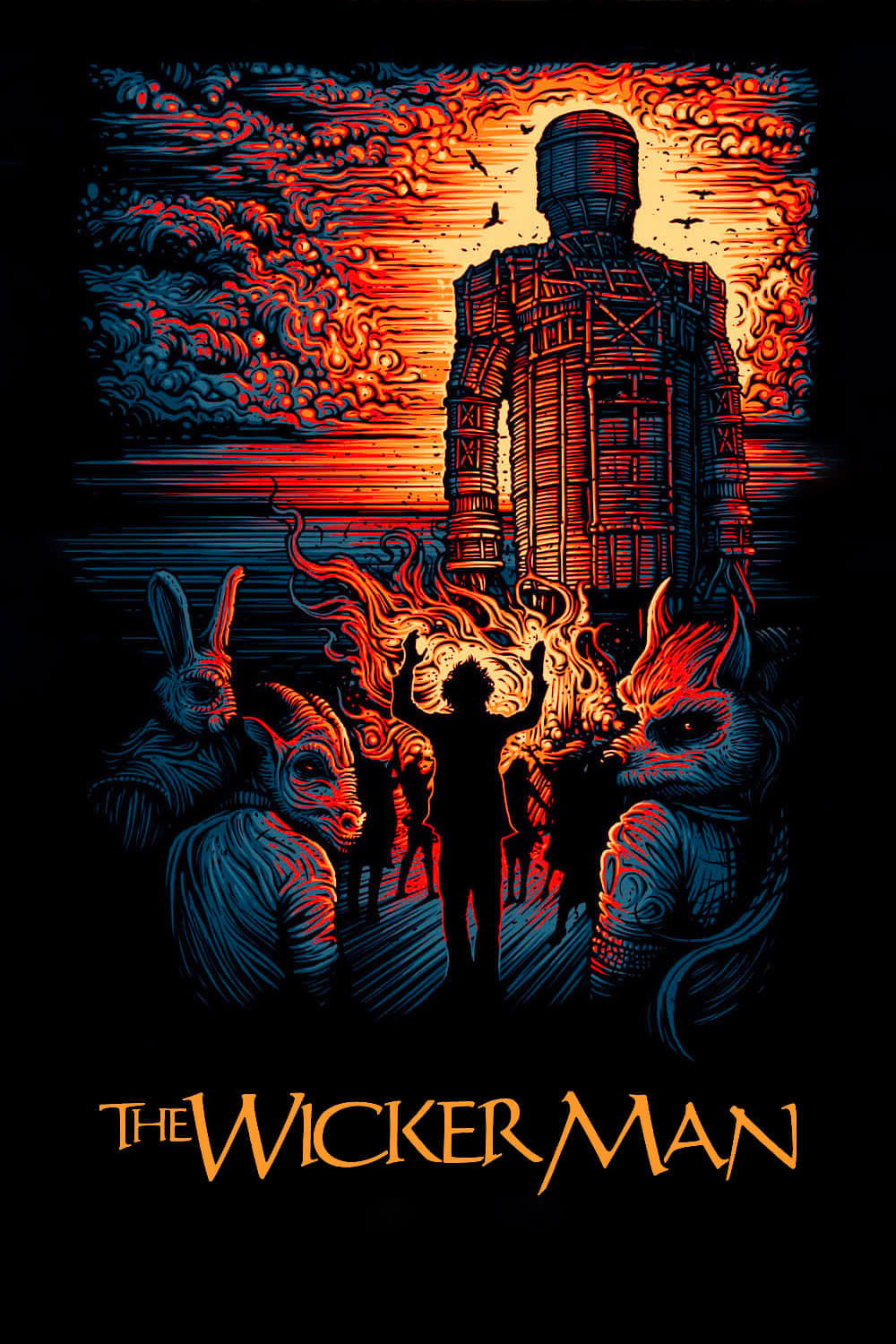
Robin Hardy’s folk-horror takes a devout detective to a remote island to investigate a missing child amid pagan rites. Christopher Lee, Edward Woodward, and Britt Ekland lead a story that integrates song and ritual.
Different cuts circulated for years, with rediscovered footage assembled into a more complete version. Music releases and location tours in Scotland added context and accessibility.
‘Labyrinth’ (1986)
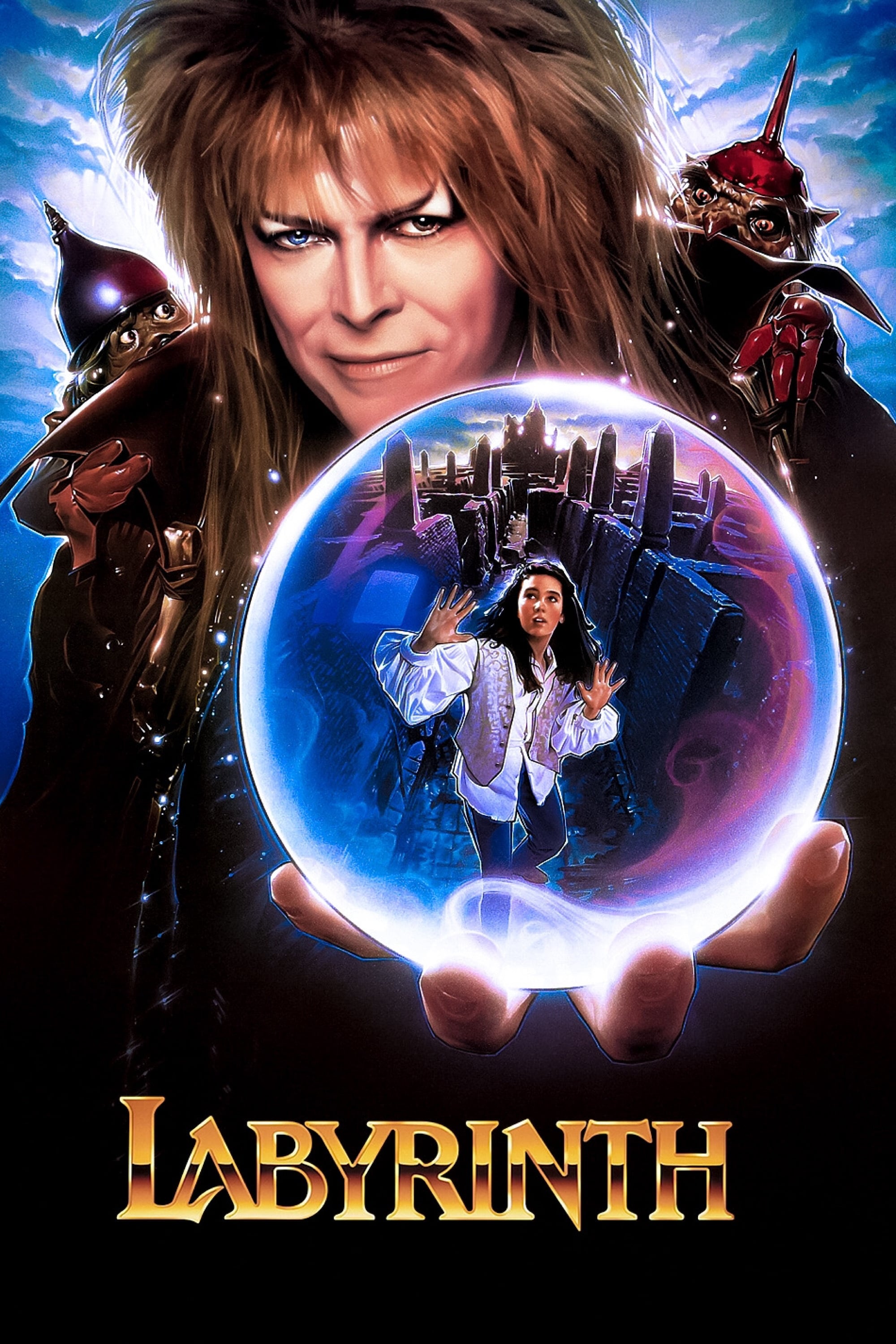
Jim Henson’s fantasy follows a teenager navigating a maze ruled by the Goblin King to rescue her brother. The Creature Shop’s puppetry and songs performed by David Bowie define the production’s look and sound.
Home media, touring exhibits of puppets and concept art, and concert tie-ins supported ongoing interest. Conventions and cosplay kept character designs visible across generations.
‘Scott Pilgrim vs. the World’ (2010)
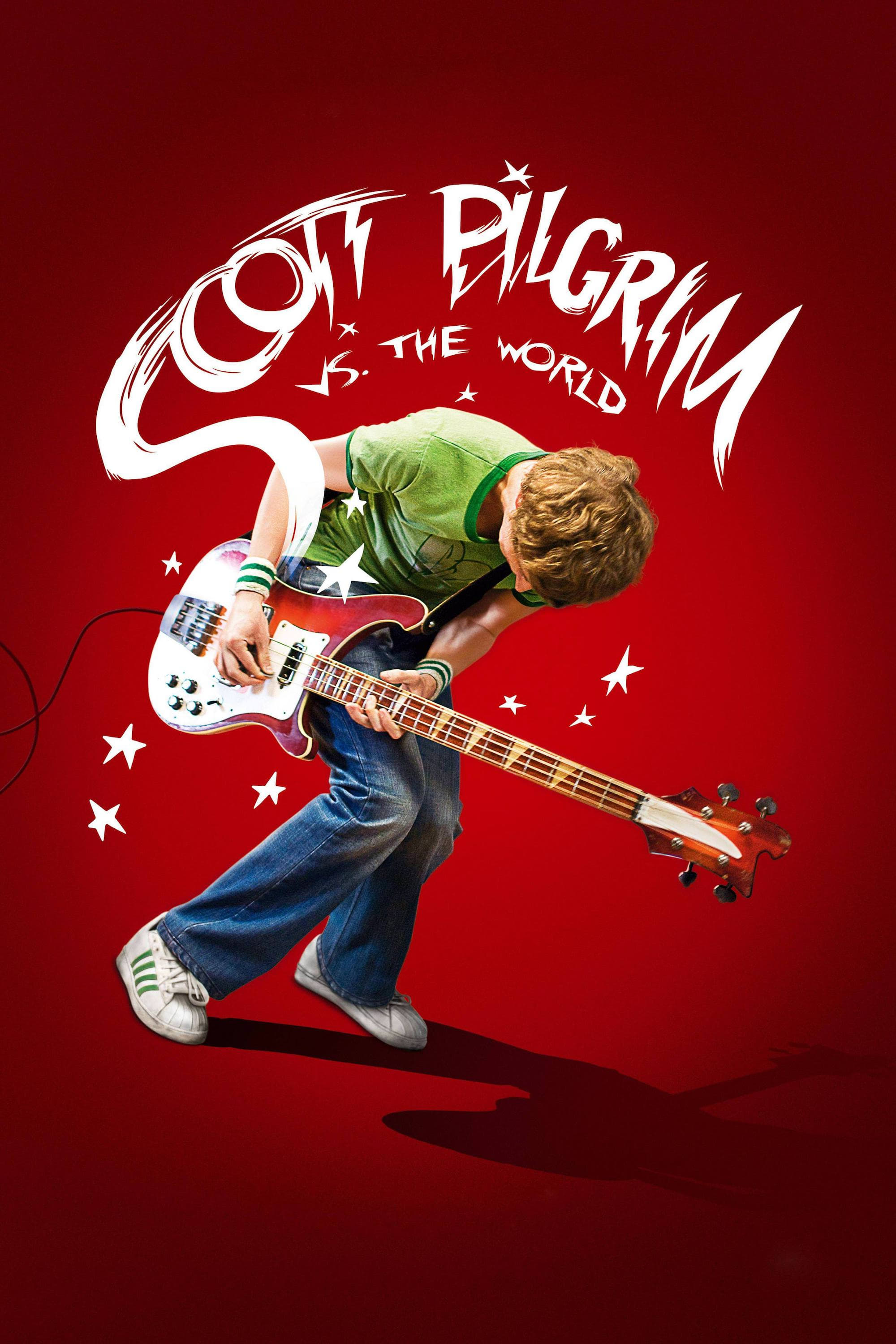
Edgar Wright adapts Bryan Lee O’Malley’s comics, staging battles with the seven evil exes using panel-like framing and on-screen text. Michael Cera and Mary Elizabeth Winstead headline a large ensemble with choreographed fights.
A later animated continuation and deluxe disc releases deepened the property’s world. Chiptune-influenced music and editing breakdowns made it a frequent case study in stylistic analysis.
‘Dune’ (1984)
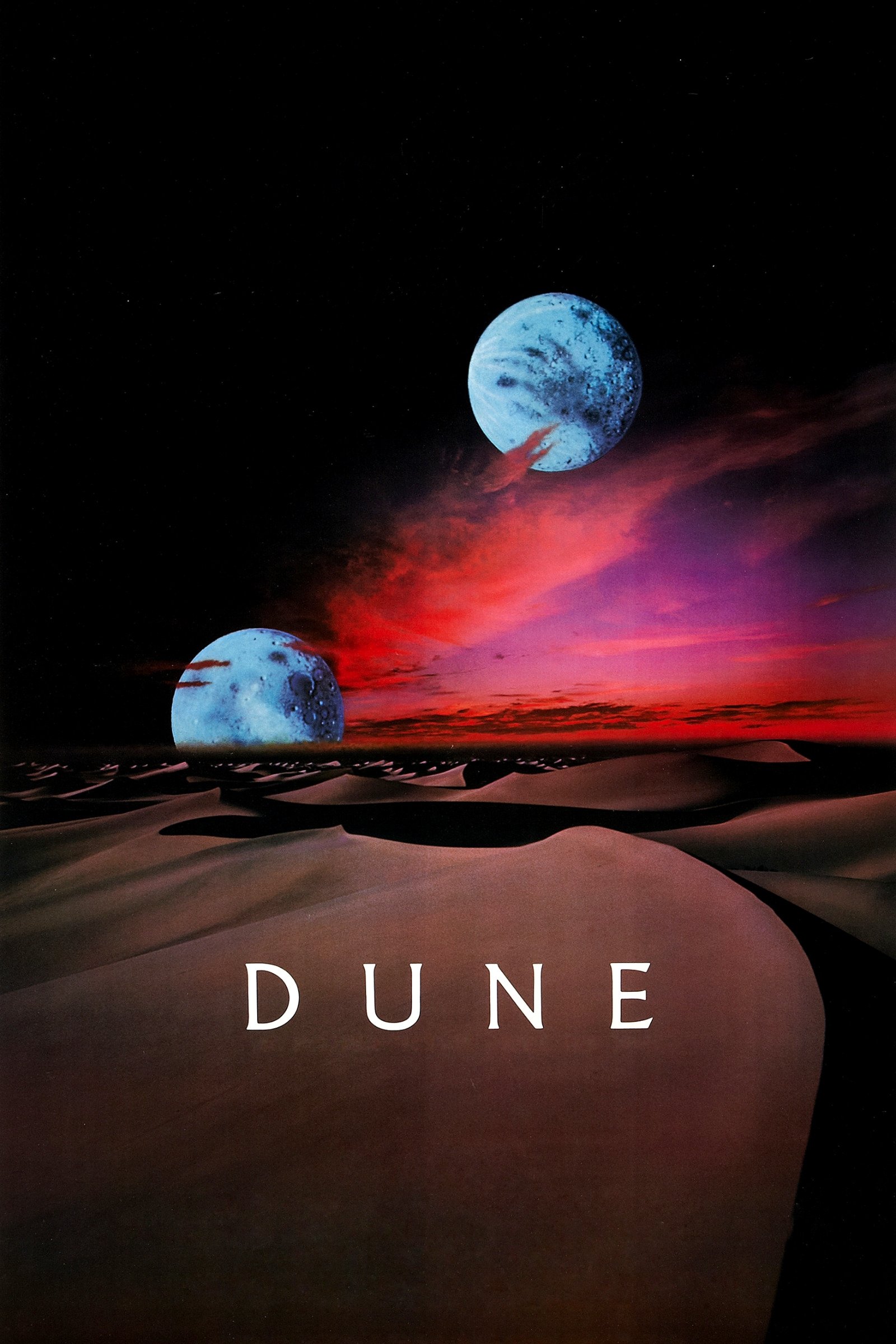
David Lynch adapts Frank Herbert’s saga focused on rival houses, a desert planet, and a coveted resource. Large-scale sets, miniature effects, and a score by Toto with additional work by Brian Eno underpin the production.
Alternate edits and broadcast versions circulated alongside special-edition home releases. The property’s mythology continued through games, new adaptations, and collector editions that reassessed scope and design.
‘Big Trouble in Little China’ (1986)
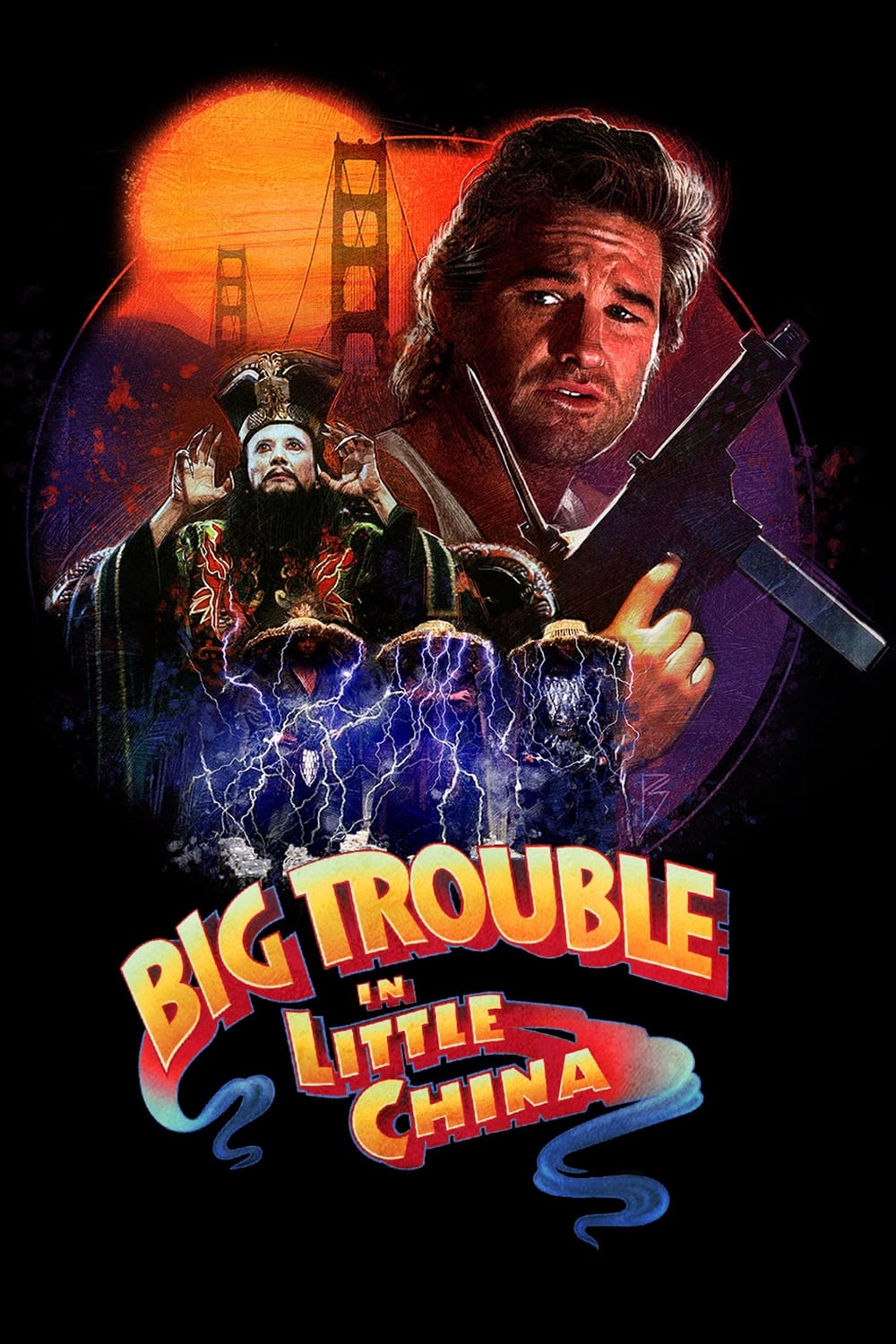
John Carpenter places a trucker in a supernatural conflict beneath San Francisco’s Chinatown. Kurt Russell, Kim Cattrall, and James Hong headline a blend of martial-arts action and fantasy.
Initial box-office performance was modest, but home-video and cable play sustained discovery. Comics, board games, and repertory screenings engaged fans beyond the original release.
‘Mad Max 2’ (1981)
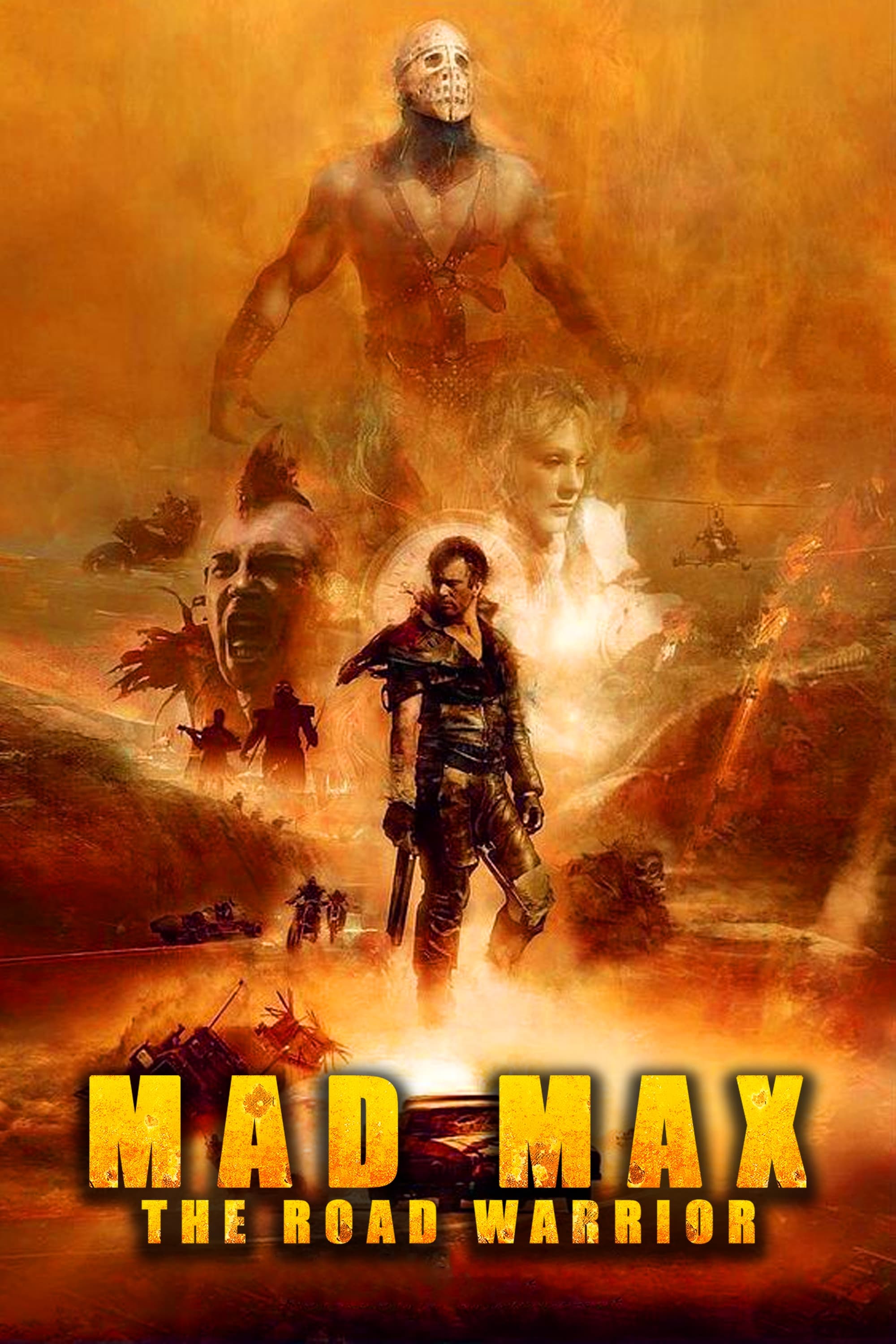
George Miller stages vehicular chases across a wasteland where fuel is a contested resource. Mel Gibson’s lead is supported by custom vehicles, stunt driving, and pyrotechnic set-pieces.
Costume and production design influenced post-apocalyptic aesthetics in games and music videos. Reissues and franchise marathons placed it in conversation with other entries.
‘Fear and Loathing in Las Vegas’ (1998)
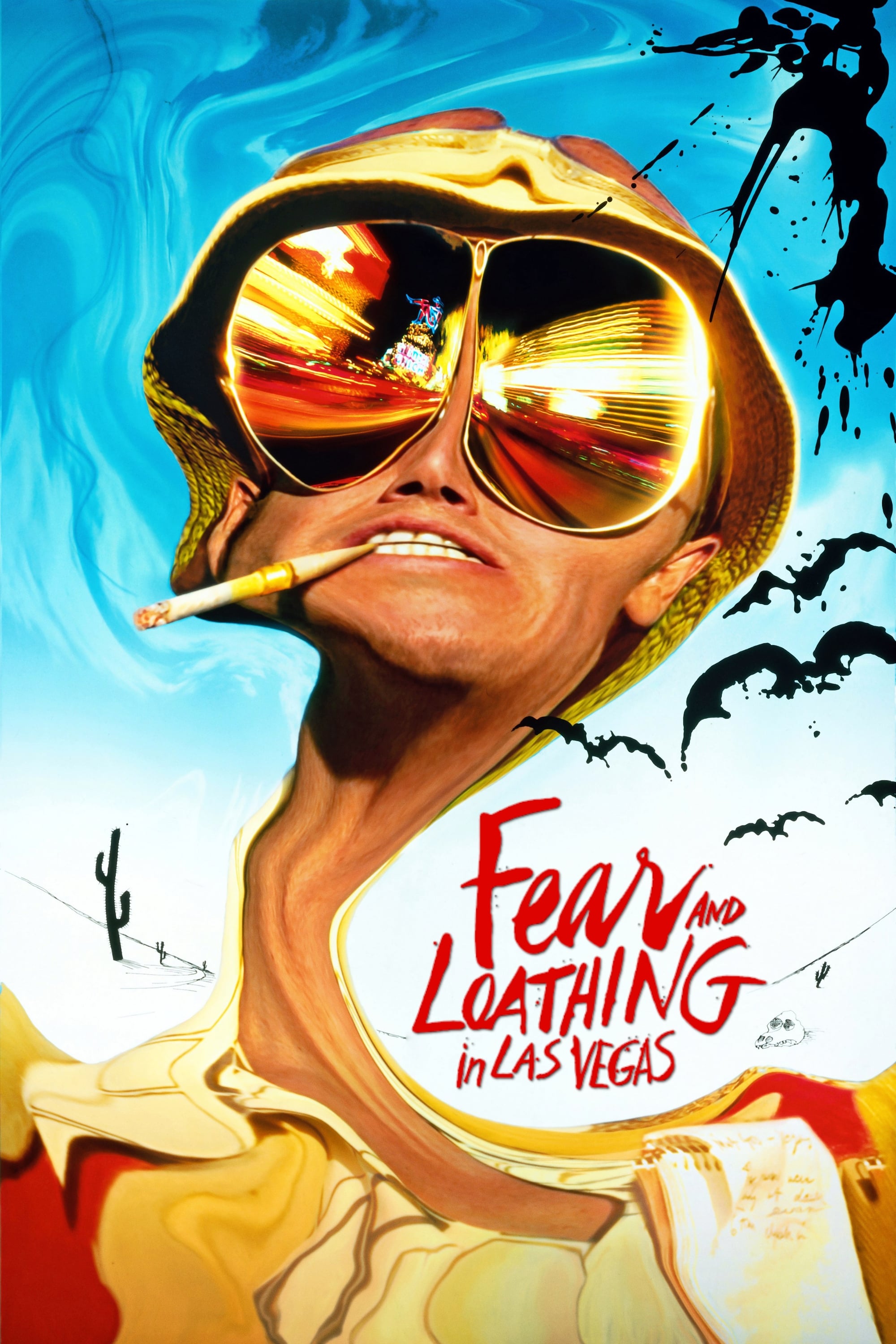
Terry Gilliam adapts Hunter S. Thompson’s account of a journalist and attorney on a hallucinatory trip. Johnny Depp and Benicio del Toro portray Raoul Duke and Dr. Gonzo, with wardrobe and props sourced from Thompson’s archives.
Production diaries, commentary tracks, and art-book releases documented adaptation choices. Quotations, illustrations, and desert imagery remain common in discussions of counterculture media.
‘Hedwig and the Angry Inch’ (2001)
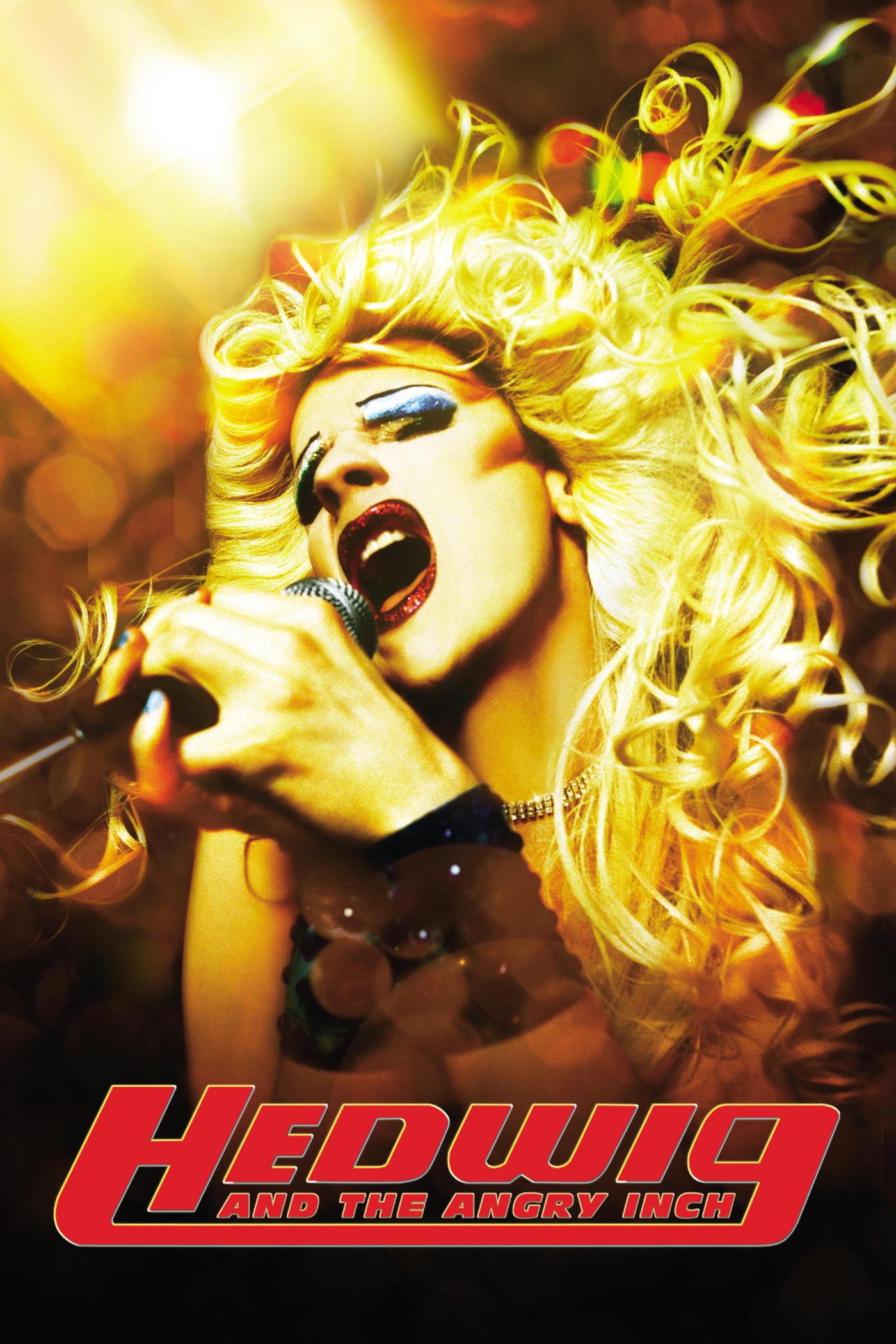
John Cameron Mitchell brings the stage musical to the screen, following a genderqueer rock singer’s search for identity and authorship. Animated interludes and concert staging mirror the show’s structure.
Touring sing-along screenings, stage revivals, and cast albums kept the material in circulation. Anniversary editions and behind-the-scenes features introduced the work to new viewers.
‘The Toxic Avenger’ (1984)
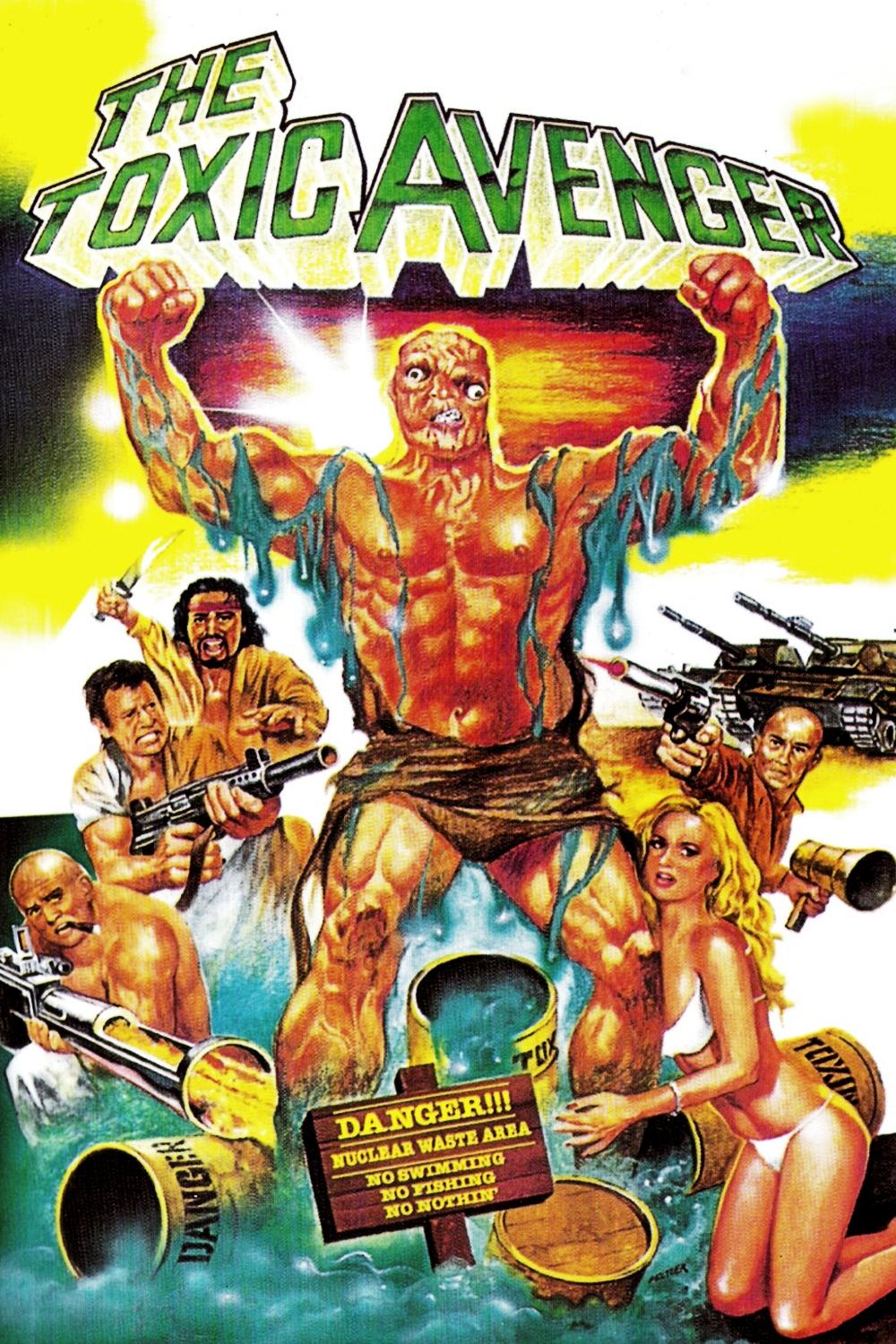
Lloyd Kaufman and Michael Herz present a janitor who mutates after a chemical accident and fights crime. Practical gore, slapstick gags, and guerrilla shooting methods became associated with the producing studio.
Midnight screenings and mail-order tapes built an audience that supported sequels and a cartoon spin-off. The character has been used as a case study in independent genre filmmaking.
‘Re-Animator’ (1985)
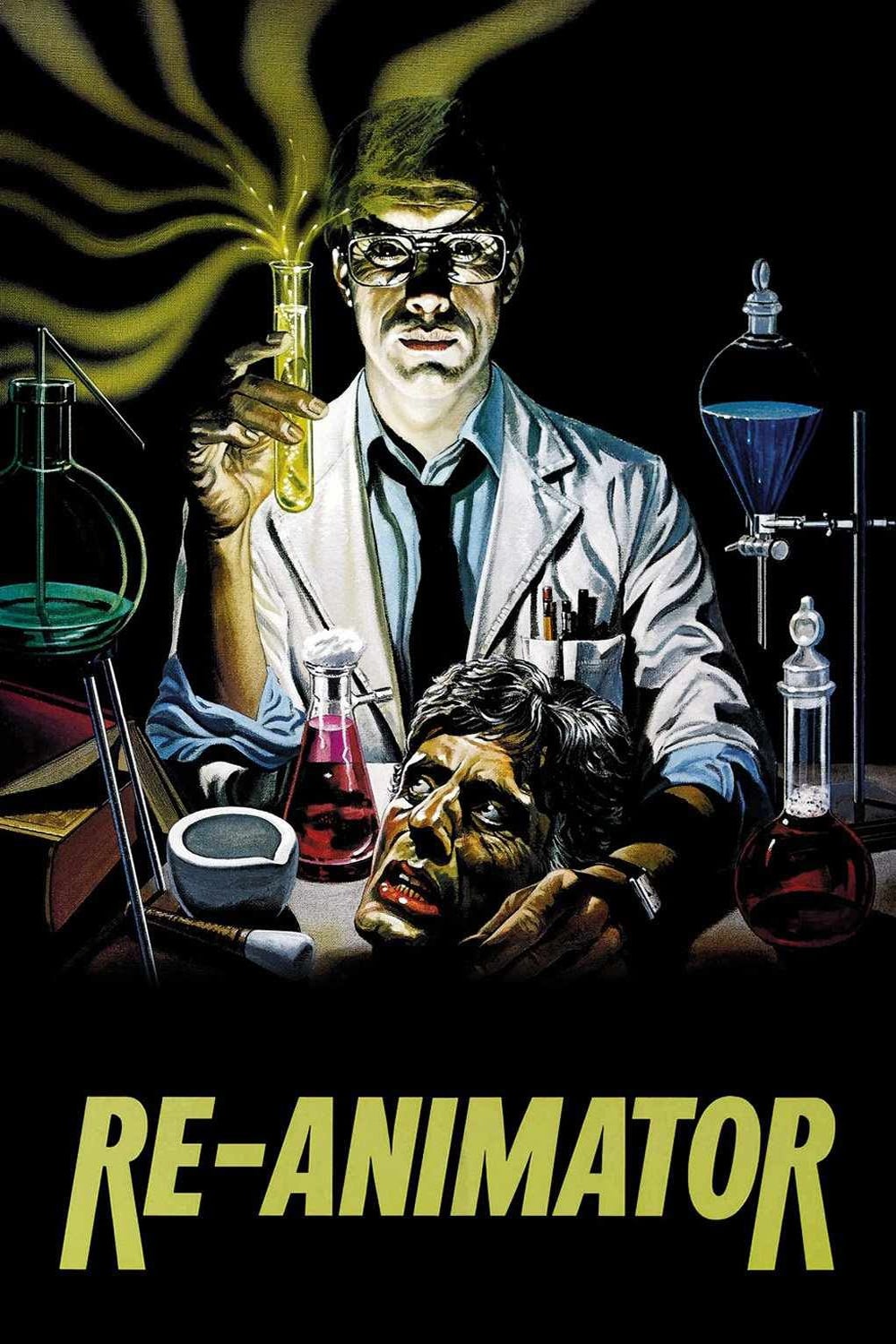
Stuart Gordon adapts H. P. Lovecraft into a black-comedy horror about a medical student’s reanimation serum. Jeffrey Combs’s Herbert West and practical effects drive key sequences.
Unrated and trimmed versions circulated depending on territory and format. Conventions, collector releases, and commentary tracks focused attention on effects and performance.
‘Jacob’s Ladder’ (1990)

Adrian Lyne follows a Vietnam veteran who experiences visions that blur memory and reality. The film employs editing strategies and creature effects that later influenced psychological-horror games.
Home-video discovery led to critical reevaluation and thematic discussion about its spiritual symbolism. A later re-imagining drew comparisons that highlighted the original’s production design and structure.
‘The Evil Dead’ (1981)
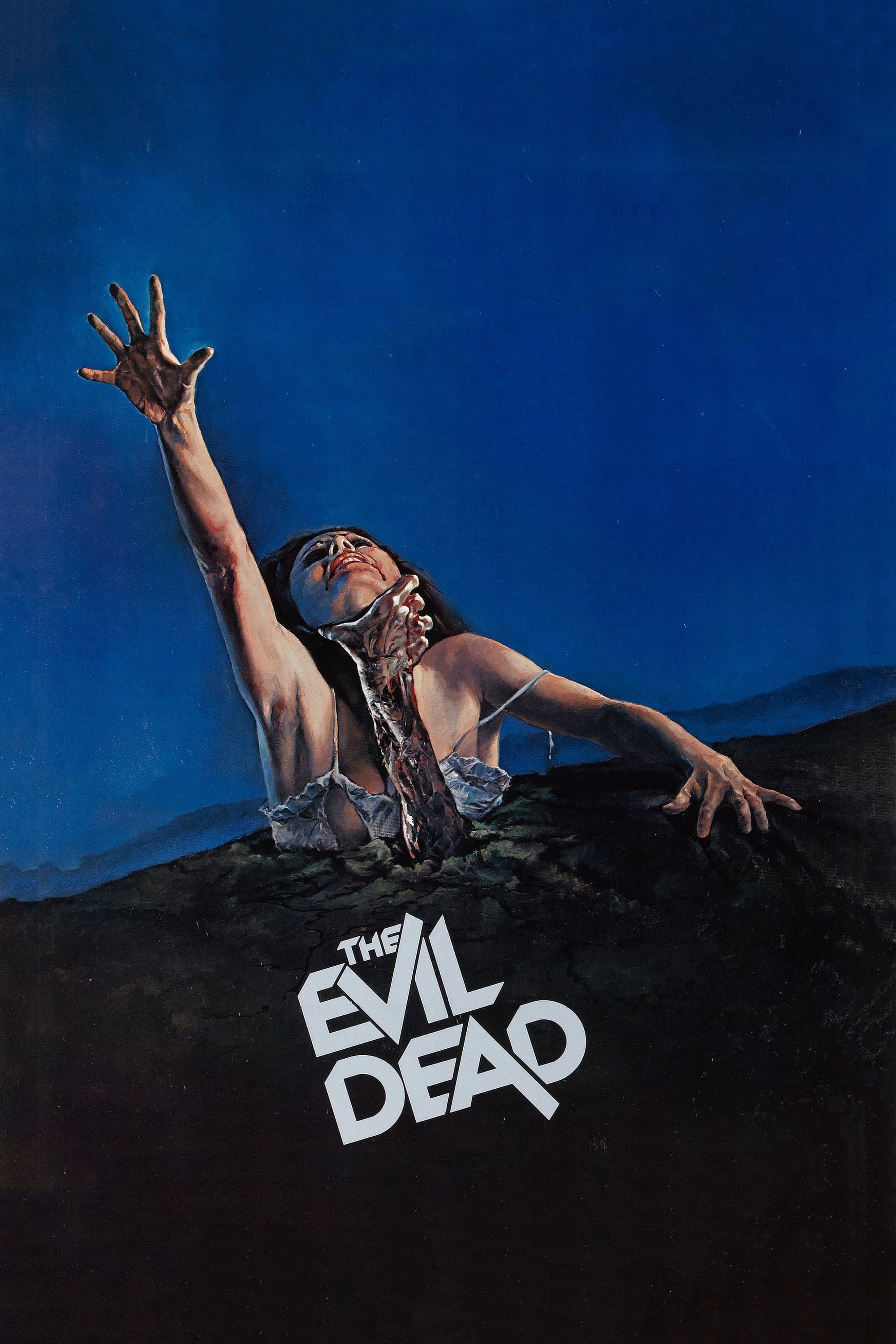
Sam Raimi’s breakthrough traps friends in a remote cabin where an ancient book unleashes demonic forces. Handheld camera moves, stop-motion, and DIY prosthetics demonstrate techniques developed on limited resources.
Festival endorsements and specialty distribution secured wider exposure. The title launched a franchise that expanded into television, games, and additional features.
‘Dark City’ (1998)
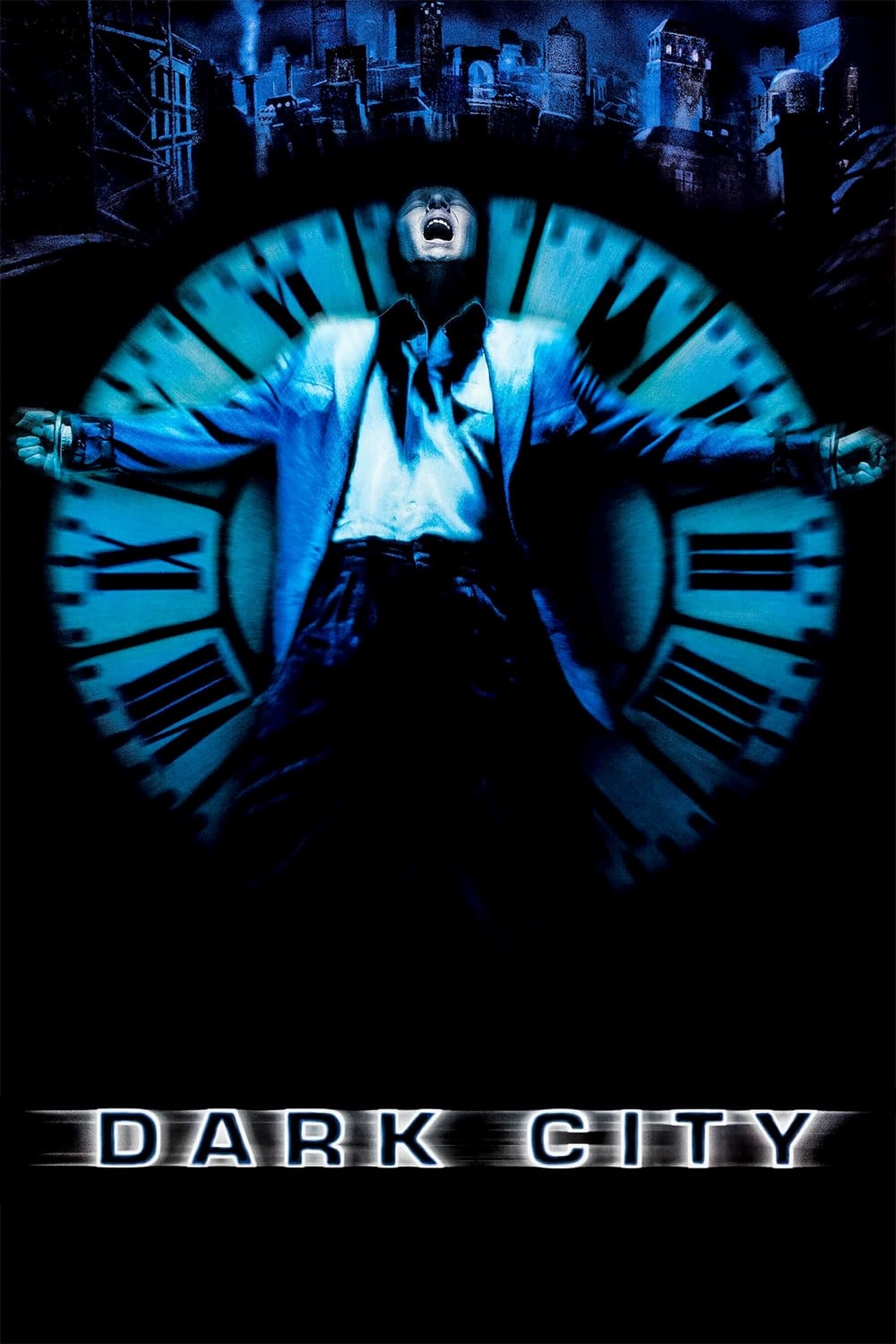
Alex Proyas crafts a noir-science-fiction hybrid about a man accused of murder in a city that changes shape under alien control. Production design uses forced perspective and rotating sets to depict urban transformations.
An alternate cut adjusted exposition and clarified narrative information. High-definition releases and essays highlighted its visual approach and influence.
‘Paprika’ (2006)
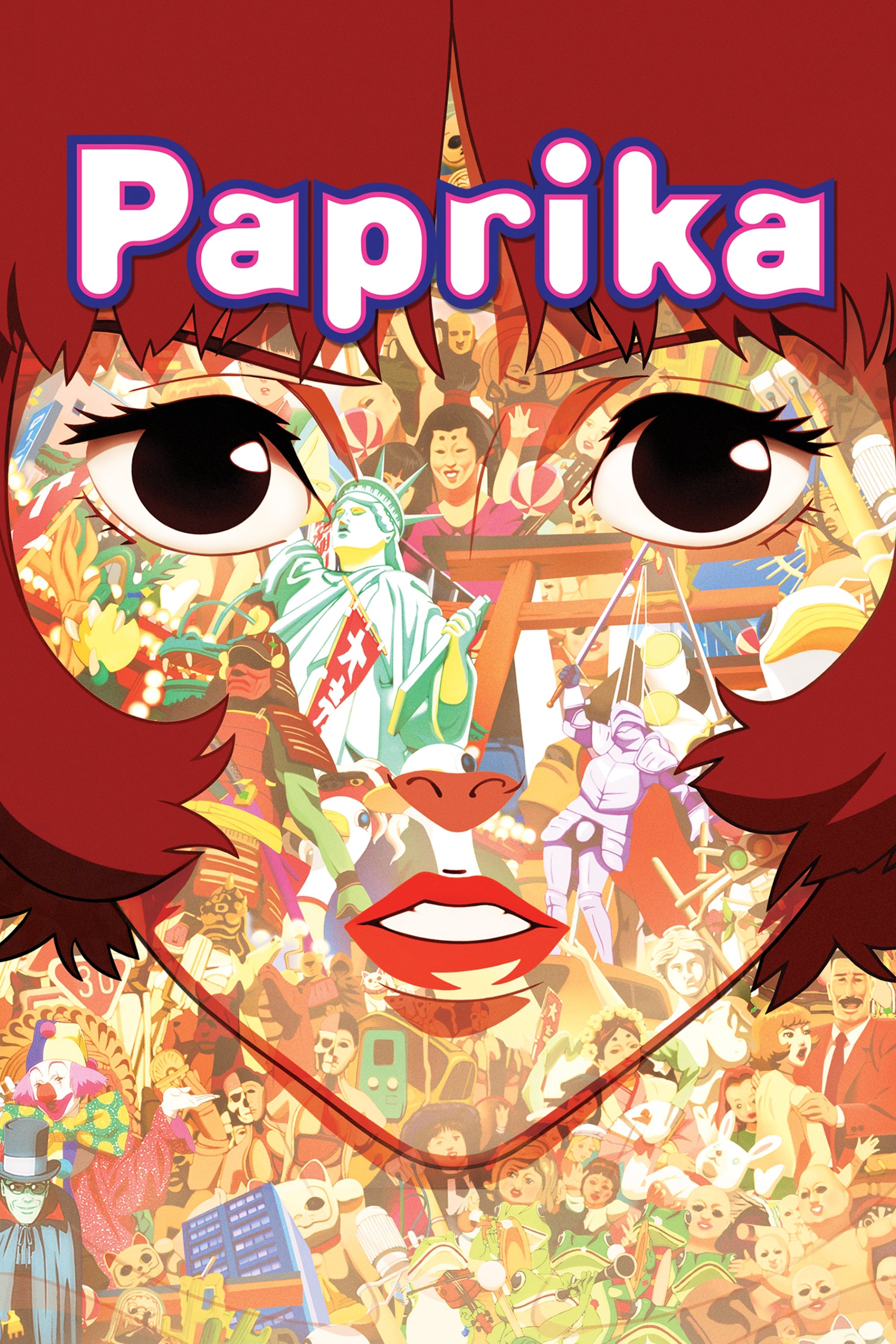
Satoshi Kon’s anime follows researchers using a device that lets therapists enter patients’ dreams, later compromised by a rogue presence. The film integrates hand-drawn animation with digital compositing for fluid transitions.
International festival play, remasters, and critical essays broadened recognition. Its parade motifs and dream logic are frequently referenced in studies of contemporary animation.
‘Near Dark’ (1987)
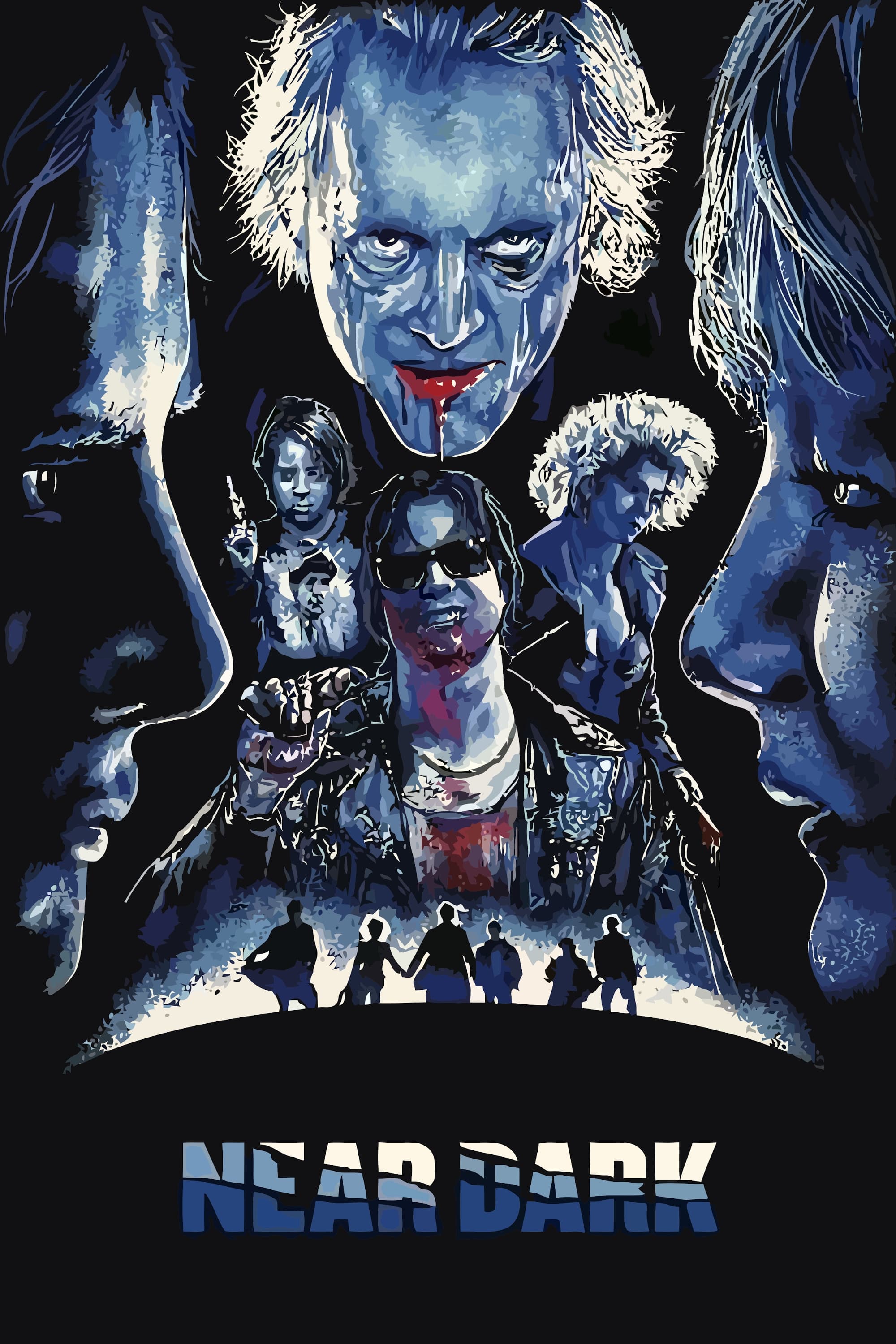
Kathryn Bigelow blends a vampire tale with a neo-western about a drifter pulled into a nomadic clan. Lance Henriksen, Bill Paxton, and Jenette Goldstein form the traveling family.
Limited initial availability made early discs sought after until wider restorations arrived. A moody score and desert settings keep it present in genre retrospectives and academic courses.
‘The Holy Mountain’ (1973)
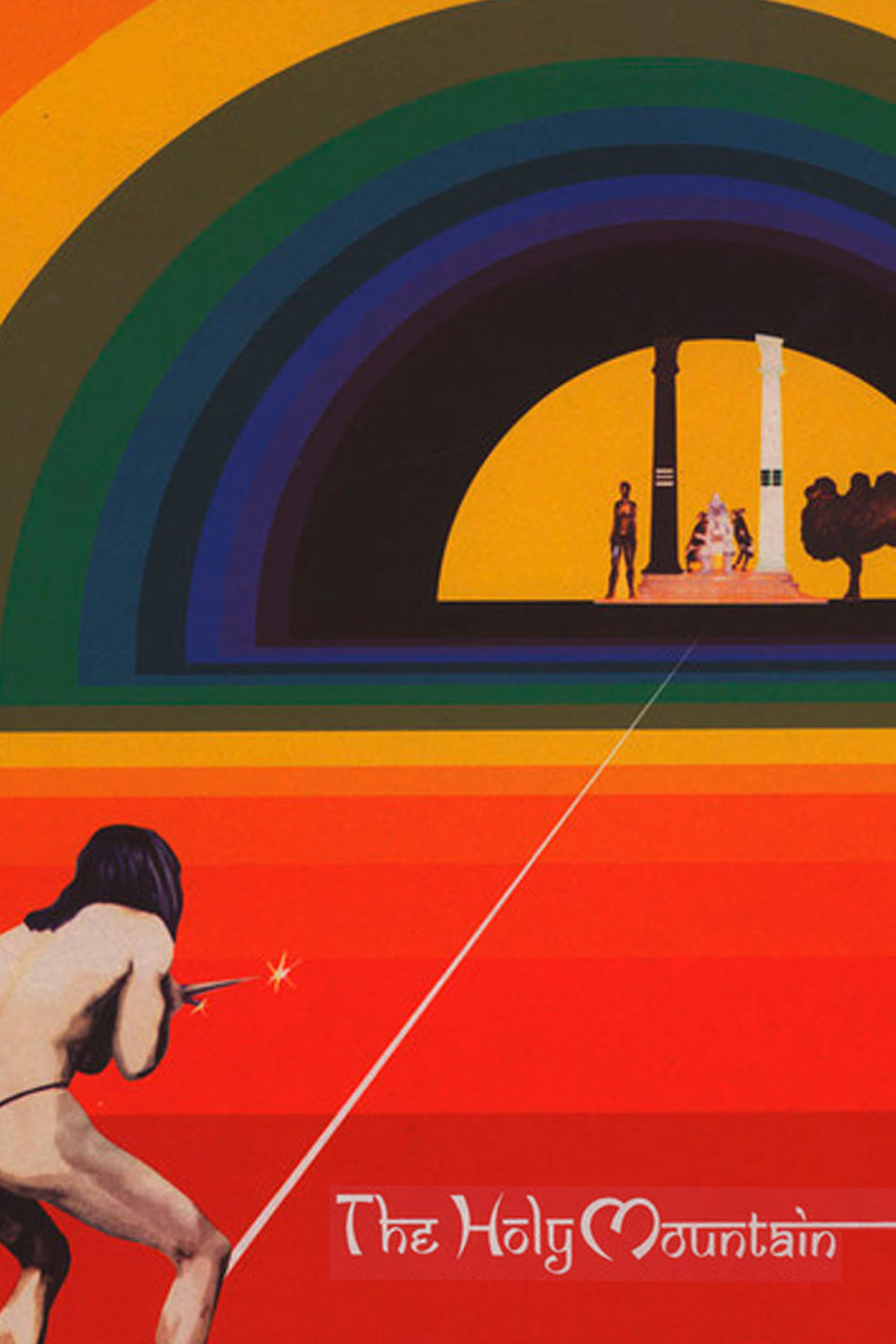
Alejandro Jodorowsky assembles a group seeking enlightenment under an alchemist’s tutelage. Elaborate sets, symbolic tableaux, and live animals structure its allegories.
Periods of unavailability led to gray-market circulation before official restorations. Museum tours and monographs framed the film within experimental and esoteric cinema.
‘THX 1138’ (1971)
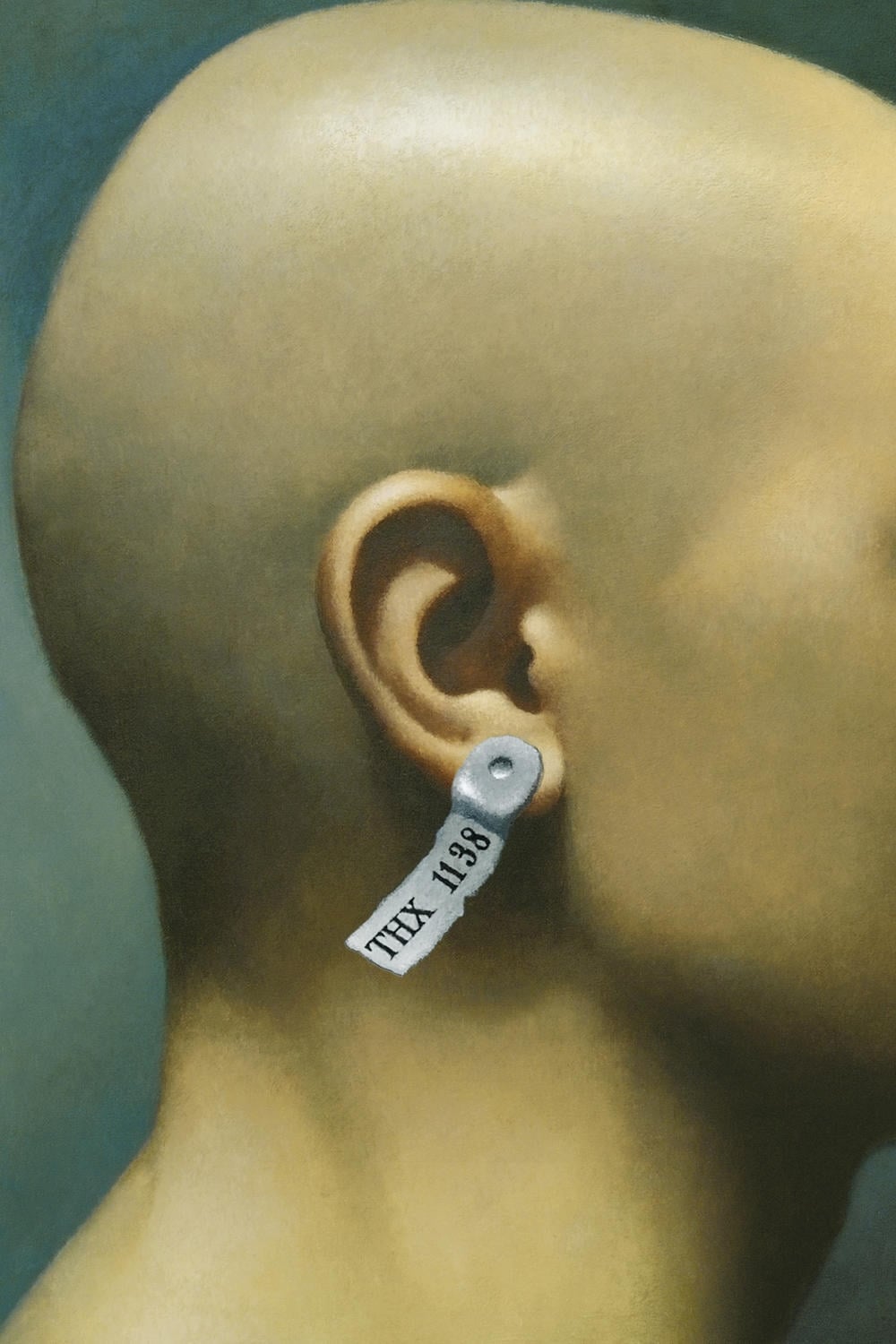
George Lucas’s debut imagines a controlled society managed through surveillance and medication, focusing on two workers who begin to feel. Industrial California locations, experimental sound mixing, and minimalist design define the look.
Later editions added digital touch-ups and supplements documenting the student short’s expansion into a feature. Discussions of control systems and dystopian aesthetics frequently reference the film.
‘Possession’ (1981)
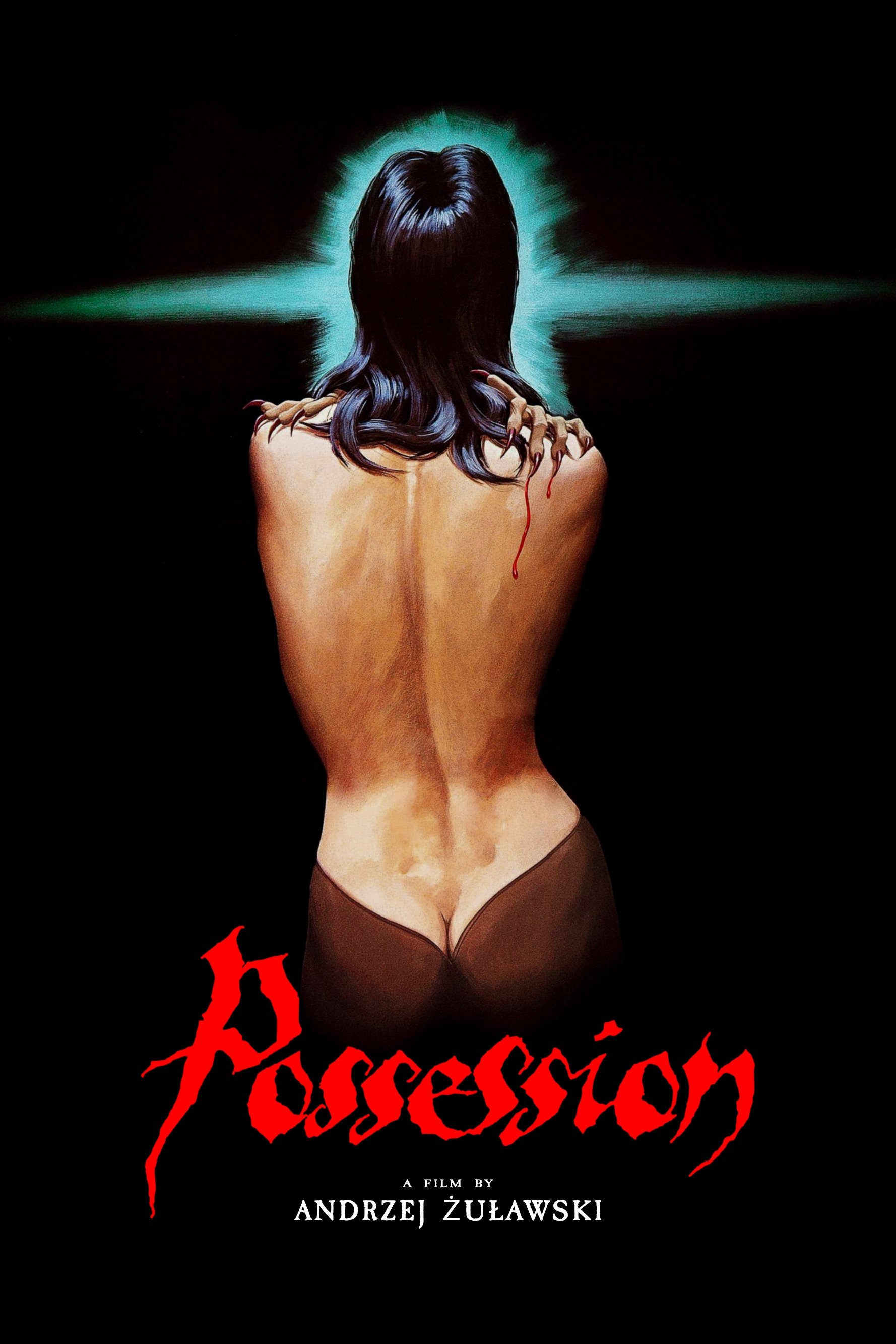
Andrzej Żuławski stages a marital breakdown in Berlin that escalates into horror. Performances by Isabelle Adjani and Sam Neill combine with kinetic camerawork and practical creature effects.
For years the film was difficult to find uncut, increasing interest in restorations. Festival spotlights and academic writing returned the title to broader circulation.
Which cult classics would you add—or swap out—now that it’s a clean fifty? Drop your picks in the comments so others can discover them.